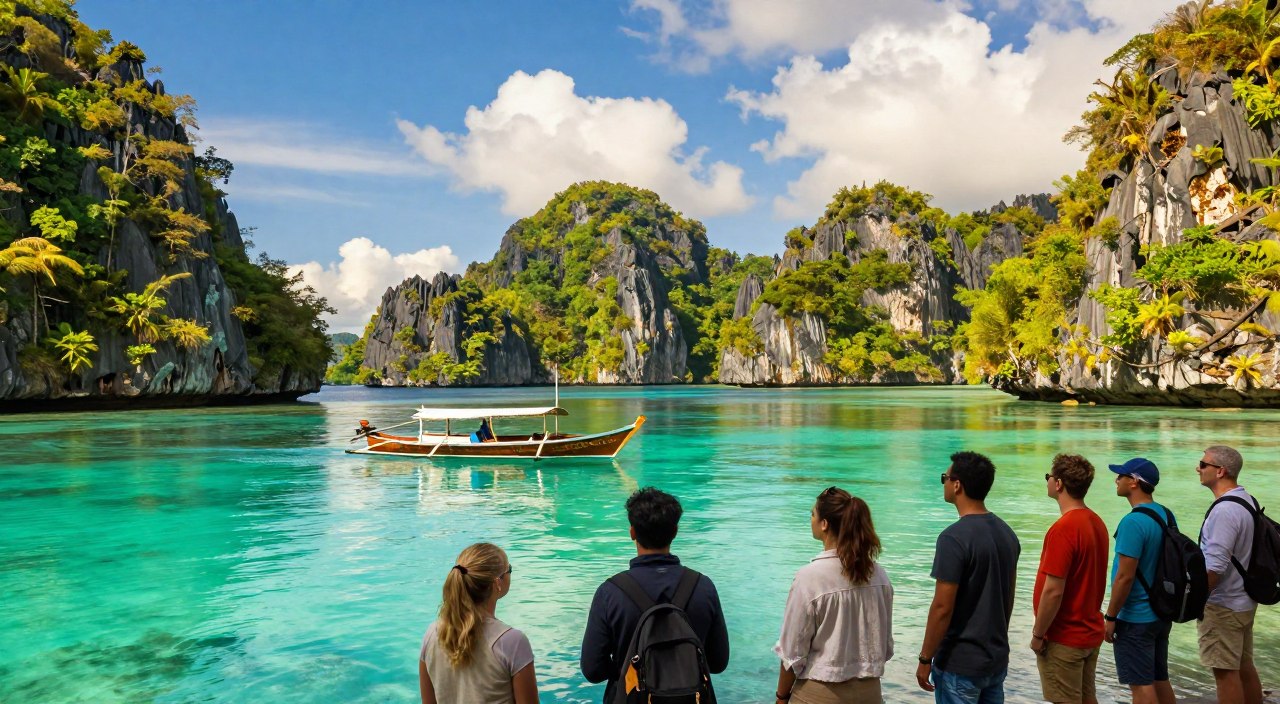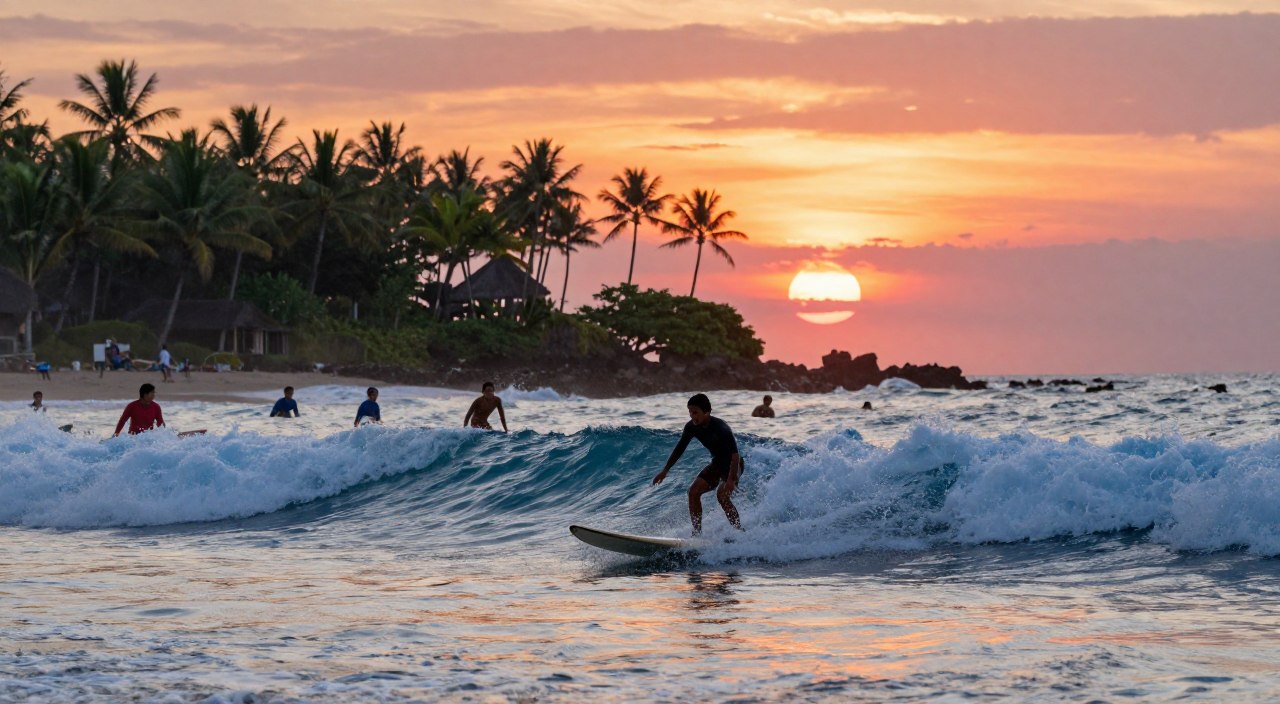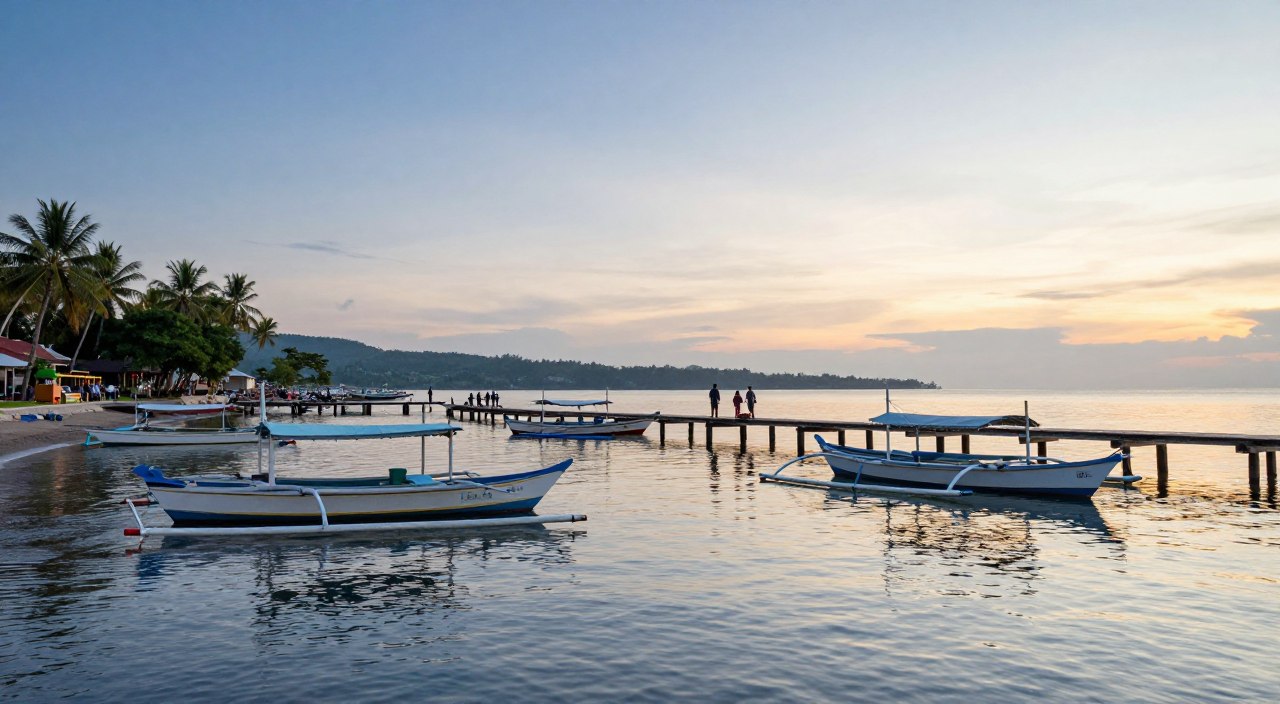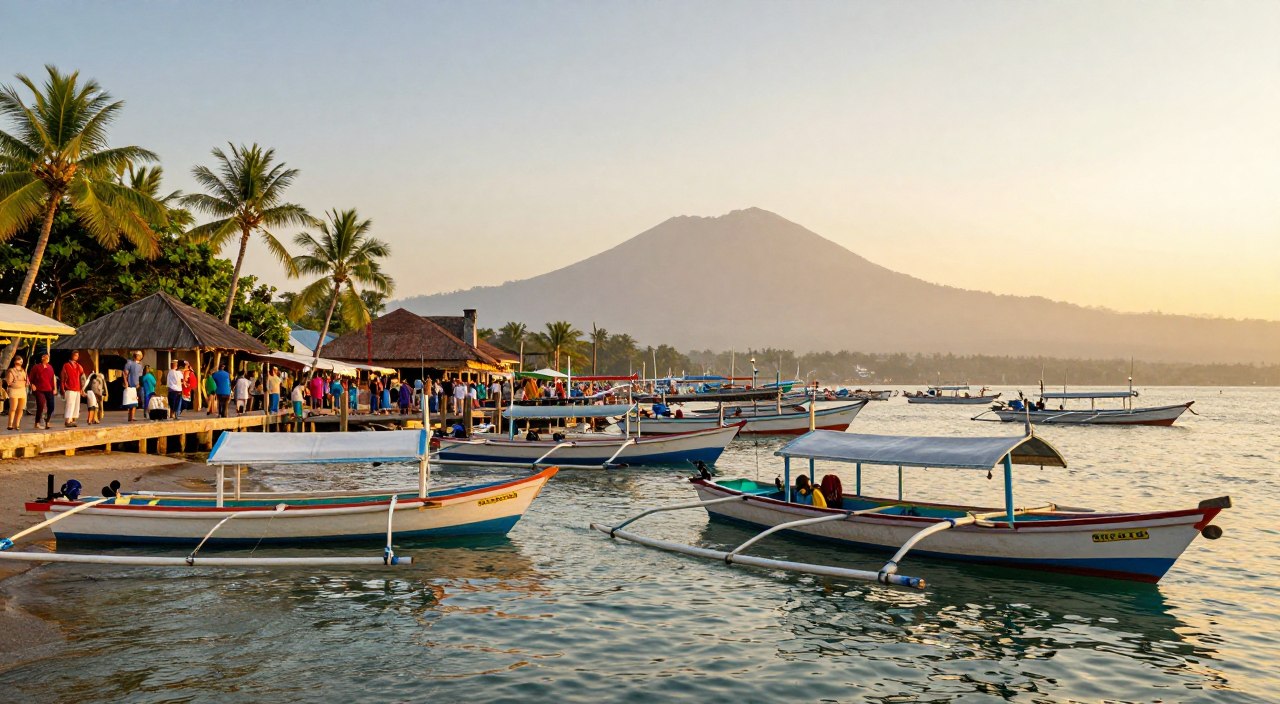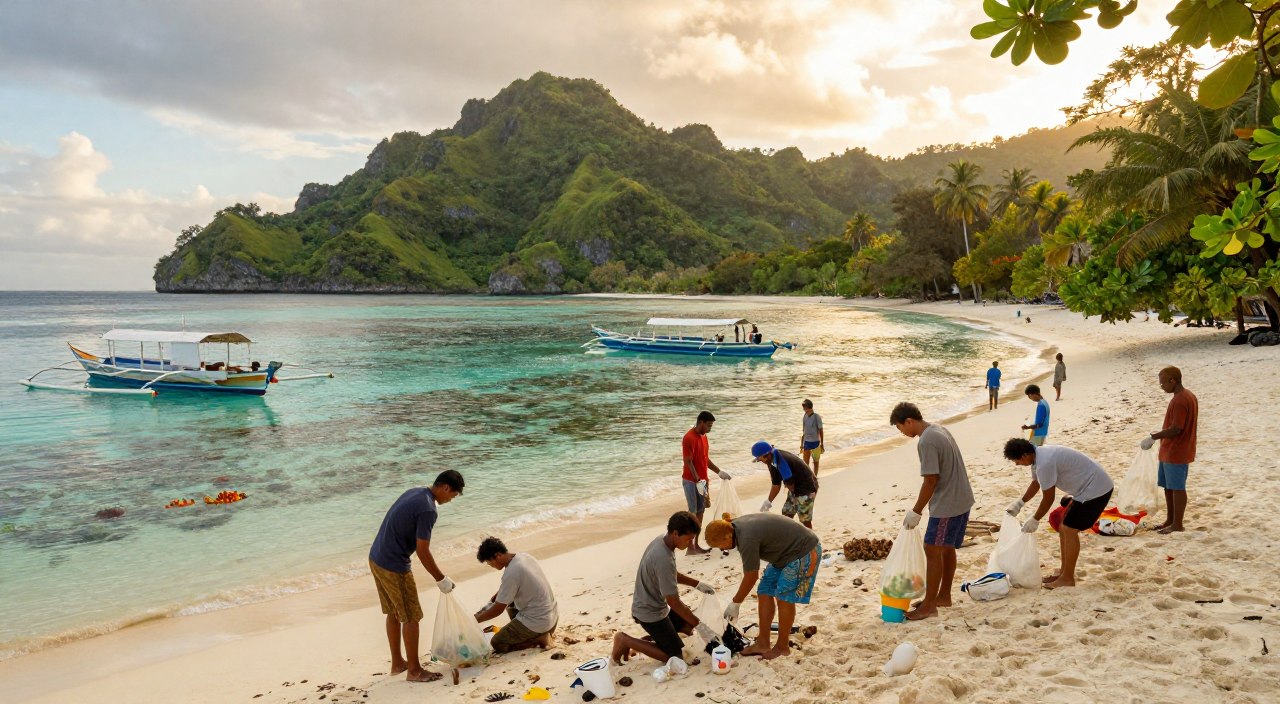
Imagine a holiday that also helps save our planet’s vital marine ecosystems. This is what Barefoot Conservation Raja Ampat offers. They protect a natural wonder through responsible travel.
Raja Ampat, in West Papua, Indonesia, is a marine life hotspot. Its waters are home to an incredible variety of coral and fish.
Here, science, education, and sustainable tourism come together. By getting travellers and locals involved, they make a lasting difference.
Key Takeaways
- Raja Ampat in Indonesia is a globally significant hotspot for marine biodiversity.
- Barefoot Conservation operates in this region to protect its pristine ecosystems.
- Their model successfully combines scientific research with community-based projects.
- Choosing sustainable tourism options directly supports these vital conservation efforts.
- This approach helps ensure the long-term health of coral reefs and marine life.
- Travellers can become active participants in preservation, not just visitors.
Overview of Barefoot Conservation
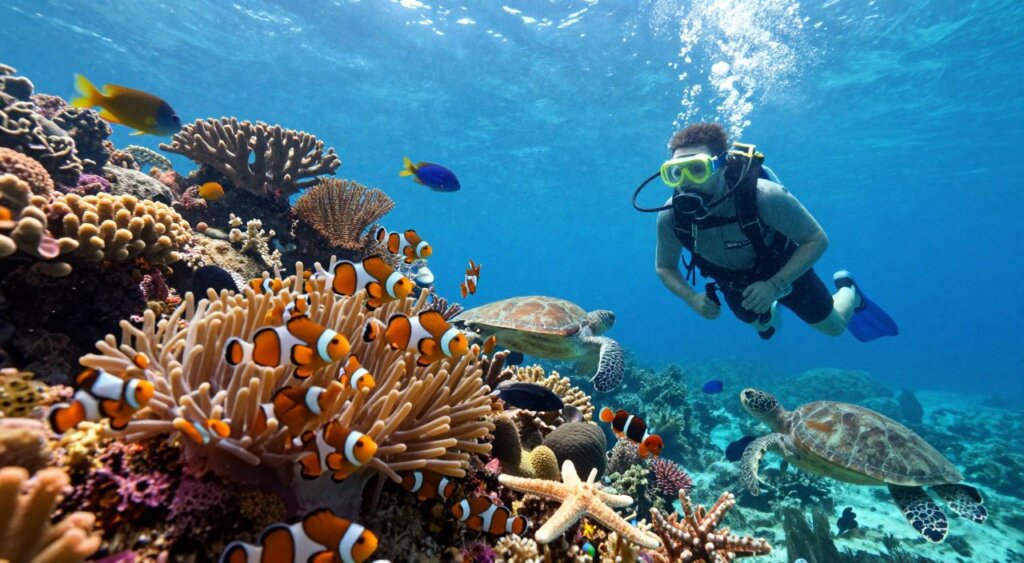
Barefoot Conservation is at the core of Raja Ampat’s conservation efforts. It’s all about taking action and working with local communities. They believe that to protect the environment, you need to be on the ground and in the water.
This method links global efforts to save marine life with the everyday lives of island people. The team works closely with the reefs and communities, building strong connections.
Mission and Vision
Barefoot Conservation has a clear mission. They aim to protect Raja Ampat’s marine ecosystems through science, restoration, and education.
Their vision goes beyond just saving coral reefs. They dream of oceans that support healthy communities. They want to see sustainable livelihoods and the preservation of cultural heritage.
Their environmental conservation efforts are designed to include everyone. They believe in empowering locals to protect their natural heritage.
Importance of Marine Conservation
Raja Ampat is more than just a beautiful place to dive. It’s a global hotspot for marine life, known as the “species factory” of the Coral Triangle. Saving it is important for the whole world.
Threats like climate change, overfishing, and pollution are big dangers here. Losing these reefs would be a disaster for marine life worldwide. That’s why groups like Barefoot Conservation are working hard.
Supporting these environmental conservation efforts helps protect our oceans. Healthy reefs support fisheries, protect coastlines, and help with the global carbon cycle. The work in Raja Ampat has a big impact on our planet.
The Raja Ampat Archipelago
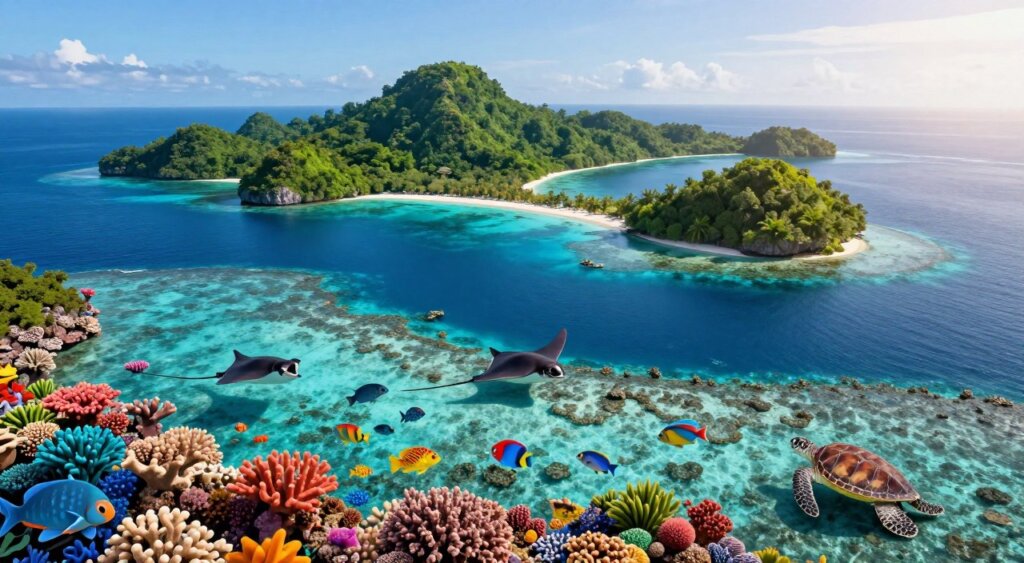
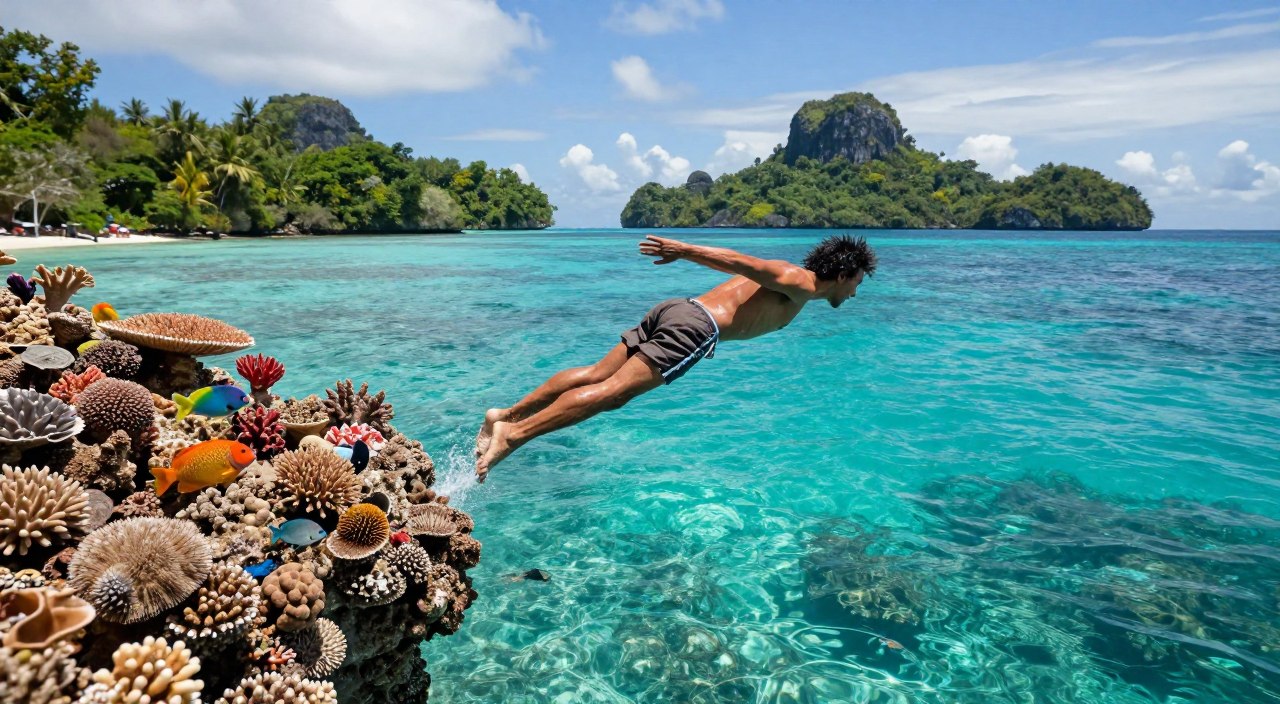
The waters around Raja Ampat’s islands are home to the highest marine diversity on Earth. This remote Indonesian archipelago is the vibrant heart of the Coral Triangle. It’s a strong reason for global marine biodiversity preservation.
Geographical Significance
Raja Ampat, meaning ‘Four Kings’, is off the northwest coast of Papua. It has four main islands—Waigeo, Batanta, Salawati, and Misool—and over 1,500 smaller islets. This vast network is at the Pacific and Indian Oceans’ meeting point.
Its unique ocean conditions make it rich. Powerful currents bring nutrients through its channels and lagoons. These conditions are perfect for growth, making coral reef protection here a global priority.
Biodiversity Hotspot
Raja Ampat’s stats are amazing. It’s seen as the centre of marine life on our planet. The data shows why saving it is essential.
The archipelago’s reefs are the most biodiverse ever recorded. This incredible variety is key for all marine biodiversity preservation efforts in the area.
- Corals: Has over 550 species of hard coral, about 75% of the world’s known species.
- Fish: More than 1,700 species of reef fish have been found, with new ones discovered often.
- Megafauna: Important habitats for manta rays, several shark species, and marine mammals.
- Invertebrates: An amazing variety of molluscs, crustaceans, and other small creatures.
This high concentration of life makes every conservation effort here very important. Effective coral reef protection in Raja Ampat protects species found nowhere else. The archipelago is not just a hotspot; it’s the vital source for replenishing marine populations across the wider Coral Triangle.
Conservation Initiatives
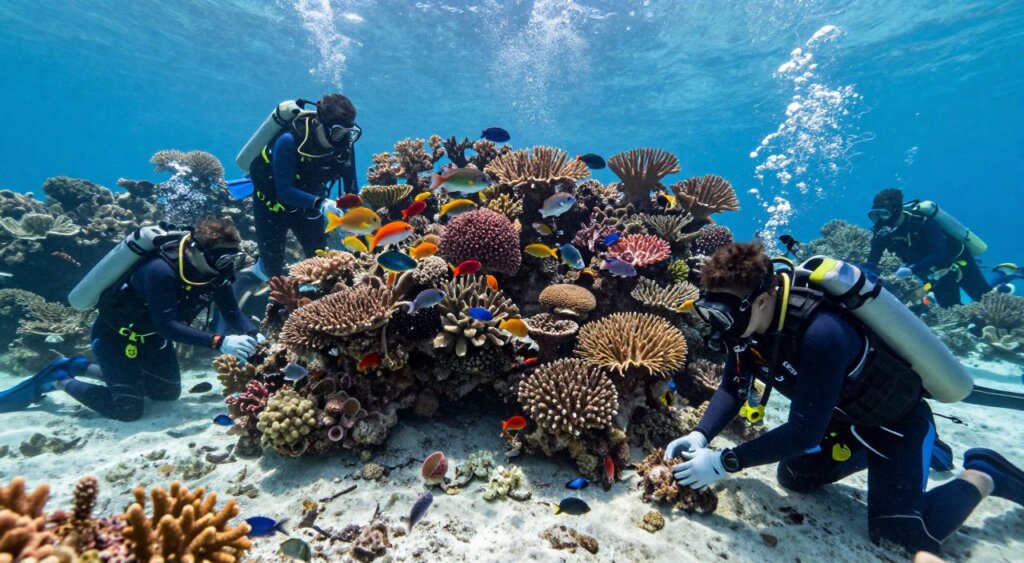
Barefoot Conservation focuses on two main areas in Raja Ampat: fixing coral reefs and protecting marine zones. These efforts are hands-on and aim to make a real difference. They are a direct response to the environmental challenges facing this area.
The team uses practical, science-backed methods. They focus on what works in other marine places. This approach tackles conservation in a detailed, site-specific way and also on a bigger scale.
Coral Restoration Projects
Coral reefs need help to recover. Coral reef protection through restoration is key. Barefoot Conservation’s team helps nature by speeding up the recovery of damaged reefs.
They start with coral nurseries. Divers collect healthy coral bits and grow them in nurseries. This way, they can grow before being moved to damaged reefs.
When the corals are big enough, they’re moved to damaged reefs. The team attaches them to stable places. This helps local fish and other sea life by rebuilding their homes.
They keep an eye on how the corals are doing. Volunteers and scientists check their growth and survival. This helps improve the restoration methods for better results.
Marine Protected Areas
While fixing reefs is important, Marine Protected Areas (MPAs) protect a bigger area. MPAs have rules to keep marine life safe. Supporting these areas is a big part of Barefoot Conservation’s work.
Barefoot Conservation helps with MPAs and pushes for more. They work with governments and local people. The goal is to make plans that work well and are fair.
They also monitor and enforce the rules in MPAs. Teams patrol to make sure fishing is allowed only where it should be. They also check on fish and coral health.
Well-managed MPAs are very beneficial. They help fish populations grow, which benefits fishing areas nearby. This is a key way to help the ecosystem and manage fisheries sustainably.
| Initiative | Primary Method | Key Objective | Scale of Impact |
|---|---|---|---|
| Coral Restoration Projects | Coral nursery cultivation and transplantation | Rebuild habitat and biodiversity at specific degraded sites | Localised, site-specific |
| Marine Protected Areas (MPAs) | Legal designation and active zone management | Protect large, functioning ecosystems and fish stocks | Broad, ecosystem-wide |
| Both initiatives are essential for complete marine conservation in Raja Ampat, addressing immediate damage and providing long-term safeguards. | |||
Together, these projects create a strong conservation plan. The hands-on work fixes reefs right away. Supporting MPAs ensures a safe future for the sea and the people who live there.
Community Engagement
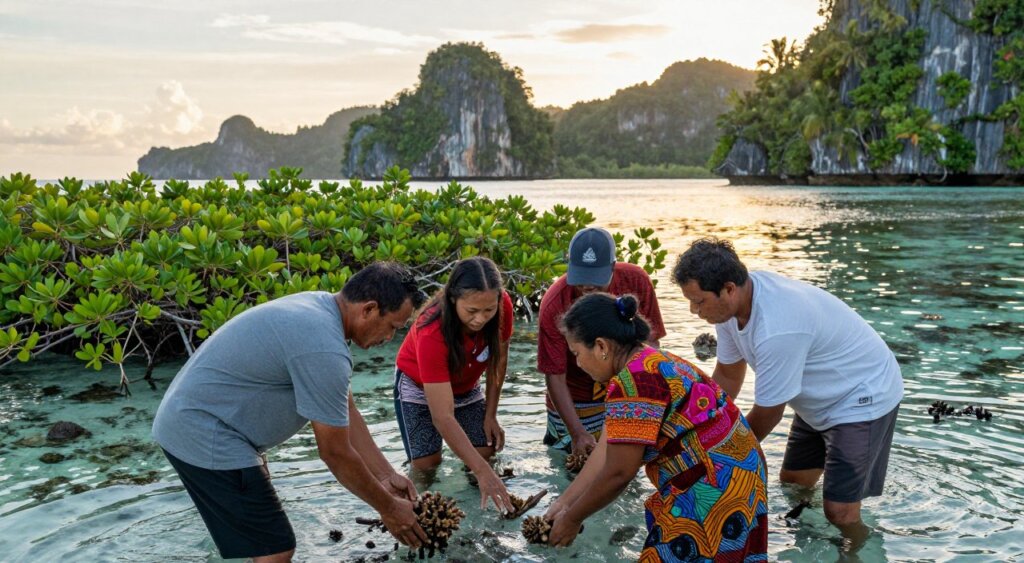
Barefoot Conservation knows that saving paradise needs a team effort. Protecting Raja Ampat’s marine life is a job for scientists and locals alike. This belief guides all community engagement efforts, backed by the Ayo Divers liveaboard trips. These trips help fund community programs, making tourism a force for good.
Involving Local Communities
The organisation works closely with indigenous villages. It aims to turn communities into guardians of their environment. This means finding new ways for locals to make a living without harming the sea.
Former fishermen might become dive guides or help with research. Others could make sustainable crafts or run homestays. This way, Barefoot Conservation builds a sense of pride and ownership among locals.
This method tackles sustainable development goals head-on. It links fighting poverty with saving the environment. Locals help monitor the area and share their knowledge with scientists.
Education and Awareness Programs
Barefoot Conservation invests in the future through education. It runs fun, interactive programs in local schools. Kids learn about marine life through hands-on activities like beach clean-ups.
For the whole community, workshops explain complex issues like climate change. These sessions are in local languages and focus on real-life impacts. The message is simple: a healthy reef means a healthy community.
Teaching a child about a fish and its coral home is more than a lesson. It’s planting a seed for a lifetime of caring for the sea.
This approach to community engagement makes conservation efforts last. It improves both community and environmental health. This way, protecting Raja Ampat’s beauty becomes a shared goal for everyone.
Ecotourism Efforts
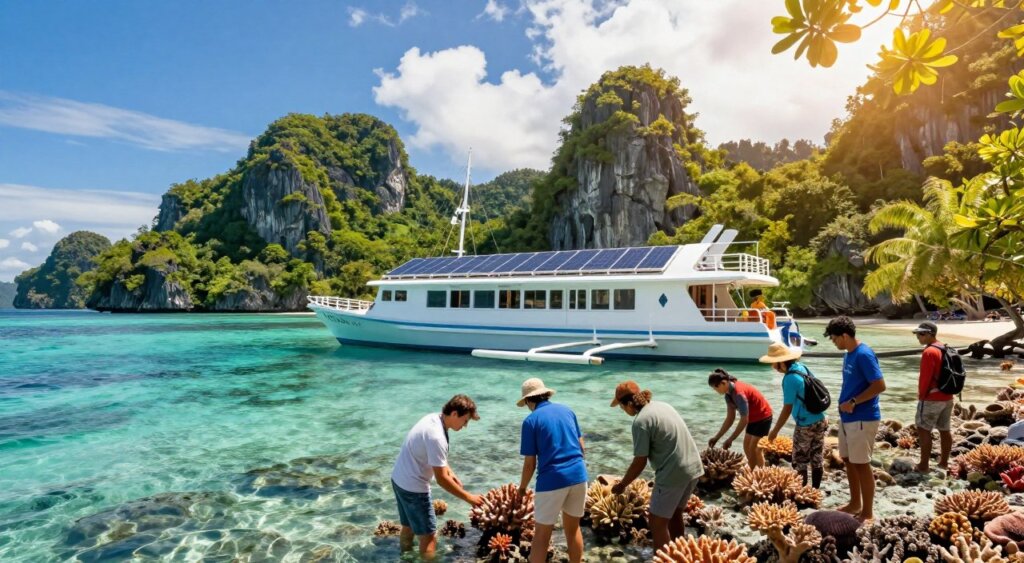
Barefoot Conservation makes every visitor a partner in conservation. This model shows that travel in Raja Ampat can help protect the reefs and forests. It’s a cycle where exploring responsibly supports scientific work and community programs.
This sustainable tourism aims to reduce harm and increase benefits. It goes beyond avoiding damage, aiming to help the ecosystems and people of the archipelago.
Responsible Tourism Practices
Barefoot Conservation guides visitors to support the local environment. Following these responsible travel practices makes you a conservation-conscious traveller.
Key guidelines for visitors include:
- Responsible Diving and Snorkelling: Avoid touching coral, never disturb marine life, and use reef-safe sunscreen.
- Strict Waste Management: Take all trash with you. Plastic waste is a big threat, so reduce single-use items.
- Respect for Local Culture: Be respectful, ask before taking photos, and buy local crafts.
- Supporting Local Economies: Choose local guides, restaurants, and services to help the community.
These steps help make your visit low-impact. They protect Raja Ampat’s nature and culture for the future.
Eco-friendly Accommodations
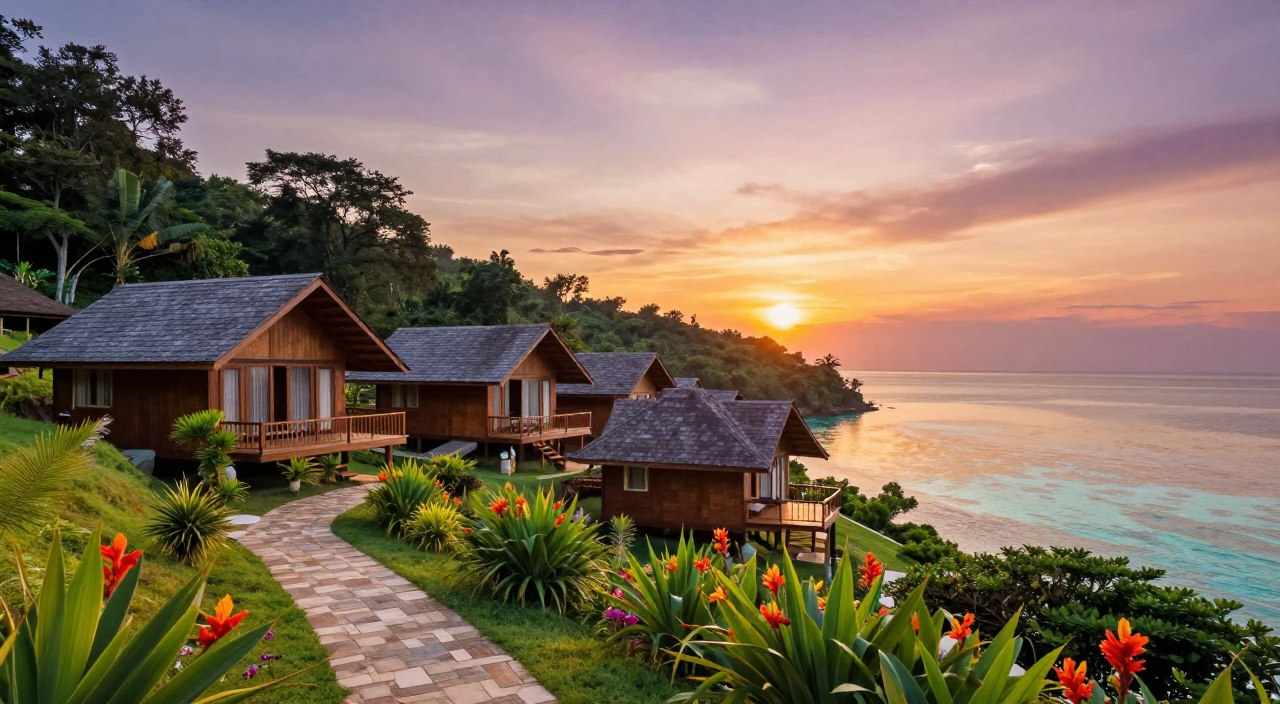
Choosing where to stay is key to sustainable tourism. Barefoot Conservation supports eco-friendly places. These places use renewable energy, save water, and buy local food.
The Ratu Laut liveaboard by Ayo Divers is a great example. It focuses on conservation travel. A part of its profits goes to marine protection projects.
Staying in eco-friendly places means your money helps conservation. It turns your holiday into a donation for coral planting, manta ray research, or education. This link between tourism and conservation is powerful.
By choosing responsible travel practices, visitors help preserve Raja Ampat’s beauty for the future.
Research and Monitoring
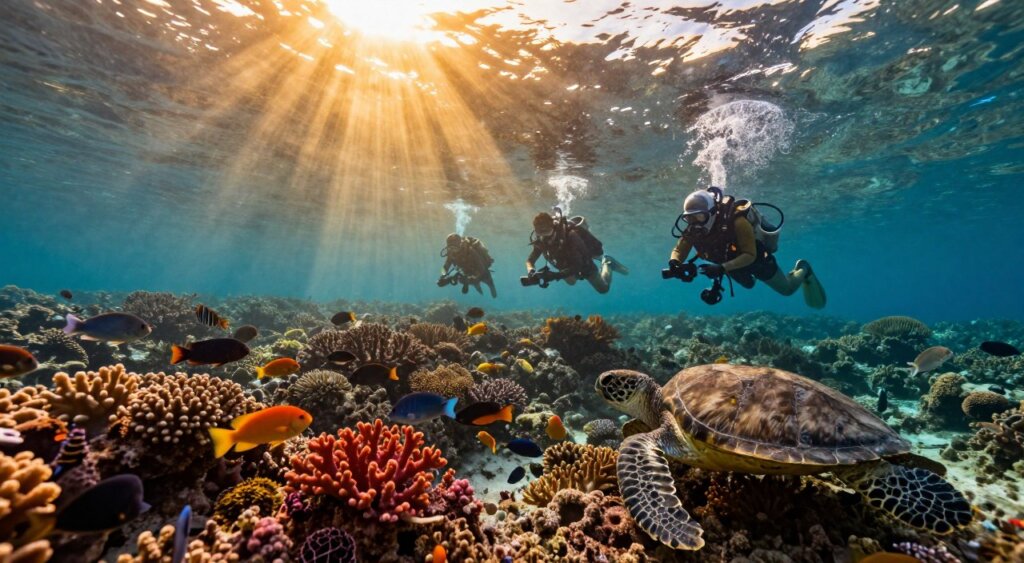
Barefoot Conservation leads the way in marine management in Raja Ampat with detailed scientific studies. They collect data to support long-term environmental conservation efforts. Every visitor’s contribution helps fund this important science.
Scientific Studies Conducted
Barefoot Conservation focuses on several key research areas. These studies are vital for marine biodiversity preservation in one of the world’s richest marine environments.
The Manta Ray ID program is a flagship project. Guests and volunteers help by photographing mantas’ unique spot patterns. This data tracks individual mantas, monitors their health, and studies their migration patterns.
They also conduct regular coral health assessments. These help monitor bleaching events and disease outbreaks. Fish biomass surveys track species diversity and abundance, showing reef health over time.
| Study Focus | Primary Method | Key Outcome for Conservation |
|---|---|---|
| Manta Ray Populations | Photo Identification & Citizen Science | Tracks individual health and informs protected area management. |
| Coral Reef Health | Transect Surveys & Bleaching Monitoring | Identifies resilient reef areas and guides restoration work. |
| Fish Community Structure | Visual Census & Biomass Calculation | Measures the success of Marine Protected Areas (MPAs). |
| This table summarises core research activities that form the evidence base for all environmental conservation efforts. | ||
Data Collection Methods
Reliable data is key for effective conservation. Barefoot Conservation uses traditional and innovative techniques to gather information.
Diver-led visual surveys are a main method. Trained teams swim along set lines, recording fish, coral, and invertebrates. This gives consistent data over time.
The photo identification method is used for manta rays and other species. It’s a non-invasive way to build a valuable database.
Environmental monitoring logs water temperature, clarity, and currents. This helps link environmental changes with biodiversity shifts.
All this data paints a detailed picture of ecosystem dynamics. It helps scientists measure their impact and adapt strategies for effective environmental conservation efforts.
Partnerships and Collaborations
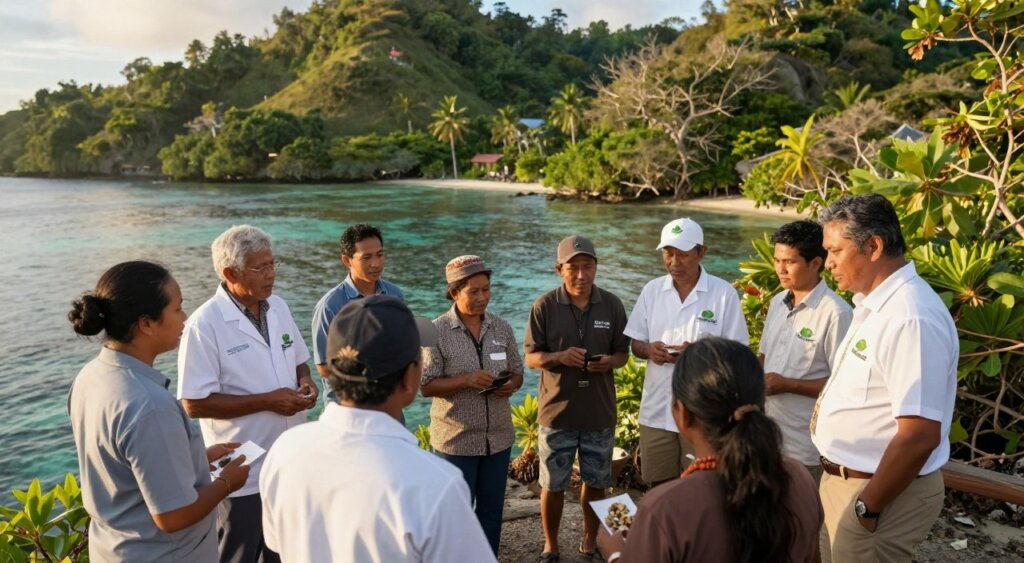
Marine conservation in Raja Ampat is a big challenge. Barefoot Conservation knows this and works with many partners. Together, they can do more than any one group could alone.
Working with NGOs
Barefoot Conservation teams up with other non-governmental organisations. These partnerships help with research, outreach, and finding new ways to fund projects. A great example is their work with Ayo Divers.
This partnership links tourism and conservation. A part of the money from Ayo Divers’ “Ratu Laut” liveaboard goes to Barefoot Conservation. It’s a smart way to support the environment through tourism.
These partnerships help achieve big goals. Like protecting reefs or certain species, they do it better and faster together.
Collaborating with Government Agencies
Working with government agencies is key for lasting conservation. Barefoot Conservation teams up with Indonesian authorities. This makes sure their projects fit with the country’s environmental plans.
The group shares data from its monitoring with these agencies. This helps inform policies and manage Marine Protected Areas (MPAs). It’s a way to make decisions based on solid science.
Barefoot Conservation also works towards Indonesia’s sustainable development goals. Their projects help the environment and support the country’s goals for coastal communities and the blue economy. This support helps their work last longer and fit into a bigger plan for change.
Volunteer Opportunities
The true spirit of responsible travel practices is shown in volunteer roles. These roles help local ecosystems and communities. For those who want to give back, Barefoot Conservation offers ways to contribute.
Whether you have a week or months, there’s a role for you. Working on conservation projects is a powerful way to engage with the community. It leaves a positive mark in Raja Ampat.
Short-term Volunteer Program
For tourists or those with limited time, the short-term program is perfect. It’s a chance to make a difference. Volunteers join eco-tourism stays and participate in activities that make an impact.
Roles include helping with marine data collection and joining beach clean-ups. You can also help with community education workshops. No scientific training is needed, just a willingness to help.
This program is great for those new to conservation. It’s about learning and assisting. It’s a key part of responsible travel practices.
Long-term Commitment Options
For a deeper experience, long-term roles are available. These are for students, career-changers, or dedicated conservationists. Roles last from one month to a year or more.
Long-term volunteers can be Research Assistants or Program Coordinators. These roles offer training and the chance to develop skills. You become part of the local team and community.
These options are for those who want to make a lasting impact. They offer a chance to develop skills and contribute meaningfully to community engagement.
| Aspect | Short-term Program | Long-term Commitment |
|---|---|---|
| Typical Duration | 1 day to 2 weeks | 1 month to 12+ months |
| Primary Focus | Hands-on assistance & awareness | Project support & skill development |
| Key Activities | Beach clean-ups, basic data collection, workshop assistance | Research assistance, data analysis, program coordination, community liaison |
| Skill Requirement | No prior experience needed | Often requires relevant skills or a willingness to undertake training |
| Impact on Volunteer | Introduction to conservation, travel with purpose | Career development, deep cultural exchange, specialised knowledge |
Choosing between short-term and long-term depends on your goals. Both are essential for Raja Ampat’s conservation. Short-term efforts bring energy and awareness. Long-term roles provide stability and expertise.
Every volunteer, no matter the duration, contributes to conservation. It’s a practical way to travel responsibly and ensure your journey has an impact.
Challenges Faced
Raja Ampat’s beauty hides real challenges. Groups like Barefoot Conservation face many issues. These challenges test the environment and those who protect it.
It’s important to know these challenges. This way, we can find lasting solutions. The main challenges are environmental and socio-economic.
Environmental Threats
The marine life in Raja Ampat faces many dangers. Climate change is a big threat. It causes coral bleaching, harming the reefs.
Plastic pollution also harms the area. It gets stuck in wildlife and damages habitats. Illegal fishing, like blast fishing, is another problem. These actions harm the years of work done to protect the environment.
Other big threats include:
- Coral Disease: It spreads fast in stressed reefs.
- Ocean Acidification: It makes it hard for corals and shellfish to build their homes.
- Invasive Species: They disrupt the local food chains and biodiversity.
Socio-economic Factors
The well-being of local communities is linked to the environment. Finding a balance between development and preservation is hard.
Many locals rely on fishing or resource extraction for income. As the population grows, so does the pressure on resources. Education and awareness about sustainable living are also needed.
Tourism can be a problem if not managed well. The table below shows the main socio-economic challenges and how they affect wildlife conservation.
| Challenge | Primary Impact | Effect on Conservation | Current Mitigation Focus |
|---|---|---|---|
| Limited Livelihood Options | Reliance on fishing/logging | Over-exploitation of resources | Developing eco-tourism & sustainable enterprises |
| Population Growth & Migration | Increased demand for food/housing | Habitat loss & pollution | Community planning & family education |
| Need for Infrastructure | Roads, housing, waste systems | Land clearing & runoff pollution | Promoting ‘green’ infrastructure solutions |
| Cultural Shifts | Move away from traditional stewardship | Loss of local ecological knowledge | Programs integrating modern and traditional practices |
Dealing with socio-economic issues is essential. It’s key to any successful environmental conservation effort. The future of Raja Ampat’s wildlife depends on finding solutions that help both people and nature.
Success Stories
Partnerships like the one with Ayo Divers have brought big wins for nature and people. This funding helps Barefoot Conservation turn plans into action. They achieve real results in coral reef protection and community engagement.
Healthier ecosystems and stronger villages are the results. These victories show that working together is effective.
Notable Achievements in Conservation
Barefoot Conservation has made significant strides. Their work shows progress in a critical marine environment.
Teams have restored many hectares of coral reef. Live coral cover has increased in nurseries and out-planting sites. This work in coral reef protection has a big impact.
Fish surveys show more fish and species diversity. Herbivorous fish, important for reef health, are doing well. The manta ray research has also helped conservation plans.
A project leader said, “Seeing a reef we nursed back to health become a bustling fish city again—that’s the ultimate reward. It validates every minute of effort.”
Impact on Local Communities
Success in conservation also means better lives for people. The community engagement model puts locals at the forefront.
Villagers now have sustainable jobs in ecotourism. They work as dive guides or manage homestays. This brings in income and promotes care for the environment.
Community patrols for Marine Protected Areas (MPAs) are now a big deal. Trained by Barefoot Conservation, these patrols keep waters safe. They’ve cut down illegal fishing, showing local ownership works.
Empowered local leaders are another big win. They were once limited but now train, collect data, and advocate. They mix traditional knowledge with science, making solutions that last.
This level of community engagement creates a cycle of success. Healthier reefs mean better lives, which leads to more commitment to coral reef protection. It’s a story of people and nature thriving together.
Future Projects
The journey of conservation never ends, and Barefoot Conservation is setting the stage for its next decade in Raja Ampat. Our current successes are a solid base, but the real challenge is building a lasting future. We aim to create solutions that grow, strengthen community ties, and improve ecological health.
Upcoming Initiatives
The next three years will bring new, practical projects to the archipelago. Each project aims to solve specific problems and bring real benefits to people and the sea. These plans come from our years of work and listening to the local community.
Our immediate plans include:
- Coral Nursery Expansion: We’ll set up new nurseries in damaged reef areas. This will help corals grow back faster and create a stronger genetic pool.
- Community Education Hubs: We’ll open small learning centres in villages. They’ll offer workshops on sustainable fishing, waste management, and the value of healthy reefs.
- Sustainable Fisheries Pilot Program: We’ll work with local fishers to test new, eco-friendly fishing gear. Our goal is to show that these methods can support livelihoods and protect fish for the future.
These projects are linked. Healthy reefs mean better fisheries, and educated communities protect their resources best.
Long-term Vision
Our vision stretches to a ten-year goal where conservation is led by Raja Ampat’s communities. We aim to create a model of stewardship that doesn’t need constant outside help. This goal fits with global sustainable development goals, focusing on marine life and partnerships.
Our long-term goals are clear. First, we want to help set up a network of community-managed Marine Protected Areas (MPAs). These areas will be run by local villages, with shared rules and monitoring. Second, we dream of Raja Ampat becoming a global example of conservation-led development. We want to show how a strong blue economy and untouched biodiversity can work together.
To achieve this, we need ongoing effort, flexible management, and teamwork. We’re committed to working with Raja Ampat’s people to make this vision a reality.
How to Get Involved
People from all over, including Australia, are key to Barefoot Conservation’s mission. You don’t need to be a scientist or live in Papua to help. There are many ways to support Raja Ampat’s amazing marine ecosystems.
Every bit of help, whether money or hands-on, helps fund important projects. It also empowers local communities. Your help is a big step towards sustainable tourism success.
Donating to Barefoot Conservation
Money is essential for conservation work. Donations help buy coral nursery materials, research gear, and support community education.
Your donation keeps vital work going. Even a small amount can make a big difference.
Here are some ways to donate:
- One-time or recurring online donations through the official Barefoot Conservation website.
- Sponsoring specific items, like a coral fragment for a restoration project.
- Corporate matching programs, where your employer doubles your personal donation.
“Supporting Barefoot Conservation means investing in the future of the world’s most biodiverse reefs. It’s a direct line from your generosity to tangible results.”
This clear approach lets you see how your money helps. It supports responsible travel practices at the source.
Joining Conservation Efforts
Getting involved is rewarding. You can help in person or from afar, following sustainable tourism principles.
Here are ways to get involved:
- Volunteering: You can join marine research trips or help with education and data collection.
- Choosing Responsible Operators: Book your Raja Ampat trip with eco-conscious partners like Ayo Divers. They follow strict guidelines and support local conservation.
- Being a Conscious Visitor: Practice responsible travel practices yourself. Use reef-safe sunscreen, avoid touching corals, and respect marine life.
- Advocacy and Awareness: Share what you’ve learned. Advocate for marine protection and support policies that promote ocean health.
Every action, big or small, helps preserve Raja Ampat. By choosing sustainable tourism options, you become part of the solution.
Conclusion
Raja Ampat is a place where amazing marine life meets dedicated care from humans. To keep it safe, we need to protect the environment, work with local communities, and travel responsibly.
The Importance of Sustainable Practices
Using sustainable methods is key to saving wildlife for the long term. Barefoot Conservation shows us how science, local jobs, and eco-friendly tourism can work together. This mix is essential for Raja Ampat’s future.
Final Thoughts on Conservation in Raja Ampat
Raja Ampat is a top spot for saving marine life. It needs ongoing protection, thanks to groups like Barefoot Conservation. Their work shows we all must help protect these precious places. Whether you’re from Australia or elsewhere, your actions matter in this important mission.