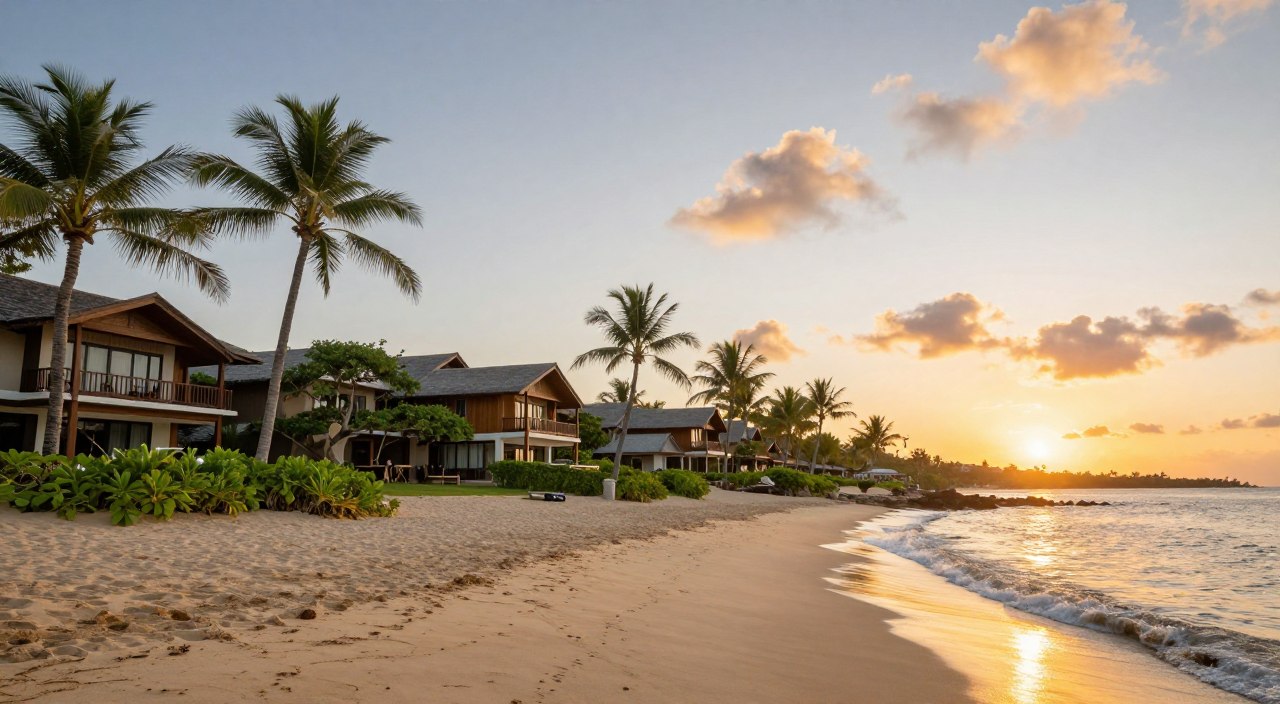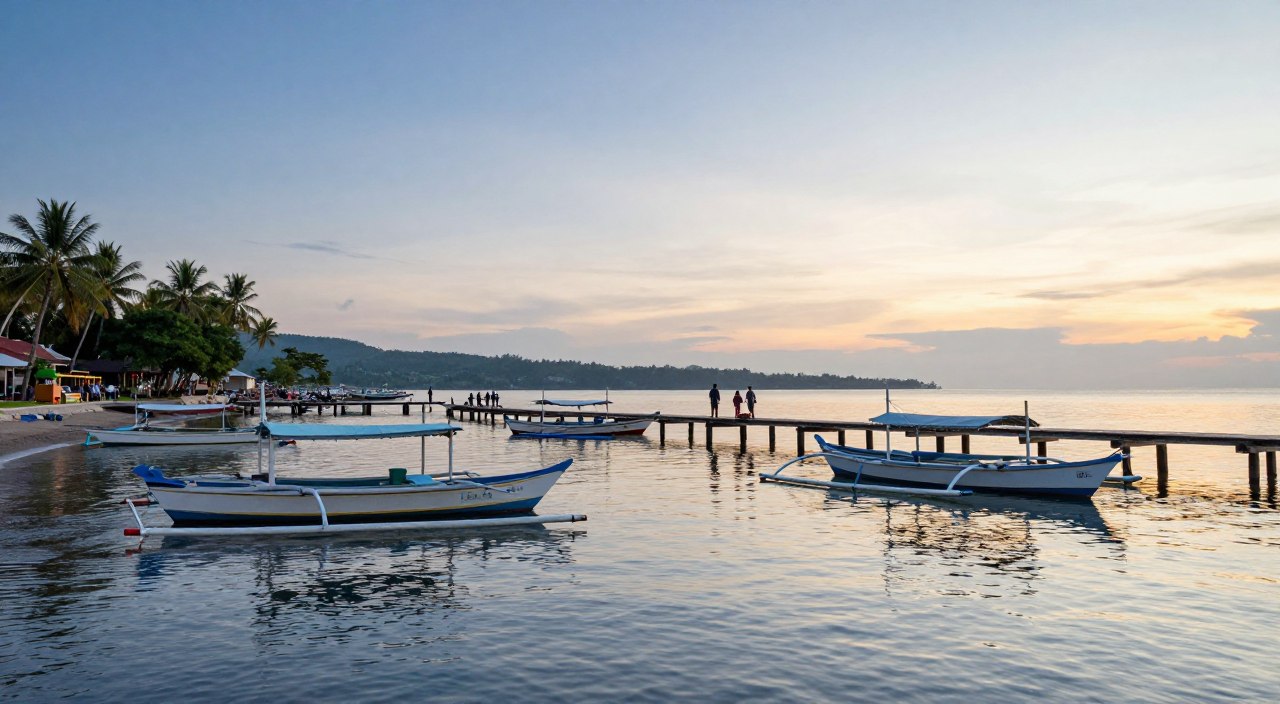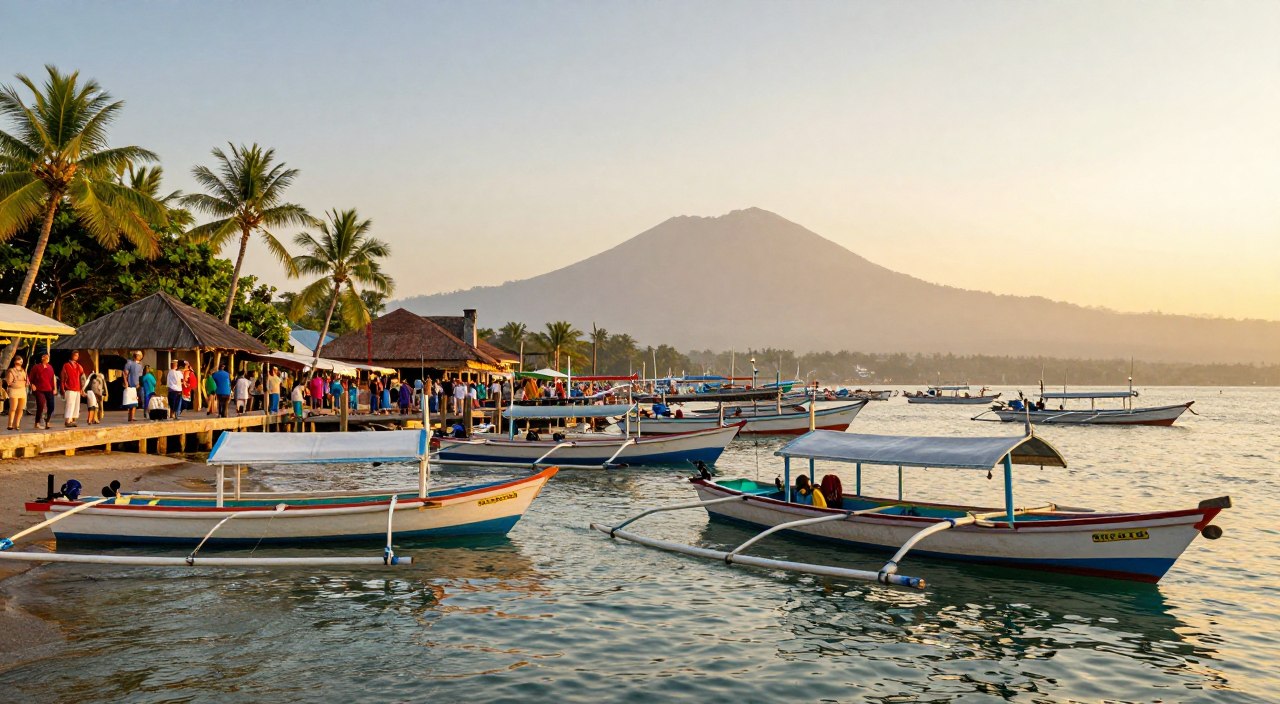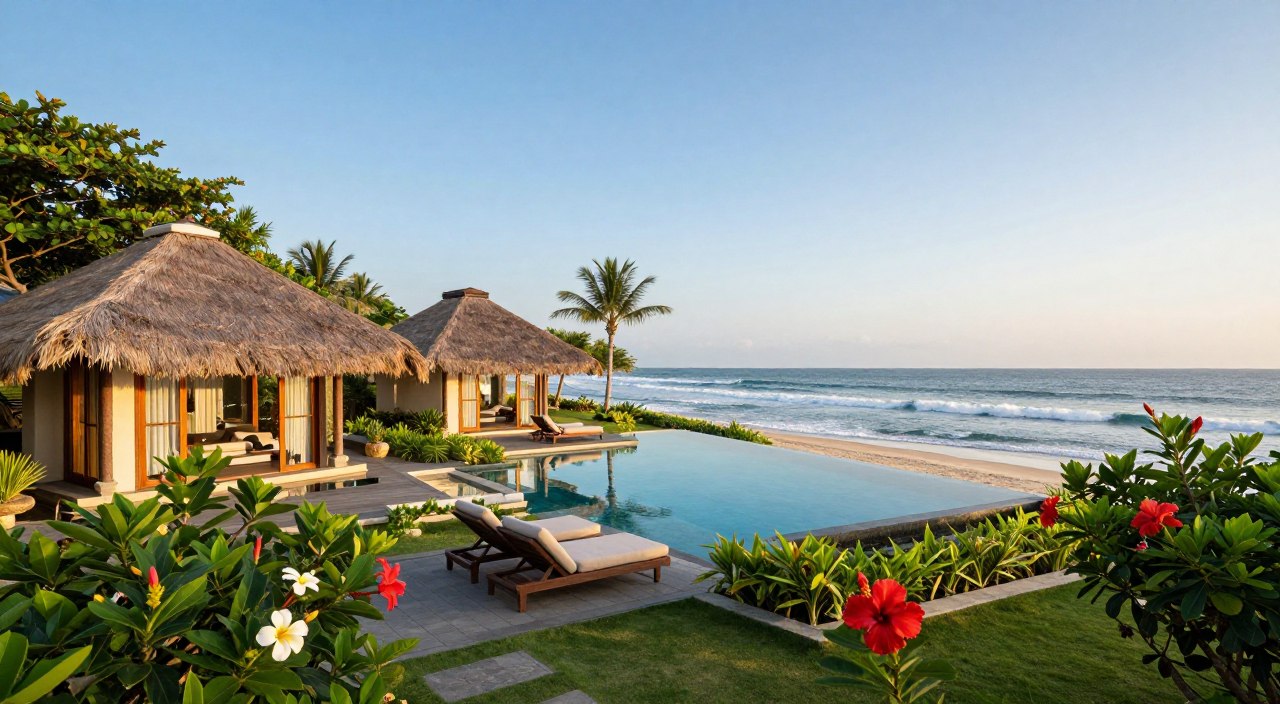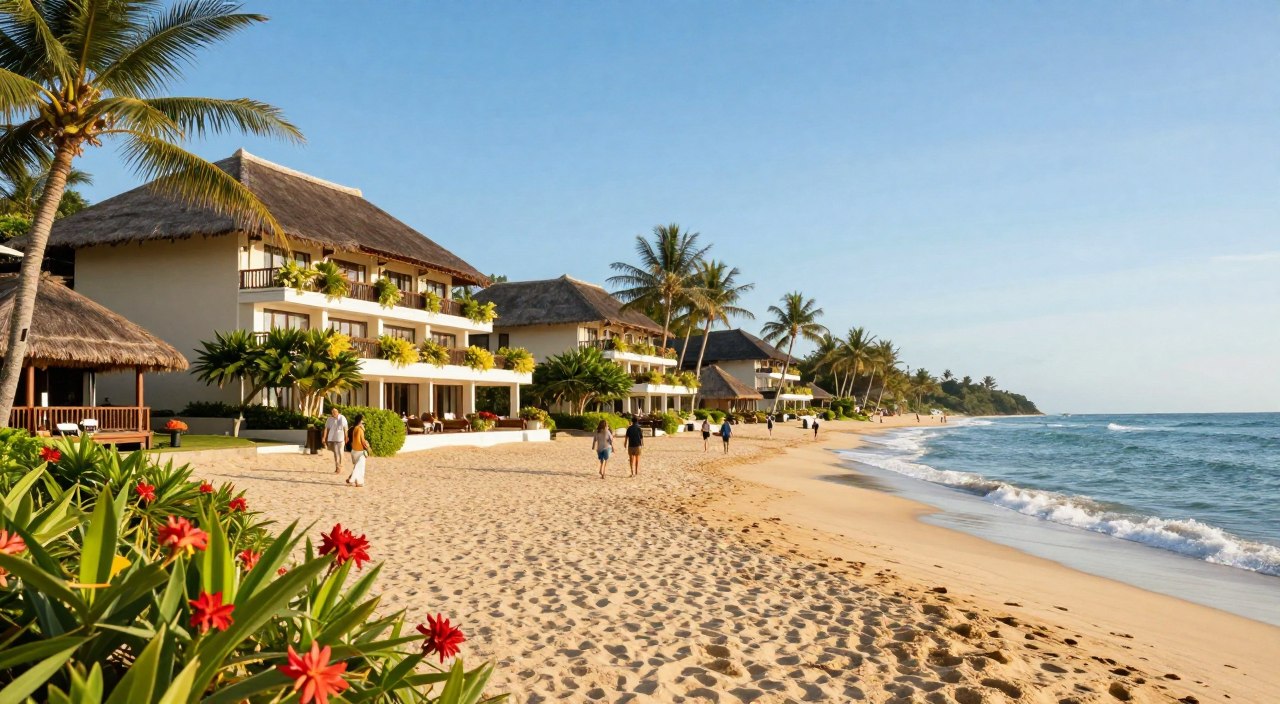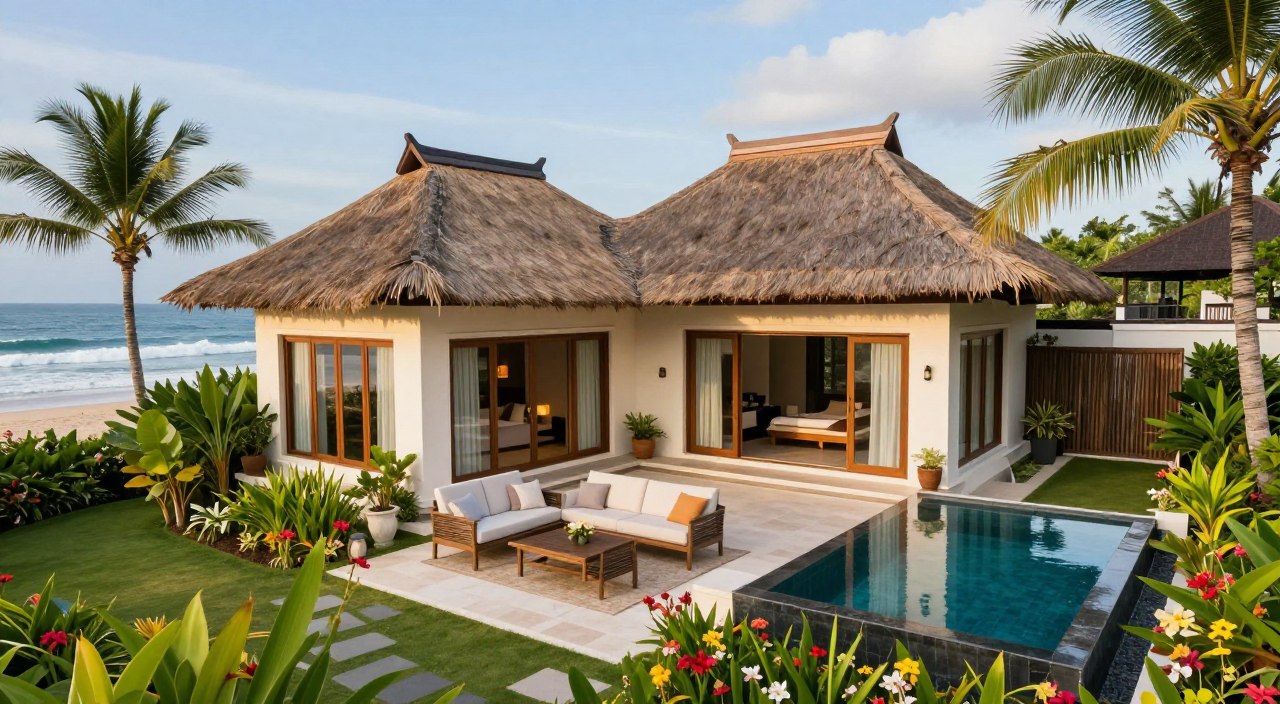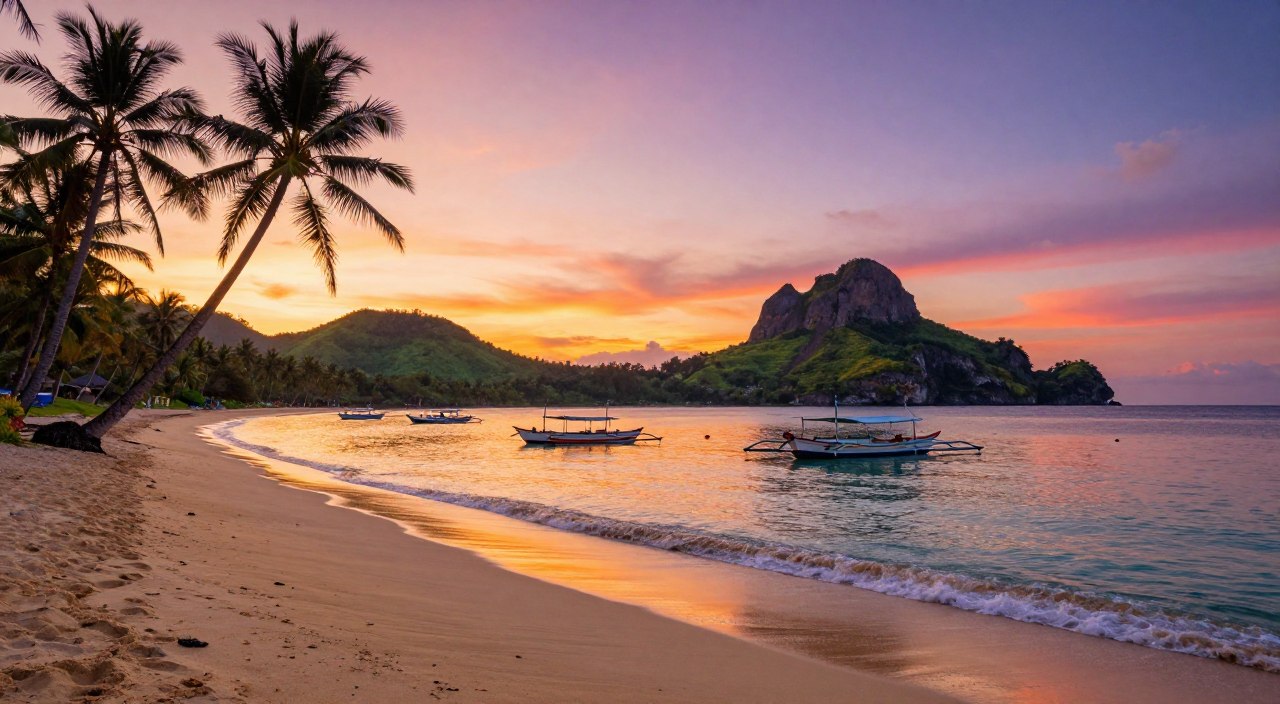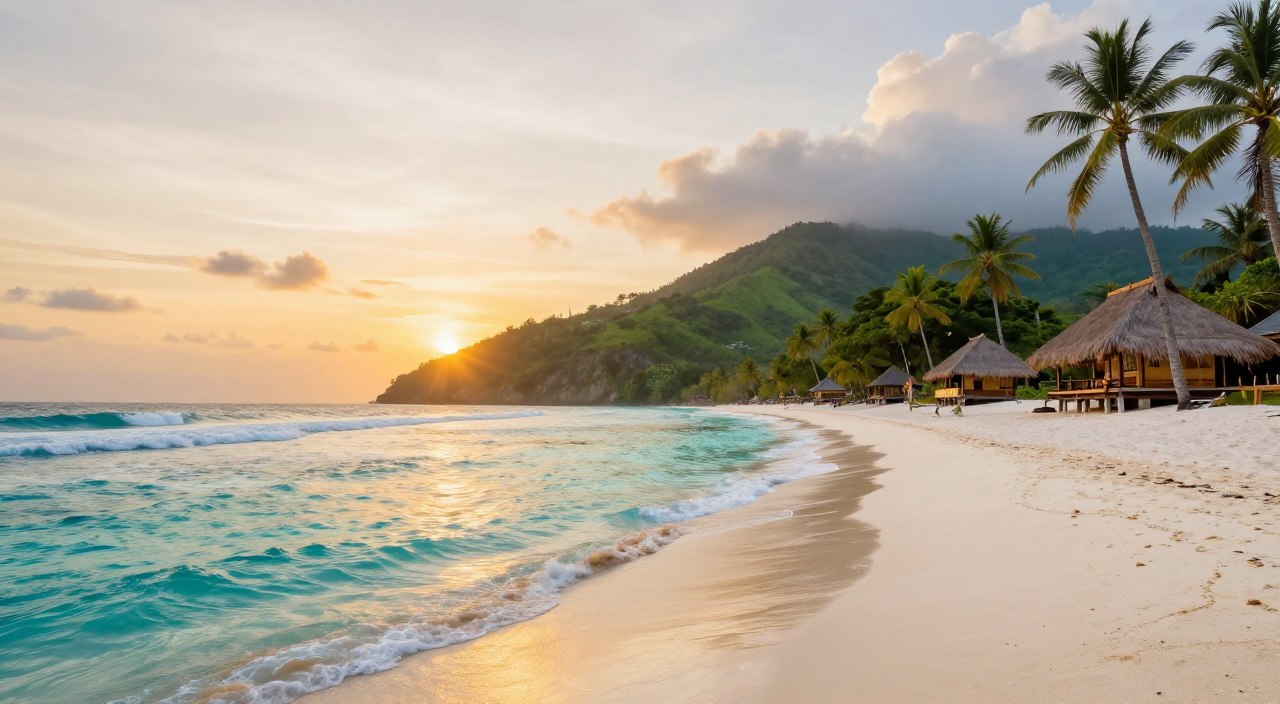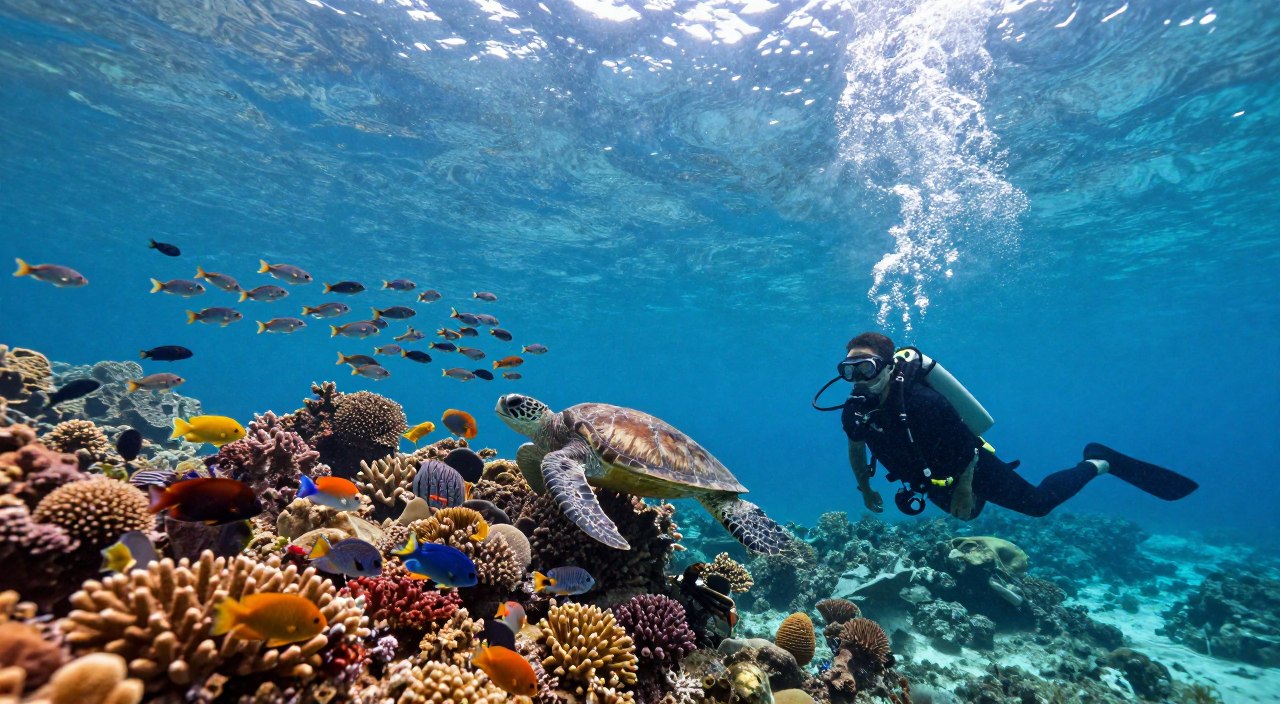
Imagine finishing a surf session on a famous Lombok beach, then swapping your board for a tank to explore a pristine underwater world. This is the unique dual adventure waiting in Kuta.
For decades, this vibrant south coast town has been a secret among savvy travellers. It blends a relaxed surf vibe with an exceptional subaquatic playground.
The key to unlocking it is Blue Marlin Kuta. This PADI 5 Star Dive Centre has been a leader here for over 30 years. They pioneered exploration on the island’s east coast.
Their commitment to quality and safety has built a loyal diving family. It’s a trusted name in the Indonesian industry.
Getting there is remarkably easy. The centre is only a 20-minute drive from Lombok International Airport. You can be in the water incredibly quickly after you land.
More importantly, Kuta sits within the famed Coral Triangle. Here, Pacific and Indian Ocean currents converge. This creates the planet’s most biodiverse marine environment.
This guide will walk you through everything. We cover breathtaking sites, amazing marine encounters, and all the practical details. Get ready for an unforgettable journey beneath the waves.
Key Takeaways
- Kuta offers a unique mix of world-class diving and a vibrant surf town atmosphere.
- Blue Marlin Kuta is a pioneering PADI 5 Star facility with over three decades of local expertise.
- The dive centre is highly accessible, located just 20 minutes from Lombok International Airport.
- Diving here takes place in the Coral Triangle, home to the richest marine life on Earth.
- Expect off-the-beaten-track sites with pristine corals and abundant pelagic fish.
- The experience is suitable for divers of all levels, with a strong emphasis on safety and comfort.
- This guide provides a comprehensive look at planning your ultimate underwater adventure.
Overview of Kuta’s Vibrant Diving Scene
Long known for its legendary surf breaks, this coastal town has quietly blossomed into a premier destination for underwater adventurers. The shift from a surfers’ haven to a diver’s paradise was pioneered by operations like Blue Marlin.
History and Local Culture
Their exploration unlocked the secrets of Lombok’s South-East coast. The trip to a site is an adventure itself. You travel a scenic coast road past traditional villages.
Water buffalo often greet the journey. This glimpse into authentic island life is a unique prelude to the water.
The local community has a long bond with the ocean. Fishing traditions now blend with sustainable marine tourism. This balance keeps the town’s character genuine.
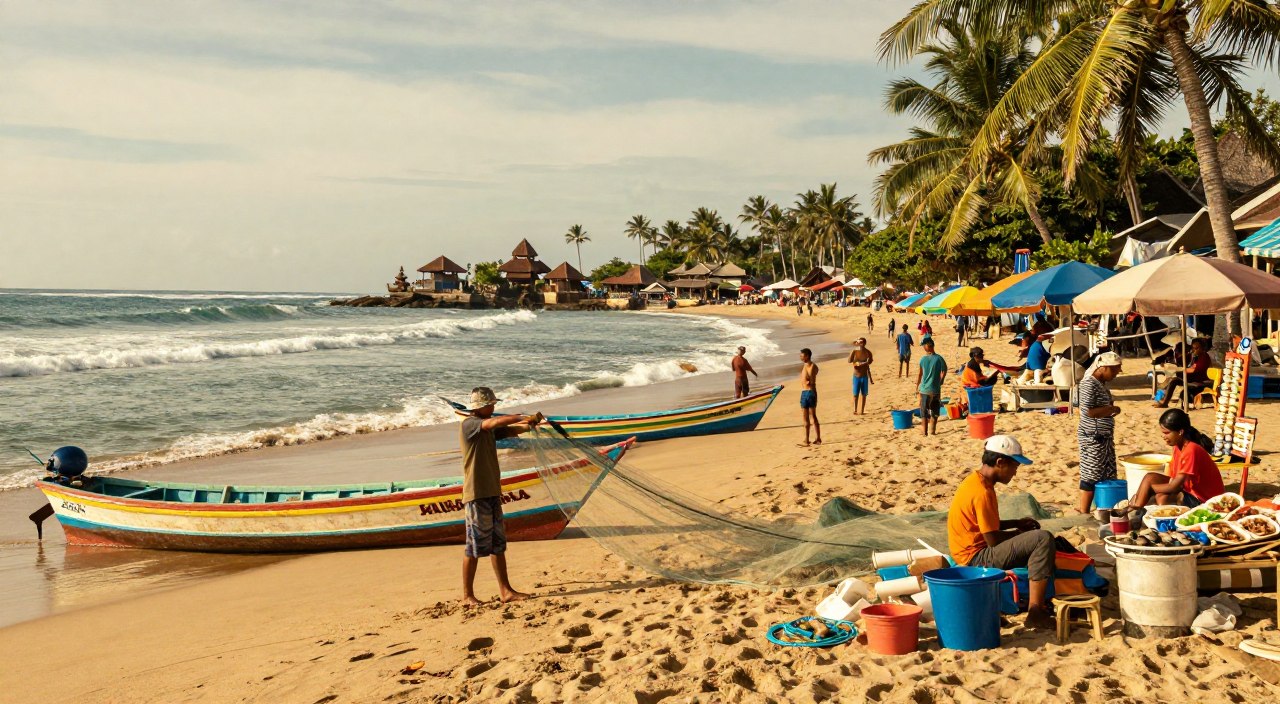
Kuta Beach remains the vibrant social hub. Mornings start with dive boats heading out. Afternoons buzz with surfers and people exploring waterfalls or Pink Beach.
Evenings are for healthy cafes and shared stories. Being a newer name in the diving world has a big advantage. Sites are less crowded and more pristine than those with decades of traffic.
Essential Dive Gear and Safety Tips
Your safety and comfort beneath the waves depend heavily on proper preparation and equipment selection. Reputable operators like Blue Marlin make quality and safety their core commitment.
Choosing the Right Equipment
Selecting the correct gear is vital for the diverse conditions here. A 3mm wetsuit suits most local sites, but a 5mm is better for cooler, deeper spots.
Always use a dive computer and carry a surface marker buoy for drift diving. This basic kit enhances safety and your overall experience.
Rental packages typically include tanks and regulators. Underwater photographers should bring their own camera equipment.
Understanding Dive Conditions
Local water conditions vary greatly. Currents can be strong, and visibility ranges from 5 to 50 metres.
Water temperatures swing from 22°C to 30°C, with sudden thermoclines. A thorough briefing from your divemaster is non-negotiable.
Always use the buddy system and stay close to your guide. Assess your skill level honestly, as some sites demand advanced certification.
Proper weighting is critical for buoyancy control around walls and caves. For small boat entries, learn the specific surface protocols for a safe exit.
Top Dive Sites Around Kuta and Nearby Islands
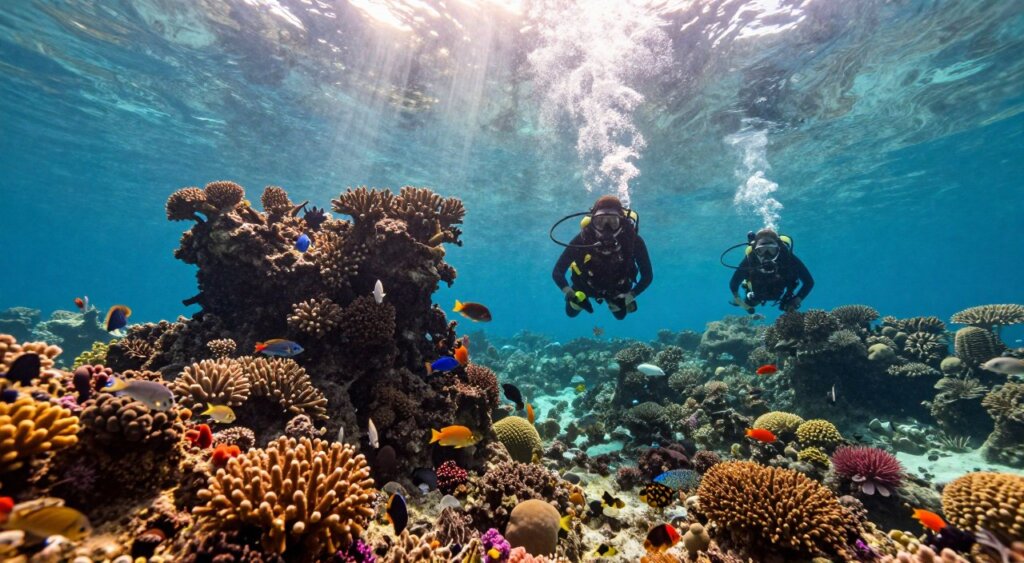
Lombok’s south-east coast is a treasure trove for underwater explorers. It features diverse topography and pristine reefs. The variety of dive sites here suits all skill levels.
Kuta Beach, Nusa Lembongan & Nusa Penida Highlights
Local sites boast amazing walls, swim-throughs, and caves. Macro Bay offers incredible muck diving in shallow water. It is perfect for finding rare critters.
The islands of Nusa Penida and Nusa Lembongan are famous. They are about 30 minutes by boat from Sanur. Crystal Bay and Manta Point are top sites at Nusa Penida.
Strong currents can exceed four knots at these island sites. Nusa Lembongan has powerful drift dives and unique mangrove sites. These locations are best for experienced divers.
Exploring Hidden Coral Reefs and Wreck Dives
Day trips to Tulamben feature the famous Liberty shipwreck. It sits on a black sand beach from 5 to 28 metres deep. The wreck is covered in vibrant coral growth.
Amed offers excellent shore diving from its beach. Visibility ranges from 15 to 25 metres. You can explore coral reefs and walls just offshore.
Near Kuta, pristine coral gardens with white sand patches await. These untouched reefs have exceptional hard coral diversity. They remain uncrowded and full of life.
| Dive Site | Location | Max Depth | Notable Feature |
|---|---|---|---|
| Macro Bay | South-East Lombok Coast | Shallow | Premier muck diving for macro life |
| Crystal Bay | Nusa Penida | 40m | Deep bay with potential for pelagics |
| Manta Point | Nusa Penida | 25m | Cleaning station for majestic manta rays |
| Liberty Wreck | Tulamben | 28m | WWII wreck accessible from the shore |
| Amed Reef | Amed | 40m | Shore-accessible coral walls and gardens |
Experiencing Marine Life and Underwater Biodiversity
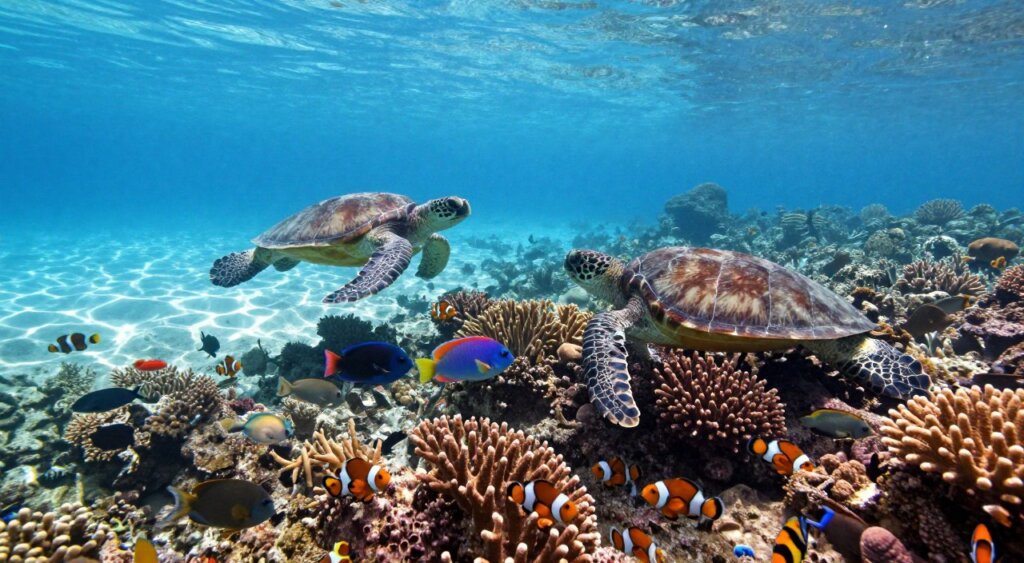
The waters here are a biological hotspot, a bustling metropolis of fish, rays, and sharks that will redefine your idea of a reef. This area sits within the famed Coral Triangle, hosting over 2,500 fish species and 700 coral species.
It is one of the planet’s most biodiverse marine environments accessible to recreational divers.
Every descent promises a new encounter. The sheer variety of life is staggering, from tiny critters to oceanic giants.
Encounters with Manta Rays and Reef Sharks
Thrilling interactions with manta rays are a highlight. At cleaning stations like Manta Point, these graceful giants with wingspans up to five metres glide silently.
They often appear in groups, offering unforgettable close-up experiences. Shark sightings are equally common and awe-inspiring.
You will frequently see reef sharks like white tips and black-tips patrolling. Wobbegong sharks rest camouflaged on the reef, while nurse and bamboo sharks are gentle bottom-dwellers.
Seeing a manta ray glide overhead is pure magic. It’s a moment that stays with you forever.
Pelagic surprises include seasonal visits from oceanic sunfish and even rare blue whales. Schools of giant trevally and tuna frequent the nutrient-rich waters.
The reef fish populations are a riot of colour. Look for emperor angelfish, pyramid butterflyfish, and clownfish in their anemone homes.
Macro life makes every dive a treasure hunt. Sites like Macro Bay are perfect for finding blue ring octopus and pygmy seahorses.
| Species | Type | Notable Feature |
|---|---|---|
| Manta Ray | Pelagic Ray | Wingspan up to 5m, visits cleaning stations |
| Reef Shark | Shark | Common patroller, non-threatening |
| Humphead Parrotfish | Reef Fish | Travels in schools, vibrant colours |
| Pygmy Seahorse | Macro Critter | Tiny, camouflaged on sea fans |
| Oceanic Sunfish (Mola-Mola) | Pelagic Fish | Seasonal visitor, enormous size |
Both green and hawksbill turtles are frequent sights. They feed on soft corals or rest in caves, offering excellent photo opportunities.
Seasonal patterns add another layer. The mola-mola season from July to September brings these sunfish to accessible depths.
Spectacular nudibranch diversity completes the scene. Colourful sea slugs like chromodoris turn every dive into a visual feast.
Unforgettable Dive Adventures During the Rainy Season
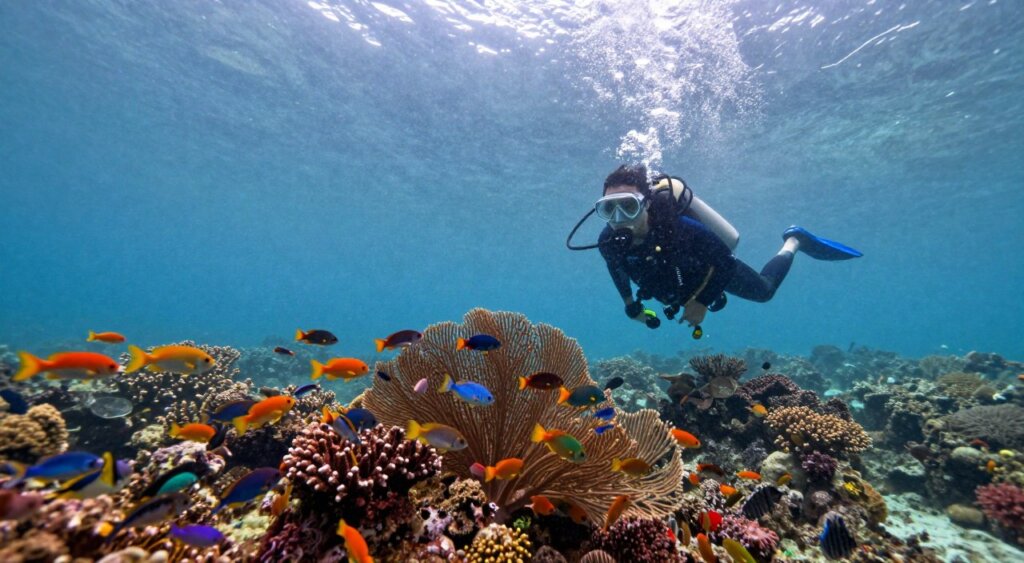
Many divers assume the rainy months are a time to avoid, but in Lombok, they unlock a different kind of underwater magic. The rainy season from October to April doesn’t mean constant downpours. You can expect periodic afternoon showers with many sunny days in between.
Adapting to Seasonal Changes
This time of year offers distinct advantages. Popular sites are far less crowded, and accommodation rates are often much lower. You’ll experience a more authentic local vibe with fewer tourists on the island.
Water temperatures remain a warm 28-29°C. While visibility can vary, many diving days offer excellent conditions comparable to the dry season.
Planning a trip requires some flexibility. Reputable operators like Blue Marlin expertly adapt. They select protected sites based on wind and provide thorough briefings.
Nutrient-rich runoff can actually boost marine activity. This attracts plankton feeders and can lead to unique encounters. For divers seeking solitude and value, the rainy season presents a fantastic opportunity.
Ultimate Guide to Local Dive Centres and Operators
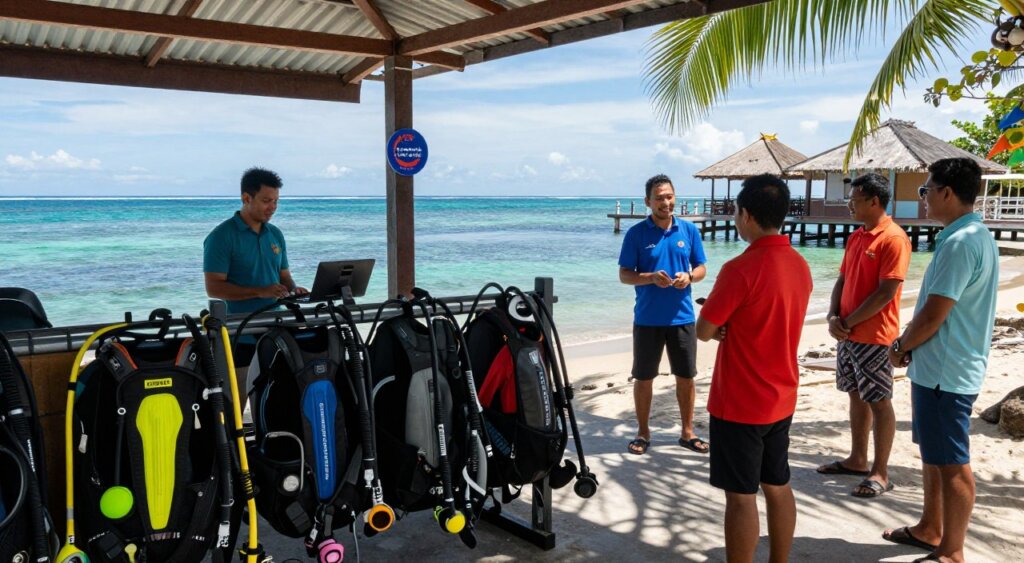
Choosing the right dive centre is the most critical decision for any underwater adventure in Lombok. It shapes your entire experience, from safety to the sites you’ll explore.
Blue Marlin Dive: Quality and Safety
For over 30 years, Blue Marlin has been a leader. Their PADI 5 Star certification guarantees the highest international standards. This means well-maintained gear, professional guides, and full insurance for your peace of mind.
A typical day starts with a hotel pickup. You’ll enjoy a scenic 20-minute drive along the coast road to the boat. This journey offers a glimpse of local island life before you even get wet.
Their traditional-style boats are fitted with modern safety equipment. The crew provides excellent surface support. This allows you to focus on the incredible marine life below.
The team offers training from beginner to advanced levels. Their local knowledge of the South-East coast is unmatched. They can guide new and experienced people on the same trip.
While they don’t run a hotel, they partner with nearby resorts. They can recommend the best accommodation for your budget. This makes planning your trip simple and stress-free.
For those looking further afield, operators like Dive Concepts in Tulamben are also reputable. Blue Marlin Kuta, however, offers the best diving experience right from Kuta Beach. Their long legacy ensures a professional and unforgettable day.
Mastering Kuta Deep Dive: Tips for Every Diver
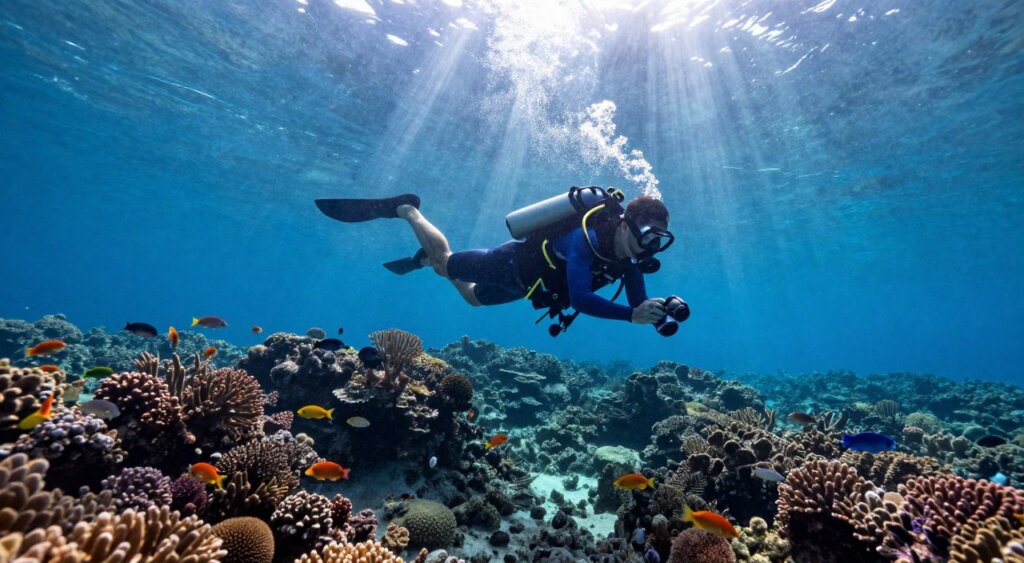
Advanced diving in this region demands a specific set of skills and meticulous planning to safely enjoy its most thrilling sites. An honest self-assessment of your comfort level is the first critical step for any diver.
Advanced Techniques and Dive Planning
Distinguish between beginner-friendly sites and advanced locations like Nusa Penida. The latter can have currents exceeding four knots. Proper planning involves checking tide tables and understanding depth profiles for each dive site.
Calculate your no-decompression limits carefully. Plan adequate surface intervals between dives, especially on a multi-dive day. This maximises both safety and your underwater experience.
Mastering buoyancy is non-negotiable. It protects delicate corals and helps you navigate swim-throughs and walls, even when currents push you off course. Adjust your weighting for different conditions.
| Technique | Application | Key Consideration |
|---|---|---|
| Drift Diving | Current-prone sites | Stay close to the guide, use a surface marker buoy |
| Negative Entry | Deep wall dives | For experienced divers only, ensure proper equalisation |
| Reef Hook Use | Strong current observation | Only where permitted, to minimise contact with the reef |
| Ascending on a Line | Safety stops in current | Maintain contact, control ascent rate |
Manage your air consumption diligently. Consider nitrox certification to extend bottom time on deeper dives. Underwater navigation requires strong compass skills and understanding how currents affect your path.
Planning is what separates a good dive from a great one. Knowing the site and your limits lets you relax and enjoy the spectacle.
For photographers, choose gear suited to the site. Use wide-angle for pelagics and macro for critters. Always have a clear emergency procedure for separation or deploying a safety buoy.
Planning the Perfect Dive Trip: Itinerary and Local Insights
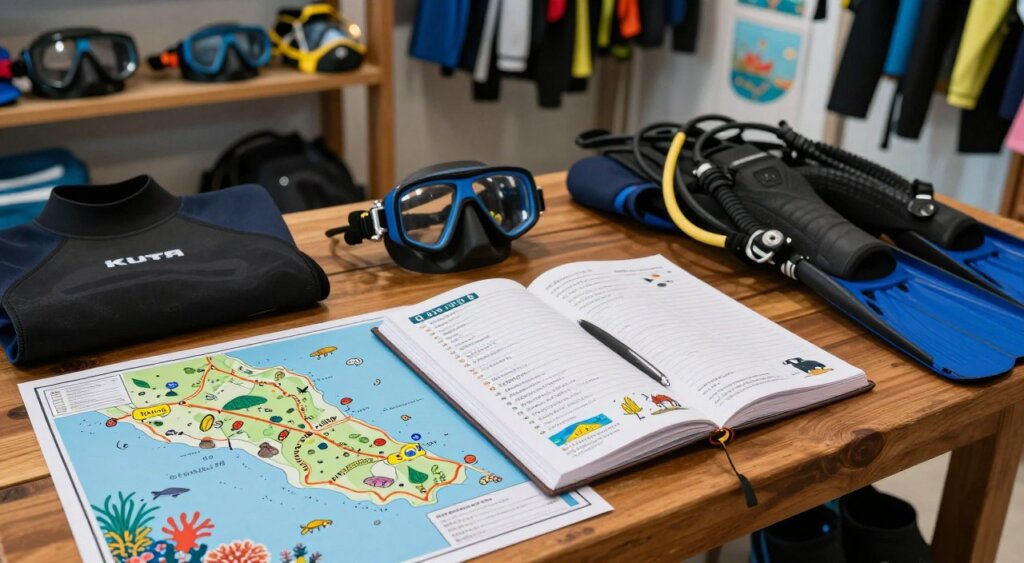
A well-planned 10-day adventure seamlessly blends world-class diving with authentic island experiences. This itinerary maximises your time exploring pristine reefs and vibrant local culture.
Crafting a 10-Day Dive Adventure
Start your trip with a swift 20-minute transfer from Lombok Airport. Settle into your Kuta accommodation for an easy first day.
Days 1-3 focus on South-East Lombok’s best diving. Join Blue Marlin for 2-3 dives daily. Explore varied dive sites from Macro Bay to dramatic walls.
Days 4-6 incorporate a trip to Nusa Penida and Nusa Lembongan. Early morning boat rides take about 30 minutes. Dive famous spots like Crystal Bay and Manta Point.
Days 7-8 offer variety. Consider day trips to Amed for shore diving or the Gili Islands for turtle encounters.
Days 9-10 are for surface intervals. Visit pink sand beaches and local waterfalls. This allows proper decompression before flying home.
Local Recommendations for Accommodation and Meals
Kuta offers accommodation for all budgets. Arjuna Homestay is great for value. Matahari Resort and Pondok Baruna provide mid-range comfort.
The town’s dining scene caters to active travellers. Enjoy fresh fish, Indonesian specialties, and healthy smoothie bowls. Many restaurants offer vegetarian and vegan options.
Book dive packages in advance for better rates. Arrange airport transfers and consider renting a scooter. Carry cash as many small shops don’t accept cards.
Navigating Local Weather and Dive Conditions
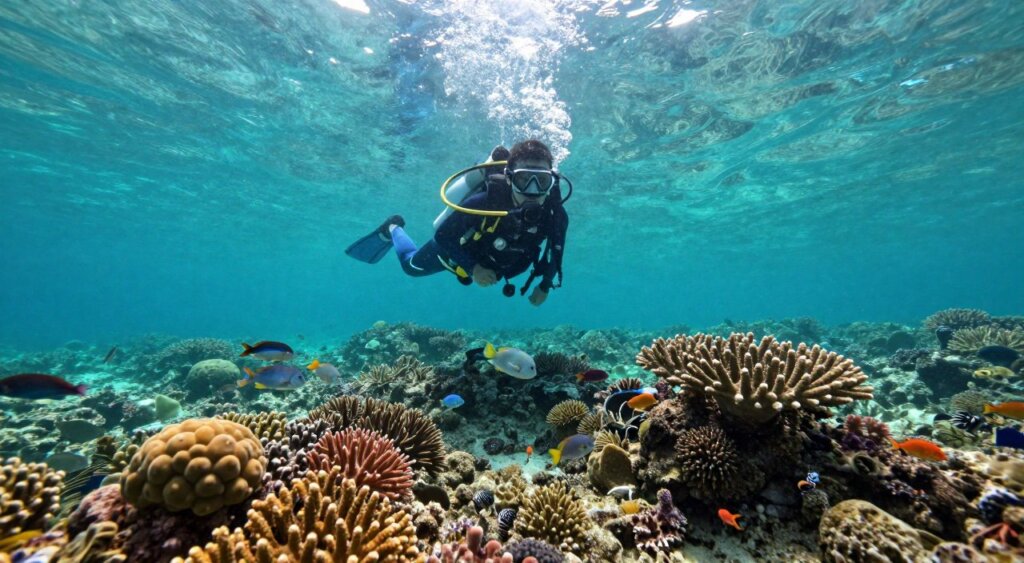
The tropical waters around Lombok present a dynamic environment that changes with the seasons. Understanding these patterns is essential for planning your underwater adventure.
The climate has distinct wet and dry periods. The rainy season runs from October to April, while May to September is drier. Diving is possible year-round with smart site selection.
Understanding Currents and Water Temperatures
Currents here are complex. They result from the meeting of Pacific and Indian Ocean waters. At protected spots along the south-east coast, flows are often mild.
Exposed locations like Nusa Penida can have strong currents exceeding four knots. These bring nutrient-rich water that attracts amazing marine life. They also create exciting drift diving opportunities.
Water temperature varies significantly by site. Most local dive sites offer a comfortable 27-30°C. The water off Nusa Penida is notably cooler, often 23-25°C.
Divers may encounter sudden thermoclines there. This means a quick temperature drop as you descend. Adequate thermal protection is key for comfort and safety.
Best Times for Optimal Visibility
Visibility can range from 5 to 50 metres based on location and time of year. The south-east coast typically offers 15-25 metres.
The clearest conditions usually occur during the dry season. For peak visibility at sites like Menjangan, target October to November.
The best time for mola-mola encounters at Crystal Bay is July through September. Shoulder seasons like April-May offer fewer crowds with still-good conditions.
Operators check forecasts and tides daily. They choose between north and south sides of sites based on wind and surface state. This ensures a great day out for all divers.
Conclusion
Combining accessibility with pristine biodiversity, this destination stands out as a top choice for underwater enthusiasts. It offers an exceptional diving experience within the world‘s most biodiverse marine region.
From beginner-friendly reefs to advanced walls, the variety of dive sites ensures something for every skill level. The waters teem with life, from colourful coral gardens to majestic pelagics near Nusa Penida and Nusa Lembongan.
With affordable packages and convenient access, planning your trip is straightforward. Partnering with a reputable dive centre guarantees safety and local insight for the best diving along the east coast.
Start planning your adventure to explore these hidden gems. The unforgettable experience awaits beneath the sea.