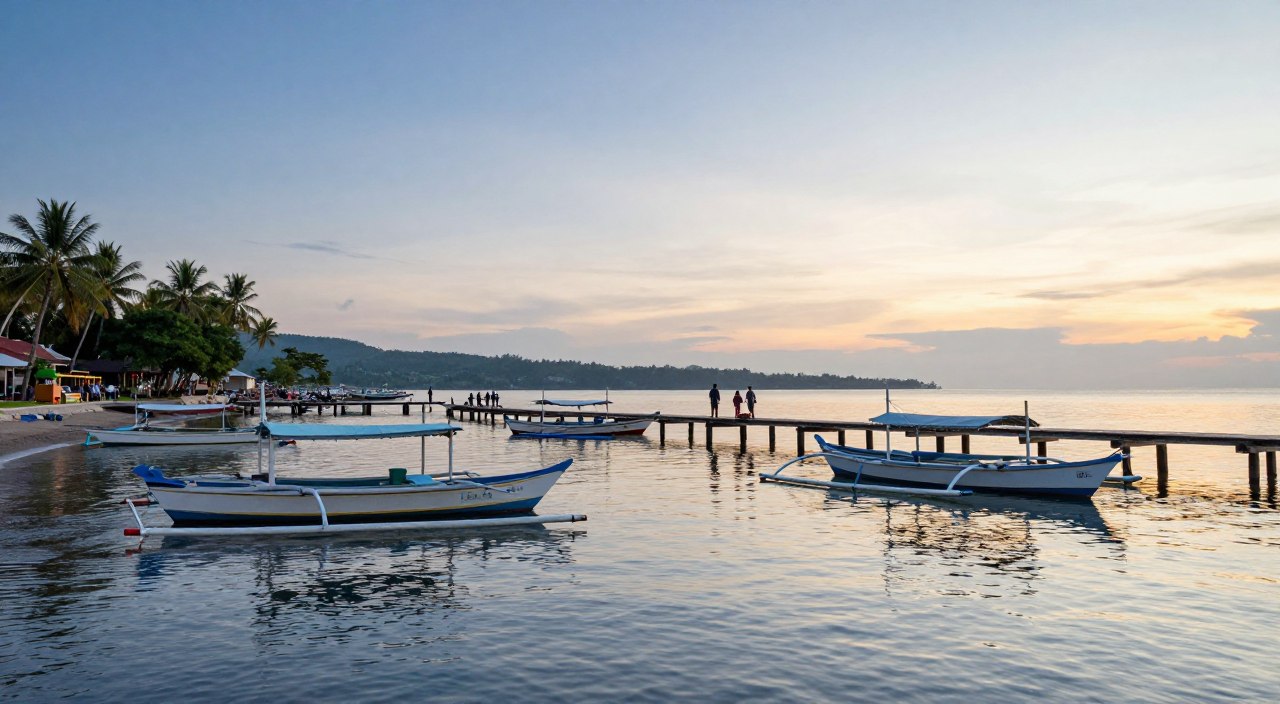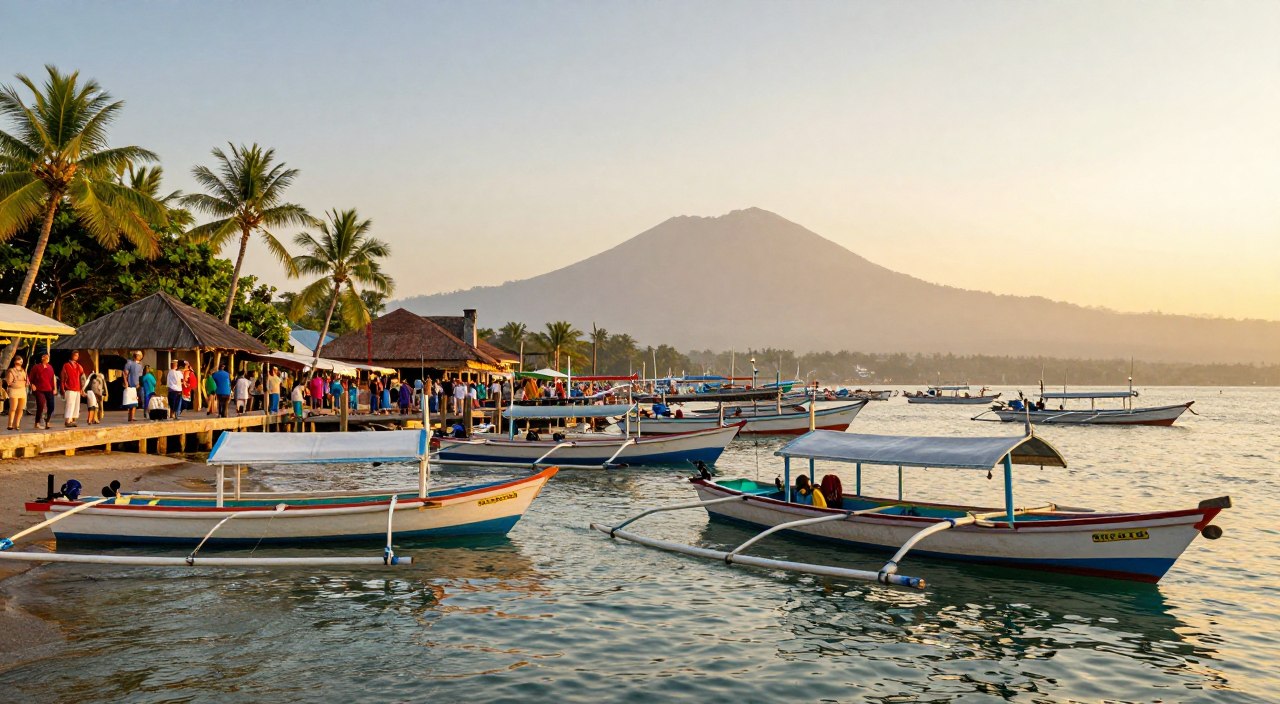
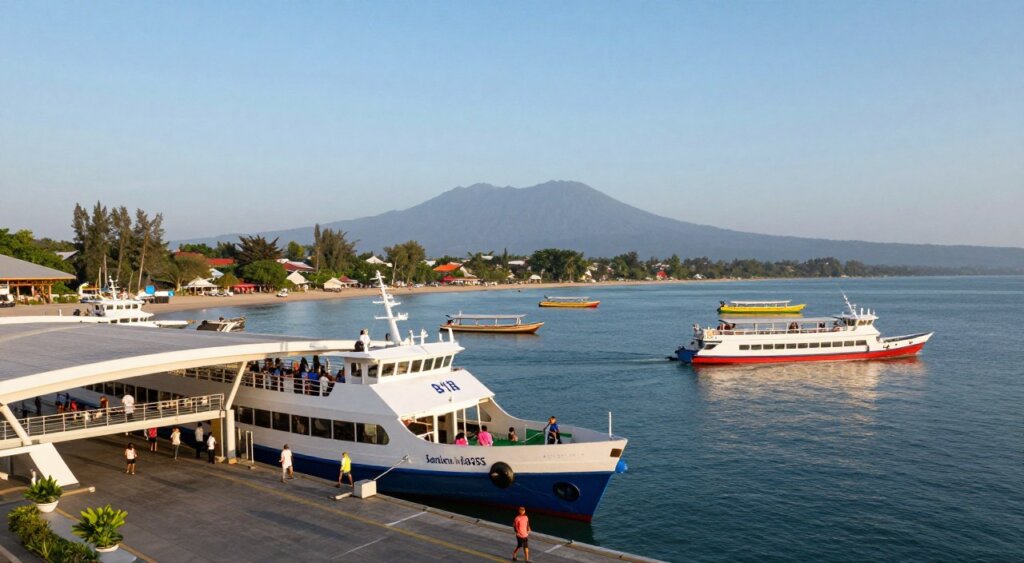
Standing on the dock at Sanur Port Bali is thrilling. Watching the sunrise paint the horizon is magical. It feels like an adventure is about to start, full of discovery.
This port is on Bali’s beautiful southeastern coast. It’s more than just a ferry terminal. It’s a key spot for those wanting to see Nusa Penida and Nusa Lembongan.
The vibe here is calm yet purposeful. It’s the perfect spot for starting your water adventures. It connects you to Bali’s stunning coastal sights.
Key Takeaways
- Sanur Port is Bali’s main maritime gateway on the southeastern coast.
- It’s a major hub for ferries and speedboats to the eastern islands.
- The port is an efficient and well-organised start for travellers.
- Its scenic location makes it a beautiful start to any journey.
- It’s the best place to start trips to Nusa Penida, Nusa Lembongan, and the Gili Islands.
- Facilities are available for ticketing, waiting, and basic traveller needs.
- Planning your departure time around the tides and weather is smart.
Overview of Sanur Port
Sanur Port is a key spot on Bali’s peaceful east coast. It’s not just a starting point; it’s where modern travel meets Bali’s beauty. Here, you can easily set off to explore Bali’s nearby islands.
Location and Accessibility
Sanur Port is right in the heart of Sanur beach. It’s close to Denpasar, Bali’s capital. This makes it easy for visitors to get there.
Getting to Ngurah Rai International Airport is simple. It’s about 30 to 45 minutes by car, depending on traffic. Many hotels offer shuttle services or can book a taxi for you.
If you’re already in Sanur, the port is close. You can walk or take a scooter from many resorts and villas. Its central spot makes getting there stress-free.
Historical Significance
The harbour’s history is a big part of Sanur’s story. It was once a quiet spot for local fishing boats. The sea was essential for the village.
As Bali’s tourism grew, so did the harbour. It turned into a bustling terminal for visitors. The port in Sanur Bali shows how Sanur changed from a fishing village to a popular resort.
Now, Sanur is a key place for trips to the Nusa Islands. It links old Balinese life with today’s travel needs. Thousands use this efficient port every day.
Services Offered at Sanur Port
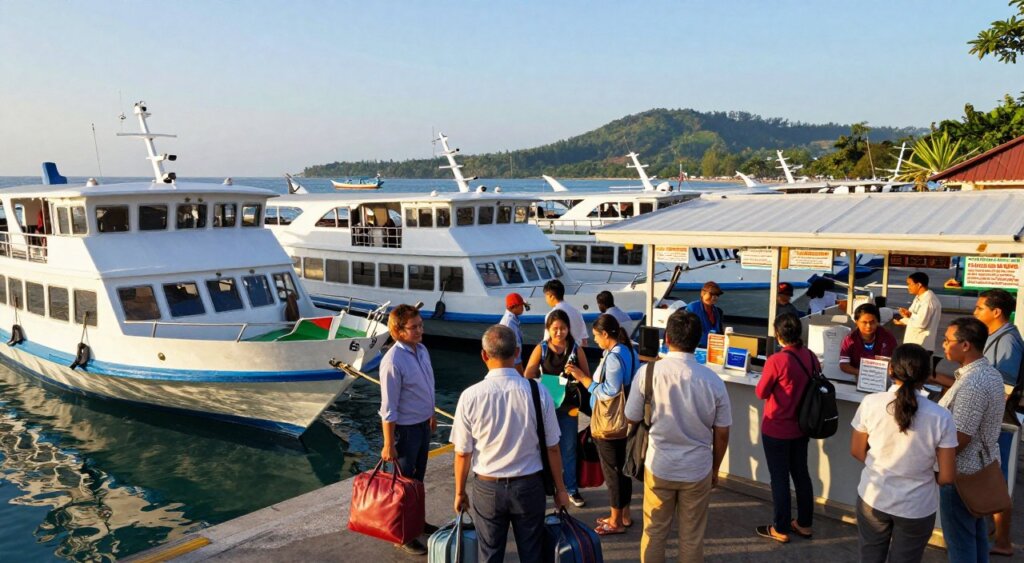
Sanur Port is a key spot for visitors, with two main services: scheduled ferries and water taxis. This Bali ferry port in Sanur connects you to the islands efficiently. It suits both those on a tight schedule and those looking for a private trip.
Ferry Services to Nusa Penida
The ferry services at Sanur Port are essential. The most sought-after route is to Nusa Penida. Companies like Scoot Fast Cruise and Angel Speed Boat offer daily trips.
These ferries take about 45 minutes to an hour to cross, depending on the sea. It’s best to book early, as tickets sell out fast during busy times.
There’s more than just ferry rides. Some services include ferry and van packages to places like Uluwatu. This shows how the port connects sea and land travel.
Water Taxi Options
Water taxis offer flexibility, unlike the scheduled ferries. They’re like a private charter for your group, with custom routes and times.
This is great for:
- Families or large groups wanting a private transfer.
- Tourists with specific timing needs outside ferry schedules.
- Those heading to a private villa or resort with its own dock.
Water taxis are pricier than regular ferry tickets but save time. You book them directly with an operator at the Sanur Port or through a local tour agent. This service shows the port’s flexibility for different traveller needs.
With both ferry and water taxi services, Sanur is a vital bali ferry port sanur for exploring the region’s waters.
Facilities Available at Sanur Port
The Sanur Port location is a big plus, with more than just a place to leave from. It has many amenities to make your wait more comfortable. These make waiting for your ferry or water taxi a better part of your trip.
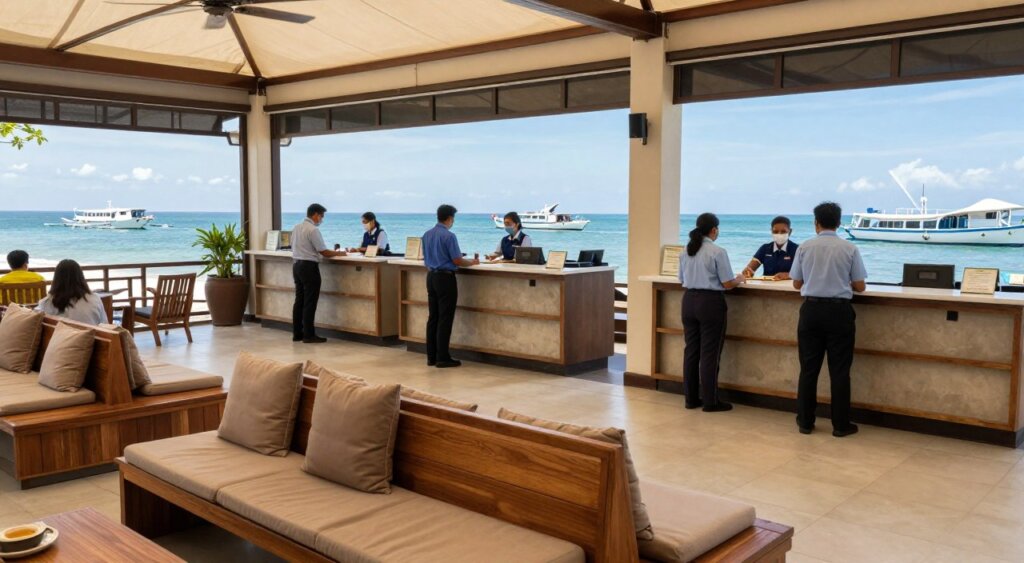
Waiting Areas and Lounges
The main waiting spots are shaded and open-air. They keep you cool and protect you from the sun. There are basic seats and the areas are clean and well-kept.
For more comfort, some ferry operators have special lounges. These lounges have air-conditioning, places to charge your devices, and free water. It’s a nice break before you board, perfect for Bali’s hot times.
Food and Beverage Outlets
There’s no need to go hungry at the port. You’ll find small kiosks and warungs (local eateries) with quick snacks and simple meals. They have cold drinks and things like nasi goreng (fried rice) or mie goreng (fried noodles).
For a proper coffee or a cool drink, there are modern convenience stores. It’s a good idea to have some Indonesian Rupiah ready, as not all places take cards. Getting a drink here is a common last thing to do before heading to the islands.
Parking and Transportation Facilities
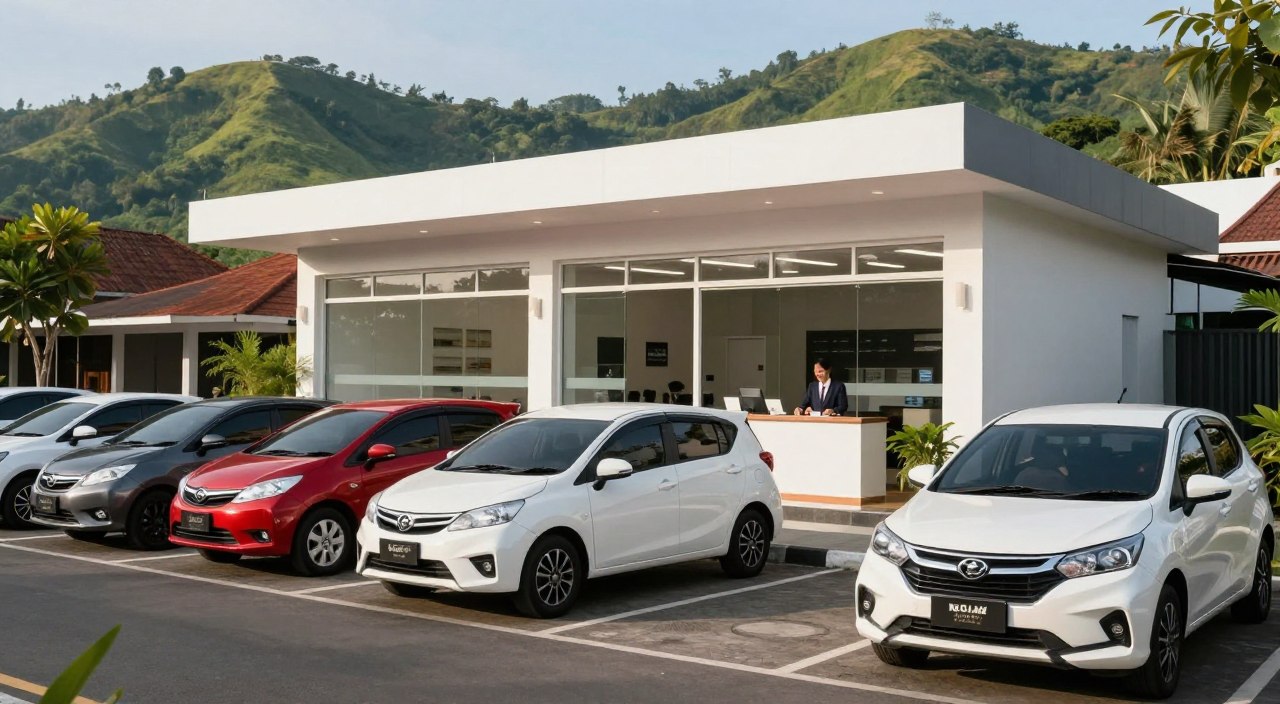
If you’re coming by car, the port has a secure parking area. The parking rates are fair, making it a good choice for those driving from around Bali. The parking lot is close to the check-in counters.
For taxis or ride-sharing apps like Grab or Gojek, there’s a special pick-up and drop-off area. Drivers know the port’s location, making getting there easy. Local bemos (public minivans) also run to and from the port entrance.
“Having a clear pick-up zone and plenty of parking makes the end of the journey easy. You can just focus on getting your tickets and boarding.”
The focus on practical amenities means your island-hopping adventure starts and ends smoothly. The facilities help connect road travel to your sea journey.
Travel Tips for Using Sanur Port
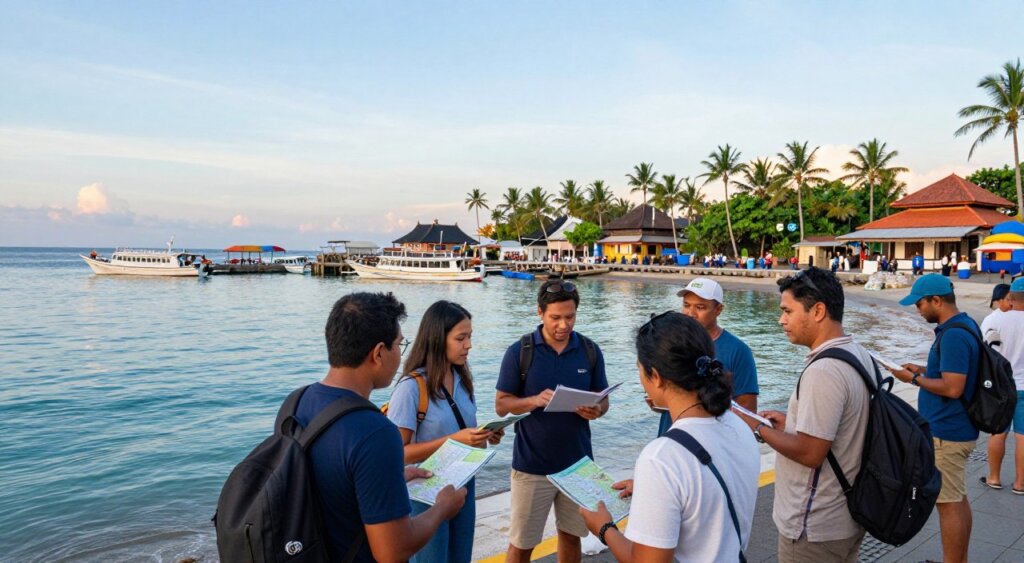
To make your journey from Sanur Port smooth, follow these travel tips. A bit of planning can make your island hopping trip enjoyable and stress-free. This advice comes from experienced travellers and locals.
Best Times to Visit
Choosing the right time to leave Sanur Port can make a big difference. Weather, sea conditions, and crowd levels are key factors.
The dry season, from April to October, is the best time. The seas are calmer, making the ferry ride to places like Nusa Penida more comfortable. But, it’s also Bali’s busiest tourist season, so the port can be crowded.
For a quieter visit, try the shoulder months of April, May, September, or October. You’ll get good weather with fewer people around.
Also, the time of day matters. Early morning departures, before 9 am, are recommended. You’ll avoid the heat and crowds. Afternoon sailings might face stronger winds and rougher seas.
“Catching the first ferry out of Sanur was the best decision we made. The water was like glass, and we had the island to ourselves for hours.”
Ferry travel times to nearby islands are 1 to 2 hours. During the Australian holiday high season (June-August and December), book your tickets online early. This ensures you get a spot and avoid disappointment.
| Season | Crowd Level | Sea Conditions | Booking Advice |
|---|---|---|---|
| Dry Season (Apr-Oct) | High | Mostly Calm | Book at least 3-7 days ahead |
| Wet Season (Nov-Mar) | Moderate to Low | Can be Rough | Book 1-2 days ahead, check weather |
| Shoulder Months (Apr, May, Sep, Oct) | Moderate | Generally Good | Book a few days in advance |
What to Bring
Carrying the right items in your day bag will keep you comfortable and ready for the journey. Here’s a list of essentials for your Sanur Port departure:
- Sunscreen and a Hat: The Balinese sun is intense, and you’ll be exposed on the ferry deck and while waiting.
- Drinking Water: Stay hydrated, as the tropical heat can be challenging. You can buy it at the port, but having your own is convenient.
- Travel Documents: Keep your ticket confirmation, passport, or ID easily accessible for check-in.
- Motion Sickness Remedies: If you’re prone to seasickness, bring tablets or bands for the ferry ride.
- Light Jacket or Sarong: Ferry air conditioning can be chilly, and a sarong is useful for temple visits on the islands.
- Cash (Indonesian Rupiah): For small purchases, tips, or transport at your destination. Card facilities may be limited.
A final tip: pack light. You’ll need to carry your bags on and off the ferry yourself. A small, secure backpack is perfect for your Sanur Port essentials.
Tickets and Fares
Before you sail from Sanur Port, knowing ticket prices and booking options is key. It helps you plan your budget and avoid surprises at the dock.
Pricing Information for Different Destinations
Ticket prices from Sanur Port vary. They depend on your destination and the service type. A basic ferry to a nearby island is cheaper than a fast boat or private charter.
Here’s a rough guide to ticket costs. Prices are in Australian dollars for your convenience.
| Destination | Service Type | Approx. Fare (AUD) | Notes |
|---|---|---|---|
| Nusa Penida | Standard Public Ferry | $10 – $15 | Most economical transportation from Sanur Port. |
| Nusa Lembongan | Fast Boat | $25 – $35 | Faster journey, often includes hotel transfer. |
| Gili Islands (Lombok) | Ferry + Van Combo | From ~$8.50 | Operators like Bali Magir Trans offer combined land and sea tickets. |
| Private Charter | Water Taxi | From ~$35 | Ideal for groups or direct, flexible routing. |
| Sanur Area Transfer | Private Taxi | From ~$35 | Useful for getting to/from the port with luggage. |
Keep in mind, these prices are just a guide. Seasonal demand, fuel costs, and the operator can change prices. Always check the latest fares before booking.
Online Booking Options
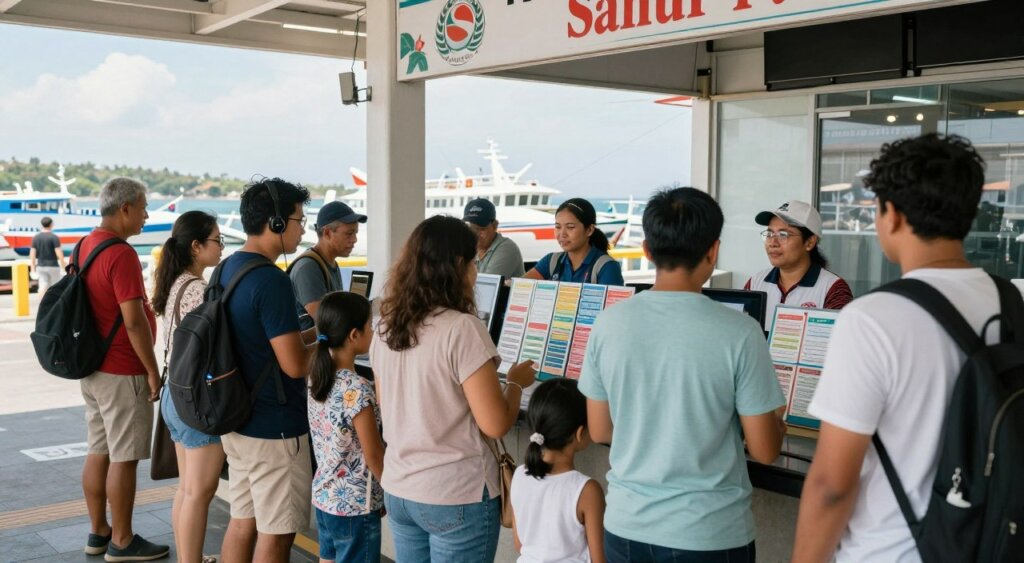
In today’s world, booking your tickets online is a smart move. It makes your trip to the port much easier.
Booking online has many benefits:
- Price Assurance: You secure your fare, avoiding price increases.
- Guaranteed Seat: This is vital during busy times, ensuring you get on the next boat.
- Skip the Queues: With a pre-paid ticket, you can go straight to a special check-in area.
- Easy Comparison: You can easily compare different operators, schedules, and prices online.
Booking is easy. Just go to a travel website or the operator’s page. Choose your route, date, and number of passengers. Payment is secure, and you’ll get an e-ticket by email. Booking a day or two in advance is wise, as it gives you the best choices and sometimes discounts. Having your ticket ready as you go to the port is very reassuring.
Connecting Destinations from Sanur
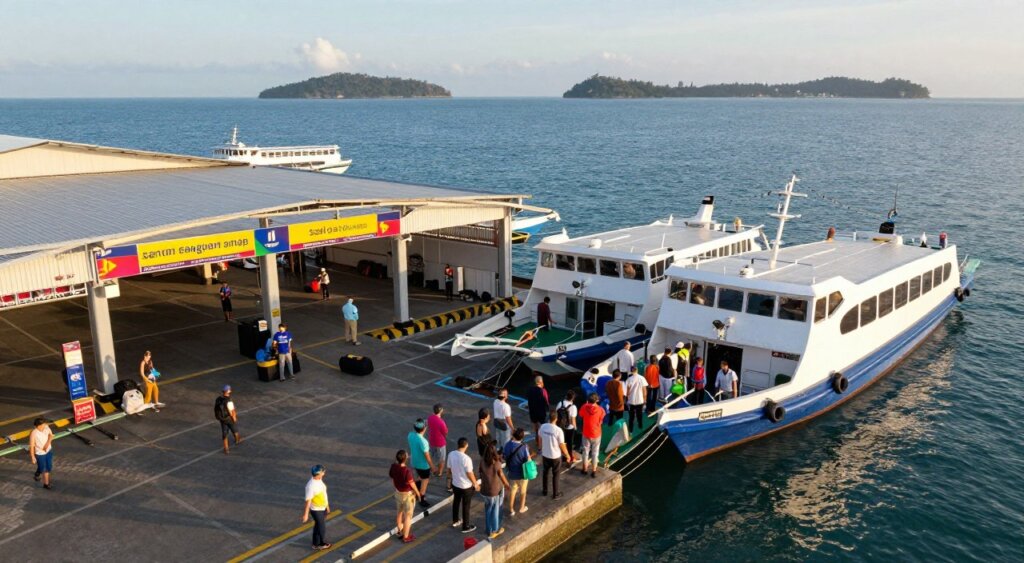
Sanur Port is more than just a ferry stop. It connects you to the Nusa archipelago and Bali’s eastern coast. It’s a key spot for reaching the island’s rugged eastern beauty.
Popular Nearby Islands
Nusa Penida is a top spot from Sanur, but there’s more. You can also visit its calm neighbours easily.
- Nusa Lembongan: It’s known for its chill atmosphere, mangrove forests, and great surfing. It’s ideal for a peaceful getaway.
- Nusa Ceningan: Linked to Lembongan by the Yellow Bridge, it offers stunning views, a blue lagoon, and fun activities.
Many people visit all three islands together. The travel between them is easy and cheap, making it a great choice for island-hopping.
Travelling to Bali’s Eastern Features
Sanur Port is also the start for mainland Bali’s wonders. You can get there by combined ferry and van journey. It’s a smart way to avoid Denpasar’s busy roads.
For example, getting to Uluwatu is easier by boat to the Bukit Peninsula, then a short van ride. It’s faster and more scenic than driving.
This approach works for other eastern spots too. Places like Tirta Gangga, Sidemen villages, and Bali’s eastern beaches are all within reach. Starting with a ferry from Sanur makes your journey more enjoyable.
Safety and Security Measures
Planning your island adventure from Sanur Port means knowing about safety and security. The port management focuses on keeping everyone safe. This makes your journey across the Bali Sea smooth and secure.
On-site Security Personnel
Sanur Port has a team of security staff always on duty. You’ll see them at the entrance, ticket counters, and along walkways. They help keep things orderly and assist travellers.
Modern surveillance systems also watch over the port. Cameras cover the terminal and docks. This setup helps keep the area safe, so you can focus on your trip.
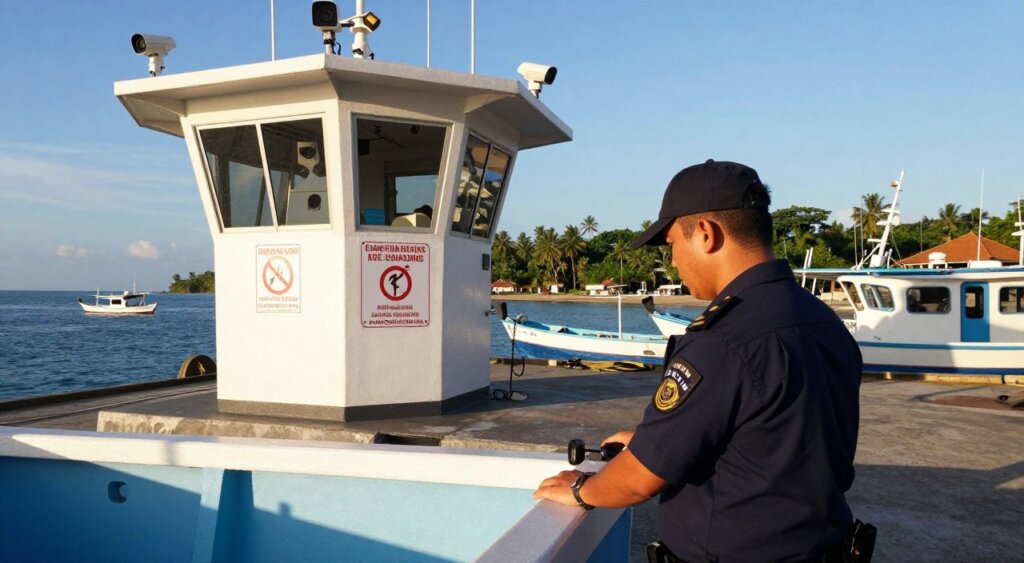
Ferries and water taxis follow strict safety rules. Crews are trained, and vessels are checked regularly. This safety culture is shared between land and sea.
Emergency Protocols
Sanur Port has plans for different emergencies. These include minor medical issues and serious maritime incidents. Staff and crew get regular training to handle these situations.
There are emergency resources available on site. You’ll find first-aid kits, life rings, and communication links. If there’s an emergency at sea, the captain can quickly contact authorities.
Before you board, learn about basic safety rules. Listen to the crew’s safety briefing and know where life jackets are.
The table below shows the safety and security facilities at Sanur Port:
| Facility / Measure | Location / Purpose | Notes for Travellers |
|---|---|---|
| Security Personnel | Stationed at entrances, terminals, and docks. | Provide direction and visible oversight; feel free to ask them for assistance. |
| CCTV Surveillance | Coverage across public and operational areas. | Monitors activity continuously for proactive security management. |
| First-Aid Station | Located within the main terminal building. | Staffed with basic medical supplies for minor incidents. |
| Emergency Communication | Radio links between port, vessels, and local services. | Ensures rapid coordination in case of an offshore or onshore incident. |
| Life-Saving Equipment | Available on all jetties and mandated on all vessels. | Includes life rings and life jackets; their use is explained during boarding. |
Sanur Port keeps high standards to make your travel safe and enjoyable. This is true from the start of your journey to when you arrive.
Environmental Aspects of Sanur Port
Sanur Harbour Bali works hard to reduce its environmental impact. It balances its busy transport needs with care for the planet. This section looks at how the port keeps clean and respects nature.
Efforts to Maintain Cleanliness
Cleaning is a big deal at Sanur Port. A team of cleaners works non-stop to keep the area tidy. They make sure the port, walkways, and water’s edge are free of trash.
The port has a system for handling waste. It uses colour-coded bins for recycling and general waste. This waste is then sorted and processed by licensed partners to cut down on landfill.
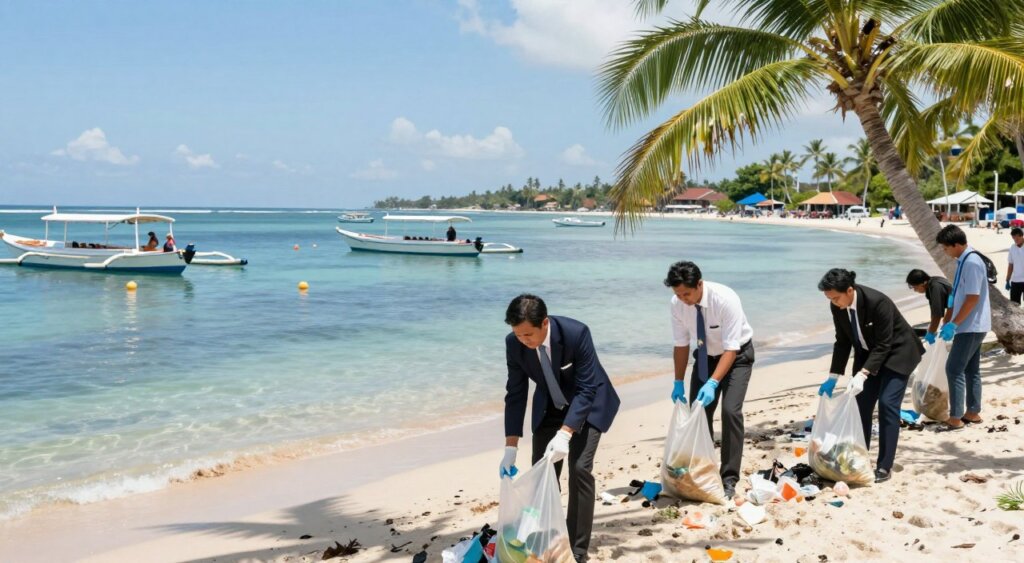
Getting the community involved is also important. The port organises and sponsors beach clean-up events. These efforts help create a culture of caring for the environment among locals and visitors.
| Initiative | Description | Frequency |
|---|---|---|
| Daily Harbour Cleaning | Sweeping, mopping, and litter collection in all passenger areas and docks. | Continuous, throughout operating hours. |
| Waste Segregation System | Provision of separate bins for plastic, paper, and general waste to encourage recycling. | Ongoing, with daily collection. |
| Community Beach Clean-ups | Organised events inviting locals and tourists to help clean the adjacent coastline. | Monthly, with additional sessions during peak seasons. |
| Vessel Waste Compliance | Guidelines for ferry operators to manage onboard waste properly before docking. | Enforced for all scheduled services. |
Impact on Local Ecosystem
Maritime activities affect the local ecosystem. Sanur Port’s team watches this closely. They look at how vessel traffic and passenger numbers might change water quality and disturb marine habitats.
To lessen these impacts, the port has measures in place. It sets speed limits for boats to reduce noise and erosion. It also tests water quality regularly to prevent harmful runoff.
The port also protects marine life. It has signs to remind visitors not to feed fish or disturb coral. Some ferry operators help with coral reef restoration projects. These efforts aim to keep Sanur’s waters beautiful for the future.
The goal is to be a functional and eco-conscious gateway. Sanur Harbour Bali wants to be a model for sustainable ports in the area.
Local Attractions Near Sanur Port
Sanur Port is more than just a transport hub. It’s surrounded by beautiful beaches and historical sites. You can relax on the beach or explore cultural spots, all within walking distance or a short taxi ride.
Beaches and Resorts
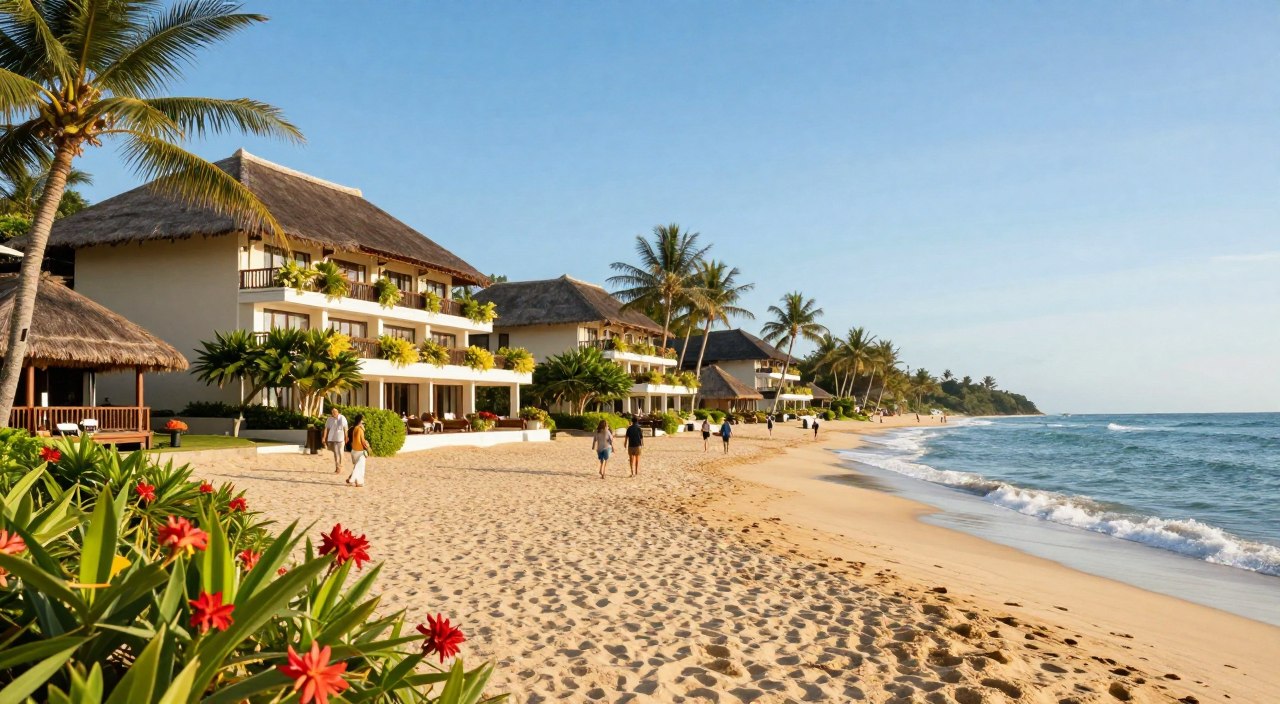
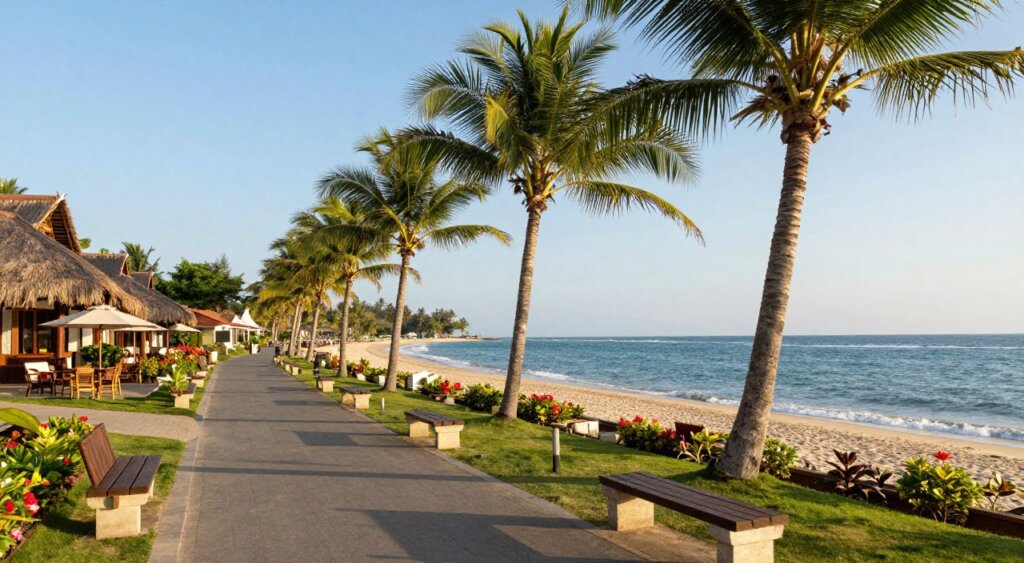
Sanur Beach is the main attraction. It has a paved path, lined with resorts, cafes, and local shops. It’s perfect for walks, swims, or watching fishing boats.
Many resorts offer day passes. This lets you enjoy their facilities without staying overnight. It’s a great way to unwind after a ferry trip. The area is calm and family-friendly, unlike Bali’s western coasts.
Cultural Sites
The area around Sanur Port is rich in history and art. The Le Mayeur Museum is a must-see. It was the home of Belgian painter Adrien-Jean Le Mayeur and his Balinese wife.
There are also important temples nearby. Pura Blanjong, for example, has a 10th-century pillar. Remember to dress respectfully when visiting these sites. They offer a deep look into Bali’s heritage, close to the port.
Spending a few hours at the beach and visiting a museum or temple is ideal. It lets you see Sanur’s natural beauty and artistic side, all near the port.
Travel Alternatives to Sanur Port
Bali’s coastline has many ports, each for different places and needs. Sanur is great for quick trips to the Nusa Islands. But, other ports offer longer trips, luxury cruises, or other areas. Knowing your options helps choose the best start for your Indonesian adventure.
Other Departure Points in Bali
Two main harbours handle most traffic from Bali, aside from Sanur. Padangbai, on the east coast, is for vehicles and people going to Lombok and the Gili Islands. It’s lively and local.
Benoa Harbour, south of Denpasar, welcomes large cruise ships and luxury yacht charters. It also has fast boats to Nusa Penida and Lembongan. The vibe here is modern and international.
Smaller jetties like Serangan or Kusamba serve local routes or fishing communities.
Comparison with Padangbai and Benoa
Choosing between Sanur, Padangbai, and Benoa depends on your destination, budget, and travel style. Here’s a direct comparison to help you decide.
| Feature | Sanur Port | Padangbai | Benoa Harbour |
|---|---|---|---|
| Primary Destinations | Nusa Penida, Nusa Lembongan, Nusa Ceningan | Lombok, Gili Islands (public ferry) | Nusa Islands (fast boats), Cruise ship itineraries |
| Vessel Types | Medium-speed ferries, fast boats, private charters | Large vehicle ferries, slow public boats | Large cruise ships, luxury fast boats, yachts |
| Passenger Volume & Atmosphere | Moderate; organised, tourist-friendly, less chaotic | High; busy, authentic, can be crowded | Variable; modern facilities, upscale but can feel impersonal |
| Key Advantage | Most direct and frequent service to the Nusa Islands | Most economical route to Lombok and Gilis | Best for cruise passengers and premium fast boat services |
For trips to the Nusa Islands, the Sanur cruise terminal is often the most convenient choice. Its services are frequent, and the journey time is shortest. The terminal is relatively compact and easy to navigate.
If your goal is Lombok or a longer sea journey with your vehicle, Padangbai is your only real option. The experience is more rustic but offers significant cost savings.
Benoa is the hub for international cruise visitors and those seeking a more premium fast boat experience. While it also serves the Nusas, the trip from Sanur is usually quicker for most accommodation areas in south Bali.
Ultimately, your destination dictates your port. For a seamless trip to the Nusas, Sanur’s dedicated services are hard to beat. For broader exploration, understanding these alternatives ensures you begin your voyage the right way.
Accessibility for Disabled Travellers
For those with disabilities, visiting a port can seem tough. But Sanur has made it easier. The port has many features to help everyone. Planning ahead can make your trip to the islands easy and worry-free.
Facilities for Those with Mobility Issues
Sanur Port is designed for wheelchair users and those with limited mobility. It has gentle ramps and no stairs at main entry and exit points. Paths are paved and flat, making it easy to get from parking to the terminal and docks.
Inside, there are special toilets for disabled travellers. They are easy to find and have more space and support rails. There are also parking spots close to the terminal for those driving.
Getting on the ferry is important. Not all ferries have air bridges. Some use gangways. Port staff and ferry crew can help you get on safely. Always check with your ferry operator about boarding.
Assistance Services Available
There’s more than just physical help. To have a smooth trip, let your ferry company know in advance. When you book, tell them about any special needs. Most can arrange help or priority boarding.
On the day, port staff will help. Security and the information desk can guide you. They can help with luggage or find someone to escort you. Don’t be shy to ask for help.
Here’s a table to show what help is available and how to get it.
| Type of Assistance | Provided By | How to Request |
|---|---|---|
| Wheelchair escort to gate | Port security / information staff | Request on arrival at the terminal. |
| Boarding help onto the ferry | Ferry crew members | Advise ferry operator when booking; also notify crew at the dock. |
| Luggage handling support | Port porterage service or ferry crew | Request at the terminal; a small fee may apply for porters. |
| Access to disabled parking | Port parking attendants | Follow signs to designated bays; display your permit. |
| Use of terminal wheelchair | Port information desk | Inquire at the desk; subject to availability. |
Sanur Port is always working to be more accessible. While some old boats might be tricky, the port’s facilities and staff help a lot. By telling them about your needs and knowing what’s available, you can enjoy your island trip.
Historical Context of Sanur Port
Before it was a busy ferry hub, Sanur’s beach was simple for local fishermen. The calm, safe beach was perfect for boats to land. The Sanur Port we know today shows Bali’s rapid growth into a top tourist spot.
Development Over the Years
The port started as a simple wooden jetty for small boats. As Bali’s tourist numbers rose in the late 20th century, so did the need for easy access to islands like Nusa Penida. This need drove the port’s changes.
Authorities saw the need for a safer, better place for people to leave. The jetty was upgraded, and a concrete breakwater was built to calm the sea. New passenger terminals and waiting areas replaced old shelters.
The port’s change from a casual spot to a formal terminal was gradual. Each update aimed to improve safety and handle more travellers.
Key Milestones
Several key events highlight the port’s growth into a modern transport hub:
- 1970s-1980s: Sanur was a quiet beach resort. Maritime services were informal, mainly for fishing and some passenger trips.
- 1990s: With tourism up, the first regular trips to the Nusa Islands started. The first terminal building was built to handle more people.
- Early 2000s: Big investments in the harbour followed. It was dredged and made bigger to fit larger, faster ferries and improve safety.
- 2010s to Present: The port grew commercially. More ferry operators came, and port services became formal. Facilities improved with better lounges, cafes, and parking.
Now, Sanur Port is a dedicated gateway. It efficiently links mainland Bali with its beautiful offshore neighbours. Its story of growth mirrors Bali’s own journey.
How to Get to Sanur Port
For those sailing from Sanur Port, getting there is easy. You can travel from Sanur, Kuta, or Denpasar. Choose from public transport or a private car.
Public Transport Options
Bali’s public transport is cheap and reliable. While there’s no direct bus to the port, shared rides are available.
Bemos (minivans) and buses run along Jalan By Pass Ngurah Rai. Just ask to be dropped at the port turn-off. Then, it’s a short walk or a cheap taxi ride to the terminal.
Ride-sharing apps like Grab and Gojek are also great. They offer door-to-door service to the port. Blue taxis are everywhere; always use the meter or agree on a fare first.
Private Vehicle Guidelines
Driving yourself? It’s easy. There’s a special area for dropping off passengers right outside the terminal. This makes getting to check-in quick.
For parking, secure paid parking is available on-site. You can pay by the hour or for the day. Bring some Indonesian Rupiah for the parking attendant.
Plan to arrive early to avoid traffic jams. Look for signs saying “Sanur Harbour” or “Pelabuhan Sanur” to find the entrance.
Visitor Reviews and Feedback
Visitor reviews of Sanur Port are full of praise and criticism. They give a detailed look at what to expect. These reviews are like a treasure trove for anyone planning a trip.
Feedback helps set realistic expectations. You learn what works well and what might cause a problem. This section breaks down the common themes from hundreds of traveller stories.
Common Praise and Criticisms
Many travellers praise the efficiency of the ferry check-in and boarding. They say it runs smoothly, even for early morning departures. The views of the coastline are a big highlight.
The local staff are often praised for being friendly and helpful. They assist with luggage and give clear directions. This makes the experience better for first-time visitors and families.
On the other hand, waiting times can be a problem during peak seasons. The ticket counters and boarding gates can get crowded. Some reviews mention that the departure lounges can get very busy.
A recent poll showed that 64% prefer a ferry and van package for travel. Only 36% chose a taxi alone. This shows how much tourists value connected journeys.
| Aspect | Common Praise | Common Criticism |
|---|---|---|
| Check-in Process | Streamlined and relatively quick for pre-booked tickets. | Can be slow and confusing for walk-up purchases during peak hours. |
| Facility Cleanliness | Waiting areas and restrooms are generally well-maintained. | Litter can accumulate during very busy periods. |
| Staff Assistance | Helpful with luggage and providing information. | Limited English proficiency can sometimes be a barrier. |
| Value for Money | Ferry fares are considered reasonable for the service. | Additional fees for luggage or premium seating are sometimes unclear. |
| Overall Experience | Reliable and scenic way to access the Nusa islands. | Can feel hectic and disorganised when multiple ferries depart at once. |
Tips from Experienced Travellers
Seasoned visitors to Sanur Port have shared their wisdom. Their advice can make your trip unforgettable. Here are some of their top tips.
- Arrive Early: For a 9 AM ferry, aim to be at the port by 8 AM. This gives you a buffer for traffic and ensures you get a good seat on the boat.
- Book Combo Tickets: Consider the ferry+van package if your final destination isn’t Sanur. It’s often more convenient and better value, as the traveller poll suggests.
- Choose Your Operator: Not all ferry companies are equal. Read recent reviews to select an operator known for newer boats and punctuality.
- Pack Lightly: You’ll need to carry your bags short distances on and off the ferries. A backpack is easier than a heavy wheeled suitcase.
- Bring Snacks and Water: While there are food outlets, having your own supplies is handy for long waits or the journey itself.
- Have Small Cash Ready: Keep some Indonesian Rupiah in small denominations for quick purchases, porters, or tips.
One traveller summed it up well: “A bit of planning and realistic expectations make all the difference. Sanur Port is a gateway to adventure, not a luxury lounge.” Use this feedback to navigate your journey like a pro.
FAQs about Sanur Port
Here are answers to common questions about Sanur Port. Knowing these details before you go can make your trip easier.
Operating Hours
The Sanur Port terminal is open during the day. But, the key thing for travellers is the ferry services schedule. These services don’t run all day and have set times.
Fast boats and ferries from Sanur Port usually run from 10:00 AM to 6:00 PM. The exact times can change based on the company and the season. Below is a table showing typical schedules.
| Destination | Typical Departure Window | Important Notes |
|---|---|---|
| Nusa Penida | 7:30 AM – 4:30 PM | Most frequent service; peaks mid-morning. |
| Nusa Lembongan | 8:00 AM – 5:00 PM | Often combined with Penida services. |
| Lombok / Gili Islands | 8:30 AM – 9:30 AM | Usually one morning departure only. |
| Port Terminal Access | 6:00 AM – 7:00 PM | For ticket purchase and waiting areas. |
Always check the operating hours with your ferry company when booking. Arrive at least 45 minutes to an hour before your trip for check-in.
Lost and Found Services
If you lose something at Sanur Port, don’t worry. Report it as soon as you can. Start by contacting the port office or the ferry company you used.
Describe your lost item well, including its colour, brand, and any special features. Tell them where and when you think you lost it. Giving your travel details, like your ticket number or when you left, helps a lot.
The staff will look for your item. If found, they’ll contact you. They might arrange for you to pick it up later if you’ve already left.
To make things easier, label your bags and valuables with your contact info before you go. This helps the lost and found team find your stuff.
Conclusion: Why Choose Sanur Port
Sanur Port Bali is a key entry point for exploring the island. It’s located in a strategic spot, making it easy to get to eastern Bali and more.
Knowing what the port offers helps you make better travel choices.
Summary of Advantages
The port’s main benefits are clear. It has a reliable ferry service to places like Nusa Penida. You can also find flexible water taxi options for different times.
Traveling from Sanur Port can be very affordable. Packages that include ferry and van start at USD 5.88. The ferry ride across the Bali Sea is also a treat, giving you great views for your money.
Final Thoughts on Travel Options
Choosing the right service depends on what you want from your trip. Speedboats are great for those in a hurry. Traditional ferries offer a scenic, relaxed journey at a lower cost.
Think about your budget, time, and what you want to experience. Sanur Port Bali has good facilities and routes. It’s a solid base for planning your Indonesian island adventure.