
Ever felt that mix of excitement and confusion when booking a flight to an Indonesian island? You’re looking for flights and need to know the Lombok airport code. The answer is simple. The official IATA code for the island’s airport is LOP.
The LOP code stands for Zainuddin Abdul Madjid International Airport. It’s your guide for finding flights online and spotting your luggage. For example, an Indonesia AirAsia flight from Kuala Lumpur is QZ462, landing at LOP.
Knowing this code makes planning your trip easier. It helps you search correctly, understand your flight, and start your journey smoothly.
Key Takeaways
- The official IATA code for Lombok’s international airport is LOP.
- This code refers to Zainuddin Abdul Madjid International Airport.
- You’ll use the Lombok international airport code when booking flights and checking luggage.
- Airline systems, like the one showing flight QZ462 from Kuala Lumpur (KUL), rely on these codes.
- Having the correct code prevents booking errors and confusion during travel.
- It’s an essential piece of info for any Aussie traveller heading to the Gili Islands or Lombok’s beaches.
Introduction to Lombok Airport Code
When you book a trip to Lombok, a three-letter code is your first clue. This code, LOP, is more than just a letter combination. It’s the key to easy travel, linking you to flights and holiday plans. Knowing this code is the first step in navigating air travel.
Importance of Airport Codes
Airport codes are vital in the world of flying. They make travel smooth and clear for millions daily. Without them, travel would be slow and full of mistakes.
Their crucial role affects every part of your trip:
- Streamlined Bookings: Entering “LOP” when searching for flights to Lombok ensures your booking is correct.
- Precise Flight Tracking: Airlines and air traffic control use codes to track planes safely across the globe.
- Accurate Baggage Handling: Your luggage tags have airport codes, guiding your bags to the right carousel.
- Clear Travel Documentation: Codes are on tickets and boards, making location easy to spot.
This system overcomes language barriers and long airport names. It turns destinations into quick, global symbols.
Overview of the Airport Codes System
The airport code system is efficient and well-organised. Two major bodies assign these codes, each for a different purpose.
The International Air Transport Association (IATA) gives the three-letter codes we use. These are the “customer-facing” codes. You use them when booking, checking in, or finding your gate. The lombok LOP airport code is an IATA code.
On the other hand, the International Civil Aviation Organisation (ICAO) assigns four-letter codes for operational use. Pilots, controllers, and planners use ICAO codes in their work.
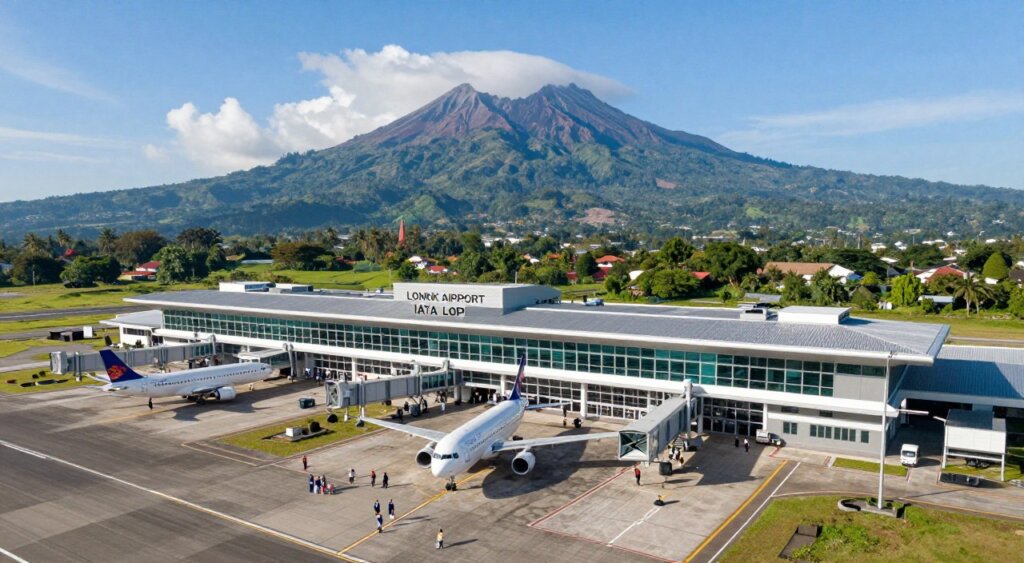
The IATA list has hundreds of these codes, showing the vast scale of air travel. This language ensures Lombok’s code is always LOP, no matter where you’re flying from.
The table below shows the main differences between these coding systems:
| Feature | IATA Code (e.g., LOP) | ICAO Code (e.g., WADL) |
|---|---|---|
| Length | 3 letters | 4 letters |
| Primary Use | Public, commercial, and passenger services (booking, baggage, ticketing) | Operational, technical, and air traffic control (flight plans, cockpit communications) |
| Assigning Body | International Air Transport Association | International Civil Aviation Organisation |
| Familiarity | Widely known by travellers and used in everyday travel search | Primarily used by aviation professionals and within the industry |
| Example for Lombok | LOP | WADL |
As a traveller, focus on the IATA code. Knowing LOP means Lombok International Airport makes planning and arrival easy. This system makes visiting places like Lombok easy from Australia and worldwide.
Air Transportation in Lombok
Getting to Lombok by air means using the LOP airport code for all flights. This code is your key to reaching this Indonesian paradise. For those from Australia and around the world, knowing Lombok’s air network is key to a smooth trip.
The air transport system in Lombok is modern and efficient. It connects you directly to its famous beaches and cultural sites. All commercial flights land at one main airport.
Overview of Lombok International Airport
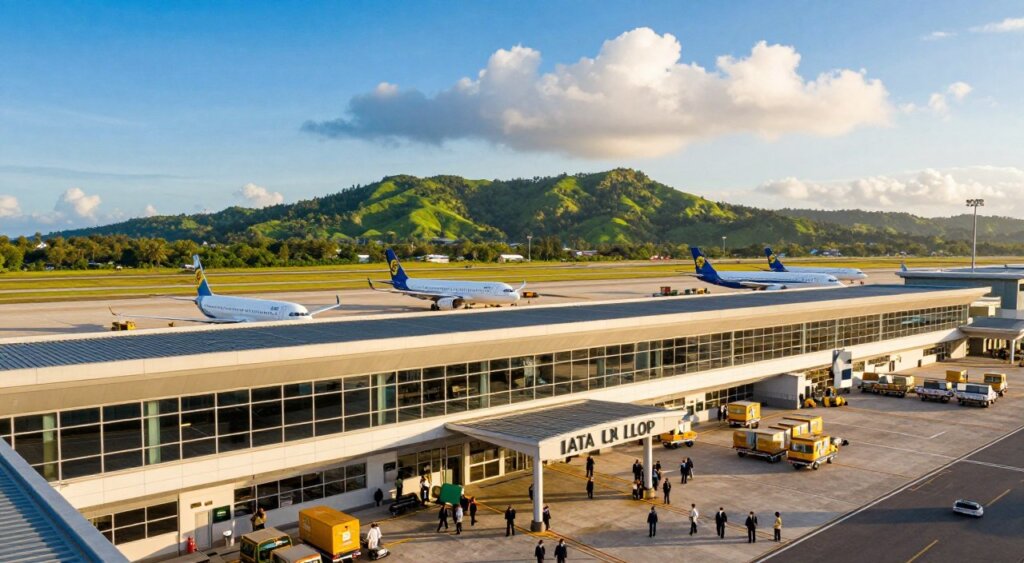
Lombok International Airport, also known as Zainuddin Abdul Madjid International Airport, is the main airport. It’s located in the central part of Lombok near Praya. It replaced the older Selaparang Airport and offers a comfortable experience for passengers.
The airport’s IATA code, LOP, is used worldwide by airlines and travel agents. You’ll see this code on your ticket and luggage tags. It handles domestic flights across Indonesia and international services.
Key Destinations Served
From the LOP airport code, you can reach several major hubs. Direct international flights connect Lombok with key Southeast Asian cities. For example, there’s a service from Kuala Lumpur International Airport (KUL).
Indonesia AirAsia operates this route under flight number QZ462. The journey takes about three hours and five minutes. This direct link makes Lombok easy to reach for travellers connecting through Malaysia.
Domestically, Lombok is well-connected to Bali’s Ngurah Rai Airport (DPS), with multiple daily flights. Other frequent Indonesian destinations include Jakarta, Surabaya, and Yogyakarta. These connections are vital for tourism and local business.
Airlines Operating at Lombok
Several carriers offer regular flights to and from Lombok. This includes a mix of full-service and low-cost airlines, catering to different budgets.
- Garuda Indonesia: The national flag carrier offers flights from Jakarta and other major cities.
- Lion Air & Batik Air: Provide extensive domestic network coverage.
- Citilink: A low-cost subsidiary of Garuda, serving key Indonesian routes.
- Indonesia AirAsia (QZ): Operates the important international route from Kuala Lumpur (KUL) to LOP.
Checking your airline’s schedule using the LOP code ensures you book the correct flight to this beautiful island destination.
Lombok International Airport Code
The three-letter code LOP is more than just an abbreviation. It’s Lombok International Airport’s passport to the world. For any traveller booking a flight or tracking luggage, this unique identifier is essential.
You will see the Lombok airport IATA code on your ticket, boarding pass, and airport departure boards. It is the key that connects you to this beautiful Indonesian island.
What is Lombok Airport Code?
Lombok’s official IATA code is LOP. IATA stands for the International Air Transport Association. This body assigns unique three-letter codes to airports globally.
These codes are used by airlines, travel websites, and booking systems. When you search for flights to Lombok, entering “LOP” ensures you find the correct airport. It distinguishes Lombok International from all others.
Code Assignment and Significance
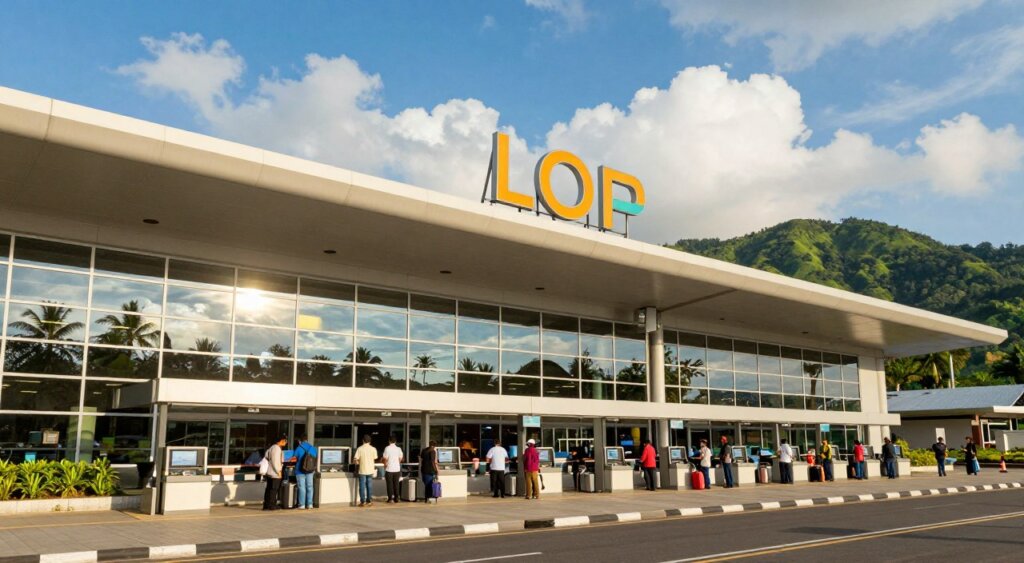
IATA codes are not random. They are often derived from the city or airport name. For Lombok, the ‘LO’ comes from Lombok itself. The ‘P’ is widely understood to come from Praya, the regency where the airport is located.
This assignment creates a distinct and memorable code. The significance of LOP is substantial for both systems and passengers.
In global reservation and logistics systems, LOP pinpoints the exact airport. This prevents confusion with nearby destinations. The most common mix-up would be with Bali’s Ngurah Rai Airport, which uses the code DPS.
For you, the traveller, knowing the code streamlines your entire journey. It helps you book the right flight, track its status, and identify your baggage routing. It’s a small piece of information with a very big job.
Location and Accessibility
Finding your way to Lombok starts with knowing its airport’s location. The IATA code LOP is your guide. Zainuddin Abdul Madjid International Airport is in Central Lombok, Praya district.
Knowing the Lombok airport code ensures you’re going to the right place. It’s useful on flight tickets and travel apps. The airport is close to the island’s top spots.
Geographical Placement of Lombok Airport
The airport is in Central Lombok’s coastal plains. It’s near both the west and east coasts. It’s about 40 kilometres south of Mataram, Lombok’s capital.
From the terminal, you can easily reach tourist areas. Travel times are short for most visitors.
- Senggigi Beach: A 1 to 1.5 hour drive northwest
- Gili Islands (via Bangsal Harbour): Around 1.5 to 2 hours north
- Kuta Lombok: Roughly 1 hour south
- Mount Rinjani trekking start points: Between 2 to 3 hours north
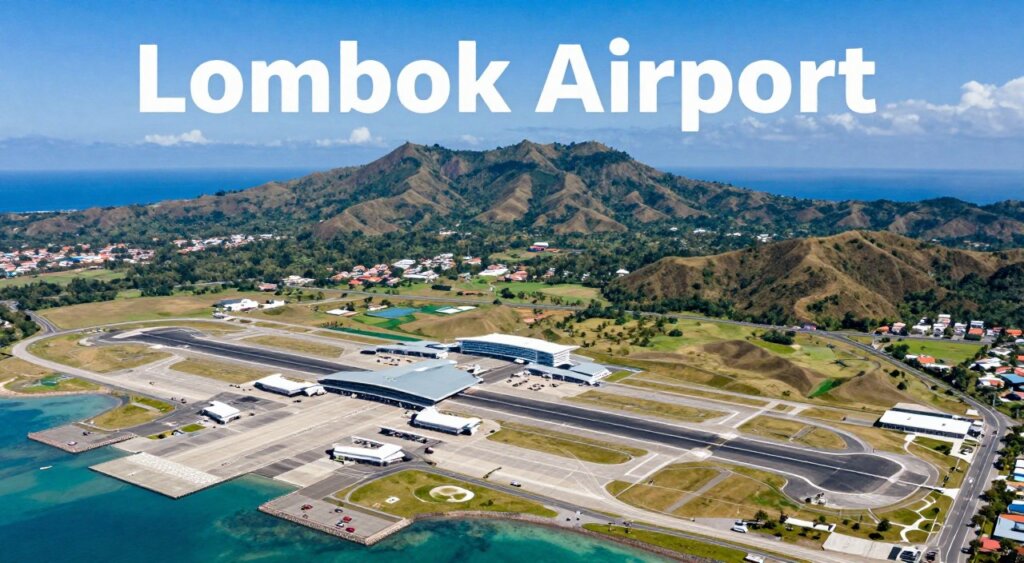
The airport, known by its IATA code LOP, is a great start for any Lombok trip. It’s easy to get to beaches, culture, or adventure from here.
Getting to and from the Airport
At Lombok International Airport, many transport options are available. Having your LOP code ready helps drivers and shuttle services find you. The main terminal has a well-organised ground transport area.
Here are the most common ways to travel to your next destination:
- Official Airport Taxis: Metered taxis operate from a dedicated rank outside the arrivals hall. Fares to Senggigi or Mataram are fixed and displayed clearly.
- Ride-Sharing Apps: Services like Grab and Gojek are popular and can be booked via smartphone. The pick-up point is usually in a designated zone.
- Hotel Shuttles: Many resorts and larger hotels offer pre-booked transfer services. Confirm this with your accommodation before you fly.
- Car Rentals: Several international and local rental companies have desks inside the terminal. This is ideal for travellers planning to explore independently.
- Private Transfers: For groups or those seeking comfort, pre-arranged private drivers can be booked online.
For departure, allow ample time to return to the airport. Traffic in Central Lombok is generally light, but it’s wise to plan for a 1.5 to 2 hour journey from the northern Gilis or Senggigi areas. Always double-check your flight details using the IATA code lombok airport to ensure you’re at the correct terminal.
The airport’s accessibility and range of transport make travelling to and from Lombok easy. This ease of connection plays a significant role in the island’s growing appeal to Australian tourists.
Historical Background
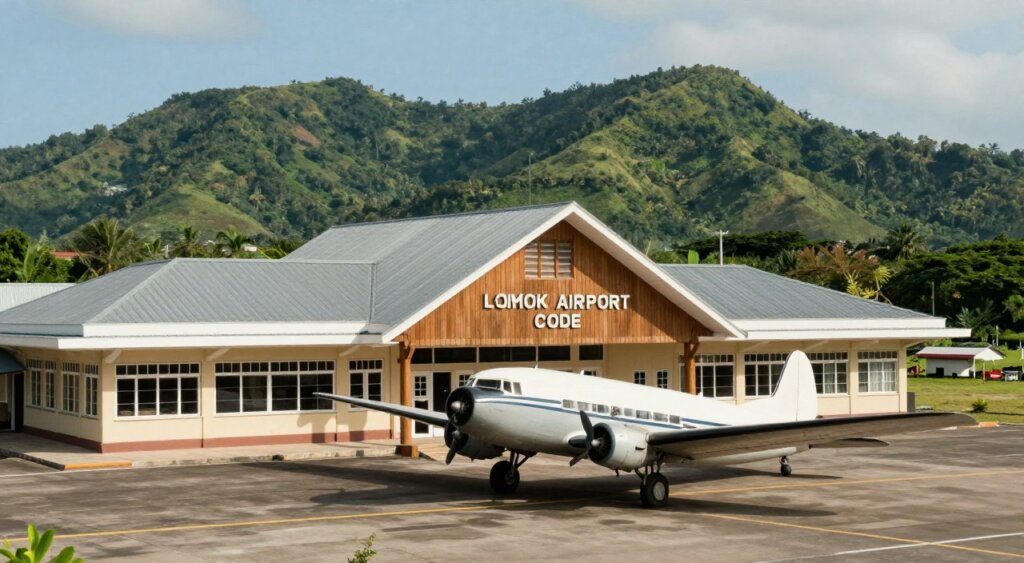
Learning about Lombok Airport’s history helps us understand its current status and airport code. It shows how it grew from a simple strip to a major international airport. This growth is a big part of the island’s story.
Development of Lombok Airport
Lombok’s main airport started as a basic place for local flights. It had simple facilities for years. But, as more people visited Lombok, the airport needed to grow.
This need for growth led to big changes. The airport was renamed Zainuddin Abdul Madjid International Airport. This change showed it was now ready for international flights.
To become an international airport, the airport had to change a lot. The runway was made longer for bigger planes. The terminal was also made bigger to handle more visitors.
These changes helped Lombok’s tourism grow. Even with all these changes, the Lombok airport code, LOP, stayed the same. This code is important for global aviation.
Key Milestones in Airport History
The airport’s history is filled with important moments. Each event made it more important and kept the LOP code consistent.
- Early Operations: It started as a small domestic airport.
- Major Upgrade Commencement: Big construction started to meet future needs.
- International Designation: It opened for international flights, a big change.
- Renaming Ceremony: It was renamed to honour a local hero.
- Terminal Expansion: New facilities were added to improve service and space.
Looking at these events, we see how the airport changed. The Lombok airport code has helped everyone involved. It makes sure things run smoothly, even with many changes.
This history makes the LOP code more than just letters. It shows the airport’s lasting impact and its key role in the region’s growth.
Facilities and Services
Lombok International Airport is more than just a code. It offers a wide range of services and amenities. Known globally as LOP, it aims to make your journey smooth and enjoyable. Whether you’re starting a holiday or connecting to another place, the airport has everything you need.
Passenger Services Available
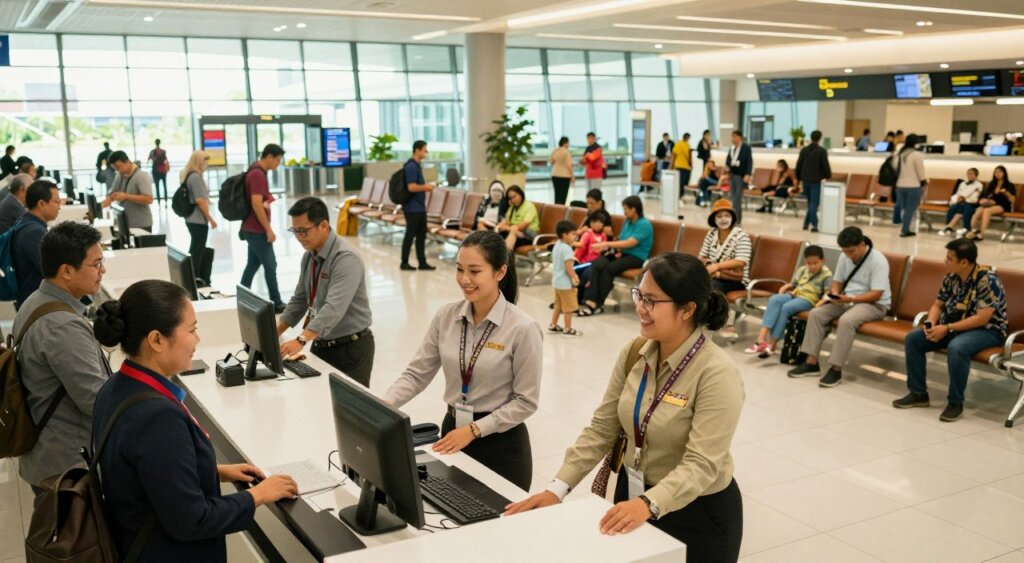
There are many services to help travellers. Friendly staff at the information desks can help in several languages. You’ll find currency exchange counters and ATMs for your financial needs.
Luggage services are a big deal here. You can wrap your luggage, use trolleys, and leave your bags at a facility. There’s also a lost and found office for any misplaced items.
Important services include a medical clinic and prayer rooms. Families will find baby care rooms for feeding and changing. These rooms are equipped with everything you need.
Amenities Offered at the Airport
Once you’ve sorted out the essentials, you can relax and enjoy. There are dining options for all tastes, from quick snacks to full meals. You can find Indonesian and international dishes.
Shopping is also a highlight. Duty-free stores and retail shops sell gifts, souvenirs, and travel essentials. For extra comfort, there are paid-access lounges with free Wi-Fi and refreshments.
Getting around is easy with car rental agencies in the arrivals hall. The airport offers free Wi-Fi, charging stations, and a children’s play area. These facilities make your time at the airport enjoyable and productive.
The airport’s mix of practical services and relaxing amenities makes it a great start to your island adventure. The Lombok international airport code LOP is your gateway to a wonderful experience.
Flight Operations
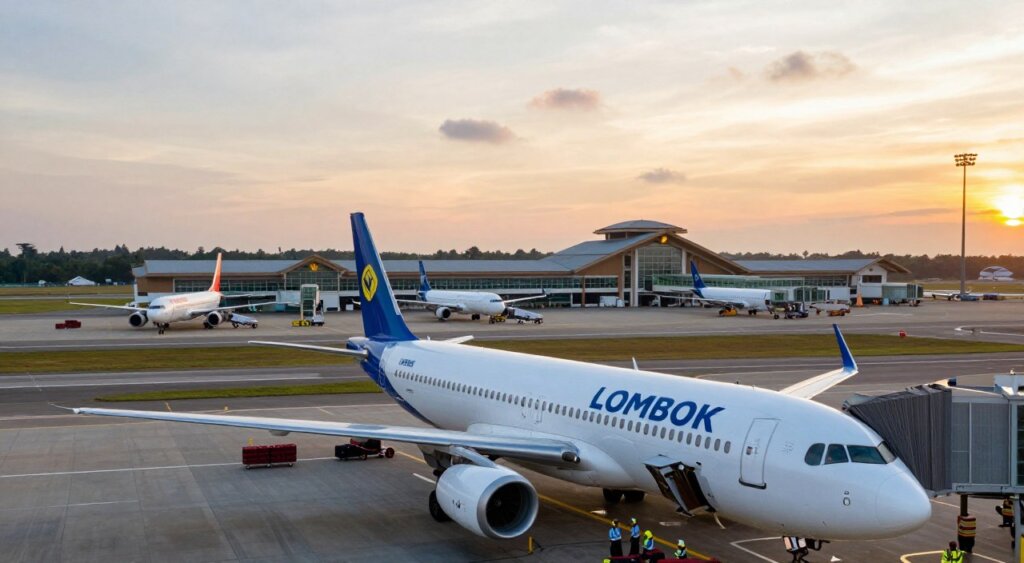
Flight operations at Lombok International Airport are a complex ballet of logistics. Every movement is defined by specific codes and standardised processes. For travellers, understanding this system makes navigating the airport smoother. It demystifies the information on tickets and departure boards. At the heart of it all is the Lombok airport identifier code, LOP.
Understanding Flight Codes
Your boarding pass contains more than just your name and seat. The flight number is a unique identifier for your specific journey. It typically combines a two-letter airline code with a numeric sequence. The airline code is assigned by IATA (International Air Transport Association).
For example, Indonesia AirAsia uses the code ‘QZ’. So, flight QZ462 is an Indonesia AirAsia service. The numbers ‘462’ identify the specific route. In our example, QZ462 departs Kuala Lumpur (KUL) at 14:50 and arrives at Lombok (LOP) at 17:55.
This coding system is key for airlines, air traffic control, and ground staff. The LOP code is the destination marker in the global aviation network. The table below shows how flight numbers and the LOP identifier work together for different routes.
| Airline | Flight Number | Route | Schedule (Example) |
|---|---|---|---|
| Indonesia AirAsia | QZ 462 | Kuala Lumpur (KUL) to Lombok (LOP) | Departs 14:50, Arrives 17:55 |
| Garuda Indonesia | GA 412 | Jakarta (CGK) to Lombok (LOP) | Departs 07:00, Arrives 09:40 |
| Wings Air | IW 1832 | Bali (DPS) to Lombok (LOP) | Departs 08:15, Arrives 08:50 |
| Singapore Airlines | SQ 948 | Singapore (SIN) to Lombok (LOP) | Departs 11:40, Arrives 14:20 |
Arrival and Departure Procedures
Standard procedures at LOP ensure passenger safety and efficient flow. The Lombok airport identifier code is referenced at every stage.
On Arrival at LOP:
- After disembarking, follow signs to the terminal. Your flight number will be displayed.
- Proceed through immigration and customs if arriving on an international flight.
- Collect your checked baggage from the carousel assigned to your flight. Screens will show your flight number and origin.
- Exit the arrivals hall into the public area for transport.
When Departing from LOP:
- Check-in at the counter for your airline. Your ticket and baggage tags will be printed with LOP as the point of origin.
- Pass through security screening. Your boarding pass, linked to your flight number and the LOP code, is checked.
- Proceed to your departure gate. The flight information display screens will list your destination, not LOP, as you are already there.
- Board the aircraft when your flight number is called.
From the moment you check in to when you collect your bags, the LOP code is the constant reference point. It ensures your luggage and flight information are correctly routed. Understanding this simple three-letter code helps you move through Lombok International Airport with confidence.
Airport Codes in Indonesia
Indonesia’s many islands use a system of three-letter airport codes. These codes are key for travellers. They’re on tickets, passes, and tags. Knowing them helps you understand where Lombok LOP airport code fits in.
Each code tells a story about the airport’s location and role. From big global hubs to smaller airports, these codes keep travel organised.
Overview of Other Major Indonesian Airport Codes

Beyond Lombok, Indonesia has many major airports. These airports handle a lot of flights. Knowing them helps when planning trips in Indonesia.
The table below lists some of the most significant Indonesian airport codes and their key characteristics.
| IATA Code | Airport Name | Primary City/Region | Main Role |
|---|---|---|---|
| CGK | Soekarno-Hatta International Airport | Jakarta, Java | Indonesia’s primary international hub and busiest airport. |
| DPS | Ngurah Rai International Airport | Denpasar, Bali | Major international tourism gateway for Bali. |
| SUB | Juanda International Airport | Surabaya, Java | Key business and secondary international hub in East Java. |
| UPG | Sultan Hasanuddin International Airport | Makassar, Sulawesi | Major gateway for Eastern Indonesia. |
| KNO | Kualanamu International Airport | Medan, Sumatra | Primary international gateway for Northern Sumatra. |
Comparison of Lombok’s Code with Others
The Lombok LOP airport code has a unique role. Unlike CGK, LOP is focused on tourism. It’s a gateway for Lombok’s beauty.
LOP is similar to Bali’s DPS, a top holiday spot. But DPS is busier. LOP offers a quieter, yet equally stunning experience.
LOP is different from hubs like SUB or UPG. Those airports connect more areas. Lombok’s airport is special, focusing on tourists for Lombok and the Gili Islands.
This focus is its strength. Seeing LOP means Mount Rinjani and beautiful beaches. It’s simple and direct, unlike Jakarta’s CGK.
In short, Lombok LOP airport code has a special role. It’s a growing tourism portal. It works well with big hubs, making it a key entry for Indonesia’s beauty.
Impact on Tourism
The LOP airport code is more than just an airport code. It’s a key tool for attracting visitors to Lombok. This code helps bring in tourists, boosting local businesses and the economy. It also shapes how people see Lombok online.
Contribution to Lombok’s Tourism Sector
Flights into LOP have driven tourism growth. Direct flights from Perth, Sydney, and Melbourne make Lombok a great choice for holidays. This easy access has increased international visitors.
Flight deals with the LOP code attract many. Airlines use these to fill seats and launch new routes. Seeing ‘LOP’ in a sale email means affordable trips to Lombok’s beaches and mountains.
This boosts the local economy. Tourism supports hotels, restaurants, and more. The airport itself creates jobs, from security to ground handling. This starts when someone searches for or books a ticket to LOP.
Role of Airport Codes in Marketing
Airport codes are key for branding destinations. For Lombok, the LOP code is used in all travel marketing. It makes the destination easy to find and book.
Travel agencies use the code in package holidays. Online booking sites filter results by LOP. This helps Australians find flights easily. A travel marketer said:
“You can’t sell a place if people can’t find it. Using ‘LOP’ consistently across all our campaigns ensures our audience knows exactly where they’re going. It turns a location into a product SKU.”
The table below shows how marketing channels use the LOP code:
| Marketing Channel | Primary Audience | Example Use Case | Key Impact |
|---|---|---|---|
| Airline Promotional Emails | Frequent flyers, deal-seekers | “Fly to LOP for under $300 return!” headline | Direct sales conversion, route awareness |
| Online Travel Agency (OTA) Listings | Independent holiday planners | Filtering search results for “LOP” as destination | Simplified trip comparison and booking |
| Social Media Travel Ads | Inspiration-driven travellers | Carousel ad featuring Lombok with #VisitLOP hashtag | Brand building and audience engagement |
| Printed Travel Brochures | Traditional package holiday buyers | Listing holiday durations and prices under “Lombok (LOP)” | Tangible reference point for offline sales |
Using the LOP code strategically makes it a powerful brand asset. It keeps Lombok in the minds of tourists, driving its growth as a top holiday spot.
Environmental Considerations
For those who know the Lombok airport IATA code, the airport’s green efforts are as vital as the flights. Lombok International Airport (LOP) is a gateway to a beautiful island. It must grow tourism and the economy while protecting its stunning beaches and lush landscapes.
Sustainable Practices at Lombok Airport
Lombok Airport has started many green projects. These aim to lower its carbon footprint and lessen its environmental impact.
Some of these green steps include:
- Energy Efficiency: Switching to LED lights to cut down on electricity use.
- Water Management: Using rainwater for irrigation and recycling water.
- Waste Reduction: Sorting waste and working with recyclers to reduce landfill.
- Noise Abatement: Flying over less crowded areas and doing maintenance at night.

The airport is committed to sustainable tourism. It works with local communities on conservation projects. The goal is to get environmental certifications, showing that flying into LOP supports eco-friendly travel.
Environmental Impact Assessments
Before any big changes, Lombok Airport must do an Environmental Impact Assessment (EIA). This is a law in Indonesia. An EIA looks at how a project might affect air, water, wildlife, and people.
This process makes sure growth is done right. For anyone looking up the Lombok airport IATA code, these assessments mean the airport won’t harm the island’s beauty.
| EIA Stage | Key Activities | Objective for LOP Airport |
|---|---|---|
| Screening & Scoping | Identifying environmental issues and setting study areas. | Focus on Lombok’s special areas, like the coast. |
| Impact Analysis | Study noise, emissions, traffic, and ecological effects. | Find out how a new terminal or runway might affect things. |
| Mitigation Planning | Plan to avoid, reduce, or fix impacts. | Think about wildlife corridors, better wastewater, or community help. |
| Reporting & Review | Make the EIA document for government and public review. | Be open and use feedback from locals. |
| Monitoring & Compliance | Watch how the environment is doing after approval. | Check if the fixes are working during and after building. |
Table: Key stages of the Environmental Impact Assessment process relevant to developments at Lombok International Airport (LOP).
This careful method is key. It helps upgrade the airport while keeping Lombok’s nature safe. The lombok airport IATA code shows a promise of sustainable growth. Ongoing checks will help the airport stay a good place for the island and its visitors.
Airport Security Measures
Knowing the security rules at Lombok Airport (LOP) makes your trip easier. These rules are for everyone’s safety. Understanding them can make your travel less stressful and more efficient.
Security Protocols at Lombok Airport
The security process at Lombok International Airport is clear. It starts at the check-in counter, where your documents are checked and luggage screened. For international flights, this is your first step in official procedures.
Then, you go to the personal security screening area. Here, you put all carry-on items, like laptops, in trays for X-ray. Remember, there are rules for liquids in carry-on bags. These rules are strict at LOP, like at all international airports.
For international flights, the last step is border control. You’ll go through Indonesian immigration, where they check your passport and visa. Having your arrival or departure card ready helps speed things up. These security steps ensure flights at Lombok Airport are safe.
What Passengers Should Know
Being prepared helps you get through security easily. Here are some tips for flying to or from LOP:
- Arrive Early: For domestic flights, get to the airport 2 hours before. For international flights, 3 hours is best. This gives you enough time for all checks.
- Know Prohibited Items: Check for any special Indonesian rules on items in your luggage.
- Keep Documents Handy: Have your passport, boarding pass, and visas ready for inspections.
- Prepare for Screening: Wear easy-to-remove shoes and belts. Have your liquids and electronics ready for trays.
- Understand the LOP Code: Knowing you’re flying via the IATA code lombok airport (LOP) helps. You can find airport layouts and updates online.
By knowing these steps, moving through Lombok International Airport (LOP) will be easy. The security team is there to help, so ask if you’re unsure about anything.
Future Developments
Lombok Airport (LOP) is set for a big upgrade. The goal is to make Zainuddin Abdul Madjid International Airport better and more efficient. This will help it handle more passengers while keeping the Lombok airport code LOP as a top choice for travellers and airlines.
Planned Expansions and Upgrades
Several projects are planned to increase the airport’s capacity and services. The main aim is to improve the passenger experience from the moment they see LOP on their ticket.
Key projects include:
- A big terminal expansion for more check-in counters, gates, and shops.
- Improvements to baggage handling systems for faster and more reliable service.
- Upgrades to runways and aprons to handle bigger planes and more flights.
- New, eco-friendly technology for air conditioning and lighting to cut down on environmental impact.
These upgrades aim to make travel through Lombok easier and more enjoyable. The Lombok airport code will soon represent a modern facility.
Vision for Lombok Airport
The airport’s long-term vision is ambitious. Officials want LOP to become a top gateway for Eastern Indonesia. It’s more than just a building project.
The vision is linked to Lombok’s economic and tourism growth. A bigger airport can attract more international flights. This will bring more visitors to the island’s beautiful beaches and cultural sites.
The Lombok airport code is key to this strategy. As the airport grows, LOP remains its global identity. It’s vital for marketing Lombok worldwide and for easy global flight connections.
The goal is for LOP to be seen as more than just an entry point. It should be the start of an amazing Lombok experience. Success means the code is linked with efficiency, beauty, and warm hospitality.
For travellers, these upgrades promise easier journeys and better facilities. The code LOP will lead you to a world-class airport ready to welcome you to Lombok.
Role in the Indonesian Economy
Lombok International Airport has a big impact on the local economy. It’s known worldwide as lombok international airport code LOP. This airport is key for business in Central Lombok and helps the national economy grow.
It turns visitors and cargo into money for the community. This makes a big difference in people’s lives.
Economic Impact of Lombok Airport
The airport is a big economic driver. It helps trade and brings in investments. The lombok international airport code shows the world that Lombok is open for business.
This openness leads to more money in local industries. These include tourism, farming, and making things. Every dollar spent at the airport helps the local economy grow.
This helps shops, transport, and services. A local economist said,
“Airports like LOP are not just transit points; they are catalysts that lower the cost of doing business and open new markets for local producers.”
Job Creation and Local Opportunities
Jobs are a big win. The airport creates jobs in many areas. These include flying, security, shops, and keeping the place running.
The airport’s growth also creates more jobs. Building projects need workers. Hotels, tours, and restaurants need staff too.
Shops and services near the airport do well. This variety helps build a strong local workforce. Training programs help people get these jobs.
These jobs are good quality. The lombok international airport code makes sure everyone benefits. It helps the whole area grow and develop in a good way.
User Tips for Travellers
Your Lombok trip starts at the airport. Knowing the Lombok airport identifier code helps avoid travel problems. This guide will help you use the Lombok airport identifier code well and move through the terminal easily.
Understanding Airport Code Importance
Why is a three-letter code so important? The code LOP is key for correct travel plans. Using the right airport code ensures your booking and travel documents are correct.
Imagine flying from Kuala Lumpur. A flight arriving on 4 April 2026 at 17:55, lasting 3 hours and 5 minutes, will show LOP as its destination. This code avoids confusion with similar places.
Use the LOP code to track your flight’s status online. Inputting the correct code gives you updates on delays and gate changes.
The table below shows how the Lombok airport identifier code affects your journey:
| Travel Scenario | Potential Issue Without Correct Code | Benefit of Using LOP Code |
|---|---|---|
| Online Booking | You might accidentally select a flight to a different city with a similar name. | Guarantees your flight is booked to Lombok International Airport. |
| Airport Check-in & Bag Drop | Baggage could be misrouted if the system has an incorrect destination code. | Ensures your luggage is tagged correctly for Lombok. |
| Flight Tracking | You may follow the wrong flight’s status, missing critical updates. | Provides accurate arrival/departure times and gate information for your specific flight. |
| Ground Transport Booking | Drivers or shuttles may not know which airport terminal to pick you up from. | Clearly identifies your arrival point for seamless transport coordination. |
Navigating Lombok Airport
After landing at LOP, a few tips will make your journey smoother. The airport has one terminal, split into domestic and international wings, which are easy to find.
Recommended Arrival Times: For domestic flights, arrive 2 hours before departure. For international flights, aim for 3 hours. This gives you enough time for check-in, security, and immigration.
Terminal Layout: After arrivals, you’ll find currency exchange, SIM card vendors, and car rental desks in the main hall. The departure hall upstairs has check-in counters, a food court, and duty-free shopping after security.
Ground Transport Options: Pre-booked taxis and ride-share services have a designated pickup area outside the terminal. Official airport taxi vouchers can be purchased inside. For budget travel, look for the shuttle bus counter for services to major tourist areas like Senggigi and Kuta Lombok.
Using the Code for Convenience: Keep the LOP code on your phone. Before going to the airport, check your flight status online by entering your flight number and “LOP” as the destination. This confirms your schedule hasn’t changed.
A well-prepared traveller uses every tool available, and the airport code is a small but mighty one.
By knowing the Lombok airport identifier code and these tips, you can enjoy your Lombok adventure.
FAQs About Lombok Airport Code
Many people have questions about Lombok’s airport code. This section answers these questions to help you use the LOP airport code with confidence when planning your trip.
Common Questions Answered
Here are answers to some of the most common queries travellers have about the lombok LOP airport code.
What is the Lombok airport code?
The official IATA code for Lombok International Airport is LOP. This code is used worldwide by airlines and travel agents to identify the airport.
Is LOP the same as the Bali airport code?
No, it is not. Bali’s main airport, Ngurah Rai International Airport, uses the code DPS. LOP and DPS are two different airports. Mixing them up can cause booking mistakes.
How do I use the LOP code when booking flights?
When booking flights online, type “LOP” as your destination airport code. Use it on airline websites, flight aggregators, or travel booking platforms. This ensures you get results for Lombok International Airport.
Are there any other codes for Lombok airport?
The LOP airport code is the main IATA code for passenger travel. The airport also has an ICAO code (WADL) for air traffic control. For most travellers, knowing and using LOP is enough.
Why is knowing the correct airport code important?
Using the right code prevents mistakes. It ensures you book flights to the correct location, helps with baggage routing, and aids in navigating airport signage upon arrival. It’s a small detail with a big impact on your trip.
Additional Resources
For the latest flight information, schedules, and services, check these reliable resources.
- Lombok International Airport Official Website: Find terminal news, transport options, and facility updates directly from the source.
- Airline Websites: Carriers like Garuda Indonesia, Jetstar, and AirAsia provide specific flight details to and from LOP.
- Flight Comparison Sites: Platforms like Skyscanner or Kayak allow you to search using the LOP airport code to compare prices and times across multiple airlines.
- Travel Forums and Guides: Online communities often have recent traveller experiences and tips related to flying into Lombok.
Always check information close to your travel date, as schedules and services can change. Having the correct lombok LOP airport code is your first step towards a smooth holiday.
Conclusion
If you’re an Australian heading to Indonesia, knowing the Lombok airport code is a smart start. It’s more than just a code on your luggage tag.
Recap of Key Information
The IATA code for Lombok’s main airport is LOP. This code is for Zainuddin Abdul Madjid International Airport in Praya. You’ll see LOP on your flight bookings with airlines like Garuda Indonesia or Jetstar.
It’s used for all flight operations and navigating the airport.
Final Thoughts on Lombok Airport Code
The code LOP is your gateway to Lombok’s stunning surf and scenery. It’s key for tourism and trade on the island. Remembering LOP means a smoother start to your holiday.
It connects you to one of Indonesia’s most beautiful spots.