What if your next wave-riding adventure could be more than just catching waves?
An Indonesia surf trip offers an experience beyond the usual. This country is known for its top-notch waves and steady swell. For Australian surfers, it’s a nearby paradise to explore.
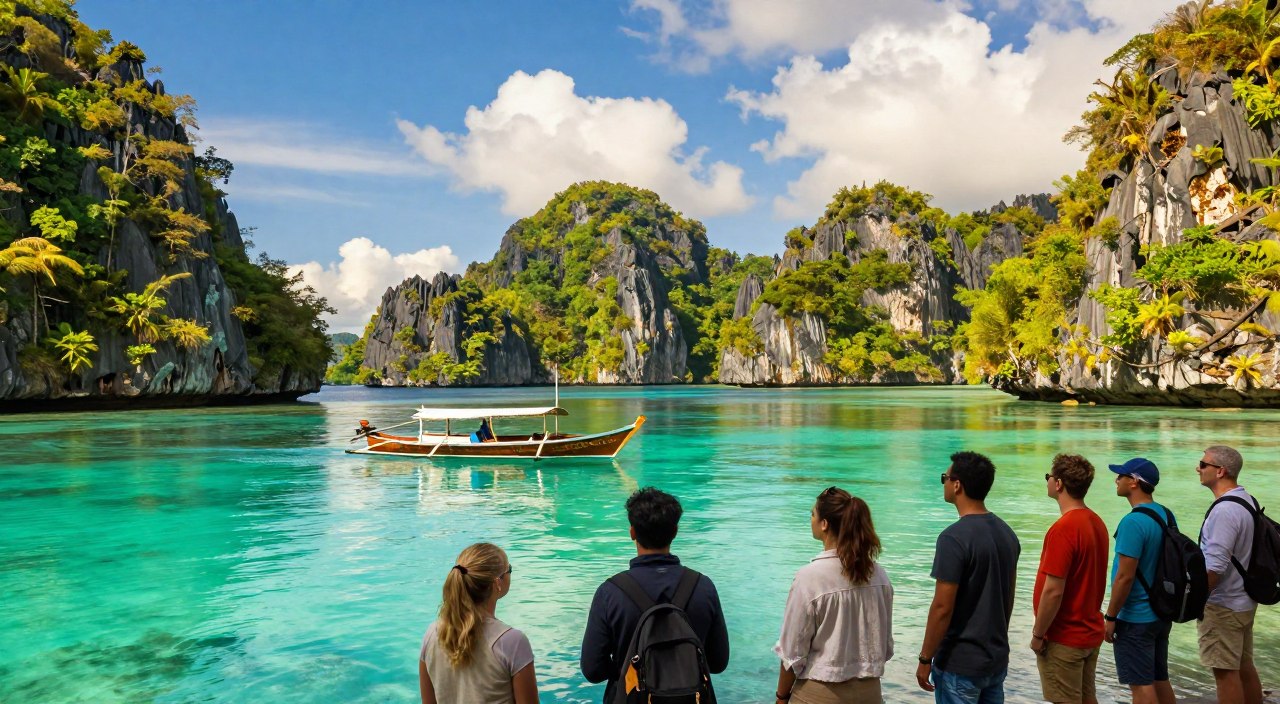
Imagine swapping your local beach for stunning reefs and empty line-ups. The scenery is breathtaking, with lush volcanic islands and clear waters. The local culture adds a rich layer to every journey.
This guide will help you plan your ultimate aquatic adventure. We’ll cover the best spots, seasons, and how to fully immerse yourself. Get ready to see why this destination draws wave riders from all over.
Key Takeaways
- Indonesia boasts some of the most consistent and powerful waves on the planet.
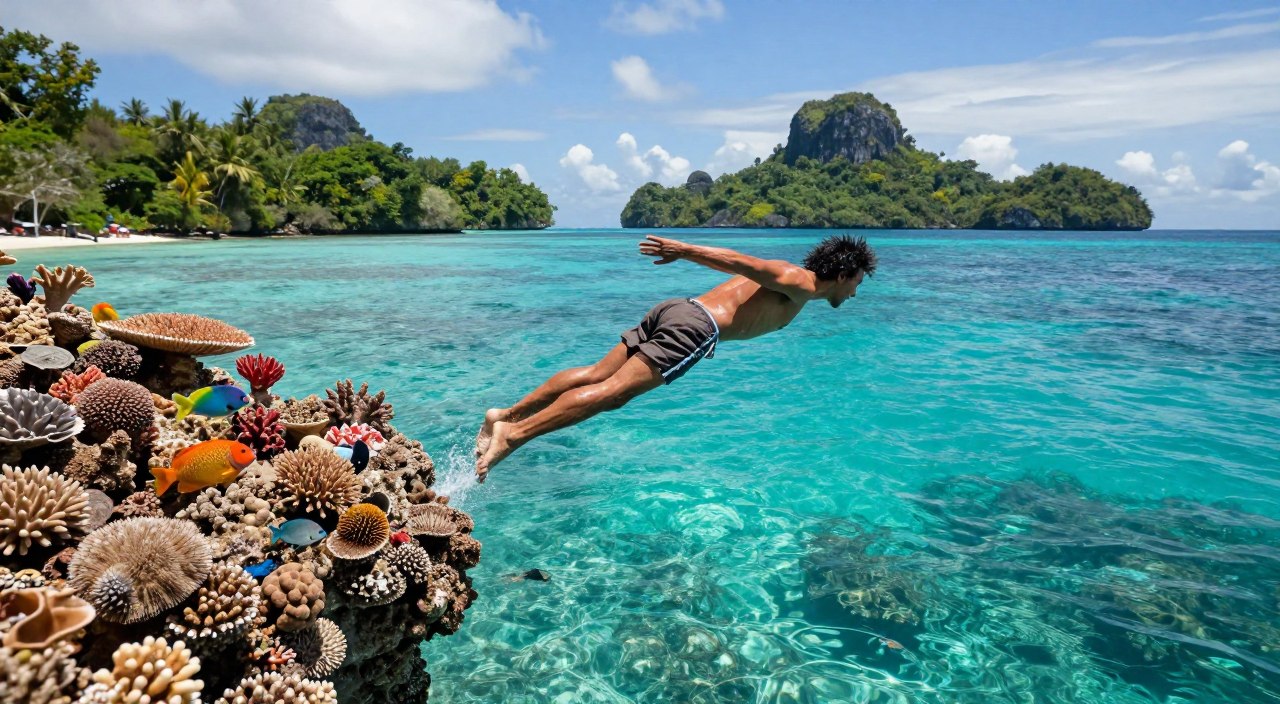
- The archipelago offers a stunning backdrop of tropical islands and vibrant marine life.
- Surf culture here is deeply rooted, with friendly locals and legendary surf camps.
- Planning your journey around the right season is key for the best conditions.
- From Bali to the Mentawais, there’s a break for every skill level.
- Embracing local customs and cuisine will enhance your experience.
- Proper preparation and respect for the ocean are essential for a safe and memorable trip.
Why Choose Indonesia for Your Surf Trip?
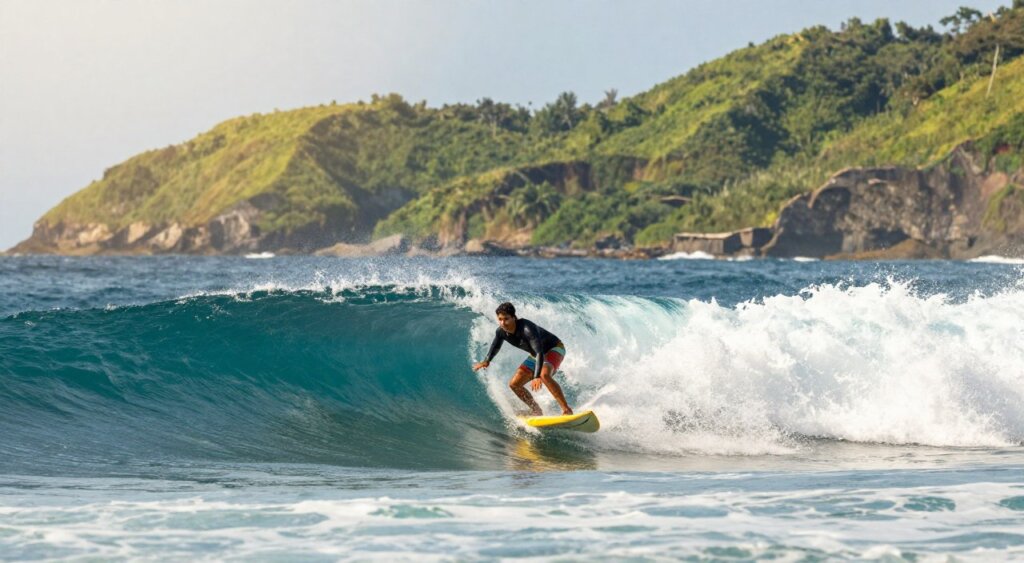
Australian surfers looking for a mix of reliable waves, tropical beauty, and affordable fun will love Indonesia. It’s not just a place to surf; it’s a journey for wave riders worldwide. Surfing in indonesia offers more than just the waves, giving you a travel experience that lasts long after you dry off.
Diverse Surfing Conditions
Indonesia’s main attraction is its wide range of waves. Whether you’re starting out or chasing big waves, there’s a spot for you. The swell is consistent, thanks to deep ocean channels that power waves to many beaches and reefs.
Beginners have gentle waves to learn on, while experienced surfers can tackle famous reef breaks. These breaks offer long, thrilling rides. You can choose your adventure based on the waves you want to ride, often close by.
Stunning Natural Beauty
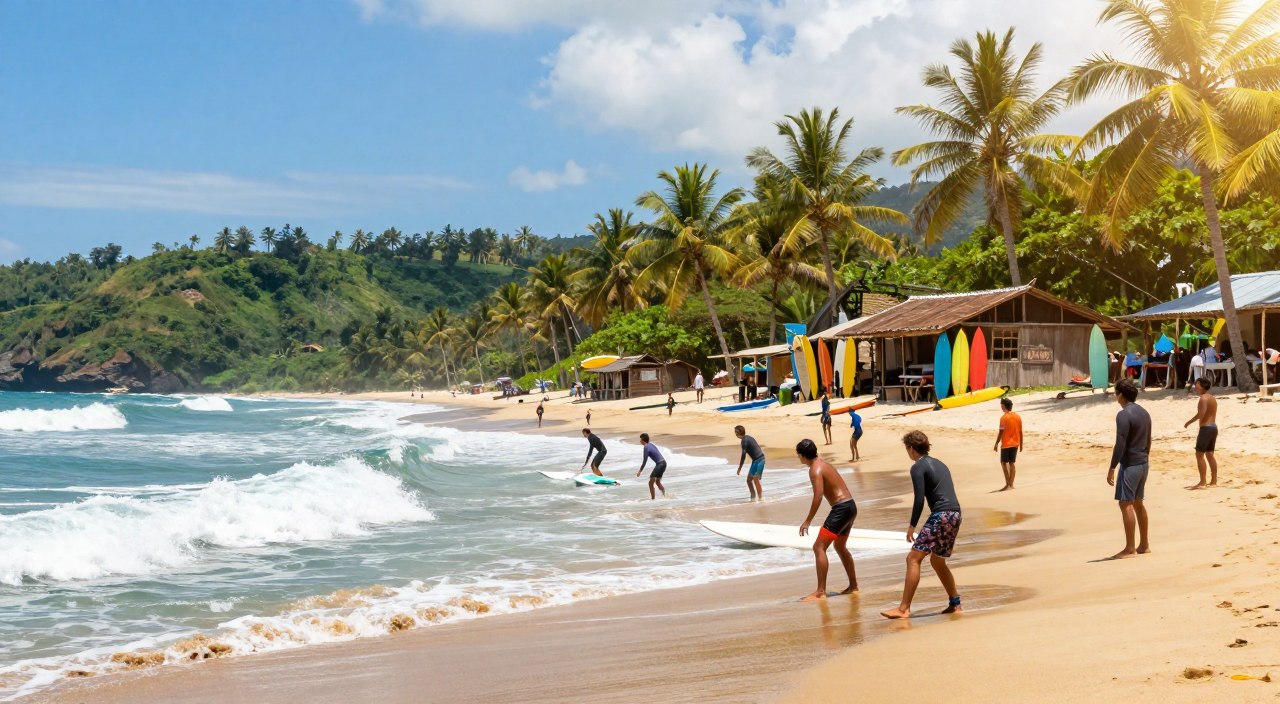
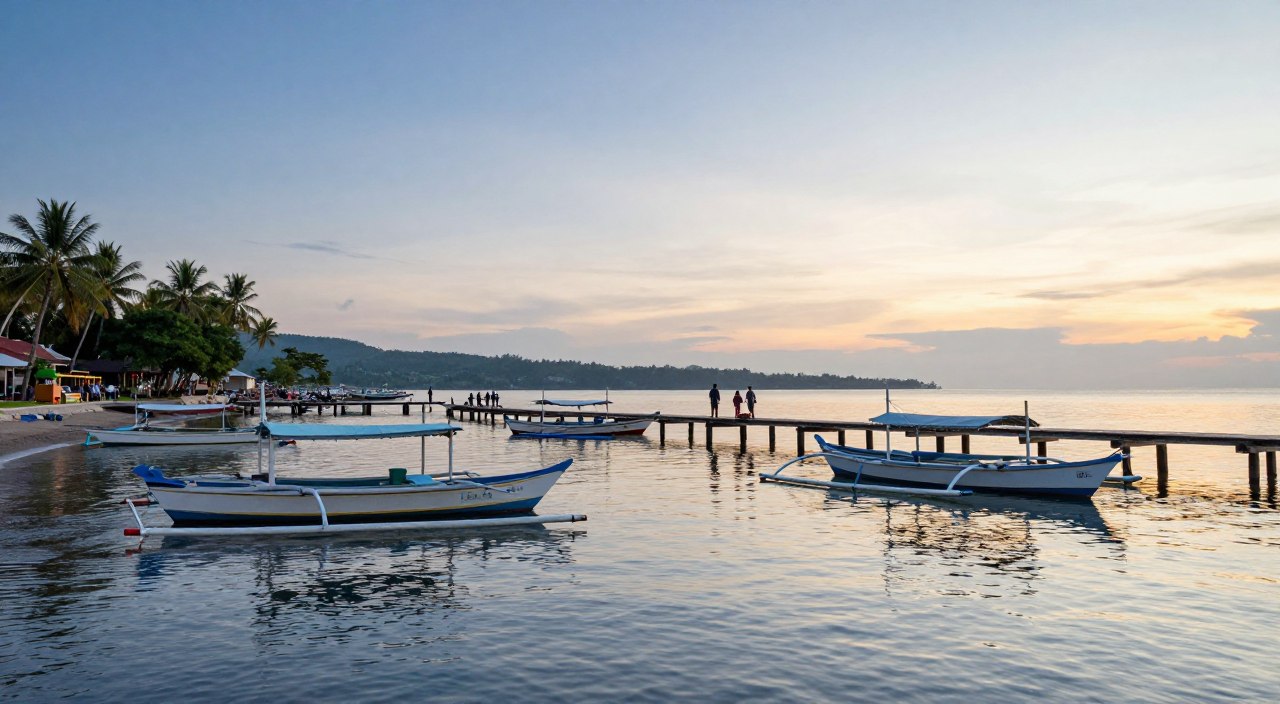
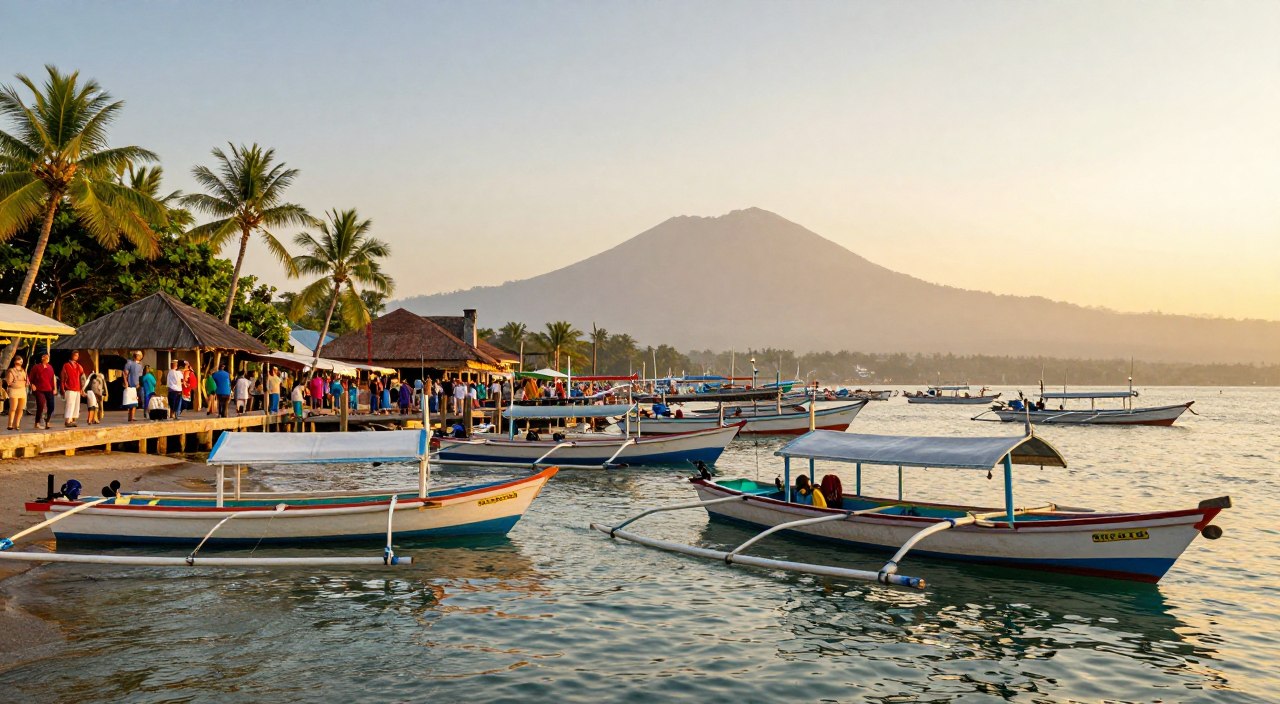
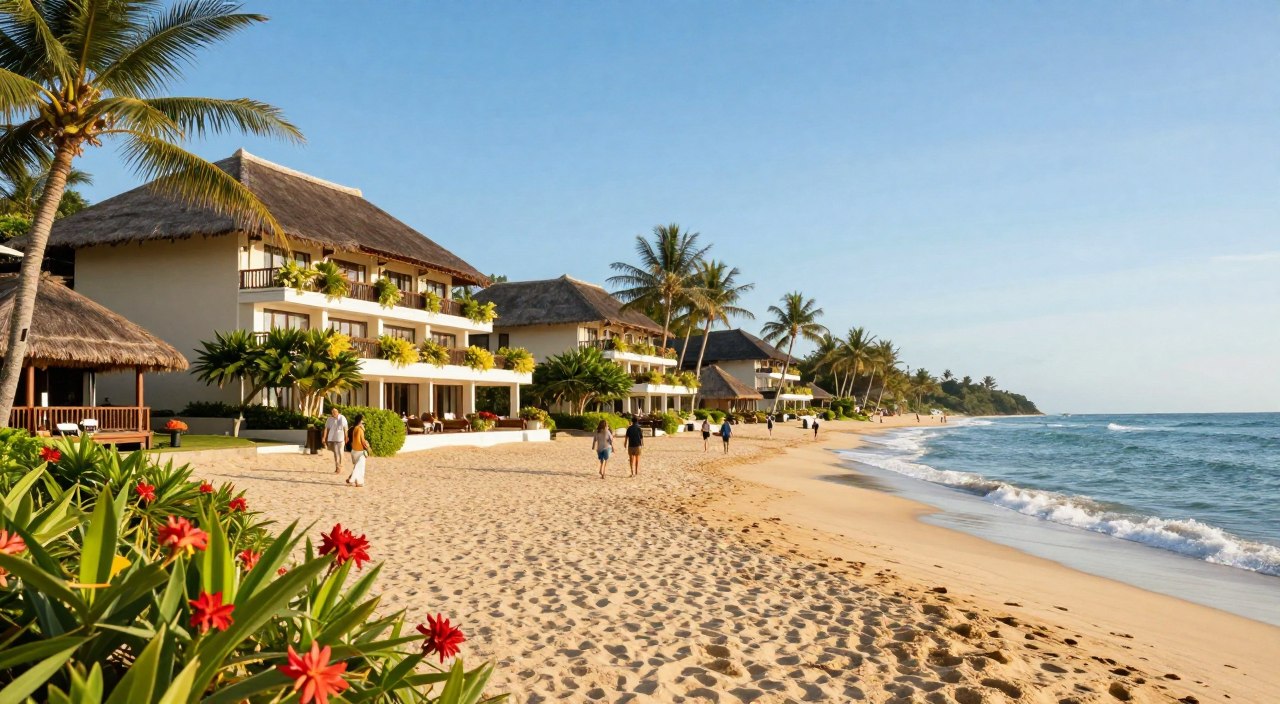
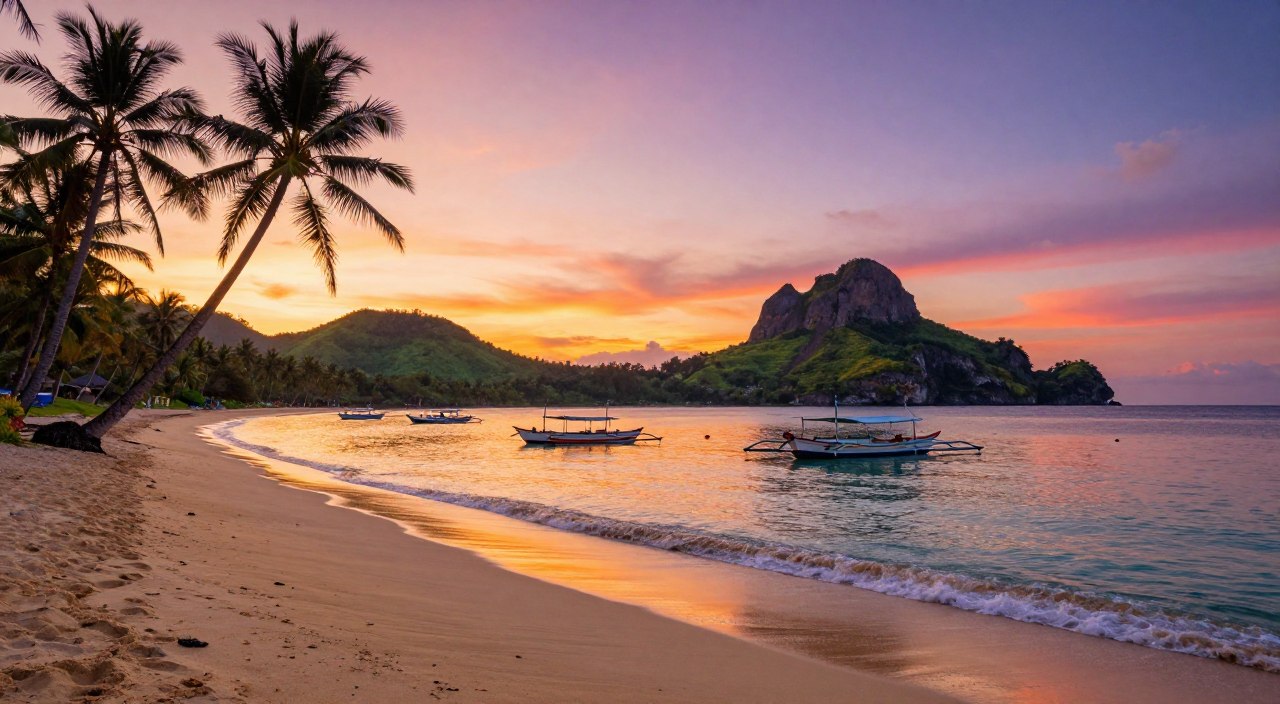
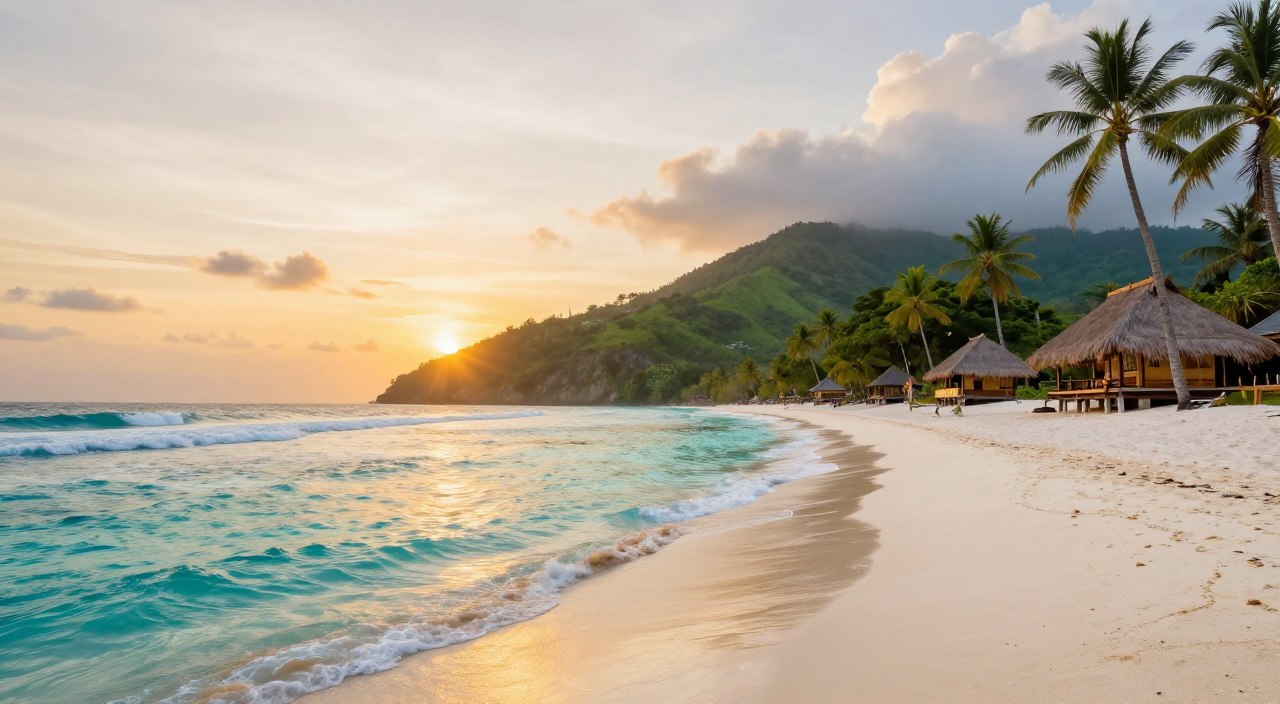
Your surf session is set against stunning natural scenery. Imagine riding a wave with a perfect volcano in the background. The coastlines are lined with palm trees and white or black sand beaches.
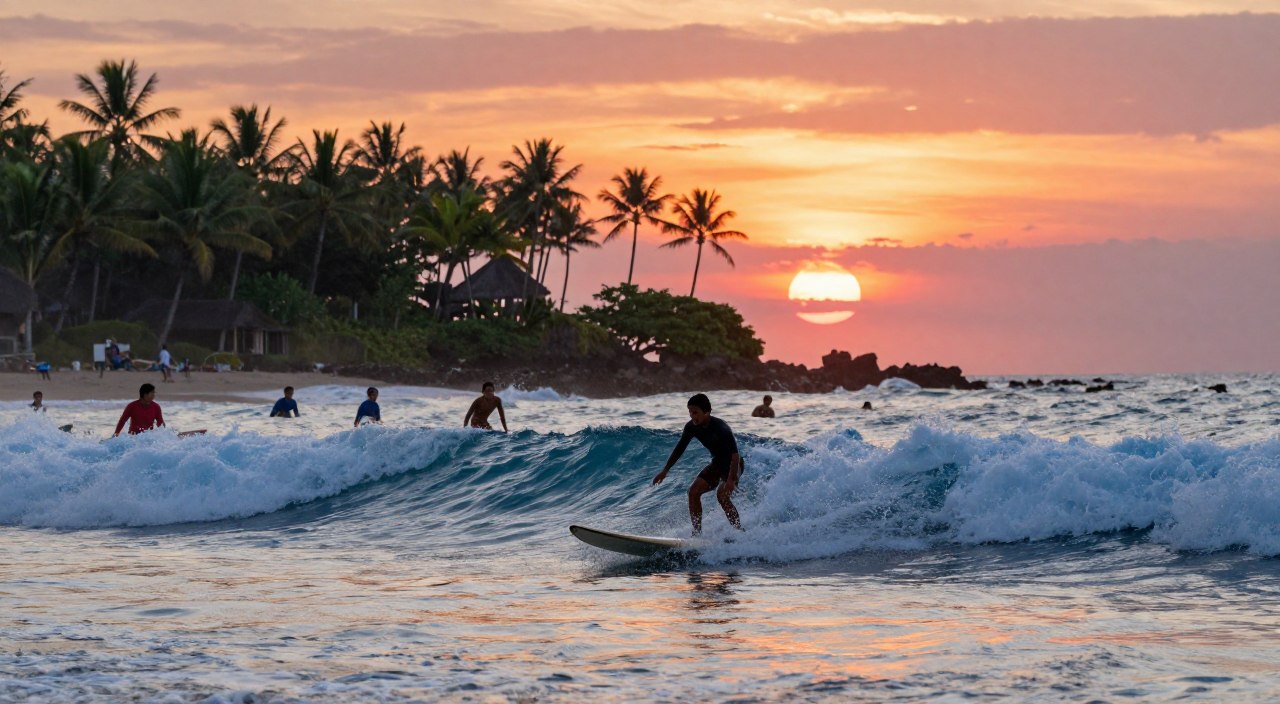
This beauty is part of every day here. Surfing at sunrise or sunset adds to the experience. It turns a simple trip into a deep connection with the world’s most stunning landscapes.
Rich Culture and Hospitality
The Indonesian people are known for their warmth and hospitality. They make visitors feel welcome with a smile and helpful attitude. This culture adds depth to your trip, contrasting with the days in the water.
You can visit ancient temples, watch traditional dances, or enjoy local food. This cultural experience enriches your journey, making memories that last. Your trip becomes about the people you meet as much as the waves you ride.
Best Surf Destinations in Indonesia
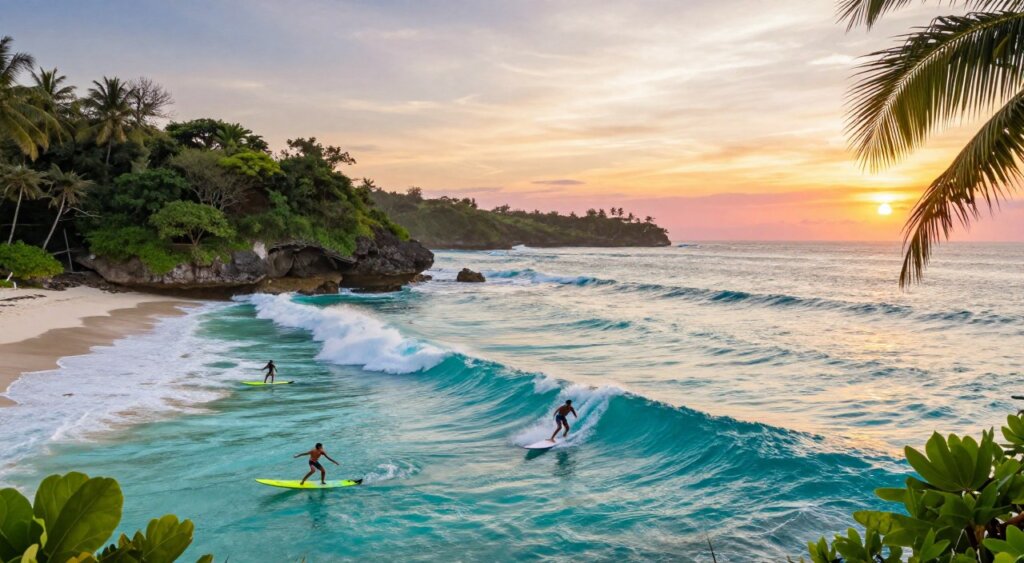
Indonesia is a paradise for surfers, with Bali’s famous waves and Sumatra’s hidden gems. The country’s many islands offer endless surf spots. Every surfer can find their perfect wave here, from beginners to pros.
Choosing where to go first is the biggest challenge. Indonesia’s surf map is full of top surf destinations.
Bali: The Surfing Capital
Bali is a must-visit for surfers. It’s known as the heart of Indonesian surfing. The island has many quality waves close together.
The Bukit Peninsula is famous for Uluwatu, a fast reef break. Kuta has beach breaks perfect for learners. Canggu offers consistent waves for all levels.
The Bali Surf Guide is a great tool for navigating Bali’s surf scene. It has detailed break info and local tips. Their video on Uluwatu shows the reality of surfing there.
Sumatra: Off the Beaten Path
Sumatra is for those seeking empty, perfect waves. It’s a true surf adventure. The Mentawai Islands are the highlight, with many surf resorts and liveaboard boats.
Sumatra’s waves are powerful and pristine. It’s for surfers who want to focus on surfing in a beautiful setting. You’ll find uncrowded line-ups and surf your favourite wave all day.
Sumbawa and Lombok: Hidden Gems
Sumbawa and Lombok are just east of Bali. They offer great waves without the crowds. These are hidden gems for those in the know.
Sumbawa’s Lakey Peak is famous for its long left-handers. Lombok’s Desert Point is known for its long, perfect lefts. These spots are gaining popularity but are less crowded than Bali.
Exploring Indonesia shows why it’s a top surf destination. Whether you want convenience, adventure, or perfection, Indonesia has it all.
Ideal Surf Seasons in Indonesia
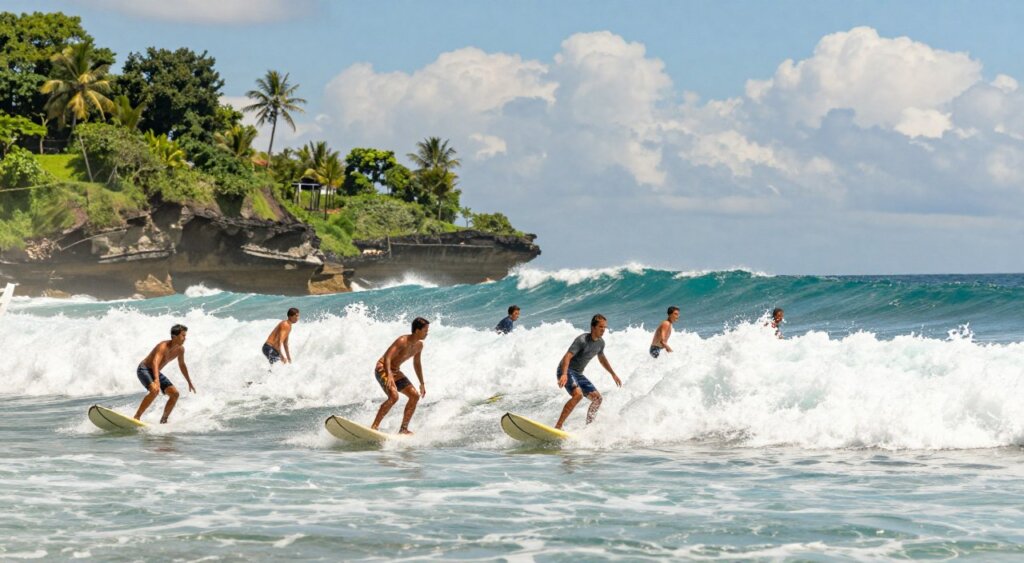
Aussie surfers need to know Indonesia’s seasons to have a great trip. The country’s tropical monsoon schedule affects swell size, wind, and crowds. Choosing the right time is key to finding perfect waves.
The year is split into two main seasons: dry and wet. Each season offers a unique experience for your surfing in Indonesia adventure.
Dry Season vs. Wet Season
The dry season, from April to October, is the peak time for surfers. South and southeast swells hit the Indian Ocean, making Bali, Lombok, and Sumbawa’s reefs come alive. Offshore winds make the waves clean and ready to ride.
But, expect big crowds, mainly from June to August. The weather is dry and sunny, making travel easy.
The wet season, from November to March, brings different swells and less crowded spots. Yet, winds can be unpredictable and often blow onshore in the afternoons.
Expect frequent rain showers, but they usually clear up fast. This season is for the adventurous, with green landscapes and fewer surfers.
Surf Conditions Throughout the Year
While the two-season model is helpful, conditions change month-to-month and by island. Here’s a quick look at what to expect in key areas.
| Month | Bali & Lombok | Sumatra (West Coast) | General Notes |
|---|---|---|---|
| Apr – Jun | Swelling consistently. Crowds building. Glassy mornings. | World-class swells start. Offshore winds prime. | Dry season begins. Ideal for most areas. |
| Jul – Sep | Peak swell season. Biggest crowds. Strong offshore winds. | Epic, powerful waves. Experienced surfers only. | Holiday period. Book accommodation early. |
| Oct – Nov | Transition period. Swells are good. Crowds thin. | Consistency drops. Occasional great days. | Shoulder season. Great value. |
| Dec – Mar | West coast spots work. Afternoon storms. Lush scenery. | Rainy season. Limited access. Few surfers. | Wet season. Pack a rain jacket. |
This table shows how your surfing in Indonesia experience changes. Sumatra fires during our winter, while Bali offers more year-round options.
Local Weather Considerations
Knowing the weather is as important as the surf. Indonesia’s tropical climate means intense sun, high humidity, and sudden rain.
Sun exposure is extreme. Use high-SPF, reef-safe suncream and reapply often. Wear rash guards and board shorts with UPF protection.
Humidity can be draining. Wear quick-dry clothes and drink plenty of water. Choose lightweight, breathable fabrics for comfort off the beach.
For those afternoon rain showers:
- Keep your electronics in dry bags.
- A light, packable rain shell is handy.
- Don’t let a shower stop you – sessions often clean up beautifully afterwards.
Water temperatures stay warm all year (26-30°C). You’ll rarely need more than board shorts or a light rashie. Just enjoy the ride.
Types of Waves You Can Ride
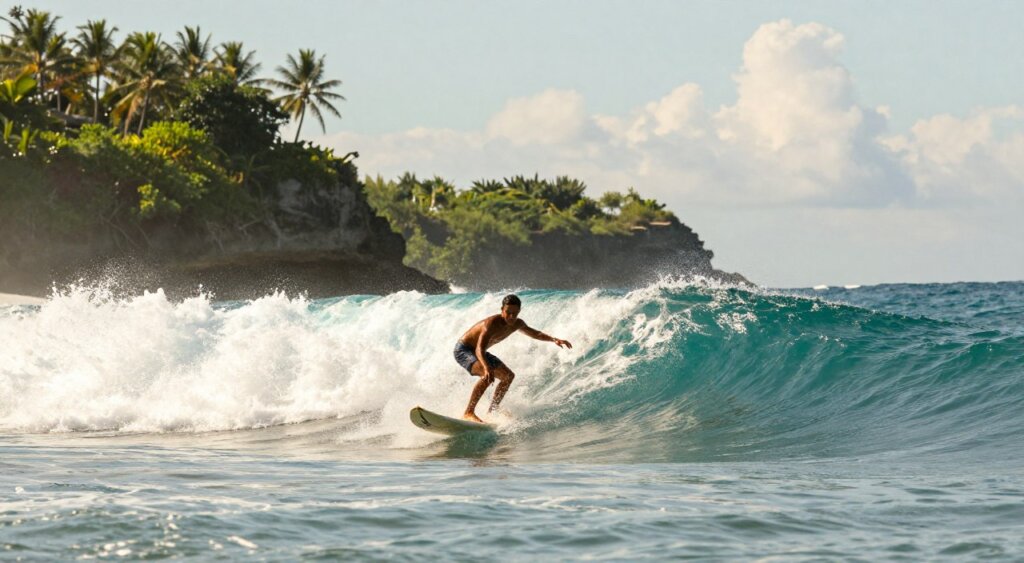
Knowing the different wave breaks is essential for finding the right spot. Indonesia offers every type of wave, each with its own unique character. This knowledge helps plan a safer, more enjoyable trip and ensures you match your skill level to the perfect wave.
Beach Breaks vs. Reef Breaks
When surfing in Indonesia, you’ll find two main types of waves. Your choice between beach breaks and reef breaks affects your entire surfing experience.
Beach Breaks form over sandy bottoms. These waves are less consistent but safer if you fall. The sand changes, creating new peaks every day. This variety is exciting but lacks the power of reef breaks.
Reef Breaks are famous for their consistency, power, and hollow shape. They form over coral or rock. The downside is the danger of hitting a hard bottom if you wipe out.
Uluwatu in Bali is a classic example of a reef break. Its long, barreling waves are world-renowned but require respect for the shallow reef.
- Beach Break Pros: Safer for falls, good for learning, often has channels for easy paddle out.
- Beach Break Cons: Less consistent, waves can be mushy, peaks shift.
- Reef Break Pros: Highly consistent, hollow and powerful shape, longer rides.
- Reef Break Cons: Dangerous bottom, requires precise positioning, often stronger currents.
Beginner-Friendly Spots
Indonesia has many welcoming waves for beginners. The best waves for learning are mellow, rolling beach breaks over sand.
Kuta Beach in Bali is perfect for beginners. Its sandy bottom and smaller waves are forgiving. Other great spots include Batu Karas in Java and the protected bays in Lombok.
Look for spots with these features:
- A sandy seabed for safety.
- A wide, open beach with plenty of space for everyone.
- Surf schools and board hire readily available onshore.
- Consistent, small-to-medium wave size that isn’t too powerful.
Starting at these spots builds confidence before tackling more challenging waves.
Challenges for Experienced Surfers
For seasoned surfers, surfing in Indonesia is about chasing the ultimate test. The archipelago offers some of the world’s most heavy, hollow, and fast waves. These are not for the faint-hearted.
Reef breaks like Padang Padang (Bali) or Hollow Trees (Mentawais) offer thick, dredging barrels. These require expert timing and commitment. G-Land in Java has a long, freight-train left that can provide rides over 500 metres, demanding extreme fitness and skill.
The challenges here are real:
- Heavy Lip: The wave throws out with immense force, making late drops critical.
- Shallow Reef: A mistake can result in serious injury, requiring absolute wave knowledge and respect.
- Strong Currents: Paddling power and ocean awareness are essential just to get into position.
- Crowds: At famous breaks, you’ll be competing for waves with other talented surfers, requiring sharp etiquette.
If you seek the adrenaline of a perfect, grinding barrel, Indonesia’s advanced breaks are your proving ground.
Essential Gear for Your Indonesia Surf Trip
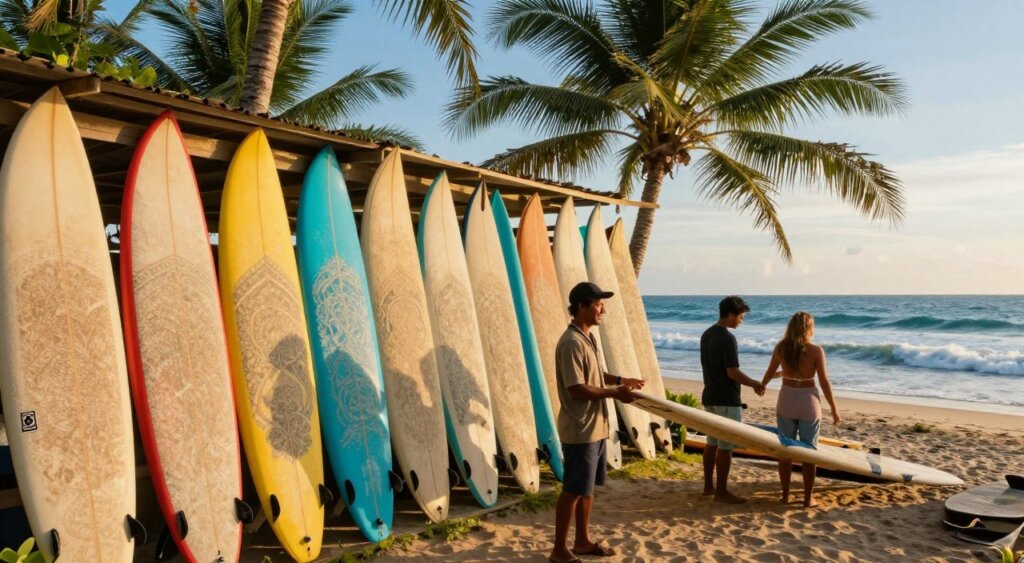
Being well-prepared is key for a great surf trip in Indonesia. The right gear keeps you safe, improves your surfing, and lets you enjoy the ride. Here’s what you need to pack or plan for.
Surfboard Selection
Choosing the right board is critical. Indonesia’s waves vary from easy beach breaks to tough reef passes. For reef breaks, a shortboard or fish shape is ideal.
For softer waves or if you’re new, a funboard or mini-malibu is better. The big question is whether to bring your own.
Bringing your own board is familiar but adds costs and hassle. Renting a surfboard rental indonesia service is smarter. Bali and other spots have modern boards for all levels. This lets you try different shapes for each day’s waves.
Wetsuits and Accessories
You might not need a full wetsuit but you need protection. The sun is strong, and reefs are sharp. A good rash vest protects against sunburn and rash.
For your legs, durable board shorts with a liner are best. Thin reef booties are vital for sharp reefs to protect your feet. They are absolutely essential at some spots.
In cooler, windy evenings, a light wetsuit top keeps you warm. Don’t forget surf sunscreen and zinc for your face.
Travel Gear and Essentials
More than your surf gear, some key items make your trip smoother. Keep these in mind when packing.
- Travel Documents: Passport, visa (if needed), travel insurance, and driver’s permit.
- First Aid Kit: Antiseptic, waterproof bandages, antiseptic cream for cuts, and personal meds.
- Surf Repair Kit: A surfboard resin tube and fibreglass cloth for small dings.
- Other Must-Packs: A reusable water bottle, dry bag, power bank, and padlock for lockers.
With these essentials, you’re set for anything. You can surf with confidence and handle travel issues easily.
Surfing Schools and Lessons Available
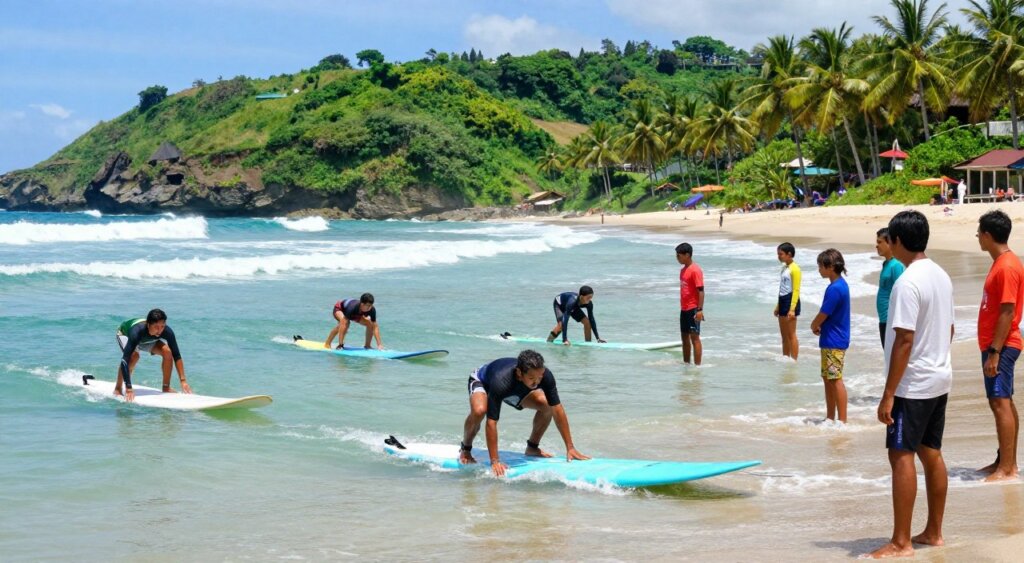
Indonesia’s surf scene welcomes everyone, not just pros. It has many excellent surf schools. Here, you can learn from scratch or improve your skills with professional help. Many schools are part of Indonesia surf camps, making it easy to get lessons, gear, and a place to stay.
Top Surf Schools in Bali
Bali is the heart of surf education, with many schools along its southern coasts. Kuta, Canggu, and Seminyak are great for beginners. Uluwatu and Padang Padang are for those looking to tackle tougher waves.
These schools have certified teachers, top-notch equipment, and strict safety rules. Surfers of Bali is a well-known name in the local surf community. Many schools, including those in Indonesia surf camps, offer video analysis and structured lessons.
Group vs. Private Lessons
Deciding between group or private lessons depends on your budget and goals. Group lessons are fun and affordable, perfect for beginners or friends. Private lessons give you one-on-one attention, helping you progress faster.
| Feature | Group Lessons | Private Lessons |
|---|---|---|
| Cost | Lower per person | Higher, but focused value |
| Pace | Set by the group average | Tailored to your individual level |
| Attention | Shared instructor time | Undivided focus from the coach |
| Best For | Beginners, social learners, tight budgets | Rapid skill advancement, specific goals |
Safety isn’t just about wearing a leg rope. It’s about reading the ocean, understanding your limits, and respecting the locals who surf here every day.
Safety Training and Guidelines
Before hitting the waves, you need a safety briefing. Good schools teach you about local dangers. They cover rip currents, reef bottoms, and surf etiquette.
Here are some key safety tips:
- Always use a leg rope appropriate for the conditions.
- Wear reef booties if surfing over sharp coral.
- Learn how to fall safely to avoid injury on shallow reefs.
- Never surf alone, at least not at unfamiliar spots.
This safety training is a must at any Indonesia surf camp. It helps you improve your surfing and stay safe.
Local Surf Culture and Etiquette
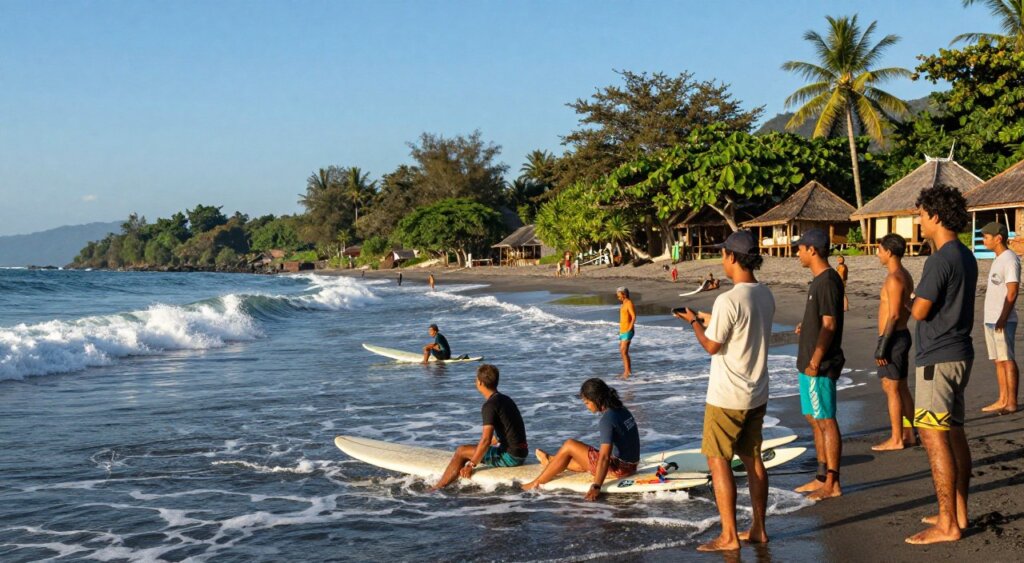
Connecting with the local surf culture in Indonesia is rewarding. The waves are amazing, but it’s the people and traditions that truly make the trip special. Showing respect and understanding can turn your holiday into a rich experience.
Understanding Local Customs
Indonesia has strong cultural and religious roots. Knowing a bit about these customs is important. You’ll find temples or prayer spaces near beaches. Dress modestly, covering shoulders and knees, in villages.
Greetings are key. A smile and a “Selamat pagi” (good morning) or “Terima kasih” (thank you) are appreciated. Remember, patience and calm are more important than loud or aggressive behaviour. This respect is also important in the water.
Respecting Surf Spots
Every lineup has its own rules. Knowing these rules helps avoid conflicts and keeps everyone safe. The surfer closest to the peak has right-of-way. Never drop in on someone else’s wave.
Environmental care is essential. Many breaks are over coral reefs. Never stand on coral if you fall. Always take your rubbish and consider joining a beach clean-up. This keeps the spot pristine for future generations.
| Aspect | Why It Matters | Common Practice |
|---|---|---|
| Right-of-Way | Prevents collisions and ensures fair wave sharing. | The surfer first to their feet and closest to the breaking part of the wave has priority. |
| Paddling Out | Maintains order and safety in the channel. | Paddle wide through the channel, not through the peak where others are surfing. |
| Respecting the Reef | Protects the marine ecosystem that creates the waves. | Never walk or stand on coral. Use reef booties if necessary. |
| Local Priority | Acknowledges those who surf the spot daily and maintain its safety. | Observe quietly, wait your turn, and let a few local surfers take waves before you. |
| Beach Cleanliness | Keeps the environment beautiful and healthy. | Always take your rubbish, and avoid single-use plastics. |
Building Friendships with Locals
Building friendships with locals makes your trip unforgettable. Indonesian surfers are friendly if you approach them with humility. Learn a few basic phrases in Bahasa Indonesia.
Share a meal at a local warung near the beach. Ask about their favourite breaks or surf stories. Showing genuine interest helps build trust.
You might get invited for coffee or to a traditional ceremony. These authentic connections are often the highlight of a traveller’s journey. They offer insights no guidebook can provide and turn a surf spot into a cherished memory. Making these friendships is, without doubt, one of the most valuable things to do on a surf trip in Indonesia.
Accommodations Near Surf Spots
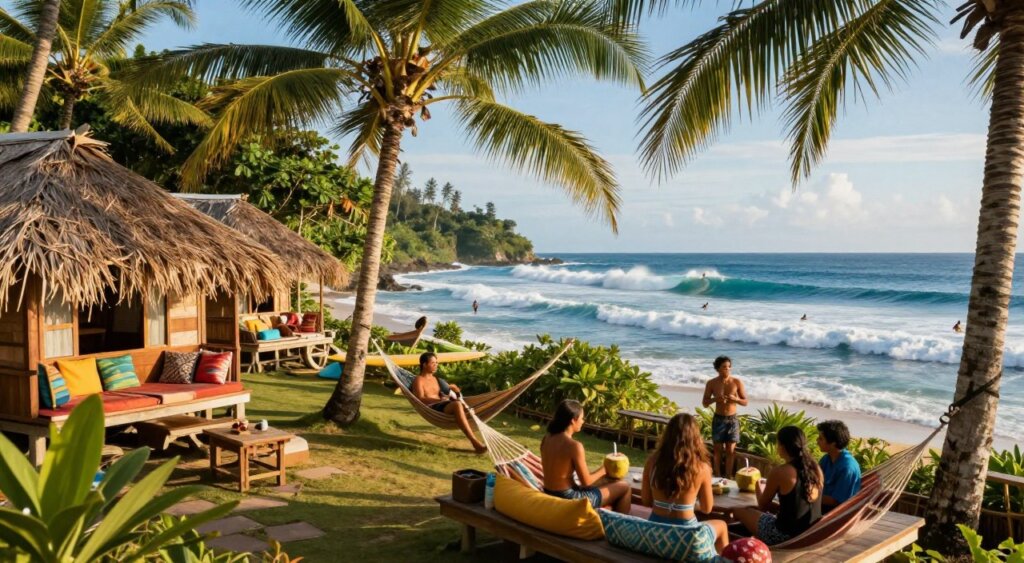
From lively surf hostels to private luxury villas, your stay can make your Indonesian surf trip unforgettable. The right place gets you closer to the waves, connects you with others, and offers comfort. You’ll find the perfect spot for your style and budget near every major surf spot.
Budget-Friendly Hostels
For those on a tight budget, Indonesia’s hostels are a great deal. They’re perfect for backpackers, near beaches like Canggu in Bali or Batu Karas in Java.
Expect shared dorms, common areas, and surfboard storage. Many hostels act like indonesia surf camps, helping you find the best surf spots. They focus on community, making it easy to find surfing buddies.
Look for hostels with simple breakfast, free water, and maybe scooter rentals. It’s all about saving for more important things—like extra surf lessons or a cold Bintang after surfing.
Mid-Range Hotels
Mid-range hotels offer comfort, privacy, and a great location. They’re often family-run or boutique hotels, a bit away from the main areas.
You’ll have your own room with air conditioning, private bathroom, and balcony. Convenience is key here, with many close to the beach and cafes serving great coffee and smoothie bowls.
This option is great for those who want a quiet place to rest but don’t need luxury. It’s the perfect balance for focusing on your surfing.
Luxury Resorts with Surf Packages
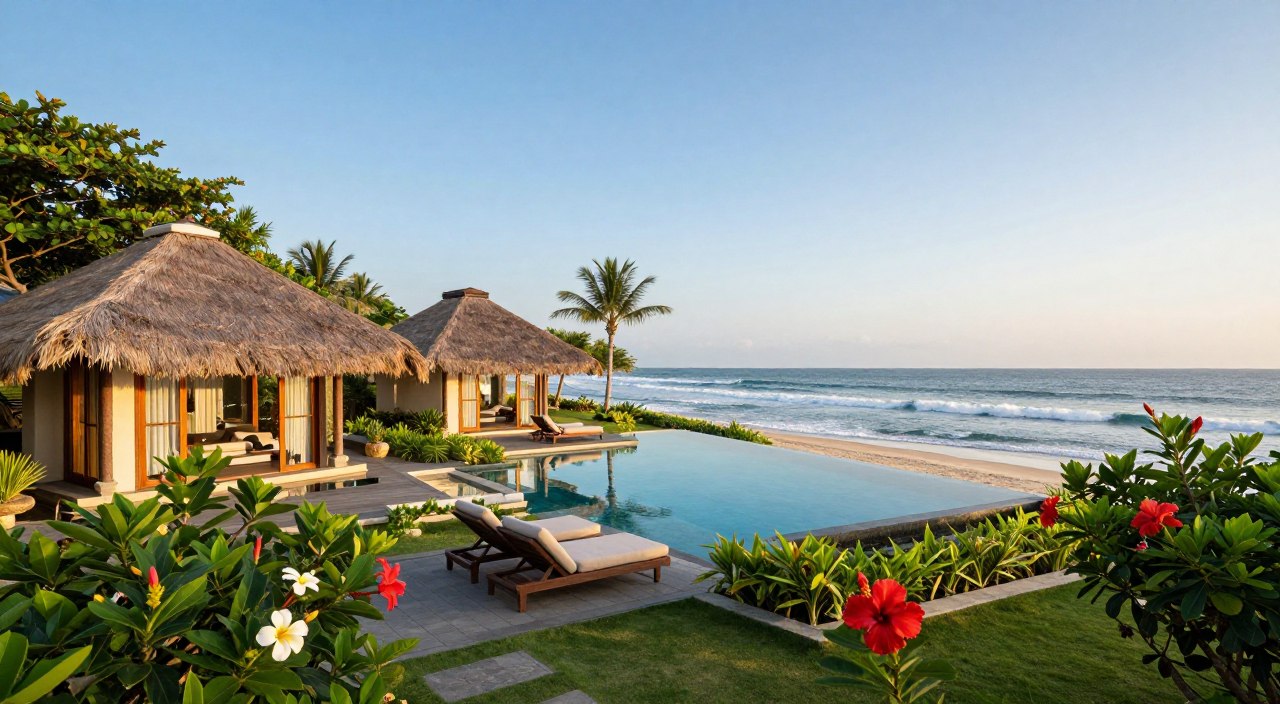
For the ultimate surf holiday, Indonesia’s luxury resorts have everything. They offer world-class amenities and know what surfers need. Think private beach access, infinity pools, and in-house massages.
The real value is in their surf packages. These include guided sessions, video analysis, premium rentals, and boat charters. It’s a hassle-free experience where everything is taken care of.
Staying at a luxury resort makes your trip easy. Enjoy gourmet meals, stunning design, and top service, all near legendary waves. Some even partner with indonesia surf camps for the best of both worlds: luxury and expert coaching.
Culinary Delights After Surfing
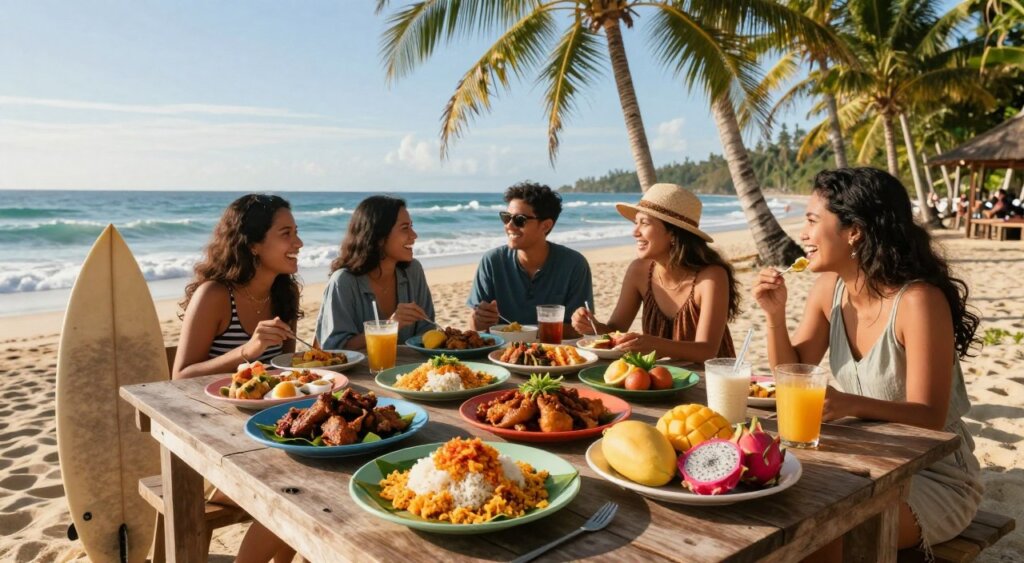
Surfing in Indonesia makes you hungry. Luckily, you’re surrounded by delicious food. Trying local dishes is a highlight of your trip. Every meal is a story.
Popular Indonesian Dishes to Try
Trying Indonesia’s signature dishes is a must. They’re full of energy and flavour, perfect for refuelling.
Nasi Goreng is the national fried rice dish. It comes with a fried egg and prawn crackers. It’s the ultimate comfort food after surfing.
Satay are skewers of marinated, grilled meat. They’re served with a rich peanut sauce. You’ll find them at beachside stalls everywhere.
Gado-Gado is a fresh salad. It’s a mix of steamed vegetables, tofu, and tempeh, all smothered in peanut sauce.
Here’s a quick guide to some other must-try dishes:
| Dish | Description | Perfect For |
|---|---|---|
| Mie Goreng | Stir-fried noodles with vegetables, meat, and a sweet soy sauce. | A quick, carb-loaded lunch between surf sessions. |
| Bakso | Savory meatball soup with noodles, a popular street food. | A warming meal on a cooler, rainy evening. |
| Ikan Bakar | Whole fish, marinated and grilled over charcoal. | A celebratory dinner with a group of surf mates. |
Beachfront Dining Experiences
Indonesia’s coast has amazing places to eat by the water. These spots offer more than just a meal. They provide the perfect atmosphere to relax and relive the day’s waves.
For a local experience, try a warung. These small, family-run eateries serve authentic, home-style cooking. Eating here as the sun sets is essential.
Surf cafes in places like Canggu or Uluwatu are great for a laid-back vibe. They offer healthy bowls, smoothies, and great coffee. Many have direct ocean views, making them perfect for a post-surf meal.
Exploring these unique dining spots is a highlight of your trip. The sound of the waves and the salty air make everything taste better.
Local Drinks and Refreshments
Staying hydrated and refreshed is key in the tropical heat. Indonesia has a brilliant array of local beverages to help you cool down.
Nothing beats a fresh, young coconut (kelapa muda) cracked open right in front of you. It’s nature’s perfect sports drink, full of electrolytes. Indonesian coffee is world-class. Try a cup of local Kopi Tubruk – strong, sweet, and traditionally served with the grounds in the cup.
When it’s time to unwind, the iconic Bintang beer is the drink of choice. It’s a crisp, light lager that pairs perfectly with a beach sunset. For a non-alcoholic treat, look for Es Campur or Es Kelapa Muda, which are shaved ice desserts mixed with fruits, jelly, and coconut water.
Exploring these flavours is a delicious journey in itself. It completes your daily rhythm of surf, eat, relax, and repeat.
Transportation Options for Surf Trips
Traveling to surf spots in Indonesia can be exciting. Knowing how to get around makes your trip better. The right transport saves time and money, so you can enjoy the waves more.
Getting Around Bali
Bali is a key spot for surfers. Getting around is easy. Renting a scooter is popular for its flexibility and cost.
Always wear a helmet and have an international driver’s permit. For shorter trips, taxis and ride-sharing apps are good. Blue Bird taxis are reliable, and apps like Gojek and Grab offer many services.
For surfers with boards, booking a private driver is wise. They know the best routes and handle traffic.
Public Transport vs. Private Rentals
Traveling between islands is part of many surf trips. You can use public ferries and flights or rent a car and boat.
Public transport like fast ferries is cheap. Domestic flights are quick. These are good for solo travelers or those in a hurry.
Private rentals give you freedom. Renting a car with a driver is great for exploring. Chartering a boat is cost-effective for groups, making travel an adventure.
Your choice depends on your budget, group size, and how flexible you want to be.
Tour Packages for Surfing
Surf tour packages make your trip easy. They’re great for reaching remote spots like the Mentawai Islands.
Chartering a liveaboard surf boat in the Mentawais is a dream. These packages include everything you need for a premium surf trip itinerary.
In Bali and Lombok, surf camps offer packages. They include transport to breaks suited to your skill level. It’s a great way to meet other surfers and catch waves every day.
Choosing the right transport is key to a stress-free trip. Plan well to focus on surfing, not travel worries.
Capturing Your Surf Trip Memories
One of the best parts of a surf trip in Indonesia is capturing the moments. From perfect waves to stunning sunsets, it’s all about the memories. With a few tips, you can turn your adventure into stunning photos that show off the beauty of the waves.
Photography Tips for Surfers
For great surf photos, start with the right gear and mindset. If you’re shooting underwater, a waterproof housing or an action camera is essential. Always keep your camera safe with a leash.
For action shots, use a fast shutter speed to freeze the moment. Burst mode is great for catching the perfect ride. Try different angles, like shooting from the beach for sunset silhouettes or getting close for surfers’ faces.
| Camera Type | Best For | Key Advantage | Consideration |
|---|---|---|---|
| Smartphone | Landscapes, lifestyle shots, quick videos | Always handy, easy to edit and share | Limited zoom, needs waterproof case |
| Action Camera (GoPro) | POV footage, in-water shots, board mounts | Extremely durable, wide-angle lens | Fixed lens, less control over settings |
| DSLR/Mirrorless | High-quality action shots, zoom for lineups | Superior image quality, interchangeable lenses | Bulky, requires housing for water use |
Check out local creators like the Surfers of Bali YouTube and Instagram for inspiration. They show how to capture stunning shots with the Indonesian backdrop.
Using Drones for Stunning Shots
A drone can add amazing aerial views to your videos. Before you fly, know the rules. Indonesian drone laws are strict, so always check local guidelines and get permission if needed.
Flying during the golden hours gives the best light. This soft light makes the ocean colours vibrant. Practice smooth movements for cinematic footage.
Always respect privacy and the peace of the spot. Never fly over other surfers or crowded beaches. The goal is to enhance the scene, not disrupt it.
When to Share on Social Media
Think about the story you want to tell. Some post in real-time, while others wait for a highlight reel. There’s no right answer, but a curated feed can have more impact.
Use hashtags like #IndonesiaSurf, #BaliWaves, or #SumbawaSurf. Tagging your location helps others find the spot. Engage with communities by following and interacting with accounts like Surfers of Bali.
Sharing your memories is a great way to end your day. Always promote respectful travel in your captions. Highlight the beauty of the place and the friendliness of the locals, not just your own ride.
Planning Your Indonesia Surf Trip
Your adventure starts with a solid plan. A good surf trip itinerary mixes surfing with exploring and rest.
Creating an Itinerary
Balance your days well. Surf in the early mornings. Use afternoons for visiting temples or relaxing.
The free digital Bali Surf Guide from Surfers of Bali is a great tool. It helps map out the best spots. A flexible itinerary lets you follow the best waves.
Tips for Traveling Smart
Australians need a visa for Indonesia. Get travel insurance that covers surfing. Pack a basic medical kit.
Stay hydrated and use reef-safe sunscreen. Learning a few Indonesian phrases helps connect with locals.
Budgeting for Your Adventure
Costs vary. Budget travellers can manage on $50-$70 AUD daily. Mid-range trips cost $100-$150 AUD. Luxury surf resorts start from $300 AUD per night.
Factor in flights, board rentals, and meals. With research and the right resources, your Indonesian surf journey will be unforgettable. Download the Surfers of Bali guide to start crafting your perfect trip.