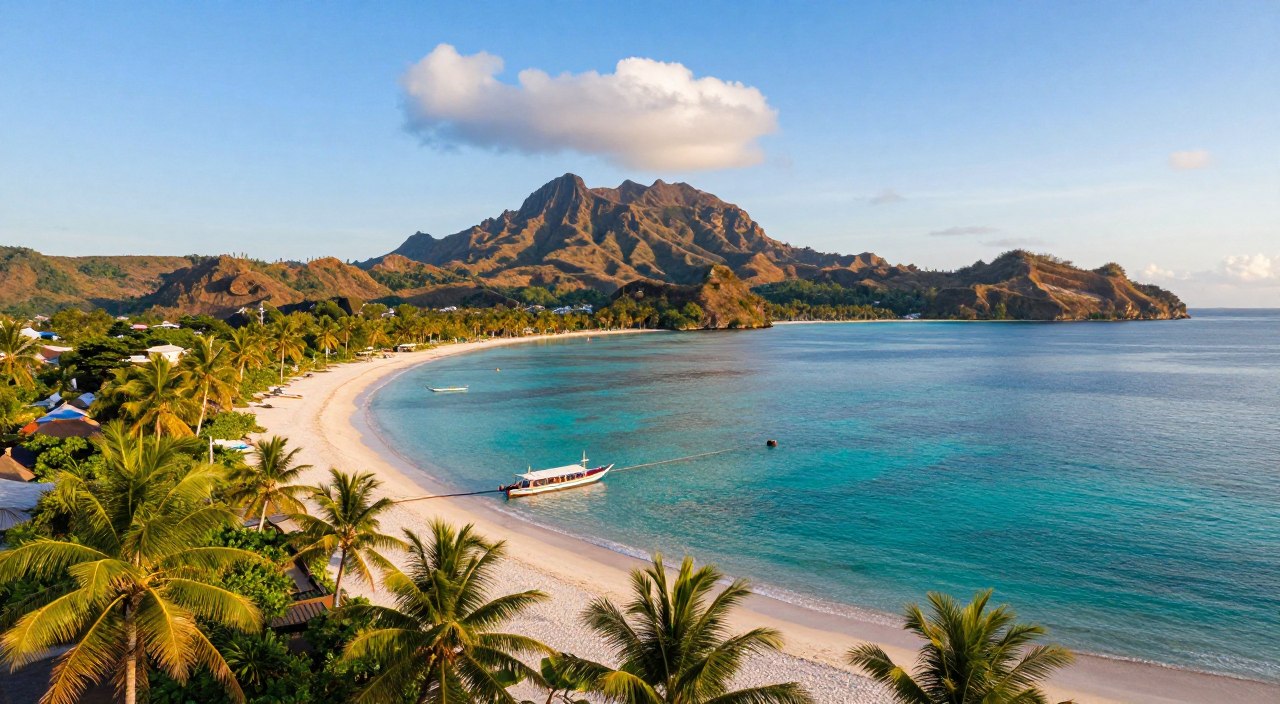
Think Bali is Indonesia’s only island paradise? Prepare to have your expectations wonderfully challenged.
Just a short hop east, the stunning duo of Lombok and the Gili Islands offers a different kind of escape. This lombok travel guide will show you a world of rugged volcanoes, sweeping deserts, and some of the most pristine coral reefs on the planet.
For Aussies seeking an unforgettable holiday, this region is the perfect blend of adventure and relaxation. Our lombok gili islands itinerary covers everything from planning your trip to finding those hidden local gems.
Get ready to explore a destination that feels both untouched and incredibly welcoming.
Key Takeaways
- Discover an authentic alternative to Bali with fewer crowds.
- Experience diverse landscapes from volcanic peaks to turquoise waters.
- Learn how to easily plan your journey between Lombok and the Gilis.
- Find practical tips tailored for Australian travellers.
- Uncover the best activities for adventure seekers and relaxation lovers alike.
- Get insights into local culture and must-try experiences.
- Prepare for your trip with essential advice on transport and accommodation.
Introduction to Lombok and Gili Islands
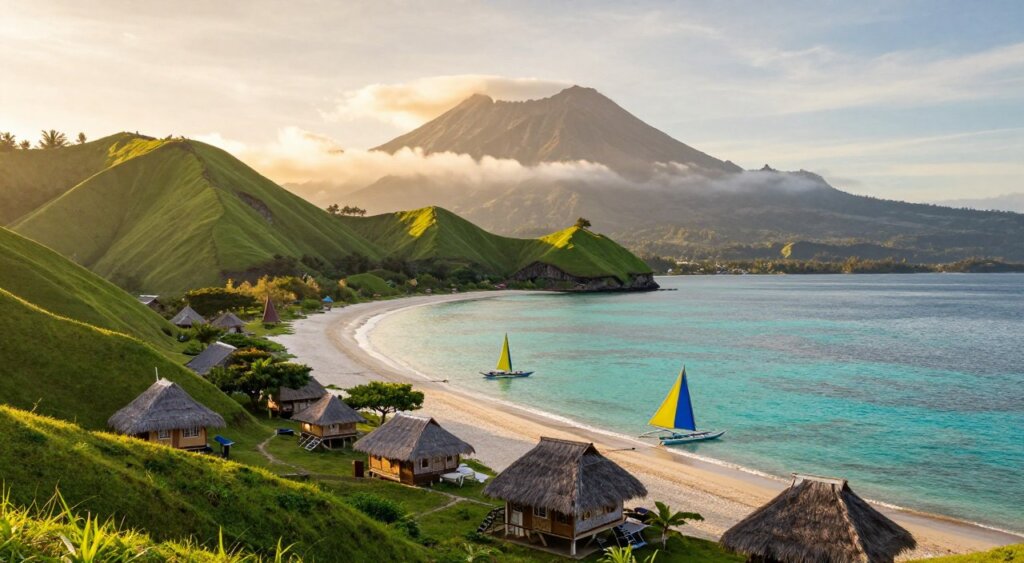
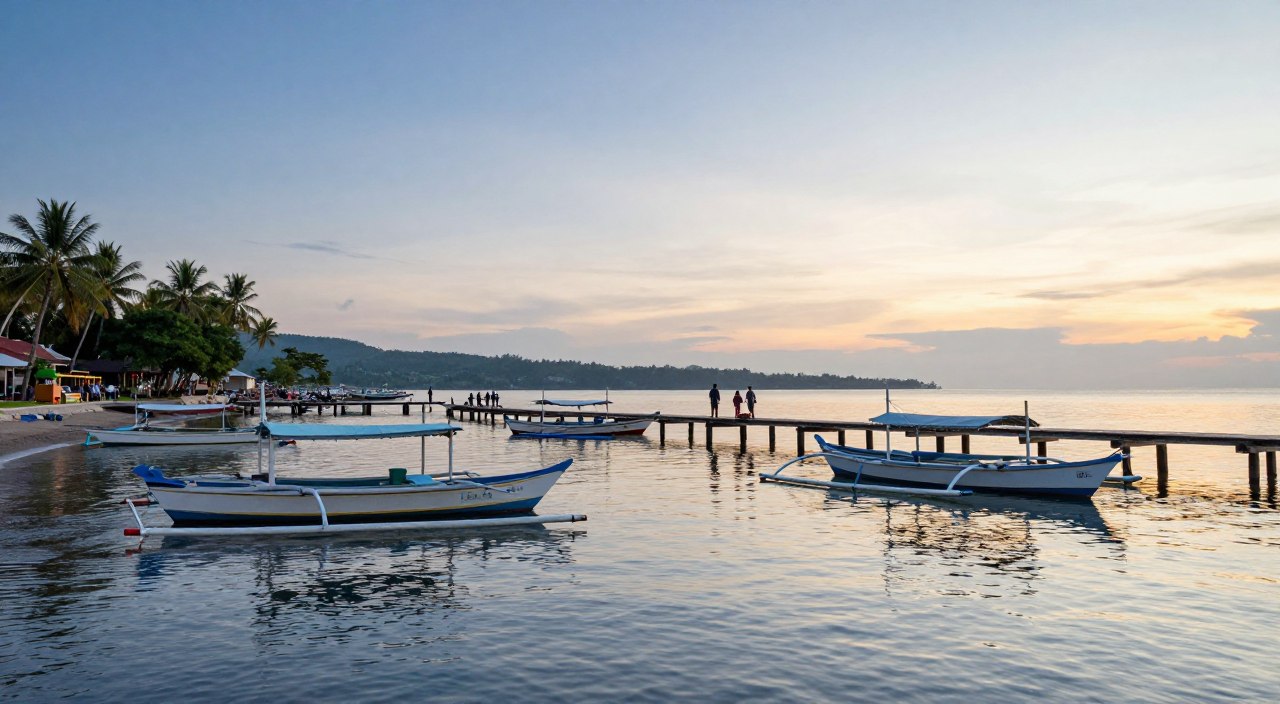
Looking for a break from Bali’s crowds? Lombok and its Gili Islands are perfect. They offer a wide range of activities, from climbing volcanoes to exploring underwater worlds. Each place has its own unique charm, making them a must-visit.
Overview of Lombok
Lombok is Bali’s quieter, wilder cousin. It’s home to Mount Rinjani, Indonesia’s second-tallest volcano. The island is covered in rainforests, savannahs, and beautiful beaches. The Sasak culture is vibrant here, adding to the island’s charm.
Life moves at a slower pace in Lombok. The locals are friendly, and the beauty is untouched. Famous spots like Senggigi and the south coast are stunning. But the island’s true beauty lies in its untouched areas, perfect for adventure and learning about local traditions.
Overview of Gili Islands
The Gili Islands, including Gili Trawangan, Gili Meno, and Gili Air, are a short boat ride from Lombok. They’re known for their white-sand beaches and vibrant coral reefs. They’re a true “piece of paradise” in the Indian Ocean.
The Gilis are special because they’re small and have no cars. Their clear waters are perfect for snorkelling and diving. Each island has its own character:
- Gili Trawangan (“Gili T”): The biggest and most lively, famous for its nightlife and food.
- Gili Meno: The quietest and most romantic, great for couples.
- Gili Air: A mix of local life and tourist amenities, loved by families and long-term visitors.
Together, the Gili Islands offer a marine paradise. Your trip will be filled with underwater adventures and island-hopping fun.
Getting to Lombok and Gili Islands
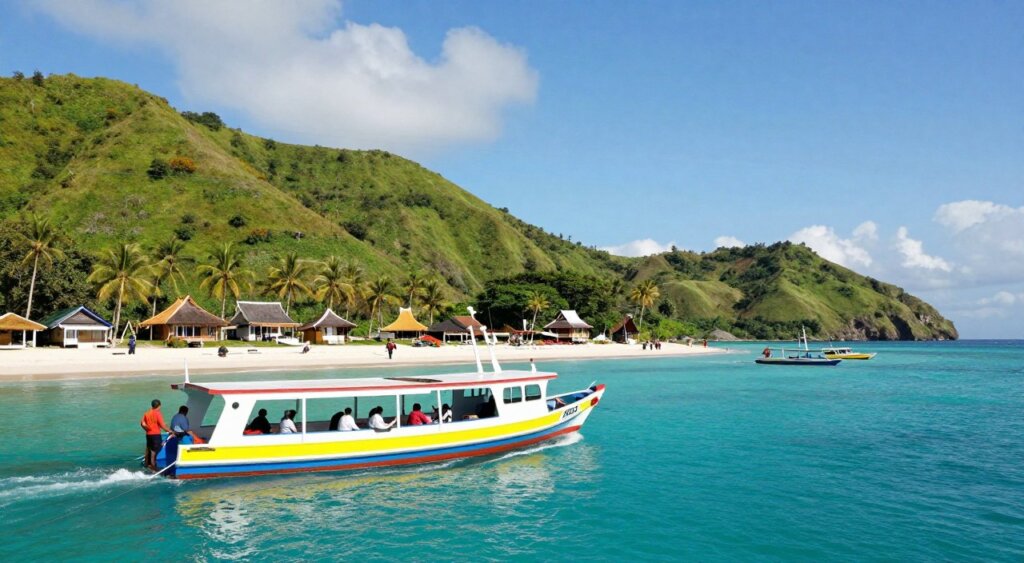
Getting to Lombok and the Gili Islands is easy with many options. Australians usually fly to Indonesia first, then take a short flight or a scenic ferry. Knowing these steps helps you start your island adventure smoothly.
Transportation Options to Lombok
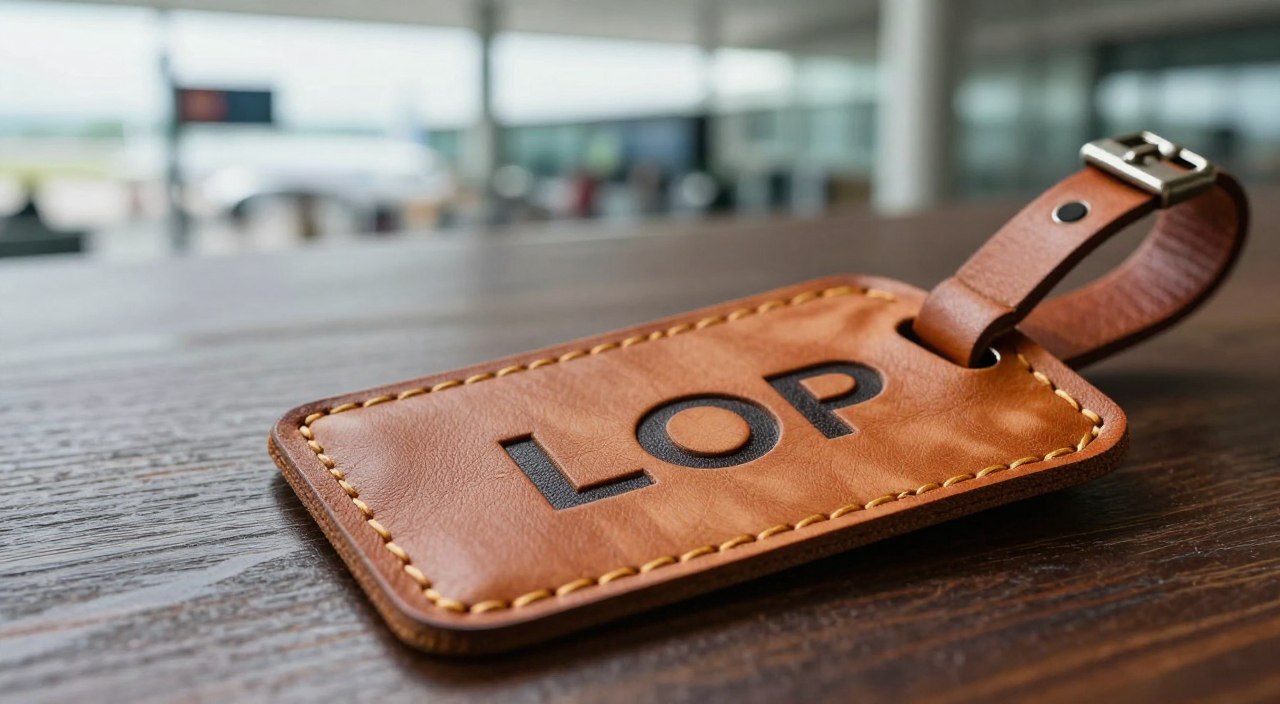
Lombok International Airport (LOP) is the main entry point. Airlines like Qantas and Virgin fly directly from Perth. Sydney and Melbourne have flights via Bali or Jakarta.
From Bali, a ferry is a good choice. Public ferries take 4-5 hours from Padang Bai to Lembar. Fast boat services from Serangan and Padang Bai are quicker, taking about 2 hours. Book your tickets online early, as holidays are busy.
Ferries to the Gili Islands
To get to the Gili Islands, you need a boat from Lombok or Bali. Fast boats are the best option. They leave from Serangan and Padang Bai in Bali, and Bangsal or Teluk Nare in Lombok.
The trip from Bali takes 1.5 to 2.5 hours. From Lombok, it’s just 15-30 minutes. Choose a reliable operator for safety. Be ready for a wet landing on the Gili shores.
Here’s a quick guide to help plan your trip:
| Departure Point | Destination Island | Approx. Journey Time | Best For |
|---|---|---|---|
| Serangan, Bali | Gili Trawangan | 2 – 2.5 hours | Travellers coming directly from South Bali/Ubud |
| Padang Bai, Bali | Gili Air | 1.5 – 2 hours | Those near East Bali or the ferry port |
| Bangsal, Lombok | All Three Gilis | 15 – 30 minutes | Visitors already based in Lombok |
| Teluk Nare, Lombok | Gili Meno | 20 – 40 minutes | Access from Lombok’s northern areas |
Book a return ticket for a discount. Check the departure harbour the day before, as times change. With these details, you’re ready for your tropical getaway.
Best Time to Visit Lombok and Gili Islands
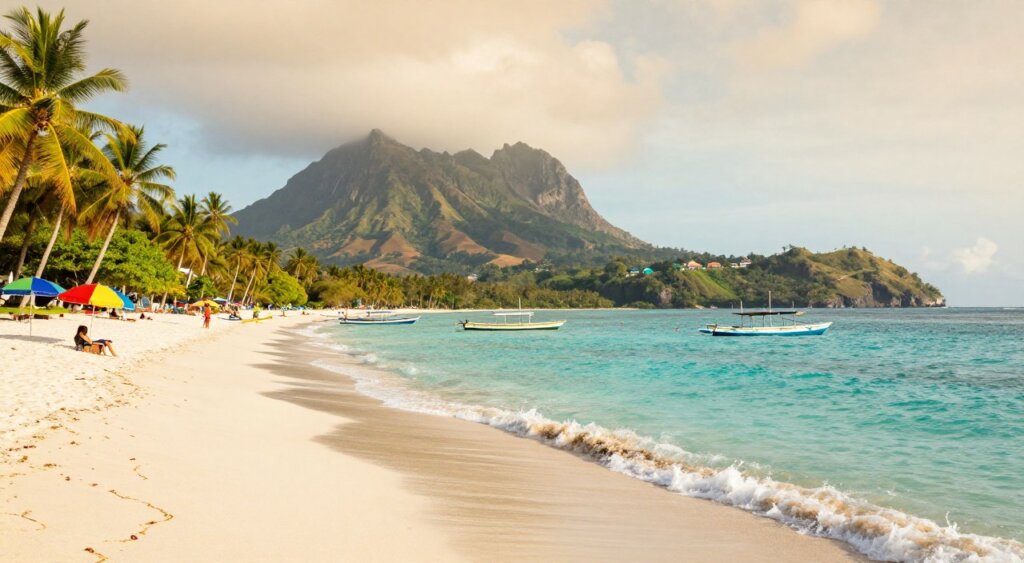
Choosing the right time for a trip to Lombok and Gili Islands is key. The weather is warm all year, but knowing when it’s best can make your holiday perfect. This guide will help you pick the best time for your dream trip.
Climate Overview
Lombok and the Gili Islands have a tropical climate with two main seasons: dry and wet. The dry season is from April to October, with lots of sunshine and little rain. It’s the best time to visit for fun outdoors and beach days.
The wet season is from November to March, with short, heavy rains. The Gili Islands, including Gili Trawangan, Gili Meno, and Gili Air, are drier. They often avoid the heavy rains on Lombok, making them great for good weather any time.
Peak Travel Seasons
The busiest time is July to September, the European summer. The weather is perfect, but beaches are crowded, and prices are high.
Shoulder seasons, from April to June and October to November, are better. You get great weather and fewer crowds. Plus, you’ll save money on flights and tours.
Visiting in the wet season has its own charm. The landscape is lush, and places are less crowded. While trails might be slippery, the Gili Islands’ dry weather means your trips won’t be ruined.
So, when’s the best time to visit? For sun and energy, go in the dry season. For peace and savings, the shoulder months are ideal.
Top Attractions in Lombok
Lombok is more than just a side trip to the Gili Islands. It’s a place full of diverse landscapes and unforgettable experiences. This Lombok travel guide highlights the island’s natural beauty, from volcanic peaks to stunning beaches. Each landmark offers a unique way to connect with the island’s spirit.
Mount Rinjani National Park
For the adventurous, Mount Rinjani National Park is a must-see. It’s home to Indonesia’s second-highest volcano, an active giant that towers over the island. The trek to the summit is challenging but offers breathtaking views of the Segara Anak crater lake and beyond.
The crater lake’s turquoise waters are a surreal sight, often misty. It’s sacred to the local Sasak people. A licensed guide is key for this world-class trek.
Tanjung Aan Beach
Tanjung Aan Beach is a short drive from Kuta. It’s known for its unique pearl-white sand, soft and fine underfoot. The sand forms interesting patterns against the turquoise water.
The bay is calm, making it ideal for swimming and safe for families. You can relax with a fresh coconut and enjoy the peaceful atmosphere. It’s less crowded than other spots, perfect for a quiet beach day.
Senggigi Beach
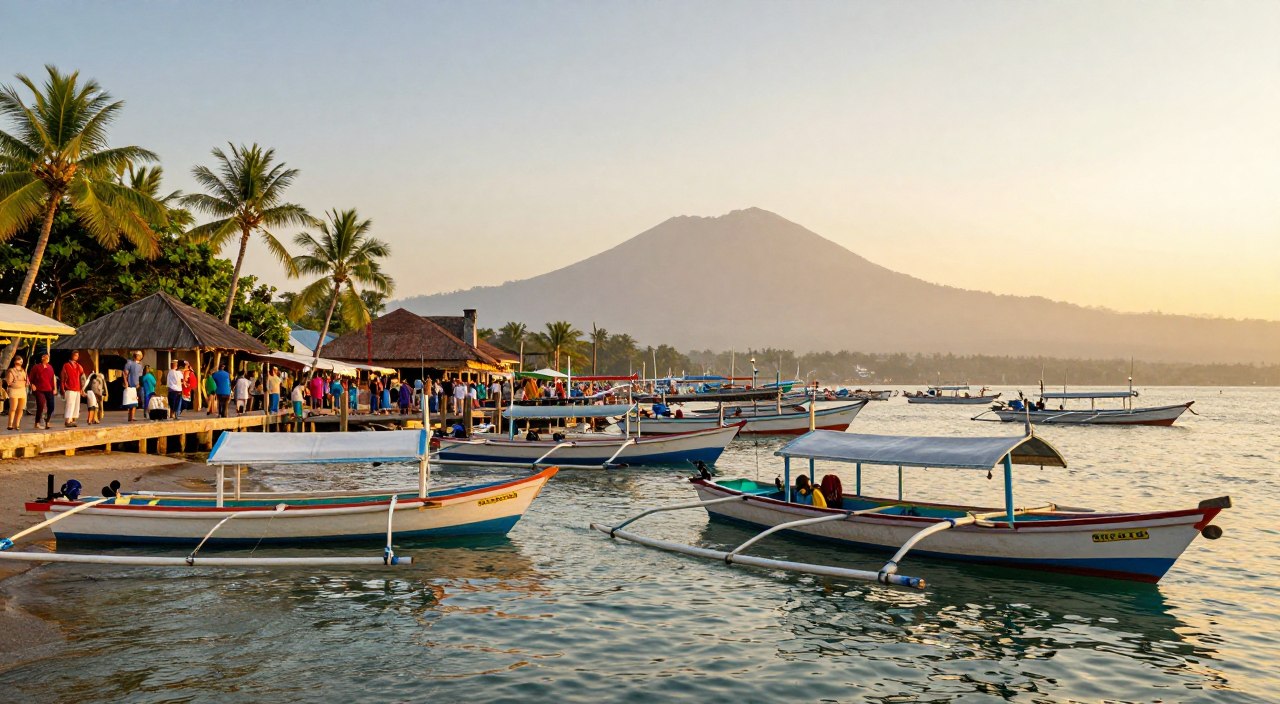
Senggigi Beach is Lombok’s most developed tourist area. It’s famous for its sunset views over the ocean, with Mount Agung on Bali visible in the distance. The beach is lively, with hotels, restaurants, and bars right on the sand.
It’s great for travellers who want easy access to amenities and day trips. You can enjoy a stroll, try fresh seafood, or watch local fishermen. Senggigi offers a comfortable introduction to the island’s coastal charm.
Exploring the Gili Islands
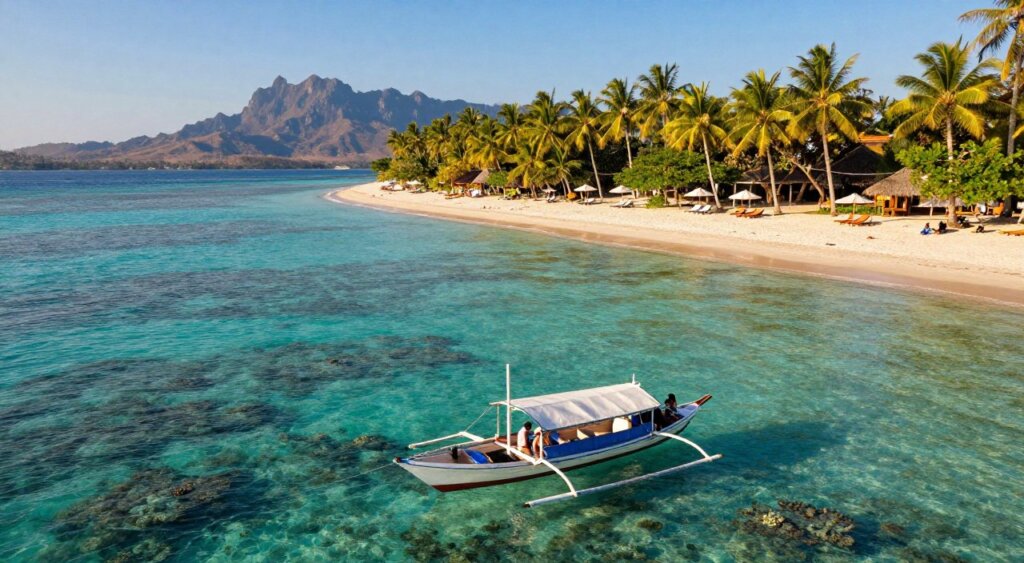
The Gili Islands are a car-free paradise. The sound of waves, not engines, fills the air. Located off Lombok’s northwest coast, these islands are a must-see for any traveller. Each island has its own charm, making it easy to find the perfect Gili for your holiday.
Traveling around is part of the fun. Cars and motorbikes are banned. You’ll ride bicycles, walk, or take a cidomo (horse-drawn cart). This keeps the islands peaceful and beautiful.
“There’s a magic in the Gilis you won’t find anywhere else. It’s in the rhythm of the day, the friendliness of the locals, and the sheer beauty of the water.”
Gili Trawangan
Gili T, or ‘Gili T’, is the largest and most lively island. It’s known for its nightlife, food, and dive shops. If you love parties, food, and a lively vibe, Gili T is for you.
Bicycles are the main way to get around. You can ride the island’s path and see stunning views. The west coast has bars and restaurants, while the east has quiet spots for swimming. It’s great for snorkelling and diving trips to see turtles and coral.
Gili Meno
Gili Meno is the smallest and most peaceful island. It’s perfect for honeymooners looking for quiet and romance. If you want a peaceful holiday, Gili Meno is ideal.
Here, attractions are gentle and nature-focused. Visit the saltwater lake, bird park, or turtle sanctuary. The slow pace makes it great for relaxing and recharging.
Gili Air
Gili Air is the perfect mix. It has a few cool bars but remains peaceful. Many find it the best compromise.
The snorkelling here is excellent, with great views of Mount Rinjani from the east coast. It’s a memorable experience.
To choose the right island for you, here’s a quick comparison:
| Island | Vibe | Best For | Key Activity | Transport |
|---|---|---|---|---|
| Gili Trawangan | Vibrant & Social | Nightlife, diving, meeting people | Beach bar sunset sessions | Bicycle |
| Gili Meno | Serene & Romantic | Honeymoons, solitude, relaxation | Quiet beach walks & turtle spotting | Walking / Cidomo |
| Gili Air | Balanced & Chilled | Families, snorkelling, local culture | Sunrise views of Mount Rinjani | Bicycle |
Visiting the Gili Islands is key to experiencing Lombok. Each island offers different memories and activities, making your trip varied and memorable.
Culture and Traditions of Lombok
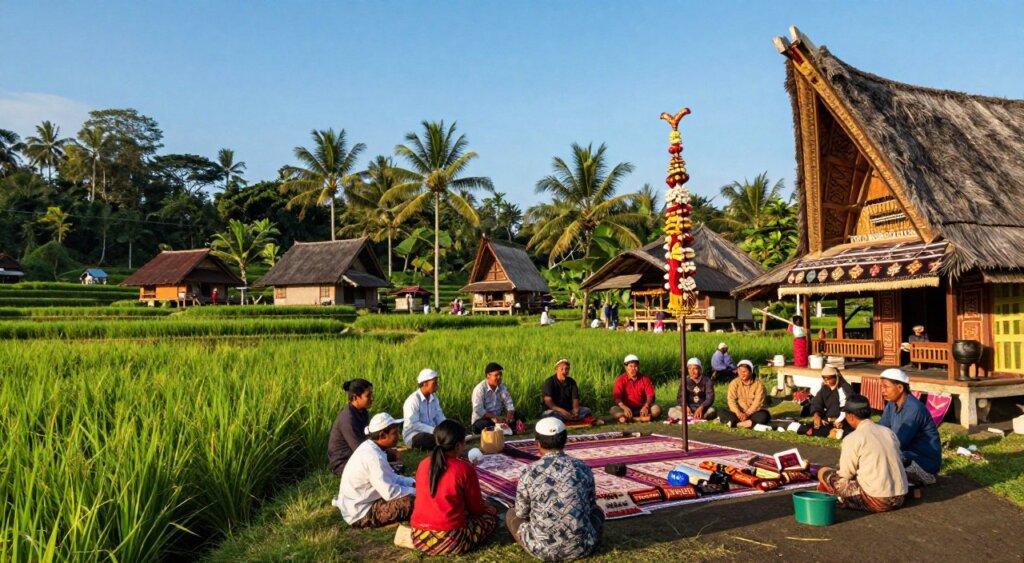
To really get Lombok, you need to explore its Sasak heritage and traditions. The island is more than its beaches. It’s a place that values respect and modesty. Adding this to your lombok gili islands itinerary makes your trip more than just a holiday.
Sasak Culture
The Sasak people are Lombok’s heart. Their old customs and community life are alive in villages across the island. Visiting these places is a must for those interested in culture.
In places like Sade and Ende, you see unique architecture. The houses have thatched roofs, bamboo walls, and earth floors. These designs help build strong community bonds.
Lombok is mostly Muslim, so local customs reflect this. Dressing modestly shows respect. This means covering shoulders and knees for both men and women. A scarf is handy.
Key parts of Sasak culture include:
- Weaving: Traditional ikat textiles are handwoven with stories in every pattern.
- Rice Farming: Sasak communities farm sustainably, working together.
- Music and Dance: Events like the Gendang Beleq show off cultural pride.
Talking to locals with respect can lead to meaningful conversations. A smile and a polite greeting are key.
Local Festivals
Lombok’s festivals celebrate its spiritual and agricultural life. Joining in these events is the highlight of a cultural lombok gili islands itinerary.
The Bau Nyale festival is famous. It happens in February or March. Locals and visitors catch sea worms at night, then eat them. It’s a night of celebration and poetry.
The Perang Topat or Rice Cake War is another big event. It’s held at the Lingsar Temple, showing harmony between Hindus and Muslims. People playfully throw rice cakes at each other, praying for fertility and a good harvest. It’s a fun, photo-worthy event.
Other festivals include Eid al-Fitr, which is very festive. And local village ceremonies for important life events. Always watch from a distance unless invited to join. Check local dates before you go, as many festivals follow the lunar calendar.
Experiencing these traditions connects you deeply with the island. It turns your visit into a journey of storytelling and memories that last longer than a tan.
Activities and Adventures
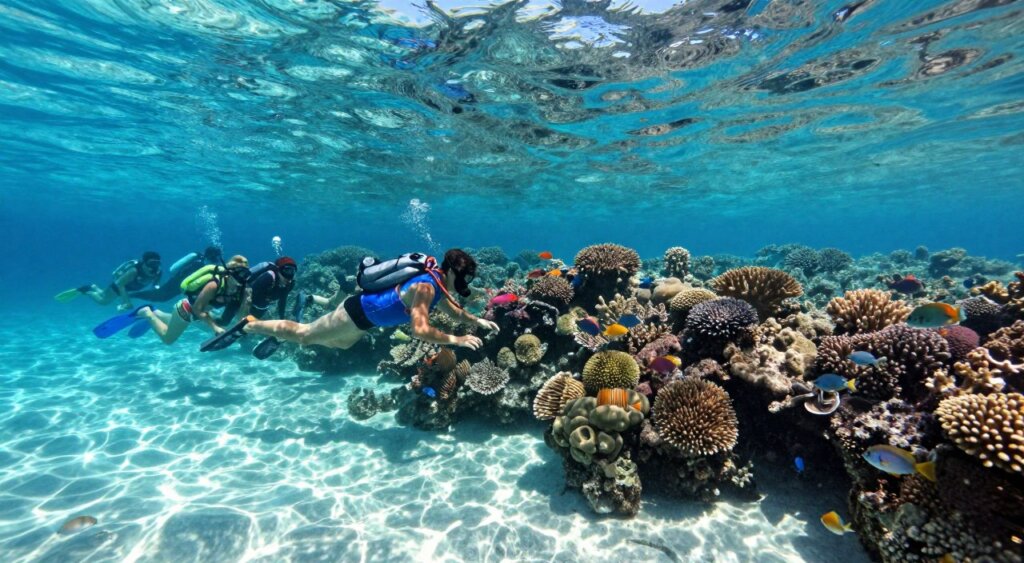
The true spirit of these islands is best discovered through action. Whether you’re gliding over coral gardens or conquering a summit, there’s something for everyone. For travellers from Australia, Lombok and the Gili Islands offer a stunning natural playground.
From the vibrant world beneath the waves to the majestic peaks inland, every day presents a new chance for an unforgettable experience.
Snorkelling and Diving
The crystal-clear, warm waters surrounding the Gili Islands are famous for incredible visibility and rich marine life. It’s a world-class destination for both snorkelling and diving. Heaps of professional dive centres offer courses, gear hire, and guided trips.
You can often rent snorkel gear right from your beachfront accommodation. The coral reefs are teeming with colourful fish, turtles, and even reef sharks.
- The Coral Gardens: Shallow reefs perfect for snorkelling, located just off the shores of all three Gilis.
- Gili Meno Wall: A stunning drop-off favoured by divers, known for its abundant sea life.
- Hans Reef at Gili Trawangan: A deeper site where you might spot larger pelagic fish.
Beginners can enjoy calm, shallow bays, while experienced divers will find challenging drifts and deep walls. Night dives reveal a completely different, mesmerising underwater scene.
Surfing Hotspots
While the Gilis offer gentle waves inside the lagoons, the southeastern side of Gili Trawangan catches consistent swells. This area is home to several reef breaks suitable for intermediate and advanced surfers.
Spots like ‘Gili T’ and ‘Speedies’ provide fun, rippable waves when conditions are right. For learners, some local operators offer lessons in the more forgiving whitewater.
Serious surfers often take a day trip to Lombok’s famous south coast, where breaks like Desert Point and Grupuk offer world-class barrels. The surf season generally runs from April to October.
Hiking Trails
Lombok’s crowning adventure is the multi-day trek to the summit of Mount Rinjani, Indonesia’s second-highest volcano. This challenging hike rewards you with surreal views of a crater lake and stunning sunrises.
Treks typically take two to four days and require a good level of fitness. Booking with a licensed guide and porter is mandatory, and they provide tents, food, and essential support.
For less strenuous walks, consider exploring the lush hills around Senaru or Tetebatu. On the Gili Islands, a favourite activity is walking or cycling the car-free perimeter paths, specially at sunset.
Culinary Experiences in Lombok
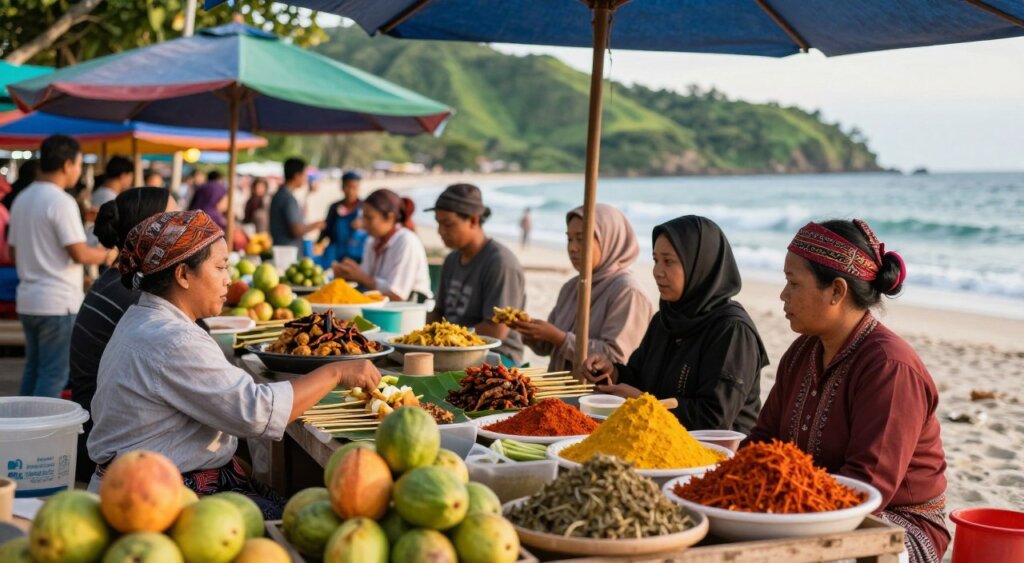
No lombok gili islands itinerary is complete without exploring the local food scene. Lombok’s cuisine reflects the Sasak people and their island. It combines fresh seafood, paddy rice, and spices into dishes that are both comforting and exciting.
Traditional Dishes to Try
Lombok’s signature dishes are a must for food lovers. Start with Ayam Taliwang, a legendary dish from the Taliwang region. It features a spatchcock or young chicken, marinated in a fiery blend of chilli, garlic, shrimp paste, and lime, then grilled to smoky perfection. It’s often served with plecing kangkung and beberuk terong on the side.
Plecing Kangkung is a refreshing water spinach salad. The greens are lightly boiled, then tossed with a sambal made from terasi (shrimp paste), tomato, chilli, and lime. It’s a zesty and crunchy counterpoint to richer dishes.
Beberuk Terong is a smoky eggplant sambal. The eggplants are charred over coals, mashed, and mixed with tomatoes, shallots, and chillies. This simple condiment packs a huge flavour punch. Another local favourite is Sate Rembiga, tender beef satay with a sweet and spicy sauce, distinct from versions found elsewhere in Indonesia.
| Dish | Key Ingredients | Flavour Profile | Best Found At |
|---|---|---|---|
| Ayam Taliwang | Young chicken, red chilli, garlic, shrimp paste, lime | Spicy, smoky, tangy, savoury | Specialist Taliwang warungs in Mataram & Senggigi |
| Plecing Kangkung | Water spinach, tomato, chilli, shrimp paste, lime | Fresh, spicy, zesty, umami | Most local eateries and as a side dish |
| Beberuk Terong | Eggplant, tomato, shallot, chilli | Smoky, spicy, earthy | Traditional Sasak warungs and market stalls |
| Sate Rembiga | Beef, coconut, palm sugar, tamarind, spices | Sweet, spicy, rich, slightly nutty | Night markets and dedicated sate stalls |
Food Markets and Dining
For the most authentic and affordable eats, head to the local markets. The night market in Gili Trawangan’s main square is a bustling hub loved by visitors. The atmosphere is electric, and the variety is huge. You can sample delicious Nasi Campur (mixed rice), freshly grilled fish and squid, and sweet treats like pisang goreng (fried banana).
Visitors rave about the fresh, cheap seafood and the lively, social vibe. Some note the stalls can get crowded, and as with any street food, choosing busy vendors with high turnover is a good tip for quality.
Beyond the markets, seek out local warungs (small family-run eateries). These are where you’ll find the most traditional Sasak cooking. In Lombok’s towns, look for simple spots filled with locals. For a more upscale dining experience, many resorts and restaurants in Senggigi and the Gilis offer stunning ocean views alongside their menus.
Balancing market feasts with warung discoveries and a nice sunset dinner is the perfect way to structure your culinary days. This approach ensures your lombok gili islands itinerary satisfies every craving.
Accommodation Options
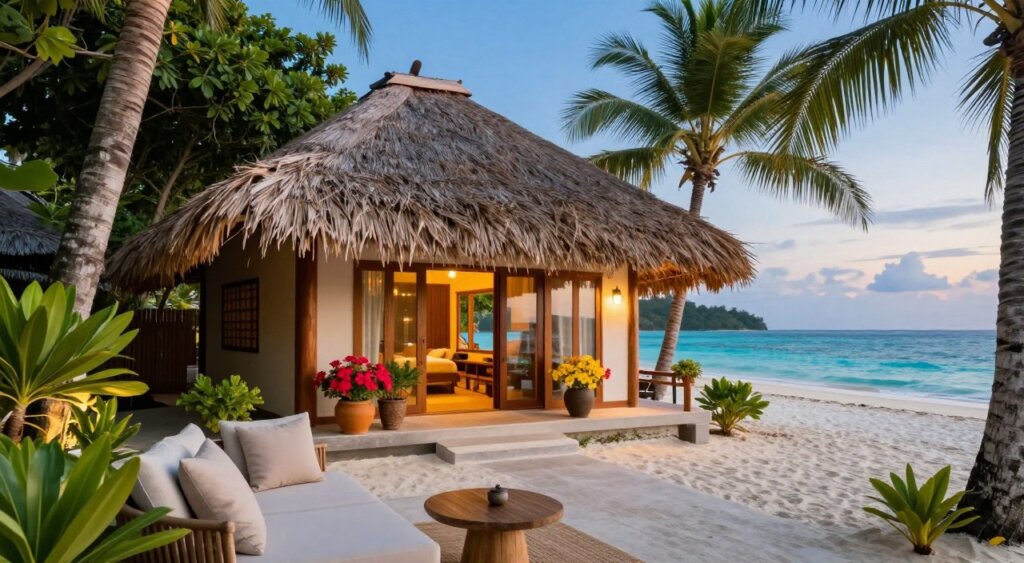
Accommodation in this region ranges from beachfront bungalows to luxury villas. It suits every taste and budget. Your choice of stay can greatly influence your holiday, whether you prefer lively scenes or quiet retreats. It’s wise to book your lombok gili islands resorts and lodgings early, as the dry season is busy.
| Accommodation Type | Typical Location | Price Range (AUD per night) | Best For |
|---|---|---|---|
| Budget Guesthouse | Senggigi, Kuta Lombok | $30 – $80 | Travellers on a tight budget |
| Luxury Cliff Resort | South Lombok cliffs | $250 – $600+ | Romantic getaways & luxury seekers |
| Backpacker Bungalow | Gili Trawangan | $25 – $70 | Social atmosphere & nightlife |
| Eco-Resort | Gili Meno, Gili Air | $100 – $300 | Sustainable travel & peace |
| Boutique Hotel | Gili Trawangan beachfront | $120 – $350 | Style-conscious couples |
Hotels in Lombok
Lombok has a wide range of hotels. In places like Senggigi and Kuta, you’ll find many guesthouses and homestays. They offer basic rooms and are great for surfers and backpackers.
For a better stay, there are hotels with pools, restaurants, and easy beach access. The top spots are the cliff-top resorts with stunning ocean views.
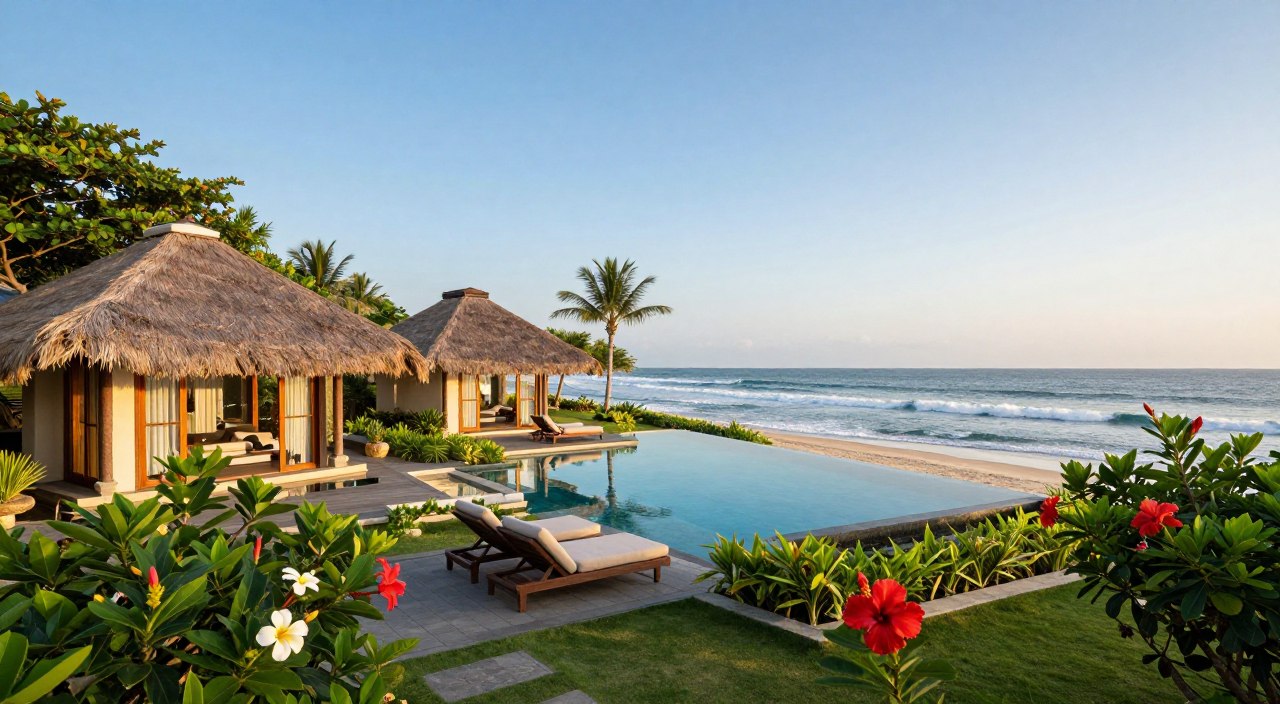
These luxury resorts have private villas, infinity pools, and spas. They offer a unique experience of privacy and luxury.
“Waking up to that view from our cliffside villa was worth every penny. It felt like our own private slice of paradise.”
Resorts in the Gili Islands
Your gili islands accommodation is special because cars and motorbikes are not allowed. You’ll get around by bicycle, horse cart, or walking. This makes the islands peaceful and quiet.
Gili Trawangan, the biggest island, has the most variety. You can choose from simple bungalows to stylish hotels right on the beach. These places focus on design, comfort, and beach access.
Gili Meno and Gili Air are more laid-back. They’re known for their eco-resorts in coconut groves or by quiet shores. These resorts are eco-friendly, using solar power and serving organic food.
Resorts in the Gilis often have:
- Open-air bathrooms and garden showers.
- Beachfront bars and restaurants.
- Direct access to great snorkelling spots.
Because they’re popular and space is limited, booking your gili islands accommodation early is essential. This is true for the peak seasons from June to August and during Christmas.
Nightlife in Lombok and Gili Islands
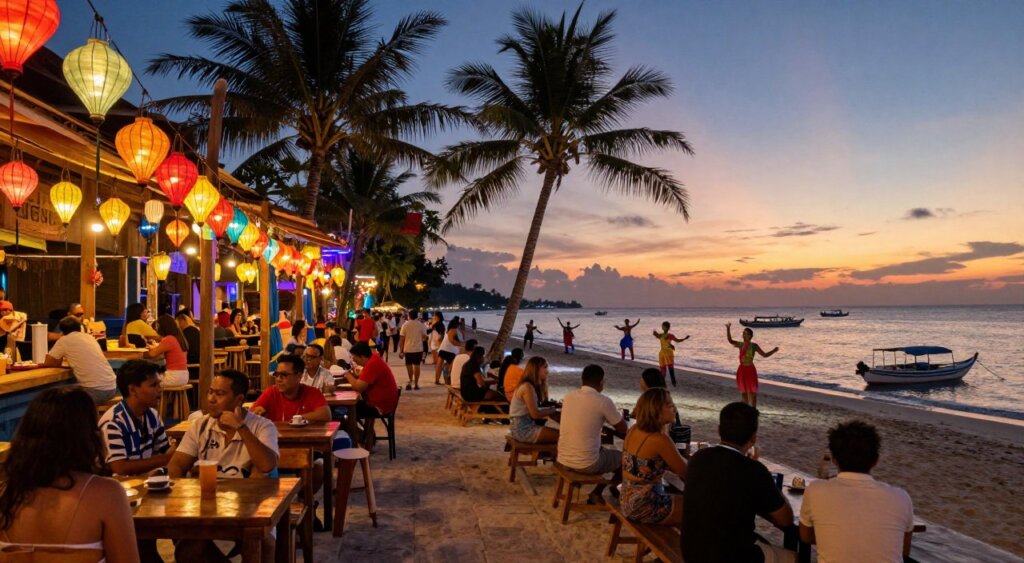
The evenings in Lombok and the Gilis are quite different. You can enjoy loud beach parties or peaceful sunset views. Choosing how to spend your night is key, with each place having its own unique atmosphere. Whether you want music or quiet moments, there’s something for everyone.
Bars and Clubs in Gili Trawangan
Gili Trawangan, or ‘Gili T’, is known for its lively nightlife. The action is mainly on the southern beach, where bars play music all night.
The Blue Marlin is a top spot. It’s famous for its beachfront location, international DJs, and fun pool parties. It can get crowded, but that’s part of the fun. Another favourite is Tir Na Nog, an Irish pub with live sports, good food, and a friendly atmosphere.
Offshore, weekly party boats cruise around the islands. For the best experience, catch a full moon party. The beach turns into a massive dance floor with fire shows and great music.
For a break from the music, try the open-air cinema on Gili T. Watching a movie under the stars is a great way to relax.
Evening Activities in Lombok
Lombok offers a more relaxed and culturally rich evening. It’s perfect for those who want to unwind and enjoy nature.
Finding a spot for sunset is a top activity. Tanjung Aan Beach and the cliffs near Senggigi are great for views. Hillside cafes serve fresh coconut or coffee as you watch the sky change.
Having a quiet dinner is also a highlight. Try traditional Sasak dishes at a seaside warung or a resort restaurant. It’s a chance to enjoy local flavours in a peaceful setting.
For a taste of local culture, look for an evening traditional dance performance. Villages and hotels host shows featuring Sasak heritage. It’s a beautiful way to end your day.
These evening activities in Lombok show that a great night doesn’t need loud music. Sometimes, the best things to do in Lombok and Gili Islands after dark are simple pleasures, good food, and stunning views.
Shopping for Local Crafts
There’s more to Lombok and the Gili Islands than their beaches. Discovering local crafts is a way to connect with the area’s rich culture. This part of your Lombok travel guide helps you find authentic souvenirs that support local artisans.
Handicrafts and Souvenirs
The islands are known for their unique handicrafts. Buying these items lets you own a piece with a real story.
- Sasak Woven Textiles: The Songket is a must-see. This traditional fabric, often woven with silver or gold threads, represents generations of Sasak heritage.
- Lombok Pottery: Banyumulek and Penujak villages are famous for their terracotta and painted earthenware. You’ll find everything from practical pots to decorative pieces.
- Pearl Jewellery: Cultured pearls from the waters around the Gili Islands are set into beautiful necklaces, earrings, and rings. They offer a shimmering keepsake.
- Other Local Art: Look for finely carved wooden statues, elegant bamboo baskets, and traditional Sasak daggers known as keris.
When shopping, look for quality and ask about the maker. A genuine piece supports a family and keeps a craft alive.
Local Markets to Visit
For the best selection and atmosphere, visit these spots. They offer more than the usual tourist stalls.
| Market Name | Location | Specialties & Vibe |
|---|---|---|
| Cakranegara Market | Mataram, Lombok | A massive, bustling traditional market. The best place for Sasak textiles, baskets, and everyday goods at local prices. Be prepared to bargain. |
| Senggigi Art Shops | Senggigi Beach Road, Lombok | Boutiques and galleries with curated selections of pottery, paintings, and carvings. Ideal for those seeking gallery-quality pieces. |
| Gili Trawangan Night Market | Gili Trawangan | A lively, evening food and souvenir market. Perfect for picking up casual souvenirs like pearl jewellery, sarongs, and shell crafts after sunset. |
Being friendly is key. Haggling is expected in markets like Cakranegara, but do so respectfully. In fixed-price shops, the value is in the craftsmanship. By choosing to shop thoughtfully, you bring home a meaningful piece of the islands and contribute to the local economy, a key tip in any responsible Lombok travel guide.
Responsible Tourism Practices
Your trip to Lombok and the Gilis can have a lasting positive effect. It’s about making choices that protect the environment and support local communities. This turns a good holiday into a meaningful one.
Supporting Local Communities
One key way to practice responsible tourism is to spend money locally. This creates a real experience and ensures tourism benefits everyone fairly.
- Choose Locally-Owned Stays: Pick homestays, guesthouses, or small hotels run by locals. It gives you a true look at life and keeps money in the community.
- Eat at Family-Run Warungs: Avoid big chains and eat at local warungs. You’ll enjoy tasty Sasak food and help support families.
- Book with Local Operators: For tours and activities, choose companies owned by islanders. They know the area best.
Visiting in the dry season, the best time to visit Lombok and Gili Islands, or the green season, your support matters all year.
Sustainable Travel Tips
Protecting the islands’ delicate ecosystems is everyone’s job. Small actions can make a big difference in keeping these places beautiful.
- Refuse Single-Use Plastics: Carry a reusable water bottle, shopping bag, and coffee cup. Many places offer refill stations. Say no to plastic straws and bags.
- Use Reef-Safe Sunscreen: Before swimming or snorkelling, use sunscreen that’s safe for reefs. Regular sunscreen harms marine life.
- Respect Marine Life: Just look, don’t touch. Don’t stand on coral, keep distance from sea creatures, and don’t feed fish.
- Conserve Precious Water: Water is scarce. Take short showers, reuse towels, and report leaks at your place.
- Be Culturally Sensitive: Dress modestly in villages and religious sites. Always ask before taking photos of people.
Following these tips helps keep Lombok and the Gilis beautiful and culturally rich. As a local guide said, “Take only memories, leave only footprints.” Planning with these principles is as important as picking the best time to visit Lombok and Gili Islands for good weather.
Health and Safety Considerations
For Aussie travellers, a few key preparations ensure your island holiday remains carefree. Your wellbeing is key, and a bit of planning lets you enjoy the stunning beaches and vibrant culture. This advice covers two pillars: solid travel insurance and smart health precautions. It’s the final, essential step after planning how to get to Lombok and Gili Islands.
Travel Insurance Recommendations
Never travel to Indonesia without solid travel insurance. It’s a must. Standard policies often exclude the very activities that make this region famous. You need a policy that explicitly covers adventure sports and trip disruptions.
Look for cover for motorbike and scooter rental, high-altitude trekking on Mount Rinjani, and scuba diving. Medical evacuation from remote islands can be very costly. A good policy also protects you against flight cancellations or ferry delays, which can affect your travel plans.
Once you’ve sorted how to get to Lombok and Gili Islands, securing the right insurance is your next most important task. Compare policies carefully using the guide below.
| Coverage Type | What It Typically Includes | Why It’s Important for Lombok & Gilis |
|---|---|---|
| Medical Expenses | Hospital stays, doctor visits, prescription medicines. | Covers treatment for tropical illnesses, dehydration, or injuries from slips or falls. |
| Emergency Evacuation | Air ambulance or medical transport to a major hospital. | Essential for remote locations like the Gili Islands or Mount Rinjani’s slopes. |
| Adventure Activity Cover | Riding motorbikes, trekking above a certain height, scuba diving. | Most standard policies void cover for these common tourist activities here. |
| Trip Cancellation & Interruption | Reimbursement for non-refundable costs if you must cancel or cut your trip short. | Protects your investment if you fall ill, have a family emergency, or transport strikes occur. |
Health Precautions
Staying healthy is largely about common sense and a few preventative measures. The tropical climate and different environment require some adjustment.
Vaccinations: Consult your GP or a travel doctor at least 6-8 weeks before departure. Routine vaccinations should be up-to-date. Hepatitis A and Typhoid are often recommended due to food and water risks. Tetanus is wise for adventure activities.
Sun and Heat Management: The equatorial sun is intense. Always apply high-SPF, reef-safe sunscreen. Wear a hat and sunglasses. Seek shade during the peak heat of the day (11 am – 3 pm). Acclimatise slowly to avoid heat exhaustion.
Hydration: Drink plenty of bottled or filtered water. Avoid dehydration, which can sneak up on you. Carry a reusable water bottle and refill it from trusted sources. Coconut water is a great local hydrator.
Food and Water Safety: Enjoy the fantastic local food, but be selective. Eat at busy stalls where food is cooked fresh. Avoid ice in drinks unless you’re sure it’s made from purified water. Peel your own fruit. The old traveller’s adage, “Boil it, cook it, peel it, or forget it,” is wise here.
Basic First Aid: Pack a small kit with plasters, antiseptic wipes, antihistamines, anti-diarrheal medication, and rehydration salts. Minor cuts can get infected quickly in the tropics, so clean them promptly. Knowing these simple steps means you can fully enjoy your adventure after you’ve mastered how to get to Lombok and Gili Islands.
Useful Travel Tips
Knowing the local culture and money matters can make your trip to Lombok and the Gilis even better. Here are some everyday tips to help you blend in and manage your money well.
Local Etiquette and Customs
Lombok is mostly Muslim, and the Sasak people value their traditions a lot. The Gili Islands are more laid-back, but it’s always good to show respect.
Wear modest clothes when you’re not at the beach. Cover your shoulders and knees when visiting villages, markets, or mosques. This rule is strict in mainland Lombok. Even on Gili Trawangan, it’s wise to dress more modestly outside the tourist area.
A smile and a polite hello can go a long way. Try saying “Selamat pagi” (Good morning). It shows you respect the local culture.
If you’re visiting during Ramadan, be extra careful. Avoid eating, drinking, or smoking in public during the day. Many places will close until sunset. It’s a special time to see the locals’ devotion.
Currency and Payment Methods
The official money is the Indonesian Rupiah (IDR). Get the best exchange rates by changing money in Australia before you go or at money changers in Lombok’s main towns.
Cash is king, even more so on the Gili Islands. Small shops, beach bars, bike rentals, and boat tickets need cash. Some gili islands accommodation like guesthouses also prefer cash.
Card use is growing but not common. Big hotels, fancy restaurants, and dive shops in Senggigi or at top lombok gili islands resorts might take Visa or Mastercard. Always check first and expect a 2-3% fee.
ATMs are easy to find in Mataram, Senggigi, and the airport. But on the Gilis, ATMs are rare, can run out of cash, or charge high fees. Take enough cash from Lombok before heading to the islands. This avoids any stress.
| Payment Method | Suitability in Lombok | Suitability in Gili Islands | Best For |
|---|---|---|---|
| Cash (IDR) | Essential for markets, transport, small eateries. | Absolutely vital for almost all daily transactions. | Local warungs, souvenirs, boat tickets, bike hire. |
| Credit/Debit Card | Widely accepted in hotels, larger restaurants, malls. | Limited to some resorts, dive centres, upscale restaurants. | Hotel bills, large dive packages, fine dining. |
| Travel Money Card | Convenient for secure spending and ATM withdrawals. | Useful if linked to a card accepted for larger purchases. | Budget management, backup funds. |
When booking your lombok gili islands resorts or other gili islands accommodation, check their payment policy first. A mix of cash and card, with lots of small notes, is the best way to manage your money in this beautiful part of Indonesia.
Conclusion: Embrace the Beauty of Lombok and Gili Islands
A trip to Lombok and the Gili Islands reveals two sides of Indonesian beauty. Lombok is known for its volcanic peaks and traditional Sasak villages. The Gili Islands, on the other hand, are a car-free paradise with white sand and clear waters.
Planning your trip well makes it even better. Travel during the dry season for the best weather. Also, respect local traditions to support the environment and community.
The underwater world is a big attraction. Snorkeling in the Gilis offers views of turtles and colourful coral. Lombok’s southern coast also has great snorkeling spots.
Finding a place to stay is easy. There’s a wide range of lombok gili islands resorts for all budgets. These resorts, from simple huts to stylish villas, blend well with nature.
Take time to relax. The islands have no motorised traffic. Try grilled seafood and spicy sambal. Don’t forget to buy a woven basket as a souvenir.
Make Lombok and the Gili Islands your next adventure. Their mix of untouched nature and peaceful beaches will create unforgettable memories.