Imagine a marine adventure where the journey is the destination. Raja Ampat sailing is just that—a magical trip through the world’s last paradise.
In remote West Papua, this archipelago is a treasure trove of over 1,500 islands. Its waters are a vibrant mix of colours, teeming with life. For Aussie travellers looking for more, sailing here reveals its true beauty.
This isn’t just a trip; it’s a dive into a pristine world. As you glide between limestone karsts and hidden lagoons, you become one with the landscape. It’s a connection to the sea unlike any other travel experience.
Key Takeaways
- Raja Ampat is a remote archipelago in Indonesia, famed for its unmatched marine life.
- Sailing is the premier way to explore its hundreds of pristine islands and hidden spots.
- The experience offers a unique, immersive adventure far from crowded tourist trails.
- It’s perfect for Aussie travellers seeking a genuine connection with nature.
- The journey itself, moving between islands, is as rewarding as the destinations.
- It represents a truly unique and extraordinary marine holiday.
What is Raja Ampat?

Raja Ampat, meaning ‘Four Kings’, is a stunning collection of islands off West Papua, Indonesia. It’s known as the global epicentre of marine biodiversity. For adventurers, it’s the ultimate spot for an underwater journey.
Overview of the Archipelago
Located in West Papua, Raja Ampat is part of Indonesia’s vast island chain. It has about 1,500 small islands, cays, and shoals. Famous islands like Misool, Salawati, Batanta, and Waigeo give it its royal name.
This area is untouched due to its isolation. Getting there is part of the adventure, often starting with a flight to Sorong. From there, your journey into this paradise begins.
Unique Geography and Ecosystems
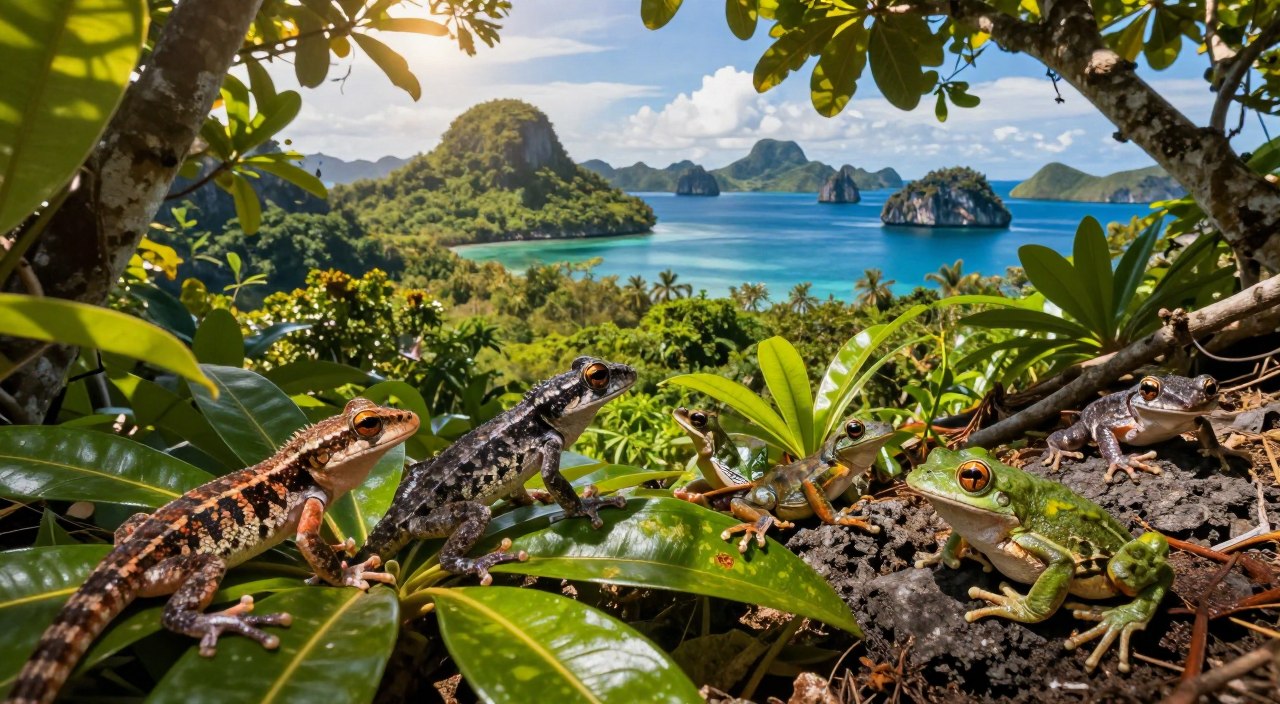
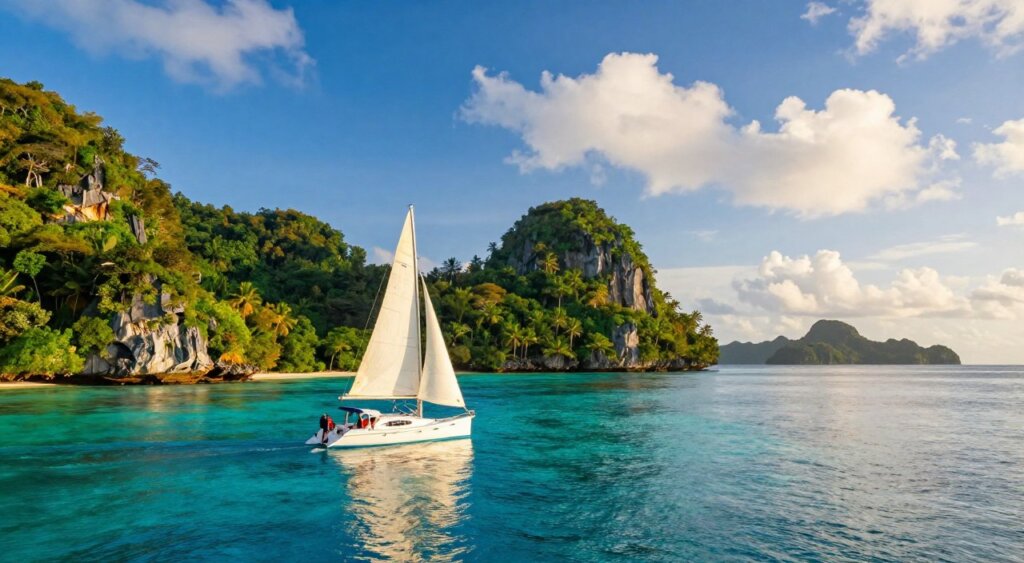
The landscape is filled with ancient limestone karsts that rise from the sea. These formations create a maze of hidden spots. The contrast between lush greenery and turquoise water is stunning.
Raja Ampat is at the heart of the Coral Triangle. This area has the richest marine life on Earth. Under the surface, vibrant coral gardens are home to many fish, sharks, and manta rays.
This unique landscape makes it perfect for snorkelling and diving. The calm bays and waterways are also great for sailing in Raja Ampat. You can sail through peaceful channels and find private spots to anchor.
To explore Raja Ampat by sailboat is to see this delicate ecosystem up close. The slow pace of sailing lets you see the connection between the land and the sea.
The Best Time to Sail in Raja Ampat
If you’re an Aussie dreaming of clear waters, knowing Raja Ampat’s seasons is key. The right time makes your trip unforgettable. You’ll get great weather and your choice of busy dive sites or quiet spots.
Choosing the best time depends on the weather and how many people are around. Getting this right is essential for the best sailing in Raja Ampat.
Seasonal Weather Patterns
Raja Ampat has a tropical climate, with two main seasons. These seasons are the opposite of Australia’s.
The dry season is from October to April. It’s the best time for sailors. You’ll find calm seas, light winds, and little rain.
Underwater, the visibility is top-notch. It’s the best time for snorkelling and diving. The weather is stable, making it easy to explore the islands.
The wet season is from May to September. It brings more rain and stronger winds, often from the east.
Though the seas can be rough, sailing is doable for those who know what they’re doing. The rain makes the islands green and lush, and the sea life is plentiful.
High and Low Tourist Seasons
The number of visitors in Raja Ampat follows the weather. The most people come during the dry season, from October to April.
December-January and July-August are the busiest times. More people mean a lively vibe, full liveaboards, and busy dive sites.
From May to September, fewer people visit. It’s quieter, with more chances to find a charter and possibly cheaper prices.
Here’s a quick comparison to help you decide based on your priorities:
| Factor | High Season (Oct-Apr) | Low Season (May-Sep) |
|---|---|---|
| Crowds | Busy; book well in advance | Quiet; more solitude |
| Sailing Conditions | Generally calm and predictable | Potentially rougher; better for experienced sailors |
| Marine Visibility | Excellent for diving & snorkelling | Good, but can be reduced after heavy rain |
| Atmosphere | Vibrant, social | Peaceful, secluded |
| Planning Flexibility | Limited; charters fill fast | Greater; often more last-minute options |
Australians planning their leave should note our summer is Raja Ampat’s wet season. Travelling in our winter (June-August) means you’ll be in the drier, busier time. For the best sailing in Raja Ampat with perfect weather, aim for October or April. You’ll get great conditions and fewer people.
Choosing Your Sailing Experience

Exploring Raja Ampat’s waters can be many things. It depends on the boat and tour style you pick. This guide will help you choose from shared adventures to private voyages.
Types of Sailing Tours Available
Raja Ampat offers different sailing options for all budgets. Knowing these options helps you find your perfect adventure.
Liveaboard Cruises: These trips last several days. Your boat is both your home and transport. They offer amazing island views and wildlife, all in comfort.
Day-Sail Charters: Great for those staying on Waigeo or Kri Island. These tours visit famous spots and offer snorkelling. You return to your accommodation each night. It’s a flexible and budget-friendly choice.
Privately Skippered Yacht Adventures: This is for those who want it all their way. A Raja Ampat yacht charter lets you set the pace and plan. It’s ideal for families or special occasions.
Private vs. Group Charters
Choosing between a private boat or a group tour is big. Each has its own benefits.
Private Charters give you total freedom. You decide where to go and when. It’s more expensive but offers a unique luxury sailing Raja Ampat experience.
Group Charters are social and cheaper. You’ll meet others who love adventure. The plan is set, so you don’t have to worry about it. It’s great for solo travellers or couples.
Here are some things to think about:
- Budget: Group tours are cheaper per person.
- Flexibility: Private charters offer more freedom.
- Social Preference: Do you want to meet new people or have your own space?
- Travel Party Size: Big groups might find private Raja Ampat yacht charters cheaper.
Whether you want to join a group or have your own yacht, choosing is key. It’s all about finding the right fit for your dream sea trip.
Essential Sailing Routes in Raja Ampat

Planning your sailing trip in Raja Ampat? Knowing the key routes is essential. The channels between the four main islands offer endless adventures. You can choose your path to see famous sights or find quiet spots.
Must-See Islands and Spots
No raja ampat sailing tours is complete without visiting famous spots. These places show the beauty of Raja Ampat.
Pianemo Island offers a stunning view. A short hike gives you a view of mushroom-shaped islets in turquoise water. It’s a sight that shows Raja Ampat’s unique beauty.
Next, visit Telaga Bintang, or Star Lagoon. This hidden lake is only accessible through a narrow cave. Its calm waters are perfect for a refreshing swim.
For a tropical moment, head to Pasir Timbul. This sandbar appears at low tide. It’s a great spot for photos and swimming in warm water.
Lastly, explore the coral gardens around Saundarek Village. It’s a snorkeller’s dream with colourful fish and vibrant corals. It’s one of the healthiest reefs in the area.
Hidden Gems Off the Beaten Path
Looking for adventure? Raja Ampat has hidden spots away from the crowds. These places offer a closer connection with nature.
Explore Misool’s southern reaches for lagoons and cave paintings. Anchorages like Daram or Balbulol are peaceful and less crowded.
The passage between Gam and Waigeo islands has secluded bays. They’re perfect for a quiet stop. You might find a coral wall for snorkelling alone.
In the far north, find untouched atolls and mangrove forests. Birdlife is abundant here. It’s a chance to see nature without humans.
Visiting small villages like Arborek or Yenbeser is rewarding. These communities welcome respectful visitors. You can learn about local traditions and support community tourism.
Exploring these hidden gems needs a flexible plan and a sense of adventure. Talk to your tour operator about quieter spots for your raja ampat sailing tours. They can create a route that includes both famous and hidden gems.
Wildlife and Marine Life Encountered
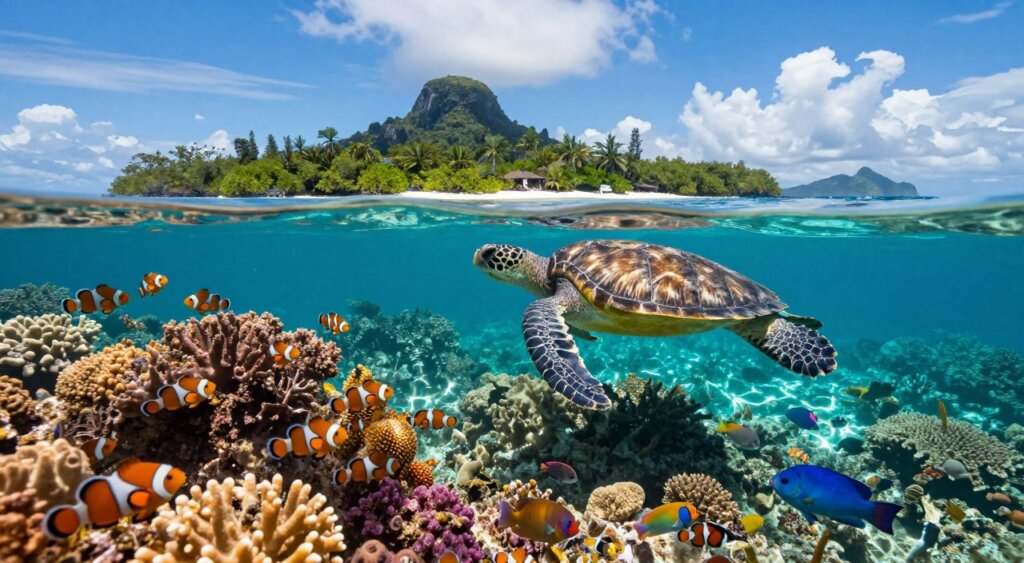
For nature lovers, planning a sailing itinerary in Raja Ampat is exciting. It combines snorkeling, diving, and birdwatching. This place is alive, showing off evolution with coral cities and jungles full of life.
Snorkeling and Diving Opportunities
Underwater, Raja Ampat shows its beauty. Vibrant coral gardens stretch far, making it the most biodiverse marine spot. Crystal-clear lagoons are perfect for snorkeling.
Reefs rise from deep to just below the surface. This lets you snorkel whenever you see something amazing.
“Diving here feels like flipping through a living encyclopedia of marine biology. You go from spotting tiny, technicolor nudibranchs one minute to being circled by a school of majestic eagle rays the next.”
Here’s a look at some famous sites you might see on your sailing adventure:
| Site Name | Depth Range | Key Marine Life | Best For |
|---|---|---|---|
| Cape Kri | 5-30 metres | Schooling fish, sharks, barracuda | Advanced diving |
| Manta Sandy | 2-20 metres | Manta rays (year-round) | Snorkeling & diving |
| Arborek Jetty | 1-15 metres | Pyjama sharks, soft corals | Easy snorkeling |
| The Passage | 5-25 metres | Mangrove roots, critters, soft corals | Unique drift dives |
From tiny seahorses to big sharks, the variety is endless. A good sailing itinerary raja ampat lets you see both famous dives and quiet coral gardens.
Birdwatching Adventures
After diving, Raja Ampat’s islands offer a different view. It’s a top spot for birdwatching, famous for its Birds of Paradise. A morning trek is a must.
The Red Bird of Paradise dances on Waigeo and Gam islands. Guides take you to see this at dawn. It’s a great contrast to diving.
The forests are full of life too. Look out for Eclectus Parrots, hear Sulphur-crested Cockatoos, and see Brahminy Kites as you sail.
This mix of sea and land makes a Raja Ampat voyage special. Your trip is a full nature experience, guided by the wind and tides.
Preparing for Your Sailing Trip
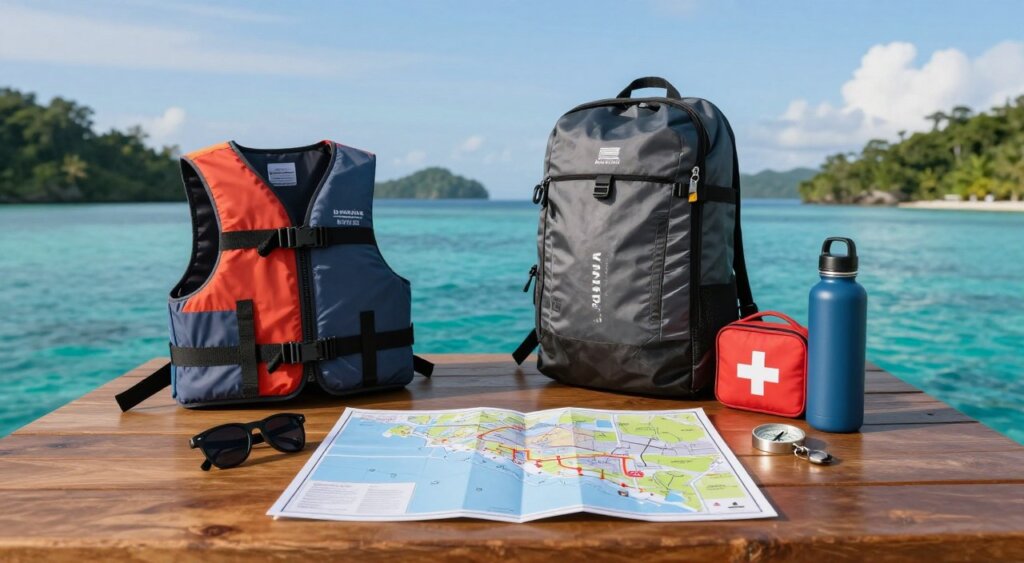
Before you set sail in Raja Ampat, some planning is key. This Indonesian paradise needs careful packing and preparation. Doing it right means more time for stunning sunsets and less worry about forgetting things.
Packing Essentials for Travelers
Packing for a sailing trip in Raja Ampat is unique. You need items that are practical, dry quickly, and protect the environment. Remember, space is limited, so choose light and versatile items.
A well-thought-out kit is essential. Here’s a guide to help you pack:
| Category | Essential Items | Why It’s Important |
|---|---|---|
| Sun & Skin Protection | High-SPF, reef-safe sunscreen; long-sleeved rash vest; wide-brimmed hat; UV-protection sunglasses. | The tropical sun is intense. Reef-safe products protect the coral, which is vital for the marine park’s health. |
| Footwear | Non-marking deck shoes or sandals with grip; sturdy sandals for wet landings; lightweight shoes for village visits. | Protects your feet on hot decks and slippery surfaces. Non-marking soles keep the boat clean. |
| Clothing | Light, breathable fabrics; swimwear; a light jacket or jumper for breezy evenings; a sarong. | Quick-drying materials are practical. Evenings can be cooler than expected on the water. |
| Gear & Electronics | Underwater camera or GoPro; dry bags; power bank; spare memory cards; binoculars. | You’ll want to capture the incredible marine life and landscapes. Dry bags are non-negotiable for keeping gear safe. |
| Health & Comfort | Seasickness remedies; basic first-aid kit; reusable water bottle; reef-safe insect repellent. | Being comfortable ensures you enjoy every moment. Staying hydrated is key in the heat. |
Don’t forget a few often-overlooked items. Bring a head torch for night-time deck activities. Include plastic zip-lock bags for small items. Most importantly, bring a respectful attitude towards the local communities and environment you are visiting.
Safety Tips on Board
Your safety and the marine environment’s are top priorities on any sailing in raja ampat trip. Knowing basic safety rules lets everyone relax and enjoy the journey.
Always start by paying close attention to the captain’s safety briefing. Know where life jackets, fire extinguishers, and the first-aid kit are. Learn how the marine toilet works to avoid blockages.
Follow these key practices while on the water:
- Listen to the Crew: Their instructions regarding weather, swimming conditions, and boarding procedures are for your safety.
- Practice “One Hand for the Ship”: Always keep one hand free to hold onto the boat when moving around on deck, specially when under sail.
- Respect the Marine Life: Never touch or stand on coral. Maintain a safe distance from wildlife, both in and out of the water.
- Manage Sun and Hydration: Drink water regularly, even if you don’t feel thirsty. Reapply sunscreen every few hours.
- Be Seasickness Smart: If you’re prone to it, take medication before you feel unwell. Focus on the horizon and stay on deck in the fresh air.
Lastly, ensure you have adequate travel insurance that covers marine activities and remote-area medical evacuation. A well-prepared traveler is a confident one, ready to fully embrace the magic of sailing through this island paradise.
Top Sailing Charters in Raja Ampat

Raja Ampat offers a wide range of sailing charters, from luxury liveaboards to agile day-sailers. Your choice of vessel and operator greatly influences your adventure. It affects your comfort, discovery, and budget. This guide helps you find the perfect Raja Ampat yacht charter for your dream trip.
Popular Tour Operators
There’s a wide range of charter companies. At one end, you have luxury expedition liveaboards. These are like floating hotels for extended voyages, combining deep exploration with comfort. They often include domestic flights, making travel easy.
Standard liveaboard operators focus on diving and snorkelling sites. They offer comfortable cabins and expert guides but have fewer luxury amenities. Day charter companies provide skippered boats for custom island-hopping trips and family outings.
Good operators have experienced local crews, well-maintained safety equipment, and a focus on sustainable tourism. This is important in Raja Ampat’s fragile ecosystem.
Comparing Prices and Packages
When looking at prices, consider more than just the cost. A full package offers better value and peace of mind. Look for tiered inclusions.
| Inclusion Category | What It Typically Covers | Why It Matters |
|---|---|---|
| Essential Operations | Boat fuel, skipper & crew fees, drinking water, park entry permits. | These are fixed, unavoidable costs. Having them included prevents surprise expenses. |
| Onboard Comfort | All meals & snacks, standard soft drinks, cabin linen. | This transforms your trip into a truly all-inclusive holiday, making it perfect for remote liveaboards. |
| Activity & Gear | Snorkelling gear, kayaks/paddleboards, diving tanks (for dive trips). | Maximises your enjoyment without daily rental fees. Check gear quality and availability. |
| Transfers & Logistics | Local airport/ hotel transfers in Raja Ampat, sometimes domestic flights. | Saves significant hassle. The most premium packages include regional flights, a major cost saver. |
Always ask what is not included. Alcohol, premium beverages, crew tips, and travel insurance are common exclusions. For dive trips, confirm if weights, belts, and computer rentals are extra.
Compare the itinerary flexibility, group size, and vessel specifications. A slightly higher price for a smaller group or a newer boat can dramatically enhance your experience. By understanding these components, you can confidently select a sailing charter that delivers outstanding value and unforgettable memories.
Cultural Insights of Raja Ampat
Exploring Raja Ampat by sailboat is more than just seeing beautiful sights. It’s about learning about the rich Papuan heritage that makes this place special. The islands are a living cultural landscape, shaped by the people who call them home.
Indigenous Communities and Traditions
The Raja Ampat archipelago is home to several indigenous Papuan groups. These include the Biak, Ma’ya, and Ambel tribes. They have lived in harmony with the sea and forest for centuries.
Their traditions, stories, and daily life are closely tied to the marine environment. This shows a deep understanding of living in harmony with nature.
One tradition you might see is sasi. It’s a local law that temporarily closes areas to fishing or harvesting. This allows marine and forest resources to recover. It’s a sustainable practice that’s been around for a long time.
When you visit a village, you might see wood carvings and hear traditional songs called wor. It’s a privilege to engage with these aspects of culture. Always ask for permission before taking photos of people or their homes. A simple smile and a greeting in Bahasa Indonesia, like “Selamat pagi” (Good morning), goes a long way.
Responsible Tourism Practices
Your choices as a visitor have a big impact. Responsible tourism helps preserve Raja Ampat’s culture and nature for the future. It’s about leaving only wake behind.
Support the Local Economy Directly. Buy handicrafts from artisans, not middlemen. Choose homestays or small, locally-owned tour operators. Eat at warungs (local eateries) that source ingredients from village gardens. This keeps money in the community.
Minimise Your Environmental Footprint. This is critical. All boats should manage waste properly. Never throw plastic or any rubbish overboard. Use reef-safe sunscreen to protect the coral. Be mindful of your water and fuel consumption while on your charter.
Be a Culturally Sensitive Guest. Dress modestly when away from the beach, covering shoulders and knees. Respect sacred sites and always follow your guide’s instructions. Understand that “island time” is real; patience is a virtue here.
To make it clear, here is a quick guide to responsible behaviour:
| Action Area | Responsible Choice | Choice to Avoid |
|---|---|---|
| Souvenirs | Buying a hand-woven bag from a village market. | Purchasing shells or coral, which harms the ecosystem. |
| Waste Management | Using a refillable water bottle and taking all trash back to Sorong. | Burning plastic waste on remote islands. |
| Cultural Interaction | Asking politely and giving a small tip for a village photo. | Taking intrusive photos without any engagement. |
| Support | Paying a fair price for a guided village walk. | Haggling aggressively over small amounts of money. |
| Marine Life | Observing manta rays from a respectful distance. | Touching or chasing marine animals while snorkelling. |
Travel with awareness. By following these practices, you help preserve Raja Ampat’s unique culture and environment. This makes the experience richer for everyone who comes after you to explore Raja Ampat by sailboat.
Activities Beyond Sailing
Raja Ampat is more than just sailing. It’s a place for calm paddle sports and vibrant culture. A luxury sailing Raja Ampat holiday is perfect for these adventures. Your yacht is a floating base, giving you access to unforgettable experiences.
Kayaking and Paddleboarding
Explore Raja Ampat’s coastline with a kayak or paddleboard. These quiet crafts let you see places big boats can’t. You’ll find narrow mangrove channels and hidden lagoons.
The water is calm, great for beginners. Paddle at your own pace from your mother ship. It’s a chance to see fish, birds, and mangrove roots up close.
Many luxury sailing charters have these boards and kayaks. A morning paddle in a silent bay is unforgettable. It adds a personal touch to your journey.
Exploring Local Markets and Cuisine
Going ashore is a treat after life on the water. Visiting a local market, like Waisai on Waigeo Island, is a feast for the senses. The colours and smells of fresh produce and spices are amazing.
This is your chance to try real Papuan flavours. Sample grilled fish or papeda, a sago porridge with spicy fish soup. Talking to vendors is a genuine cultural exchange.
Your luxury sailing trip can include these cultural stops. It’s a great way to support the local economy. Sharing a meal or a smile ashore completes your Raja Ampat adventure, blending sea wonder with human connection.
Eco-Tourism in Raja Ampat
For those seeking the best sailing in Raja Ampat, it’s key to know about eco-tourism. This remote archipelago is a treasure trove of biodiversity. Visiting it means we have a big responsibility.
Eco-tourism here is more than a trend. It’s a serious way to travel that doesn’t harm the environment. It also helps protect nature.
Why Sustainability Matters
Raja Ampat’s beauty hides a delicate truth. Its coral reefs, mangrove forests, and bird colonies are very sensitive. Climate change is a big threat, causing coral bleaching.
Pollution, like plastic waste, can kill reefs and harm animals. Bad fishing and careless tourism damage these places fast.
Choosing a sustainable sailing charter is a big step. It means your trip won’t harm the paradise you’re visiting. Responsible travel helps keep Raja Ampat a top spot for sailing.
Efforts to Preserve the Natural Habitat
Many local and international groups are working to save Raja Ampat. Marine Protected Areas (MPAs) are at the heart of this effort. They control fishing, ban harmful practices, and fund patrols with visitor fees.
Community-based conservation is also key. Villages protect their reefs and forests. Tourism helps fund these efforts, encouraging preservation.
As a sailor, picking eco-friendly operators matters. Look for charters with:
- Recognised eco-certifications.
- Mooring buoys to avoid anchor damage.
- Strict waste management and no single-use plastics.
- Guides on local rules and wildlife interaction.
Your choice supports the best sailing in Raja Ampat practices. This keeps the waters clean for future visitors. It ensures the beauty of this Indonesian paradise stays for generations to come.
Tips for First-Time Sailors
Your first trip to Raja Ampat’s blue waters is full of adventure. These tips will help you enjoy it safely and with respect. It’s not just about the views; it’s about the environment and the people too.
Navigating the Waters Safely
The sea here is always changing. Tides can be strong, so ask about them before you go. Your captain knows the waters well.
Stay out of fishing zones and protected areas. They help the locals and protect the sea. Going in there can harm the sea and upset the community.
Talking to your captain and crew is key to staying safe. Ask about the sailing itinerary for Raja Ampat, what to do in an emergency, and about the weather. A good crew will teach you about safety, like using life jackets and what to do if someone falls overboard.
Before you sail, do these quick checks:
- Make sure your stuff is secure.
- Put on sunscreen and insect repellent.
- Bring a water bottle to stay hydrated.
- Know where the marine radio and first-aid kit are.
Local Etiquette and Customs
When you’re near villages, remember you’re a guest. Ask your guide or captain if it’s okay to go ashore. Saying “Selamat siang” (good afternoon) shows respect.
Be careful with your camera. You can take photos of the scenery, but ask before taking pictures of people or their homes. A smile and a camera gesture usually means yes.
Wear modest clothes when visiting villages or sacred places. Swimwear is okay on the boat or at secluded beaches. But wear a sarong or t-shirt and shorts in villages to show respect.
By following these tips, you’ll have a better trip. You’ll go from being a tourist to a thoughtful traveller. You’ll leave Raja Ampat with wonderful memories.
Reviews and Testimonials from Sailors
Getting insights from those who’ve sailed Raja Ampat’s waters can make your trip unforgettable. Brochures show the beauty, but real feedback adds depth. This feedback helps set expectations and find the best raja ampat sailing tours.
Real Experiences from Travelers
Many reviews share the same amazement at Raja Ampat’s beauty. They talk about moments like sunrises over Wayag’s peaks and the vibrant colours of reefs.
Marine life encounters are a big highlight. People share stories of swimming with manta rays and the incredible diversity of life under the sea. They also praise the dive guides for their knowledge.
“We chose our charter based on reviews praising their eco-friendly practices and knowledgeable guides. It made all the difference—we saw sites we’d never have found on our own and learned so much about the ecosystem.”
Practical tips on comfort, food, and crew attitude are invaluable. You’ll learn about the best decks, chefs, and how crews handle bad weather. This is more useful than a list of amenities.
Building Your Itinerary Based on Feedback
To plan your trip, first, identify common priorities. If many reviews talk about the Dampier Strait’s diving, spend more time there. If Penemu is mentioned for its peace, consider it over busier spots.
Ask specific questions to tour operators. Instead of asking if the snorkelling is good, ask how they avoid crowded sites at Kri Island. This shows you’ve done your research.
Look at comments on timing and pace. Some raja ampat sailing tours are praised for their relaxed pace. Others are known for being fast-paced. Choose what fits your style.
Here are some tips from travellers:
- Book early for the best guides: The top skippers and dive masters get booked first.
- Pack for humidity: Quick-dry clothes and waterproof bags are essential.
- Manage connectivity expectations: Enjoy being offline, but download maps and music before you go.
- Budget for park fees: Make sure all costs are included in your charter price to avoid surprises.
By carefully reading reviews, you can tailor your trip. You’ll feel confident in your choice, knowing it’s based on real experiences.
Conclusion: Embark on Your Raja Ampat Adventure
Your journey through this guide has mapped the essentials for an unforgettable voyage. Raja Ampat offers a sailing experience unlike any other, defined by pristine reefs and secluded islands.
Summarizing the Key Takeaways
Successful raja ampat sailing hinges on good planning. Choose the right season and a charter that fits your style, from private boats to group tours. Remember to pack for sun and sea. Respect the fragile ecosystem and local Papuan cultures you will visit.
Final Thoughts for Future Sailors
For Australian adventurers, this trip represents a deep connection with nature. It is a chance to witness incredible marine life and support vital conservation. Start planning your itinerary today. Turn the dream of exploring this remote paradise into your next great story.