Did you know that spending 183 days in Indonesia in a tax year can make you a tax resident? You’ll have to declare your global income. Understanding Indonesian tax residency requirements is key for Australians living or working there.
These rules shape your legal and financial ties with Indonesia. Getting it wrong can cause big penalties and legal trouble.
Aussies need to do more than just get a visa. They must understand how their stay affects their tax duties in Australia and Indonesia.
Managing your tax affairs well is not just smart; it’s necessary for a hassle-free experience. This guide will cover the basics and help you avoid common mistakes.
Key Takeaways
- Spending more than 183 days in Indonesia in a year usually makes you a tax resident.
- Tax residency status means you must report worldwide income to the Indonesian tax office.
- Not understanding these rules can lead to unexpected bills, fines, and legal problems.
- Australian expats must consider both Indonesian rules and their ongoing ATO obligations.
- Your visa type and purpose of stay are linked to your tax duties.
- Getting professional advice early is vital for compliance and peace of mind.
Understanding Tax Residency in Indonesia

For Australians in Indonesia, knowing your tax residency is key. It’s not just where you live. It’s a legal status that affects your tax dealings with Indonesia.
Getting it wrong can lead to unexpected bills or penalties. Knowing your status helps you plan your finances and avoid legal issues.
What is Tax Residency?
Tax residency in Indonesia is a legal concept. It shows if you’re liable to pay tax on your worldwide income or just income from Indonesia.
It’s not just about being physically present. It’s a formal status based on Indonesian tax regulations. Your personal circumstances, like how long you stay and your economic ties, are considered.
It answers the question: “For tax purposes, are you considered part of Indonesia’s economy?” The tax residency rules in Indonesia guide this decision.
Importance of Tax Residency Status
Your tax resident status is very important. It affects several key aspects of your financial life in Indonesia.
First, it determines your income tax rates. Residents pay progressive rates on global income. Non-residents pay a flat rate on Indonesian income.
Second, it affects access to local services. Being a recognised tax resident can make things like opening bank accounts easier.
Third, it defines your compliance obligations. Residents have different reporting requirements and deadlines than non-residents.
Being classified incorrectly can have big consequences. You might underpay or overpay tax. You could also face penalties for not complying.
For Australian digital nomads and expatriates, this is critical. Many think short stays mean they’re not liable for local tax. But rules like the 183-day rule can create unexpected liability.
The table below highlights the core differences:
| Aspect | Resident Taxpayer | Non-Resident Taxpayer |
|---|---|---|
| Tax Liability | Worldwide income | Indonesian-sourced income only |
| Tax Rates | Progressive (up to 30%) | Generally a flat 20% |
| Primary Compliance | Annual tax return, reporting global assets | Withholding tax on Indonesian income |
Understanding these differences is not just about following Indonesian tax regulations. It’s about making informed decisions for your financial future in Indonesia.
Criteria for Determining Tax Residency
If you’re thinking of moving to Indonesia from Australia, knowing the tax residency rules is key. Your status affects your foreign income tax in Indonesia and reporting duties. The Directorate General of Taxes uses these criteria to decide.
You don’t need to pass all three tests to be a resident taxpayer. Just one can do it. Let’s look at each criterion in detail.
Physical Presence Test
The 183-day rule is simple. If you’re in Indonesia for 183 days or more in a year, you’re a tax resident. This count adds up, not just in a row.
Visa holders, like those on the B211A for business, have a 60-day initial stay. This can be extended up to 180 days.
Reaching the 183-day mark, even with extensions, can make you a resident. This might make you liable for taxes on all your income worldwide.
So, keeping track of your entry and exit dates is vital for long-term visitors. It’s a key part of understanding tax residency rules in Indonesia.
Economic Ties Test
Even without the 183-day rule, strong ties to Indonesia can make you a resident. This test looks at your main economic interests.
Indicators include:
- Having employment or a source of salary from an Indonesian entity.
- Managing a business or having significant business interests within the country.
- Holding substantial investments or assets in Indonesia.
The authorities will check if your main activities and income are in Indonesia. For example, an Australian running an online business in Bali might be seen as a resident due to economic ties.
Domicile Consideration
Domicile is your permanent home. It’s not just a place to stay; it’s where you plan to live forever. This test is based on your intentions and life situation.
Signs of Indonesian domicile include:
- Owning or leasing a permanent home on a long-term basis.
- Having your immediate family (spouse, children) living with you in Indonesia.
- Registering with local authorities (like obtaining a KITAS or KITAP).
- Evidence of social and community integration.
If the tax office thinks Indonesia is your home, you might be considered a resident. This applies even if you travel a lot for work.
| Residency Criteria | Key Indicators | Implication for Tax Status |
|---|---|---|
| Physical Presence | 183 days in a 12-month period; visa stay duration (e.g., B211A). | Primary, objective test. Meeting it almost always results in resident status. |
| Economic Ties | Indonesian employment, business management, local assets/investments. | Can establish residency without meeting the day count. Focus is on income source location. |
| Domicile | Permanent home, family location, long-term visa, community ties. | Subjective test based on life facts and intent. Used as a secondary or tie-breaking factor. |
Grasping these three pillars is the first step in handling your foreign income tax in Indonesia duties. The table above gives a clear comparison. Your specific situation across these tests will show how the tax residency rules in Indonesia apply to you.
Types of Tax Residents in Indonesia
Indonesia’s tax system divides people into two groups based on residency. Knowing which group you’re in is key to understanding your tax obligations in Indonesia. Getting it wrong can lead to fines and penalties.
Australians with income or assets in Indonesia need to know their status. There are two main groups: Resident Taxpayers and Non-Resident Taxpayers.
Resident Taxpayers
A Resident Taxpayer meets Indonesia’s residency rules, often through the 183-day rule or having a permanent home. Being a resident means you have more tax duties.
You must report all your worldwide income to the Indonesian tax authority, Direktorat Jenderal Pajak. The tax rates range from 5% to 30% based on your income.
Resident taxpayers have several key duties:
- Filing an annual tax return (SPT Tahunan).
- Reporting all global income, including salaries, investments, and business profits.
- Potentially navigating foreign tax credits to avoid double taxation.
Non-Resident Taxpayers
Those who don’t meet the residency criteria are Non-Resident Taxpayers. This includes many Australians earning from Indonesia without living there. Your tax obligations in Indonesia are more limited.
Non-resident taxation in Indonesia only applies to income from Indonesian sources. The tax is usually withheld at a flat rate by the Indonesian payer, making it simpler.
Examples for Australians include:
- Rental income from a holiday property in Bali.
- Fees for consulting services provided to an Indonesian company.
- Directors’ fees from an Indonesian board position.
The standard flat income tax rate for non-residents is 20%. But, certain types of income, like royalties, may have different rates. It’s important to know the exact type of income you have to comply correctly.
Residency Duration Requirements

Tax residency in Indonesia depends on two main rules: the 183-day and 30-day rules. For Australians living or working there, how many days you spend in the country matters. It’s not just about where you live, but for how long.
Tracking your stay is key. These tax residency rules in Indonesia might seem simple, but they have fine details. Visa types, like the digital nomad visa, affect your day count.
The 183-Day Rule
This rule is well-known for determining tax residency. If you’re in Indonesia for 183 days or more in any 12-month period, you’re considered a tax resident. This period doesn’t have to be a full calendar year.
As a resident, Indonesia taxes your income from all over the world. This includes your salary, business profits, and investment earnings.
Many Australians on long-term assignments or digital nomad visas need to watch this rule closely. For example, the B211A visa often allows an initial 60-day stay, extendable up to 180 days.
That’s just three days short of the 183-day threshold. Staying the full 180 days could make you a resident. Planning ahead is key to manage your tax liability.
The 30-Day Rule
Indonesia also has a 30-day rule for specific situations. This applies to individuals who make frequent, shorter visits. The rule is often linked to certain visa conditions or travel patterns.
If you’re in Indonesia for 30 days or more in a tax year, and you have a permanent home there, you might be considered a resident. This considers your intention and economic ties, not just your physical presence.
For Australians who travel to Indonesia regularly for business or family reasons, this rule is important. Multiple trips adding up to 30 days could have tax implications. You must consider your overall connection to the country.
Keeping detailed records of your entry and exit dates is essential. This evidence is vital if the tax authorities ever question your residency status.
Understanding these duration requirements is the first step in compliant tax planning. The 183-day rule is a clear test, while the 30-day rule involves more subjective assessment. Both are key to Indonesia’s tax residency rules.
Always consult a qualified tax advisor to assess your specific situation. They can help you plan your travel and visa strategy effectively.
Tax Obligations for Residents

Residents in Indonesia must follow a set of rules for income tax and reporting. Once you’re confirmed as a resident, you have specific financial duties. Knowing these tax obligations in Indonesia is key to staying legal and avoiding fines.
Personal Income Tax
Indonesia has a progressive tax system for individuals. The more you earn, the higher your tax rate. The highest rate is 30%.
Your income from all over the world is taxed if you live in Indonesia. This includes your salary, business profits, investments, and more. The system aims to make sure everyone contributes fairly, with those earning more paying more.
| Taxable Income Bracket (IDR) | Tax Rate (%) |
|---|---|
| Up to 60 million | 5 |
| Over 60 million to 250 million | 15 |
| Over 250 million to 500 million | 25 |
| Over 500 million | 30 |
To figure out how much tax you owe, apply the rates to your income. Keeping detailed records of your income and deductions is very important.
Reporting Requirements
Meeting your tax reporting in Indonesia duties starts with the annual tax return, or Surat Pemberitahuan Tahunan (SPT). You need your Nomor Pokok Wajib Pajak (NPWP), or tax ID number, for this.
Every resident must get an NPWP. This number is needed for tax returns and many other financial services. Without it, you can’t meet your tax obligations.
The deadline for filing is 31 March each year. You must report your income from the previous year and any tax you owe or are owed. Filing late can lead to penalties.
Thanks to digital tools, filing is easier. The Directorate General of Taxes’ online portal, often accessed via the BPPS system, makes it simple to file and pay online. Keeping your digital records in order is important for audits.
Good tax reporting in Indonesia is not just a yearly task. It’s an ongoing job that requires careful record-keeping and understanding of deadlines linked to your NPWP.
Tax Obligations for Non-Residents

If you’re working remotely from Bali but are not a resident for tax purposes, your tax situation is different. A non-resident taxpayer is someone who doesn’t meet the 183-day test or doesn’t live mainly in Indonesia. Your taxes are mainly based on income from Indonesia.
This includes salary from an Indonesian company, business profits, or rental income from property here. Knowing these rules is important to avoid unexpected tax bills.
Tax Rates for Non-Residents
Indonesia has a flat tax rate for most income types for non-residents. This is different from the tax scales for residents. The standard rate is 20% of your gross income, but it can change based on the income type and any Double Taxation Agreement.
For example, income from jobs, services, or royalties is usually taxed at 20%. This is often the final tax, so you might not need to file an annual tax return for that income.
An Australian on a digital nomad visa, like the E33G visa, might not pay Indonesian tax on their foreign salary. But, if they work locally, that income is Indonesian-sourced and taxed at 20%.
Also, if you rent out a villa in Bali, the rental income is taxed. This includes the Pajak Penghasilan (PPh) final income tax and the Pajak Hotel dan Restoran (PHR), a 10% regional levy on hotel and restaurant services.
Reporting Non-Resident Income
How you report foreign income tax in Indonesia depends on the income source. Often, the paying entity in Indonesia acts as a withholding agent. They deduct the tax and report it to the Directorate General of Taxes (DGT) for you.
Make sure the withholding agent has your correct tax details. If tax isn’t withheld, you might need to file a tax return and pay it yourself. Important points for reporting include:
- Withholding as Final Tax: For many income types, the 20% withheld is the final tax. No further annual reporting is needed for that income stream.
- Annual Tax Return (SPT): In some complex cases, like having multiple Indonesian income sources, you might need to file an annual non-resident tax return.
- Documentation: Keep all records of income received and tax withheld. This includes contracts, invoices, and official withholding tax slips (Bukti Pemotongan PPh).
- Deadlines: Align with the Indonesian tax calendar. Annual returns are usually due by March 31st for the previous financial year.
For example, Airbnb or property managers collect and remit the 10% PHR tax. As the owner, you should get proof of this payment for your records.
Digital nomads under certain visas need to prove their income is taxed overseas. This shows they’re not working illegally in Indonesia.
Understanding non-resident taxation in Indonesia is key. If unsure, check with the payer or get professional advice to stay compliant.
Double Taxation Agreements
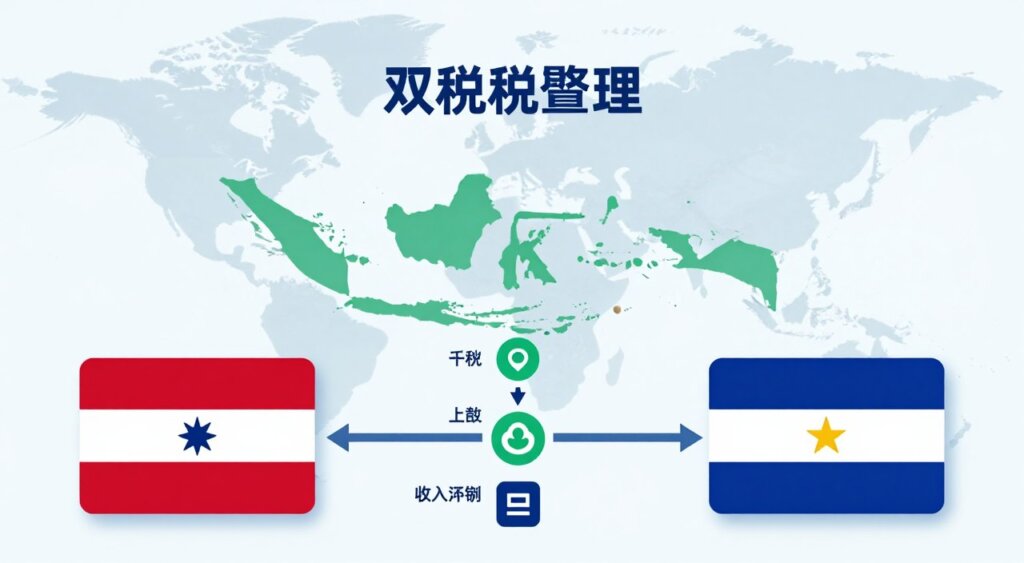
Indonesia has a network of Double Taxation Agreements (DTAs) to stop you from being taxed twice on the same income. These treaties are key to Indonesian tax regulations, helping with cross-border trade and investment. They offer clarity and certainty. For Australians in Indonesia, knowing these agreements is key to managing your finances well.
Role of Double Taxation Treaties
DTAs assign taxing rights between Indonesia and other countries. This stops the same income from being taxed twice. For example, an Australian working in Indonesia might have their salary taxed in Indonesia. Without a treaty, Australia could also tax it. The DTA fixes this issue.
Treaties use two main methods to avoid double taxation:
- Tax Exemption: One country agrees to not tax certain income if it’s taxed in the other country.
- Tax Credit: The country of residence (like Australia) gives a credit for tax already paid in the source country (like Indonesia).
This affects your foreign income tax in Indonesia. It decides if your Australian investment income is taxed in Indonesia and at what rate. To get treaty benefits, you need to provide documents to your employer or tax office.
Countries with Agreements
Indonesia has DTAs with over 60 countries, including major economic partners. This helps expatriates and international businesses a lot. Key treaty partners for Australians include:
- Australia
- Singapore
- United Kingdom
- Japan
- United States
- Malaysia
Each treaty has its own rules. The one with Australia, for example, explains how pensions, business profits, and director’s fees are handled. It’s important to check the treaty that applies to you. The Indonesian Directorate General of Taxes publishes these agreements, which are key to foreign income tax in Indonesia.
To use a DTA, you must prove you’re a tax resident in one of the treaty countries. This is linked to the residency rules we talked about earlier. Using a DTA can greatly reduce your tax liability. It’s a key part of financial planning for Australians with interests in Indonesia.
Implications of Not Meeting Residency Requirements

Not meeting Indonesian tax residency rules has big consequences. It can lead to strict enforcement. Knowing your tax obligations in Indonesia is key.
Penalties and Fines
Indonesia has a system of penalties for not following tax rules. These penalties can add up, increasing your debt.
For late tax returns, there’s a fixed fine. Underpaying tax means monthly interest on what you owe. Tax evasion can lead to big fines, often more than the tax itself.
For example, property income is taxed. Not paying Pajak Penghasilan (PPh) tax on rental income can result in penalties. The tax office checks for any unreported income.
Ignoring these fines does not make them disappear. Unpaid penalties keep growing, making it harder to pay off.
Legal Consequences
Breaking Indonesian tax regulations can lead to legal trouble. First, you might face a tax audit. You’ll need to show several years of financial records.
If there are problems, things can get worse. The tax office can send tax collection letters. In serious cases, they might take legal action, like seizing assets or freezing bank accounts.
For foreigners, the risks are even greater. Serious tax issues can lead to trouble with immigration. This could mean losing your visa, not being able to renew it, or even deportation.
Following the rules is the best way to avoid these problems. It’s easier to manage your status than to deal with the consequences later.
Exemptions and Special Cases
Understanding Indonesian tax law means knowing the rules and exceptions. Certain visas and residency types have special rules for your tax obligations in Indonesia. Australians moving to Indonesia for work or life should pay close attention to these.
Exemptions for Foreign Workers
Indonesia now has visas for remote workers. The B211A visa and the E33G (Digital Nomad) visa are for those working abroad.
Visa holders might not be taxed as residents, based on their income and work. The E33G visa requires an income of about USD $60,000 each year.
Income from foreign jobs paid into a foreign bank is usually not taxed in Indonesia. This is good news for Australians on these visas.
Special Categories of Residency
Indonesia has special visas for certain groups, with their own tax rules.
The Second Home Visa is for the wealthy and retirees. You need about IDR 2 billion (AUD 190,000) in assets. It allows a five-year stay.
Being a tax resident with this visa isn’t automatic. It depends on where you live and work. But, declaring Indonesian residency can affect your worldwide income.
Other special groups include:
- Investors in certain schemes.
- Retirees on specific visas.
- People on diplomatic or official visas.
Each group has its own tax rules. For example, investors might get tax breaks, while retirees’ Australian pensions might be taxed differently.
Knowing your visa type is key to understanding your tax obligations in Indonesia. Getting professional advice is important to figure out your foreign income tax in Indonesia and global income reporting.
Steps to Establish Tax Residency
To become tax resident in Indonesia, you need a Nomor Pokok Wajib Pajak (NPWP). This is your legal ID for tax duties. Registering correctly helps with tax reporting and avoids problems later.
Application Process
You can apply for your NPWP online or in person. The Directorate General of Taxes handles it through the BPPS portal and local offices. Here’s how to apply.
- Gather Your Documents: Get all needed papers. Make sure they are clear and up-to-date.
- Choose Your Application Method: Australians often find the online BPPS portal quickest. You can also go to a local tax office (Kantor Pelayanan Pajak).
- Complete the Registration Form: Use Form REG-001 for individuals. Fill in your personal and address details accurately.
- Submit Your Application: Upload your documents online or present them in person. You’ll get a receipt.
- Await Processing: Processing takes 3 to 10 business days. You’ll be told when your NPWP is ready.
Your NPWP is valid for five years. Renew it before it expires using the portal. The BPPS Mobile App helps manage your tax ID digitally. It’s essential for ongoing tax reporting.
Required Documentation
Authorities need certain proofs to confirm your identity and residency. Having these documents ready makes the process faster.
- Valid Passport: A colour copy of your passport’s data page and latest entry stamp.
- Indonesian Visa and Stay Permit: Copy of your KITAS (Temporary Stay Permit) or other relevant visa.
- Proof of Indonesian Address: A recent utility bill, rental agreement, or spouse’s family card (if applicable).
- Birth Certificate: An original or certified copy, plus a translated version if not in Indonesian.
- Marriage Certificate (if applicable): Needed if registering jointly with a spouse.
- Recent Photograph: One passport-sized colour photo with a red background.
Keep digital scans of all documents for online submission. The tax office might ask for more info in some cases. Always check the official BPPS website for the latest list before applying.
Tips for Navigating Indonesian Tax Residency
For Australians in Indonesia, some smart strategies can simplify tax residency. Understanding the system early saves time, money, and stress. Being organised and knowing when to seek help is key.
Seeking Professional Advice
Indonesian tax laws can be tricky, with income from different countries. Getting a qualified tax consultant or legal service early is wise. They clarify your obligations and help manage your finances well.
Services like Legal Indonesia are great for visa applications and tax advice. They’re essential for digital nomads and property investors, whose finances are complex.
Seek professional advice in these situations:
- Applying for a digital nomad visa or other long-term stay permits.
- Purchasing property or making other significant investments in Indonesia.
- Receiving income from both Australian and Indonesian sources.
- Navigating the implications of a Double Taxation Agreement.
A good advisor does more than fill out forms. They offer strategic advice to keep you compliant with Indonesian tax regulations while improving your financial position.
Keeping Records Up to Date
Accurate record-keeping is essential for smooth tax reporting in Indonesia. Errors or missing documents can cause delays and issues.
Your NPWP (Tax Identification Number) is vital for all financial activities. Keep it updated and remember renewal dates. Set reminders for annual reporting to avoid penalties.
Keep organised digital and physical copies of important documents:
- Passport, visa, and KITAS/KITAP (stay permit) pages.
- All income statements, including foreign-source income.
- Receipts for deductible expenses related to work or investment.
- Official tax payment slips and annual tax return copies.
Digital nomads need to be extra careful. Regularly check your records to match your lifestyle and income. Keeping records up to date prevents problems and makes tax reporting in Indonesia easy.
By combining expert advice with organisation, you can manage your tax duties well. Staying on top of these tips ensures you meet all Indonesian tax regulations. This way, you can enjoy your time in Indonesia without worry.
Resources for Further Information
Understanding your Indonesian tax residency status is key. It’s also important to know where to find the latest and most accurate info. These resources help you manage your tax obligations effectively.
Official Government Websites
The Directorate General of Taxes (Badan Pusat Pajak or BPPS) has the main online portal for Indonesian tax rules. This official site is the go-to for tax laws, forms, and digital services for your NPWP (Tax Identification Number). It gives you the guidance you need for tax reporting in Indonesia.
Tax Consultation Services
Getting help from a professional tax advisor can make things easier. Companies like Legal Indonesia offer advice on residency status, treaty benefits, and filing. Their knowledge is great for Australians with various income sources, making sure your tax reporting in Indonesia is up to date.
Save these resources for easy access. Regular checks keep you in the loop with changes in Indonesian tax laws. This way, you can stay compliant without hassle.