Do you remember that feeling of pure wonder when you first dived into the water? A Gili Trawangan dive brings that feeling back. It’s an unforgettable journey into an underwater paradise off Lombok’s coast.
This tiny island is car-free and full of laid-back charm. It’s a gateway to Indonesia’s most stunning coral reefs. The water is so clear, it feels like you’re flying over colourful coral gardens.
Whether you’re diving for the first time or have done it many times, Gili Trawangan is an adventure. It’s not just about the dive. It’s the whole island experience that makes it magical.
Key Takeaways
- Gili Trawangan is famous for its crystal-clear waters and vibrant coral reefs.
- The island has dive sites for all, from beginners to advanced divers.
- Expect to see amazing marine life, like turtles, reef sharks, and huge fish schools.
- Diving is great all year, with clear visibility most of the time.
- The island’s relaxed, car-free vibe is perfect for unwinding after diving.
- Many professional dive centres offer courses, guided trips, and equipment hire.
- It’s a great and affordable dive holiday spot for Australians.
Introduction to Gili Trawangan Dive
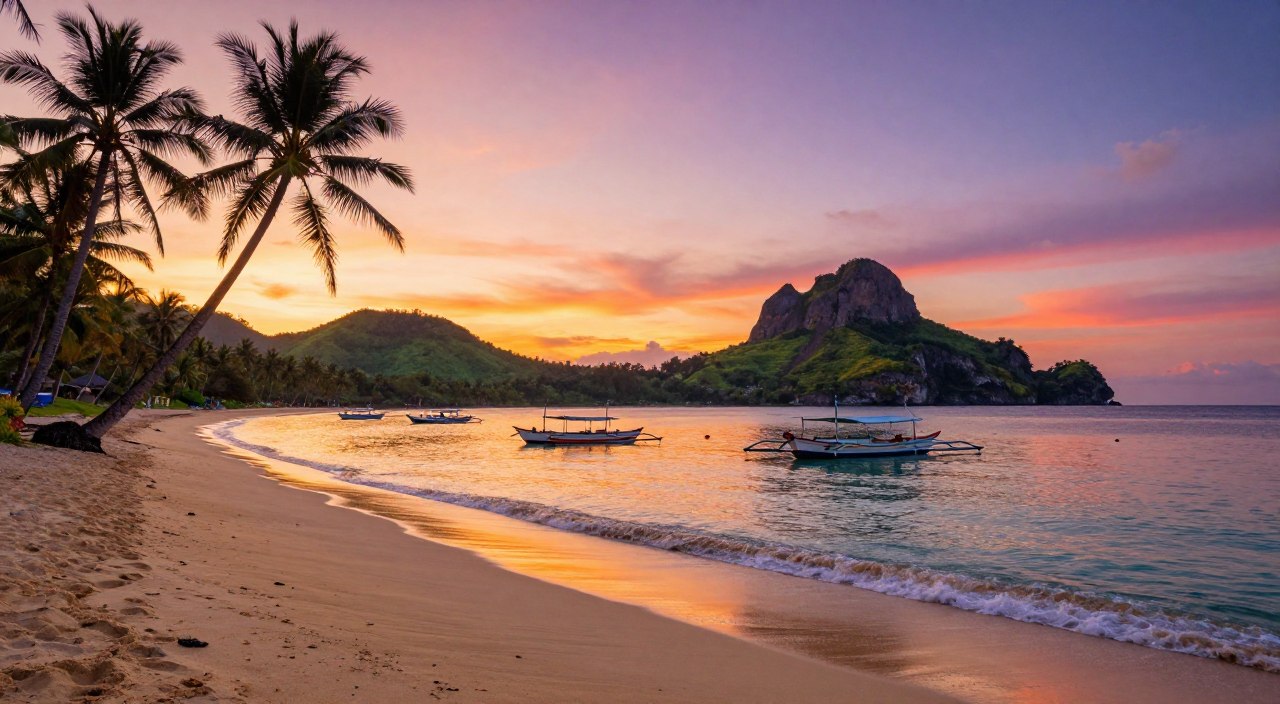
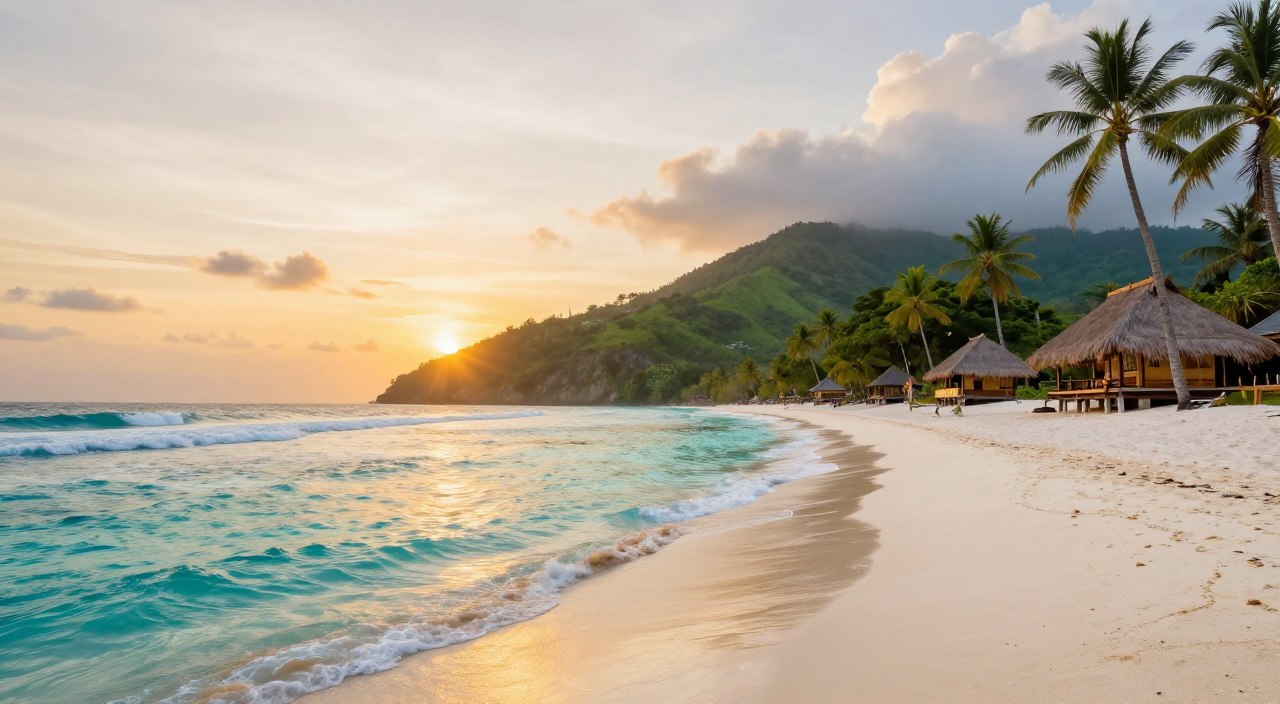
Gili Trawangan is more than a place; it’s a feeling of salt in the air and sun on your skin. It’s a paradise where life is slower. Here, mornings are for relaxation and afternoons for refreshing dips in the ocean.
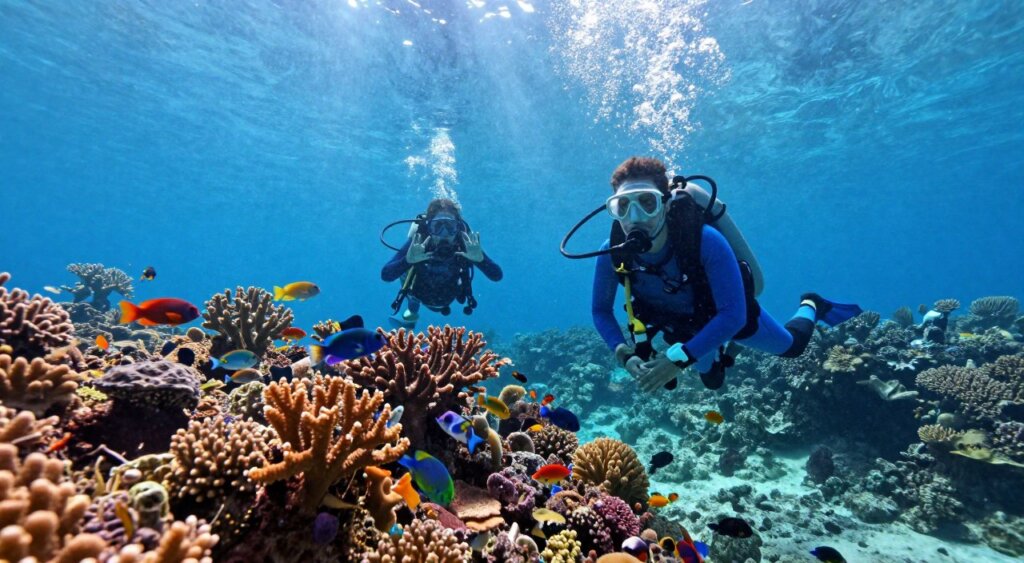
Overview of Gili Trawangan
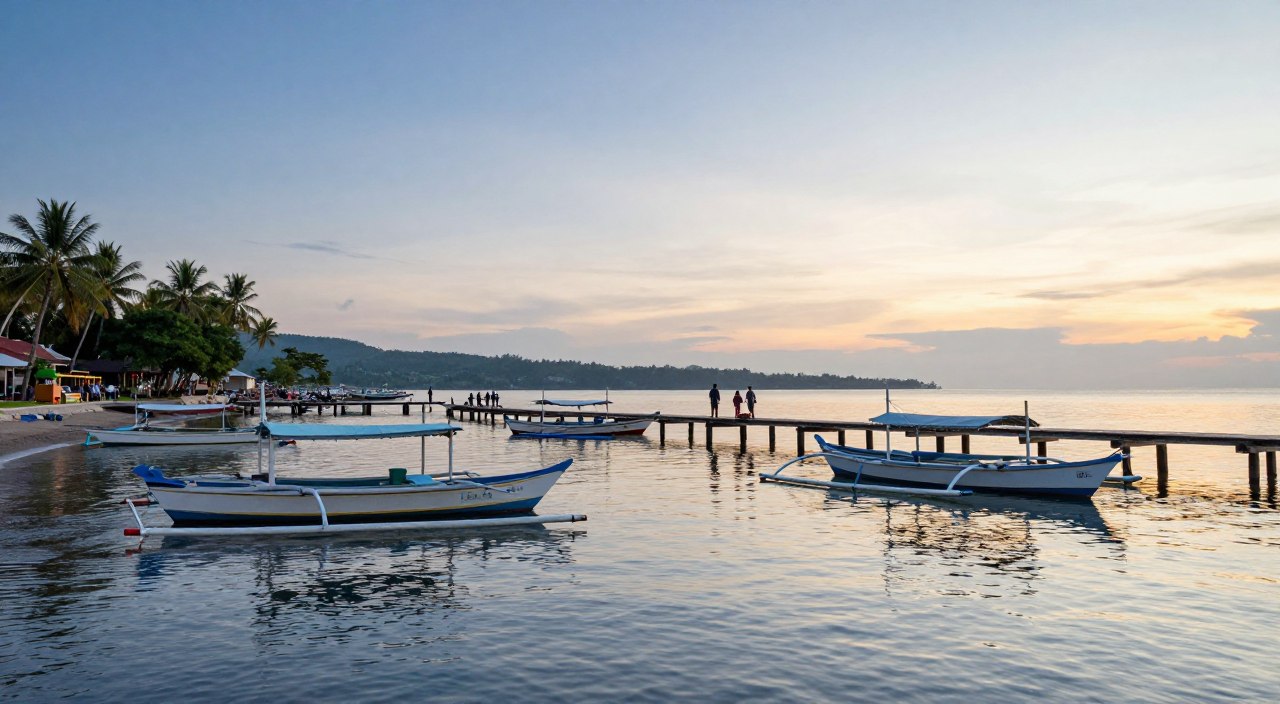
This island, known as Gili T, is car-free. People get around by bike, horse-drawn cart, or walking. This makes it peaceful and attracts visitors from Australia and worldwide.
Gili T is the most developed island. It has lively beach bars and quiet shores. It’s a favourite spot for backpackers, holidaymakers, and divers.
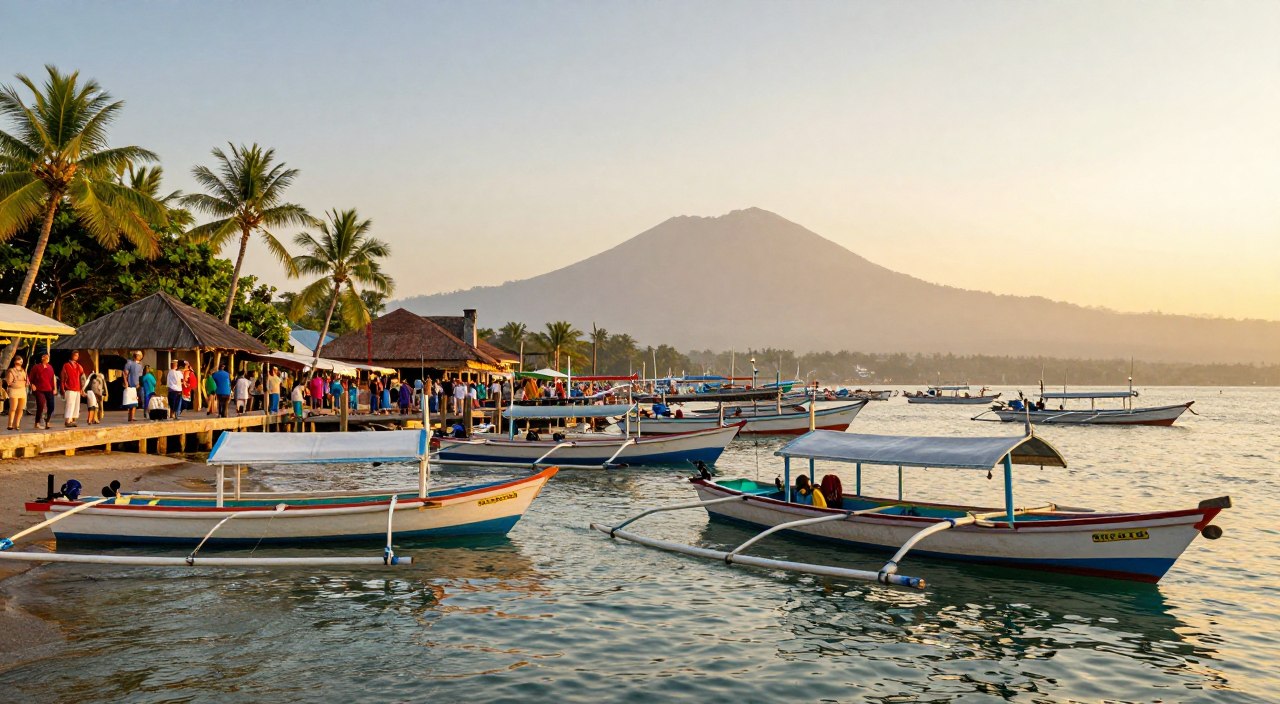
The island’s community loves the sea. Fishermen go out at dawn, and dive shops prepare for the day. The ocean is the island’s beating heart.
“There’s a magic here you don’t find elsewhere. You wake up to the sound of the waves, spend your day exploring underwater worlds, and share stories with fellow divers as the sun sets.”
Importance of Diving in the Area
Diving is key to Gili Trawangan’s identity and economy. The coral reefs and marine life attract many visitors. This makes gili islands diving a major economic driver.
Local businesses, from hotels to dive shops, rely on diving. It provides jobs and supports families. The health of the marine environment is vital for the island’s prosperity.
There’s a strong focus on environmental awareness here. Dive operators work on conservation. They know protecting reefs is essential for a sustainable future. Your dive here helps the local community and conservation.
The lively atmosphere above water mirrors the amazing world beneath. Understanding this connection is key to enjoying Gili Trawangan fully.
Marine Life in Gili Trawangan
The underwater world here is a living kaleidoscope. Healthy reefs and strong currents create a perfect stage for unforgettable marine life encounters. This vibrant ecosystem is the heart of every underwater adventures gili trawangan has to offer.
From the moment you descend, you’re greeted by a bustling aquatic city. Colourful fish dart through coral structures, while larger, more graceful creatures patrol the blue. It’s a dynamic scene that changes with every dive.
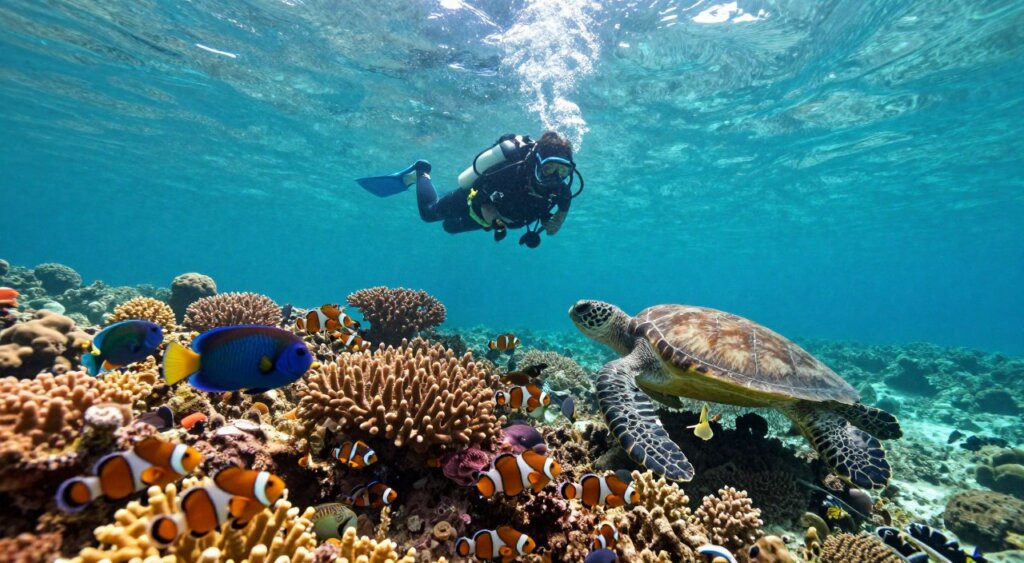
Common Species to Encounter
You don’t have to be a marine biologist to appreciate the cast of characters here. Certain species are so common they’re considered local celebrities.
- Green and Hawksbill Turtles
- White-tip and Black-tip Reef Sharks
- Blue-spotted Stingrays
- Octopus and Cuttlefish
- Huge schools of Sweetlips, Snapper, and Batfish
- Clownfish in their anemone homes
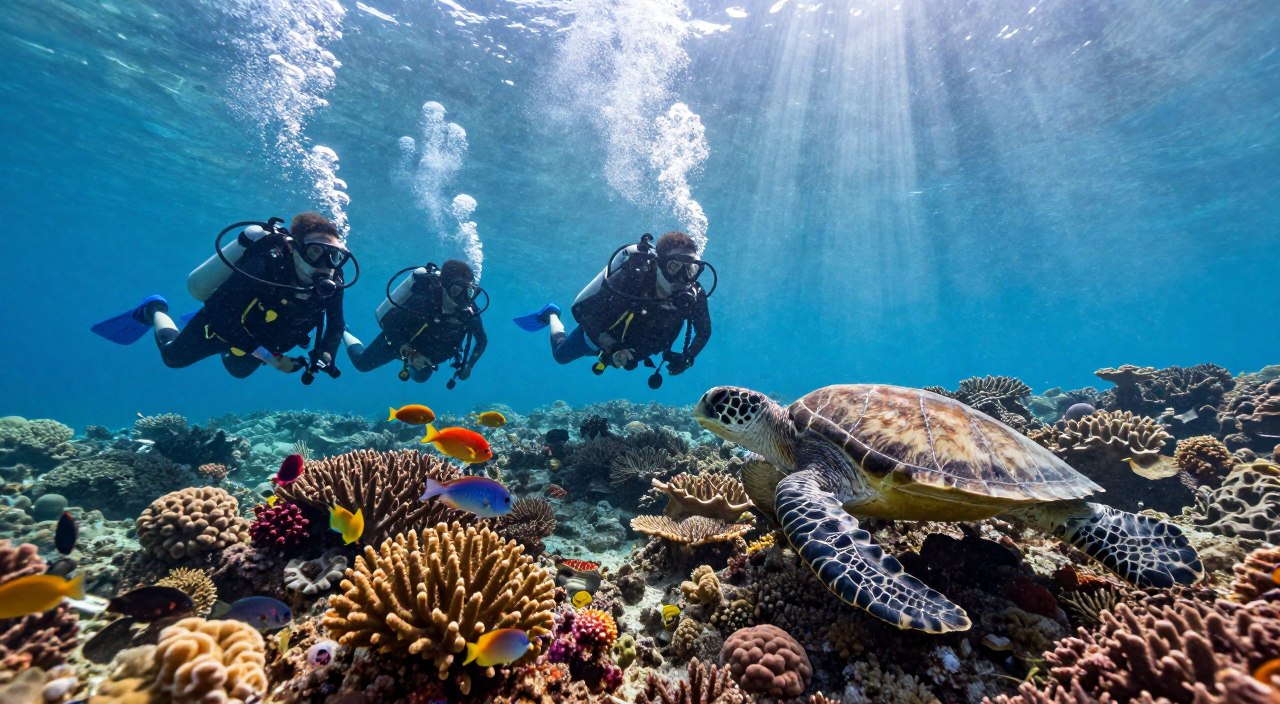
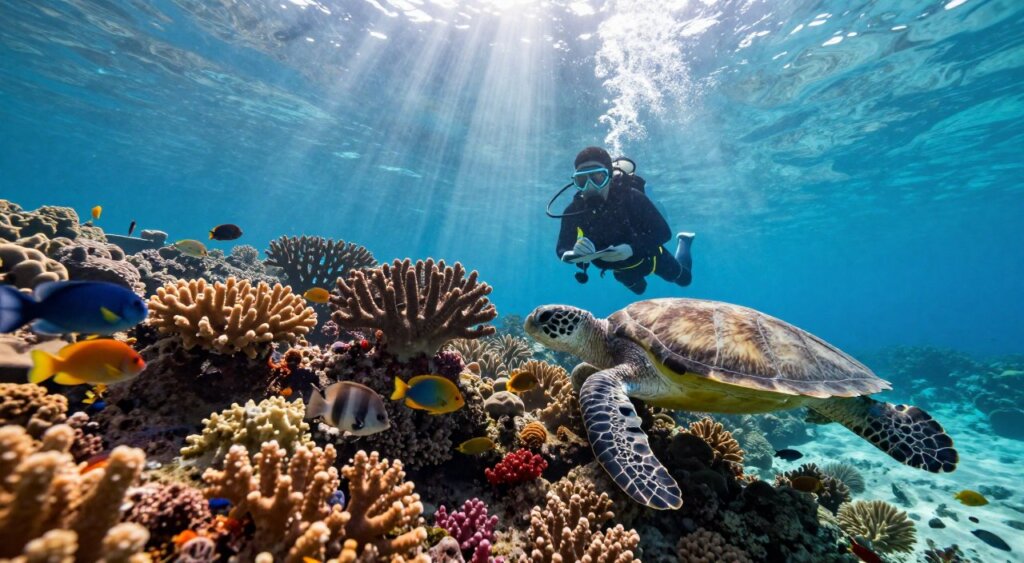
The green turtles are a particular highlight, often seen grazing on seagrass or sleeping peacefully under coral ledges. While, sleek reef sharks glide effortlessly along the drop-offs, a thrilling but harmless sight for divers.
Biodiversity Hotspots
So, what makes this area so incredibly rich? Gili Trawangan sits in a uniquely fertile marine zone. Two key factors turn these waters into a biodiversity magnet.
First, the coral reefs themselves are remarkably healthy and varied. They provide essential food and shelter for thousands of species. This complex architecture supports everything from tiny nudibranchs to massive Napoleon wrasse.
Second, the island is flanked by the deep, nutrient-rich currents of the Lombok Strait. Think of it as a marine highway bringing in plankton and larger pelagic visitors. This constant flow of nutrients feeds the entire food web.
“Diving here feels like you’ve been dropped into a National Geographic documentary. The density of life is just astounding.”
This combination of a stable reef ecosystem and incoming oceanic bounty creates the perfect conditions. It’s why your logbook fills up quickly after just a few dives. Exploring these hotspots is the core of a true Gili Trawangan underwater adventure.
Best Diving Spots on Gili Trawangan
Exploring Gili Trawangan’s waters will fill your logbook fast. The island’s three iconic dive spots promise unforgettable marine encounters. Rich currents bring nutrients, supporting vibrant ecosystems at these dive sites gili trawangan. Whether you seek excitement or wonder, there’s a spot for you.
Shark Point: A Diver’s Paradise
Shark Point lives up to its name, giving you a chance to see reef sharks up close. This site is a submerged pinnacle, starting at 12 metres and going down to over 30. You’ll see white-tip and black-tip reef sharks, often resting or patrolling.
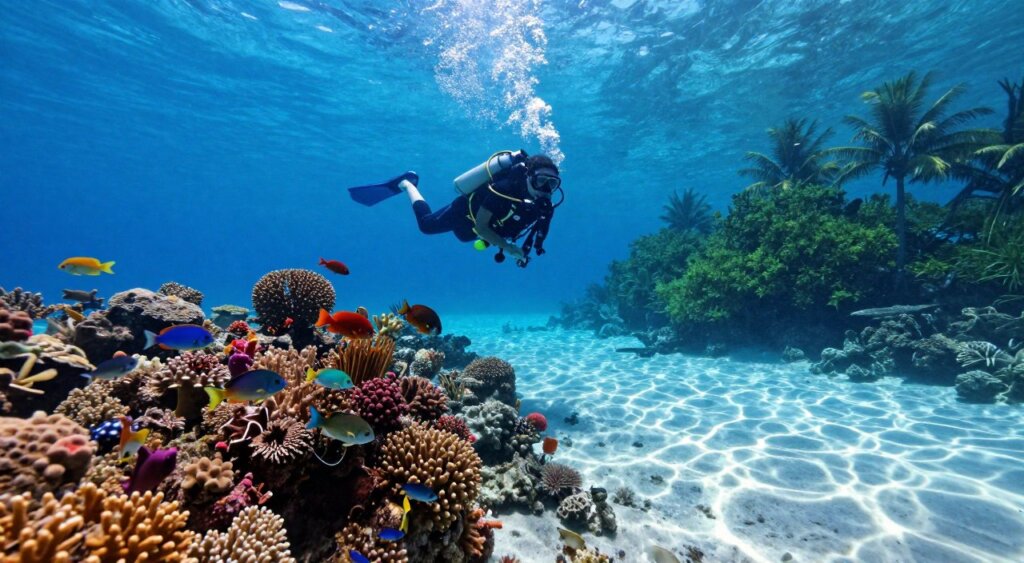
The dive offers a mild to moderate current, bringing in pelagic life and ensuring great visibility. The reef is covered in colourful soft corals and sea fans. It’s a top spot for intermediate divers, promising a memorable dive.
“Drifting along the edge at Shark Point, watching a sleek reef shark glide past – it’s the kind of pure, wild moment you travel to Indonesia for.”
Manta Point: An Experience to Remember
Manta Point is where you can swim with oceanic giants. Located a bit further from Gili Trawangan, it’s a cleaning station for manta rays. You’ll see these giants more often during the dry months, from April to October.
The site is shallow, with a sandy bottom at about 12 to 15 metres. Divers wait on the seabed, watching as mantas swoop in overhead. It’s a moment of pure wonder, often the highlight of a diver’s trip.
Turtle Heaven: Close Encounters
Turtle Heaven is perfect for those who want to see turtles up close. This shallow reef site, often no deeper than 10 metres, is a favourite for green and hawksbill turtles. The calm conditions and sea grass make it great for beginners and photographers.
On a single dive, you’ll likely see many turtles going about their day. The site also has a healthy coral garden and lots of reef fish. It’s a beautifully relaxed dive experience, rounding out Gili Trawangan’s diverse dive locations.
Diving Conditions at Gili Trawangan
For Aussie divers, knowing the diving conditions at Gili Trawangan is key. The underwater world here is amazing, but it changes with the seasons. Knowing when to go ensures you dive in clear waters with friendly seas.
Seasonal Variations in Visibility
Gili Trawangan has two main seasons that affect underwater visibility. The dry season is from April to October. This time offers the clearest and most stunning views, often over 30 metres.
Sunny days and light winds let sunlight reach deep. This creates the bright blue scenes divers love. It’s the best time to see marine life from afar.
The wet season is from November to March. More rain means runoff, which can cloud the water, mainly near shore. Visibility averages 15-25 metres, making conditions more variable.
Yet, the wet season has its perks. The water is warmer, and nutrient-rich currents attract big fish. Diving is possible, but you need to be flexible.
| Condition | Dry Season (April – October) | Wet Season (November – March) |
|---|---|---|
| Average Visibility | 25 – 40+ metres | 15 – 25 metres |
| Water Temperature | 27°C – 29°C | 28°C – 30°C |
| Sea State | Generally calm, light winds | Variable, can be choppy |
| Recommended For | All divers, including photographers & beginners | Experienced divers comfortable with variable conditions |
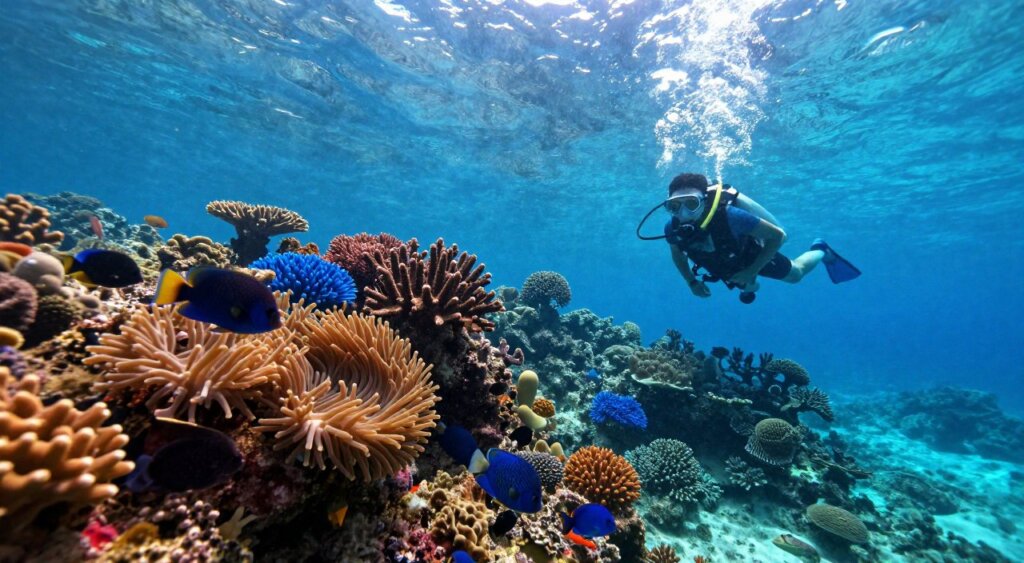
Ideal Weather for Diving
The perfect diving day on Gili Trawangan has light winds, a calm sea, and lots of sun. These conditions make boat travel easy and ensure plenty of light underwater. They’re most common during the dry season.
June, July, and August are famously reliable. The Lombok Strait is usually calm. This is when you can plan multiple dives with confidence.
April, May, September, and October are also great. You might see a brief shower, but the weather stays stable. These months are good for those who want fewer crowds.
Always check a short-term forecast before diving. Local dive centres have the latest info on sites and conditions. Their advice helps match the weather to the best dive spots.
Diving Certifications Available
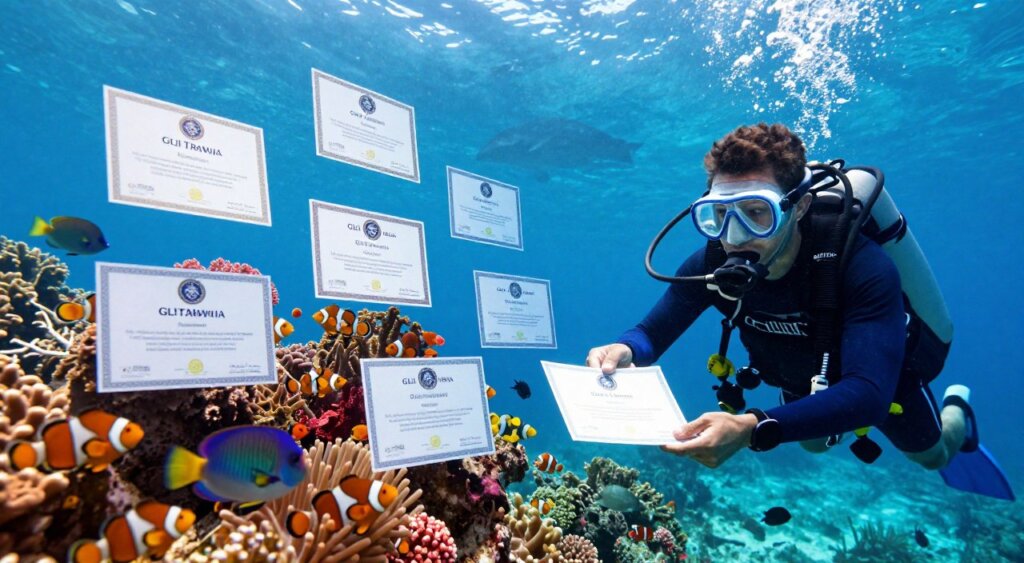
Gili Trawangan is perfect for both beginners and dive professionals. The island’s dive centres have experienced instructors. They will help you learn from the start to become an expert in beautiful waters.
PADI Courses Offered
Gili Trawangan is a top spot for PADI education. Dive schools here cater to all levels. You can begin with a Discover Scuba Diving experience, a one-day try-out.
The Open Water Diver course is for those serious about diving. It’s a three-to-four-day course that teaches you the basics and theory. You’ll also do open water dives around the island’s reefs.
After getting certified, you can dive into speciality courses. Gili T offers many, like:
- Enriched Air Nitrox
- Deep Diver
- Underwater Photography
- Peak Performance Buoyancy
These courses help you improve your skills and explore your interests.
Advanced Open Water Training
The Advanced Open Water Diver course is the next step. It’s all about adventure and building confidence. You’ll do five adventure dives over two days.
These dives include deep and navigation dives, and three electives. You’ll learn about drift diving, night diving, or fish identification. This course increases your depth limit and improves your skills in various conditions.
The Emergency First Response (EFR) course is also key. It’s a one-day program that teaches primary and secondary care. It’s a must for Rescue Diver and professional courses. The skills you learn are truly invaluable for any diver, ensuring safety for everyone.
Equipment Rental and Services
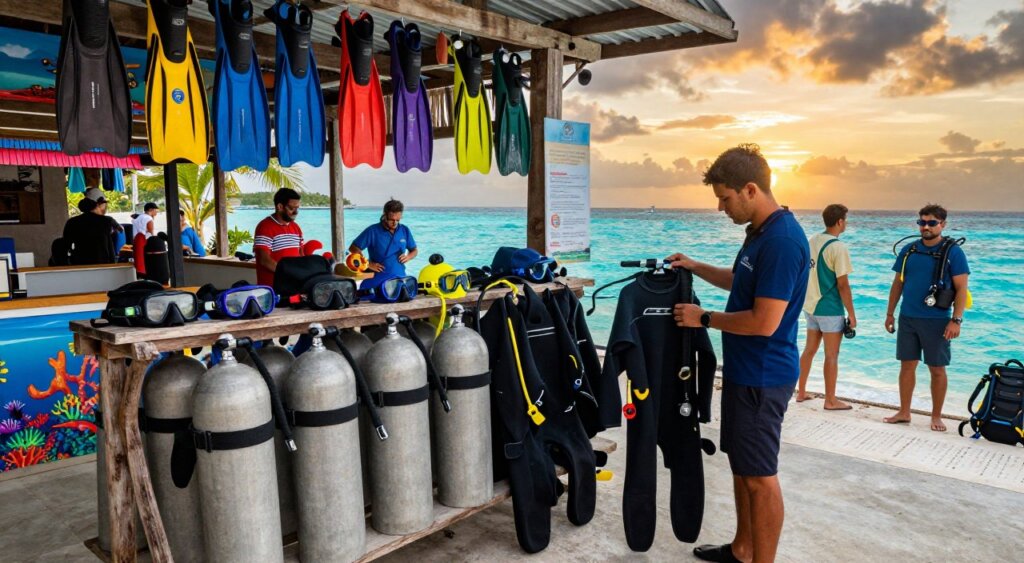
Before diving into the vibrant reefs, divers need to think about their gear. Most people on Gili Trawangan, whether new or experienced, rent from local shops. This saves you from carrying heavy equipment and supports the local dive community.
Knowing what’s available and where helps make your dive safe and fun.
What to Expect from Rental Shops
Rental shops on Gili Trawangan offer a wide range of services. You can find everything from wetsuits to tanks. The quality is high, as shops compete to attract customers from gili trawangan dive center operations.
It’s important to check the gear before diving. Look for wear, make sure regulators work well, and that BCDs inflate and deflate right.
The rental process is easy. You’ll need to show your certification and complete a quick checklist. Many shops offer deals for multiple dives or days, saving you money. You can usually pick up your gear the day before a dive.
Recommended Shops for Gear
Choosing the right rental shop is key. Look for a gili trawangan dive center or shop that focuses on safety and service. Staff who fit your gear well and are friendly are a good sign. Shops with a good safety record and ties to PADI or SSI are reliable.
Modern, well-maintained equipment is essential. Ask about the gear’s age and servicing schedule. A good shop will be open about this. Many top centres also offer equipment insurance for a small fee, giving you peace of mind.
The following table compares several highly-regarded rental services on the island based on key diver priorities.
| Shop Name | Equipment Quality & Variety | Staff Professionalism | Safety & Maintenance Record | Notes |
|---|---|---|---|---|
| Blue Corner Dive | Excellent. Features latest models from major brands. | Highly knowledgeable. Offers personalised fitting. | Impeccable. Full service logs available for review. | Integrated with a PADI 5-Star centre. Multi-day discounts. |
| Manta Dive Gili T | Very Good. Comprehensives range for all dive types. | Friendly and multilingual. Strong on beginner support. | Very strong. Regular equipment rotation and updates. | Centrally located. Offers free equipment briefings. |
| Gili Divers | Good to Very Good. Reliable, well-serviced standard gear. | Efficient and experienced. Quick setup process. | Solid. All gear meets industry safety standards. | Great value packages for week-long diving trips. |
Your choice will depend on your needs and budget. Visiting a few shops to compare and talk to staff is smart. By choosing a reputable gili trawangan dive center for rentals, you ensure your dive is safe and successful.
Guided Diving Tours
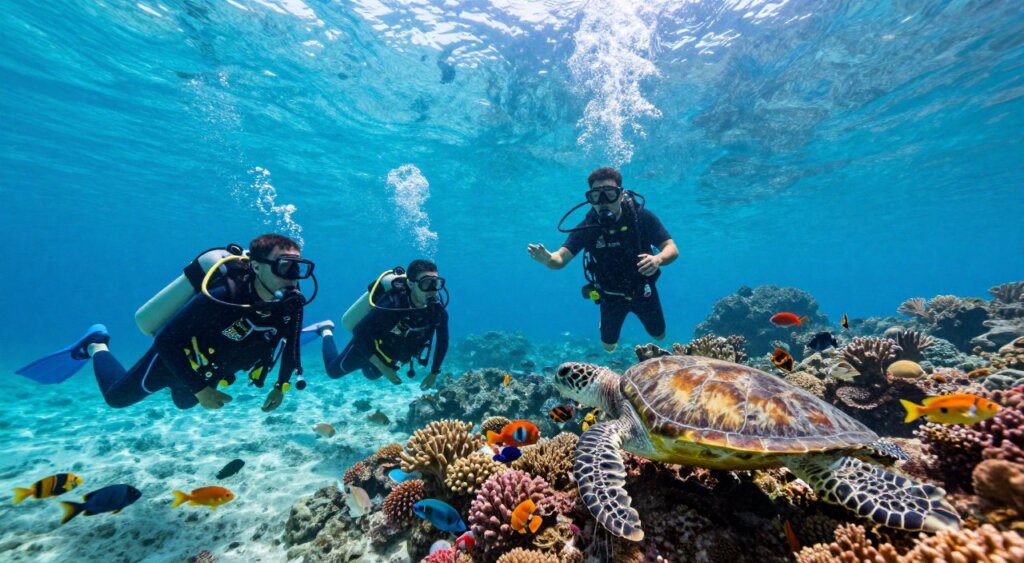
Finding the right guided diving tour on Gili T can make your experience unforgettable. A good guide keeps you safe, shows you hidden marine life, and handles the details. This lets you enjoy the underwater world fully. Gili T offers many diving packages Gili Trawangan, from single reef dives to multi-day trips.
Choosing the Right Tour Operator
Choosing your operator is key. Look for their safety record. Good centres are linked with big names like PADI or SSI and have clear emergency plans.
Check the guide-to-diver ratio too. A small group, usually four divers per guide, means more attention and safety. This is vital for beginners or when diving in strong currents.
Also, check the boat. A well-kept boat with easy access, shade, and safety gear is essential. When looking at diving packages Gili Trawangan, these details matter more than price.
Group vs Private Tours
Dive centres usually offer group and private tours. Group tours are cheaper and fun, as you dive with others. It’s great for meeting new people.
Private tours are pricier but more flexible. Your guide can focus on what you want, like finding macro critters or improving your diving skills. It’s perfect for photographers, families, or those wanting to dive better.
Think about your budget and what you want. Many guided dive packages let you mix group and private dives. This way, you can enjoy both the social aspect and personal attention.
The best tour is one that fits your comfort and goals. It turns diving into a smooth and exciting journey.
Safety Measures for Divers
Diver safety on Gili Trawangan is key. It’s about managing your no-decompression limits and never diving alone. A proactive approach to safe diving practices makes your underwater adventures unforgettable. It also includes vital first-aid training, a must for any responsible diver.
Understanding Dive Tables
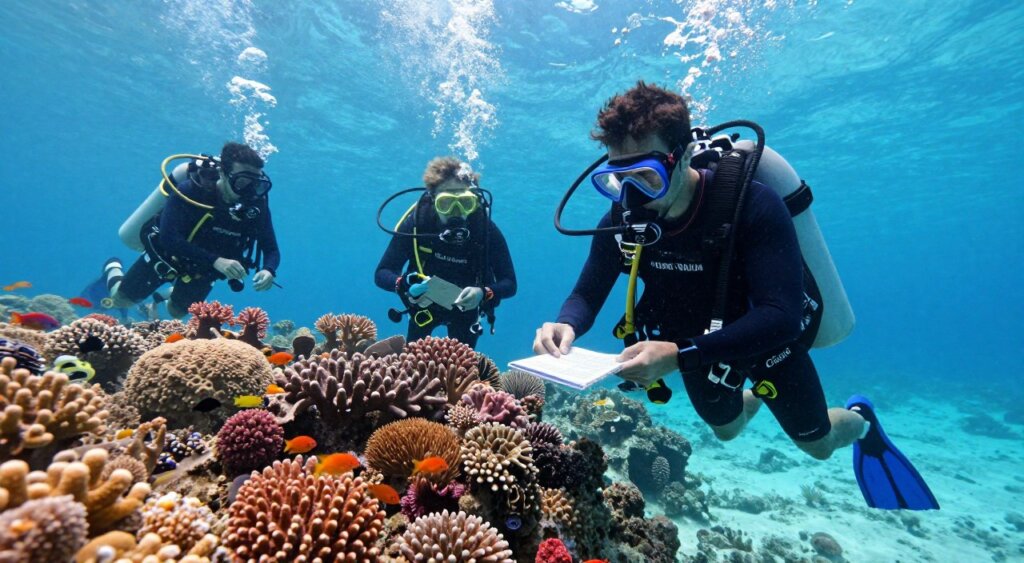
Proper dive planning is your first line of defence. Dive tables help you figure out how long you can dive without needing decompression stops. They track nitrogen in your body to prevent decompression sickness.
Most divers now use dive computers for real-time calculations. Whether using tables or computers, always respect your no-decompression limits. Plan your dive and then stick to your plan.
Importance of a Dive Buddy
The dive buddy system is essential. A good buddy offers an extra pair of eyes, a shared air source, and immediate help in emergencies. This partnership is based on clear communication and staying in sight of each other.
Your buddy is your main support underwater. Picking a compatible partner and discussing signals and emergency plans before diving boosts diver safety for both.
True safety also means knowing emergency care. The Emergency First Response (EFR) course is highly recommended. It teaches essential skills for divers and non-divers alike.
The course covers:
- Basic life support and CPR techniques
- Rescue breathing and shock management
- Care for spinal injuries and serious bleeding
- Fundamental first aid procedures
With this training, you can handle medical emergencies effectively. Whether on a boat, at the beach, or back in your accommodation. It’s part of safe diving practices, ensuring you can help yourself and others.
Environmental Conservation Efforts
Environmental care is a big part of diving in Gili Trawangan. What you do affects the sea life. The island’s reefs and animals need our help to survive. Your dive trip is a chance to help these conservation efforts.
Responsible Diving Practices
Divers have a big role in marine protection. Simple habits can keep the sea beautiful for others. Learning responsible diving on Gili Trawangan is easy.
- Master Your Buoyancy: Good buoyancy is key for reef safety. It stops you from damaging coral. This is very important.
- Look, Don’t Touch: It’s hard not to touch, but it hurts marine life. Corals get harmed by human oils. Keep a safe distance from sea creatures.
- Secure Your Gear: Make sure your gear doesn’t drag on the reef. Loose equipment can harm coral and disturb the sea floor.
- Never Anchor on Coral: Dive operators use mooring buoys to avoid reef damage. Anchors can harm the reef if not used carefully.
- Be a Role Model: Show others how to dive responsibly. Together, we can make a big difference.
Local Initiatives to Protect Marine Life
The people of Gili Trawangan care a lot about their sea. They have many local initiatives to help. These offer ways to learn, volunteer, or support their work.
Coral Reef Restoration Projects are happening all over the island. They grow coral in nurseries and then plant them on damaged reefs. Some dive shops have programs where you can help grow a coral.
There are also beach and reef clean-up days. People collect trash and fishing nets to protect sea animals. It’s a great way to help and meet others.
Local groups and businesses also teach about protecting the sea. They talk about sustainable fishing and the dangers of plastic. By choosing eco-friendly operators, your money helps protect the sea.
Your visit to Gili Trawangan is more than a holiday. It’s a chance to work with a community that cares about its sea. By diving responsibly and supporting local efforts, you help keep the reefs alive.
Cultural Significance of Gili Trawangan
The heart of Gili Trawangan beats in its community and traditions, not just in the sea. Divers find amazing reefs, but many also value the local way of life. This culture, influenced by the Sasak people and fishing, is now tied to diving.
The Role of Dive Tourism in the Community
Dive tourism boosts Gili Trawangan’s economy. It creates jobs for many locals. They work as dive instructors, captains, and shop staff.
Money from diving helps local families. They run homestays, small eateries, and transport services. This supports small businesses and community projects.
These projects include cleaning beaches, buying school supplies, and sponsoring cultural events. This helps local development. The bond between divers and locals is strong and respectful.
| Aspect | Traditional Influence | Tourism Influence | Current Balance |
|---|---|---|---|
| Employment | Fishing, farming, small trade | Dive centres, hospitality, guiding | Mixed economy, many have dual roles |
| Lifestyle | Relaxed, community-focused, horse-cart transport | 24-hour amenities, diverse cuisine, faster pace in areas | Island ‘chill’ vibe largely preserved |
| Cultural Events | Sasak ceremonies, local music (Gendang Beleq) | International visitors at markets, some fusion festivals | Traditional events remain core, with respectful tourist observation |
| Environmental Stewardship | Traditional fishing limits, respect for the sea | Organised reef conservation, dive operator-led initiatives | Strong synergy, tourism funds modern protection efforts |
Balancing Tourism and Tradition
Managing growth is a big challenge. The community works hard to keep Sasak heritage alive. Elders teach young people about language, weaving, and ceremonies.
The car-free policy is a great example of balance. It reduces pollution and keeps the island peaceful. This policy supports traditional transport.
Visitors can help by being thoughtful. Learning Indonesian phrases shows respect. Attending local performances and buying handicrafts support the community.
The goal is for tourism and tradition to live together. The unique Gili T vibe depends on this. It keeps the island’s culture alive for everyone.
Accommodation Options Near Diving Spots
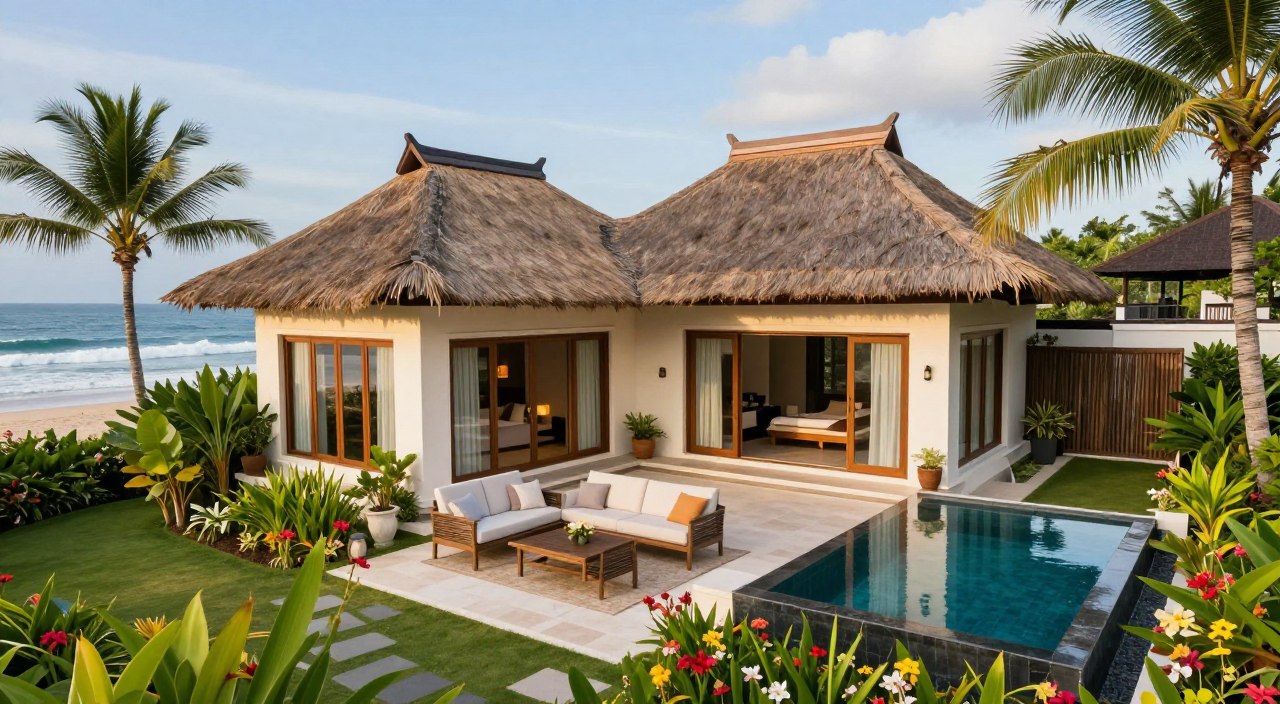
Gili Trawangan has many places to stay, from fancy resorts to cheap hostels. They are all near the island’s best dive spots. The right place to stay makes your diving holiday better.
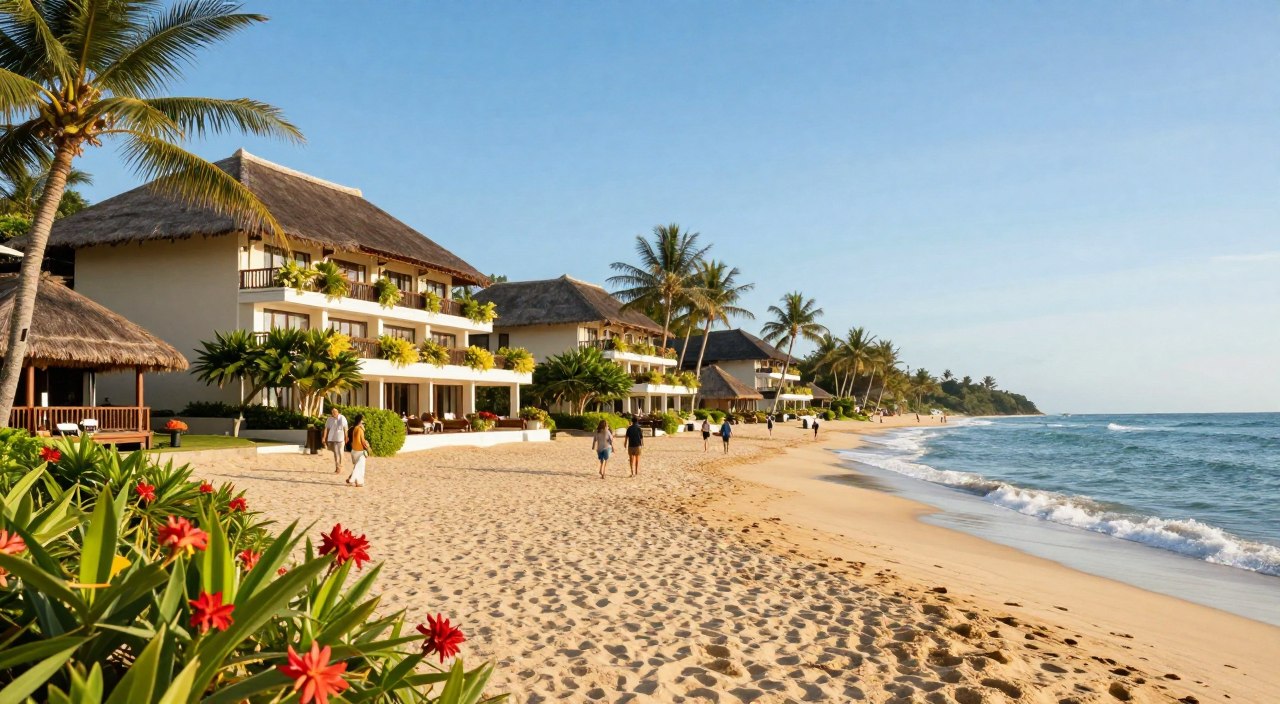
Many places are near the island’s east coast. They are close to the main dive shop areas.
Best Resorts for Divers
Several top resorts on Gili T are great for divers. They offer dive packages that include accommodation, boat dives, and gear hire.
Villa Ombak and Gili Trawangan Dive Resort are known for their services. They have rooms for your gear and early breakfasts for morning dives.
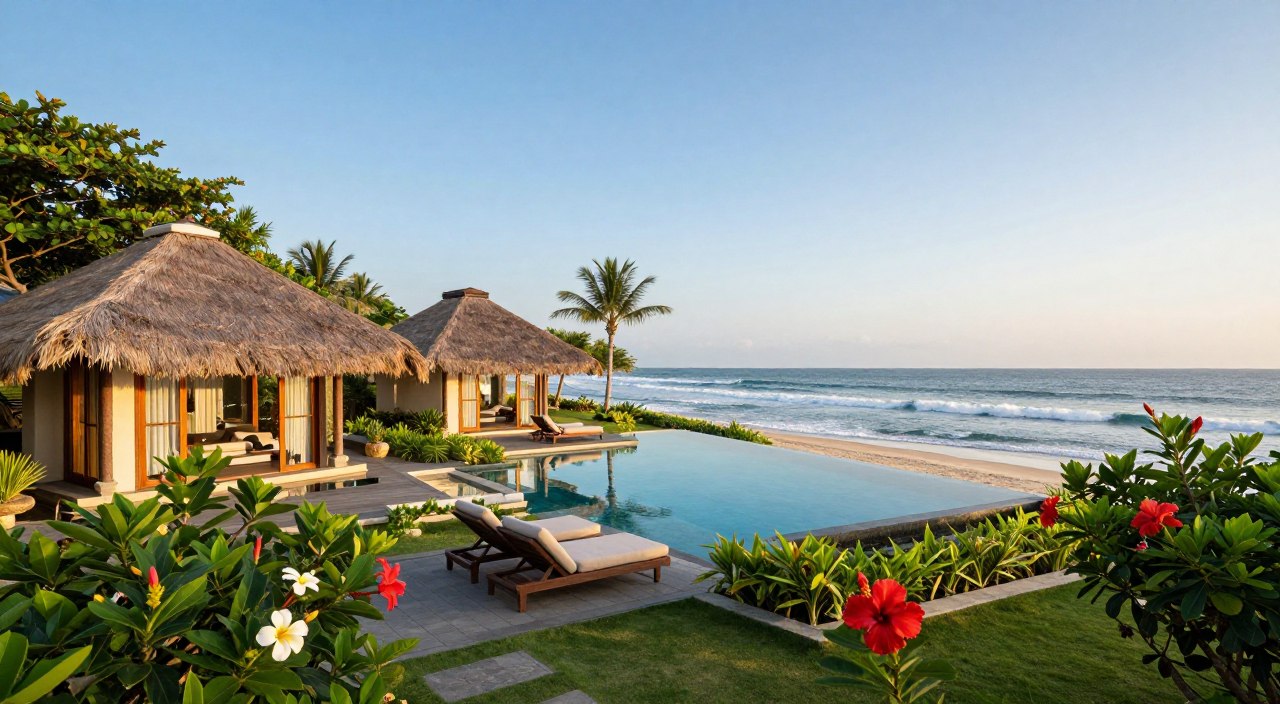
Having a dive centre at your resort is very convenient. It makes going from your room to the reef easy. These resorts also have pools, spas, and great restaurants for relaxing after diving.
Budget-Friendly Hostels
For those on a budget, Gili Trawangan has many affordable hostels. They are perfect for meeting other travellers.
Places like My Mate’s Place and Gili Hostel offer cheap beds. They are close to dive shops on the main strip.
While they don’t have special dive storage, they can help find good gear and tours. These hostels are great for solo travellers looking for dive buddies.
| Feature | Dive Resorts | Budget Hostels |
|---|---|---|
| Best For | Luxury, convenience, and all-inclusive dive holidays | Backpackers, solo travellers, and cost-conscious divers |
| Average Nightly Rate (AUD) | $150 – $400+ | $20 – $80 |
| Dive Amenities | On-site dive centre, equipment storage, boat pick-up | Proximity to dive shops, social boards for finding buddies |
| Atmosphere | Relaxed, private, and service-oriented | Vibrant, communal, and highly social |
| Booking Advice | Book well in advance, June-September | Often have last-minute spots; great for flexible plans |
Australians should think about the season when booking. Prices go up in the dry season (May to September). Whether you pick a resort or a hostel, staying near the east coast is best for diving.
Dining after Diving
The adventure doesn’t end when you surface. Gili Trawangan’s dining scene offers the perfect culinary finale to a day spent underwater. Refuelling with a great meal is a key part of the island rhythm, blending relaxation with delicious discovery.
You’ll find options to suit every mood and budget. Whether you crave a casual feed with sand between your toes or a more refined setting, the island delivers.
Recommended Restaurants
For the quintessential island vibe, head to the east coast. A long strip of beachfront warungs and cafes lines the shore. Here, you can enjoy a sunset beer and a plate of fresh grilled fish while watching the boats come in.
These spots are perfect for a budget-friendly and social post-dive meal. The atmosphere is laid-back, and the menus often feature simple, tasty seafood and Western classics.
If you’re after something more upscale, several restaurants in the island’s interior and along the main drag offer sophisticated menus. They combine international techniques with local ingredients. It’s a wonderful way to treat yourself after an exhilarating day.
Local Cuisine to Try
Immerse yourself in Lombok’s flavours to complete your cultural experience. Sasak cuisine, native to the island, is a must-try. It often features spicy sambals, fragrant rice dishes, and tender grilled meats.
Don’t leave without sampling these local favourites:
- Ayam Taliwang: A famous Lombok dish of spicy grilled or fried chicken, served with plecing kangkung (water spinach in spicy sauce).
- Pelecing Kangkung: The perfect zesty side dish, made with blanched kangkung and a fiery tomato and chilli sambal.
- Fresh Seafood: Simply grilled or barbecued, often found at the beachside warungs. Look for ikan bakar (grilled fish) or cumi-cumi (squid).
- Nasi Campur: A plate of rice surrounded by small portions of various dishes. It’s a fantastic way to taste a little bit of everything.
Nothing beats finishing a dive, sitting at a warung with your feet in the sand, and eating the day’s catch. It’s the real Gili T experience.
Exploring the local cuisine adds a rich, authentic layer to your dive holiday. It connects you to the island’s heritage beyond the reef.
Getting to Gili Trawangan
Getting to Gili Trawangan is easy and beautiful. It’s a journey from Bali’s busy streets to the calm island life. Planning your trip early lets you enjoy your scuba diving Gili Trawangan adventure more.
Transportation from Bali
The best way from Bali is by fast boat. They leave from Padang Bai harbour on Bali’s east coast. Some also go from Serangan, south of Denpasar. The trip takes about two to three hours, depending on the sea.
There are daily services from reputable operators. Booking your tickets online early is a good idea. It ensures a seat and often includes pickup from your hotel in Bali.
Here are a few tips for your boat trip:
- Choose a well-known operator with a strong safety record.
- Pack light, as luggage space on boats can be limited.
- Have some Indonesian Rupiah ready for the small harbour tax.
- If you’re prone to seasickness, consider taking medication before departure.
The boat ride shows you the Lombok Strait’s beauty. You’ll arrive at Gili Trawangan’s main jetty, ready to dive.
Best Time to Visit
The best time for a scuba diving Gili Trawangan trip is from April to October. This is the dry season.
During this time, the weather is stable. The seas are calm for a smooth trip from Bali. Underwater, you’ll see clear waters, often over 30 metres deep. The weather is perfect for diving and enjoying the island.
The wet season, from November to March, has more rain and strong winds. Diving is possible, but trips might be cancelled or changed. The sea can be rougher for travel.
For the best diving and travel, plan your trip in the dry season. This is when you’ll see Gili Trawangan’s amazing marine life.
Tips for First-Time Divers
Getting ready for your first dive can be both exciting and nerve-wracking. But, with the right tips, you can make it a great experience. Gili Trawangan is perfect for beginners, thanks to its calm waters and friendly dive community. A bit of preparation ensures your dive is safe, comfy, and unforgettable.
Essential Items to Bring
While dive centres on the island have the basic gear, bringing some personal items can make a big difference. These extras focus on comfort and being eco-friendly, so you can enjoy the marine life more.
- Reef-Safe Sunscreen: Regular sunscreens harm coral. Choose a mineral-based, reef-safe option to protect your skin and the sea.
- Rash Vest or Lycra Suit: This extra layer is great for sun protection and minor scrapes, whether under your wetsuit or alone in warm water.
- Dive Logbook: Start a logbook for your first dive. It’s a way to track your progress and keeps a special memory.
- Reusable Water Bottle: Staying hydrated is key for diving. Bring a strong bottle to refill all day.
- Waterproof Bag or Dry Bag: Keep your clothes, towel, and electronics dry during boat trips with this bag.
Pre-Dive Preparation Checklist
Going through a simple checklist before you get to the dive shop helps a lot. It’s not about remembering lots of rules. It’s about making sure you’re ready to enjoy the dive.
Health & Hydration: Sleep well and avoid alcohol for 24 hours before diving. Drink lots of water beforehand. If you’re sick, have a cold, or can’t breathe well, don’t dive. Tell your dive centre.
Paperwork: Bring your certification card (if you have one) and any health forms. Be truthful about your health. If you’re new, your instructor will help with the forms.
The Briefing: Listen carefully. Your dive instructors on Gili Trawangan will explain the dive site, signals, safety, and marine life. This is your chance to ask anything.
Buddy Check: You’ll learn to check each other’s gear before diving. This is a key safety step that builds trust.
Remember, dive instructors are there for beginners. They want you to be safe and have fun. Trust them, communicate well, and you’re ready to dive into Gili T’s amazing underwater world.
Testimonials from Divers
The magic of Gili Trawangan diving is in the memories of those who’ve dived there. Site descriptions and species lists tell one story. But, the heartfelt stories from fellow divers reveal the soul of the experience.
These testimonials capture moments of awe, connection, and joy. They define a trip beneath the waves.
Personal Experiences on Gili Trawangan
Divers often return with more than just photos. They carry a sense of wonder that’s hard to put into words. For many, the first close encounter with a green turtle is a defining memory.
“I was hovering over the coral at Turtle Heaven, just watching the world go by. Then this massive, graceful turtle glided right past me, close enough to see the patterns on its shell. It looked me right in the eye. In that moment, all the travel stress melted away. You just get it.”
The thrill isn’t limited to tranquil moments. The adrenaline rush of spotting a reef shark at Shark Point is another highlight. Divers talk about the respectful distance and the powerful presence of these animals.
Beyond the wildlife, the camaraderie forged on the dive boat is a recurring theme. Sharing a thermos of tea after a deep dive, laughing about a clumsy fin entry, or simply sitting in silent appreciation together bonds people in a unique way.
What Makes Diving Here Unique
So, what makes diving here so special? Several factors combine to create an unforgettable dive adventure.
First is the remarkable accessibility. World-class sites are just a short boat ride away. You can experience a deep wall, a vibrant coral garden, and a manta cleaning station all in one day without exhausting travel.
The density of life is astounding. You don’t have to search for hours. The marine life comes to you. This consistent action keeps every dive engaging, whether you’re a novice or a veteran.
Lastly, the island atmosphere amplifies the experience. The post-dive ritual of swapping stories at a beachfront warung, sand between your toes, is as much a part of the memory as the dive itself. It’s a holistic adventure.
- Accessible Variety: Multiple epic sites minutes from shore.
- Consistent Encounters: Reliable sightings of turtles, rays, and sharks.
- Vibrant Social Vibe: A community of divers sharing the stoke.
- Seamless Island Life: The ease of transitioning from reef to relaxation.
These elements fuse together, creating more than just a diving trip. They forge the kind of personal experience that has divers booking their return trip before they’ve even left the island.
Conclusion
Gili Trawangan offers a top-notch underwater adventure in a beautiful tropical setting. It’s a top spot for divers from Australia and more.
Summary of Gili Trawangan Dive Experience
Places like Shark Point and Turtle Heaven are famous for their marine life. The conditions are great, and the dive centres are professional. This makes for a safe and unforgettable dive.
By diving here, you help local projects. This helps keep the coral and sea turtles safe.
Encouragement to Dive in this Paradise
Getting to Gili Trawangan from Australia is easy via Bali. It’s perfect for both new and experienced divers.
Start planning your underwater journey now. The special magic of diving in Gili Trawangan is waiting for you.