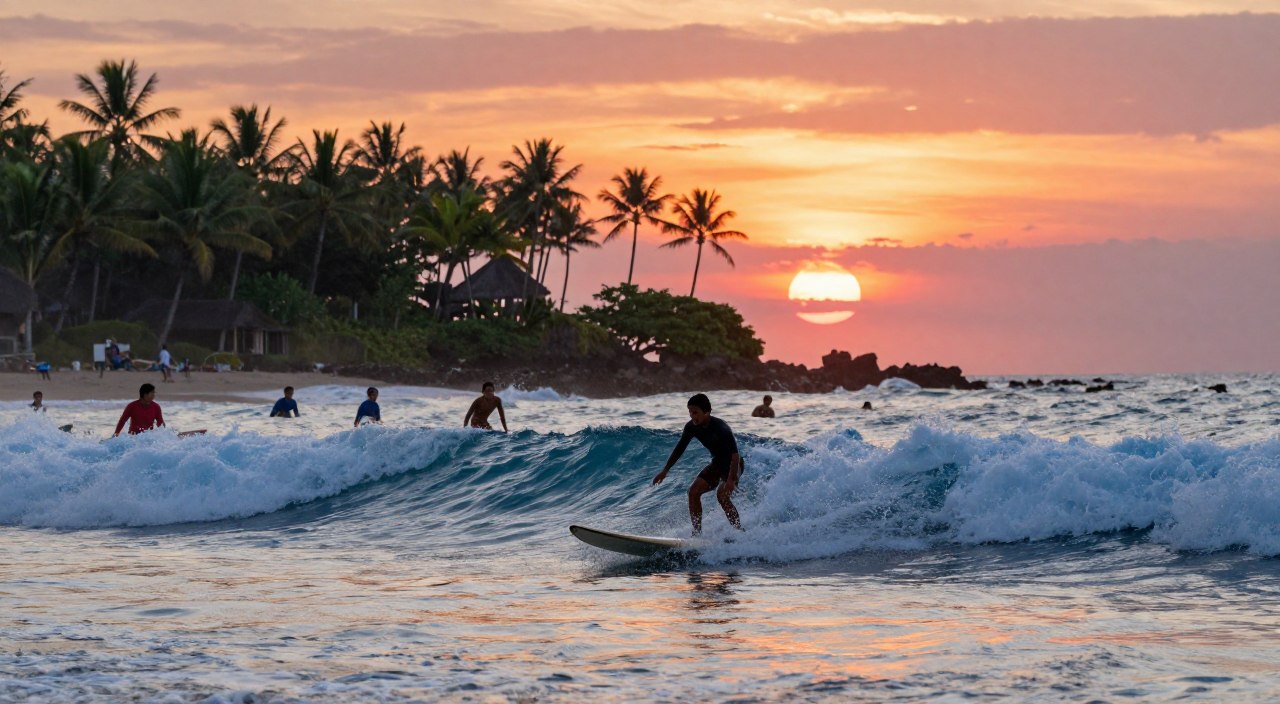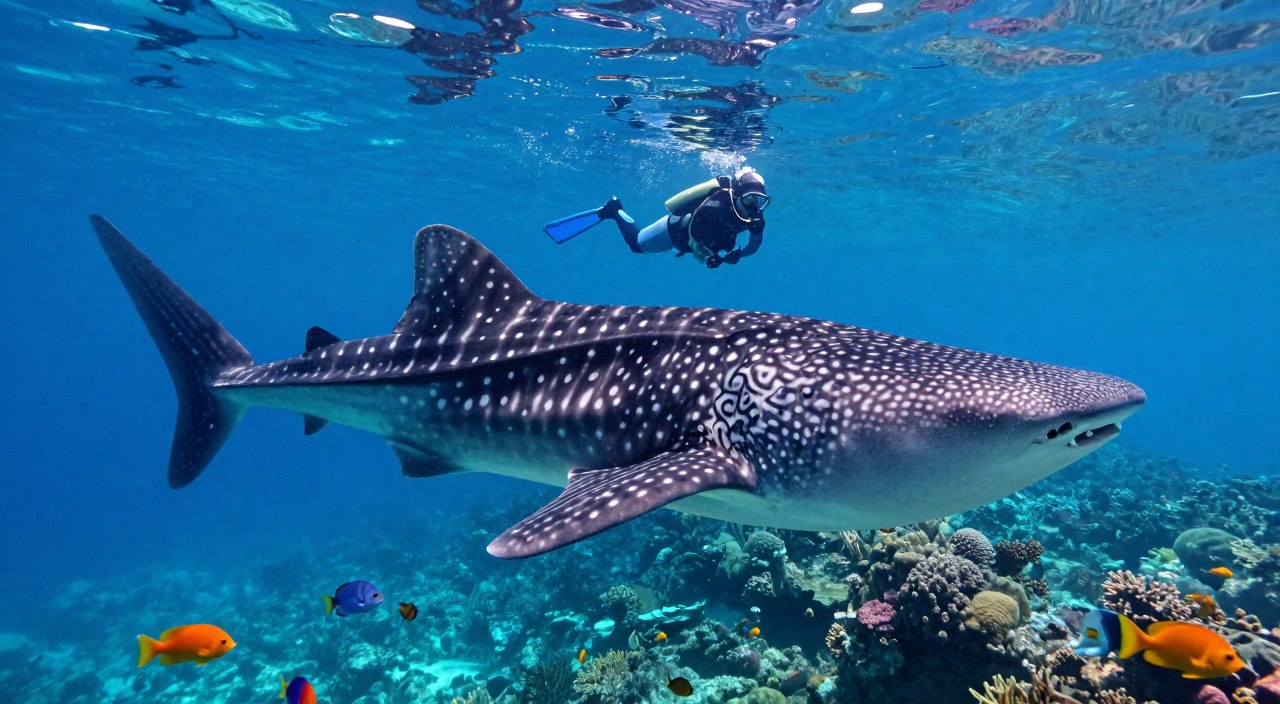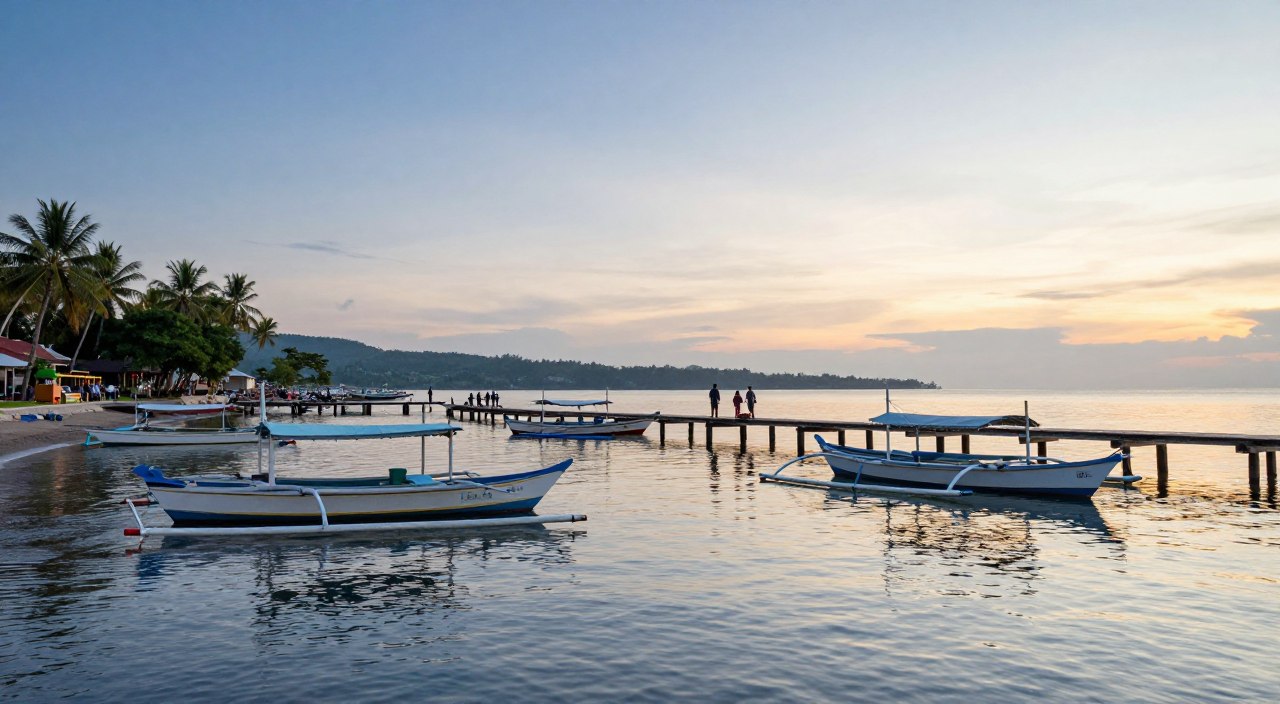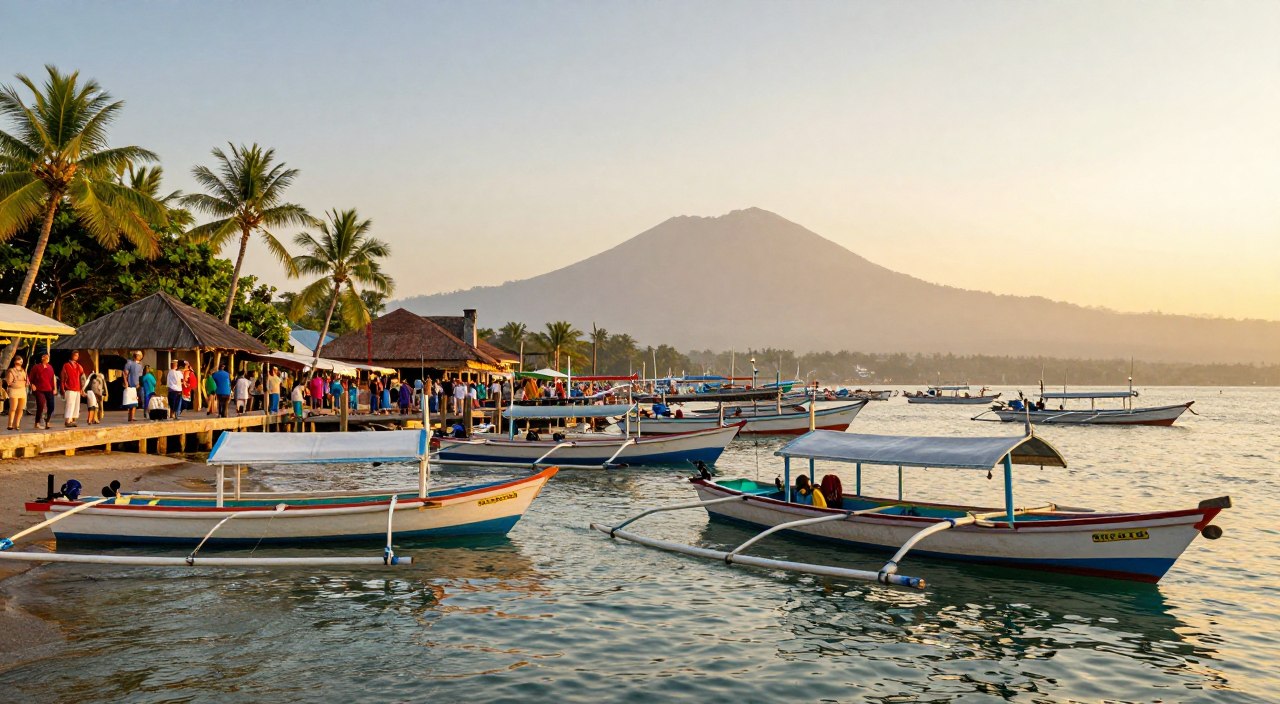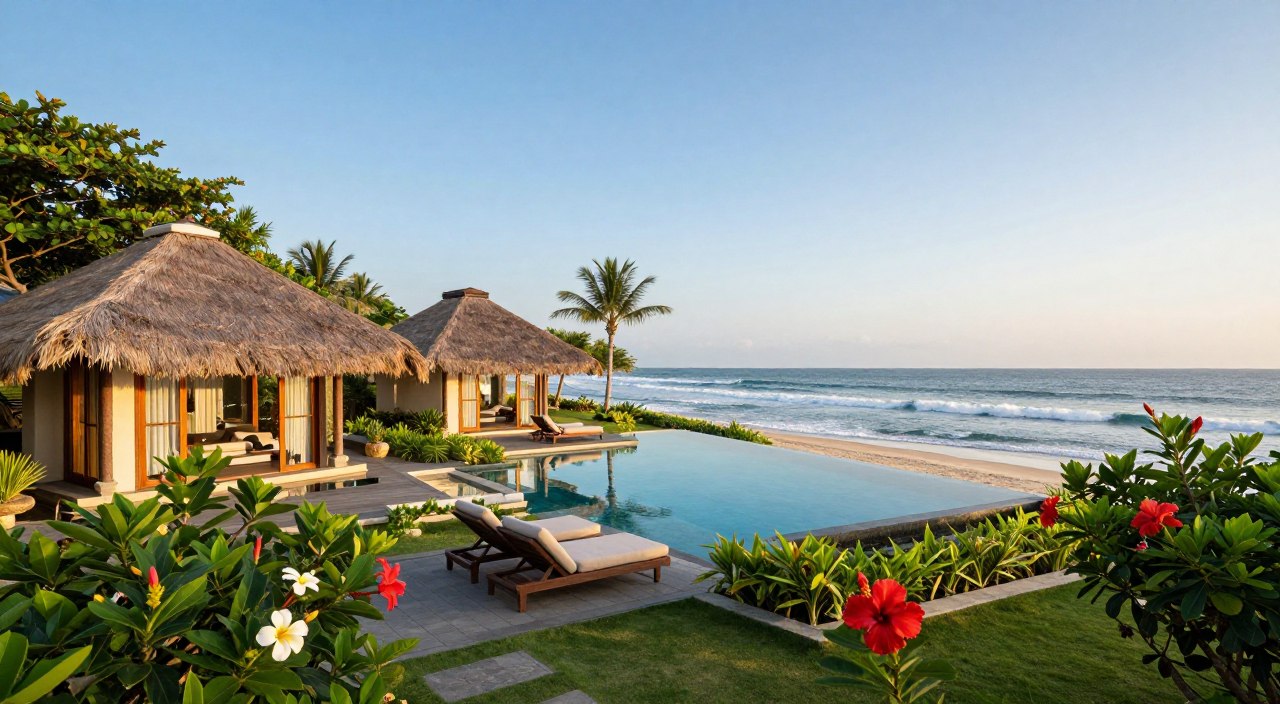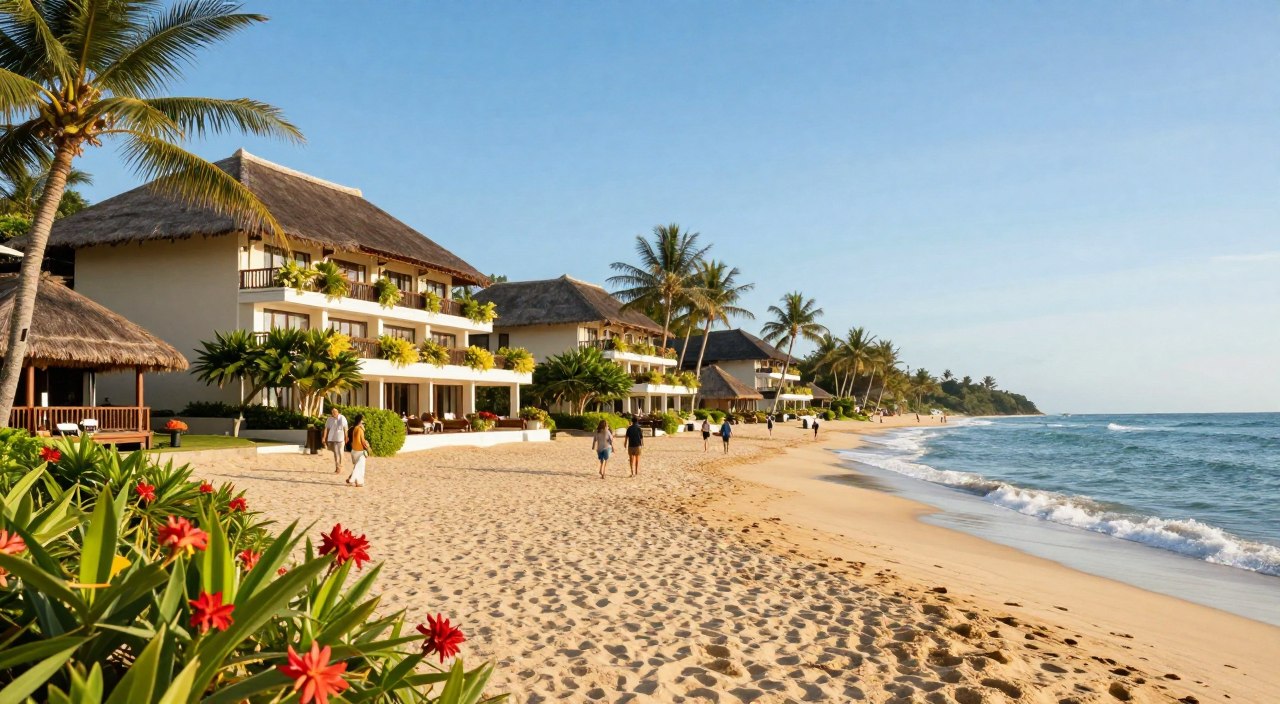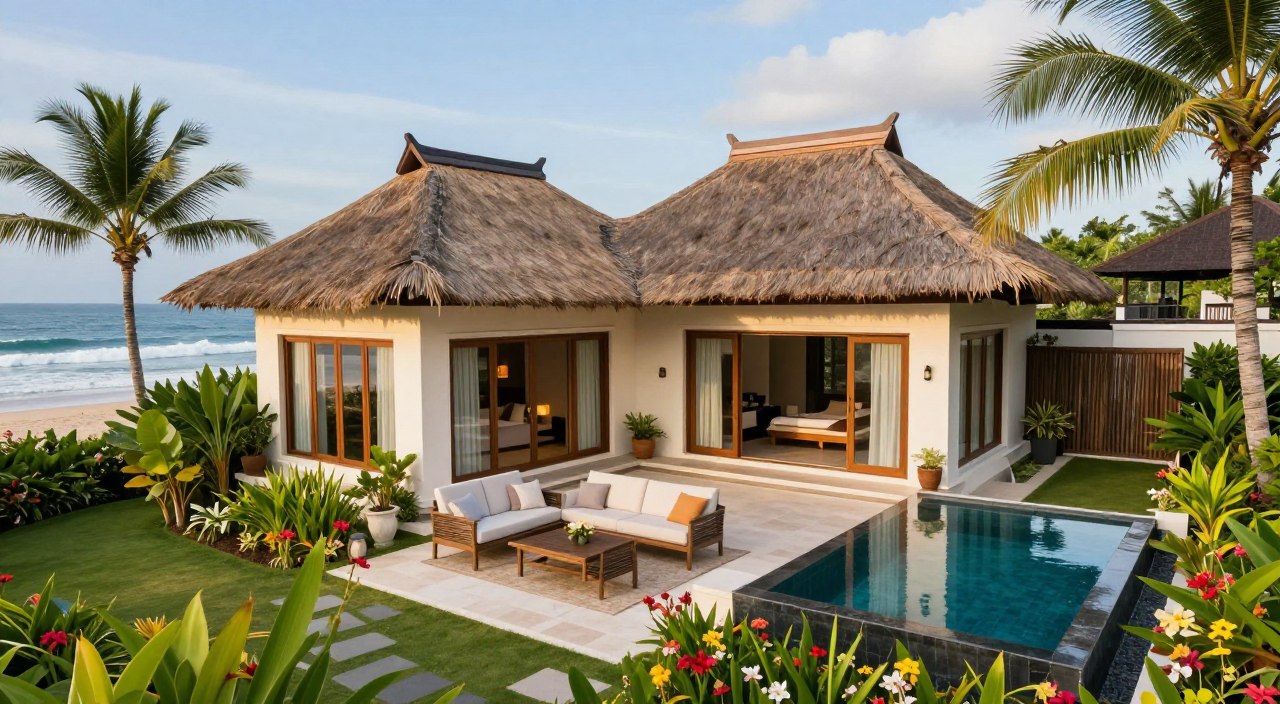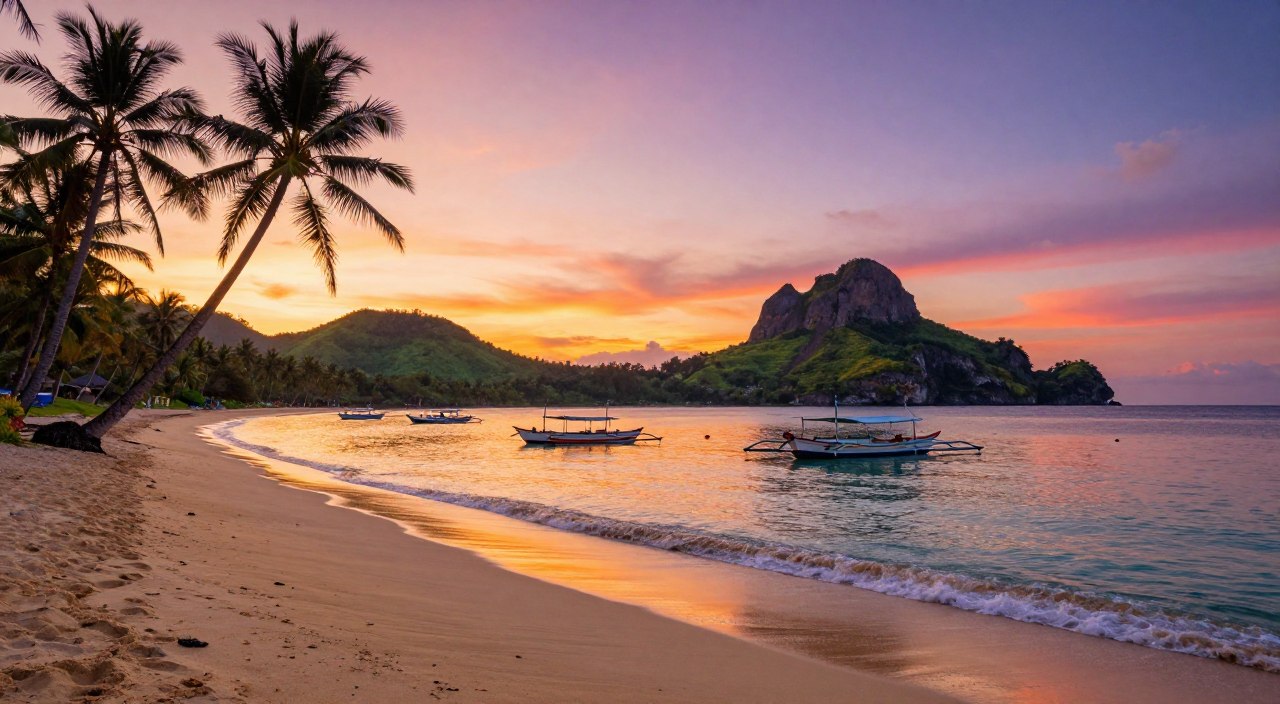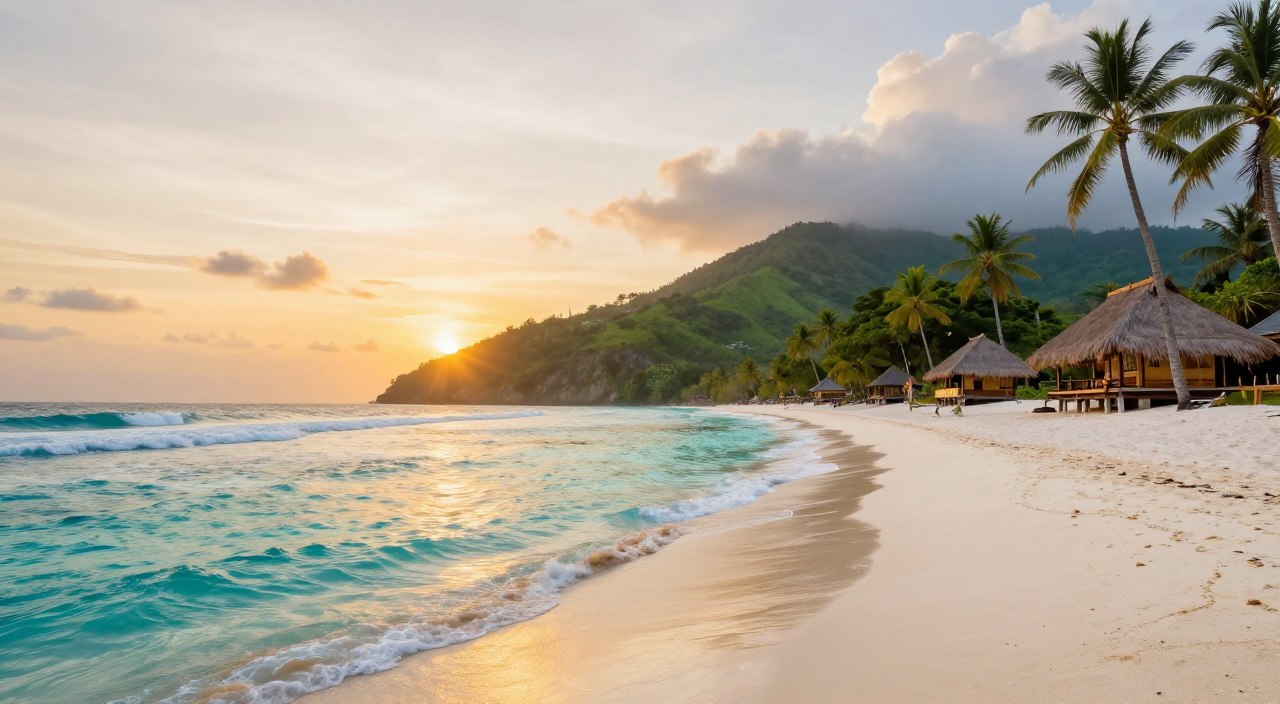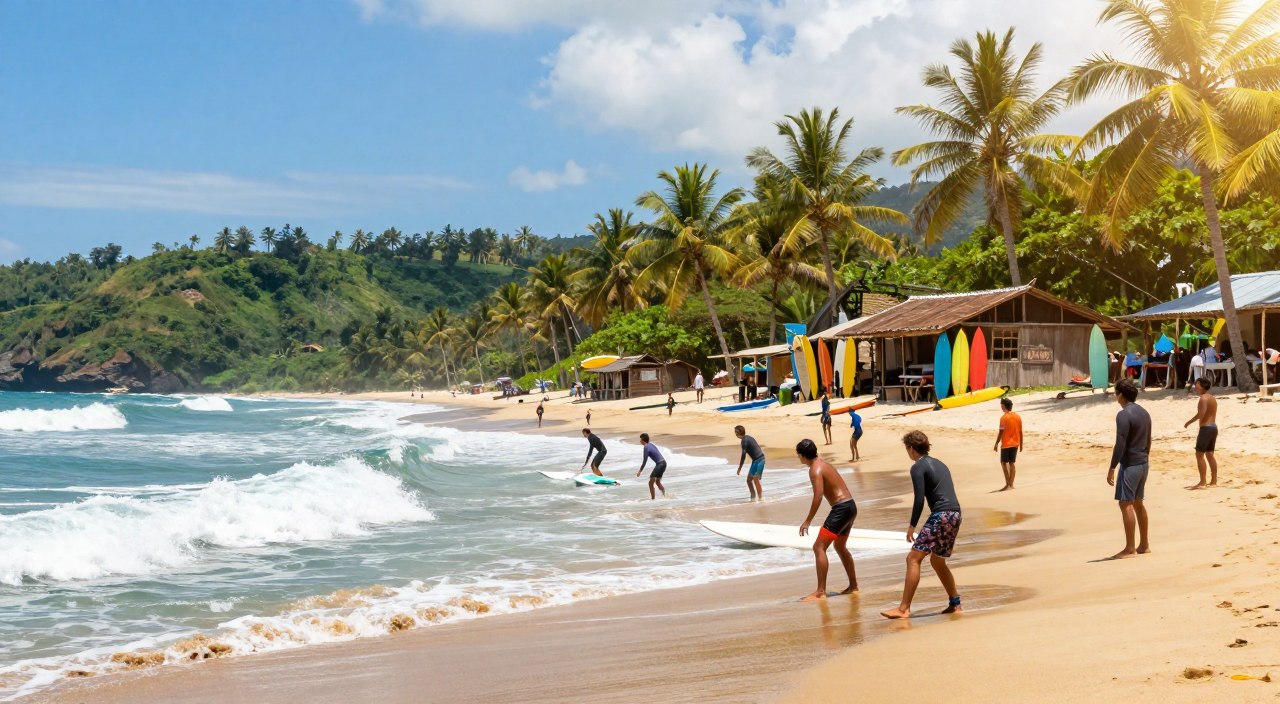
Imagine a holiday where your accommodation is just steps from a world-class break. Every day is designed around the perfect tide. An Indonesia surf camp makes this dream a reality, filled with sunshine.
This archipelago is known for its consistent waves, warm water, and vibrant culture. For Aussie travellers, it’s the ultimate wave-riding adventure.
The idea is simple. You stay at a coastal retreat where everything is taken care of. From board hire and lessons to meals and social plans, it’s all sorted. It’s the best way to dive into the sport and the stunning tropical coastline.
Whether you’re a beginner or an experienced surfer, there’s a place for you. This guide will help you plan your unforgettable trip.
Key Takeaways
- Indonesia is a surfing paradise, known for its reliable waves and warm waters all year.
- A surf camp offers a complete package, including accommodation, meals, equipment, and expert coaching.
- These experiences are for all skill levels, perfect for both beginners and seasoned surfers.
- You’ll also get to experience a rich local culture and explore stunning landscapes.
- It’s a great way to meet people from all over the world.
- Many camps are in prime locations, giving you easy access to famous breaks.
- Choosing the right camp depends on your skill level, preferred islands, and the atmosphere you want.
Discover the Best Surf Spots in Indonesia
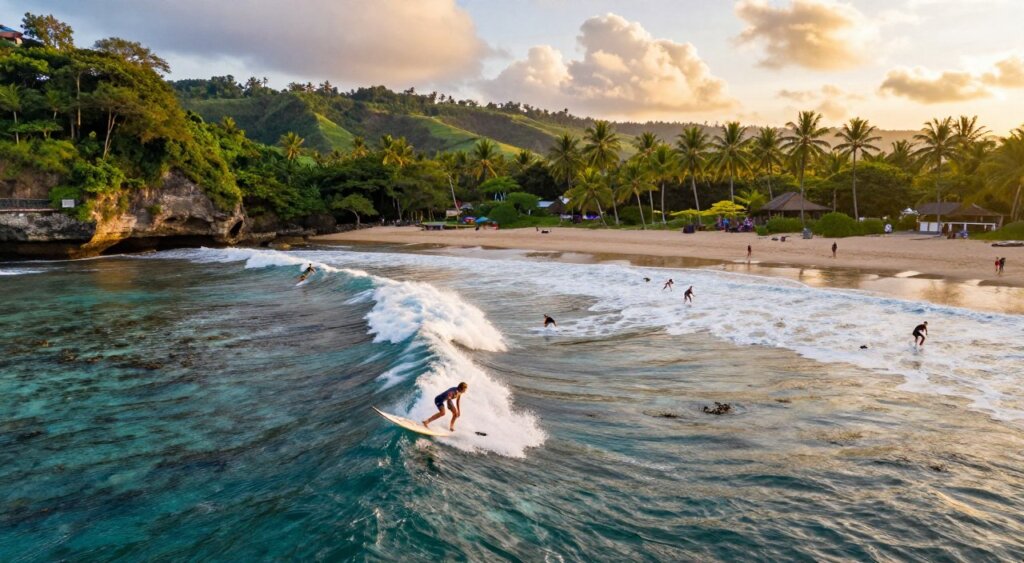
Indonesia’s islands are a paradise for surfers, with amazing waves all over. Bali’s reefs and the Mentawais’ remote spots are just the start. Knowing where to go is the first step to an unforgettable trip.
Top Surfing Locations
Several regions are famous for their surfing. Each has its own unique waves and atmosphere.
Bali’s Bukit Peninsula is at the heart of surfing in Indonesia. Uluwatu offers long, barreling waves in front of a temple. Padang Padang is known for its powerful barrel rides.
Java’s G-Land (Grajagan) is famous for its long, fast waves. It’s a favorite among experienced surfers during the dry season.
The Mentawai Islands are a dream for surfers. With clear water and perfect reef breaks, it’s a place of pristine waves.
Lombok’s Desert Point is one of the longest barrels in the world. It’s a legendary ride that requires skill and respect.
| Location | Famous Break | Best For | Key Feature |
|---|---|---|---|
| Bali, Bukit Peninsula | Uluwatu | All levels (different peaks) | Iconic left-hander, consistent swell |
| Java, Grajagan | G-Land | Advanced to expert surfers | Extremely long, fast, hollow waves |
| Mentawai Islands | HT’s | Intermediate to advanced surfers | Pristine, perfect barrels |
| Lombok, Southwest | Desert Point | Expert surfers only | Legendary long, tubing left |
The Ideal Conditions
Timing is key for surfing in Indonesia. The dry season, from April to October, has offshore winds.
These winds make the waves clean and organised. The wet season has onshore winds but can also have good swells.
Tide is very important. Shallow reefs need the right tide for safety and power. Local knowledge is essential.
“You learn to read the ocean here. The same reef can give you a friendly wall or a terrifying barrel, all based on the tide and swell direction. It’s what keeps it exciting.”
Choosing a Bali surf camp with experienced guides is best. They know the best times to surf.
Why Choose Indonesia for a Surf Camp?
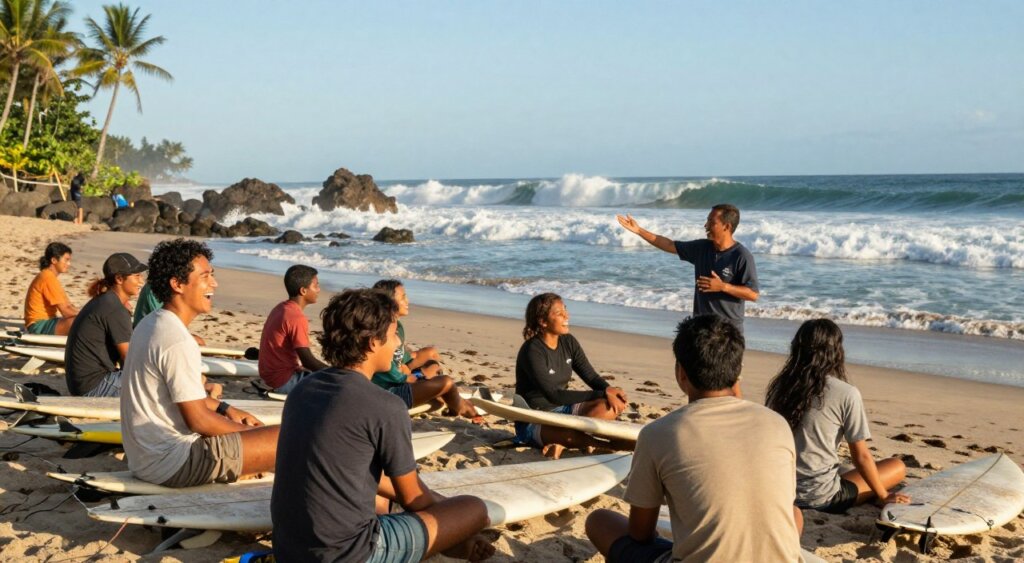
Indonesia’s surf camps offer a unique blend of top-notch surfing and cultural exploration. For Aussies, it’s more than a holiday; it’s a full sensory experience. The reasons to choose Indonesia are many, combining comfort with adventure.
Rich Surf Culture
Indonesia’s ocean connection is deep, forming a lively surf culture. In coastal towns, surfing is a way of life, blending with daily routines and sea respect. You’ll see a mix of old maritime traditions and modern surf vibes.
Local surfers are always ready to share a smile or a surf tip. They invite you to join in for a post-surf nasi goreng. Choosing the best surf camp in Indonesia means diving into this genuine spirit. You learn to surf and understand the place’s soul.
Breathtaking Scenery
Your surf session in Indonesia is set against stunning backdrops. Imagine paddling out with a volcano’s perfect cone in view. Or walking to the beach through green rice terraces.
The beaches are diverse and beautiful. You’ll find white sand beaches and black-sand ones from volcanoes. Every day is a new discovery, making your trip a visual treat. The scenery at a top surf camp in Indonesia adds to the sense of wonder.
Warm Water All Year Round
The warm water is a big plus. You don’t need a thick wetsuit. A rash guard or board shorts are enough for comfort and sun protection.
This makes surfing more enjoyable. You can enter the water easily and stay longer. It reduces fatigue, letting you focus on improving your skills. The warm water all year round makes surfing more comfortable.
| Advantage | Description | Direct Benefit for You |
|---|---|---|
| Immersive Culture | Deep-rooted, respectful surf community blended with local traditions. | Authentic connections and a richer travel experience beyond surfing. |
| Diverse Landscapes | Volcanic cliffs, rice paddies, white & black sand beaches. | Stunning daily backdrops that enhance relaxation and inspiration. |
| Ideal Water Temperature | Consistently warm tropical seas, averaging 26-29°C. | Longer, more comfortable surf sessions without needing a wetsuit. |
| Holistic Experience | Surfing integrated with local cuisine, community, and exploration. | Returns home feeling truly refreshed and culturally enriched. |
These elements make Indonesia’s surf camps the best. It’s a place where surfing is supported by the environment and people. You’ll make memories that last long after the tan fades.
Types of Surf Camps Available
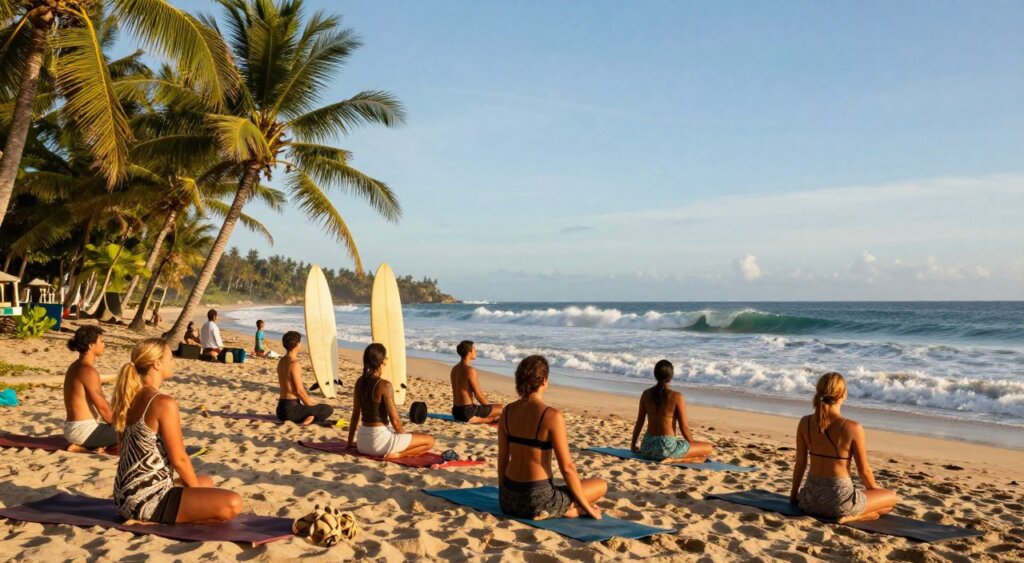
Choosing the right surf camp in Indonesia is about matching your goals with the perfect environment. The archipelago offers a stunning variety of setups. Each is designed for different skill levels and holiday styles.
You can find everything from grassroots coaching hubs to plush wellness resorts. Understanding these options is the first step to booking your ideal surf adventure.
Beginner Camps
If you’re new to the sport, dedicated beginner camps are your best bet. These camps specialise in providing surf lessons in Indonesia in a supportive, safe setting.
You’ll typically find a high instructor-to-student ratio. This ensures you get plenty of personalised feedback and encouragement.
The standard package at these camps includes:
- Soft-top surfboards for stability and safety.
- Lessons at gentle, sandy-bottom breaks.
- Fundamental training on paddling, popping up, and wave selection.
- A strong focus on ocean safety and etiquette.
The vibe is communal and encouraging, perfect for making new friends while you learn.
Advanced Surf Training
For surfers who can already catch waves consistently, advanced camps offer a performance boost. These programs are built around technical coaching and access to more challenging reefs.
Coaches use tools like video analysis to break down your technique. You’ll work on manoeuvres like cutbacks, off-the-lips, and tube riding.
The itinerary often involves guided trips to renowned breaks suited to your level. It’s a fantastic way to safely explore Indonesia’s world-class waves with expert local guidance.
These camps attract motivated surfers looking to refine their style and push their limits.
Luxury Surf Retreats
For those seeking the ultimate blend of adventure and indulgence, Indonesian surf retreats elevate the experience. These high-end options focus on holistic wellness and premium comfort.
You can expect luxurious private villas or boutique hotel accommodation, often right on the beach. Daily surf guiding is complemented by a suite of pampering amenities.
Many luxury retreats seamlessly integrate other wellness practices. Popular surf and yoga retreats in Indonesia offer daily sessions to improve flexibility and balance, both on and off the board.
Additional features often include spa treatments, gourmet local cuisine, and private transfers. It’s surfing without sacrificing any creature comforts.
Essential Gear for Surfing in Indonesia
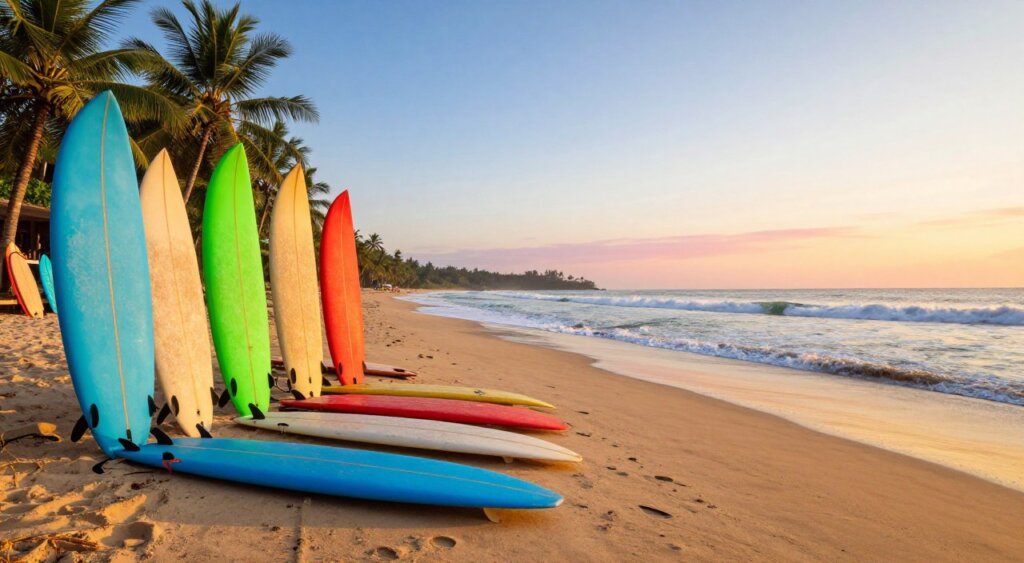
Indonesia’s tropical waves need specific gear for performance and safety. The right kit means more fun and less hassle. This guide helps you pack, rent, and choose the best gear for your surf camp.
Surfboards
Choosing the right surfboard is key in Indonesia. The archipelago has waves for all levels, from beach breaks to reef barrels. Your board choice affects your fun and skill.
Beginners need a larger, stable board. Funboards or longboards are best for catching waves and building confidence. Many surf camps offer these for beginners.
Intermediate and advanced surfers prefer shortboards or hybrid fish shapes. These boards are great for Indonesia’s fast waves. They require skill but offer an exciting ride.
Should you bring your own board or rent? Renting is convenient and saves on airline fees. Most surf camps and shops have a wide range of boards. Bring your own if you have a favourite.
| Board Type | Ideal For | Skill Level | Rent or Bring? |
|---|---|---|---|
| Shortboard | Powerful reef breaks, hollow waves | Intermediate to Advanced | Rent available; bring if you have a favourite |
| Funboard | Beach breaks, learning turns | Beginner to Intermediate | Widely available to rent at camps |
| Longboard | Mellow point breaks, noseriding | All levels | Rent, as they are cumbersome to travel with |
| Fish / Hybrid | Small to medium, fun waves | Intermediate | Rent to try different shapes |
Wetsuits and Rash Guards
Indonesia’s warm waters don’t need thick wetsuits. But, sun and coral protection is essential. A good rash guard is vital, after your board.
Rash guards protect from rash and sunburn. They also guard against reef scrapes. Choose ones with a high UPF rating for sun protection.
For cooler months or early sessions, a spring suit or thin wetsuit is good. It keeps you warm. Getting cold can ruin your day.
Choose a rash guard that fits well but doesn’t restrict you. Long-sleeve versions offer full coverage. This gear boosts your comfort and time in the water.
Sun Safety Products
The Indonesian sun is strong and can burn quickly. Sun safety is key, not an afterthought. Use Australian-grade products for their high standards.
Use reef-safe, water-resistant sunscreen with high SPF. Apply it 30 minutes before and after long sessions. Don’t miss spots like the backs of your knees and ears.
For your face, a zinc stick offers better protection than cream. A broad-brimmed hat is essential for land time. Consider UV-protective clothing for exploring.
Here are the sun safety essentials for your packing list:
- Reef-safe, SPF 50+ sunscreen: Look for brands like Cancer Council or Bondi Sands.
- Zinc stick: For extra protection on high-exposure areas.
- Rash guard with UPF 50+: Your primary defence in the water.
- Broad-brimmed hat and sunglasses: Vital for post-surf beach time.
- Aloe vera gel or after-sun lotion: Just in case.
Packing this gear lets you focus on surfing amazing waves in Indonesia.
The Surfing Season in Indonesia
Indonesia’s surfing scene changes with the seasons. The dry season, from April to October, is perfect for experienced surfers. The wet season, from November to March, is better for beginners.
Choosing the right season is key for a great surfing trip.
Peak Season vs. Off-Peak
The dry season brings strong swells from the Southern Ocean. These swells hit the southern coasts of islands like Bali and Java with great force. It’s the best time for experienced surfers.
Places like Uluwatu and G-Land are famous for their challenging waves. But, these spots can get very crowded.
The wet season offers a different experience. The wind direction changes, bringing rain and northwest winds. The waves are smaller and less consistent.
But, the crowds disappear, making it a more relaxed time. The east coast of Lombok and North Bali have great conditions during this time.
| Feature | Peak Season (Dry) | Off-Peak Season (Wet) |
|---|---|---|
| Months | April to October | November to March |
| Primary Swell Direction | Consistent Southern Ocean swells | Variable; smaller southern & western swells |
| Typical Wave Size | Large to very large (4-12+ ft) | Small to medium (2-5 ft) |
| Crowd Levels | High at famous breaks | Low to moderate |
| Best For | Advanced surfers, epic wave chasers | Beginners, intermediates, crowd-averse surfers |
Best Times for Beginners
The wet season is great for beginners. The smaller waves are easier to learn on. You can focus on basic skills without feeling overwhelmed.
Places like Kuta Beach in Bali and Gerupuk Bay in Lombok have gentle waves. Many surf camps offer lessons during the off-peak months.
For absolute novices, the heart of the wet season is ideal. Always check with your surf camp for the best spot for your skill level.
What to Expect from Your Surf Camp Experience
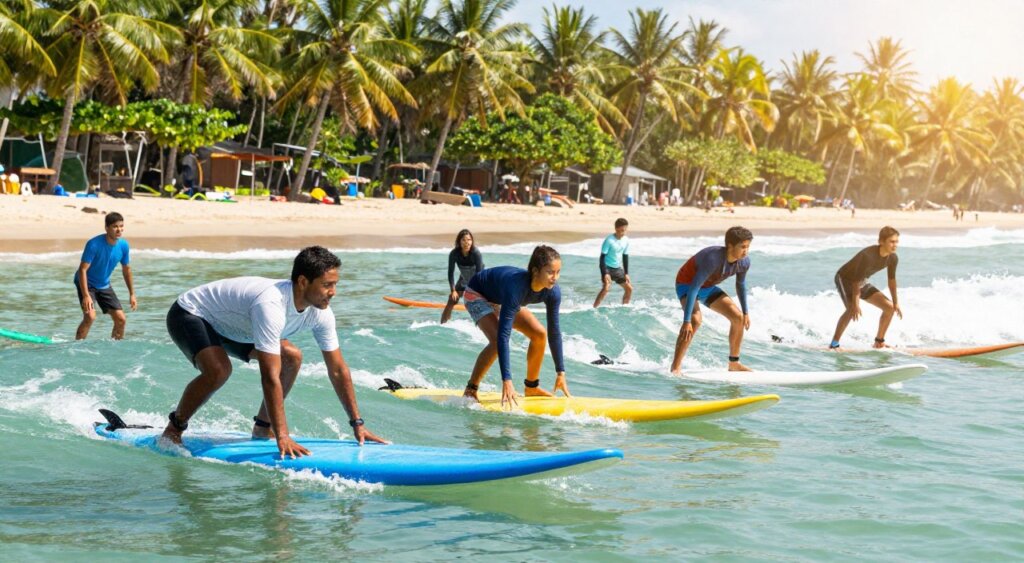
A surf camp in Indonesia is a mix of learning, making friends, and trying new things. You’ll grow on the board and make connections. Knowing what to expect helps you enjoy every moment.
Daily Surf Sessions
Your days start with a briefing over coffee or tea. Instructors talk about the day’s surf lessons in Indonesia.
Then, you head to a spot that fits your skill level. Transport is usually provided. You’ll have two surf sessions, with a break for lunch.
Coaches give feedback in the water and review videos on land. This helps you learn fast. Afternoons are for rest or extra practice.
This schedule lets you enjoy the waves without getting tired. It’s a great mix of effort and rest.
Group Dynamics
The camp is all about making friends. You’ll meet people from all over. Everyone wants to surf and have fun.
Friendship grows quickly. You support each other in the water and share stories. Beginners often get tips from more experienced surfers.
The friends you make in the lineup can last a lifetime. They’re united by sun, salt, and the love of surfing.
Evenings are for group dinners, bonfires, or just talking. This makes your surfing holiday very social.
Local Cuisine
Indonesian food is a big surprise. Camps offer fresh, local meals. You’ll eat dishes you’ve never tried before.
Expect to try:
- Nasi Goreng: The famous fried rice, great for breakfast or lunch.
- Fresh Seafood: Grilled fish and prawns from the local catch.
- Satay: Skewers of meat with a tasty peanut sauce.
- Gado-Gado: A vegetable salad with peanut dressing.
Camps can handle different diets, like vegetarian or vegan. Sharing meals is part of the cultural experience. It makes your surf camp experience even better.
In short, expect a mix of surfing, socialising, and great food. This combination is why people keep coming back to Indonesia.
Surf Camp Packages Explained
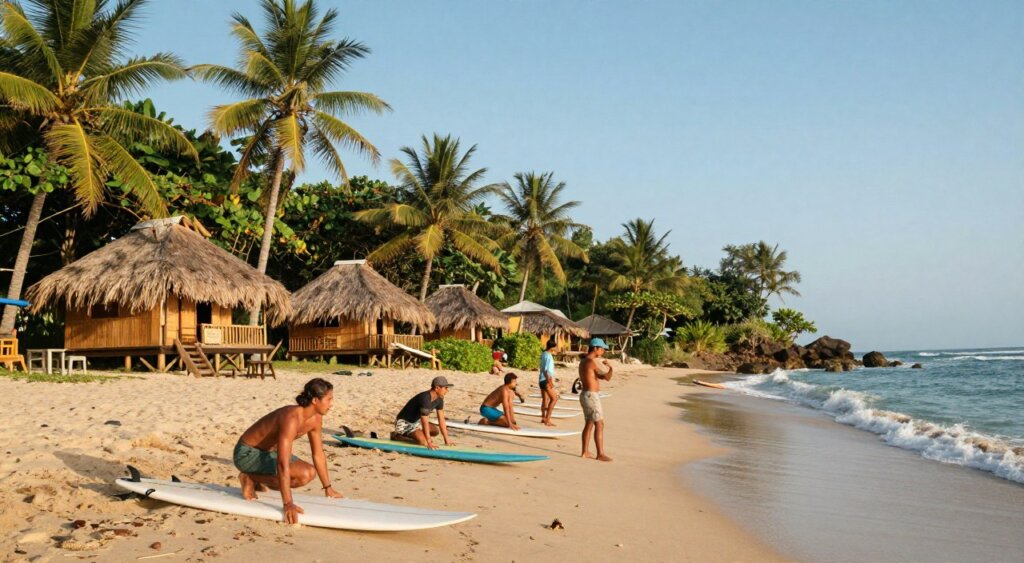
Choosing the right surf camp package is key to enjoying your time in the waves. There are three main types for your Indonesia surfing holidays. Knowing what each offers helps you make a confident choice and avoid surprises.
All-Inclusive Packages
An all-inclusive package is the ultimate hassle-free choice. It includes everything you need in one price. This lets you focus on surfing and relaxing without worrying about the details.
These packages cover airport transfers, accommodation right on the beach, and all meals. You also get guided surf sessions, board hire, and sometimes a welcome pack. Some even include extras like yoga or island tours.
This option is perfect for those who want a seamless, premium experience. It’s great for first-timers or anyone looking for a hassle-free holiday. You’ll know the total cost before you leave.
Customizable Options
Many camps offer a modular or à la carte approach. This is ideal if you want a core surf experience but need flexibility. You can tailor your trip to fit your interests and schedule.
Start with a base package that includes accommodation and maybe breakfast. Then, add on elements like private coaching, photography, or wellness activities. This model gives you control over your trip.
You can also upgrade your room or add extra meals. This is great for groups or travellers who want to explore other activities. It offers flexibility and control.
Budget-Friendly Choices
For those on a tight budget, basic or budget packages make Indonesia surfing holidays affordable. These packages focus on the essentials: surf guiding and a place to sleep.
Accommodation is often in a shared dorm or a simple local homestay. Meals might not be included, but you can cook in a communal kitchen or eat at local warungs. Surf coaching is in a group setting, and board hire is for a few hours a day.
This option is perfect for backpackers, solo travellers, or anyone who loves surfing more than luxury. It’s a social, no-frills way to dive into surf culture.
| Package Type | Typical Inclusions | Best For | Average Cost Per Week (AUD) |
|---|---|---|---|
| All-Inclusive | Transfers, meals, coaching, board hire, accommodation, some activities | Travellers seeking convenience & a premium, hassle-free holiday | $1,200 – $2,500+ |
| Customizable | Base accommodation, breakfast, core surf sessions; add-ons extra | Those wanting flexibility to tailor their trip and control spending | $700 – $1,800 (base + add-ons) |
| Budget-Friendly | Shared accommodation, group coaching, limited board hire | Backpackers and surfers prioritising the wave experience over luxury | $400 – $900 |
The best package for your Indonesia surfing holidays depends on your priorities. Whether you want relaxation, flexibility, or to save money, there’s a perfect option. Always check what’s included before booking.
Accommodations Near Surf Camps
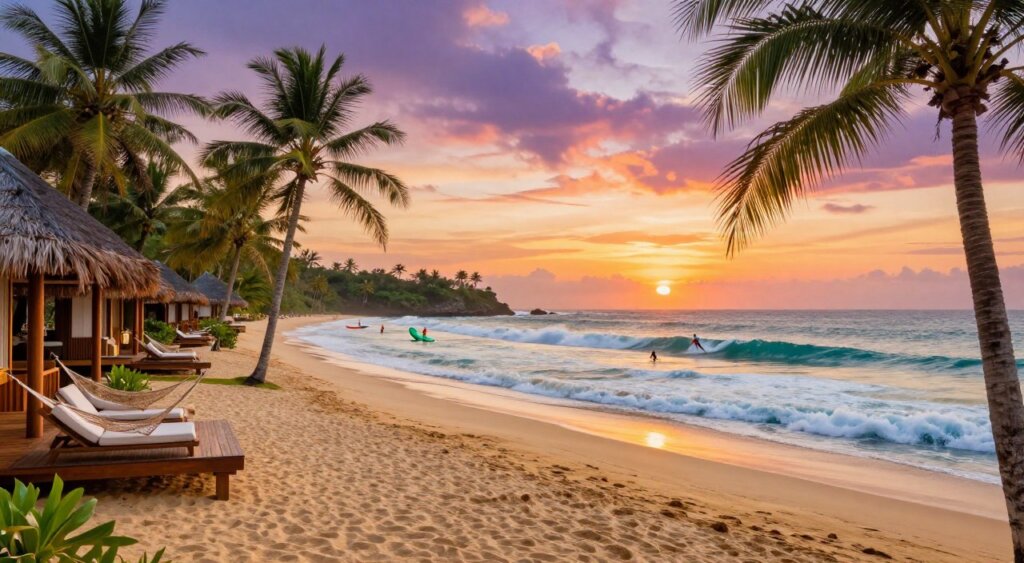
Your choice of accommodation can make a big difference in your surf trip. The right place to stay adds comfort, culture, and convenience to your adventure. Indonesia offers a wide range of options near the best breaks.
You can find everything from plush resorts to simple, social hostels. Each type offers a different vibe and set of benefits. Think about what matters most to you after a long day in the surf.
Beachfront Lodging
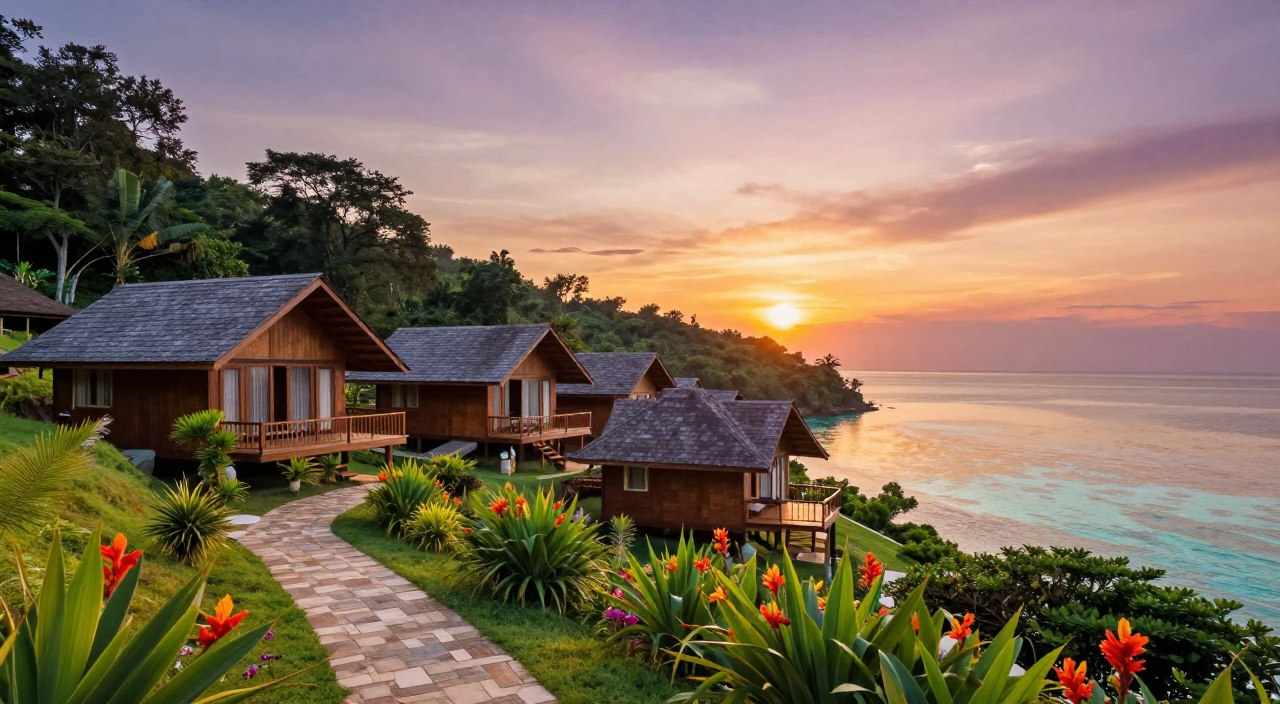
For those seeking premium comfort, nothing beats staying right on the sand. Beachfront lodging offers instant ocean access and stunning views. You can often roll out of bed and be on your board within minutes.
These properties are frequently part of luxury surf resorts in Indonesia. They provide high-end amenities like pools, spas, and fine dining. It’s the perfect setup for surfers who want to indulge and relax in style.
Staying here means your surf gear is always close by. Many also offer secure board storage and rinse areas. The service is typically top-notch, catering to your every need.
Hostels and Budget Stays
Backpackers and solo travellers often prefer hostels for their social atmosphere. These stays are incredibly affordable and full of like-minded people. You will make new friends from all over the world in the common areas.
Most hostels near surf camps offer dorm rooms or basic private rooms. Shared kitchens, lounges, and tour desks are standard. It’s a fantastic way to stretch your travel budget further.
Many budget places organise group activities and surf trips. This creates a ready-made community for your holiday. You get a fun, vibrant base without spending a fortune.
Unique Homestays
For a deep cultural experience, consider booking a local homestay. You will live with an Indonesian family in their home. This offers a genuine insight into daily life and traditions.
Homestays are often in traditional houses or village settings. Your hosts might prepare delicious homemade meals for you. It’s a warm, authentic way to connect with the local culture.
These stays are usually moderately priced and very welcoming. You learn customs and stories you would never find in a guidebook. It adds a rich, personal layer to your surfing journey.
| Type | Price Range | Best For | Atmosphere | Key Features |
|---|---|---|---|---|
| Beachfront Lodging | High | Luxury seekers, couples, those wanting convenience | Relaxed, exclusive, pampered | Direct beach access, pools, spas, often part of luxury surf resorts in Indonesia |
| Hostels & Budget Stays | Low | Solo travellers, backpackers, social butterflies | Energetic, communal, fun | Shared facilities, group activities, tour booking, cheap rates |
| Unique Homestays | Medium | Culture enthusiasts, adventurous travellers, families | Authentic, warm, educational | Local hosts, home-cooked meals, cultural immersion, traditional setting |
Your accommodation shapes your downtime and overall trip memory. Whether you choose luxury, budget, or culture, you will find a perfect fit. Consider what balance of comfort, cost, and experience works for your surf camp holiday.
Transportation and Travel Tips
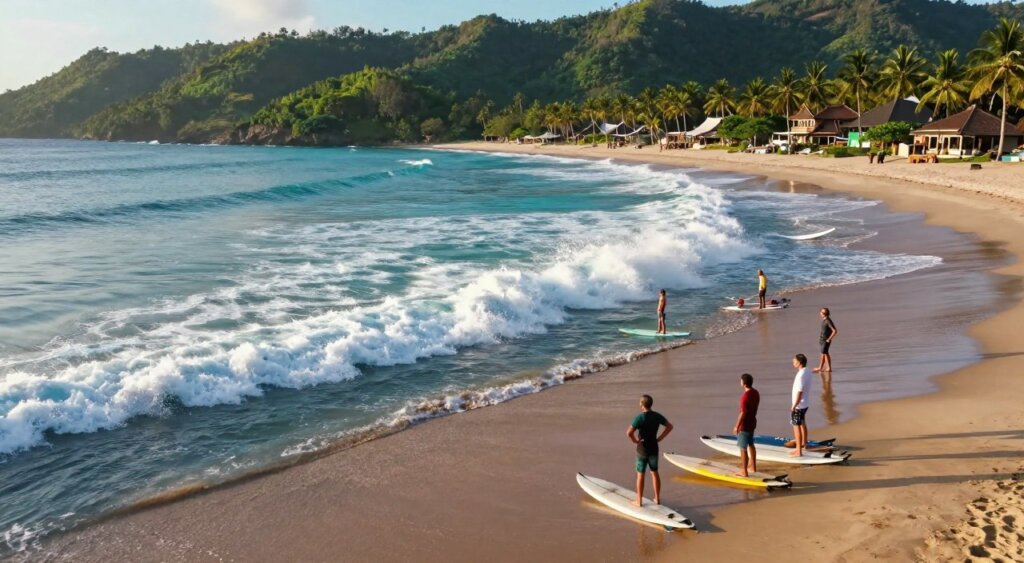
Getting to Indonesia’s surf spots is part of the adventure. Knowing how to travel smart helps you spend more time surfing. This guide helps Australian surfers plan their trip, from flights to scooters.
Getting to Indonesia
The journey starts at Denpasar’s Ngurah Rai Airport in Bali or Jakarta’s Soekarno-Hatta Airport. These airports are key for surf camps in various locations. Australian passport holders get easy entry with a Visa on Arrival or e-VOA online.
Book flights early for the best prices, as peak season is April-October. Make sure your passport is valid for at least six months.
Local Transport Options
After landing, you’ll need to choose how to get around. Each option has its pros and cons.
- Hiring a Scooter: Scooters are popular for their freedom and cost. Always wear a helmet and check insurance. Be careful on busy roads.
- Ride-Hailing Apps: Gojek and Grab are great for short trips and food delivery. Payment is usually through the app.
- Chartering Private Drivers: For groups or long trips, private drivers are comfortable and stress-free. Negotiate day rates and get a local guide.
- Taking Local Ferries: Ferries or fast boats are needed for island chains like the Mentawais. Public ferries are cheaper but slower. Fast boats offer direct services.
Navigating Around Surf Spots
Finding your way to the surf involves more than a map. Knowing the local environment and customs is key.
Learn to read tide charts and swell forecasts. Many Indonesian breaks are tide-sensitive. Local surf shops and guides are great resources.
Respect local access rules and customs. Some spots may require a donation or have specific protocols. A friendly attitude helps.
Hiring a local guide is valuable for finding hidden gems and navigating reefs. They know the safest paths and best tides. This can lead to unforgettable surfs.
Lastly, pack an adventurous spirit and flexibility. Road conditions and ferry schedules can change. Extra time in your plans makes travel part of the adventure, not a stress.
Meeting Fellow Surf Enhusiasts
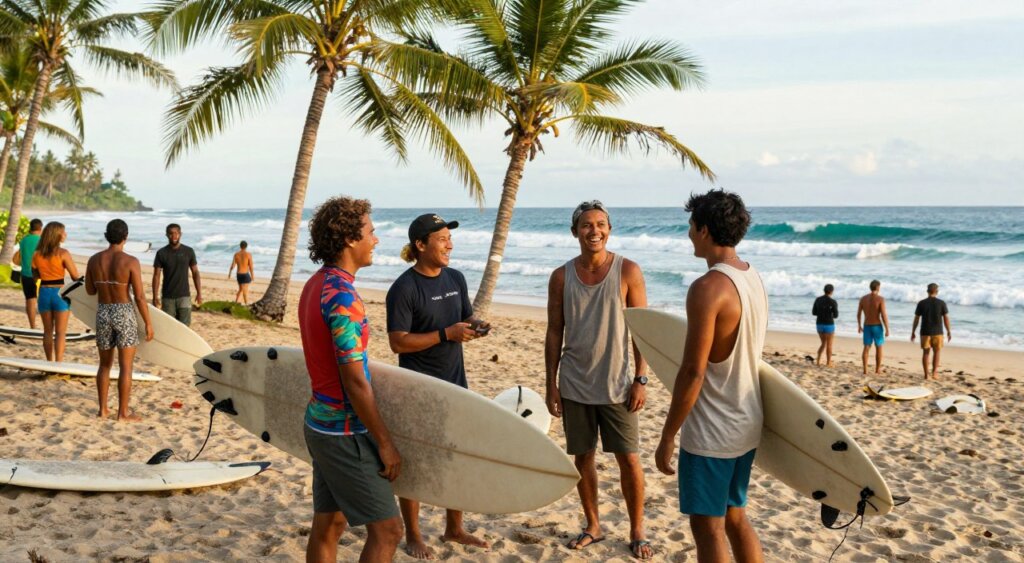
From the moment you paddle out together, a surf camp in Indonesia becomes more than just a holiday. It’s a social hub where lifelong connections are forged. You are instantly part of a tribe united by a love for the ocean and the pursuit of the perfect wave.
This environment naturally breaks down barriers. It makes it incredibly easy to meet like-minded travellers from across the globe.
Building Friendships
The shared passion for surfing is a powerful bond. Cheering each other on after a great ride or laughing about a wipeout creates instant camaraderie. These moments of shared stoke form the foundation of strong, genuine friendships.
Communal living at the camp accelerates this process. Sharing meals, swapping travel stories, and planning the next day’s surf sessions foster a tight-knit community. You’re not just sharing a room or a bungalow; you’re sharing an unforgettable experience with people who understand the surf stoke.
Group Activities and Events
Beyond the surf, camps organise specific events designed to bring everyone together. These group activities are perfect for relaxing, exploring, and strengthening the bonds formed in the water.
They provide a balanced rhythm to your holiday, ensuring your time is filled with fun and social interaction. Here’s a look at some common events and their social benefits:
| Activity Type | Description | Social Benefit |
|---|---|---|
| Group Dinners & BBQs | Shared meals featuring local Indonesian cuisine or classic beach barbecues. | Encourages casual conversation and cultural exchange in a relaxed setting. |
| Sunset Beach Sessions | Gathering on the sand as the sun goes down, often with music or games. | Creates a reflective, communal vibe perfect for deeper chats and new connections. |
| Island Exploration Trips | Organised excursions to nearby waterfalls, temples, or snorkelling spots. | Builds teamwork and shared adventure memories away from the surf break. |
| Video Analysis Nights | Reviewing footage of the day’s surfing with instructors and fellow campers. | Fosters a supportive learning environment and lots of shared encouragement. |
Participating in these events ensures you leave with more than improved surfing skills. You depart with a global network of friends, all connected by the unique experience of an Indonesian surf adventure.
Surfing Etiquette and Safety
Before you hit the waves in Indonesia, it’s key to know the rules of surfing etiquette and safety. A great surf trip is all about respect—both for the local community and the ocean. By following these guidelines, you’ll have a blast, stay safe, and leave a good impression.
Understanding Local Customs
Indonesia has rich cultural and religious traditions. Showing respect off the beach is as important as in the water. When not surfing, dress modestly. Wear clothes that cover your shoulders and knees when visiting villages, local eateries, or markets.
Temple ceremonies and daily offerings are sacred. Always watch from a distance, never walk in front of people praying, and never touch the offerings. If unsure, follow the locals or ask your surf camp guides.
Supporting the local economy shows respect. Eat at family-run eateries, buy supplies from village shops, and consider hiring local boat drivers. This helps the community that welcomes you. A simple smile and learning a few Bahasa Indonesia phrases like “terima kasih” (thank you) go a long way.
The waves are a gift, but the welcome is a privilege. Surfers who respect our culture are always welcome back.
Safety Rules in the Water
The ocean demands caution. Knowing basic surf etiquette prevents accidents and conflicts. The most important rule is the right of way. The surfer closest to the wave’s peak has priority. “Dropping in” on someone else’s wave is a major faux pas and can be dangerous.
Always surf within your ability. Indonesian waves can be powerful and break over shallow reef. If you’re a beginner, stick to the designated learner breaks. Don’t let ego push you into a situation you can’t handle.
Learn to recognise rips and currents. A rip current is a channel of water flowing out to sea. It can look deceptively calm. If caught in one, don’t panic or paddle directly against it. Paddle parallel to the shore until you’re out of the flow, then head back in.
Reef breaks are common here. They offer great waves but present specific hazards. Always check the tide—some reefs are only surfable at certain tides. Know how to fall safely: if you’re going down, try to fall flat to spread the impact, and protect your head with your arms.
| Rule | What to Do | Key Reason |
|---|---|---|
| Right of Way | The surfer closest to the breaking part of the wave has priority. | Prevents collisions and ensures everyone gets a turn. |
| Don’t Drop In | Never take off on a wave if someone else is already riding it. | Respects other surfers and maintains order in the lineup. |
| Control Your Board | Always use a leash and never let your board fly loose. | Protects other surfers around you from injury. |
| Respect the Locals | Observe the lineup, wait your turn, and be friendly. | You are a guest in their surfing home. |
| Know Your Exit | Identify safe channels in and out of the water before paddling out. | Avoids dangerous rocks, reefs, or rips when tired. |
Lastly, use common sense. Sun protection is a safety rule too—dehydration and sunstroke can ruin your trip. Stay hydrated, reapply sunscreen, and listen to your body. By blending cultural awareness with solid safety rules, your Indonesian surf adventure will be both rewarding and secure.
Capturing Your Surfing Memories
From epic rides to sunset beach hangs, capturing your surfing memories lets you relive the journey long after you’ve dried off. A few great shots or videos can transport you right back to the sound of the waves and the feeling of pure stoke. This part of your trip is all about preserving those moments without letting the camera get in the way of the actual fun.
Photography Tips
Getting the perfect surf shot requires a bit of planning. The right gear makes all the difference. An action camera like a GoPro is a surfer’s best mate. It’s small, tough, and perfect for mounting on your board or your head.
For shots from the beach or cliff, a camera with a long lens is key. This lets you zoom in on the action from a safe distance. Always use a waterproof case if you’re taking your good camera near the water. Salt spray can ruin electronics fast.
Think about your angles. Shooting from up on a cliff gives a stunning perspective of the whole break. From the beach, you can capture the surfer’s expression as they come out of a barrel. The golden hours—just after sunrise and before sunset—offer the most beautiful light.
If you want pro-level shots of yourself, consider hiring a local surf photographer. They know the breaks, the light, and how to position themselves for the best shots. It’s an investment that gives you amazing high-quality memories.
| Camera Type | Best For | Key Feature | Consideration |
|---|---|---|---|
| Action Camera (GoPro) | POV shots, on-board video | Fully waterproof, wide-angle | Short battery life, small screen |
| DSLR with Telephoto Lens | High-quality stilts from land | Superior image quality, zoom | Bulky, needs protection from elements |
| High-End Smartphone | Quick snaps, social media clips | Convenient, always with you | Risk of water damage, limited zoom |
| Compact Waterproof Camera | All-round versatility | Ready for snorkelling and surf | Image quality less than DSLR |
Sharing Your Experience on Social Media
Sharing your adventure online lets friends and family ride the wave with you. Doing it respectfully is important. Always ask for permission before posting photos of other people from your camp, specially locals.
Use relevant hashtags to connect with the global surf community. Popular ones include #indonesiasurf, #balisurf, and #surfcamp. Tagging your specific location, like the surf camp or the break, helps others discover these amazing spots.
If you use a photo taken by a hired photographer or the camp, always give them credit. A simple tag or mention in the caption is the right thing to do. It supports local businesses and artists.
Remember, the most important moments often happen when the phone is away. Be present. Feel the sun, taste the salt, and chat with your new mates over a Bintang. You can always post the photos later.
Sharing your story isn’t just about showing off. It’s about inspiring others to seek their own adventure and celebrating the incredible experience you’ve had. Just keep the balance between living the moment and documenting it.
The Health Benefits of Surfing
Surfing is more than a sport; it’s a full-body therapy session. It strengthens muscles, calms the mind, and reconnects you with nature. While you’re focused on catching the perfect wave, your body and mind are receiving profound benefits.
This holistic approach to wellness makes an Indonesia surf camp experience valuable. It’s perfect for modern Australians seeking adventure and rejuvenation.
Physical Fitness
Surfing delivers a workout that engages multiple muscle groups. The constant paddling builds upper body strength, in your shoulders, back, and arms. When you pop up on your board, you’re engaging your core muscles, legs, and glutes in a powerful movement.
This movement improves overall stability. The sport naturally develops cardiovascular endurance. Paddling against currents and waves gets your heart pumping, similar to interval training.
This varied intensity improves your heart health and lung capacity over time. Balance and flexibility see significant improvements through regular surfing. Standing on a moving board requires constant micro-adjustments that strengthen your stabiliser muscles.
The twisting motions involved in turning and manoeuvring waves enhance spinal mobility and joint flexibility. Here are the key physical benefits you can expect:
- Core strength development from balancing and popping up
- Improved cardiovascular health through sustained paddling
- Enhanced balance and coordination from wave riding
- Full-body muscle engagement during different surfing phases
- Increased flexibility from dynamic movements on the board
Stress Relief
The mental health benefits of surfing are equally impressive. Being in the ocean creates a natural meditative state. The rhythm of the waves, the sound of water, and the focus required to catch waves all contribute to mindfulness.
This present-moment awareness helps quiet mental chatter and reduces anxiety. Physical exercise in natural settings triggers the release of endorphins and dopamine. These “feel-good” chemicals naturally elevate your mood and combat stress.
The combination of sunlight, salt water, and physical activity creates a powerful antidepressant effect. Many surfers describe this as “ocean therapy.” Waiting for waves between sets teaches patience and presence. This forced downtime allows your mind to reset from constant stimulation.
The digital detox aspect of being away from screens and immersed in nature further enhances mental clarity and reduces modern stress factors. The table below summarises the health benefits you gain from regular surfing:
| Benefit Type | Primary Effects | Secondary Gains | Frequency for Results |
|---|---|---|---|
| Cardiovascular | Improved heart health, better circulation | Increased stamina, better sleep patterns | 2-3 sessions weekly |
| Muscular Strength | Core development, upper body tone | Better posture, injury prevention | Regular practice |
| Mental Wellness | Stress reduction, mood elevation | Increased focus, better emotional regulation | Consistent exposure |
| Balance & Coordination | Improved stability, faster reflexes | Enhanced spatial awareness, confidence | Progressive improvement |
| Social Connection | Community building, shared experiences | Reduced loneliness, motivation support | Group sessions |
These health benefits accumulate with regular practice. What begins as holiday activity can transform into a lifelong wellness practice. The combination of physical exertion and mental relaxation creates a balanced approach to health.
Surfing teaches valuable lessons about resilience and adaptation. Each wave presents different challenges, requiring quick thinking and physical adjustment. This mental flexibility translates to better stress management in daily life.
The sense of accomplishment from mastering new skills boosts self-esteem and confidence beyond the water. The ocean has a way of putting everything in perspective, as many seasoned surfers will tell you. This natural reset button is perhaps surfing’s greatest gift to modern wellbeing.
Conclusion: Create Unforgettable Memories at an Indonesia Surf Camp
An Indonesia surf camp is more than just a trip. It’s a mix of exciting waves and cultural experiences. You’ll dive into warm waters, meet new friends, and face the ocean’s power.
Whether you’re in Bali or the Mentawai Islands, there’s a camp for you. It’s a chance to make lasting friendships and feel a deep sense of accomplishment. The beautiful sunsets and lively local culture will become part of your story.
Your adventure at an Indonesia surf camp is waiting. It’s a chance to swap daily life for the thrill of the ocean and stunning views. Start planning your trip for a journey filled with unforgettable memories.