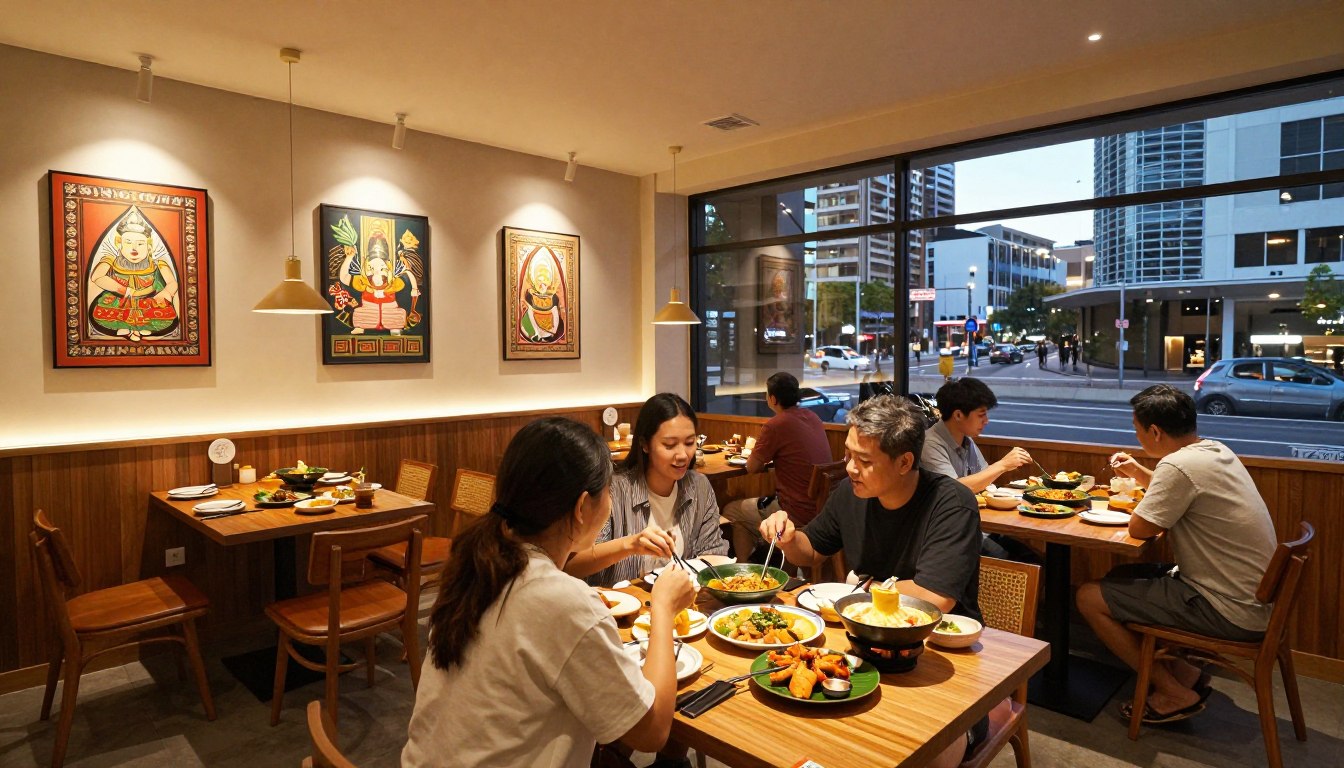
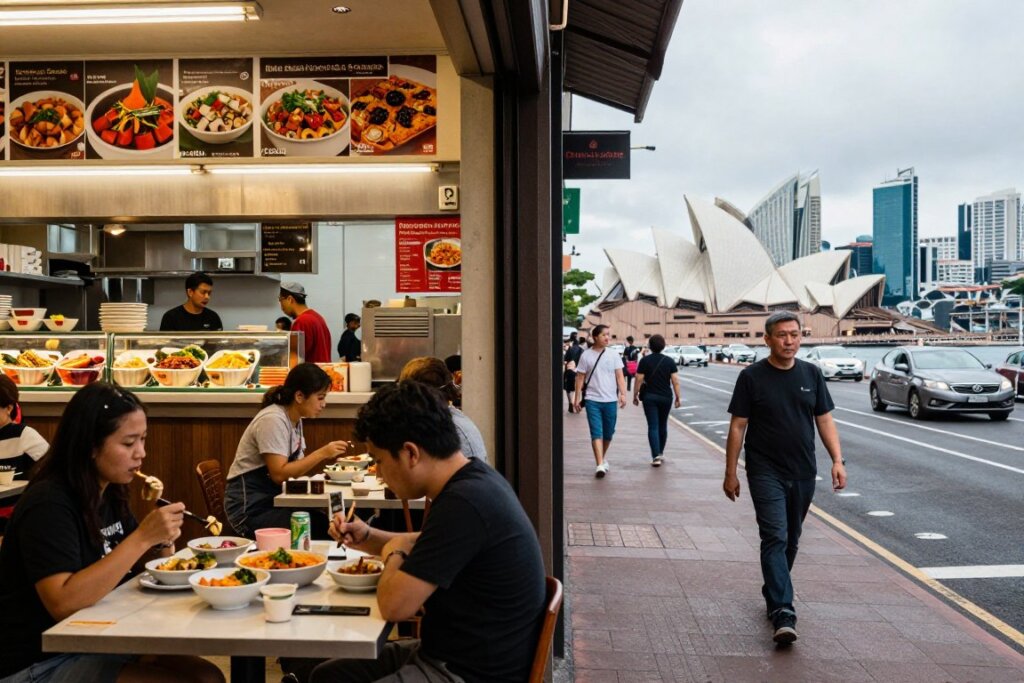
Sydney’s Indonesian dining scene has grown remarkably over the past decade. What started with a handful of family-run restaurants has blossomed into a diverse collection of venues serving everything from traditional Padang cuisine to modern Indonesian fusion.
This guide reveals the city’s finest Indonesian restaurants, from authentic nasi Padang bungkus spots in Haymarket to modern Indonesian dining experiences on Clarence Street. You’ll discover what makes each venue special, what dishes to order first, and how Sydney’s Indonesian food scene connects to the broader story of Southeast Asian cuisine in Australia.
Why Sydney Has Fallen in Love with Indonesian Food
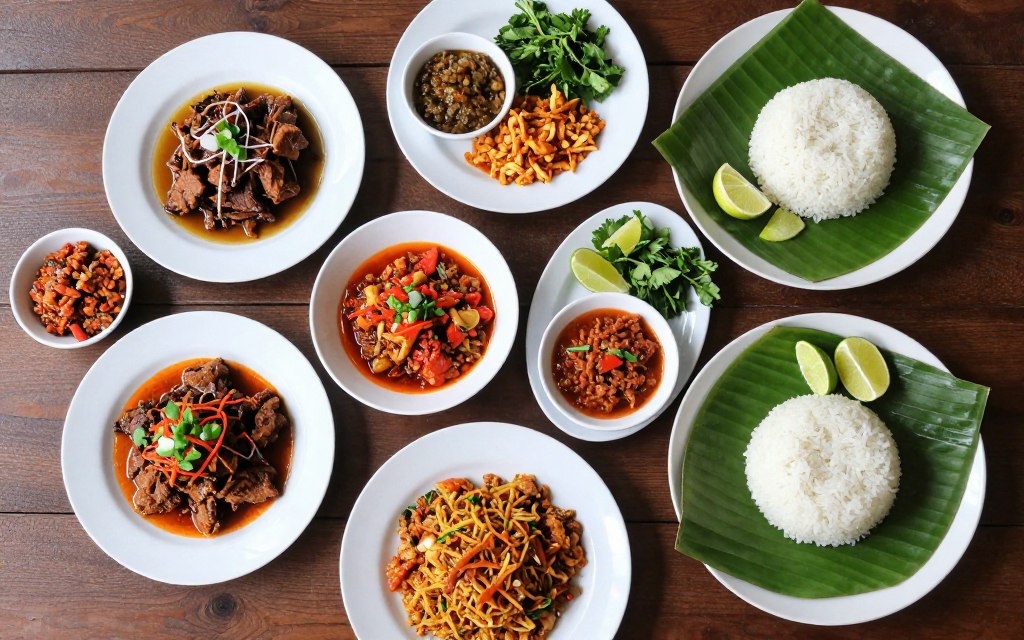
Indonesian cuisine has captured Sydney’s heart through its bold flavors and incredible diversity. The city’s growing Indonesian community, which numbers over 47,000 people according to the 2021 Australian Census, has created demand for authentic restaurants that serve the food they grew up eating.
Beyond the diaspora, Australian diners have discovered what makes Indonesian food special. The balance of sweet, salty, sour, and spicy in a single dish represents a cuisine refined over centuries. The use of fresh ingredients like lemongrass, galangal, and kaffir lime creates flavor profiles distinct from neighboring Thai or Vietnamese cooking.
Sydney specifically offers advantages for Indonesian dining. The city’s proximity to Southeast Asia means fresher ingredients and stronger cultural connections. Many restaurant owners maintain direct relationships with suppliers in Indonesia, ensuring authentic spice blends and hard-to-find ingredients reach Australian kitchens.
The affordability factor matters too. While Sydney’s dining scene can be expensive, Indonesian restaurants offer remarkable value. A filling meal with beef rendang, rice, and vegetables often costs less than a basic sandwich at trendy CBD cafes. This combination of authenticity, flavor, and value explains why Indonesian venues consistently earn loyal followings.
The Best Indonesian Restaurants in Sydney CBD and Beyond
The search for an outstanding Indonesian restaurant Sydney offers leads to these exceptional venues. Each brings something unique to the table, from family recipes passed down through generations to modern interpretations of classic dishes.
Aroma of Indonesia: Modern Indonesian Dining on Clarence Street
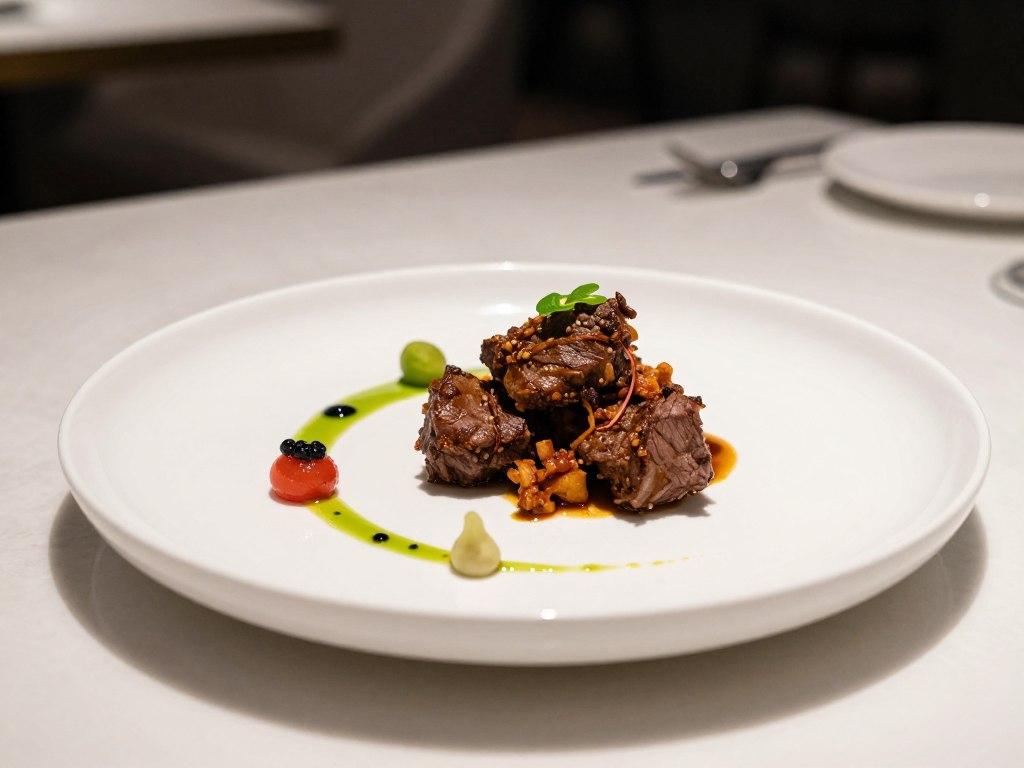
Located in the heart of the Sydney central business district, this modern Indonesian dining Sydney venue elevates traditional recipes without losing their soul. The menu showcases dishes from across the archipelago, with particular attention to proper spice balance and presentation.
Their signature beef rendang slow-cooks for hours until the meat becomes impossibly tender. The curry coating develops a caramelized crust that delivers intense coconut and spice flavors. First-time visitors should try the satay chicken with house-made peanut sauce that balances sweetness with subtle chili pepper heat.
The atmosphere leans contemporary rather than traditional. Clean lines, comfortable seating, and professional service make this suitable for business lunches or special dinners. The location on Clarence Street places it within easy walking distance of major offices and hotels.
Best For: Business lunches, modern takes on classics, CBD convenience
Medan Ciak: Authentic Indonesian Street Food in the CBD and Mascot
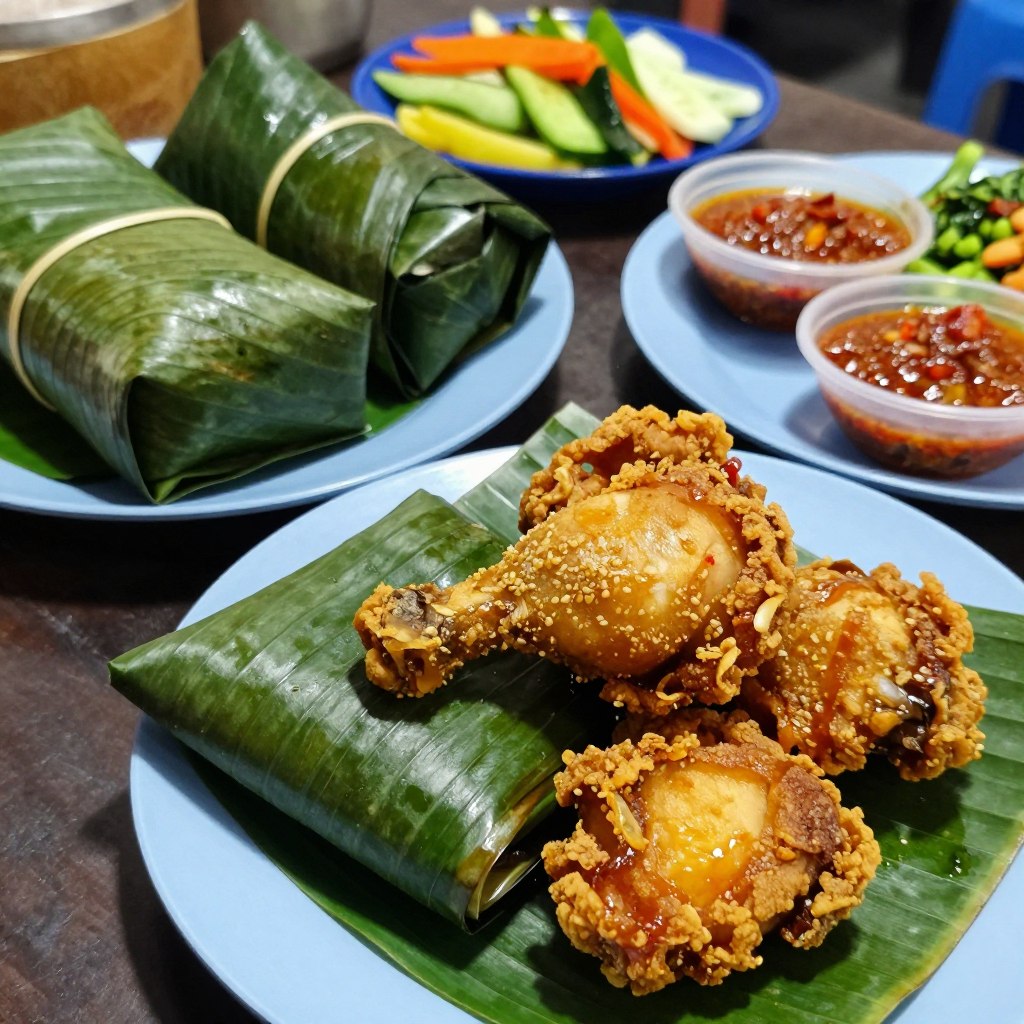
This authentic Indonesian restaurant Sydney CBD favorite operates locations in both the city center and Mascot. Medan Ciak brings genuine Indonesian street food Sydney culture to Australia, with recipes directly from North Sumatra’s capital city.
The noodle dishes here rival anything in Medan itself. Try the mie goreng with its perfectly charred edges and complex flavor from kecap manis. The ayam penyet, Indonesian fried chicken served with sambal terasi, delivers satisfying crunch alongside fiery heat that builds gradually.
What makes Medan Ciak unique centers on its commitment to street food authenticity. Portions are generous, prices stay reasonable, and the taste transports you directly to Indonesian night markets. The casual atmosphere suits quick lunches or relaxed dinners where food takes priority over fancy presentation.
Best For: Authentic street food experience, generous portions, affordable Indonesian lunch Sydney
The Sambal: Seven Sambals and a Warung Soul in Kent Street
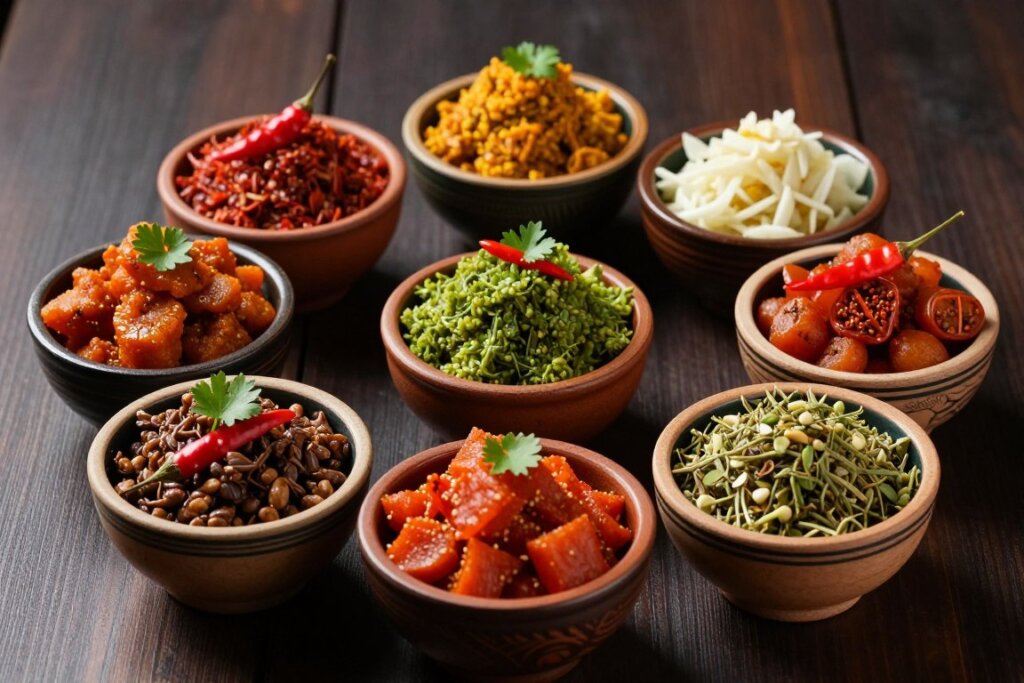
The name tells the story at this house-made sambal Sydney restaurant. Seven distinct sambal varieties showcase the range of Indonesian chili pepper preparations, from mild and sweet to intensely spicy. Each recipe comes from different regions of Indonesia, offering a tour of the archipelago’s pungency preferences.
The warung-style setup creates an intimate, informal dining experience. Shared tables encourage conversation, while the open kitchen lets you watch cooks prepare dishes to order. The menu focuses on home-style Indonesian cooking rather than restaurant fare.
Beyond the sambal selection, try their nasi campur, a mixed rice plate that lets you sample multiple dishes in one meal. The beef rendang appears as one option alongside vegetables, tempeh, and your choice of sambal. This approach to Indonesian sharing plates Sydney style makes trying new dishes less intimidating.
Best For: Sambal enthusiasts, casual warung atmosphere, sampling multiple dishes
Temu Kangen: Affordable Nasi Padang in Haymarket
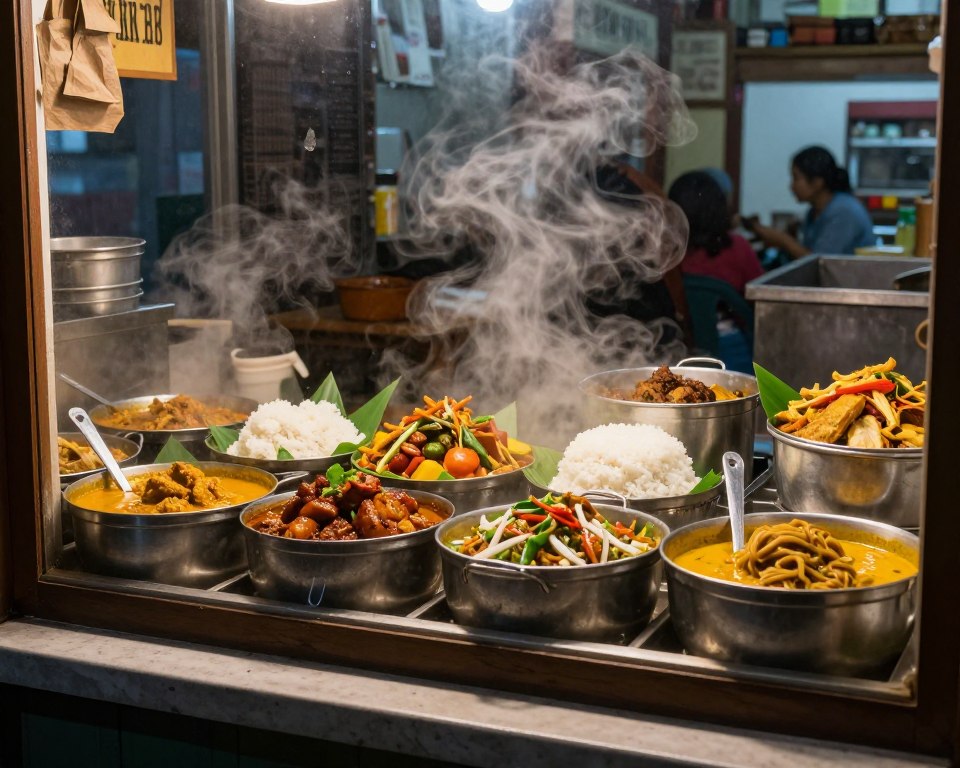
When locals search for nasi Padang Sydney Haymarket, Temu Kangen consistently appears. This Indonesian husband and wife restaurant Sydney operation brings authentic Padang cuisine from Sumatra to Chinatown’s dining precinct.
The traditional Padang cuisine service style means multiple dishes arrive at your table simultaneously. You only pay for what you eat, making this an excellent way to explore unfamiliar dishes without committing to large portions. The rendang, both beef and chicken versions, shows proper Padang technique with meat that falls apart at the touch of a fork.
The Sumatran food Sydney restaurant scene gains credibility through venues like this. Authentic recipes, fair prices, and genuine hospitality from the owners create an experience that feels more like visiting family than dining at a restaurant. The location near Central Station makes it convenient for quick meals between appointments.
Best For: Traditional Padang service, affordable dining, Haymarket convenience
Ria Ayam Penyet: Indonesian Street Food Since 1998
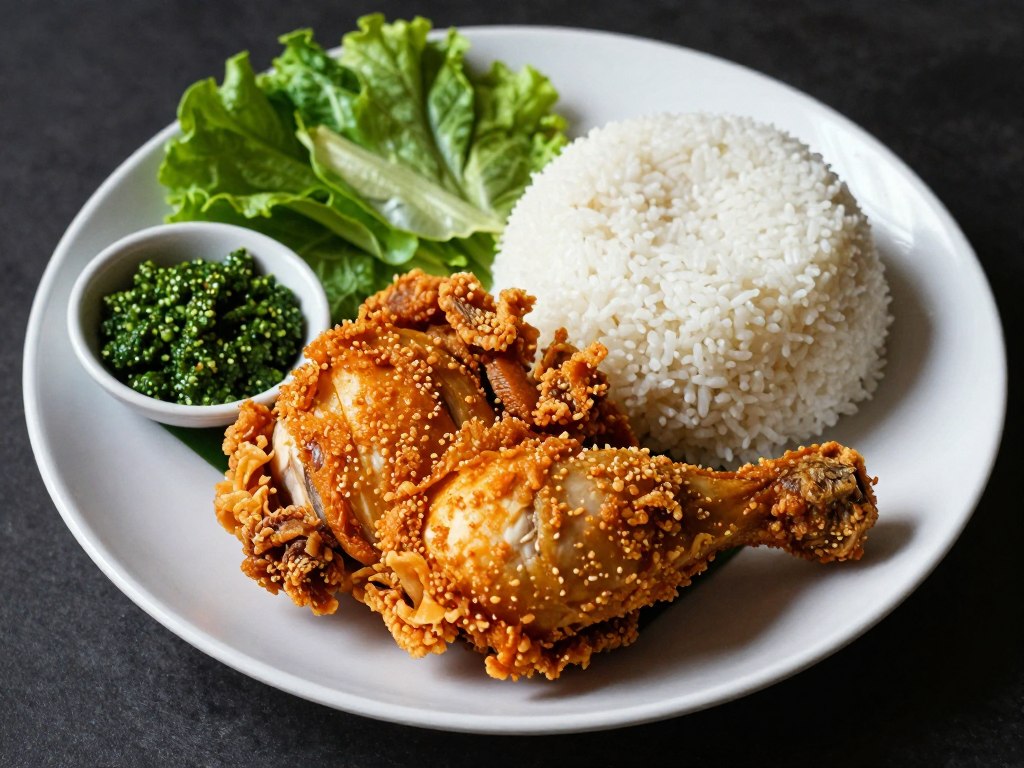
Operating since 1998, Ria Ayam Penyet helped introduce Sydney diners to this classic Indonesian street food dish. The name translates to “smashed chicken,” referring to the technique of pressing fried chicken with a pestle before serving it with raw sambal.
The chicken preparation here demonstrates why this dish became legendary. A spice marinade infuses the meat before frying creates a crispy exterior. The sambal accompaniment, made fresh throughout the day, brings bright chili pepper heat that cuts through the richness of fried food.
Beyond the signature ayam penyet, the menu includes other Indonesian favorites. The noodle dishes satisfy those wanting something lighter, while the various beef and seafood dishes offer alternatives to chicken. Consistent quality over decades explains why this remains one of the best Indonesian food Sydney CBD options.
Best For: Classic ayam penyet, established reputation, consistent quality
What to Order at an Indonesian Restaurant in Sydney
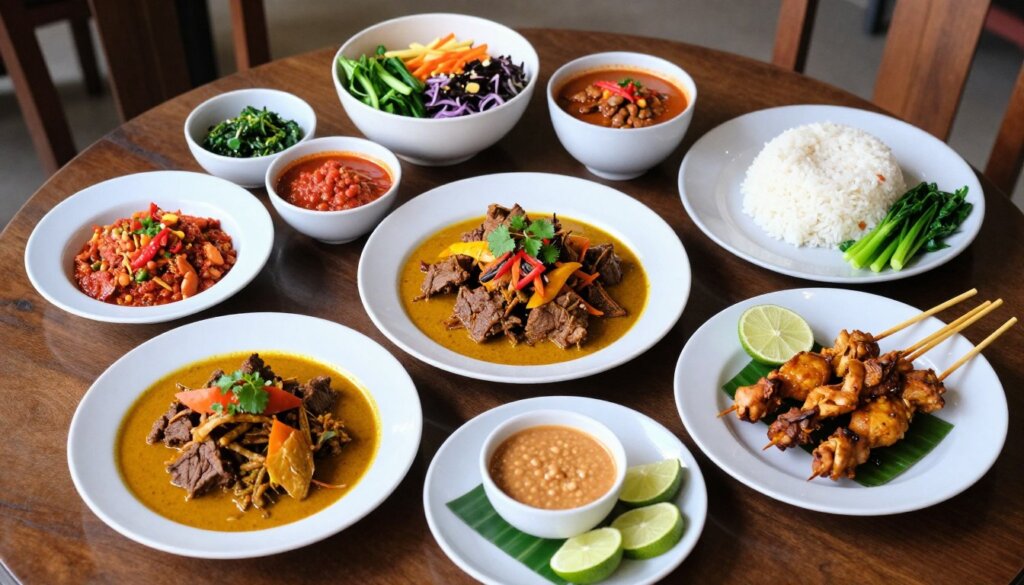
Walking into an Indonesian restaurant Sydney for the first time can feel overwhelming. The menu often features dozens of unfamiliar dishes with names that provide little context. This guide helps you navigate toward the most rewarding choices.
Rendang deserves priority ordering. This slow-cooked curry from Sumatra combines beef with coconut milk, lemongrass, galangal, and numerous spices. Hours of cooking reduce the liquid until a thick, caramelized coating clings to tender meat. The taste balances sweet, savory, and spicy notes in perfect harmony. Many consider properly made rendang among the world’s finest dishes, and restaurants stake their reputations on their versions.
Satay offers an approachable entry point. These skewered, grilled meats, usually chicken or beef, come with peanut sauce for dipping. The sauce varies by region, some versions lean sweet, others emphasize chili pepper pungency. Good satay shows char marks from proper grilling and meat that stays juicy despite the heat.
Sambal appears on every table at authentic venues. This chili pepper condiment comes in countless varieties. Some mix raw chilies with shrimp paste, others combine fried shallots with tomatoes and peppers. The heat level ranges from mild to extreme. Start cautiously, Indonesian pungency often surprises those accustomed to milder cuisines. A small amount transforms plain rice into something exciting.
Planning a trip to Indonesia? These dishes taste even better at their source. Discover the best warungs in Kuta, Bali where you can experience authentic Indonesian cooking in traditional settings.
Nasi Padang represents a cuisine style rather than a single dish. This Sumatran tradition involves displaying numerous prepared dishes, small portions of each arrive at your table, and you pay only for what you eat. This system encourages exploration without commitment. Typical dishes include curried vegetables, fried fish, spicy eggs, and various meat preparations.
Sayur lodeh delivers vegetable curry in coconut milk with a lighter profile than meat-based dishes. The vegetables retain some texture rather than cooking to softness. This dish provides balance when ordering multiple items for sharing.
Nasi gurih means fragrant rice cooked in coconut milk with spices. This replaces plain steamed rice and adds richness to any meal. The rice becomes slightly sticky, helping it hold together when eating with your hands, the traditional method many Indonesians prefer.
Mie pangsit features egg noodles with wonton dumplings in a flavorful broth. The noodle texture and dumpling filling quality separate good versions from mediocre ones. This dish works well for solo diners or when you want something warming and complete.
Top 7 Dishes to Try at an Indonesian Restaurant in Sydney
- Beef Rendang – The iconic slow-cooked curry that defines Indonesian cooking
- Nasi Goreng – Fried rice with sweet soy sauce, vegetables, and your choice of protein
- Gado Gado – Vegetable salad with peanut sauce, offering lighter yet satisfying flavors
- Soto Ayam – Aromatic chicken soup with turmeric, lemongrass, and rice noodles
- Ayam Penyet – Smashed fried chicken with raw sambal for bold, spicy impact
- Bakso – Indonesian meatball soup with springy texture and savory broth
- Es Campur – Shaved ice dessert with coconut milk, jelly, and fruit for cooling contrast
Halal Indonesian Dining in Sydney: What You Need to Know
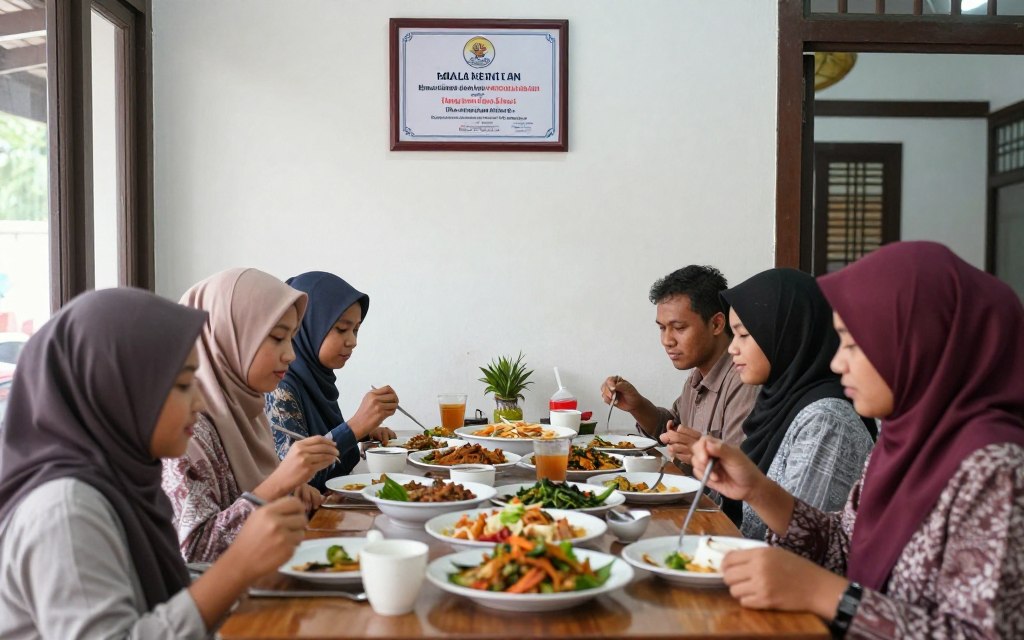
Most Indonesian restaurants in Sydney serve halal food by default. Indonesia holds the world’s largest Muslim population, and Islamic dietary laws shape the nation’s cuisine. This makes Indonesian dining particularly appealing for Muslim diners seeking diverse halal options beyond Middle Eastern food.
Halal certification ensures that meat comes from animals slaughtered according to Islamic law. The process involves specific recipes and invocations. In Australia, proper halal certification comes from recognized Islamic organizations. Legitimate restaurants display their certificates prominently.
Among the venues mentioned, several carry official halal certification. Medan Ciak maintains certification for both locations. Temu Kangen operates as a halal Indonesian restaurant Sydney with proper documentation. Ria Ayam Penyet also serves exclusively halal food.
When seeking halal Indonesian dining, verify certification rather than assuming. While most Indonesian restaurants serve halal food, proper documentation matters for strict observers. Phone ahead if unsure, or check the restaurant‘s website for certificate details.
The importance of halal options extends beyond religious requirements. Many diners choose halal meat for ethical reasons or personal preference. The Indonesian cuisine tradition of respecting halal practices means you can trust the food preparation methods at these restaurants.
A Taste of the Archipelago: Regional Indonesian Cuisines Represented in Sydney
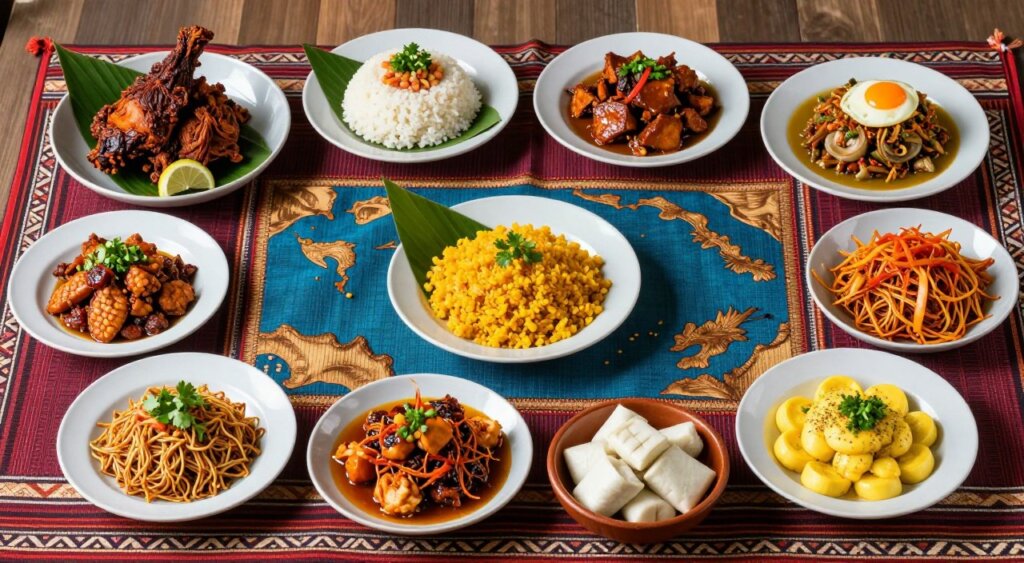
Indonesia spans more than 17,000 islands across three time zones. This geographic spread creates extraordinary culinary diversity. What people eat in Sumatra differs dramatically from Java, and both vary from Sulawesi or Bali. Understanding these regional differences enhances appreciation for Indonesian food.
Padang cuisine from West Sumatra dominates Sydney’s Indonesian restaurant scene. The tradition of displaying multiple dishes and charging only for what you eat originated here. Padang cooking favors rich coconut-based curry dishes and substantial pungency. The famous rendang comes from this region, along with other spicy meat and vegetable preparations.
Javanese food tends toward sweeter flavor profiles. Java produces much of Indonesia‘s sugar, and cooks incorporate it liberally. Dishes like gudeg, young jackfruit braised in coconut milk and palm sugar, demonstrate this preference. Javanese cuisine also features more tempeh and tofu preparations than other regions.
Sulawesi contributes some of Indonesia‘s most intense sambal varieties. The dabu-dabu sambal, made with raw tomatoes, shallots, and bird’s eye chilies, delivers fresh heat rather than cooked complexity. Some Sydney restaurants offer Sulawesi-style dishes, though they remain less common than Sumatran options.
Balinese influences appear occasionally in Sydney’s Indonesian restaurants. The island’s Hindu majority means pork appears in traditional recipes, distinguishing it from Muslim-majority regions. Balinese cuisine also emphasizes fresh herbs and lighter preparations. However, most Indonesian restaurants in Sydney focus on halal cooking, limiting authentic Balinese representation.
The regional diversity means no single restaurant captures all of Indonesian cuisine. Each venue typically specializes in one or two regional styles. Exploring multiple restaurants over time provides a fuller picture of Indonesia‘s culinary landscape. This journey across the archipelago, one meal at a time, rewards curious diners with constantly new discoveries.
My Journey Through Sydney’s Indonesian Restaurant Scene
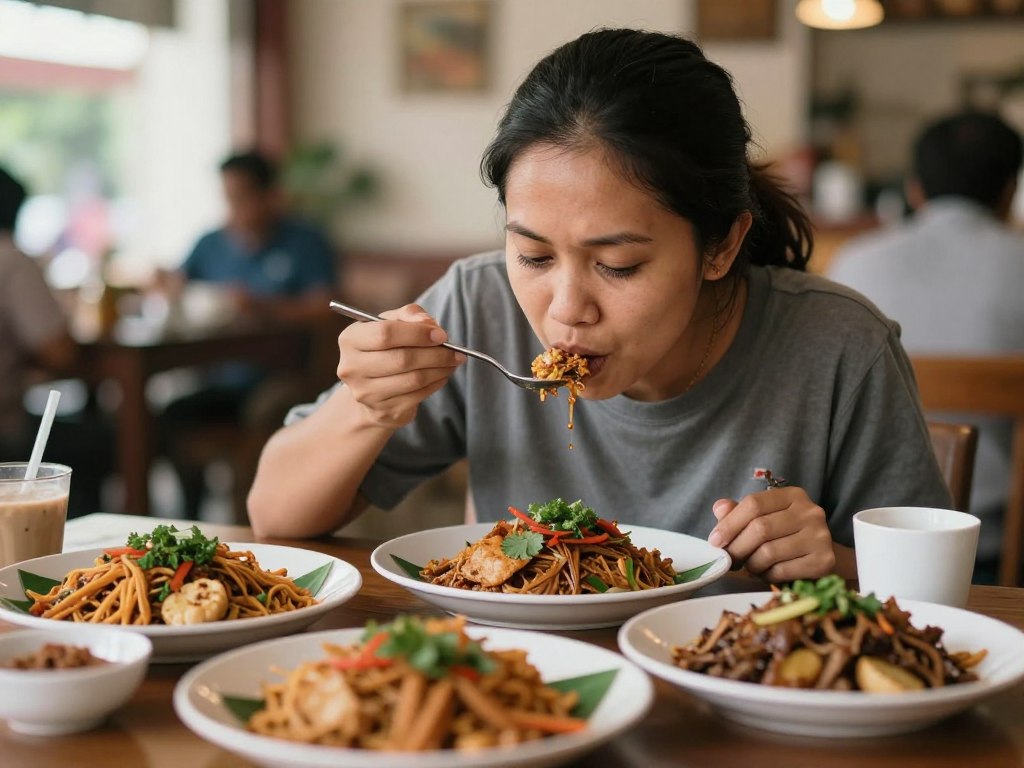
I’ve spent the better part of a decade chasing the perfect plate of rendang, both in Indonesia and across Sydney. The first time I encountered proper Padang cuisine was at a tiny warung outside Bukittinggi, where the owner’s grandmother still ground spices by hand each morning. That experience set an impossibly high standard.
Sydney’s Indonesian restaurants surprised me by how closely they approach that ideal. At Temu Kangen one rainy Tuesday, I ordered their beef rendang without high expectations. The first bite stopped me mid-conversation. The meat had that crucial texture where it simultaneously falls apart and holds together, and the curry coating delivered the complex spice layers that come only from patient cooking.
What strikes me most about Sydney’s Indonesian dining scene involves the people running these restaurants. Many came to Australia decades ago, bringing family recipes and cooking techniques passed through generations. At Medan Ciak, the owner once spent twenty minutes explaining why their sambal tastes different from others, walking me through each ingredient’s role and the specific chili pepper varieties they import.
The value proposition amazes me consistently. A complete meal with multiple dishes, enough food for two people, often costs less than a single main at trendy fusion restaurants. Yet the quality, the authenticity, the sheer taste satisfaction exceeds places charging double or triple. This disconnect between price and quality makes Indonesian food Sydney’s best-kept culinary secret.
If I had to recommend one approach for newcomers, start with the restaurants where Indonesian families eat. Watch which venues fill with Indonesian diners on weekend afternoons. Those restaurants maintain standards that satisfy the most demanding critics, the people who grew up eating this food. Follow their lead, and you’ll rarely go wrong.
Tips for Getting the Most Out of Indonesian Dining in Sydney
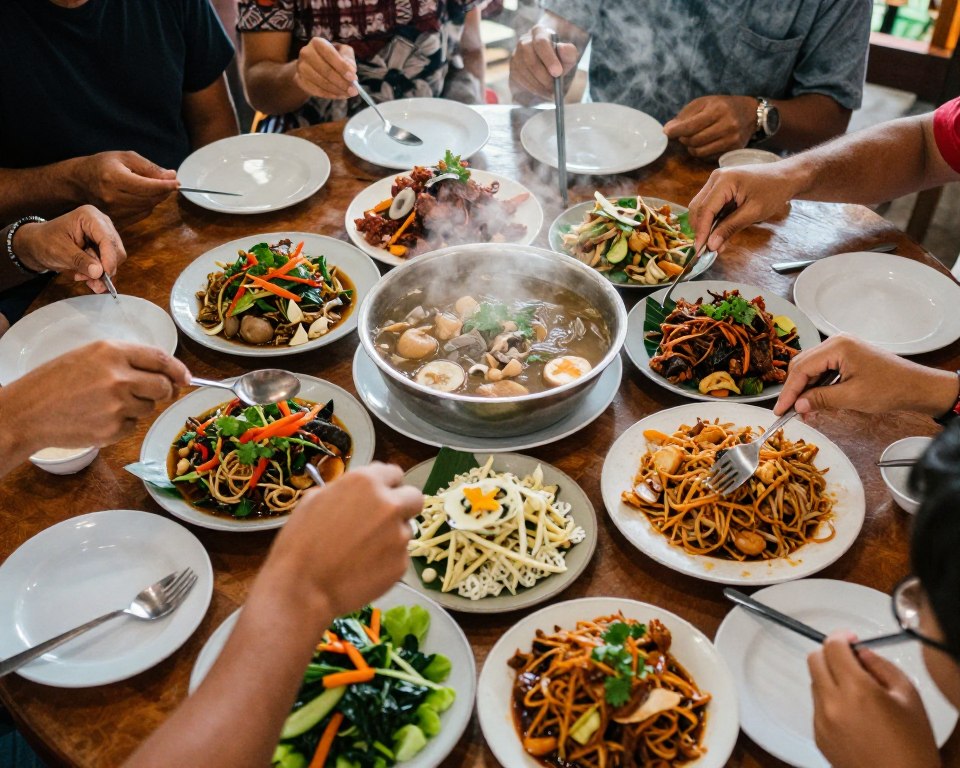
Maximizing your Indonesian dining experience involves understanding a few cultural approaches and practical considerations. These tips help both first-timers and regular diners get better value and more enjoyment.
- Order family-style for variety: Indonesian cuisine shines when you share multiple dishes. Order three or four different items for two people, plus rice. This approach lets you taste more flavors and textures in one meal.
- Start with medium spice levels: Even if you love spicy food, Indonesian pungency often exceeds expectations. Order medium heat initially. You can always add more sambal from the table condiments.
- Request spice adjustments upfront: Unlike some cuisines where spice gets added late, Indonesian dishes build heat into the base. Speak up when ordering if you want less chili pepper intensity. Most restaurants accommodate willingly.
- Pair with traditional drinks: Teh botol (sweet bottled tea) and es jeruk (fresh lime juice) complement spicy food better than water. The sweetness and acidity provide relief from heat while enhancing flavors.
- Book ahead for weekend dinners: Popular Indonesian restaurants fill quickly Friday through Sunday evenings. Phone reservations prevent disappointment, especially for groups larger than four people.
- Walk-ins work for lunch: Most venues accommodate walk-in diners easily during weekday lunch service. This timing also often features lunch specials offering better value.
- Explore catering options: Many Indonesian restaurants offer Indonesian catering Sydney CBD service. This works brilliantly for office events or home gatherings. The food travels well and portions feed groups affordably.
- Bring cash for smaller venues: While most accept cards, some family-run restaurants prefer cash. Check beforehand or bring backup payment options.
- Try the lunch specials: Affordable Indonesian lunch Sydney deals appear at many venues. These typically include a main dish, rice, and sometimes a drink for remarkable value.
- Ask about the chef’s recommendations: Staff know which dishes represent their kitchen best. Asking shows respect and often leads to better food choices than guessing from the menu.
Understanding proper eating etiquette enhances the experience. Many Indonesians eat with their right hand, using rice to scoop up dishes. While restaurants provide cutlery, trying the traditional method creates connection with the cuisine. The food somehow tastes different when eaten this way, more immediate and engaging.
Don’t rush the meal. Indonesian dining culture values leisurely eating and conversation. The restaurants rarely pressure diners to vacate tables quickly. Take time to savor the flavors, experiment with sambal combinations, and appreciate the care that went into preparing your food.
Pros and Cons of the Indonesian Restaurant Scene in Sydney
Advantages
- Exceptional value compared to other Sydney dining options
- Authentic flavors rivaling restaurants in Indonesia
- Wide variety of regional cuisine styles represented
- Multiple halal-certified venues for Muslim diners
- Growing scene with new restaurants opening regularly
- Generous portions suitable for sharing
- Accommodating service willing to explain dishes and adjust spice
- Convenient CBD locations for quick lunches
- Strong Indonesian community ensuring authentic standards
Limitations
- Limited regional variety compared to Jakarta’s dining scene
- Some venues close Sundays for religious observance
- Spice levels may surprise those unfamiliar with Indonesian heat
- Fewer options for non-halal regional specialties like Balinese pork dishes
- Peak times can involve significant waits without reservations
- Not all restaurants offer English translations on menus
- Smaller venues may have limited seating capacity
The advantages significantly outweigh limitations for most diners. The authenticity and value proposition make Indonesian restaurants stand out in Sydney’s competitive food landscape. While you won’t find every regional Indonesian cuisine represented, the available options provide satisfying variety.
The spice consideration deserves mention not as criticism but awareness. Indonesian cooking traditionally features significant heat. This characteristic defines the cuisine rather than representing a flaw. Diners sensitive to pungency should communicate preferences clearly when ordering.
Conclusion: Your Indonesian Culinary Adventure Awaits
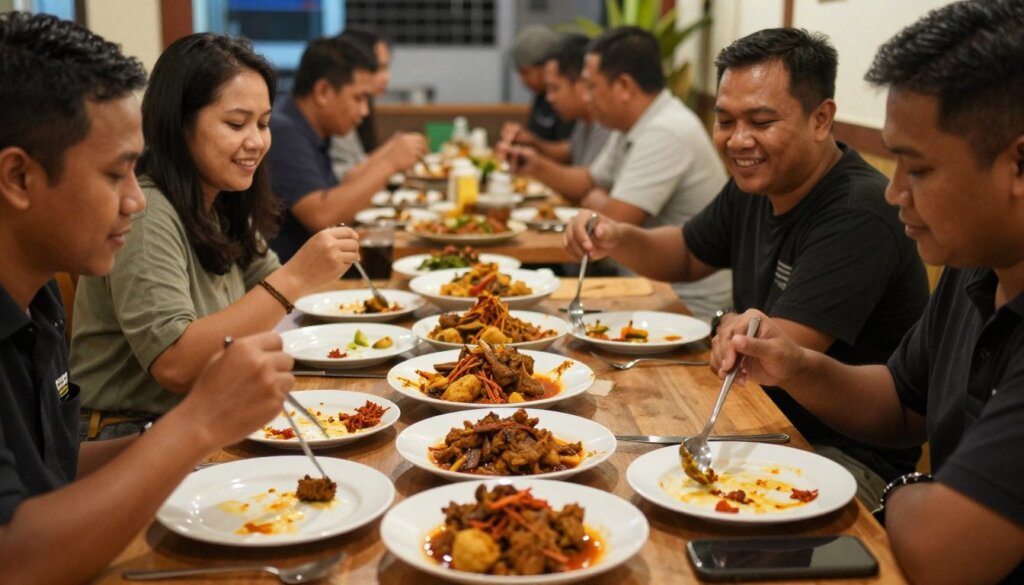
Sydney’s Indonesian restaurant scene offers remarkable depth and authenticity. From modern Indonesian dining Sydney CBD venues to traditional family-run spots serving nasi Padang bungkus, the options satisfy both curious newcomers and homesick Indonesians craving familiar tastes.
The restaurants profiled here represent just a starting point. Each venue delivers distinct strengths, whether that involves Medan Ciak’s street food authenticity, Temu Kangen’s affordable Padang spreads, or The Sambal’s showcase of regional chili pepper preparations. Visiting multiple restaurants reveals the breadth of Indonesian cuisine available in Sydney.
What makes these restaurants special extends beyond food quality. The people running them maintain cultural connections to Indonesia while adapting to Australian dining expectations. They educate diners about proper dishes, share family recipes, and create spaces where Indonesian culture thrives thousands of kilometers from home.
For those planning to experience Indonesian food at its source, these Sydney restaurants provide excellent preparation. You’ll recognize dishes, understand ordering customs, and appreciate the cuisine‘s regional variations. Exploring Balinese cooking traditions adds another dimension to your Indonesian culinary knowledge.
Start your exploration this week. Pick one restaurant from this guide, gather friends for family-style dining, and order beyond your comfort zone. Try the rendang, experiment with different sambal varieties, and ask questions about unfamiliar dishes. Each visit teaches something new about this complex, rewarding cuisine.
Sydney’s Indonesian restaurant scene continues growing and improving. New venues open regularly, existing restaurants refine their offerings, and the community supporting this cuisine strengthens. Your patronage helps sustain these restaurants and encourages others to join Sydney’s Indonesian dining landscape.
Frequently Asked Questions About Indonesian Restaurants in Sydney
What restaurant did Taylor Swift eat at in Sydney?
During her Sydney visit, Taylor Swift was not publicly reported dining at any Indonesian restaurant specifically. However, she reportedly enjoyed various dining experiences across Sydney’s diverse food scene. When international celebrities visit Sydney, they often explore the city’s multicultural cuisine, including Indonesian options in the CBD and inner suburbs. For authentic Indonesian dining that impresses any visitor, the restaurants featured in this guide offer celebrity-worthy quality at accessible prices.
Which city in Australia has the most Indonesians?
Sydney hosts Australia’s largest Indonesian community, with over 47,000 Indonesian-born residents according to the 2021 Australian Census. This concentration in New South Wales significantly exceeds other Australian cities. Melbourne follows with a substantial Indonesian population, though smaller than Sydney’s. The large Indonesian diaspora in Sydney directly contributes to the city’s authentic restaurant scene. These community members demand genuine flavors and traditional cooking methods, ensuring restaurants maintain high standards. The Indonesian population centers around suburbs like Auburn, Kingsford, and parts of Western Sydney, though Indonesian restaurants appear throughout the metropolitan area including the CBD.
What makes Medan Ciak unique?
Medan Ciak stands out for its authentic representation of North Sumatran street food culture. The restaurant’s name references Medan, the capital of North Sumatra, and “ciak” means eating in Hokkien Chinese dialect, reflecting the region’s cultural diversity. Unlike restaurants focusing on formal dining presentations, Medan Ciak emphasizes bold, unpretentious flavors characteristic of Indonesian street vendors. Their menu features dishes rarely found at other Sydney Indonesian restaurants, including specific Medan-style noodle preparations and regional sambal recipes. The generous portions, affordable pricing, and commitment to authentic spice levels create an experience closer to eating in Indonesia than typical Australian Indonesian restaurants. Operating both CBD and Mascot locations provides accessibility for workers and residents across Sydney.
How many Indonesians live in Sydney?
Sydney’s Indonesian population exceeds 47,000 Indonesian-born residents based on 2021 Census data. This figure includes only those born in Indonesia, not second-generation Australian-Indonesians or people of Indonesian descent born in Australia. When accounting for Australian-born children of Indonesian parents and mixed-heritage individuals, the total community likely exceeds 70,000 people. This substantial population creates demand supporting numerous authentic Indonesian restaurants throughout Sydney. The community concentrates in specific suburbs but spreads across the greater metropolitan area, contributing to Sydney’s multicultural character and ensuring Indonesian cuisine maintains visibility and authenticity in the dining scene.
What is Obama’s favorite Indonesian food?
Former President Barack Obama, who spent part of his childhood in Jakarta, Indonesia, has publicly expressed fondness for several Indonesian dishes. He particularly mentioned enjoying bakso (Indonesian meatball soup), nasi goreng (fried rice), and satay during his years living in Indonesia. Obama’s 2010 visit to Indonesia included stops at street food vendors serving these dishes, highlighting his genuine connection to Indonesian cuisine. His appreciation for Indonesian food brought international attention to the cuisine’s diversity and quality. When visiting Indonesian restaurants in Sydney, trying these Obama-approved dishes offers insight into authentic Indonesian flavors that transcend cultural boundaries and appeal to diverse palates.
What should I order at an Indonesian restaurant?
First-time visitors should start with rendang (slow-cooked beef curry), often called Indonesia’s national dish. Add satay chicken or beef with peanut sauce for a familiar entry point. Request a sambal selection to experience Indonesian chili preparations, starting with mild varieties if you’re sensitive to heat. Nasi goreng (Indonesian fried rice) provides a complete, satisfying meal that introduces you to kecap manis (sweet soy sauce), a fundamental Indonesian flavor. For those wanting to sample broadly, order family-style with three to four dishes plus rice to share. Ask staff about daily specials or chef recommendations, as these often represent the kitchen’s strongest offerings. Don’t skip vegetables, Indonesian vegetable dishes like sayur lodeh or gado-gado provide important balance and showcase the cuisine’s diversity beyond meat dishes.
Are Indonesian restaurants in Sydney halal certified?
Most Indonesian restaurants in Sydney serve halal food, reflecting Indonesia’s Muslim-majority population. However, not all hold formal Australian halal certification. Restaurants like Medan Ciak, Temu Kangen, and Ria Ayam Penyet maintain official halal certificates from recognized Islamic organizations. These certificates should be visibly displayed in the restaurant. If halal certification matters for your dietary requirements, verify directly with the restaurant before visiting. Call ahead or check their website for certification details. Some smaller family-run venues may serve halal food without formal certification, relying on Muslim ownership and traditional practices. For strict halal observers, confirm certification status rather than assuming based on Indonesian cuisine alone.
How spicy is Indonesian food compared to Thai or Indian cuisine?
Indonesian food’s spice level varies significantly by region and dish, making direct comparisons challenging. Generally, Indonesian cuisine uses similar heat levels to Thai food but applies it differently. Where Thai cooking often features bright, sharp chili heat, Indonesian spicing develops deeper, more complex pungency through longer cooking times. Indonesian sambal can reach extreme heat levels matching or exceeding Thai bird’s eye chili preparations. However, many Indonesian dishes offer moderate spice, using chilies for flavor complexity rather than overwhelming heat. Compared to Indian cuisine, Indonesian food typically shows more consistent heat throughout dishes rather than building gradually. The key difference involves Indonesian cooking’s emphasis on sambal as a table condiment, allowing diners to control their own spice levels. Most Sydney Indonesian restaurants accommodate spice preferences when requested during ordering.
What’s the difference between nasi goreng and other fried rice dishes?
Nasi goreng distinguishes itself through kecap manis, Indonesian sweet soy sauce that creates the dish’s characteristic dark color and sweet-savory flavor profile. This sweetness separates it from Chinese fried rice or Thai khao pad. Indonesian nasi goreng typically includes specific aromatics like shallots, garlic, and sometimes shrimp paste, creating a distinct flavor foundation. The dish often comes topped with a fried egg, crispy shallots, and krupuk (crackers), adding textural variety. Cooking technique matters too, Indonesian cooks traditionally use higher heat and specific wok movements creating slightly charred rice edges. Regional variations exist across Indonesia, some versions lean spicier, others sweeter, and some include specific proteins like chicken or seafood. Sydney Indonesian restaurants generally serve West Javanese or Central Javanese styles, which emphasize the sweet soy sauce profile most Australians associate with nasi goreng.
Can I find vegetarian or vegan options at Indonesian restaurants?
Indonesian cuisine offers excellent vegetarian and vegan options, though you must navigate carefully. Tempeh and tofu feature prominently in Indonesian cooking, providing protein-rich alternatives to meat. Gado-gado (vegetable salad with peanut sauce) works for vegans when prepared without shrimp paste. Sayur lodeh (vegetable curry) typically contains no animal products. However, many Indonesian dishes use shrimp paste (terasi) or fish sauce as base flavoring even in vegetable preparations. Always inform servers about dietary restrictions and ask specifically about hidden animal ingredients. Some restaurants offer dedicated vegetarian menus or can modify dishes to accommodate plant-based diets. Nasi goreng can be prepared vegetarian, as can many noodle dishes. Indonesian cooking’s reliance on coconut milk, spices, and fresh vegetables means adapting dishes for vegetarian or vegan diets often maintains authentic flavors while meeting dietary requirements.
{ "@context": "https://schema.org", "@type": "FAQPage", "mainEntity": [ { "@type": "Question", "name": "What restaurant did Taylor Swift eat at in Sydney?", "acceptedAnswer": { "@type": "Answer", "text": "During her Sydney visit, Taylor Swift was not publicly reported dining at any Indonesian restaurant specifically. However, she reportedly enjoyed various dining experiences across Sydney's diverse food scene. When international celebrities visit Sydney, they often explore the city's multicultural cuisine, including Indonesian options in the CBD and inner suburbs. For authentic Indonesian dining that impresses any visitor, the restaurants featured in this guide offer celebrity-worthy quality at accessible prices." } }, { "@type": "Question", "name": "Which city in Australia has the most Indonesians?", "acceptedAnswer": { "@type": "Answer", "text": "Sydney hosts Australia's largest Indonesian community, with over 47,000 Indonesian-born residents according to the 2021 Australian Census. This concentration in New South Wales significantly exceeds other Australian cities. Melbourne follows with a substantial Indonesian population, though smaller than Sydney's. The large Indonesian diaspora in Sydney directly contributes to the city's authentic restaurant scene." } }, { "@type": "Question", "name": "What makes Medan Ciak unique?", "acceptedAnswer": { "@type": "Answer", "text": "Medan Ciak stands out for its authentic representation of North Sumatran street food culture. The restaurant's name references Medan, the capital of North Sumatra, and 'ciak' means eating in Hokkien Chinese dialect, reflecting the region's cultural diversity. Unlike restaurants focusing on formal dining presentations, Medan Ciak emphasizes bold, unpretentious flavors characteristic of Indonesian street vendors." } }, { "@type": "Question", "name": "How many Indonesians live in Sydney?", "acceptedAnswer": { "@type": "Answer", "text": "Sydney's Indonesian population exceeds 47,000 Indonesian-born residents based on 2021 Census data. This figure includes only those born in Indonesia, not second-generation Australian-Indonesians or people of Indonesian descent born in Australia. When accounting for Australian-born children of Indonesian parents and mixed-heritage individuals, the total community likely exceeds 70,000 people." } }, { "@type": "Question", "name": "What is Obama's favorite Indonesian food?", "acceptedAnswer": { "@type": "Answer", "text": "Former President Barack Obama, who spent part of his childhood in Jakarta, Indonesia, has publicly expressed fondness for several Indonesian dishes. He particularly mentioned enjoying bakso (Indonesian meatball soup), nasi goreng (fried rice), and satay during his years living in Indonesia. Obama's 2010 visit to Indonesia included stops at street food vendors serving these dishes." } }, { "@type": "Question", "name": "What should I order at an Indonesian restaurant?", "acceptedAnswer": { "@type": "Answer", "text": "First-time visitors should start with rendang (slow-cooked beef curry), often called Indonesia's national dish. Add satay chicken or beef with peanut sauce for a familiar entry point. Request a sambal selection to experience Indonesian chili preparations. Nasi goreng (Indonesian fried rice) provides a complete, satisfying meal. For those wanting to sample broadly, order family-style with three to four dishes plus rice to share." } }, { "@type": "Question", "name": "Are Indonesian restaurants in Sydney halal certified?", "acceptedAnswer": { "@type": "Answer", "text": "Most Indonesian restaurants in Sydney serve halal food, reflecting Indonesia's Muslim-majority population. However, not all hold formal Australian halal certification. Restaurants like Medan Ciak, Temu Kangen, and Ria Ayam Penyet maintain official halal certificates from recognized Islamic organizations. If halal certification matters for your dietary requirements, verify directly with the restaurant before visiting." } }, { "@type": "Question", "name": "How spicy is Indonesian food compared to Thai or Indian cuisine?", "acceptedAnswer": { "@type": "Answer", "text": "Indonesian food's spice level varies significantly by region and dish. Generally, Indonesian cuisine uses similar heat levels to Thai food but applies it differently. Where Thai cooking often features bright, sharp chili heat, Indonesian spicing develops deeper, more complex pungency through longer cooking times. Most Sydney Indonesian restaurants accommodate spice preferences when requested during ordering." } }, { "@type": "Question", "name": "What's the difference between nasi goreng and other fried rice dishes?", "acceptedAnswer": { "@type": "Answer", "text": "Nasi goreng distinguishes itself through kecap manis, Indonesian sweet soy sauce that creates the dish's characteristic dark color and sweet-savory flavor profile. This sweetness separates it from Chinese fried rice or Thai khao pad. The dish often comes topped with a fried egg, crispy shallots, and krupuk (crackers), adding textural variety." } }, { "@type": "Question", "name": "Can I find vegetarian or vegan options at Indonesian restaurants?", "acceptedAnswer": { "@type": "Answer", "text": "Indonesian cuisine offers excellent vegetarian and vegan options, though you must navigate carefully. Tempeh and tofu feature prominently in Indonesian cooking. Gado-gado (vegetable salad with peanut sauce) works for vegans when prepared without shrimp paste. However, many Indonesian dishes use shrimp paste or fish sauce as base flavoring. Always inform servers about dietary restrictions and ask specifically about hidden animal ingredients." } } ]
}
Trusted Sources and References
- Australian Bureau of Statistics, 2021 Census of Population and Housing
- Australian Government Department of Health, Halal Certification Standards in Australia
- SBS Food, Indonesian Cuisine Guide and Regional Variations
- Time Out Sydney, The 16 Best Indonesian Restaurants in Sydney
About the Author

Maya Kusuma is a food and travel writer specializing in Southeast Asian cuisine with over a decade of experience exploring Indonesian culinary traditions. Based between Sydney and Bali, she has reviewed hundreds of restaurants across Indonesia and Australia, developing deep expertise in regional cooking styles, spice traditions, and authentic flavor profiles. Her work appears in leading food publications and travel guides, where she advocates for cultural authenticity and family-run establishments. Maya’s Indonesian heritage and culinary training inform her detailed, respectful approach to food writing that educates readers while honoring the traditions behind each dish.