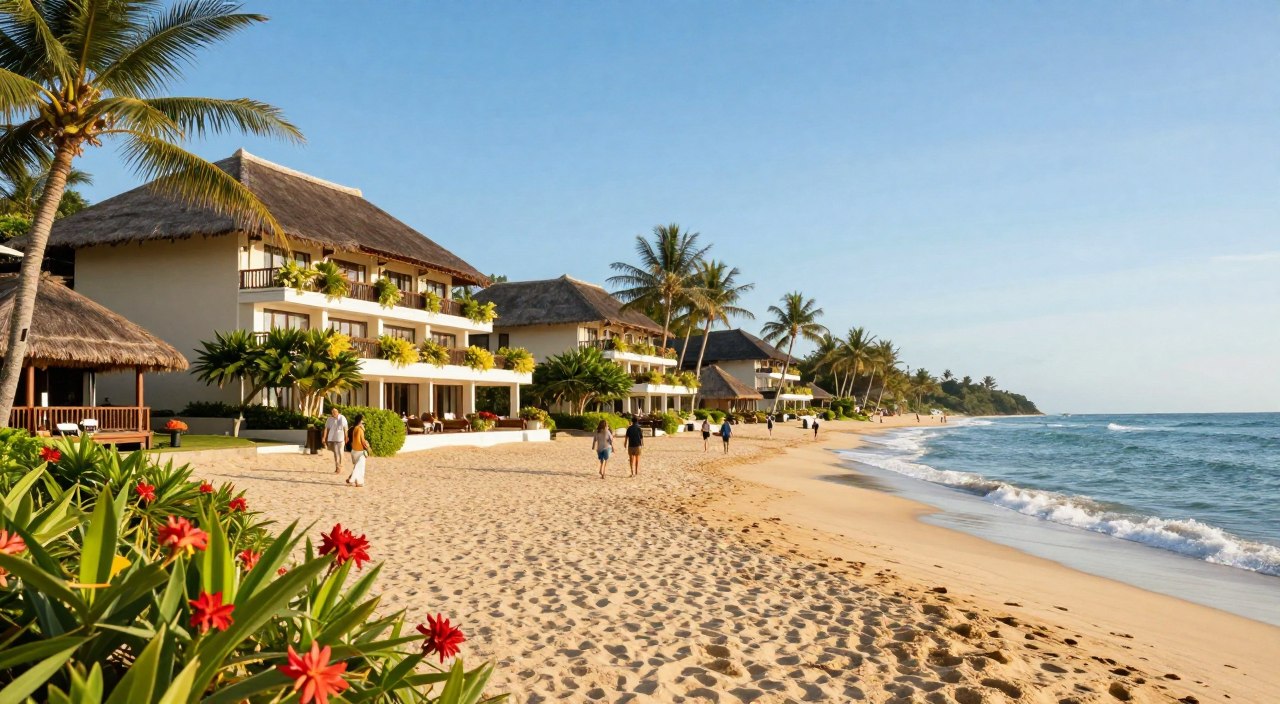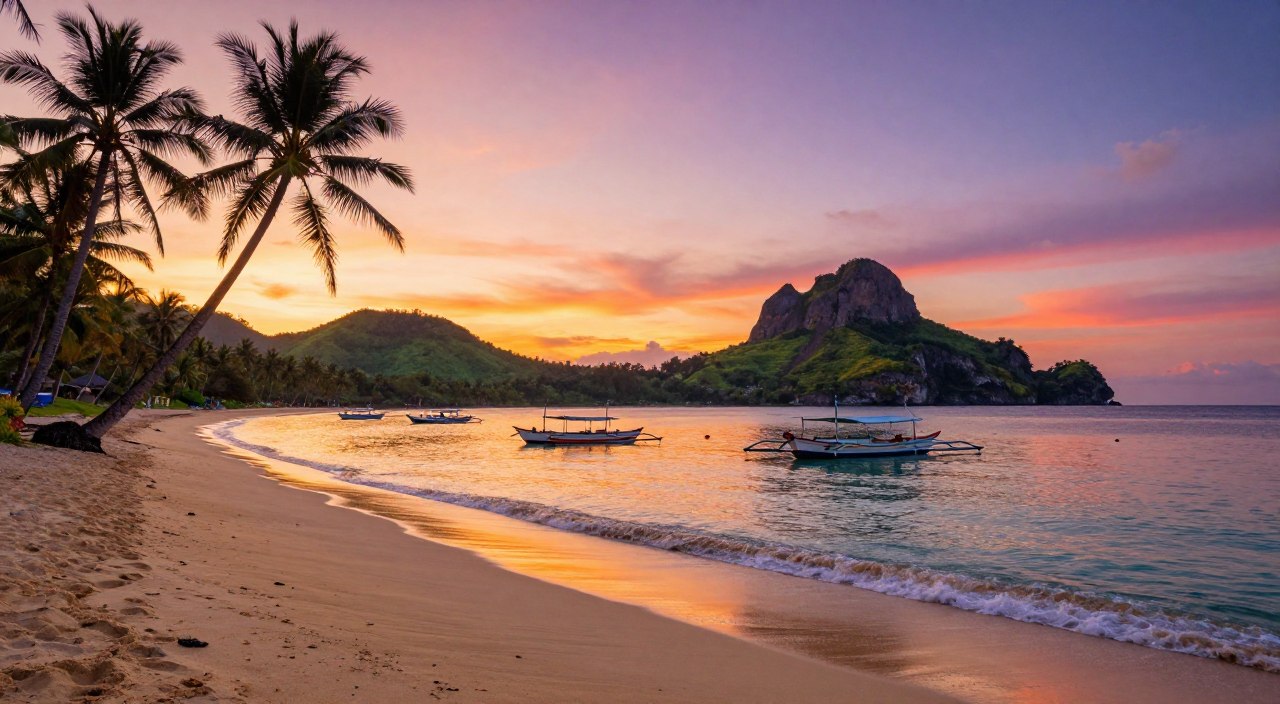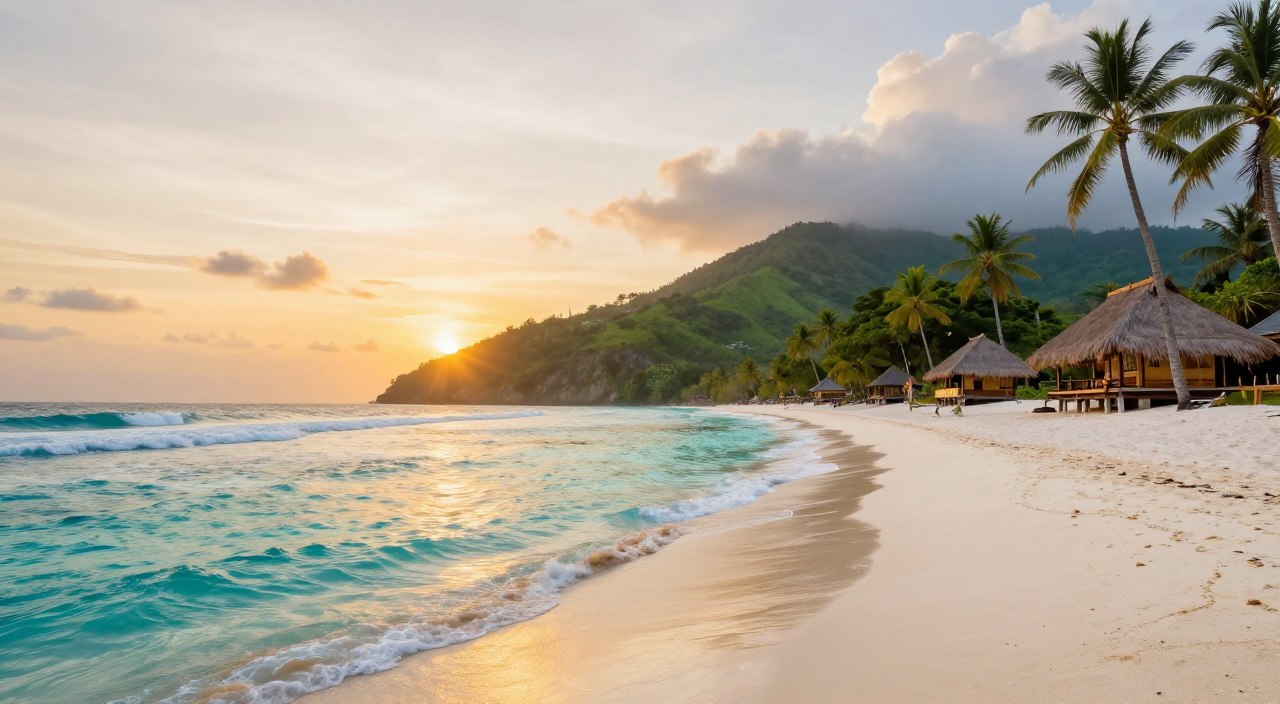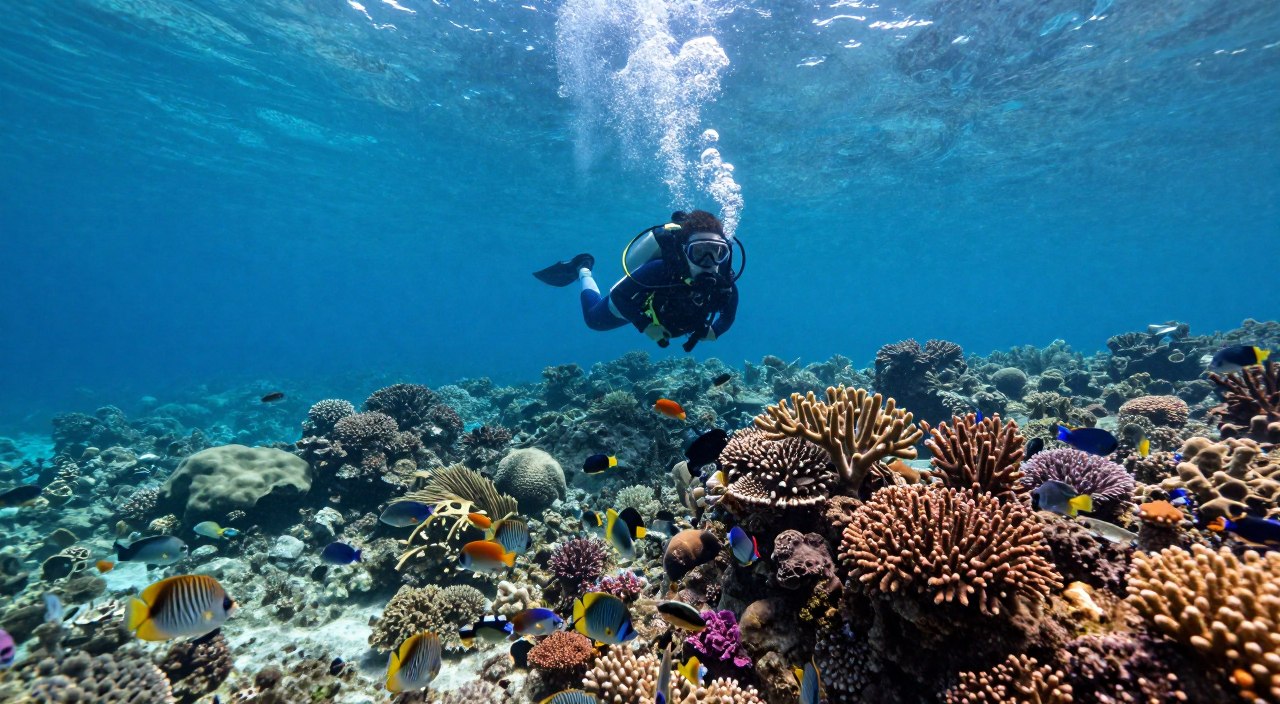
Imagine an underwater wonder right next to a small, forgotten island. For those who love the sea, the Friwen Wall Raja Ampat is a dream come true. It’s a hidden treasure in Indonesia’s beautiful islands.
This amazing spot is between Pulau Friwen and Friwenbonda’s towering limestone. Pulau Friwen is tiny, just 0.2 square kilometres. It’s near Yenbeser village on Gam Island.
The unique shape of the land creates an incredible underwater wall. It’s covered in colourful coral. It’s a must-see for any must-see dive sites in Raja Ampat. Plus, it’s close to Kabui Bay and Dore Mkun lagoon, making it perfect for explorers.
Key Takeaways
- Friwen Wall is a world-class diving and snorkelling site located between Pulau Friwen and the Friwenbonda limestone cliff.
- It is situated in the Raja Ampat archipelago, a global epicentre for marine biodiversity.
- Pulau Friwen is a very small island, with basic homestay accommodation for visitors.
- The location provides easy access to other notable attractions like Kabui Bay and Dore Mkun lagoon.
- The underwater terrain features a dramatic vertical wall covered in healthy coral.
- It is an essential destination for both seasoned divers and casual snorkellers.
- The site’s relatively secluded setting adds to its appeal for adventurous travellers.
Introduction to Friwen Wall
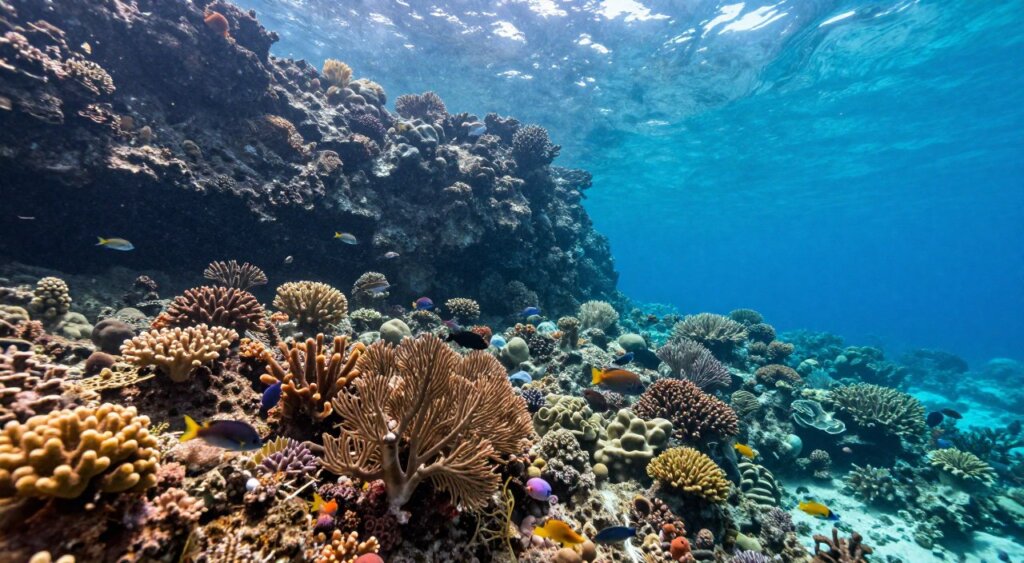
Friwen Wall is found on the north coast cliffs of Friwenbonda. It’s a great start to seeing Raja Ampat’s underwater beauty. It’s easy to get to from nearby homes, making it perfect for first-timers.
This site is not just beautiful. It’s also very important for the ocean’s health.
Overview of Raja Ampat
Raja Ampat is famous for its incredible sea life. It’s in West Papua, Indonesia, and is at the heart of the Coral Triangle. It’s known as the centre of marine life on Earth.
The sea around Raja Ampat is full of life. It has the most reef fish and coral species anywhere. This makes it a non-negotiable destination for divers and marine biologists.
| Feature | Description | Impact |
|---|---|---|
| Marine Biodiversity | Home to over 1,700 species of fish and 75% of the world’s known coral species. | Offers unparalleled wildlife encounters and scientific value. |
| Coral Reef Health | Features some of the most resilient and pristine coral ecosystems globally. | Provides a vital baseline for coral reef conservation efforts. |
| Accessibility of Sites | Many iconic sites, like Friwen Wall, are easily reached from local villages. | Allows more people to experience and appreciate this natural wonder responsibly. |
Importance of Friwen Wall
Friwen Wall is more than just a dive site. It’s a representative hotspot for Raja Ampat’s underwater world. Its cliffs and reefs offer a taste of the archipelago in one spot.
This makes it a must-see dive site in Raja Ampat. It’s perfect for those short on time. It’s great for snorkelling and diving, for all levels.
Its importance is in teaching visitors about marine conservation. A visit here is often the highlight of a trip to Indonesia’s oceanic paradise.
Geographical Features
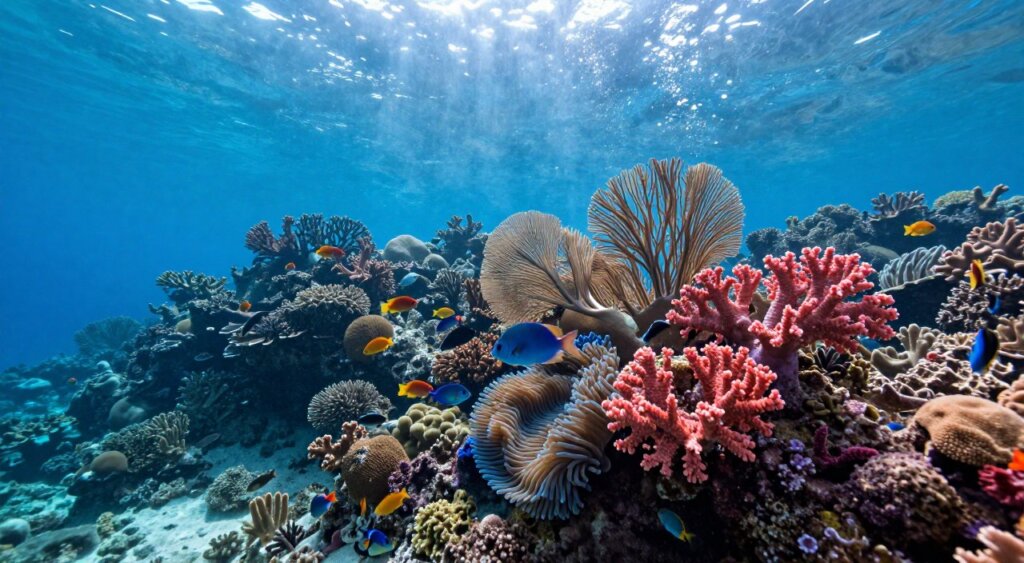
Friwen Wall is in a narrow channel, where coral-covered rock meets the deep blue. This dramatic spot is the heart of the underwater beauty friwen wall experience. Its unique geography supports a vibrant life.
Location of Friwen Wall
Friwen Wall is between Pulau Friwen and Friwenbonda Island. It’s in the Dampier Strait of Raja Ampat. The strait is known for its nutrient-rich currents.
Close by are Gam Island to the south and Kabui Bay. The wall’s location is key. Strong currents bring food to its residents.
Coral Reef Composition
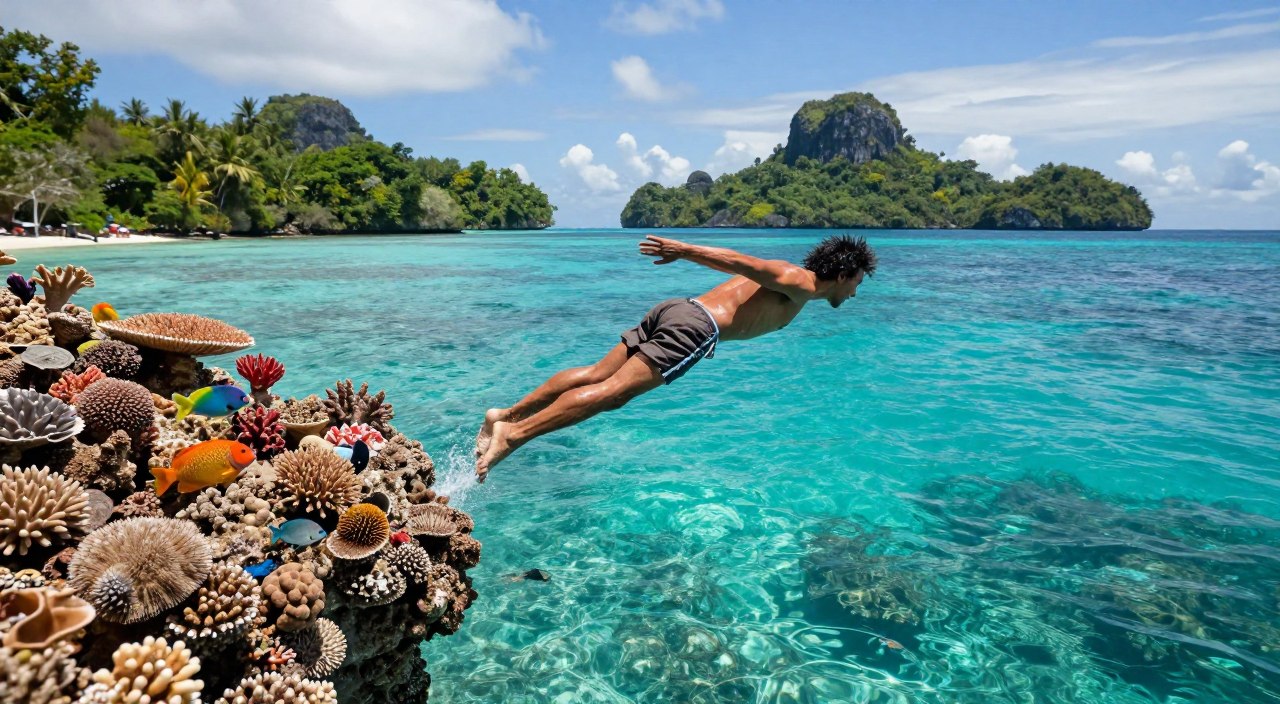
The wall is a limestone cliff that drops into the ocean. Its surface is a colourful tapestry of corals and sponges. Delicate Whip Corals and large Gorgonian Fan Corals are common.
Hard and soft corals form thick carpets. Bright sponges add yellow, orange, and purple to the scene.
| Coral/Sponge Type | Description | Common Colours | Typical Depth Range |
|---|---|---|---|
| Whip Coral | Long, slender branches that move with currents. | White, brown, yellow | 5m – 25m |
| Gorgonian Fan Coral | Large, fan-shaped colonies that filter feed. | Purple, red, orange | 10m – 30m |
| Hard Coral | Builds the reef’s rocky skeleton. | Brown, green, blue | 3m – 40m+ |
| Soft Coral | Flexible, tree-like structures without a hard skeleton. | Pink, yellow, purple | 5m – 30m |
| Sponges | Simple filter-feeding animals with porous bodies. | Yellow, orange, blue | 5m – 40m+ |
Marine Biodiversity
The coral foundation supports a high density of marine life. It’s a paradise for macro enthusiasts. Exploring Friwen Wall marine life is like a treasure hunt.
Nudibranchs, or sea slugs, are a highlight. Dozens of species decorate the reef. You can also find frogfish, pygmy seahorses, and shrimp.
The wall’s biodiversity includes both small and large species. Pelagic fish like trevally and tuna are common. This makes every dive rewarding.
Understanding Friwen Wall’s geography and biology is key. The location feeds the corals, supporting the ecosystem.
Conservation Efforts
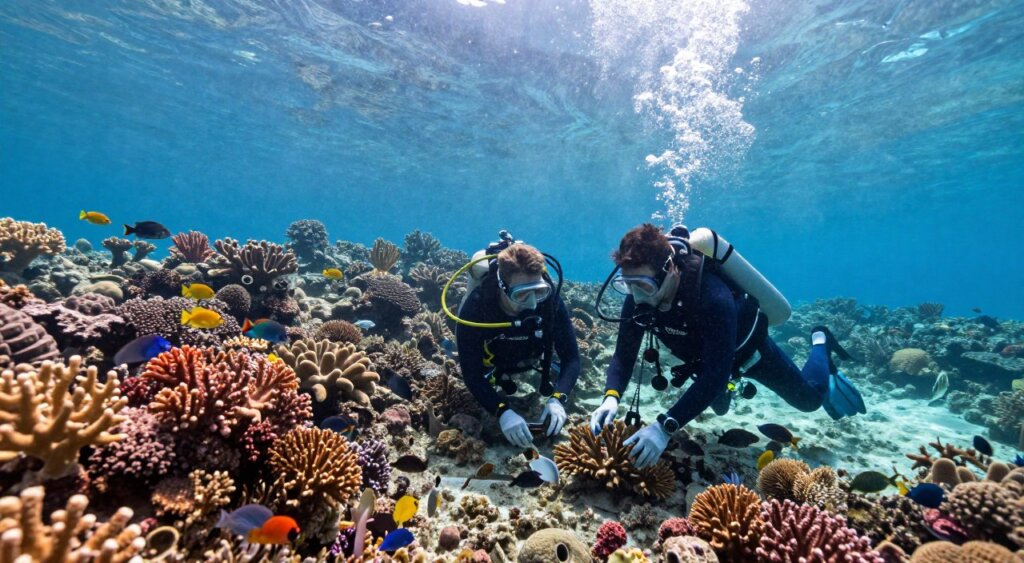
Keeping Friwen Wall Raja Ampat safe is essential for its future. This vibrant underwater world faces many challenges. It needs constant care to survive.
By protecting it, we keep the wall alive and a top spot for explorers. It shows us how to save delicate marine spots worldwide.
Importance of Conservation
The fragile coral reefs need our help. A healthy Friwen Wall supports a wide range of life. This variety draws in divers and snorkelers.
Protecting the reef also helps local people. It supports jobs in tourism and fishing. When the reef is healthy, so are the communities.
Conservation fights against big threats like climate change and pollution. Saving places like Raja Ampat’s Friwen Wall is good for our planet’s future.
Local and Global Initiatives
Keeping Friwen Wall Raja Ampat safe is a team effort. Local and international groups work together. They use different strategies to protect the area.
Local efforts are often led by the community. They are very effective. Some key actions include:
- Marine Protected Areas (MPAs): Raja Ampat has set up MPAs. These areas control activities like fishing and boating. They help the ecosystem recover.
- Sustainable Tourism Practices: Local groups and tour operators teach visitors how to behave. They use mooring buoys and follow rules to protect the reef.
- Visitor Education: Teaching visitors is a big priority. They learn about not touching coral, using reef-safe sunscreen, and respecting wildlife.
On a global level, research and funding from NGOs help too. These partnerships support monitoring and enforcing conservation. They help track the reef’s health and study species.
Together, local and global efforts protect Friwen Wall. They let visitors enjoy it while making sure it stays safe for the future.
Diving Opportunities
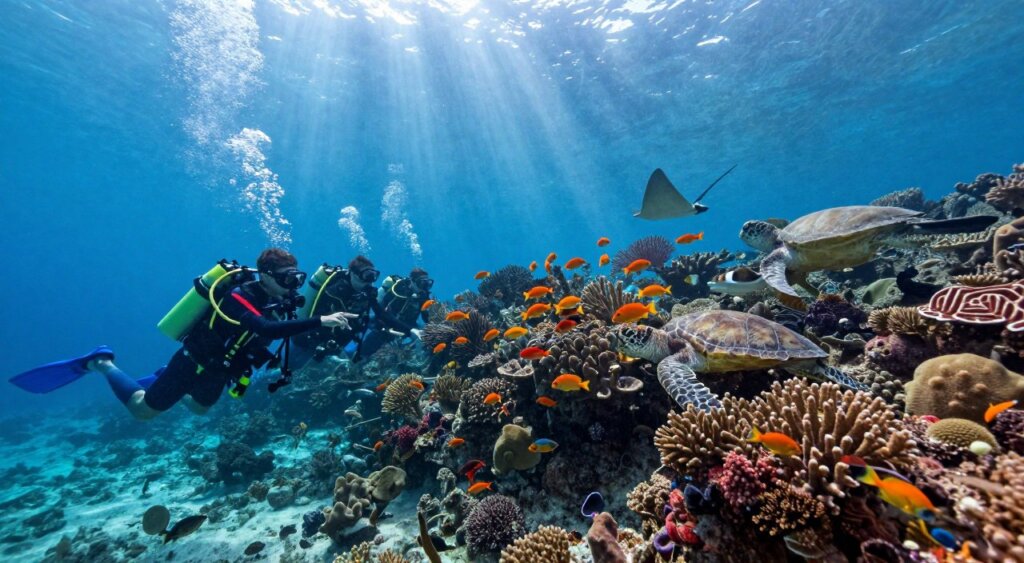
Raja Ampat is known for its amazing dive sites, and Friwen Wall is a top spot. It offers a deep dive into the area’s beauty and life under the sea. This makes it a key stop for any diving trip.
Popular Diving Spots
Friwen Wall is a standout in Raja Ampat’s many reefs and passages. It’s loved for its easy access and stunning views. It’s a top choice for divers, thanks to its unique shape and rich marine life.
For those planning to dive the best wall dives in Raja Ampat, Friwen Wall is a must-see. It offers a thrilling yet safe dive experience. It’s different from other dives, making it memorable.
Dive Conditions at Friwen Wall
Friwen Wall welcomes divers of all skill levels. You can get there by boat, starting at about 20 metres deep. The dive can go as deep as 25 metres, giving you time to explore.
The dive conditions can change, adding to the site’s charm. Sometimes, the visibility is average, and the cliff can make it darker. But, this creates a unique atmosphere. Be careful of strong tidal currents and dive with a guide who knows the area.
The dive takes you along the wall’s west side, showing off its texture. You’ll see caves, crevices, and sea fans. The dive ends at a shallower reef, where you can see colourful fish and sea creatures. This mix of deep and shallow makes it one of the best wall dives in Raja Ampat.
Wildlife Encounters
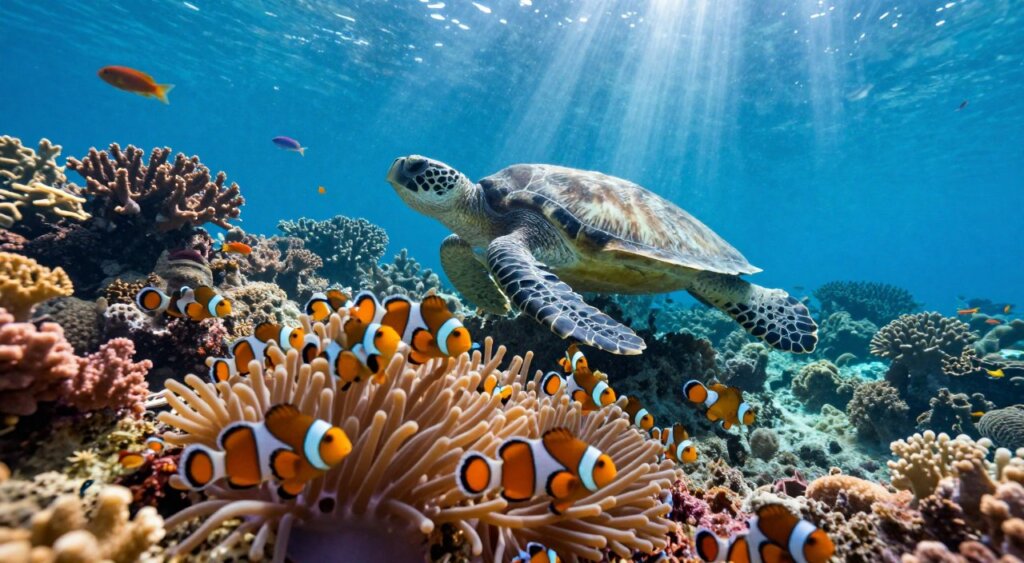
Wildlife lovers find their dream spot at Friwen Wall. Here, watching and participating blend seamlessly. You get to see amazing underwater life and terrestrial wonders on nearby islands. It’s a complete and unforgettable experience.
Unique Marine Species
Exploring Friwen Wall’s marine life is full of surprises. You might see big pelagic species swimming by. Look out for reef sharks, turtles, and dolphins too.
But the real magic is in the small details. Friwen Wall is known for its macro wonders. You’ll find a variety of nudibranchs, each with its own unique pattern and colour.
When the currents get strong, the action gets even better. This attracts bigger fish and schools of trevally or barracuda. It shows the full range of Friwen Wall’s underwater beauty.
Birdwatching Opportunities
After diving, the adventure continues on land. A short trip to Gam Island offers a famous birdwatching spot. Here, you can see the Red Bird of Paradise’s amazing courtship display in the morning.
The males dance on their display trees, showing off their bright red feathers and long tails. This terrestrial show is a perfect match for the underwater wonders, making for a complete experience of Raja Ampat’s wildlife.
Best Time to Visit
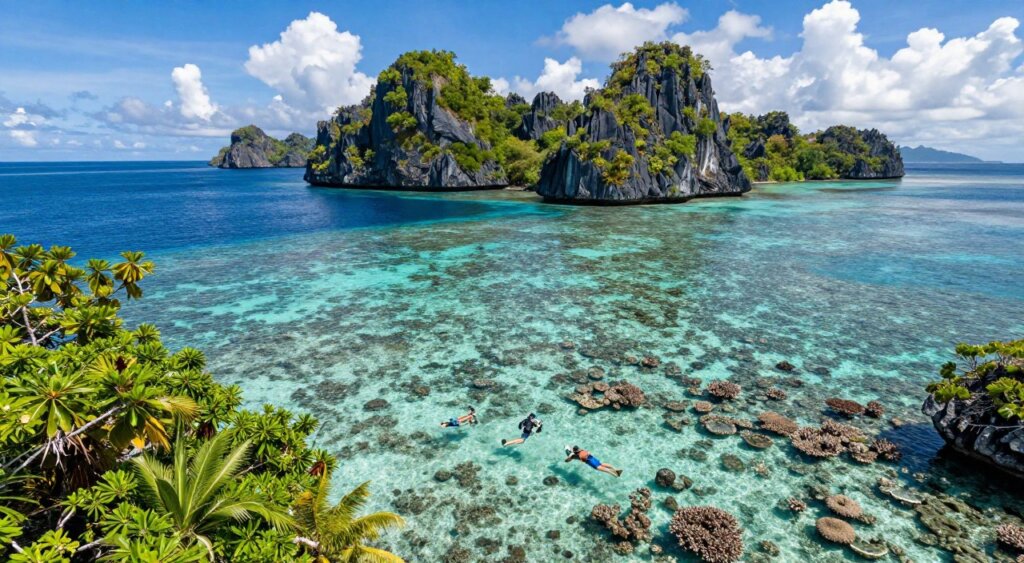
Planning your trip to Friwen Wall means knowing Raja Ampat’s seasons. The area has a tropical climate that affects your diving and snorkelling. The best time to go is when the seas are calm, the water is clear, and marine life is vibrant.
Friwen Wall is diveable all year, but each season has its perks. Knowing the general patterns helps plan your visit. You’ll need to think about the weather, what you want to do, and how many people you want to meet.
Seasonal Considerations
Raja Ampat has two main seasons: dry and wet. The dry season, from October to April, is the best time to visit Friwen Wall. It has less rain and lighter winds.
This time is great for diving because the water is clear. You can see up to 30 metres. It’s also the busiest time, so book early.
The wet season is from May to September. It rains more and winds are stronger. But, it’s less crowded and the landscapes are greener.
Marine life is always there, and diving is good. Some like the quiet of this season. Here’s a table to help you decide.
| Factor | Dry Season (Oct-Apr) | Wet Season (May-Sep) |
|---|---|---|
| Primary Weather | Sunny with sporadic showers | Frequent rain, higher humidity |
| Sea Conditions | Generally calm, lighter winds | More variable, potentially swelly |
| Diving Visibility | Excellent (often 30m+) | Good to Very Good (20-30m) |
| Tourist Activity | Peak season, busier | Low season, quieter |
| Booking Advice | Essential to book months ahead | More flexibility, possible deals |
Weather Patterns
Raja Ampat’s weather is always warm, with temperatures between 27°C and 32°C. The water is inviting, between 28°C and 30°C. Rainfall changes the land and sea experiences.
In the dry months, short thunderstorms can happen but are quick. The winds are calmer, making it better for photos.
The wet season brings stronger winds, mainly in July and August. Rain is more common, but it doesn’t rain all day. This can attract big fish to the area.
Always check the weather forecast. A good operator will know how to get to Friwen Wall safely. Bring clothes for sun and rain to be ready for anything.
Travel Logistics
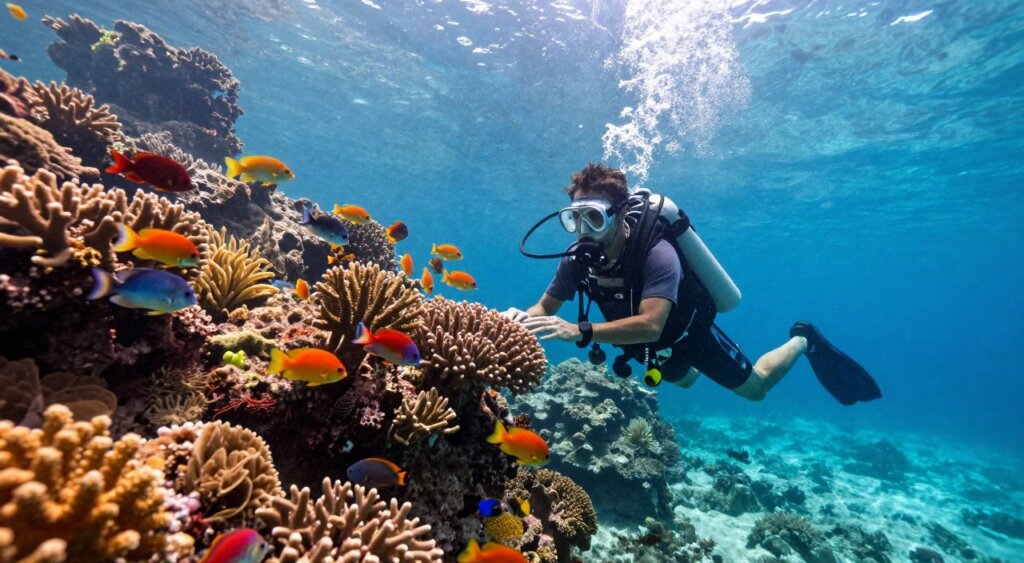
Your journey to Friwen Wall begins in Sorong, the main hub for Raja Ampat. Getting there is a few steps, but it’s all part of the adventure. It’s a chance to truly experience these remote dive sites in Raja Ampat.
Getting to Raja Ampat
Australian travellers usually fly into Domine Eduard Osok Airport in Sorong, West Papua. Then, a public ferry from Sorong’s port to Waisai, Waigeo Island’s capital, awaits. This ferry ride gives you your first view of the stunning seascape and takes about two to three hours.
Local Transportation Options
In Waisai, your homestay will arrange a private boat to Friwen Island. This scenic ride across the clear blue water takes less than an hour. It costs around 500,000 Indonesian Rupiah for a one-way trip.
Make sure to plan your arrival in Waisai with your homestay host. This ensures a smooth pick-up. The private boat is the best way to reach the island.
Accommodation Choices
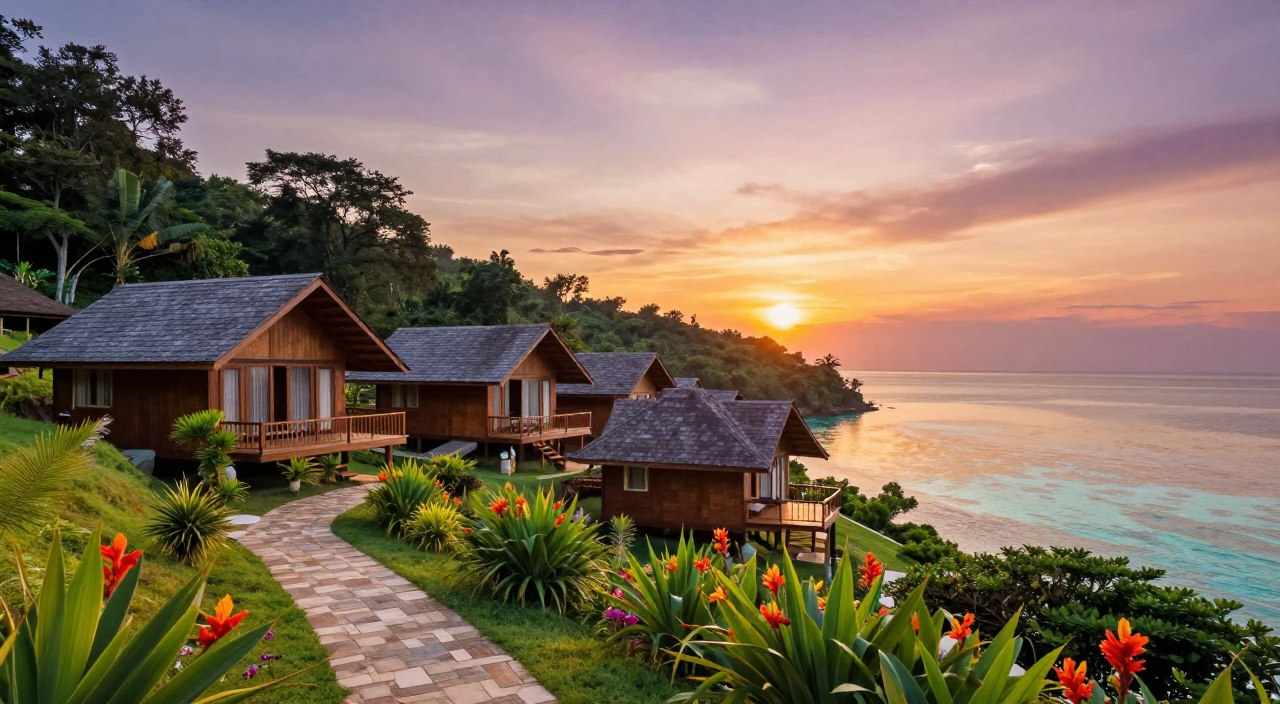
Accommodation on Friwen Island is simple but focuses on nature. There are three main homestays on the island:
- Nyandetor Homestay
- Famangkor Homestay
- Friwen Homestay
For the best access to the reef wall, stay on Friwenbonda islet. The Friwmunday Wall Homestay has a private dock. It leads straight to the water above the famous wall.
This means you can start snorkelling or diving right from your veranda. Book your stay early to secure your spot.
Diving Safety Tips
Friwen Wall’s vertical drops and lively marine life are unforgettable. But, diving safely needs preparation and knowledge. By following safety tips, your dive can be amazing, letting you enjoy the sights around you. This is key for the best wall dives in Raja Ampat, where conditions change.
Essential Dive Gear
The right equipment is your first defence. You’ll need more than just a mask, fins, and regulator. Several items are essential for wall dives in Raja Ampat.
A dive computer is a must. It tracks your depth and time, important for wall dives. It helps you ascend safely and do necessary safety stops.
Wear the right exposure protection for the water’s temperature. Even in warm waters, dives can get cold. Carry a surface marker buoy (SMB) and reel to signal your boat’s position, if currents move you.
A dive torch is also important. It shows the wall’s colours and lets you see into crevices where animals hide.
Safety Protocols
Knowing your gear and the local conditions is key to safety. Friwen Wall’s beauty requires respect.
Always check the current before diving. Currents can be strong, more so in narrow places. Your guide will help you choose the best spot and time. If the current is too strong, drift along the wall instead of fighting it.
Follow your dive plan. Monitor your depth as you descend, explore safely, and save air for a slow ascent. Always do a three-minute safety stop before surfacing.
Keep good buoyancy control. It protects the coral and saves energy. Stay near the wall or reef for a reference and shelter from currents.
Lastly, dive within your limits. The deep blue can be tempting, but know your limits. It’s okay to end a dive early if you’re unsure.
By following these tips, your dive will be exciting and safe. You can fully enjoy the wonders of the site.
Cultural Significance
A visit to Friwen Wall is more than just diving. It’s a chance to connect with Raja Ampat’s lasting traditions. The site’s beauty is matched by the rich cultural landscape of the islands above. This connection between reef and community defines a truly complete experience.
Interaction with Local Communities
Your base for exploring Friwen Wall Raja Ampat is often a family-run homestay. This system is a cornerstone of community-based tourism. It directly supports local households and opens a door to authentic Papuan culture.
Staying with a family allows for genuine interaction. You might share meals, learn a few words of the local language, or hear stories about the sea. The main village on Pulau Friwen itself has small shops for basic supplies. This lets travellers engage respectfully with daily island life.
When interacting, a mindful approach is appreciated. Simple gestures like asking before taking photos and showing interest in local customs go a long way. This respectful exchange is what makes the homestay experience so valuable for both visitors and hosts.
Traditional Practices
For a broader cultural view, a trip to Yenbeser village on nearby Gam Island is highly recommended. Here, you can observe the rhythms of daily life in a larger Papuan community. You might see traditional weaving, wood carving, or the preparation of local dishes.
These practices are not staged performances but part of a living culture. Observing fishermen preparing their boats or children playing offers a profound sense of place. It highlights how life in Raja Ampat has harmonised with the marine environment for generations.
Engaging with this cultural layer adds incredible depth to your Friwen Wall Raja Ampat adventure. It transforms a diving trip into a holistic journey of discovery. You leave with memories not just of spectacular fish, but of the warm people who call this paradise home.
Photography and Videography
Friwen Wall is a paradise for photographers and videographers. Its unique underwater world is full of beauty. Whether you’re a pro or a beginner, knowing the best spots here will make your photos amazing.
Capturing Marine Life
Friwen Wall is a macro photography dream. The reef is covered in colourful nudibranchs and tiny crustaceans. These small sea slugs and coral textures make for incredible close-up shots.
The site’s shaded areas create interesting light effects. But, it can be tricky to get good shots because of the light. Artificial lighting is key to capturing the true colours of the exploring friwen wall marine life.
Photographers can also find soft corals, feather stars, and pygmy seahorses. The reef’s structure offers great opportunities for creative shots. With patience, you might even see shy creatures like ghost pipefish.
Best Practices for Underwater Photography
For Friwen Wall, a macro setup is better than wide-angle gear. Use a camera with a macro lens and artificial lights. This setup helps light up your subjects properly.
Successful photographers follow a few key tips:
- Get close, then get closer: This helps get sharper, more colourful shots.
- Master buoyancy: Good buoyancy control is essential for avoiding damage and steady shots.
- Use manual settings: Auto modes often struggle with the contrast here.
- Bracket your shots: Take multiple exposures to capture both shadows and highlights.
Videographers should use slow, smooth movements to show off the underwater beauty friwen wall. Continuous lights are better than strobes for filming. A red filter can also help with colour correction at depth.
As one experienced shooter said,
“The magic of Friwen Wall isn’t in grand vistas, but in the miniature worlds clinging to its face. It rewards a careful, observant approach.”
Always respect the environment while exploring friwen wall marine life through your lens. Avoid touching or disturbing subjects. With the right preparation, you’ll capture stunning images that showcase this dive site’s beauty.
Environmental Impacts
Friwen Wall Raja Ampat is a global hotspot for biodiversity. It faces environmental pressures like coral reefs worldwide. Its remote location helps, but threats could harm its beauty for future generations.
Effects of Climate Change
Rising sea temperatures are a big threat to Friwen Wall‘s reefs. Warm water makes corals expel algae, causing them to bleach. A bleached coral is stressed and may die if it stays warm.
This bleaching turns reefs pale and white. It harms the homes of marine life. Ocean acidification, from too much carbon dioxide, is another serious issue.
It makes it hard for corals and other creatures to build their skeletons. This weakens the reef’s structure. Friwen Wall Raja Ampat is facing big challenges from these changes.
Pollution and Its Threats
Local pollution harms this delicate ecosystem too. Marine debris, like plastics, can damage reefs. It can smother corals and block sunlight.
Tourism is important for the local economy, but it must be done right. Poor snorkelling and diving can damage coral. Chemicals in sunscreens can also cause coral bleaching.
It’s vital to tackle these threats for Friwen Wall‘s survival. Conservation efforts by local and global partners are key. They show the importance of careful tourism and ongoing protection.
Suggested Activities
Friwen Wall is a top spot for both certified divers and those who prefer to stay near the surface. It offers unforgettable ways to connect with Raja Ampat’s marine world. Whether you’re diving deep or snorkelling near the surface, there’s something for everyone.
Choosing the right activity lets you enjoy the environment at your own pace. It ensures everyone, from beginners to experts, finds their perfect adventure.
Snorkeling vs. Diving
Friwen Wall is celebrated as one of the must-see dive sites in Raja Ampat. For scuba divers, it’s a thrilling wall dive. You’ll dive down a coral-covered wall, often with strong currents that bring in pelagic fish.
For snorkellers, Friwen’s sandy beaches offer excellent snorkelling. A boat can also take you to the top of the wall for a closer look.
Snorkelling under the village jetty is a surprising spot. You can float above huge schools of fish in clear water. It’s a great, low-effort alternative. The key difference is immersion; diving gets you into the heart of the action, while snorkelling lets you enjoy the colourful vista from above with ease.
Kayaking Around the Wall
Kayaking is a great choice for a different view. It lets you explore the channel and coastline quietly. Paddling, you can see the scale of the limestone islands from water level.
This activity offers a peaceful contrast to diving. Glide over the blue water, knowing the famous wall lies beneath you. Look down for glimpses of turtles or reef sharks from your kayak. It’s an ideal way to see more without any special gear.
Kayaking around Friwen provides a mix of gentle exercise and stunning scenery. It completes a trio of activities that make Friwen Wall a comprehensively rewarding destination.
Local Cuisine
The adventure at Friwen Wall goes beyond the reef. The islands’ unique cuisine offers a delicious journey. While exploring Friwen Wall marine life is the main event, sharing a meal is a key part of the cultural journey. The food here is simple, fresh, and deeply connected to the sea and land.
Traditional Dishes of Raja Ampat
Meals are provided by your homestay, giving you a taste of authentic local cooking. Expect to enjoy freshly caught seafood like grilled fish, prawns, and squid. These are often served with staple accompaniments.
Common traditional dishes you might enjoy include:
- Ikan Bakar: Whole fish marinated in spices and grilled over charcoal.
- Papeda: A unique Papuan staple made from sago starch, with a glue-like consistency. It’s usually eaten with a flavourful yellow fish soup.
- Sayur Keladi: A hearty vegetable dish made from taro leaves cooked in coconut milk.
- Various sambals (chilli pastes) that add a serious kick to any meal.
The experience is rustic and authentic, reflecting the true pace of island life.
Popular Dining Spots
Formal restaurants are rare in Friwen. Dining is an intimate, community-focused experience centred on your accommodation. Your homestay host will prepare generous, shared meals, often featuring the day’s catch.
For snacks and basic supplies, visit the small shops in Friwen village. Some homestay clusters also have simple stalls selling drinks, biscuits, and local snacks. This setup emphasizes the immersive nature of your stay—you’re living *with* the community, not just visiting it.
Remember to try the local coffee and perhaps some fried bananas or cassava from a village stall. It’s the perfect way to refuel after a long day exploring the underwater wonders, rounding off a truly holistic Raja Ampat adventure.
Tour Packages and Guides
Friwen Island doesn’t have dive shops, but getting to its famous wall is easy. It’s all about community here. Your homestay host helps plan your marine adventure.
By staying here, you support local families. You also get guides who know the reefs like the back of their hand. This makes your diving experience more real and personal.
Recommended Tour Operators
Friwen homestays don’t have dive centres. But, they connect you with trusted operators on nearby islands. Your host will arrange everything for you.
These operators are experts on the best wall dives in Raja Ampat. They provide everything you need for a great dive. It’s hassle-free for you.
Booking in advance is highly recommended. This is true for peak season (October to April). It ensures you get the spot you want and the dive days you prefer. You won’t miss out on the must-see dive sites in Raja Ampat.
Custom Tour Options
Booking through a Friwen homestay means you get flexibility. Your host can plan almost any trip you want. It’s not just about diving.
Want to snorkel the Wall’s shallow parts in the morning? They’ll set it up. How about a sunset kayak or a visit to a nearby village? They can arrange it.
One thing they can’t do is trips to Wayag island group. Those need a liveaboard booking. But for the Dampier Strait, your homestay is your go-to. You can plan your days to include amazing dives, relaxation, and exploration.
Staying here makes your accommodation a personal tour desk. It gives you easy access to the region’s best spots. You can enjoy the must-see dive sites in Raja Ampat, like Friwen Wall, without worrying about the details.
Testimonials from Visitors
Travelers who have seen Friwen Wall up close share amazing stories. These tales are more than just reviews. They capture the emotional impact and special moments of visiting this remote spot in Raja Ampat.
These shared experiences offer valuable insights for anyone planning a trip.
Anecdotes and Experiences
Many divers say the first dive at Friwen Wall is awe-inspiring. They describe floating along a colorful cliff, with deep blue on one side. It’s a moment they never forget.
Looking for small creatures is a highlight for many. Finding a psychedelic nudibranch or a shy pygmy seahorse is a joy. It makes every dive feel like a treasure hunt.
But the magic isn’t just underwater. Sitting on Friwen Island’s beach after diving is special. Watching the sunset with the day’s sights in mind is a perfect end.
Common Feedback
Everyone loves the incredible variety of life underwater. Even snorkelers from the beach see many fish and coral. The reef’s small creatures are always praised.
Visibility is a topic of discussion. It can change with currents and weather. But, most say a little patience can lead to amazing views.
The local homestays are also praised. Visitors love the warm welcomes, delicious meals, and chance to meet island people. This adds a special human touch to the natural wonder.
| Aspect | Positive Comments | Considerations |
|---|---|---|
| Underwater Scenery | Breathtaking wall dive; vibrant, healthy coral gardens; dramatic drop-offs. | Strong currents can occasionally be present; best suited for divers with some experience. |
| Marine Life Encounters | Exceptional macro life (nudibranchs, shrimp); regular sightings of larger pelagics; rich biodiversity. | Rare species sightings are never guaranteed; a good guide significantly improves finds. |
| Visibility | Can be exceptionally clear (30m+), showing incredible views. | Variable; can decrease with plankton blooms or after rain, affecting photography. |
| Surface Interval & Accommodation | Beautiful, serene beach; authentic homestay hospitality; remote, unspoiled feel. | Basic amenities; limited connectivity; travel to the site requires time and planning. |
In summary, the testimonials agree: Friwen Wall offers a unique experience. It combines top-notch diving with natural beauty and cultural warmth. For those looking for an adventure that’s both epic and intimate, past visitors’ stories are a strong endorsement.
Conclusion
Your journey through Raja Ampat’s wonders reaches its peak at Friwen Wall. This site is a treasure trove of marine life, nestled between two beautiful islands. It’s a perfect spot for those eager to explore.
Summary of Key Points
Friwen Wall Raja Ampat is famous for its stunning coral gardens. Divers will love the incredible variety of life here, perfect for macro photography. The site is also part of a culturally rich island group.
Its clear waters and gentle currents make it great for all skill levels. It’s a place where you can enjoy the beauty of the sea.
Encouragement to Visit Friwen Wall
If you’re diving or snorkelling in Indonesia, Friwen Wall is a must-see. It captures the essence of Raja Ampat’s underwater world in one spot. Visiting supports local conservation and connects you to this unique ecosystem.
Start planning your trip to see this incredible marine wonder for yourself.