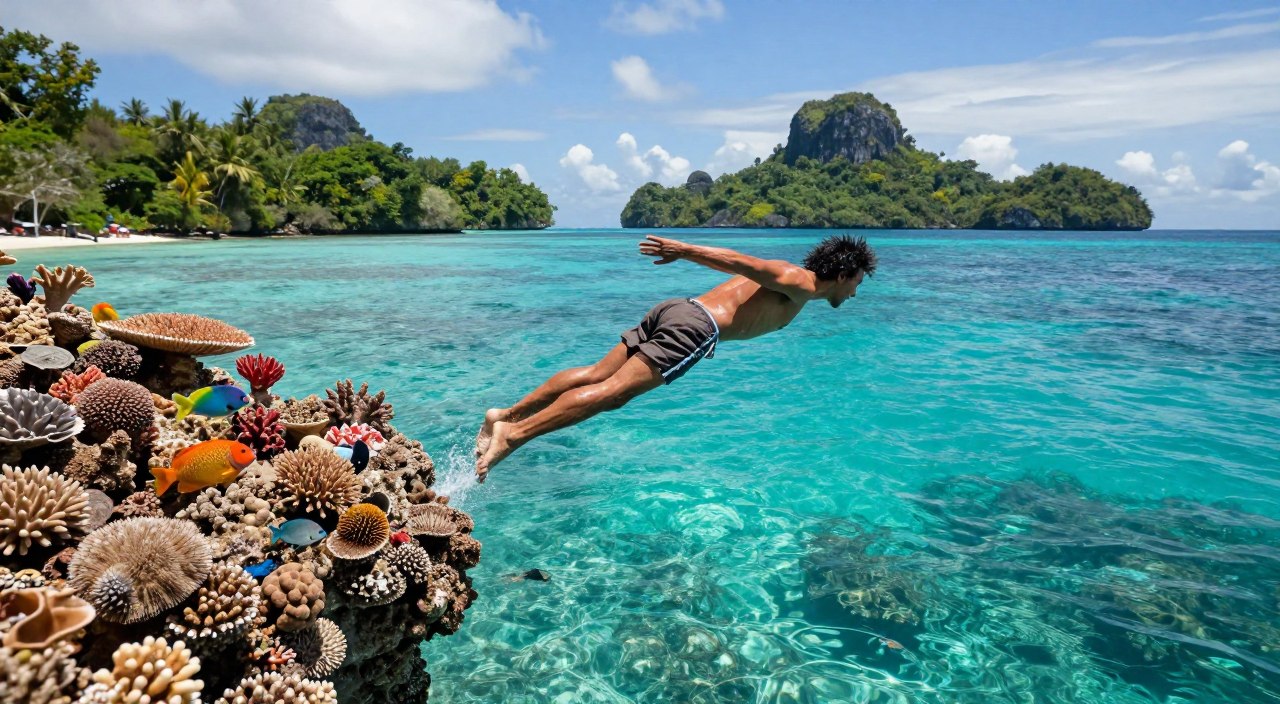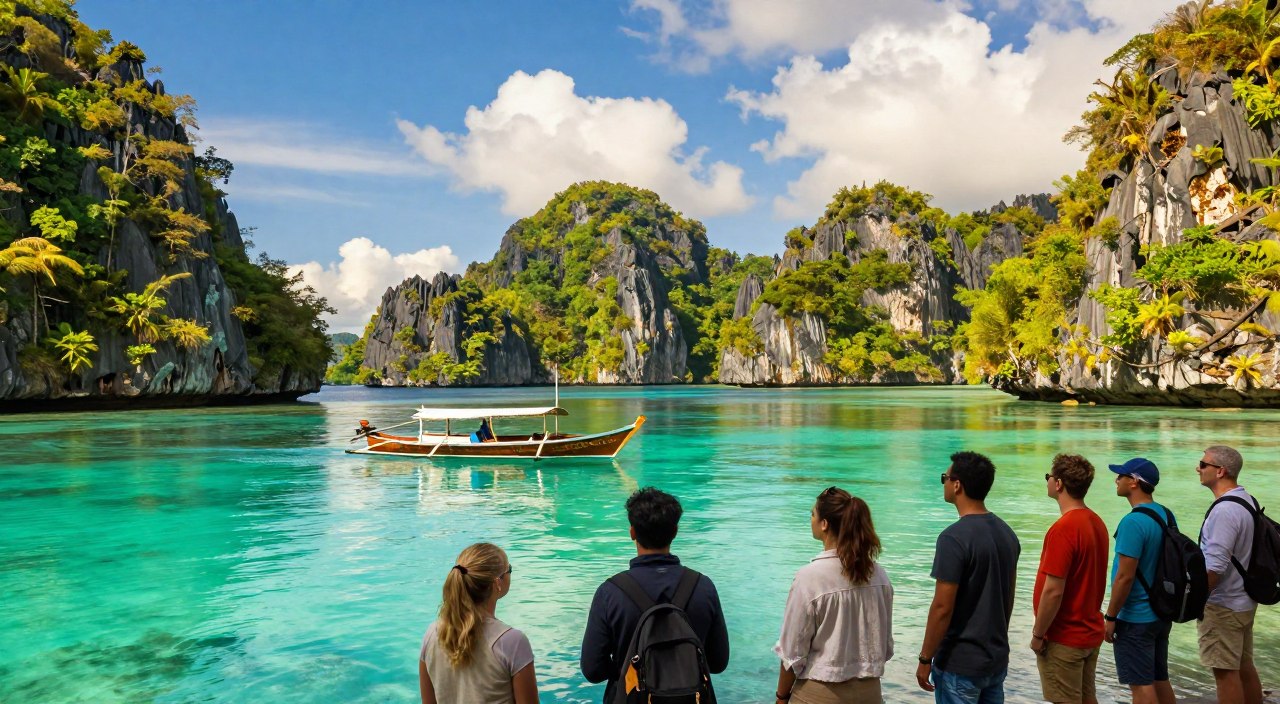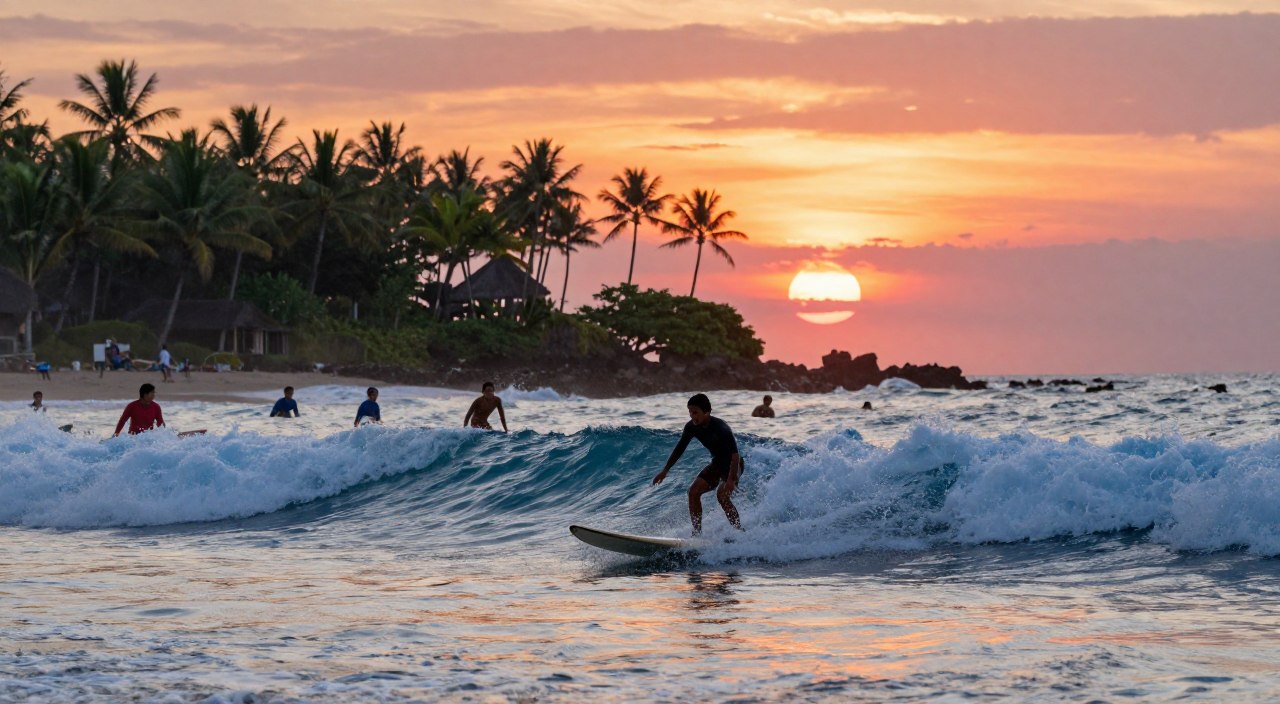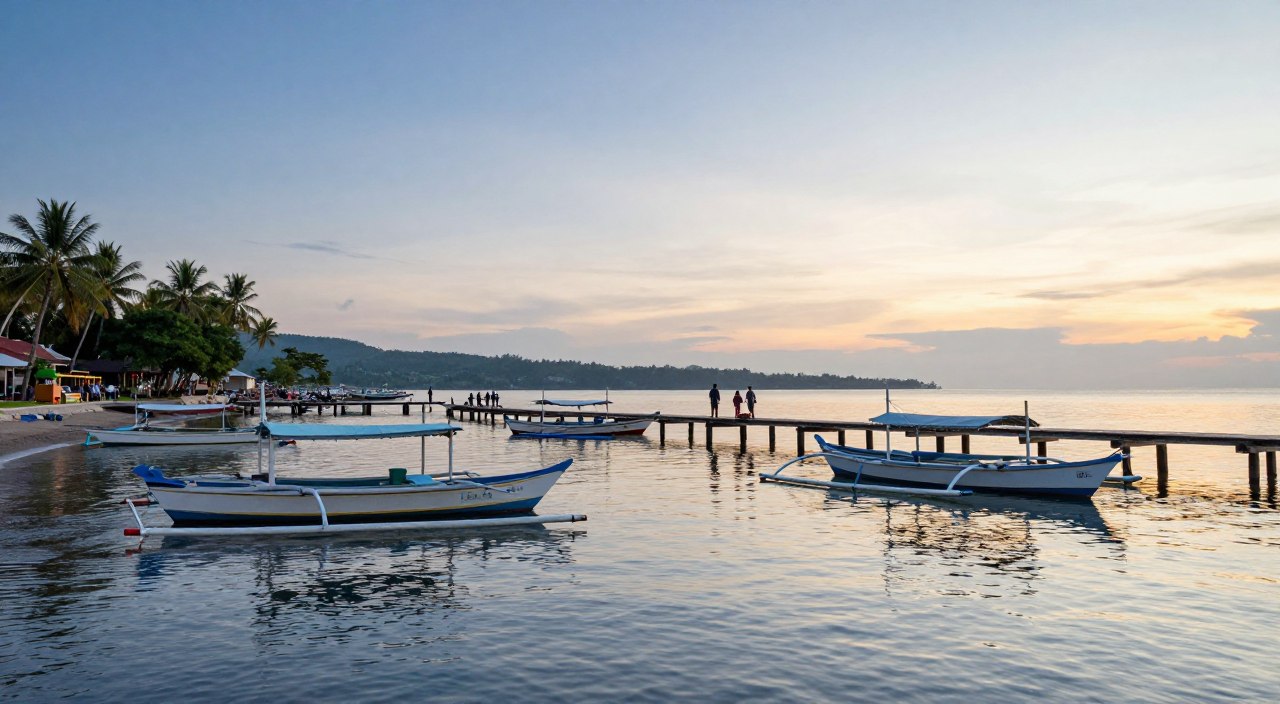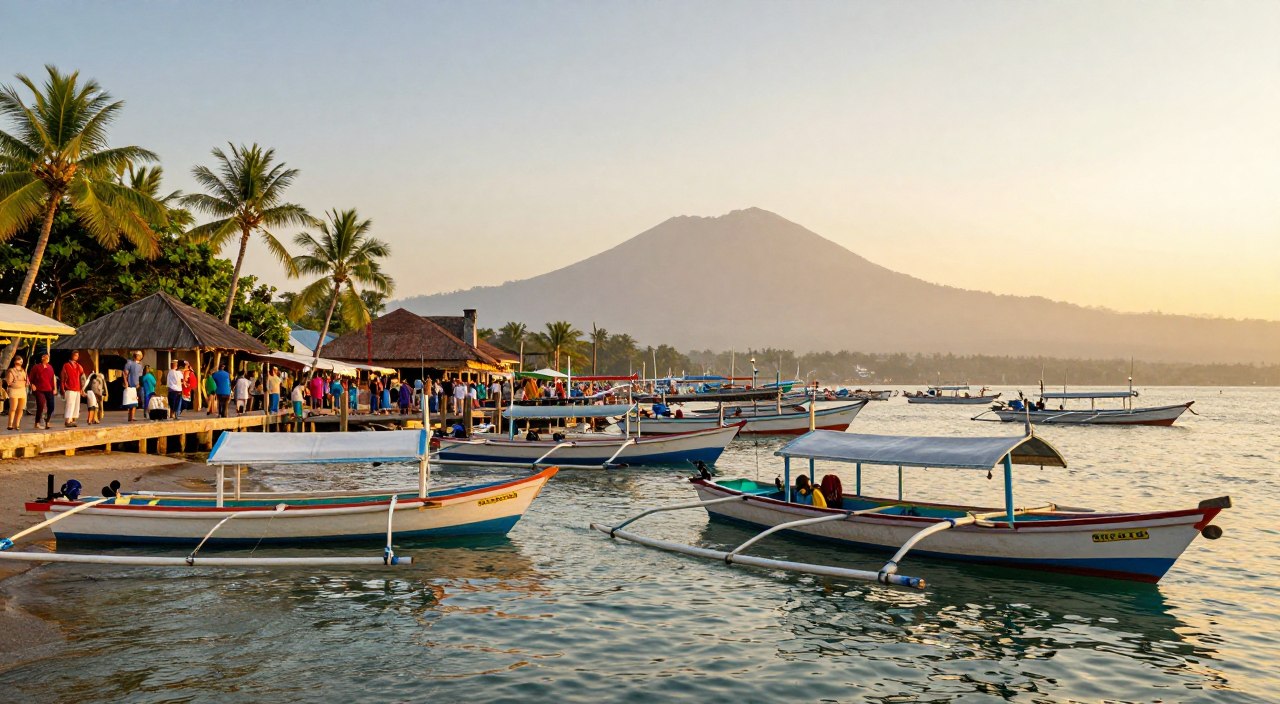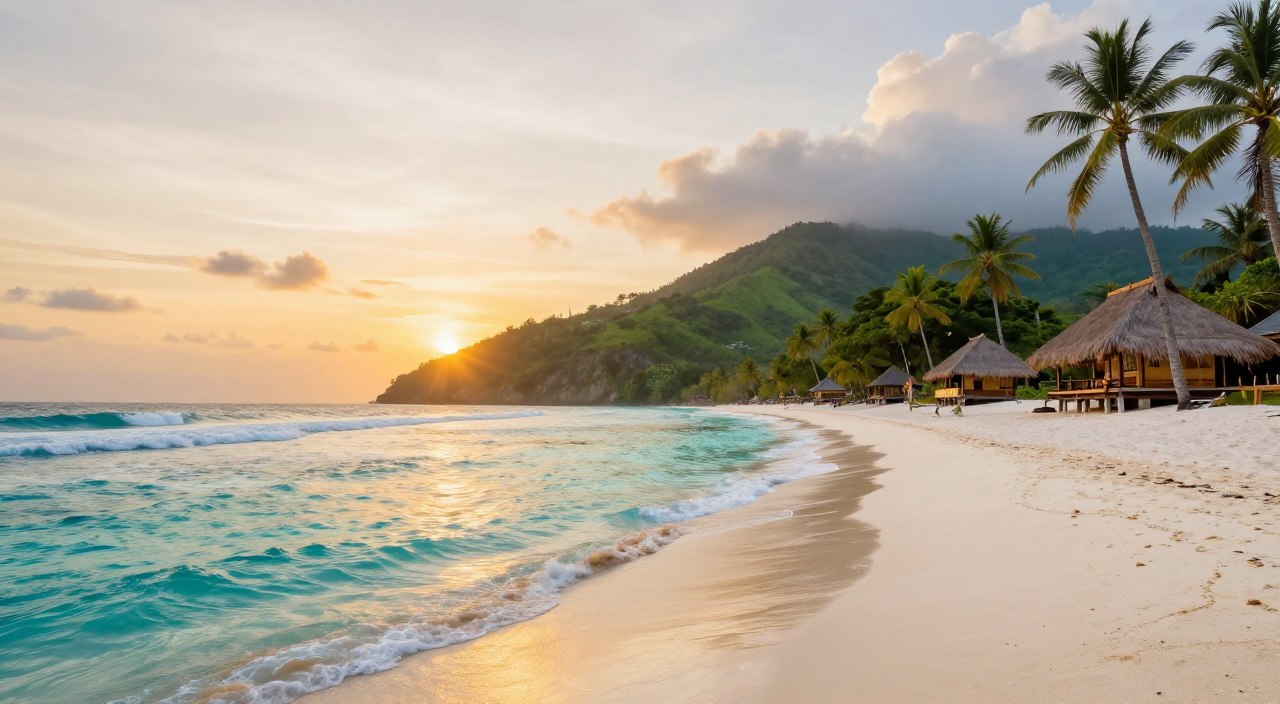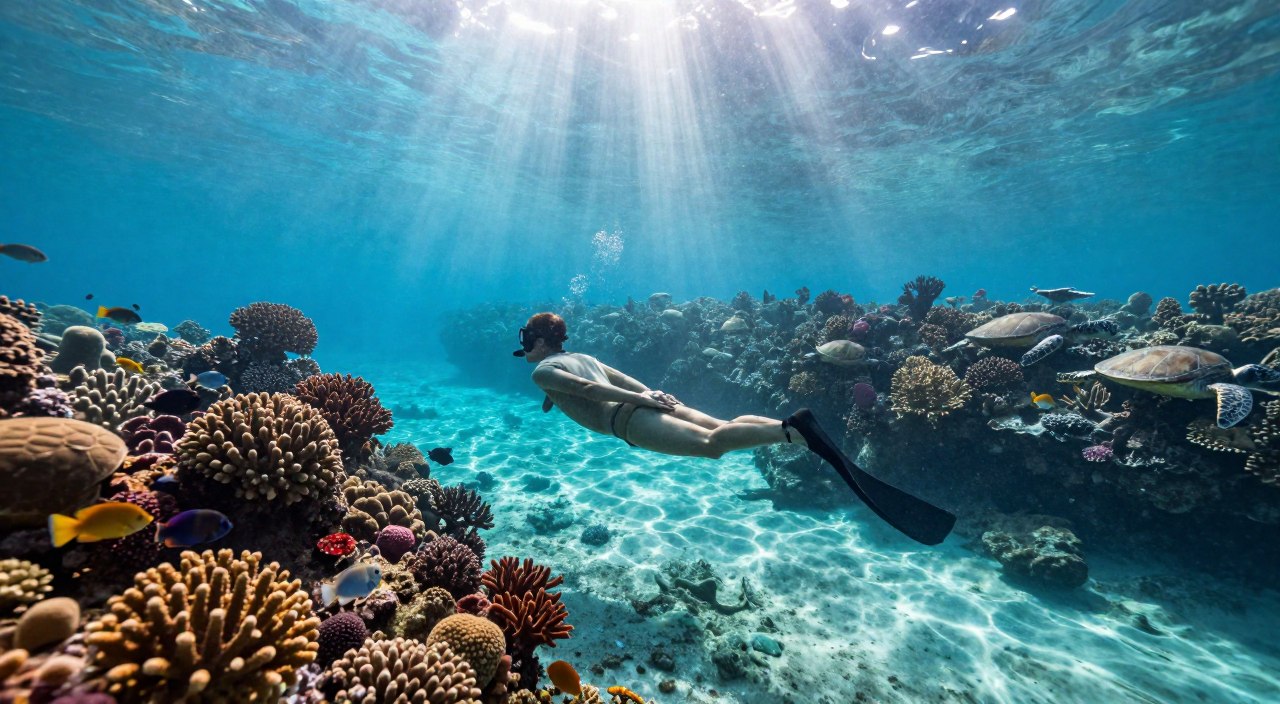
Imagine diving into the world’s most vibrant marine life without the noise of scuba gear. Raja Ampat freediving lets you experience this underwater paradise in complete silence.
This remote Indonesian archipelago is known as the heart of marine biodiversity. Its waters are home to life forms found nowhere else on Earth.
Freediving here is more than a sport; it’s a form of meditation. You move silently past colourful coral walls and curious fish. This experience offers a closeness to the ocean that scuba diving can’t match.
For adventurers from Australia and around the world, it’s the ultimate underwater journey. It’s about being a guest in the marine world, not just watching from the outside.
Key Takeaways
- Raja Ampat is recognised as the global heart of marine biodiversity.
- Freediving provides a silent, meditative way to connect with this environment.
- The experience fosters a deeper intimacy with marine life than scuba diving.
- It’s an ideal adventure for those seeking pure, unencumbered underwater exploration.
- The region offers unique encounters with species found nowhere else.
- This form of diving emphasises becoming part of the marine world.
Introduction to Raja Ampat Freediving
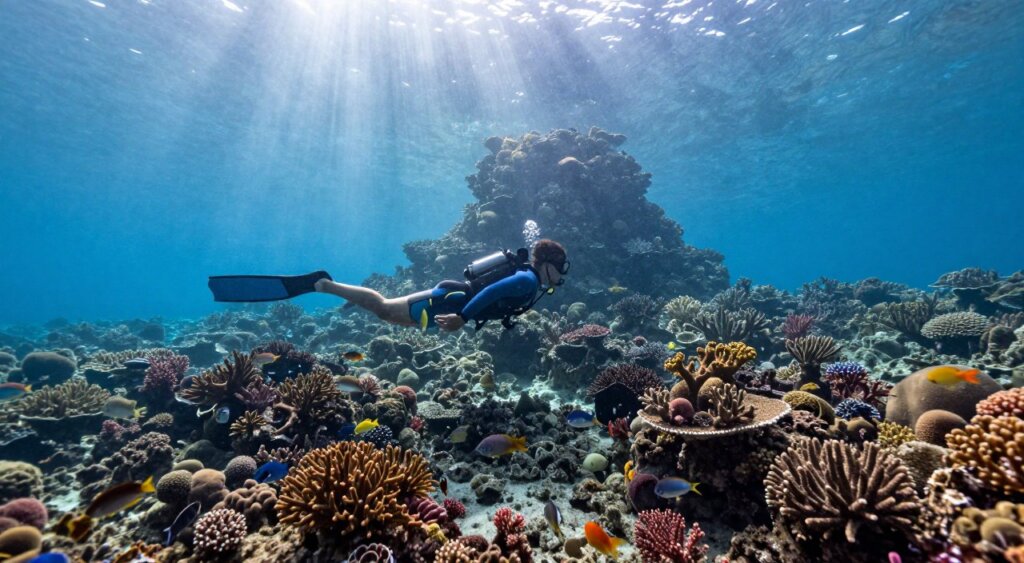
The Raja Ampat freediving experience starts with a single breath. It takes adventurers into a silent world of stunning marine beauty. This practice, known as breath-hold diving, is more than a sport. It’s a journey into the self, in the planet’s richest marine environment.
Before we dive into its unique philosophy and value, let’s see what makes it special in Raja Ampat’s blue waters.
Overview of Freediving
Freediving is the ancient art of diving underwater on one breath. It’s different from scuba diving, which uses tanks and mechanical breathing. Freediving focuses on human capability and simplicity.
The core philosophy is about silence, minimalism, and a deep connection with the sea. In Raja Ampat, the water is clear, and life is abundant. The goal is not just to see fish but to be with them, moving quietly as part of their world. It’s like underwater meditation, requiring focus and presence.
The table below shows the main differences between freediving and scuba diving, focusing on marine exploration:
| Aspect | Freediving | Scuba Diving |
|---|---|---|
| Equipment | Mask, snorkel, fins, wetsuit | Tanks, regulator, BCD, full suit |
| Noise Level | Virtually silent | Audible bubbles and regulator |
| Interaction with Marine Life | Intimate, less disruptive | Can startle shy creatures |
| Duration Underwater | Short, breath-dependent dives | Longer, air-supply dependent dives |
| Primary Focus | Inner calm, technique, connection | Exploration, extended bottom time |
Importance in Marine Exploration
Freediving is key in exploring delicate ecosystems like Raja Ampat’s. The quiet freediver disturbs the sea less, leading to close wildlife encounters. Turtles, reef sharks, and colourful fish show their natural behaviour, giving a real look into their world.
This quiet way is good for the animals and changes the diver’s experience. Without the sound of breathing, you become part of the scene, not just a visitor. It creates a deep, meditative appreciation for coral reefs’ complexity and balance.
Also, freediving’s physical challenge adds to the experience. Managing breath and buoyancy makes each dive a personal achievement. The raja ampat freediving experience combines personal challenge with awe-inspiring natural discovery.
The sea, once it casts its spell, holds one in its net of wonder forever.
In the end, freediving is a powerful tool for marine exploration that respects the habitat. It encourages a slower, more thoughtful way to engage with the underwater world. Every dive is a unique story.
The Unique Underwater Ecosystem of Raja Ampat
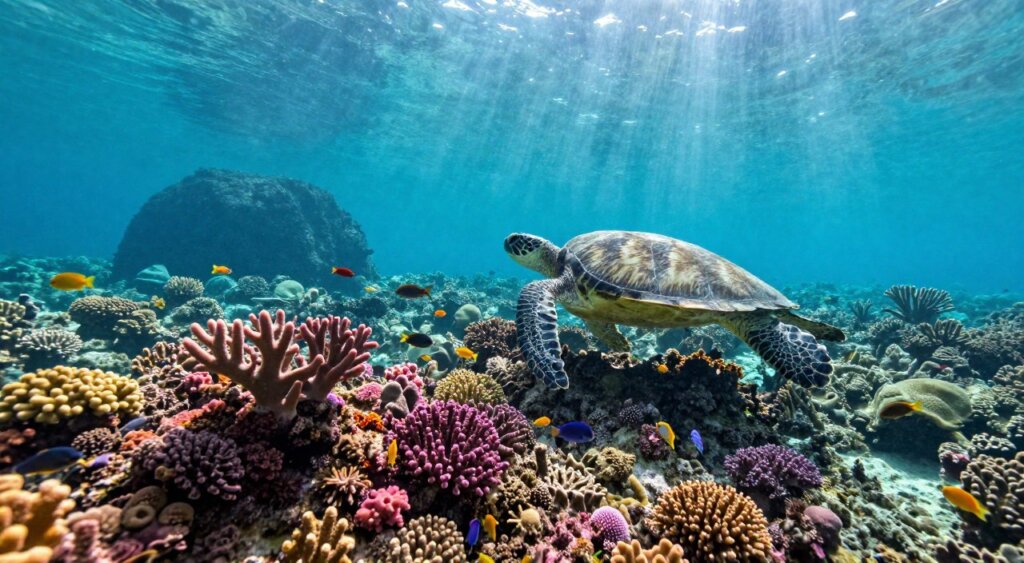
Under the turquoise waters of Raja Ampat lies a vibrant world. It’s a place where life bursts forth in ways you’ve never seen. This archipelago is at the heart of the Coral Triangle, the world’s most diverse marine area. Here, the perfect conditions support a wide variety of creatures.
To explore Raja Ampat underwater is to see why it’s called a biological hotspot. It’s a place where scientists find new species and study the ocean’s health.
Biodiversity and Marine Life
Raja Ampat’s waters are home to over 1,700 fish species and 700 mollusc types. You’ll see tiny creatures like the pygmy seahorse and giant oceanic animals. Manta rays and schools of barracuda and trevally add to the beauty.
This variety is vital for the ecosystem’s health. Predators keep populations balanced, while herbivores stop algae from taking over. Below is a table of some iconic species you might see.
| Species | Common Locations | Key Characteristics | Conservation Status |
|---|---|---|---|
| Manta Ray | Manta Sandy, Arborek | Wingspan up to 7 metres, visits cleaning stations | Vulnerable |
| Pygmy Seahorse | Coral walls & sea fans | Less than 2cm, superb camouflage | Data Deficient |
| Wobbegong Shark | Reef bottoms & slopes | Carpet shark, ambush predator | Least Concern |
| Napoleon Wrasse | Channel edges & drop-offs | Large, colourful, curious nature | Endangered |
Every dive is a new adventure. You’ll see colourful nudibranchs and turtles. The density of life makes diving here unforgettable.
Coral Reefs and Their Significance
The coral reefs of Raja Ampat are the heart of the sea. They provide food, shelter, and nurseries for marine life. These reefs are more resilient than others, showing the power of nature.
Hard corals build the reef structures, while soft corals add colour and movement. This complex environment supports a vast array of marine life. Healthy reefs mean more fish and other creatures.
Scientists think Raja Ampat’s reefs might help other areas by providing coral larvae. Protecting these reefs is key for the ocean’s health. They also support local jobs through tourism and fishing.
Conservation Efforts
Strong conservation efforts are in place to protect this treasure. Marine Protected Areas limit harmful activities. Local communities lead these efforts, combining traditional knowledge with science.
Organisations like the Raja Ampat Research and Conservation Centre work on monitoring and restoration. They do coral transplantation, manta ray identification, and education. Tour operators follow strict rules to protect the reefs.
Visitors play a big role in conservation. Choosing eco-friendly tours and being responsible helps fund conservation efforts. It’s a cycle of sustainable tourism.
Every traveller can make a difference. Simple actions like using reef-safe sunscreen and not touching marine life help. The goal is to keep this unique ecosystem alive for future generations.
Best Freediving Locations in Raja Ampat
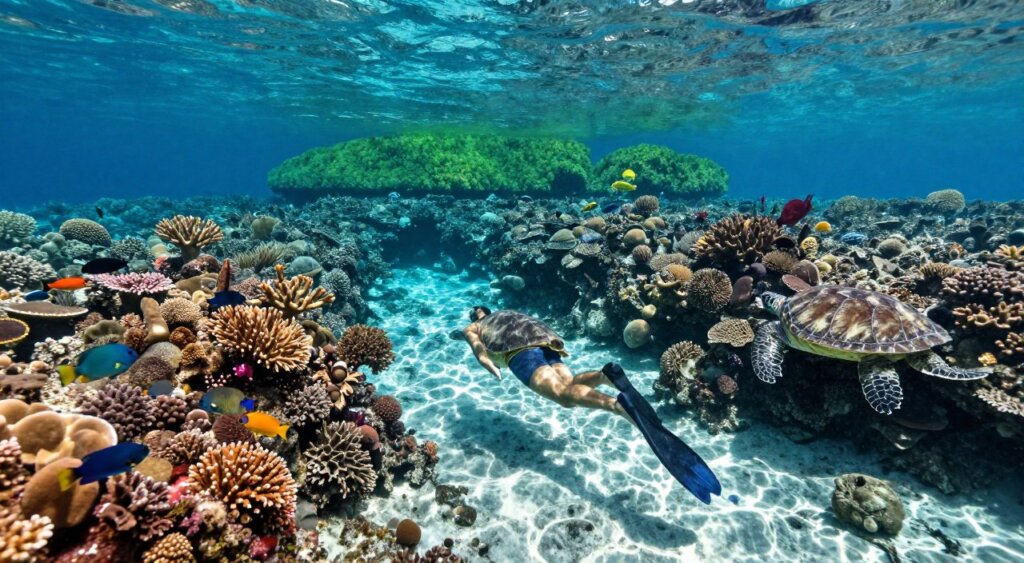
The archipelago’s best freediving spots are found across its islands. They offer everything from bustling reef walls to calm channels. A few spots stand out for their great conditions, rich biodiversity, and unique underwater views. Knowing these top sites is key to planning an unforgettable dive.
Kri Island
Kri Island is a top pick for freedivers in Raja Ampat. It’s famous for the Kri Island channels. These channels are rich in nutrients, drawing in huge schools of fish.
Drifting through these channels, you’ll see batfish, trevally, and snapper. The reef walls are covered in corals, making a stunning backdrop. It’s perfect for those who love the action and life of the ocean.
Mansuar Island
Mansuar Island offers a different freediving experience. It’s known for varied reef structures and the chance to see big marine life. The area has dramatic drop-offs, coral slopes, and bommies.
Here, you might see manta rays, reef sharks, and even wobbegong sharks. The water is clear, giving you amazing views of the sea.
The reefs are healthy and full of life. Mansuar is great for those who want to see both reef and open-water life.
Batanta Island
Batanta Island is for those who love to explore. Its underwater world is unique, with steep slopes that plunge into the blue and mangrove ecosystems.
Freediving near Batanta’s mangroves is special. The mangroves are home to young fish and other creatures. The slopes are covered in sea fans and sponges, creating a majestic atmosphere.
This area is less crowded, making it perfect for those seeking solitude and discovery. It’s a great choice for those wanting to see Raja Ampat’s underwater world from a different angle.
| Location | Key Features | Typical Depth Range | Marine Life Highlight | Best For |
|---|---|---|---|---|
| Kri Island | Famous channels, strong fish aggregation, vibrant coral walls | 5 – 25 metres | Massive schools of batfish & trevally | Dynamic drift dives & fish action |
| Mansuar Island | Varied reefs, drop-offs, bommies, excellent visibility | 10 – 30+ metres | Manta rays & reef sharks | Pelagic sightings & advanced exploration |
| Batanta Island | Steep slopes, mangrove ecosystems, less crowded | 3 – 20 metres | Juvenile fish in mangroves, large sea fans | Unique topography & peaceful discovery |
Freediving Conditions in Raja Ampat
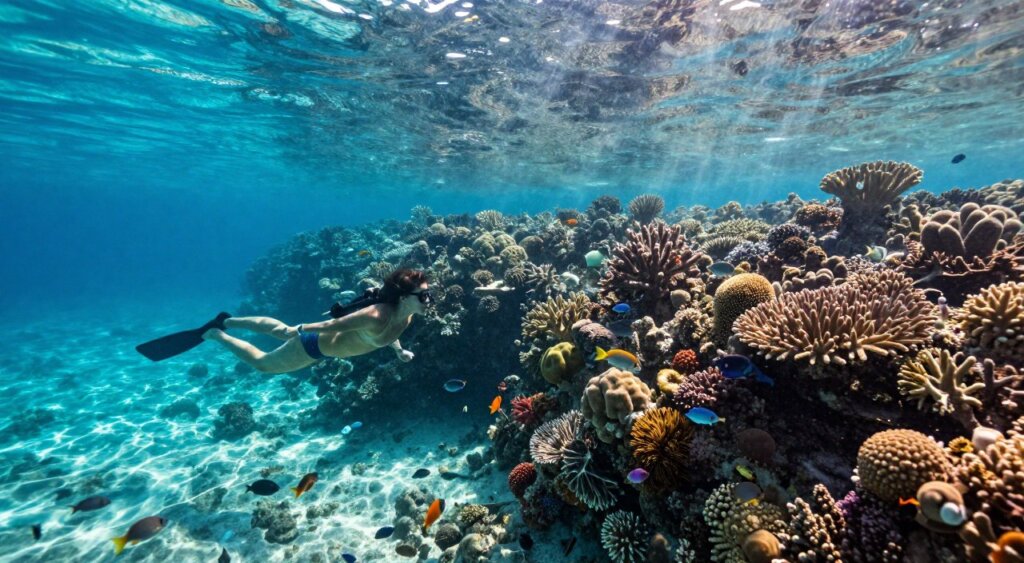
Raja Ampat is a paradise for freedivers, thanks to its marine life and great underwater conditions. Knowing what to expect is key for safe and memorable freediving excursions in Raja Ampat. We’ll cover temperature, clarity, currents, and timing.
Water Temperature and Clarity
The waters in Raja Ampat are warm and clear. Temperatures range from 27°C to 30°C all year. You won’t need a thick wetsuit; a lightweight 3mm suit or rash vest is enough.
The water is incredibly clear, with visibility up to 30 metres. On calm days, it can be even clearer. This lets you see the vibrant reef walls and pelagics from far away.
Currents and Tides
Currents in Raja Ampat are usually mild but can change with the tides. These tidal flows are essential for the ecosystem. They bring nutrients to the corals and attract fish.
For freedivers, knowing the currents is vital for safety. Slack tide is the calmest time to dive. Always follow your local guide’s advice on timing.
Watch the surface water and marine life before diving. If fish are swimming hard, the current is strong.
Best Time to Freedive
Raja Ampat is great all year, but some seasons are better. The dry season, from October to April, is preferred.
This time has less rain, lighter winds, and calmer seas. It’s perfect for boat travel and visibility. The wet season, from May to September, has more rain and stronger winds.
Visibility is good, and there are plankton blooms that attract manta rays. The table below compares the seasons to help plan your trip.
| Season | Months | Freediving Conditions & Notes |
|---|---|---|
| Dry Season | October – April | Peak conditions. Calm seas, highest visibility, sunny weather. Ideal for all skill levels and longer freediving excursions in Raja Ampat. |
| Wet Season | May – September | More rainfall and variable winds. Visibility remains good on many days. Excellent for seeing manta rays. Fewer tourists. |
| Transition Periods | April-May & Sept-Oct | Weather shifts between seasons. Can offer a mix of conditions with great diving and lower travel costs. |
The best time depends on what you want. For calm and clear water, choose the dry season. For wildlife and quiet sites, the wet season is magical. Plan your trip to make the most of your underwater adventure.
Equipment Needed for Freediving
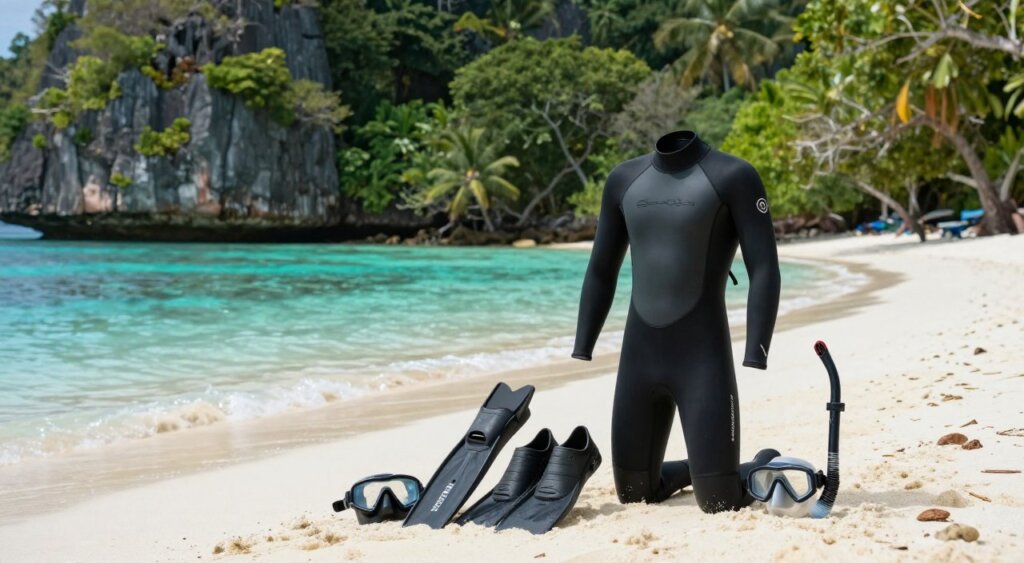
Professional freediving in Raja Ampat requires skill and the right equipment. The right gear makes your dive safe and enjoyable. It lets you focus on the marine life, not on struggling with bad equipment.
Essential Freediving Gear
Your basic kit has five key items. Each is important for comfort, efficiency, and safety underwater.
- Mask: A low-volume freediving mask gives a clear view. It’s easy to equalise pressure. A good silicone skirt is essential for a seal.
- Snorkel: A simple J-shaped snorkel is best. It’s for swimming at the surface and getting ready to dive, not during the dive.
- Fins: Long-bladed freediving fins are powerful. They help you swim with less effort. Choose between plastic or carbon fibre based on your needs and budget.
- Wetsuit: Even in warm waters, a thin wetsuit (1-3mm) is useful. It keeps you warm, provides buoyancy, and protects from the sun and minor nicks.
- Weight System: A rubber freediving weight belt helps you stay at the right depth. Getting the weight right is a critical safety skill.
Safety Equipment and Personal Buoyancy
Safety gear is essential for diving responsibly, even in open water. It keeps you safe and signals your presence to boats.
A freediving buoy (or dive float) is your surface marker. It should be bright and large. From it, you deploy a descending line with depth markers.
Attach yourself to the line with a lanyard and karabiner. This system is key for safe ascents and descents. It also helps with buddy safety and rescue practice. Never dive without it in open water.
Renting vs. Buying Equipment
Whether to bring your own gear or rent in Raja Ampat depends on several factors. Here’s a guide to help you decide.
| Consideration | Renting Equipment | Buying Your Own |
|---|---|---|
| Cost | Lower upfront cost; great for beginners or those who dive less. | Higher initial cost, but saves money in the long run. |
| Convenience & Travel | Saves space and weight in your luggage. No maintenance worries. | Travel with gear you know and love. Always available. |
| Hygiene & Condition | Quality and hygiene can vary. Wetsuits and snorkels might be a concern. | You control cleanliness and know your gear’s history. |
| Performance & Fit | May not get high-performance or perfectly fitting items, limiting your experience. | Get gear that fits and performs well, tailored to you. |
For a one-off trip, renting fins and a wetsuit from a reputable Raja Ampat operator is practical. But for serious professional freediving in Raja Ampat, buying your own mask, snorkel, and safety gear is wise. A mask that never fogs and fits perfectly is priceless.
Many divers mix it up: bring your own mask, snorkel, and safety kit, but rent fins locally. This balances comfort, safety, and travel needs perfectly.
Freediving Training and Courses
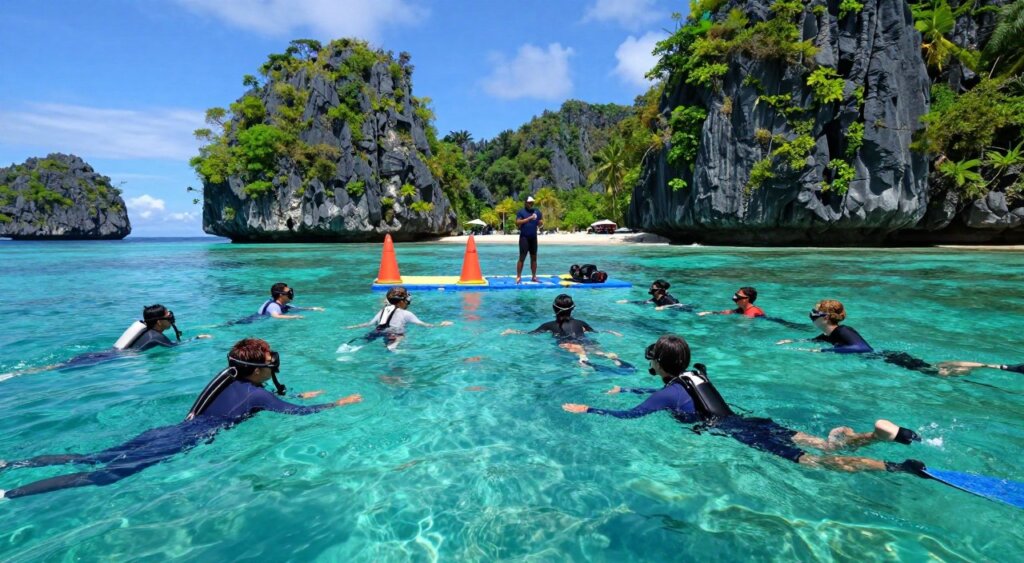
Before you dive into Raja Ampat’s waters, getting proper training is key. Freediving is about mental strength and safety knowledge as much as physical skill. Taking a certified course is not just a good idea; it’s essential for your safety and to enjoy the underwater world fully. Reputable operators offer structured programs that meet global standards.
These courses are an investment in your skills and peace of mind. Like many diving programs, they often require booking in advance and start at a significant cost, with prices for full courses around $450 AUD or more. This ensures you get personal attention and access to the best sites for your skill level.
Beginner Freediving Courses
Your journey starts here. A beginner course, like those at top Raja Ampat freediving centers, builds confidence and core skills in a safe setting. The curriculum covers three main areas.
First, you learn theory. This includes breathing techniques, pressure effects, and safety procedures. Next, you practice in confined water, usually in a calm bay or pool. Here, you work on breath-holds, finning, and basic equalisation safely.
The final phase is open water training. Under instructor supervision, you apply your skills in Raja Ampat’s gentle reefs. Completing a beginner course certifies you for safe, shallow freediving and is the first step for all divers.
Advanced Freediving Training
For those wanting to dive deeper or improve their technique, advanced training is next. These courses refine your form, extend your breath-hold, and teach complex equalisation methods.
You’ll learn freefall techniques, advanced finning, and managing strong currents. The training includes deeper dives, sometimes to 20 metres or more, under strict safety rules. This level of instruction is essential for safely pushing your limits.
Choosing a centre with experienced instructors for advanced training is critical. The top Raja Ampat freediving centers have guides who know the local conditions well and provide the detailed coaching needed for progression.
Safety and Rescue Training
This training is perhaps the most important for any freediver. Safety and rescue courses focus on looking out for others, not just personal performance. You learn to spot early signs of trouble in yourself and your buddy.
Key skills include rescue tows, surface recovery procedures, and managing loss of motor control or blackout. The course also covers first aid essentials specific to freediving incidents. This knowledge makes a competent diver responsible.
Any top Raja Ampat freediving center will stress this training and often require it for their guides. It’s a sign of a professional and safety-conscious operation.
| Course Level | Key Focus Areas | Typical Duration | Investment Guide* |
|---|---|---|---|
| Beginner | Basic theory, confined water skills, open water dives to ~10m | 2-3 days | From $450 AUD |
| Advanced | Deep equalisation, freefall technique, dives to 20m+ | 2-3 days | From $600 AUD |
| Safety & Rescue | Buddy rescue, blackout management, first aid response | 1-2 days | From $400 AUD |
*Prices are indicative starting points for specialty courses. Full certification courses may vary. Always confirm directly with the operator.
When planning your trip, research and book your course well in advance. The best instructors and slots at top centres fill up fast, even more so during peak season. Your training is the foundation of your Raja Ampat freediving experience.
Guided Freediving Tours in Raja Ampat
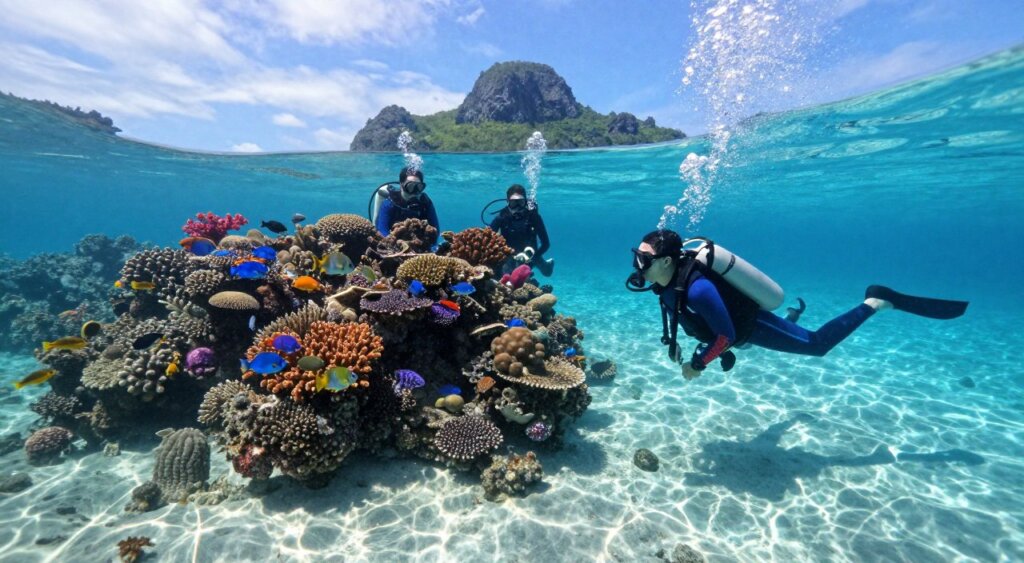
Booking a guided freediving package is key to exploring Raja Ampat’s marine wonders safely. These tours make planning easy, leaving you to enjoy the adventure. A raja ampat freediving package includes transport, guided dives, and permits, all in one.
What to Expect from a Guided Tour
A guided freediving tour is both structured and immersive. It starts with a detailed morning briefing. The guide will explain the day’s dive sites, conditions, and safety rules.
You can then expect:
- Boat transfers to remote dive sites.
- Guided freediving sessions with a local expert.
- Surface intervals with food and drinks.
- Learning about marine life and skills.
- A debrief in the evening to share experiences.
This way, you dive more and worry less about logistics. Many all-inclusive packages also cover marine park entry fees, saving you hassle.
Benefits of Professional Guidance
Guided tours offer big safety benefits. A certified guide watches over you and knows the area well.
They also share their local knowledge to find the best dive spots. This increases your chances of seeing rare marine life.
Guides handle all the planning, from permits to boat schedules. This lets you focus on diving and enjoying the experience.
They also teach you about the marine life. A good guide points out interesting details you might miss, enriching your dive.
Recommended Tour Operators
Choosing the right operator is key for a great trip. Look for certified freediving instructors with Raja Ampat experience. Many raja ampat freediving packages are offered by eco-resorts or liveaboard vessels.
Island lodges like Kri or Mansuar offer week-long packages. These include accommodation, meals, and daily dives, perfect for skill-building.
For a top adventure, try a liveaboard trip. These boats visit remote sites across the archipelago. They offer a premium, all-inclusive experience.
Choose operators with strong sustainability policies. Support local conservation and guides. Reading reviews from Australian divers helps you find the best service.
Investing in a guided freediving tour opens up a deeper, safer dive experience. It’s a chance to explore Raja Ampat’s marine wilderness.
Cultural Aspects of Raja Ampat
Raja Ampat is not just about stunning reefs and deep waters. It’s also home to vibrant Papuan communities. Their lives are deeply connected to the sea. Exploring this cultural side adds depth to any freediving adventure.
Local Communities and Traditions
The people of Raja Ampat come from different Papuan ethnic groups. Their villages, along the coast, are filled with tradition. Life and identity are closely tied to the sea.
They follow customs like sasi, a law that closes areas for fishing. This helps resources to grow back. Other traditions include:
- Intricate weaving with natural fibres.
- Traditional dances and songs about the sea and ancestors.
- Woodcarving of marine life like manta rays and sharks.
Respect for elders and community decision-making are key. The sea is sacred to them.
Impact of Tourism on Culture
Tourism in Raja Ampat has both good and bad sides. It brings in money and jobs but also challenges traditional ways.
| Positive Impacts | Potential Challenges |
|---|---|
| Creates jobs in guiding, homestays, and handicrafts. | Risk of cultural performances becoming commodified for tourists. |
| Provides incentive to preserve traditions and languages. | Increased waste and pressure on local infrastructure. |
| Fosters cultural exchange and global understanding. | Potential for social displacement if benefits are not shared equally. |
Responsible tourism is key. Visitors who learn about customs and buy local crafts help positively impact.
Community-Run Conservation Initiatives
There’s a positive trend in Raja Ampat. Tourism is helping local conservation and cultural preservation. Many villages manage their own marine protected areas (MPAs).
Money from divers and freedivers goes to community funds. It helps with patrols, schools, and cultural sites. Staying with locals or hiring village guides supports these efforts.
Staying with a local family or hiring a village guide is more than a service. It’s an investment in the true guardians of this paradise.
Supporting community-run projects is meaningful. It helps protect the environment and heritage on their terms. As a visitor, supporting these efforts is a great way to contribute to Raja Ampat’s future.
Environmental Challenges Facing Raja Ampat
Raja Ampat’s reefs are under threat from global and local issues. Despite being a vibrant life stronghold, it faces real challenges. Understanding these issues is key to supporting its survival.
Threats to Marine Biodiversity
Human activities stress Raja Ampat’s wildlife. Overfishing depletes key species, upsetting the food web. Sharks and reef fish are vital for coral health.
Destructive practices like blast fishing harm coral. They kill fish and leave barren reef patches. These take decades to heal.
Plastic pollution is another big issue. Waste from communities and vessels pollutes the sea. Turtles mistake plastic bags for jellyfish, and microplastics harm the food chain.
The Impact of Climate Change
Climate change is a global threat. Rising sea temperatures cause coral bleaching. Corals expel algae, turning white and dying if stressed.
Bleaching turns vibrant reefs into white graveyards. Raja Ampat has seen many bleaching events. Some reefs recover, while others suffer significant loss.
Ocean acidification is another threat. The ocean absorbs carbon dioxide, becoming more acidic. This weakens corals and shell-building creatures.
Local Efforts to Combat Pollution
Local communities and organisations are fighting back. Grassroots action is building resilience. The battle against pollution is led by island residents.
Beach clean-up campaigns are common. They remove plastic and debris, preventing pollution in the marine park.
Reef restoration projects are also underway. Coral gardening grows coral fragments for damaged reefs. This work helps reefs recover faster.
These efforts are community-driven, combining traditional knowledge with science. By supporting sustainable tourism and educating visitors, locals are making a difference. Their work shows that with dedication, Raja Ampat can have a healthier future.
Tips for Safeguarding Marine Life
Protecting marine life is a task for everyone, not just scientists. Your actions in the water and choices on land affect Raja Ampat’s delicate ecosystem. By following a few key principles, you can help keep the reefs healthy and support the local community.
Responsible Freediving Practices
Learning to control your presence is the first step in protecting marine life. It’s about reducing your impact so the underwater world can thrive without disturbance.
Here are the core practices to follow on every dive:
- Perfect Your Buoyancy: Flawless buoyancy control is essential. Hovering without touching the seabed or coral prevents damage to ancient structures. Practice in open water before approaching reefs.
- Look, Don’t Touch: It’s a simple rule. Coral polyps are living animals; touching them can remove their protective coating and introduce disease. Marine life, from tiny nudibranchs to turtles, should be observed from a respectful distance.
- Be Fin-Aware: Long, powerful fin kicks can stir up sediment and smash into coral. Use slow, controlled movements and keep your fins high when near the reef. Consider shorter fins for better manoeuvrability in tight spaces.
- Choose Reef-Safe Protection: Many common sunscreens contain chemicals like oxybenzone that bleach and harm coral. Always use a certified reef-safe, mineral-based sunscreen.
Understanding the difference between sunscreens is key for your pre-dive routine. The table below highlights the main contrasts:
| Feature | Reef-Safe Mineral Sunscreen | Regular Chemical Sunscreen |
|---|---|---|
| Active Ingredients | Zinc Oxide, Titanium Dioxide | Oxybenzone, Octinoxate |
| Impact on Coral | Non-toxic, biodegradable | Can cause bleaching & DNA damage |
| Protection Onset | Effective immediately upon application | Takes ~20 minutes to absorb |
| Common Form | Often thicker, can leave a slight white cast | Typically lighter, easier to rub in |
Educating Others on Marine Conservation
Your positive example is a powerful tool. When fellow divers or travellers see you practising good habits, it sparks curiosity and encourages change.
You don’t need to be a marine biologist to share important messages. Focus on simple, impactful facts. Explain why touching coral is harmful, or how sunscreen chemicals wash off and pollute the reefs we admire. If you see someone about to stand on a reef, a polite, friendly reminder can make all the difference.
Share your knowledge on social media responsibly. Post photos that showcase beauty without interference, and tag operators who follow sustainable practices. Becoming an advocate amplifies your positive impact far beyond your single trip.
Supporting Sustainable Tourism
Where you spend your money sends a strong signal. Choosing operators and resorts committed to sustainability ensures tourism dollars help preserve Raja Ampat.
Look for businesses with clear environmental policies. Do they have proper waste management and recycling? Do they support local conservation projects or employ community members? A genuine sustainable operator will be transparent about their efforts.
Ask these questions when booking your tour:
- What is your policy on anchoring? (Preferring permanent moorings over dropping anchor on reef).
- How do you minimise plastic waste on board? (Providing refillable water stations).
- Do you contribute to or partner with any local marine protection initiatives?
Supporting community-run homestays and tours is another excellent way to ensure your visit benefits locals directly. Your conscious choice drives the industry towards a greener, more ethical future for this paradise.
Health and Safety Considerations
Before diving into Raja Ampat’s vibrant waters, knowing health and safety is key. This knowledge keeps you, your dive buddy, and the marine life safe. Always put safety first for a safe and exciting dive.
Physical Fitness for Freediving
Freediving is tough on your body. You need good heart health and to use oxygen well. You don’t have to be super fit, but some fitness is necessary.
Swimming and yoga can help your lungs and breath-holding. A doctor’s check before your trip is wise, if you have health issues. Being flexible, like in your chest and diaphragm, helps with pressure changes.
Listen to your body. Don’t ignore tiredness, dizziness, or chest tightness. A relaxed and fit diver is a safe diver.
Recognising Signs of Trouble Underwater
Stay aware of yourself and your buddy underwater. Problems can happen fast, so knowing the signs is important.
Hypoxia, or lack of oxygen, can cause tunnel vision, feeling too good, or slow responses. If someone seems clumsy or ignores signals, it’s a big warning.
Barotrauma (pressure injury) can hurt your ears or sinuses during descent or ascent. Never force equalisation. Blue lips or fingernails and muscle twitching are serious signs.
The worst is a blackout near the surface after diving. If someone becomes limp and unresponsive, it’s an emergency. Always dive with a buddy and check on each other for 30 seconds after surfacing.
First Aid Essentials
A good first aid kit for water activities is essential. It should be waterproof and easy to reach on your boat or at your base.
Your kit should have more than just band-aids and antiseptic. Include vinegar for jellyfish stings, ear-drying solution, and gauze for coral cuts. A small emergency oxygen unit can save lives in serious diving incidents.
Remember, having the kit is only half the solution. Knowing how to use it is just as important. Take a DAN First Aid for Divers course or similar before your trip.
| Sign or Symptom | Possible Cause | Immediate Action |
|---|---|---|
| Sharp ear pain on descent | Barotrauma (Ear Squeeze) | Stop descent. Attempt gentle equalisation. If pain persists, abort the dive. |
| Uncontrollable coughing or choking after surfacing | Water Aspiration / “Taravana” (shallow water blackout risk) | Get diver to safety. Administer oxygen if available. Seek medical help. |
| Buddy appears disoriented or euphoric underwater | Hypoxia (Oxygen Starvation) | Signal to ascend immediately. Assist them to the surface safely. |
| Loss of consciousness at or near the surface | Blackout | Shout for help. Support the diver’s head above water. Begin rescue breaths if not breathing. |
| Chest pain or difficulty breathing | Pulmonary Barotrauma | Administer 100% oxygen. Keep diver calm and seated. Arrange urgent medical evacuation. |
Spending time on safety education and preparation makes your dive better. It gives you confidence to enjoy Raja Ampat’s wonders, knowing you’re ready for anything.
Planning Your Freediving Trip
Planning a freediving trip to Raja Ampat is key. You need to consider the weather, costs, and logistics. With the right planning, your trip will be unforgettable.
Smart planning lets you enjoy the best of Raja Ampat. It also helps you stay within your budget. Let’s look at the important steps for planning your underwater adventure.
Best Travel Seasons and Weather
The dry season, from October to April, is the best time for raja ampat freediving tours. The seas are calm, and the water is clear. Rainfall is low, and winds are gentle.
Water temperatures are between 28°C and 30°C all year. You won’t need a thick wetsuit. During the dry season, visibility can be over 30 metres.
December and January are the busiest months. For a quieter trip, consider October-November or March-April. The wet season (May-September) has stronger winds and more rain, affecting travel and visibility.
Accommodation and Costs
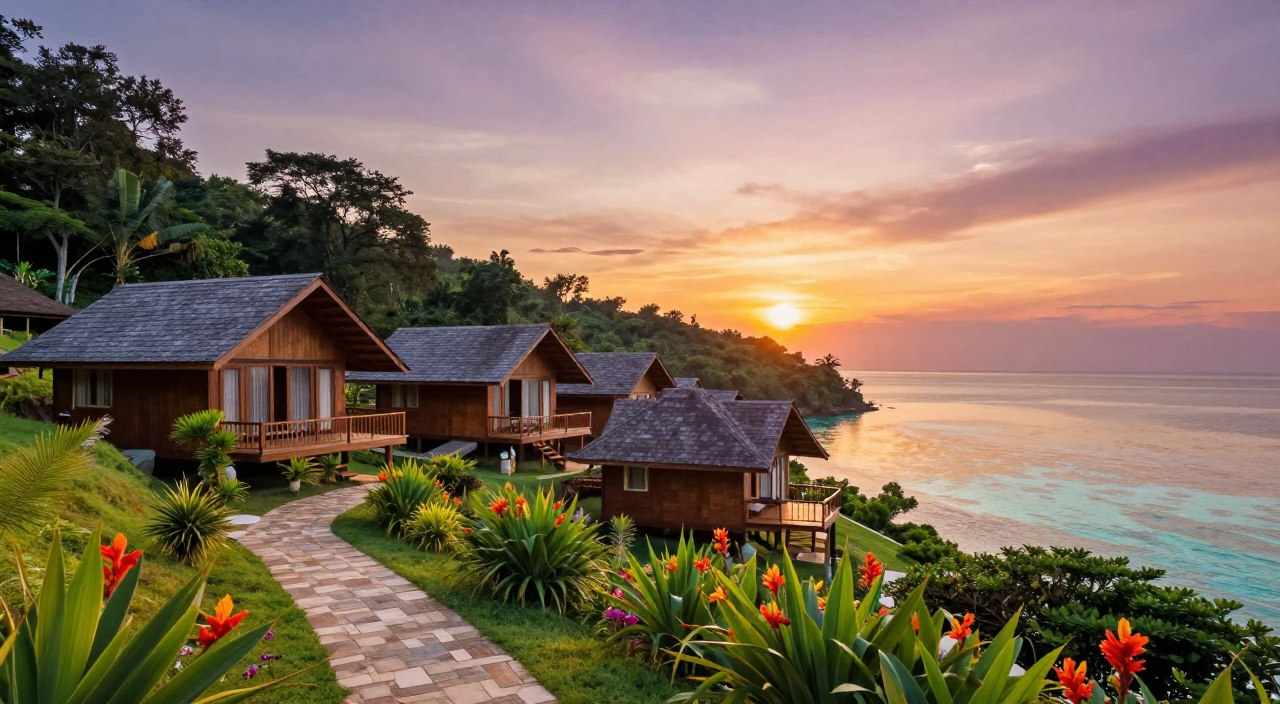
Raja Ampat has various accommodations, from simple homestays to luxury liveaboards. Your choice affects your budget and daily life. Costs are higher than in other parts of Indonesia due to its remote location.
Liveaboard boats offer flexibility, moving between dive sites. Island resorts provide comfort and a fixed base. Homestays offer an authentic community experience.
Here’s a comparison of the main accommodation types to help you plan:
| Accommodation Type | Description | Price Range (AUD per night) | Best For |
|---|---|---|---|
| Liveaboard | Multi-day boat trip with all meals, diving, and transport included. | $350 – $800+ | Serious divers wanting maximum time at remote sites. |
| Island Resort | Comfortable bungalows or villas on islands like Kri or Mansuar. | $200 – $500 | Travellers seeking comfort and daily guided trips. |
| Homestay / Eco-lodge | Basic room in a local village, often with meals included. | $50 – $150 | Budget-conscious adventurers and cultural immersion. |
Don’t forget to add extra costs. These include the Raja Ampat Marine Park entry permit (approx. $100 AUD), boat transfers, and equipment rental if needed.
Travel Logistics and Accessibility
Getting to Raja Ampat is a journey, but it’s worth it. Your international flight will land in major Indonesian hubs like Jakarta or Denpasar (Bali). Then, you’ll take a domestic flight to Sorong, West Papua.
Several Indonesian airlines fly to Sorong. Booking your domestic flight early is a good idea. In Sorong, you’ll take a ferry or chartered speedboat to your island destination.
The most common islands to visit are Waigeo or Kri. The boat trip can take from one to four hours, depending on your destination. Many raja ampat freediving tours include this transfer in their package.
Once you arrive, local transport is by small boat. Resorts and tour operators arrange these. Make sure you have enough Indonesian Rupiah in cash, as ATMs are rare outside Sorong.
Booking your raja ampat freediving tours with a reputable operator makes things easier. They handle permits, transfers, and local knowledge. This lets you focus on the amazing underwater world.
Conclusion: Embrace Raja Ampat Freediving
Raja Ampat is a unique place for freediving. Its clear waters and lively marine life make it perfect for deep underwater adventures.
Encouragement to Experience Freediving
Think about starting your freediving journey. Sign up for a course to learn and grow. A guided tour with experts like Papua Diving or Raja Ampat Biodiversity Resort is a great way to explore.
This adventure is more than a trip. It’s a chance to push yourself and connect with the ocean’s depths. The memories you make here will last a lifetime.
Call to Action for Conservation Efforts
Enjoying this paradise means we must act responsibly. Your actions as a visitor affect its future. Choose eco-friendly tour operators and places to stay.
Always dive carefully, avoiding corals and wildlife. You can also help by donating to or volunteering with groups like the Raja Ampat Research and Conservation Centre. This helps keep the ecosystem safe for others to enjoy in the future.