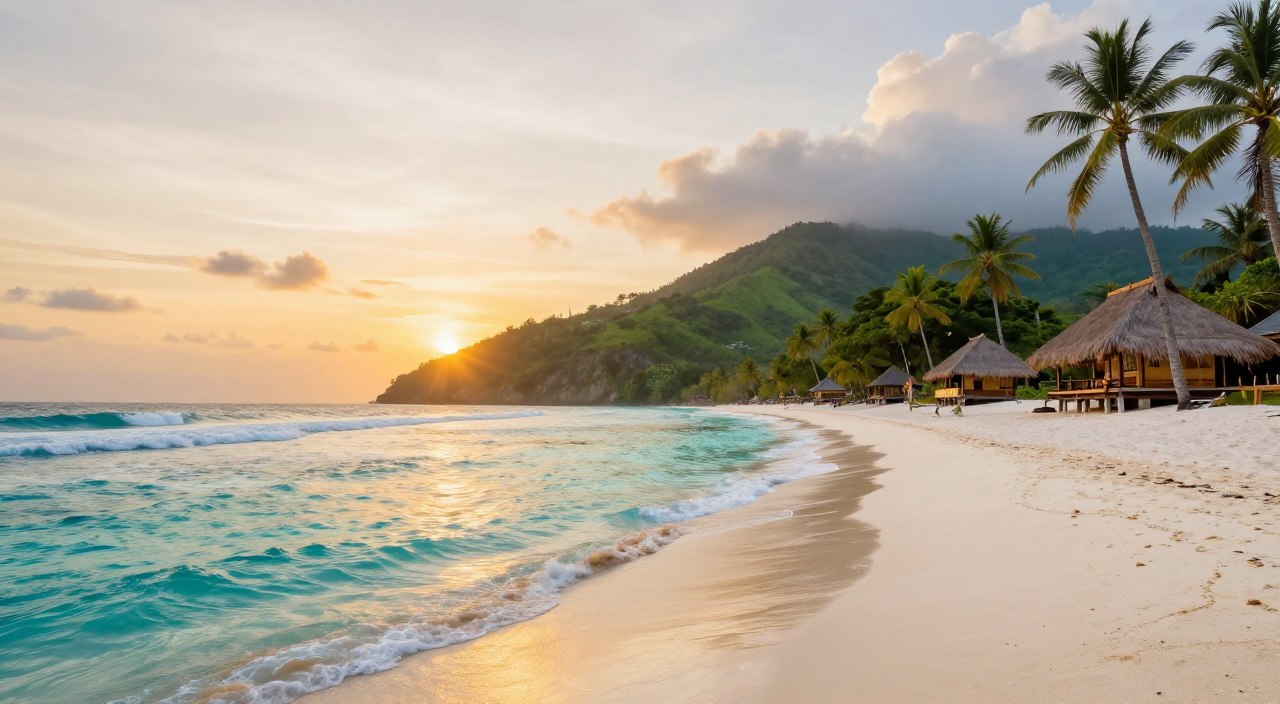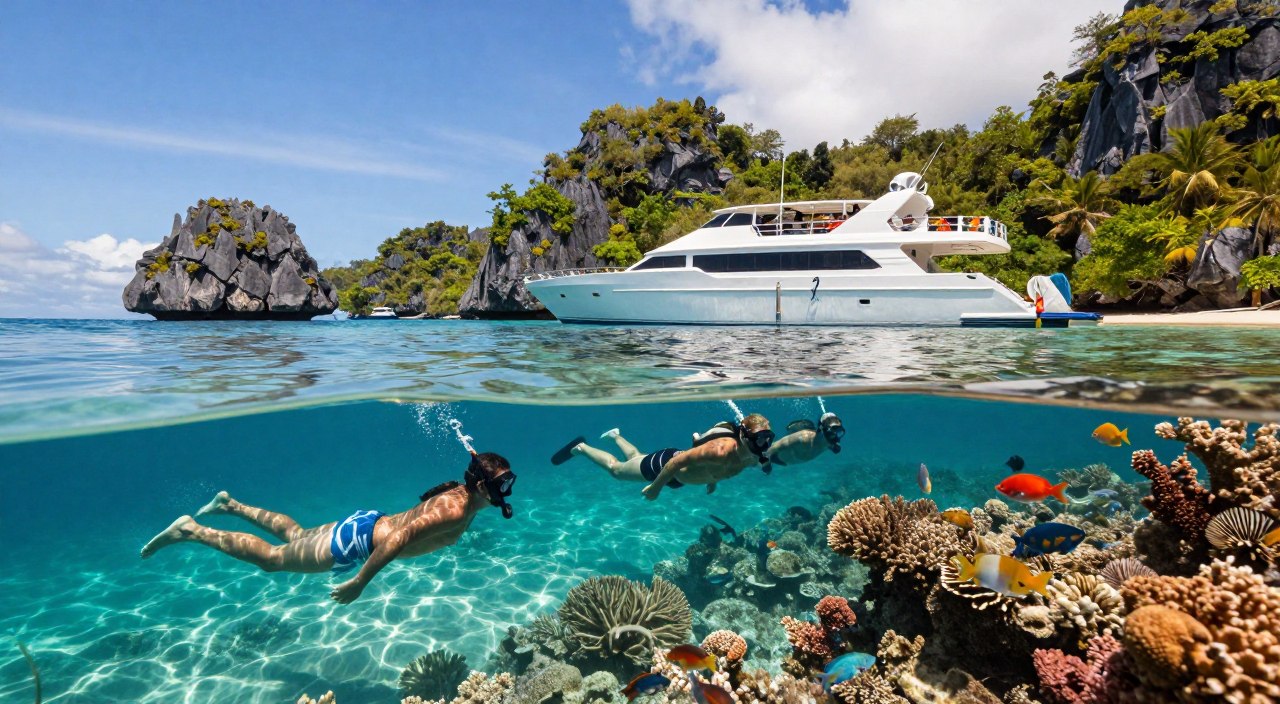
Imagine waking up to a new, untouched coral garden every morning. This is what a Raja Ampat liveaboard snorkeling trip offers.
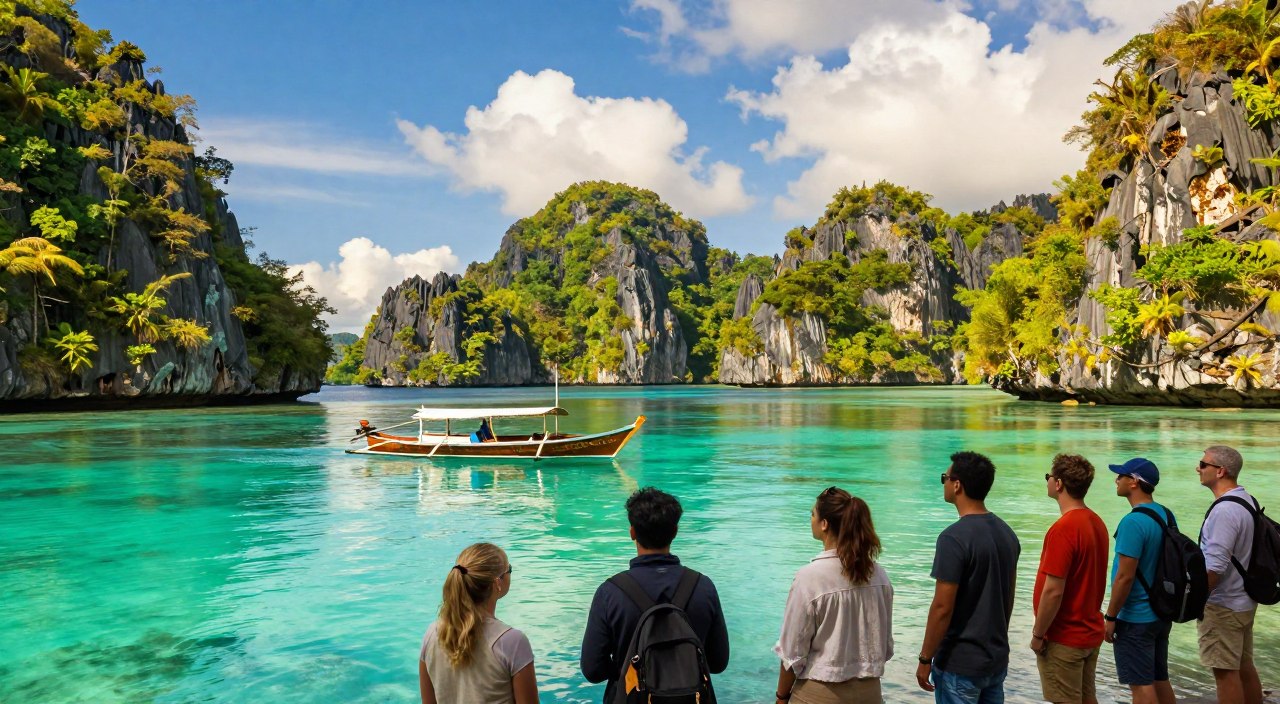
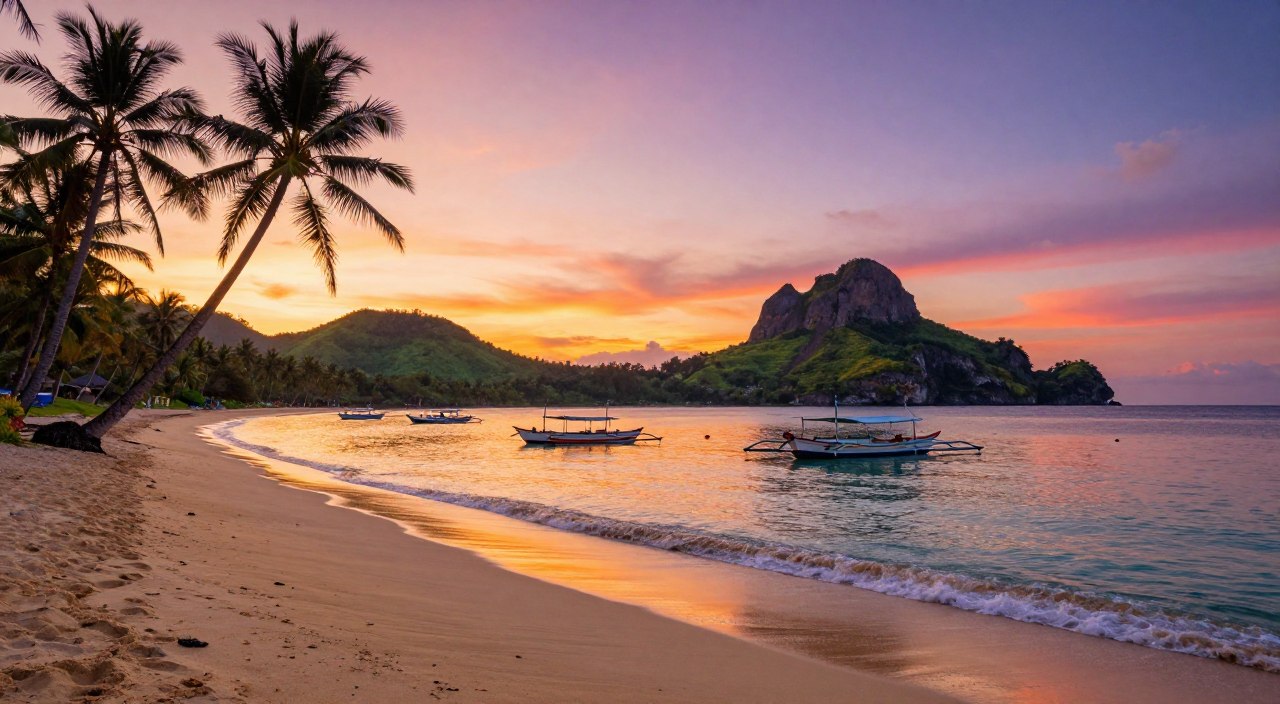
This archipelago in eastern Indonesia is a true paradise. It’s known as the world’s marine life hotspot. The scenery is stunning, with clear lagoons and limestone islands.
Underwater, vibrant coral gardens await. This world is unmatched. Exploring it from a dedicated boat is the best way to see it all.
A liveaboard lets you avoid the crowds. You can visit remote reefs and hidden spots at the best times. It turns a holiday into an unforgettable journey.
This guide will help you plan the ultimate underwater adventure. Get ready to discover how to fully experience Raja Ampat’s wonders.
Key Takeaways
- Raja Ampat is a remote island paradise renowned as the heart of global marine biodiversity.
- Its stunning landscapes feature crystal-clear lagoons and towering limestone karsts.
- The underwater environment is home to incredibly vibrant and healthy coral gardens.
- A liveaboard vessel provides the best access to secluded and pristine snorkeling sites.
- This style of travel allows you to escape the more crowded day-trip areas.
- It offers an immersive adventure, waking up at a new, spectacular location each day.
- Planning a liveaboard trip is the key to experiencing the region’s full aquatic magic.
Why Choose Raja Ampat for Snorkeling Adventures?
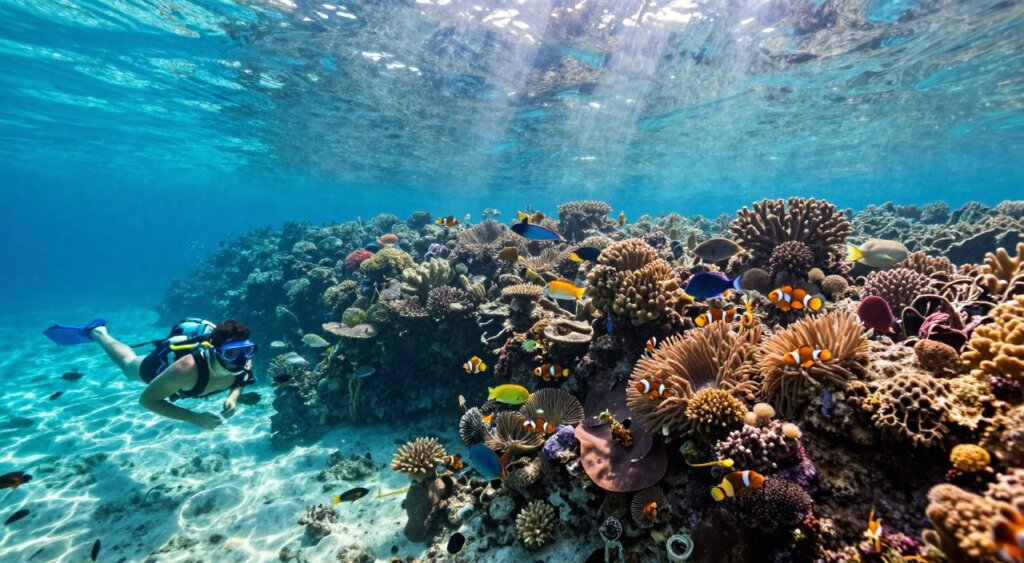
Raja Ampat is a top spot for snorkeling, known worldwide for its beauty. It’s not just a tropical place; it’s a huge, living aquarium. Here, you’ll find incredible sights and experiences.
Biodiversity and Marine Life
Raja Ampat is the world’s top spot for marine biodiversity. Over 1,500 fish species and 550 coral types have been found here. This is more than anywhere else on Earth.
Every day, snorkelers see amazing things. You might see schools of anthias, creating colourful clouds. Manta rays and wobbegong sharks are also common. The variety of life is incredible.
Stunning Coral Reefs
The coral reefs in Raja Ampat are some of the healthiest and most vibrant. They have avoided the bleaching that has hit other places.
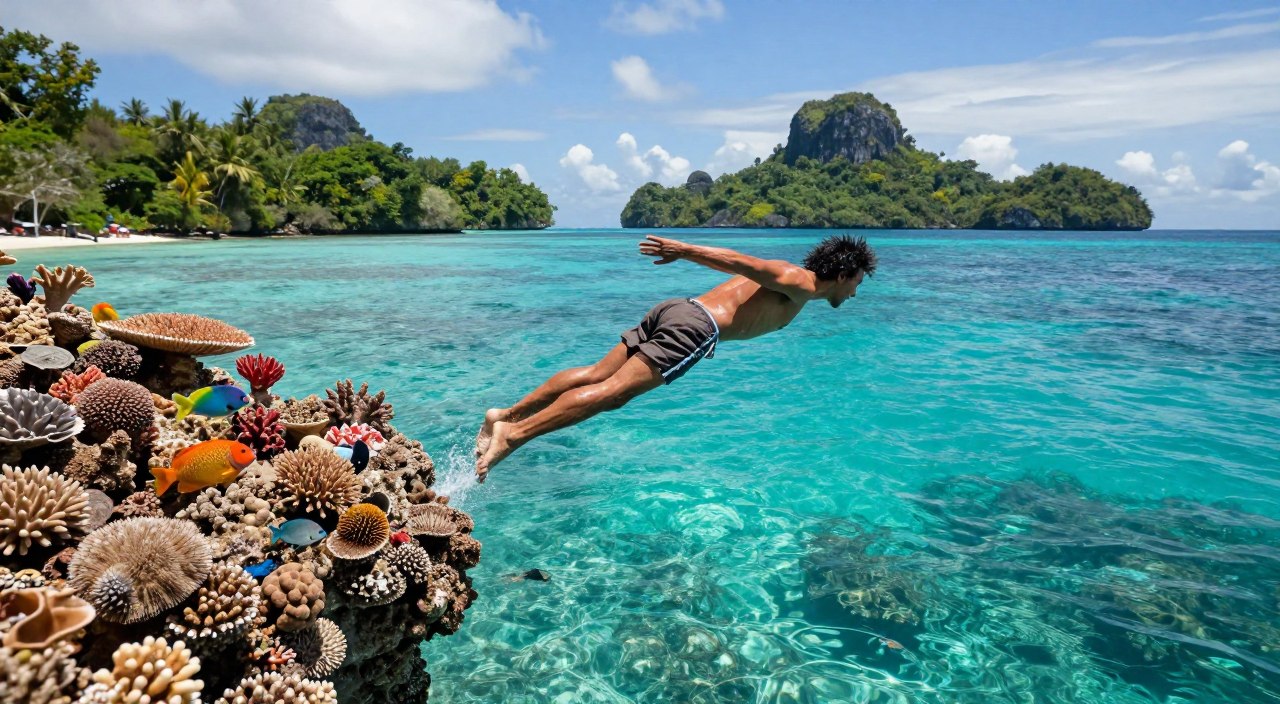
These reefs are not just flat. They have huge bommies, delicate sea fans, and big plate corals. The colours are bright, from blues to yellows. Snorkeling here is like flying over an underwater city.
Ideal Weather Conditions
Good snorkeling needs clear water and comfortable weather. Raja Ampat has both, thanks to its tropical climate. It has wet and dry seasons.
The best weather conditions for snorkeling are from October to April. The seas are calm, and the water is clear. You can see up to 30 metres, showing off the reefs’ beauty. The warm water means you can stay in for hours without a wetsuit.
This mix of life, healthy reefs, and clear water makes snorkeling here unique. It’s an experience you can’t find anywhere else.
What to Expect on a Liveaboard Experience
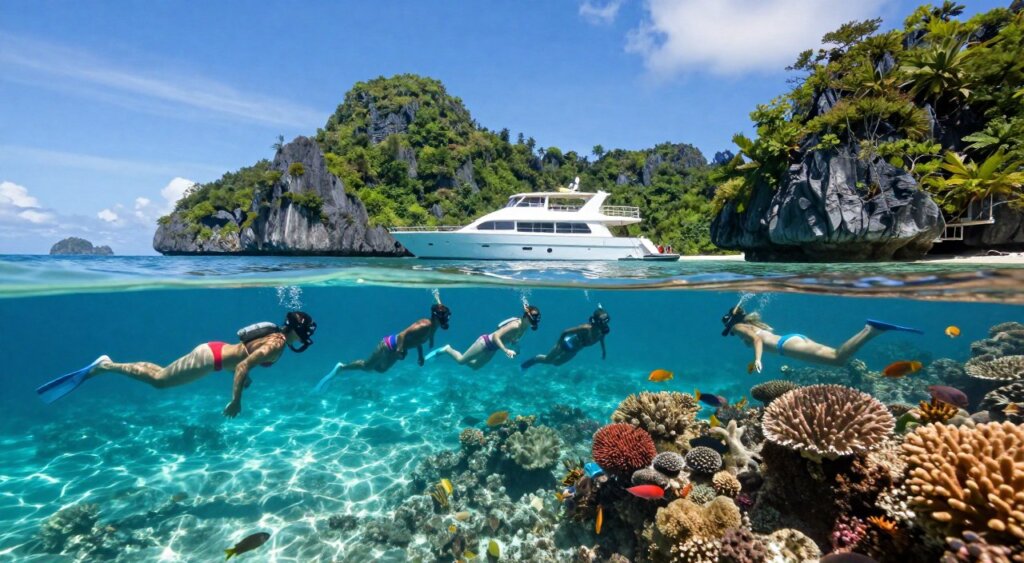
Imagine waking up to a new, untouched reef every morning. This is what a Raja Ampat liveaboard offers. It’s a hassle-free way to explore the marine world on snorkeling tours raja ampat.
Comfortable Accommodations
Liveaboard boats cater to all tastes and budgets. You can choose from simple twin-share cabins to fancy private suites with bathrooms.
Each cabin has air conditioning, storage, and windows or portholes. They’re designed for comfort after a day outdoors.
Communal areas are just as inviting. There are big sundecks, shaded dining spots, and indoor lounges. These places are perfect for sharing stories and planning the next day.
Onboard Amenities
Modern liveaboards offer all you need for comfort. You’ll find:
- Fresh, Local Meals: Delicious buffet meals, often with seafood and local produce. They can cater to dietary needs.
- Freshwater Showers: Important for washing off after snorkelling. Hot water is usually available.
- Social & Relaxation Zones: A lounge, marine life books, and deck space for sunbathing or stargazing.
These amenities make the boat feel like home. They let you fully enjoy your adventure.
Daily Itineraries and Activities
A typical day is well-planned but flexible. Your snorkeling itinerary raja ampat focuses on the best spots.
The day starts with an early snorkel. Then, a big breakfast, followed by a guided reef tour. You might also go for a trek or visit a secluded beach.
Lunch is on deck, followed by a break in the heat. The afternoon brings another snorkel, maybe at Cape Kri. As the sun sets, enjoy a drink and dinner on deck.
This rhythm of snorkel, eat, explore, relax is the liveaboard’s magic. It’s an immersive experience where every day is a new underwater adventure.
Top Snorkeling Spots in Raja Ampat
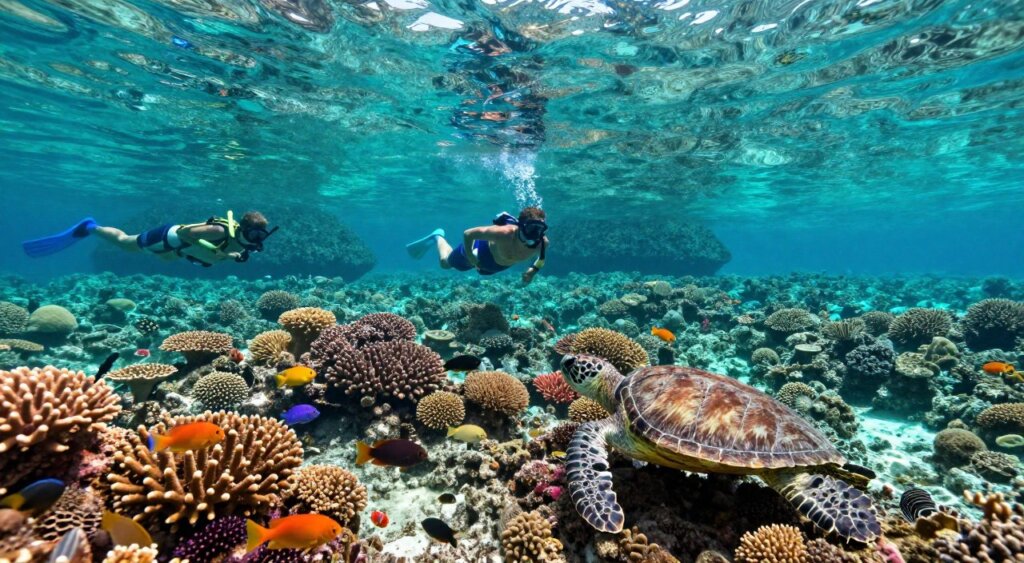
Embarking on a Raja Ampat liveaboard opens up a world of underwater marvels. Certain spots are legendary for snorkeling. The area is known for its limestone islands and hidden lagoons, perfect for marine life.
Cape Kri
Cape Kri is the most famous snorkeling spot in Raja Ampat. It’s known for its incredible fish density. Schools of barracuda, trevally, and snapper create an underwater spectacle.
The site has a mild current, bringing in nutrients and marine life. This makes for a relaxing drift snorkel. You can float along and watch the vibrant reef wall.
Reef sharks and turtles often pass by. The number of fish species here is a record for many divers. For snorkelers, it’s an unforgettable experience in Raja Ampat’s rich waters.
Blue Magic
Blue Magic offers a unique experience. It’s a submerged pinnacle that attracts large pelagic fish and ocean travellers.
Snorkeling over this underwater mountain, you might see tuna, mackerel, and sharks. The coral gardens and clear, deep water add to the adventure.
This spot is ideal for seeing bigger marine life. The anticipation of what might appear from the deep blue is thrilling. It truly lives up to its magical name.
Manta Sandy
Manta Sandy is the place for a guaranteed wildlife encounter. This shallow sandy area is a known cleaning station for manta rays. These graceful giants visit regularly to have parasites removed by smaller fish.
Snorkelers can float quietly and observe these magnificent creatures. The mantas perform slow loops over the cleaning stations, coming remarkably close. It’s a peaceful and awe-inspiring sight.
While manta sightings are the main draw, the reef around the site is also healthy and colourful. Remember to maintain a respectful distance and avoid touching the rays. This ensures the manta rays continue to thrive in their natural habitat.
Liveaboard Essentials: What to Pack
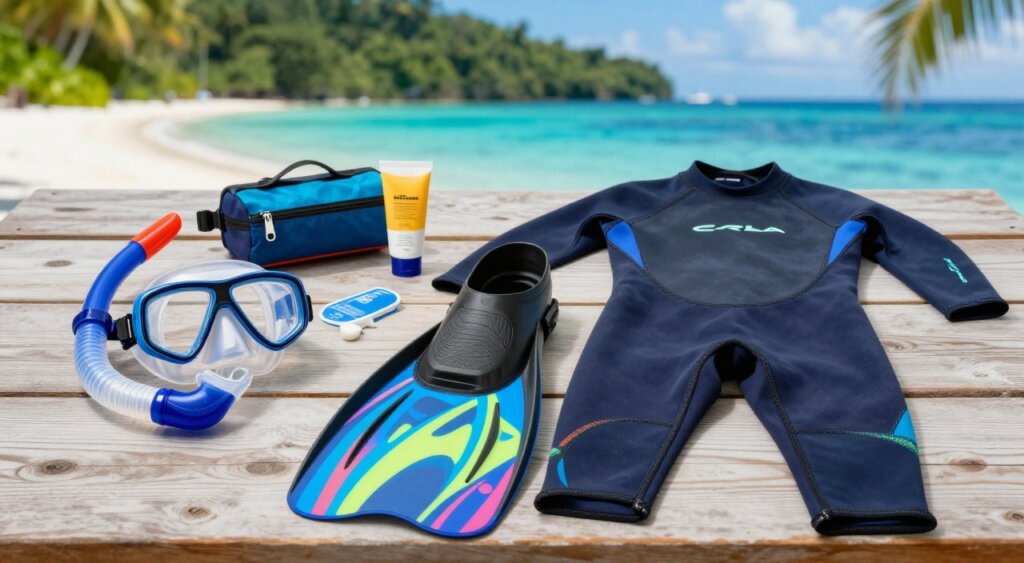
Heading out on a liveaboard adventure in Raja Ampat? Make sure you pack the right things from home. Unlike staying in a hotel, you’ll be on the water for days with limited shopping access. A well-thought-out kit will keep you comfortable, safe, and ready to enjoy the stunning marine views.
Snorkeling Gear
Most liveaboards have basic snorkeling gear, but bringing your own snorkeling gear for Raja Ampat can make a big difference. A mask that fits well and doesn’t fog up is key. Try it out in a pool before you go.
Having your own snorkel and fins means a perfect, clean fit. Choose fins that are comfy for long swims. While renting is easy, your own gear is more reliable and familiar.
Don’t forget a defogging solution and a mesh bag for drying your gear on deck. These simple steps make snorkeling a breeze.
Sun Protection
The sun in Raja Ampat is strong, and the water makes it even worse. Reef-safe sunscreen is a must. Choose mineral-based options that don’t harm coral.
Wearing long-sleeved rash vests and leggings helps protect you from the sun and prevents chafing. A wide-brimmed hat and polarised sunglasses are also key for staying comfortable on deck.
Sun protection is not just about comfort—it’s essential for your health. Always reapply sunscreen after swimming, even if you’re wearing a rashie.
Sea Sickness Remedies
Even calm seas can upset some people. It’s smart to have remedies ready to avoid ruining your trip. Over-the-counter meds like Travacalm or Kwells can work if taken before you start.
For a natural option, try acupressure bands on your wrists. They’re side-effect free. Some people also find ginger tablets or ginger tea helpful.
Talk to your chemist about what to take before you leave. Starting a remedy before you board and sticking to it is usually the best plan.
Safety Tips for Snorkeling
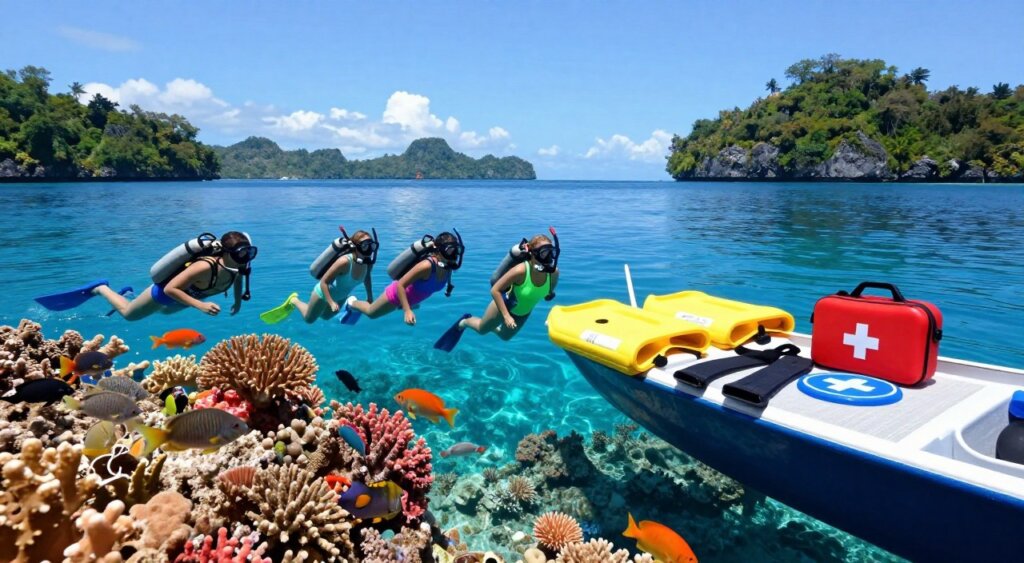
Snorkeling safety is more than just following rules. It’s about being confident and responsible while exploring. Simple practices can turn a good day into an amazing one. This lets you fully enjoy the beauty around you.
Using Life Jackets
Even if you’re a strong swimmer, using a snorkel vest or life jacket is wise. They help you stay afloat easily, saving your energy. This is really helpful in places like Raja Ampat with strong currents.
Wearing a vest doesn’t mean you’re not experienced. It’s a smart move. It lets you relax and enjoy the view without getting tired. Most liveaboard operators offer them, so make sure you get a good fit before swimming.
Staying Aware of the Environment
Your safety and the ecosystem’s depend on your awareness. Good environmental awareness means controlling your buoyancy. Avoid kicking or standing on coral reefs because they can get damaged easily.
Always be aware of your surroundings. Check your position relative to the boat or shore by looking up. Be careful of boat engines and keep a safe distance. Watch marine life from afar without disturbing them.
Snorkeling with a Buddy
The key rule is: never snorkel alone. Always have a snorkeling buddy with you. This way, you have someone to help if needed, like if you get tired or have equipment issues.
Before diving in, agree on hand signals and how close you’ll stay. It’s safer and more fun to share in the excitement of seeing marine life together.
Recommended Liveaboard Operators
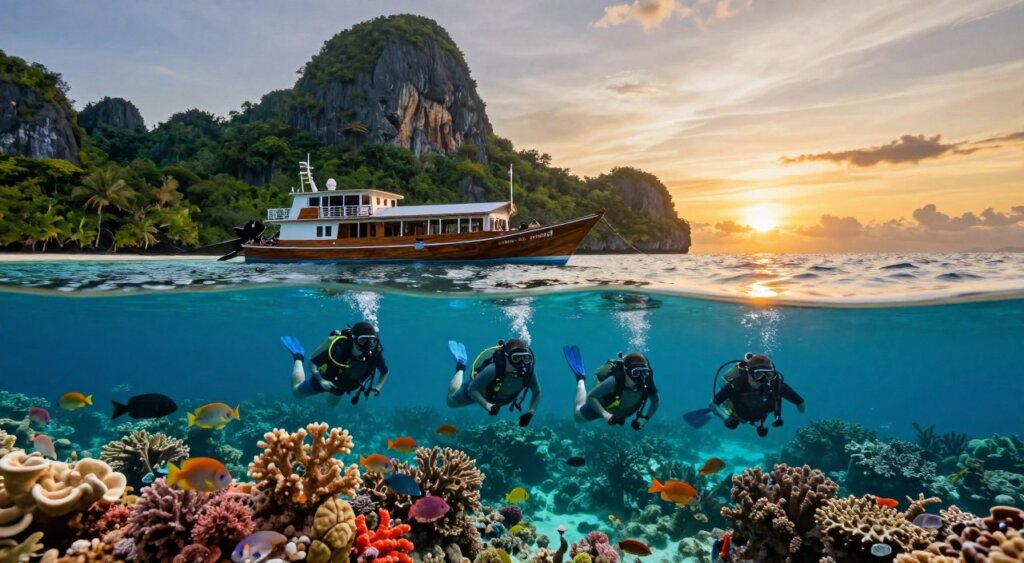
Choosing the right liveaboard operator in Raja Ampat is key to a great trip. Look for liveaboard reviews Raja Ampat from others, check the boat’s specs, and see if it fits your travel style. Here are three top companies to consider.
Dive Life
Dive Life uses traditional Phinisi schooners with a mix of old charm and new comforts. They focus on small groups for a more personal experience. Their trips are great for both divers and snorkelers, with access to famous sites like Cape Kri.
Their boats have big sundecks, comfy cabins, and expert guides. People love the crew’s knowledge and the food. It’s perfect for those who love a traditional liveaboard feel.
Papua Explorers
Papua Explorers is all about conservation and working with local communities. They offer liveaboard trips from a dedicated eco-resort. It’s great for those who want to dive deep into reef systems and learn about marine life.
Marine biologists often join their trips, making it perfect for snorkelers. Their trips also help local conservation efforts. It’s a chance to make a difference while exploring.
Raja Ampat Liveaboard
Raja Ampat Liveaboard has something for everyone, from budget-friendly to luxury yachts. They offer complete packages that include transfers, park fees, and meals. They have trips for both snorkeling and diving.
It’s important to check the boat you’ll be on, as they vary. Their big boats are great for socialising, while smaller ones offer a cozy feel. Reading liveaboard reviews Raja Ampat can help you choose the right one.
Many operators, like the ones mentioned, offer packages that cover everything. This makes planning easy and stress-free. It’s a good option for those who want a hassle-free trip.
| Operator | Vessel Style | Primary Focus | Ideal For |
|---|---|---|---|
| Dive Life | Traditional Phinisi Schooners | Diving & Advanced Snorkeling | Small groups, classic adventure seekers |
| Papua Explorers | Eco-Resort based Liveaboards | Conservation & Education | Eco-conscious travellers, marine life enthusiasts |
| Raja Ampat Liveaboard | Mixed Fleet (Budget to Luxury) | Comprehensive Snorkeling & Diving Packages | Families, varied budgets, first-time liveaboard guests |
This is just a starting point, not a recommendation. Always check what’s included, like snorkel gear and drinking water. Talking directly to the operators can help ensure their trip fits your dreams. Spending time researching will make your liveaboard diving Raja Ampat trip unforgettable.
How to Choose the Right Liveaboard
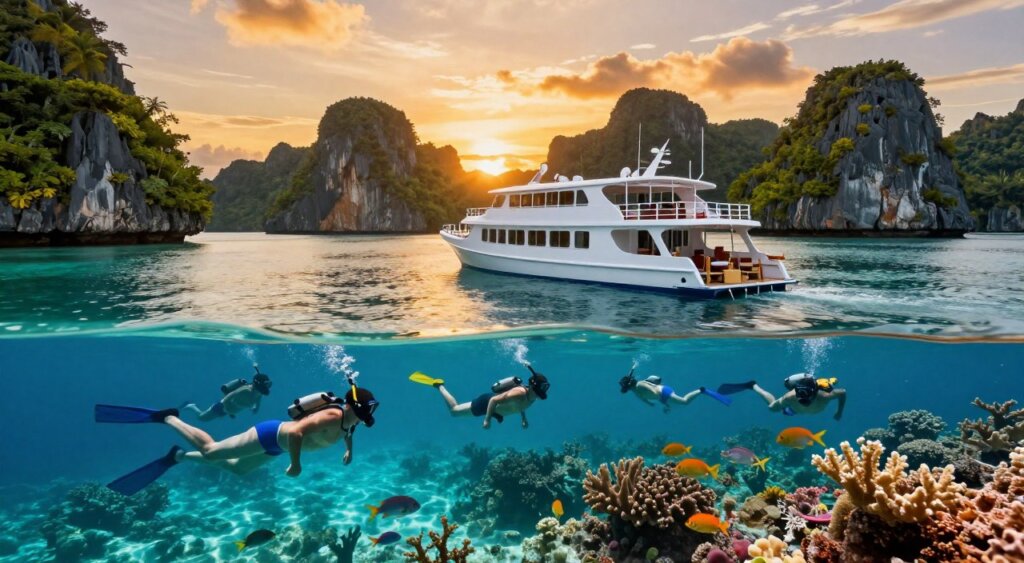
To find the best liveaboard for snorkeling Raja Ampat, consider trip length, group size, and the boat’s focus. Your choice affects your adventure, budget, and access to remote sites.
Duration of Trip
Liveaboard trips vary from short to long. A 3 to 5-day trip is great for a quick taste of the area.
For a deeper dive, choose a 7 to 14-day trip. A 12 Days 11 Nights tour lets you explore more of the archipelago, seeing more reefs and islands.
Group Size
The number of people on board affects the vibe. Smaller boats, with 8 to 16 guests, offer a cozy, social atmosphere.
Larger boats, with 20 or more guests, have more space and amenities. But, the experience might feel more structured.
Trip Focus (Snorkeling vs. Diving)
Snorkelers need to look for snorkeling-focused liveaboards. Many boats are geared towards diving, with schedules and guides for divers.
For the best snorkeling, find a snorkeling-focused liveaboard. They plan itineraries for snorkeling spots, use guides for spotting marine life, and have tenders for easy snorkel access.
Always check the snorkeling support before booking.
Environmental Responsibility and Conservation
Snorkelling in Raja Ampat is more than a holiday. It’s a chance to help with important conservation work. This area is a key marine ecosystem, and its health relies on visitors being mindful of their impact. By making smart choices, you help keep its reefs and wildlife alive for the future.
Supporting Local Communities
Conservation in Raja Ampat is linked to the well-being of its people. Choosing a liveaboard that values local jobs means your money helps the area. Look for operators that hire Papuan crew and guides. Their knowledge of the sea makes your trip better.
Responsible operators also support local projects. This can include helping schools, funding clean water, or cultural visits. By respecting communities, like Saundarek Village, your trip becomes a force for genuine, long-term good.
Marine Park Regulations
Raja Ampat is a Marine Protected Area with strict rules. All visitors must buy an annual entry ticket, known as an E-Ticket. This fee helps manage the park, fund ranger patrols, and support conservation.
The main rules are simple but essential. Never touch, stand on, or chase marine life. Corals are delicate. Anchoring on reefs is banned. Collecting shells or souvenirs is also not allowed. Following these rules helps protect the beauty we all come to see.
Reducing Plastic Waste
Places like Raja Ampat struggle with waste management. Plastic pollution harms marine life. By reducing single-use plastics, you can make a big difference.
Start by using a durable, insulated water bottle. Most liveaboards have water stations for refills. Bring a reusable tote for shopping. Choose toiletries in refillable containers instead of mini bottles.
Talk to your liveaboard operator before you go. Many are now working to be plastic-free. Your request helps them stay on track.
| Item | Single-Use Plastic Version | Sustainable Swap |
|---|---|---|
| Water Bottle | Disposable plastic bottle | Insulated refillable bottle |
| Shopping Bag | Plastic carry bag | Reusable fabric tote bag |
| Toiletries | Mini hotel-style bottles | Refillable silicone travel containers |
| Straw | Plastic straw | Reusable metal straw or simply refuse |
| Snack Packaging | Individually wrapped packets | Bulk snacks in reusable containers |
Being environmentally responsible makes your trip special. You know your visit helped local people, respected protected areas, and reduced waste. That’s the essence of a memorable and ethical Raja Ampat liveaboard journey.
Preparing for Your Trip: Visas and Travel
Planning your snorkelling trip to Raja Ampat needs some groundwork. You’ll need to sort out entry requirements, health precautions, and insurance. Choosing raja ampat snorkeling packages can help with domestic flights in Indonesia.
Visa Requirements for U.S. Citizens
U.S. passport holders can easily get a Visa on Arrival (VoA) at major airports in Indonesia. The fee is in cash (USD or IDR) and allows a 30-day stay. You can extend this once for another 30 days.
Australians have it even easier. They can apply for an Electronic Visa on Arrival (e-VOA) online. This makes entry quicker. Make sure your passport is valid for at least six months after your entry date.
Vaccinations and Health Precautions
See a travel health doctor 6-8 weeks before your trip. Make sure you’re up-to-date on Hepatitis A, Typhoid, and Tetanus. Raja Ampat in West Papua requires extra care.
Malaria prophylaxis is a must for this area. Your doctor will recommend the best medication. Pack a kit with reef-safe sunscreen, insect repellent, and antiseptic cream. Stay hydrated and protect yourself from the sun.
Travel Insurance Recommendations
Travel insurance is essential for liveaboard adventures. Standard policies might not cover your activities. You need insurance designed for remote marine travel.
When looking at snorkelling packages, check the insurance offered. Use the table below to ensure you have the right coverage.
| Coverage Type | Why It’s Important | What to Look For |
|---|---|---|
| Medical Evacuation | Raja Ampat is remote. A serious medical issue requires emergency evacuation to a hospital in Sorong or even further. | High coverage limit (minimum $500,000 AUD), including helicopter or boat evacuation. |
| Trip Cancellation & Interruption | Flights get cancelled, or you may fall ill before departure. Liveaboard trips are a significant investment. | Cover for “any reason” cancellation is ideal, or at least for illness, injury, or family emergency. |
| Adventure Sports / Water Activities | Standard policies exclude snorkelling, free-diving, or using small tender boats. | Explicit mention of snorkelling and boating activities is listed as included, not excluded. |
Look for reputable providers of adventure travel insurance. Companies like Cover-More or World Nomads offer tailored policies. Make sure your liveaboard package and activities are covered. With everything sorted, you’re ready to plan your trip.
The Best Time of Year to Visit Raja Ampat
To see Raja Ampat’s marine wonders, choose the right season for your snorkeling trip. The archipelago is beautiful all year, but knowing the climate helps you plan. You might want calm seas, clear views, or to see certain animals. This guide helps you find the best time for snorkeling in Raja Ampat.
Seasonal Weather Trends
Raja Ampat has a tropical climate with two main winds. The northwest monsoon, from October to April, is drier. You’ll get more sun, less rain, and calmer seas, mainly on the western islands.
The southeast monsoon, from May to September, is wetter. It brings stronger winds, more clouds, and rain. Seas can be rougher, but rain is short and skies clear soon after. Snorkeling is possible, but you need to watch the weather.
Peak Snorkeling Seasons
The dry season, from October through April, is best for calm seas and clear water. This is when liveaboards can visit more sites comfortably. Water can be over 30 metres clear.
Some wildlife, like manta rays, are easier to see from November to April. The absolute best time for snorkeling in Raja Ampat is in November, March, and April, for good weather and wildlife.
Don’t think other times are bad. The wet season brings different marine life and fewer tourists.
Avoiding Crowds
For a quieter experience, visit in the shoulder seasons. Go in late April to early May or September to early October. You’ll avoid the peak visitor times and enjoy good weather.
Here’s a quick monthly guide to help you visualise the trade-offs:
| Month Range | Season | Typical Conditions | Crowd Level |
|---|---|---|---|
| Oct – Dec | Early Dry | Calming seas, good visibility | Increasing |
| Jan – Mar | Peak Dry | Calm, sunny, excellent viz | High |
| Apr – May | Dry to Wet Transition | Mixed weather, good viz | Moderate |
| Jun – Sep | Wet Season | Windier, choppier, rain showers | Low |
Booking a liveaboard in the shoulder seasons or wet season can save money. The key is to be flexible and enjoy the adventure each day brings.
Making the Most of Your Snorkeling Experience
A Raja Ampat liveaboard journey is a complete adventure. The best trips blend amazing snorkelling with cultural discovery.
Capturing Underwater Memories
Preserve the colours of Cape Kri or Manta Sandy with a durable action camera. Brands like GoPro in a waterproof housing work well. Always film responsibly. Keep a safe distance from reefs and marine life.
Learning About Marine Life
Turn sightings into lessons. A reef identification slate or a marine life app helps you name fish. Guides from liveaboard operators like Dive Life give informative briefings. They explain the ecosystem’s delicate balance.
Engaging with Local Culture
Step ashore to understand the islands. A visit to Saundarek Village shows Papuan traditions. Support local communities by purchasing genuine handicrafts. This respectful engagement adds profound depth to your snorkelling holiday.