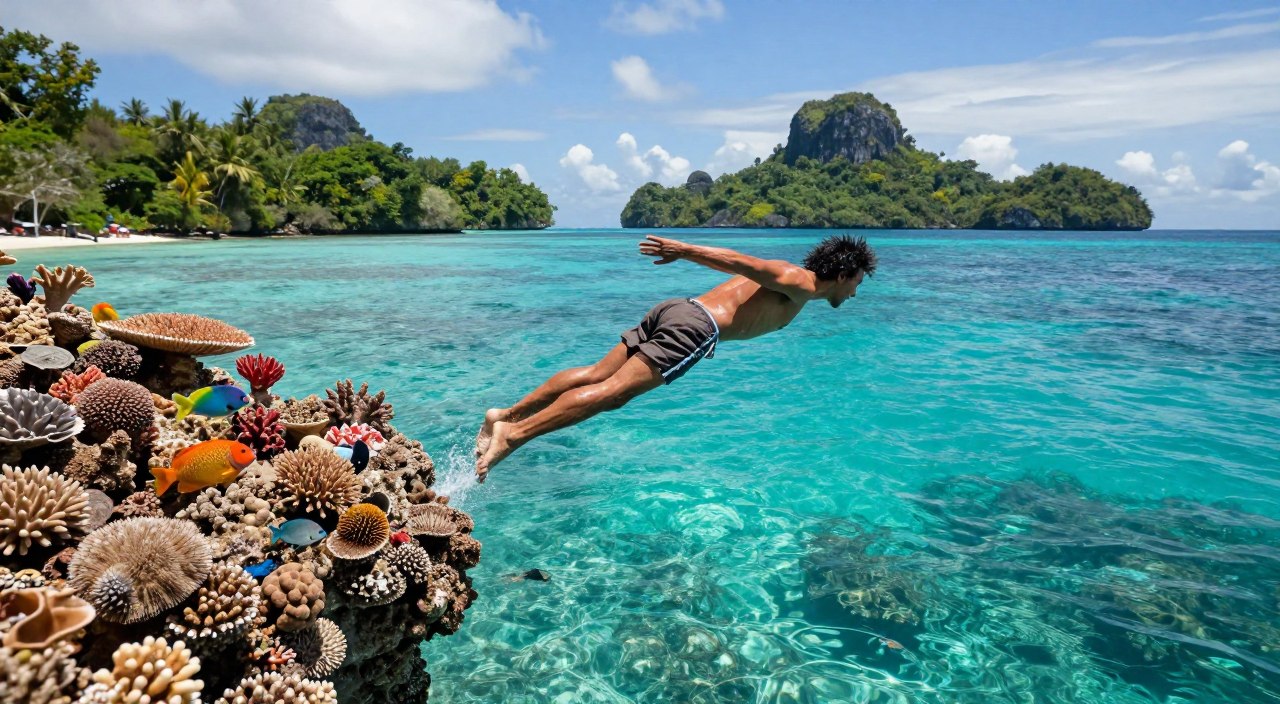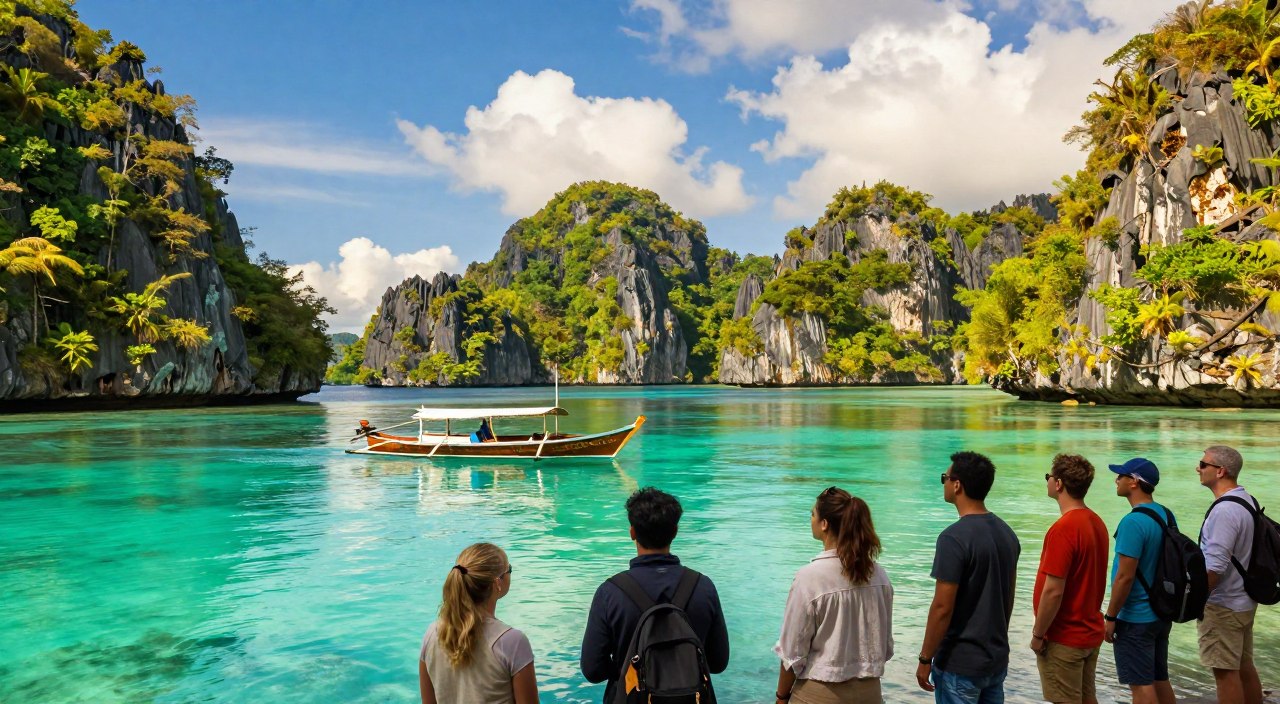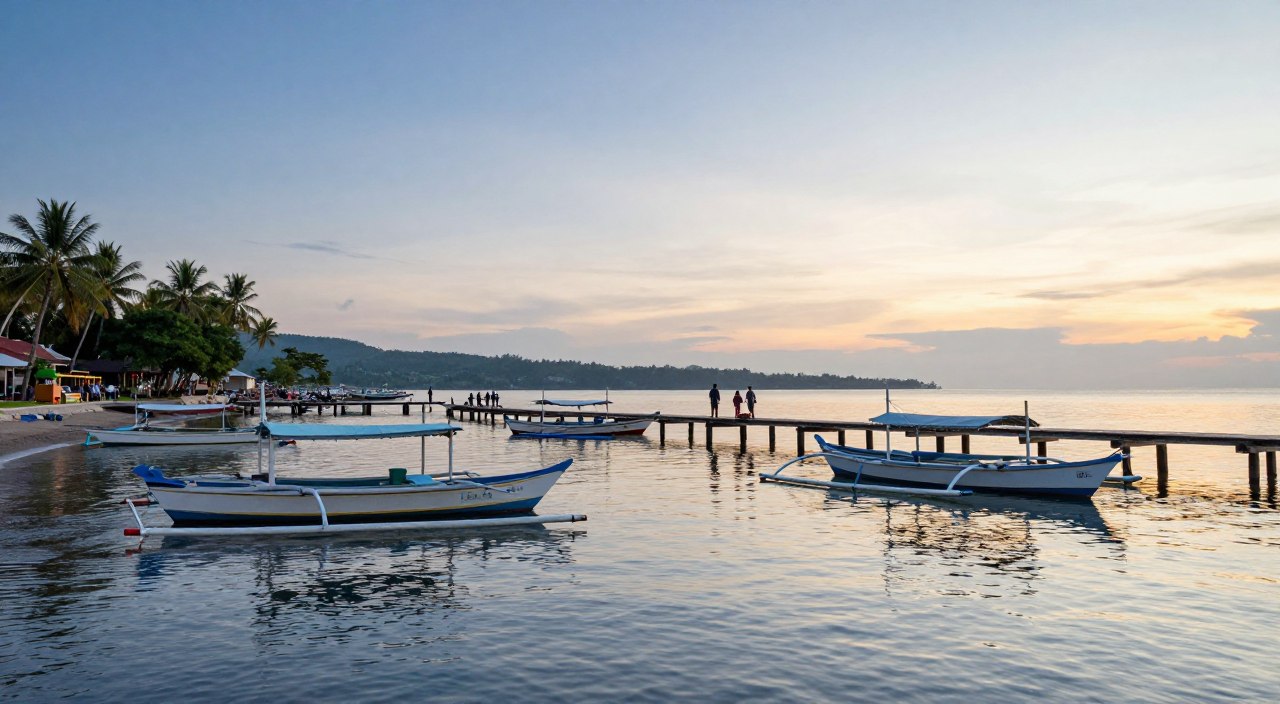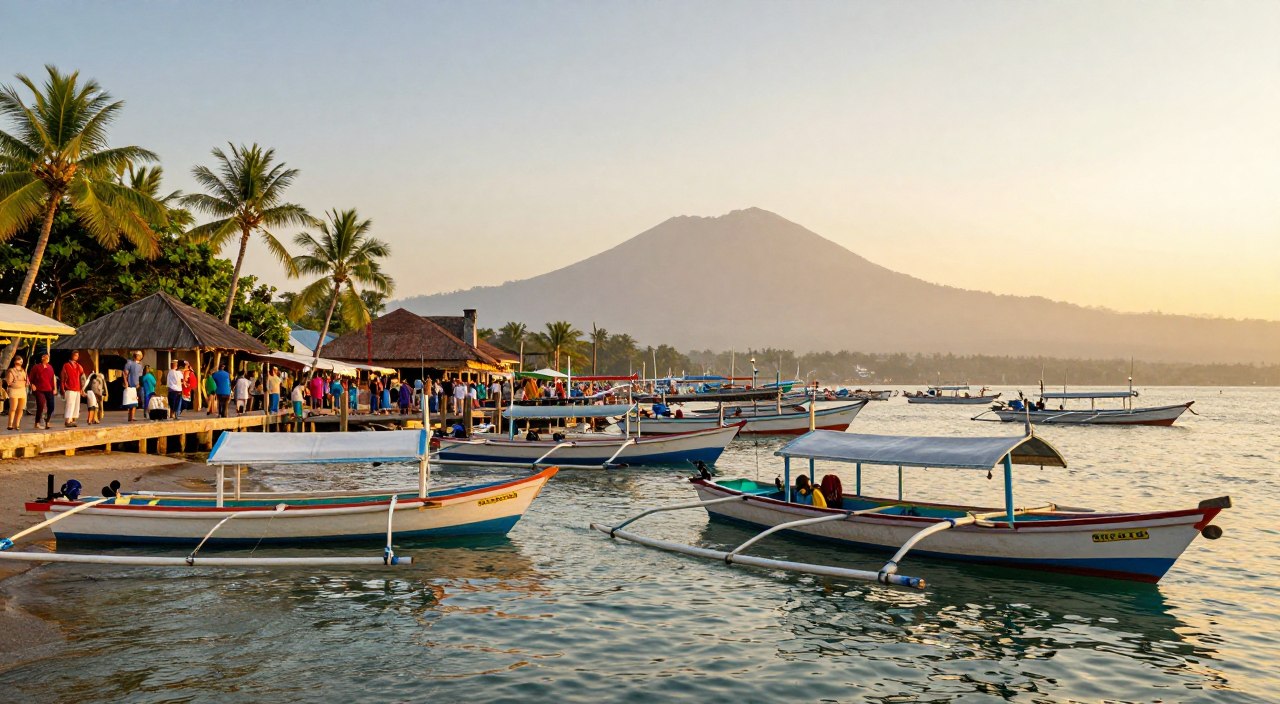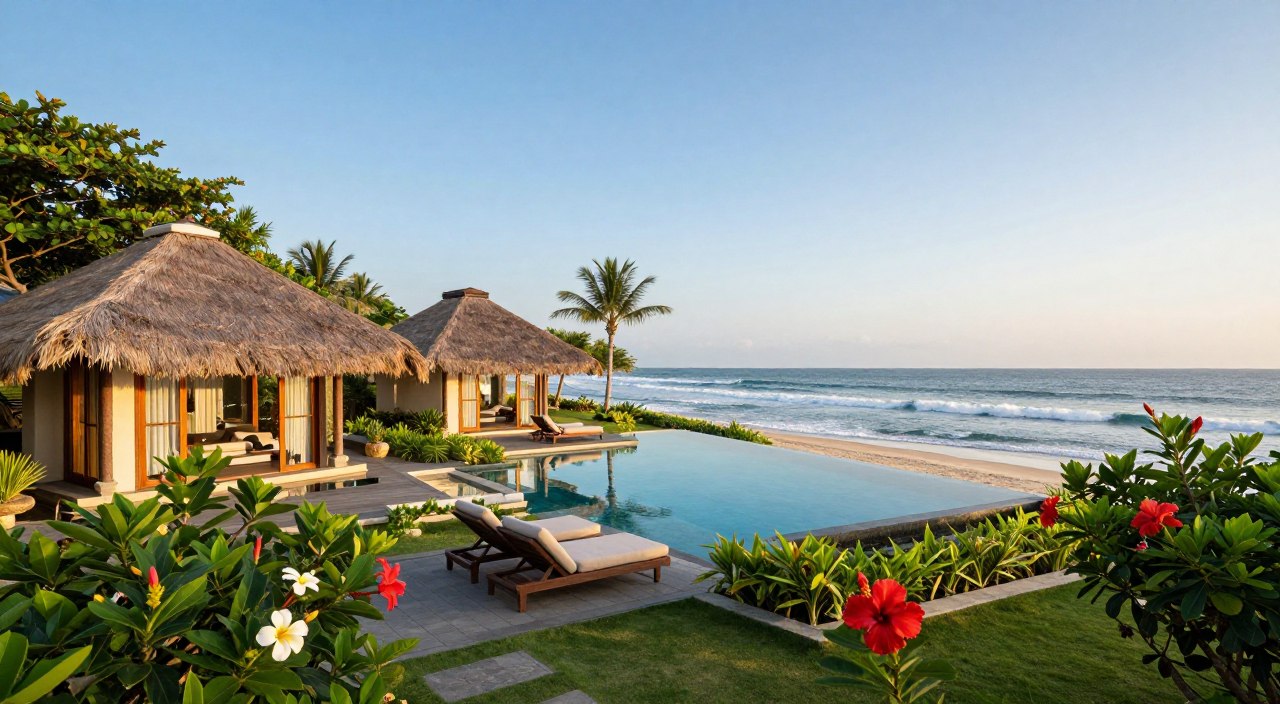
Imagine a holiday where every dive is like flying through an underwater rainforest. Raja Ampat trips make this dream a reality. They offer Australian travellers a chance to explore one of the most biodiverse marine areas on Earth.
This remote archipelago is in the heart of the Coral Triangle. It’s famous for diving. Places like Melissa’s Garden have amazing coral and lots of fish.
The area is protected, and conservation efforts are strong. This means the ecosystems will stay healthy for future generations.
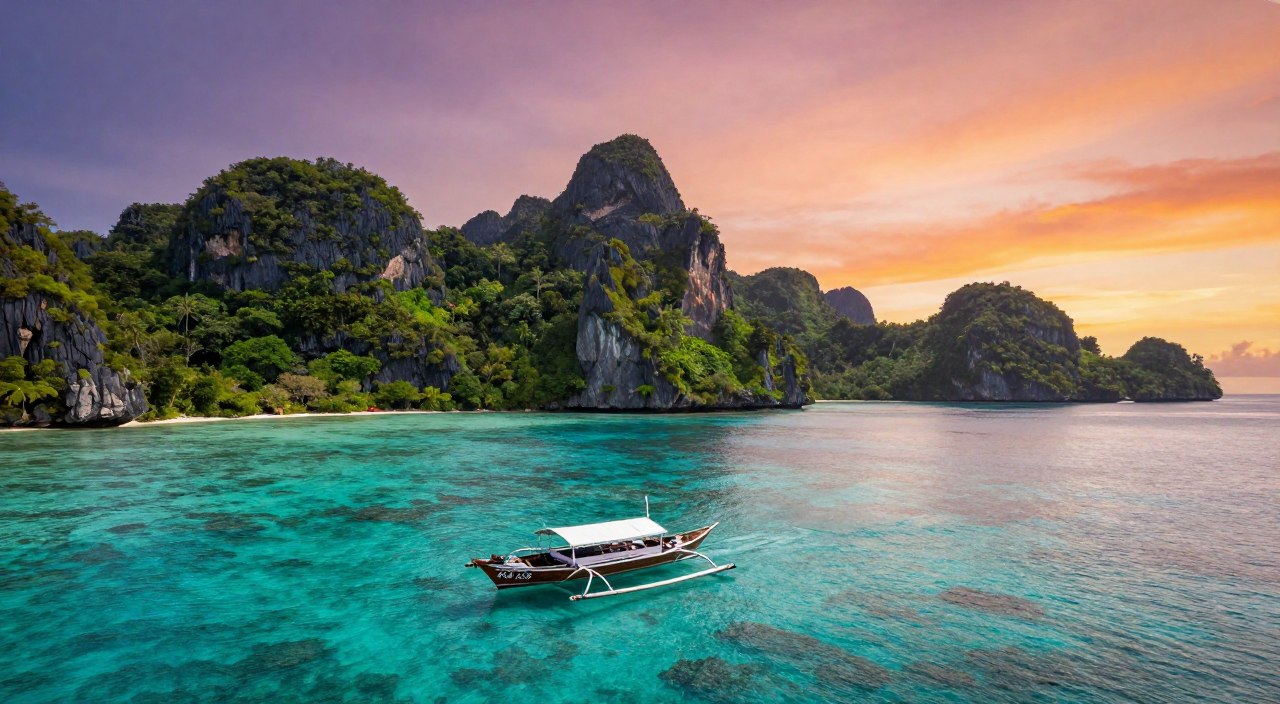
But there’s more to see than just the reef. The islands have stunning landscapes of cliffs and jungle. The water is warm, around 31°C, making it great for exploring.
For those looking for a unique travel experience, Raja Ampat is unforgettable. It offers breathtaking beauty and unforgettable encounters.
Key Takeaways
- Raja Ampat sits within the Coral Triangle, the global epicentre of marine biodiversity.
- The region is a protected area, with strong conservation efforts safeguarding its pristine reefs.
- World-class dive sites, like Melissa’s Garden, offer incredible coral health and fish diversity.
- Topside landscapes feature dramatic limestone islands and dense tropical jungle.
- Water temperatures are consistently warm, around 31°C, ideal for diving and snorkelling.
- The destination offers a remote and transformative adventure for Australian travellers.
- Planning is essential due to the archipelago’s remote location and protected status.
Introduction to Raja Ampat
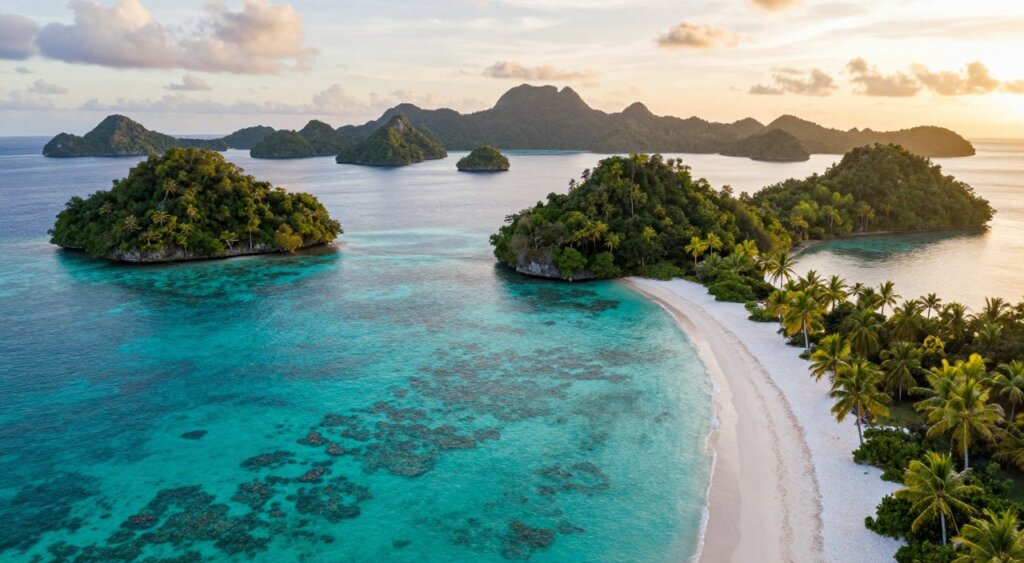
The Raja Ampat islands are a hidden treasure in West Papua, Indonesia. They are known for their incredible marine life. For Aussies, they offer some of the best Raja Ampat trips out there.
Why Choose Raja Ampat?
What makes Raja Ampat special? It’s the untouched beauty and life. It’s not just a pretty place; it’s a huge aquarium.
Divers and snorkellers find amazing sea creatures here. The coral reefs are vibrant and healthy. The islands’ unique shape makes every view special.
Overview of the Region
Raja Ampat means “Four Kings” and has over 1,500 islands. It’s in the Dampier Strait, where currents bring nutrients. This supports the marine life.
Places like Piaynemo and Fam Islands are famous for their views and calm waters. Getting there is hard, but it keeps the area untouched. This makes the best Raja Ampat trips truly special.
Unique Ecosystems
The magic of Raja Ampat lies in its ecosystems. The marine life is incredible, with more species than in the Caribbean. The reefs are a colourful, complex world.
On land, the islands are covered in rainforest with unique birds. The mangrove forests are important for young fish. This mix of land and sea is rare.
An experienced diver said it feels like pure abundance. This natural wealth makes it a top spot for eco-conscious travellers.
Best Time to Visit Raja Ampat
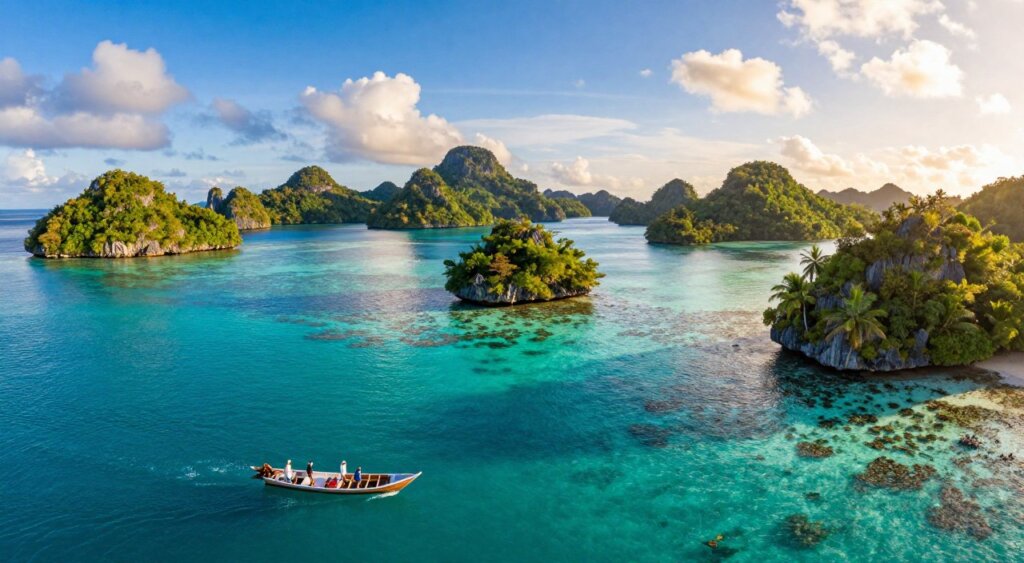
The beauty of Raja Ampat is available all year. But, the weather changes with the seasons. Knowing when to visit is key for a great Raja Ampat tour package.
This choice affects how clear the water is and how calm the sea is. It also decides how many people you’ll meet along the way.
Seasonal Weather Patterns
Raja Ampat has two main seasons. The dry, calm season is from October to April. During this time, the winds are gentle and the sea is calm. This makes it perfect for diving and boat trips.
From May to September, it gets wetter and windier. The seas can be rougher. But, dive and tour operators know how to find safe spots. The best time for calm seas is from October to April.
Peak Travel Season
The peak season is from October to April, the best time for diving. December and January are the busiest months. Book your Raja Ampat tour packages early to secure a spot.
Visiting during this time means clear water and sunny days. It’s great for photographers and those who love smooth sailing. The marine life is lively and vibrant, making every dive special.
Benefits of Off-Peak Travel
Traveling from May to September has its perks. You’ll see fewer people and have more secluded dive sites. Some Raja Ampat tour packages might be cheaper during this time.
Some wildlife, like manta rays, is more active in the windier months. The rain makes the landscape green and the skies dramatic. If you’re up for a challenge, the off-peak season is an exciting time to visit.
Choosing the right time depends on what you want. Whether you prefer calm or adventure, there’s a Raja Ampat tour package for you.
Top Activities in Raja Ampat
Your trip to Raja Ampat is filled with amazing experiences. To truly enjoy this place, you need to know what to do. Here are the key activities that make any visit unforgettable, both in and out of the water.
Scuba Diving Adventures
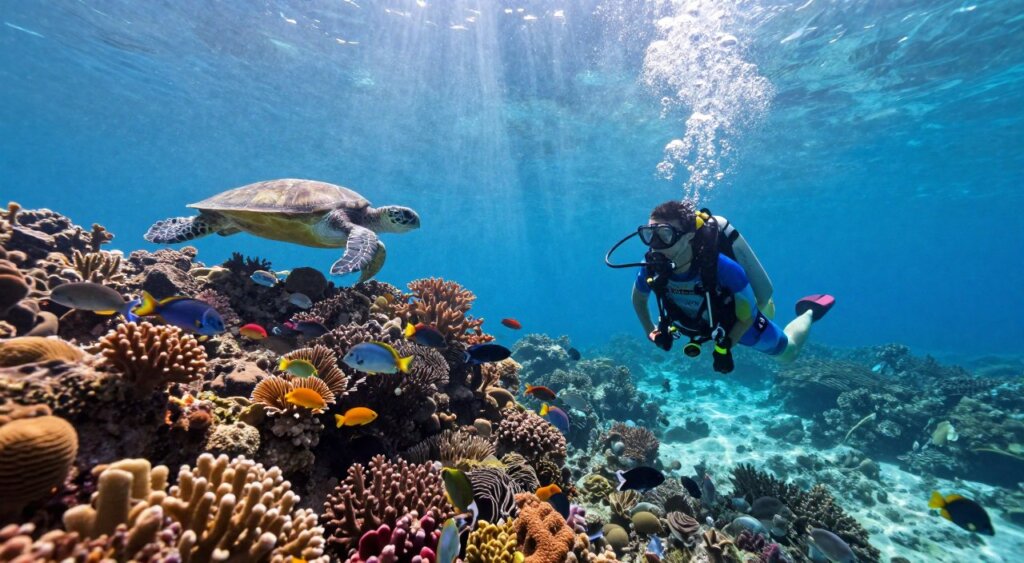
Scuba diving is a major attraction here. Raja Ampat is in the Coral Triangle, known for its incredible marine life. Places like Melissa’s Garden offer dives with vibrant marine life, from 5 to 25 metres deep.
The area is teeming with life. You’ll see vast coral gardens and massive fish schools. It’s common to see reef sharks and wobbegong sharks. The warm water makes diving very comfortable.
Diving here isn’t just a sport; it’s a front-row seat to evolution’s greatest underwater show.
- Incredible Macro Life: A paradise for photographers, teeming with rare nudibranchs and tiny critters.
- Pelagic Encounters: The chance to see manta rays and even the occasional whale shark.
- Drift Dives: Exciting rides along nutrient-rich currents that bring the reefs to life.
Snorkelling Excursions
Snorkelling is also incredible without needing scuba gear. The reefs are shallow and accessible from beaches or boat trips. Just put on a mask and fins to see the beauty.
Snorkelling lets you see vibrant coral gardens and marine life. You’ll see clownfish, turtles, and parrotfish. It’s peaceful and suitable for all.
Birdwatching Opportunities
The islands are also great for birdwatching. Raja Ampat is famous for its Birds of Paradise. These birds perform amazing courtship dances.
Guided walks in the morning can show you these birds. You might see the Red Bird of Paradise or the Wilson’s Bird of Paradise. It’s a unique experience compared to diving.
| Activity | Best For | Skill Level | Prime Location & Highlight |
|---|---|---|---|
| Scuba Diving | Serious underwater explorers and marine life enthusiasts. | Beginner to Advanced (site dependent) | Melissa’s Garden: Renowned for fish schools, sharks, and stunning coral walls. |
| Snorkelling | Families, casual swimmers, and anyone wanting easy access to reefs. | All Levels (confident swimmer) | Shallow Lagoons around Kri Island: Crystal-clear, calm water packed with colourful fish. |
| Birdwatching | Nature lovers, photographers, and those seeking a unique land-based experience. | All Levels (requires patience) | Forests of Waigeo Island: The best chance to see the magnificent Red Bird of Paradise. |
Combining diving, snorkelling, and birdwatching makes a perfect trip. Each activity shows a different side of Raja Ampat’s beauty.
Popular Islands to Explore
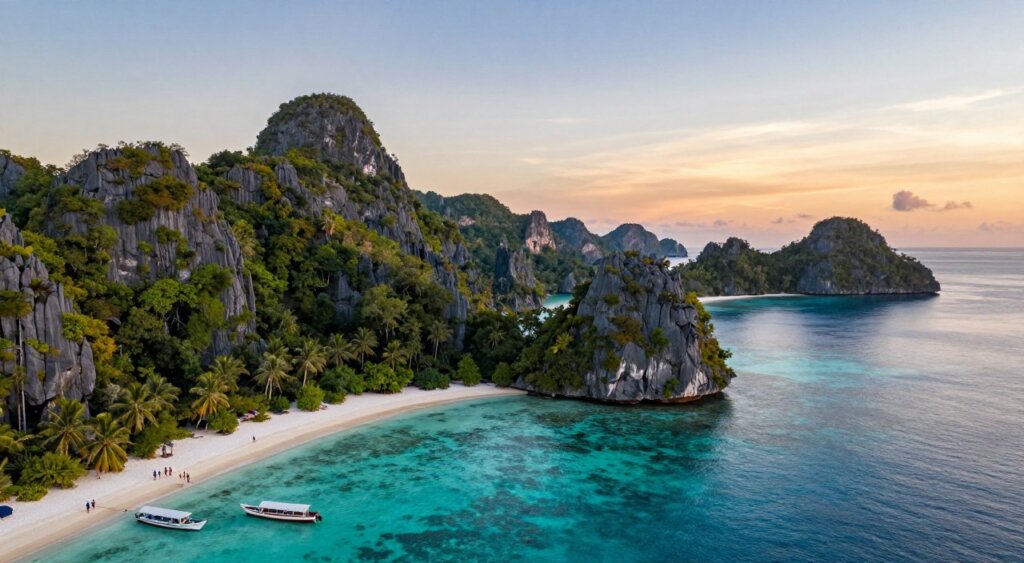
Planning your island-hopping adventure is key. Focusing on a few standout locations can make your Raja Ampat trip unforgettable and affordable. The archipelago is vast, but three islands consistently capture the hearts of travellers. Each offers a distinct personality and set of experiences.
From the iconic northern karsts to the serene southern lagoons, here’s where to direct your attention.
Wayag Island
Wayag Island is the poster child for Raja Ampat. Its claim to fame is the breathtaking viewpoint overlooking a sea dotted with mushroom-shaped karst islets. The hike to the top is short but steep, rewarding you with a panorama that defines tropical paradise.
This area is remote and largely uninhabited. Visiting is typically done on a liveaboard cruise or as a dedicated long day trip from Sorong or Waigeo. The water around Wayag is crystal clear, perfect for snorkelling after your climb.
- Iconic Viewpoint: The must-see overlook for that classic Raja Ampat photo.
- Pristine Snorkelling: Vibrant coral gardens in sheltered bays.
- Wilderness Feel: Experience untouched nature far from any resort.
Misool Island
Misool Island is located in the southern part of the archipelago. It’s famous for its intricate labyrinth of lime-green lagoons and hidden bays. The water here seems to glow with an ethereal light.
Misool is also a site of deep cultural history. You can find ancient rock paintings in some caves, a testament to the long human connection with these islands. The reefs here are exceptionally healthy, often cited as some of the best in the world for diversity.
“Kayaking through Misool’s silent lagoons felt like discovering a secret world. One minute you’re in open sea, the next you’re gliding through a narrow passage into a hidden chamber of emerald water.”
Kri Island
Kri Island is the beating heart of a Raja Ampat adventure. Situated in the Dampier Strait, its waters are a superhighway for marine life. The house reefs here are legendary, with fish action so intense you can enjoy it right from your resort’s jetty.
Kri is a central hub with several well-known dive resorts. This makes it an excellent base for affordable Raja Ampat excursions. You can take numerous day trips to famous dive sites like Cape Kri or Melissa’s Garden while enjoying the convenience of land-based accommodation.
- World-Class Diving: Renowned dive sites minutes from shore.
- Vibrant House Reef: Snorkel with schools of fish any time of day.
- Convenient Base: Perfect for those who prefer not to live on a boat.
| Island | Key Feature | Best For | Travel Style |
|---|---|---|---|
| Wayag | Iconic karst islet viewpoint | Photographers & wilderness seekers | Liveaboard or long day trip |
| Misool | Serene lagoons & historical sites | Kayaking, culture, and pristine reefs | Southern liveaboard or eco-resort stay |
| Kri | Vibrant marine life & house reefs | Divers and snorkellers wanting a central base | Land-based resort with day trips |
Choosing which islands to explore shapes your entire trip. Whether you seek remote isolation, cultural history, or a bustling dive hub, there’s an island—and a style of excursion—to match your dream and your budget.
Planning Your Raja Ampat Trip
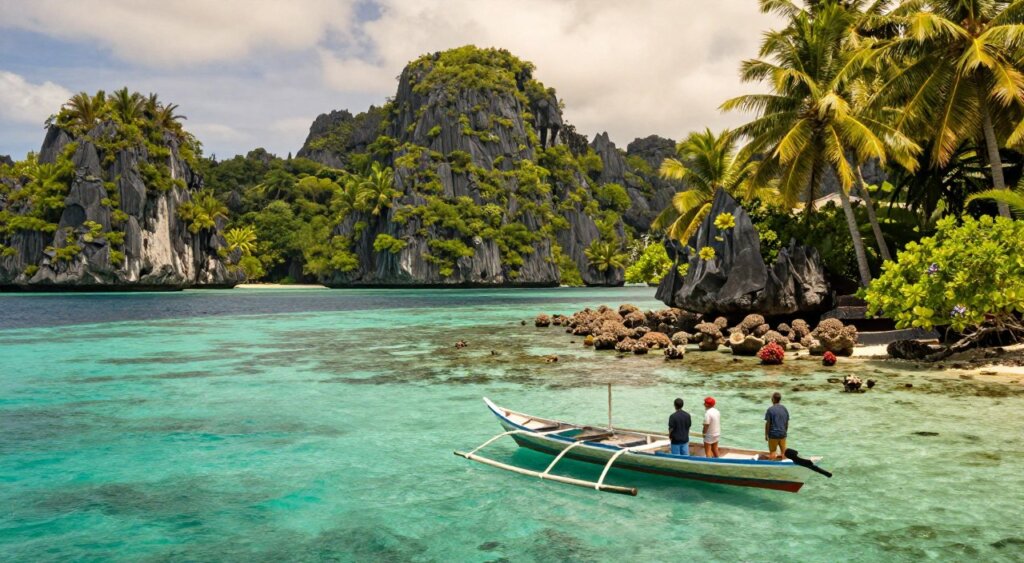
Getting to Raja Ampat’s remote islands requires careful planning. A good plan makes the journey easier. This guide will help you plan your dream Raja Ampat vacation. We’ll cover flights, visas, and choosing your island base.
How to Reach Raja Ampat
Your trip starts with a flight. First, you’ll fly from cities like Sydney or Melbourne to Jakarta or Denpasar (Bali).
Then, you’ll take another flight to Sorong (SOQ) on the Papua mainland. The last step is a short ferry ride to Waisai on Waigeo Island.
Once in Raja Ampat, you’ll use boats to get around. Dive sites and remote islands are accessible by boat trips from your accommodation or Waisai. Many places offer transfer services.
Visa and Entry Requirements
Australian passport holders can easily enter. You can get a Visa on Arrival (VoA) or an e-Visa online. Your passport must be valid for at least six months after your entry date.
Here’s a quick checklist for your arrival:
- Visa: Purchase on arrival or arrange e-Visa beforehand.
- Currency: The local currency is the Indonesian Rupiah (IDR). Carry some cash for smaller islands.
- Language: English is widely understood in tourist areas, alongside Indonesian.
- Power: Electricity is 220-volt; a universal travel adapter is recommended.
Accommodation Options
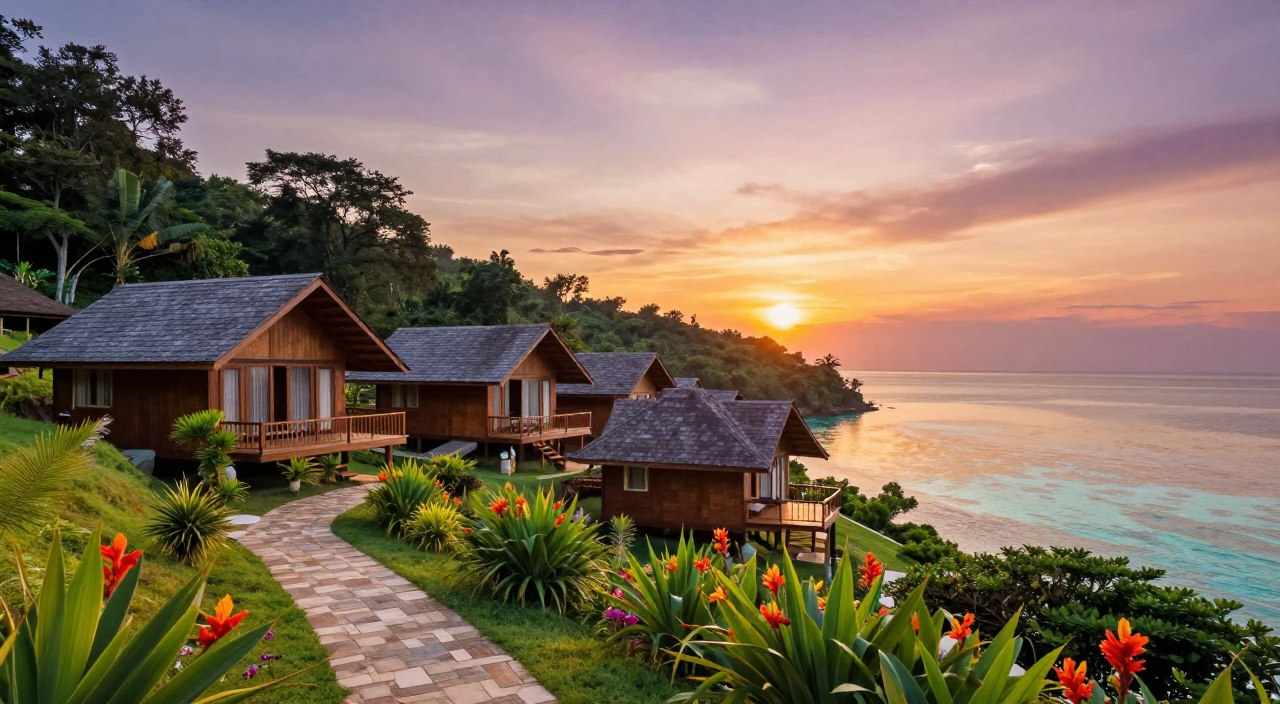
Raja Ampat has various places to stay, from homestays to luxury yachts. Your choice affects your experience.
Island-based places often prefer cash. Larger resorts and yachts might accept cards. Always check payment options when booking.
| Style | Example | Best For | Key Features |
|---|---|---|---|
| Budget & Community-Based | Homestays on Arborek or Sawinggrai | Travellers seeking cultural immersion and basic, affordable lodging. | Simple rooms, home-cooked meals, direct support to local villages. |
| Mid-Range Resort | Lodges on Kri or Gam Islands | Divers and snorkellers wanting comfort and direct reef access. | Private bungalows, on-site dive centres, organised day trips. |
| Luxury Liveaboard | Vessels like the Neptune One | Those wanting to explore remote sites in comfort and style. | Air-conditioned cabins (e.g., master, standard), ensuite bathrooms, full-board gourmet meals, and guided diving from the vessel itself. |
Choosing the right place to stay is key. Homestays offer a real cultural experience, while liveaboards give access to hidden spots. Think about what you want for your dream vacation.
What to Pack for Raja Ampat
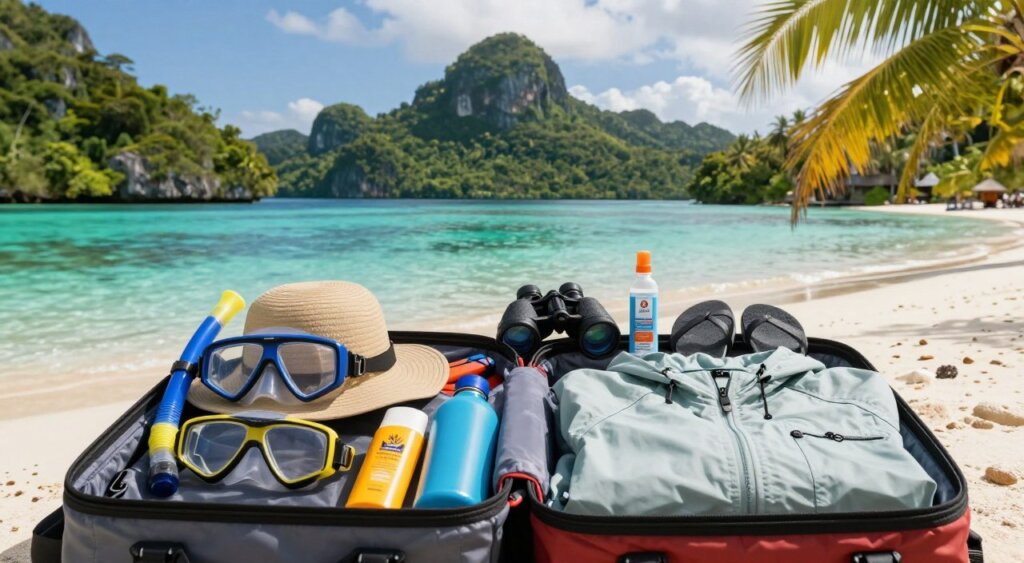
Getting ready for Raja Ampat means packing the right gear for its unique conditions. This remote archipelago needs careful preparation. Smart packing ensures you’re comfortable, safe, and ready to enjoy every moment.
Choose items that serve multiple purposes and can handle a tropical, marine environment. You’ll be on a boat and staying in simple, eco-friendly lodges. Packing light but smart is key.
Essential Travel Gear
A few key items will make your journey smoother. These basics are non-negotiable for a comfortable trip.
- Reef-Safe Sunscreen: Protect your skin and the fragile coral reefs. Choose a mineral-based, biodegradable formula.
- Dry Bag: Keep your electronics, documents, and spare clothes completely dry during boat transfers.
- Universal Power Adaptor: Indonesian outlets use Type C and F plugs. A reliable adaptor is a must.
- Basic First-Aid Kit: Include antiseptic, bandages, seasickness tablets, and any personal medications.
- Reusable Water Bottle: Stay hydrated and reduce plastic waste. Many lodges have filtered water stations.
A headlamp is also useful for navigating paths at night. Don’t forget a waterproof phone case for those spontaneous swims.
Diving and Snorkelling Equipment
Raja Ampat is a world-class underwater destination. Your equipment choices can impact both your experience and the environment.
You can rent gear at most dive resorts, but serious enthusiasts often prefer their own mask, snorkel, and fins for a perfect fit. If you bring your own regulator or computer, ensure it’s serviced recently.
A surface marker buoy (SMB) is highly advisable for safety, signalling your position to boat captains. Excellent buoyancy control is not just a skill—it’s a responsibility to avoid damaging the magnificent coral.
Water temperatures hover around a warm 31°C year-round. For thermal protection, a lightweight 3mm wetsuit or a full-length rash vest is usually sufficient. This also provides vital protection against sunburn and minor scrapes.
Clothing Recommendations
Dress for heat, humidity, and constant proximity to water. Function and comfort trump fashion here.
Choose lightweight, quick-dry fabrics like nylon or polyester. Cotton takes too long to dry in the humid climate. Pack several sets of swimwear and rash vests.
Long-sleeved shirts and long pants made from breathable material are ideal for sun protection and warding off mosquitoes in the evenings. A wide-brimmed hat and polarised sunglasses are essential.
For footwear, bring sturdy sandals with good grip for wet boat decks and rocky shores. Simple flip-flops are fine for around the lodge. Avoid heavy shoes.
By selecting the right items, you prepare yourself for an immersive journey. A well-packed bag lets you focus on the incredible beauty as you explore Raja Ampat islands.
Local Culture and Community
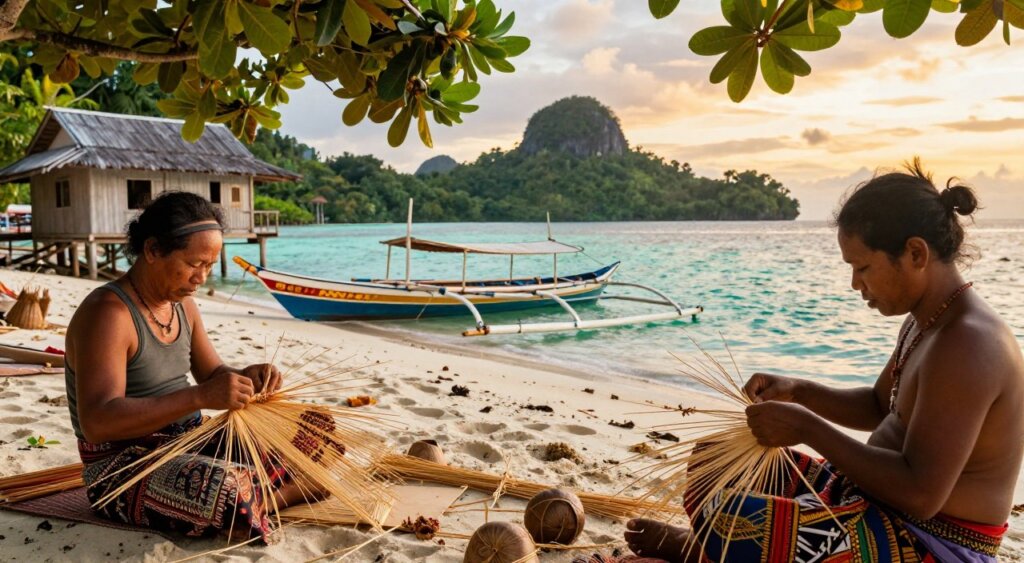
A trip to Raja Ampat is more than just diving. It’s about connecting with the Papuan people and their traditions. The area’s beauty is matched by its rich culture. By engaging with locals, your holiday becomes a meaningful journey.
Understanding the Local People
The islands are home to groups like the Matbat and Ma’ya people. Their lives are deeply connected to the sea and forest. They have lived sustainably for generations, following sasi laws to protect resources.
Villages are clusters of stilt houses by calm bays. Community life is central. Visitors are often welcomed with curiosity. Learning a few words in Bahasa Indonesia or the local dialect shows respect.
Visiting villages through book Raja Ampat adventures supports the community. You can see traditional dance, wood carving, and learn about their nature-based worldview.
Traditional Cuisine
Papuan food is simple, fresh, and satisfying. It reflects the local environment, with seafood, sago, and tropical vegetables. Meals are often cooked over open fires, giving them a smoky flavour.
Try ikan bakar (grilled fish), papeda (sago starch porridge), and leafy greens. Liveaboards like Neptune One feature local dishes. This lets you enjoy authentic flavours while exploring.
Dining locally is an adventure. Be open to trying new things. It’s a delicious way to connect with the culture.
Cultural Etiquette
Showing respect is key. Follow a few simple guidelines for a positive visit.
- Always Ask Permission: Before photographing people, always ask. A smile and a gesture are usually understood.
- Dress Modestly in Villages: When away from the beach, cover shoulders and knees. This shows respect for local norms.
- Respect Sacred Sites: Certain areas may have spiritual significance. Follow your guide’s instructions and avoid touching artifacts.
- Support Local Artisans: Purchase handicrafts directly from makers. It supports the local economy and values their skills.
Choosing to book Raja Ampat adventures with community-focused operators has a positive impact. It’s the responsible way to explore this magnificent part of the world.
Eco-Tourism in Raja Ampat
Choosing eco-conscious Raja Ampat diving trips helps protect marine life. This area is at the heart of the Coral Triangle, full of marine life. Eco-tourism helps balance visitors and protect the environment.
Conservation Efforts
Raja Ampat’s reefs and islands are protected by marine parks. A fee for visitors helps fund patrols and research. The area faces threats like illegal fishing and climate change.
Many groups work to protect the area. Local and international teams monitor coral and protect nesting sites. Their work helps species like pygmy seahorses and manta rays. Supporting these efforts is key to a responsible visit.
Sustainable Travel Practices
Visitors can make a difference with simple choices. For Raja Ampat diving trips, choose a sustainable tour operator. Look for those who hire locals, keep groups small, and have environmental policies.
In the water, your actions matter. Follow these guidelines to protect the reef:
- Master your buoyancy: Proper control prevents accidental contact with the reef.
- Look, don’t touch: Never handle marine life or stand on coral.
- Secure your equipment: Ensure gauges and cameras are tucked in to avoid dragging.
- Use reef-safe sunscreen: Chemicals in many sunscreens can harm coral larvae.
- Respect wildlife distances: Observe creatures without chasing or crowding them.
The table below shows how small changes help Raja Ampat.
| Common Practice | Sustainable Alternative | Direct Benefit to Raja Ampat |
|---|---|---|
| Choosing any available boat tour | Selecting an operator with eco-certification | Funds go towards conservation and fair local wages |
| Using standard chemical sunscreen | Applying certified reef-safe sunscreen | Protects coral health and water quality |
| Feeding fish for a better photo | Observing natural behaviour from a distance | Prevents disruption to natural feeding patterns |
| Taking shells or coral as souvenirs | Taking only photographs and memories | Preserves the natural habitat and its ecological balance |
Benefits of Eco-Tourism
Eco-tourism benefits the environment and local communities. It keeps reefs healthy and fish populations high. It also protects bird habitats.
For you, the traveller, eco-tourism offers quality experiences. You’ll see more wildlife and learn from local guides. You’ll also help preserve the paradise you explored.
Tips for an Unforgettable Trip
Getting ready for your trip is important. It makes a good holiday great. Follow these tips for a smooth and rewarding journey to Raja Ampat.
Avoiding Common Pitfalls
Don’t underestimate travel details. Flights to Sorong and boat rides need careful planning. The heat and sun require lots of sunscreen and water.
Divers should plan dives with the tides and moon. This improves the view and safety.
Making the Most of Your Experience
Be open to new experiences. Spend time at famous spots like Wayag’s views or Misool’s lagoons. Choose between a dive boat or a resort to shape your trip.
Each option offers a unique way to see Raja Ampat.
How to Respect Nature and Culture
Respect is key for sustainable travel. Never touch coral reefs. Stick to marked paths and support local fees.
Learn a few Papuan phrases. Respect village rules, including photography.
Traveling mindfully lets you see the archipelago’s magic. These tips help you have an unforgettable trip that respects this special place.