Imagine finding the world’s most stunning coral reefs with a single tool. For those eager to explore Raja Ampat underwater, a detailed Raja Ampat dive sites map is key. It’s not just helpful; it’s vital.
Raja Ampat, in Indonesia, is known for its incredible sea life. Exploring its islands and bays needs a good map. With it, your trip becomes a well-planned adventure.
This guide will teach you how to use this essential tool. We’ll cover important locations, local conditions, and useful tips. Your aim is to have an unforgettable dive into the Coral Triangle.
Key Takeaways
- A dedicated map is your most important tool for planning a dive trip in this remote region.
- It unlocks access to world-renowned biodiversity and pristine coral ecosystems.
- Essential for safe navigation between the many islands and dive spots.
- This article provides a clear guide on using the map effectively for your adventure.
- You’ll learn about iconic sites, seasonal conditions, and expert tips.
- Proper planning with a map helps protect the delicate marine environment.
- Maximises your time in the water, ensuring you see the best this paradise offers.
Introduction to Raja Ampat
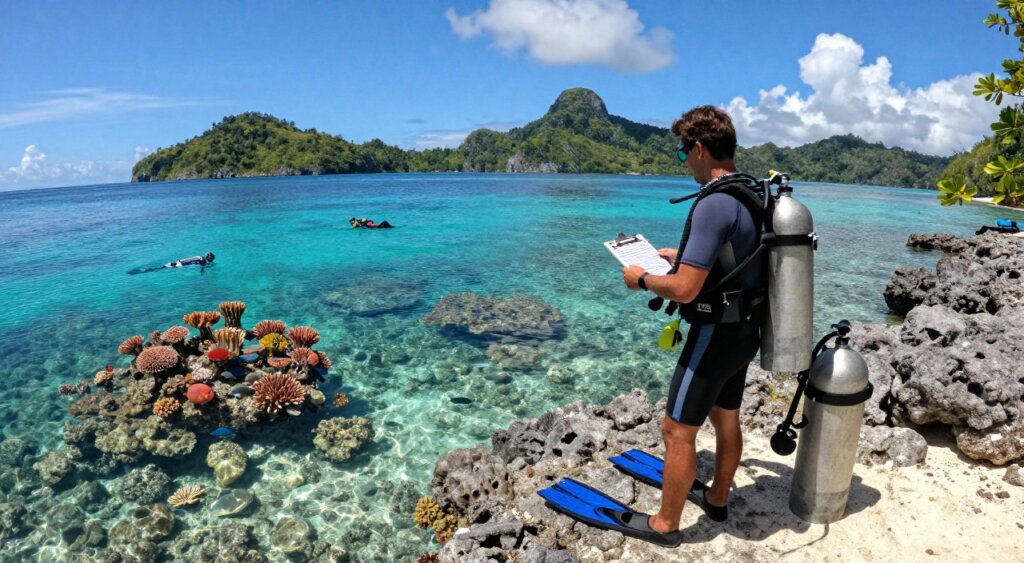
Raja Ampat, meaning “Four Kings,” is a remote Indonesian region. It has hundreds of lush islands and vibrant reefs. This archipelago is at the heart of the Coral Triangle and is a key part of any raja ampat diving guide.
For Australian travellers, it’s a dream destination. Here, adventure meets stunning natural beauty.
Overview of Raja Ampat
Raja Ampat is off the coast of West Papua in Indonesia. It’s a vast network of over 1,500 islands and cays. The four main islands—Waigeo, Batanta, Salawati, and Misool—give it its royal name.
These remote islands Indonesia is known for are spread across a huge marine area.
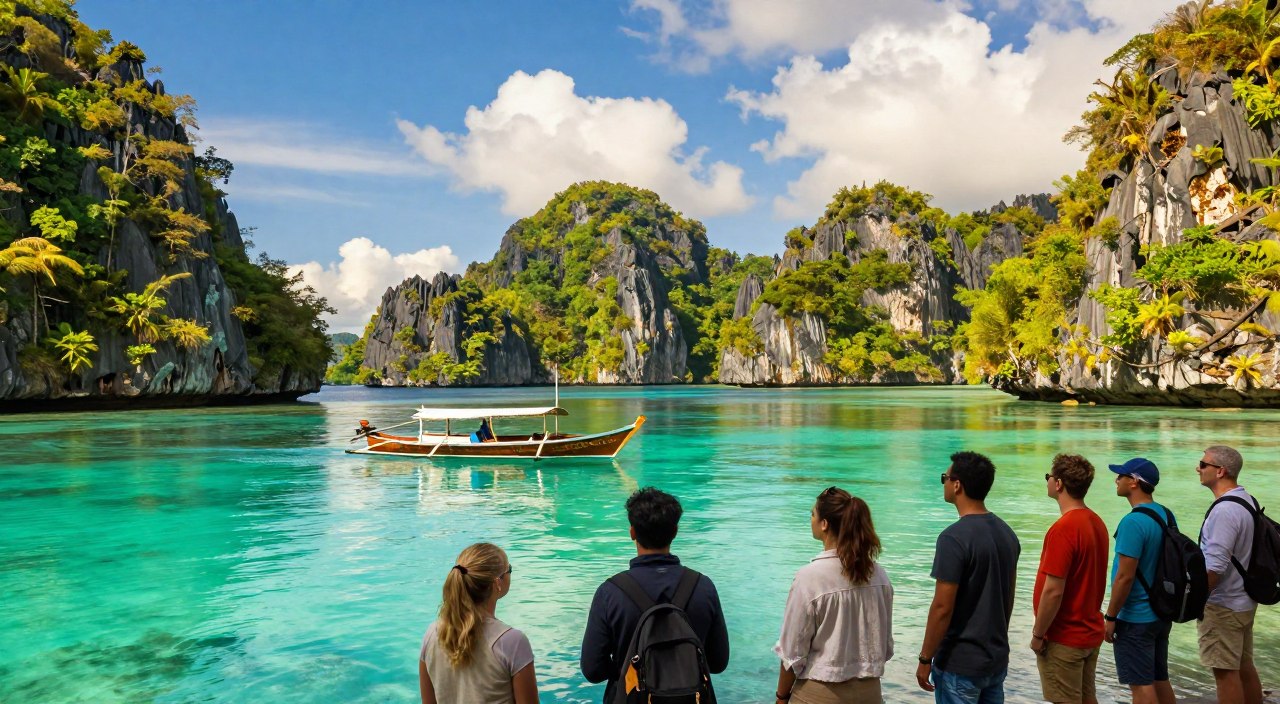
The landscape is breathtaking. It has jagged limestone karsts, hidden lagoons, and dense jungle. This rugged terrain also has pristine white-sand beaches. Getting there requires effort, but it’s worth it for its untouched beauty.
Significance of Dive Sites
The dive sites in Raja Ampat are not just beautiful; they’re also scientifically vital. They’re in the heart of the Coral Triangle, known for the highest recorded marine biodiversity on Earth. The reefs here act as a global nursery and genetic repository for countless species.
Conservationists see these waters as a key benchmark for healthy marine ecosystems. Sustainable tourism and diving practices here support global preservation efforts. For divers, visiting these sites helps protect them.
Biodiversity in Raja Ampat
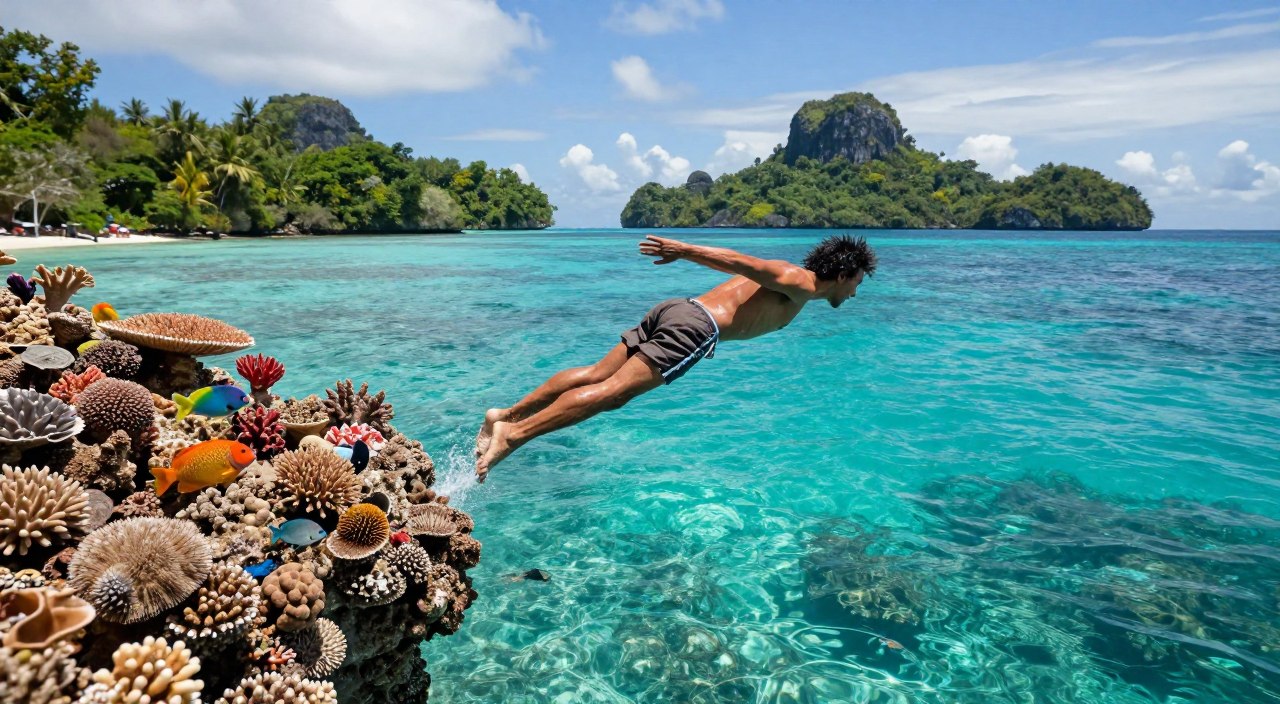
The numbers are impressive. Raja Ampat’s waters are home to over 1,700 species of reef fish and more than 600 types of hard coral. This is an incredible concentration of marine biodiversity found nowhere else. From tiny pygmy seahorses to majestic oceanic manta rays, the variety is staggering.
The health of these coral reefs supports the entire food web. You can expect to see bustling reefs with anthias, reef sharks, and barracuda. This living abundance is why it’s at the top of every diver’s list and is central to any raja ampat diving guide.
Understanding this rich ecosystem makes diving here even more special. It turns a simple dive into a journey through the planet’s most vibrant underwater garden.
Understanding the Dive Sites Map
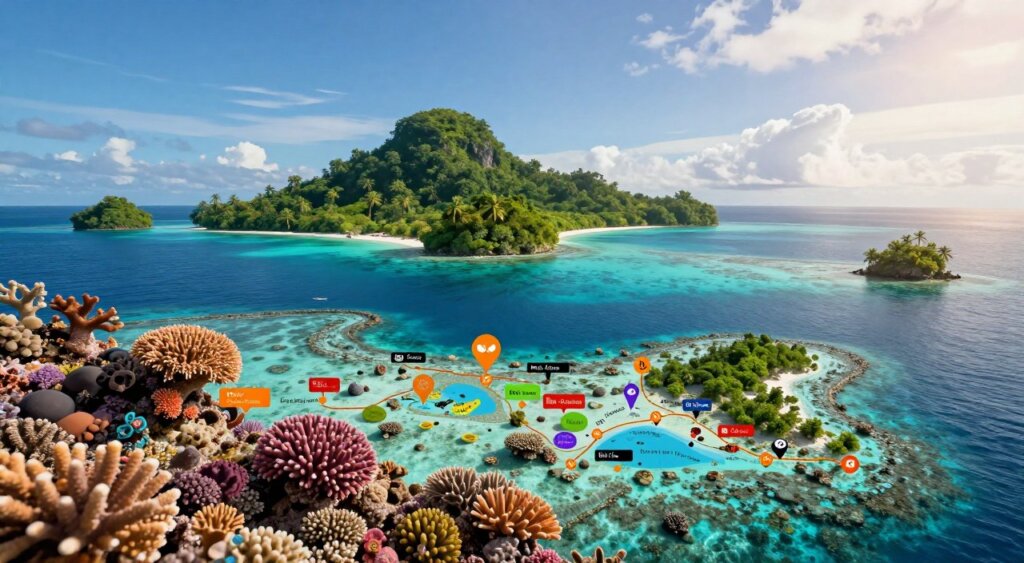
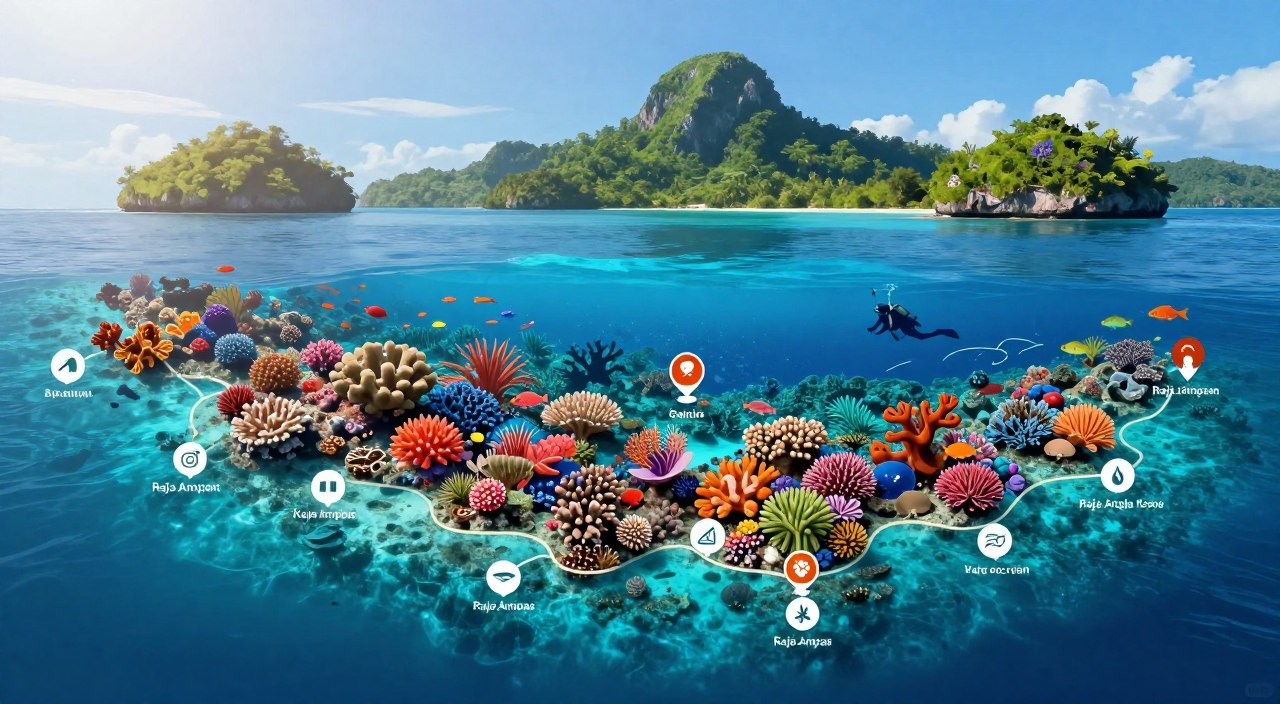
Before diving into the sapphire waters, learning to read a Raja Ampat dive map is key. It’s not just a simple map; it’s a detailed guide to the marine landscape. A good interactive dive map raja ampat helps plan your trip, ensures safety, and finds hidden gems.
How to Read the Map
Reading a dive map is like learning a new language. It’s all about understanding the symbols and lines that show the underwater topography raja ampat is known for.
Depth contours are very important. They show where the seafloor drops or rises. Closely spaced lines mean steep slopes, great for drift diving.
Common symbols include:
- Star or flag icons: Mark dive site locations raja ampat operators visit.
- Dashed lines: Show common routes for liveaboards or dive circuits.
- Different shades of blue: Indicate depth, from shallow to deep.
- Small drawings: Denote features like shipwrecks or caves.
By using these symbols with contour lines, you can find key formations. A circular cluster might be a seamount. A long, linear series of contours signals a sheer wall. Broad areas with few contours are coral gardens.
Key Features of the Map
A good map does more than show locations. It provides the details that make a dive special. Modern interactive dive map raja ampat tools have layers you can turn on and off.
The most important features are:
| Map Feature | What It Tells You | Why It’s Important |
|---|---|---|
| Marked Dive Sites | Precise GPS coordinates and names of established sites. | Ensures you can navigate directly to the promised action. |
| Current Indicators | Arrows showing typical current direction and strength. | Vital for planning safe descents, ascents, and drift dives. |
| Points of Interest (POIs) | Locations of reefs, manta ray cleaning stations, or rare coral heads. | Helps you target specific marine life encounters. |
| Archipelago Layout | Spatial relationship between islands and dive zones. | Allows for efficient trip logistics and site sequencing. |
Understanding the underwater topography raja ampat through these maps reveals the ‘why’ behind the ‘where’. You’ll see why Cape Kri attracts massive schools of fish—it’s on a current-swept point. You’ll understand that Blue Magic is a remote seamount, explaining its pelagic visitors.
This spatial awareness is empowering. It lets you discuss plans with your guide and make informed choices about which dive site locations raja ampat suit your skill level and interests on any given day.
Top Dive Sites in Raja Ampat
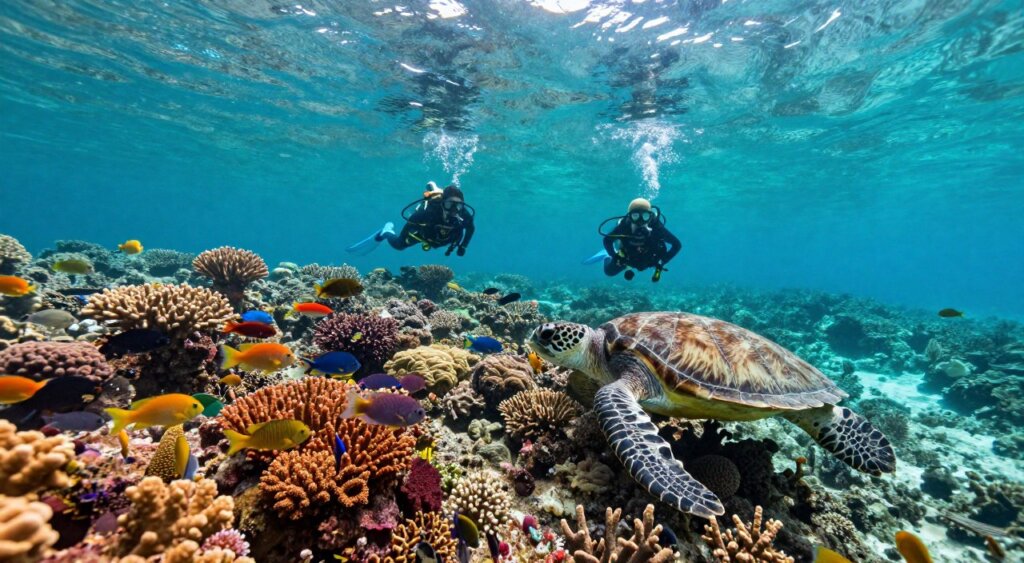
Raja Ampat is a treasure trove for divers, with some sites standing out as legends. These spots are the best of what the archipelago has to offer. For an unforgettable dive, make sure to visit these iconic sites.
Cape Kri
Cape Kri is a must-visit for any serious diver. It’s known for its incredible fish density. Here, you’ll see schools of trevally, barracuda, and snapper.
This site is a classic drift dive. The strong currents bring nutrients and attract big marine life. You might even see sharks. It’s a challenging dive but the rewards are worth it.
“Diving Cape Kri is like being inside a living, breathing aquarium at its most frantic and beautiful.”
Mioskon
Mioskon is famous for its manta rays. This site has cleaning stations where mantas come to be serviced by cleaner wrasse.
Seasonal currents bring plankton, attracting mantas. Seeing multiple rays overhead is a humbling experience. The site’s visibility can vary, but when mantas are present, it’s magical.
- Primary Attraction: Manta ray cleaning stations.
- Best Time: Incoming tide during the cooler, windier season.
- Experience Level: Suitable for confident beginners due to generally mild currents at the station.
Blue Magic
Blue Magic is where pelagic action happens. Located off a seamount, it’s a highway for larger marine life. The blue water is where you find the big stuff.
Strong currents are common, sweeping divers along the reef. This brings in sharks, tuna, and eagle rays. Every dive here is an adrenaline rush.
Melissa’s Garden
Melissa’s Garden is a stunning coral reef. It’s a vast garden of hard and soft corals in every colour. The biodiversity here is incredible.
It’s a macro photographer’s dream, full of pygmy seahorses and nudibranchs. The coral formations are perfect. Currents are gentle, making it easy to explore.
| Dive Site | Typical Depth | Current Level | Signature Marine Life | Recommended Experience |
|---|---|---|---|---|
| Cape Kri | 5 – 30 metres | Strong (Drift Dive) | Schooling Fish, Reef Sharks | Intermediate to Advanced |
| Mioskon | 12 – 20 metres | Low to Moderate | Manta Rays | Beginner to Intermediate |
| Blue Magic | 15 – 40+ metres | Strong (Pelagic) | Sharks, Tuna, Eagle Rays | Advanced |
| Melissa’s Garden | 5 – 25 metres | Gentle | Coral Gardens, Macro Critters | All Levels |
Choosing which top dive sites in Raja Ampat to explore depends on your interests and skill level. Each offers a unique view into the region’s incredible marine ecosystem.
Dive Conditions and Best Times to Visit
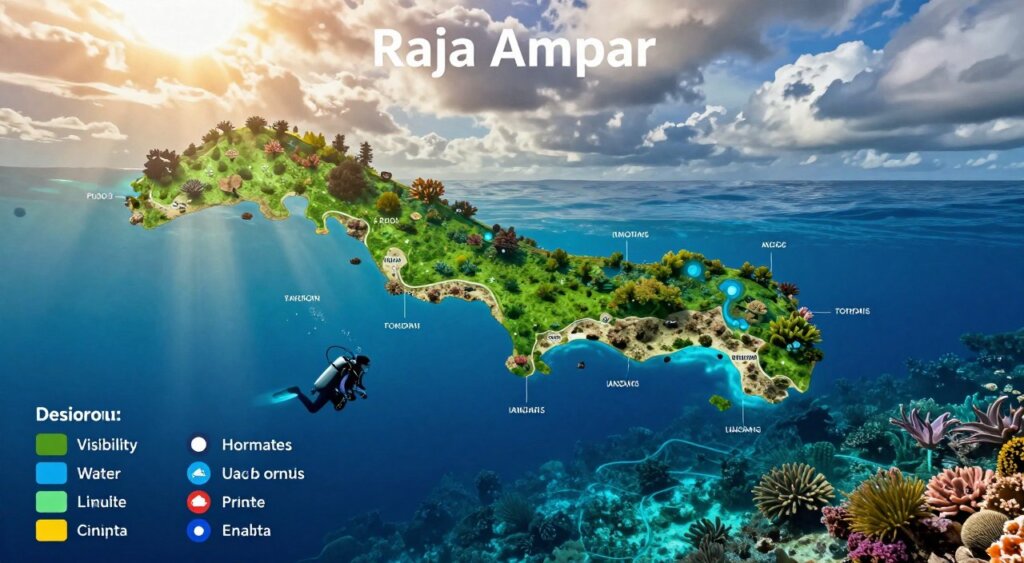
Knowing when to dive in Raja Ampat is as important as knowing where. The climate and ocean cycles shape your underwater adventure. Plan wisely to enjoy the best diving experience.
Weather Patterns
Raja Ampat has a tropical climate with two monsoons. The dry season, from October to April, is calm and dry. It’s the best time for diving.
The wet season, from May to September, brings rain and strong winds. But, it’s not all bad. You can see unique marine life during this time.
Visibility and Temperature
Water clarity in Raja Ampat is famous, but it changes. In the dry season, visibility can reach up to 30 metres. The wet season might see it drop to 10-15 metres, but it attracts filter feeders.
The water is always warm, between 28°C to 30°C. A 3mm wetsuit or rash vest is enough for comfort during dives.
Seasonal Highlights
Each season brings its own highlight, making diving special.
- Dry Season (Oct-Apr): Enjoy pristine visibility and perfect conditions. It’s great for photography and seeing manta rays at Manta Sandy.
- Wet Season (May-Sep): Visibility might be lower, but the water is rich in life. This is the best time to see oceanic mantas and whalesharks. Coral spawning also happens, creating an underwater spectacle.
Here’s a quick guide to help you plan:
| Season | Typical Weather | Visibility & Temp | Marine Life Highlight |
|---|---|---|---|
| Dry (Oct-Apr) | Calm, less rain | 20-30m+, 28-30°C | Manta rays (reef), clear water photography |
| Wet (May-Sep) | More rain, wind | 10-25m, 28-30°C | Oceanic mantas, whalesharks, coral spawning |
| Shoulder Months (Apr/May, Sep/Oct) | Transitional, variable | Variable, 28-30°C | Potential for highlights of both seasons |
For a classic Raja Ampat dive, visit during the dry season. If you’re into photography or macro, the wet season is better. Either way, you’ll dive in a marine paradise.
Marine Life Encountered at Dive Sites
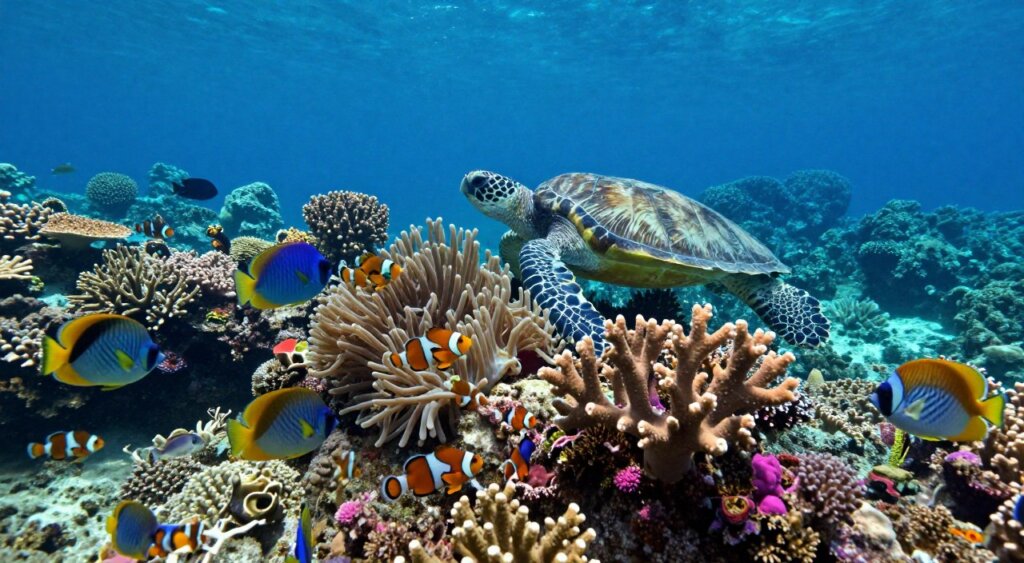
Diving in Raja Ampat is magical, thanks to its amazing marine life. It’s known for the richest marine biodiversity on Earth. Every dive is like watching a spectacular underwater show.
Here, you’ll see a lot of different species. From tiny nudibranchs to big ocean giants, the ecosystem is thriving. This is because of the unique currents and untouched habitats.
Reef Fish Species
The reefs are alive with fish. You’ll see schools of hundreds or thousands of fish. Look out for the Picasso triggerfish and the elegant Moorish idol.
There are also species found nowhere else on Earth. Watch for the Raja Ampat epaulette shark and the colourful fairy basslets. The variety is incredible.
- Anthias: Clouds of these pink and yellow fish shimmer over the reef crests.
- Sweetlips: Often seen resting on the sand, their spotted patterns are unmistakable.
- Angelfish & Butterflyfish: These families are exceptionally well-represented with numerous species.
- Wrasse: From the large Napoleon wrasse to tiny cleaner wrasse, they play vital roles.
Coral Reefs and Ecosystems
The coral reefs are the base of it all. Raja Ampat has over 75% of the world’s coral species. These reefs are not just structures; they are thriving ecosystems.
Hard corals like staghorn and brain corals form the structure. Soft corals add colour and movement. This complex setup provides food and shelter for many creatures.
The ecosystem’s health supports its huge marine biodiversity. Nutrients flow from plankton to predators. Protecting these coral reefs is key for the food web.
Larger Marine Animals
While reef life is captivating, bigger marine animals make dives unforgettable. Raja Ampat is famous for its pelagic species. These encounters are often the highlight of a trip.
Manta Rays are a big attraction. You’ll see both giant oceanic mantas and smaller reef mantas. Manta Sandy offers great views of these creatures.
Several shark species roam the reefs and passages. Look out for white-tip reef sharks, grey reef sharks, and even wobbegongs. Sea turtles, like green and hawksbill, are also common. They signal a healthy ocean environment.
Diving Accessibility and Travel Tips
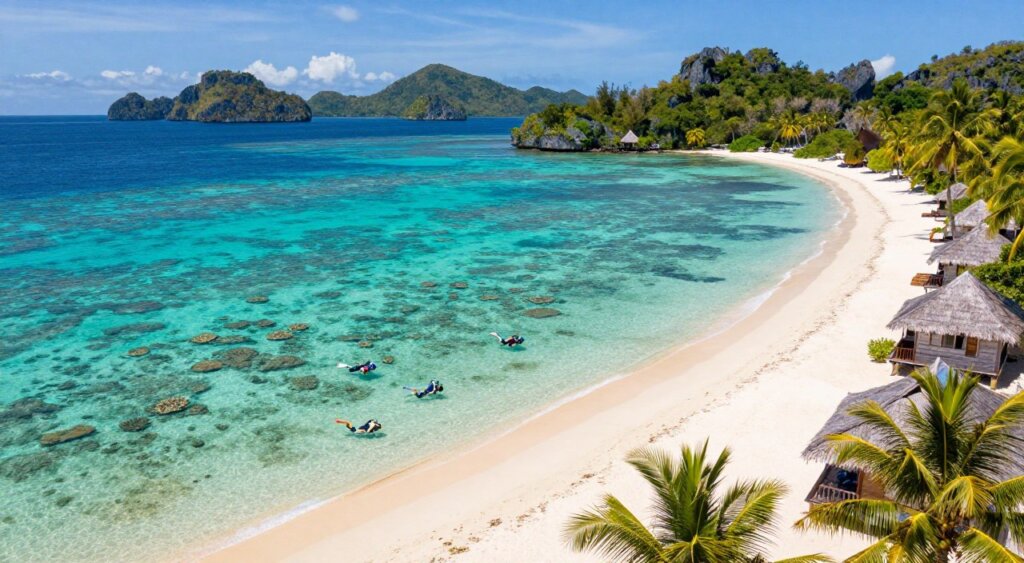
Australian divers can reach Raja Ampat’s amazing reefs by flying to major Indonesian cities first. The journey is worth it for the diving adventure. Planning well means more time diving and less time travelling.
Reaching Raja Ampat
The main entry point is Sorong on West Papua. From Australia, fly to Jakarta or Denpasar (Bali) first. Then, take a flight to Sorong’s Domine Eduard Osok Airport.
Flights from Bali to Sorong take about four hours. After arriving in Sorong, a boat trip is needed to get to the islands. Your dive operator or resort can arrange this.
Public ferries go to Waisai, but most divers use private speedboats. These trips take one to two hours. Tip for Australian travellers: Check visa rules and dive gear weight limits for flights.
Local Dive Operators
You can dive with liveaboard boats or land-based centres. Your choice affects your trip.
Liveaboards are like hotels on the water. They visit remote spots and offer many dives. Boats like M/V Aqua Blu or Damai I are great for serious divers.
Resort-based dive centres are on islands. They offer daily trips and are good for those who like a fixed base. Places like Raja Ampat Biodiversity Resort have great guides and gear.
Choose an operator based on safety, guide ratios, and eco-friendliness.
Accommodation Options
Accommodation in Raja Ampat ranges from simple homestays to luxury bungalows. You can find something that fits your budget and style.
Homestays are budget-friendly and found on islands like Arborek. They offer basic rooms and meals, giving a real taste of local life.
Mid-range and luxury dive resorts offer more comfort and direct access to dive sites. They include packages with meals and diving. These resorts are on private islands or beaches.
| Accommodation Type | Typical Location | Best For | Approximate Price Range (per night) |
|---|---|---|---|
| Community Homestay | Villages (e.g., Arborek) | Budget travellers, cultural immersion | $30 – $70 AUD |
| Mid-Range Dive Resort | Private islands (e.g., Kri Island) | Divers wanting comfort & convenience | $150 – $350 AUD |
| Luxury Liveaboard | Moving between sites | Serious divers seeking remote sites | $500 – $1000+ AUD |
Book your stay early, even more so for peak season (October to April). This ensures you get the best Raja Ampat travel and diving plans.
Types of Diving Experiences
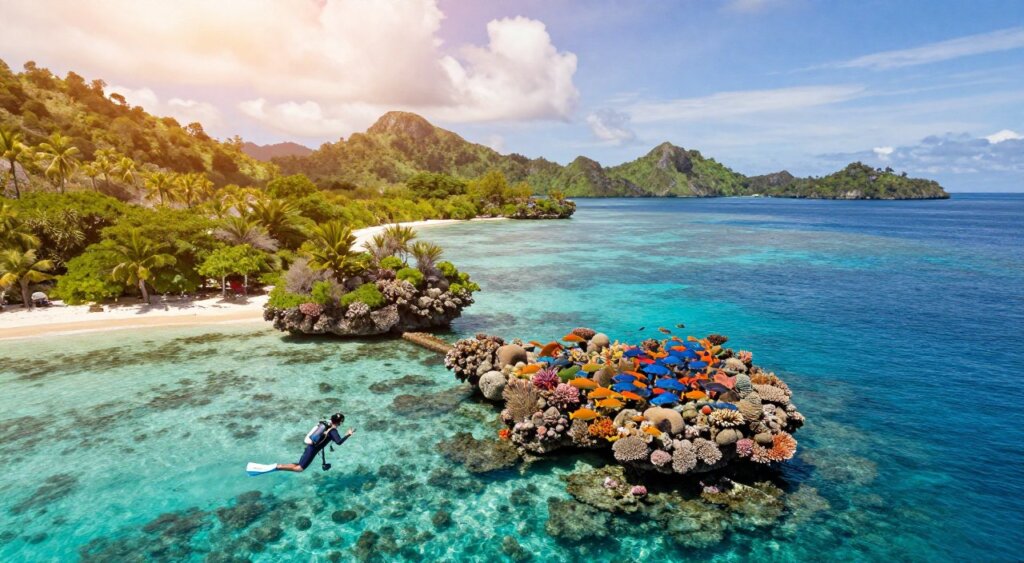
Choosing the right dive site in Raja Ampat depends on your certification and comfort with the water. The archipelago has many marine environments, perfect for all divers. Finding a site that matches your experience ensures safety and fun.
Knowing the conditions at each site helps divers make smart choices. Some areas have calm waters great for beginners. Others offer thrilling challenges for more experienced divers.
Beginner-Friendly Dive Sites
Raja Ampat has many sites perfect for new divers. These beginner-friendly dive sites have sheltered bays and shallow reefs. The calm waters help new divers learn without stress.
These sites have beautiful coral gardens at depths of 5 to 15 metres. The calm means you can enjoy the marine life more. You’ll see colourful fish, curious crustaceans, and fascinating macro life.
These areas are great for learning diving skills. The water is clear, and warm all year. Local dive operators often suggest these sites for beginners.
When choosing beginner-friendly dive sites, look for “gentle” or “protected” on the Raja Ampat dive map. These spots are perfect for learning about marine life without too much challenge. You’ll gain confidence and enjoy the underwater world.
Advanced Diving Locations
For experienced divers, Raja Ampat’s advanced diving locations offer excitement and unique encounters. These sites have strong currents, deep walls, and dynamic conditions. They require training and preparation but offer amazing marine life.
Drift dives along dramatic drop-offs are thrilling. These currents carry divers along reef faces, requiring good buoyancy control. You might see pelagic species rarely seen in calmer waters.
Many advanced diving locations have vertical walls over 30 metres deep. These deep areas have different ecosystems. You might see barracuda, reef sharks, or manta rays.
Preparing for these sites means knowing your skills and comfort level. Divers need advanced certifications and experience with strong currents. Proper equipment is key for safety and fun.
Diving these challenging sites is exciting but comes with responsibility. Following your guide’s instructions and practicing good dive habits helps keep these environments pristine. The memories from these advanced diving locations are unforgettable.
Environmental Considerations
Conservation is key in Raja Ampat, not just an afterthought. The area’s marine life is in a delicate balance. Your actions as a visitor can greatly affect its health. Getting involved in preservation is the heart of the adventure.
Preservation Efforts
Raja Ampat leads in marine conservation worldwide. It has a network of Marine Protected Areas (MPAs) to protect habitats. It’s also part of the UNESCO World Heritage-listed Coral Triangle. Here, science and local wisdom work together to protect the environment.
Local communities are the true protectors of these waters. Many preservation efforts are led by the communities. They manage their own no-take zones and patrols. The Raja Ampat Diving Code is your guide to minimising impact. It shows respect for the people who live here.
Sustainable Diving Practices
Practising sustainable diving is easy and rewarding. Mastering buoyancy control is essential. It prevents damage to the reef. Always remember, look but never touch.
Choose reef-safe sunscreen to protect the coral. Avoid stirring up sediment and never chase marine life for photos. Take all rubbish back to your boat or resort.
The table below provides a clear checklist to turn these principles into daily actions during your dive trip.
| Sustainable Practice | Common Mistake to Avoid | Primary Benefit |
|---|---|---|
| Perfect Neutral Buoyancy | Kicking the reef or dragging equipment across it. | Prevents physical damage to fragile corals and sponges. |
| No Touch, No Feed Policy | Handling starfish, feeding fish, or riding turtles. | Protects marine life behaviour, health, and natural diets. |
| Using Reef-Safe Sunscreen | Applying standard chemical sunscreen before diving. | Stops harmful toxins from entering the water and bleaching coral. |
| Responsible Photography | Using flash on sensitive creatures or touching subjects to pose them. | Reduces stress on animals and avoids disruptive behaviour. |
| Strict Waste Management | Leaving any litter, including fruit peels, on the beach or in the water. | Keeps the environment pristine and prevents animal ingestion of foreign objects. |
By following the Raja Ampat Diving Code and these sustainable diving practices, you help preserve the beauty for future divers. You become more than just an observer; you’re a guardian of the region’s future.
Potential Risks and Challenges
Planning a dive trip to Raja Ampat’s remote spots means knowing the risks. Being ready for the environment keeps your dive safe and amazing. This section covers the main dangers, from underwater currents to weather changes, so you can dive with confidence.
Marine Hazards
Raja Ampat’s ecosystems are full of life and power. Divers must respect these forces to stay safe. The main risks are water movement, the reef, and sometimes meeting wildlife.
Strong currents are common in many places. They can start suddenly and change strength. These currents help coral grow but need divers to be fit and control their buoyancy well. Always listen to your guide about current patterns.
The reefs are stunning but fragile and sharp. Touching Acropora table corals or fire coral can hurt. Good finning and keeping a safe distance protect you and the reef.
While serious problems are rare, knowing about local sea life is smart. Species like reef stonefish, blue-ringed octopus, or sea snakes are around but usually avoid divers. Wearing gloves is not advised as it can harm corals. Instead, be careful where you put your hands and feet.
Weather-Related Concerns
The tropical climate of West Papua affects the surface and underwater. Seasonal changes can impact your dive plans, so timing is important.
Sudden squalls can happen, bringing wind, rain, and rough seas. This makes boat trips uncomfortable. Good operators watch the weather and might change plans for safety.
The rainy season, from July to September, can make visibility poor near rivers. But, the outer islands stay clear, and plankton blooms attract manta rays. The downside is less light for underwater photos.
| Hazard Type | Typical Location/Season | Recommended Precautions |
|---|---|---|
| Strong Currents | Channel dives (e.g., Cape Kri, Mioskon) | Use a reef hook if trained; stay close to the guide; maintain streamlined gear. |
| Sharp Coral | All shallow reef sites | Master buoyancy control; wear a full-length wetsuit; avoid touching anything. |
| Marine Life Encounters | Rare, site-specific | Observe, don’t touch; wear booties; shuffle feet in sandy areas. |
| Sudden Squalls | Afternoons, transition seasons | Plan morning dives; secure gear on boats; follow captain’s instructions. |
| Reduced Visibility | Rainy season near mainland | Dive outer islands; use a dive light; adjust camera settings. |
Knowing the risks is the first step to managing them. Choose a certified guide, dive within your limits, and have good travel insurance. Raja Ampat offers amazing dives to those who are prepared.
Equipment Needed for Diving
Using a Raja Ampat dive sites map is better with the right gear. Knowing what to bring makes your dives unforgettable. The right equipment keeps you safe and lets you enjoy the marine life.
Essential Gear
Raja Ampat’s waters need specific equipment. Dive operators give you tanks and weights. But, you need personal items for comfort and safety.
- Well-Fitting Mask and Snorkel: A mask without leaks is key for coral garden views. Test it before you go.
- Dive Computer: It’s vital for tracking depth and time on dives like Cape Kri.
- Reef Hook: It helps you stay in place in currents without harming coral.
- Exposure Suit: Even in warm water, a 3mm wetsuit or rash vest protects from sun and jellyfish.
- Fins: Open-heel fins with adjustable straps make reef navigation easier.
- Surface Marker Buoy (SMB): It’s a safety item for signalling your boat position, important in busy areas.
Having your own gear means you know it well. This confidence helps you dive better, following your map plan.
Rental vs. Buying Options
Choosing to rent or buy depends on your travel style and budget. Both options are good for a trip planned with the scuba diving Raja Ampat map.
Renting Locally:
- Pros: It saves space in your luggage and is hassle-free. Dive resorts have modern, well-maintained gear. It’s great for beginners or those trying new gear.
- Cons: Fit might not always be right, and specific models might not be available. Daily rental costs can add up.
Bringing Your Own:
- Pros: You get a perfect fit and know your gear well. It’s more cost-effective for frequent divers.
- Cons: It adds weight to your luggage. There’s a risk of loss or damage. You need to maintain and pack it well before your trip.
Many divers choose a mix of both. Bring essential items like your mask, computer, and reef hook. Rent bulkier items like tanks and BCDs from your operator. Talk about rental gear when booking your dives.
Investing in a good mask and reliable computer is wise for Raja Ampat diving. These items are personal and key for enjoying the reefs.
Your equipment choices should match the adventure your Raja Ampat dive sites map promises. Whether renting or buying, focus on reliability and fit. This way, you spend more time exploring and less time adjusting your gear.
Local Culture and Interaction
Raja Ampat’s amazing wildlife is matched by the rich cultures of its indigenous people. Your diving trip becomes more meaningful when you learn about the island’s history. It’s important to respect local communities for a sustainable travel experience.
Understanding Indigenous Communities
The islands of Raja Ampat are home to different Papuan communities. Each has its own traditions and clans. Their lives are deeply connected to the sea and forest.
For centuries, they have managed resources using adat, their customary laws. This shows how the health of coral reefs affects their lives. Many communities work on conservation efforts.
Villages have a strong sense of community. Elders or traditional leaders often make decisions. Showing respect for their way of life is important.
Respectful Engagement with Locals
When visiting villages, how you act is key. Always dress modestly, covering your shoulders and knees. It shows respect for their culture.
Always ask for permission before taking photos of people or their homes. A smile and a nod usually mean yes. If someone says no, respect their decision right away.
Supporting community-based tourism initiatives helps locals. It creates a positive cycle where conservation is valued.
Here are some tips for positive interaction:
- Learn a few phrases: Simple greetings like “Selamat pagi” (Good morning) in Indonesian or a local greeting go a long way.
- Buy local: Purchase handicrafts and snacks directly from village vendors, not just resort shops.
- Follow guidance: Heed any instructions from your local guide or village hosts regarding sacred or restricted areas.
- Be mindful with gifts: If you wish to give something, ask your tour operator about appropriate items. Sometimes school supplies for children are a better option than sweets.
This respectful engagement ensures your memories are positive and your impact is beneficial. It helps preserve the unique Papuan culture that makes Raja Ampat so special.
Dive Guides and Certifications
For a Raja Ampat dive trip, the right gear, a certified guide, and the right training are key. These elements turn a simple dive into a deep, safe, and rewarding journey. You’ll explore one of the world’s most complex marine environments.
A local dive guide is essential. They know the area’s currents, hidden reefs, and where to find rare species. They also share insights about the region’s ecology and communities.
Recommended Dive Schools
Choosing a reputable dive school is important. Look for places with a good safety record, modern gear, and a focus on sustainability. A small guide-to-diver ratio means you get more attention and help protect the environment.
Many dive resorts in Raja Ampat have their own dive centres. These are great because they offer diving and training together. Names like Papua Diving and Raja Ampat Biodiversity Resort have experienced teams.
Do your homework. Read recent reviews and dive forums. Ask operators about guide qualifications, schedules, and conservation efforts.
Certification Programs Available
There are many certification programs for all levels. PADI and SSI have centres in the archipelago. You can start diving here or improve your skills in this unique environment.
The table below shows common courses in the region:
| Certification Level | Typical Duration | Key Skills Focus | Ideal For |
|---|---|---|---|
| Open Water Diver | 3-4 Days | Basic scuba principles, safe diving practices, open water dives. | Absolute beginners starting their certification. |
| Advanced Open Water | 2-3 Days | Deep diving, navigation, and three elective adventures (e.g., drift, night). | Certified divers wanting more experience and confidence. |
| Rescue Diver | 3-4 Days | Preventing and managing dive emergencies, stress management. | Divers looking to enhance safety skills for themselves and others. |
| Divemaster | 6-8 Weeks | Professional-level training, dive leadership, and assisting instructors. | Divers pursuing a career in the dive industry. |
For certified divers, Raja Ampat offers advanced training. Drift Diving courses teach you to navigate currents. Underwater Photography specialities help you capture the beauty. Nitrox certification lets you dive longer on repetitive days.
Choosing a local dive school for a course does more than improve your skills. It also deepens your understanding of the ecosystem, making every dive more meaningful.
Resources for Further Information
Exploring Raja Ampat’s dive sites begins with planning. Good resources are key to prepare and understand this unique place.
Digital tools offer up-to-date info on conditions and locations. They are vital for any diver planning their trip.
Online Maps and Guides
Check the official Raja Ampat Tourism Board website for interactive dive site maps. Liveaboard.com has detailed guides and reviews of operators. ScubaBoard’s Indonesia forum shares recent reports from divers.
These sites give the latest on access and marine life. They’re great for planning your dive.
Books and Documentaries on Raja Ampat
“The Coral Triangle” by Dr. Lyndon DeVantier explores the area’s biodiversity. Watch “Raja Ampat: Underwater Paradise” for amazing visuals. Conservation International reports on local preservation efforts.
These resources enrich your diving holiday. They turn a trip into a meaningful experience.