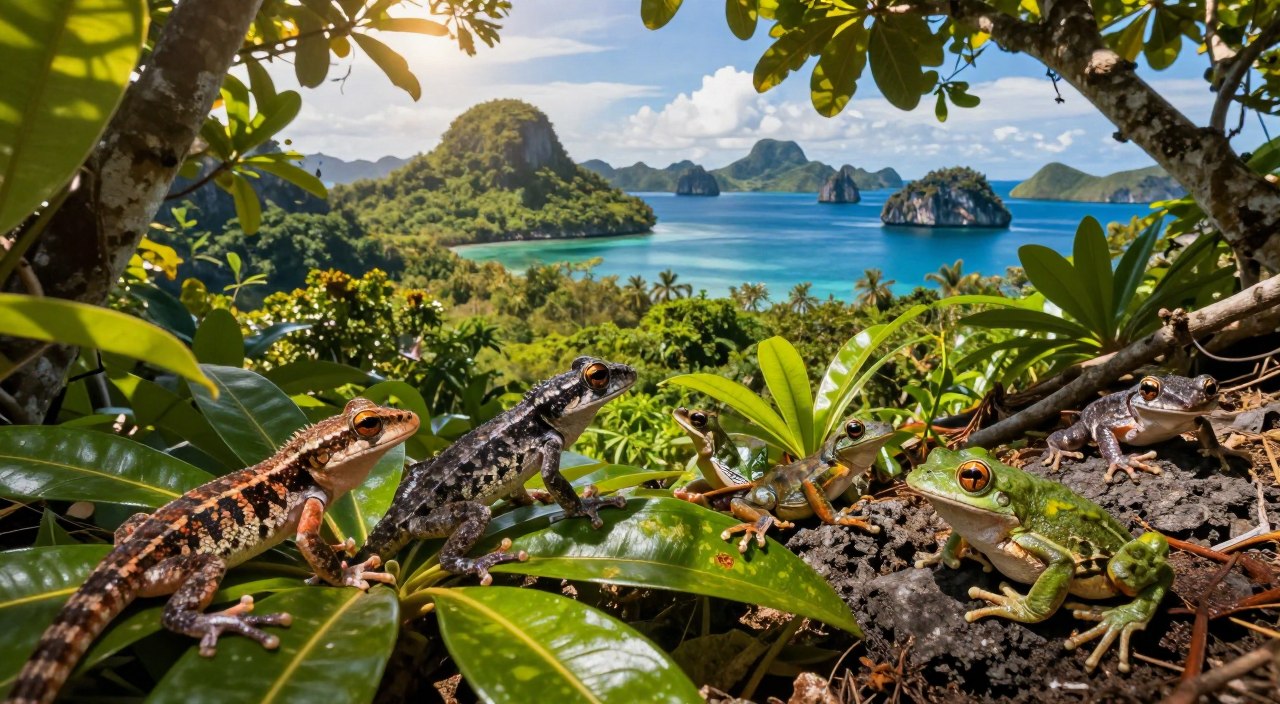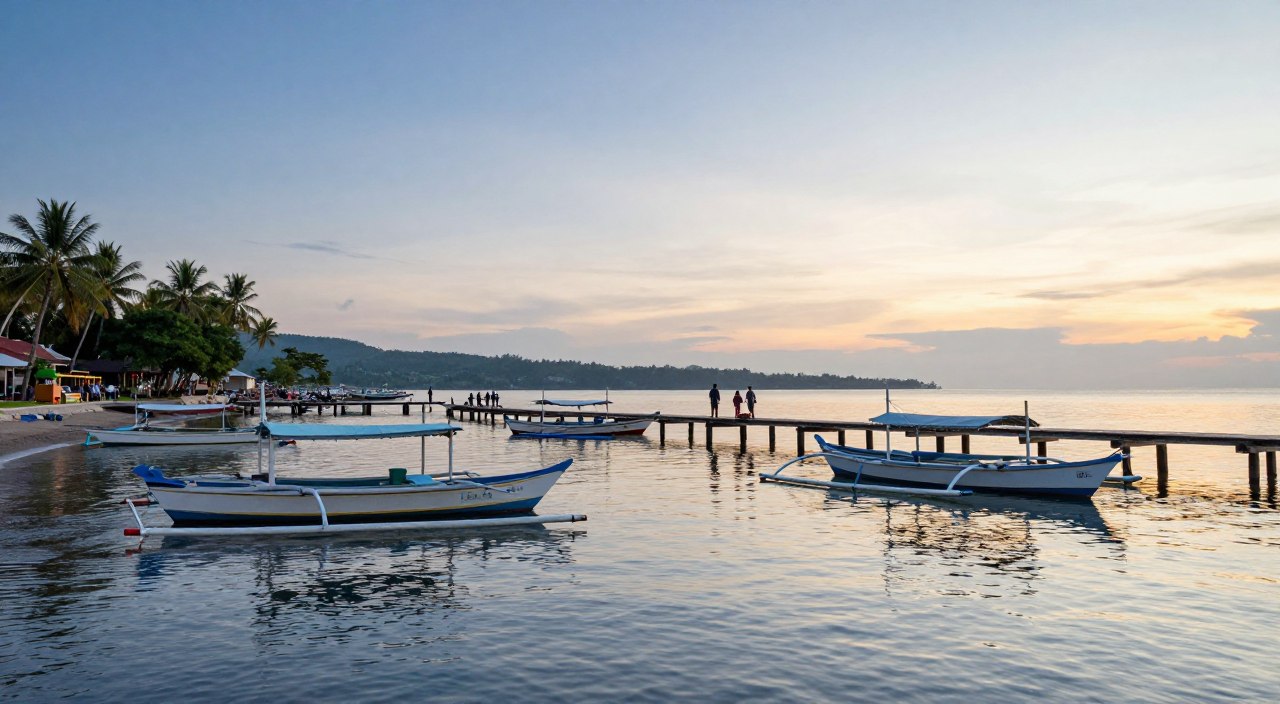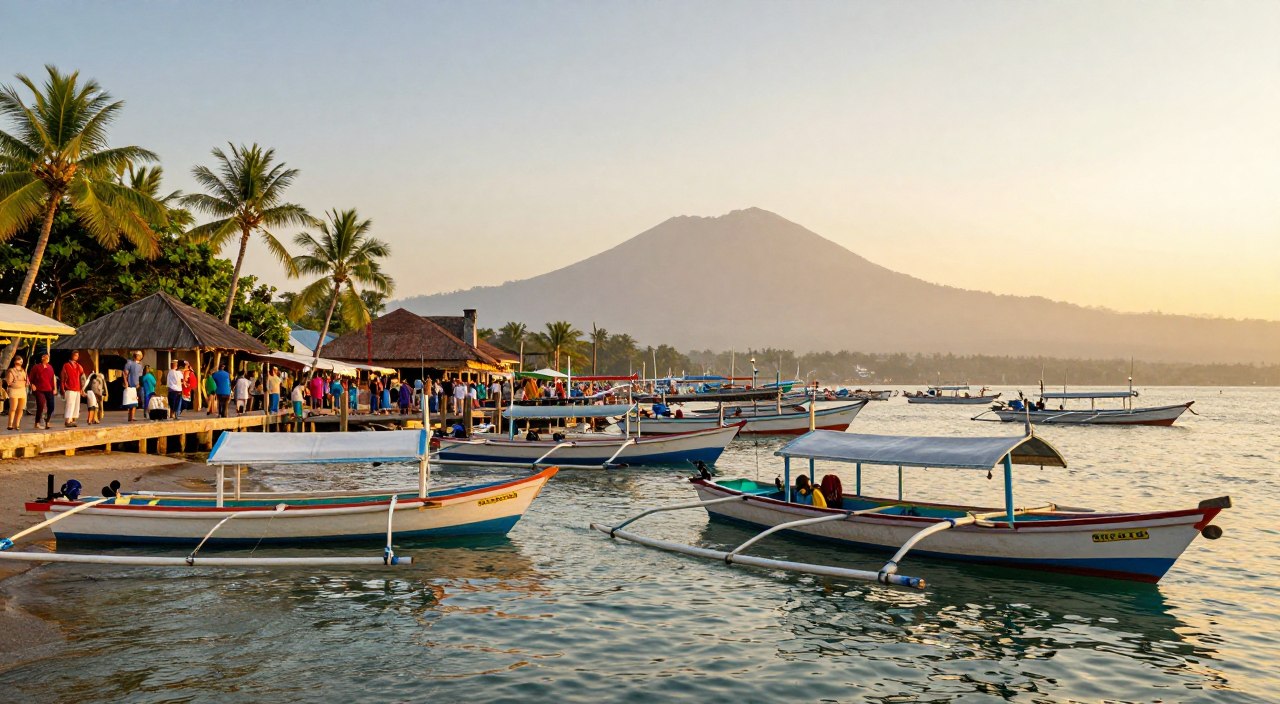
What if the best time to visit one of the world’s last great wildernesses is when the skies open up? The Raja Ampat rainy season offers a perspective few travellers experience. It transforms this iconic archipelago into an even more vibrant and alive destination.
As Indonesia surges as a top global destination for 2026, Raja Ampat stands out. It’s the jewel in the crown of 17,000 islands, famed for world-class diving and remote appeal. Far from being a drawback, the wet months reveal the region in a different light.
The landscapes become intensely lush and rejuvenated. The marine ecosystems continue to thrive, creating spectacular underwater scenes. This is a unique and profoundly beautiful time for an adventure.
This guide will reframe the monsoon period for Australian travellers. We’ll explore what makes this lush season so special and how you can best prepare for it.
Key Takeaways
- Raja Ampat is a standout destination on global 2026 travel lists, renowned for its remote beauty.
- The wet months offer a uniquely vibrant and less crowded perspective of the islands.
- Expect profoundly rejuvenated and emerald-green landscapes during this period.
- The region’s famous marine ecosystems remain thriving and are spectacular to witness.
- With the right preparation, this time of year can be ideal for an incredible adventure.
Understanding Raja Ampat’s Climate Patterns

Raja Ampat is in the heart of the Coral Triangle. It has a climate that changes with the seasons. Knowing the Raja Ampat weather is key for planning a trip.
Indonesia’s tropical climate has wet and dry seasons. These seasons make Raja Ampat special but also important for travelers to consider.
Overview of Tropical Climates
Raja Ampat is near the equator. This means it has a typical equatorial climate. The sun is always strong, making it warm and humid.
The Inter-Tropical Convergence Zone (ITCZ) drives the seasons. It moves with the sun, bringing rain.
Daily weather can change quickly. You might see sunshine or sudden rain showers. The ocean helps keep the temperature pleasant all year.
Significance of Rainy Season
The rainy season is very important. It fills up the islands’ water sources. This is good for the rainforests and local people.
Rain also helps the sea. It brings nutrients that feed the marine life. This makes Raja Ampat great for diving.
Visitors see the islands at their greenest. The marine life is also more active. The rainy season is a time of renewal for Raja Ampat.
The Timing of the Rainy Season
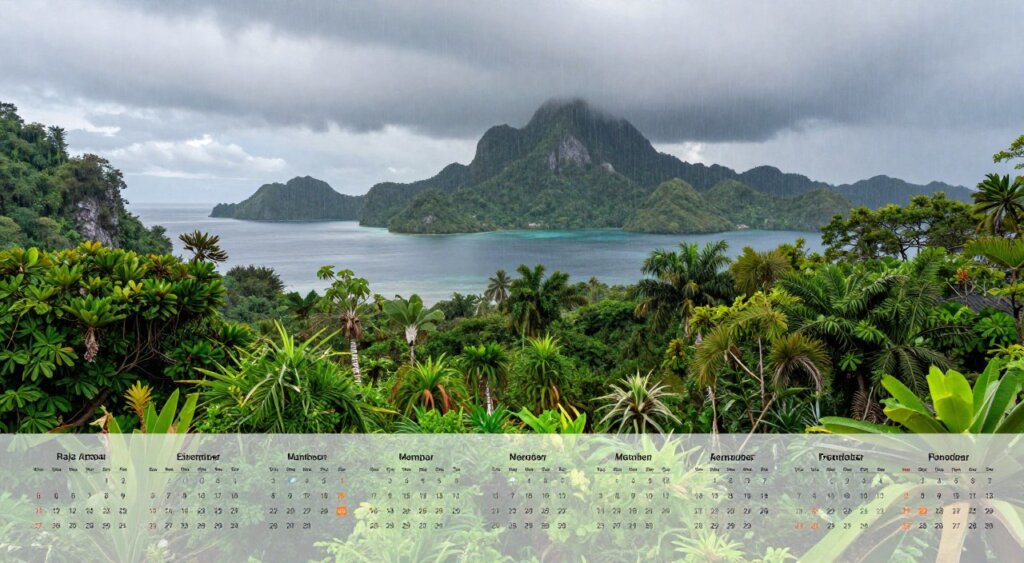
Raja Ampat’s rainy season doesn’t follow the usual Indonesian monsoon pattern. Bali and Java are dry from April to October, but Raja Ampat has its own rhythm. Knowing this is key for finding the best time to visit Raja Ampat.
When Does It Begin and End?
The wet season starts in October or November. The skies get darker, and there are more afternoon showers. This rainy period lasts until March or April.
It’s not all rain, all the time. You’ll see sunshine and quick, heavy showers. The rains start to fade as April gets closer.
Weather can change from year to year. Sometimes it starts in late September, other times it’s a bit later. Checking the weather forecast before your trip is a good idea.
Variations in Different Regions
Even in Raja Ampat, different areas get different amounts of rain. Islands near the ocean might get more rain than bays. The mainland also has its own weather patterns.
The biggest difference is with places in western Indonesia. Here’s a comparison:
| Region | Dry Season Months | Peak Rainy Season | Notes for Travellers |
|---|---|---|---|
| Bali & Southern Indonesia | April – October | November – March | Classic monsoon pattern; peak tourist season aligns with dry months. |
| Raja Ampat (Eastern Indonesia) | May – September | October – April | Seasonal shift; the drier window is shorter and less pronounced. |
| Papua New Guinea (Proximity Influence) | Varies greatly | Often December – March | Shows similar tropical patterns influencing Raja Ampat’s climate. |
This difference is important for planning. If you’re visiting Indonesia, the weather won’t be the same everywhere. What’s dry in Bali might be wet in Raja Ampat.
Knowing this helps you plan better. You can choose to visit when it’s sunny or when the rains make everything green. This choice is the first step to a great Raja Ampat trip.
Weather Conditions During the Rainy Season
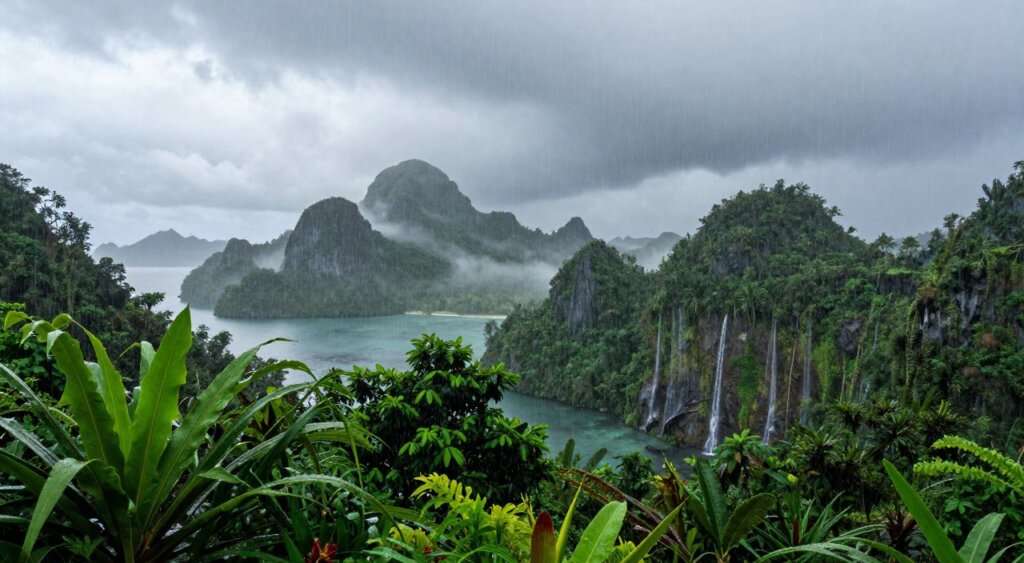
The rainy season in Raja Ampat is not just about drizzle. It’s a time of intense tropical downpours and warmth. Knowing this helps you pack right and plan your days.
Average Rainfall Amounts
Rainfall is heavy and comes in bursts, often in the afternoon or evening. The islands get a lot of water from November to April.
Here’s a table showing average rainfall for each month:
| Month | Average Rainfall (mm) | General Character |
|---|---|---|
| November | 200 – 250 | Start of consistent rains |
| December | 250 – 300 | Peak rainfall begins |
| January | 300 – 350 | Heaviest monthly totals |
| February | 275 – 325 | Continued high rainfall |
| March | 225 – 275 | Gradual decrease begins |
| April | 150 – 200 | Transition towards drier weather |
After the rain, the skies clear, giving you time to explore. Be ready with quick-dry clothes and a waterproof bag.
Temperature Changes
Temperatures stay warm, between 27°C and 30°C all day and night. Humidity goes up, making it feel warmer and more humid.
Recent data shows Indonesia is getting hotter and more humid. This makes it harder to stay cool, even in the shade.
Here are some tips for visitors:
- Stay hydrated. Drink lots of water, even when you’re not in the sun.
- Wear light, breathable clothes that dry quickly.
- Things take longer to dry in the warm rain and high humidity. Bring quick-dry towels and extra clothes.
The warm rain is great for water activities. The sea is always comfortable for diving and snorkeling.
Effect on Marine Life
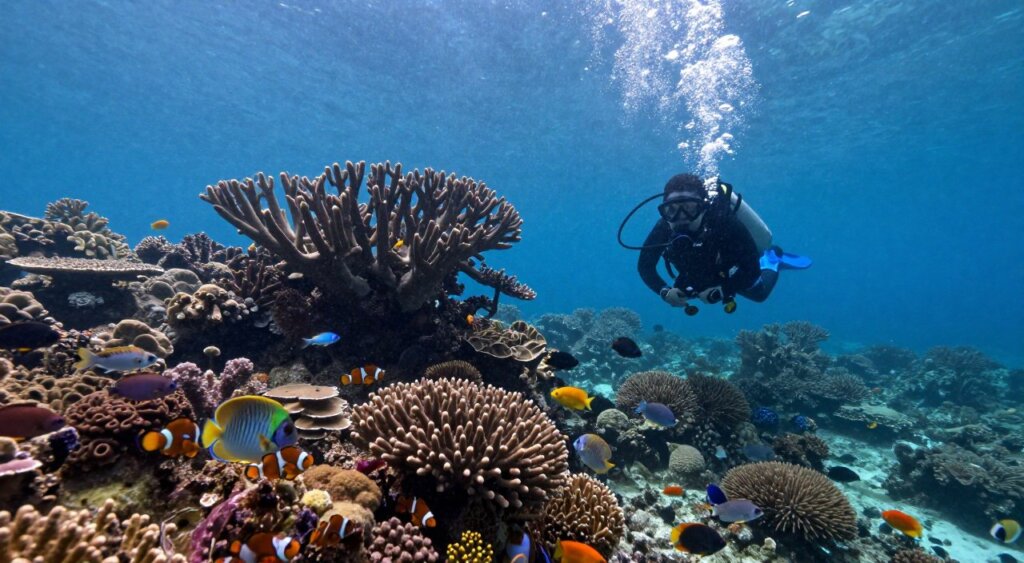
Raja Ampat’s marine world doesn’t hide from the rain; it responds with remarkable resilience and behavioural shifts. The wet season introduces a pulse of freshwater and terrestrial nutrients into the ocean. This creates a temporary but significant change in the underwater environment. For anyone considering diving in Raja Ampat rainy season, understanding these dynamics reveals a different, yet equally captivating, side of this biodiversity hotspot.
Coral Reef Resilience
Increased rainfall leads to runoff from the islands. This can carry sediment and temporarily reduce visibility in shallow, near-shore areas. But, it also delivers a vital infusion of nutrients. These nutrients fuel massive blooms of plankton, the foundation of the marine food web.
Raja Ampat’s coral reefs are famously robust. They have evolved with these seasonal inputs. While sustained environmental pressure can cause coral stress, the reefs here exhibit a strong capacity for adaptation. The nutrient-rich waters support the growth of algae and other organisms that corals and reef fish feed on. This creates a cycle of abundance that underpins the area’s incredible marine health.
Scientists note that the strong ocean currents in Raja Ampat help flush and mix these nutrient-rich waters. This prevents stagnation and distributes the nutritional bounty widely. The result is a system where seasonal rain acts less as a disturbance and more as a catalyst for renewal.
Behavioral Changes in Marine Species
The explosion of plankton life triggers a fascinating chain reaction. Where the plankton concentrates, so too does the marine life that feeds on it. This leads to observable shifts in the behaviour and location of many iconic species.
Manta rays, for instance, may alter their cleaning station visits. They often follow the dense plankton clouds for feeding. Large schools of baitfish become more predictable as they gather to feast. In turn, predators like trevally, tuna, and even reef sharks become more active and visible.
For divers and snorkelers, this means wildlife encounters can be spectacular. You might witness frenzied baitballs being hunted in clear blue pockets between rain showers. The table below highlights some common behavioural changes you might observe.
| Species | Typical Dry Season Behaviour | Rainy Season Behavioural Shift |
|---|---|---|
| Manta Rays | Frequent specific cleaning stations on reefs. | More likely to be in open water, feeding on surface plankton blooms. |
| Baitfish (e.g., Sardines) | Schools are widespread but less dense. | Form massive, dense aggregations in nutrient-rich current lines. |
| Reef Predators (Trevally, Snapper) | Hunt opportunistically around reef structures. | Actively patrol and hunt near baitfish schools, showing increased aggression. |
| Macro Life (Nudibranchs, Shrimp) | Consistently found on specific reef substrates. | May be more abundant due to increased algae and detritus for feeding. |
These shifts make every dive unique. Planning your diving in Raja Ampat rainy season around these patterns can lead to unforgettable sightings. It’s a dynamic theatre where the rain sets the stage for a dramatic display of marine life adaptation.
Exploring Raja Ampat During the Rainy Season

Many people prefer the dry months, but the rainy season in Raja Ampat has its own charm. It’s a time when the archipelago changes, making it less crowded. This season offers a unique experience for those who are willing to explore.
Planning is key to enjoying the rainy season in Raja Ampat. Knowing the good and the bad will help you make the most of your trip.
Pros of Visiting During Rainy Season
Visiting during the raja ampat rainy season can be a smart choice. It’s great for those who want to connect with nature more deeply.
- Fewer Crowds: You’ll have more space and a sense of discovery at popular spots.
- Lush, Vibrant Scenery: The rain makes the islands greener and the waterfalls more impressive.
- Unique Photography Conditions: The soft light after rain is perfect for photos, adding depth to your shots.
- Potential for Better Deals: You might find discounts on accommodations and tours during this time.
Challenges to Consider
Traveling in the rainy season comes with its own set of challenges. These are important to keep in mind for a smooth trip.
Logistics are a big deal. “For multi-island trips, logistics deserve extra attention… weather… can cause delays.” Boat trips between islands can be affected by rough seas.
Other practical challenges include:
- Disrupted Activity Schedules: Plans might change due to weather, so be flexible.
- Higher Humidity: It can be hot and humid, making outdoor activities harder.
- Intense, Brief Rainfall: Rain can be heavy and sudden, limiting outdoor activities.
Visiting during the raja ampat rainy season is about enjoying a different pace. It’s ideal for those who prefer fewer people and vibrant nature. With the right travel tips for visiting raja ampat, you can handle these challenges well.
Preparing for Travel in the Rainy Season

Traveling in Raja Ampat’s rainy season needs careful planning. Packing the right gear and staying positive are key. This guide helps Australian travelers prepare for the wet season’s beauty.
Packing Essentials for Rainy Conditions
Protect your belongings from water and bugs. The air is humid, and rain can come suddenly. Here’s what you must pack to stay dry and safe.
- Waterproof Dry Bags: Keep your important items dry during boat rides or rain.
- Quick-Dry Clothing: Choose lightweight, synthetic clothes that dry fast. Cotton gets wet and uncomfortable.
- Reef-Safe Sunscreen: The sun is strong even when it rains. Use sunscreen that’s safe for coral reefs.
- Sturdy, Grippy Sandals: You’ll need shoes that grip wet decks and rocky shores.
- Effective Insect Repellent: Mosquitoes can spread diseases like dengue fever. Use repellent with DEET or picaridin.
- Basic First-Aid Kit: Carry antiseptic, plasters, and anti-diarrhoeal tablets. Personal meds are also important.
Drink only bottled or purified water. It’s a simple way to stay healthy and avoid illnesses.
Recommended Gear and Clothing
Some extra items can make your trip better. They help you capture memories and stay active, rain or shine.
- Waterproof Camera Housing or Case: Protect your camera for underwater and stormy scenes.
- Lightweight Rain Jacket or Poncho: A breathable shell keeps you dry without overheating.
- Microfibre Travel Towel: These towels dry fast and are compact, great for drying off.
- High-Capacity Power Bank: Keep your devices charged in remote areas.
- Water Shoes: Protect your feet when walking over coral or rocky seabeds.
The most important thing isn’t in your suitcase. Comprehensive travel insurance is non-negotiable. It must cover medical evacuations and weather disruptions. Make sure it includes diving activities.
With these travel tips for visiting Raja Ampat, you’re ready for the rainy season. Being prepared lets you enjoy the adventure, not worry about the weather.
Popular Activities Amidst the Rain
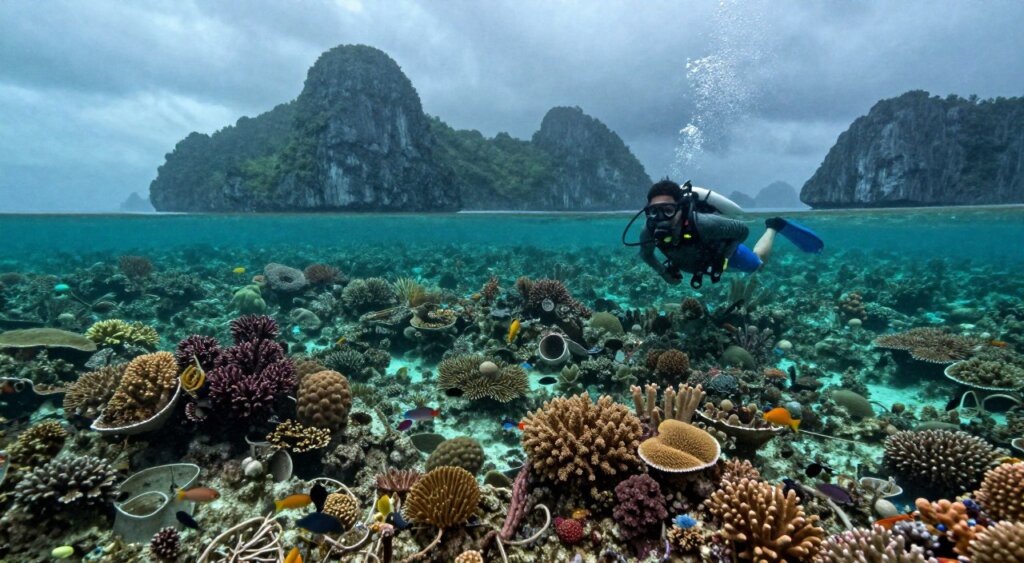
Don’t let the forecast stop you; Raja Ampat’s best moments happen in the rain. The raja ampat rainy season changes the landscape and seascape, making it perfect for adventures. You’ll find fewer crowds and a closer bond with nature.
Diving and Snorkeling Opportunities
Many are surprised to find diving in Raja Ampat rainy season is amazing. Rain mainly hits the land, and the area’s bays and lagoons keep the water calm. Places like Manta Sandy or Cape Kri are great, with manta rays visiting all year.
Visibility might change, but it’s usually better underwater. The rain brings nutrients, attracting big fish. It’s a great time for photos of small sea creatures like pygmy seahorses.
Dive operators plan trips based on the weather, making sure everyone has a good time. Advanced divers might love the stronger currents. Always talk to your guide about your experience.
Eco-Tours and Expeditions
When the rain stops, the islands’ beauty is revealed. This is the best time for raja ampat tours during wet season that explore jungles and culture. The rainforests are green, waterfalls are strong, and the air smells of wet earth.
Guided jungle treks show you hidden waterfalls and great birdwatching spots. The rainy season is perfect for seeing birds like the Red Bird-of-Paradise. Don’t forget insect repellent and a waterproof bag for your camera.
Visiting local villages is a rewarding experience. Communities are used to the wet season, and you can see daily life or even join in. These visits offer a deeper look into the culture than a sunny-day visit.
Popular eco-tour options include:
- Guided rainforest walks to spot wildlife and learn about medicinal plants.
- Birdwatching expeditions with local experts who know the best hides.
- Cultural visits to see weaving, carving, and other crafts.
- Kayaking through mangrove forests, which are serene after a rain.
Plan your days around the weather. Mornings are clearer, perfect for long trips. Afternoon showers are a great excuse to relax. Enjoying this pace is part of the raja ampat rainy season charm.
Cultural Aspects of Rainy Season
The true rhythm of Raja Ampat is found in its indigenous communities. Their traditions are deeply connected to the rains. This period is not just about weather but a key part of their cultural calendar.
It shapes their social routines, spiritual practices, and traditional ways of living. Understanding this gives travellers a deeper, more respectful view of the islands.
Local Festivals and Celebrations
The rainy season hosts more intimate, community-focused gatherings. These events are rooted in gratitude and renewal.
Communities may hold small local festivals to thank for the past harvest or to seek blessings for the coming planting cycle. Elders share folklore that explains natural phenomena linked to the rains.
These stories pass down local knowledge about marine currents, animal behaviour, and weather patterns. Music and dance performances, often held in communal longhouses, reflect themes of water, fertility, and community resilience.
Community Adaptations
Daily life in Raja Ampat’s villages changes during the wetter months. The community’s deep understanding of their environment guides these changes seamlessly.
Fishing practices often shift. Many fishermen target different species or use techniques suited to calmer, rain-affected inlets. Time on the water may be planned around breaks in the weather, showing incredible traditional forecasting skills.
On land, gardening activities focus on maintenance and planting crops that thrive with increased moisture. The rhythm of work slows, allowing more time for domestic crafts like weaving and woodcarving.
Socially, the rainy season strengthens community bonds. It is a time for repairing community assets, sharing resources, and collective planning. The wet weather encourages indoor gatherings, reinforcing social networks and the oral transmission of culture.
Key community adaptations include:
- Adjusting fishing schedules and techniques based on traditional weather lore.
- Shifting agricultural focus to rain-beneficial crops and garden upkeep.
- Increasing time dedicated to crafting and repairing tools and boats.
- Emphasising indoor social gatherings for storytelling and decision-making.
This holistic adaptation shows a sustainable way of life finely tuned to nature’s cycles. For visitors, witnessing this offers a profound lesson in resilience and connection to place.
Safety Tips for Traveling in Rainy Conditions
Exploring Raja Ampat in the rainy season can be magical and safe with the right steps. These travel tips for visiting Raja Ampat help avoid common problems and prepare for the wet season’s challenges.
Best Practices for Staying Safe
Being proactive is key. The rainy season brings risks on land and sea that need attention.
Always check the weather before boat trips. Choose licensed, reputable tour operators with safe boats. Life jackets are essential due to sudden storms.
Paths can be very slippery on land. Trek with a local guide who knows the area. Be careful with scooters, as wet roads increase accident risks.
Health and safety are important. The heat and humidity raise the risk of dehydration and heat exhaustion. Drink lots of bottled water, even if you’re not thirsty.
While crime is rare, keep valuables safe to avoid theft. Store passports and electronics in waterproof bags in your accommodation’s safe.
Here is a quick-reference table for essential safety gear to pack:
| Category | Essential Item | Purpose | Priority |
|---|---|---|---|
| Marine Safety | Personal Flotation Device (Life Jacket) | Mandatory for all boat trips | High |
| Footwear | Sturdy Water Shoes or Hiking Sandals | Grip on wet decks and slippery trails | High |
| Health | Reusable Water Bottle & Electrolyte Sachets | Prevents dehydration in humid heat | High |
| Document Safety | Waterproof Document Pouch | Protects passports and money from rain | Medium |
| First-Aid | Basic Kit with Antiseptic & Bandages | Handles minor cuts and grazes | High |
Understanding Local Emergency Resources
Knowing what support is available is key. Medical facilities are limited in the islands. Basic clinics are in larger villages like Waisai, but serious injuries need evacuation to Sorong or Manado.
Travel insurance is essential. Your policy must cover emergency medical evacuation. Don’t travel without it.
If you need help, contact your homestay or resort manager. They can help with local clinics or coastguard services. Reputable tour operators also have emergency plans.
Carry a basic first-aid kit for minor issues. Save local emergency numbers in your phone, though coverage can be spotty. Consider a satellite messenger or EPIRB for serious trips.
By respecting the environment and planning ahead, your travel tips for visiting Raja Ampat become a practical guide for a safe and memorable trip.
Accommodations Open During Rainy Season
Raja Ampat’s rainy season doesn’t mean all tourism stops. Many places to stay are open, making your trip comfortable and memorable. Knowing what’s available helps you choose the best spot to explore the archipelago’s wet-season wonders.
Resorts and Lodges
Resorts and liveaboards in Raja Ampat stay open all year. They’re built to handle the tropical weather well. You’ll find sturdy overwater bungalows, jungle-view villas, and spacious lodges.
These places have covered common areas, restaurants, and lounges for relaxing during rain. Some offer rainy season discounts or special packages, making luxury more affordable.
Choosing a resort means you get reliable amenities like generator power, dive centres, and easy boat transfers. It’s a hassle-free choice where comfort is guaranteed, rain or shine.
Alternative Housing Options
For a more immersive and budget-friendly stay, try alternative housing. Family-run homestays on islands like Arborek or Sawinggrai are great. You’ll get a simple, clean room and connect with local communities.
While basic, many homestays now have mosquito nets, shared bathrooms with rainwater showers, and communal decks. It’s an authentic experience, and your spending helps the village. Guesthouses and eco-lodges also offer comfort with cultural charm.
| Feature | Resorts & Lodges | Alternative Housing |
|---|---|---|
| Price Point | Premium | Budget to Mid-range |
| Typical Amenities | Restaurant, bar, dive shop, AC | Basic fan room, shared facilities, home-cooked meals |
| Wet Weather Advantage | Indoor common areas, on-site activities | Cultural immersion, learning local daily life |
| Overall Vibe | Relaxing retreat | Authentic adventure |
Whichever you choose, remember to book in advance. Even in the rainy season, the best places can get booked. Check their policies for the rainy season and ask about flexible booking terms. This way, you’re prepared if weather changes your plans.
Best Time for Photography in the Rainy Season
The rainy season in Raja Ampat is perfect for capturing dynamic and moody photos. While sunny days are great, the wet months offer dramatic lighting and colours. Photographers who brave the rain can take some of the most memorable shots.
Capturing Stunning Landscapes
The landscape changes dramatically. Storm clouds create textured skies that are stunning behind the karst islands. The rainforest greens become even more vivid, and the air clears after rain, giving clear views.
The best light is during the golden hours after sunrise or before sunset. The sun’s rays break through the clouds, creating dramatic effects. A local photographer said,
“The light here after a storm is like liquid gold. It doesn’t just hit the landscape; it soaks into it, making everything glow from within.”
Tips for Rainy Day Photography
Success in rainy season photography requires preparation and technique. Protecting your gear is key.
Essential Gear Protection:
- Use a high-quality rain cover for your camera and lens.
- Carry multiple microfiber cloths and silica gel packs in your bag to combat moisture.
- Consider a compact umbrella or even a plastic bag for quick showers.
Utilising Filters: A circular polarising filter is invaluable. It cuts through haze, deepens blues, and reduces glare on wet surfaces, making colours pop.
Creative Techniques: Don’t shy away from the rain. Use a faster shutter speed to freeze raindrops or a slower speed for a misty effect. Look for reflections in puddles for creative shots. For underwater photos, the reduced glare improves visibility and colour.
| Subject | Key Challenges | Best Techniques | Ideal Time |
|---|---|---|---|
| Landscape & Seascape | Sudden rain showers, changing light, humidity on lens. | Use polarising filter, protect gear, bracket exposures for high-contrast skies. | Early morning or late afternoon, immediately after rainfall. |
| Rainforest Flora & Fauna | Low light under canopy, water droplets on subjects. | Use a fast lens (e.g., f/2.8), focus on water details, use flash creatively for fill light. | During a light drizzle or in overcast conditions for even lighting. |
| Underwater Reef Life | Potential for reduced visibility after heavy rain runoff. | Get close to subjects, use strobes for colour correction, focus on macro life. | On days with lighter or intermittent rain, during slack tides. |
Adapting your approach makes Raja Ampat photography in the rainy season exciting. It demands more from you, but the reward is a collection of powerful and unique images.
Ecotourism and Conservation Efforts
The rainy season in Raja Ampat shows how important tourism is for its marine environments. This time is full of life but also a delicate period for nature. Your visit can help keep this paradise healthy if you’re mindful and intentional.
Importance of Responsible Travel
Raja Ampat’s marine ecosystems are under pressure from human actions. Coral damage from careless snorkeling and anchoring is a big problem. Every visitor can help reduce this damage.
Supporting reef-safe practices is key. This means using mooring buoys instead of anchoring on coral. It also means learning how to snorkel without touching the reef.
Being mindful of plastic use is also important. Waste management is hard on remote islands. Always follow local customs and guidelines. Your actions set a great example.
Ongoing Conservation Projects
Many local and international groups are working hard to protect Raja Ampat. Your tourism dollars can help fund these efforts by choosing eco-conscious places to stay and tour.
Some key projects include:
- Reef Health Monitoring: Scientists and locals check coral sites to see how they’re doing, even after weather events.
- Manta Ray Research: Programs study these gentle giants to protect them from boats and fishing.
- Community Waste Management: Efforts to cut down plastic pollution and improve recycling are vital for keeping places clean.
Many tour operators work with these projects. You might get to join dives or help collect data. Asking your lodge about their sustainable partnerships is a good way to travel with a purpose.
By supporting conservation, you help make sure Raja Ampat’s beauty lasts for future generations. It’s the best way to enjoy this natural wonder.
Conclusion: Embracing the Rainy Season in Raja Ampat
The Raja Ampat rainy season shows a new side of paradise. It’s a time of intense green, strong weather, and deep quiet. This season gives you a real connection to nature.
Final Thoughts on Experiencing the Seasons
Choosing the rainy season in Raja Ampat is bold. You swap perfect sun for dramatic skies and heavy rain. But the benefits are worth it.
You’ll find quieter dive spots, lush forests, and the islands almost to yourself. The marine life stays active, and coral reefs show their strength. With the right gear and a flexible plan, the weather becomes part of your adventure.
Encouragement for Future Visitors
Australian travellers looking for a real experience will find it here. Raja Ampat needs thoughtful and respectful visitors. Learning about local conditions and community ways makes your trip better.
Bring your sense of adventure and a rain jacket. See this amazing archipelago in its full, vibrant, rain-soaked beauty. The rainy season in Raja Ampat is not a problem; it’s an invitation to a deeper journey.