Imagine you’ve been feeling drained after a long year. Your mind is cluttered, and your body holds tension. Traditional Balinese Healings offer a path to reset. It starts with a unique ritual, far from the usual spa day.
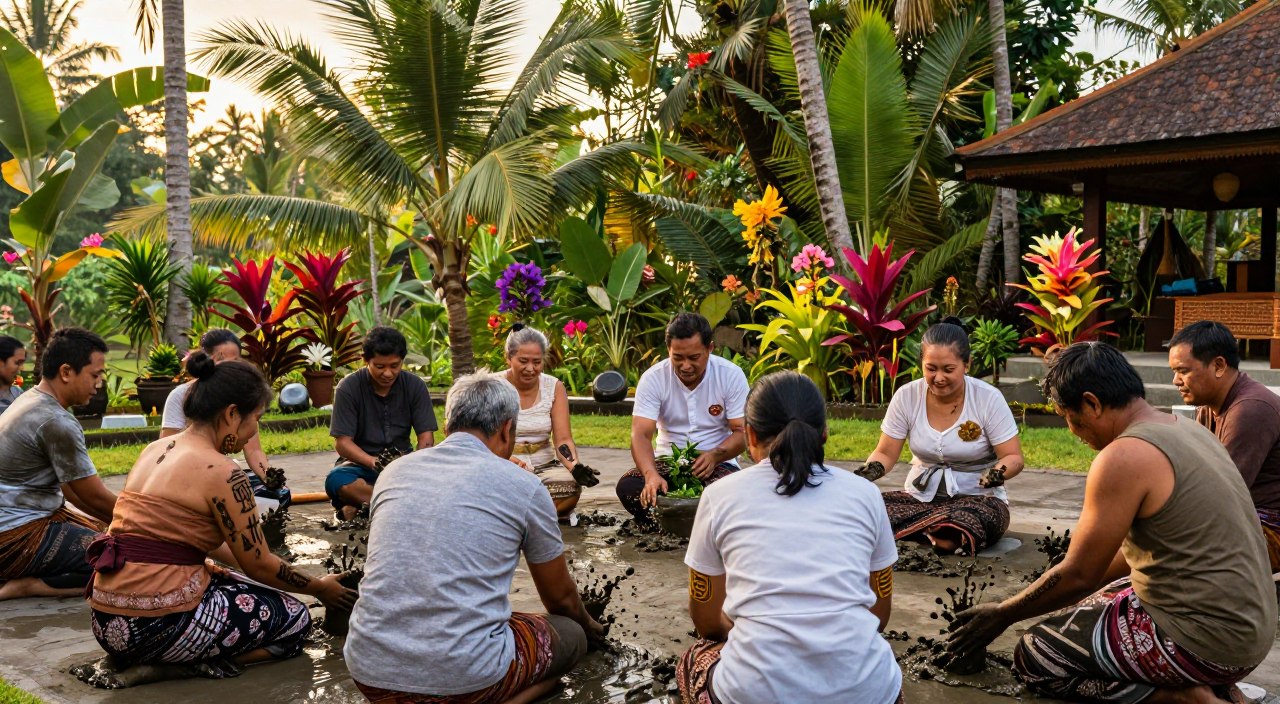
In the coastal village of Kedonganan, the Mabuug-Buugan mud ritual offers a peek into local customs. It’s an interactive, cultural practice for spiritual wellness. You immerse yourself in mineral-rich earth for deep cleansing.
This article guides you through what to expect from this holistic journey. You’ll learn about its centuries-old roots and how it rejuvenates skin and mind. We’ll cover the spiritual significance and the practical steps involved.
Key Takeaways
- The Mabuug-Buugan is a cultural ritual, not just a tourist activity.
- It takes place in the coastal village of Kedonganan, Bali.
- The practice uses mineral-rich mud for physical and spiritual cleansing.
- It’s a centuries-old tradition aimed at rejuvenation and mental clarity.
- This experience is deeply interactive and rooted in local custom.
- It offers relief from physical tension and mental fatigue.
- The ritual provides a unique alternative to standard wellness treatments.
What Are Traditional Balinese Healings?
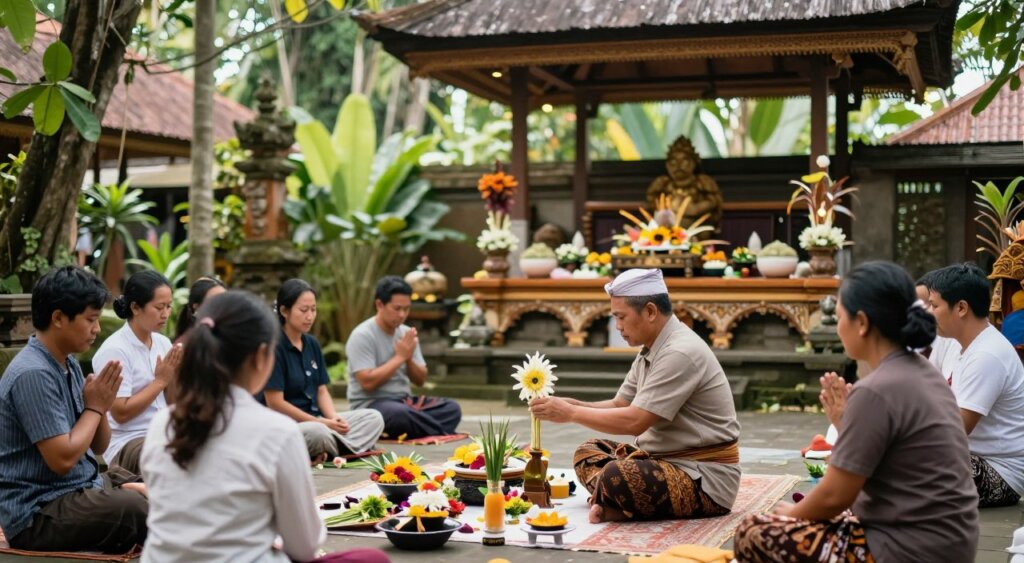
Traditional Balinese healings are more than just treatments. They are a mix of history, spirituality, and community. When you experience these Balinese healing practices, you enter a world that sees health as a balance of body, mind, and spirit. This view is deeply rooted in the island’s daily life and spiritual practices.
Historical Significance of Balinese Healing
These practices have ancient roots, blending Indonesian animism with Hindu, Buddhist, and Chinese traditions. This blend formed a unique healing philosophy. It has been shared through generations of healers, called Balian.
Unlike Western medicine, traditional healing looks at the whole person. It aims to bring balance between the individual and nature and ancestry. Every ritual and herb used has centuries of history and cultural wisdom behind it.
Emphasis on Community and Culture
Healing in Bali is often a community event. Many healing ceremonies in Bali are lively gatherings. They are like learning canang (offerings) making or the communal music of the gamelan.
These activities are not just hobbies; they strengthen the community. Healing rituals often involve family, neighbors, and the local priest. This collective effort strengthens social bonds and reaffirms cultural identity.
“Healing is not just for the individual; it is for the balance of the entire community.”
This cultural framework makes wellness a journey of belonging. You’re not just a client but a part of a tradition that supports the community’s spiritual and social health.
The Role of Spirituality in Balinese Healing
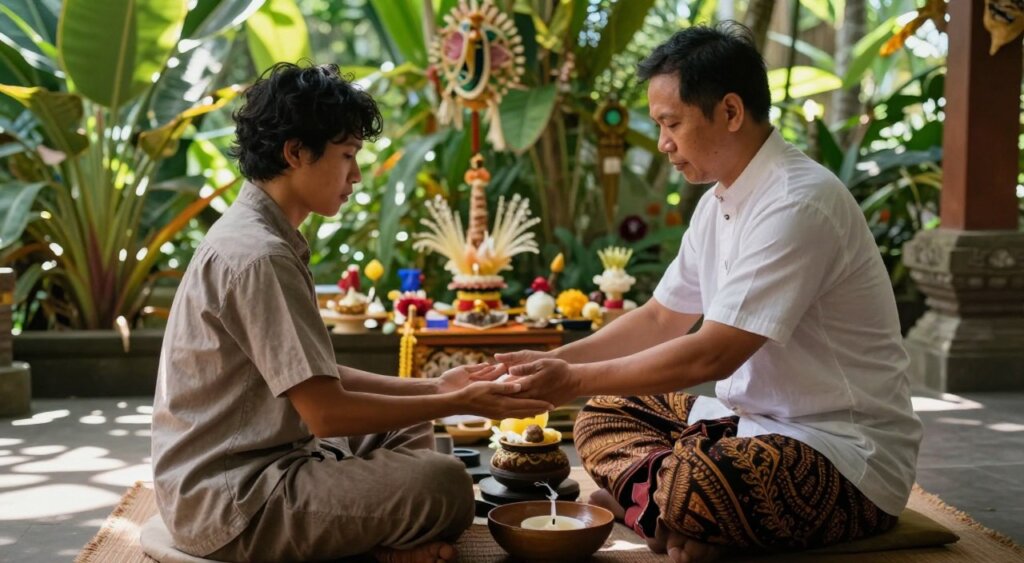
Spirituality is at the heart of Balinese healing. It’s not just a part of it; it’s the foundation. When you take part in a mud ritual or any Traditional healing method, you’re doing something sacred. Practitioners guide you with spiritual blessings, blending ancient beliefs into every action.
This turns a simple treatment into a deep journey for your whole being.
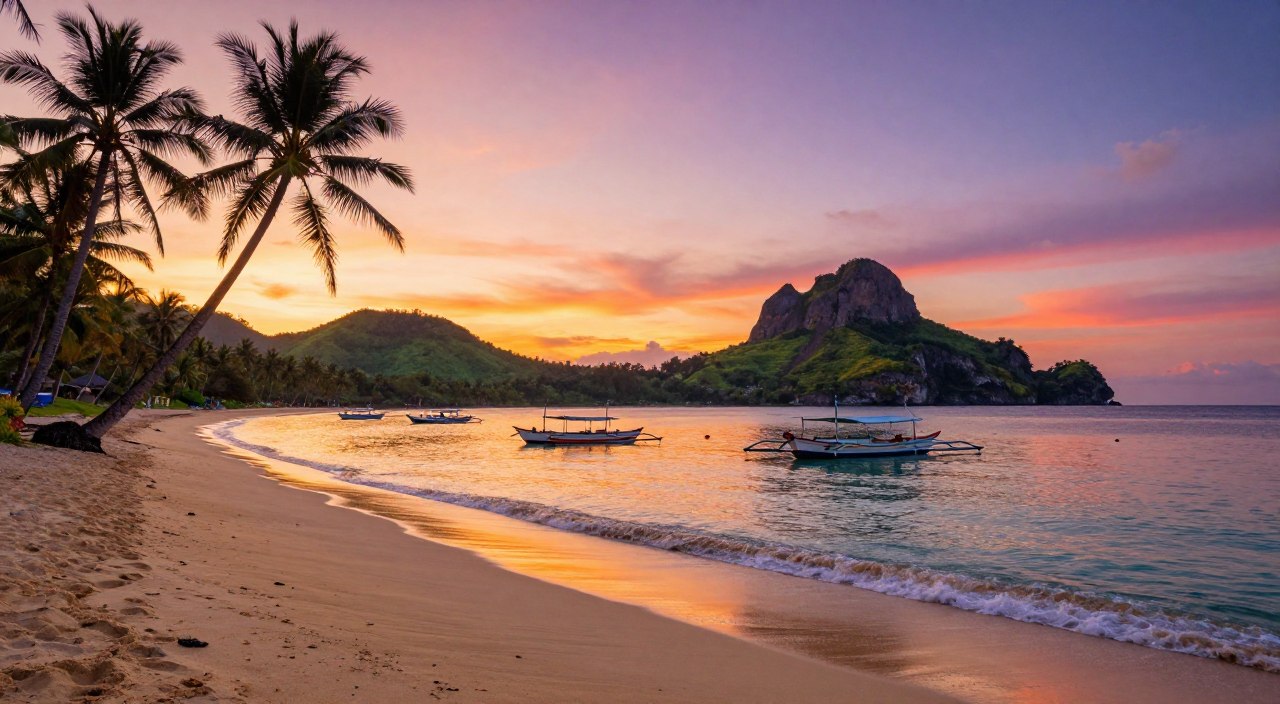
The setting is key. Imagine sandy areas, lush greenery, and the sound of waves. This mix of nature and tradition creates a perfect atmosphere for spiritual connection. Your experience goes beyond physical healing, becoming a holistic journey to restore your inner balance.
Connection to Nature and Ancestors
Balinese energy healing draws power from the world around you. Practitioners see the earth, water, plants, and air as active partners in healing. Rituals are often done outdoors to tap into this energy. You might sit on the ground or use natural elements like clay and leaves.
This bond with nature honors a timeless connection. It aligns your personal energy with the planet’s rhythms. The sound of the ocean or the shade of an ancient tree is part of the therapy.
Respecting ancestors is also key. In Balinese culture, ancestors are seen as guardians of wisdom and tradition. Many Traditional healing methods include prayers or offerings to honor their guidance. A healer might invoke ancestral spirits to bless the ritual, linking the past to your healing journey.
“Healing begins when we remember we are part of a great chain of life—connected to the land and those who walked it before us.”
This philosophy means you’re never healing alone. You’re supported by nature and the spiritual legacy of generations. It adds depth and meaning that modern therapies often lack.
Balancing Body, Mind, and Soul
The goal of Balinese energy healing is to restore balance. Practitioners see health as a balance between body, mind, and spirit. When one area is off, it affects the others. Traditional healing methods aim to address all three.
Think of your life force—often called prana or chi. This energy must flow freely for you to feel whole. Blockages can cause pain, anxiety, or emptiness. A mud ritual, for example, might draw out toxins while calming your mind and uplifting your soul. The spiritual blessings direct this energy, promoting a unified state of wellness.
Different practices focus on different aspects of this balance. The table below shows how common Balinese healing approaches work to harmonize you.
| Healing Practice | Body Benefit | Mind Benefit | Soul Benefit |
|---|---|---|---|
| Mud Ritual | Exfoliates skin, improves circulation | Reduces stress, promotes mindfulness | Fosters spiritual grounding and release |
| Herbal Remedies (Jamu) | Boosts immunity, relieves pain | Enhances mental clarity | Connects to ancient plant wisdom |
| Meditation & Mantra | Lowers blood pressure | Calms racing thoughts, increases focus | Deepens inner peace and connection |
| Energy Alignment (Usada) | Releases muscular tension | Alleviates emotional burdens | Restores spiritual energy flow |
This integrated approach is what makes the experience so transformative. You don’t just get a treatment for a sore back. You embark on a journey that seeks to align every part of your existence. The rituals encourage you to let go of mental clutter and spiritual weight. You leave feeling lighter, clearer, and more centered.
True healing, in the Balinese view, happens when body, mind, and soul sing in harmony. It’s a state of complete well-being that Traditional healing methods have nurtured for centuries.
Introduction to Mud Rituals
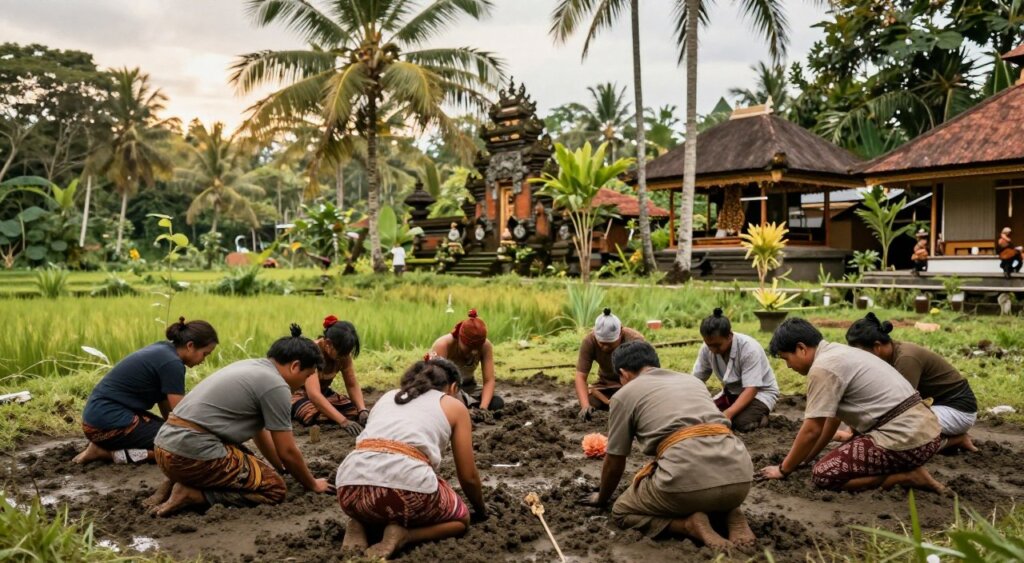
Imagine a therapy that uses the island’s mineral-rich soil. This is what a Balinese mud ritual is all about. It’s a key part of the island’s sacred healing rituals.
Origins of the Mud Ritual
This tradition has been around for centuries. It comes from Bali’s agricultural communities. These communities deeply respected the earth.
They saw the land as having healing powers. The ritual, called Mabuug-Buugan, uses mud from special places. Often, this mud is from near the beach, seen as very powerful.
Purpose and Benefits of the Ritual
The mud ritual aims for total cleansing. It’s not just about cleaning the body. It’s about spiritual renewal and mental clarity.
The mud, rich in minerals, is applied to the body. It offers many benefits:
- Rejuvenates the skin, making it look and feel better.
- Relieves muscular tension and helps you relax deeply.
- Clears your mind, giving you mental clarity.
- Helps you feel more at peace and balanced.
This mix of benefits makes the mud ritual a powerful sacred healing ritual. It connects you to the ancient wisdom of the Balinese earth.
Kedonganan: A Unique Locale for Healing
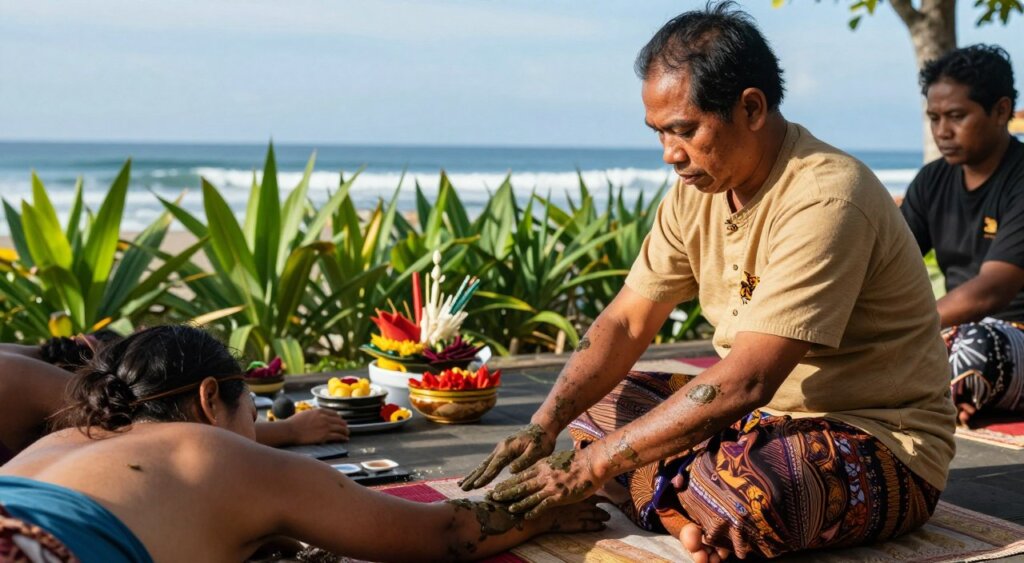
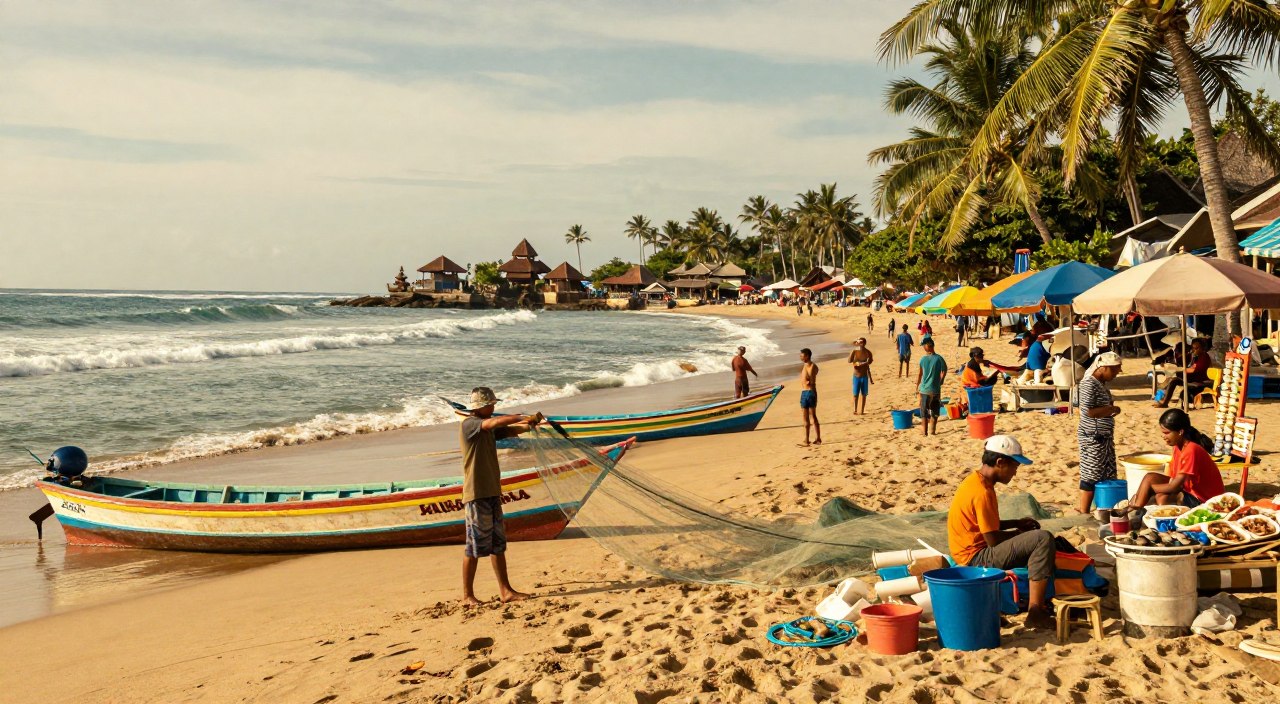
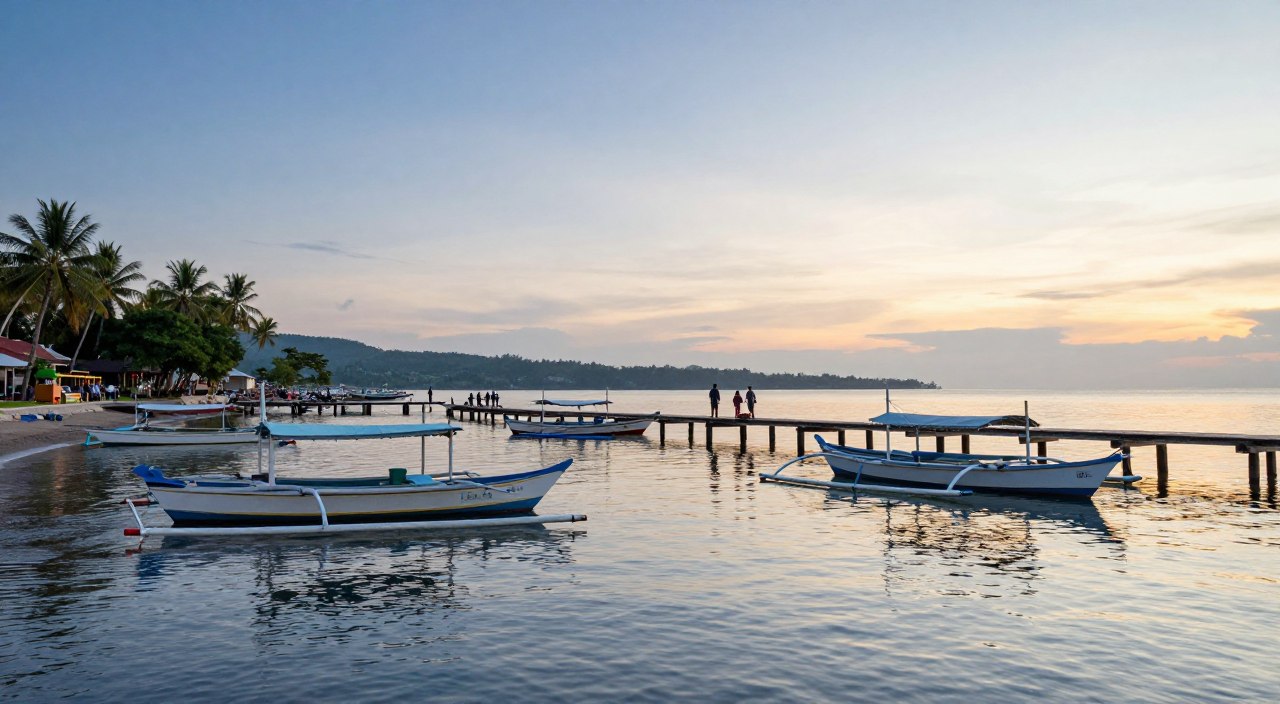
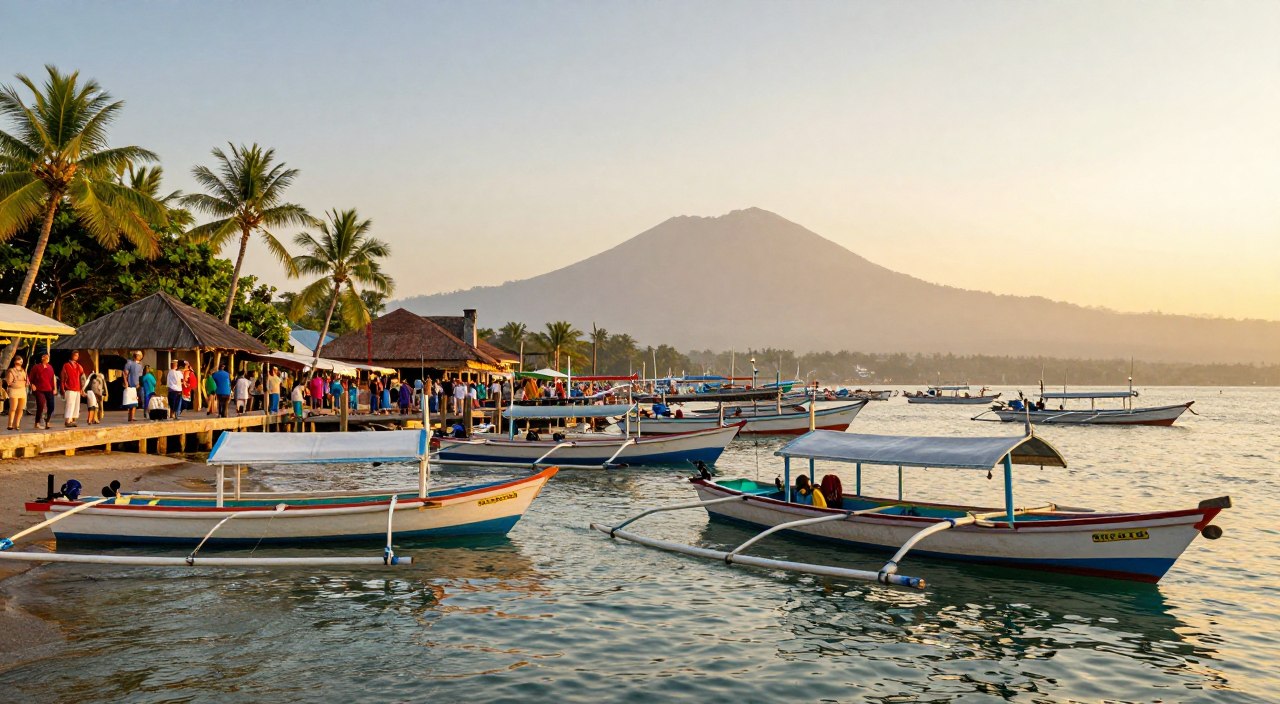
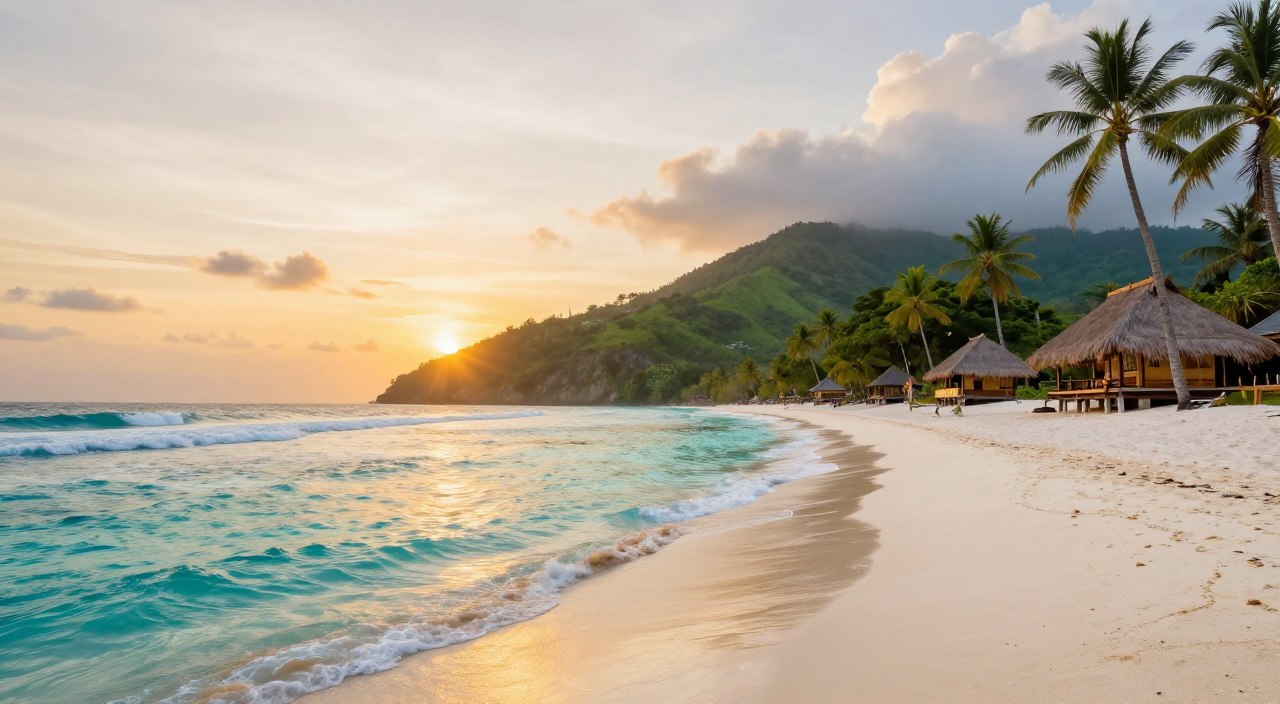
The fishing village of Kedonganan is a peaceful spot away from the crowds. It’s near Kuta and has a unique rhythm, influenced by the sea and local life. Your Balinese spiritual healing here is more than just a ritual. It’s deeply connected to the environment.
Overview of Kedonganan
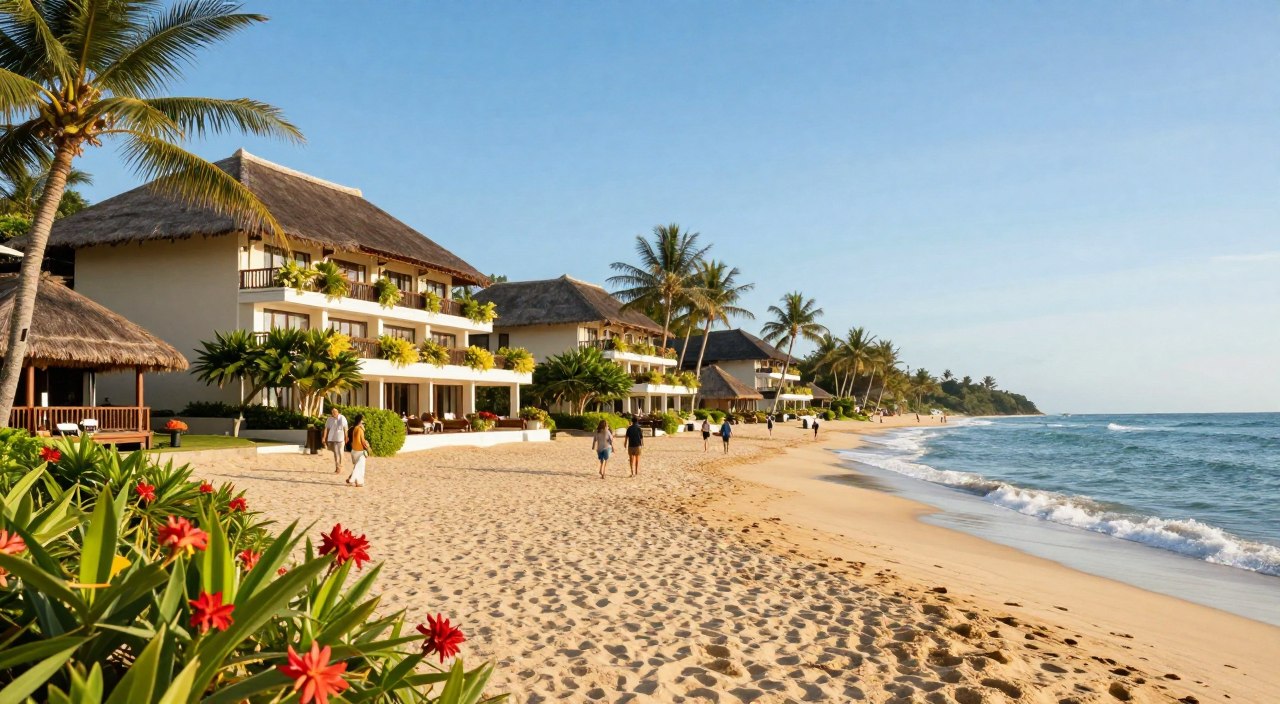
Kedonganan is a real fishing village with a lot of charm. It’s by a beautiful beach, south of Kuta. The atmosphere is calm, focused on tradition and daily life.
The ritual space is often outdoors, surrounded by sand, greenery, and waves. This natural setting helps you relax. The air smells of salt and earth, making you feel closer to nature.
This setting is key for healing. It helps you forget modern distractions and focus on the moment. Kedonganan’s coastal beauty is perfect for deep reflection and renewal.
Cultural Importance of the Area
Why is Kedonganan chosen for deep rituals? It’s because of its rich culture and history. For years, this area has been a spiritual hub for the community. The land is seen as sacred, filled with positive energy from the sea and earth.
Many Balian healers come from this area. They have a long tradition of spiritual practice. Their connection to the land adds authenticity and power to your Balinese spiritual healing.
Being part of a ritual here means joining a living tradition. You’re not just watching; you’re becoming part of it. This connection to local tradition makes your healing journey in Kedonganan truly special.
Preparing for a Mud Ritual Experience
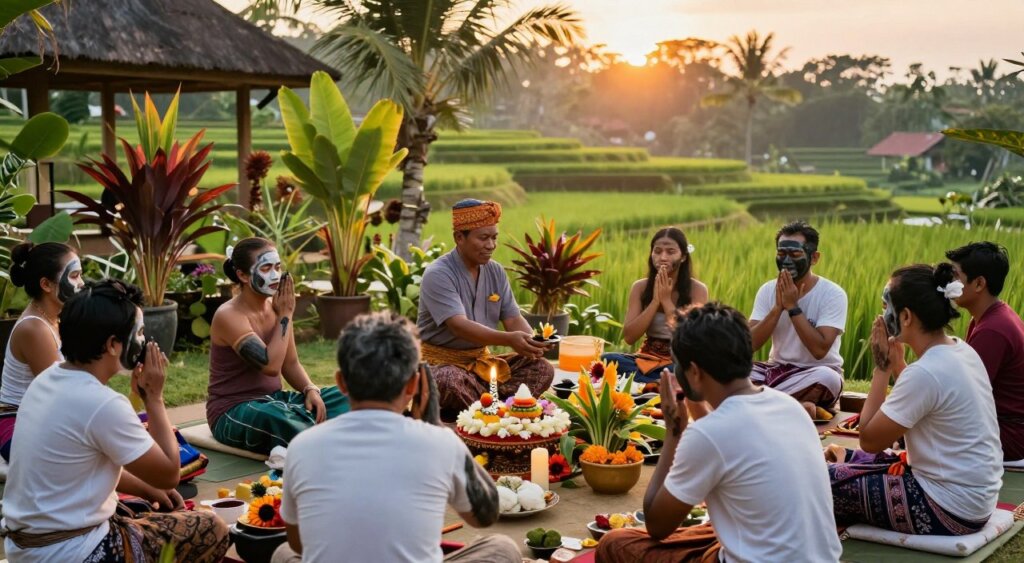
To fully immerse yourself in a mud ritual, a little planning is key. It ensures comfort and focus. This way, you can enter the experience with an open mind, ready to receive its benefits.
The ritual takes place in a serene, outdoor area. It has shaded spaces for comfort. You won’t need to worry about the basics, as mats, towels, and cleansing water are provided. Friendly local staff are there to guide and assist you, making it welcoming for first-timers.
What to Wear and Bring
Your choice of attire is important for respect and practicality. Choose modest, comfortable clothes that you don’t mind getting dirty. Old t-shirts and shorts or lightweight pants are good choices. These clothes will be part of the process.
A change of dry clothes for afterward is highly recommended. Bringing a few personal items can enhance your comfort:
- A reusable water bottle to stay hydrated.
- Sandals or slip-on shoes that are easy to remove.
- Sun protection, like a hat or sunscreen, for before and after the ritual.
- A small bag to keep your personal items together.
Timing and Duration of the Ritual
Mud rituals are scheduled during cooler parts of the day. This is usually in the morning or late afternoon. It helps you avoid the peak heat and aligns with the tranquil energy of these hours.
Plan for the entire experience to last a couple of hours. This includes time for a brief introduction, the ritual application, and a period for the mud to dry. There’s also time for a cleansing wash and quiet reflection afterward. The flow will be gently directed by your authentic Balinese healers.
Arriving a few minutes early helps you settle in. Trusting in the schedule set by your authentic Balinese healers is key. They understand the ideal rhythms for the ritual’s effectiveness.
The Process of the Mud Ritual
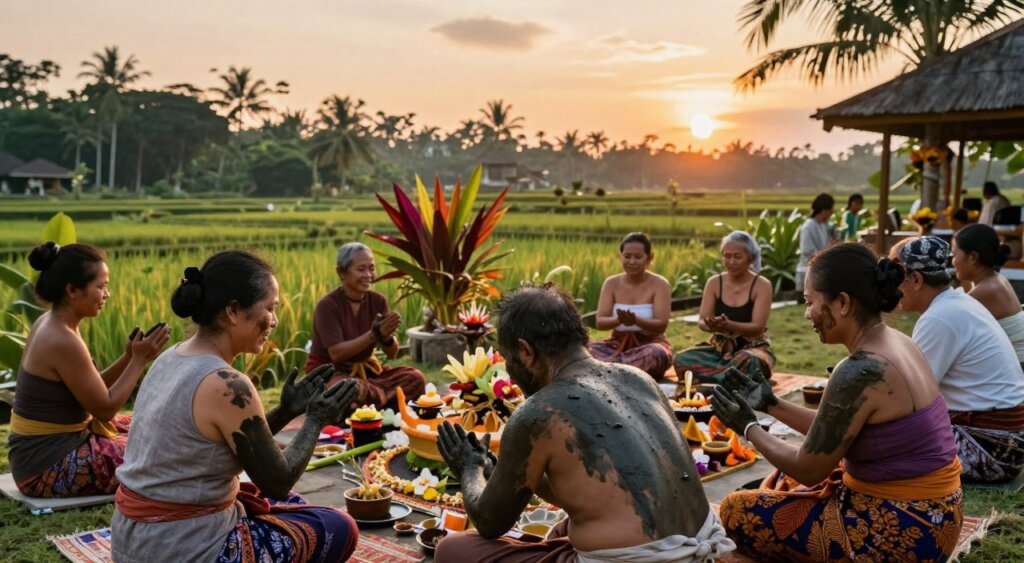
The ceremony starts with a moment of quiet, guided by your healer. This sets the stage for a deeper experience, not just a spa treatment. You become an active part of a timeless tradition of holistic healing in Bali.
Step-by-Step Overview of the Ritual
The ritual is carefully planned, each step building on the last. It takes place in an outdoor area, connecting you with nature.
- Opening Blessings (Pemarisuddha): The healer says a short prayer, using incense and flower petals. This purifies the space and welcomes positive energy for your session. It sets a sacred tone for the hands-on and deeply cultural experience to follow.
- Mud Application and Massage: The healer applies mineral-rich mud, mixed with water and herbs, over your body. They use specific hand movements for a gentle massage. This helps your skin absorb minerals and improves circulation.
- Period of Rest and Absorption: You stay calm, letting the mud dry on your skin. This is a meditative phase where detoxification happens. The outdoor setting’s sounds and smells enhance this restorative pause.
- Final Cleansing and Closing: The healer washes away the dried mud with fresh water. This act symbolizes removing impurities. A final sprinkling of scented water or a light touch often concludes the ritual, sealing the process.
This structured flow ensures the treatment addresses you as a whole being, a hallmark of authentic Balinese healing.
The Use of Traditional Balinese Utensils
The ritual’s authenticity is enhanced by the tools used. You won’t find plastic bowls or synthetic applicators. Instead, practitioners use natural, often ceremonial items that connect the process to the land.
A halved coconut shell (batok kelapa) is used to scoop and mix the mud. Banana leaves serve as clean, biodegradable plates for holding herbs or the mud itself. For the application, the healer’s hands are the primary tool, but sometimes a specific leaf or a simple wooden spatula might be used to spread the mixture evenly.
These traditional utensils are not just practical. They are chosen for their purity, naturalness, and symbolic weight in Balinese culture. Their use grounds the ritual in tradition, making your experience a genuine link to centuries-old practices of holistic healing in Bali. The connection to nature through these tools is a vital part of the therapy’s intended effect.
Understanding this process demystifies the ritual and allows you to fully engage with each step. This maximizes the benefits for your body, mind, and spirit.
Engaging with Healers and Practitioners
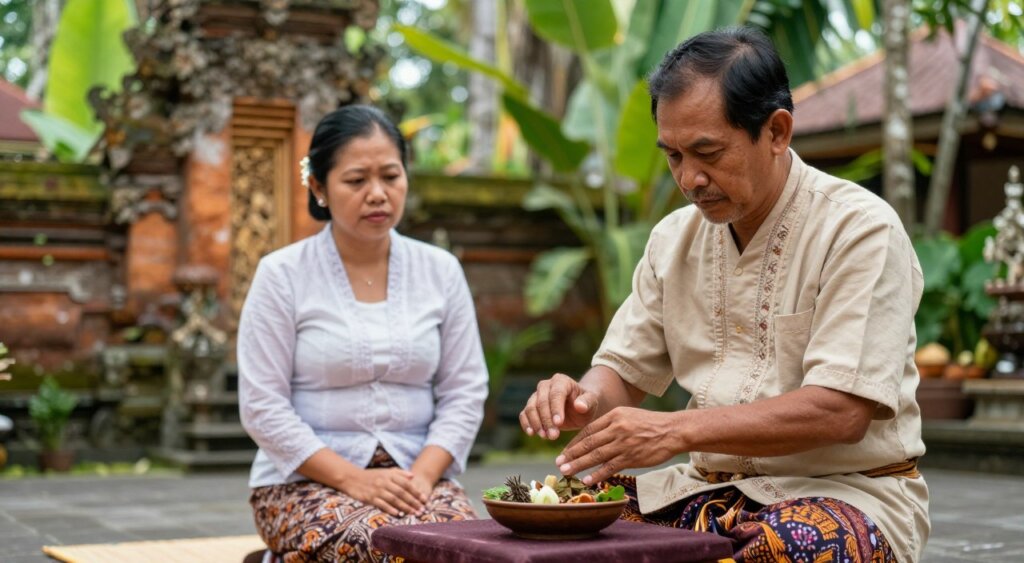
In Kedonganan, local experts lead the mud ritual. They do more than teach; they guide spiritually and interpret culturally. Your time with them is key to your healing journey. They make you feel welcome and supported from the start.
Staff are ready to help, but your main connection is with your healer. This bond is built on trust and respect. Picking the right guide makes your experience richer.
Selecting a Qualified Healer
Finding a good healer is your first step. Not all guides are equal in knowledge or spiritual connection. You need someone skilled in the ritual and deeply rooted in its traditions.
Here are some ways to find a qualified healer:
- Seek Local Recommendations: Ask your hotel concierge or trusted tour operators in Bali. Locals often know the best healers.
- Visit Verified Cultural Centers: Wellness centers or community organizations in Kedonganan work with vetted practitioners.
- Observe Demeanor and Knowledge: Have a brief chat before committing. A good healer is calm, confident, and can explain the ritual’s purpose clearly.
What to Expect from Your Healer
Your healer guides you through the mud ritual. They ensure your safety and comfort. Their support is personalized and attentive.
They also offer spiritual blessings and explain the ritual’s symbolism. This is not a rushed lecture but a shared experience.
They will check in with you and adjust the pace as needed. They answer your questions patiently. Their goal is to help you fully engage with the ritual, balancing your body, mind, and soul.
By the end, you’ll see that a true Balinese healer is more than a service provider. They offer a compassionate connection to ancient healing traditions.
Benefits of Traditional Balinese Healings
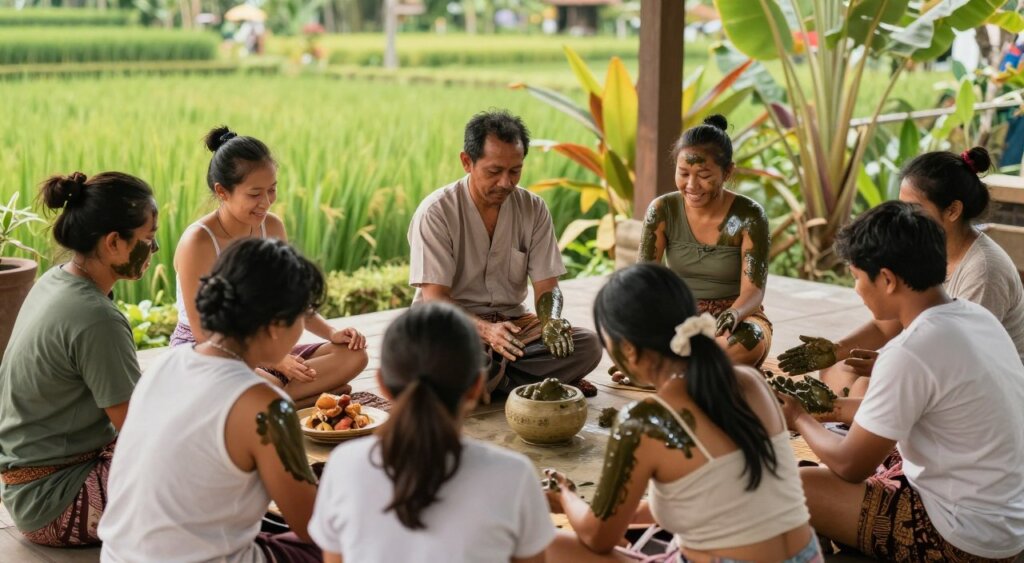
A mud ritual in Bali does more than just feel cool. It starts a deep healing process for your skin and spirit. You’ll see tangible improvements to your body and profound shifts in your mental state. This makes Balinese healing special compared to regular wellness treatments.
Physical Health Advantages
The mud from Kedonganan is full of minerals from volcanic soil. It cleanses your body by removing impurities and adding nutrients to your skin. This is more than just a surface clean; it’s a deep reset for your body.
Here are some key physical benefits you can expect:
- Skin Rejuvenation: The mud’s minerals remove dead skin cells, making your skin soft and refreshed.
- Deep Detoxification: It pulls toxins from your pores, reducing inflammation and improving your skin’s clarity.
- Muscle and Joint Relief: The cool mud and gentle movements ease muscle tension, providing physical relaxation.
- Enhanced Circulation: As the mud is washed off, your body’s blood flow improves, boosting your energy.
These benefits together help reduce physical tension and support your body’s wellness, paving the way for deeper healing.
Emotional and Mental Wellness
The real treasures of a Balinese healing session are in your mind. The ritual’s setting and the healer’s guidance help quiet your daily worries. This creates a rare chance for emotional release and mental reset.
Stress and anxiety will likely decrease. The ceremony’s focus helps you stay present, away from worries of the past or future. This mindfulness leads to mental clarity.
“After the ritual, my mind felt calm for the first time in years. The constant chatter stopped, and I could think clearly again.”
This clarity often brings emotional balance. The ritual lets you release pent-up emotions in a safe space. You might feel a lasting calm and profound sense of peace after leaving.
These practices help you connect with your inner self and nature. This connection is key to emotional strength, giving you tools for calm in your daily life.
The physical and emotional benefits of Balinese healing work together. You don’t just feel better physically; you also gain a renewed calm and perspective. This transforms your overall well-being.
Personal Experiences and Testimonials
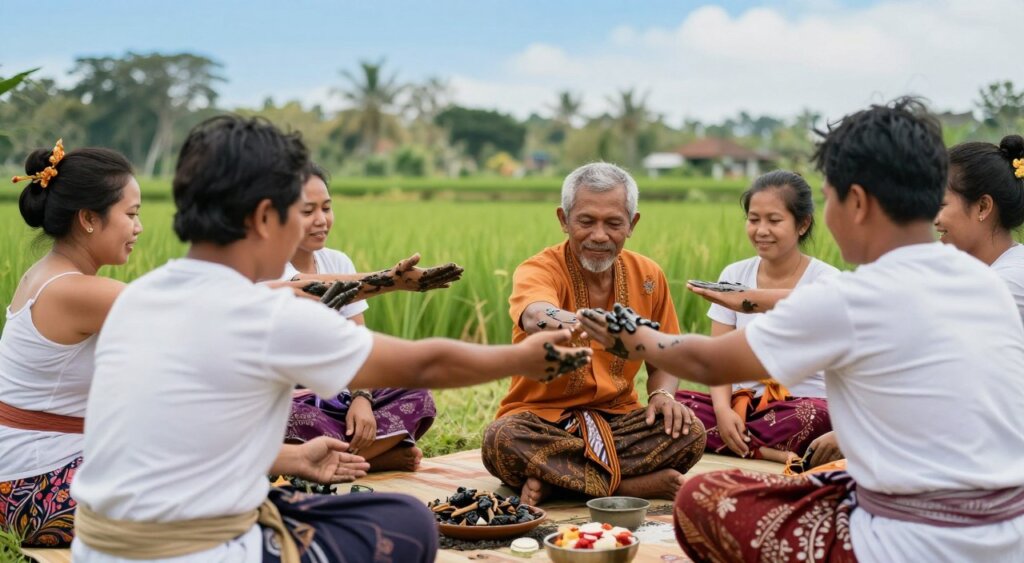
The real impact of the Kedonganan mud ritual is best seen through the stories of those who’ve tried it. These accounts give you a real sense of what it’s like, not just what to do.
They break through the mystery and show the heart of this ancient practice. This collection of voices explains why this experience is a top choice for exploring Balinese spirituality.
Stories from Previous Participants
Many travelers come with curiosity and doubt. Sarah, a teacher from Melbourne, was hesitant at first. “I wasn’t sure about covering myself in mud,” she said. “But the cool, earthy mixture made me feel calm and profoundly peaceful.”
For others, the challenge was mental. James, a software developer from Sydney, found the quiet reflection powerful. “My mind is always racing,” he said. “But during the ritual, I found a deep, quiet space I hadn’t experienced in years.”
“It was more than a spa treatment; it felt like a conversation with the island itself. I left feeling lighter, as if I’d shed more than just the dried mud.”
These stories highlight moments of serene connection. Participants often feel deeply connected to the moment. This hands-on experience creates a bond with the practice that passive observation can’t match.
Insights on Transformation and Healing
These personal accounts show clear themes. The most common is a shift in perspective. The ritual acts as a pause, helping you disconnect from digital noise and reconnect with the senses.
This often leads to a deeper appreciation for Balinese culture. You start to see traditions as lived, spiritual experiences, not just performances. The ritual helps you understand the local emphasis on harmony and balance.
Lastly, the benefit most mentioned is a sense of personal renewal. The healing isn’t just about curing ailments. It’s about emotional reset and mental clarity. This renewal goes beyond the beach in Kedonganan.
People talk about carrying a newfound calm into their daily lives. They use breathing techniques learned or feel more resilient. The mud ritual becomes a personal story of healing that inspires long after the trip ends.
Conclusion: Embracing the Healing Journey
Joining a traditional mud ritual in Kedonganan is more than just a tourist activity. It’s a deep dive into Kuta and Bali’s culture. It leaves you with personal, unforgettable memories that enrich your travel experience.
Reflecting on Your Experience
After the ritual, take time to reflect on your feelings. Think about the physical and emotional changes you noticed. This reflection makes the ritual’s impact clear, turning it into a key part of your journey.
How to Incorporate Balinese Healing Practices into Daily Life
The wisdom you learned in Kedonganan can be applied daily. Start with mindfulness and gratitude for your surroundings. Connect with nature, even in small ways. These actions bring Bali’s holistic approach into your everyday life.
This journey doesn’t end when you leave Bali. The lessons in balance and spiritual connection can guide you to a more centered life.