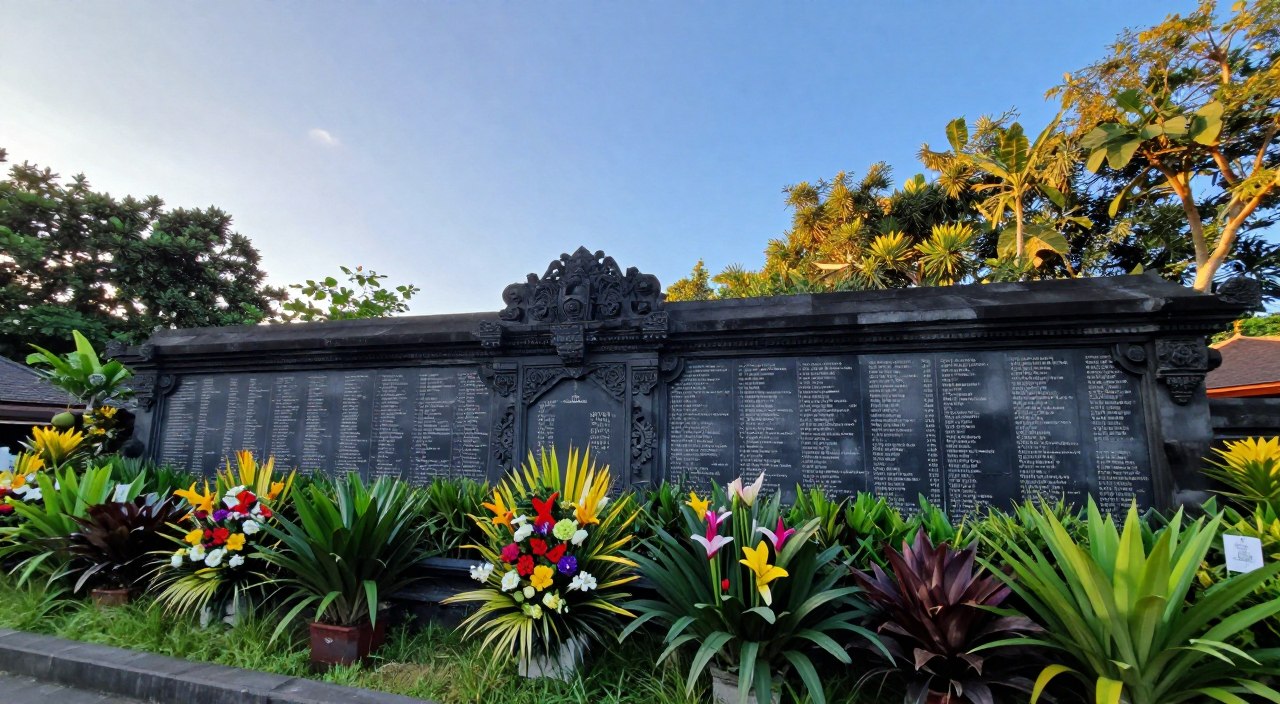
Imagine stopping on a busy street in Kuta, surrounded by Bali’s energy. Yet, you find a quiet spot with names on stone. The Bali Bombing Memorial is a powerful reminder of the 2002 tragedy. For Aussie travellers, it’s a moment of deep reflection.
This guide helps you plan a visit with respect. We share the history and how to honor the victims. Our aim is to make your visit meaningful.
Visiting with the right mindset is important. It’s not just a tourist spot. It’s a place for quiet thought and respect.
Key Takeaways
- The memorial is a significant site of remembrance for the 2002 Bali attacks.
- Planning a visit requires an understanding of its solemn purpose and location.
- This guide offers practical advice for a respectful and meaningful experience.
- You will learn about the historical context behind the monument.
- We provide tips on appropriate behavior and what to expect during your visit.
- The site serves as a powerful reminder of resilience and peace.
Understanding the Significance of the Bali Bombing Memorial
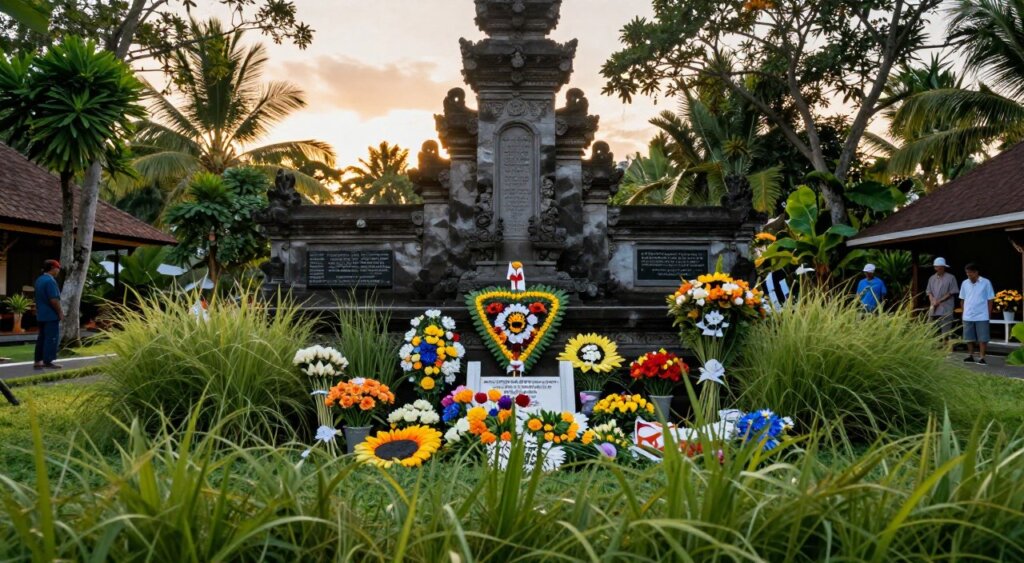
To truly grasp the Bali Bombing Memorial, you must first understand the events of October 12, 2002. This site is not just a list of names on stone. It’s a place where global grief meets an island’s spirit. Visiting is a way to remember a key moment in history.
A Brief History of the Tragedy
On October 12, 2002, terrorist attacks hit Kuta, Bali. They targeted Paddy’s Bar and the Sari Club, two popular spots. In an instant, joy turned to devastation.
The loss was huge. The attacks took 202 lives from over 20 countries and hurt many more. 88 Australians were among the victims, creating a deep bond between Australia and Bali. This event was one of the deadliest in Southeast Asia’s recent history.
The Bali terrorist attack memorial was built on the site of the Sari Club. It’s a key place for remembering victims and those affected. It offers “a quiet space for reflection, remembrance, and unity.”
The Impact on Bali’s Community and Tourism
The attacks had a huge impact on Bali. The island’s communities were in mourning. Families, businesses, and first responders faced trauma that changed a generation.
Tourism, Bali’s main industry, suffered greatly. Travel bookings plummeted as people lost trust in Bali’s safety. It took years to rebuild the tourism industry and show Bali’s welcoming spirit again.
The memorial is a symbol of Bali’s hard times and resilience. It honors the victims and the community’s journey to healing.
Memorials Around the World
The tragedy touched hearts worldwide, leading to tributes everywhere. This shows how the loss was felt by families and nations globally.
In Australia, memorials were built to honor the 88 citizens lost. The Bali Memorial in Canberra and the Bali Memorial at Coogee Beach in Sydney are places for remembrance. They allow people to honor the victims without traveling to Bali.
These memorials form a global network of remembrance. They show that remembering Bali victims is a worldwide effort. They remind us that from loss can come a shared commitment to peace and solidarity.
Location and Access to the Memorial
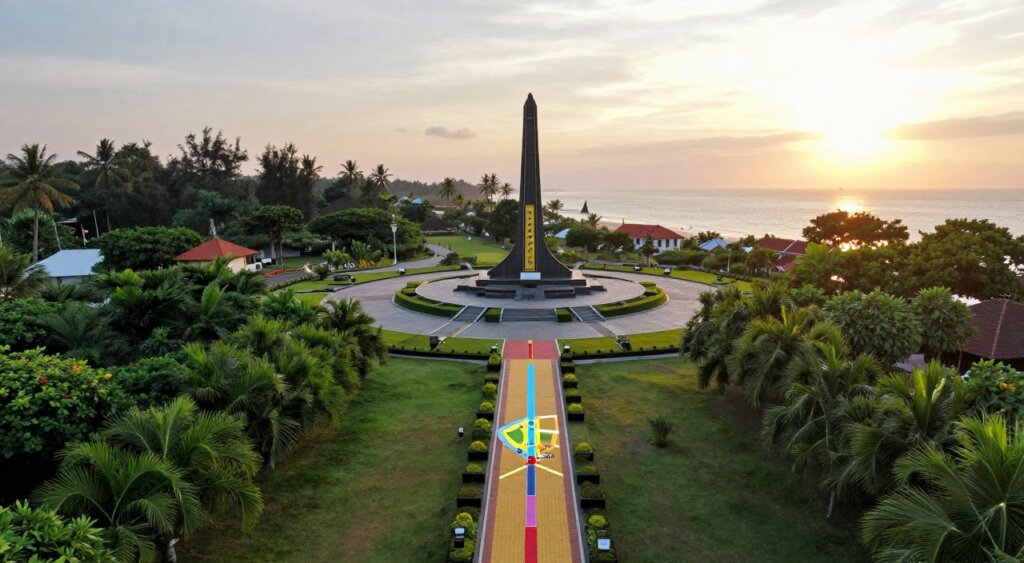
The memorial is in the heart of Kuta, making it easy to find. Yet, it stands out as a quiet spot amidst the lively area. Knowing where it is and how to get there is key for a meaningful visit.
Where to Find the Bali Bombing Memorial
The Kuta bombing memorial is at a specific address on a busy street. It’s located at Jln Legian, Kuta, Badung Regency, 80361 Bali, Indonesia.
This spot was once the Sari Club. Now, the memorial sits quietly on Legian Street. The area is surrounded by shops, cafes, and hotels, but it’s a place for remembrance.
Getting There: Transportation Options
Getting to the memorial is easy from most tourist spots. Your choice depends on your starting point and comfort with local transport.
If you’re in central Kuta or Seminyak, walking is often the easiest option. The memorial is a 10 to 20-minute walk from many hotels in these areas.
For other options, consider these common methods:
- Motorbike: Renting or using a scooter offers flexibility. Parking is available nearby, but always be cautious in Bali’s traffic.
- Ride-Share Apps: Services like Grab are widely used. You can set your destination directly to the memorial’s address.
- Local Taxis: Blue Bird taxis are a reliable metered option. Simply show the driver the address.
Travel times can vary greatly due to traffic. From popular areas further away, plan for these approximate durations:
- From Canggu: 30 to 60 minutes
- From Uluwatu: 60 to 90 minutes
- From Ubud: 60 to 90 minutes
These estimates show why leaving extra time is wise, even during peak hours. Your visit should be peaceful, not rushed.
Planning Your Visit: When is the Best Time?
Your visit to this sacred site is shaped by more than what you see. The time you choose affects the crowd, the mood, and your reflection. Plan ahead for a visit that is both respectful and meaningful.
Ideal Visiting Hours
For a quiet experience, visit early in the morning. The memorial is profoundly quiet between 7:00 AM and 9:00 AM. The soft morning light and cooler air create a serene space for reflection.
Late afternoons, just before sunset, are also peaceful. The fading light adds a reflective quality, perfect for quiet thought as the day ends.
Avoid the middle of the day, from 11:00 AM to 3:00 PM. This time is usually busy with tourists in Kuta, making the memorial less quiet.
| Goal for Your Visit | Recommended Time | What to Expect |
|---|---|---|
| Quiet, Personal Reflection | Early Morning (7-9 AM) | Minimal crowds, serene ambiance, cooler weather. |
| Attending the Annual Ceremony | October 12th (Morning) | A shared, solemn community gathering with officials and families. |
| Visit to Avoid | Midday (11 AM-3 PM) | Higher likelihood of tourist crowds and busier surroundings. |
Special Events or Ceremonies
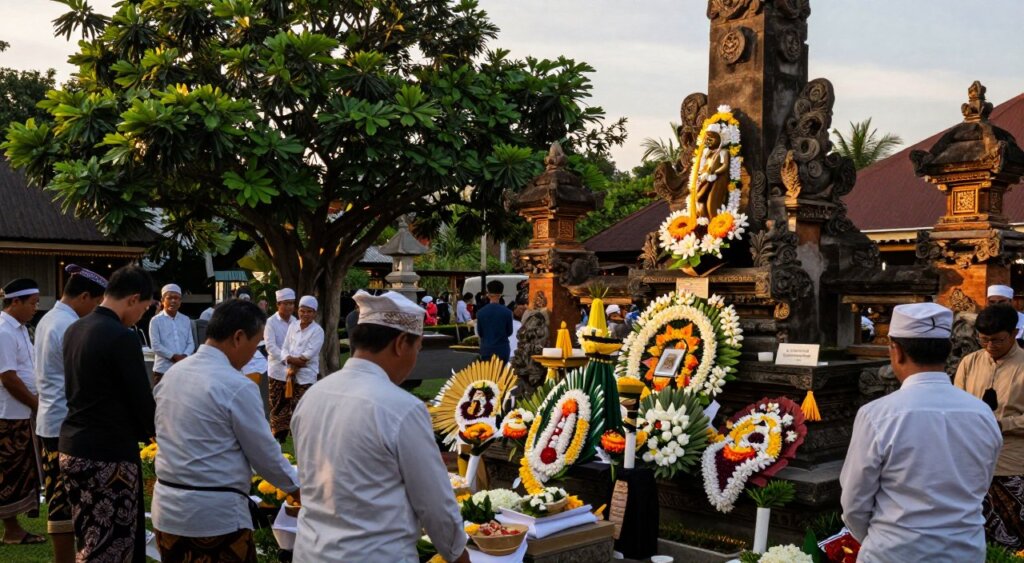
The most significant time to visit is during the annual Bali memorial ceremony on October 12th. This marks the anniversary of the tragedy, with a formal service at the site.
This solemn occasion draws crowds, but it’s respectfully quiet. Survivors, families, and officials from Indonesia and Australia attend. The focus is on remembrance and solidarity.
At the Bali memorial ceremony, you’ll see speeches, a moment of silence, and floral wreaths. It’s a time of shared grief and resilience, not a public show.
Whether you seek solitude or join the communal remembrance on October 12th, knowing the timing is key. Each choice offers a unique way to honor the site.
Exploring the Memorial: What to Expect
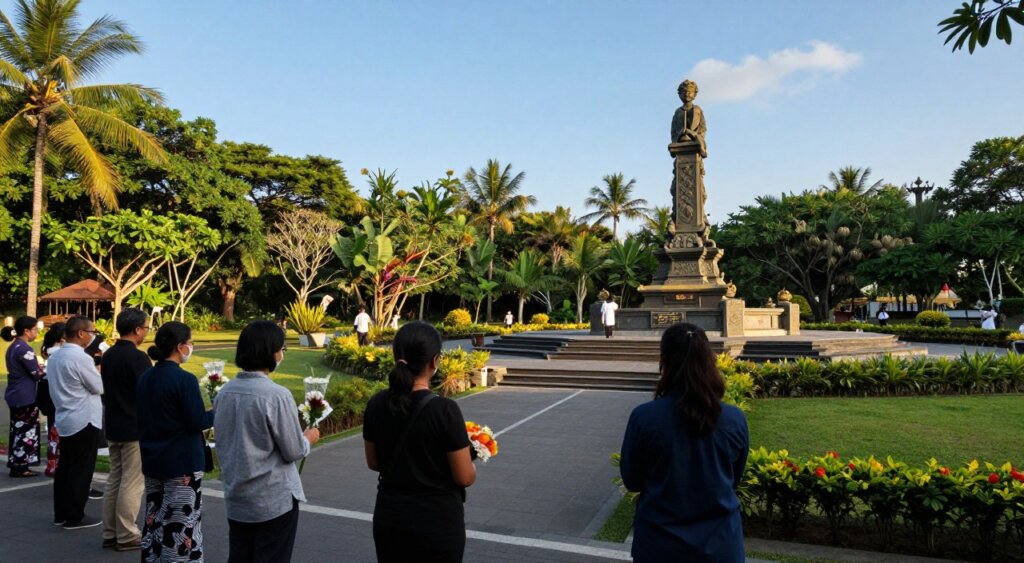
When you arrive at the Bali bombing monument, a calm fills the air. This place is a quiet contrast to Kuta’s lively vibe. It’s a personal journey into a space of shared memory and respect.
The site is designed for quiet thought. It invites you to slow down, observe, and connect with its history.
Key Features of the Memorial Site
The memorial sits on the site of the former Sari Club. It honors the 202 lives lost in the tragedy. A solemn stone monument is at its heart, a key spot for visitors.
The area is both open and intimate. Greenery and benches offer spaces for quiet reflection. The calm atmosphere lets you process your feelings away from the city’s noise.
Notable Inscriptions and Tributes
The wall of names is the most moving part. It lists all 202 victims. Reading these names is a powerful way to remember. It turns statistics into personal stories.
You’ll see tributes from others, like flowers, flags, and photos. These mementos show the ongoing cycle of grief and love at the Bali bombing monument.
Look for the central plaque with a message of peace. It frames your visit as more than just witnessing history. It’s about recognizing our shared strength.
Take your time reading the inscriptions. Notice the variety of nationalities and ages. This makes the loss feel deeply personal and highlights its global impact.
Etiquette: How to Show Respect
Visiting the Bali bombing memorial is more than a simple stop. It’s a chance to remember and honor those who lost their lives. Your actions show respect to the victims and their families.
Appropriate Behavior at the Memorial
At the Bali memorial site, quiet contemplation is key. Speak softly, if you must. Loud talk or laughter can be seen as disrespectful.
Take time to read the names on the stones. Each name is a life lost. You might say a silent prayer or reflect on their families.
Don’t run, eat, or use your phone for fun. Small groups are better. Everyone should understand the memorial’s solemnity.
Photography is okay, but be respectful. Take photos to remember your visit. Avoid selfies or posed shots. The focus should be on the memorial, not personal content.
Dress Code Considerations
Dressing modestly shows respect. Think of it as attending a solemn ceremony. Wear clothes that cover your shoulders and knees.
Choose light, breathable fabrics for Bali’s climate. Avoid beachwear like swimsuits or short shorts. Hats are okay for sun protection, but remove them during quiet reflection.
If you visit during the annual remembrance, dress formally. You’ll see others in somber attire. Your clothes should reflect the occasion’s gravity.
Your mindful presence and dignified appearance are powerful ways to show respect. They demonstrate your solidarity with the victims and their families.
Making a Personal Connection
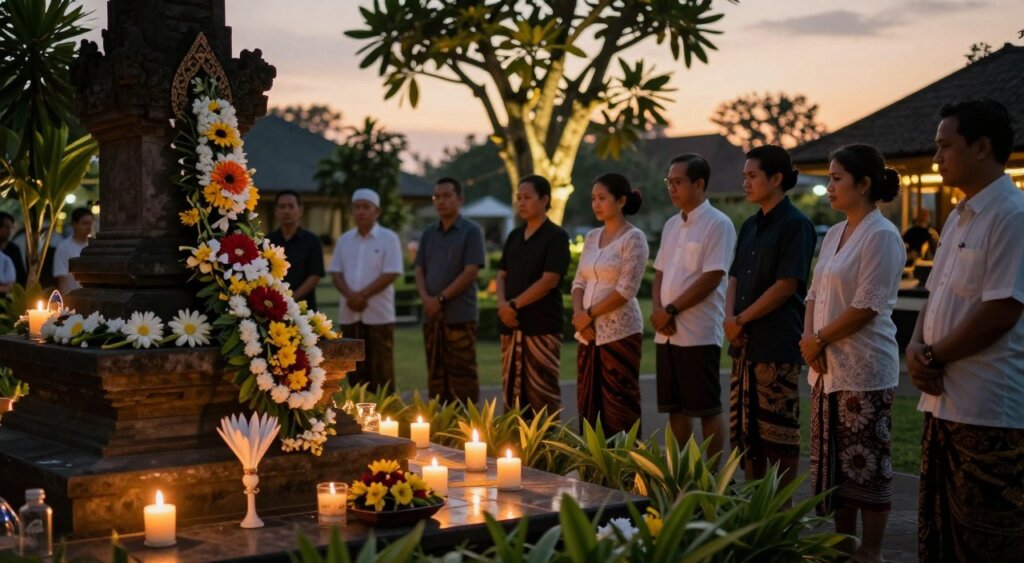
The memorial is a powerful public monument. But its true impact often comes from personal moments of tribute. These moments turn a visit into a meaningful act of Bali bombing remembrance.
Bringing Flowers or Mementos
Leaving a small, personal gift is a direct way to show respect. This act is common and appreciated at the site. Local caretakers value these tokens, making the memorial a living tribute.
Think about bringing simple, respectful items. You don’t need to bring something fancy. Good choices include:
- Fresh flowers or a small wreath
- A national flag, like Australia’s or others affected
- A photograph or a written note of condolence
These items are placed at the memorial’s base. This act is a silent, powerful statement of solidarity and memory.
Reflecting on the Lives Lost
After showing your respects, take time for quiet thought. The memorial is for personal reflection on the loss. Look at the names and think about the stories, families, and futures changed.
This moment of silence honors the people. It’s not just about the tragedy. It’s about the rescue workers, survivors, and the global support.
Your reflection deepens your connection. It moves beyond facts to a human level. This personal Bali bombing remembrance is the heart of your visit.
Nearby Attractions to Consider
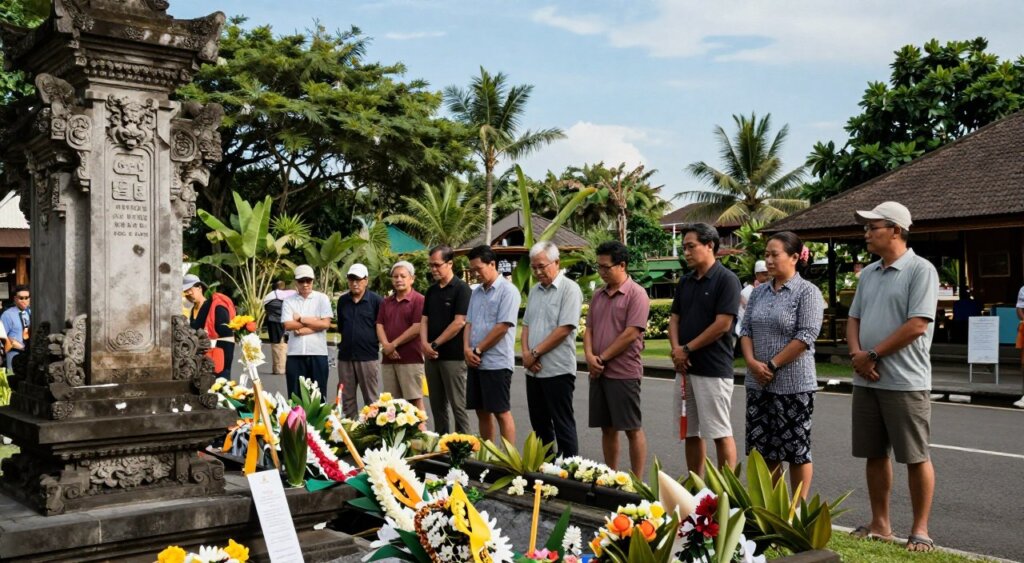
After visiting the memorial, explore Bali’s famous beaches and culture. Kuta offers a mix of quiet reflection and lively experiences. It’s a great way to balance your visit.
Adding a few hours to your day makes it more meaningful. You can find peace by the sea or try local foods and sights.
Exploring Kuta Beach
Kuta Beach is just a short walk from the memorial. It’s known for its golden sand and waves. It’s a perfect place for quiet moments or fun activities.
Relax at the beach after your visit. Take a walk, watch the sunset, or just enjoy the breeze. It’s a beautiful spot.
The beach is easy to visit. It shows Bali’s natural beauty and strength.
Cultural Sites Close to the Memorial
For a deeper look into Balinese culture, visit nearby sites. The memorial is modern, but Bali’s temples and villages offer a rich history.
Day trips to Nusa Lembongan or Penida Island are rewarding. They show Bali’s stunning coastlines and local life.
In Kuta, explore local markets or family temples. These places give a real look at Balinese Hindu life.
Looking for food? Dining options like Ground Zero Kitchen and Aggie’s Bar & Restaurant are close. For coffee or snacks, try Crumb & Coaster. Local food is also easy to find.
| Attraction | Type | Distance from Memorial | Suggested Activity |
|---|---|---|---|
| Kuta Beach | Beach & Nature | 5-10 minute walk | Sunset walk, relaxation |
| Ground Zero Kitchen | Dining | 2-minute walk | Casual lunch or dinner |
| Penida Island (Day Trip) | Cultural/Natural Excursion | ~1 hour by fast boat | Cliff viewing, snorkeling |
| Local Warungs | Dining & Culture | Within walking distance | Trying authentic Balinese food |
| Waterbom Bali | Family Leisure | 10-minute drive | Water park activities |
Visiting the memorial and nearby attractions is a full experience. It honors the past and connects with Bali’s lively culture today.
Safety Considerations While Visiting
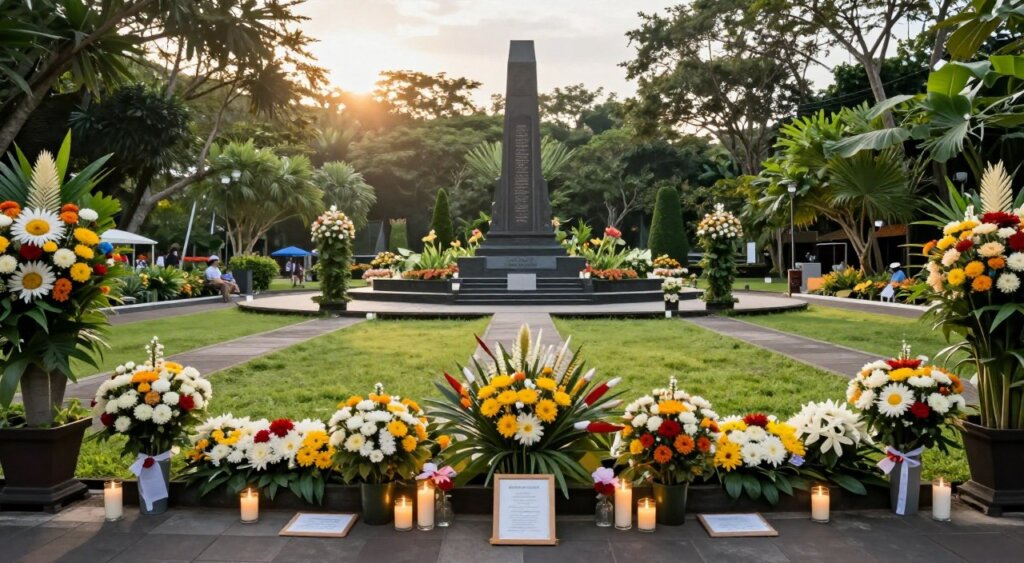
Bali is seen as a safe place, but it’s smart to take precautions. This is true for visiting places like the memorial park. The island has improved a lot, with better security in tourist spots. Bali meets most safety standards, so you can visit with peace of mind.
Staying Vigilant in Tourist Areas
Kuta, where the Bali terrorist attack memorial park is, is full of people. You’ll see security everywhere, like patrols and cameras. This makes it safer. But, places with lots of people can also have small crimes.
Be careful in crowded areas. Keep your bag close and in front of you. Don’t show off expensive things or lots of cash. These steps help you stay safe and enjoy the memorial.
Knowing what to worry about helps you prepare better. The table below shows common worries and what’s really happening in Bali. It also gives you tips to stay safe.
| Potential Concern | Reality in Bali Today | Your Actionable Tip |
|---|---|---|
| General Security & Terrorism | Extensive anti-terrorism infrastructure and intelligence operations are in place. Incidents are extremely rare. | Follow local news and heed advice from your embassy. Report any suspicious activity to authorities. |
| Petty Theft (Pickpocketing) | This is the most common issue for tourists in crowded markets, beaches, and nightlife areas. | Use a cross-body bag with zippers. Never leave phones or wallets unattended on cafe tables or beach towels. |
| Transportation Safety | Road traffic can be chaotic. Ride-hailing apps and reputable taxi companies are regulated and safe. | Use Blue Bird taxis or app-based services like Grab. Always agree on a fare or use the meter before a journey. |
| Health & Emergency Access | Bali has international-standard hospitals in tourist areas, and clinics are widespread. | Carry your travel insurance details and know the location of the nearest clinic to your hotel. |
Tips for a Safe Trip
Being careful is just part of the trip. Here are some tips for your whole time in Bali, not just the memorial.
- Secure Your Accommodation: Use the hotel safe for passports and extra cash. Lock doors and windows when you leave your room.
- Choose Reputable Transport: For longer trips, book drivers through your hotel or a trusted tour company. Avoid unlicensed operators.
- Protect Your Documents: Keep digital copies of your passport and visa on your phone and in cloud storage.
- Stay Connected: Have a local SIM card or roaming data. This helps with maps and contacting help if needed.
- Respect Local Laws and Customs: This minimizes conflicts. Be mindful when taking photographs, specially at sacred sites.
Bali is a welcoming place. The community values visitors who honor the past. By following these safety tips, your visit to the Bali terrorist attack memorial park and more will be safe and respectful.
Volunteering and Supporting Local Communities
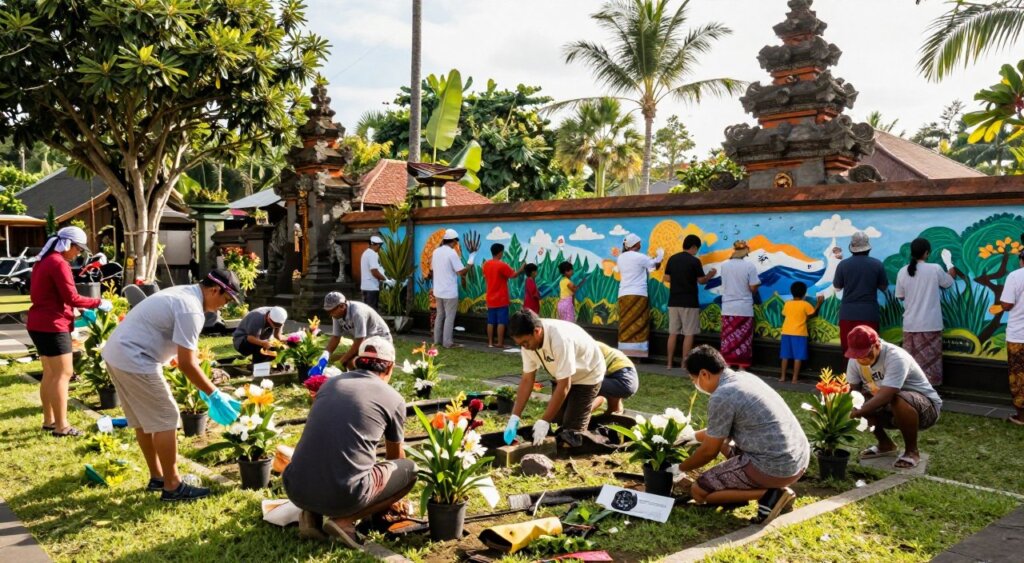
Visitors often want to help Bali’s community after visiting the memorial. You can make a difference by joining support initiatives. This way, you connect with Bali’s spirit of recovery and strength.
Opportunities for Involvement
Bali offers many chances to volunteer. You can help with education, environmental projects, and social welfare. These efforts help the island and its people.
Here are some ways to get involved:
- Teaching and Tutoring: Many NGOs need volunteers to teach English, computer skills, or arts in community centers and schools.
- Environmental Projects: Join beach clean-ups, coral reef restoration, or sea turtle conservation programs.
- Community Development: Help with building projects, health outreach, or supporting local women’s cooperatives.
It’s important to find reputable organizations. Look for groups with clear goals and a lasting impact. Your help, whether for a day or a month, can really make a difference.
Partner Organizations Supporting Victims’ Families
Many organizations help survivors and families of those affected. By partnering or donating, you support those in need.
The Australian Federal Police (AFP) was key in the initial response and investigation. They continue to work with Indonesian authorities.
The Australian Department of Foreign Affairs and Trade (DFAT) is also involved. They focus on the welfare of affected Australian citizens and their families.
Hon Tim Watts MP highlights the importance of these partnerships. They show a shared commitment to remembrance and recovery. NGOs provide counseling, financial aid, and scholarships for victims’ families.
To support, follow these steps:
- Find reputable NGOs focused on victim support or community trauma recovery.
- Contact them to learn about their current needs, which might include donations or specific skills.
- Make sure any fundraising or awareness efforts are respectful and coordinated with the organizations.
Volunteering or supporting these causes turns reflection into action. It honors the past and helps Bali’s future.
Testimonials: Stories from Survivors and Families
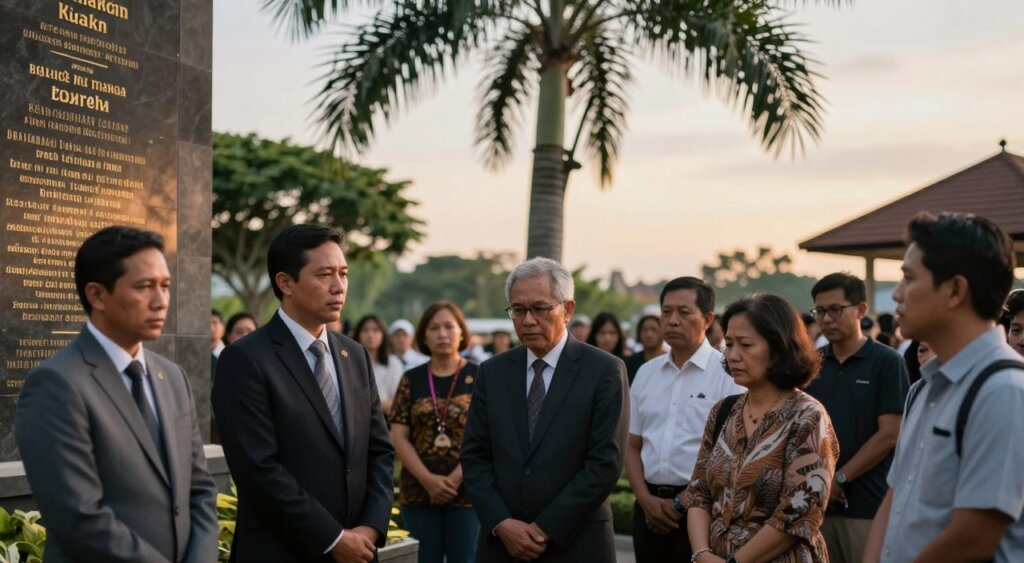
The Bali Bombing Memorial is more than just a place. It’s filled with powerful stories from survivors and families. These stories bring the memorial to life, showing the power of loss, resilience, and hope. Every year, people from all over come together to share their experiences during the remembrance ceremonies.
Personal Accounts from Survivors
Survivors talk about the chaos of that night and their journey to heal. They often mention the kindness of the Balinese people, which created strong bonds. These stories highlight the struggle to find normalcy again.
Many survivors find strength in sharing their stories. The memorial service is a key moment for them. It’s a chance to connect with others who understand their journey.
“Returning to Bali and standing at the memorial wasn’t about reliving the fear. It was about honoring the friends we lost and acknowledging the strength we found, both in ourselves and in the people of Bali.”
Survivors from Sydney to Canberra have formed support networks. Their stories show that the event doesn’t define their lives. They talk about resilience and the human capacity to heal.
Reflections from Victims’ Families
For families who lost loved ones, the memorial is a sacred place. They share stories that celebrate their family members’ lives. It’s not just about remembering their passing.
Many families support charities in their loved ones’ names. Their stories are about legacy and the positive actions that come from loss.
Attending the annual ceremony helps families find a sense of community. It shows that those lost are remembered as individuals, not just numbers.
| Theme | Survivor Perspective | Family Perspective |
|---|---|---|
| Immediate Aftermath | Focus on chaos, rescue, and urgent care received from locals. | Focus on shock, the agonizing wait for news, and the journey to Bali. |
| Long-term Healing | Physical recovery, managing trauma, rebuilding daily life. | Navigating profound grief, finding new family rhythms, honoring memory. |
| Purpose Found | Advocating for peace, volunteering in community safety programs. | Establishing scholarships or charities in a loved one’s name. |
| Message to Visitors | Cherish every moment and practice compassion in your daily life. | Remember our loved ones with joy, and let their stories inspire kindness. |
Listening to these stories adds a human touch to your visit. It transforms the memorial into a place of learning and empathy. These stories make the memorial a dynamic space for all who come to pay their respects.
Continuing the Conversation: Keeping Memories Alive
Your visit to the Bali Bombing Memorial is a meaningful step. Remembering the 2002 tragedy is not just a one-time act. It’s a continuous effort by communities worldwide.
Formal gatherings help keep memories alive. They offer a space for reflection and unity. This goes beyond just visiting the site.
Importance of Annual Remembrance Events
Every year on October 12, services are held at the memorial in Kuta. A similar ceremony happens at Parliament House in Canberra. These events are more than just somber moments.
They show the Australian spirit of resilience. They remind us of our promise to never forget the victims. They stand with survivors and families.
Educating Future Generations
Telling the story of the Bali bombings is key. It keeps this important event in our history. Teaching young people about it promotes peace and respect.
Your involvement keeps this conversation going. Through remembrance and education, we inspire a more compassionate world.