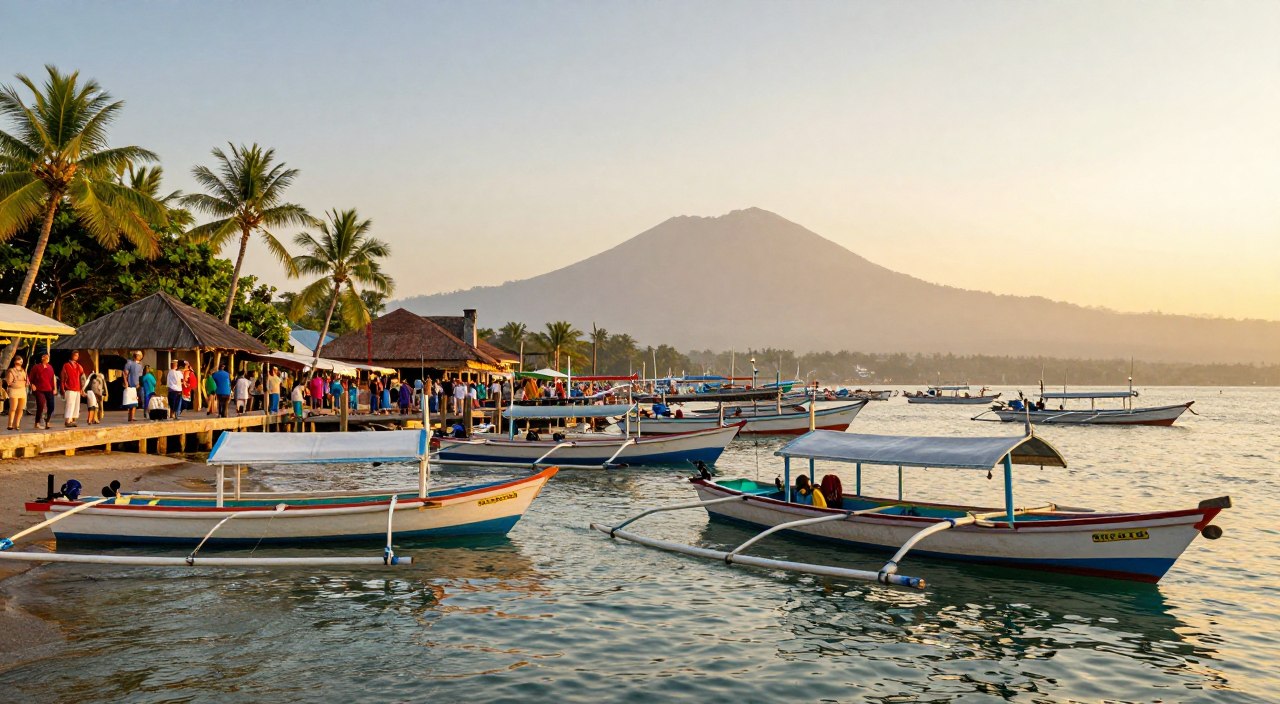
Every year, many Australian travellers face unexpected visa problems in Indonesia. What starts as a dream trip can quickly turn into stress and headaches.
Immigration issues can stop your travel plans. They can also ruin work or moving plans, making you feel trapped in a foreign system.
Understanding your legal rights is the first step to solving these problems. Knowing your options can turn a confusing situation into a clear path forward.
This guide will help you navigate visa troubles. We’ll cover common issues, reasons for denial, and how to appeal. We’ll also talk about when to get legal help for complex cases.
Key Takeaways
- Visa problems in Indonesia are a common stress point for many Australian travellers and expats.
- Understanding your formal rights is the foundation for any resolution.
- Multiple pathways exist, from direct appeals to specialised legal support.
- Acting promptly and with correct information dramatically improves outcomes.
- This guide provides a clear roadmap through each stage of a visa problem.
Understanding Visa Problems in Indonesia
Getting to the bottom of visa troubles in Indonesia is key to solving them. For Aussies looking to visit, work, or live there, the immigration process can be quite complex. This part explains the usual challenges, their effects, and the legal side of things.
Common Visa Issues Faced by Foreigners
Many visitors hit roadblocks due to unclear rules or simple mistakes.
Some common problems include:
- Unexpected Application Rejections: Even with a complete application, you might face denial. Small errors or missing documents are often the cause.
- Confusing Renewal Procedures: Extending a visa in Indonesia can be different from the first application. Deadlines are tight, and rules can change, leading to overstays.
- Misunderstandings About Visa Conditions: Many think a tourist visa lets them work or attend business meetings. But, these activities need different visas, and breaking the rules can lead to big penalties.
Getting Indonesia visa legal advice early can prevent these issues. It ensures your application is correct and meets all requirements.
Impact of Visa Problems on Travel Plans
Visa troubles can cause more than just paperwork headaches. They can ruin trips and lead to financial and legal stress.
Cancelled flights and non-refundable bookings are immediate losses. Worse, you might face fines or bans trying to leave the country. It can also stop you from starting a job or studying.
This can turn an exciting move into a stressful experience. It affects your plans and your mood.
Legal Framework Governing Visa Regulations
Indonesia’s immigration rules are set by laws and managed by government bodies. The main law is Law No. 6 of 2011 concerning Immigration.
This law covers all visa types, entry rules, and immigration officials’ powers. The Direktorat Jenderal Imigrasi (Directorate General of Immigration) is in charge of visa processing and enforcement across the country.
The system is detailed and strict. That’s why Visa issues legal support is not just helpful but often necessary. It helps with appeals, understanding policy changes, and dealing with overstays.
| Legal Component | Description | Relevance to Applicants |
|---|---|---|
| Law No. 6/2011 on Immigration | The foundational law governing all immigration matters. | Defines legal grounds for visa refusal, extension, and overstay penalties. |
| Direktorat Jenderal Imigrasi | The primary government agency implementing immigration law. | Processes all applications and conducts enforcement at airports and offices. |
| Ministerial Regulations | Detailed rules issued by the Minister of Law and Human Rights. | Specify exact document requirements, fees, and procedures for each visa type. |
Understanding this structure helps you see why rules are applied as they are. It also shows why accurate documents and timely action are so important, as we’ll explore next.
Types of Visas Available in Indonesia
Understanding Indonesian immigration starts with knowing the different visa types. Picking the wrong visa can cause entry denial, fines, or deportation. Knowing your visa’s purpose and rules is key to solving visa problems.
Indonesia’s visa system has several main paths. Each visa has a specific purpose, validity period, and rules for extension. If you’re penalised for an activity not allowed by your visa, knowing these categories is vital.
Tourist Visas
The Tourist Visa is the most common for short visits. Many Australians can get a Visa on Arrival (VoA) or the newer e-VOA online. These are valid for 30 days and can be extended once for another 30 days.
A tourist visa is for leisure only. You can’t work, conduct business, or get married on this visa. Many travellers assume a VoA covers all activities, which can lead to penalties.
If you got a tourist visa but needed a business visa, this is a major problem. Spotting this error is essential for finding legal solutions visa problems.
Business Visas
A Business Visa (Visit Visa Index 211) is for meetings, conferences, or business opportunities. It’s not a work permit. You can’t earn a salary from an Indonesian company on this visa.
This visa needs a sponsor letter from an Indonesian company or a guarantor. It’s usually valid for 60 days, with extension options. The application process is more complex than for a tourist visa.
Many confuse a business visa with a work permit. While attending training or consultancy might be okay, actual employment is not. If your business visa was denied due to sponsor issues, understanding these requirements is key.
Social-Cultural Visas
The Social-Cultural Visa (Visit Visa Index 211) is for family visits, social gatherings, or cultural exchanges. It requires a sponsor who is an Indonesian citizen or legal resident. The sponsor must provide a letter and often attend an immigration interview.
Like the business visa, it’s usually issued for 60 days and can be extended. This visa is great for staying longer with family or participating in cultural activities.
Application refusals often come from lacking sponsor proof or financial capability. If your social-cultural visa was rejected, the issue likely lies in the sponsor’s documentation. Identifying this allows for a focused legal challenge or reapplication.
In all cases, applying for the right visa with complete documents is the best way to avoid problems. If a problem occurs, knowing your visa type and its rules is the first step to solving it.
Grounds for Visa Refusal in Indonesia

Visa refusals in Indonesia often come from clear rules. These rules help ensure only the right people enter. Knowing these rules can help your application succeed.
Incomplete Documentation
This is the top reason for visa denial. Authorities need every document to be perfect. A small mistake, like a wrong colour ink, can cause a refusal.
Certified translations are needed for documents not in Bahasa Indonesia or English. Even a tiny error can mean your application is sent back. It’s not just about having the documents; it’s about having them perfectly prepared.
Common mistakes include:
- Bank statements older than one month.
- Passport photos that don’t meet the exact size or background requirements.
- Missing letters of invitation for specific visa types.
Seeking Indonesian visa legal assistance can help fix these issues and improve your application.
Criminal Background Checks
Indonesia takes criminal history very seriously. You need a clean police certificate from your home country and sometimes from recent countries lived in. Authorities look for any record that suggests a risk to public safety.
Offences that typically lead to refusal include:
- Violent crimes or offences involving drugs.
- Financial crimes like fraud.
- Even some minor convictions can be problematic depending on their nature.
If you have a past conviction, it’s important to be honest. Hiding information will definitely lead to a ban. A professional with experience in Indonesian visa legal assistance can help you present your case and if a waiver is possible.
Financial Stability Requirements
You must show you can support yourself financially for your stay. The immigration department wants to be sure you won’t become a public burden.
Having money in an account isn’t enough. You need to show a steady and accessible financial history. Sudden large deposits before an application can raise suspicions.
Accepted proof usually includes:
- Recent bank statements showing steady funds.
- Official sponsorship letters with supporting documents from the sponsor.
- Proof of steady income or employment.
If your financial proof is deemed insufficient, a refusal is likely. Understanding the exact thresholds and how to present your finances is where expert Indonesian visa legal assistance becomes invaluable for a successful appeal or new application.
These grounds are applied strictly, but a refusal is not always the final word. By addressing the specific concern raised by immigration—whether it’s documentation, background, or finances—with precise and professional help, you can often overcome the hurdle.
Steps to Take When Your Visa is Denied

When the Indonesian immigration office says no to your visa, stay calm and follow the rules. It’s not a personal attack, but a formal decision. Your first step is to understand why and the legality of the process.
This is similar to dealing with lost passports in Indonesia. You need to follow a clear, step-by-step process with the authorities.
Reviewing the Denial Letter
The denial letter is very important. It tells you why you were refused and what to do next. Read it carefully.
Look for these key details:
- The specific article or regulation cited as the grounds for refusal.
- Any mention of incomplete or incorrect documentation.
- A clear date of the decision and instructions for appeal, if any.
Knowing the reason is the first step. It’s like reporting a lost passport to the police. It sets the record straight and tells you what to fix.
If the reason is vague, like “insufficient purpose of visit,” make a note. This will help when you ask for more information. The legality of the visa problems in Indonesia often depends on following the rules closely. Your challenge must be based on facts from this letter.
Contacting the Indonesian Embassy or Consulate
After you understand the reason, contact the Indonesian embassy. This is not to argue the decision, but to ask for more information.
Have your application number, a copy of the denial letter, and your passport details ready. Be polite and clear when you contact them. Ask for an explanation if the regulation is unclear.
This step is like contacting your home country’s embassy after losing a passport. You’re talking to the right people who can explain the rules and help you next steps. For Australians, the Indonesian consulate in Sydney or Canberra is the place to call.
The goal is to know the exact nature of the visa problem. Is it a simple fix, like a missing document, or a bigger legal issue? The answer will help you decide what to do next.
Legal Recourse Options for Visa Denials

Getting a visa denial for Indonesia can seem like a dead end. But, Australian travellers have legal ways to challenge this. Knowing these options is the first step to possibly reversing the decision.
You’re not out of options. Indonesia’s legal system has clear paths for appeals. These include direct reviews and court cases.
Administrative Appeals Process
Your first step is to file an administrative appeal. This is a formal request to reconsider the denial sent to the immigration office that refused your visa.
Act fast. There’s usually a tight deadline, between 14 to 30 days from the refusal letter. Missing this deadline closes this option.
Your appeal should clearly address the reasons for denial. You’ll need to provide:
- A completed appeal form or formal letter.
- Any new or corrected documents that fix the original issue.
- A clear argument against the reasons for refusal.
This process is quicker and cheaper than going to court. It’s a key part of the Indonesia visa legal remedies for applicants.
Seeking Judicial Review
If your appeal is turned down, you can seek judicial review. This means challenging the decision in an Indonesian state administrative court.
This is a complex legal step. It’s not something to take lightly. You need strong reasons, like proving a procedural error or misapplication of the law.
Local legal representation is mandatory. The court process is in Bahasa Indonesia and follows local civil law. An Australian lawyer can’t represent you directly in this court.
While it takes more time and money, a successful judicial review can overturn a denial. It’s the most formal level of legal aid for visa issues in Indonesia.
Consulting Immigration Attorneys
Getting a specialist immigration lawyer is the best move for visa problems. They offer expert legal aid for visa issues in Indonesia from the start.
A good lawyer does more than just fill out forms. They know the rules and practices of Indonesian immigration offices. They can talk to authorities on your behalf, often solving issues before they get worse.
Look for a firm with a strong track record in Indonesian immigration law. They can assess your case and suggest the best Indonesia visa legal remedies, whether an appeal or judicial challenge.
Their advice is key for dealing with bureaucracy and avoiding mistakes. This investment can greatly improve your chances of a positive outcome.
Navigating Immigration Laws in Indonesia

For those traveling or living abroad, the gap between official rules and real-world practice can be confusing. This confusion often leads to visa problems. It’s important to understand both the written rules and how they are applied.
This knowledge is key to finding legal options for visa issues in Indonesia.
Understanding Immigration Policies
Indonesia’s immigration laws are set by national rules. But, how these rules are applied can differ. Officers at different places might have their own ways of doing things.
For example, a document okay in Bali might not be in Jakarta. This isn’t just about being different. It’s often because of local needs or rules not widely known.
Think of immigration policy as a living thing. The Directorate General of Immigration makes the rules. But, how these rules are followed can add a layer of complexity. Knowing this helps make stronger applications. It also shows why getting advice from someone who knows the local scene is so important.
When you face a problem, understanding this dynamic is key. It helps you see a refusal as something you can address, not just a ‘no’.
Recent Changes or Updates in Laws
Indonesian immigration laws are always changing. The government updates them to make things smoother or to address security. Keeping up with these changes is essential for a smooth experience.
In recent years, there have been big changes. The rules for the Visa on Arrival (VoA) have changed several times. The e-Visa online application has also been introduced and updated, affecting how many people apply.
Other updates might include new financial requirements, rules for social-cultural visas, or new ways to extend your stay. These changes can surprise even the most experienced travelers.
Here are a few reliable ways to stay current:
- Regularly check the official website of the Directorate General of Immigration.
- Monitor updates from the Indonesian Embassy or Consulate in Australia.
- Subscribe to alerts from reputable immigration law firms specialising in Indonesian affairs.
Not knowing the latest rules can mean your application fails right away. But, staying up-to-date gives you power. It lets you explore all your options with confidence, making sure your plans fit the current rules.
Importance of Proper Documentation
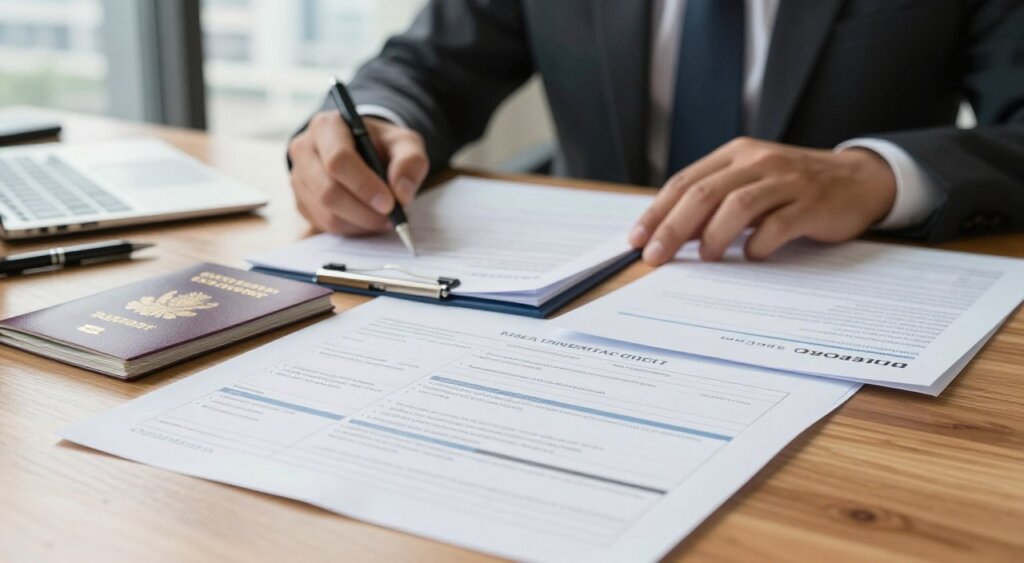
Many travellers find out too late that a small paperwork mistake can ruin their trip to Indonesia. The key to a successful visa application is the documents you submit. If these are wrong, missing, or not certified right, it can cause delays, more questions, or even a refusal.
Your application documents are your first and most important representative. They must clearly and strongly speak for you to immigration officials. Getting this right greatly lowers your risk of facing stressful visa issues later. Being proactive with your documents is a strong way to prevent legal support problems.
Required Documents for Visa Applications
While the exact documents needed can change based on your visa type and situation, some are always required. Having a checklist is key. Below is a table showing common needs for three popular visa types to help you prepare.
| Document Type | Tourist Visa | Business Visa | Social-Cultural Visa |
|---|---|---|---|
| Valid Passport | Required (min. 6 months validity) | Required (min. 6 months validity) | Required (min. 6 months validity) |
| Passport Photos | 2 recent colour photos | 2 recent colour photos | 2 recent colour photos |
| Proof of Sufficient Funds | Bank statements | Company bank statements & letter | Bank statements or sponsor guarantee |
| Sponsor Letter (KITAS) | Not required | From Indonesian company | From Indonesian family/sponsor |
| Return/Onward Ticket | Required | Required | Required |
This guide is a general one. Always check the latest list on the official Indonesian embassy or consulate website before applying. Missing just one item from the checklist can mean your application is marked as “incomplete” right away.
Tips for Ensuring Accuracy and Completeness
Getting the documents is just the first step. Making sure they are correctly prepared is what makes your application smooth or problematic. Follow these tips to increase your chances of success.
- Use Certified Translators: Any document not in Bahasa Indonesia must be translated by a sworn translator. An uncertified translation will not be accepted.
- Get Documents Legalised: For certain official papers like birth certificates or degrees, you may need an apostille or authentication from the Department of Foreign Affairs and Trade and the Indonesian embassy in Australia.
- Check All Expiry Dates: Scrutinise your passport validity, bank statement dates, and even the issue date on your photos. Documents are often rejected for being “out of date” at the time of submission.
- Prepare Multiple Certified Copies: Never submit your only original. Provide clear, certified copies as specified and keep your originals safe.
- Create Digital Backups: Scan every single page of your application packet. Store these scans securely in cloud storage and on a USB drive. This practice, highlighted in lost passport stories, is invaluable if documents are lost or damaged.
- Use Secure Storage: Keep physical copies in separate, secure locations—like a hotel safe and your luggage—while travelling. This mitigates risk if one set goes missing.
By following these careful habits, document preparation becomes a strategic advantage. If your situation is complex, getting an immigration attorney to review your documents can offer expert legal support and peace of mind. This helps you avoid visa issues before they happen.
Dealing with Visa Overstays

Overstaying your visa in Indonesia is a serious legal issue. It’s not just a small paperwork mistake. It’s a breach of immigration law that needs immediate action. You’ll need legal solutions visa problems to get through this.
Fixing an overstay means talking to immigration authorities. These talks can be stressful. Knowing what to do and who to turn to is key.
Consequences of Overstaying Your Visa
Indonesia’s immigration system has strict rules for overstays. The penalties get worse with time. Overstaying is seen as disrespecting the country’s laws.
The first penalty is a daily fine of about 1,000,000 Indonesian Rupiah. But, the real danger is what happens after the fines add up. You might get deported, which means you have to leave immediately and can’t come back for a while.
“Visa overstay is never just an administrative oversight in Indonesia—it’s a legal violation that can jeopardise your future travel plans and legal status. Addressing it promptly with proper guidance is essential to mitigating the damage.”
After deportation, you might not be able to enter Indonesia for months or years. In bad cases, you could even be detained while being deported.
| Overstay Duration | Daily Fine | Additional Penalties | Recommended Action |
|---|---|---|---|
| 1-30 days | 1,000,000 IDR | Possible warning, deportation at discretion | Visit immigration office immediately with legal support |
| 31-60 days | 1,000,000 IDR | Likely deportation, 6-month entry ban probable | Urgent legal consultation before approaching authorities |
| 61+ days | 1,000,000 IDR | Definite deportation, 1+ year entry ban, possible detention | Immediate engagement of immigration attorney for case management |
Legal Assistance for Visa Overstay Issues
Getting a good immigration lawyer can help a lot. They know the law well and can talk to officials. They can make a big difference in how things go.
Lawyers do many things to help with overstay problems. They can talk to officials to lower fines or avoid detention. They prepare documents and represent you in meetings. They also help find a way to fix your status or leave the country legally.
Good legal solutions visa problems involve a careful plan. Your lawyer will look at your situation and history. They’ll talk to the immigration office to understand your status. Then, they’ll help you through the process, whether it’s paying fines, getting an exit permit, or other steps.
Having a lawyer means you’re not alone when dealing with immigration. They can explain your rights, handle communications, and aim for the best outcome. This support is very important because of the complex and sometimes unpredictable nature of Indonesian immigration rules.
Getting help early can open up more options for legal solutions visa problems like overstay. The longer you wait, the worse the penalties get and the fewer choices you have. With professional help, a big immigration problem can become a manageable legal issue with clear solutions.
Preventative Measures for Visa Issues
It’s easier to fix visa problems before they start. Planning ahead is key for a smooth stay in Indonesia.
Researching Regulations Before Traveling
Start preparing early for your trip. Check the official Indonesian Directorate General of Immigration website for visa rules. The Australian Government’s Smart Traveller website also has helpful tips for Indonesia.
This research is essential. Know exactly what visa you need and its requirements. Don’t guess or rush. Having the right info is your best defence.
Engaging with Professional Services for Applications
For complex applications, get expert help. A registered migration agent or immigration lawyer can assist with Indonesian visa legal matters. They make sure your documents are correct and meet all standards.
They also know the details of business or long-stay visas. Getting professional help early on reduces the chance of your visa being refused. It’s a wise choice for your peace of mind.
By taking these steps, your application will be strong from the start. This way, you avoid the stress and cost of appeals or denials.