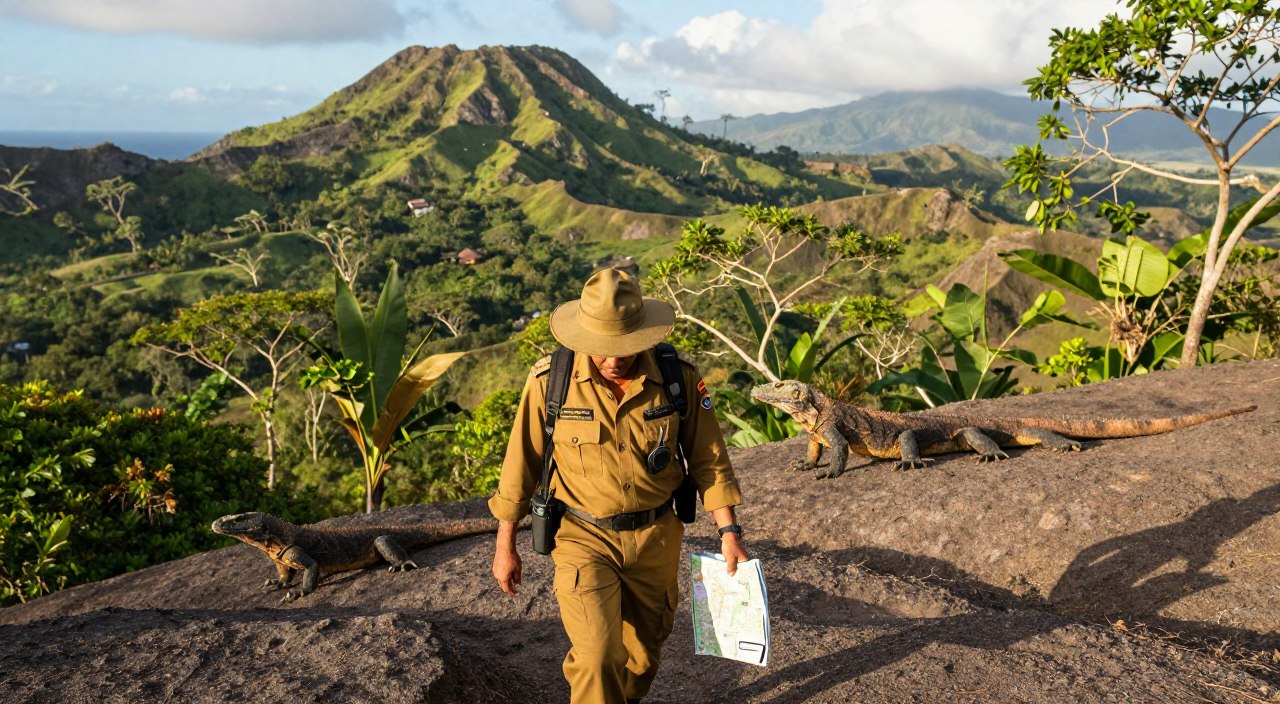
What does it really take to protect the world’s largest lizard in its remote island home? The Komodo National Park Ranger is the frontline defender of this precious natural treasure. Their daily mission is a complex blend of vigilance, science, and sheer determination.
These conservation officers face mounting threats from illegal fishing and poaching activities. They work tirelessly to safeguard the iconic dragons and the rich marine ecosystems. It’s a constant battle in one of the planet’s most unique environments.
Utilising cutting-edge technology and traditional patrol methods, they monitor wildlife and intercept offenders. Their role is crucial for the survival of this UNESCO World Heritage Site. Through collaboration and innovation, they overcome the difficulties of managing such a vast, remote area.
Understanding their daily grind offers a profound look at modern conservation. It reveals the remarkable efforts required to preserve natural wonders for future generations.
Key Takeaways
- Rangers are the essential frontline guardians of a unique Indonesian ecosystem and its iconic wildlife.
- Their daily work involves protecting habitats from serious threats like illegal fishing and poaching.
- A mix of high-tech tools and traditional field patrols is used for effective monitoring and enforcement.
- Managing a UNESCO World Heritage site presents significant logistical and environmental challenges.
- Successful conservation here relies on innovative strategies and collaborative efforts.
- Understanding a ranger’s perspective deepens appreciation for the critical work of preservation.
- Their achievements ensure this natural treasure can be enjoyed by future visitors.
An Introduction to Komodo National Park and Its Rich Biodiversity
Spanning over 1,700 square kilometres of volcanic terrain and turquoise seas, this protected area is a biodiversity hotspot. It was first created in 1980 to safeguard a legendary reptile. By 1991, its global importance was cemented with UNESCO World Heritage status.
This recognition honours the site’s dedication to preserving both land and ocean life.
The Geographical Charm and Volcanic Landscapes
The park encompasses three major islands—Komodo, Padar, and Rinca—plus many smaller ones. Their volcanic origins sculpt rolling green hills and dry savannahs. Famous white sand and unique pink beaches fringe the coasts.
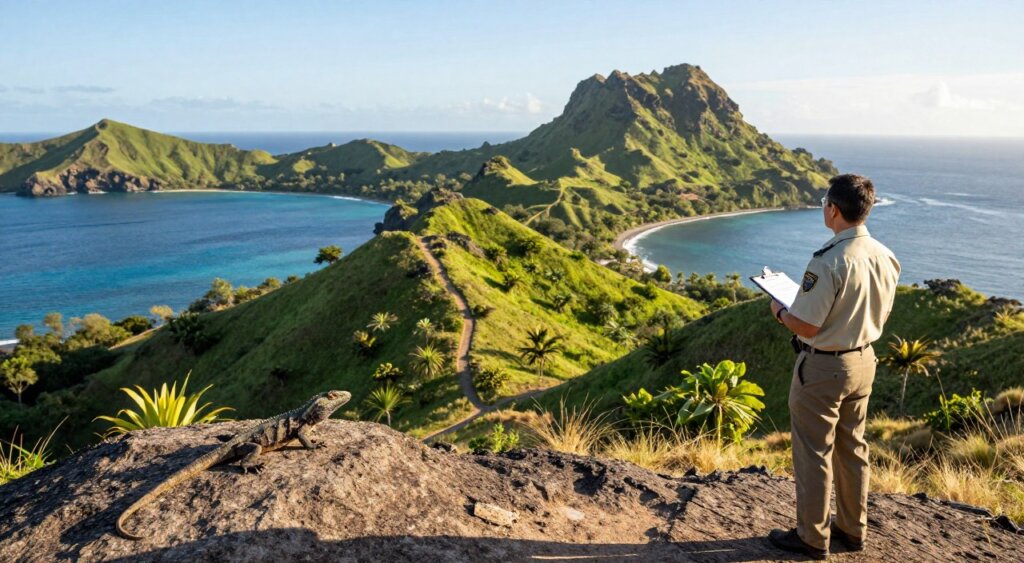
The dramatic scenery provides a stunning backdrop for its unique wildlife. The table below highlights key habitats and species.
| Habitat | Key Species | Notable Feature |
|---|---|---|
| Terrestrial | Komodo dragon, Timor deer, wild buffalo | Volcanic islands with dry savannah |
| Marine | Manta rays, whale sharks, coral reefs | Part of the Coral Triangle |
| Coastal | Mangroves, numerous bird species | Pink sand beaches from coral |
Diverse Marine Life and Iconic Komodo Dragons
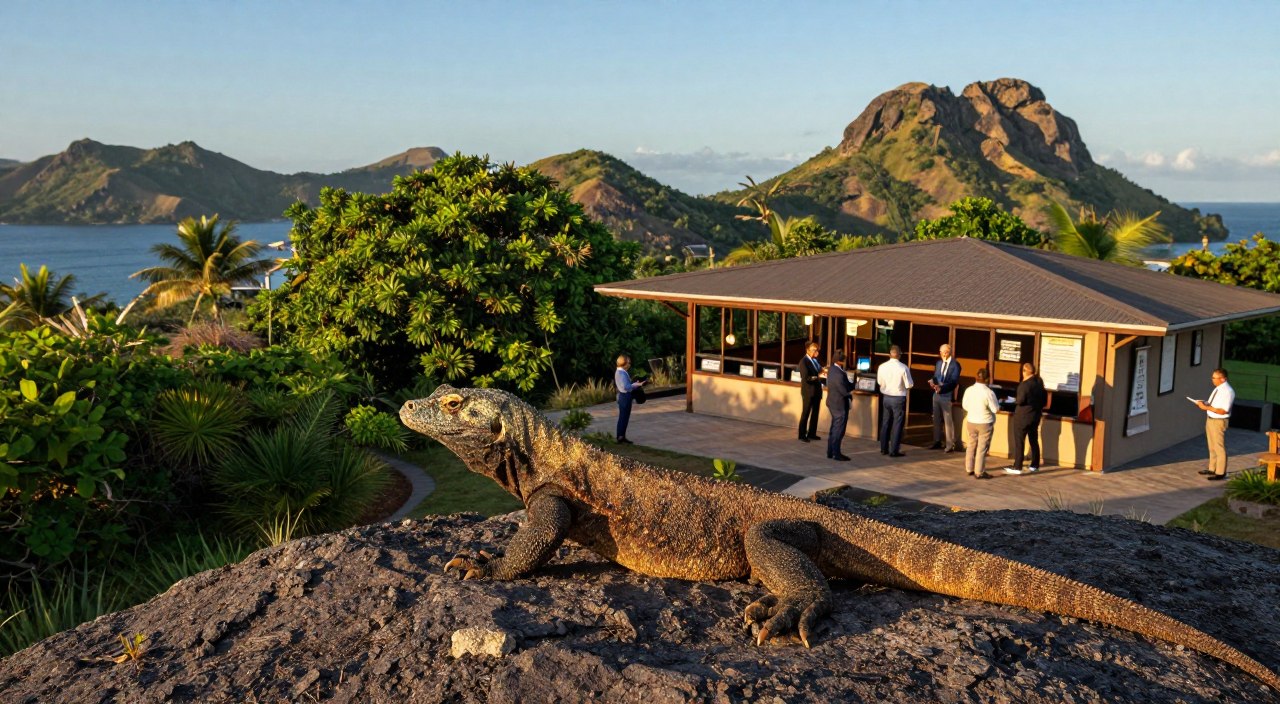
Fewer than 3,500 Komodo dragons remain here. These giant lizards are classified as Endangered. Threats include habitat loss and climate change.
Underwater, the area is part of the rich Coral Triangle. Vibrant coral reefs host manta rays, whale sharks, and over a thousand fish species. This marine realm is as vital as the land. Sustainable Travel and Tourism: Complete Guide to Responsible Tourism
On the islands, deer and buffalo form the prey base for the apex predator dragons. Protecting this entire web of life is the core mission of this UNESCO World Heritage site.
Inside the World of a Komodo National Park Ranger
Covering an immense 75,000-hectare domain requires a blend of physical endurance, sharp observation, and modern technology. For the conservation officers here, every day is a meticulous balance of terrestrial hikes and marine surveillance.
Daily Duties and Patrol Challenges
Their primary task is regular patrols across rugged volcanic landscapes and vast coastal waters. In 2024 alone, these efforts spanned a staggering 22,370 kilometres.
The challenging, mountainous terrain makes each patrol physically demanding. Teams operate from four strategic stations:
- Loh Wenci
- Loh Wau
- Loh Padar Selatan
- Loh Baru
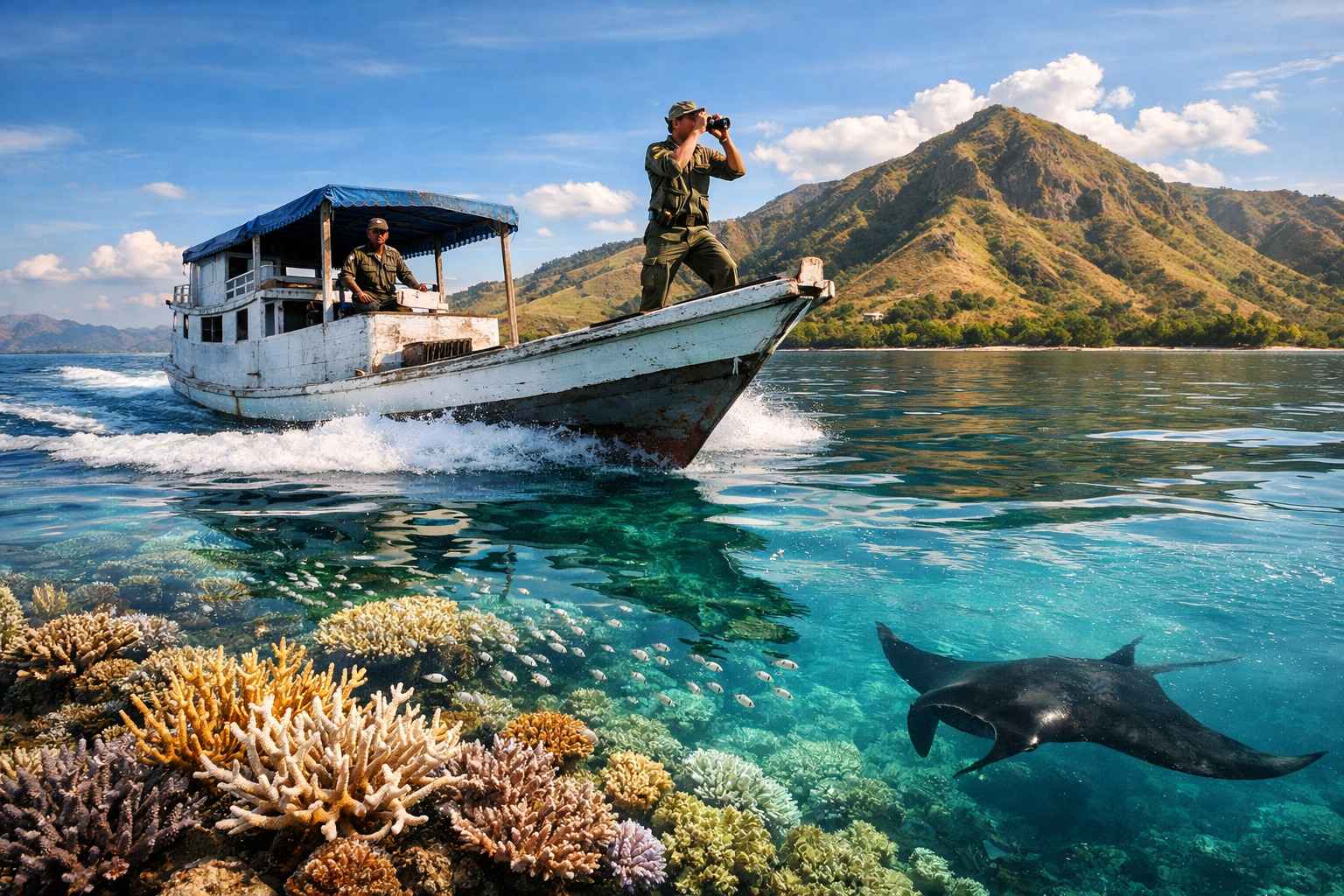
Considerable time is also spent on a boat for marine patrols. This vital work targets illegal fishing to protect vibrant coral reefs.
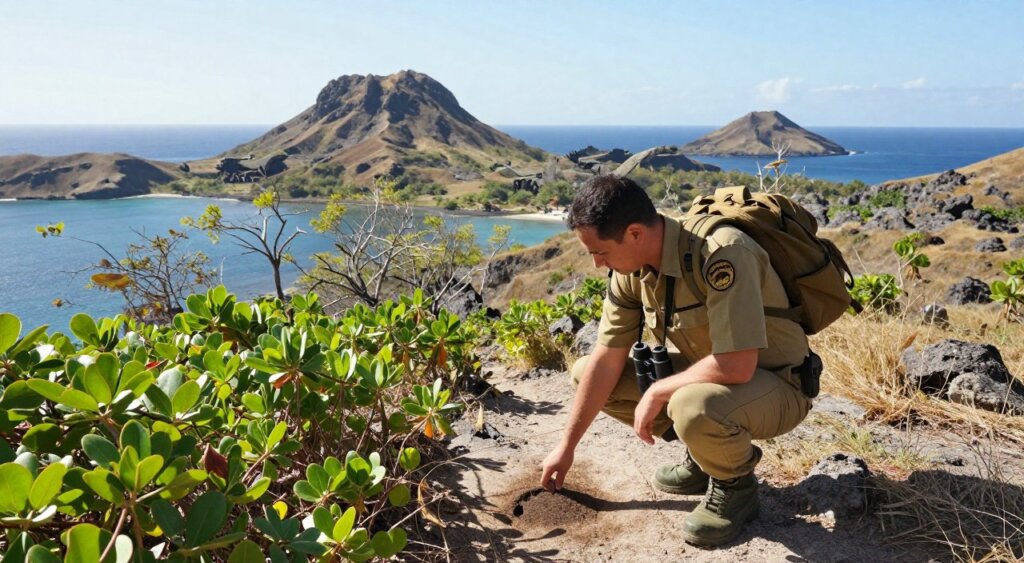
Utilising SMART Technology in Conservation
All personnel are trained in the SMART patrolling system. This technology allows for systematic data collection on wildlife and illegal activities.
Its integration with Indonesia’s National IMS Dashboard is a success story. This system now serves as a model for protected areas across the country, enhancing monitoring and enforcement.
Challenges and Threats Facing the Park
The pristine ecosystems here face a relentless onslaught from illegal activities and unsustainable practices. Safeguarding this national park requires constant vigilance against both obvious crimes and unintended consequences of human presence.
Illegal Fishing, Poaching, and Habitat Degradation
Blast fishing is a devastating practice in these waters. Explosives kill fish instantly but also turn vibrant coral reefs into barren wastelands. This destroys the sea habitat permanently.
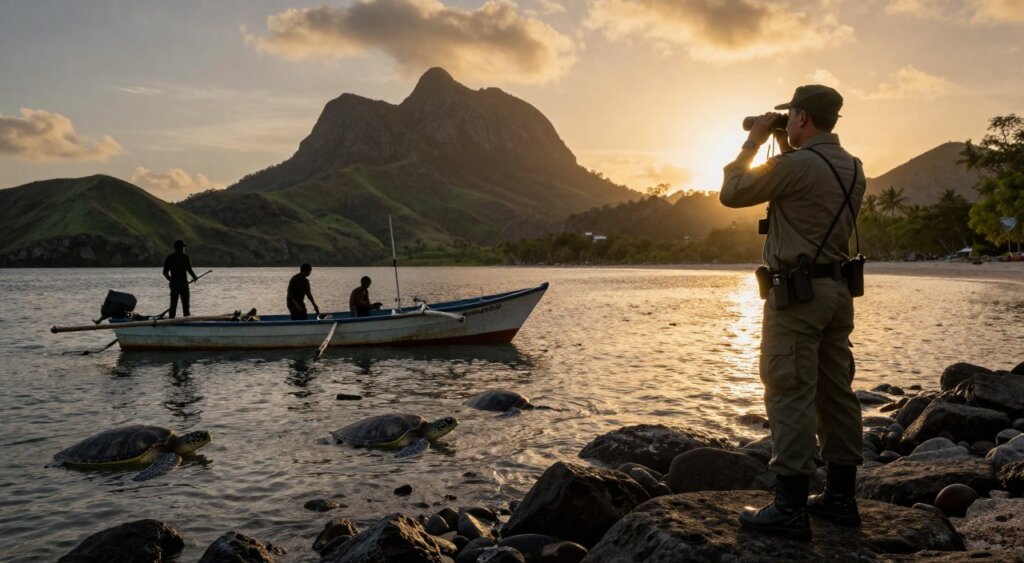
On land, deer poaching operates on an industrial scale. Poachers hunt at night, sometimes taking 20-30 animals. In 2019, a boat carrying over 90 poached deer was intercepted.
This directly impacts the iconic Komodo dragons. Deer are a primary food source. Their removal forces dragons to change behaviour and can increase conflict.
Tourism brings economic benefit but also strain. Tour operators and visitors skipping fees cost the park up to one million dollars yearly. Authorities summoned 30 tour operators for violations.
Boat pollution and substances on visitors’ shoes pose biosecurity risks. The vast size of this national park makes monitoring these threats extremely difficult.
Innovative Conservation Tools and Strategies
Modern conservation in this remote archipelago now relies on a sophisticated network of technology and strategic infrastructure. This integrated approach is crucial for protecting the vast and vulnerable komodo national park.
Deployment of Marine Radar and Drone Surveillance
A new marine radar system watches the west coast of komodo island. It detects illegal boats approaching under cover of night, enabling rapid response.
Drones and 27 stationary cameras provide eyes in the sky and on the ground. They capture crucial photos and footage as evidence. This tech recorded poachers entering the protected area in June and July 2024.
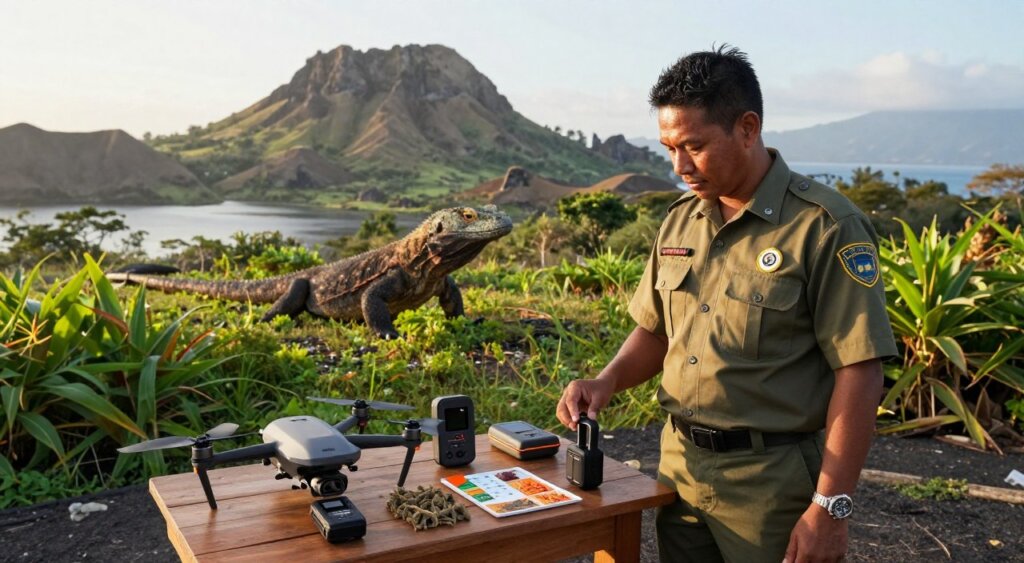
| Technology | Primary Function | Key Benefit |
|---|---|---|
| Marine Radar | Detects vessel movement, especially at night | Allows real-time tracking of suspicious boats |
| Surveillance Drones | Aerial monitoring of remote land areas | Saves patrol time and covers difficult terrain |
| Stationary Cameras | Continuous photographic monitoring of key sites | Provides undeniable evidence for law enforcement |
Building an Integrated Ranger Station and Dormitory
A major construction project is underway at Loh Wenci on komodo island. A Balinese architect designed an integrated station and dormitory for personnel and police rotations.
The main office building started in September 2024. It should finish by early 2025. The dormitory phase begins later that year.
This forward base will slash response time to incidents in the high-risk western zone. It represents a significant upgrade in operational capacity for the national park.
The Role of Tourism and Its Impact on Komodo National Park
Visitors flock to witness prehistoric dragons and vibrant coral reefs, bringing both opportunity and strain. This industry sustains over 20,000 people in and around the protected area. Yet it also pressures the very environment people come to see.
Balancing Visitor Experiences with Conservation Efforts
Guided trips to Komodo and Rinca islands offer safe encounters with the iconic dragons. Underwater, the Coral Triangle dazzles with world-class diving. Sites like Batu Bolong and Manta Point promise meetings with graceful manta rays and reef sharks.
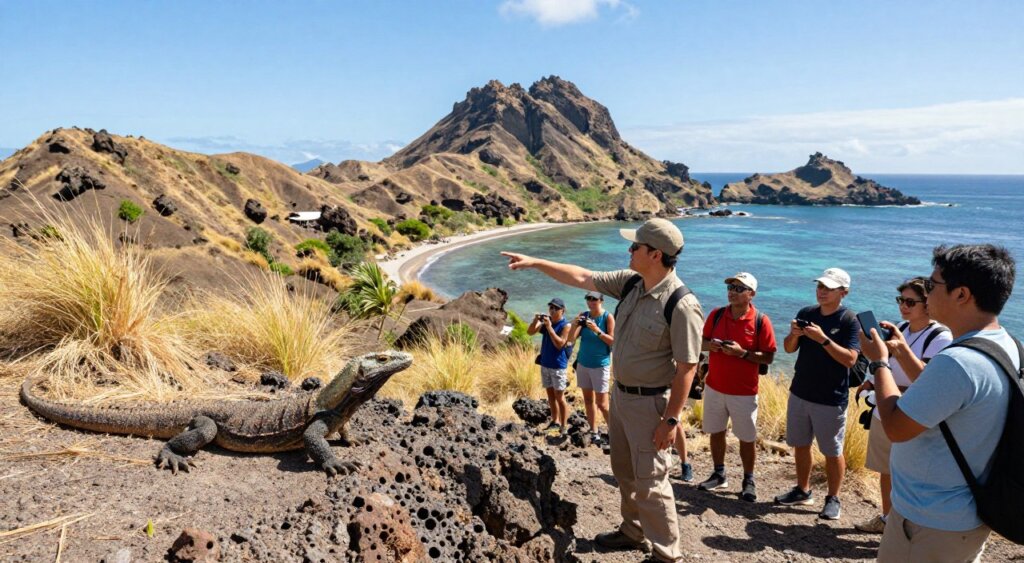
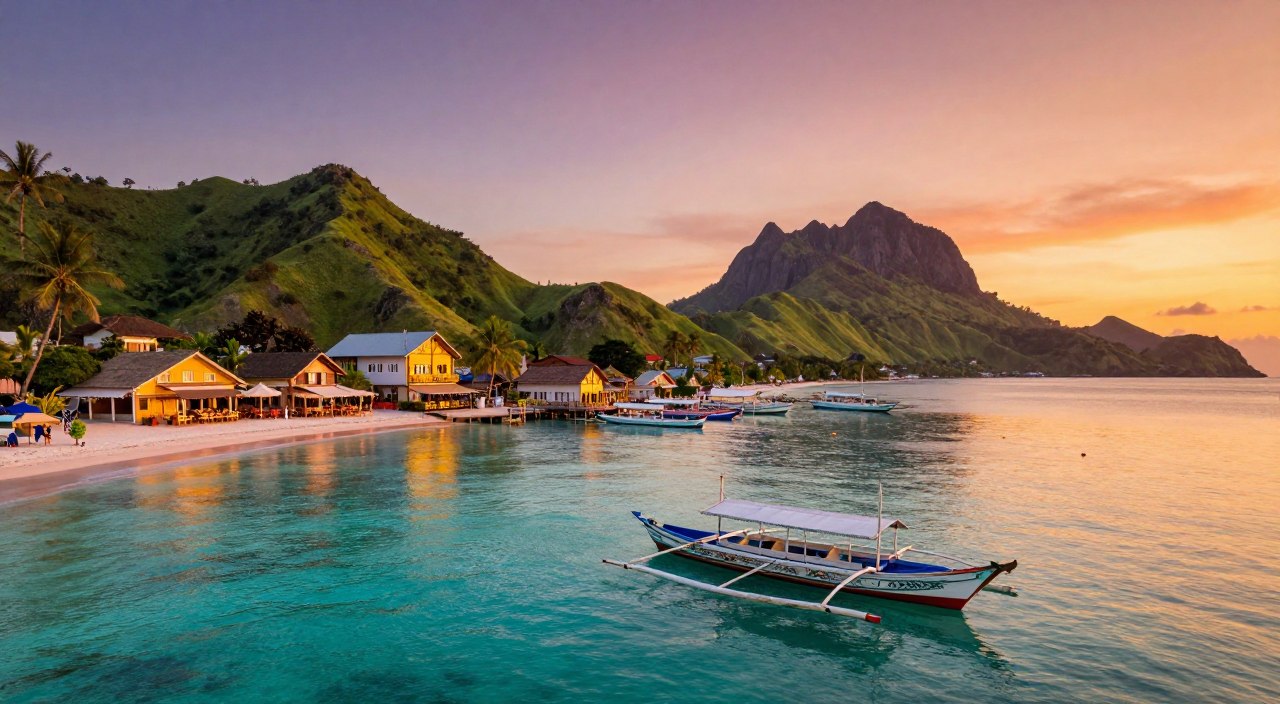
Tour operators in Labuan Bajo craft diverse experiences. Options range from day tours to multi-day liveaboard boat trips. These journeys let travellers sleep under the stars and visit several islands.
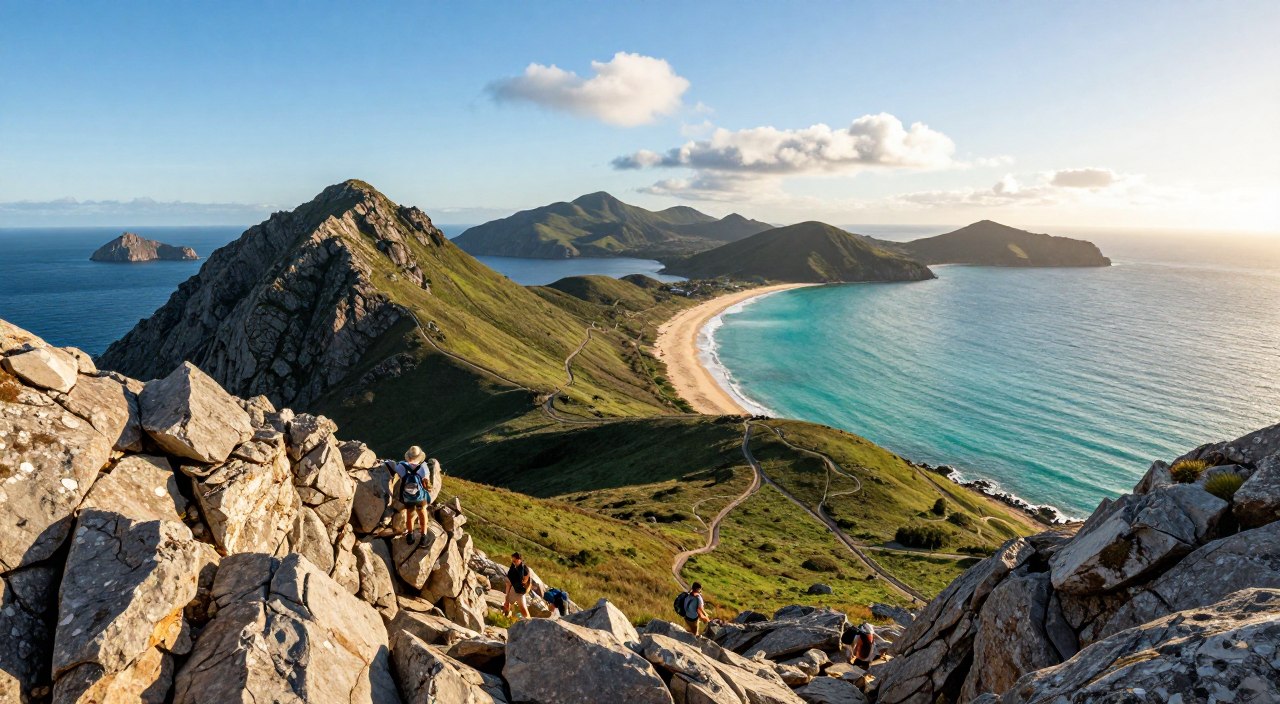
Padar Island’s hilltop view is a photographer’s dream. It overlooks stunning pink and white sand beaches. The famous Pink Beach offers a unique rosy shoreline for swimming and snorkelling.
However, dozens of boats operating daily create marine pollution and noise. Responsible operators work with rangers to follow guidelines. The challenge is balancing economic benefits with the long-term health of dragons and reefs.
Recent Successes and Notable Achievements
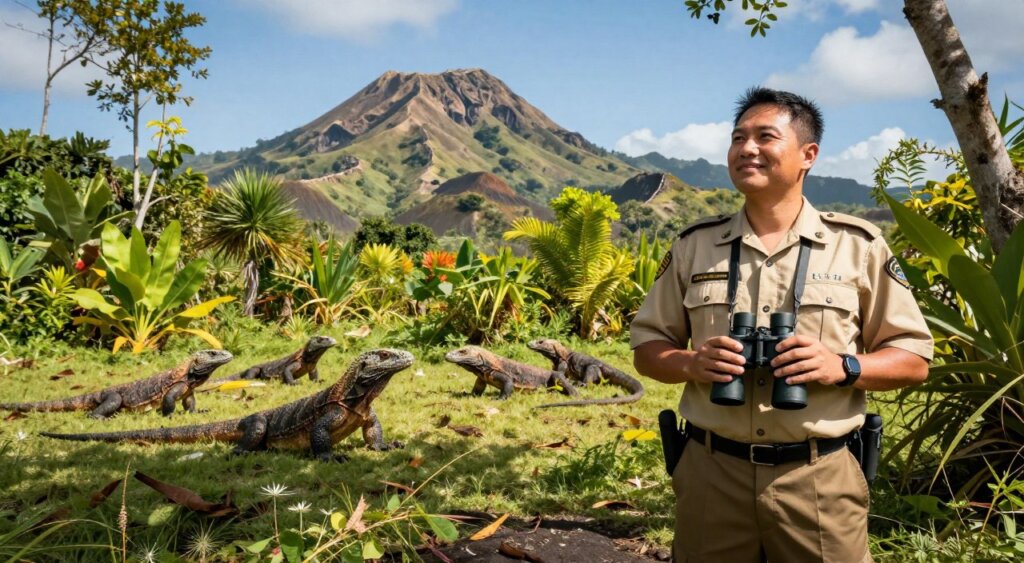
Investment in protection is yielding measurable results, with poachers facing unprecedented consequences. Over the past two years, funding has catalysed a remarkable 50% increase in patrols across land and sea.
Effective Patrol Operations and Arrests of Poachers
Enhanced patrols now reach remote areas. This expansion has led to major confiscations of illegal boats, bombs, and fishing gear.
In October 2023, authorities thwarted a smuggling attempt for a juvenile komodo dragon. Four traffickers received prison sentences of two to four years.
On another day in September 2024, police arrested three deer poachers. Ten harvested deer served as critical evidence. These actions send a clear message.
Enhanced Monitoring Technologies
The integration of SMART patrol data with the national dashboard is a standout success. This system is now a model for all protected areas in Indonesia.
It provides a powerful tool to protect komodo dragons and their habitat in real time. The komodo national park agency and partners like the Komodo Survival Program drive this progress.
Every day brings new data to help protect komodo wildlife. This technological leap is a major achievement for the national park.
Conclusion
The story unfolding across these volcanic isles is a powerful blueprint for global wildlife protection. It shows how dedication and innovation can safeguard even the most remote places.
The integration of traditional patrols with advanced technology sets a new conservation standard. Recent successes prove that with adequate support, measurable progress is possible against significant threats.
For visitors, a trip here is a profound privilege. Choosing responsible operators and respecting guidelines directly supports these vital efforts. Every respectful experience helps protect this unique ecosystem.
The work ensures the iconic komodo dragons and vibrant reefs will thrive. Future generations will inherit this irreplaceable natural place, thanks to today’s relentless guardians.