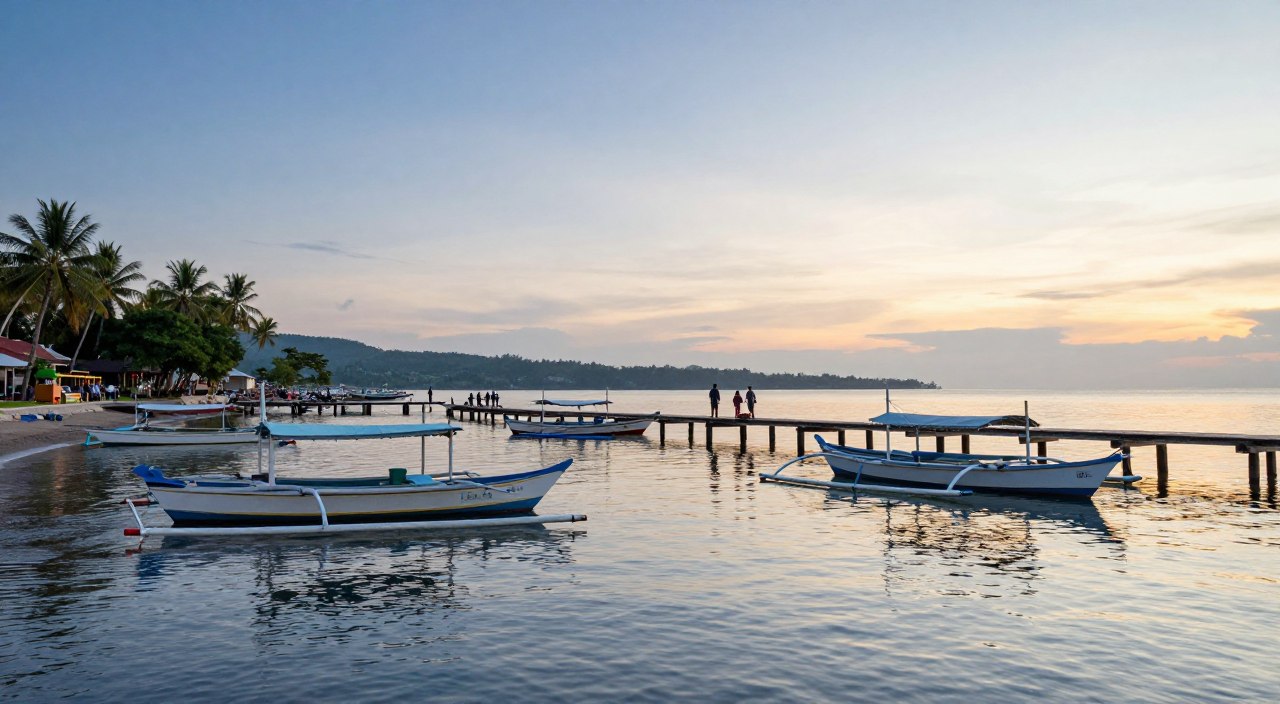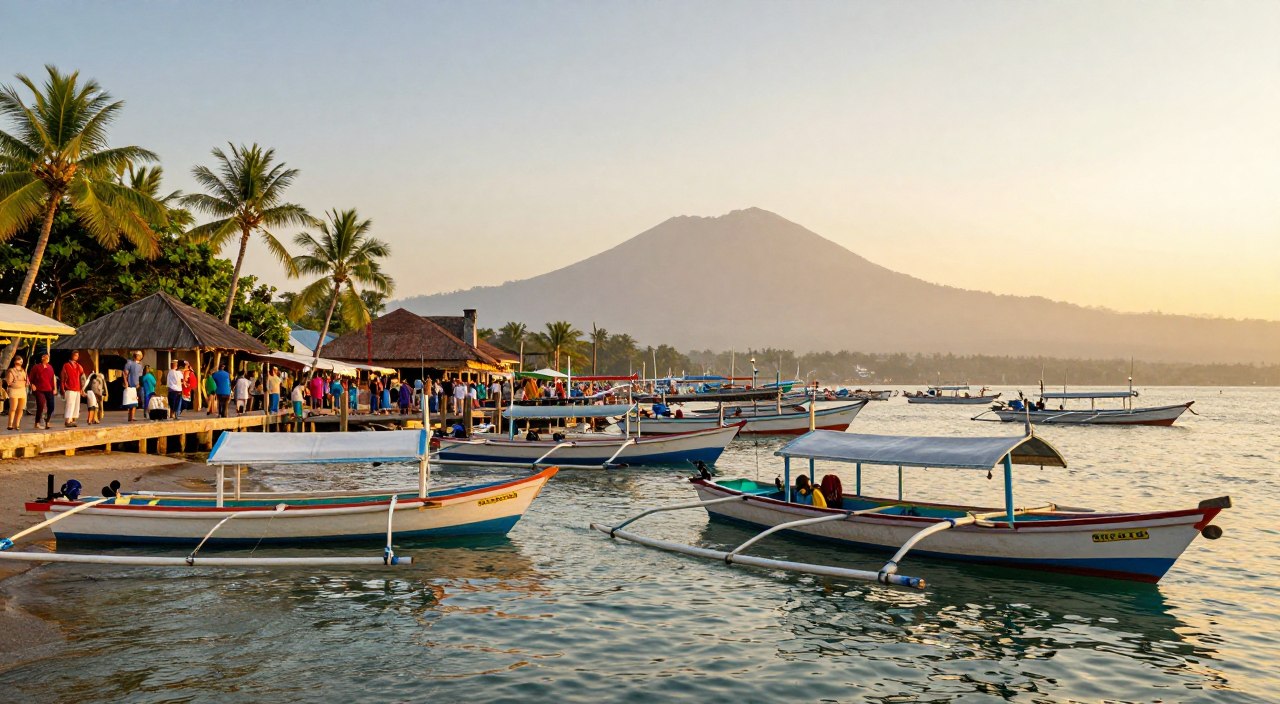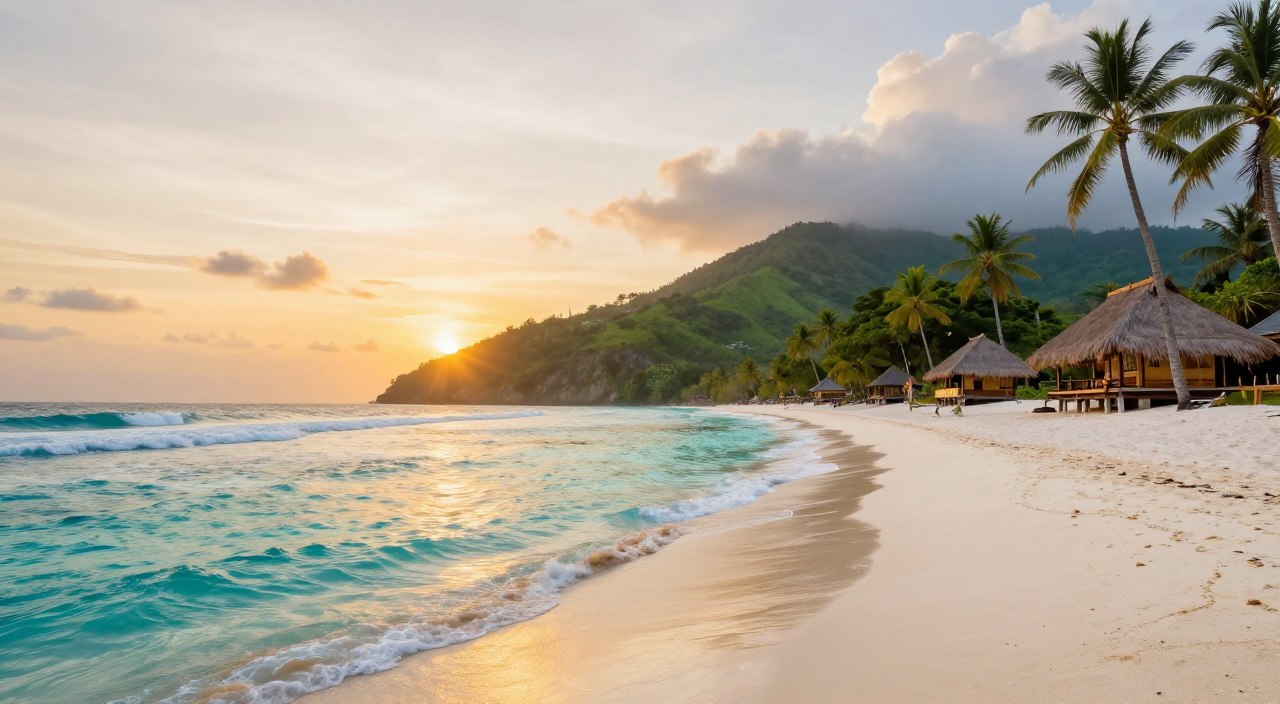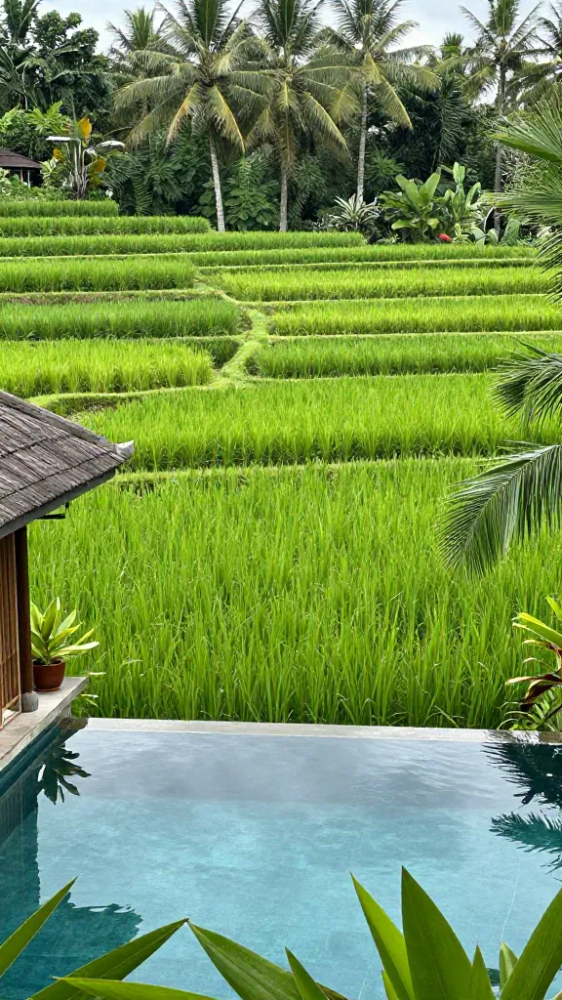
Most travelers plan their trips around the peak season, but they often end up stuck in massive crowds. Choosing the right month can save you money and stress while giving you a more authentic experience. This list covers 16 reasons why shoulder season Bali travel delights, showing you how to find the best time to visit Bali with family without the heavy rain or high prices.
1. Lower prices for luxury villas
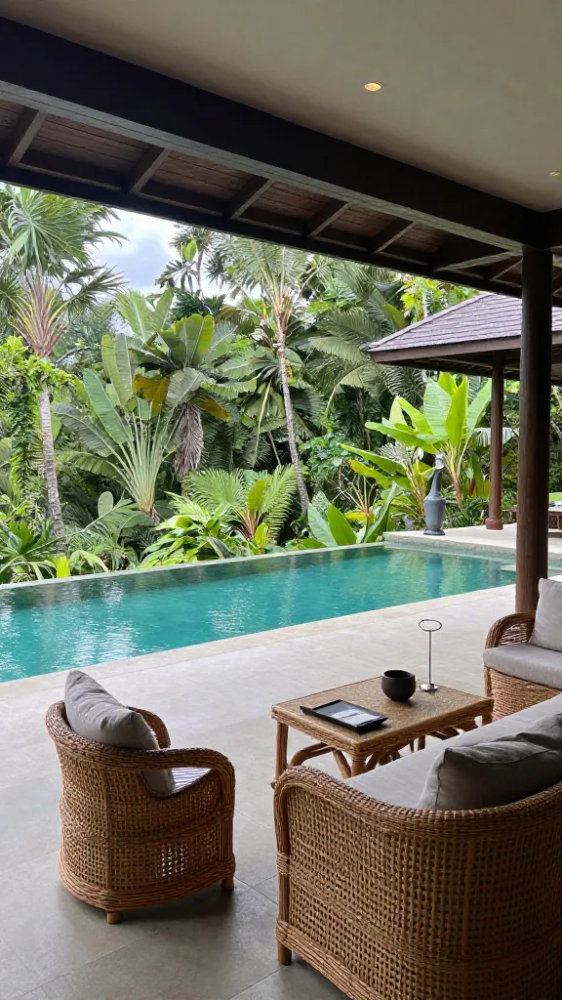
Booking a high end stay during the peak months of July or August often feels like throwing money into a bonfire. You end up paying double for the same private infinity pool and jungle view that costs a fraction of the price just a few weeks later.
During the shoulder season, those stunning five bedroom estates in Uluwatu or Canggu often see price drops of thirty to fifty percent. It is the best time to upgrade your shoulder season Bali travel itinerary without actually spending more than your original budget.
You can often score a villa that includes a private chef and 24 hour security for the price of a standard hotel room in Sydney or London. Since occupancy is lower, many owners are happy to negotiate even deeper discounts if you stay for more than four nights.
Check sites like Airbnb or local management agencies about two months before you fly. You will find that luxury properties which are usually booked a year in advance suddenly have gaps in their calendars that they are desperate to fill.
2. Quieter beaches with fewer crowds
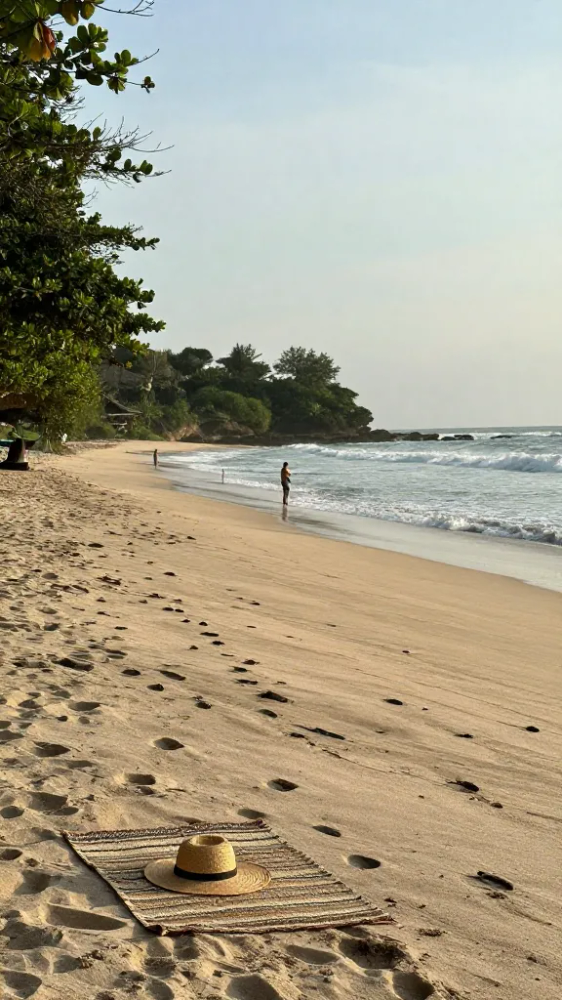
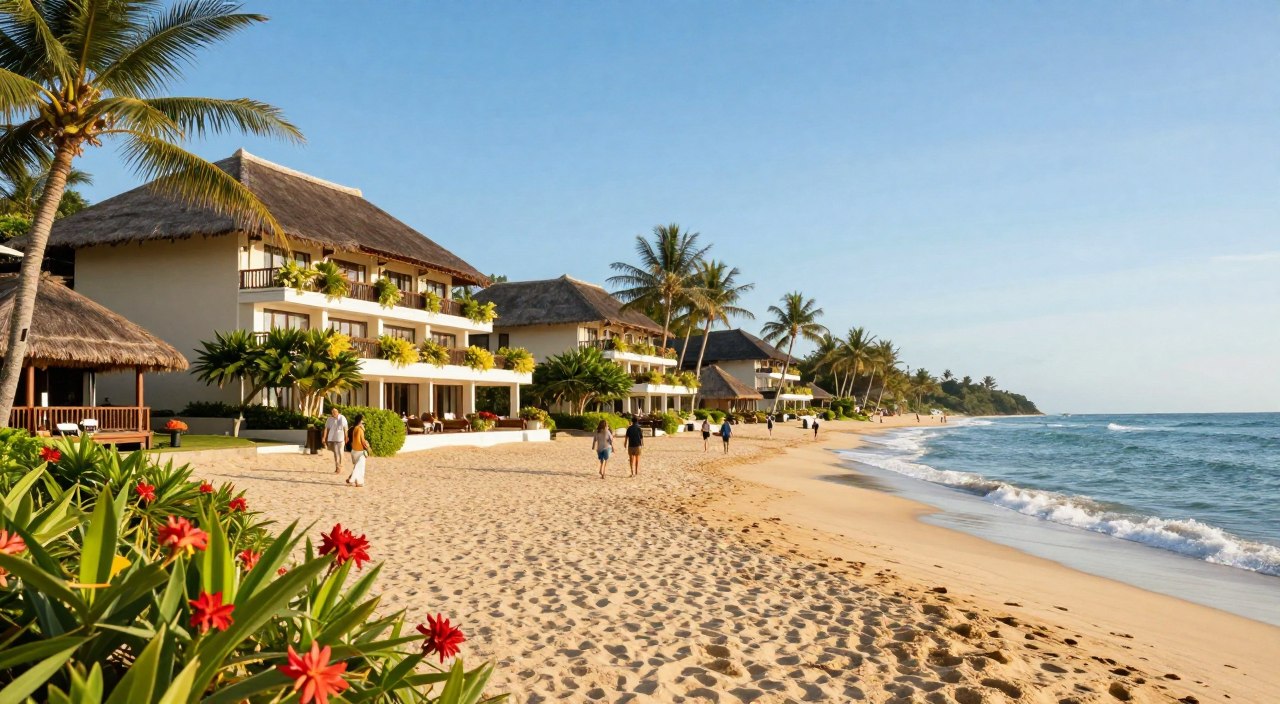
Imagine walking onto Bingin Beach in May and actually finding a patch of sand that isn’t crowded with selfie sticks. You can drop your towel right by the water without worrying about kicking a stranger in the head.
The vibe shifts from a chaotic party to a genuine coastal escape. You’ll spend less time navigating around crowds and more time watching the surfers hit the reef breaks in peace.
| Feature | Peak Season (July-Aug) | Shoulder Season (Apr-June) |
|---|---|---|
| Beach Space | Packed shoulder to shoulder | Plenty of room to spread out |
| Photo Ops | Wait in lines for 20 minutes | Instant access to the best views |
| Vibe | Frantic and loud | Chilled and local |
Planning your shoulder season Bali travel itinerary around these quiet windows makes a massive difference in your stress levels. You can snag the best beanbags at the beach clubs without a reservation.
The water stays crystal clear, but the noise drops significantly. It feels like you’ve stumbled onto a secret version of the island that most tourists never get to see.
3. Perfect balance of warmth and breeze

The shoulder season weather in Bali hits that sweet spot where you aren’t constantly dripping in sweat or hiding from a monsoon. You get plenty of those bright blue skies for beach days, but a steady wind keeps the humidity from feeling suffocating.
It is a massive relief compared to the worst time to travel to Bali, which is usually the peak of the rainy season in January. During these transition months, the air feels crisp enough to actually enjoy a long walk through the Tegallalang rice terraces without needing a cold shower immediately after.
Evening temperatures drop just enough that you can sit at an outdoor warung comfortably. You won’t be fighting for a spot under a high speed fan just to eat your satay. It is the only time of year where the tropical heat feels like a gift rather than an endurance test.
4. Easier reservations at top restaurants
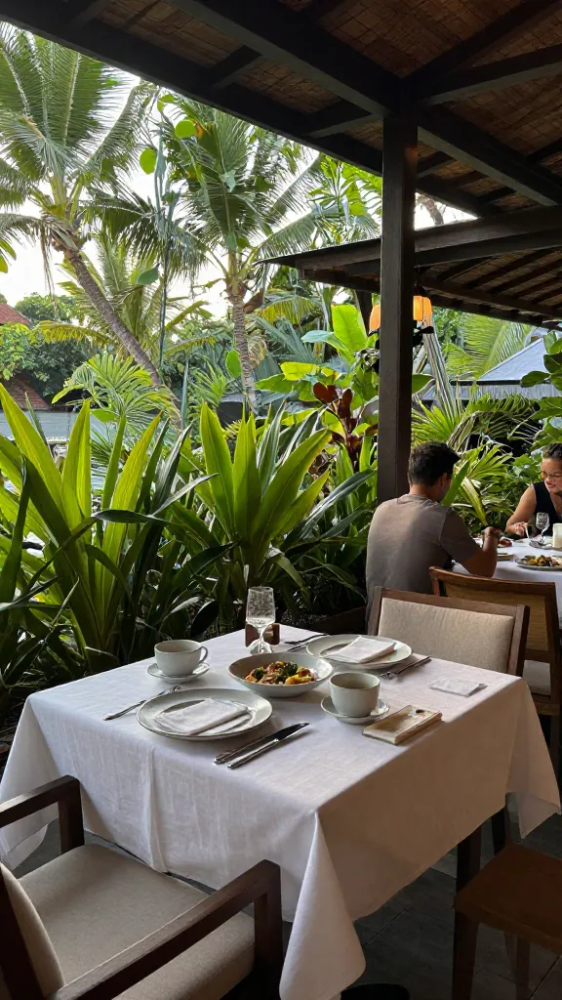
Trying to snag a table at Mason in Canggu or Locavore in Ubud can feel like a full time job during the peak summer months. If you visit during the worst time to travel to Bali, you’ll likely find yourself on a three week waiting list or stuck eating dinner at 5:00 PM just to get a seat.
Shoulder season changes the math entirely for foodies. Since the crowds have thinned out, you can often book a prime time table just a day or two in advance. You get the same world class service and menu quality without the frantic energy of a packed dining room.
- Walk into popular beach clubs like La Brisa without needing a pre-paid daybed reservation.
- Score the best sunset views at cliffside bars in Uluwatu without arriving three hours early.
- Enjoy quieter dining rooms where the staff actually has time to explain the local ingredients.
It makes your nights much more spontaneous when you don’t have to plan every single meal weeks before you even board your flight.
5. Romantic privacy for honeymoon couples

If you’re looking for that secluded getaway vibe, the months of May or October are your best bet. You won’t have to fight for the best sun loungers at a private villa in Uluwatu or wait an hour for a table at a candlelit dinner.
The crowds thin out significantly during these windows, which means staff at high end resorts can actually focus on your experience. You’ll get those petals in the bathtub and personalized service without the rush of a hundred other guests demanding the same thing.
The Bali temperature by month stays fairly consistent during the shoulder season, hovering around 27 or 28 degrees Celsius. This weather is perfect for long, quiet walks on the beach where you might be the only two people for a mile.
You can book a private pool villa in Ubud and actually enjoy the silence of the jungle instead of hearing neighboring tourists. It feels like the island belongs specifically to you, making everything feel much more intimate and special.
6. Shimmering green rice paddies in November
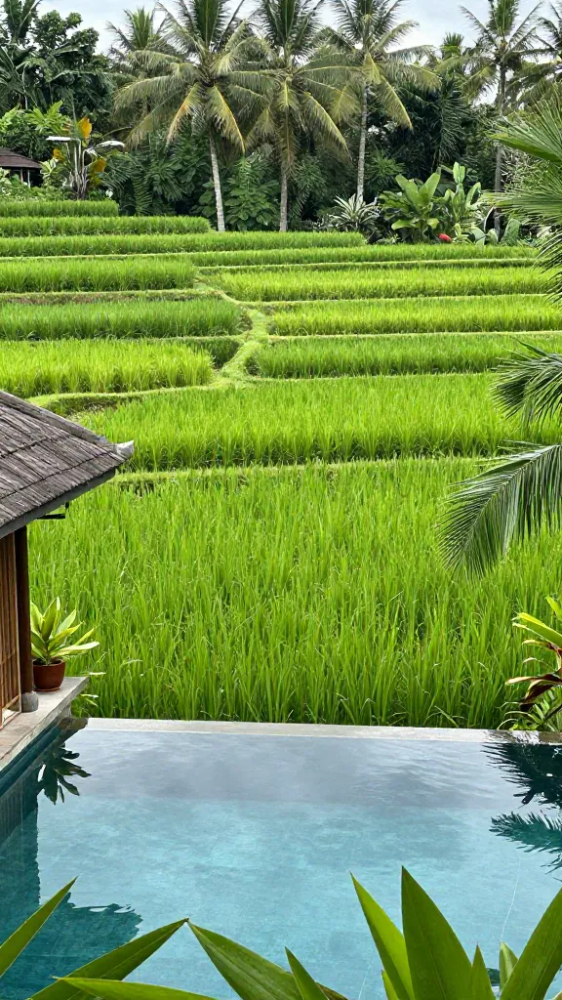
November marks the start of the rainy season, which turns the entire island into a vivid, glowing emerald. While most people fear the rain, it actually creates the most photogenic version of the Tegalalang and Jatiluwih terraces.
The Bali temperature by month usually stays steady, but November brings a humid heat that makes the afternoon showers feel like a needed break. You get to see the stalks at their tallest and most vibrant before the big harvests begin.
- The frequent afternoon rain showers act as a natural filter that makes the green hues pop against the dark soil.
- Crowds at the famous viewpoints are much thinner, so you can actually walk the narrow ridges without bumping into other tourists.
- Local farmers are often out working the land, providing a real look at the subak irrigation system in action.
- The mist that clings to the valley floors after a storm creates a moody, ethereal look that you just won’t see in the dry season.
Watching the clouds roll over the palm trees while you sip a coffee is a highlight of this time of year. It is the perfect window to see the landscape at its peak vitality before the weather gets too unpredictable in December.
7. Faster travel times on local roads

During the Bali peak season, getting from Canggu to Uluwatu can easily eat up three hours of your afternoon. You’ll spend most of that time staring at the exhaust pipe of a parked scooter while the humid air hangs heavy around you.
Contrast that with the shoulder season, where those same gridlocked shortcuts through the rice fields actually move. You can zip from a cafe in Berawa to a sunset spot in the south without losing half your daylight to the Bali peak season traffic surge.
I recommend skipping the enclosed private cars and renting a scooter if you’re comfortable riding. Since the roads aren’t choked with tour buses, you can navigate the backstreets of Ubud or Kerobokan with much less stress. It makes a huge difference when you can actually reach your dinner reservation on time without leaving two hours early.
8. Better deals on private tour guides

Booking a personal driver is the best way to see the island, but prices skyrocket when every tourist is fighting for the same car. During the Bali peak season, drivers are often booked out weeks in advance and rarely budge on their daily rates. In the shoulder months, the power shifts back to you because these local experts are looking to fill their calendars.
You can often negotiate a full day trip to places like the Sidemen rice terraces or the Uluwatu cliffs for significantly less than the standard high season price. Since they aren’t rushing to get to their next client, your guide will likely spend more time showing you the hidden spots that don’t make it onto the typical tourist maps. It’s a much more relaxed vibe when your driver isn’t checking his watch every ten minutes to beat the Bali peak season traffic jams.
To get the best price, just message a few drivers on WhatsApp a day or two before you want to head out. You’ll find that many are happy to offer a discount for a multi day booking since it guarantees them steady work during the quieter weeks. This extra cash you save usually covers a nice seafood dinner on the beach in Jimbaran later that night.
9. Short rain showers that cool everything
| Feature | Wet Season Storms | Shoulder Season Showers |
|---|---|---|
| Duration | Heavy rain for hours | Quick 20 minute bursts |
| Air Quality | Muggy and thick | Crisp and refreshing |
| Planning | Washes out the day | Perfect for a quick coffee break |
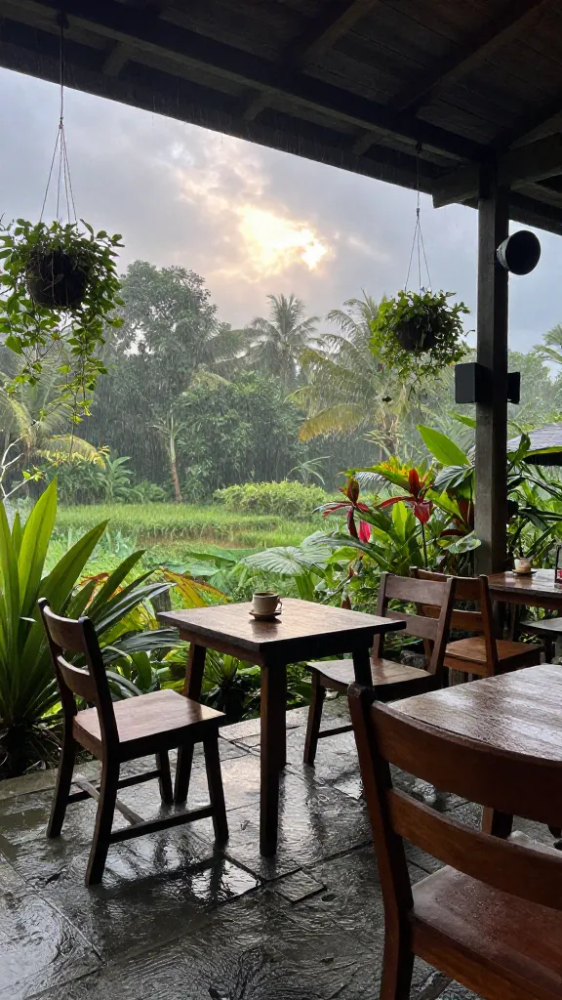
You’re sitting at a cafe in Ubud when the sky turns a deep charcoal color. Within minutes, a sudden downpour hits the zinc roofs, creating that specific tropical soundtrack we all love. These brief bursts are a blessing because they cut through the humidity instantly.
If you’re looking for the best time to visit Bali with family, these predictable afternoon rinses are ideal. They force everyone to slow down and grab a gelato or a fresh juice while the streets get a good scrubbing. By the time you’ve finished your snack, the sun is usually back out and the dust has settled.
The temperature often drops by five or six degrees, making the evening walk to dinner much more comfortable. You won’t find yourself sweating through your clothes quite as fast. It makes the best time to visit Bali with family even better since kids tend to get less cranky when the air feels this fresh.
10. Relaxed atmosphere at popular holy temples
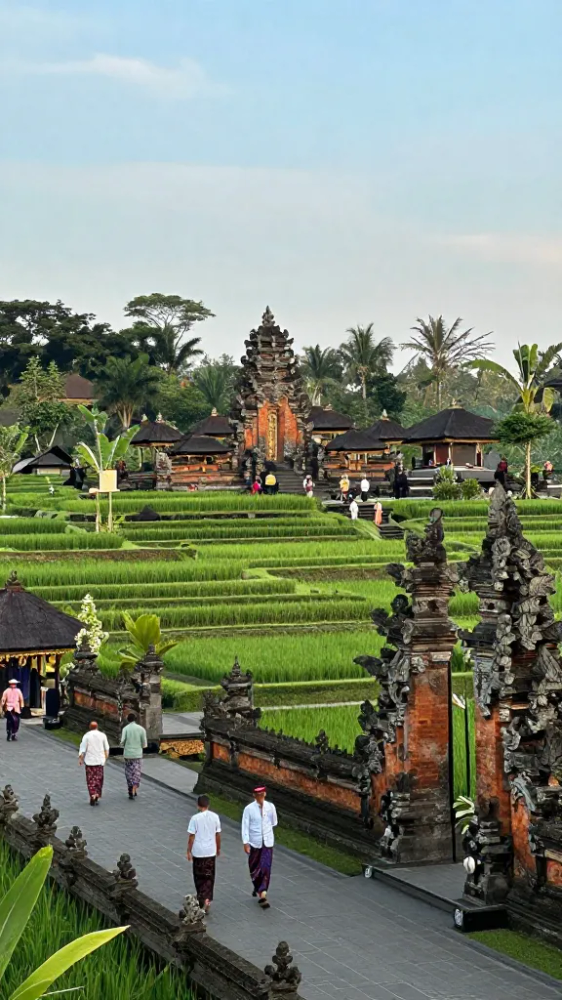
Walking through Pura Besakih or Tanah Lot during the shoulder season feels like you’ve been handed a private key to the island. You won’t have to dodge selfie sticks or wait in long queues just to see the intricate stone carvings.
The quiet surroundings make this the best time to visit Bali with family since kids have space to move without getting lost in a sea of tourists. You can actually hear the priests chanting and the soft ring of the prayer bells across the courtyards.
Instead of rushing through Uluwatu Temple to beat the crowd, you can sit on the cliff edge and watch the waves in peace. The monkeys are generally calmer when there aren’t hundreds of people crowding their space for photos.
It’s the perfect window for a best time to visit Bali with family trip because the cooler, quieter mornings allow for genuine reflection. You get to witness real ceremonies happening at a natural pace rather than a staged performance for a massive audience.
11. Ideal conditions for family outdoor activities
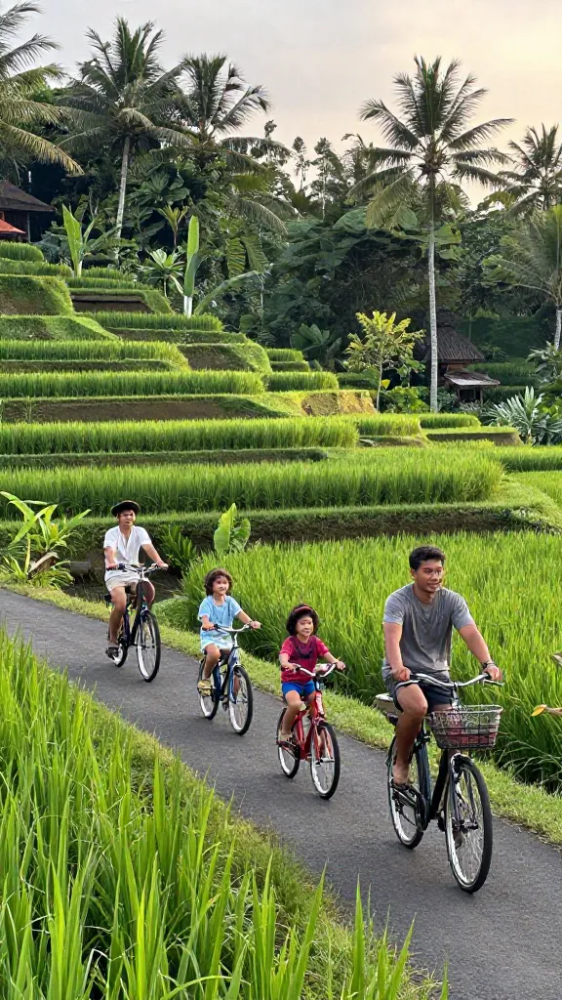
Dragging kids through the sweltering humidity of July or August often leads to mid day meltdowns and exhaustion. During the shoulder months of May or October, the lower humidity and gentle breezes make it much easier to spend the whole day outside without feeling drained.
The milder weather creates a perfect environment for active families who want to hike through the Tegallalang rice terraces or bike around Ubud. It is also arguably the best time to visit Bali for honeymoon couples who want to enjoy the scenery without the intense peak season crowds or torrential rain.
- Plan your outdoor adventures for the early morning when the air is crisp and the light is soft for photos.
- Take advantage of the calmer seas for beginner surfing lessons at Canggu or snorkeling in Padangbai.
- Visit popular spots like the Sacred Monkey Forest in the late afternoon to enjoy cooler temperatures and shorter lines.
You get the benefit of dry skies and comfortable temperatures, making it easy to keep everyone in the family happy and active. It really is the sweet spot for balancing adventure with a relaxed pace.
12. Clear water for snorkeling and diving
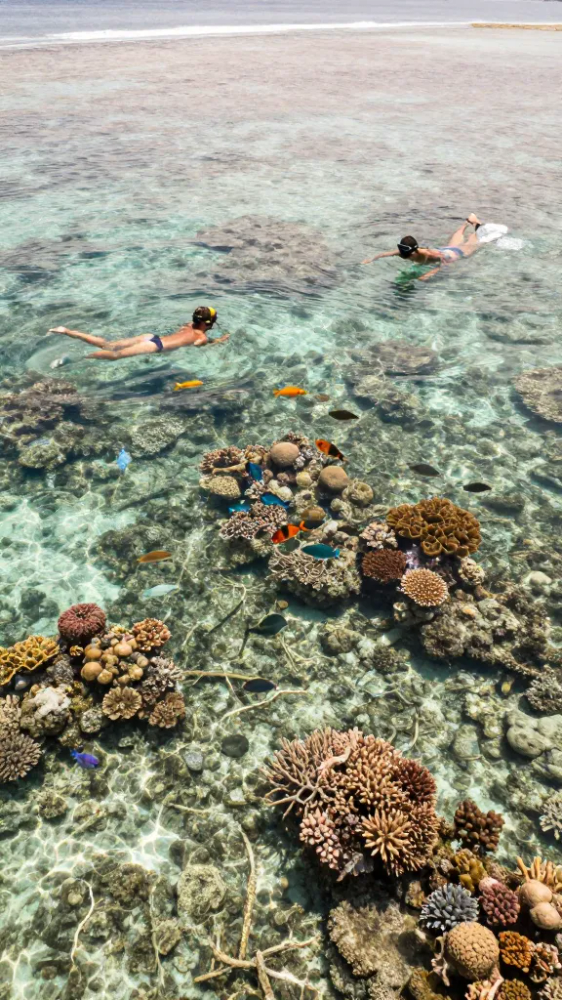
If you’re wondering when the ocean is at its absolute clearest, you want to aim for those sweet spot months like May or September. The lack of heavy rain means there’s less runoff from the rivers, so the visibility around Amed and the Gili Islands stays incredible. It’s easily the best time to visit Bali for honeymoon couples who want to spend their days floating over vibrant coral reefs.
I’ve spent hours out at Menjangan Island during the shoulder season and could see straight down to the sea floor from the boat. The water is usually calm and glassy, making it much easier to spot sea turtles and colorful nudibranchs without fighting a heavy swell. You won’t have to deal with the murky silt that often kicks up during the peak monsoon months.
Since the crowds are thinner, you’ll often have the best dive sites mostly to yourself. This makes the experience feel way more intimate and personal compared to the mid-summer rush. It really is the best time to visit Bali for honeymoon adventures if you value quiet moments underwater without dozens of other snorkelers splashing around you.
13. More availability at boutique surf camps

Trying to book a spot at a popular surf retreat in Canggu or Uluwatu during July is usually a nightmare. You often have to plan six months ahead just to get a basic room, but Bali in November changes the math entirely.
Since the peak season crowds have thinned out, those small, high end camps actually have room to breathe. You can snag a bed at a place that usually stays fully booked, giving you a much better chance at a personalized experience.
- Choice of rooms: You can actually pick the poolside suite instead of being stuck with whatever leftover bunk is available.
- Better coach ratios: With fewer guests on the roster, you’ll get way more 1 on 1 feedback from the instructors during your morning sessions.
- Spontaneous bookings: You don’t need a rigid itinerary, so you can wait to see where the swell is hitting best before committing to a stay.
- Quiet communal spaces: The yoga decks and lounge areas feel like private sanctuaries rather than crowded hostels.
This slower pace means the staff are less stressed and have more time to share local secrets. It’s the best way to score that intimate, community feel that makes Bali in November so special for surfers.
14. Vibrant local festivals without the tourists
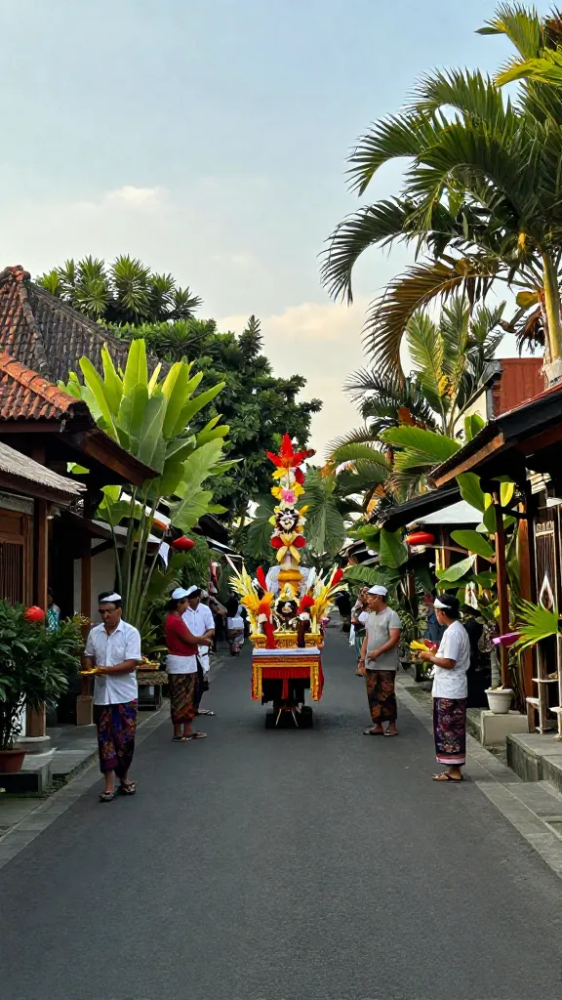
Most people try to time their trip for the massive Bali Spirit Festival or the crowded arts festivals in June. You end up fighting for a view behind hundreds of camera lenses and paying triple for a stool at a local cafe.
If you visit during Bali in November, you’ll find much smaller village ceremonies that feel intimate and real. You can sit on a curb in Sanur or Ubud and watch a local procession without a wall of tourists blocking your sight.
I recommend skipping the ticketed stadium shows and looking for temple anniversaries called Odalan instead. You get to see the real Balinese devotion, the smell of incense, and the intricate offerings without the commercial noise of the high season.
Traveling during Bali in November lets you be a quiet observer rather than just another face in a crowd. It’s the best way to see the island’s soul while the pace of life feels calm and respectful.
15. Stunning sunsets with dramatic cloud patterns
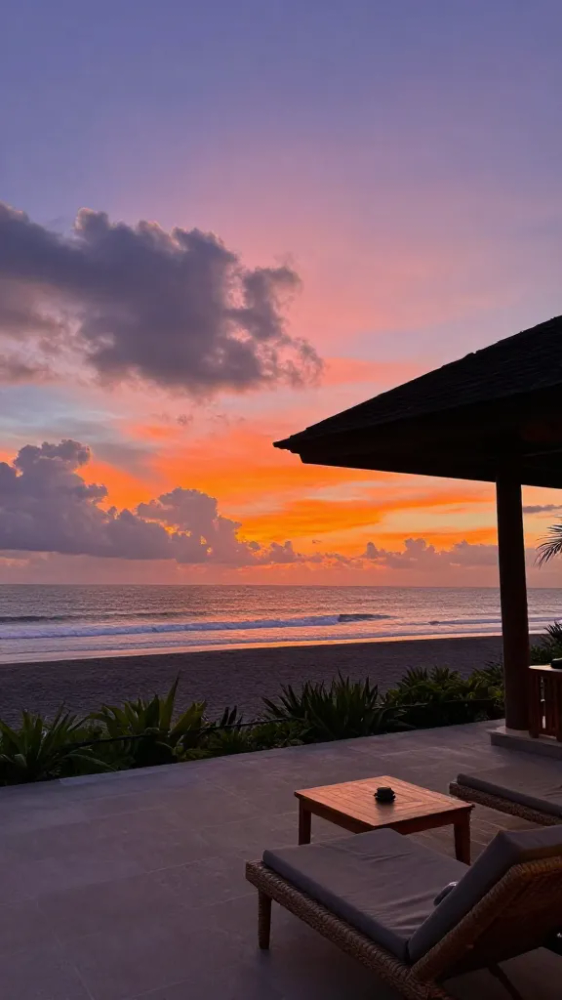
Most travelers obsess over clear blue skies, but they’re missing out on the best light shows of the year. The transition months bring towering cloud formations that catch the light in ways a cloudless sky simply can’t. Without these clouds, the sun just slips away into a flat horizon without much fanfare.
During the shoulder months, you get these massive, puffy cumulus clouds that turn deep shades of violet and burnt orange as the sun dips. It’s the perfect balance before the heavier Bali rain by month averages really start to peak in December. You’ll get enough moisture in the air to create those vivid colors without getting soaked every afternoon.
Head down to the beach at Batu Belig or find a high ridge in Munduk around 5:30 PM to catch the full display. The reflection off the wet sand or rice paddies adds a double layer of color to your photos. It’s the kind of natural drama that makes pulling over on your scooter totally worth it.
16. Stress-free booking for last-minute flights
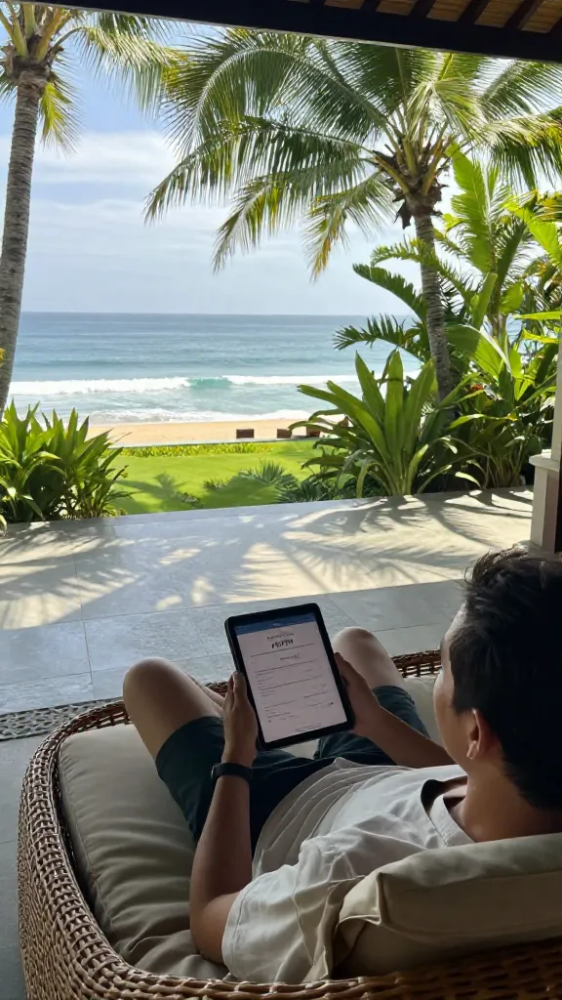
Imagine waking up on a rainy Tuesday in Sydney and deciding you need a Bintang by the pool by Thursday. During peak months, this dream usually dies the moment you see the “sold out” signs or the four-figure price tags for a simple economy seat.
Shoulder season changes the math entirely because planes aren’t packed with school holiday crowds. You can actually find a last-minute seat without draining your savings account or flying through three different countries just to get to Denpasar.
| Feature | Peak Season | Shoulder Season |
|---|---|---|
| Flight Availability | Book months ahead | Book days ahead |
| Middle Seat Risk | Very High | Much Lower |
| Price Spikes | Extreme | Moderate |
Since the Bali rain by month starts to pick up slightly in October or May, many travelers get scared off and stay home. This hesitation is your best friend when it comes to snagging a bulkhead seat or an exit row at the 11th hour.
You won’t have to refresh booking sites every twenty minutes hoping for a cancellation. The flexibility to fly on a whim means you can check the weather forecast and time your arrival for a clear, sunny stretch between the light tropical showers.
Wrapping Up
Choosing the right months can make or break your trip. These 16 reasons why shoulder season Bali travel delights show that you do not have to fight crowds to have a great time. It is easily the best time to visit Bali with family because the weather stays nice and prices drop. Start looking at flights now so you can experience the island without the stress.