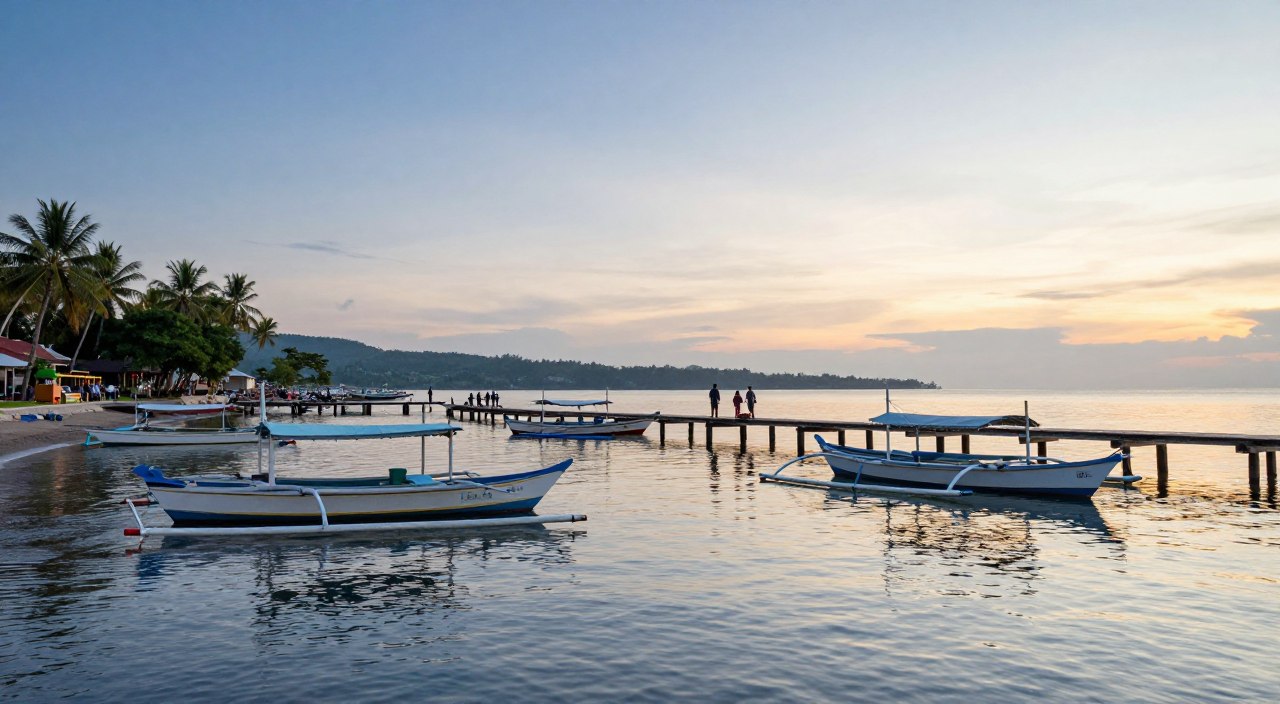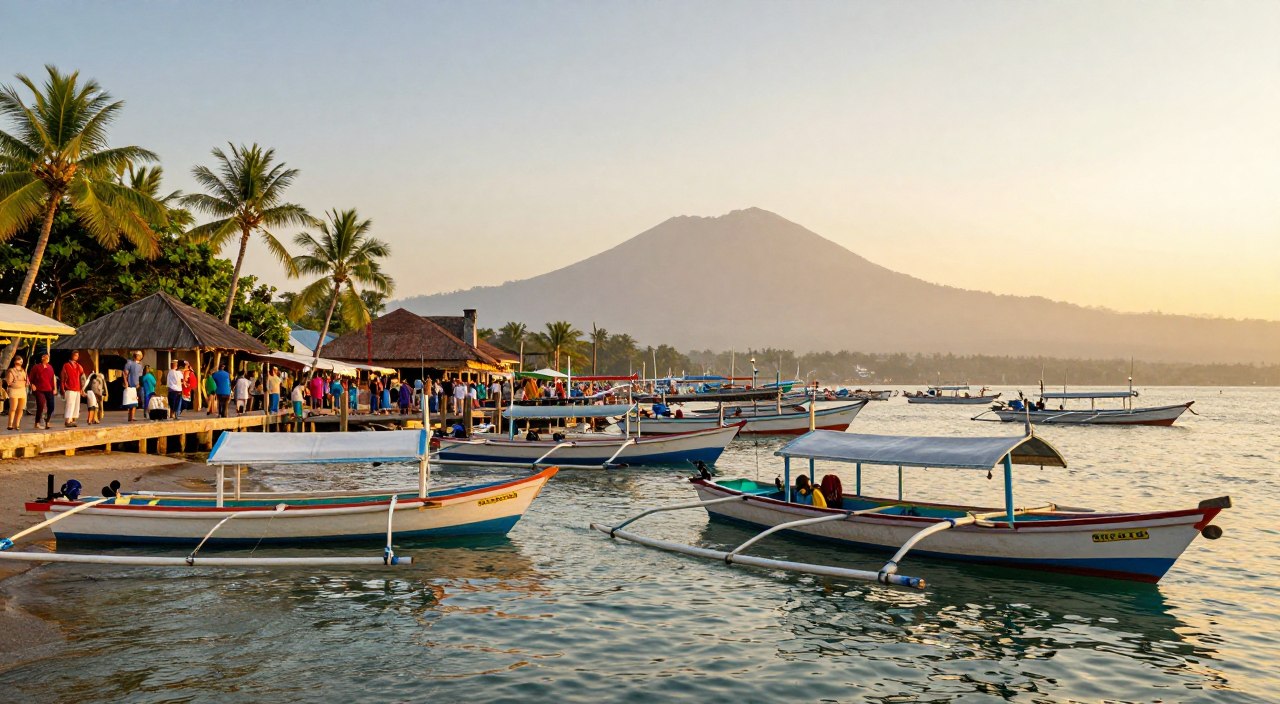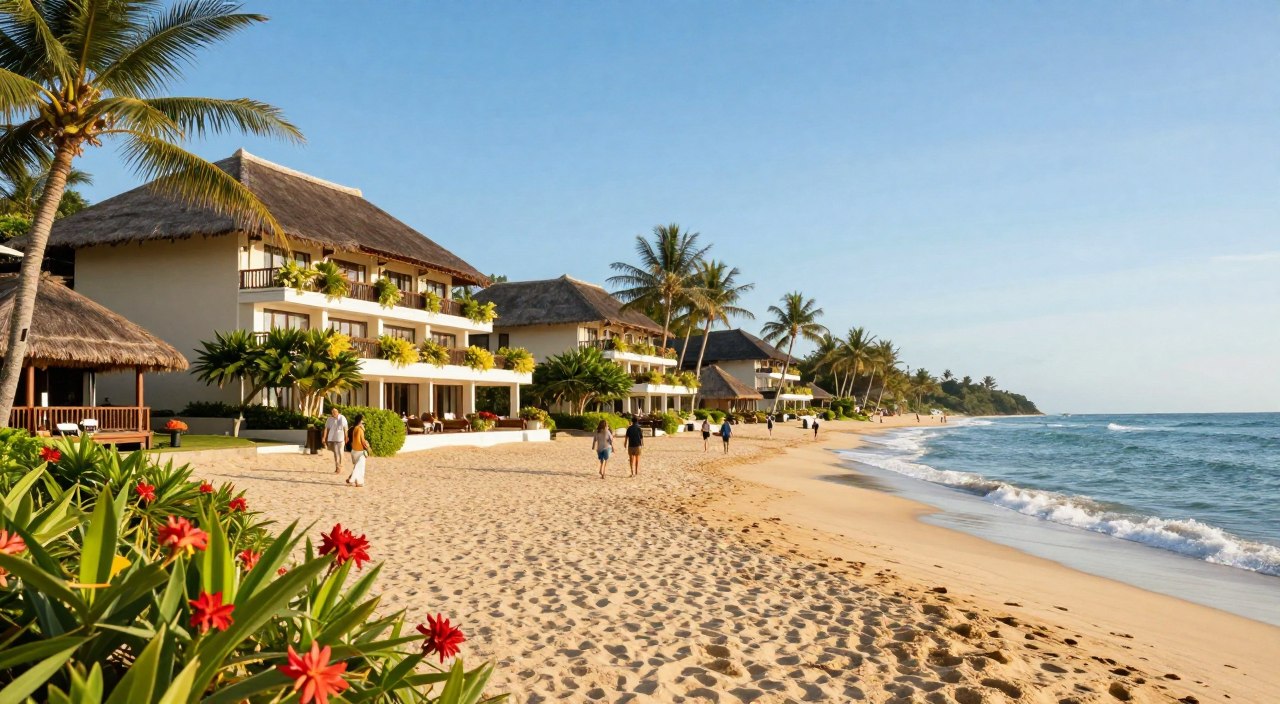
Bali is beautiful but the crowds can easily ruin your peace of mind. Choosing the right time to visit is the only way to avoid long lines and packed beaches. This guide shares 16 dates to steer clear of crowds while visiting Bali so you can enjoy the island without the stress. You will also learn about the rainy season in Bali to help you plan a much better trip.
1. Early January After New Year Peaks
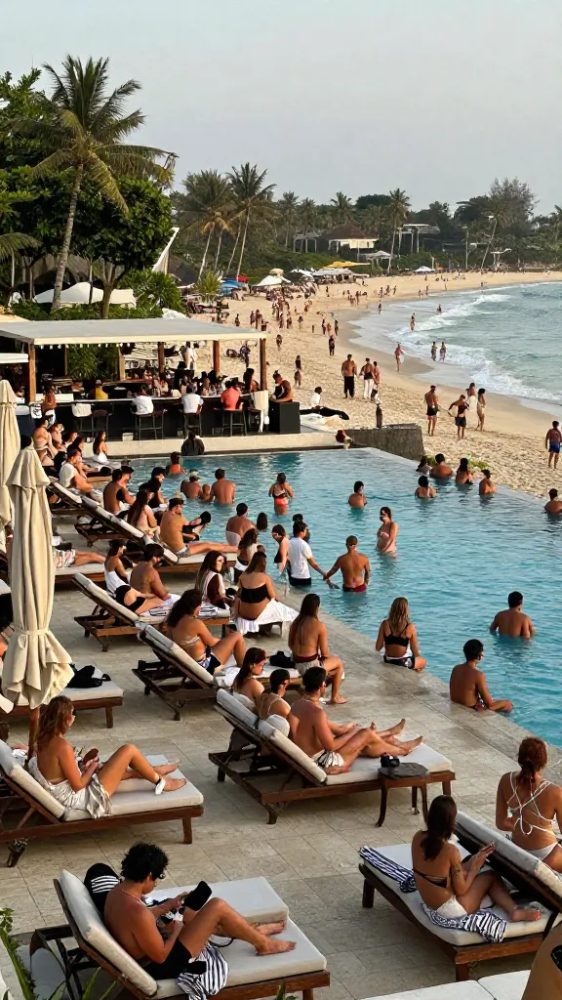
Most travelers think the chaos ends as soon as the clock strikes midnight on New Year’s Eve. In reality, the first week of January is often the worst time to travel to Bali because everyone is nursing a hangover and trying to squeeze in one last beach day.
Traffic in areas like Canggu and Uluwatu stays completely gridlocked through at least January 5th. You’ll find that beach clubs are still charging premium entry fees and restaurants require reservations days in advance. It takes twice as long to get anywhere, which eats up your precious vacation time.
If you wait until the second week of the month, the atmosphere shifts instantly. Families head back for the start of the school year and the digital nomad crowd finally settles back into a routine. You can enjoy the same tropical weather without the shoulder-to-shoulder crowds at the popular sunset spots.
2. Late February During Low Season

Imagine sitting at a beach bar in Canggu without having to fight for a stool or wait an hour for a taco. By late February, the holiday rush is long gone and the Chinese New Year crowds have already headed home.
While many people call the rainy months the worst time to travel to Bali, they’re usually just thinking about the weather. If you don’t mind a quick afternoon storm, you get the island almost entirely to yourself.
| Feature | Late February | Peak July |
|---|---|---|
| Traffic | Moving freely | Gridlock |
| Hotel Rates | 40-50% off | Premium pricing |
| Vibe | Quiet and local | Party central |
You’ll find that villa prices drop significantly during this window because occupancy hits a yearly low. It’s the perfect time to book that high end place in Uluwatu that usually costs a fortune.
The rain keeps the landscape incredibly green and the waterfalls are flowing at full strength. Just pack a light poncho and enjoy having the Tegalalang rice terraces without a sea of selfie sticks in your way.
3. Midweek March Before Nyepi Preparations
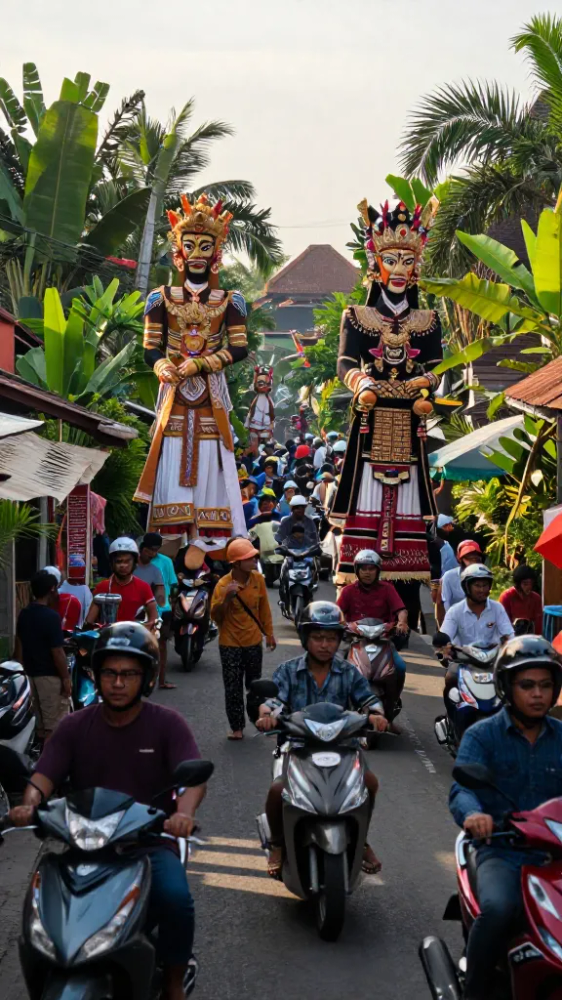
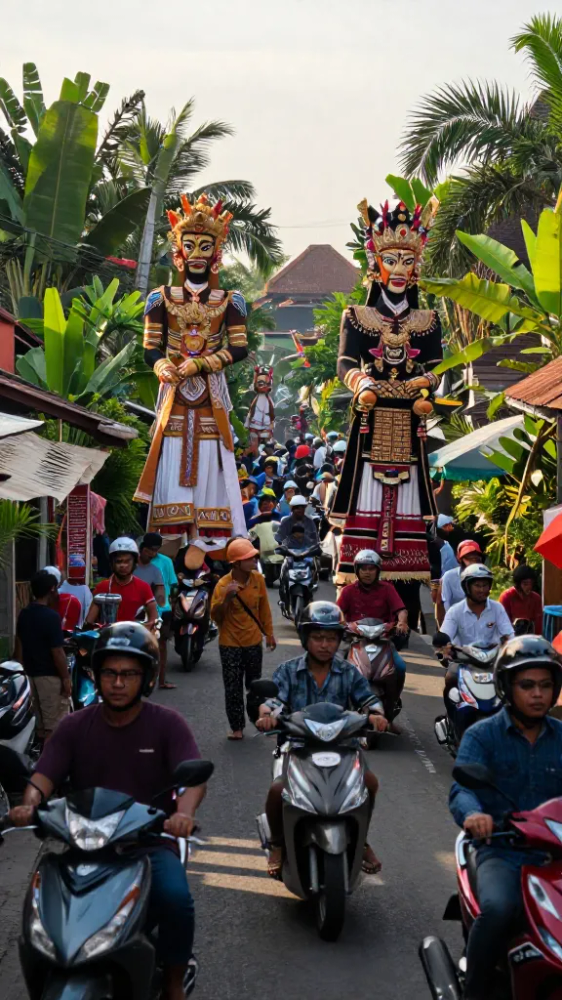
The three days leading up to Nyepi are a logistical nightmare for anyone trying to navigate the island. Local communities take over the main roads to move massive Ogoh-Ogoh statues, which makes getting to the airport or your hotel nearly impossible.
You’ll find that traffic hits a standstill in hubs like Ubud and Seminyak as residents prepare for the silent day rituals. Since the Bali temperature by month stays high in March, sitting in a gridlocked taxi for three hours is an exhausting way to spend your afternoon.
Most shops start closing early to let staff participate in village ceremonies, so your dining and grocery options become limited. It’s better to arrive at least a week before the holiday or wait until the festivities settle down completely.
4. Late April After Easter Holidays
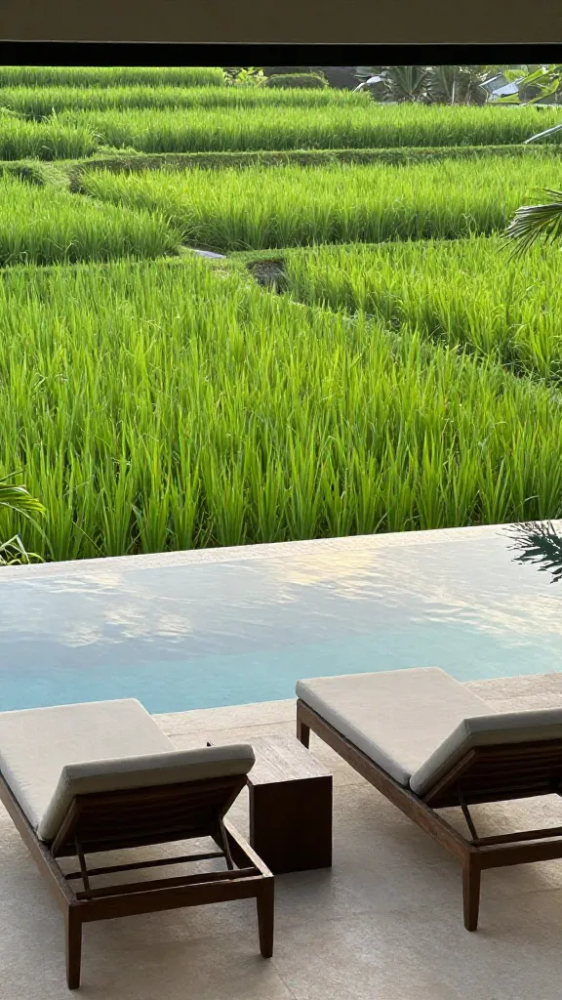
Target the sweet spot right after the Easter crowds fly home. You’ll find that hotel rates drop significantly and the popular beach clubs in Canggu actually have breathing room again.
The weather is a major factor here since the Bali temperature by month starts to stabilize in April. You are catching the tail end of the rainy season, meaning everything is lush and green but the heavy downpours are mostly over.
- Book your villas for the last week of April to catch the lowest shoulder season prices.
- Visit the Tegalalang Rice Terraces early in the morning to have the views mostly to yourself.
- Enjoy the 28 to 30 degree Bali temperature by month average without the humidity levels of January.
- Take advantage of shorter wait times at popular cafes like Revolver or Sisterfields.
It is the perfect window to see the island before the massive waves of Australian winter travelers arrive in June. You get the best of the tropical weather without having to fight for a spot on the sand.
5. Early May Before Summer Tourists Arrive
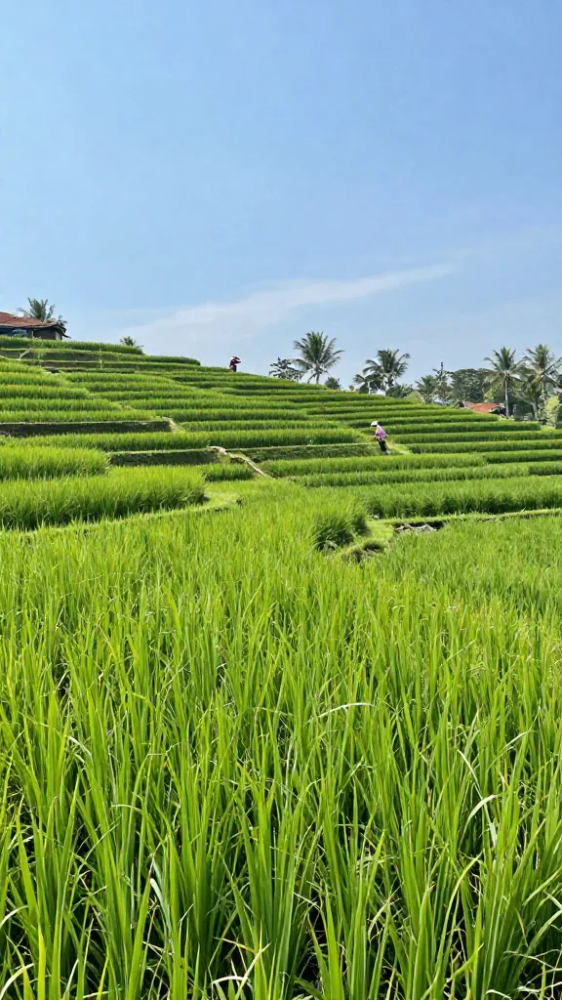
You’ll find that the first two weeks of May are the sweet spot for beatng the heavy crowds. The rainy season has usually cleared out, leaving the rice terraces in Ubud looking incredibly vibrant and green. It’s the perfect window before the massive waves of Australian and European travelers land for their mid year breaks.
The weather stays consistently warm, but you won’t deal with the sticky humidity that hits earlier in the year. Since this period technically falls during the start of winter in Bali, the air is much crispier and more comfortable for hiking Mount Batur. You can actually snag a table at popular beach clubs in Canggu without booking days in advance.
Hotel prices haven’t spiked to their peak season rates yet, so your budget goes much further. You’ll notice the traffic on the roads near Uluwatu is actually manageable, which is a rare treat. It feels like the island is taking a deep breath before the July madness starts, making it the best time for a quiet getaway.
6. Mid-June Weekdays For Cooler Weather

Most travelers head to the island in July and August, but they miss out on the sweet spot that happens just a few weeks earlier. Mid-June marks the beginning of winter in Bali, which means the humidity drops and the air feels surprisingly crisp.
You can walk through the streets of Ubud without breaking a sweat by noon. It is the perfect window to enjoy the outdoors before the heavy school holiday crowds arrive from Australia and Europe.
- The low humidity makes long scooter rides through the rice terraces much more comfortable.
- You’ll find that popular cafes in Canggu have plenty of open tables during the Tuesday to Thursday window.
- Accommodation prices stay lower for a few more weeks because the peak season rates haven’t kicked in yet.
- The breezes during winter in Bali keep the mosquitoes away, which is a huge relief when dining outside.
If you stick to the weekdays, you’ll avoid the local weekend traffic heading to the beaches. It is honestly the best time to see the island at its most peaceful state.
7. Late September As High Season Ends
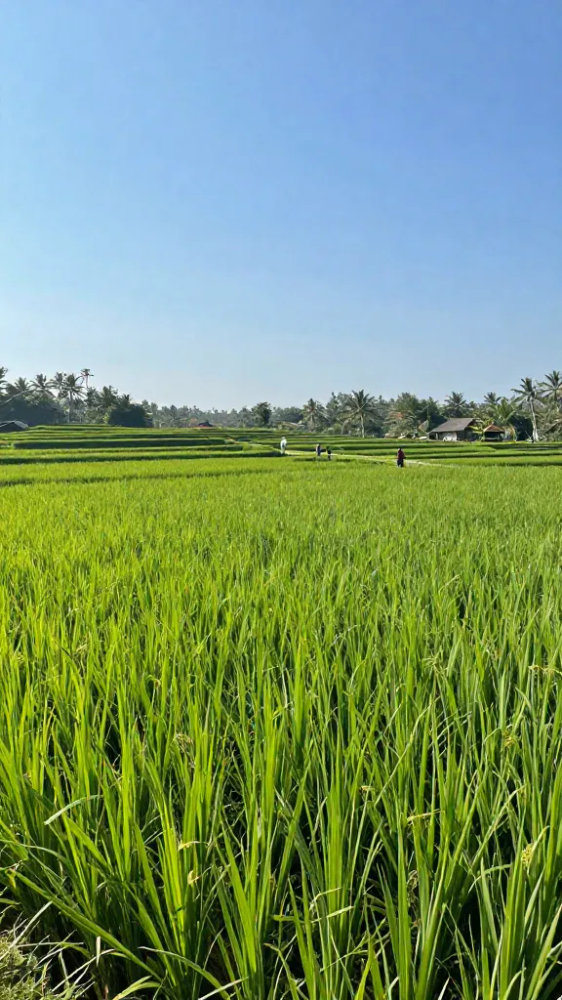
Most travelers try to time their visit for the peak summer months to guarantee sunshine and clear skies. While the weather is perfect, you’ll end up fighting for space at every Canggu cafe and waiting in long lines for photos at Lempuyang Temple.
If you wait until the end of September, the dry season is still hanging on but the massive crowds have mostly headed home. You get the same blue skies as August without the shoulder-to-shoulder traffic in Ubud. It’s a sweet spot where hotel prices start to dip before the rainier period of Bali in November arrives.
I suggest skipping the July rush and booking your flight for the last two weeks of September instead. You’ll find it much easier to grab a front-row beanbag at a beach club in Uluwatu. The vibe is significantly more relaxed and your budget will stretch much further on villas.
8. Early October Before The Rainy Season

The sweet spot for visiting happens right as the Australian school holidays end. Most families fly home by the first week of the month, leaving the popular beach clubs in Canggu and Uluwatu surprisingly quiet.
You get the benefit of dry, sunny weather without fighting for a sunbed or waiting an hour for a table at a cafe. The humidity hasn’t quite hit its peak yet, so it’s still comfortable to hike around the Tegallalang rice terraces.
Timing your trip now lets you beat the transition to Bali in November when the daily monsoon rains usually begin. You’ll find that hotel rates start to dip significantly before the wet season fully kicks in. It’s the best time to snag a private villa in Ubud for a fraction of the July price.
9. The First Week Of November

| Feature | Early November | Late December |
|---|---|---|
| Crowd Density | Very Low | Extremely High |
| Accommodation Price | Budget Friendly | Peak Season Rates |
| Cafe Availability | Walk-in Ready | Reservations Required |
You can walk into a popular spot like Kynd Community in Seminyak during this window and get a table immediately. Most travelers have cleared out after the mid-year rush, and the Christmas crowd hasn’t arrived yet.
It is arguably the best month to visit Bali if you want to see the rice terraces without a hundred other people in your selfie. The humidity starts to climb, but the heavy monsoon rains usually haven’t kicked in full force quite yet.
You’ll find that villa owners are much more willing to negotiate nightly rates during this quiet lull. Since it is the best month to visit Bali for peace, you can enjoy the beach clubs in Canggu without fighting for a daybed.
10. Mid-November For Quiet Beach Days

November is secretly the best month to visit Bali if you want to claim a stretch of sand without fighting for space. Most travelers flee because they’re scared of the rain, but the heavy downpours usually don’t start until much later in the year.
You’ll find that the beaches in Uluwatu and Canggu are surprisingly empty during the middle of the month. It’s the perfect sweet spot after the dry season crowds leave but before the holiday rush arrives in December.
The water stays warm and clear, making it an ideal time for long swims at Bingin Beach. You can easily snag a front row beanbag at a beach club without a reservation. Since it is the best month to visit Bali for peace, you can actually hear the waves instead of constant tourist chatter.
Even the local warungs have plenty of seating, so you won’t be waiting an hour for your nasi campur. Just pack a light poncho in your scooter seat just in case of a quick afternoon mist. Most days still offer plenty of sunshine for a solid tan.
11. Late November Before Holiday Prices Rise

Target the window between November 15th and the first week of December to catch the island at its quietest. You’ll avoid the massive influx of school holiday travelers from Australia and the Christmas rush from Europe.
The Bali rain by month data shows that while the wet season is starting, showers usually happen in short bursts during the late afternoon. This keeps the dust down and makes the rice paddies look incredibly vibrant for photos.
- Book boutique villas in Uluwatu or Canggu at their lowest annual rates before the mid-December price hikes kick in.
- Take advantage of empty beach clubs like Potato Head or Savaya where you can snag a daybed without a massive minimum spend.
- Visit popular waterfalls like Tegenungan early in the morning to have the entire swimming hole to yourself.
You can basically walk into the most popular cafes in Seminyak without a reservation during this specific two week gap. It is the sweet spot for anyone who wants luxury amenities on a backpacker budget.
12. Early December Before Christmas Rushes
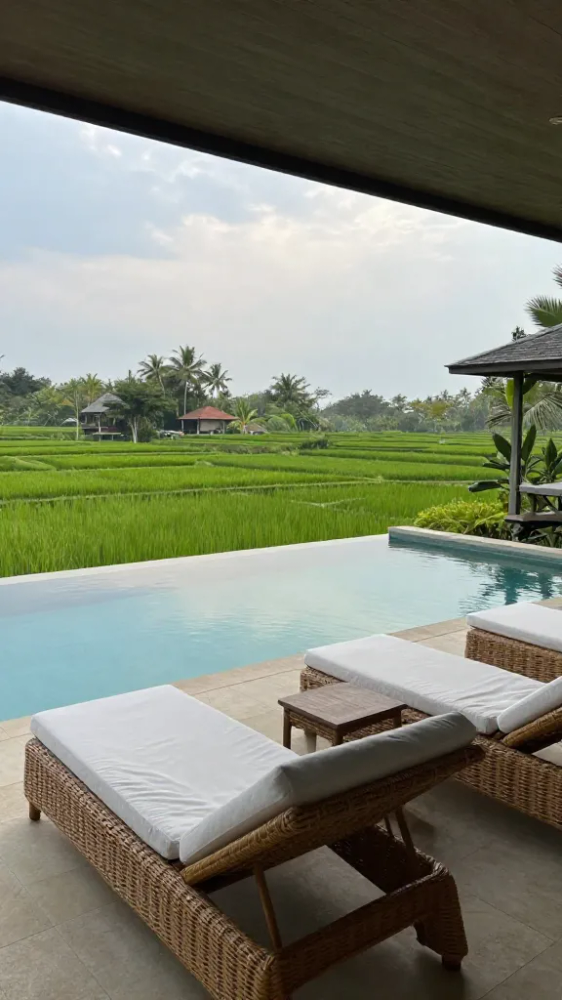
Most people think December is a total write-off for peace and quiet, but that’s actually not true if you time it right. If you land in Denpasar during the first two weeks of the month, you’ll beat the massive wave of families arriving for the school holidays. The streets in Canggu are surprisingly manageable, and you won’t have to fight for a sunbed at the beach clubs.
You should keep an eye on the Bali rain by month charts before you pack your bags. December is technically the wet season, so you’ll definitely see some tropical downpours in the afternoons. These storms usually pass quickly, leaving the air feeling fresh and the jungle looking incredibly green for your photos.
The best part about this specific window is the pricing on villas and boutique hotels. Since the Christmas rush hasn’t kicked in yet, many spots offer lower rates to fill rooms before the peak season madness starts. You get the festive decorations and holiday spirit without the shoulder-to-shoulder crowds at the Ubud markets or Uluwatu cliffs.
13. Nyepi Day For Total Island Silence

Nyepi is the Balinese Day of Silence, and it’s the one day of the year when the entire island completely shuts down. You won’t find any taxis on the road, the airport closes its runways, and even the streetlights stay off for twenty four hours.
While the cultural experience is beautiful, it can be a shock if you’re expecting a typical beach holiday. Since it often falls during the rainy season in Bali, you might find yourself stuck inside a hotel room while the clouds open up outside.
- The local authorities strictly enforce a total ban on leaving your hotel or villa grounds for the entire day.
- You won’t be able to find any open shops or pharmacies, so you have to stock up on snacks and medicine beforehand.
- Hotels must keep their lights dimmed and curtains drawn to ensure no light is visible from the street or sky.
- Internet services are often throttled or shut off across the island to encourage meditation and reflection.
If you don’t mind staying in one spot, it’s a peaceful time to watch the stars without any light pollution. Just make sure you’ve picked a resort with a great kitchen, as you’ll be relying on them for every single meal.
14. Lunar New Year Fringe Dates
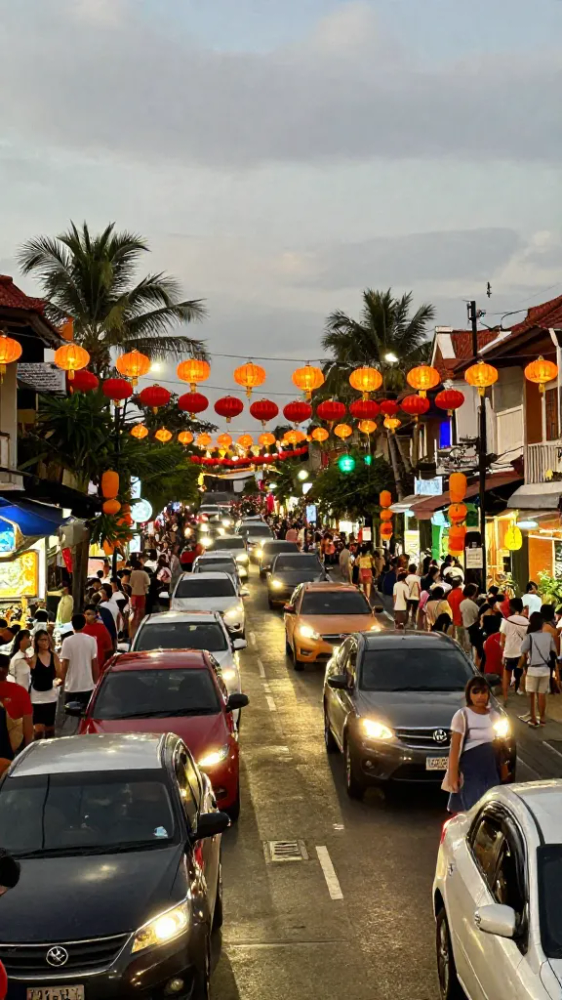
You might think visiting during the Lunar New Year is fine if you stay away from the actual holiday date. Some travelers try to time their arrival for the week right before or after the main celebration to catch the festive energy without the peak prices.
The reality is that the fringe dates are often just as packed because many regional tourists extend their stay for ten days. You will find yourself fighting for a dinner table in Seminyak or stuck in heavy traffic near the temples during the height of the rainy season in Bali.
If you have to choose, the week following the holiday is slightly better than the lead up. However, my honest recommendation is to give this entire two week window a wide berth. The humidity of the rainy season in Bali combined with massive tour groups makes for a stressful trip.
15. Shoulder Season For Romantic Honeymoons

Nobody wants their first sunset dinner as a married couple ruined by a selfie stick hitting them in the head. Planning your trip during the shoulder season ensures you get those quiet, postcard moments without the suffocating crowds of July or August.
The sweet spots fall in May, June, and September when the weather is dry and the humidity stays manageable. These months are widely considered the best time to visit Bali for honeymoon because the air is crisp and the rice terraces are vibrantly green.
You can actually snag a private villa in Ubud or Uluwatu for a fraction of the peak season price during these windows. Flights are cheaper too, which means you can spend that extra cash on a high end spa day or a private boat to the Gili Islands. You get the perfect balance of sunny beach days and intimate dinners without having to fight for a reservation.
16. Monsoon Mornings For Private Temple Visits

| Feature | Peak Season | Monsoon Mornings |
|---|---|---|
| Crowd Level | High / Shoulder to shoulder | Very Low / Private feel |
| Atmosphere | Hot and busy | Misty and quiet |
| Photo Quality | Other tourists in frame | Moody and clear views |
Picture yourself standing at the gates of Pura Kehen at 7:00 AM while a light drizzle hits the stone carvings. Most travelers stay tucked in their hotel beds during rainy mornings, leaving the courtyards completely empty for you.
The rain usually clears up by mid morning, but those early hours offer a stillness you won’t find any other time. It is easily the best time to visit Bali for honeymoon couples who want to see the architecture without fighting for a photo spot.
You can watch the local priests perform their daily rituals in total peace. This quiet window makes the island feel like it did decades ago before the massive crowds arrived. If you’re looking for the best time to visit Bali for honeymoon memories, don’t let a little morning rain scare you away from the temples.
Wrapping Up
Choosing the right time to visit makes a huge difference for your trip. These 16 dates help you avoid the busiest crowds while still catching great weather for your vacation. Keep in mind that the best month to visit Bali usually falls in the dry season if you want to stay active. Now that you have the schedule, go ahead and book your flights with confidence.