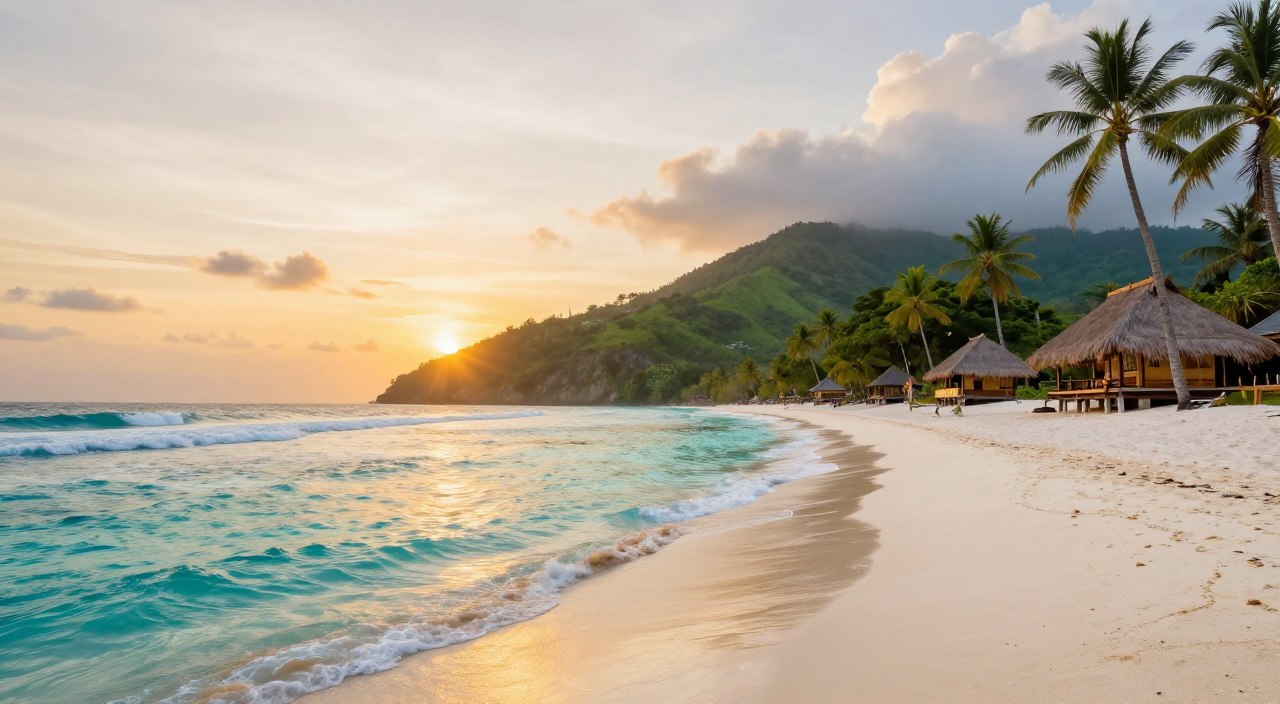
Whether you’re seeking close encounters with orangutans in their natural habitat, hoping to witness the majestic Komodo dragons, or wanting to explore vibrant coral ecosystems, this guide will help you plan a meaningful journey that balances unforgettable experiences with positive environmental impact.
Why Choose a Nature Preservation Vacation in Indonesia
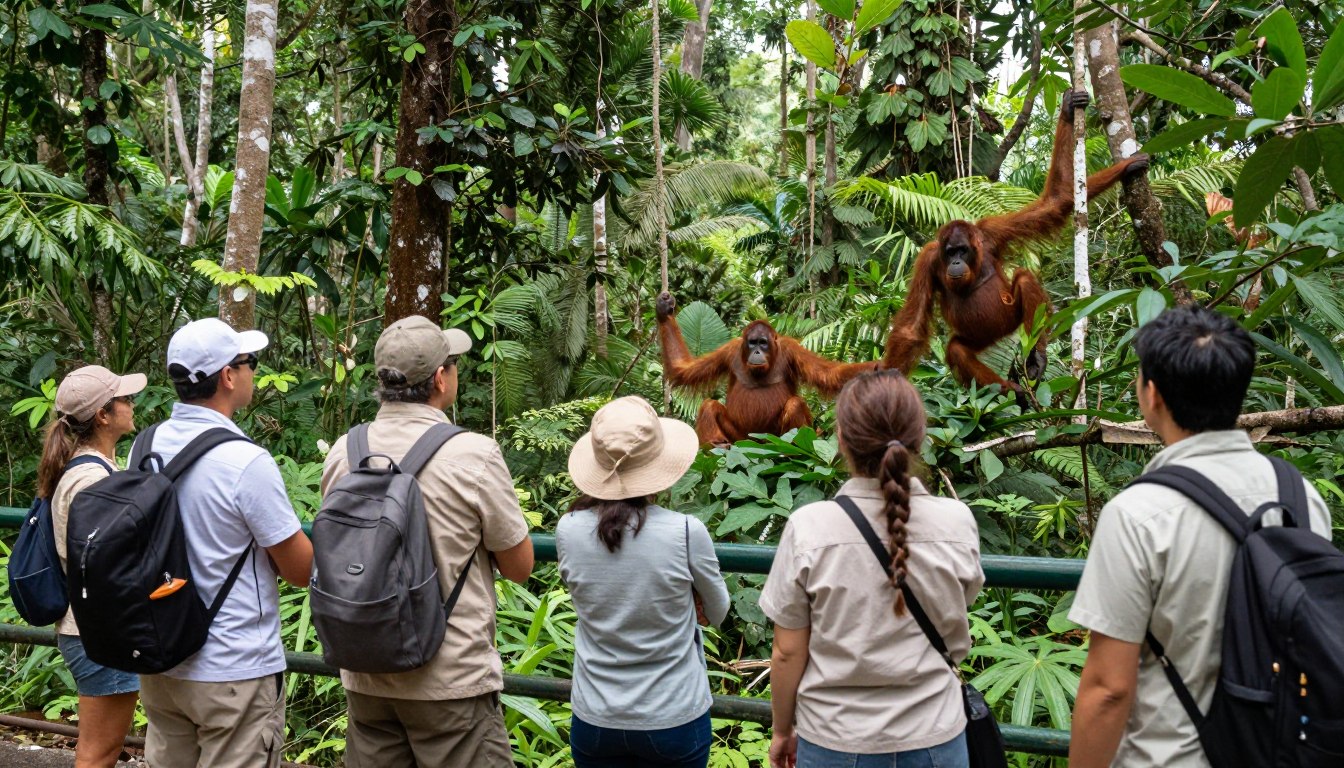
Visitors observing wildlife during a nature preservation vacation in Tanjung Puting National Park
Indonesia’s Unmatched Biodiversity and Conservation Needs
Indonesia harbors some of the world’s richest biodiversity, hosting 12% of all mammal species, 16% of reptiles and amphibians, and 17% of birds globally. This natural wealth spans across 17,000 islands, creating unique ecosystems from the rainforests of Borneo to the marine sanctuaries of Raja Ampat. However, this biological treasure faces serious threats from deforestation, poaching, and climate change.
The country’s conservation challenges are significant, with over 300 endangered species requiring urgent protection. By choosing a nature preservation vacation in Indonesia, you directly contribute to preserving these critical habitats and the creatures that depend on them.
The Rise of Sustainable Tourism in Indonesia
Sustainable tourism has grown exponentially in Indonesia, with the government implementing the CHSE (Cleanliness, Health, Safety, and Environmental Sustainability) protocols to ensure responsible travel practices. The country now ranks among the top 10 nations with the best ecotourism index worldwide.
Sustainable Travel and Tourism: Complete Guide to Responsible Tourism
This shift toward sustainability has transformed how visitors experience Indonesia’s natural wonders, with an emphasis on low-impact activities, community involvement, and conservation awareness. Many destinations now limit visitor numbers, implement strict waste management systems, and require guides trained in environmental protection.
How Your Visit Directly Supports Wildlife Conservation Programs Indonesia
When you embark on a nature preservation vacation in Indonesia, your tourism dollars flow directly into conservation biology initiatives. National park entrance fees fund ranger patrols, habitat restoration, and anti-poaching efforts. Many parks allocate 70-80% of their revenue to conservation activities.
Additionally, eco-tourism creates sustainable livelihoods for local communities, reducing their dependence on activities that harm the environment. For example, former loggers in Borneo now work as guides and conservation assistants, earning more while protecting the forest.
Ready to Make a Difference?
Your nature preservation vacation can help protect Indonesia’s incredible biodiversity while creating unforgettable memories.
Top Eco-Tourism Experiences in Indonesia for Conservation-Minded Travelers
Tanjung Puting National Park Orangutan Tours
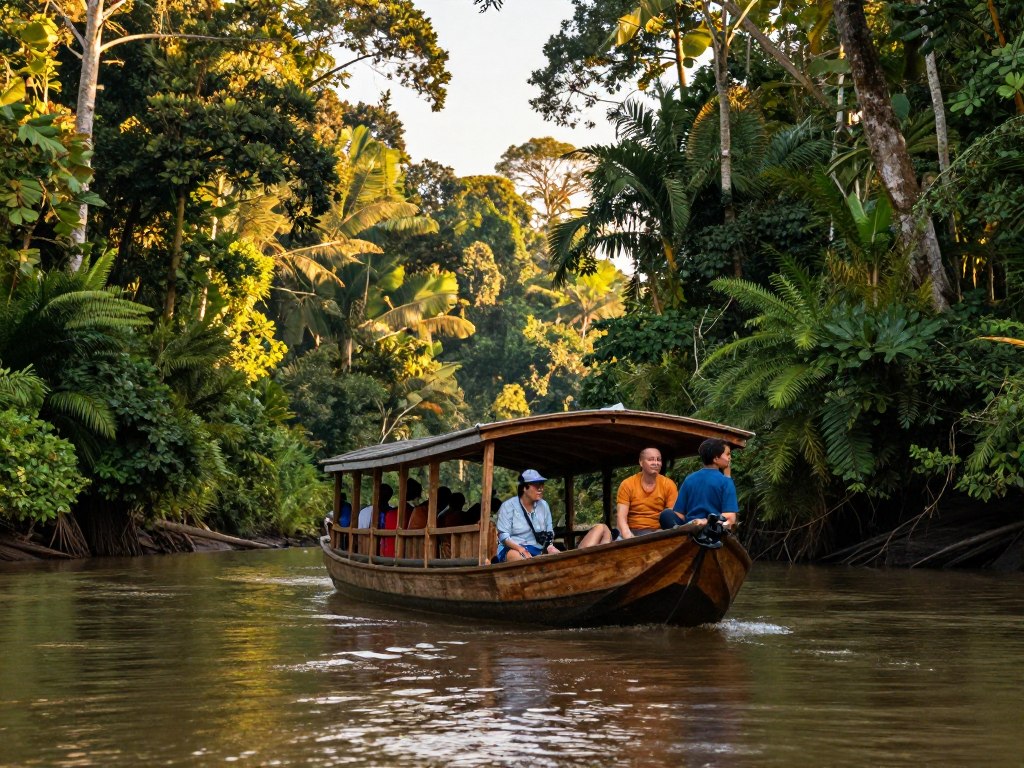
Traditional klotok boat journey along the Sekonyer River in Tanjung Puting
A nature preservation vacation in Indonesia often begins with Tanjung Puting National Park, home to the world’s largest population of wild orangutans. Your adventure starts with a traditional klotok boat river journey along the Sekonyer River, where you’ll spot proboscis monkeys swinging through the trees and crocodiles lurking in the waters.
The highlight is visiting Camp Leakey, an internationally renowned orangutan research and rehabilitation center established in 1971. Here, you can observe orangutans during feeding times and learn about crucial conservation efforts. The park implements strict visitor guidelines to ensure minimal impact on these endangered primates.
Several environmentally friendly ecolodges Indonesia options exist near the park, including Rimba Lodge and Orangutan Houseboat, which operate on sustainable principles with solar power and responsible waste management.
Komodo National Park UNESCO World Heritage Site
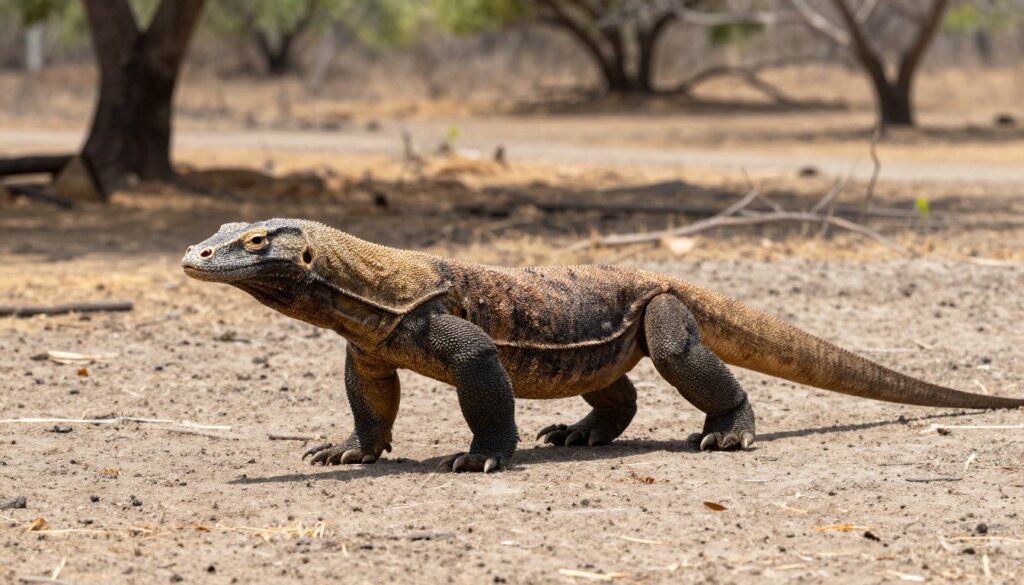
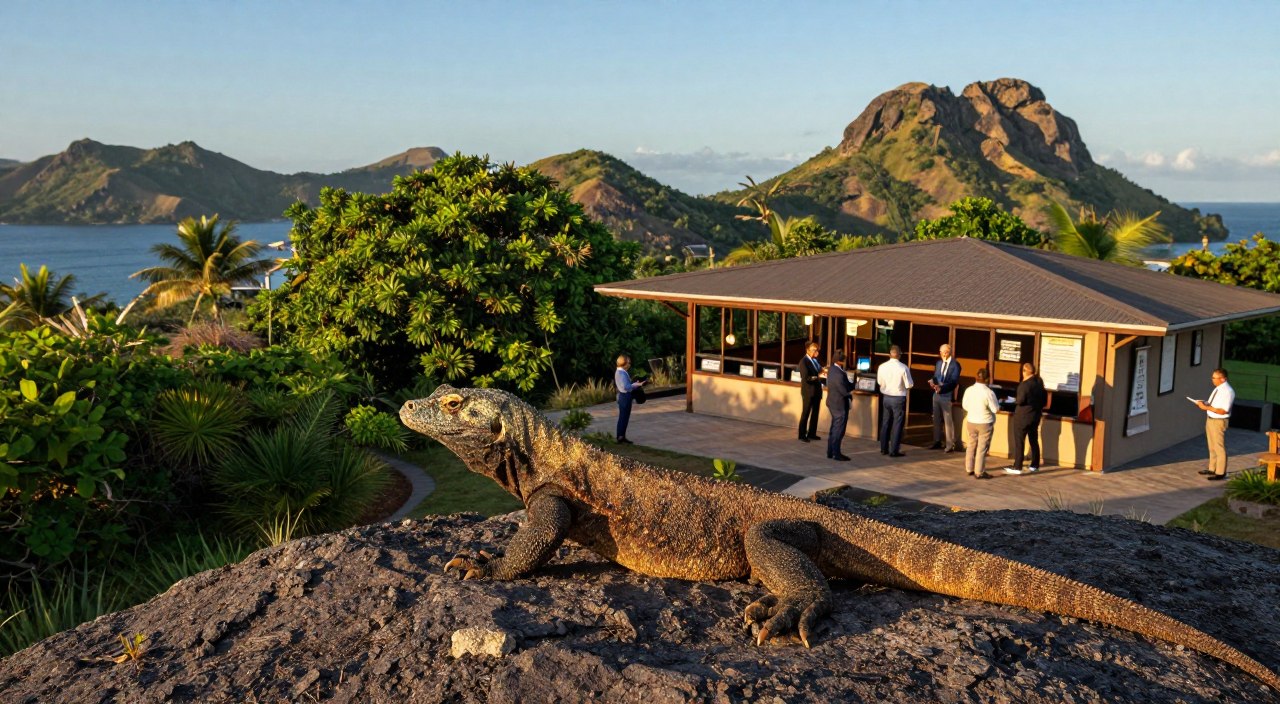
Komodo dragon in its natural habitat at Komodo National Park
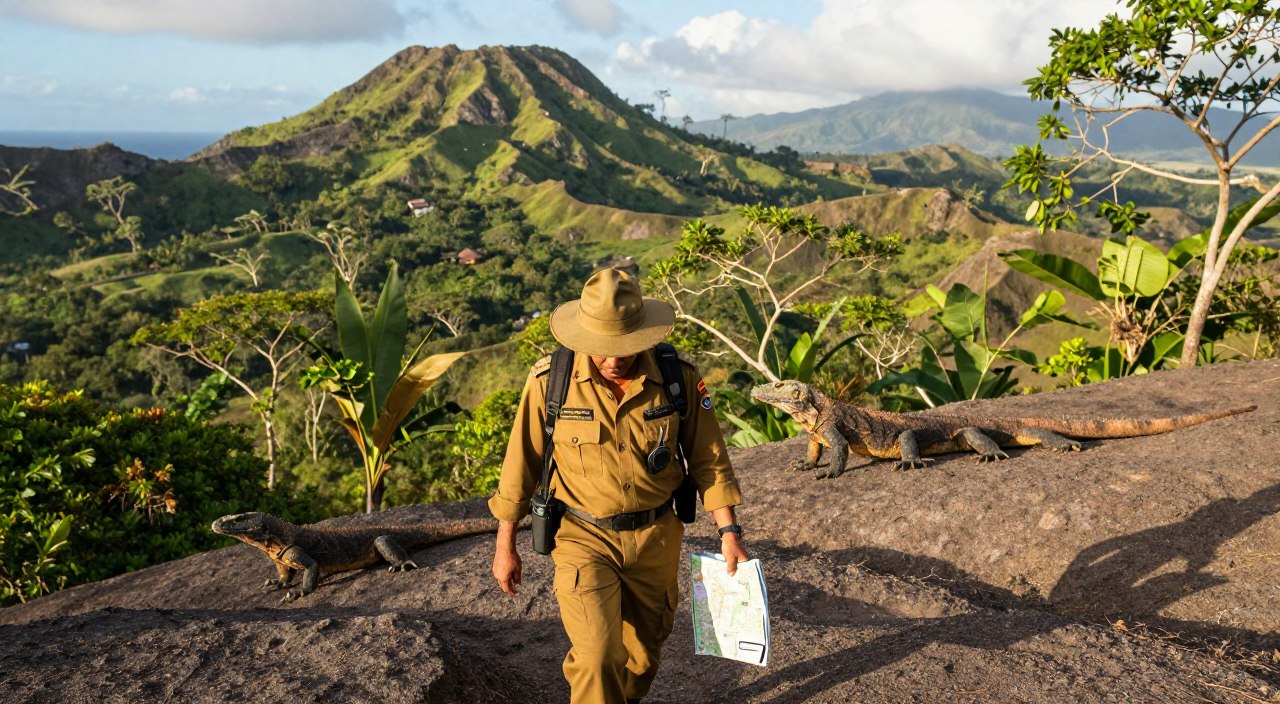
Komodo National Park offers a unique nature preservation vacation where you can encounter the world’s largest lizard, the Komodo dragon. This UNESCO World Heritage site spans several islands, including Rinca and Komodo, where approximately 2,000 dragons roam freely.
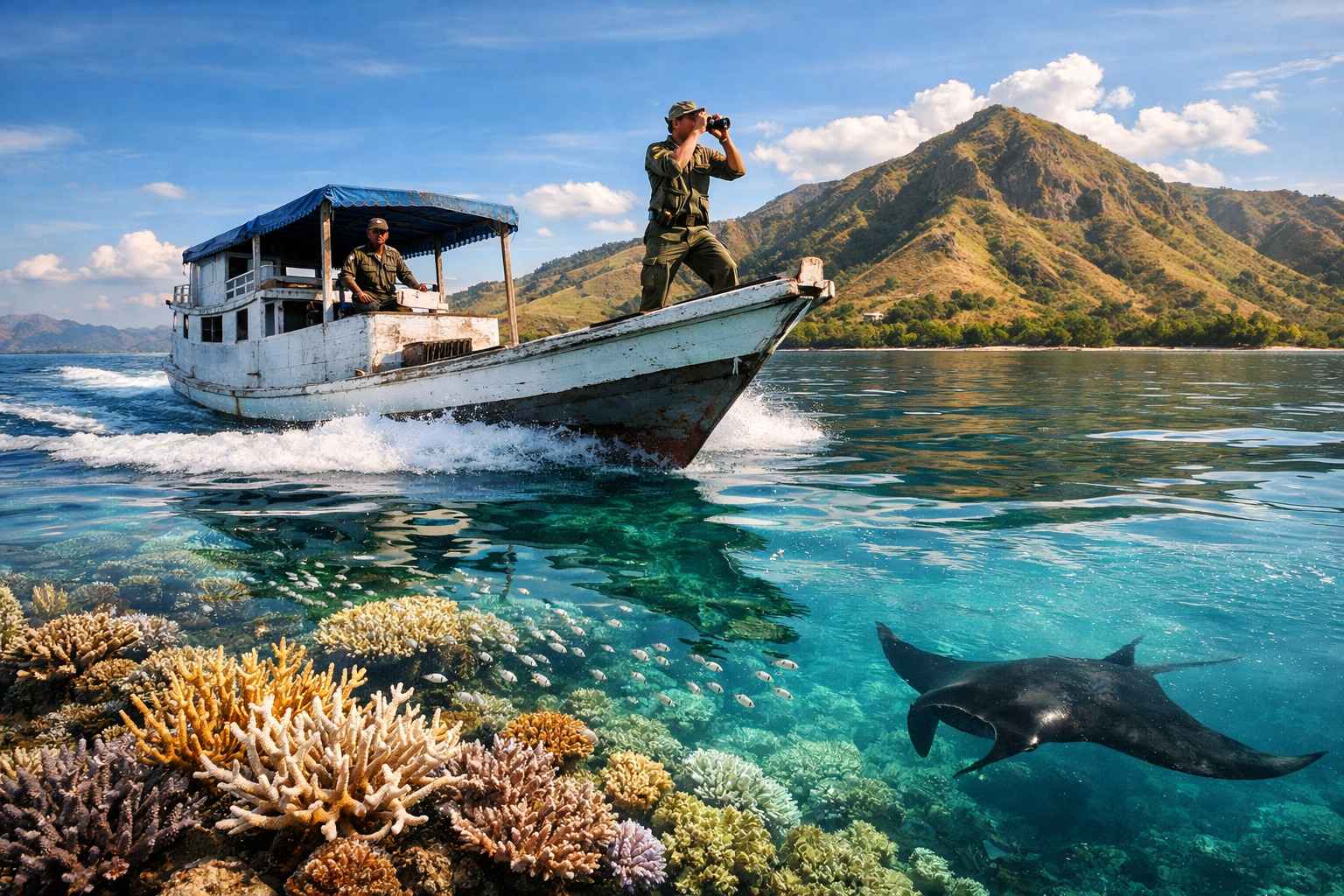
The park strictly regulates tourism to protect these ancient creatures and their habitat. Visitors must be accompanied by trained rangers and follow designated paths. Beyond the dragons, the park offers exceptional marine experiences, including pink beach snorkeling Komodo in the heart of the Coral Triangle.
Komodo National Park Conservation: The Complete 2026 Expert Guide
You can also visit traditional fishing villages Komodo archipelago to learn about local culture and how communities have adapted to live alongside these powerful predators. Many villages now participate in conservation initiatives and sustainable fishing practices.
Way Kambas National Park Elephant Conservation
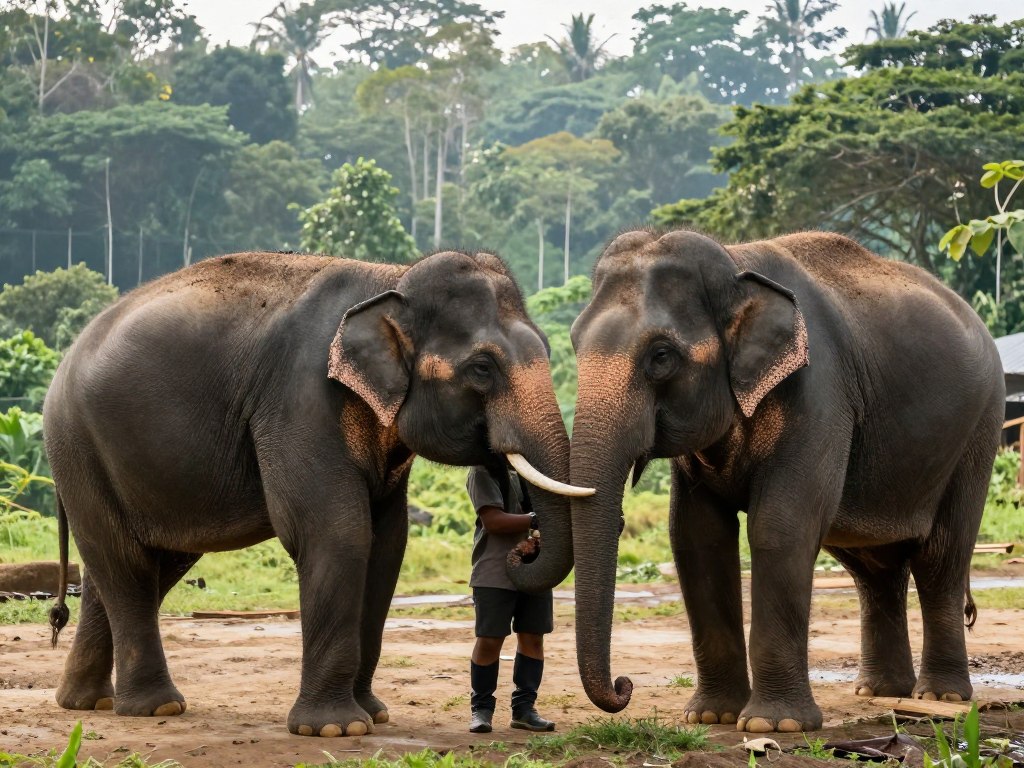
Sumatran elephants at the Way Kambas rehabilitation center
Located in Lampung province, Way Kambas National Park offers a meaningful nature preservation vacation focused on elephant conservation. The park houses the Sumatran elephant rehabilitation center, where you can learn about efforts to protect these endangered giants from habitat loss and human-elephant conflict.
Ethical elephant encounters allow visitors to observe these intelligent creatures in naturalistic settings without riding or other harmful activities. The center’s work has reduced human-elephant conflicts in surrounding areas by 60% through education and habitat management.
The park is also home to the critically endangered Sumatran tiger and Sumatran rhinoceros, with specialized breeding programs for both species. While these animals are rarely seen, your visit supports vital protection efforts.
West Bali National Park Endangered Species Protection
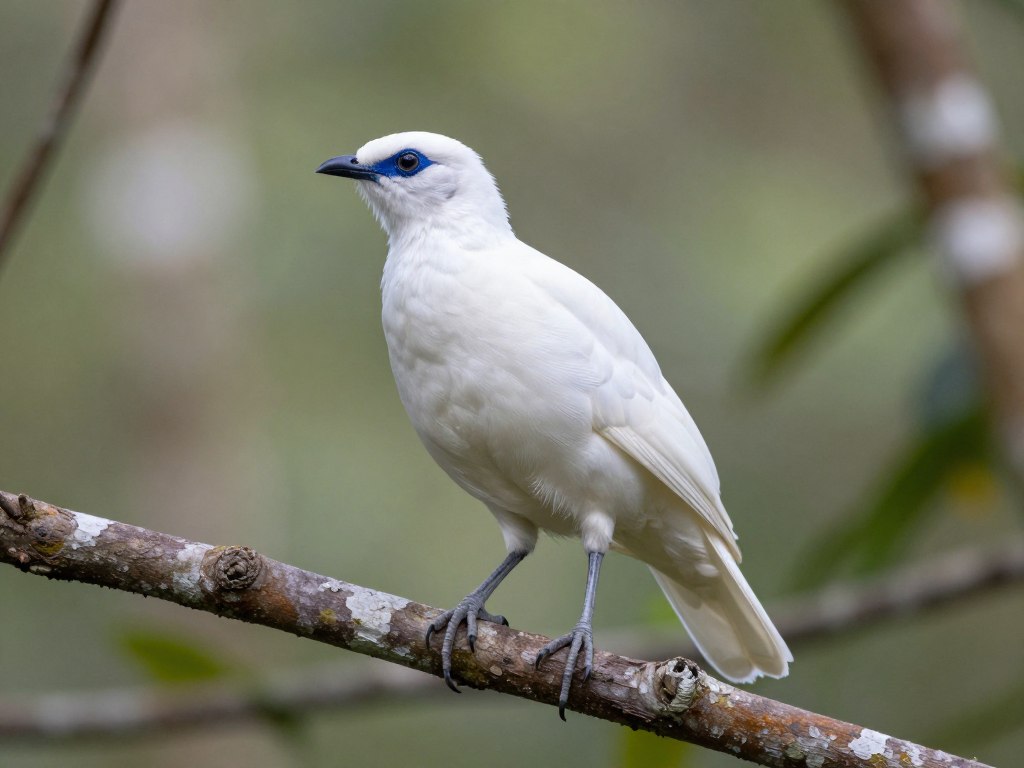
The endangered Bali Starling in West Bali National Park
West Bali National Park endangered species protection programs offer a compelling nature preservation vacation for bird enthusiasts and conservation advocates. The park’s crown jewel is the critically endangered Bali Starling, found nowhere else on Earth. Once reduced to fewer than 10 birds in the wild, conservation efforts have increased their population to over 100.
Visitors can participate in guided birdwatching tours with expert naturalists who explain the park’s reforestation and breeding programs. The park strictly limits daily visitors and requires guides to ensure minimal disturbance to wildlife.
Local communities around the park now actively participate in nature conservation, with many families hosting homestays and working as guides. This community involvement has transformed attitudes toward conservation and reduced illegal activities by 75% in recent years.
Bunaken National Park Coral Reef Diving
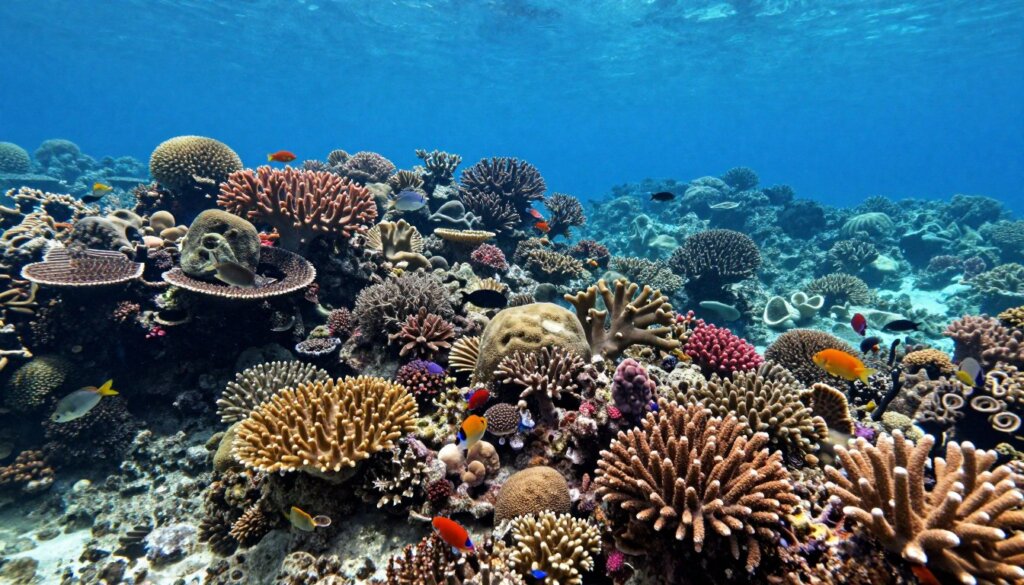
Vibrant coral ecosystem at Bunaken National Park
Bunaken National Park coral reef diving offers an underwater dimension to your nature preservation vacation. This marine paradise in North Sulawesi hosts an astonishing 390+ coral species and over 2,000 fish species, making it one of the most biodiverse marine ecosystems on the planet.
The park has pioneered sustainable snorkeling and diving practices, with strict regulations against touching coral or disturbing marine life. Dive operators must be certified in environmental protection, and a portion of park fees directly funds coral reef restoration projects.
Visitors can participate in coral monitoring programs and underwater cleanup initiatives. These citizen science opportunities allow you to contribute valuable data while experiencing the breathtaking underwater world.
Raja Ampat Coral Reef Ecosystem
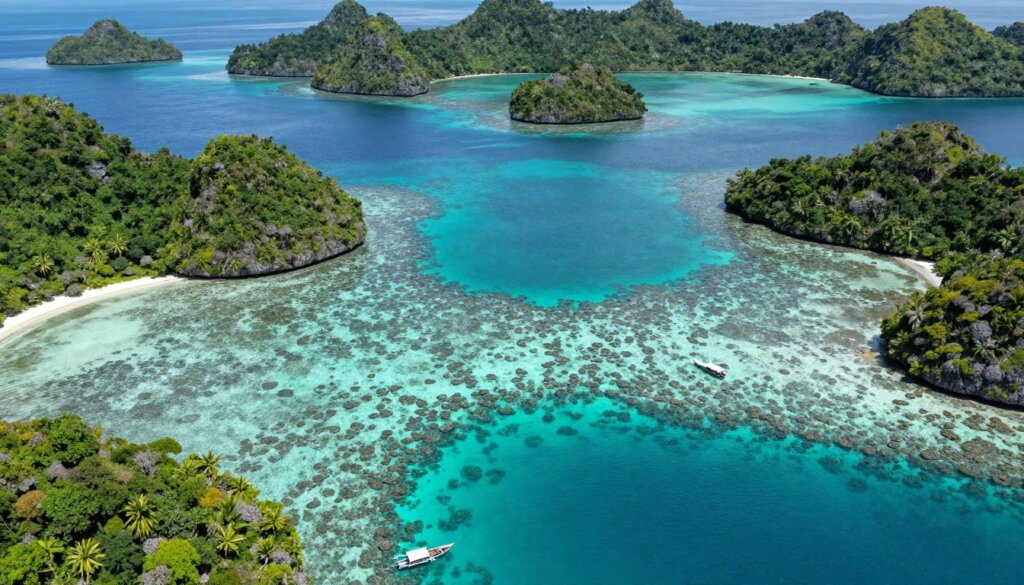
The spectacular Raja Ampat archipelago and its coral reef ecosystem
No nature preservation vacation in Indonesia would be complete without experiencing Raja Ampat coral reef ecosystem, often called the “Amazon of the seas.” This remote archipelago in West Papua harbors an incredible 75% of all known coral species on Earth in just 1% of the ocean’s area.
To protect this irreplaceable ecosystem, Raja Ampat implements a visitor permit system with fees directly supporting conservation. The region limits the number of divers at popular sites and enforces strict environmental regulations.
Staying in locally-run homestays not only provides an authentic experience but ensures tourism benefits flow directly to communities. Many villages now run coral adoption and reef restoration projects that visitors can support, creating a tangible conservation legacy from your trip.
Experience Indonesia’s Natural Wonders
Book your nature preservation vacation with responsible operators who prioritize conservation and community benefits.
Community-Based Ecotourism Villages Worth Visiting
Penglipuran Cleanest Village Bali
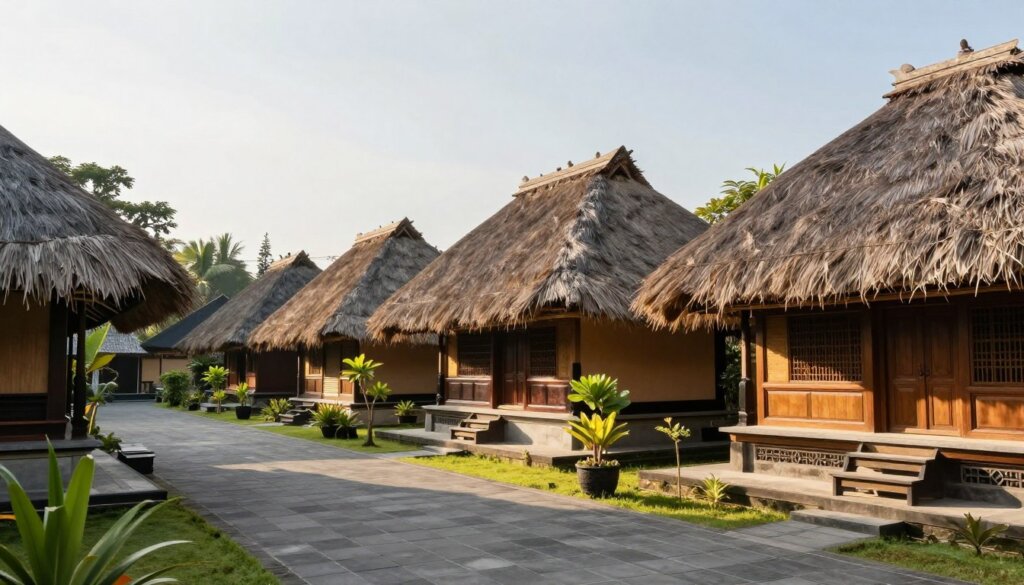
Traditional architecture at Penglipuran Village in Bali
Penglipuran cleanest village Bali offers a cultural dimension to your nature preservation vacation. Known as one of the cleanest villages in the world, Penglipuran demonstrates how traditional wisdom can create sustainable living environments. The village maintains strict waste management systems and preserves traditional Balinese architecture and landscaping.
Visitors can learn about the village’s bamboo forest conservation project, which protects 45 hectares of native bamboo species. The community uses sustainable harvesting methods that have maintained this forest for generations while providing materials for traditional crafts and construction.
Nglanggeran Ancient Volcano Tourism Village
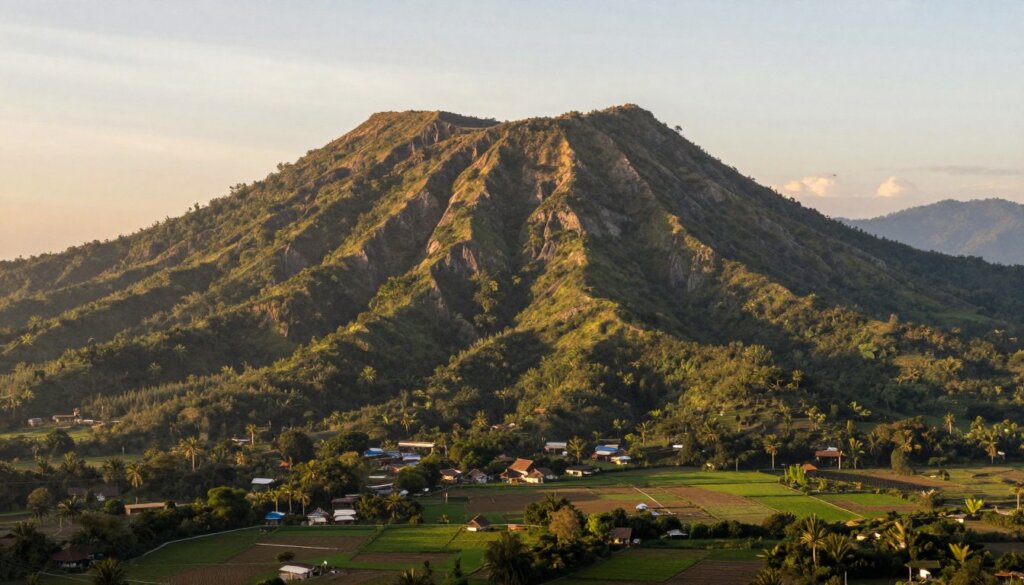
The ancient volcano landscape at Nglanggeran Tourism Village
Nglanggeran ancient volcano tourism village in Yogyakarta combines geological wonders with community-based conservation. This innovative village has transformed from a struggling farming community to an award-winning ecotourism destination centered around a million-year-old volcanic formation.
The community manages 83 hectares of protected forest and runs successful reforestation programs that have increased water security and reduced erosion. Visitors can participate in tree planting, organic farming workshops, and traditional conservation practices that have been passed down through generations.
Tangkahan’s Elephant-Friendly Tourism Model
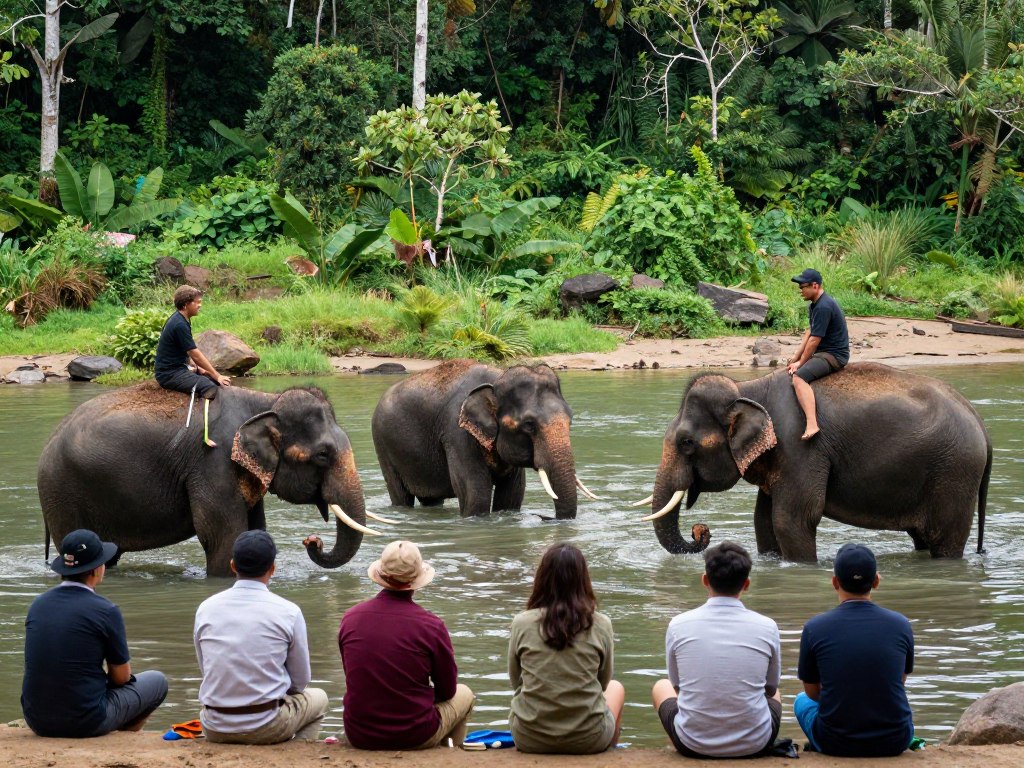
Ethical elephant encounters at Tangkahan’s conservation center
Tangkahan in North Sumatra offers a transformative model for elephant tourism during your nature preservation vacation in Indonesia. Once a center of illegal logging, the community now protects 17,000 hectares of rainforest bordering Gunung Leuser National Park.
The Tangkahan Elephant Conservation Response Unit works with former logging elephants, providing them humane care while they assist with forest patrols. Visitors can observe elephants during their bathing time and join conservation education programs, but riding is prohibited.
This community-led initiative has reduced illegal logging by 85% in the region while creating sustainable livelihoods for former loggers who now work as guides, rangers, and hospitality providers.
Planning Your Nature Preservation Vacation in Indonesia
| Destination | Best Season | Wildlife Highlights | Conservation Focus | Difficulty Level |
| Tanjung Puting | May-September | Orangutans, Proboscis Monkeys | Primate Habitat Protection | Moderate |
| Komodo National Park | April-December | Komodo Dragons, Manta Rays | Reptile Protection, Marine Conservation | Moderate |
| Way Kambas | June-September | Sumatran Elephants, Tigers | Elephant Rehabilitation | Easy |
| West Bali National Park | April-October | Bali Starling, Deer | Bird Conservation | Easy |
| Raja Ampat | October-April | Coral, Marine Life | Coral Reef Protection | Challenging |
Best Seasons for Wildlife Observation and Conservation Activities
Timing is crucial for a successful nature preservation vacation in Indonesia. The dry season (May to September) is ideal for terrestrial parks like Tanjung Puting and Way Kambas, offering better wildlife visibility and comfortable trekking conditions. For marine destinations like Raja Ampat, the October to April period provides optimal underwater visibility and calmer seas.
Many conservation programs schedule their activities around natural cycles. Turtle hatching programs run from July to November on various beaches, while orangutan observations are best during fruit seasons from May to July when they’re most active near feeding stations.
Choosing Environmentally Friendly Ecolodges Indonesia
When planning your nature preservation vacation in Indonesia, accommodation choices significantly impact your environmental footprint. Look for properties with recognized certifications like Green Key, EarthCheck, or Indonesia’s own CHSE certification for sustainability.
The best environmentally friendly ecolodges Indonesia offers include Rimba Orangutan Ecolodge in Borneo (using solar power and rainwater harvesting), Misool Eco Resort in Raja Ampat (which created a 300,000-acre marine reserve), and Sarinbuana Eco Lodge in Bali (which runs reforestation programs on degraded land).
Booking Tours Through Responsible Operators
For a meaningful nature preservation vacation in Indonesia, choose tour operators with verifiable conservation credentials. Responsible companies should have transparent policies about how they minimize environmental impact and contribute to conservation efforts.
Look for operators that employ local guides, maintain small group sizes, follow wildlife viewing guidelines, and contribute a portion of their profits to conservation projects. Reputable companies like Ecolodges Indonesia, Responsible Travel, and local operators certified by the Indonesian Ecotourism Network maintain high standards.
Understanding Protected Area Regulations and Ethics
Each protected area in Indonesia has specific regulations designed to minimize visitor impact. Before your nature preservation vacation in Indonesia, research the rules for each destination, which may include restrictions on photography, minimum distances from wildlife, and prohibited items.
Ethical wildlife viewing means never feeding animals, maintaining appropriate distances, keeping noise to a minimum, and following guide instructions. Remember that you’re a guest in these animals’ homes—their welfare must always come first.
Practical Conservation Activities You Can Participate In
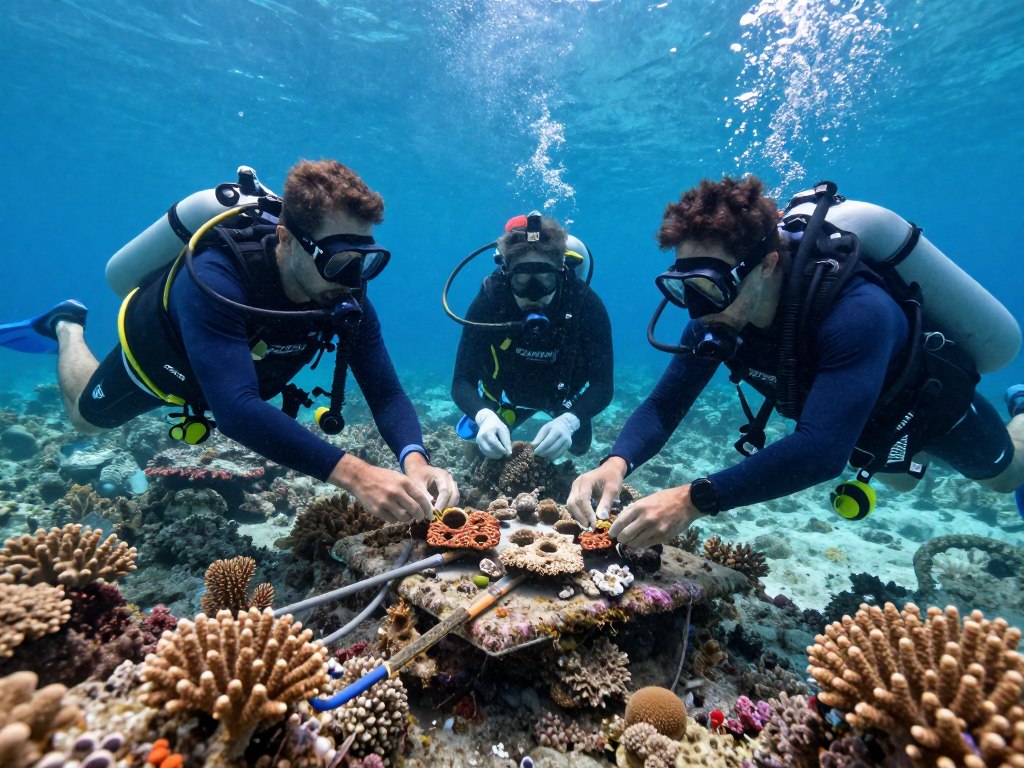
Visitors helping with coral reef restoration projects
A nature preservation vacation in Indonesia offers numerous hands-on opportunities to contribute to conservation efforts. Reforestation programs in Borneo and Sumatra allow visitors to plant native tree species in degraded habitats, with many projects offering GPS coordinates to track your trees’ growth remotely after your trip.
Beach and reef cleanup initiatives run regularly in coastal areas, removing harmful plastics and debris from marine ecosystems. The Bali Beach Clean-Up program has removed over 30 tons of plastic waste through visitor participation.
Wildlife observation through citizen science projects enables visitors to contribute valuable data. Programs like the Orangutan Nest Count in Tanjung Puting and the Komodo Population Survey allow travelers to assist researchers in monitoring endangered species.
Supporting local conservation organizations through donations or volunteer time creates lasting impact. Organizations like the Orangutan Foundation International, Komodo Survival Program, and Coral Triangle Center welcome visitor involvement in their crucial work.
Make a Direct Impact
Join conservation activities during your nature preservation vacation in Indonesia.
Budget Breakdown for a Nature Preservation Vacation in Indonesia
Planning the financial aspects of your nature preservation vacation in Indonesia helps ensure you allocate resources for maximum conservation impact. Costs vary significantly based on your chosen destinations, accommodation standards, and activities.
Accommodation Costs
- Eco-lodges: $50-200 per night
- Community homestays: $15-40 per night
- Conservation center lodging: $30-80 per night
- Luxury eco-resorts: $200-500+ per night
Conservation Contributions
- National park entrance fees: $10-30 per visit
- Marine protected area fees: $15-50 per visit
- Conservation activity participation: $20-100
- Wildlife sanctuary donations: Variable
Sample 7-Day Nature Preservation Itinerary Budget
- International flights to Jakarta: $800-1,200
- Domestic flights (Jakarta-Pangkalan Bun-Bali): $200-300
- Tanjung Puting klotok boat (3 days, all-inclusive): $300-450 per person
- West Bali eco-lodge (3 nights): $150-300
- Guided conservation tours: $150-250
- Park entrance fees and conservation contributions: $100
- Meals not included in packages: $150-200
- Local transportation: $100-150
- Total: Approximately $1,850-2,750 per person
This budget represents a mid-range nature preservation vacation in Indonesia. Budget-conscious travelers can reduce costs by choosing community homestays and group tours, while luxury experiences with private guides and high-end eco-resorts can exceed $5,000 per person for a week.
Remember that spending more doesn’t always mean greater conservation impact. Research how your tourism dollars flow to ensure they support genuine conservation efforts rather than simply “greenwashed” experiences.
Benefits and Considerations of Conservation-Focused Travel
Benefits
- Direct funding for endangered species protection programs
- Economic empowerment of local communities, reducing pressure on natural resources
- Environmental education and awareness for both visitors and locals
- Reduced human impact through regulated, sustainable tourism practices
- Cultural preservation and traditional knowledge sharing
Considerations
- Higher costs compared to mass tourism options
- Physical requirements for jungle trekking and wildlife safaris
- Limited infrastructure in remote conservation areas
- Seasonal accessibility challenges during monsoon periods
- Potential for “greenwashing” by unscrupulous operators
A nature preservation vacation in Indonesia offers profound benefits beyond personal enjoyment. Your visit creates sustainable livelihoods that help communities see greater value in protecting nature than exploiting it. In Tangkahan, for example, eco-tourism now generates 300% more income for former loggers who work as guides and conservation staff.
However, responsible travelers should acknowledge the challenges. Remote conservation areas often have basic facilities and can be difficult to access. Physical fitness requirements vary, with some experiences involving challenging hikes or boat journeys. Researching these aspects ensures your expectations align with reality.
Expert Tips for Responsible Wildlife Tourism in Indonesia
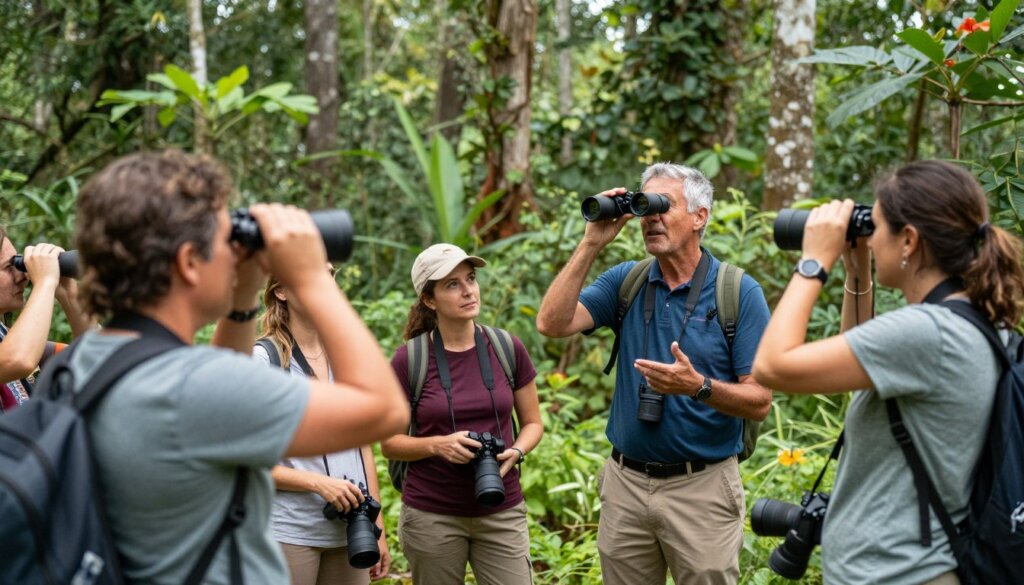
Responsible wildlife observation with trained guides
Maximizing the positive impact of your nature preservation vacation in Indonesia requires thoughtful practices. Avoid habitat destruction by staying on designated trails, following guide instructions, and never removing plants or animals from protected areas. Even minor disruptions can have significant consequences in sensitive ecosystems.
Minimize exploitation of natural resources by choosing accommodations with water conservation systems, reducing plastic use, and supporting businesses that source food locally. The human impact on the environment extends to seemingly small decisions like souvenir purchases—avoid products made from endangered species or harvested unsustainably.
Support sustainable tourism operators who transparently share how they benefit conservation and communities. Ask specific questions about their environmental policies, waste management, and contributions to local conservation initiatives. Genuine eco-tourism businesses welcome these inquiries and can provide concrete examples of their impact.
Document and report conservation concerns through proper channels. Many parks have reporting systems for wildlife crimes or environmental issues. Your observations as a visitor can provide valuable information to conservation authorities about emerging threats or problems.
Real-World Success Stories from Indonesia’s Conservation Programs
The impact of nature preservation vacation in Indonesia can be seen in numerous conservation success stories. Orangutan Foundation International achievements in Tanjung Puting include protecting over 6,000 square kilometers of habitat and rehabilitating more than 500 orangutans. Tourism revenue has been crucial to these efforts, funding ranger patrols and community education programs.
Komodo dragon population recovery represents another success, with numbers increasing from approximately 1,500 to over 3,000 in the past two decades. Regulated tourism has created a sustainable funding model for protection while raising global awareness about these unique reptiles.
Sumatran elephant conflict resolution initiatives in Way Kambas have reduced human-elephant conflicts by 70% through innovative approaches like buffer zone management and early warning systems. Eco-tourism provides alternative livelihoods for communities who once viewed elephants as threats to their crops.
Community transformation through ecotourism revenue is evident in villages like Tangkahan, where illegal logging has been replaced by conservation-based tourism. Annual income for participating families has increased by 45%, while forest cover has expanded by 12% through active reforestation efforts.
Be Part of Conservation Success
Your nature preservation vacation in Indonesia contributes to these ongoing conservation efforts.
Conclusion
A nature preservation vacation in Indonesia offers a rare opportunity to experience extraordinary biodiversity while actively contributing to its protection. From the orangutan sanctuaries of Borneo to the marine wonders of Raja Ampat, your journey creates ripple effects that extend far beyond your visit, supporting ranger salaries, funding habitat restoration, and creating sustainable livelihoods that reduce pressure on fragile ecosystems.
By choosing responsible operators, respecting wildlife viewing guidelines, and engaging with conservation activities, you become part of the solution to Indonesia’s environmental challenges. The memories you create will be enriched by knowing your presence helped preserve these incredible places for future generations.
As Indonesia continues to develop its sustainable tourism framework, the future looks promising for conservation-minded travel. New protected areas are being established, community-based initiatives are expanding, and innovative conservation technologies are being deployed—all supported in part by thoughtful travelers who choose nature preservation vacations.
Book responsibly, travel consciously, and preserve actively—your adventure awaits in Indonesia’s natural treasures.
Frequently Asked Questions
What is the best month to go to Indonesia?
The best months for a nature preservation vacation in Indonesia depend on your destination. For terrestrial parks like Tanjung Puting and Way Kambas, visit during the dry season (May to September) for optimal wildlife viewing and comfortable trekking conditions. For marine destinations like Raja Ampat, October to April offers the best underwater visibility. Bali and Java are generally pleasant year-round, though January and February can be quite rainy.
Which country is best for wildlife tourism?
Indonesia ranks among the world’s top destinations for wildlife tourism due to its extraordinary biodiversity and unique species. With 17% of the world’s bird species, 12% of mammals, and the highest marine biodiversity on Earth, Indonesia offers unparalleled wildlife experiences. Other top contenders include Costa Rica, Tanzania, and Borneo (shared by Indonesia, Malaysia, and Brunei), but Indonesia’s combination of accessibility, conservation programs, and species diversity makes it exceptional for wildlife enthusiasts.
Can you do a safari in Indonesia?
Yes, Indonesia offers unique safari experiences that differ from African safaris but are equally rewarding. River safaris in Tanjung Puting National Park allow you to observe orangutans and proboscis monkeys from traditional klotok boats. Way Kambas offers elephant and tiger habitat exploration, while Komodo National Park provides “dragon safaris” to observe the world’s largest lizards. Marine safaris in Raja Ampat and Bunaken showcase Indonesia’s underwater diversity. These experiences focus on conservation and responsible wildlife viewing.
How much does it cost to vacation in Indonesia?
A nature preservation vacation in Indonesia typically costs between 0-300 per day, excluding international flights. Budget-conscious travelers can experience Indonesia for around -100 daily using basic accommodations and public transportation. Mid-range experiences with comfortable eco-lodges and guided tours range from 0-250 per day. Luxury eco-resorts and private conservation experiences can exceed 0-500 daily. Conservation-focused trips often cost more than standard tourism but provide greater environmental and community benefits.
What is a nature preservation vacation and how is it different from regular tourism?
A nature preservation vacation in Indonesia specifically focuses on experiencing natural environments while actively contributing to their conservation. Unlike regular tourism, which may prioritize convenience and entertainment, preservation vacations emphasize minimal environmental impact, support for conservation projects, and meaningful engagement with wildlife and ecosystems. These trips typically include educational components, opportunities to participate in conservation activities, and accommodations that follow sustainable practices. The goal is to ensure your visit benefits rather than harms the natural areas you explore.
Which Indonesian national parks offer the best conservation experiences?
Tanjung Puting National Park offers exceptional orangutan conservation experiences through established research centers like Camp Leakey. Way Kambas National Park provides outstanding elephant conservation programs with ethical interaction opportunities. Komodo National Park combines dragon conservation with marine protection initiatives. West Bali National Park specializes in Bali Starling recovery programs. Raja Ampat’s protected areas offer world-class coral conservation experiences. Gunung Leuser National Park provides opportunities to support tiger and rhino conservation efforts.
Quick Planning Checklist for Your Nature Preservation Vacation
- Research and select destinations based on conservation interests and season
- Book accommodations with verified eco-credentials
- Choose tour operators with transparent conservation policies
- Obtain necessary permits for protected areas (some require advance booking)
- Pack responsibly with reef-safe sunscreen, biodegradable toiletries, and reusable items
- Purchase travel insurance that covers remote locations
- Learn basic Indonesian phrases for respectful interactions
- Research specific wildlife viewing guidelines for your destinations
- Consider carbon offset options for your flights
- Prepare camera equipment with appropriate lenses for wildlife photography
Ready for Your Conservation Adventure?
Start planning your nature preservation vacation in Indonesia today.