Table of Contents
- Why Komodo National Park Conservation Matters
- Unique Biodiversity of Komodo National Park
- Major Conservation Challenges
- Active Conservation Programs
- Komodo Dragon Population Protection
- Marine and Terrestrial Ecosystem Preservation
- Sustainable Ecotourism and Community Participation
- How Visitors Can Support Conservation
- FAQ: Your Conservation Questions Answered

Introduction
Komodo National Park conservation stands as one of Indonesia’s most critical environmental priorities, protecting both the world’s largest living lizard and one of Earth’s most biodiverse marine ecosystems. Located in the Lesser Sunda Islands between Flores and Sumbawa, this UNESCO World Heritage Site encompasses 1,733 square kilometers of terrestrial and marine habitats that support over 1,000 fish species, 260 coral species, and the iconic Komodo dragon.
The stakes couldn’t be higher. With only 3,000 to 5,000 Komodo dragons remaining in the wild, 98% of which live within Komodo National Park, conservation efforts here directly determine whether this ancient species survives. Meanwhile, the park’s coral reefs face mounting pressures from climate change, with ocean temperatures rising 0.13°C per decade in Indonesian waters. Approximately 42% of visitors to Komodo National Park now participate in conservation-focused activities, demonstrating growing awareness of sustainable tourism’s role.
In this comprehensive guide, you’ll discover the intricate Komodo National Park conservation strategies protecting both land and sea, the challenges threatening this irreplaceable ecosystem, successful programs making measurable impact, and specific actions you can take to support preservation efforts during your visit.
Quick Facts: Komodo National Park Conservation at a Glance
- Established: 1980 as a national park, designated UNESCO World Heritage Site in 1991
- Size: 1,733 km² (603 km² terrestrial, 1,130 km² marine)
- Komodo Dragon Population: Approximately 3,000-5,000 individuals
- Marine Biodiversity: 1,000+ fish species, 260+ coral species, 70+ sponge species
- Annual Visitors: 176,000+ (2019 pre-pandemic peak)
- Conservation Status: IUCN Category II National Park, marine protected area
- Key Islands: Komodo, Rinca, Padar, Gili Motang, Nusa Kode
Why Komodo National Park Conservation Matters
Komodo National Park conservation extends far beyond protecting a single charismatic species. This protected area serves as a global biodiversity hotspot where terrestrial and marine ecosystems converge, creating unique habitats found nowhere else on Earth.
The Komodo dragon, listed as endangered species on the IUCN Red List since 2021, faces existential threats from climate change and habitat loss. Rising sea levels threaten to reduce their already limited habitat by up to 30% by 2050. Without robust Komodo National Park conservation efforts, these apex predators could disappear within our lifetimes.
Global Significance
The park’s marine protected area ranks among the world’s richest coral reef ecosystems, part of the Coral Triangle containing 76% of all coral species globally. Waters surrounding Komodo Island support populations of manta rays, whale sharks, sea turtles, and over 1,000 fish species. These marine environments provide critical spawning grounds and nursery habitats for commercially important species throughout Indonesia.
Environmental conservation Komodo Island also protects critical carbon sinks. The park’s mangrove forests and seagrass beds sequester substantial atmospheric carbon while stabilizing coastlines against erosion. Research shows these blue carbon ecosystems store up to four times more carbon per hectare than terrestrial forests.
The Unique Biodiversity of Komodo National Park
Komodo National Park biodiversity represents an evolutionary treasure trove shaped by millions of years of island isolation. The park encompasses five major islands and numerous smaller ones, each supporting distinct ecological communities.
Terrestrial Ecosystems
The dry savanna landscape appears harsh, yet supports remarkable wildlife conservation value. Beyond Komodo dragons, the islands host:
- Wild water buffalo (Bubalus arnee)
- Timor deer (primary prey for Komodo dragons)
- Wild boar (Sus scrofa)
- Long-tailed macaques
- Orange-footed scrubfowl
- 128 bird species, including endemic Yellow-crested cockatoos
Monsoon forests in higher elevations provide critical wet-season habitat. These forests contain valuable timber species and medicinal plants used by local communities for centuries.
Marine Ecosystems
The marine ecosystem surrounding Komodo National Park thrives due to strong currents mixing nutrient-rich waters from the Indian Ocean and Pacific. This creates exceptional productivity supporting:
- 260+ hard coral species
- 1,000+ reef fish species
- 6 whale species
- 10 dolphin species
- Giant manta rays (Mobula birostris)
- Dugongs in seagrass meadows
- Green and hawksbill sea turtles
Coral reef conservation Komodo protects spawning aggregation sites crucial for regional fish populations. The convergence of different ocean currents creates unique underwater topography with walls, pinnacles, and channels attracting pelagic megafauna.
Sustainable Travel and Tourism: Complete Guide to Responsible Tourism
Major Conservation Challenges Facing Komodo National Park

Despite protective status, Komodo National Park conservation confronts escalating threats requiring adaptive management strategies.
Overfishing and Illegal Fishing
Overfishing threats Komodo waters remain the most immediate challenge to marine biodiversity. Illegal fishing operations using destructive methods including:
- Cyanide fishing damaging coral reefs
- Dynamite fishing destroying reef structure
- Bottom trawling in protected zones
- Shark finning depleting predator populations
Studies indicate fish biomass within protected zones decreased 40% between 2010 and 2020 due to inadequate enforcement. Only 23 rangers patrol the entire marine protected area, making comprehensive surveillance impossible.
Climate Change Impacts
Climate change impact coral reefs accelerates throughout Indonesia. Ocean temperature increases cause coral bleaching events with increasing frequency. The 2016 global bleaching event affected 30% of Komodo National Park reefs, with some sites experiencing 50% coral mortality.
Ocean acidification reduces coral calcification rates by 15-20%, weakening reef structures. Stronger storms associated with climate disruption physically damage reef formations. These combined stressors reduce coral reef resilience and recovery capacity.
For Komodo dragons, rising temperatures skew sex ratios. These reptiles exhibit temperature-dependent sex determination, with warmer incubation temperatures producing more males. Projections suggest populations could become 80% male by 2100 without intervention.
Plastic Pollution
Plastic pollution Komodo National Park threatens both marine and terrestrial environments. Ocean currents deposit debris from across Southeast Asia onto park beaches and reefs. Marine animals ingest plastic fragments or become entangled in fishing gear.
Survey data shows plastic density averaging 0.4 items per square meter on Komodo Island beaches. Microplastics contaminate the food chain, detected in 67% of fish specimens tested in 2022 research.
Tourism Pressures
While sustainable ecotourism Komodo National Park generates critical conservation funding, unmanaged tourism damages fragile ecosystems. Visitor impacts include:
- Anchor damage to coral reefs
- Trampling of nesting sites
- Disturbance to wildlife
- Waste generation exceeding infrastructure capacity
- Habitat degradation from trail erosion
Peak season congestion at popular sites like Padar Island and Pink Beach concentrates environmental impacts. Without visitor number management, tourism threatens the very resources attracting travelers.
Ecotourism in Indonesia: Your Complete Guide to Sustainable Travel in 2026
Active Conservation Programs and Success Stories

Komodo National Park conservation efforts combine government management, NGO partnerships, and community engagement to address multifaceted challenges.
The Komodo Survival Program
The Komodo Survival Program represents the premier scientific initiative dedicated to Komodo dragon research and protection. Established in 2013, this collaboration between Indonesian authorities and international scientists conducts:
- Population monitoring using mark-recapture methods
- Genetic diversity assessments
- Nest protection from predators
- Habitat quality evaluation
- Climate adaptation research
According to Dr. Tim Jessop, program research director, “Our long-term monitoring reveals stable Komodo dragon populations on Rinca and Komodo islands when protected from poaching and habitat disturbance. This demonstrates that conservation interventions work.”
The program documented successful breeding across all age classes, indicating healthy population structure. Genetic research identified three distinct populations requiring separate management strategies to maintain diversity.
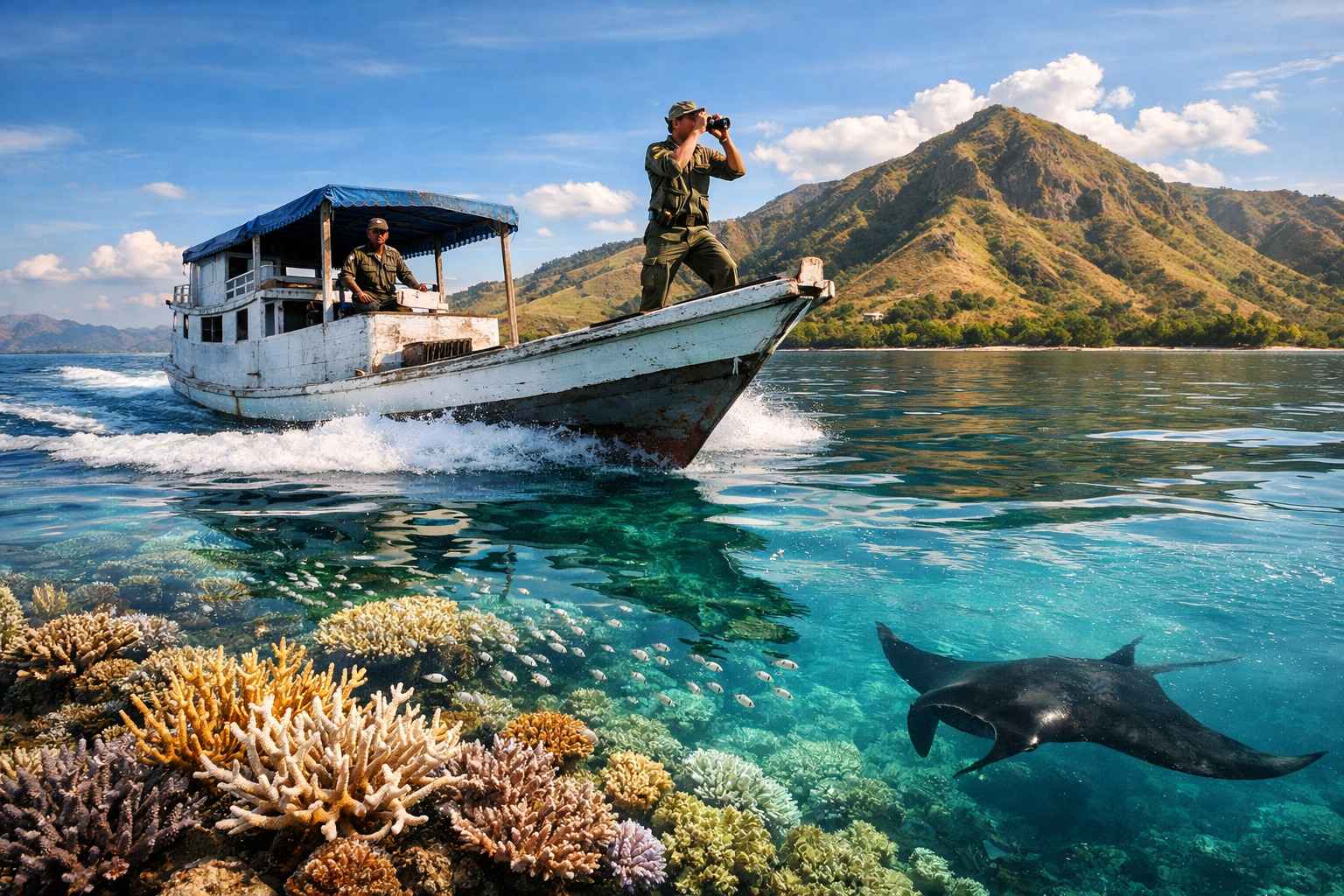
Marine Patrol and Enforcement
Enhanced marine patrol programs launched in 2018 show measurable success. Partnerships between Komodo National Park authority, Indonesian Navy, and conservation NGOs increased enforcement capacity through:
- Vessel monitoring systems tracking fishing boats
- Coordinated patrol schedules covering high-risk zones
- Rapid response teams for illegal fishing reports
- Community informant networks
- Prosecution support for environmental crimes
Illegal fishing incidents decreased 35% between 2018 and 2023 in core protection zones. Fish biomass increased 18% in intensively patrolled areas, demonstrating recovery potential with adequate enforcement.
Coral Restoration Initiatives

Coral reef conservation Komodo includes active restoration using innovative techniques. The Coral Triangle Center established nurseries propagating fast-growing coral species. Trained divers transplant coral fragments to degraded reef areas, achieving:
- 70-80% survival rates for transplanted colonies
- 15 cm average annual growth for branching corals
- 12 hectares of reef restored since 2019
- Natural recruitment documented on restored sites
Restoration prioritizes thermally tolerant coral strains better adapted to warming oceans, building climate resilience into reef recovery.
Community-Based Conservation
Community participation ecotourism empowers local stakeholders as conservation partners rather than excluding them from protected areas. Programs include:
- Training local guides in sustainable tourism practices
- Establishing community-managed patrol areas
- Supporting traditional fishing cooperatives using sustainable methods
- Providing alternative livelihoods through handicrafts
- Revenue sharing from tourism fees
Villages participating in conservation programs report 40% income increases from tourism-related employment. This economic incentive reduces pressure on natural resources while improving living standards.
Komodo Dragon Population and Habitat Protection
Komodo dragon habitat protection requires understanding their complex ecological requirements and addressing specific threats to their survival.

Population Status and Distribution
Current estimates place the total Komodo dragon population between 3,000 and 5,000 individuals distributed across:
- Komodo Island: 1,700 dragons
- Rinca Island: 1,300 dragons
- Gili Motang: 100 dragons
- Nusa Kode: Small population
- Flores mainland: Approximately 300 dragons
The Komodo dragon endangered status stems from extremely limited range, making populations vulnerable to catastrophic events. A single disease outbreak or natural disaster could devastate the entire species.
Habitat Requirements
Adult Komodo dragons require extensive home ranges averaging 2.6 km² for females and 1.1 km² for males. Successful reproduction depends on:
- Intact savanna habitat with adequate prey populations
- Orange-footed scrubfowl nests for egg-laying sites
- Megapode mounds providing natural incubators
- Sufficient tree cover for juvenile dragons escaping adult predation
Komodo dragon population research using GPS telemetry reveals critical corridors connecting feeding and breeding areas. Conservation management protects these movement pathways from human development.
Threat Mitigation Strategies
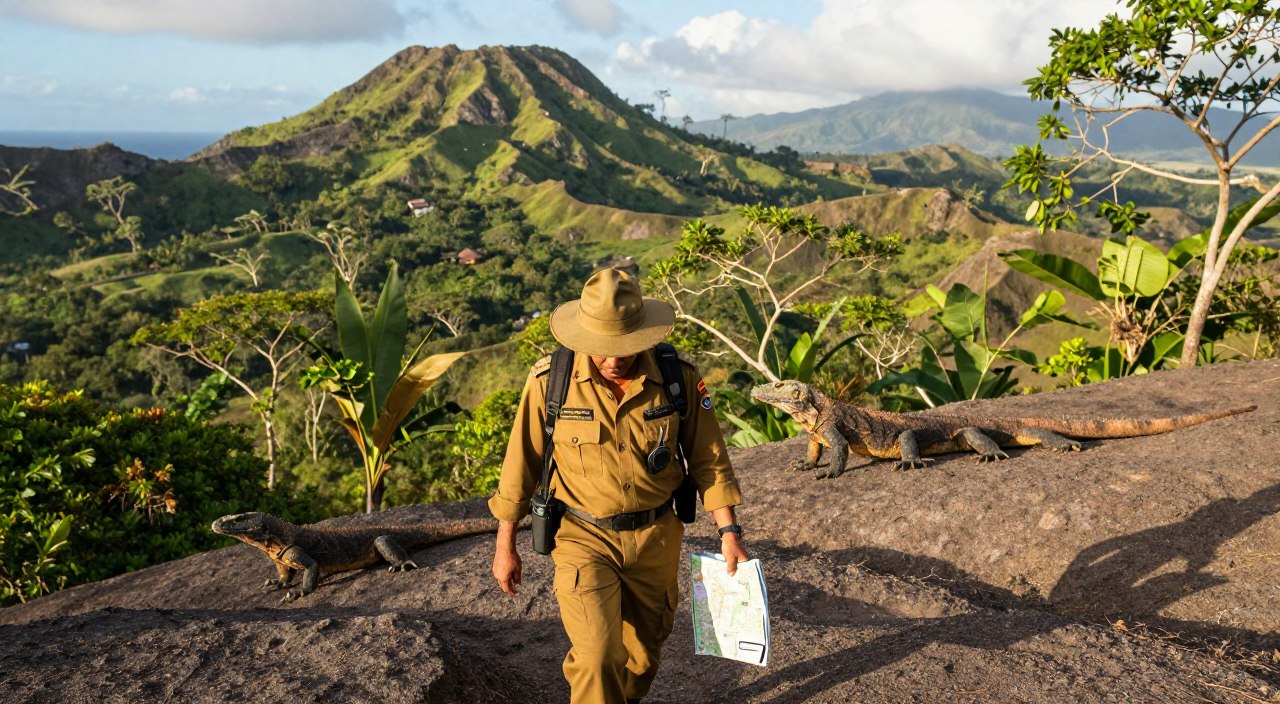
Komodo National Park conservation implements multiple strategies protecting dragon populations:
- Prey population management: Monitoring deer and wild boar populations ensures adequate food resources
- Nest protection programs: Rangers locate and protect nests from predation and human disturbance
- Habitat restoration: Replanting native vegetation in degraded areas expands available habitat
- Fire management: Controlled burns prevent catastrophic wildfires while maintaining savanna ecosystems
- Human-wildlife conflict reduction: Relocating problem individuals prevents retaliatory killings
Research shows protected populations maintain stable age structures with healthy juvenile recruitment, indicating successful conservation outcomes.
Marine and Terrestrial Ecosystem Preservation
Comprehensive environmental conservation Komodo Island addresses both above and below-water environments as interconnected systems.
Mangrove and Seagrass Conservation
Mangrove forest ecosystems Komodo and seagrass beds marine habitat provide essential ecosystem services including:
- Nursery habitat for juvenile fish and invertebrates
- Coastal protection reducing erosion and storm damage
- Carbon sequestration storing atmospheric carbon
- Water filtration improving reef water quality
- Food resources for dugongs and sea turtles
Conservation programs map and monitor these blue carbon ecosystems. Community-based mangrove replanting restored 47 hectares since 2020. Seagrass meadows receive protection from destructive fishing methods and boat anchoring.
Watershed Management
Terrestrial watersheds directly influence marine ecosystem health. Soil erosion during monsoon season increases sedimentation smothering coral reefs. Conservation strategies include:
- Reforestation of critical catchment areas
- Erosion control structures preventing sediment runoff
- Sustainable agriculture practices in buffer zones
- Riparian zone protection maintaining stream water quality
Integrated watershed management reduced sediment loads reaching coastal waters by 28% over five years.
Connectivity Conservation
Modern conservation science recognizes that protecting isolated reserves proves insufficient. Maintaining ecological connectivity allows:
- Genetic exchange between populations
- Seasonal migration routes
- Larval dispersal corridors for marine species
- Climate change adaptation through range shifts
Komodo National Park collaborates with surrounding marine protected areas creating a network of connected reserves spanning the Lesser Sunda Islands. This regional approach enhances overall ecosystem resilience.
Sustainable Ecotourism and Community Participation

Sustainable ecotourism Komodo National Park balances conservation objectives with economic development and visitor experiences.
Tourism Management Framework
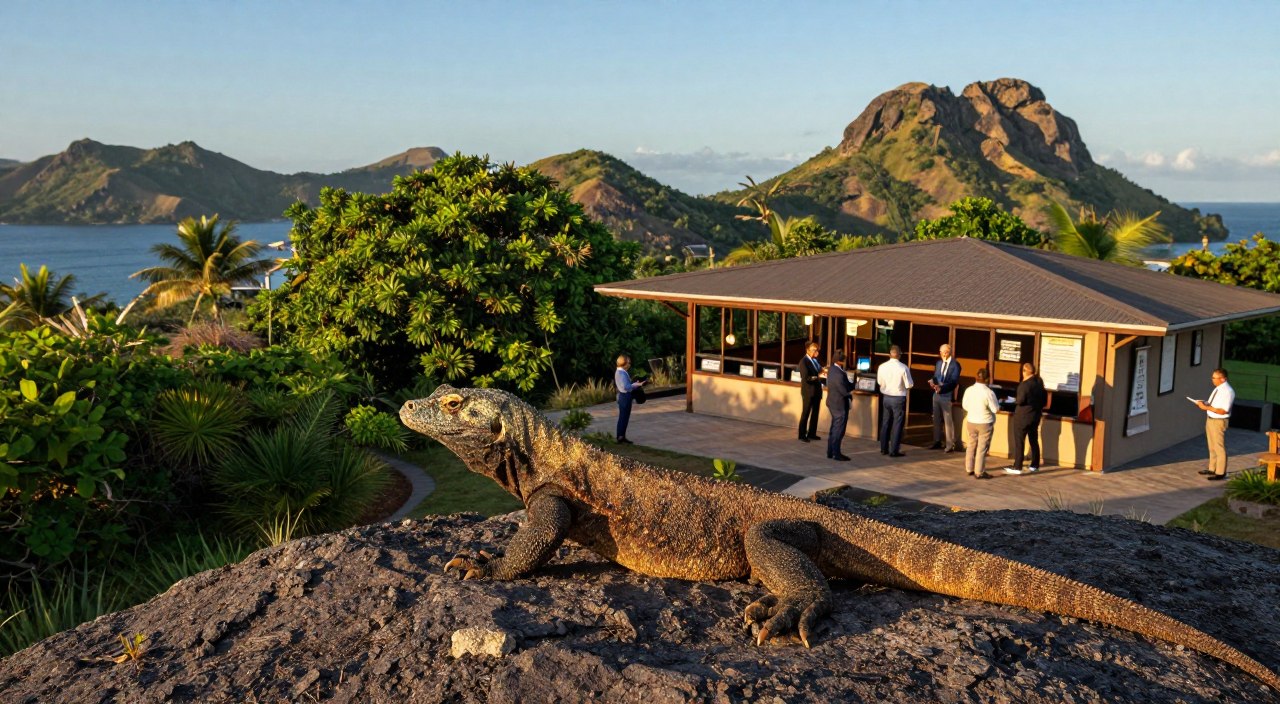
The Komodo National Park authority implements comprehensive tourism regulations including:
- Daily visitor limits at sensitive sites
- Mandatory ranger guides for all trekking activities
- Designated mooring buoys preventing anchor damage
- Waste management requirements for tour operators
- Environmental education programs for visitors
- Seasonal closures protecting breeding wildlife
Responsible tourism Komodo Island operators comply with strict environmental standards. Certified operators receive preferential access permits, incentivizing sustainable practices.
Revenue Generation for Conservation
Tourism generates approximately $1.2 million annually in entrance fees directly funding conservation activities. These resources support:
- Ranger salaries and training
- Patrol boat fuel and maintenance
- Research programs monitoring biodiversity
- Infrastructure maintenance
- Community development projects
Premium-priced permits for activities like scuba diving Komodo National Park generate additional revenue while limiting participation to serious enthusiasts willing to follow strict protocols.
Visitor Experience and Education
Well-managed tourism serves conservation by creating stakeholders invested in ecosystem protection. Educational programs help visitors understand:
- Komodo dragon behavior and ecology
- Marine protected area regulations
- Threats facing coral reef ecosystems
- Individual actions supporting conservation
Post-visit surveys show 87% of tourists report increased environmental awareness and 62% made charitable donations to conservation organizations after experiencing Komodo National Park.
Community Benefits
Local communities derive substantial benefits from sustainable ecotourism Komodo National Park:
- Direct employment as guides, boat crews, and rangers
- Business opportunities providing services to tourists
- Markets for traditional handicrafts
- Skills development through training programs
- Infrastructure improvements benefiting residents
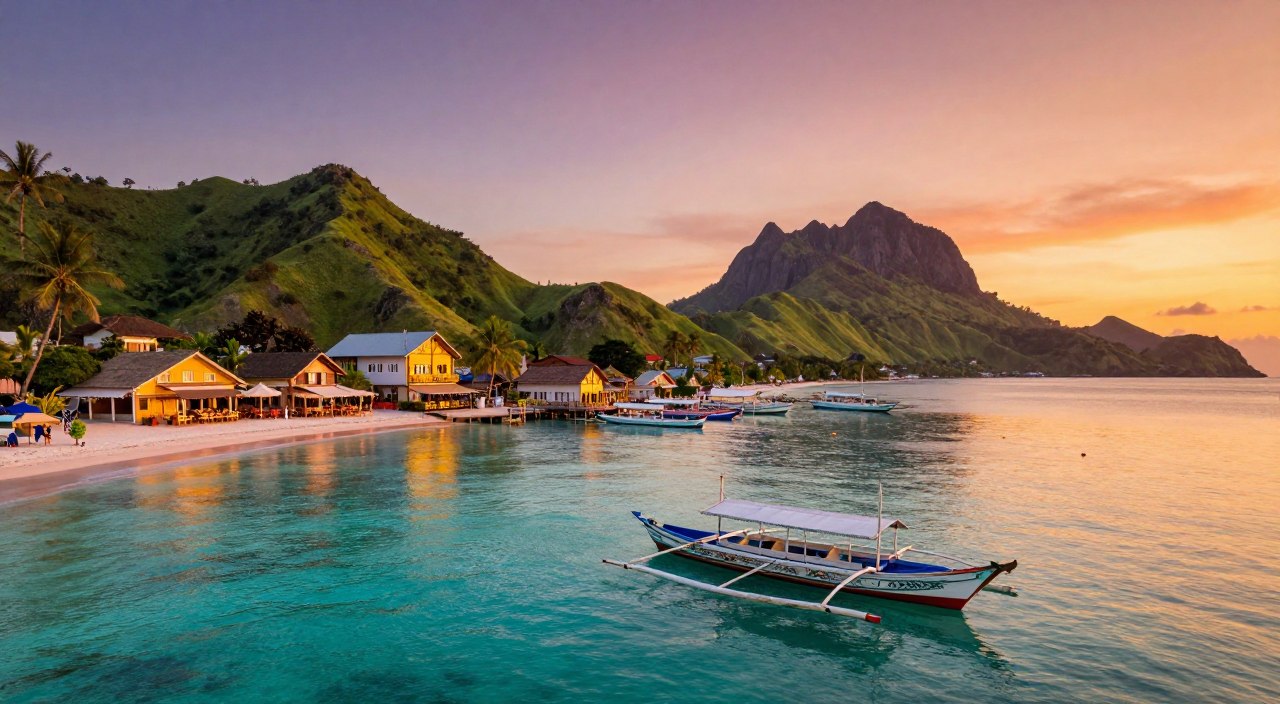
The town of Labuan Bajo transformed from a small fishing village to a tourism hub, with tourism representing 68% of local economic activity. When communities prosper from conservation, they become its strongest defenders.
Expert Insights and Real-World Conservation Examples
Leading conservation experts working in Komodo National Park provide valuable perspectives on successful strategies.
Case Study: Collaborative Patrol Program
In 2019, Komodo National Park launched an innovative collaborative patrol system combining government rangers, local fishers, and NGO staff. According to Agus Dermawan, park superintendent, “We recognized that our small ranger force couldn’t effectively monitor such a vast marine protected area. Partnering with local communities who know these waters intimately multiplied our capacity.”
The program trained 45 community patrol members in monitoring protocols, providing small stipends for patrol participation. Results exceeded expectations:
- 280% increase in patrol coverage
- 56% reduction in illegal fishing incidents
- Early detection of coral bleaching events
- Rescue of entangled marine wildlife
- Strengthened community-authority relationships
This model demonstrates how community participation ecotourism principles apply equally to enforcement activities.
Research Success: Genetic Rescue
Dr. Deni Purwandana’s research with the Komodo Survival Program identified concerning genetic bottlenecks in isolated populations. Small populations on Gili Motang and Nusa Kode showed reduced genetic diversity threatening long-term viability.
Carefully planned translocation programs moved individuals between islands, introducing new genetic material while avoiding disruption of social structures. Genetic monitoring confirmed successful breeding between resident and introduced animals, increasing population genetic diversity by 23%.
This intervention demonstrates how science-based Komodo dragon population research informs management decisions preventing localized extinctions.
Innovation: Reef Monitoring Technology
Coral reef conservation Komodo benefits from cutting-edge monitoring technology. Autonomous underwater vehicles equipped with high-resolution cameras survey reef health more efficiently than diver-based methods. Artificial intelligence algorithms analyze imagery, tracking coral cover changes with unprecedented precision.
This technology detected early-stage coral disease outbreaks, enabling rapid intervention preventing larger die-offs. Continuous monitoring provides real-time data guiding adaptive management responses to emerging threats.
Practical Ways Visitors Can Support Komodo National Park Conservation

Every visitor to Komodo National Park can contribute meaningfully to conservation through responsible choices and direct action.
Conservation Action Checklist for Visitors
Before Your Visit:
- ✓ Choose certified sustainable tour operators committed to environmental conservation Komodo Island
- ✓ Research Komodo National Park regulations and cultural norms
- ✓ Purchase comprehensive travel insurance reducing rescue costs
- ✓ Pack reusable water bottles, utensils, and bags minimizing waste
- ✓ Learn about Komodo dragon behavior ensuring safe, respectful wildlife viewing
During Your Visit:
- ✓ Follow ranger instructions precisely, maintaining required distances from wildlife
- ✓ Use designated moorings and anchoring zones protecting coral reefs
- ✓ Participate in beach cleanup conservation efforts organized by your operator
- ✓ Practice reef-safe snorkeling and diving avoiding coral contact
- ✓ Support local communities purchasing authentic handicrafts directly from artisans
- ✓ Conserve fresh water resources recognizing island scarcity
- ✓ Properly dispose all waste using designated facilities
After Your Visit:
- ✓ Share conservation messages through social media and travel reviews
- ✓ Support organizations working on Komodo National Park conservation
- ✓ Advocate for marine protection in your home communities
- ✓ Reduce your carbon footprint addressing climate change threats
Supporting Conservation Organizations
Several reputable organizations accept donations directly funding Komodo National Park conservation efforts:
- Komodo Survival Program: Scientific research and population monitoring
- Coral Triangle Center: Coral reef restoration and marine research
- The Nature Conservancy Indonesia: Community-based conservation programs
- WWF Indonesia: Regional ecosystem protection initiatives
Even small contributions aggregate into meaningful conservation impact when directed to effective programs.
Responsible Wildlife Viewing
Observing Komodo dragons in their natural habitat provides unforgettable experiences, but requires strict adherence to safety protocols protecting both visitors and animals:
- Maintain minimum 5-meter distance from adult dragons
- Never feed or attract wildlife with food
- Keep voices low avoiding unnecessary disturbance
- Stay with ranger groups on designated trails
- Avoid dragon nesting areas during breeding season
- Respect closures protecting sensitive habitats
Rangers possess extensive knowledge of individual dragon behavior and territories. Following their guidance ensures encounters remain safe and non-disruptive.
Sustainable Diving Practices
Scuba diving Komodo National Park offers world-class underwater experiences while supporting marine protected area funding. Minimize your impact through:
- Perfecting buoyancy control preventing coral contact
- Securing all equipment avoiding reef entanglement
- Never touching, collecting, or harassing marine life
- Using reef-safe sunscreen protecting water quality
- Choosing operators with environmental certifications
- Respecting seasonal closures protecting spawning events
Experienced divers can volunteer for reef monitoring programs, contributing citizen science data supporting coral reef conservation Komodo research.
Key Takeaways: Komodo National Park Conservation Essentials
- Komodo National Park protects the world’s only viable Komodo dragon populations and exceptional marine biodiversity within a UNESCO World Heritage Site
- The endangered status of Komodo dragons stems from limited range, climate change threats, and habitat vulnerability
- Coral reefs face pressures from overfishing, climate change, ocean acidification, and plastic pollution requiring active intervention
- Successful conservation combines government management, scientific research, community engagement, and sustainable tourism
- The Komodo Survival Program and marine patrol initiatives demonstrate measurable conservation success when adequately resourced
- Sustainable ecotourism generates critical funding while creating economic incentives for local conservation support
- Visitors directly contribute to protection through responsible behavior, supporting certified operators, and participating in conservation activities
- Long-term ecosystem health requires addressing global climate change alongside local threat mitigation
Conclusion: The Future of Komodo National Park Conservation
Komodo National Park conservation stands at a critical juncture. The next decade will determine whether this irreplaceable ecosystem thrives or succumbs to mounting environmental pressures. Success requires sustained commitment from Indonesia, international partners, and the global community.
The Komodo dragon survived 40 million years of evolutionary history, but now faces unprecedented challenges from human activities. Coral reefs that took millennia to build bleach within weeks under thermal stress. These sobering realities demand urgent, coordinated action.
Yet hope persists. Conservation programs demonstrate that well-designed interventions produce measurable results. Fish populations recover when illegal fishing decreases. Reefs regenerate when given protection and restoration support. Communities prosper when sustainable tourism provides alternative livelihoods.
Your visit to Komodo National Park can contribute to this conservation success story. By choosing responsible operators, respecting regulations, supporting local communities, and advocating for environmental protection, you become part of the solution. The future of Komodo dragons, vibrant coral reefs, and thriving ecosystems depends on collective action starting with individual choices.

Will you join the effort ensuring Komodo National Park conservation succeeds for generations to come?
FAQ: Komodo National Park Conservation Questions Answered
Where is Komodo National Park?
Komodo National Park is located in the Lesser Sunda Islands of eastern Indonesia, between the islands of Flores and Sumbawa in East Nusa Tenggara province. The park encompasses several major islands including Komodo, Rinca, Padar, and numerous smaller islands. The nearest access point is Labuan Bajo on western Flores, connected by daily flights from Bali and Jakarta. The park sits at the junction of the Indian Ocean and Pacific Ocean, creating unique oceanographic conditions supporting exceptional marine biodiversity.
What does Komodo Island map reveal about conservation zones?
A Komodo Island map shows the park divided into distinct conservation zones with varying protection levels. Core zones around prime Komodo dragon habitat restrict all human activity except research and ranger patrols. Wilderness zones allow limited tourism with strict regulations. Sustainable use zones permit traditional fishing by local communities using approved methods. The zoning system balances habitat protection with community needs and tourism access. Marine zones include no-take reserves protecting critical spawning areas and coral nurseries. Understanding this zoning helps visitors appreciate the strategic approach to Komodo National Park conservation.
Are there Komodo Island hotels within the national park?
No permanent hotels exist within Komodo Island or other park islands to minimize environmental impact and protect wildlife habitat. All accommodation is located in Labuan Bajo on Flores, ranging from budget guesthouses to luxury resorts. Live-aboard dive boats offer multi-day trips staying within park waters overnight. This accommodation strategy supports sustainable ecotourism Komodo National Park by concentrating development in existing towns rather than pristine islands. Day trips from Labuan Bajo reach all major park attractions within 1-3 hours by boat, allowing comprehensive exploration while maintaining crucial habitat integrity.
How much is a Komodo National Park ticket?
Komodo National Park ticket prices vary based on visitor nationality and activities. Indonesian citizens pay approximately IDR 150,000 on weekdays and IDR 225,000 on weekends and holidays. Foreign visitors pay IDR 500,000 on weekdays and IDR 750,000 on weekends (approximately $33-50 USD). Additional fees apply for trekking permits, diving permits, and ranger guide services. These entrance fees directly fund conservation activities including ranger salaries, patrol operations, research programs, and habitat protection. Visitors should confirm current rates with tour operators as prices adjust periodically supporting expanded conservation programs.
How do I travel from Bali to Komodo National Park?
Traveling from Bali to Komodo National Park requires flying to Labuan Bajo on Flores Island. Multiple airlines including Garuda Indonesia, Lion Air, and Wings Air operate daily direct flights from Ngurah Rai International Airport in Bali, with flight times approximately 1.5 hours. Book flights in advance during peak season (June-August, December-January). From Labuan Bajo, join organized tours or hire private boats reaching Komodo, Rinca, and Padar islands. Alternative routes include live-aboard dive trips departing Labuan Bajo offering multi-day exploration combining wildlife viewing and scuba diving Komodo National Park.
Bali Airport Transfer Guide: Complete 2026 Transportation Overview
Why is Komodo National Park Indonesia so important globally?
Komodo National Park Indonesia holds global significance as a UNESCO World Heritage Site protecting irreplaceable biodiversity. It’s the only location where Komodo dragons thrive in substantial wild populations, making it essential for species survival. The park’s marine protected area sits within the Coral Triangle, Earth’s most biodiverse marine region containing 76% of all coral species. Unique oceanographic conditions create ecosystems found nowhere else, supporting endangered species including manta rays, whale sharks, and sea turtles. Komodo National Park conservation serves as a model demonstrating successful integration of wildlife protection, marine management, and community participation ecotourism.
What Komodo adventures support conservation efforts?
Komodo adventures supporting conservation include ranger-guided trekking to observe Komodo dragons in natural habitat, with fees funding protection programs. Scuba diving Komodo National Park at world-renowned sites like Castle Rock and Batu Bolong generates revenue for marine patrol operations while certified operators follow strict environmental protocols. Snorkeling tours to pristine coral reefs educate visitors about marine ecosystem fragility. Participating in organized beach cleanup conservation efforts directly improves habitat quality. Kayaking through mangrove forests provides intimate ecosystem experiences while minimizing environmental impact. Multi-day live-aboard expeditions combining multiple activities maximize conservation contributions through consolidated tourism infrastructure.
What should a Komodo National Park description emphasize for conservation awareness?
A comprehensive Komodo National Park description should emphasize its dual significance as both terrestrial and marine conservation priority. Describe the park’s 1,733 km² protecting the world’s largest lizard population, diverse savanna ecosystems, and extraordinary coral reef biodiversity. Highlight its UNESCO World Heritage designation recognizing global importance. Explain how Komodo National Park conservation addresses threats from climate change, overfishing, and plastic pollution through science-based management. Emphasize the successful integration of sustainable tourism, community livelihoods, and ecosystem protection. Include specific conservation achievements like population stability, reef recovery areas, and reduced illegal fishing demonstrating that protective measures work when adequately supported.
What does “Komodo pulau” mean in conservation context?
Komodo pulau (Komodo island in Indonesian) specifically refers to Komodo Island, the largest island in Komodo National Park and namesake for the entire protected area. In conservation context, Komodo pulau represents the primary Komodo dragon habitat supporting the largest dragon population, approximately 1,700 individuals. The island’s 390 km² encompasses diverse habitats from coastal mangroves to inland savannas and monsoon forests. Komodo pulau serves as the focal point for Komodo dragon research through the Komodo Survival Program monitoring population dynamics, genetics, and behavior. Conservation strategies developed on Komodo pulau inform management approaches applied throughout the park.
What are the biggest threats to Komodo National Park conservation?
The biggest threats to Komodo National Park conservation include climate change causing coral bleaching, rising sea levels reducing dragon habitat, and altered rainfall patterns. Overfishing depletes marine resources despite protected status, with illegal fishing using destructive methods damaging coral reefs. Plastic pollution accumulates from regional ocean currents contaminating beaches and harming marine life. Tourism pressures from increasing visitor numbers concentrate impacts at popular sites without adequate management. Limited enforcement capacity with only 23 rangers covering 1,733 km² enables continued illegal activities. Invasive species introduced accidentally threaten native ecosystems. Climate change impacts prove most challenging, requiring global action beyond local conservation capacity.
How effective is the Komodo Survival Program conservation work?
The Komodo Survival Program proves highly effective in Komodo dragon population research and protection. Long-term monitoring since 2013 documents stable populations across Komodo and Rinca islands when protected from poaching and habitat disturbance. The program’s genetic research identified three distinct populations requiring separate management strategies to maintain diversity. Nest protection initiatives increased hatchling survival rates by documenting and safeguarding nesting sites from predation. Climate adaptation research informs strategies addressing temperature-dependent sex determination challenges. Collaborative work with local communities reduced human-wildlife conflict incidents. Scientific publications from the program enhance global understanding of monitor lizard ecology, informing conservation approaches for related species worldwide.
What marine protected area Komodo regulations must visitors follow?
Marine protected area Komodo regulations protect fragile underwater ecosystems through strict visitor requirements. All dive and snorkel operators must use designated mooring buoys, never dropping anchors on coral reefs. Touching, collecting, or harassing marine life is strictly prohibited with significant fines for violations. Fishing is banned in core protection zones covering prime reef habitats. Boats must maintain slow speeds in designated areas preventing propeller strikes on dugongs and turtles. Waste disposal regulations prohibit dumping any materials overboard, requiring proper disposal in Labuan Bajo facilities. Seasonal closures protect critical spawning events and nesting beaches. Reef-safe sunscreen is strongly recommended preventing chemical contamination. Licensed operators must carry environmental certifications demonstrating compliance.
How does coral reef conservation Komodo address climate change?
Coral reef conservation Komodo addresses climate change through multiple innovative strategies. Active restoration programs propagate thermally tolerant coral strains better adapted to warmer water temperatures, building climate resilience into reef recovery. Monitoring systems detect bleaching events early, enabling rapid intervention protecting vulnerable colonies. Reducing local stressors like overfishing and pollution improves overall reef health, increasing resistance to thermal stress. Research identifies natural climate refugia, cooler water areas providing coral sanctuaries during heat events. These refugia receive enhanced protection as seed sources for reef recovery. Marine spatial planning creates connected reserve networks allowing coral larvae dispersal between protected sites, maintaining genetic diversity essential for climate adaptation.
What UNESCO World Heritage Site responsibilities does Komodo National Park have?
As a UNESCO World Heritage Site, Komodo National Park maintains responsibilities ensuring outstanding universal value protection meeting international standards. Annual monitoring reports document conservation status, management effectiveness, and emerging threats to UNESCO World Heritage Committee. The park must demonstrate ecosystem integrity preservation through measurable biodiversity indicators. International cooperation requirements include sharing conservation expertise and hosting research programs advancing global understanding. Sustainable development must balance tourism economic benefits with Heritage value protection. Any major management changes require UNESCO consultation ensuring World Heritage integrity. These responsibilities provide accountability framework elevating Komodo National Park conservation standards while attracting international technical and financial support.
How do overfishing threats Komodo waters impact the ecosystem?
Overfishing threats Komodo waters create cascading impacts throughout the marine ecosystem. Removal of herbivorous fish allows algae overgrowth smothering coral reefs, reducing coral recruitment and diversity. Predator depletion through shark finning disrupts ecological balance, triggering trophic cascades affecting multiple species. Destructive fishing methods using cyanide and dynamite physically destroy reef structure taking decades to recover. Bycatch of turtles, dolphins, and juvenile fish in illegal nets reduces populations of protected species. Overfishing reduces spawning stock biomass below sustainable levels, threatening fish population collapse. Economic impacts affect local communities dependent on marine resources. Komodo National Park conservation addresses these threats through enhanced patrols, community-based monitoring, and alternative livelihood programs.
What climate change impact coral reefs experience in Komodo National Park?
Climate change impact coral reefs in Komodo National Park manifests through multiple interconnected stressors. Rising ocean temperatures cause thermal stress triggering coral bleaching, where corals expel symbiotic algae and may die if conditions don’t improve rapidly. The 2016 global bleaching event affected 30% of park reefs with 50% coral mortality at some sites. Ocean acidification from increased atmospheric CO2 absorption reduces coral calcification rates by 15-20%, weakening reef structures and slowing growth. Stronger storms associated with climate disruption physically damage reef formations through increased wave action. Changed rainfall patterns increase terrestrial runoff, bringing sediment and nutrients smothering corals and promoting algae growth. These cumulative stresses reduce reef resilience and recovery capacity.
How does plastic pollution Komodo National Park affect wildlife?
Plastic pollution Komodo National Park threatens both marine and terrestrial wildlife through ingestion, entanglement, and habitat contamination. Sea turtles mistake plastic bags for jellyfish, consuming debris that blocks digestive systems causing starvation. Seabirds feed plastic fragments to chicks, reducing nutritional intake and introducing toxic chemicals. Fish consume microplastics entering the food chain and accumulating in predator tissues. Marine mammals become entangled in discarded fishing gear causing injury, restricted movement, and drowning. Abandoned nets continue “ghost fishing,” trapping fish and invertebrates indefinitely. Plastic debris on beaches reduces nesting success for sea turtles and seabirds. Beach cleanup conservation efforts organized by tour operators remove accumulated debris, but addressing upstream pollution sources requires regional cooperation.
What role does community participation ecotourism play in conservation?
Community participation ecotourism proves essential for Komodo National Park conservation sustainability by creating local stakeholders invested in protection. Employment as guides, boat crews, and hospitality staff provides direct economic benefits reducing reliance on resource extraction. Revenue sharing from tourism fees funds community development projects improving living standards. Traditional ecological knowledge from local communities enhances conservation strategies and monitoring effectiveness. Community patrol programs multiply enforcement capacity at minimal cost while building conservation ownership. Handicraft markets provide alternative income particularly benefiting women. Educational programs increase environmental awareness among younger generations. When communities prosper from sustainable tourism, they become active conservation defenders preventing illegal activities and reporting violations, creating positive feedback loops strengthening protection.
How can visitors support Komodo dragon habitat protection?
Visitors support Komodo dragon habitat protection through multiple actions before, during, and after park visits. Choose tour operators certified for sustainable ecotourism Komodo National Park ensuring fees benefit conservation programs. Follow all ranger instructions precisely, maintaining required 5-meter distances from dragons preventing disturbance to natural behavior. Stay on designated trails preventing savanna vegetation trampling and soil erosion. Never feed wildlife, which alters natural foraging behavior and creates dangerous habituation. Respect seasonal closures protecting nesting areas and breeding periods. Support the Komodo Survival Program through donations funding population research and nest protection. Advocate for climate change action addressing the greatest long-term threat to dragon survival. Share conservation messages educating others about Komodo dragon endangered status and protection needs.
What sustainable tourism Komodo Island practices should operators follow?
Sustainable tourism Komodo Island operators should implement comprehensive environmental practices protecting both terrestrial and marine ecosystems. Use designated mooring buoys rather than anchors preventing coral reef damage. Limit group sizes reducing crowding and impacts at sensitive sites. Provide thorough visitor briefings on wildlife viewing protocols and environmental regulations. Employ local guides and crew supporting community economies. Properly manage all waste with designated disposal in Labuan Bajo, never overboard disposal. Maintain vessels preventing fuel spills and mechanical pollution. Participate in beach cleanup conservation efforts and reef monitoring programs. Contribute to conservation funds beyond required entrance fees. Obtain environmental certifications from recognized organizations demonstrating compliance with best practices. These standards ensure tourism supports rather than undermines Komodo National Park conservation.