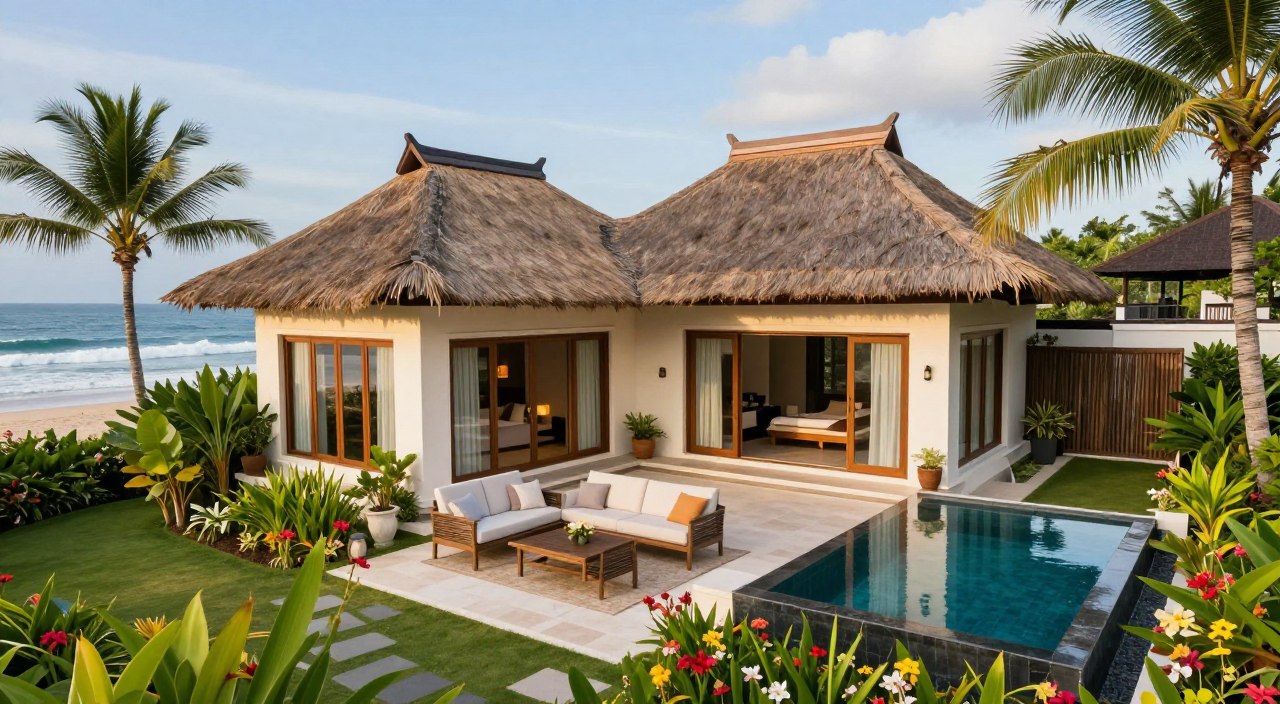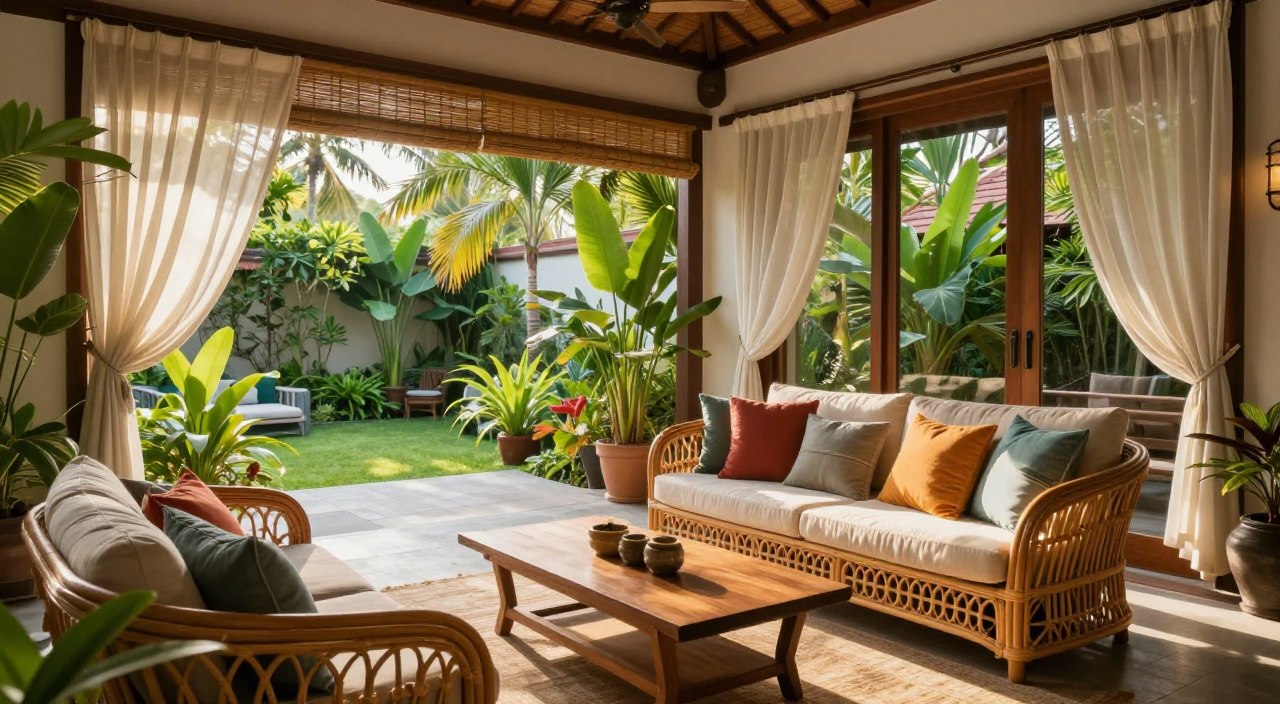
Speaking of Bali style home, did you know that over 65% of Australian homeowners now prioritise creating a serene, nature-connected living space? This growing trend reflects a deep desire to turn our houses into personal sanctuaries. Many are finding the perfect inspiration in the tranquil designs of Indonesia.
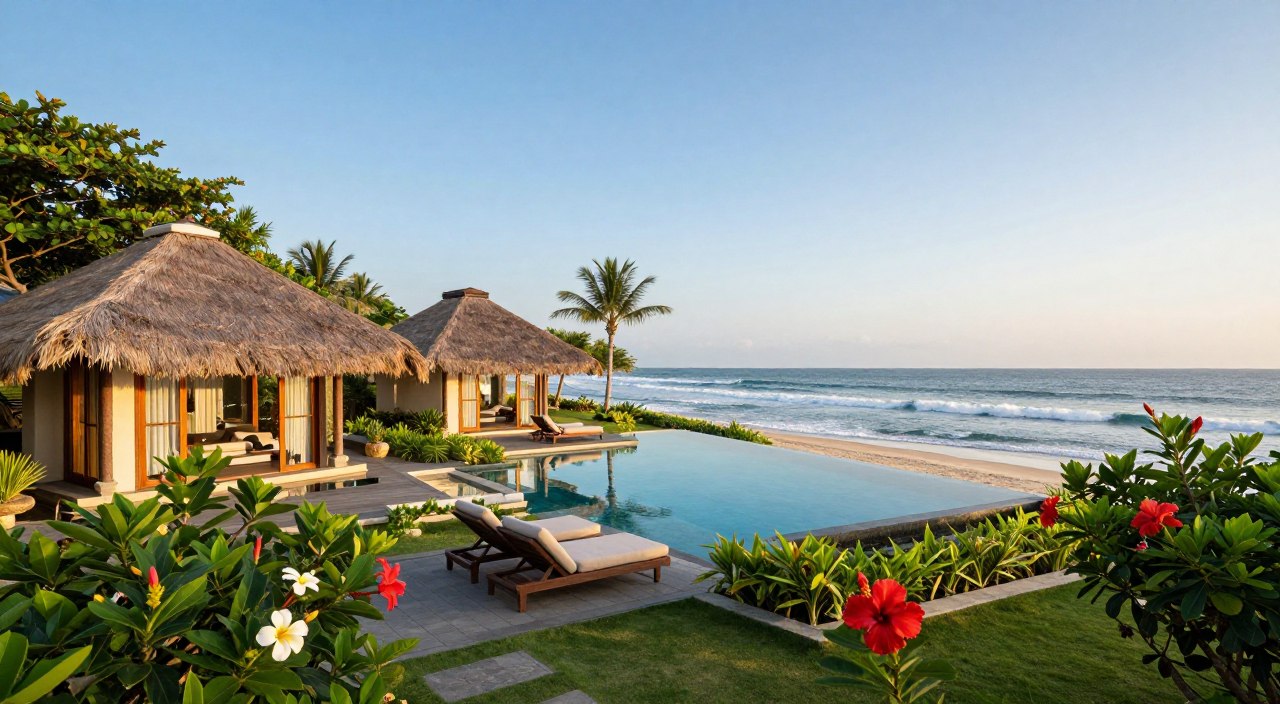
This design philosophy masterfully blends indoor and outdoor areas. It uses natural materials and earthy colours to craft an atmosphere of pure relaxation. The goal is to create a peaceful retreat that feels both elegant and grounded.
You can achieve this look in Australia, no matter your local climate. With thoughtful choices, you can build a calming environment for your entire family. This guide will show you the key principles and practical steps to make it happen.
We will explore how to integrate natural elements and choose the right textures. Transforming your property into a restful haven is more achievable than you might think. Let’s begin the journey to your own tropical-inspired sanctuary.
Key Takeaways
- Australian homeowners are increasingly seeking serene, nature-connected living spaces.
- Balinese design principles focus on blending indoor and outdoor environments seamlessly.
- Authentic aesthetics rely on natural materials and a calming, earthy colour palette.
- This design approach creates an elegant and peaceful sanctuary within your own property.
- The transformation is achievable in various Australian climates with smart material choices.
- Key elements include open layouts, natural textures, and a focus on tranquillity.
- This style enhances well-being by providing a restful environment for the whole family.
Understanding the Essence of Bali Style Design
The foundation of authentic Indonesian-inspired design begins with a harmonious relationship between built environments and the natural landscape. This approach creates spaces that feel organically integrated with their surroundings.
Embracing Natural Elements and Materials
Natural materials form the cornerstone of this aesthetic. Bamboo provides both structural support and decorative appeal, while teakwood offers durability and rich visual texture.
Stone varieties like Uluwatu and black lava stone create striking features throughout the space. Water elements introduce movement and serenity through ponds or fountains.
These elements work together to establish a grounded, tranquil atmosphere. The selection of appropriate materials ensures authenticity in your design approach.
Cultural Inspirations and Traditional Details
Traditional craftsmanship adds depth to the interior experience. Wooden carvings and sculptures carry cultural significance beyond their decorative function.
These artistic details honor Balinese traditions while enhancing the space’s spiritual quality. They transform ordinary rooms into meaningful environments.
| Material | Primary Use | Key Characteristics | Cultural Significance |
|---|---|---|---|
| Bamboo | Structural & decorative | Lightweight, sustainable | Symbol of strength and flexibility |
| Teakwood | Furniture & flooring | Durable, rich grain | Represents longevity and quality |
| Natural Stone | Cladding & features | Textured, earthy | Connection to land and tradition |
| Rattan & Raffia | Textiles & accessories | Organic, breathable | Handcrafted authenticity |
Each material contributes to an organic aesthetic that promotes wellbeing. The thoughtful combination of these elements creates truly authentic spaces.
Practical Steps for a Tropical Home Transformation
Achieving that coveted tropical ambiance in your Australian property involves mastering two key elements: harmonious colour palettes and fluid indoor-outdoor connections. These foundational choices create the serene atmosphere characteristic of island-inspired design.
Choosing the Right Colour Palette and Textiles
Begin by painting your walls in neutral tones like white, cream, or light grey. This establishes a calming backdrop that supports the overall zen aesthetic throughout your space.
Using a single colour scheme creates a strong sense of unity and eliminates visual clutter. Incorporate earthy tones inspired by natural landscapes, including blues reminiscent of the ocean.
Authentic textiles add warmth and cultural authenticity to any room. Introduce silk or batik fabrics for upholstery and decorative cushions.
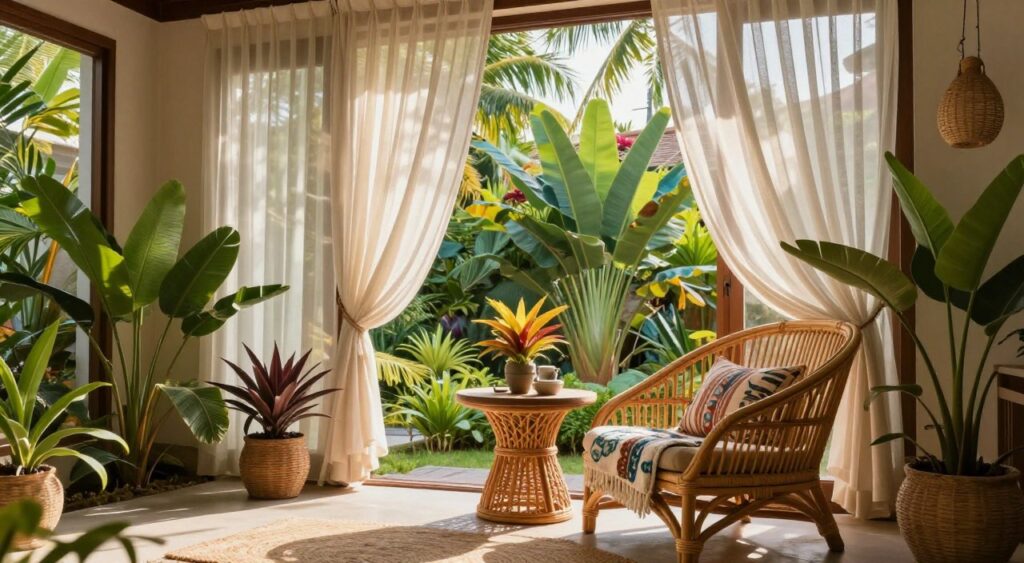
Light, airy linen curtains allow natural illumination to filter through softly. Maintaining the same curtain style throughout enhances visual flow and cohesion.
Creating a Seamless Indoor-Outdoor Flow
Blurring boundaries between interior and exterior spaces is essential. Large windows and glass doors facilitate this indoor outdoor connection.
This open-air approach maximises natural light penetration and ventilation. Thoughtful floor treatments ensure smooth transitions from indoor rooms to outdoor living areas.
| Colour Group | Primary Use | Mood Created | Complementary Textiles |
|---|---|---|---|
| Neutral Base | Walls & large surfaces | Calm, spacious | Linen, cotton |
| Earthy Greens | Accent walls & decor | Natural, grounded | Batik prints, jute |
| Ocean Blues | Soft furnishings | Cool, refreshing | Silk, lightweight fabrics |
| Warm Browns | Furniture & flooring | Cosy, intimate | Leather, woven materials |
Designing Your “bali style home” in Australia
Australian homeowners seeking to create peaceful havens can achieve remarkable results by applying proven design principles to their living spaces. The strategic distribution of wooden elements throughout different areas creates harmonious flow without overwhelming the interior.
Bali Aesthetic Ideas: Transform Your Space Into Tropical Paradise
Integrating Balinese Furniture and Decor
Apply the 1/3 rule when incorporating wooden furniture to maintain balance. Choose a wooden dining table and chairs for the dining area, complemented by a wooden coffee table in the living room.
Invest in high-quality teak furniture known for exceptional durability. This material resists rot and pests, making it ideal for Australian conditions. Wood naturally regulates humidity and improves room acoustics.
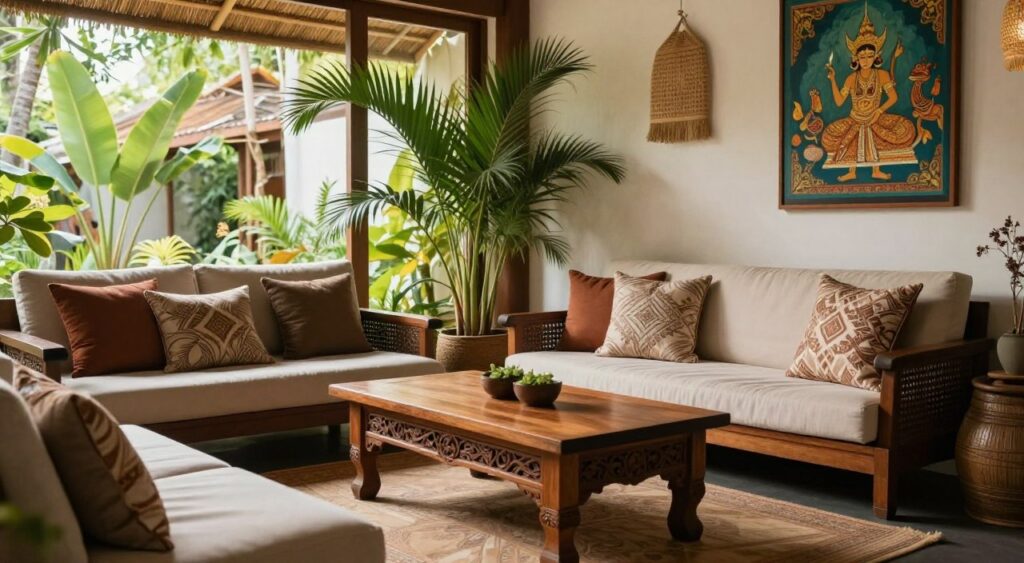
Enhance your space with rattan ceiling lamps and matching cushion covers. Position larger plants like palms in corners as focal points. Smaller plants on shelves or tables improve air quality and create visual interest.
Utilising Lighting, Stone, and Wooden Accents
Carved timber doors add authentic character while providing privacy between different areas. Handcrafted rattan or bamboo ceiling fixtures cast warm, filtered light across living spaces.
Use black lava stone for dramatic wall cladding and Uluwatu stone for outdoor features. Create designated relaxation zones where family members can unwind with floor cushions or hammock chairs.
Bamboo screening offers natural privacy solutions while maintaining the tropical aesthetic. These elements work together to transform any Australian property into a serene sanctuary.
Conclusion
Transforming your Australian property into a tropical sanctuary offers more than just visual appeal, it fundamentally enhances daily wellbeing. This approach creates a serene interior that supports everyone in the household.
By following the outlined steps, selecting natural materials, neutral palettes, and authentic furniture, you achieve an authentic aesthetic. The seamless indoor-outdoor connection brings nature into your living space beautifully.
This natural interior provides a restorative environment where family members can recharge energy levels. The design whispers serenity, peace, and calm, offering a daily retreat from modern stresses.
Begin your transformation journey today. Creating this tropical-inspired living environment is an achievable goal that brings lasting value. The investment pays dividends through improved quality of life and a stronger sense of connection to nature.