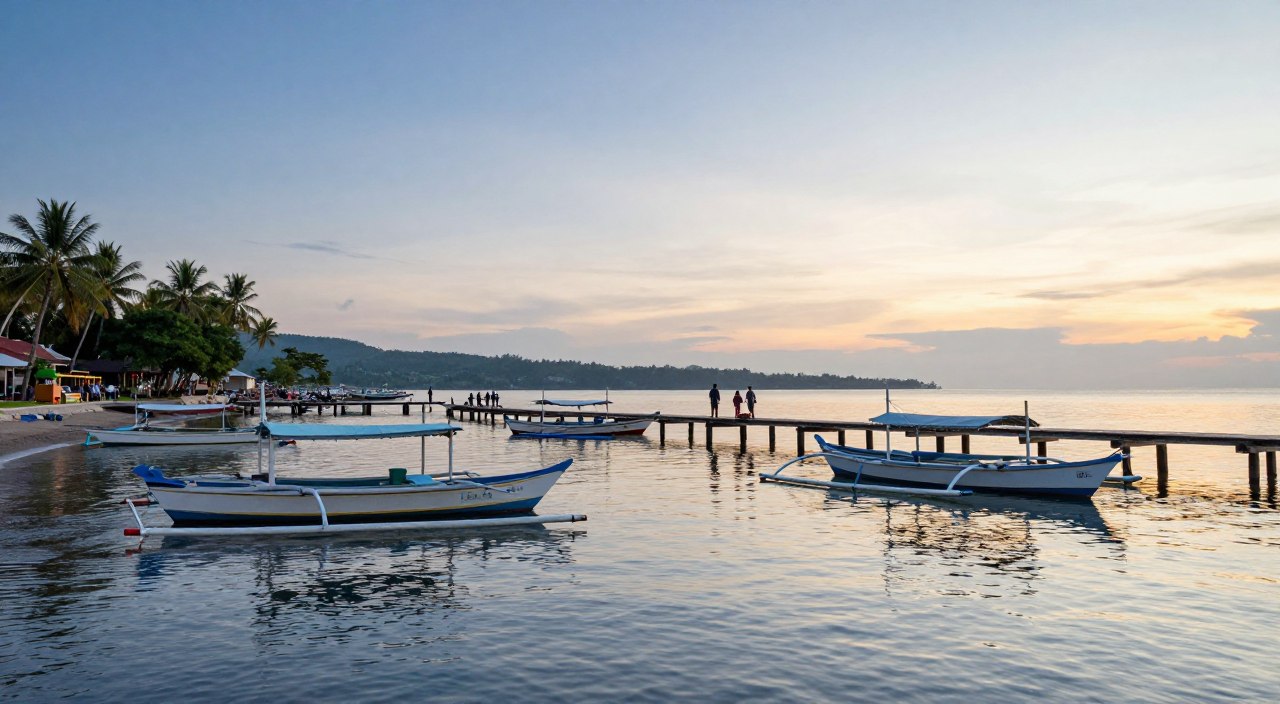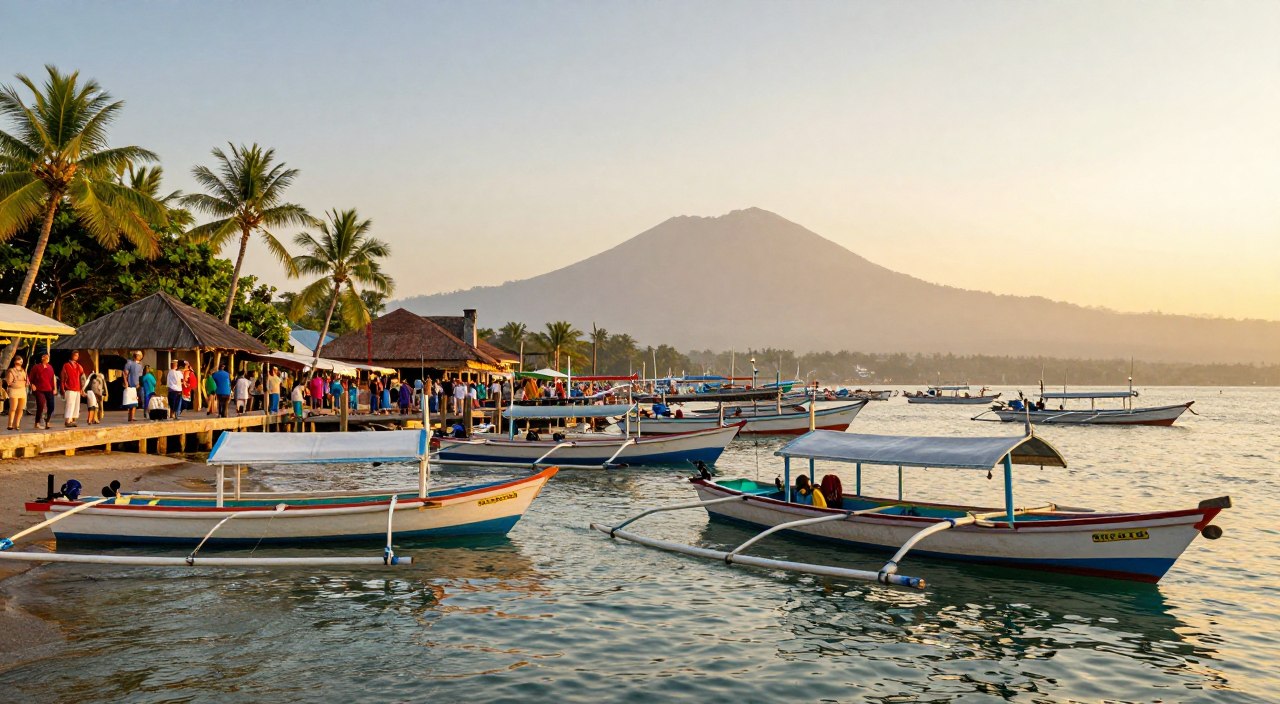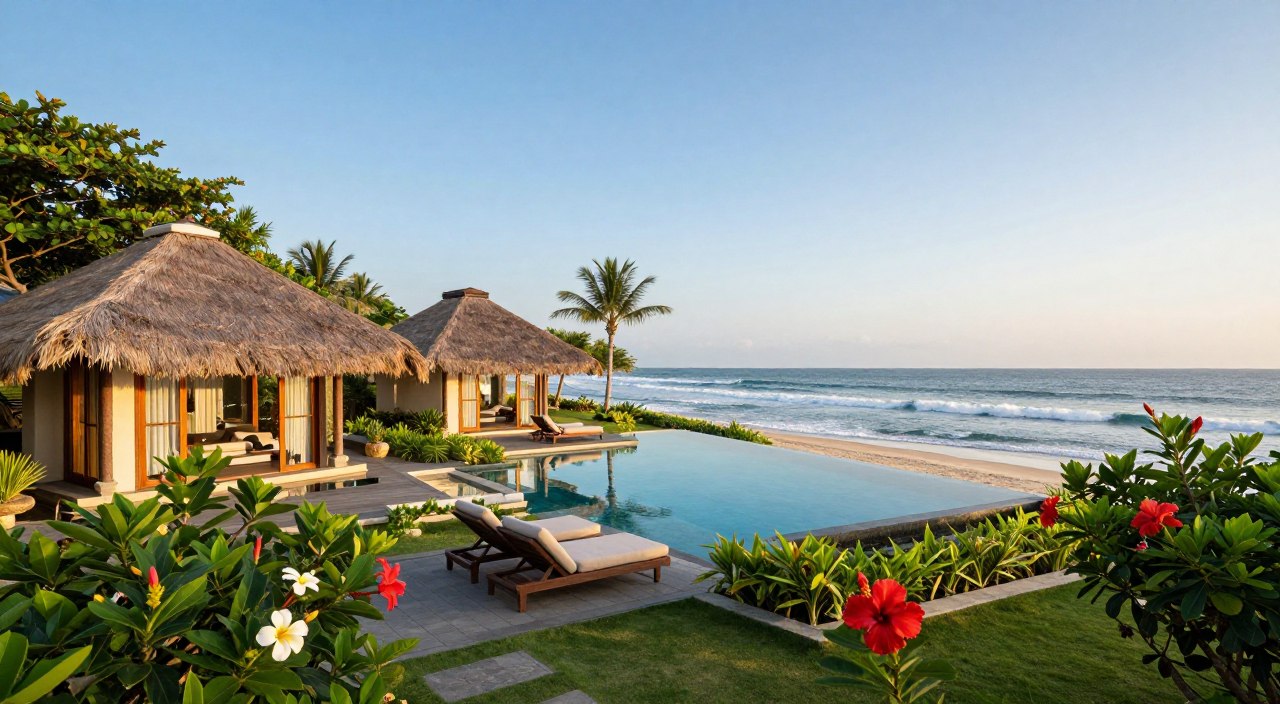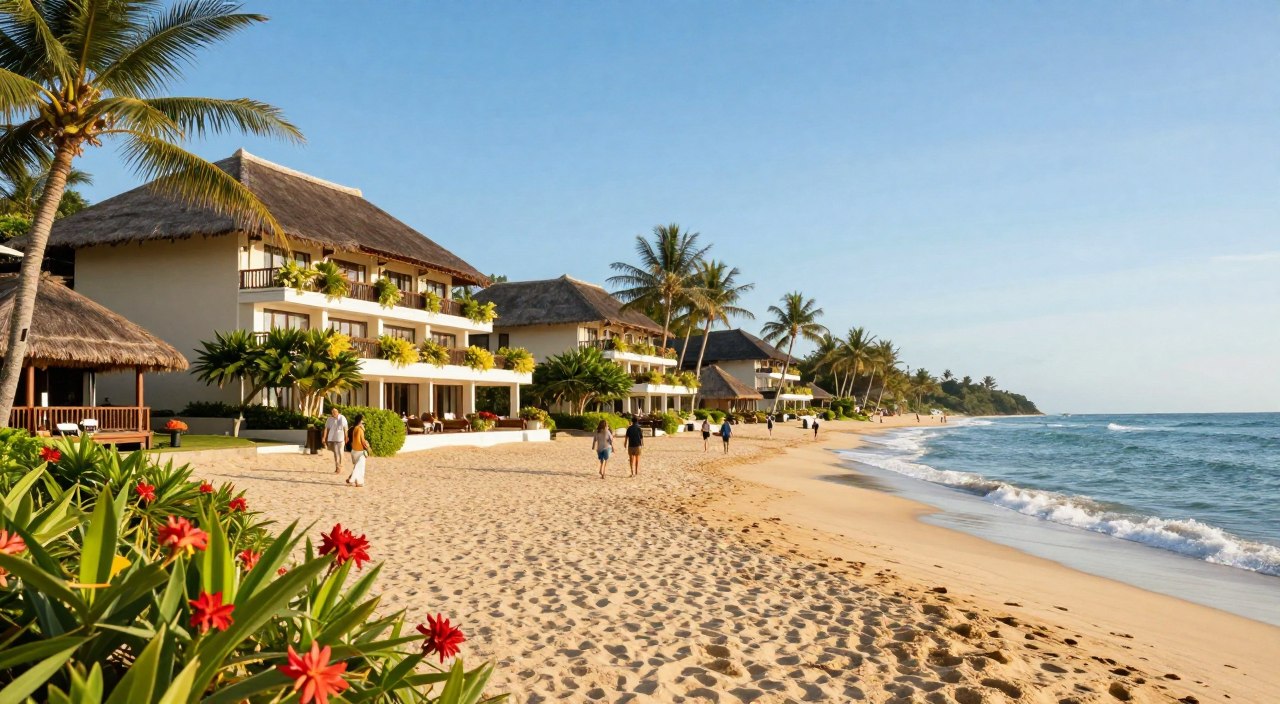
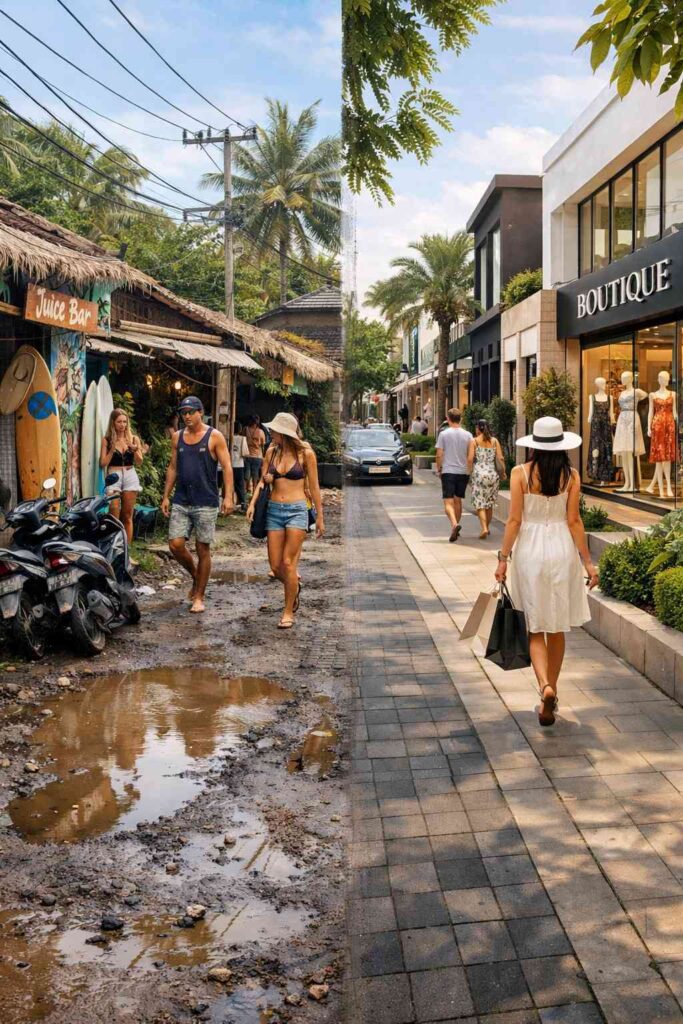
Choosing between Seminyak and Canggu is one of the biggest decisions you’ll make when planning your Bali trip. This Seminyak vs Canggu guide breaks down everything you need to know about these two iconic beach towns on Bali’s southwest coast. While they’re only a 15-minute drive apart, these neighboring destinations offer completely different experiences. Seminyak serves up upscale dining, sophisticated beach clubs, and polished nightlife, while Canggu delivers laid-back surf culture, digital nomad havens, and bohemian cafe vibes. After living in both areas and helping hundreds of travelers make this choice, I’ve learned that the “better” destination depends entirely on your travel style, budget, and what you’re seeking from your Bali experience. This comprehensive comparison covers beaches, accommodation, dining, nightlife, and the distinct atmosphere that defines each area.
Understanding Seminyak and Canggu: Location and Accessibility
Both Seminyak and Canggu sit along Bali’s southwest coast, stretching north from the busy hub of Kuta. Seminyak lies closer to Ngurah Rai International Airport, just 30 minutes by car, while Canggu sits about 45 minutes from the airport depending on traffic. The Canggu and Seminyak distance is roughly 7 kilometers, with the Canggu to Seminyak journey taking 15-20 minutes by scooter during normal conditions, though this can stretch to 40 minutes during rush hour.
Walking from Canggu to Seminyak is technically possible along the beach at low tide, taking about 45-60 minutes from Batu Bolong to Double Six Beach. However, the route isn’t continuous due to rocky sections and private property, so most people opt for scooters or ride-sharing apps.
When travelers debate Seminyak or Canggu or Uluwatu, location matters significantly. Seminyak offers easier access to the airport and southern attractions, while Canggu provides quicker routes to Tanah Lot temple and central Bali’s rice terraces. In the broader Kuta vs Seminyak vs Canggu conversation, Seminyak sits in the middle, balancing accessibility with a more refined atmosphere than chaotic Kuta.
Canggu vs Seminyak: The Beaches Compared
Canggu’s Black Sand Beaches
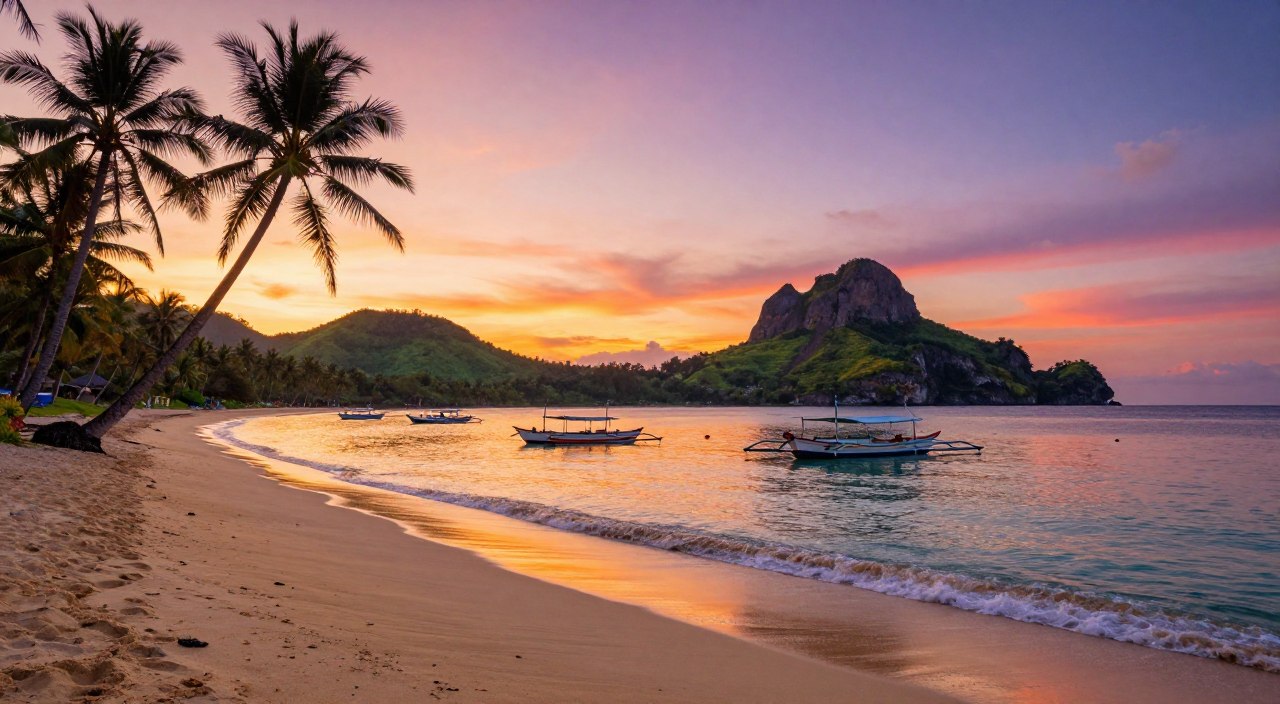
The black sand beaches Canggu is famous for define the area’s character completely. Unlike the golden coastlines elsewhere in Bali, Canggu’s volcanic black sand creates a dramatic, raw aesthetic that matches the surf culture Canggu Bali has built its reputation on. Echo Beach remains the most iconic spot, offering powerful waves, warung-lined shores, and spectacular sunset views. Batu Bolong Beach sits at Canggu’s epicenter, packed with surfers, beachgoers, and the constant buzz of activity. Berawa Beach provides a slightly quieter alternative with similar black sand and excellent surf breaks.
These beaches excel for surfing but present challenges for swimming. Strong currents and consistent waves make them better suited for experienced swimmers and surfers rather than families with young children. The beaches maintain a raw, undeveloped feel despite Canggu’s rapid growth, with fewer manicured beach clubs and more casual beach shacks.
Seminyak’s Golden Sand Coastline
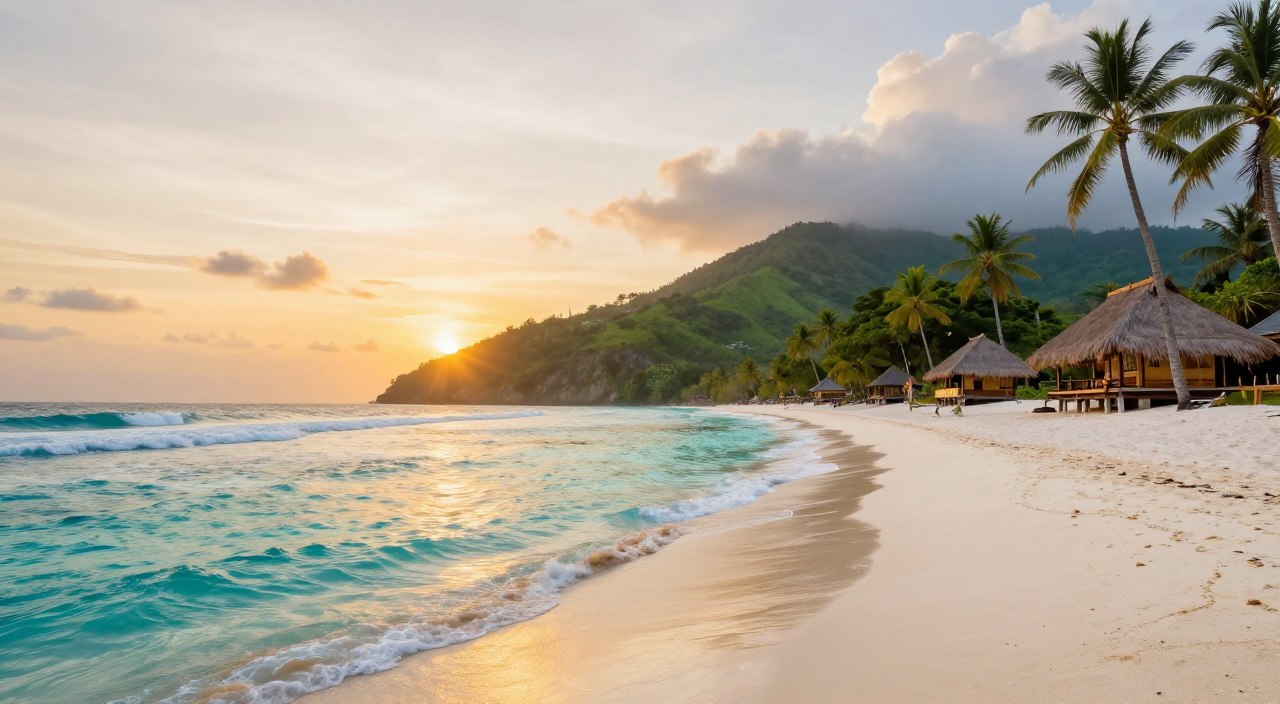
Seminyak Beach and Double Six Beach showcase the softer, golden sand that many travelers prefer for sunbathing and swimming. The sand quality feels finer and more comfortable for barefoot walking, and the gradual slope into the ocean creates calmer conditions than Canggu’s beaches. Swimming remains possible during certain tides, though you should always respect warning flags and local advice.
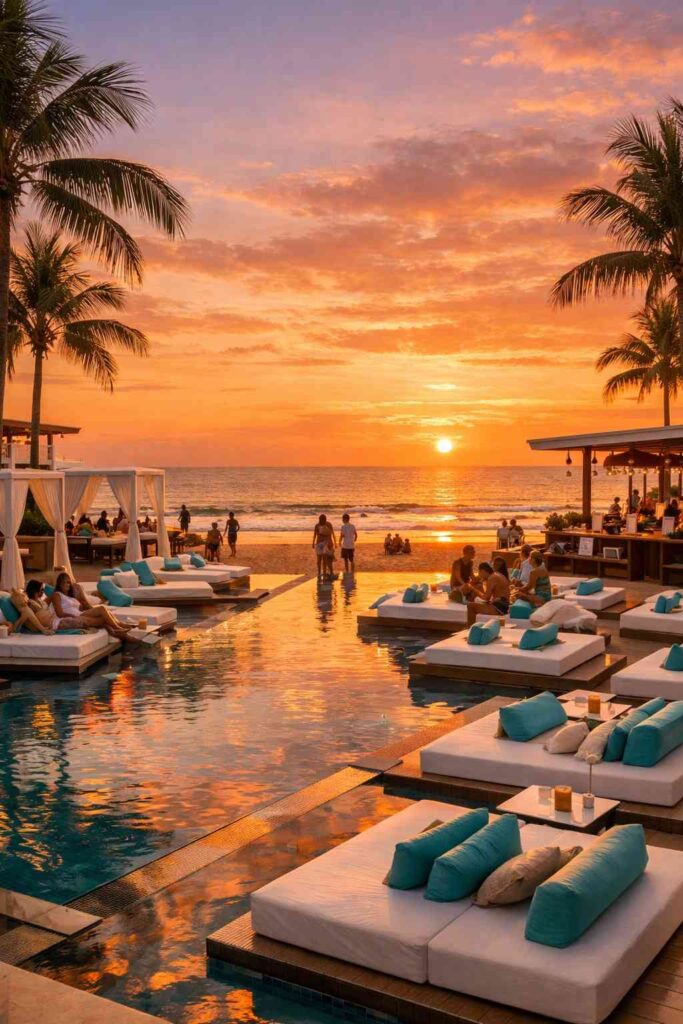
The beach club scene dominates Seminyak’s coastline, with upscale venues like Potato Head Beach Club, Ku De Ta, and La Plancha offering sunbeds, pools, restaurants, and DJ sets. These establishments create a more polished, resort-like beach experience compared to Canggu’s casual vibe. Sunset at Seminyak Beach draws massive crowds, with beachgoers gathering for the nightly ritual accompanied by cold drinks and live music.
Nightlife and Party Scene: Canggu vs Seminyak
The Canggu vs Seminyak nightlife comparison reveals stark differences in atmosphere and offerings. Seminyak nightlife and restaurants cater to an upscale, sophisticated crowd with venues like Motel Mexicola, Red Ruby, Mrs Sippy, and Mirror Lounge Club delivering everything from cocktail bars to full nightclubs. The scene peaks Thursday through Saturday, with well-dressed crowds moving between dinner spots and late-night venues. Music ranges from house and techno to commercial hits, and you’ll find the party continuing until 3-4 AM in some spots.
Canggu’s nightlife feels more relaxed and community-oriented. The best beach clubs in Canggu include FINNS Beach Club, which dominates with its massive pools, restaurants, bars, and regular events. Old Man’s serves as Canggu’s unofficial living room, offering cheap beers, live music, and a mixed crowd of surfers, digital nomads, and travelers. Pretty Poison brings upscale cocktails and sunset sessions, while The Lawn hosts beach parties and live DJs.
The party crowd in Canggu skews younger and more backpacker-friendly, with board shorts and bikinis perfectly acceptable attire. Seminyak demands more effort in presentation, with many venues enforcing casual-smart dress codes. If you want sophisticated nightlife with variety and late hours, Seminyak wins. For laid-back beach parties and community vibes, Canggu delivers.
Cafe Culture and Dining Scene
Canggu’s Hipster Cafe Culture
The best cafes in Canggu have become legendary among digital nomads and Instagram enthusiasts. Crate Cafe pioneered the scene with its industrial-chic design and all-day brunch menu. Shady Shack serves Instagram-perfect smoothie bowls and healthy fare in a garden setting. The Loft offers multiple levels of work-friendly space with reliable Wi-Fi. Betelnut Cafe attracts the wellness crowd with organic options and beautiful presentation.
Expect to pay 50,000-85,000 IDR ($3.20-$5.50) for coffee and 70,000-150,000 IDR ($4.50-$10) for brunch dishes at most Canggu cafes. The atmosphere prioritizes casual comfort, with laptop-friendly tables, charging ports, and all-day service. Most cafes embrace the healthy, plant-based trend with extensive vegan and vegetarian options.
Seminyak’s Upscale Dining Experience
Seminyak elevates the dining experience significantly, with internationally acclaimed restaurants like Merah Putih (Indonesian fine dining), Mamasan (Asian fusion), Sarong (Southeast Asian), and La Lucciola (Italian beachfront) leading the scene. These establishments require reservations, maintain dress codes, and deliver restaurant-quality food with premium pricing.
Expect dinner for two with drinks to run 800,000-1,500,000 IDR ($50-$100) at upscale restaurants, compared to 400,000-700,000 IDR ($25-$45) for similar quality in Canggu. Beach clubs like Ku De Ta and Potato Head offer all-day dining with minimum spends ranging from 300,000-500,000 IDR ($20-$32) per person. The culinary variety spans Italian, Japanese, French, Mediterranean, and contemporary Indonesian, with impeccable service and presentation.
Where to Stay: Accommodation Options and Costs
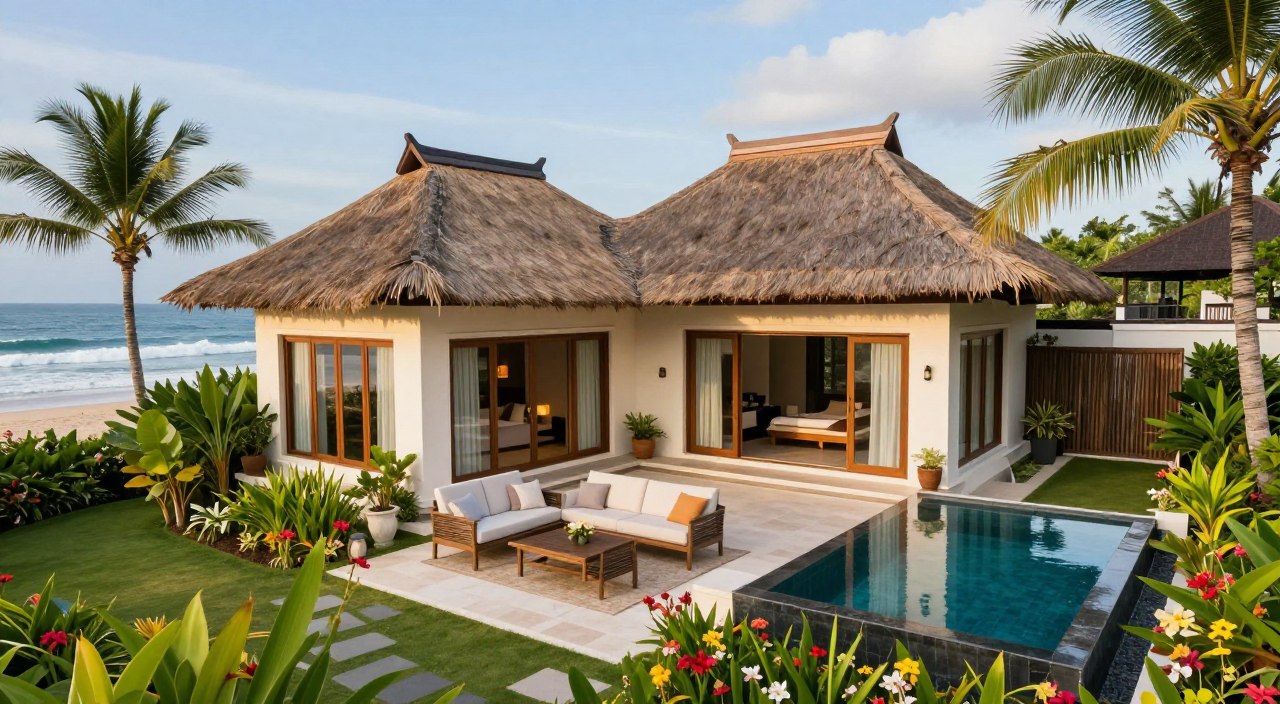
Where to stay in Canggu depends heavily on your budget and preferred sub-area. Batu Bolong sits at the center, walking distance to beaches, cafes, and nightlife, but faces the worst traffic congestion. Berawa offers slightly more space and newer developments, appealing to longer-term stays. Echo Beach provides a quieter, more authentic atmosphere away from the main hustle.
Canggu accommodation prices span wide ranges:
Budget (Hostels/Guesthouses): 150,000-350,000 IDR ($10-$22) per night for dorm beds or basic private rooms Mid-Range (Boutique Hotels): 600,000-1,200,000 IDR ($38-$75) per night for comfortable hotels with pools Luxury (Villas/Resorts): 2,000,000-5,000,000 IDR ($125-$315) per night for private villas with pools and services
Seminyak accommodation generally costs 20-40% more for equivalent quality. Budget options are limited, with most properties falling into mid-range and luxury categories:
Budget (Basic Hotels): 400,000-700,000 IDR ($25-$45) per night Mid-Range (Quality Hotels): 1,000,000-2,000,000 IDR ($65-$125) per night Luxury (High-End Resorts/Villas): 3,000,000-10,000,000+ IDR ($190-$630+) per night
Peak season (July-August, December-January) sees prices jump 30-50% in both areas, with Christmas and New Year commanding premium rates. Book at least 2-3 months ahead for these periods. Shoulder months (April-June, September-October) offer the best value with lower prices and fewer crowds.
Canggu or Seminyak: Which is Better for Digital Nomads?

Canggu wins this category decisively. The digital nomad Canggu community has established itself as one of Southeast Asia’s most vibrant remote work hubs. Coworking spaces like Dojo Bali, Tropical Nomad, and Biliq dominate the scene with professional facilities, fast internet, meeting rooms, and networking events. Monthly memberships run 1,200,000-2,000,000 IDR ($75-$125).
Nearly every cafe in Canggu caters to laptop workers with reliable Wi-Fi, comfortable seating, and accepting attitudes toward all-day stays. The community aspect thrives through regular meetups, skill shares, and social events that make meeting other remote workers effortless. Long-term accommodation costs remain reasonable, with monthly villa rentals available from 8,000,000-15,000,000 IDR ($500-$950) for decent places.
Seminyak offers fewer coworking spaces and less tolerance for laptop campers in cafes, which prioritize turnover for their dining businesses. The overall cost of living runs higher, and the community feels more transient with shorter-stay tourists. While some digital nomads base themselves in Seminyak for its sophistication and dining options, the infrastructure and community support can’t match Canggu’s offerings.
Shopping, Spas, and Lifestyle Amenities
Seminyak excels in boutique shopping with streets like Jalan Kayu Aya (Laksmana) and Jalan Raya Seminyak lined with fashion stores, homewares, jewelry, and designer goods. Seminyak Village and Seminyak Square provide air-conditioned shopping with international brands. Expect higher prices but better quality and curation than typical tourist markets.
Canggu’s shopping scene emphasizes surf brands, bohemian fashion, and locally made goods. Deus Ex Machina serves as a cultural hub combining a cafe, shop, and gallery. Love Anchor Bazaar showcases local designers and artisans. The general aesthetic leans younger and more casual than Seminyak’s polished offerings.
Both areas offer excellent spas, though Seminyak provides more luxury options. Massages cost 150,000-250,000 IDR ($10-$16) for one hour at local spas, while upscale venues charge 500,000-1,000,000 IDR ($32-$65). Canggu’s spas often incorporate the wellness trend with sound healing, yoga packages, and holistic treatments.
Yoga studios proliferate in both locations. Canggu favorites include The Practice, Samadi Bali, and Desa Seni, while Seminyak offers The Yoga Barn Seminyak and Prana Spa. Daily classes cost 150,000-200,000 IDR ($10-$13), with package deals available.
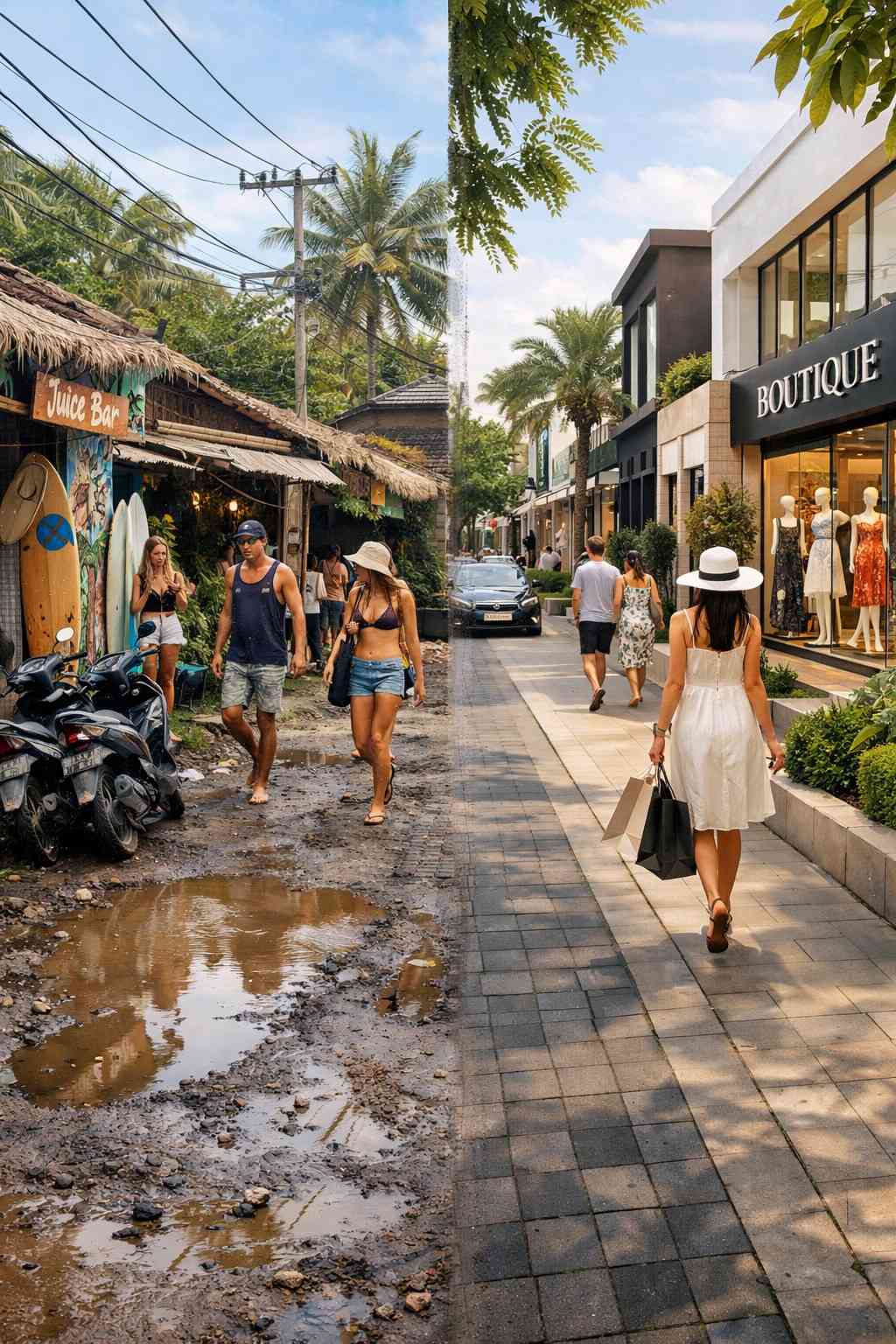
Banking and healthcare services are adequate in both areas, with ATMs throughout and clinics like BIMC and Kasih Ibu providing English-speaking medical care. Canggu’s infrastructure remains less developed, with some streets still unpaved and drainage issues during heavy rain.
Activities and Things to Do
Water sports dominate both areas, with surf lessons running 500,000-700,000 IDR ($32-$45) for a 2-hour session including board rental. Canggu’s consistent waves make it ideal for learning, while Seminyak’s beach breaks offer gentler options for absolute beginners.
Tanah Lot temple sits just 20 minutes from Canggu, making sunset temple visits easy. Petitenget Temple in Seminyak offers a local spiritual experience without the tourist crowds. Rice field walks and village exploration feel more accessible from Canggu, which maintains closer connections to traditional Bali despite rapid development.
Both areas serve as excellent bases for day trips to Ubud (1-1.5 hours), Uluwatu (45-60 minutes), and other island attractions. Private drivers cost 600,000-800,000 IDR ($38-$50) for full-day tours.
Atmosphere and Vibe: The Cultural Difference
The essential difference between these areas comes down to atmosphere. Canggu radiates a laid-back, bohemian energy where board shorts, messy buns, and barefoot walking feel perfectly appropriate. The crowd skews younger, budget-conscious, and casual, with surfers, yogis, digital nomads, and backpackers creating a community atmosphere. Development has exploded rapidly, bringing construction noise, traffic congestion, and infrastructure struggles, but the core vibe remains relaxed and accepting.
Seminyak projects sophistication and polish, attracting travelers who prioritize style, quality dining, and upscale experiences. The see-and-be-seen culture dominates beach clubs and restaurants, where appearance matters and Instagram-worthy moments abound. The crowd tends older (late 20s to 50s), better dressed, and more affluent. Development feels more established with better infrastructure, but authenticity has diminished significantly.
Traffic plagues both areas, with Jalan Batu Bolong in Canggu and Jalan Raya Seminyak becoming parking lots during peak hours (11 AM-1 PM, 5 PM-7 PM). Canggu’s rapid, unplanned development has created worse congestion on narrower roads.
Transportation and Getting Around
Scooter rentals provide the most practical transportation in both areas, costing 60,000-80,000 IDR ($4-$5) per day or 800,000-1,000,000 IDR ($50-$65) monthly. Traffic can feel chaotic for inexperienced riders, with accidents common among tourists. Always wear a helmet and carry an international driving permit to avoid police fines.
Grab and Gojek ride-sharing work well for shorter trips, with rides between Canggu and Seminyak costing 35,000-50,000 IDR ($2.20-$3.20). Private drivers for full days run 600,000-800,000 IDR ($38-$50), useful for airport transfers or exploring beyond the immediate area.
Walkability within neighborhoods varies significantly. Seminyak’s better sidewalks and more compact layout make walking more feasible for errands and nearby destinations. Canggu’s sprawl, patchy infrastructure, and heavy traffic make walking less practical, with destinations often requiring scooters even for short distances.
Pros and Cons: Canggu vs Seminyak Side-by-Side
Canggu Advantages and Disadvantages
Pros:
- Authentic surf culture with consistent waves at multiple breaks
- Thriving digital nomad community and coworking infrastructure
- Best cafes in Canggu with all-day laptop-friendly spaces
- Lower accommodation and dining costs overall
- Laid-back, accepting atmosphere without pretension
- Newer facilities and modern villa developments
- Closer to rice fields and traditional villages
Cons:
- Severe traffic congestion on main roads
- Rapid, unplanned development creating infrastructure issues
- Crowded beaches during peak hours
- Black sand beaches less appealing for swimming
- Inconsistent sidewalks and drainage problems
- Limited late-night entertainment options
- Further from airport
Seminyak Advantages and Disadvantages
Pros:
- Sophisticated dining scene with international cuisine
- Upscale shopping and boutique selection
- Better beach clubs with pools and facilities
- Established infrastructure and services
- Greater nightlife variety for late-night partying
- Golden sand beaches better for swimming
- Closer to airport
Cons:
- Significantly higher prices for accommodation and dining
- Party-focused atmosphere can feel overwhelming
- Less authentic Bali experience
- Traffic congestion on main roads
- Overcrowded beaches on weekends
- Limited budget accommodation options
- Pretentious vibes at some venues
Making the Decision: Which is Better for You?
The Canggu or Seminyak: which is better question has no universal answer, only personal ones based on your priorities.
Choose Canggu if: You’re a surfer seeking consistent waves, a digital nomad wanting community and coworking spaces, traveling on a tighter budget, prefer casual vibes over polished experiences, or want to immerse yourself in cafe culture and bohemian atmosphere.
Choose Seminyak if: You prioritize upscale dining and sophisticated nightlife, prefer golden sand beaches over black volcanic sand, want established infrastructure and variety in entertainment, don’t mind paying premium prices for quality experiences, or enjoy the see-and-be-seen beach club scene.
Best for families: Seminyak edges ahead with better swimming beaches, more resort-style accommodations with kids’ facilities, and calmer traffic conditions, though both areas lack extensive family-specific attractions.
Best for solo travelers: Canggu wins through its welcoming community, easy socializing through hostels and coworking spaces, and budget-friendly options that make extended stays feasible.
Best for couples: Depends on the couple. Seminyak suits those wanting romantic fine dining, sunset beach clubs, and upscale experiences. Canggu appeals to active couples into surfing, exploring, and casual hangouts.
Best for budget travelers: Canggu offers more affordable accommodation, dining, and activities, making your rupiah stretch significantly further than in Seminyak.
Best for luxury seekers: Seminyak delivers superior high-end restaurants, beach clubs, and shopping, with more established luxury properties and services.
Best for surfers: Canggu dominates with multiple surf breaks suitable for all levels, consistent waves, surf schools, and a community built around surf culture.
Best for digital nomads: Canggu provides unmatched coworking spaces, cafe culture, community networking, and cost-effective long-term living.
Insider Tips for Visiting Both Areas
Having lived in both areas, I recommend splitting your time if your schedule allows. Spend 4-5 days in Canggu to experience the surf culture, cafe scene, and laid-back vibes, then move to Seminyak for 3-4 days to enjoy upscale dining, nightlife, and beach clubs. This approach lets you experience both atmospheres without committing fully to either.
Hidden gems in Canggu: The Lawn for sunset sessions, Finns Recreation Club for families, warung-hopping along Echo Beach for authentic food, rice field walks near Pererenan.
Hidden gems in Seminyak: Petitenget Temple at sunset, Jalan Kayu Jati for local warungs away from tourist prices, morning walks on the beach before crowds arrive, Biku for traditional Indonesian food in a heritage house.
Money-saving strategies: Eat at local warungs (Nasi Campur costs 25,000-35,000 IDR/$1.60-$2.20), rent monthly accommodations for better rates, use Gojek instead of private drivers, buy alcohol from Circle K instead of restaurants, avoid peak season premium pricing.
Best times to visit: April-June and September-October offer ideal weather, smaller crowds, and lower prices. July-August brings Australian families and international tourists. December-January sees peak pricing and maximum crowds. Wet season (November-March) means afternoon rain but fewer tourists and significant discounts.
What to pack differently: Canggu requires casual beach wear, with board shorts and tank tops acceptable everywhere. Seminyak demands at least a few nicer outfits for upscale restaurants and clubs. Both areas need reef-safe sunscreen, scooter helmets, rain jackets during wet season, and mosquito repellent.
Comparison Table: Canggu vs Seminyak at a Glance
| Category | Canggu | Seminyak |
|---|---|---|
| Beach Quality | Black volcanic sand, powerful surf | Golden sand, calmer conditions |
| Nightlife | Laid-back bars, beach clubs, early closing | Upscale clubs, late-night venues, sophisticated |
| Dining Scene | Hipster cafes, healthy bowls, casual | Fine dining, international cuisine, upscale |
| Accommodation | Budget-friendly to mid-range | Mid-range to luxury |
| Atmosphere | Bohemian, casual, community-focused | Polished, see-and-be-seen, upscale |
| Price Range | $$ (Budget-friendly) | $$$$ (Expensive) |
| Best For | Surfers, digital nomads, backpackers | Luxury travelers, foodies, party-goers |
| Traffic Level | Severe congestion | Heavy but more manageable |
| Infrastructure | Developing, inconsistent | Established, reliable |
| Authenticity | Moderately authentic | Heavily westernized |
Current Price Breakdown (2026)
Accommodation per night:
- Budget hostel dorm: Canggu 150,000-250,000 IDR ($10-$16) / Seminyak (limited options) 300,000-400,000 IDR ($19-$25)
- Mid-range hotel: Canggu 800,000-1,200,000 IDR ($50-$75) / Seminyak 1,400,000-2,000,000 IDR ($88-$125)
- Luxury villa: Canggu 3,000,000-5,000,000 IDR ($190-$315) / Seminyak 5,000,000-10,000,000 IDR ($315-$630)
Meal costs:
- Local warung: Canggu 30,000-45,000 IDR ($2-$3) / Seminyak 40,000-60,000 IDR ($2.50-$4)
- Mid-range restaurant: Canggu 100,000-180,000 IDR ($6.30-$11.50) / Seminyak 200,000-350,000 IDR ($12.50-$22)
- Fine dining: Canggu 300,000-500,000 IDR ($19-$32) / Seminyak 500,000-1,000,000 IDR ($32-$63)
Coffee at cafes: Canggu 45,000-65,000 IDR ($3-$4) / Seminyak 55,000-85,000 IDR ($3.50-$5.50)
Scooter rental: Both areas 60,000-80,000 IDR ($4-$5) daily, 800,000-1,000,000 IDR ($50-$65) monthly
Beach club minimum spend: Canggu 200,000-350,000 IDR ($12.50-$22) / Seminyak 300,000-500,000 IDR ($19-$32)
Surf lesson (2 hours): Both areas 500,000-700,000 IDR ($32-$45)
Quick Decision Guide
Choose Canggu if you:
- Want to learn or improve surfing skills
- Are traveling on a budget under $50/day
- Value community and making friends easily
- Need coworking spaces and reliable Wi-Fi
- Prefer casual, unpretentious atmospheres
- Want proximity to rice fields and authentic villages
Choose Seminyak if you:
- Prioritize upscale dining experiences
- Prefer golden sand beaches for swimming
- Want sophisticated nightlife and late-night options
- Have a comfortable budget over $100/day
- Enjoy luxury shopping and spa experiences
- Value established infrastructure and convenience
Visit both if you have:
- 7+ days in Bali
- Interest in experiencing contrasting vibes
- Flexibility to move accommodations
- Desire to maximize your Bali experience
Neighborhood Micro-Areas to Consider
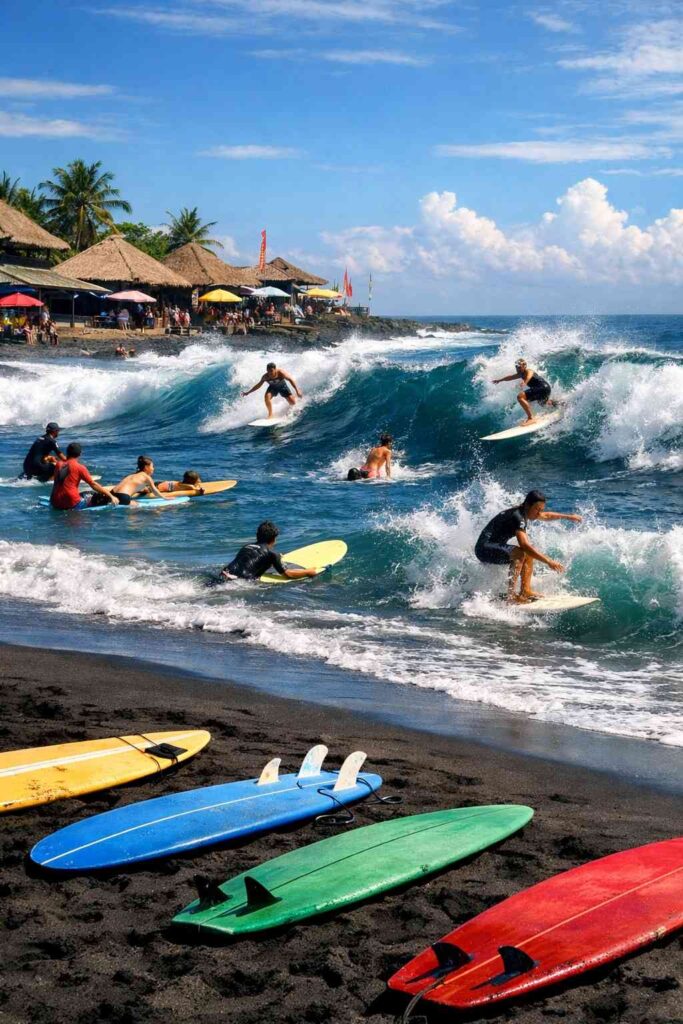
Within Canggu, Batu Bolong offers walkability to cafes and beaches but suffers the worst traffic. Berawa provides newer developments and slightly more space, appealing to longer-term renters. Echo Beach delivers a quieter, more local atmosphere with fewer tourists and better sunset views. Pererenan sits further north with rice fields nearby and minimal development, perfect for those seeking peace.
Within Seminyak, Oberoi (Jalan Kayu Aya/Laksmana) concentrates high-end dining and shopping. Petitenget borders Canggu and offers a middle ground between both areas’ characteristics. Double Six sits beachfront with excellent sunset access but faces maximum crowds. Each micro-area within both destinations offers distinct experiences worth considering for your specific needs.
Real Traveler Scenarios
Digital Nomad Sarah (28, US): “I chose Canggu after trying both areas because the coworking spaces at Dojo Bali gave me structure, the cafes never rushed me off my laptop, and I made genuine friends through the nomad community. Seminyak felt too transient and expensive for my three-month stay. Monthly villa rental in Berawa cost $700 with a pool, which would’ve been $1,200+ in Seminyak for equivalent quality.”
The Martinez Family (parents + 2 kids): “Seminyak worked better for our family because the calmer beaches let the kids swim safely, our hotel had a proper kids’ club, and the variety of restaurants made pleasing everyone easier. Canggu’s strong currents and rough waves concerned us for the children, though we took them to Echo Beach one afternoon to experience the surf culture atmosphere.”
Solo Surfer Tom (24, Australia): “Canggu was perfect for my surfing goals. I rented a board for the month, hit Batu Bolong every morning, progressed to bigger waves at Echo Beach, and connected with other surfers at Old Man’s every evening. The whole community revolves around surfing, which kept me motivated and stoked throughout my stay. Seminyak has waves, but they’re inconsistent and the beach club scene didn’t interest me.”
Traffic and Rush Hour Reality
Traffic in both areas has reached critical levels during 2025, with Canggu’s narrow, poorly planned roads creating complete gridlock. Jalan Batu Bolong becomes impassable 11 AM-1 PM and 5 PM-7 PM, when a normally 5-minute scooter ride can take 25 minutes. Jalan Pantai Batu Bolong and Jalan Raya Canggu experience similar congestion.
Seminyak’s wider roads and better infrastructure provide slight relief, though Jalan Raya Seminyak and Sunset Road still crawl during peak hours. The rainy season amplifies traffic issues significantly, with flooding and poor drainage extending rush hour conditions.
Alternative strategies include working from nearby cafes to avoid traveling during congestion, using beach paths when possible, or accepting that movement during peak hours requires patience and extra time.
Evolution and Future Outlook
Both areas have transformed dramatically over recent years. Canggu exploded from rice fields and small villages into a bustling tourist hub between 2015-2026, with development showing no signs of slowing. New villas, cafes, and hotels continue opening monthly, bringing infrastructure challenges but also improved facilities and services. The authentic village feel has diminished significantly, though pockets remain in Pererenan and surrounding areas.
Seminyak reached peak development earlier, establishing itself as Bali’s premier beach destination during the 2010s. Development now focuses on replacing older properties with more upscale offerings rather than expanding footprint. The area feels fully westernized, with limited authentic Balinese culture remaining beyond temples and ceremonies.
Expect both areas to continue evolving toward higher density, more traffic, and increasing prices. The trade-off between authentic Bali experiences and modern conveniences will continue shifting toward the latter, making early visits worthwhile for those seeking traditional island culture alongside beach town amenities.
What is the main difference between Canggu and Seminyak? The main difference is atmosphere and price point. Canggu offers laid-back surf culture, black sand beaches, digital nomad community, and budget-friendly cafes, while Seminyak provides upscale dining, golden sand beaches, sophisticated nightlife, and luxury shopping at premium prices. Canggu attracts surfers and remote workers; Seminyak appeals to luxury travelers seeking polished experiences.
Conclusion

This Seminyak vs Canggu guide reveals two destinations that excel in different ways, making the “better” choice entirely dependent on your travel style, budget, and priorities. Canggu delivers authentic surf culture, thriving digital nomad infrastructure, and budget-friendly vibes in a laid-back package. Seminyak provides sophisticated dining, upscale beach clubs, and polished nightlife experiences for those willing to pay premium prices. After spending months in each location and speaking with countless travelers, I’ve learned that many people benefit from experiencing both areas during their Bali trip. The 15-minute distance makes splitting time feasible, letting you surf and work in Canggu’s cafes before enjoying Seminyak’s sunset beach clubs and fine dining. Both destinations offer excellent Bali experiences, just wrapped in completely different packages. Choose based on your authentic priorities rather than Instagram ideals, and you’ll find the perfect match for your Bali adventure.
FAQ
What is the main difference between Canggu and Seminyak?
The core difference lies in atmosphere and target audience. Canggu embraces laid-back surf culture with black sand beaches, digital nomad coworking spaces, hipster cafes, and budget-conscious pricing. Seminyak elevates the experience with upscale restaurants, sophisticated beach clubs, golden sand beaches, luxury shopping, and premium pricing throughout. Canggu attracts surfers, digital nomads, backpackers, and travelers seeking community vibes. Seminyak appeals to affluent tourists, couples wanting romantic dining, party-goers enjoying late-night clubs, and luxury travelers prioritizing polished experiences. Think bohemian beach town versus sophisticated coastal resort.
Can you walk from Canggu to Seminyak?
Walking from Canggu to Seminyak is technically possible along the beach at low tide, covering roughly 7 kilometers in 45-60 minutes from Batu Bolong to Double Six Beach. However, the route presents challenges including rocky sections, private property blocking continuous passage, strong sun exposure without shade, and loose volcanic sand making walking tiring. Most travelers prefer scooters (15-20 minutes, 60,000-80,000 IDR/$4-$5 daily rental) or Grab/Gojek rides (35,000-50,000 IDR/$2.20-$3.20) for convenience and speed. The beach walk works best as a scenic morning activity rather than practical transportation method.
Which is better for surfing, Canggu or Seminyak?
Canggu dominates for surfing with multiple consistent breaks suitable for all levels. Echo Beach delivers powerful waves for intermediates and advanced surfers. Batu Bolong offers learner-friendly waves with surf schools lining the beach. Berawa provides varied conditions depending on swell direction. The entire Canggu community revolves around surf culture, with board rentals, repair shops, and surfer-focused cafes everywhere. Surf lessons cost 500,000-700,000 IDR ($32-$45) for two hours including equipment.
Seminyak has surf breaks but they’re less consistent and the beach club scene overshadows surf culture. Waves work best during specific tides and swell directions, making conditions less reliable. Beginners might prefer Seminyak’s gentler waves when conditions align, but serious surfers overwhelmingly choose Canggu for wave quality, consistency, and community atmosphere.
Is Canggu or Seminyak more expensive?
Seminyak costs significantly more across nearly every category. Accommodation runs 20-40% higher for equivalent quality, with limited budget options available. Mid-range hotels cost 1,400,000-2,000,000 IDR ($88-$125) nightly in Seminyak versus 800,000-1,200,000 IDR ($50-$75) in Canggu. Restaurant meals average 200,000-350,000 IDR ($12.50-$22) in Seminyak compared to 100,000-180,000 IDR ($6.30-$11.50) in Canggu for similar quality.
Beach club minimum spends reach 300,000-500,000 IDR ($19-$32) in Seminyak versus 200,000-350,000 IDR ($12.50-$22) in Canggu. Even coffee costs more at 55,000-85,000 IDR ($3.50-$5.50) in Seminyak versus 45,000-65,000 IDR ($3-$4) in Canggu. Budget travelers can stretch money much further in Canggu, while Seminyak caters to those prioritizing quality over cost savings.
Which area is best for digital nomads?
Canggu wins decisively for digital nomads, offering Southeast Asia’s most developed remote work infrastructure. Coworking spaces like Dojo Bali, Tropical Nomad, and Biliq provide professional facilities, fast internet (50-100 Mbps), meeting rooms, printing services, and networking events for 1,200,000-2,000,000 IDR ($75-$125) monthly. Nearly every cafe welcomes laptop workers with reliable Wi-Fi, charging ports, and tolerance for all-day stays.
The community aspect proves invaluable, with regular meetups, skill shares, and social events making connections effortless. Long-term accommodation costs remain reasonable at 8,000,000-15,000,000 IDR ($500-$950) monthly for decent villas. Seminyak lacks dedicated coworking infrastructure, its cafes prioritize dining turnover over laptop camping, and overall costs make extended stays less feasible. The digital nomad Canggu reputation remains well-earned in 2025.
Is Seminyak better for nightlife than Canggu?
Seminyak offers superior nightlife for those wanting sophisticated venues, late closing times, and variety. Clubs like Mirror Lounge, Red Ruby, and Motel Mexicola deliver proper nightclub experiences with international DJs, extensive cocktail menus, and parties continuing until 3-4 AM. Beach clubs like Potato Head and Ku De Ta transition from sunset sessions into evening entertainment with live music and DJs. The scene requires more effort in presentation with casual-smart dress codes enforced.
Canggu’s nightlife feels more laid-back and community-oriented. FINNS Beach Club dominates with pools, restaurants, and events, while Old Man’s serves as the neighborhood living room with cheap beers and live music. Pretty Poison offers upscale cocktails, and The Lawn hosts beach parties. However, venues close earlier (midnight-1 AM typically) and the overall vibe stays casual. Choose Seminyak for sophisticated partying, Canggu for relaxed beach bar hanging.
What are the best beaches in Canggu?
Echo Beach leads Canggu’s beach lineup with dramatic black volcanic sand, consistent surf breaks, warung-lined shores, and spectacular sunset views. The powerful waves attract intermediate to advanced surfers, while the laid-back atmosphere welcomes everyone. Batu Bolong Beach sits at Canggu’s epicenter, packed with surfers, beachgoers, beach clubs, and constant activity. Surf schools concentrate here, making it ideal for lessons. Berawa Beach provides slightly quieter conditions with similar black sand and good surf.
Pererenan Beach offers the most peaceful atmosphere with fewer crowds and more local character. All beaches feature black volcanic sand creating dramatic aesthetics but challenging swimming conditions due to strong currents and consistent waves. These beaches excel for surfing, sunset watching, and soaking in authentic surf culture rather than swimming or lounging like Seminyak’s golden sand alternatives.
How far apart are Canggu and Seminyak?
Canggu and Seminyak sit approximately 7 kilometers apart along Bali’s southwest coast. Traveling between them takes 15-20 minutes by scooter during normal conditions, though this stretches to 40-50 minutes during rush hour congestion (11 AM-1 PM, 5 PM-7 PM). Grab or Gojek rides cost 35,000-50,000 IDR ($2.20-$3.20) for the journey. Private car transfers run slightly longer at 20-25 minutes due to wider roads versus scooter shortcuts.
Walking the beach route requires 45-60 minutes at low tide but presents challenges with rocky sections and private property interruptions. The proximity makes visiting both areas easy during a Bali trip, with many travelers basing themselves in one location while making day or evening trips to the other. Traffic remains the biggest variable affecting travel time between these neighboring destinations.
Which is better for families, Canggu or Seminyak?
Seminyak edges ahead for families with young children due to calmer swimming conditions on golden sand beaches, more resort-style accommodations offering kids’ clubs and family facilities, and greater variety in restaurant options pleasing picky eaters. The established infrastructure provides better sidewalks for strollers and more predictable services. Hotels like Alila Seminyak, Anantara Seminyak, and W Bali cater specifically to families with pools, activities, and babysitting services.
Canggu’s strong currents and rough waves create safety concerns for young swimmers, though older kids might enjoy surf lessons and the active beach atmosphere. Accommodation options include family villas with private pools, and the laid-back vibe reduces stress about children’s noise or behavior. However, the traffic congestion, inconsistent sidewalks, and party-focused areas around Batu Bolong make navigating with small children challenging. Overall, families typically find Seminyak more convenient and suitable for young children.
Should I stay in Canggu, Seminyak, or Uluwatu?
This decision depends on your priorities across multiple dimensions. Choose Canggu for surf culture, digital nomad community, budget-friendly cafes, and laid-back vibes. Choose Seminyak for upscale dining, sophisticated nightlife, luxury shopping, and polished beach clubs. Choose Uluwatu for dramatic clifftop scenery, world-class surf breaks, quieter atmosphere, and proximity to stunning beaches like Padang Padang and Bingin.
Canggu and Seminyak offer better restaurant variety, nightlife options, and day-to-day conveniences while Uluwatu provides more authentic Balinese culture and natural beauty but requires scooters for reaching amenities. Distance matters too: Canggu and Seminyak sit 15 minutes apart, while Uluwatu lies 45-60 minutes south. Many travelers split time, perhaps 4-5 days in Canggu/Seminyak for social atmosphere and dining, then 2-3 days in Uluwatu for beach beauty and surf. Consider your priorities around convenience versus scenery, party atmosphere versus tranquility, and budget constraints when deciding.