Online shopping apps Indonesia have transformed how millions of Indonesians purchase everything from electronics to groceries, with the country’s e-commerce market experiencing explosive growth that accelerated dramatically during and after the pandemic. The shift from offline to online shopping represents one of Southeast Asia’s most significant consumer behavior changes, with Indonesia now ranking among the world’s fastest-growing digital economies. This comprehensive guide covers the best e-commerce apps Indonesia offers, including major marketplace platforms like Shopee, Tokopedia, and Lazada, as well as specialized grocery delivery services. You’ll discover detailed app features, discount strategies, secure payment methods, and how to navigate Indonesia’s evolving online shopping landscape, including recent developments like TikTok Shop‘s integration with Tokopedia. As an e-commerce analyst who has personally tested all major shopping mobile app platforms across Indonesia, I’ll provide objective, data-driven reviews to help you choose the right apps for your needs.
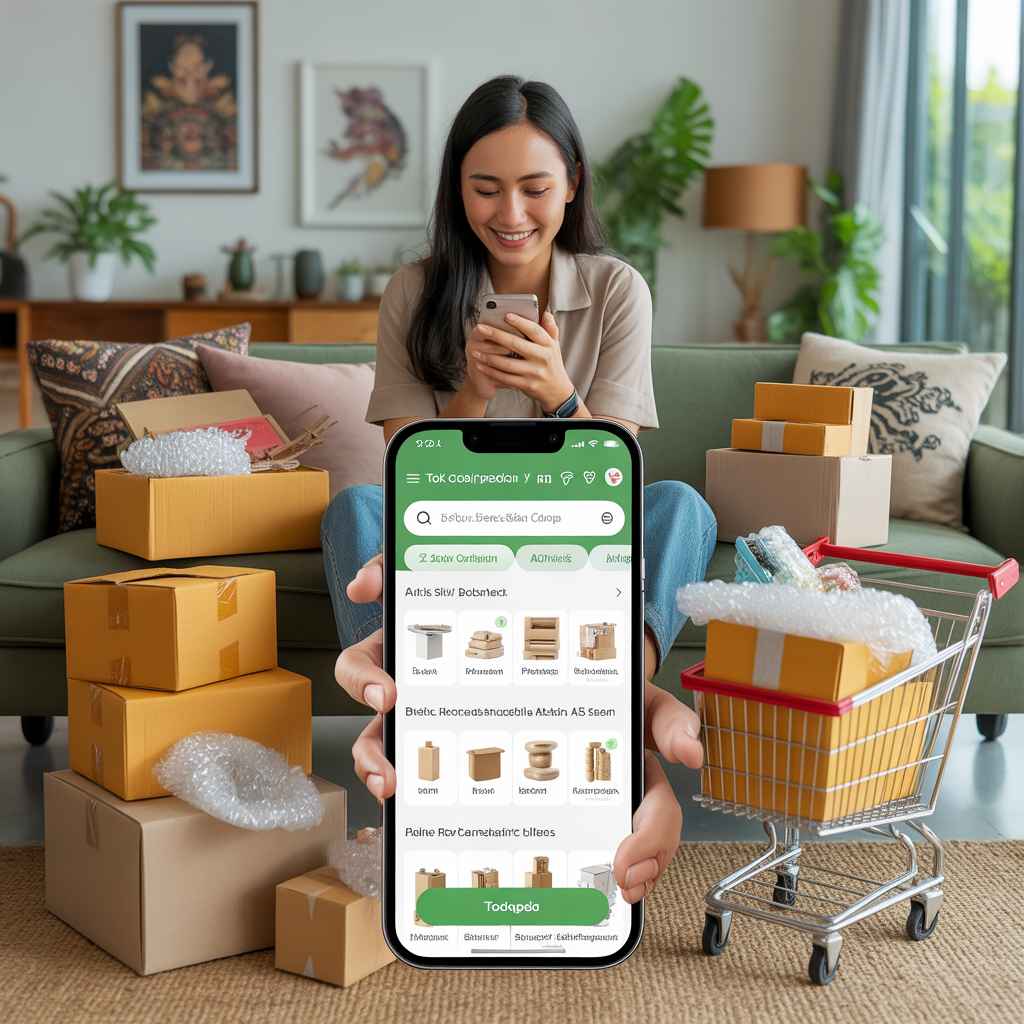
The Rise of Online Shopping Apps Indonesia
Indonesia online shopping App adoption has skyrocketed between 2023 and 2026, driven by increased smartphone penetration, improved internet infrastructure, and changing consumer preferences. The pandemic fundamentally altered shopping habits, with contactless delivery and home-based purchasing becoming normalized behaviors that persisted long after restrictions ended. Indonesia’s e-commerce market reached an estimated US$70 billion in 2025, with projections suggesting continued double-digit growth through 2026 and beyond.
Mobile-first consumer behavior dominates the Indonesian market, with over 85% of online transactions occurring through mobile app interfaces rather than desktop websites. This preference reflects Indonesia’s unique digital landscape, where many consumers access the internet exclusively through smartphones. The convenience of app-based shopping, combined with integrated payment systems and personalized recommendations, has made mobile app platforms the preferred shopping method for consumers across all age groups.
Government regulation significantly shaped the landscape in 2023 when Trade Minister Regulation No. 31/2023 prohibited social media platforms from directly facilitating transactions. This regulation led to TikTok Shop‘s withdrawal from direct e-commerce operations in Indonesia, though the platform subsequently formed a strategic partnership with Tokopedia through a US$1.5 billion investment. This massive investment created a combined business under PT Tokopedia, with TikTok managing in-app shopping features while leveraging Tokopedia‘s established marketplace infrastructure.
The Indonesian e-commerce market size continues expanding rapidly, with industry analysts projecting the market could exceed US$100 billion by 2028. This growth reflects not only increasing consumer adoption but also the diversification of product categories, improved logistics networks, and enhanced trust in online shopping platforms and online shopping apps Indonesia.
Best Online Shopping Apps Indonesia 2026
Determining the best online shopping apps indonesia 2026 requires examining multiple factors including visitor traffic, user ratings, feature sets, product selection, pricing competitiveness, and overall user experience. This ranking methodology incorporates SimilarWeb visitor statistics from Q1 2023, Google Play and App Store ratings, user review sentiment analysis, and comprehensive feature comparisons across all major platforms.
Visitor statistics provide crucial insights into platform popularity and market share. The best e-commerce apps Indonesia consistently attract tens of millions of monthly visitors, indicating strong brand recognition and user loyalty. App store ratings reflect user satisfaction with mobile app performance, interface design, and overall functionality, while review analysis reveals common pain points and praised features.
The feature comparison framework evaluates each platform across critical dimensions: product variety, pricing competitiveness, payment options, delivery network coverage, seller tools, buyer protection programs, customer service quality, and technological innovation. This holistic approach ensures recommendations address diverse consumer needs, from bargain hunters seeking maximum discounts to shoppers prioritizing authentic brand products and secure transactions.
Shopee Indonesia: Most Visited E-Commerce Platform
Shopee Indonesia Online dominates the Indonesian e-commerce landscape as the most visited platform, attracting an impressive 158 million visits in Q1 2023 according to SimilarWeb data. The Singapore-based platform launched in Indonesia in 2015 and rapidly gained market leadership through aggressive pricing strategies, extensive marketing campaigns, and a user-friendly mobile app interface designed specifically for Southeast Asian consumers.
Shopee Indonesia discounts represent a core competitive advantage, with the platform offering consistently low prices across categories and frequent flash sales that create urgency and drive daily engagement. The free shipping program eliminates a major barrier to online purchase, particularly for price-sensitive consumers who previously hesitated due to delivery costs. ShopeeLIVE pioneered livestream shopping in Indonesia, allowing sellers to showcase products in real-time while interacting directly with potential buyers through chat features.
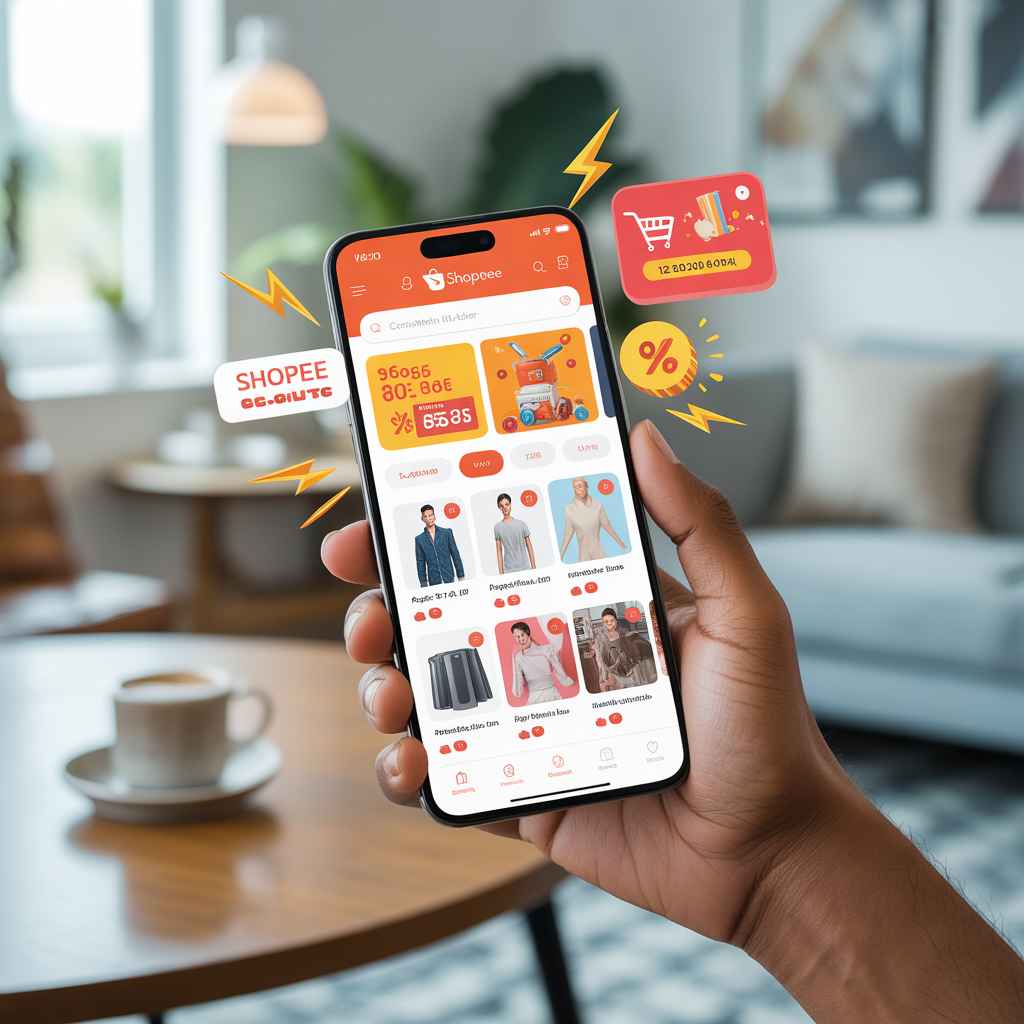
ShopeePay, the integrated payment system, streamlines transactions by eliminating redirects to external payment gateway services. This integration reduces friction in the checkout process and enables seamless cashback programs and promotional rewards. The platform offers comprehensive buying and selling transaction features, supporting both individual sellers and established businesses with tools for inventory management, order processing, and customer communication.
Product categories span virtually every consumer need, from electronics and clothing to toys, beauty products, and home goods. The platform’s wide selection ensures shoppers can fulfill multiple needs within a single app, increasing convenience and reducing the need for multiple platform accounts. Mobile app user experience prioritizes simplicity, with intuitive navigation, powerful search filters, and personalized product recommendations based on browsing history.
Google Play and App Store availability ensures broad accessibility across Android and iOS devices, with both versions maintaining high ratings that reflect positive user experiences. Discount strategies extend beyond simple price reductions to include voucher codes, coin rewards redeemable for discounts, and special campaign events tied to dates like 9.9, 10.10, 11.11, and 12.12 that generate massive sales volumes.
Buyer and seller protection programs provide recourse for transaction disputes, with Shopee holding payment in escrow until buyers confirm satisfactory delivery. Information privacy and data security measures comply with Indonesian regulations, though users should review privacy policies to understand how their information is collected and used. Payment options accommodate diverse preferences, including bank transfer, credit card, e-wallet integration (particularly ShopeePay), and cash on delivery for consumers who prefer not to prepay.
Tokopedia: Second Largest Indonesian E-Commerce
Tokopedia online shopping serves as Indonesia’s homegrown e-commerce champion, capturing 117 million visits in Q1 2023 and maintaining strong competitive positioning against international platforms. As a local Indonesian company, Tokopedia understands domestic consumer preferences, payment habits, and cultural nuances that inform platform design and feature development.
The TikTok Shop partnership fundamentally altered Indonesia’s e-commerce landscape, with the US$1.5 billion investment creating a combined business entity that leverages both platforms’ strengths. TikTok manages in-app shopping features within its social media platform, while Tokopedia provides the underlying marketplace infrastructure, logistics network, and seller ecosystem. This integration allows TikTok users to discover products through short-form video content and complete purchases without leaving the app, while Tokopedia gains access to TikTok‘s massive user base and engagement mechanisms.
Key features include broadcast chat capabilities that enable sellers to communicate with potential customers in real-time, creating conversational commerce experiences that build trust and answer questions immediately. Store statistics and analytics provide sellers with data on visitor behavior, conversion rates, and product performance, enabling data-driven decisions about inventory, pricing, and marketing strategies. Flash sales and promotional tools help sellers create urgency and drive sales spikes during campaign periods.
The wide merchant ecosystem encompasses millions of sellers, from individual entrepreneurs operating home-based businesses to major brand retailers with extensive product catalogs. Product categories mirror Shopee‘s breadth, covering electronics, fashion, food, household items, and virtually every consumer category. The platform’s strength in supporting small and medium enterprises (SMEs) contributes to Indonesia’s economic development while providing consumers access to unique products unavailable through traditional retail channels.
Mobile app functionality emphasizes speed and reliability, with optimized code that minimizes data usage and performs well even on slower internet connections common in some Indonesian regions. Payment gateway options include Tokopedia Pay, the platform’s integrated e-wallet, alongside traditional methods like bank transfer and credit cards. Trust and safety features include seller verification, product authenticity guarantees for official stores, and dispute resolution mechanisms.
Copyright protection for brands helps legitimate sellers prevent counterfeit listings, though enforcement remains an ongoing challenge across all Indonesian e-commerce platforms. Tokopedia‘s commitment to brand protection makes it a preferred platform for official brand stores seeking to maintain reputation and prevent intellectual property violations.
Lazada Indonesia: Alibaba-Backed Platform
Lazada Indonesia app benefits from Alibaba’s backing, bringing international e-commerce expertise and significant capital resources to the Indonesian market. With 83.2 million visits in Q1 2023, Lazada maintains strong third-place positioning despite intense competition from Tokopedia and Shopee. Recent improvements in user experience, including faster app loading times and streamlined checkout processes, have enhanced competitiveness.
Brand authenticity guarantees distinguish Lazada from competitors, with the platform investing heavily in verification systems that ensure products sold through LazMall, the official brand store section, come directly from authorized distributors. This focus on authenticity appeals to consumers willing to pay premium prices for guaranteed genuine products, particularly in categories like electronics and beauty where counterfeits pose quality and safety risks.
Electronics and gadgets represent a core strength, with Lazada offering extensive selections of smartphones, laptops, cameras, and accessories from major international brands. Flash deals and campaign events create limited-time discounts that drive traffic and purchases, while LazMall‘s curated selection provides premium shopping experiences for brand-conscious consumers. International shipping capabilities enable cross-border commerce, allowing Indonesian consumers to purchase products from international sellers and vice versa.
App store ratings and reviews generally reflect positive experiences, though some users note slower delivery times compared to domestic-focused competitors. Payment methods include the full range of options expected by Indonesian consumers, from bank transfers and credit cards to e-wallets and cash on delivery. Security measures protect transaction data and personal information, with encryption and fraud monitoring systems that detect suspicious activities.
Customer service quality varies, with LazMall orders typically receiving priority support while marketplace seller transactions may experience longer response times. The platform’s dispute resolution process handles conflicts between buyers and sellers, though outcomes depend on evidence provided and specific circumstances.
BliBli: Electronics and Gadgets Specialist
BliBli electronics discounts attract tech enthusiasts and gadget shoppers seeking competitive pricing on electronics, appliances, and technology products. As a local Indonesian e-commerce platform, Blibli recorded 25.4 million visits in Q1 2023, serving a user base that skews male and tech-oriented compared to more general marketplace competitors.
Electronics and gadget deals represent the platform’s core competitive advantage, with strong relationships with manufacturers and distributors enabling competitive pricing on Smart TV, Google TV (operating system) devices, smartphones, computers, and gaming equipment. Subscription services for groceries add convenience for busy professionals seeking regular deliveries of household necessities without repeated ordering.
Weekly and monthly packages with free shipping provide cost-effective options for recurring purchases, particularly household supplies and consumables. Home appliances category strength encompasses everything from refrigerators and washing machines to small kitchen appliances and cleaning equipment. The mobile app features straightforward navigation optimized for product discovery and technical specification comparison.
Payment options mirror industry standards, including bank transfers, credit cards, e-wallets, and installment plans that make expensive electronics purchases more accessible. The delivery network covers major Indonesian cities and increasingly reaches secondary markets, though remote areas may experience longer shipping times.
Bukalapak: MSME-Focused Platform
Bukalapak pioneered online marketplaces in Indonesia after its 2010 founding, recording 18.1 million visits in Q1 2023 while maintaining focus on micro, small, and medium enterprises (MSMEs). The platform evolved from initial emphasis on sports products to comprehensive marketplace offerings covering all major consumer categories.
The MSME focus differentiates Bukalapak from larger competitors, with features and pricing specifically designed to help small businesses establish online presence and reach customers beyond their immediate geographic area. This community-driven shopping experience emphasizes supporting local entrepreneurs and discovering unique products unavailable through major brand retailers.
App store presence maintains solid ratings, though user numbers trail the top three platforms. Privacy policies align with Indonesian regulatory requirements, protecting user data while enabling personalized shopping experiences through browsing history and purchase pattern analysis.
Other Notable Marketplace Apps
Bhinneka specializes in B2B and B2G (business-to-government) transactions, with particular strength in electronics and office equipment. The platform serves corporate buyers seeking bulk purchases and procurement solutions, differentiating itself from consumer-focused marketplaces.
OLX operates as a classifieds-style platform handling both new and used products, including cars, houses, motorcycles, and sports equipment. The peer-to-peer model enables direct buyer-seller communication, though this structure provides less buyer protection compared to managed online shopping apps Indonesia marketplace platforms.
Comparing niche versus general marketplaces reveals trade-offs between specialized expertise and product variety. Niche platforms offer deeper category knowledge and more targeted features, while general marketplaces provide one-stop shopping convenience and competitive pricing through scale advantages.
Fashion and Beauty Shopping Apps
Sociolla: Beauty Products Specialist
Sociolla dominates Indonesia’s online beauty market, offering curated selections of makeup, skincare, hair care, and perfume products targeting female consumers seeking authentic cosmetics. Official distributor partnerships ensure product authenticity, addressing major concerns about counterfeit beauty products sold through general marketplaces.
Authenticity guarantees for brands provide peace of mind, with Sociolla working directly with manufacturers and authorized distributors to maintain product integrity. The mobile app interface emphasizes visual product discovery through high-quality images and detailed ingredient listings. Payment and delivery options mirror industry standards, with multiple payment methods and reliable shipping to major Indonesian cities.
Zalora: Fashion and Lifestyle
Zalora carries over 500 brands spanning local Indonesian designers and international fashion labels, creating comprehensive clothing selections for style-conscious shoppers. The platform’s focus on clothing extends into homeware, though fashion remains the core business. International shopping with competitive shipping rates enables access to global fashion trends and brands not readily available in Indonesian retail stores.
Brand authenticity verification protects consumers from counterfeit clothing and accessories, particularly important for luxury and premium brands. App store downloads demonstrate steady growth, with the platform maintaining loyal customer base despite competition from larger general marketplaces.
Matahari: Retail to E-Retail
Matahari leverages its established brick-and-mortar retail presence to build e-commerce operations, offering fashion from well-known brands with integration between physical stores and online platforms. Promotions and competitive pricing attract bargain hunters, while physical store integration enables convenient returns and exchanges.
Grocery Shopping Apps Indonesia
Grocery shopping apps Indonesia experienced explosive growth during pandemic lockdowns, with convenience factors and fresh product delivery capabilities transforming how families purchase food and household necessities. The evolution of grocery delivery apps Jakarta and other major cities created infrastructure supporting same-day and next-day delivery of perishable items.

GoMart Grocery Delivery
GoMart grocery delivery operates as a feature within the Gojek mobile app, offering 24-hour service in Jakarta and Tangerang with adjusted hours (6 AM to midnight) in Bogor, Depok, and Bekasi. Hundreds of store partnerships provide access to thousands of product types, from fresh produce and meat to household cleaning supplies and personal care items.
Google Play and App Store availability ensures broad accessibility, while payment integration with GoPay streamlines transactions for existing Gojek users. The platform leverages Gojek‘s extensive driver network for rapid delivery, typically within one to two hours of order placement.
GrabMart Daily Needs Shopping
GrabMart daily needs shopping promises “all kinds delivered within 1 hour” across Jabodetabek (Jakarta, Bogor, Depok, Tangerang, Bekasi) and major Indonesian cities. Supermarket and outlet partnerships provide comprehensive product selections comparable to in-store shopping. Contactless delivery via GrabChat became standard during the pandemic and remains popular for safety-conscious consumers.
Multiple payment methods accommodate diverse preferences, from Grab‘s integrated e-wallet to credit cards and cash on delivery. Healthy product refills enable subscription-style recurring orders for items like vitamins, supplements, and personal care products.
HappyFresh Online Groceries
HappyFresh online groceries connects users with nearby supermarkets, employing trained shoppers who select products based on customer specifications and quality preferences. Scheduled delivery options enable planning around customer availability, reducing failed delivery attempts and providing flexibility for working professionals.
Grab collaboration expanded delivery coverage and reduced shipping times through shared logistics infrastructure. Cash and card payment options accommodate all customer preferences, while daily offers and discounts provide value comparable to in-store promotions. App store presence maintains strong ratings reflecting satisfaction with product quality and delivery reliability.
SayurBox Fresh Vegetables Delivery
SayurBox fresh vegetables delivery emphasizes farm-to-table freshness by sourcing directly from Indonesian farmers, eliminating intermediaries that reduce product quality and farmer margins. Fresh ingredients focus encompasses vegetables, meat, fish, eggs, and fruits, all delivered within hours of harvest or preparation.
Coverage spans Jabodetabek, Surabaya, Malang, and Sidoarjo, with next-day delivery (H+1) ensuring maximum freshness. The mobile app features detailed product origins and farming practices, appealing to health-conscious consumers seeking transparency about food sources. Google Play and App Store downloads demonstrate growing consumer interest in sustainable, farm-direct food purchasing.
Tukang Sayur: Traditional Market Connection
Tukang Sayur‘s Android and iOS shopping application uniquely connects customers with their nearest traditional market, preserving cultural shopping experiences while adding digital convenience. Location-based service technology identifies nearby markets and available products, with real-time price and product updates ensuring accuracy.
The platform pioneered real-time systems in Indonesia, allowing market vendors to update inventory and pricing throughout the day. Cash on delivery (COD or payment on delivery) accommodates traditional preferences for paying upon receipt. Coverage extends across 25 cities spanning Java, Bali, Sumatra, Sulawesi, and Maluku islands.
Alfagift and Klik Indomaret: Convenience Store Apps
Alfagift online shopping extends Alfamart‘s convenience store network into digital commerce, while Klik Indomaret provides similar services for Indomaret customers. Same-day delivery options leverage extensive physical store networks, enabling rapid fulfillment from nearby locations. Household necessities focus mirrors in-store selections, from snacks and beverages to cleaning supplies and personal care items.
Point rewards integration encourages loyalty by allowing customers to earn and redeem points across physical and digital channels. Mobile app convenience eliminates trips to physical stores for routine purchases while maintaining the product familiarity customers expect from these established brands.
TikTok Shop Indonesia Integration
TikTok Shop Indonesia transformed from direct e-commerce platform to strategic partnership following Trade Minister Regulation No. 31/2023, which prohibited social media platforms from directly facilitating commercial transactions. The US$1.5 billion investment in Tokopedia created a combined business under PT Tokopedia, preserving TikTok‘s e-commerce ambitions while complying with Indonesian regulations.
TikTok manages in-app shopping features within its social media platform, allowing users to discover products through short-form video content and complete purchases without leaving the app. This integration leverages TikTok‘s massive user engagement and viral content discovery mechanisms, driving product awareness and impulse purchases through entertaining and informative videos.
The impact on Indonesia’s e-commerce landscape has been significant, accelerating social commerce adoption and demonstrating how entertainment and shopping increasingly merge in digital experiences. Livestream shopping features enable real-time product demonstrations, question-and-answer sessions, and limited-time offers that create urgency and drive conversion rates higher than traditional e-commerce browsing.
Indonesia Online Shopping International Shipping
Indonesia online shopping international shipping capabilities vary significantly across platforms, with some apps supporting cross-border commerce while others focus exclusively on domestic transactions. Lazada‘s international shipping infrastructure enables Indonesian consumers to purchase from sellers across Southeast Asia and beyond, though delivery times extend to one to three weeks depending on origin and customs processing.
Zalora‘s global brand shipping brings international fashion brands to Indonesian consumers, with the platform managing customs clearance and import duties transparently during checkout. Customs and import considerations include duty thresholds, prohibited items, and documentation requirements that can delay or prevent shipment completion.
Shipping costs and timelines depend on product weight, origin country, and shipping method selected. International payment methods often require credit cards or international e-wallets, as domestic Indonesian payment systems may not support cross-border transactions. Cross-border e-commerce options expand product selection beyond domestic availability, though higher costs and longer delivery times require patience.
Payment Methods and Security
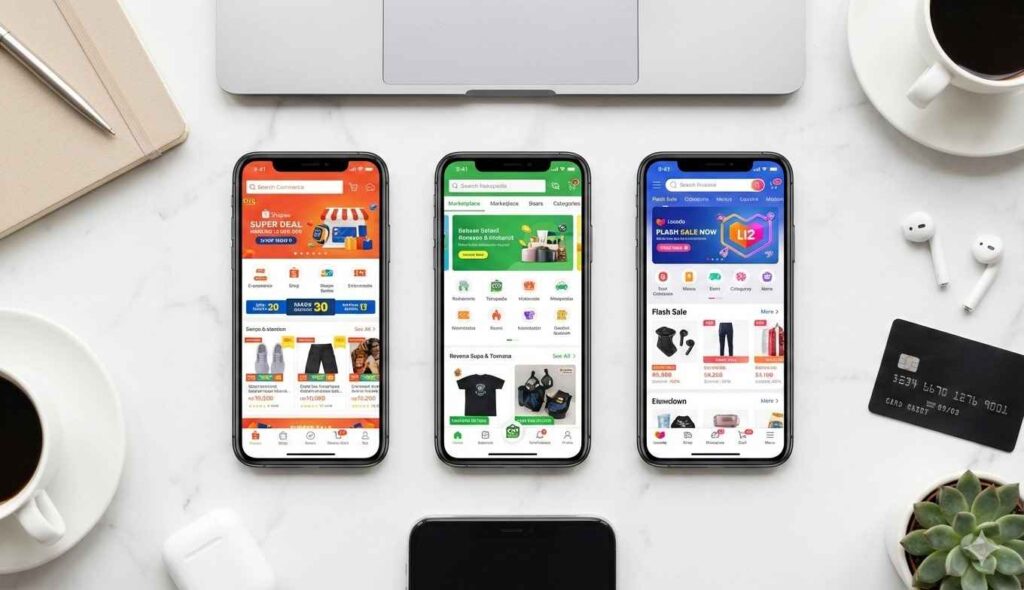
Payment options across Indonesian online shopping apps accommodate diverse consumer preferences and technological capabilities. Bank transfer remains popular for users comfortable with internet banking, allowing direct account-to-account transfers without intermediary services. Credit card and debit card acceptance enables immediate transaction completion with standard fraud protection provided by card issuers.
E-wallets including GoPay, OVO, DANA, and ShopeePay have achieved widespread adoption, particularly among younger consumers comfortable with mobile-first financial services. These payment systems offer quick checkout processes, cashback rewards, and integration with other platform services. Cash on delivery (COD) accommodates consumers who prefer inspecting products before payment or lack access to digital payment methods, though this option typically excludes discount vouchers available only for prepaid orders.
Installment plans make expensive purchases like electronics and appliances more accessible by spreading payments across multiple months, often with zero interest during promotional periods. Payment gateway security standards include encryption, tokenization, and fraud monitoring systems that detect suspicious transaction patterns and prevent unauthorized charges.
Buyer protection programs hold payments in escrow until buyers confirm satisfactory delivery, providing leverage for dispute resolution when products arrive damaged or differ from descriptions. Fraud prevention measures include seller verification, transaction monitoring, and secure payment processing that protects sensitive financial information.
Privacy and Data Security in Indonesian E-Commerce
Privacy, information privacy, and data protection represent critical concerns for online shopping apps handling sensitive personal and financial information. Indonesia’s personal data protection regulations establish standards for data collection, storage, and usage, though enforcement capabilities continue developing. Apps must disclose data collection practices in privacy policies, though these documents often use complex legal language that obscures practical implications.
User data collection encompasses purchase history, browsing behavior, location information, device identifiers, and personal details like names, addresses, and phone numbers. This information enables personalized recommendations and targeted advertising but also creates privacy risks if inadequately protected or shared inappropriately. Third-party data sharing often extends beyond the primary shopping platform to advertising networks, analytics providers, and business partners.
Copyright protection for brands and sellers helps prevent counterfeit listings and intellectual property violations, though enforcement challenges persist across all platforms. Consumer rights and recourse mechanisms vary by platform, with established marketplaces generally providing clearer dispute resolution processes than smaller or newer platforms.
How to Download and Use Indonesian Shopping Apps
Google Play download instructions for Android users involve opening the Google Play store app, searching for the desired shopping app by name, and tapping “Install” to begin automatic download and installation. App Store download for iOS follows similar processes through Apple’s platform, with the App Store icon providing access to available applications.
Registration processes typically require email addresses or phone numbers for account creation, with verification codes sent to confirm ownership. Account verification may include additional identity confirmation for seller accounts or when enabling certain payment methods. Setting up payment methods involves linking bank accounts, credit cards, or e-wallets according to platform-specific procedures.
Navigation tips include using search filters to narrow product selections by price range, location, ratings, and specific attributes. Search functions support keyword queries and increasingly visual search capabilities that identify products from photos. Adding items to cart enables comparison shopping across multiple products before final purchase decisions.
Checkout processes guide users through delivery address confirmation, payment method selection, and voucher code application. Order tracking features provide real-time updates on preparation, shipment, and delivery status, reducing uncertainty and enabling planning around expected arrival.
Maximizing Discounts and Deals
Online shopping discounts Indonesia platforms offer require strategic timing and awareness of promotional patterns. Flash sales occur daily at set times, typically 9 PM, midnight, and noon, creating urgency through limited quantities and time-restricted pricing. Shopee 9.9, 10.10, 11.11, and 12.12 campaigns represent mega-sales events generating billions in transaction value through platform-wide discounts.
Tokopedia special day events mirror these calendar-based campaigns, with additional promotions tied to Indonesian holidays like Ramadan and Independence Day. Lazada birthday sales celebrate the platform’s founding with multi-day promotional periods featuring steep discounts across categories. Voucher and promo code hunting involves collecting codes from the app’s voucher center, social media promotions, and email campaigns.
Free shipping thresholds incentivize larger order values by waiving delivery fees above specified amounts, typically ranging from IDR 50,000 to IDR 100,000 depending on platform and seller. Cashback programs return percentages of purchase prices to e-wallet accounts, providing effective discounts realized after transaction completion. Loyalty points systems reward repeat purchases with redeemable points applicable to future orders.
Price comparison strategies involve checking multiple platforms for identical products, as pricing often varies significantly across marketplaces due to different seller strategies and platform fee structures.
Indonesia Online Shopping Clothes Tips
Indonesia online shopping clothes purchases require careful attention to sizing, quality verification, and return policies. Best apps for fashion include Zalora‘s curated brand selection, Shopee‘s vast marketplace variety, Tokopedia‘s comprehensive offerings, and Matahari‘s brand authenticity. Clothing size guides vary between brands and origin countries, with Asian sizing typically running smaller than Western equivalents.
Reading reviews for fit provides insights from previous buyers about whether items run large, small, or true to size, helping predict fit accuracy before purchase. Return and exchange policies vary significantly across platforms and sellers, with official brand stores typically offering more generous return windows than individual marketplace sellers.
Authenticity verification for brands proves particularly important for premium and luxury clothing, where counterfeits may appear visually similar but use inferior materials and construction. Seasonal sales timing concentrates discounts around mid-year and year-end clearance periods, as well as holiday shopping seasons. Brand filters and searches enable targeting specific manufacturers or style categories, streamlining product discovery.
Shopping Categories Across Apps
Electronics selections excel on Blibli, Tokopedia, Lazada, and Shopee, with Blibli particularly strong in technical specifications and gadget variety. Clothing and fashion offerings favor Zalora‘s curated approach, Shopee‘s marketplace breadth, and Matahari‘s brand focus. Toys and children’s products concentrate on Tokopedia and Shopee, which offer extensive selections spanning educational toys, games, and developmental products.
Beauty products thrive on Sociolla‘s specialized platform and Shopee‘s general marketplace, with authenticity guarantees varying between platforms. Groceries dominate GoMart, GrabMart, HappyFresh, and SayurBox, each offering different delivery speeds and product focuses. Home appliances concentrate on Blibli and Tokopedia, with competitive pricing on refrigerators, washing machines, and kitchen equipment.
Smart TV and Google TV (operating system) devices appear prominently on Blibli and Tokopedia, with detailed specifications and comparison features helping technical purchasing decisions. Brand authenticity by category varies, with electronics and beauty products facing higher counterfeit risks than other categories.
Indonesia Market Online Trends 2026
Indonesia market online evolution continues accelerating through multiple trends reshaping how consumers shop and platforms compete. Social commerce growth, exemplified by TikTok Shop‘s integration with Tokopedia, demonstrates how entertainment and shopping increasingly merge through video content and influencer marketing. Livestream shopping adoption brings real-time product demonstrations and interactive purchasing to mainstream consumers.
Mobile-first consumer behavior intensifies, with platforms prioritizing mobile app development over desktop experiences as smartphone usage dominates internet access. Same-day delivery expansion reaches more cities and neighborhoods, reducing the waiting period that previously discouraged online shopping adoption. Sustainability and eco-friendly shopping gain traction among environmentally conscious consumers seeking responsible consumption options.
AR and VR shopping experiences enable virtual product trials, from visualizing furniture in home spaces to trying on clothing and accessories digitally. Voice commerce emerges gradually as smart speakers and voice assistants integrate shopping capabilities, though text-based interfaces remain dominant. Indonesia online shopping site evolution continues as platforms add features, improve logistics, and compete for consumer attention and loyalty.
Pros and Cons of Popular Shopping Apps
Advantages of Indonesian E-Commerce Apps
Competitive pricing and frequent discounts make online shopping often cheaper than physical retail, with platforms subsidizing discounts to attract customers and build market share. Wide product selection exceeds any physical store’s inventory capacity, enabling comparison across thousands of options within single categories. Convenient mobile app access eliminates travel time and enables shopping anywhere with internet connectivity, fitting modern busy lifestyles.
Multiple payment options accommodate diverse preferences and technological comfort levels, from traditional bank transfers to modern e-wallets. Home delivery across Indonesia reaches even remote areas, though delivery times vary significantly by location. Buyer protection programs provide recourse for disputes, reducing risk compared to informal marketplaces or classified platforms.
User reviews and ratings leverage collective experience, helping new buyers assess product quality and seller reliability before purchasing. Easy price comparison across platforms and sellers enables finding best available deals without visiting multiple physical locations. 24/7 shopping availability removes time constraints, allowing purchases whenever convenient rather than only during retail store hours.
Disadvantages and Challenges
Product authenticity concerns persist despite platform verification efforts, with counterfeit items particularly common in electronics, beauty, and brand clothing categories. Variable delivery times frustrate consumers accustomed to immediate gratification, with rural areas experiencing significantly longer waits than urban centers. Return and refund complications arise when sellers dispute product conditions or platforms impose restrictive policies.
Privacy and data security risks exist whenever sharing personal information and financial details online, despite platforms’ security measures. Overwhelming promotional notifications bombard users with marketing messages, reducing app experience quality and draining device batteries. Counterfeit products on some platforms damage consumer trust and pose safety risks when affecting electronics or beauty items applied to skin.
Inconsistent customer service quality varies dramatically between platforms and even between transactions on the same platform, depending on seller responsiveness and platform support capacity. Internet connectivity requirements exclude consumers in areas with poor coverage and create frustration when connections drop during transactions.
Expert Tips for Safe Online Shopping in Indonesia
Verify seller ratings and reviews before purchasing, with minimum 4.5-star ratings and hundreds of positive reviews indicating established reliability. Check product authenticity certifications for brand items, particularly in electronics, beauty, and fashion categories where counterfeits proliferate. Use secure payment methods that offer buyer protection, preferring platform-integrated e-wallets or credit cards over direct bank transfers.
Review privacy policies to understand data collection and sharing practices, though this requires patience given complex legal language. Enable two-factor authentication when available to prevent unauthorized account access even if passwords are compromised. Save transaction information and receipts as evidence for potential disputes, including screenshots of product descriptions and seller communications.
Compare prices across apps before committing to purchases, as identical products often vary significantly in cost between platforms. Read return and exchange policies carefully before ordering, particularly for clothing where fit issues frequently necessitate returns. Beware of too-good-to-be-true deals that suggest counterfeit products or scam sellers exploiting consumer desires for extreme discounts.
Report suspicious listings to platform administrators, helping improve marketplace quality and protect other consumers from fraud.
Future of Online Shopping Apps in Indonesia
Market growth projections suggest Indonesia’s e-commerce market could exceed US$130 billion by 2030, driven by continued smartphone adoption, improved logistics infrastructure, and generational shifts in shopping preferences. Technology integration brings artificial intelligence for personalized recommendations, augmented reality for virtual product trials, and virtual reality for immersive shopping experiences.
Super app convergence combines shopping with food delivery, transportation, financial services, and entertainment in single platforms, increasing user engagement and reducing app switching. Voice and visual search capabilities improve product discovery, enabling searching by speaking queries or photographing desired items. Drone delivery pilots test rapid fulfillment for urgent orders and rural area service.
Sustainability initiatives respond to environmental concerns, with platforms exploring eco-friendly packaging, carbon-neutral delivery, and circular economy features supporting product resale. Regulatory developments continue shaping the competitive landscape, with consumer protection laws, data privacy requirements, and market competition rules influencing platform operations. Cross-border e-commerce expansion enables Indonesian consumers to access global products while local sellers reach international markets.
Conclusion
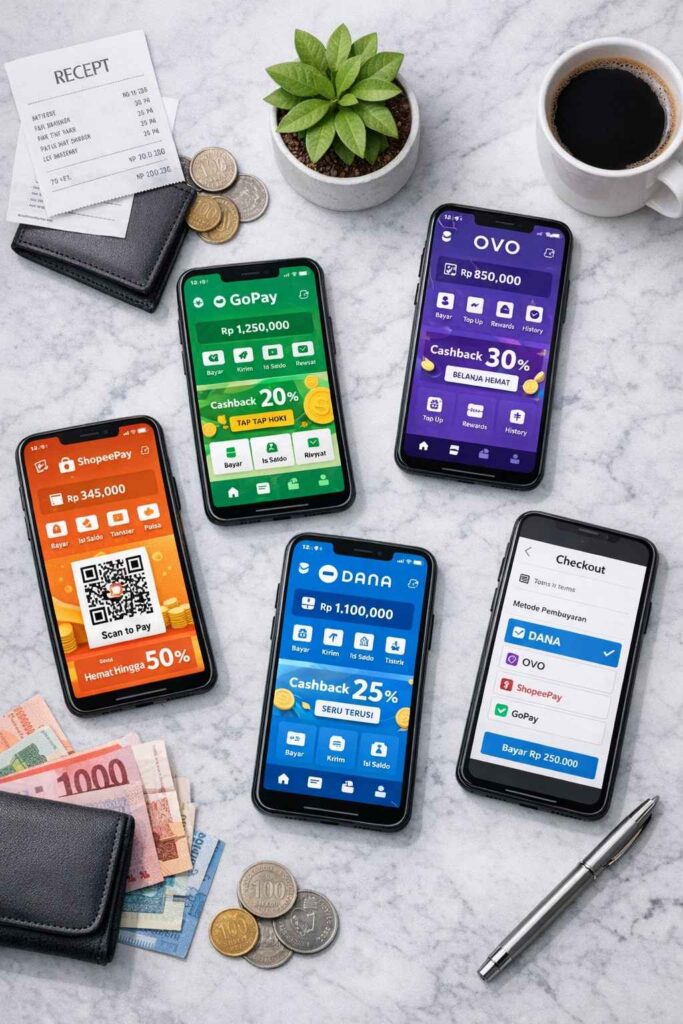
Online shopping apps Indonesia have fundamentally transformed consumer behavior and retail economics across the archipelago, with platforms like Shopee, Tokopedia, and Lazada leading a competitive marketplace that benefits consumers through low prices, wide selection, and improving service quality. Specialized apps for groceries including GoMart, HappyFresh, and SayurBox complement general marketplaces by addressing specific needs for fresh food delivery, while fashion platforms like Zalora serve style-conscious shoppers seeking authentic brands. Secure payment options and privacy protections continue improving, though consumers must remain vigilant about data security and product authenticity. The rapid evolution of Indonesia’s e-commerce ecosystem, exemplified by TikTok Shop‘s integration with Tokopedia and continuous feature innovations across platforms, ensures exciting developments ahead. Choosing the right online shopping apps Indonesia depends on your specific needs, whether prioritizing lowest prices, fastest delivery, widest selection, or strongest authenticity guarantees, making comparison shopping across multiple platforms worthwhile for finding the best fit for your circumstances.
FAQ Section
What is the best online shopping app in Indonesia?
Shopee currently leads as Indonesia’s most visited e-commerce platform with 158 million monthly visits, offering the widest product selection, most aggressive discounts, and integrated payment through ShopeePay, though Tokopedia provides strong competition with superior support for local sellers and TikTok Shop integration.
Is Shopee or Tokopedia better in Indonesia?
Shopee excels for bargain hunters seeking maximum discounts and variety, while Tokopedia better supports Indonesian MSMEs and offers the TikTok social commerce integration, making the choice depend on whether you prioritize lowest prices or supporting local businesses with innovative shopping features.
Which app is cheapest for online shopping in Indonesia?
Shopee generally offers the most aggressive pricing and frequent promotions, particularly during mega-sales events like 11.11 and 12.12, though comparing prices across Shopee, Tokopedia, and Lazada for specific products often reveals varying deals depending on seller strategies.
Can I shop internationally from Indonesian shopping apps?
Yes, Lazada and Zalora support international shopping with cross-border shipping, while other platforms primarily focus on domestic Indonesian transactions, with international purchases requiring consideration of customs duties, extended delivery times, and international payment methods.
What are the best grocery delivery apps in Indonesia?
HappyFresh, GoMart, and SayurBox lead grocery delivery across Indonesia, with HappyFresh offering the widest supermarket partnerships, GoMart providing fastest delivery through Gojek‘s driver network, and SayurBox emphasizing farm-fresh produce sourced directly from Indonesian farmers.
How do I pay for online shopping in Indonesia?
Indonesian online shopping apps accept bank transfers, credit and debit cards, e-wallets (GoPay, OVO, DANA, ShopeePay), cash on delivery, and installment plans, with e-wallets increasingly popular for quick checkout and cashback rewards.
Are Indonesian shopping apps safe and secure?
Major platforms implement payment encryption, fraud monitoring, and buyer protection programs, though consumers should enable two-factor authentication, verify seller ratings, use secure payment methods, and review privacy policies to maximize safety while shopping online.
Which app has the best discounts in Indonesia?
Shopee leads in discount frequency and magnitude through daily flash sales, free shipping programs, and mega-sale events, though Lazada and Tokopedia also offer competitive promotions, making timing purchases around platform-specific campaigns essential for maximum savings.
Can I return items purchased from Indonesian shopping apps?
Return policies vary by platform and seller, with official brand stores typically offering more generous return windows than marketplace sellers, requiring buyers to read specific policies before purchase and photograph unboxing for evidence if products arrive damaged or incorrect.
What is TikTok Shop’s relationship with Tokopedia?
Following Trade Minister Regulation No. 31/2023 prohibiting social media direct sales, TikTok invested US$1.5 billion in Tokopedia to create a combined business where TikTok manages in-app shopping features while leveraging Tokopedia‘s marketplace infrastructure, preserving social commerce capabilities while complying with Indonesian regulations.