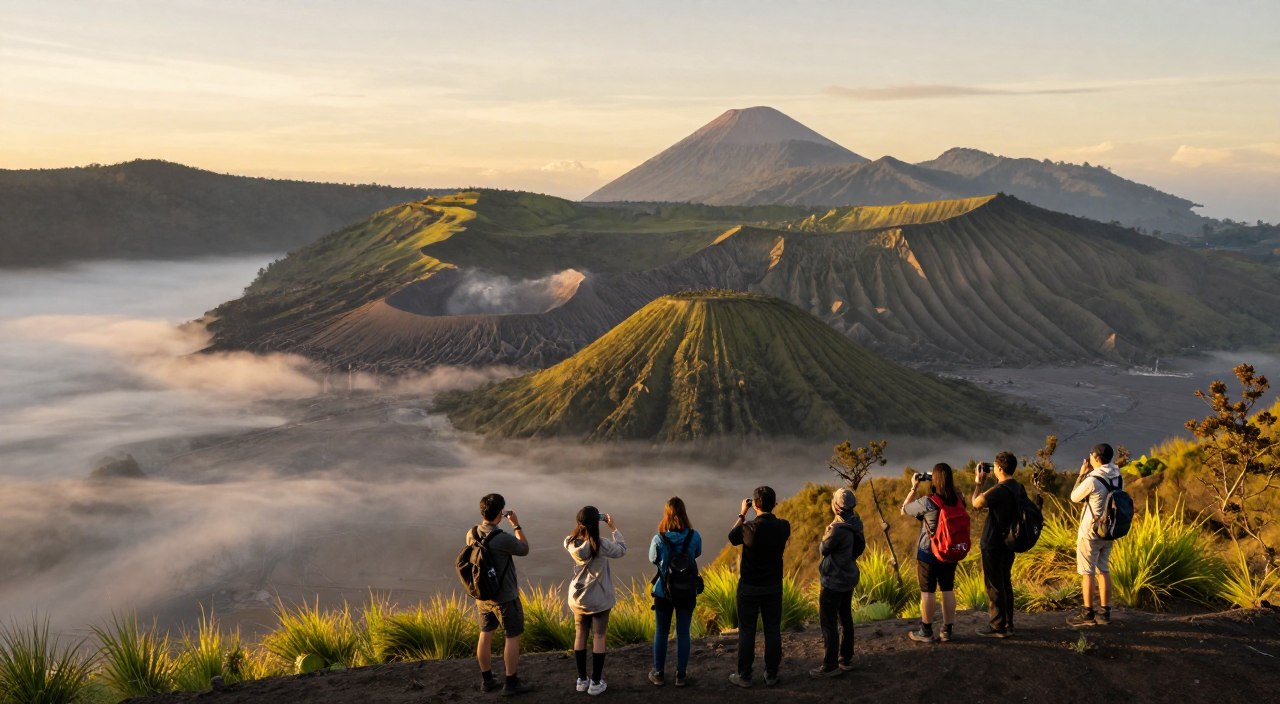
More than 250,000 people visit Mount Bromo each year, placing immense pressure on its fragile volcanic landscape. This highlights the critical need for mount bromo sustainable tourism practices. The destination sits within the protected Bromo-Tengger-Semeru National Park, a UNESCO World Heritage Site in East Java, Indonesia.
The area is defined by its dramatic scenery, featuring an active crater and the vast Sea of Sand. This unique environment is home to the Tengger people, who have a deep cultural connection to the land. Their involvement is key to preserving the region’s integrity.
Planning a visit during the dry season from April to October offers the best conditions. The nearest airports are in Surabaya and Malang. Travelling responsibly ensures this magnificent national park remains pristine for future generations. Growing awareness helps protect its ecological and cultural value.
Key Takeaways
- Mount Bromo is a highly visited volcanic destination within a protected national park in Indonesia.
- Sustainable practices are essential to protect the fragile environment from the impact of visitors.
- The area is a UNESCO World Heritage Site, recognised for its outstanding natural and cultural value.
- The Tenggerese community plays a vital role in the cultural heritage and conservation of the region.
- The best time for a visit is the dry season, from April to October, for optimal weather and views.
- Access is easiest via airports in Surabaya (SUB) or Malang (MLG) in East Java.
- Responsible travel choices help ensure the long-term preservation of this unique landscape.
Exploring the Richness of Sustainable Tourism at Mount Bromo
Java’s highest peak, Mount Semeru, stands guard over an extraordinary volcanic terrain that includes the iconic smoking crater of its neighbor. This remarkable landscape forms the heart of the Bromo-Tengger-Semeru National Park, a protected area of immense ecological significance.
Indonesia’s Natural Wonders and Eco Practices
The park’s diverse attractions showcase nature’s raw power. Visitors encounter the vast Sea of Sand, a plain of volcanic ash, and spectacular viewpoints like King Kong Hill. These experiences foster deep connections with the environment.
Eco-conscious management protects this fragile ecosystem. Designated trails and viewing platforms minimise impact. Strict regulations ensure the volcanic landscape remains pristine for future generations.
| Natural Feature | Elevation/Size | Visitor Experience |
|---|---|---|
| Mount Semeru | 3,676 metres | Java’s highest peak |
| Sea of Sand | 10km² plain | Volcanic ash desert |
| King Kong Hill | Best viewpoint | Panoramic massif views |
Cultural Heritage and the Role of the Tengger People
The Tengger community maintains centuries-old traditions in this volcanic area. Descended from the Majapahit Empire, these people live in harmony with the mountains. Their cultural practices enrich the tourism experience.
“Our connection to this land spans generations. We share our heritage while protecting what sustains us.”
Local guides from the community offer authentic insights. Homestays and cultural performances provide meaningful encounters. This approach ensures tourism benefits both visitors and residents.
mount bromo sustainable tourism: Best Practices for Eco-Conscious Travellers
Eco-conscious travellers have the power to significantly reduce their environmental footprint through thoughtful decisions during their volcanic adventure. Your choices directly impact the preservation of this remarkable landscape.
Embracing Renewable Energy and Resource Conservation
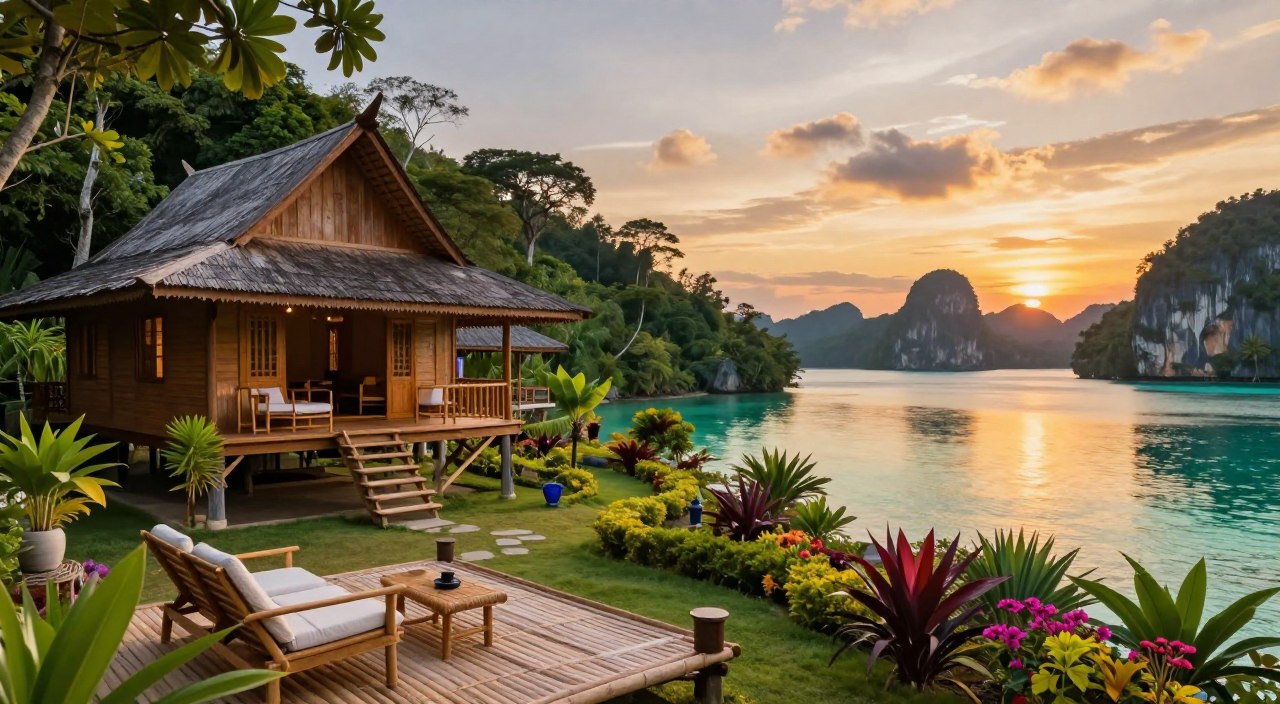
Many accommodations around the area now use solar panels and efficient systems. This approach reduces reliance on traditional power sources.
Water conservation is particularly important in this dry region. Look for places with rainwater harvesting and low-flow fixtures.
Supporting Local Communities and Sustainable Development
Choose locally-owned establishments and hire Tengger guides for authentic experiences. This support helps community development.
Purchase handicrafts directly from artisans. Your consumption choices make a real difference to local livelihoods.
Sustainable Travel and Tourism: Complete Guide to Responsible Tourism
Responsible Hiking and Wildlife Protection
Always stay on marked trails and carry out all rubbish. This activity protects fragile habitats.
Avoid horse riding due to animal welfare concerns. Instead, enjoy hiking as a healthier alternative for wildlife.
Following park regulations ensures your visit supports conservation efforts. Every responsible activity contributes to long-term sustainability.
Integrating Community, Conservation, and Cultural Connection
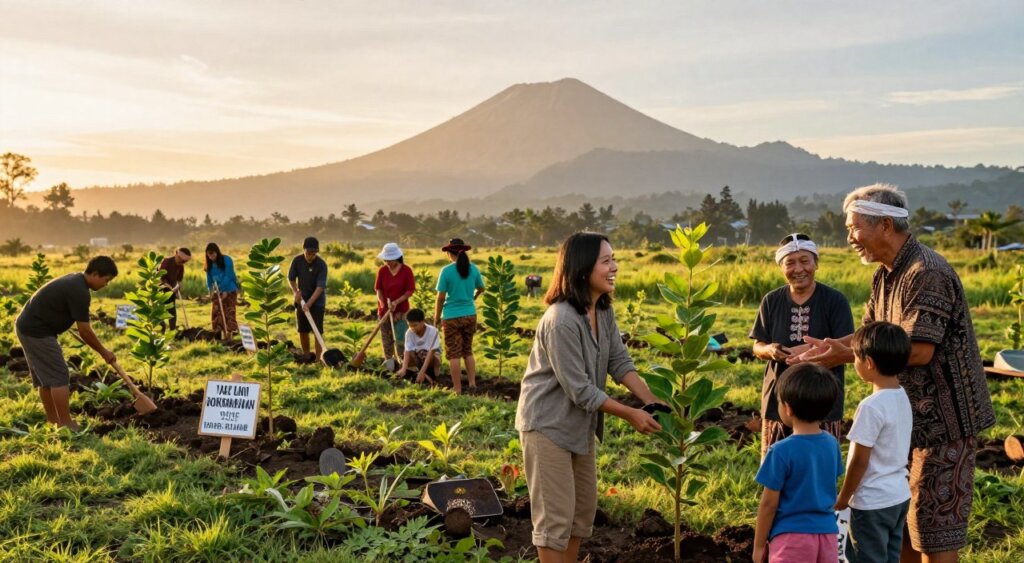
The integration of conservation goals, cultural heritage, and community development creates a powerful framework for responsible tourism. This holistic approach ensures long-term protection while delivering meaningful experiences.
Local Community Initiatives and Environmental Awareness
Local residents actively participate in conservation efforts through various programmes. Homestays and cultural interpretation services provide authentic encounters.
Environmental awareness activities engage both visitors and community members. These programmes highlight the importance of sustainable consumption patterns.
Nature Preservation Vacation in Indonesia: Complete 2026 Guide
Innovative Park Management and Educational Outreach
Park authorities implement creative strategies to balance multiple objectives. Visitor quota systems prevent overcrowding in sensitive areas.
Educational opportunities extend throughout the visitor experience. Interpretive signage and guided tours enhance environmental learning.
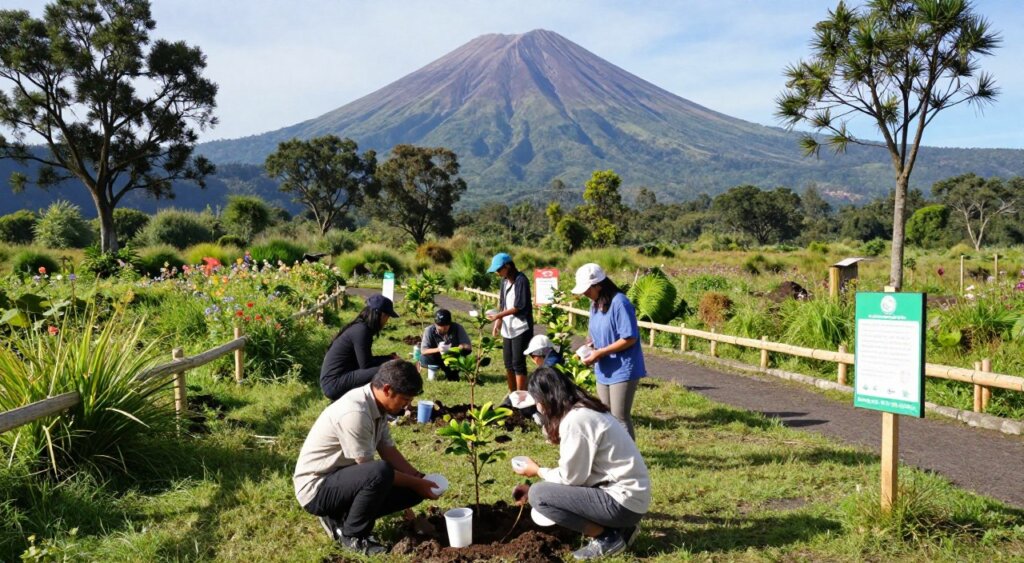
Tree planting initiatives engage both tourists and local students. This activity strengthens the connection between people and nature.
Conclusion
The experience of witnessing sunrise over this iconic crater transcends typical holiday memories. It forges deep connections to nature that influence environmental awareness long after returning home.
This Indonesian mountain destination demonstrates how thoughtful tourism can protect fragile ecosystems. Responsible activities and mindful consumption choices support both conservation and community development.
Each visitor’s actions collectively safeguard the national park for future generations. The information shared here empowers Australian travellers to make positive impacts. Continued commitment to sustainable tourism principles ensures this magnificent landscape endures.