Bali welcomes over 6 million international visitors annually, with many heading straight to the island’s famous southwest coast. This kuta vs. seminyak comparison helps travellers navigate two of the most popular destinations that sit side by side along this bustling coastline.
These neighbouring areas function more like city suburbs than traditional beach towns. They offer similar amenities but deliver them in distinctly different ways. Understanding these differences is crucial for planning your perfect Balinese holiday.
This comprehensive guide examines what makes each location unique. Kuta developed as one of the first tourist spots on the island. It maintains its reputation as an accessible, lively area close to the international airport.
Seminyak emerged as a more refined alternative just to the north. It offers luxury resorts, high-end dining, and a more relaxed atmosphere. Both destinations share proximity along Bali’s coast, making it possible to experience aspects of both during a single trip.
Your travel priorities will guide you toward the right choice. Are you seeking budget-conscious fun and vibrant energy, or upscale relaxation and refined experiences? This analysis breaks down the essential aspects of each location to help you decide.
Key Takeaways
- Kuta and Seminyak are neighbouring coastal areas on Bali’s southwest coast
- They offer distinctly different holiday experiences despite their proximity
- Kuta is known for its lively atmosphere and budget-friendly options
- Seminyak provides a more upscale, sophisticated coastal experience
- Both destinations are easily accessible from Ngurah Rai International Airport
- Your choice depends on whether you prefer vibrant energy or relaxed luxury
- It’s possible to visit both areas during a single trip to Bali
Introduction: Discovering Bali’s West Coast
First-time visitors to Bali often find the west coast destinations offer surprising contrasts to typical island paradise expectations. This developed coastline functions as an extension of Denpasar’s urban sprawl rather than remote tropical hideaways.
Setting the Scene in Bali
The western corridor presents a bustling landscape where city streets merge with coastal access. Traffic flows constantly between commercial establishments that cater to international visitors.
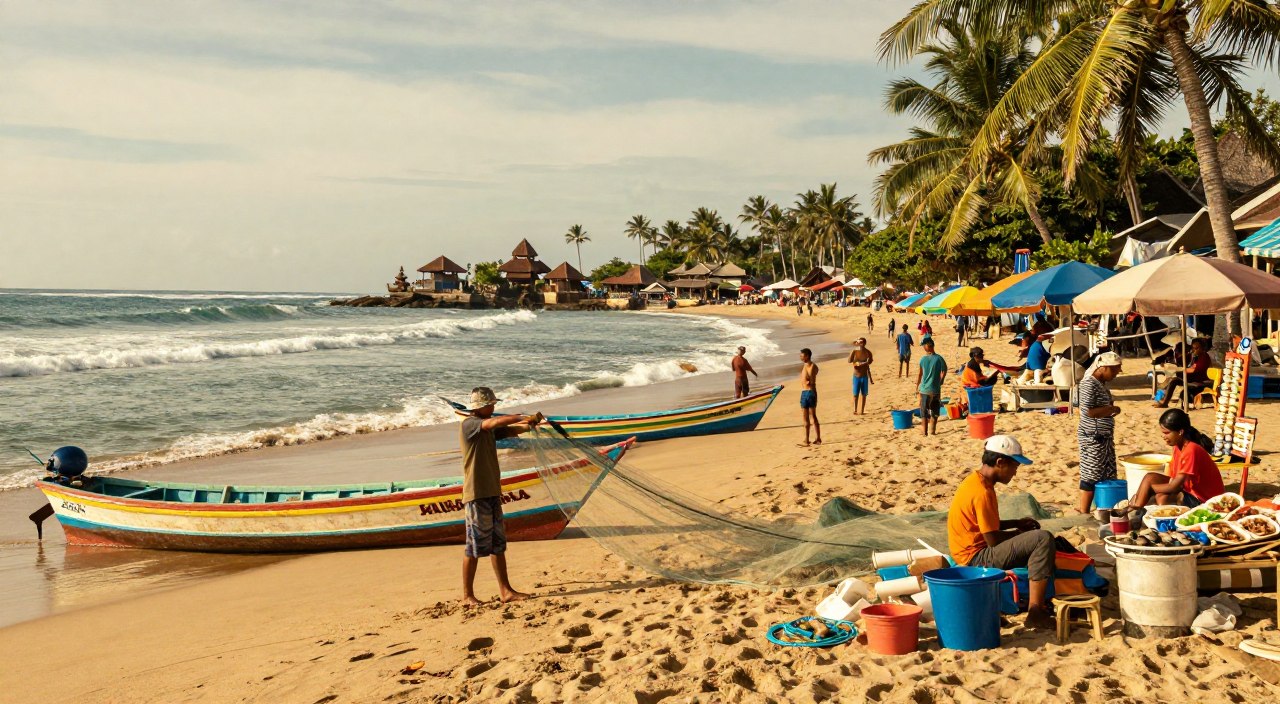
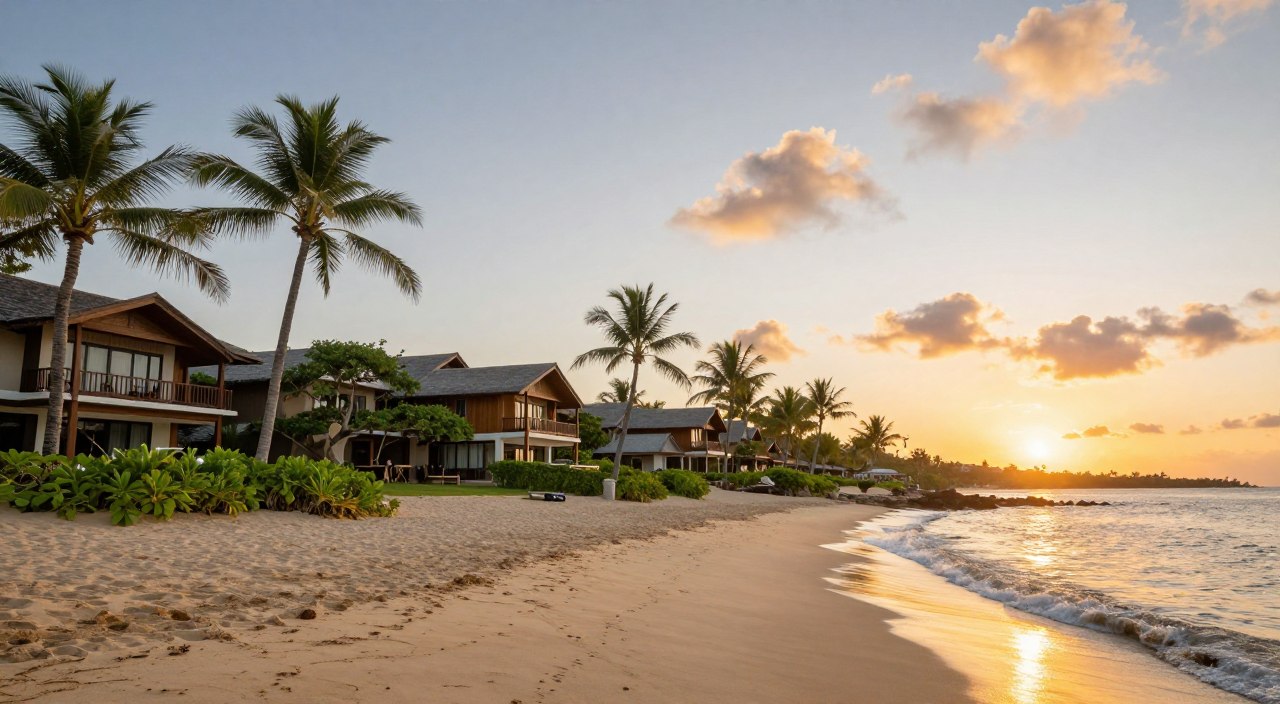
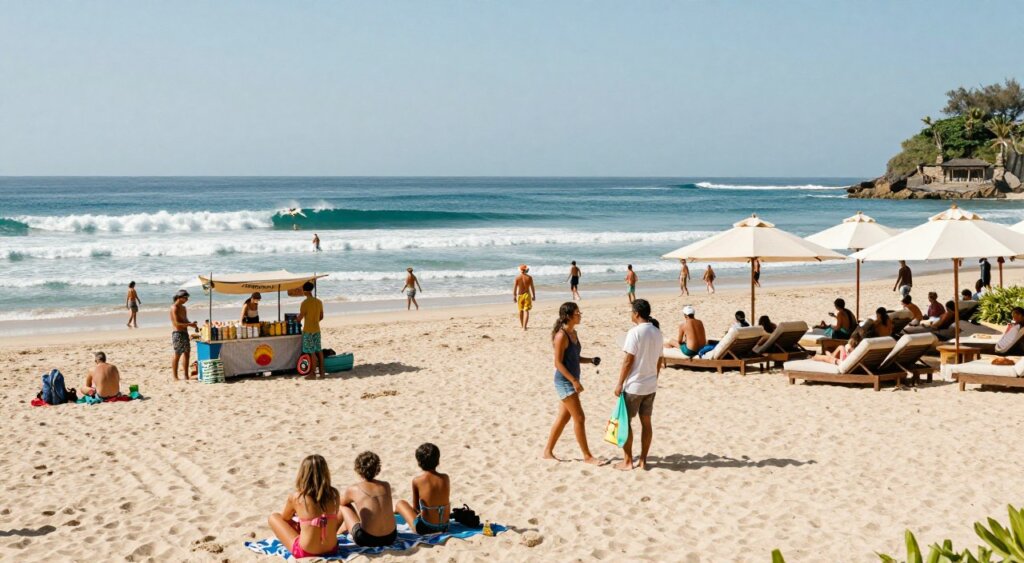
Unless positioned directly on the shoreline, these areas feel more like vibrant suburbs than traditional beach towns. The dark volcanic sand beaches differ from pristine white sands found elsewhere in Indonesia.
Water clarity may not match other tropical locations, but spectacular sunsets create memorable evening experiences. The coastal atmosphere provides the main attraction rather than secluded natural beauty.
Understanding Tourist Expectations
Visitors should approach these destinations with realistic expectations about their urban character. The area prioritises accessibility and variety over untouched landscapes.
Diverse dining options, entertainment venues, and shopping opportunities create vibrant social experiences. Convenient day trips to cultural sites enhance any stay in Bali.
This comprehensive guide helps tourists appreciate what makes these locations unique. The infrastructure supports everything from budget travellers to luxury seekers within the same coastal region.
Proximity to the international airport makes the west coast ideal for maximising your holiday experience. Understanding these practical realities ensures visitors enjoy their coastal adventures.
Bali Airport Transfer Guide: Complete 2026 Transportation Overview
Exploring kuta vs. seminyak: A Comprehensive Comparison
Separated by just a short distance along Bali’s southwestern coast, these two areas cater to different travel preferences and budgets. This guide helps clarify the essential distinctions between them.
Key Differences Between the Two Destinations
The kuta seminyak comparison reveals neighbouring coastal zones with distinct characters. One area focuses on budget-friendly options with vibrant energy, while the other offers refined luxury.
Price forms a major distinction in daily experiences. Accommodation, dining, and shopping costs typically run 30-50% higher in the northern area. The seminyak kuta differences extend to infrastructure and maintenance standards too.
These coastal areas attract different demographics despite their proximity. One draws value-seeking travellers wanting plenty of activities, the other appeals to those preferring sophisticated surroundings.
Understanding these contrasts helps travellers choose accommodation matching their priorities. This guide ensures you select the right base for your Bali holiday.
The physical closeness means visitors can easily explore both during a single trip. A short drive or beach walk separates these contrasting seminyak kuta environments.
Atmosphere and Local Vibes
What truly separates these destinations is the palpable difference in energy that greets visitors upon arrival. The local vibe in each area has evolved to cater to distinct tourist preferences over decades.

The Lively Energy of Kuta
The atmosphere here pulses with constant activity from early morning until late at night. Streets buzz with vendors, tour operators, and budget-conscious tourists seeking affordable experiences.
This area attracts older couples and families who appreciate the unpretentious, accessible environment. Finding comfortable accommodation or a satisfying meal requires minimal effort or expense.
The Chic, Upscale Ambience of Seminyak
Just northward, the atmosphere transforms into something more refined and sophisticated. The streets feature wider footpaths and carefully designed storefronts that prioritise aesthetic appeal.
This area draws younger, fashion-conscious tourists who value premium dining and trendy venues. The overall experience feels more curated, with attention given to design and comfort.
Both locations maintain Indonesian character beneath their tourist infrastructure. Your preference will depend on whether you seek authentic energy or refined sophistication.
Accommodation Options: Budget-Friendly to Luxury Stays
Your choice of accommodation forms the foundation of your Bali holiday experience. The coastal areas offer dramatically different places to stay that cater to various budgets and preferences.
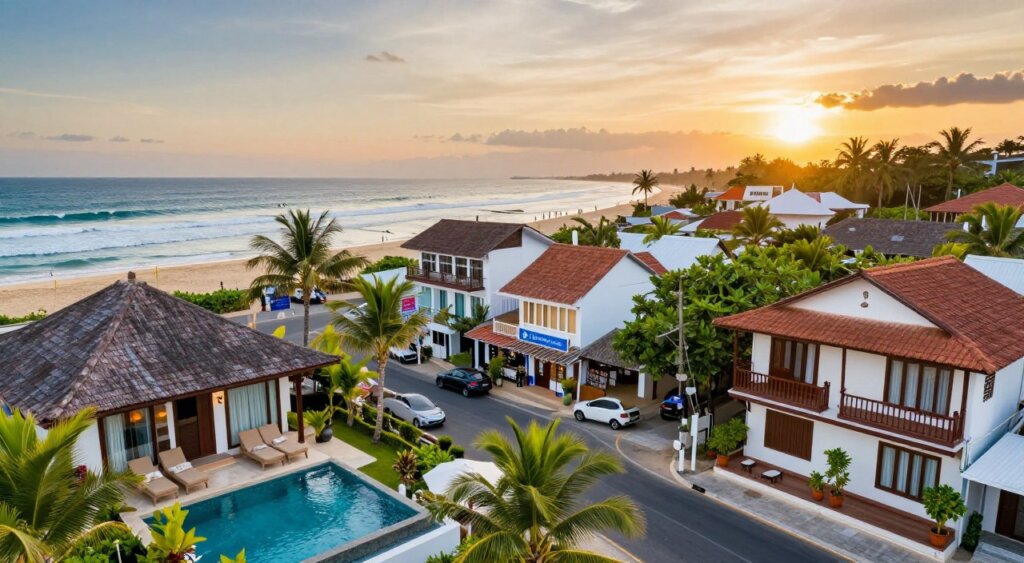
Understanding the accommodation spectrum helps travellers select the right option for their needs. Both locations provide quality stays with distinct advantages.
Affordable Stays in Kuta
This area excels in budget-friendly accommodation options. Travellers find excellent value with numerous hotels and guesthouses.
Budget accommodation starts from $10-15 per night for basic hostels. Comfortable three-star hotels typically range between $40-70.
Best Hotels in Kuta Bali: Your Complete Guide to Paradise Stays
The proximity to Ngurah Rai International Airport makes these hotels particularly convenient. Many properties sit within 10-15 minutes of the terminal.
Luxury Resorts and Villas in Seminyak
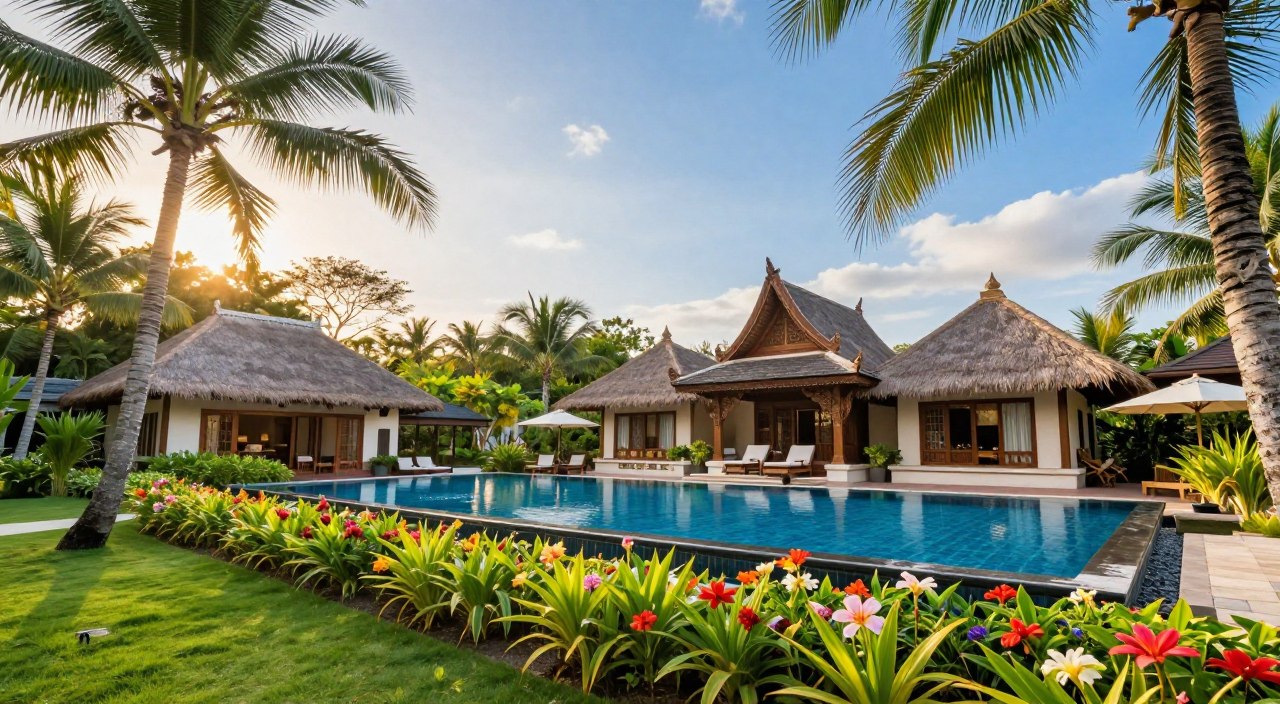
This destination specialises in premium accommodation experiences. Luxury resorts and private villas dominate the landscape.
Places to stay here begin around $80-100 for entry-level hotels. Exclusive beachfront villas can exceed $500-1000 nightly.
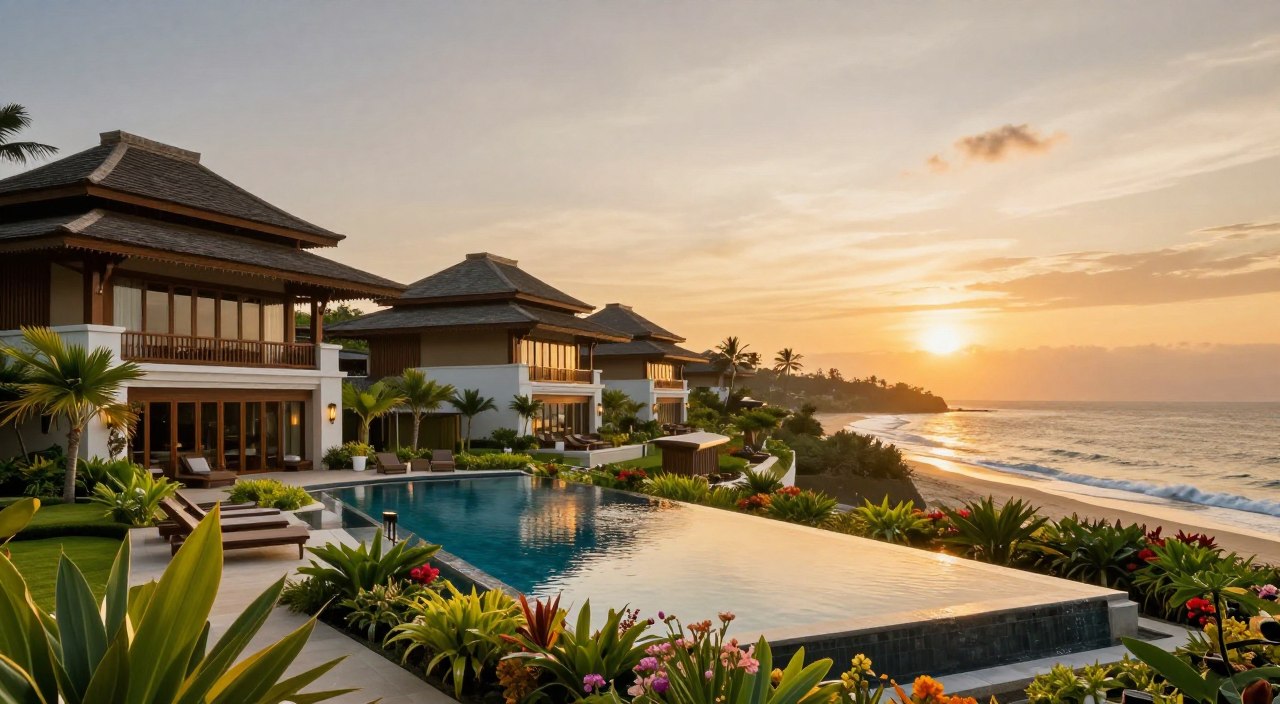
These luxury options feature sophisticated amenities like infinity pools and spa services. The accommodation itself becomes a central part of the holiday experience.
| Feature | Budget Accommodation | Luxury Stays |
|---|---|---|
| Price Range (per night) | $10-70 | $80-1000+ |
| Best For | Cost-conscious travellers | Premium experiences |
| Amenities | Basic facilities | Pool, spa, dining |
| Beachfront Access | Accessible but crowded | Exclusive and maintained |
Your accommodation option should align with both your budget and holiday priorities. Each area offers distinct advantages for different types of travellers.
Beaches and Waterfront Experiences
Bali’s western shoreline offers varied waterfront environments that reflect the character of each destination. The coastal stretch presents distinct experiences for visitors seeking different types of beach days.

The beaches feature dark volcanic sand rather than the white powder found elsewhere in Indonesia. Water clarity can vary due to urban development and ocean currents.
Comparing Beach Clubs and Surfing Spots
One area’s coastline serves as Bali’s most famous surfing destination, particularly suited to beginners. Consistent, manageable waves and numerous surf schools create a supportive atmosphere.
Recent coastal preservation works have unfortunately resulted in significant sand erosion. This reduces beach width considerably, creating crowded conditions at high tide.
The northern beaches generally show better maintenance with more frequent cleaning. Less visible debris accumulation makes for a more pleasant experience.
“The sunset experience remains spectacular across all beaches, with unobstructed views of the sun descending into the Indian Ocean.”
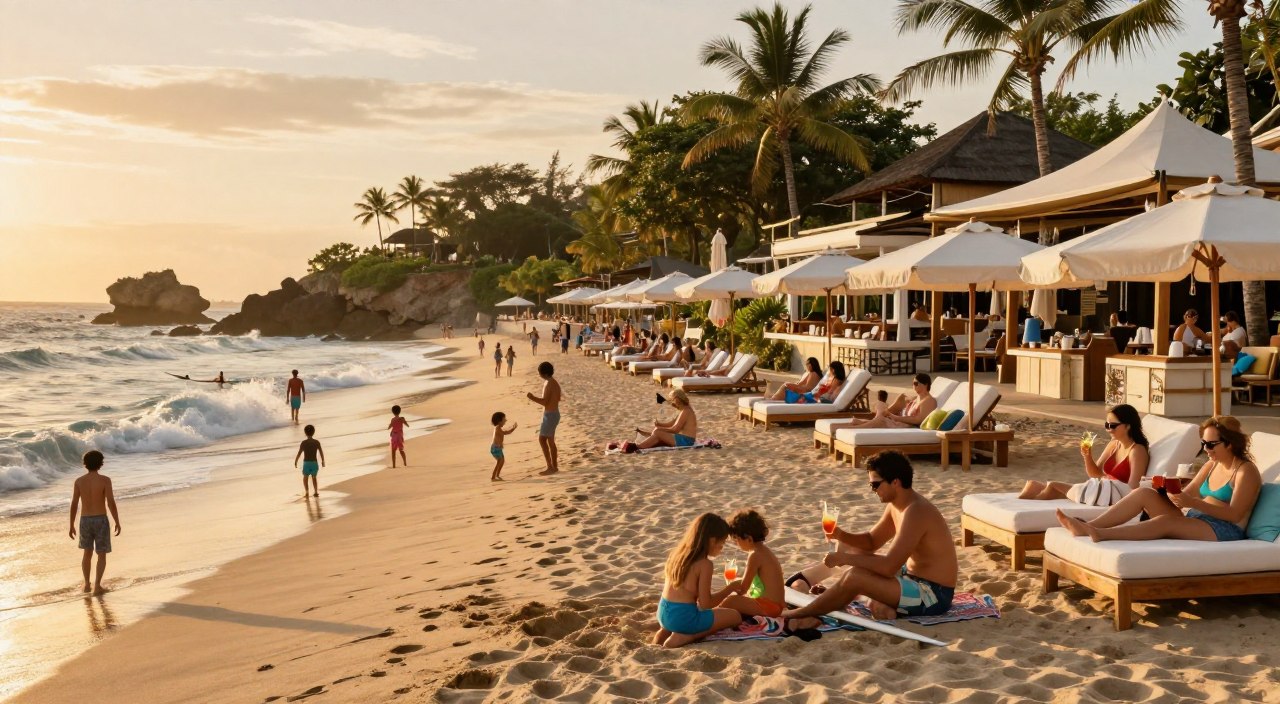
Beach clubs in the northern area have elevated the waterfront experience. Sophisticated venues offer loungers, pools, and quality service.
These establishments create an upscale beach party atmosphere. Popular spots include Potato Head Beach Club and Ku De Ta.
| Feature | Southern Beaches | Northern Beaches |
|---|---|---|
| Beach Width | Narrower due to erosion | Generally wider |
| Maintenance | Regular clean-ups needed | Better maintained |
| Atmosphere | Lively and accessible | Upscale and refined |
| Best For | Surfing and socialising | Beach clubs and relaxation |
Beach bars along both coastlines offer varying experiences. From budget-friendly venues to sophisticated establishments with craft cocktails.
Waterfront activities extend beyond simple beach lounging. Surfing lessons, beach massages, and yoga sessions are available.
Dining, Bars and Nightlife
Evening entertainment and dining choices highlight the contrasting philosophies that define these popular tourist zones. The after-dark experience reveals much about each area’s character and target audience.
Varied Food and Entertainment Options
Food options demonstrate clear distinctions between the destinations. One area excels in affordable, diverse dining with authentic warungs serving local dishes for just a few dollars.
International restaurants here offer familiar Western cuisine at reasonable prices. Most meals cost $5-15 per person, making eating out accessible throughout your holiday.
The other destination elevates culinary experiences with world-class establishments. Fine dining restaurants feature innovative fusion cuisine blending Indonesian ingredients with international techniques.
Meals at premium venues typically cost $25-60 per person. These restaurants emphasise presentation and ambience for special occasions.
Nightlife scenes cater to different preferences and budgets. One area offers affordable bars with cheap drinks and live music venues playing rock classics.
The atmosphere feels energetic and unpretentious, attracting a slightly older crowd. A full night out typically costs $20-30 per person.
The other destination targets style-conscious younger demographics. Upscale beach clubs and rooftop bars feature international DJs playing electronic music.
Drinks cost significantly more but venues offer sophisticated design. Equivalent experiences typically cost $60-100 per person.
| Feature | Affordable Destination | Premium Destination | Best For |
|---|---|---|---|
| Food Options | Warungs, casual dining | Fine dining, fusion cuisine | Budget vs luxury |
| Nightlife Atmosphere | Live music, energetic | Beach clubs, sophisticated | Party vs style |
| Typical Meal Cost | $5-15 per person | $25-60 per person | Value vs experience |
| Evening Budget | $20-30 per person | $60-100+ per person | Cost-conscious vs premium |
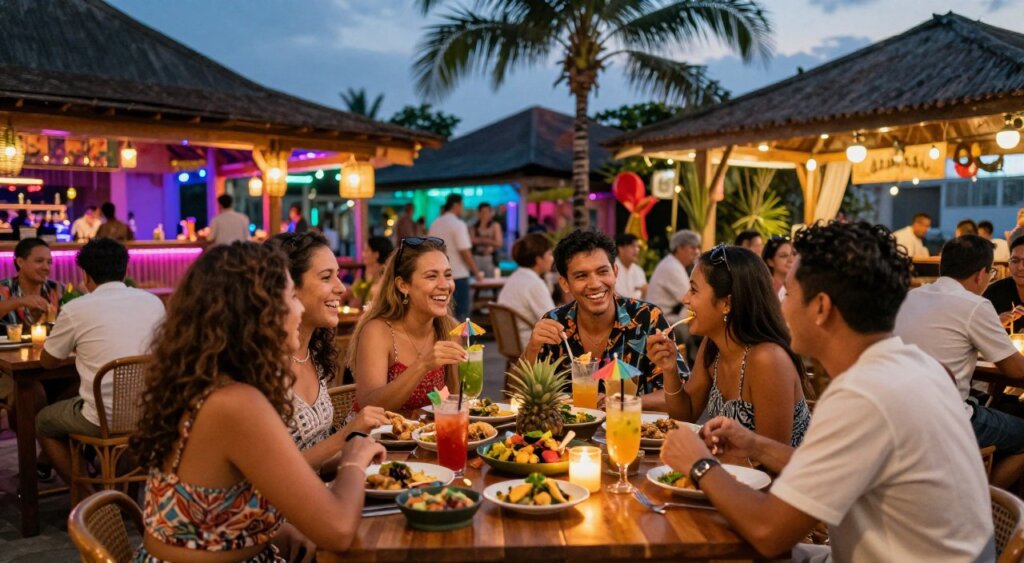
Entertainment choices span both areas but with different emphases. Your preference depends on whether you seek authentic energy or refined sophistication after dark.
Shopping and Boutique Culture
Retail experiences highlight one of the most dramatic contrasts between these neighbouring destinations. Your shopping preferences will strongly influence which area better suits your holiday style.
The variety of shops reflects the different audiences each location attracts. One offers budget-friendly market experiences, while the other provides curated boutique shopping.
Local Markets in Kuta
This area excels in accessible, varied shopping options for budget-conscious travellers. Street vendors and market stalls offer everything from cheap souvenirs to beach accessories.
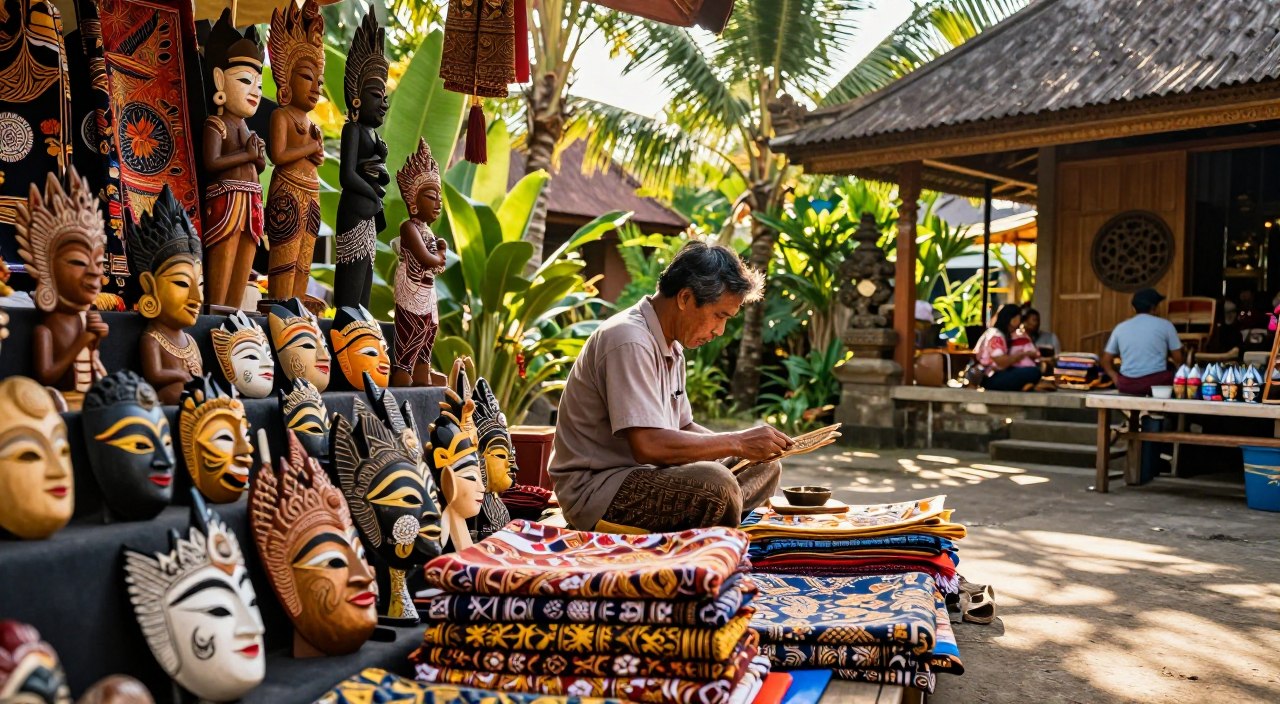
Popular purchases include Bintang singlets, sarongs, and wooden carvings. Bargaining skills are essential, with prices typically starting three to four times higher than final costs.
For those preferring fixed prices, Beachwalk Shopping Centre provides air-conditioned comfort. This modern mall features international brands and food courts alongside local products.
Boutique Shopping in Seminyak
The northern destination transforms retail into a sophisticated experience. Boutique shopping here emphasises quality, uniqueness, and contemporary design.
Jalan Kayu Aya features dozens of independent designers and concept stores. Australian and European brands offer resort wear, jewellery, and homewares using premium materials.
These shops create an entertainment experience through beautiful curation. Purchases typically range from $50-500, reflecting the premium positioning and designer credentials.
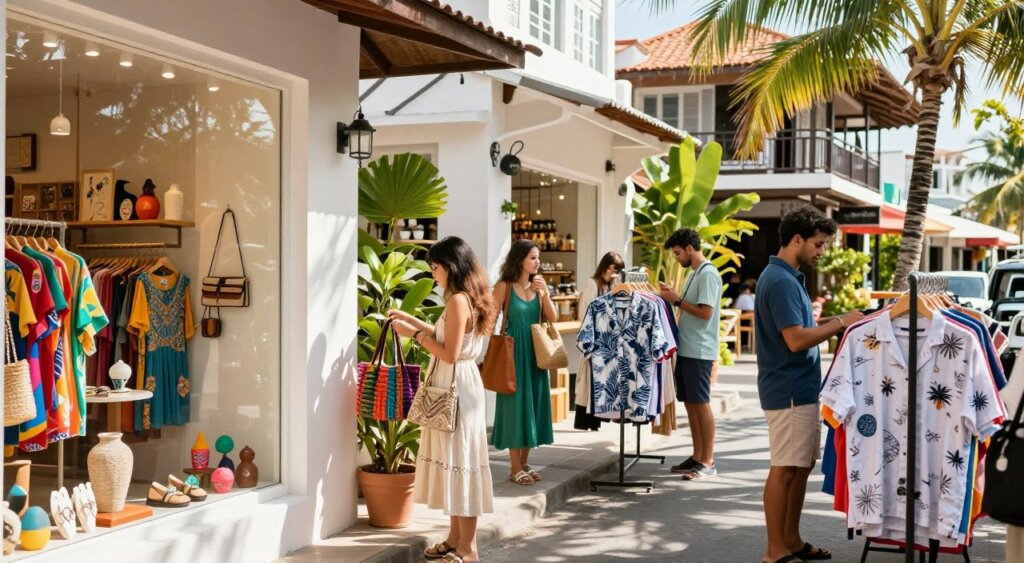
Both areas offer valid shopping experiences for different needs. Your choice depends on whether you seek bargain excitement or unique, high-quality discoveries.
Digital Nomads and Longer Stays
Extended stays in Bali’s popular coastal areas require careful consideration of infrastructure supporting remote work lifestyles. The choice between these neighbouring destinations significantly impacts productivity and daily comfort for location-independent professionals.
Digital Nomad Visa Guide for Indonesia: Complete 2026 Options
Co-working Spaces and Expat Communities
Remote workers planning to stay in Seminyak will find superior infrastructure for their needs. This area features established co-working spaces with reliable internet and professional amenities.
The kuta seminyak comparison reveals distinct advantages for digital nomads. Seminyak offers more lifestyle-oriented facilities and a developed expat community.
Monthly accommodation costs reflect the premium positioning. Budget-conscious professionals might prefer the southern area for affordability.
However, the seminyak kuta areas both face competition from other Bali locations. Canggu and Ubud offer more dedicated infrastructure for remote workers.
Seminyak vs Canggu Guide: Which Bali Beach Town Is Right for You?
For those seeking luxury experiences, Seminyak provides upscale serviced apartments. These premium options support a comfortable work-life balance.
Both areas present challenges for permanent residence. The northern destination generally offers better day-to-day living conditions.
Expat communities in the seminyak kuta regions tend to concentrate in the more refined area. Social networks and activities help newcomers feel at home.
Ultimately, the decision to stay in Seminyak depends on budget and priorities. The premium costs often prove worthwhile for better working environments.
Conclusion
Making the final decision between these neighbouring destinations requires honest reflection on your travel preferences. This comprehensive guide has highlighted how each place offers distinct advantages for different types of travellers.
Your ideal holiday experience should guide your choice. Budget-conscious travellers will find excellent value and plenty of activities in one area, while those seeking luxury prefer the refined atmosphere of the other.
The best approach might be splitting your trip between both locations. This lets you enjoy contrasting experiences without changing your primary accommodation base.
Ultimately, neither destination represents a wrong option. Your choice simply needs to align with what brings you the most joy during your Bali stay.