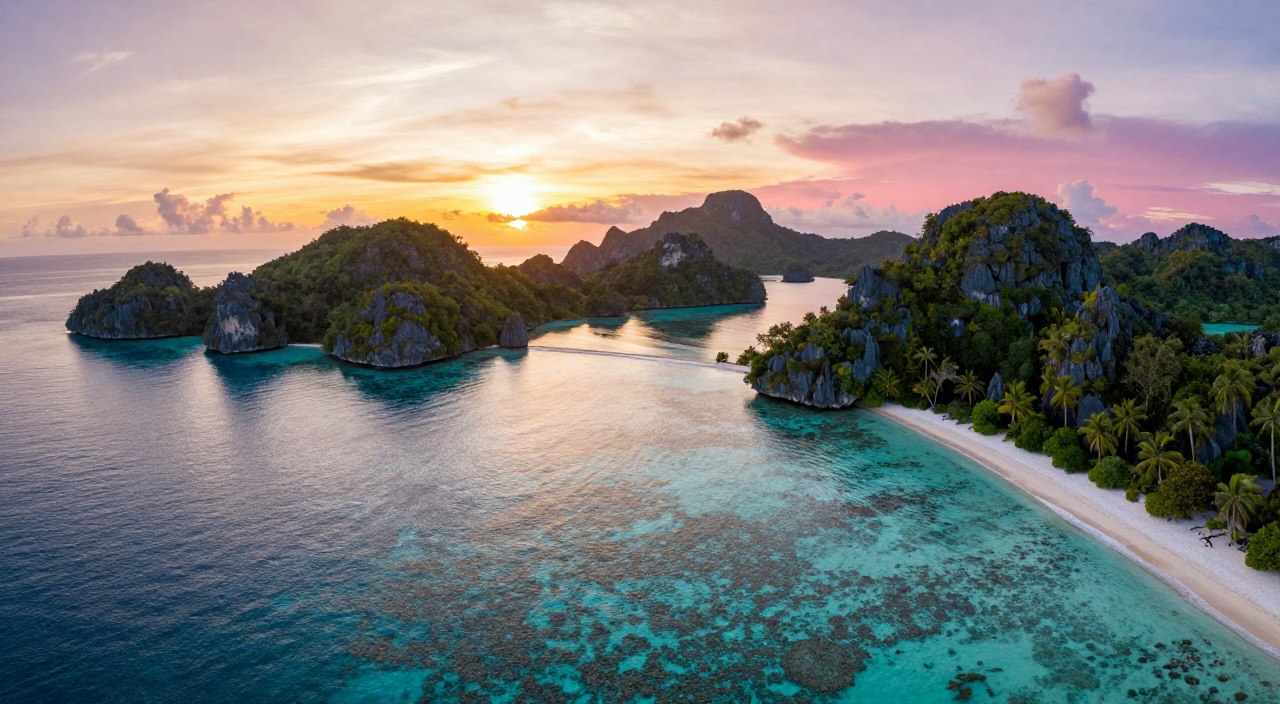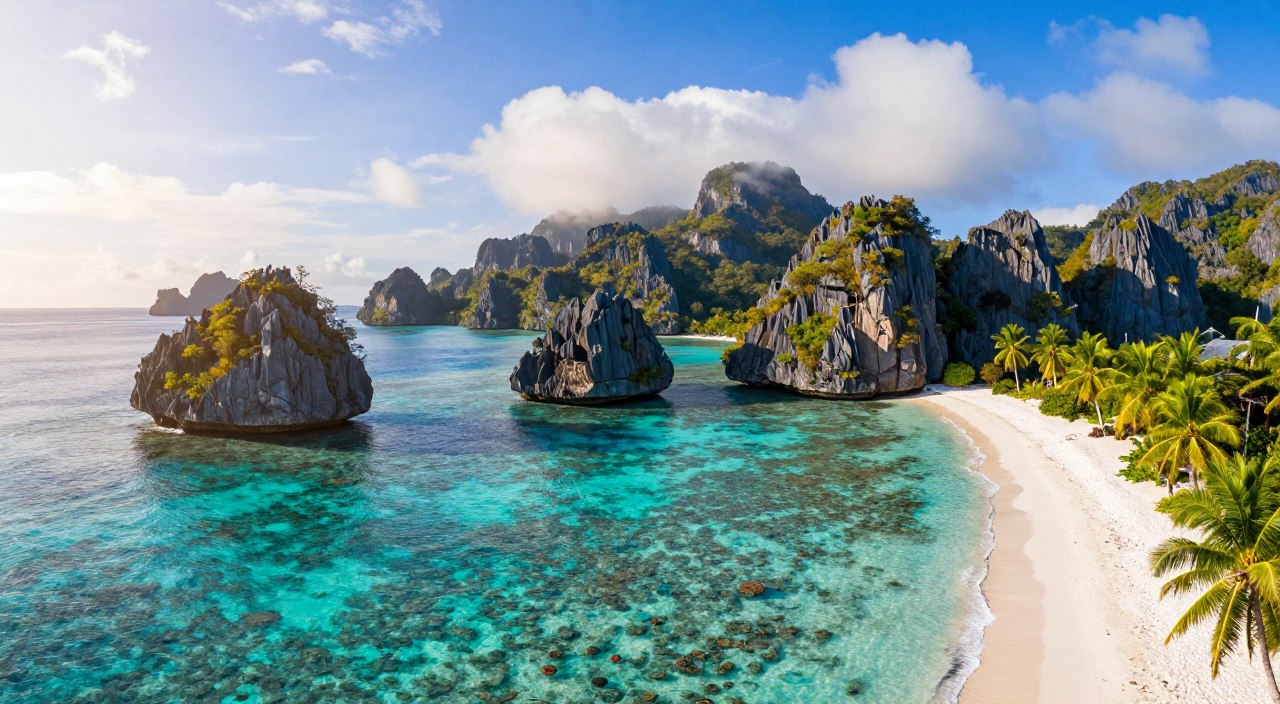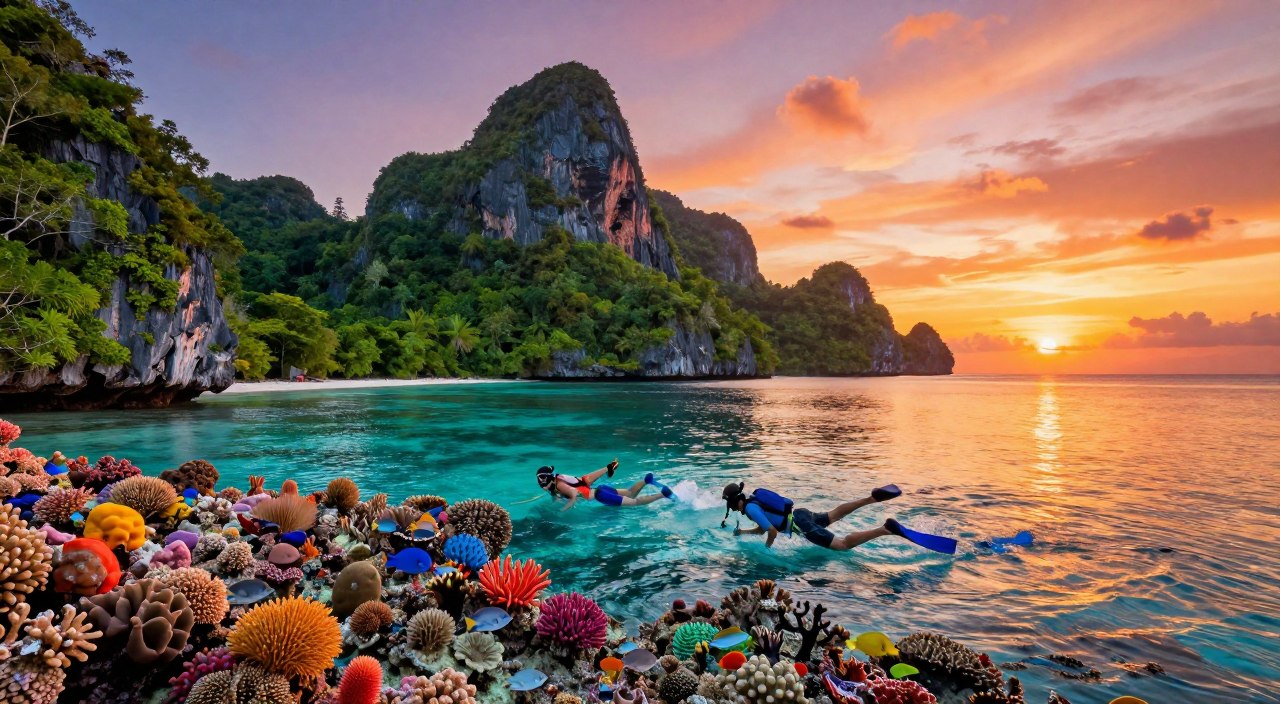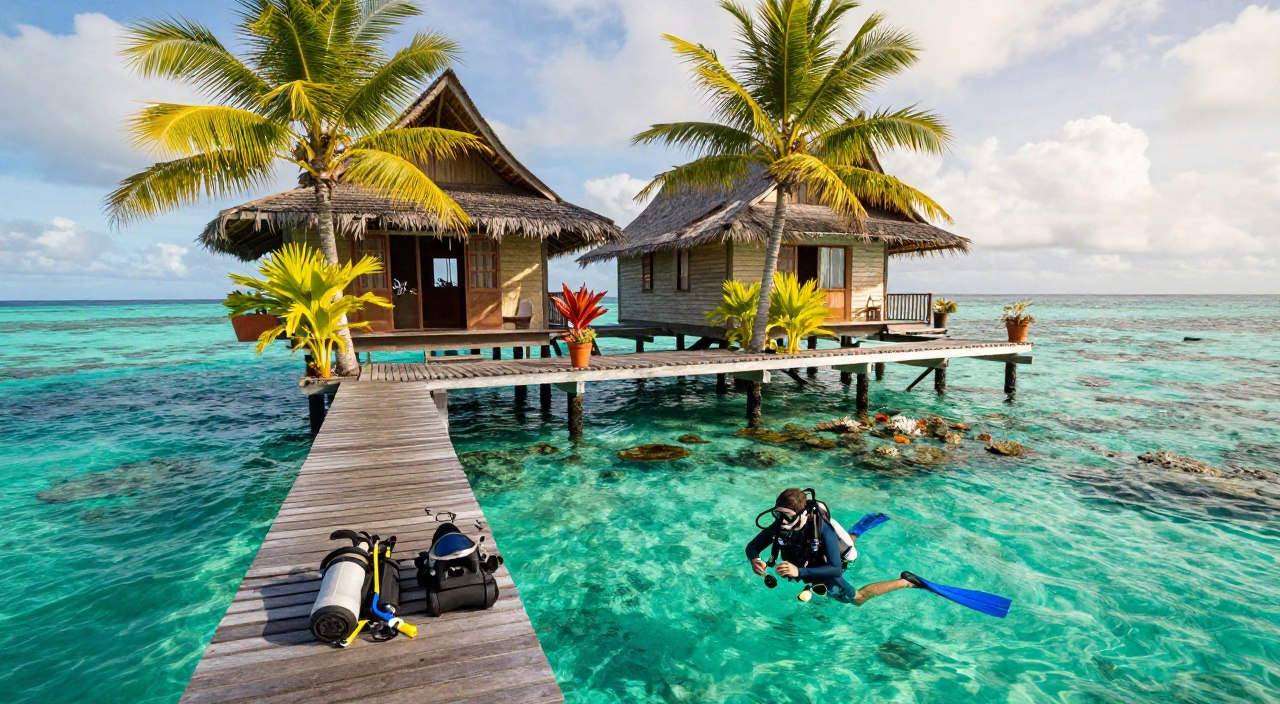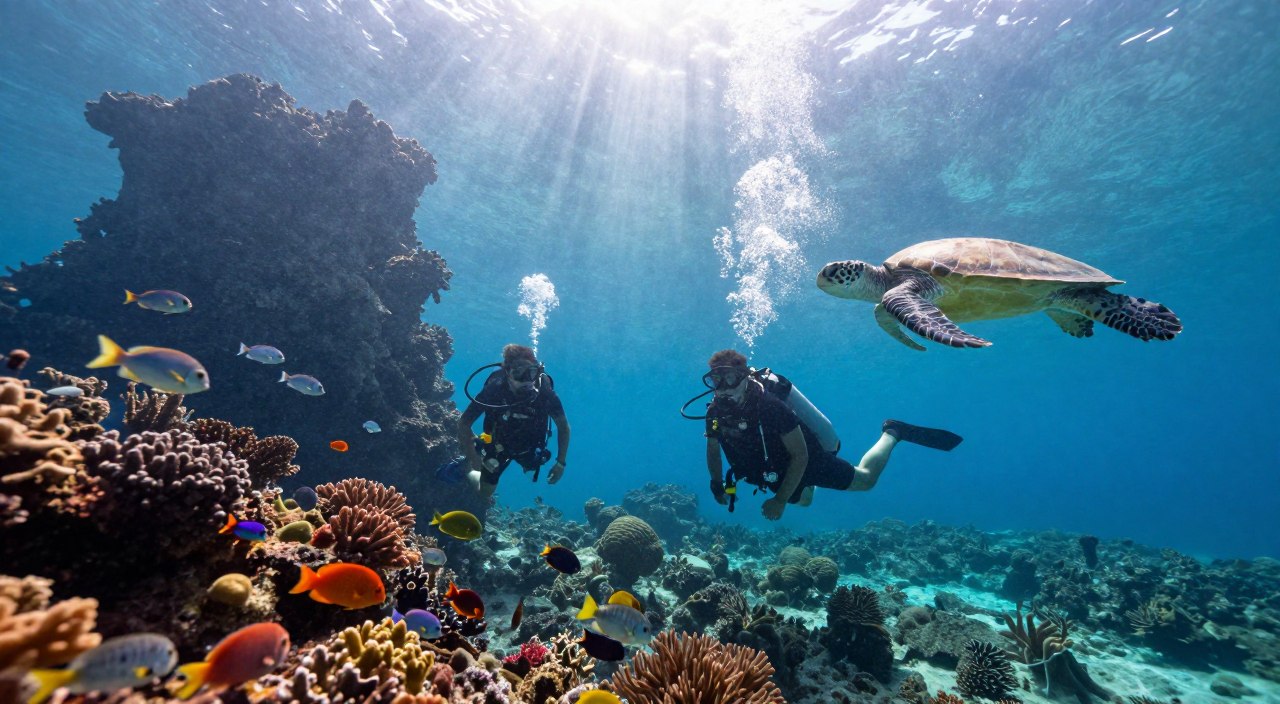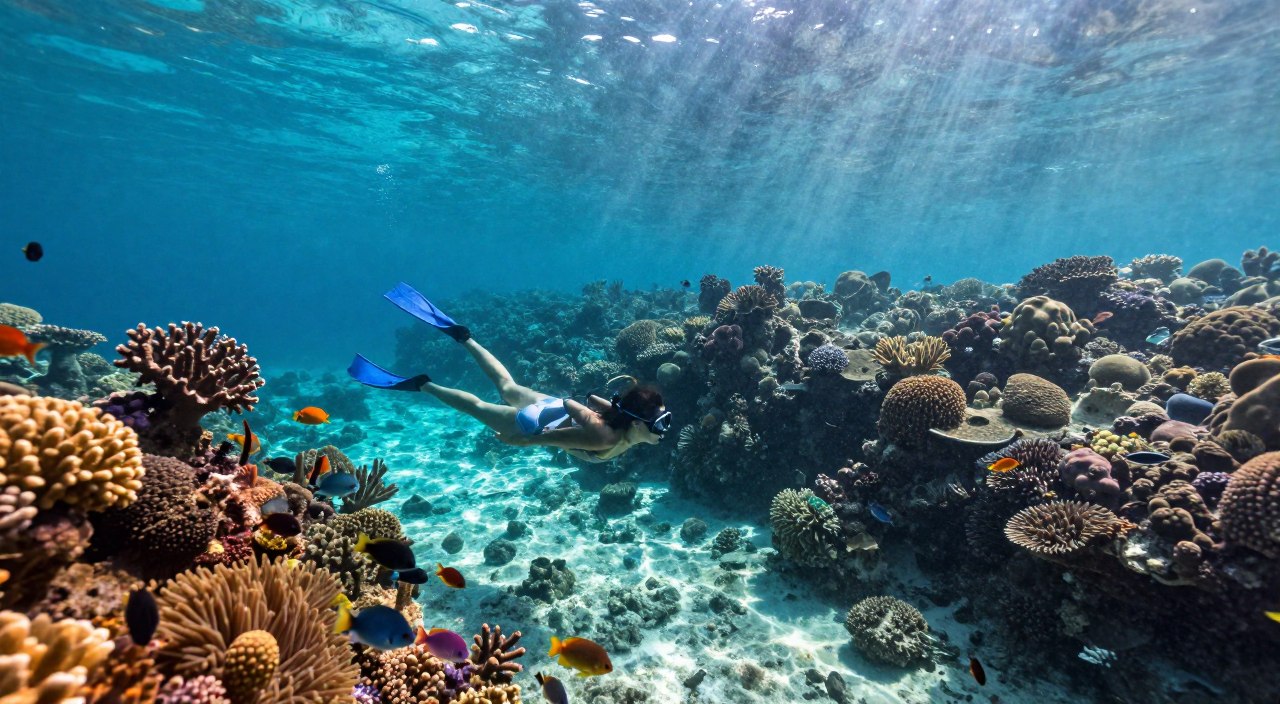
Ever wondered what it’s like to glide through the world’s most vibrant marine life on just one breath? Freediving Raja Ampat offers that exact, heart-pounding experience. This Indonesian archipelago is a legendary destination for breath-hold explorers.
Its crystal-clear, pristine waters are bursting with life. You’ll find yourself surrounded by kaleidoscopic coral reefs and curious marine creatures. It’s an underwater paradise waiting to be discovered in a single, serene dive.
For Australian adventurers, this journey represents the ultimate aquatic holiday. It combines the thrill of deep exploration with the peace of being utterly immersed in nature. This guide is your complete resource for planning that unforgettable trip.
We’ll walk you through everything you need to know. From the best sites to essential tips for your adventure, we’ve got you covered. Get ready to dive into the details.
Key Takeaways
- Raja Ampat is a world-class destination for freediving, known for its incredible marine biodiversity.
- The experience involves exploring stunning underwater landscapes on a single breath, giving a unique thrill.
- The archipelago’s waters are exceptionally clear and teeming with vibrant coral and fish life.
- This article serves as a complete planning guide for Australian divers aiming to visit.
- Understanding the local environment and conditions is key to a safe and memorable adventure.
- Proper preparation transforms a good trip into an extraordinary, life-changing experience.
Overview of Freediving in Raja Ampat
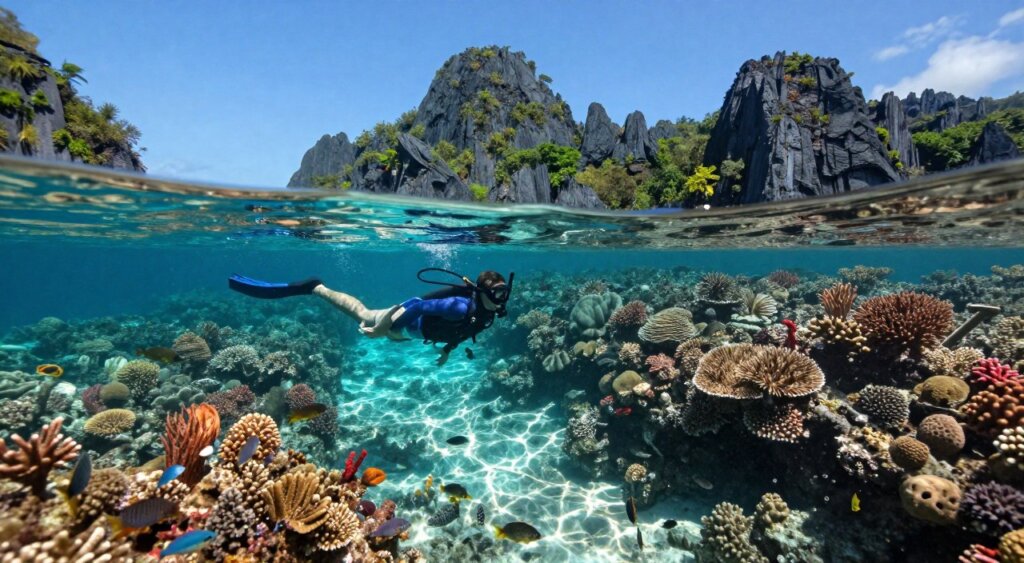
The waters of Raja Ampat are crystal clear, making it perfect for breath-hold diving. It’s a top spot for marine lovers, known as a natural wonder. Here, we’ll cover the basics of freediving, its differences from scuba diving, and the unique rewards it offers.
What is Freediving?
Freediving, or apnoea diving, is diving underwater without breathing equipment. It’s an ancient way of exploring the sea, relying on human skills.
This sport focuses on relaxation, technique, and connecting with the sea. In Raja Ampat, this connection is deep. Divers move quietly, seeing vibrant coral and huge fish schools up close.
Freediving vs. Scuba Diving
Freediving and scuba diving are different, despite both exploring the sea. The main difference is in equipment and approach.
Scuba diving uses tanks for air, allowing longer dives. Freediving uses little gear, focusing on freedom and quiet sea interactions.
This table shows the main differences:
| Aspect | Freediving | Scuba Diving |
|---|---|---|
| Primary Equipment | Mask, snorkel, fins, wetsuit | Tank, regulator, BCD, full suit |
| Underwater Time | Limited by breath-hold (1-5 mins typical) | Extended by tank capacity (30-60 mins) |
| Interaction with Marine Life | Quiet, less intrusive, often closer encounters | Bubbles and noise can startle some species |
| Training Focus | Breath control, relaxation, safety with a buddy | Equipment use, buoyancy control, decompression |
| Sense of Experience | Meditative, personal, and physically challenging | Technical, exploratory, and equipment-dependent |
For many, raja ampat freediving offers a more intimate and raw experience.
Benefits of Freediving
Freediving is mentally, physically, and emotionally rewarding. These benefits are even greater in Raja Ampat’s untouched environment.
Mentally, it improves mindfulness through breath control. This can reduce stress and clear the mind. Physically, it increases lung capacity, strengthens the heart, and tones muscles.
The biggest benefit is the deep connection with the ocean. Freediving in Raja Ampat, with its incredible biodiversity, is a transformative experience.
Traveling and diving in Raja Ampat leads to personal growth and unforgettable adventures.
The Unique Marine Biodiversity of Raja Ampat
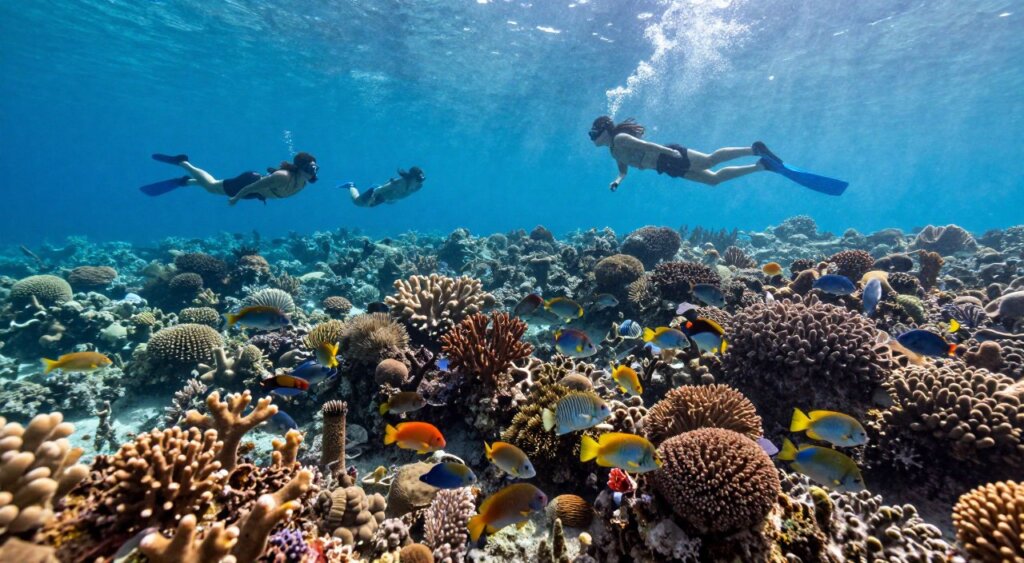
Scientists say Raja Ampat has the richest coral reefs on Earth. This amazing marine life makes it a top spot for underwater adventures. For freedivers, diving here is like exploring a vibrant, living museum.
The reefs’ health and size support all life here. This biodiversity is not just impressive; it’s essential for the ocean’s health.
Coral Reefs and Ecosystems
The coral reefs in Raja Ampat are stunning. Hard and soft corals grow everywhere, creating walls, gardens, and plateaus. This structure is vital for thousands of species.
These ecosystems are very resilient. They support a balanced food web from tiny plankton to big predators. It’s important to protect these reefs for the ocean’s health.
Unique Species to Encounter
Freediving here lets you meet creatures found nowhere else. The clear waters make it easy to see rare and fascinating animals.
Some unforgettable sightings include:
- Wobbegong sharks: These camouflaged ‘carpet sharks’ rest on the seabed, often spotted by observant divers.
- Pygmy seahorses: Tiny and perfectly adapted, they cling to specific sea fans, a true treasure for eagle-eyed explorers.
- Manta rays: Graceful giants that glide through cleaning stations, giving unforgettable, majestic moments.
- Schools of barracuda: Forming massive, swirling tornadoes of fish, creating dynamic and thrilling scenery.
This incredible variety makes Raja Ampat a top spot for wildlife lovers. Every dive is a new and exciting discovery.
Importance of Biodiversity in Conservation
Why is this so important? Raja Ampat is a global nursery and genetic bank for marine life. Its high biodiversity shows a healthy ecosystem. This health affects the entire ocean.
Conserving this area is not just about protecting pretty fish. It’s about protecting a key part of marine productivity. Losing species here would have big consequences. Sustainable tourism, including freediving, helps support conservation efforts.
By exploring these best freediving spots in Raja Ampat responsibly, you help protect this underwater wonder. Your experience is part of the solution, ensuring future generations can see the same diversity.
Best Time to Freedive in Raja Ampat
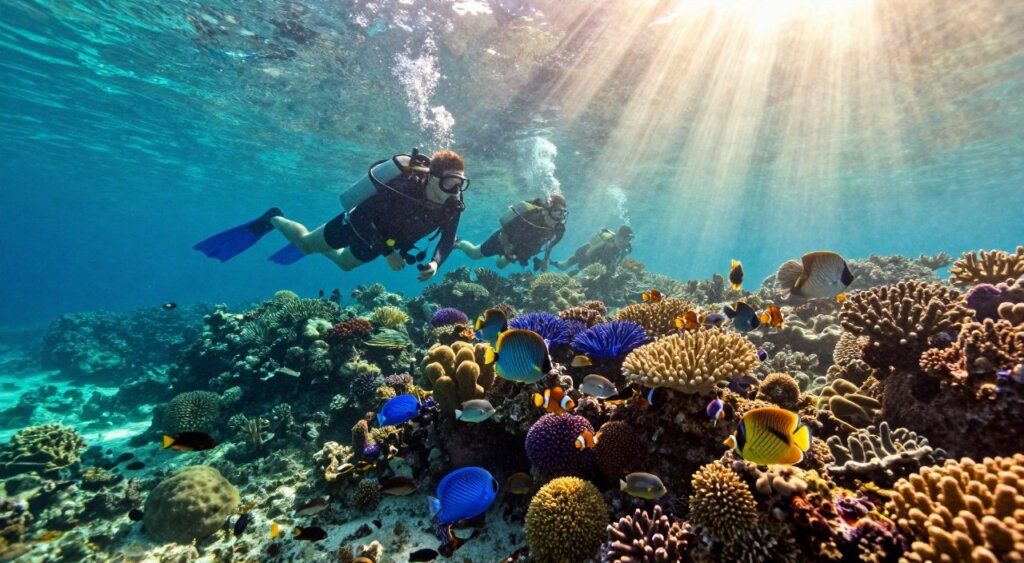
Australian freedivers should aim for the right time to dive in Raja Ampat. The best times offer clear waters and a chance to see marine life up close. This guide helps you plan your dive to make it unforgettable.
Seasonal Weather Patterns
Raja Ampat has two main seasons that affect the sea. Knowing these seasons is key for a safe and enjoyable dive.
The dry season is from October to April. It’s the best time for diving, with stable weather and clear seas.
- Calmer Seas: Winds are lighter, making the ocean smoother.
- Less Rainfall: Clearer water means better visibility underwater.
- Peak Tourism: It’s the busiest time, so book early.
The wet season is from May to September. It’s not as popular, but it has its own perks.
- Fewer Crowds: Dive sites are often quieter.
- Variable Conditions: Mornings are calm, but winds can pick up later.
- Lush Landscapes: The islands are green and stunning.
Water Temperatures Overview
Raja Ampat’s warm water is a big draw for freedivers. The temperature stays between 28°C and 30°C all year.
This warmth means you can dive in just a thin wetsuit or rash guard. It helps you stay relaxed and dive longer.
For those from Australia’s south, the warm water is a welcome change. It lets you focus on your dive and the surroundings, without worrying about the cold.
Optimal Visibility Conditions
Visibility is key for freedivers, and Raja Ampat often delivers. Clarity ranges from 20 to 30 metres, best during the dry season.
Several things affect visibility:
- Seasonal Rainfall: Rain can cloud the water near shore.
- Ocean Currents: Currents can bring plankton, affecting clarity.
- Site Location: Offshore reefs and pinnacles usually have the clearest water.
To dive in the clearest water, aim for the dry season’s peak. Months like November to March offer the best visibility. Planning for these times lets you see Raja Ampat’s underwater world at its best.
Freediving Locations in Raja Ampat
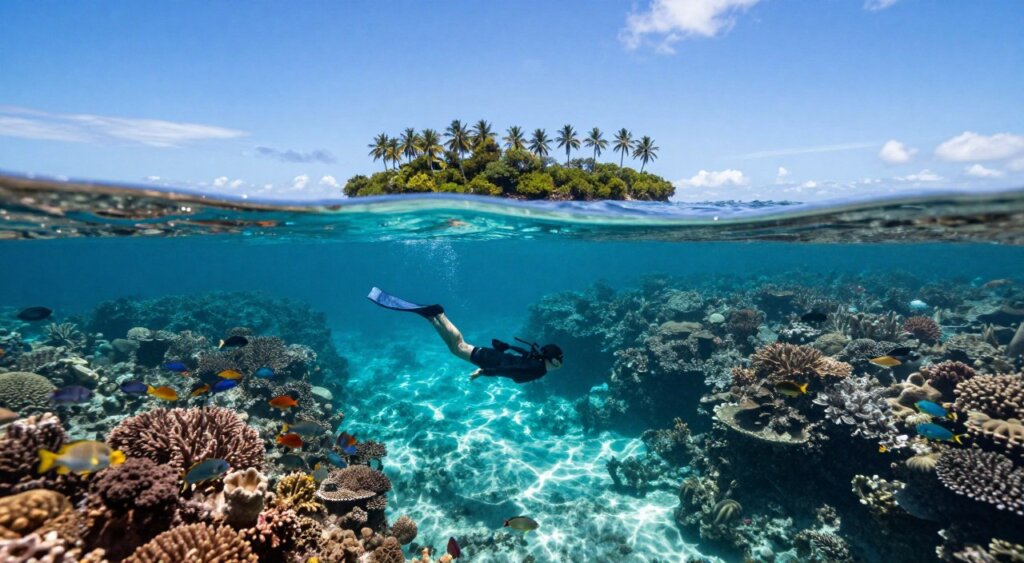
Choosing where to freedive in Raja Ampat is a fun challenge. The archipelago is full of amazing underwater spots. For Australian travellers, knowing the best places is key to a great trip.
Famous Dive Sites
Cape Kri is famous for its huge fish schools. Barracuda, trevally, and snapper swim in the current. It’s a thrilling spot for experienced freedivers.
Blue Magic is known for its pelagic giants. Manta rays and sharks can be seen here. It’s a great place for a close encounter with these creatures.
Melissa’s Garden is a coral lover’s dream. The reef is full of colours and life. Freedivers can see crinoids, nudibranchs, and pygmy seahorses up close.
Lesser-Known Freediving Spots
There are secret spots in Raja Ampat too. Places like Wayag and Misool have untouched bays and drop-offs. These spots are rarely visited by day boats.
Getting to these spots might need a private guide or a liveaboard trip. You’ll find solitude and untouched coral. It’s perfect for those who want a real ocean adventure.
Accessibility and Transportation
Getting to Raja Ampat’s best spots is part of the journey. You’ll fly from Australian cities to Sorong in West Papua. Then, you’ll take a boat to your destination.
Most divers take a ferry or speedboat to places like Waisai. Liveaboard vessels or day trips from resorts are the best way to get there.
Australians should plan ahead. Booking a liveaboard or resort package is the best way to see Raja Ampat’s beauty.
Equipment Essentials for Freediving
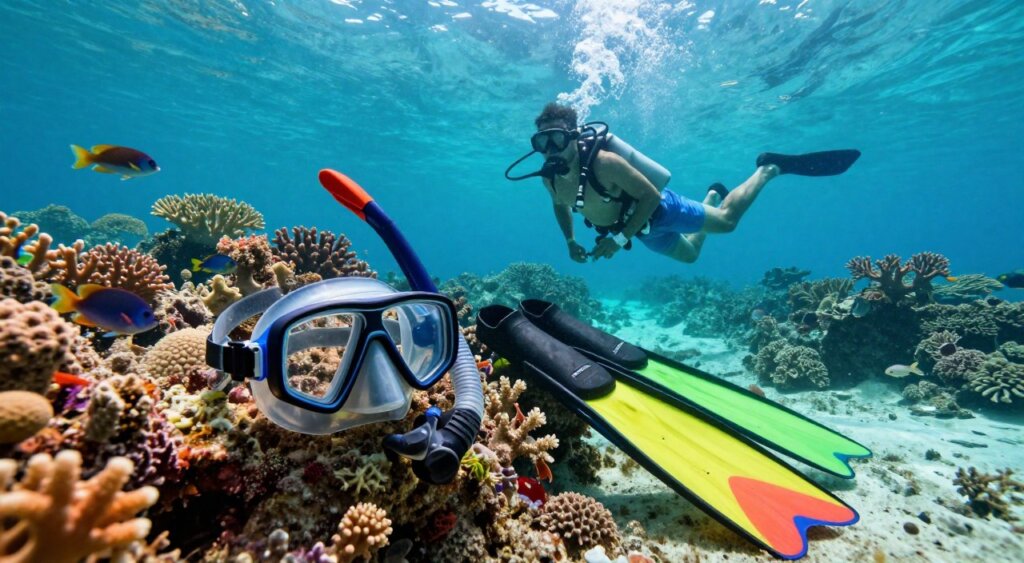
The waters of Raja Ampat are warm and clear. They need specific gear for safe and efficient freedives. The right freediving gear for Raja Ampat helps you dive longer and see more marine life. Here’s what you need for this unique place.
Masks and Fins
Your vision and how you move are key. A low-volume freediving mask is essential. It fits closer to your face, needing less air to equalise.
For fins, long-bladed ones are best for efficiency. They move you forward with less effort. This is great for exploring Raja Ampat’s reefs and currents.
Carbon fibre or plastic blades are common. Carbon is better for experienced divers. Look for a foot pocket that doesn’t cause cramps.
Wetsuits and Safety Gear
Even though the waters are warm, a wetsuit is a good idea. A thin suit, 1mm to 3mm, keeps you warm, protects against coral, and helps with buoyancy.
Safety gear is a must. You’ll need:
- Freediving Computer: Tracks your dive, helping you stay safe.
- Weight Belt: Keeps you buoyant and relaxed.
- Surface Marker Buoy (SMB) with Line: Signals your position and helps with navigation.
This gear is essential for safe diving in remote places.
Buoyancy Devices
The surface buoy is very important. It’s more than a marker; it’s a safety station. A sturdy buoy lets you dive safely along a line.
This line is key for safe dives, even in mild currents. It also helps you rest at the surface. When choosing freediving gear for Raja Ampat, remember the buoy.
Deciding to rent or bring your own gear is common. Renting is easy and avoids baggage issues. But personal gear is familiar and comfortable. Many divers bring essentials like masks and computers, and rent other items locally.
The Role of Freediving Schools and Instructors
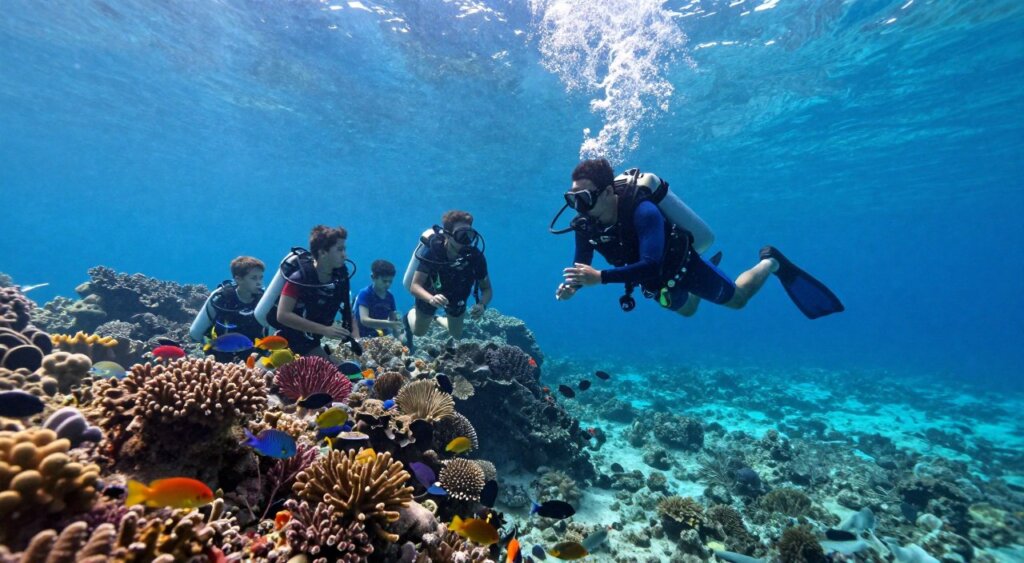
Learning to dive without breathing in Raja Ampat starts with the right school. The area’s strong currents and deep waters need respect and skill. Freediving schools teach you how to dive safely and deeply.
Training Programs Offered
Reputable schools in Raja Ampat have courses for all levels. Beginners can start with AIDA 2 or Molchanovs Wave 1. These teach you how to breathe, use fins, and stay safe.
For those with more experience, there are advanced courses. These cover deeper dives, dynamic apnea, and how to rescue others.
Some schools also offer special workshops. You might learn about reef conservation or underwater photography. These workshops teach you about the marine world while improving your diving skills.
| Course Level | Typical Duration | Key Skills Learned | Ideal For |
|---|---|---|---|
| Beginner (e.g., AIDA 2) | 2-3 Days | Basic breathing, duck dives, safety buddying | First-time freedivers or scuba converts |
| Intermediate (e.g., Molchanovs Wave 2) | 3-4 Days | Deeper equalisation, freefall technique, rescue drills | Divers comfortable in open water seeking depth |
| Advanced (e.g., AIDA 3/4) | 5+ Days | Advanced lung packing, CO2 tolerance, deep rescue | Experienced freedivers targeting significant depth |
| Specialty (e.g., Conservation) | 1-2 Days | Buoyancy control for reefs, species identification | All levels wanting to minimise environmental impact |
Certifications and Qualifications
An instructor’s certification is key for safety and quality. Look for AIDA, Molchanovs, SSI, or PADI Freediver credentials. These show they’ve been well-trained.
Check if they know Raja Ampat well. A local expert is a big plus. They should also have first-aid and oxygen provider certifications.
For Australian travellers, choose an instructor with global recognition. This ensures your training is respected everywhere.
Finding the Right Instructor
Finding the right instructor is important. Start by researching schools and reading reviews. Look for comments on teaching style and safety.
Ask the school questions directly. A small class size, like four students per instructor, is best. It means you get personal attention.
Talk about your goals and any fears. A good instructor will listen and adapt. They should make you feel confident and comfortable. Also, consider the school’s commitment to the environment. Schools that care about the planet offer a better experience.
Safety Guidelines for Freediving
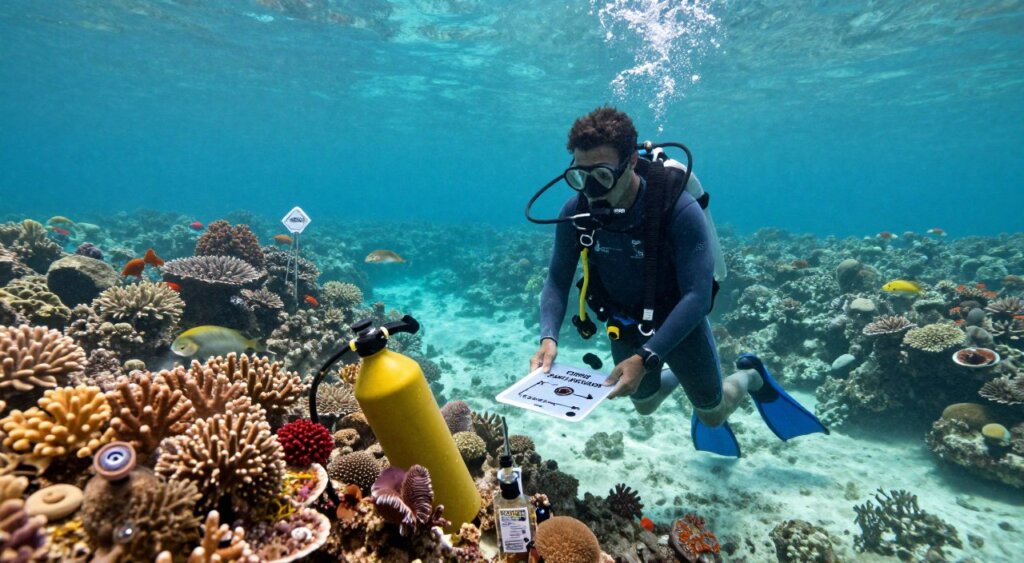
Safety is key for a great freediving experience in Raja Ampat. The area’s reefs and walls are stunning but need respect. Following safety rules makes diving safe and rewarding. This is what makes professional freediving Raja Ampat stand out.
Fundamental Freediving Safety Practices
Learning a few basic rules is essential for safe diving. These rules apply to all divers.
The buddy system is critical. Never dive alone. A buddy watches you and helps if needed. This rule is the best way to stay safe.
It’s important to learn how to equalise properly. Forcing it can hurt your ears. Equalise gently as you go down, before feeling pressure.
Don’t hyperventilate before diving. A few breaths are okay, but too much can be dangerous. It can make you hold your breath too long.
Recognising and Avoiding Dangers
Raja Ampat has its own dangers. Knowing them helps you stay safe.
Be careful of strong currents. Always check the current before diving. Dive with the current, not against it, and know where you’ll exit.
Respect the marine life. Keep a safe distance from big animals. Don’t touch coral or marine life; it’s good for you and the sea.
Know your depth and how long you’ve been down. The water can be deep. Use a dive computer and stay within your limits.
Emergency Protocols
Having a plan for emergencies is important in professional freediving Raja Ampat. Everyone in your group should know their role.
The biggest emergency is a shallow water blackout (SWB). It happens when you’re almost back up. If someone goes unconscious, their buddy must act fast:
- Support the diver at the surface and make sure their airway is clear.
- Remove their mask and snorkel and give them firm taps on the cheek while shouting their name.
- If they don’t respond, start giving them rescue breaths (one every five seconds) and take them to the boat for help.
Always start with a safety plan before diving. Talk about signals, dive plans, and what to do if you get lost. Make sure someone on the boat is ready to help. This preparation is what makes a dive safe and professional in Raja Ampat.
Health Benefits of Freediving
Freediving is more than a sport; it’s a holistic practice that delivers significant wellness advantages, like in Raja Ampat. The incredible marine life is the main attraction, but freediving itself offers a powerful reward for your entire being. These benefits transform a simple holiday into a deeply enriching experience for your body, mind, and social connections.
Physical Fitness and Conditioning
Freediving is a full-body workout that builds strength and efficiency in unique ways. Unlike gym exercises, it trains your body to perform with less oxygen, leading to remarkable adaptations.
The primary physical gains include:
- Enhanced Lung Capacity: Through targeted breathing techniques, you learn to take in more air and use it more effectively. This improves overall respiratory health.
- Superior Cardiovascular Efficiency: Your heart learns to slow down and work more economically, a response known as the mammalian dive reflex. This boosts circulatory health.
- Stronger Core Muscles: Maintaining proper posture and streamlining in the water engages your abdominal and back muscles intensely, building a powerful core.
This conditioning makes everyday activities feel easier and increases your stamina for all kinds of adventures.
Mental Health and Relaxation Benefits
The mental rewards of freediving are just as profound as the physical ones. The sport demands a state of focused calm, which has a powerful effect on your psychological well-being.
The process of breath-hold immersion creates a natural meditative state. You must concentrate on your breath, let go of surface-world worries, and be completely present. This mindfulness practice reduces stress hormones and promotes mental clarity.
Being weightless in the silent, blue world of Raja Ampat provides a total sensory reset. The constant noise of modern life fades away, replaced by the rhythm of your own heartbeat. Many divers describe this feeling as a form of active meditation.
“Freediving in Raja Ampat isn’t just about seeing fish. It’s the one hour where my mind is completely quiet. All the mental chatter stops, and I surface feeling genuinely reset and peaceful.”
Social Aspects of Freediving
The shared experience of a freediving holiday in Raja Ampat fosters a unique sense of camaraderie. You are part of a group learning new skills, overcoming personal challenges, and witnessing incredible sights together.
This creates strong, immediate bonds with like-minded individuals. Meals and boat rides are filled with stories of the day’s dives, tips on technique, and shared excitement. The community aspect turns a solo journey into a collective adventure.
For many Australians, these trips are a chance to connect with a global network of ocean enthusiasts. The friendships forged over a shared passion for the underwater world often last long after the holiday ends, making the experience socially enriching as well as personally rewarding.
Ultimately, choosing a freediving holiday in Raja Ampat is an investment in a healthier, happier you. You return home not just with photos, but with improved fitness, a calmer mind, and new friends.
Environmental Conservation Efforts
Freediving in Raja Ampat connects you deeply with nature. It’s a responsibility to protect the environment we explore. The area is a marine biodiversity hotspot, making every visitor’s actions important. This section shows how you can help, ensuring your freediving Raja Ampat trip is positive.
Sustainable Freediving Practices
Your actions in the water protect the reefs. Learning to control your buoyancy is key. This skill lets you float without fins, avoiding damage to coral.
Use mineral-based, reef-safe sunscreen before diving. This prevents chemicals from harming coral larvae. Always remember, ‘look, don’t touch’ to protect corals.
Don’t chase or ride marine life. Stress can harm their feeding and breeding. Quiet observation lets you see more natural interactions.
Community Awareness Programs
Local groups run programs for freedivers. Joining a reef clean-up dive is a great way to help. These dives target ghost nets and plastic.
Citizen science initiatives are also great. Some operators help researchers by training guests to log species sightings. Your help can aid in population studies.
Supporting local conservation centres is important. Your donations or educational tours fund research and patrols. This helps Papuan communities protect their marine resources.
Role of Tour Operators in Conservation
Your choice of operator matters. Look for eco-certified or sustainable operators. Eco-conscious operators teach you about local guidelines and employ Papuan guides.
Ask about their practices. Do they use mooring buoys and eliminate single-use plastics? Do they donate to conservation? Responsible operators are open about their efforts.
Choosing a sustainable tour supports conservation. This makes your freediving Raja Ampat trip beneficial. It helps protect these waters for future generations.
Cultural Significance of Raja Ampat
Raja Ampat is not just about its beautiful reefs. It’s also home to a rich culture thanks to the indigenous Papuan communities. Your raja ampat freediving adventure becomes more special when you learn about this connection.
This bond between the people and the sea has lasted for generations. It’s a mix of tradition, celebration, and learning to live with visitors.
Indigenous Communities and Freediving
The sea is more than a place for fun for the Papuan people. It’s their ancestral home and a source of food. They dive to catch food, just like freedivers today.
They have a deep understanding of the ocean, passed down through stories. Talking to locals gives you a new view of the sea.
The ocean gives us life. We know its rhythms, its secrets, and we welcome those who respect it.
Cultural Events and Festivals
Visiting during a local festival can be unforgettable. While big events are rare, many villages have cultural shows for tourists.
You might see Wor dances, which tell stories of the sea and creation. These dances show off Papuan art and culture.
Resorts and liveaboards often plan these visits. It’s a chance to see warm hospitality and local crafts up close.
Impact of Tourism on Local Culture
The rise of freediving tourism brings both good and bad to Raja Ampat’s culture. Many locals now work in tourism, sharing their culture with the world.
This helps keep traditions alive by giving them value. But too many visitors can put pressure on local ways of life.
As a visitor, you can make a difference. Choose local operators, respect local rules, and learn a few words of Indonesian or Papuan Malay. This shows you care.
Your thoughtful actions help ensure tourism supports the culture. It turns a simple dive into a meaningful cultural exchange.
Freediving Tours and Packages Available
Raja Ampat offers many tour packages for Australian freedivers. These packages suit different skill levels and interests. You can easily book your freediving holidays raja ampat through various operators.
Pricing Structure of Tours
Tour prices in Raja Ampat vary. They depend on accommodation, trip length, and services included. Most packages are divided into three tiers for different traveller needs.
Budget packages start at around AUD $1,500 for a week. They include basic guesthouse stays, shared boat transfers, and guided dives. Meals are local, and you might need to rent equipment.
Mid-range options cost between AUD $2,500 to $4,000 weekly. You get comfortable resort stays, personal guiding, better gear, and some meals. These are great for most Australian travellers.
Luxury freediving holidays raja ampat experiences cost over AUD $6,000. They offer premium liveaboard vessels, gourmet meals, small groups, and underwater photography coaching.
| Package Tier | Price Range (AUD, weekly) | Accommodation | Inclusions | Best For |
|---|---|---|---|---|
| Budget | $1,500 – $2,400 | Basic guesthouses | Guided sessions, transfers | Cost-conscious travellers |
| Mid-Range | $2,500 – $4,000 | Comfortable resorts | Better equipment, some meals | Most Australian visitors |
| Luxury | $4,500+ | Liveaboards/premium resorts | All-inclusive, small groups | Special occasions, premium experience |
Types of Freediving Trips Offered
There are many trip formats for different preferences. Each offers unique benefits for exploring Raja Ampat’s underwater world.
Liveaboard boats dedicated to freediving offer the best immersion. You dive at prime sites with early morning and late afternoon sessions. These trips give you more time in the water and access to remote areas.
Resort-based diving weeks provide comfort and stability. You stay in the same place each night and dive nearby sites. This is perfect for those who like consistent amenities and socialising.
Combined diving and cultural tours mix marine exploration with land experiences. You visit local villages, see traditional crafts, or go on jungle treks. These tours give a deeper understanding of the region.
Customising Your Freediving Experience
Many operators let you customise your trip. This ensures your freediving holidays raja ampat meets your exact needs and goals.
Depth training programs help you improve your diving skills. Instructors provide coaching, safety, and a gradual learning plan.
Underwater photography-focused trips include coaching on capturing marine life. Guides show the best spots for photos, and some packages include equipment or photographer guides.
Exploration and discovery tours visit unknown sites and unique species. These trips are for experienced freedivers looking for new challenges and rare sightings.
When booking your freediving holidays raja ampat, tell operators about your interests. They can adjust itineraries, provide special guides, or suggest the best package for you. Consider trip length, group size, and learning goals when choosing.
Gear Rentals vs. Purchasing
Your gear choice can greatly impact your freediving in Raja Ampat’s clear waters. You might decide to rent or buy your equipment. This choice affects your comfort, safety, and budget. This guide is for Australian divers to help them make this important decision.
Understanding the trade-offs is the first step. Let’s break down the options to find what suits your adventure best.
Pros and Cons of Rentals
Renting freediving gear in Raja Ampat is convenient for travellers. It saves you from carrying heavy bags. You can also try different brands before buying.
But, rentals have downsides. Finding the right size or premium models might be hard at remote resorts. Hygiene is a concern, even with cleaning protocols. Rental costs can add up over time, making buying a better option.
The table below summarises the key points to consider.
| Aspect | Renting Gear | Buying Gear |
|---|---|---|
| Upfront Cost | Low per-day fee. | High initial investment. |
| Travel Convenience | Excellent. No checked baggage. | Requires packing and potentially fees. |
| Fit & Comfort | Potentially inconsistent. Limited sizes. | Perfect, custom fit. Your preferred model. |
| Hygiene | Shared equipment. Relies on operator standards. | Personal use only. You control cleanliness. |
| Long-term Value | Poor for frequent divers. Costs accumulate. | Excellent. Pays for itself over several trips. |
When to Invest in Your Own Gear
Buying your equipment is wise in certain situations. It’s cost-effective if you dive more than a few times a year. It’s also a good choice if you need specific gear, like larger sizes.
For those serious about freediving, owning gear is a step up. It lets you fine-tune your equipment for better performance. This boosts your confidence and safety underwater.
Think of it as an investment in your passion and safety. The right gear becomes an extension of your body in the water.
Recommended Brands and Retailers
For Australians looking to buy, several top brands are available. Cressi and Mares are known for their quality and performance. Molchanovs and Alchemy are favourites for their innovation.
In Australia, dive shops and online retailers offer these brands. Dive Centre Manly in Sydney and Adreno in Brisbane have expert staff. Online, Freedive Australia and Dive Shop have a wide range with good shipping.
Always try before you buy, like masks and fins. Many local clubs have demo days. This ensures your new freediving gear is perfect for your Raja Ampat journey.
Challenges and Risks in Freediving
Freediving in Raja Ampat is thrilling, but it comes with risks. It’s important to understand these challenges to stay safe. This knowledge helps you enjoy the sport responsibly.
Common Freediving Hazards
Freediving has its own set of dangers. These risks fall into two main categories: physical and environmental.
Physical challenges come from how our bodies react to pressure and holding our breath. Key issues include:
- Barotrauma: This injury happens when pressure isn’t equalised properly, affecting ears and sinuses.
- Nitrogen Narcosis: At deep depths, nitrogen can be toxic, affecting the brain and judgment.
- Shallow Water Blackout: A loss of consciousness near the surface due to low oxygen levels.
Environmental risks in Raja Ampat are also significant. The currents can be strong and unpredictable. Marine life encounters need calmness and space. Unseen underwater obstacles pose a risk during dives.
Managing Personal Limits
Knowing your limits is key in freediving. These limits change daily based on how you feel.
Never dive to compete with others. Safety should always come first. Listen to your body; if it’s telling you something’s wrong, it probably is.
Dive with a buddy who knows safety rules. This partnership is your lifeline. Remember, the ocean will always be there tomorrow. There’s no shame in stopping a dive if needed.
Training for Safety and Efficiency
Managing risks in freediving is about knowledge and skill. Professional freediving Raja Ampat training is essential.
Certified courses teach you how to dive safely and efficiently. You learn how to equalise pressure, conserve oxygen, and manage buoyancy. You also practice rescue skills.
Qualified instruction changes how you dive. It builds a safety foundation, allowing you to enjoy the experience. Regular practice with a coach helps you improve your skills and safely explore deeper.
Embracing challenges through education makes you a safer and more confident freediver. The risks are real, but with the right mindset and training, they are manageable.
Personal Training Tips for Freediving
Australians planning a freediving trip to Raja Ampat can improve their skills at home. Focusing on three key areas can make a big difference. This preparation turns a good dive into an unforgettable experience.
By training before you go, you’ll be ready to enjoy your trip. You can dive deeper and explore more. This preparation is a great addition to any freediving courses Raja Ampat offers.
Breathing Techniques
Learning to breathe properly is the first step. Diaphragmatic breathing, or belly breathing, is essential. It helps you take in more oxygen and stay calm before diving.
Try lying on your back at home. Place one hand on your chest and the other on your stomach. Breathe in deeply through your nose, feeling your stomach rise while your chest stays steady.
Then, exhale slowly and completely through pursed lips. Regular practice will make this your natural breathing pattern.
To increase your breath-hold, use static apnea tables. These are sets of breath-holds and recovery breaths. They help your body get used to higher levels of carbon dioxide.
Begin with simple tables, like eight breath-holds of one minute each. Always practice in a safe place, never alone in water. Dry training is a key part of many freediving courses Raja Ampat instructors suggest.
Physical Conditioning Exercises
Your body needs specific training for freediving. You’re aiming for stamina, flexibility, and control, not just strength. Use simple exercises on land to target these areas.
Improving CO2 Tolerance: Cardio exercises like swimming, running, or cycling are great. They teach your body to work well with less oxygen. Do steady-state cardio several times a week.
Enhancing Flexibility: Flexible muscles use less oxygen and help with equalisation. Add yoga or dynamic stretching to your routine. Focus on your chest, shoulders, and diaphragm.
Strengthening for Equalisation: Practice the Frenzel equalisation manoeuvre on land. Close your vocal cords and use your tongue to push air into the Eustachian tubes. Regular practice builds the muscle memory for easy equalisation at depth.
- Swim laps at your local pool while practicing breath-hold intervals.
- Follow online yoga flows focused on opening the chest and hips.
- Dedicate five minutes daily to dry equalisation practice.
Mental Preparation Strategies
The mental aspect is just as important as the physical. A calm, focused mind saves oxygen and prevents panic. Use these strategies to build mental strength before your trip.
Visualisation: Imagine your dive vividly. Picture yourself diving smoothly along a vibrant Raja Ampat reef. Feel the water temperature, see the fish, and execute a perfect equalisation. This mental rehearsal prepares your nervous system for the real dive.
Relaxation Techniques: Meditation and mindfulness help you stay present. Practice focusing on your breath for ten minutes a day. When faced with a challenge underwater, you can return to this calm point.
Goal Setting: Set clear, achievable goals for your training and dives. This could be holding your breath for a certain time or reaching a comfortable depth. Having a focus directs your mental energy positively.
By combining physical and mental drills, you’ll be in top shape. You’ll be ready to dive deeper and learn more during your freediving courses Raja Ampat is known for.
Community and Networking in Freediving
Your freediving journey in Raja Ampat doesn’t stop when you come up for air. It keeps going through the friends you make and the community you join. Freediving is about sharing a passion and achieving personal goals. A strong network offers support, helps you learn faster, and opens doors to new adventures.
Online Freediving Communities
The internet is a great place to connect with freedivers worldwide. Forums are full of useful info. Sites like DeeperBlue and Freediving Earth have thousands of posts on everything from basic techniques to professional freediving Raja Ampat trips.
Social media groups, like ‘Freediving International’ on Facebook, are great for quick chats. You can ask questions and get tips from experienced divers. Instagram and YouTube are also good for seeing what top athletes and instructors do.
Online, you can find the latest on water conditions, local guides, and safety tips. People who’ve just been there share their experiences. This can really help you plan and feel more confident before your trip.
Local Clubs and Events in Australia
In Australia, there’s a lively freediving scene waiting for you. Joining a club is a great way to keep your skills sharp and meet others. Groups like Apnea Australia, Sydney Freedivers, and Melbourne Freedivers have regular pool sessions. These are perfect for practicing in a safe place.
Many clubs also organize dives at local spots. These are great for gaining experience and getting ready for trips like Raja Ampat. Watching or joining national competitions, like the Australian Freediving Nationals, is also exciting. It brings divers together and builds camaraderie.
| Platform Name | Primary Focus | Best For |
|---|---|---|
| DeeperBlue Forum | Technical discussion & global community | In-depth gear reviews and advanced technique debates |
| Freediving Earth | Directory of spots & diver connections | Finding dive buddies and location-specific information |
| Facebook Groups (e.g., Australian Freedivers) | Local networking & quick advice | Getting recommendations for local instructors and events |
| Instagram Hashtags (#freediving) | Visual inspiration & athlete following | Discovering new destinations and following professional journeys |
Sharing Experiences and Knowledge
After your Raja Ampat trip, share your story. Write a blog or post on forums. Your experiences of the sites, marine life, and conditions are very helpful for others.
Post your photos and videos on social media, tagging clubs and groups. Consider giving a presentation at your local club. Sharing your experiences helps you remember them and adds to the community’s knowledge.
This cycle of learning and sharing keeps the freediving spirit alive. Whether you’re looking for advice on a professional freediving Raja Ampat trip or sharing tips with newcomers, you’re building a worldwide network based on a love for the ocean.
Conclusion: Why Freediving in Raja Ampat is a Must-Do
Your journey into freediving raja ampat is a unique experience. It mixes top-notch marine life with the thrill of breath-hold diving.
Summarising the Experience
Freediving in Raja Ampat gives you access to stunning coral reefs and rare species. The water is clear, and the weather is warm, making it perfect for diving.
Encouragement to Explore Raja Ampat
If you’re an Australian looking for a life-changing trip, Raja Ampat is waiting for you. With great schools and eco-friendly tour operators, planning your dive is easy.
Final Thoughts on Freediving Adventure
This activity lets you connect with nature and boosts your well-being. Take on the challenge and enjoy the rewards of freediving in a place full of life.