Did you know that visitor numbers drop by nearly 60% during this month compared to the busy July-August peak? This surprising statistic reveals why Bali in November offers a uniquely authentic experience that many travellers overlook.
The island transitions into its wet season during this period, bringing a different kind of beauty. While afternoon showers become more frequent, mornings typically offer plenty of sunshine for exploration. The landscape transforms into a vibrant green paradise.
Temperatures remain comfortable between 25-30°C during the day. Evenings stay warm at 23-24°C. Humidity levels rise, but this contributes to the lush surroundings. Waterfalls flow at their most dramatic and rice terraces look spectacular after rainfall.
This timing creates a sweet spot for budget-conscious travellers. Flight and accommodation prices drop significantly. You’ll encounter fewer crowds at popular attractions. This allows for more meaningful interactions with local culture.
The month represents an ideal balance between affordability and natural beauty. It’s perfect for couples seeking quieter moments. Digital nomads appreciate the relaxed atmosphere. Surfers find excellent conditions on the east coast breaks.
Key Takeaways
- Visitor numbers drop significantly, offering a more peaceful experience
- Prices for flights and accommodation become much more affordable
- The landscape transforms into a lush, green paradise after rains
- Mornings typically provide plenty of sunshine for outdoor activities
- You’ll encounter smaller crowds at popular attractions and beaches
- Perfect for budget travellers, couples, and digital nomads
- Requires flexibility but rewards with authentic cultural interactions
Understanding Bali in November: Weather, Rain & Lush Landscapes
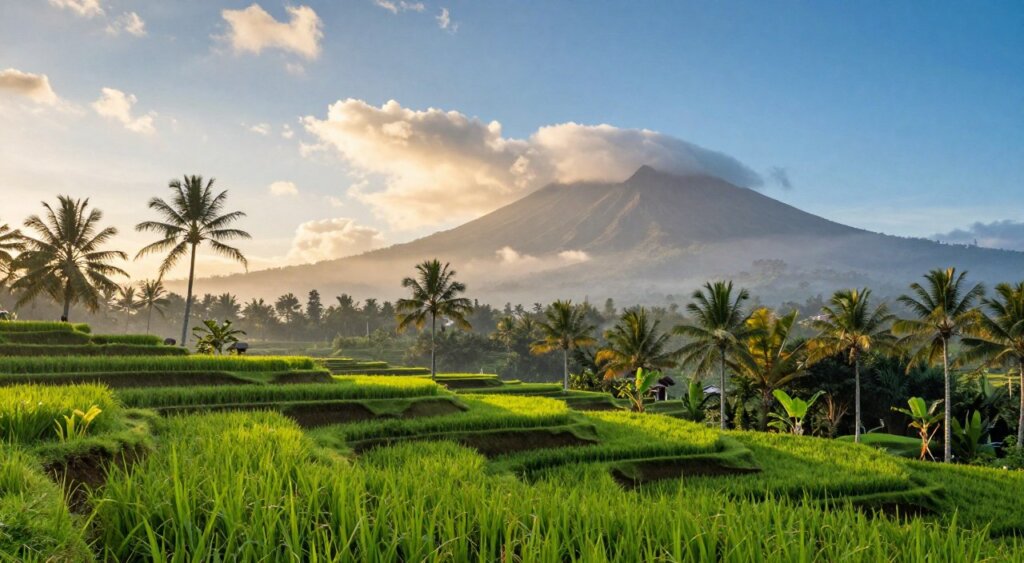
As the tropical island transitions into its wet season, November brings a distinctive climate pattern that transforms the landscape. The weather follows predictable daily cycles that refresh the environment.
Typical Weather Patterns and Temperature Trends
Daytime temperatures typically range between 25-30°C, while evenings remain warm at 23-24°C. Mountainous regions experience noticeably cooler conditions.
| Region | Day Temperature | Evening Temperature | Rainfall Frequency |
|---|---|---|---|
| Coastal Areas | 28-30°C | 24-25°C | Moderate |
| Central Highlands | 25-27°C | 21-23°C | High |
| Bukit Peninsula | 29-31°C | 25-26°C | Low |
Humidity levels reach 80-85%, creating sticky conditions during afternoons and evenings. The month typically sees 12-17 rainy days with 150-200mm of rainfall.
How Afternoon Showers Transform the Island
Rain usually arrives as short, heavy downpours in the afternoon rather than continuous all-day rain. These showers dramatically refresh the air and wash away dust.
“The afternoon storms create the most vibrant green landscapes you’ll ever see. Everything comes alive after the rain.”
Mornings are typically clear and sunny, perfect for outdoor activities. The showers contribute to spectacularly lush scenery throughout the island.
Different climate zones experience varied conditions. Coastal areas maintain classic tropical weather, while central highlands receive more rainfall. The Bukit Peninsula remains relatively drier than other regions.
Budget Travel and Value: The Advantages of a November Visit
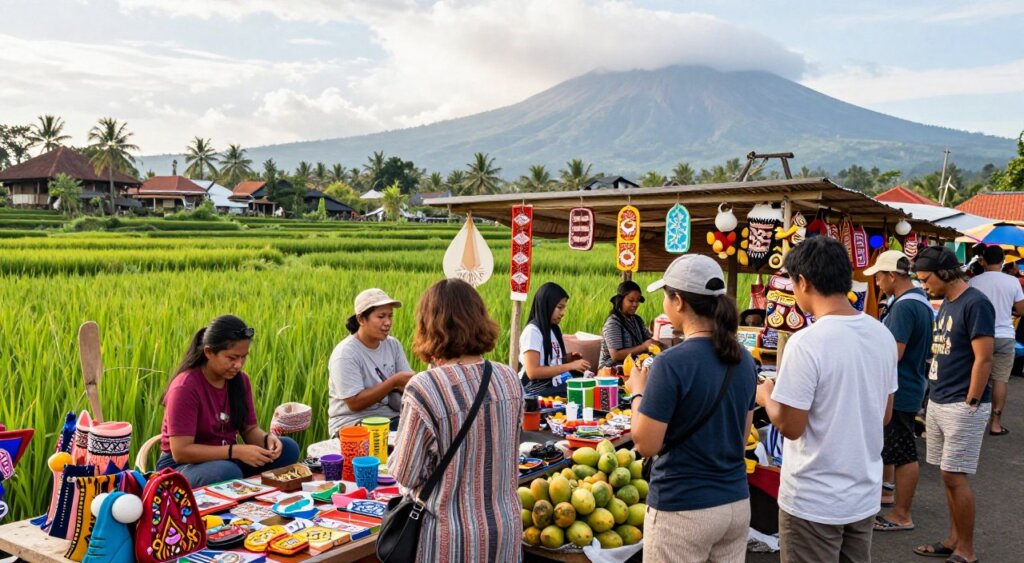
For those prioritising affordability, this period offers some of the best travel deals of the year. The island’s quiet season creates perfect conditions for stretching your holiday budget further while enjoying a more relaxed pace.
Lower Prices on Flights and Accommodation
You’ll notice immediate savings when planning your trip. Flight costs drop significantly compared to peak months. Accommodation rates follow the same pattern.
Hotels and villas reduce prices to attract visitors during the quieter wet season. This is the ideal time to secure luxury stays at mid-range prices. Mid-week flights often provide the best value.
| Expense Category | Peak Season (July-Aug) | November Visit | Average Saving |
|---|---|---|---|
| Return Flights (AU) | $900-$1,200 | $600-$800 | 30-40% |
| Hotel (4-star) | $150-$200/night | $90-$130/night | 35-40% |
| Villa Rental | $250-$400/night | $160-$250/night | 35-40% |
Fewer Crowds and a More Authentic Experience
Lighter tourist numbers transform your holiday experience. You won’t face long queues at popular attractions. Restaurant bookings become easier to secure.
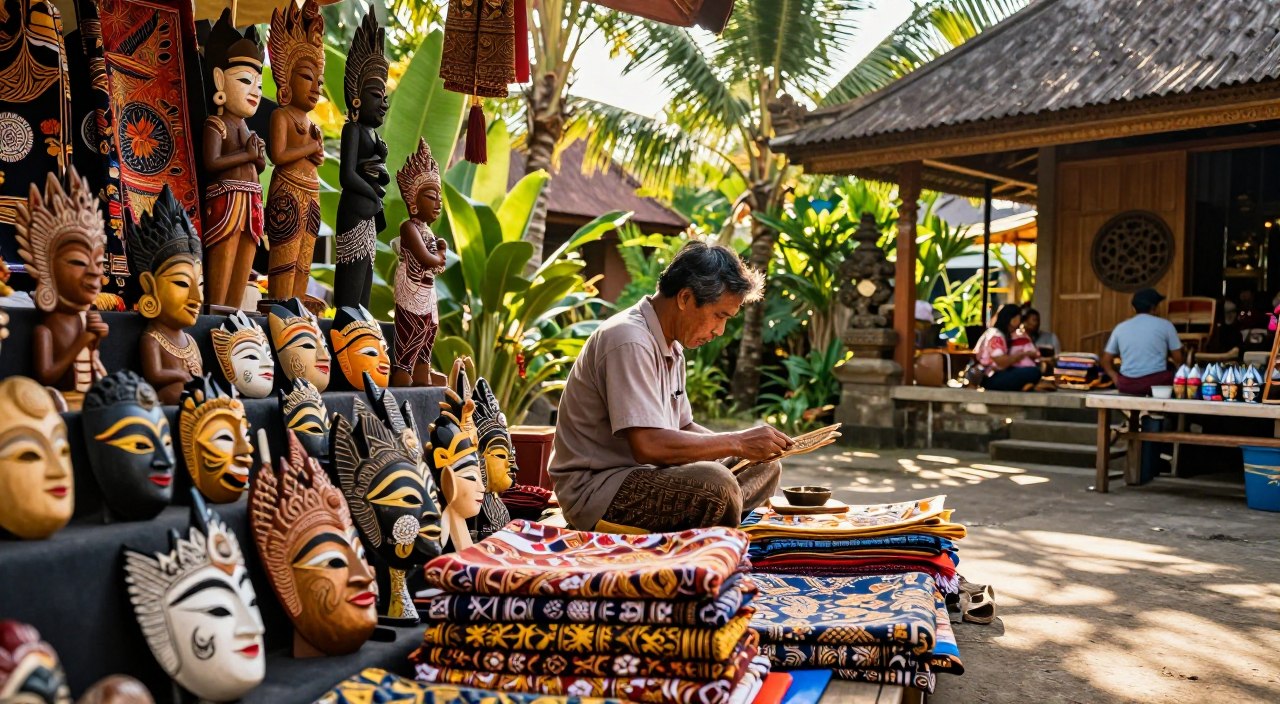
This quieter time allows for more meaningful interactions with local culture. The pace feels less rushed and commercialised. You can enjoy premium experiences without the peak-season congestion.
Beach clubs, temples, and tour spots feel more personal. Your money goes further while the island remains fully operational. It’s the perfect way to experience the authentic spirit of the place.
Immersing in Local Culture and Vibrant Events
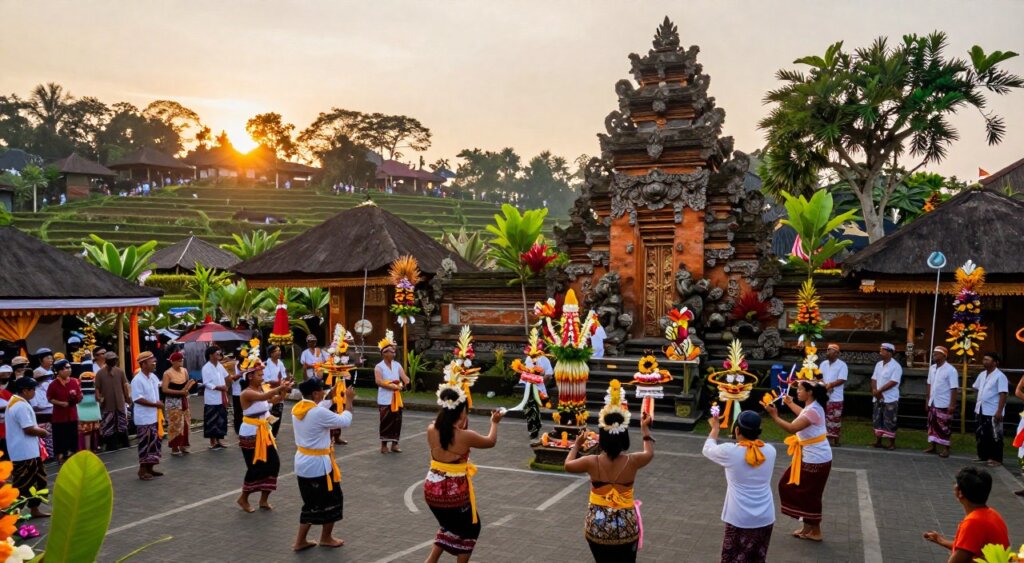
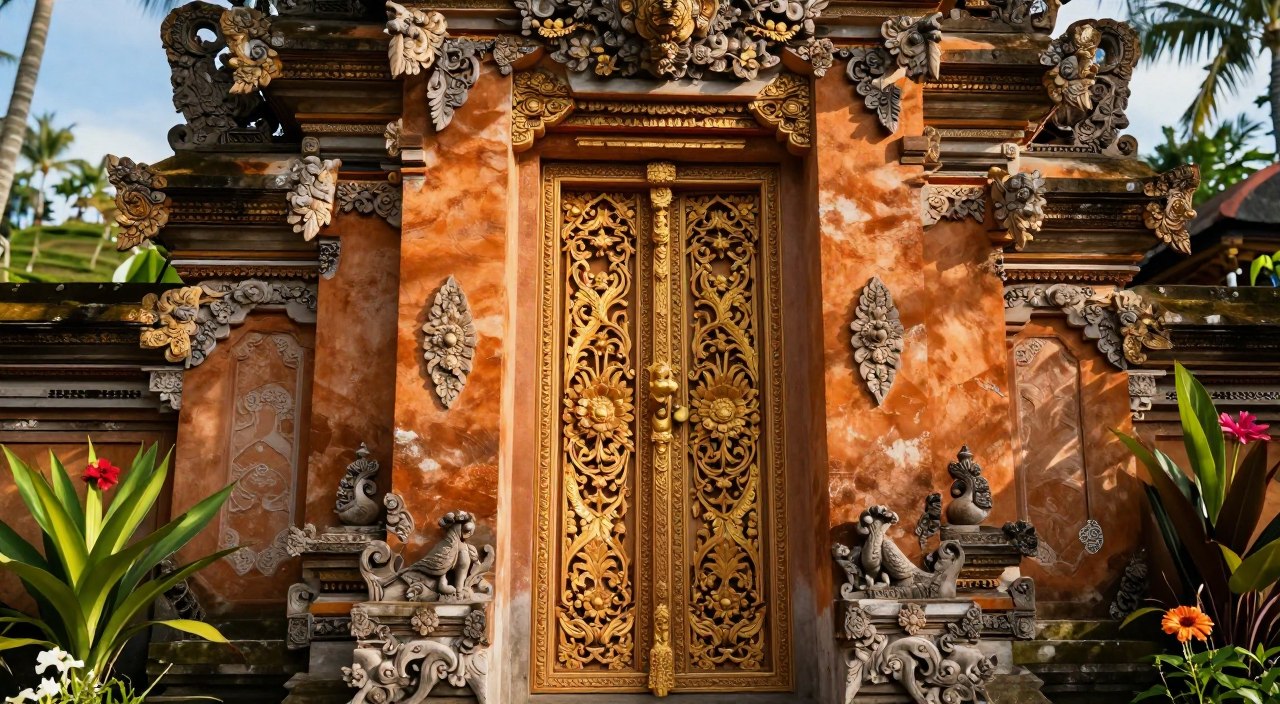
The island’s cultural calendar reaches a vibrant peak during this transitional month. Visitors encounter spectacular festivals that showcase deep spiritual traditions.
Major celebrations like Galungan and Kuningan often occur during this period. These important events mark the return and departure of ancestral spirits.
Traditional Temple Ceremonies and Festivals
Families create elaborate offerings and clean temples throughout the ten-day celebration. The streets transform with beautiful penjor decorations.
“Witnessing these ceremonies feels like stepping into a living cultural museum. The community’s devotion is truly inspiring.”
Temples host special barong dances and ceremonial parades. These cultural events provide unforgettable experiences for respectful observers.
Celebrating Galungan, Kuningan and Local Rituals
Tumpek Kandang honors domestic animals with special prayers and blessings. This reveals the holistic nature of local spirituality.
The Makepung Lampit Festival features exciting buffalo racing in Jembrana’s rice fields. Meanwhile, temple anniversary celebrations occur across the island.
With lighter crowds, you can enjoy more intimate cultural encounters. Remember to dress modestly when visiting sacred sites during these special events.
Exploring Bali’s Natural Wonders in the Wet Season
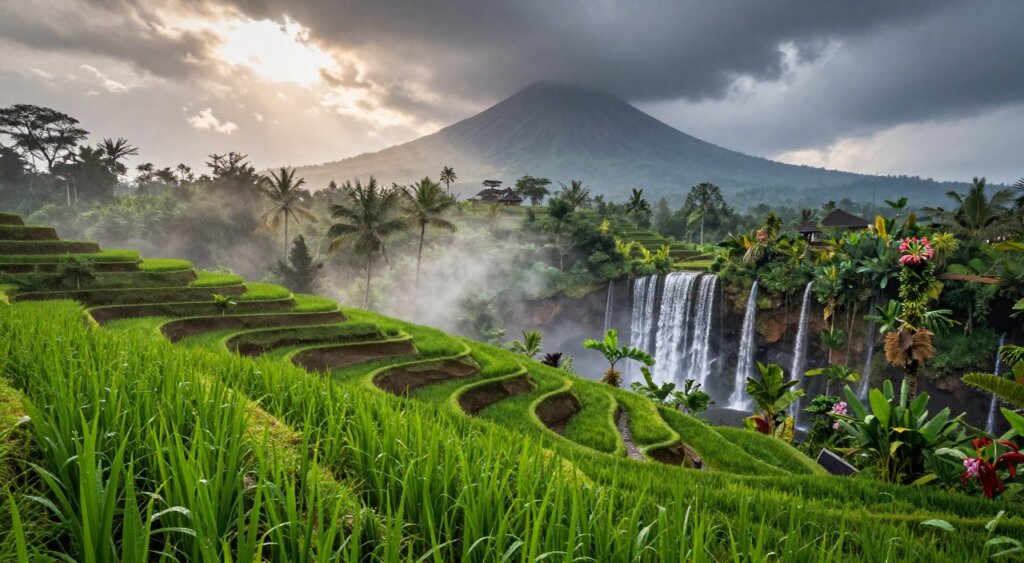
Nature puts on its most impressive show during the transitional wet season month. The rainfall enhances rather than diminishes the island’s beauty.
Morning excursions reveal spectacular conditions. The landscape glows with vibrant colours after overnight showers.
Discovering Lush Rice Terraces and Waterfalls
Famous waterfalls like Tegenungan and Sekumpul thunder with increased flow. These cascades create refreshing swimming spots and incredible photo opportunities.
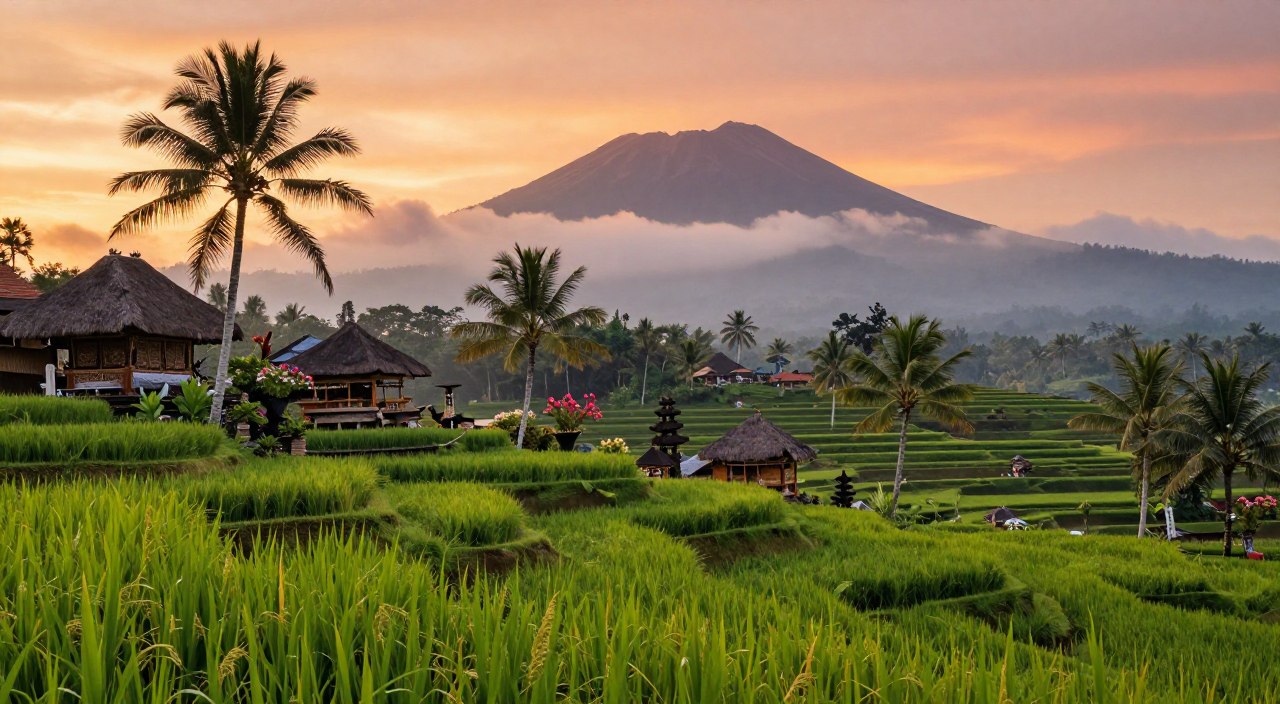
The iconic rice terraces display their most brilliant green hues. Tegalalang and Jatiluwih look like living postcards after consistent rainfall.
Plan these visits for morning hours when conditions are clearest. The scenery reaches peak beauty during this period.
Beach Clubs, Surf Spots and Scenic Retreats
East coast breaks at Nusa Dua and Keramas offer prime surfing conditions. Swell direction shifts create excellent waves for experienced riders.
Beach clubs operate with morning sunshine perfect for securing daybeds. The sea remains warm at 27-28°C throughout the month.
Different areas provide varied experiences. Uluwatu offers dramatic cliffside views while Ubud showcases lush jungle landscapes.
Bali in November: Essential Travel Tips
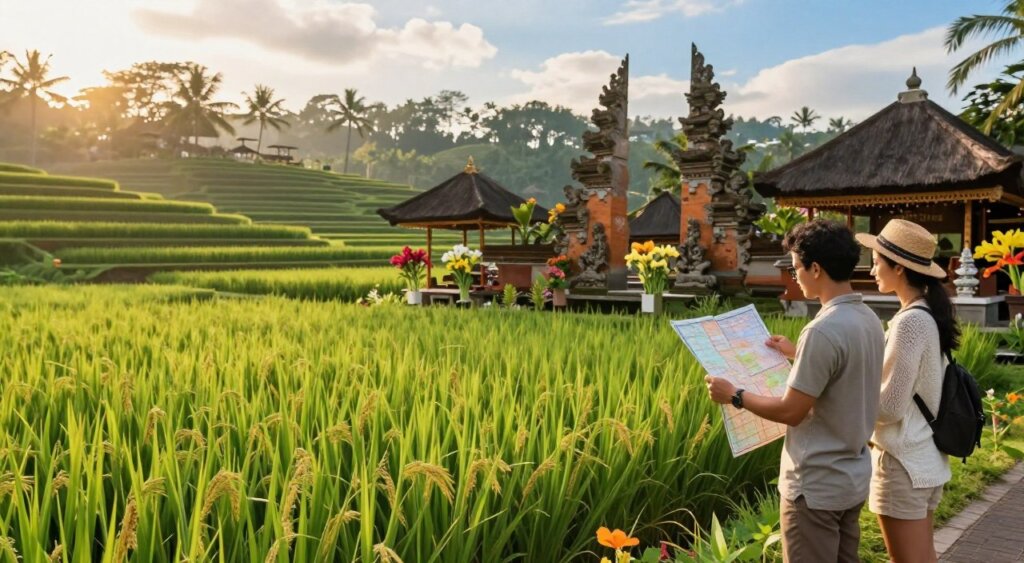
Having the right strategies in place transforms potential weather challenges into memorable experiences. Smart planning ensures you enjoy everything this tropical paradise offers.
What to Pack and How to Dress for the Weather
Pack lightweight, breathable clothing like cotton t-shirts and shorts. Include a poncho or light rain jacket for sudden showers.
Bring quick-dry shoes and a waterproof bag for electronics. Don’t forget insect repellent as mosquitoes become more active.
For temple visits, modest clothing covering shoulders and knees is essential. Most major sites provide sarongs if needed.
Getting Around Safely and Booking Reliable Transport
A private car and driver offers the safest way to travel during this season. They handle traffic and rain-soaked roads expertly.
Grab and Gojek apps work well for short trips. Scooter rental suits experienced riders comfortable with wet conditions.
Allow extra travel time as afternoon downpours worsen congestion. This is especially true around popular areas.
Planning Activities Around the Rainy Windows
Schedule outdoor activities like waterfalls and temples for morning hours. This gives you the best chance of clear weather.
Save afternoons for indoor options when showers typically arrive. Enjoy spa treatments, cooking classes, or shopping.
Afternoon downpours usually last 1-2 hours. Always have backup plans to make the most of your days.
Flexibility is key to enjoying your visit. Embrace cultural experiences when outdoor plans change.
Conclusion
Choosing the right time for your holiday requires balancing weather expectations with budget and experience preferences. This particular month offers a distinct chance to see the island in a different light.
Visit Bali during this period if you value affordability and authenticity over guaranteed sunshine. You’ll enjoy lower prices and smaller crowds at temples and beaches.
This season rewards flexible travellers who don’t mind afternoon showers and higher humidity. It’s an excellent time of the year for a unique and rewarding experience.