Imagine standing in the heart of an ancient rainforest, watching wild orangutans swing through emerald canopies, knowing your presence directly funds their survival. Ecotourism in Indonesia offers this extraordinary privilege, transforming ordinary vacations into powerful conservation actions. As the world’s largest archipelago nation, Indonesia has emerged as a global leader in sustainable tourism, where every visitor becomes a guardian of irreplaceable biodiversity, vanishing cultures, and fragile ecosystems. This comprehensive guide reveals how ecotourism in Indonesia protects endangered species, empowers local communities, and creates unforgettable adventures across 17,000 islands teeming with life found nowhere else on Earth.
Whether you’re planning to dive pristine coral reefs in Raja Ampat Islands, trek volcanic landscapes at Mount Bromo, or witness Komodo dragons in their natural habitat, understanding ecotourism principles ensures your journey leaves a positive impact. This article provides everything you need, from destination insights and budget planning to seasonal timing and responsible travel practices, all designed to help you experience Indonesia’s natural wonders while supporting their preservation for future generations.

What is Ecotourism in Indonesia?
Ecotourism represents a revolutionary approach to travel that places environmental conservation, cultural respect, and community welfare at its core. Rather than extracting value from natural resources, ecotourism in Indonesia creates economic incentives to protect them. The International Ecotourism Society defines ecotourism as “responsible travel to natural areas that conserves the environment, sustains the well-being of the local people, and involves interpretation and education.” In Indonesia’s context, this means visitors actively participate in preserving the nation’s extraordinary natural heritage while learning from indigenous knowledge systems that have protected these lands for centuries.
The Four Pillars of Ecotourism
Understanding ecotourism in Indonesia requires examining its foundational pillars:
Environmental Sustainability forms the first pillar, ensuring tourism activities minimize ecological footprints. This includes limiting visitor numbers to prevent habitat degradation, using renewable energy sources in lodges, eliminating single-use plastics, and directing portions of revenue toward habitat restoration. In Komodo National Park, for example, strict daily visitor caps prevent reef damage and nesting disturbances, allowing marine ecosystems to thrive alongside responsible tourism.
Socio-Cultural Sustainability emphasizes preserving indigenous traditions, languages, and practices. Ecotourism in Indonesia actively involves local populations in decision-making processes, ensuring tourism development aligns with cultural values. At Lake Toba in Sumatra, Batak communities lead cultural experiences, sharing traditional music, dance, and architecture while maintaining authentic lifestyles rather than performing staged representations for tourists.
Economic Sustainability creates lasting prosperity for local communities through fair employment, locally-owned businesses, and transparent revenue distribution. Community-based ecotourism models ensure money stays within regions rather than flowing to distant corporations. Way Kambas National Park employs local villagers as elephant mahouts, rangers, and guides, providing stable incomes that reduce pressure to convert forests into palm oil plantations.
Management Sustainability requires ongoing monitoring, adaptive policies, and stakeholder collaboration. Effective ecotourism in Indonesia depends on partnerships between government agencies, conservation organizations, local communities, and tourism operators. These collaborations develop carrying capacity studies, establish protected areas, and implement certification systems that hold operators accountable to sustainability standards.
Why Indonesia is a Global Ecotourism Leader
Indonesia occupies a unique position in global conservation, hosting ecosystems and species found nowhere else while facing urgent environmental challenges. This combination makes ecotourism in Indonesia simultaneously critical and extraordinarily rewarding. The nation ranks among the world’s top five countries for biodiversity, containing approximately 10% of the planet’s flowering plant species, 12% of mammal species, and 17% of all bird species within just 1.3% of Earth’s land surface.
The archipelago’s geographic diversity creates unparalleled opportunities for environmental conservation through tourism. From the coral reef triangle in eastern waters to the peat swamp forests of Borneo, Indonesia encompasses virtually every tropical ecosystem type. This includes 50.9 million hectares of tropical rainforest, the world’s third-largest expanse after the Amazon and Congo Basin, providing critical habitat for iconic species like orangutans, Sumatran elephants, and Javan rhinoceros.
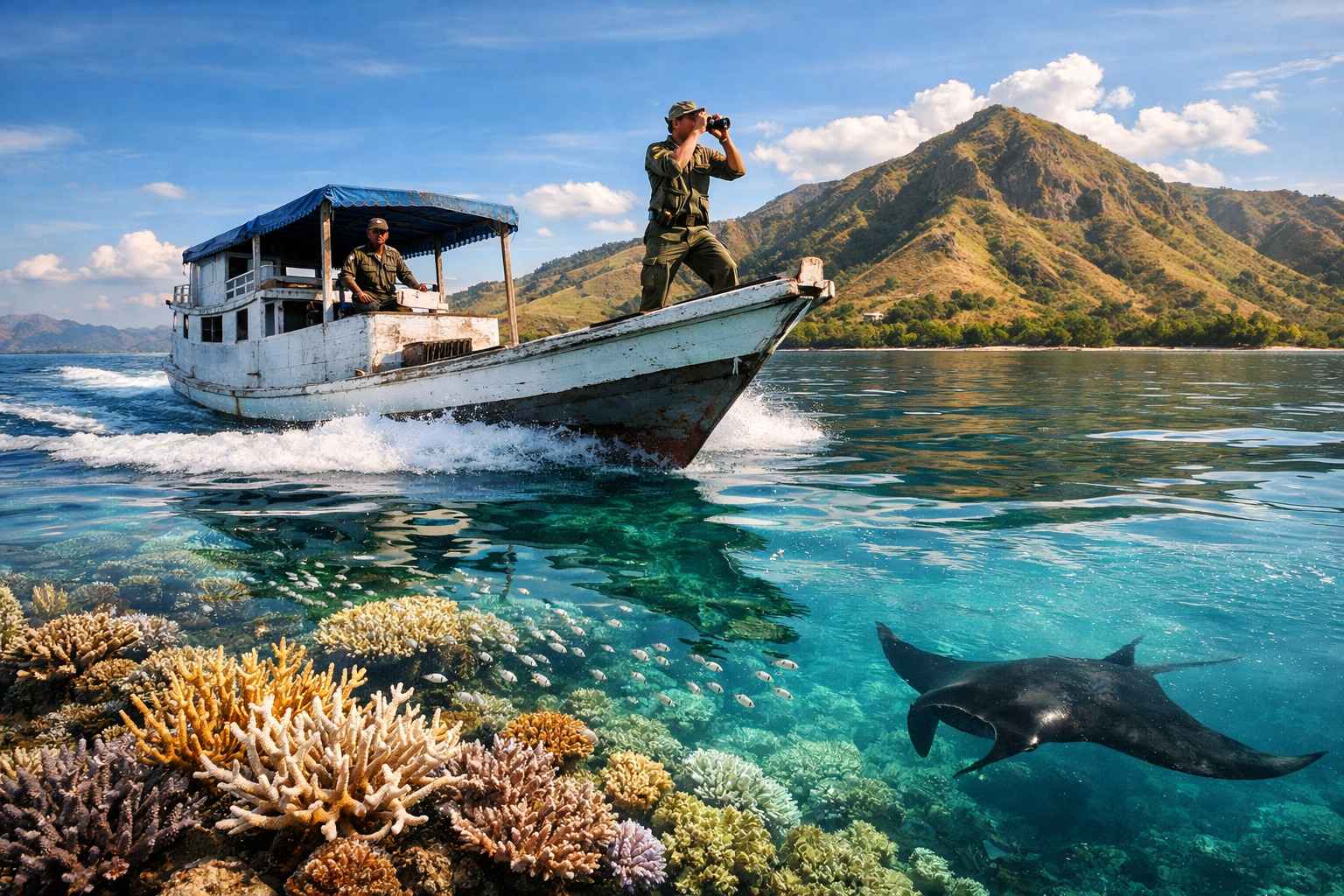
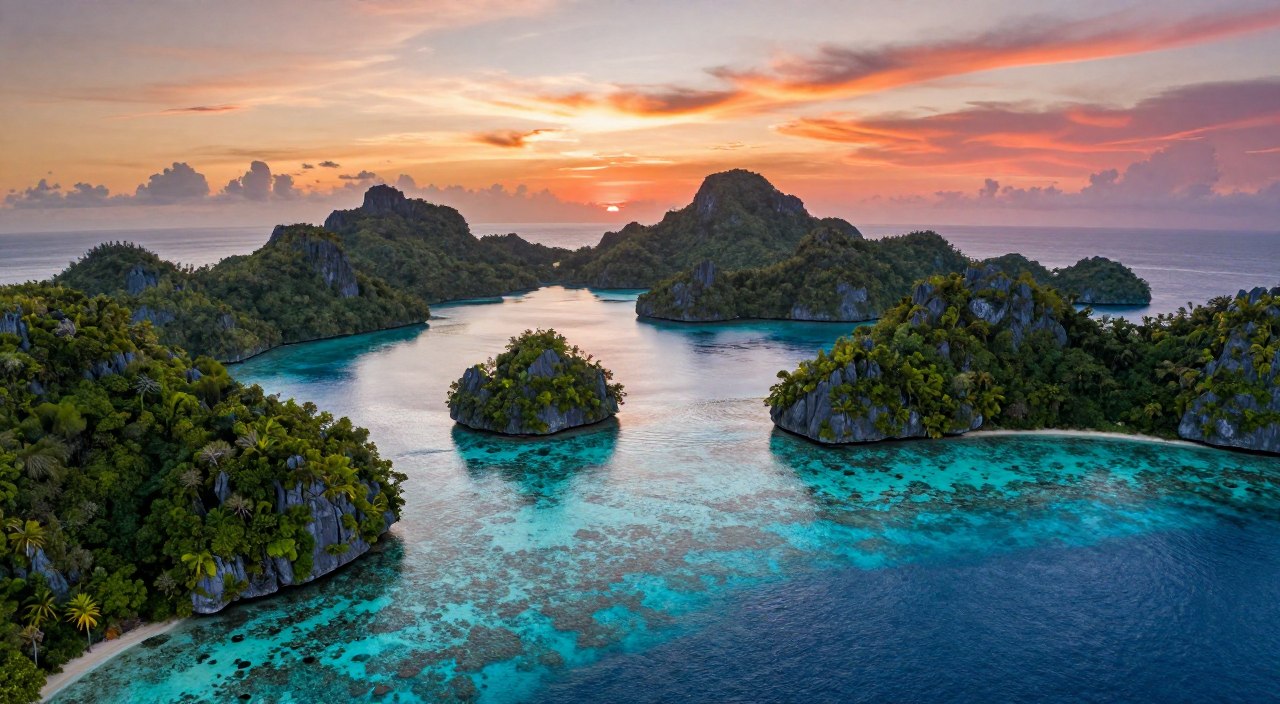
Indonesia’s 5.8 million square kilometers of ocean contain the planet’s richest marine biodiversity. The Raja Ampat Islands alone harbor over 1,500 fish species and 75% of all known coral species, making this region the epicenter of marine life diversity. Such extraordinary natural wealth positions ecotourism in Indonesia as a viable economic alternative to destructive industries like logging, mining, and industrial fishing.
Indigenous and local communities possess centuries of traditional ecological knowledge that informs modern conservation strategies. The Dayak people of Borneo practice customary forest management systems called “tembawang,” creating biodiversity-rich agroforestry zones. When integrated with ecotourism in Indonesia initiatives, these traditional practices demonstrate sustainable land use models that benefit both people and wildlife.
Dr. Erik Meijaard, conservation scientist with over 25 years of Indonesian field experience, notes: “Indonesia’s challenge isn’t just protecting nature, it’s creating economic systems where conservation becomes more profitable than destruction. Well-managed ecotourism provides exactly that incentive structure, especially in remote areas where alternative livelihoods are limited.”
Top Ecotourism Destinations in Indonesia
The following destinations represent outstanding examples of ecotourism in Indonesia, where visitor experiences directly support conservation outcomes and community development:
Komodo National Park: Guardian of Ancient Dragons
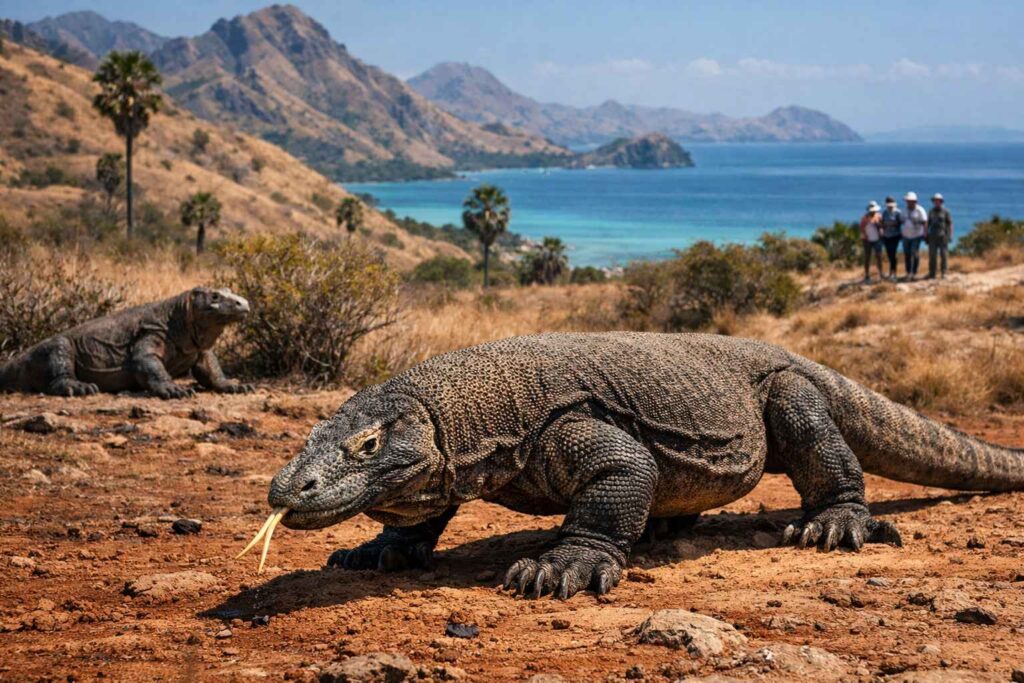
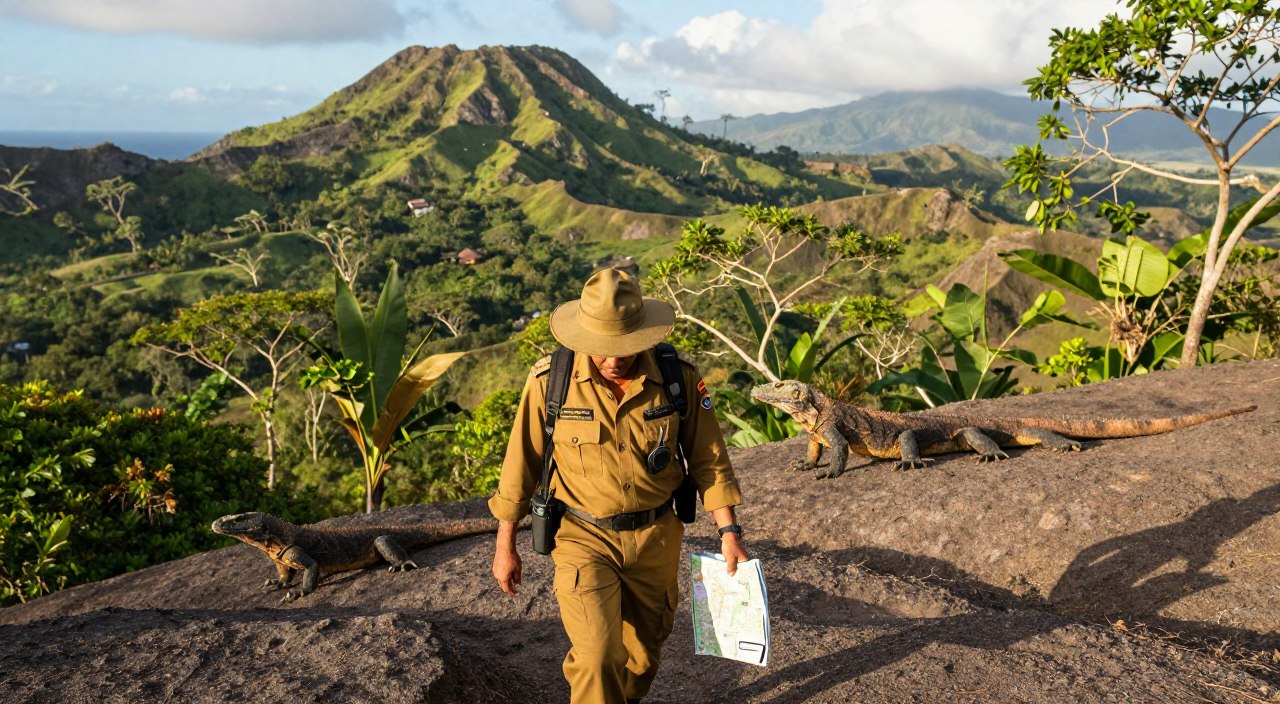
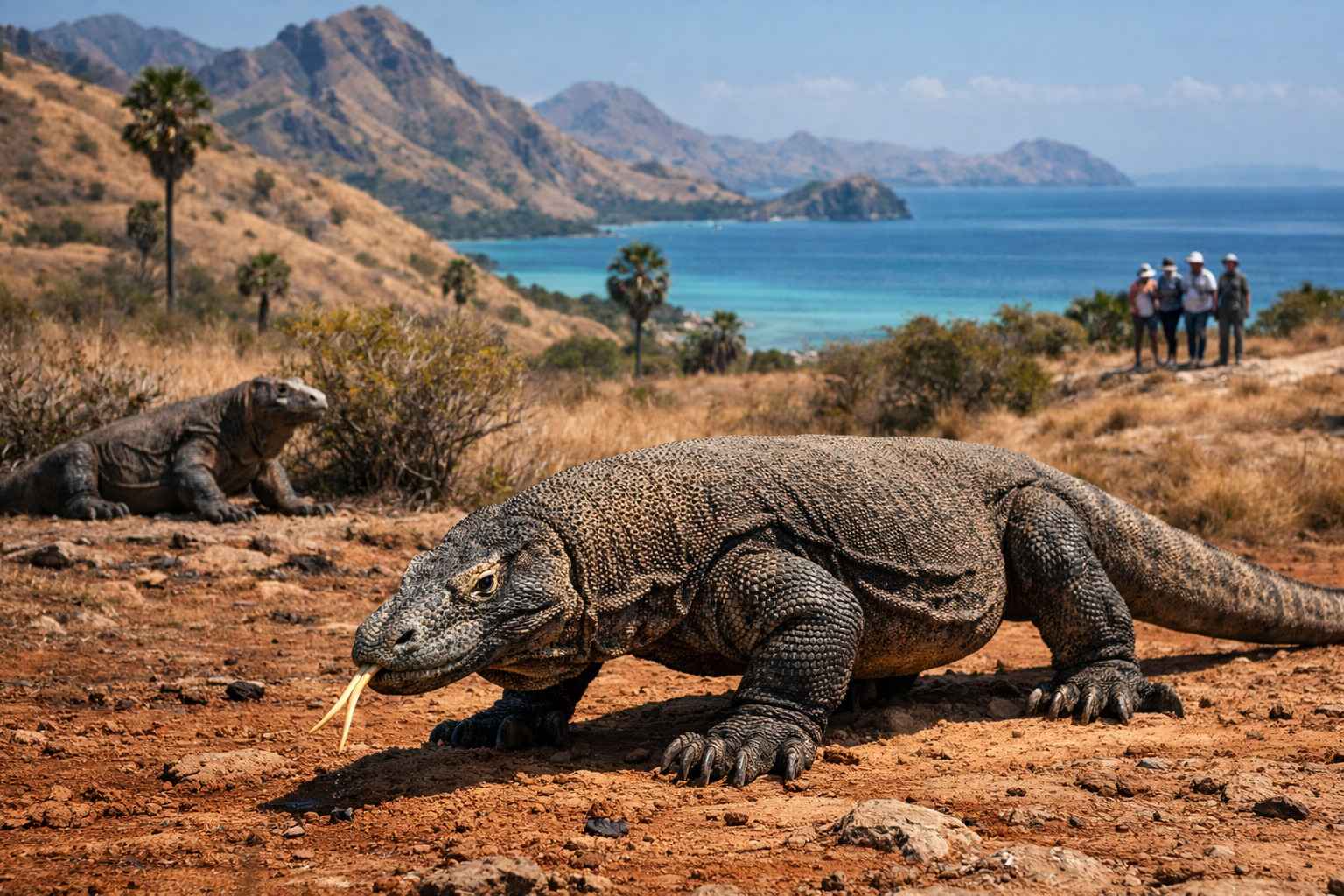
Komodo National Park, a UNESCO World Heritage Site spanning 1,733 square kilometers, protects the world’s largest living lizard in its natural environment. The park’s komodo dragon natural habitat supports approximately 5,700 individuals across the islands of Komodo, Rinca, Padar, and Gili Motang. Beyond these prehistoric reptiles, the park encompasses extraordinary marine biodiversity with over 1,000 fish species and 260 coral species.
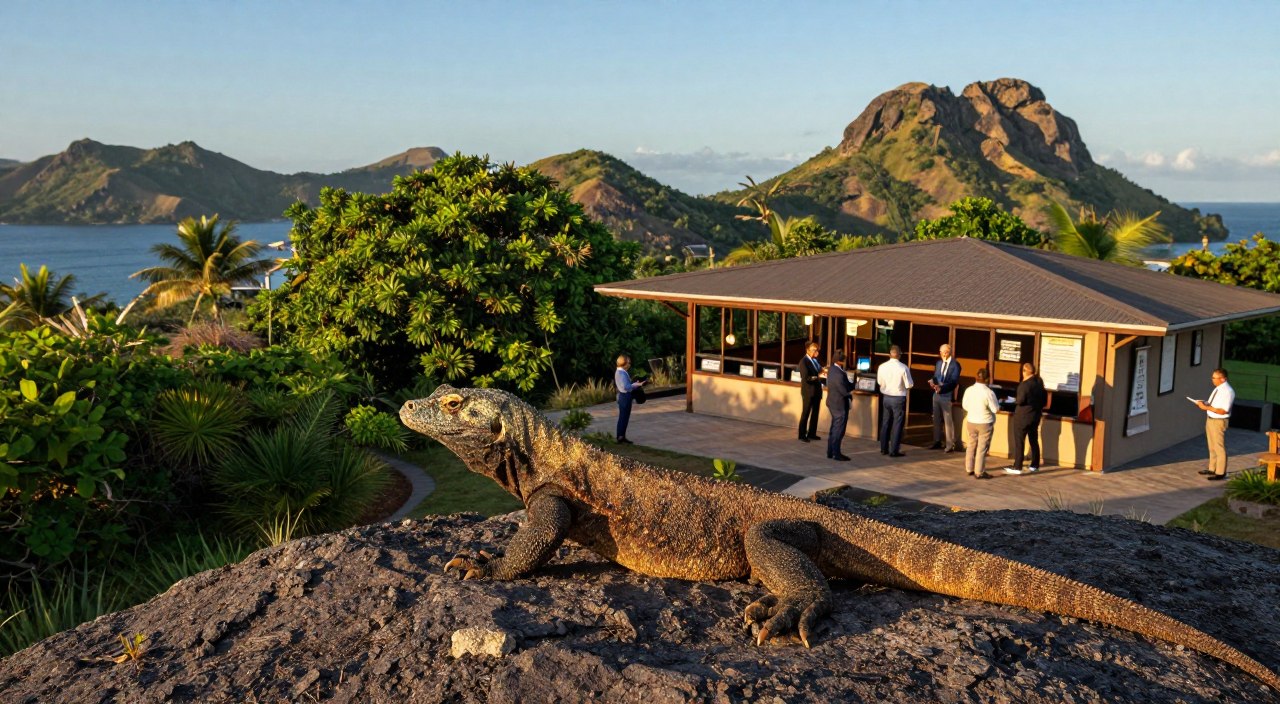
Ecotourism in Indonesia shines here through strict komodo national park conservation protocols. Visitors must hire certified local guides, stay on designated trails, and observe minimum distance requirements from wildlife. Park entrance fees directly fund ranger salaries, anti-poaching patrols, and habitat restoration projects. The surrounding waters offer world-class diving, where responsible operators practice reef-safe anchoring and prohibit touching marine life.
Activities include guided dragon encounters, snorkeling in pristine bays, hiking volcanic peaks for panoramic views, and visiting traditional fishing villages where communities benefit from tourism-related employment. Best visited April through December during the dry season, when trails are accessible and marine visibility peaks. Expect to invest $150-300 per day for mid-range experiences including guide fees, park permits, and accommodation.
Raja Ampat Islands: The Coral Triangle’s Crown Jewel
The Raja Ampat Islands represent the planet’s most biodiverse marine environment, where over 1,600 reef fish species and 600 coral species create underwater landscapes of unparalleled beauty. This remote Papua archipelago demonstrates how ecotourism in Indonesia can protect fragile ecosystems while supporting isolated communities.
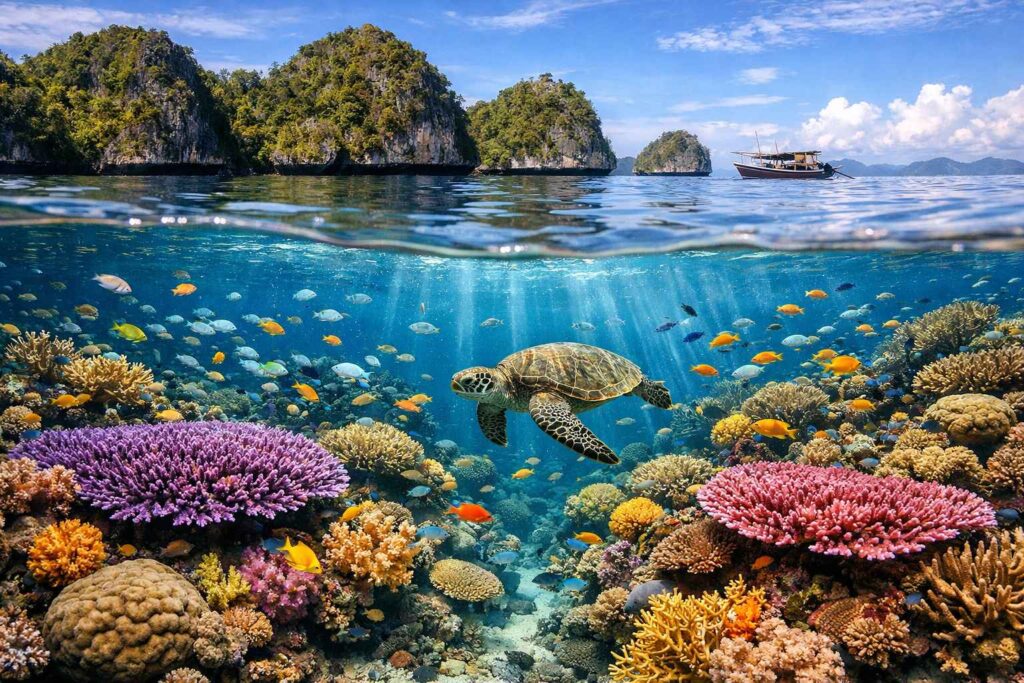
Local Papuan communities pioneered an innovative conservation model through Marine Protected Areas (MPAs) managed at the village level. Each community establishes no-take zones, regulates fishing practices, and collects modest ecotourism fees that fund education, healthcare, and infrastructure improvements. This community-based ecotourism approach has increased fish populations by 250% in protected zones within just five years.
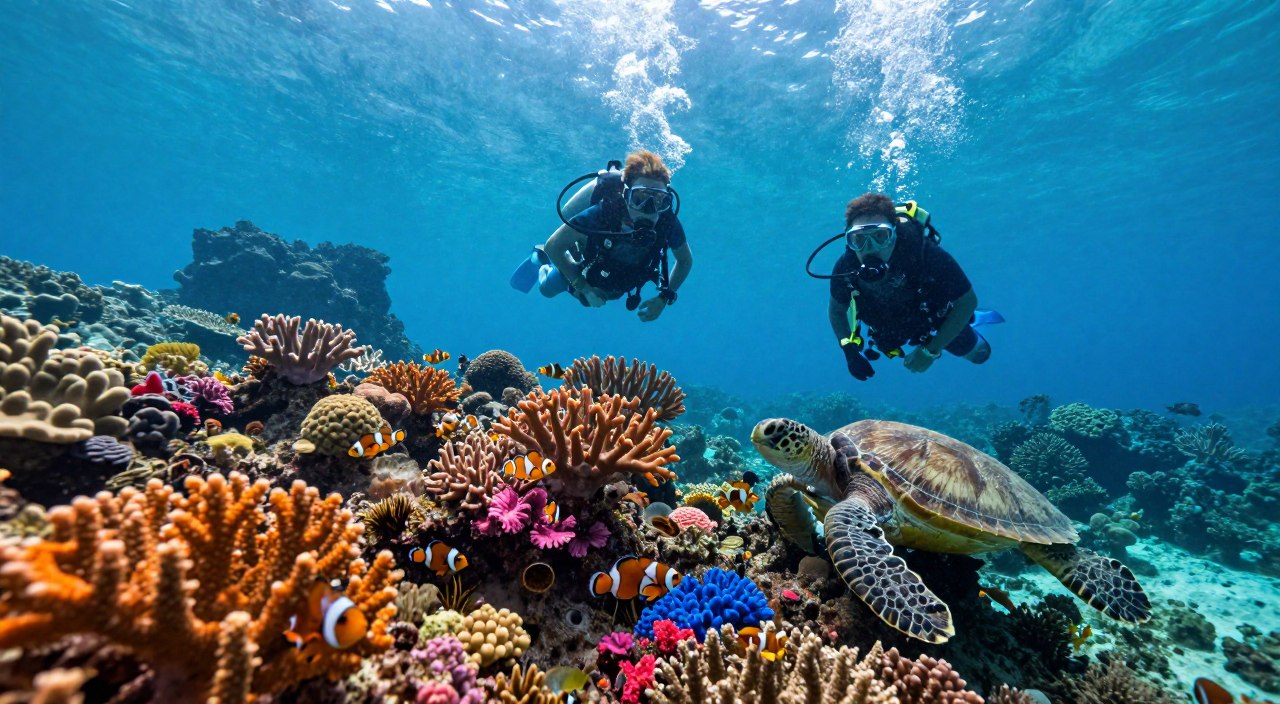
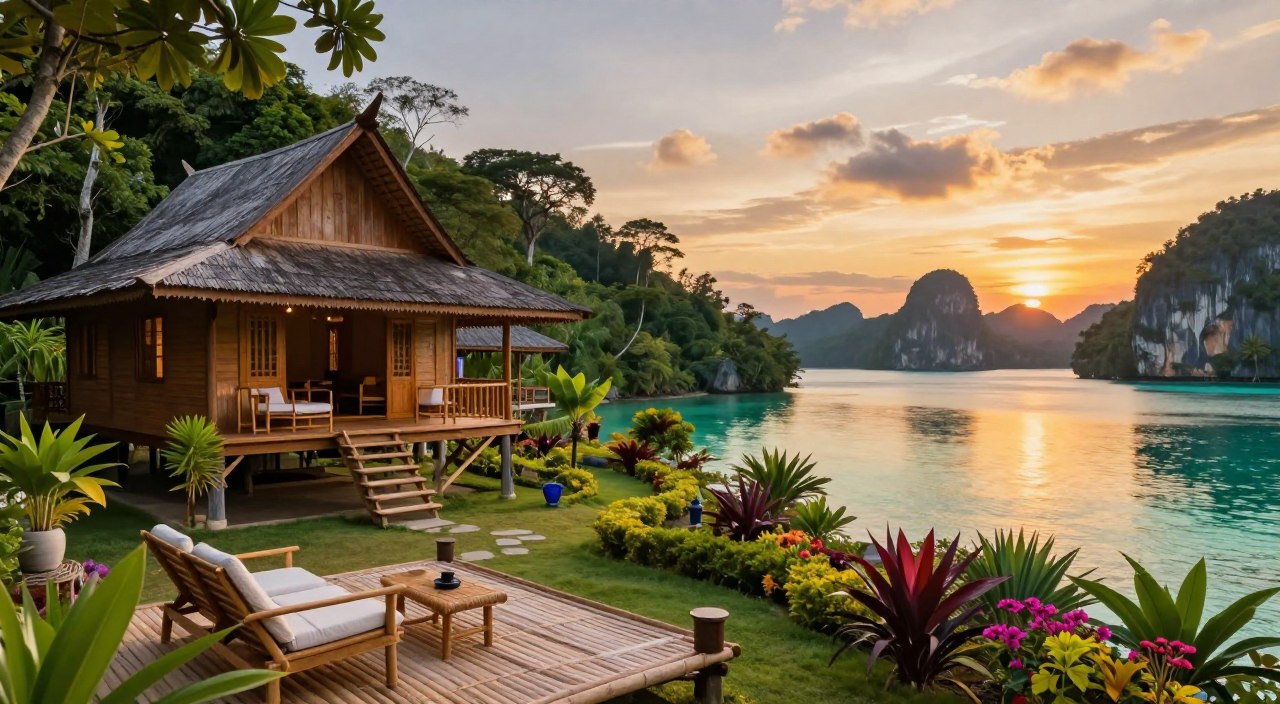
Visitors experience some of Earth’s finest diving and snorkeling, with healthy reef systems teeming with everything from pygmy seahorses to manta rays. Homestays with local families offer authentic cultural exchanges, while liveaboard dive vessels provide comfortable exploration of distant reefs. The raja ampat marine biodiversity makes every underwater moment extraordinary, though this privilege requires careful planning.
Access involves flights to Sorong followed by ferry transfers, with costs ranging from $100 daily for basic homestays to $400+ for resort accommodations. Visit October through April for optimal conditions, avoiding monsoon seasons. The remoteness ensures low visitor numbers, preserving the pristine character that makes Raja Ampat special.
Way Kambas National Park: Sanctuary for Gentle Giants
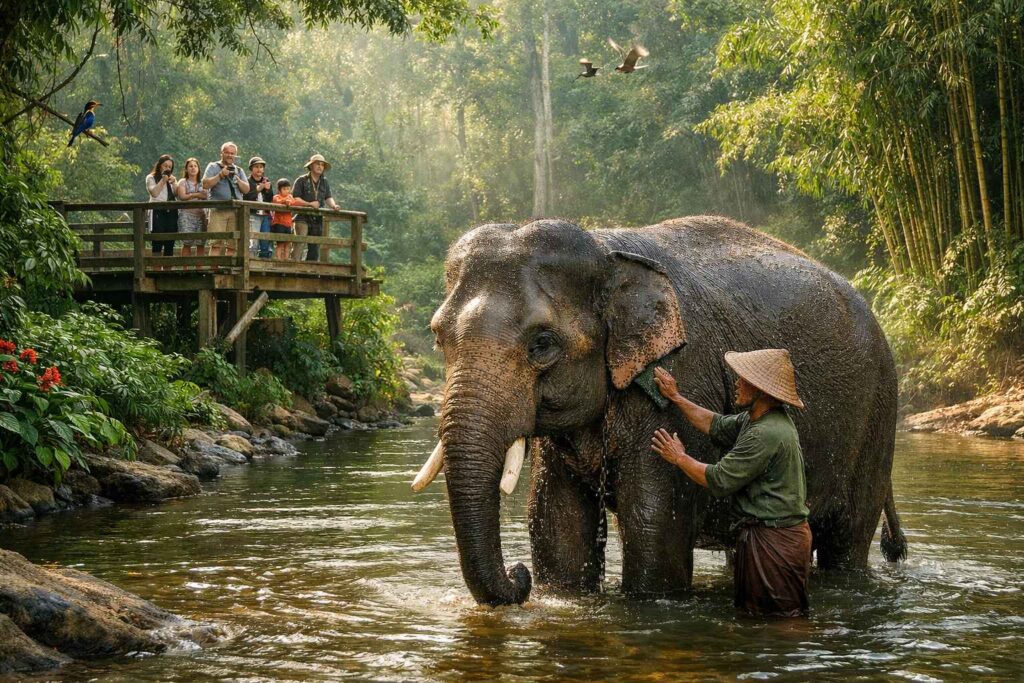
Way Kambas National Park in southern Sumatra protects one of the world’s last Sumatran elephant populations, with approximately 180 individuals roaming 1,300 square kilometers of lowland forest and grassland. The park’s Elephant Conservation Center demonstrates how ecotourism in Indonesia addresses the elephant-human conflict that threatens these endangered species.
The sumatran elephant conservation center rescues elephants from conflict situations, provides veterinary care, and trains them for patrol work that prevents illegal logging and poaching. Visitors observe elephant bathing, feeding, and training sessions while learning about conservation challenges. Revenue from ecotourism supports the center’s operations and funds ranger patrols that protect the broader park ecosystem.
Beyond elephants, Way Kambas harbors Sumatran tigers, Sumatran rhinoceros, and hundreds of bird species. Safari-style wildlife viewing, jungle trekking, and river cruises offer diverse experiences. The park’s location near Lampung makes it accessible from Jakarta, with budget-friendly accommodations available in nearby villages. Plan visits during the dry season from May to October, allocating $50-100 daily for guides, permits, and basic lodging.
Tanjung Puting National Park: Where Orangutans Roam Free
Tanjung Puting National Park in Central Kalimantan (Borneo) provides unforgettable encounters with wild orangutans, our closest genetic relatives facing extinction from habitat loss. The park’s 4,150 square kilometers of peat swamp forest represent critical wildlife habitat protection for one of Earth’s most intelligent species.
Multi-day river expeditions aboard traditional wooden houseboats called “klotok” allow visitors to observe orangutans at feeding platforms managed by the Orangutan Foundation International. These platforms support rehabilitation efforts, helping orphaned or rescued orangutans develop survival skills before returning to wild populations. Watching mothers teach infants to build nests or juveniles wrestle in treetops creates profound connections between visitors and conservation needs.
Dr. Biruté Mary Galdikas, who established orangutan research here in 1971, explains: “Every ecotourist who visits Tanjung Puting becomes an advocate for rainforest conservation. They witness firsthand what we stand to lose, and that emotional connection drives support for protection efforts far beyond their visit.”
The experience costs $200-400 for three-day klotok trips including meals, guide services, and park fees, with proceeds supporting rehabilitation centers and local boat operators. Visit year-round, though May through September offers better weather for river travel and wildlife sightings.
Bunaken National Park: Underwater Paradise
Bunaken National Park near Manado in North Sulawesi showcases Indonesia’s extraordinary coral reef ecosystems through 890 square kilometers of protected marine habitat. The park’s dramatic underwater walls plunge to depths exceeding 1,500 meters, creating nutrient upwellings that feed remarkably healthy reef systems.
Coral reef conservation programs here involve local fishing communities in monitoring efforts, establishing sustainable fishing zones, and providing alternative livelihoods through ecotourism in Indonesia. Park fees contribute to patrol boats that prevent destructive fishing practices like dynamite or cyanide use. As a result, Bunaken maintains some of Southeast Asia’s healthiest coral cover despite global bleaching threats.
Daily diving or snorkeling costs $40-80 including equipment and boat transport, while beachfront resorts range from budget homestays at $20 nightly to comfortable lodges at $100+. The park’s proximity to Manado makes access simple, with excellent conditions year-round, though April through November provides the calmest seas and best visibility.
Mount Bromo: Volcanic Landscapes and Community Partnership
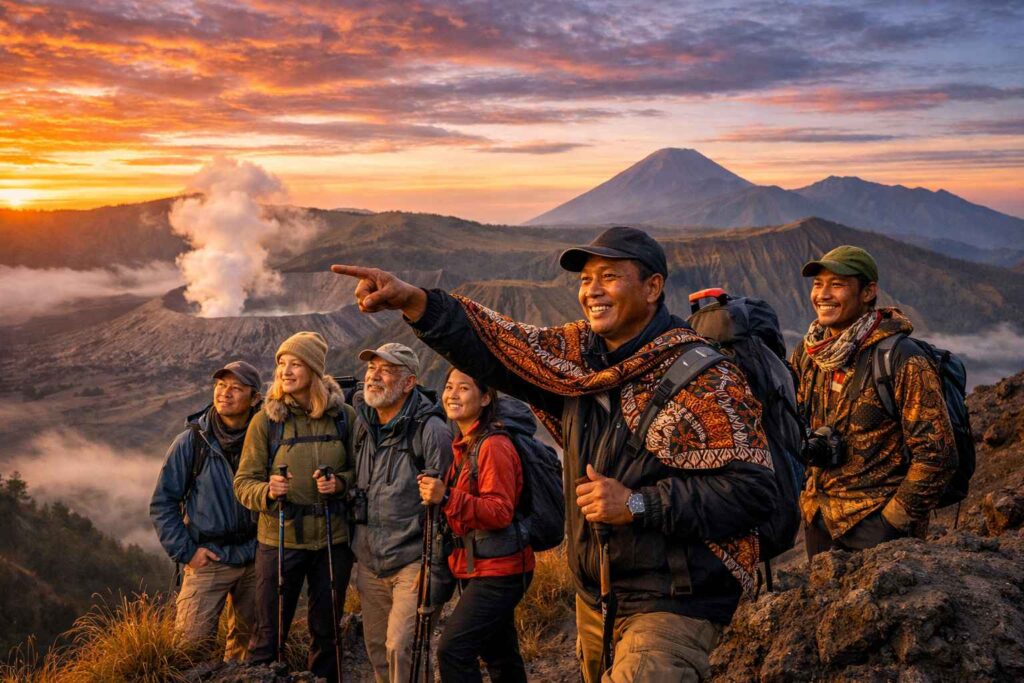
Mount Bromo in East Java demonstrates mount bromo sustainable tourism through innovative community management of volcanic landscapes within the Bromo-Tengger-Semeru National Park. The indigenous Tenggerese people balance sacred traditions with nature preservation vacation opportunities, maintaining temples within the volcanic caldera while guiding visitors through this otherworldly environment.
Sunrise viewings from Mount Penanjakan reveal smoking volcanic cones rising from a sea of clouds, creating scenes of ethereal beauty. Horseback rides across the volcanic sand sea and hikes to crater rims provide active adventures, while homestays in Tenggerese villages offer cultural immersion. Community cooperatives manage tourism logistics, ensuring equitable income distribution among village families.
This accessible destination costs $30-80 daily for budget to mid-range experiences, with the dry season from April to October providing clear morning views. The model here proves ecotourism in Indonesia can succeed even in well-visited destinations through careful planning and community involvement.
Lake Toba: Cultural Immersion in Sumatra’s Heartland
Lake Toba in North Sumatra, the world’s largest volcanic lake, offers lake toba cultural experience through deep engagement with Batak Toba culture. The lake’s Samosir Island houses traditional villages where visitors stay in authentically constructed homes, learn ancestral weaving techniques, and participate in ceremonial dances and music performances.
Cultural ecotourism experiences here support preservation of the Batak language, traditional architecture, and customary governance systems threatened by modernization. Village cooperatives invest tourism revenue in cultural education programs for youth, ensuring knowledge transmission across generations. The approach demonstrates how ecotourism in Indonesia extends beyond environmental protection to encompass cultural survival.
Activities include cycling through rice terraces, visiting ancient megalithic stone seats, swimming in volcanic hot springs, and attending traditional wedding ceremonies when invited. Costs remain remarkably affordable at $20-60 daily, with warm hospitality making visitors feel like honored guests rather than tourists. Visit year-round, though the dry season from May to September offers the most comfortable weather.
Karimunjawa Islands: Mangrove Conservation Laboratory
The Karimunjawa archipelago in the Java Sea showcases mangrove ecotourism karimunjawa through innovative programs that protect critical coastal ecosystems. Mangroves serve as nurseries for juvenile fish, protect shorelines from erosion, and sequester carbon more efficiently than rainforests, making their conservation globally significant.
Local communities lead mangrove restoration and monitoring programs, planting thousands of seedlings annually while guiding visitors through boardwalk trails that reveal these ecosystems’ complexity. Snorkeling among mangrove roots exposes the incredible biodiversity they support, from mudskippers to juvenile sharks. Educational programs explain how healthy mangroves sustain fish populations that local fishers depend upon, creating natural alignment between conservation and livelihoods.
Island hopping, beach relaxation, and diving round out the experience, with costs ranging from $40 for basic guesthouse stays to $120+ for resort accommodations. Access requires ferries from Jepara or flights to Semarang, with visits best planned for April through October during calm sea conditions.
Regional Ecotourism Guide by Indonesian Province
| Island/Province | Top Destinations | Difficulty Level | Best Season | Highlights |
|---|---|---|---|---|
| Java | Mount Bromo, Karimunjawa, Ujung Kulon | Easy to Moderate | April-October | Volcanic landscapes, coastal mangroves, Javan rhino habitat |
| Bali | West Bali National Park, Munduk rice terraces | Easy | April-September | Coral reefs, jungle trekking, terraced agriculture |
| Sumatra | Way Kambas, Lake Toba, Gunung Leuser, Kerinci Seblat | Moderate to Challenging | May-September | Elephants, orangutans, tigers, volcanic peaks |
| Kalimantan (Borneo) | Tanjung Puting, Derawan Islands, Betung Kerihun | Moderate to Challenging | April-October | Orangutans, rainforest rivers, marine turtles |
| Sulawesi | Bunaken, Togean Islands, Lore Lindu | Moderate | April-November | Coral reefs, endemic wildlife, traditional cultures |
| Papua | Raja Ampat, Cenderawasih Bay, Baliem Valley | Challenging | October-April | Marine biodiversity, birds of paradise, highland cultures |
Benefits of Ecotourism in Indonesia
The positive impacts of ecotourism in Indonesia extend far beyond individual travel experiences, creating measurable benefits across environmental, economic, social, and educational dimensions:
Environmental Conservation Outcomes:
- Protected area expansion through tourism revenue funding land acquisition and management
- Species population recovery as habitat protection reduces poaching and degradation pressures
- Ecosystem restoration projects funded by visitor fees, including reef rehabilitation and reforestation
- Reduced deforestation rates in tourism zones as communities recognize forest value beyond timber
- Marine protected area networks preventing overfishing and destructive harvest practices
- Climate change mitigation through carbon sequestration in protected forests and mangroves
Local Community Economic Empowerment:
- Direct employment as guides, rangers, accommodation providers, and cultural interpreters
- Small business development through handicraft sales, local restaurants, and transportation services
- Fair wage structures that exceed regional averages, improving household food security and education access
- Women’s empowerment through homestay management and handicraft cooperatives
- Youth retention in rural areas through viable career pathways beyond subsistence agriculture
- Infrastructure improvements including roads, schools, and healthcare facilities funded by tourism taxes
Cultural Preservation:
- Revitalization of traditional practices that tourists want to experience and learn about
- Intergenerational knowledge transfer as elders teach youth cultural skills for demonstration purposes
- Language preservation through cultural interpretation programs
- Traditional governance system recognition as ecotourism partnerships validate indigenous authority
- Pride in cultural identity when visitors express genuine interest and respect
Education and Awareness:
- Visitor transformation into conservation advocates who share experiences and support policies
- Local environmental education programs funded by ecotourism revenue
- Scientific research opportunities facilitated by tourism infrastructure in remote areas
- Global awareness raising about Indonesia’s conservation needs and successes
- Cross-cultural understanding that breaks down stereotypes and builds international cooperation
Conservation Impact Metrics: Measuring Success
Data from Indonesia’s ecotourism programs demonstrate measurable conservation outcomes:
Species Population Trends:
- Komodo dragon populations stable at 5,700 individuals after declining to 4,000 in the 1990s, attributed to park protection funded by tourism
- Sumatran elephant numbers in Way Kambas increasing from 160 in 2010 to 180 in 2024 through anti-poaching patrols
- Raja Ampat fish biomass increased 250% in community-managed marine protected areas between 2015-2023
- Tanjung Puting orangutan rehabilitation success rate of 87%, with 156 individuals released to wild populations since 2010
Habitat Protection Statistics:
- 52.2 million hectares designated as protected areas, representing 27.3% of Indonesia’s total land area
- Reef coverage in Bunaken maintained at 65% despite regional bleaching events, compared to 45% in unprotected areas
- Mangrove restoration in Karimunjawa achieved 89% seedling survival, adding 47 hectares since 2018
- Deforestation rates in ecotourism zones average 0.8% annually versus 2.3% in comparable non-tourism forest areas
Economic Impact Data:
- Nature-based tourism generated $12.8 billion in 2023, representing 15% of Indonesia’s total tourism revenue
- Average household income in community-based ecotourism villages increased 340% over ten-year periods
- Local community empowerment through tourism creates 4.2 million direct and indirect jobs nationally
- Conservation areas with active ecotourism programs receive 68% more government funding allocation than those without
How Ecotourism Protects Indonesia’s Endangered Species
Ecotourism in Indonesia creates powerful economic incentives for wildlife protection, transforming endangered species from perceived burdens into valuable assets that communities want to preserve. This approach addresses the fundamental challenge facing conservation, making living animals worth more than dead ones.
The Komodo dragon exemplifies this success. Before tourism development, local communities viewed these predators as threats to livestock and children. Park establishment initially created resentment as fishing restrictions reduced incomes. However, as ecotourism in Indonesia brought steady employment and infrastructure improvements, attitudes shifted dramatically. Today, island communities actively patrol against poaching, report injuries requiring veterinary intervention, and participate in population monitoring. The komodo dragon natural habitat receives protection because residents recognize their economic dependence on these creatures’ survival.
Sumatran elephants face similar transformation in Way Kambas. Human-elephant conflict kills approximately 50 elephants annually across Sumatra as expanding palm oil plantations fragment habitat. The conservation center at Way Kambas demonstrates that trained elephants can patrol plantations, deterring wild herds from crop raids while generating income through tourist visits. This model reduces conflict killings while providing employment for mahouts who might otherwise work in environmentally destructive industries.
Orangutan conservation in Tanjung Puting succeeded partly through ecotourism in Indonesia making rainforest protection profitable. Research by the Orangutan Foundation International found that each adult orangutan generates approximately $4,800 annually in tourism value through klotok expeditions. With 6,000 orangutans in the park, this represents nearly $29 million in annual economic value, far exceeding what timber harvest would generate. Local communities consequently oppose illegal logging that threatens orangutan habitat, understanding their livelihoods depend on healthy forests.
Sumatran tigers, the world’s smallest tiger subspecies with fewer than 400 remaining, benefit from protected area networks partly funded by ecotourism revenue. While tigers themselves remain elusive, their presence attracts serious wildlife enthusiasts willing to invest in multi-day expeditions for potential sightings. This creates tourism value for large intact forest landscapes required for tiger territories, justifying conservation expenditures that might otherwise seem unjustifiable.
Putu Sudiarta, head ranger at Gunung Leuser National Park, observes: “Twenty years ago, villagers here viewed wildlife as competitors or commodities. Today, they understand that a living orangutan family attracts visitors year after year, while a captured baby orangutan provides one-time income. That calculation has changed behavior more effectively than any regulation we could enforce.”
Budget Planning for Responsible Ecotourism
Understanding where your money goes ensures ecotourism in Indonesia truly benefits conservation and communities. Here’s transparent cost breakdown across budget tiers:
Budget Ecotourism ($40-80 per day)
Accommodation: Village homestays ($10-25/night) – 80-100% goes directly to host families Food: Local warungs and homestay meals ($8-15/day) – Supports small family businesses Guides: Community cooperative guides ($15-30/day) – Shared among village members Transport: Public ferries and local ojek drivers ($5-15/day) – Local employment Activities: Self-guided trails, community-led tours ($2-5/activity) – Directly funds village projects
Conservation Contribution: 15-25% through park entrance fees and community conservation programs
Best For: Long-term travelers, those prioritizing authentic community interaction, adventurous spirits comfortable with basic amenities
Mid-Range Ecotourism ($100-250 per day)
Accommodation: Eco-lodges and sustainable resorts ($40-80/night) – 30-50% to local owners, 10-15% to conservation Food: Lodge dining and recommended local restaurants ($20-40/day) – Mix of lodge operations and local sourcing Guides: Professional certified guides ($40-60/day) – Higher wages, benefits, training programs Transport: Private vehicles with local drivers ($25-50/day) – Supports local transport businesses Activities: Organized tours, dive packages ($30-80/activity) – Includes equipment, insurance, conservation fees
Conservation Contribution: 20-35% through direct park fees, operator sustainability programs, and wildlife project donations
Best For: Most travelers seeking comfort with purpose, families, those with limited time, divers and specialized activity participants
Luxury Ecotourism ($300-600+ per day)
Accommodation: High-end eco-resorts and conservation lodges ($150-400/night) – Typically 15-20% to conservation, employs large local staff Food: Premium dining with organic local sourcing ($60-100/day) – Supports small-scale farmers and fishers Guides: Expert naturalists and specialists ($80-120/day) – Career professionals with extensive training Transport: Private boats, chartered flights ($80-150/day) – Enables access to remote protected areas Activities: Exclusive experiences, conservation participation ($100-300/activity) – May include research project involvement
Conservation Contribution: 25-40% through substantial facility donations, conservation research funding, premium park fees, and direct project support
Best For: Those prioritizing maximum conservation impact, luxury comfort seekers, photography enthusiasts, private family groups, expedition-style experiences
Where Money Goes: Transparency Matters
Responsible operators provide clear breakdowns showing:
- 40-60% covers operational costs (accommodation, food, transport, insurance)
- 20-35% funds conservation (park fees, habitat restoration, wildlife monitoring)
- 15-25% provides community benefits (employment, infrastructure, education)
- 5-15% represents operator margin (enables business sustainability and growth)
Always ask tour operators about their conservation contributions and community partnerships. Certified operators readily share this information, while those evading questions may not operate responsibly.
Seasonal Travel Guide: Timing Your Ecotourism Adventure
Choosing the right month for ecotourism in Indonesia maximizes wildlife encounters and weather comfort while minimizing environmental impact through strategic timing:
January-March: Wet Season Opportunities
- Best For: Raja Ampat (calm seas, manta season), Tanjung Puting (river levels high for klotok access)
- Wildlife Highlights: Manta rays, juvenile orangutans active in accessible areas
- Considerations: Heavy rain in western Indonesia, some trails muddy or closed
- Crowds: Lowest visitor numbers, excellent for solitude seekers
- Budget Impact: 20-30% lower prices, though accessibility challenges may increase costs
April-June: Transition Excellence
- Best For: Komodo National Park, Way Kambas, Mount Bromo, Lake Toba, Bunaken
- Wildlife Highlights: Komodo dragon nesting behaviors, elephant calves, migrating birds
- Considerations: Optimal weather begins, occasional afternoon showers
- Crowds: Moderate, comfortable balance between solitude and infrastructure availability
- Budget Impact: Shoulder season pricing, good value across all tiers
July-August: Peak Dry Season
- Best For: Sumatra highlands, Java volcanic parks, Sulawesi, Bali
- Wildlife Highlights: Tigers active near water sources, bird breeding seasons, whale sharks (Cenderawasih)
- Considerations: Clearest weather, all trails accessible, marine visibility excellent
- Crowds: Highest domestic and international tourism, advance booking essential
- Budget Impact: Peak pricing (30-50% higher), potential for overtourism in popular sites
September-October: Ideal Window
- Best For: Nearly all destinations, particularly Komodo, Bunaken, Karimunjawa
- Wildlife Highlights: Whale shark aggregations, bird migrations, orangutan feeding frenzies
- Considerations: Weather remains excellent, crowds diminish post-August
- Crowds: Moderate to light, excellent for quality experiences
- Budget Impact: Shoulder season returns, better value with maintained good conditions
November-December: Transition Challenges
- Best For: Eastern Indonesia (Papua, Raja Ampat, Maluku)
- Wildlife Highlights: Raja Ampat fish spawning aggregations, diving exceptional
- Considerations: Wet season begins western regions, affects Java and Sumatra access
- Crowds: Lower in wet zones, moderate in eastern destinations
- Budget Impact: Discounts in western regions, premium pricing in eastern islands
Bali Weather Guide: Complete Climate & Season Planning 2026
Responsible Travel Tips for Ecotourists
Practicing responsible travel indonesia ensures your visit supports rather than harms the environments and communities you came to experience. Follow these eco-friendly tourism activities guidelines:
1. Choose Certified Responsible Operators
Look for operators with recognized ecotourism certifications or memberships in sustainable tourism organizations. In Indonesia, credible certifications include:
- Travelife Certification: International standard for sustainable tour operators
- ASITA (Association of Indonesian Tour and Travel Agencies) Green Program: National sustainability verification
- Green Fins: Specific to dive operators, ensures reef-safe practices
- Rainforest Alliance Certification: For accommodations and tour companies meeting environmental and social standards
- Community-Based Tourism (CBT) Network Indonesia: Identifies authentic community-managed experiences
Ask operators about conservation contributions, community partnerships, and environmental policies. Legitimate ecotourism providers enthusiastically share this information and welcome questions about their practices.
2. Respect Wildlife Viewing Ethics
Observe animals in their natural environment without interfering with natural behaviors:
- Maintain minimum distance requirements (typically 5-10 meters for most species)
- Never feed wildlife, as it alters natural foraging behaviors and creates dangerous dependencies
- Keep noise levels low and movements slow to avoid stress responses
- Never touch, chase, or surround animals for photographs
- Respect nesting, denning, and breeding sites by observing from designated areas
- If wildlife appears disturbed by your presence, quietly increase distance
Photography enthusiasts should use appropriate lenses rather than approaching too closely. The shot you didn’t get because you prioritized animal welfare represents true conservation photography ethics.
3. Minimize Plastic and Resource Consumption
Indonesia faces significant plastic pollution challenges, particularly in marine environments:
- Bring reusable water bottles and water purification systems rather than purchasing single-use bottles
- Carry reusable bags, containers, and utensils for market visits and takeaway meals
- Choose accommodations with water refill stations and environmental policies
- Refuse plastic straws, bags, and unnecessary packaging
- Pack out all trash, including biodegradable items that may introduce non-native seeds
- Use reef-safe sunscreen without oxybenzone or octinoxate, which damage coral reefs
Even small choices multiply across millions of visitors, creating significant cumulative impact. Your conscious consumption demonstrates to local businesses that environmental responsibility matters to tourists.
4. Support Local Economies Directly
Ensure your spending benefits communities rather than external corporations:
- Choose locally-owned accommodations, restaurants, and tour operators over international chains
- Purchase handicrafts directly from artisans in villages rather than hotel gift shops
- Hire local guides who provide cultural context and accurate natural history information
- Eat at family-run warungs serving regional cuisine with local ingredients
- Use local transportation options when safe and practical
- Ask homestay hosts about community projects that welcome donations
Direct spending creates immediate community benefits while demonstrating economic value of conservation to residents who ultimately determine how land gets used.
5. Practice Cultural Sensitivity
Respectful engagement with Indonesian cultures enriches experiences while avoiding offense:
- Learn basic Indonesian or local language phrases showing effort and respect
- Dress modestly when visiting villages, temples, or religious sites (covered shoulders and knees minimum)
- Ask permission before photographing people, especially in remote communities
- Respect religious practices and sacred sites by following local protocols
- Remove shoes when entering homes, temples, and certain businesses
- Use right hand for eating and exchanging items (left hand considered unclean)
- Accept hospitality graciously but don’t expect or demand it
Understanding that you’re a guest in communities helps navigate cultural differences with grace and appreciation rather than entitlement.
6. Educate Yourself About Conservation Context
Understanding threats facing Indonesia’s ecosystems creates informed advocacy:
- Research the conservation status of species you hope to encounter
- Learn about local environmental challenges like palm oil expansion, illegal logging, or overfishing
- Understand how ecotourism in Indonesia addresses these threats through economic alternatives
- Ask guides about conservation programs and how tourism supports them
- Share accurate conservation information with others, amplifying ecotourism education programs
- Support conservation organizations working in regions you visit through donations or volunteer time
Knowledge transforms casual tourists into effective conservation advocates whose influence extends far beyond their individual visits.
7. Offset Unavoidable Impacts
Some environmental impacts remain unavoidable, particularly international flights:
- Calculate and offset carbon emissions from transportation through verified programs
- Contribute to reforestation or renewable energy projects in Indonesia
- Participate in voluntary conservation activities like beach cleanups or tree planting
- Extend visit duration to reduce per-day impact of long-distance flights
- Consider overland travel within Indonesia rather than multiple domestic flights
Carbon offset programs should support verified Indonesian projects when possible, ensuring benefits reach the country you’re visiting.
8. Provide Constructive Feedback
Your experiences help improve ecotourism in Indonesia industry standards:
- Share positive reviews highlighting operators who demonstrate genuine sustainability commitments
- Provide private constructive criticism to operators about concerning practices
- Report serious violations like wildlife harassment or environmental damage to park authorities
- Support policy improvements through letters to Indonesian tourism and conservation agencies
- Share honest travel reports on platforms frequented by responsible travelers
Thoughtful feedback creates accountability while rewarding operators who prioritize conservation and community benefits over short-term profits.
The Economic Impact of Sustainable Tourism
The sustainable economy through ecotourism generates impressive financial benefits while distributing wealth more equitably than conventional tourism models. Indonesia’s nature-based tourism sector contributed $12.8 billion to the national economy in 2023, a figure projected to reach $18.5 billion by 2028 as international travel rebounds and domestic ecotourism grows.
Community-based ecotourism creates particularly significant impacts in rural areas where alternative employment opportunities remain limited. Villages participating in CBT programs report average household income increases of 340% over ten-year periods, compared to 125% in comparable non-tourism communities. This dramatic improvement stems from multiple income streams including guide fees, accommodation, food sales, handicrafts, and transportation services that diversify previously agriculture-dependent economies.
The economic multiplier effect of ecotourism in Indonesia exceeds conventional tourism because spending remains predominantly local. Research by Indonesia’s Ministry of Tourism and Creative Economy found that each dollar spent on community-based ecotourism generates $2.35 in regional economic activity, compared to $1.20 for conventional resort tourism where profits flow to distant corporate owners and imported supplies dominate operations.
Women’s economic empowerment represents a particularly important outcome. Ecotourism creates opportunities for women to generate independent income through homestay management, cooking, guiding, and handicraft production. In many Indonesian communities, women traditionally lack income-generating options beyond agricultural labor. Tourism income improves women’s household decision-making power, children’s educational outcomes, and family food security.
Youth retention in rural communities improves dramatically when ecotourism provides career pathways. Villages with active tourism programs experience 65% lower youth outmigration to cities, preserving social structures and ensuring intergenerational knowledge transfer. Young adults can envision viable futures as certified guides, hospitality managers, conservation monitors, or tourism entrepreneurs without abandoning their home regions.
Infrastructure improvements funded by tourism taxes benefit entire communities, not just those directly involved in tourism. Roads improved for visitor access serve local transportation needs. Schools built with tourism revenue educate all village children. Healthcare facilities established for tourist safety provide services to residents year-round. These public goods create broadly distributed benefits that help maintain community support for conservation measures that may limit other economic activities.
Traditional vs. Ecotourism: Impact Comparison
| Impact Category | Traditional Tourism | Ecotourism in Indonesia | Specific Examples |
|---|---|---|---|
| Environmental Footprint | High resource consumption, pollution generation | Minimized through sustainable design, renewable energy | Traditional resorts consume 500L water/guest/night; eco-lodges average 180L through conservation systems |
| Habitat Impact | Often requires habitat clearing, coastal development | Protects existing habitat, may fund restoration | Conventional beaches cleared mangroves; ecotourism zones maintained 89% mangrove coverage |
| Wildlife Disturbance | Unregulated viewing, feeding, harassment | Strict protocols, guided experiences, distance requirements | Tourist-fed monkeys become aggressive; guided viewing maintains natural behaviors |
| Revenue Distribution | 70-80% leaves region to corporations | 50-70% stays within local communities | All-inclusive resorts export profits; homestays retain 85% locally |
| Employment Quality | Low-wage service positions, seasonal | Fair wages, year-round, skill development | Hotel cleaners earn $150/month; ecotourism guides earn $400+ with benefits |
| Cultural Impact | Commodification, staged authenticity | Genuine exchange, tradition preservation | Dance performances for tips versus cultural education programs |
| Waste Generation | 3-5 kg/guest/day, inadequate disposal | 1-2 kg/guest/day, comprehensive management | Resort waste often burned or dumped; eco-lodges compost and recycle systematically |
| Conservation Funding | Minimal or none | 20-40% of revenue directed to protection | Conventional tourism generated $0 for conservation; ecotourism funded 68% of park operational budgets |
Community Transformation Case Studies
Case Study 1: Desa Wisata Pentingsari, Yogyakarta
Pentingsari village in Java’s shadow of Mount Merapi transformed from struggling subsistence agriculture to thriving cultural ecotourism experiences within fifteen years. Following the 2010 volcanic eruption that devastated crops, village leaders established a community-based tourism cooperative offering homestays, traditional farming experiences, and cultural workshops.
Revenue grew from zero in 2008 to over $180,000 annually by 2023, with 67 households directly participating and all 450 residents benefiting from infrastructure improvements. The cooperative model ensures equitable distribution, with homestay hosts receiving 60% of guest fees, cultural performers earning standardized rates, and 15% allocated to village development projects including a new school building and healthcare clinic.
Youth outmigration reversed dramatically, with 23 young adults returning from cities to work in tourism-related businesses. Traditional arts like gamelan music and batik-making experienced revival as tourism created audiences and income opportunities for practitioners. Elder community members now teach weekly classes to youth, ensuring knowledge transmission that was declining before tourism development.
Environmental benefits emerged unexpectedly as residents recognized the appeal of organic farming and traditional architecture to visitors. Pesticide use declined 70% as farmers transitioned to organic methods that tourists wanted to experience. Traditional Javanese house construction using sustainable materials increased after visitors expressed preference for authentic architecture over concrete buildings.
Case Study 2: Arborek Island, Raja Ampat
Arborek, a small Papuan island with just 200 residents, pioneered community-managed marine conservation integrated with homestay tourism. Before 2010, reef degradation from blast fishing and cyanide use threatened fish populations that locals depended upon. Village leaders established a marine protected area covering 166 hectares of surrounding reef, banning destructive practices while developing modest tourism infrastructure.
Within five years, fish populations rebounded spectacularly, with biomass increasing 250% in protected zones. Fishers discovered they could catch more fish in less time by fishing outside protected zones that served as population sources. Meanwhile, tourism revenue grew from zero to $45,000 annually, rivaling fishing income while requiring less labor and risk.
Women’s cooperatives emerged to manage homestays and produce handicrafts, creating female income opportunities rare in traditional Papuan society. Children’s school attendance improved to 96% as families could afford supplies and transportation. Healthcare access expanded through partnerships with visiting medical volunteers who arrived via tourism networks.
The model attracted attention from neighboring islands, with twelve additional communities adopting similar approaches by 2024. Collectively, these villages manage over 800 hectares of marine protected areas, creating the raja ampat marine biodiversity network that international scientists credit with maintaining the region’s extraordinary ecosystem health despite global threats.
Challenges and Future of Ecotourism in Indonesia
Despite impressive successes, ecotourism in Indonesia faces significant challenges that threaten its long-term sustainability and effectiveness. Understanding these obstacles helps visitors, operators, and policymakers work toward solutions.
Deforestation and Habitat Loss
Indonesia loses approximately 680,000 hectares of forest annually to palm oil expansion, logging, and agricultural conversion. While deforestation rates have declined from peak levels in the early 2000s, continued losses fragment wildlife habitat and undermine ecotourism values. Protected areas face encroachment pressures as land values increase, while corruption sometimes allows illegal activities within park boundaries.
Ecotourism provides partial solutions by demonstrating forest value beyond timber extraction, yet scale remains insufficient. For every hectare protected through tourism revenue, dozens are cleared for commodities production. Expanding ecotourism footprints while maintaining sustainability standards represents a critical challenge requiring policy innovation and increased visitor numbers without environmental degradation.
Climate Change Impacts
Rising temperatures, changing precipitation patterns, and ocean acidification threaten ecosystems that ecotourism depends upon. Coral reef bleaching events increased in frequency and severity, with Indonesia’s reefs experiencing significant mortality during 2016 and 2020 heat waves. While well-managed reefs like Bunaken recovered better than degraded systems, repeated stresses reduce resilience.
Seasonal predictability erodes as weather patterns shift, complicating tourism planning and wildlife viewing. Drought impacts forest fire frequency, while intense rainfall causes flooding and landslides that damage infrastructure. Adaptation strategies must integrate climate projections into park management and tourism development plans.
Overtourism in Popular Destinations
Success creates its own problems as popular sites like Komodo National Park experience visitor volumes approaching carrying capacities. Overcrowding degrades visitor experiences, increases environmental impacts, and creates tensions with local communities. Finding the balance between economic benefits and protection challenges grows more difficult as international tourism rebounds from pandemic disruptions.
Komodo’s management considered temporarily closing islands in 2019 after visitor numbers exceeded 180,000 annually, far above original projections. While closures were avoided through stricter regulations and fee increases, the incident illustrates carrying capacity tensions facing Indonesia’s premier nature destinations. Expanding ecotourism to lesser-known sites could distribute pressures, yet developing new destinations requires substantial investment and community engagement.
Greenwashing and Certification Challenges
Not all operations marketed as “ecotourism” meet genuine sustainability standards. Some businesses appropriate environmental rhetoric while operating conventionally, confusing visitors and undermining authentic efforts. Indonesia lacks unified certification systems, allowing substandard operators to claim ecotourism credentials without verification.
Strengthening regulatory frameworks and promoting credible certification programs helps consumers identify truly responsible operators. However, certification costs disadvantage small community-based operations with limited resources, potentially excluding the most authentically sustainable providers. Balancing quality control with accessibility remains an ongoing challenge.
Innovative Solutions and Future Directions
Despite obstacles, Indonesia’s ecotourism sector demonstrates remarkable innovation in addressing challenges:
Technology Integration: Mobile apps connect visitors directly with community-based providers, reducing dependence on intermediaries who capture revenue. Digital monitoring systems track wildlife populations and environmental indicators, providing real-time data for adaptive management. Virtual reality previews help visitors choose experiences matching their physical abilities and interests, improving satisfaction while reducing impacts from inappropriate site selections.
Payment for Ecosystem Services: Programs compensate communities for conservation outcomes rather than simply tourist arrivals. Villages protecting watersheds receive payments from downstream water users. Forest carbon credits provide income for deforestation prevention. These mechanisms diversify conservation funding beyond tourism, reducing vulnerability to visitor fluctuations.
Regenerative Tourism Models: Moving beyond “sustainable” (minimizing harm) toward “regenerative” (actively improving), innovative programs require visitor participation in restoration activities. Tourists plant mangroves, monitor coral reefs, or assist wildlife surveys, contributing to nature preservation vacation goals while creating deeper engagement. Early results suggest these experiences produce more satisfied visitors and better conservation outcomes.
Regional Tourism Circuits: Connecting multiple community-based destinations into touring circuits distributes economic benefits across wider areas while offering visitors diverse experiences. The Sumatran Ecotourism Network links elephant, orangutan, and tiger habitat sites, enabling week-long expeditions that support multiple communities and protected areas.
Dr. Agus Wijayanto, director of Indonesia’s Ecotourism Association, predicts: “The next decade will determine whether ecotourism becomes Indonesia’s primary conservation tool or remains a niche sector. Success requires scaling proven models while maintaining quality standards. We have the destinations, the communities, and the wildlife. What we need now is strategic investment, policy support, and travelers who demand authenticity over convenience.”
Conclusion
Ecotourism in Indonesia represents far more than vacation opportunities, it embodies a powerful conservation strategy that aligns human prosperity with nature protection. From watching Komodo dragons patrol volcanic slopes to diving alongside manta rays in Raja Ampat’s crystalline waters, from encountering wild orangutans in Borneo’s rainforests to learning traditional crafts in Batak villages, responsible travel transforms visitors into conservation stakeholders while providing communities with sustainable livelihoods that make protection preferable to destruction.
The success stories are compelling: species populations stabilizing or recovering, communities prospering through tourism-dependent economies, traditional cultures experiencing revival through visitor interest, protected area networks expanding with tourism revenue, and forests remaining standing because living ecosystems generate greater value than extracted commodities. These outcomes demonstrate that well-managed ecotourism in Indonesia works, creating win-win-win scenarios for travelers, communities, and the natural environment.
Yet challenges persist, demanding conscious choices from every visitor. By selecting certified responsible operators, practicing low-impact behaviors, supporting local economies directly, respecting cultural and environmental protocols, and sharing conservation knowledge gained during travels, you ensure your Indonesian adventure contributes to solutions rather than problems. The privilege of witnessing Earth’s most extraordinary biodiversity carries responsibility to protect what you’ve been fortunate enough to experience.
Your decision to engage with ecotourism in Indonesia, whether trekking through montane forests, diving vibrant reefs, or staying in village homestays, represents a vote for conservation over exploitation, for community empowerment over corporate extraction, for cultural preservation over homogenization. These seemingly individual travel choices aggregate into powerful economic signals that shape how Indonesia manages its irreplaceable natural heritage.
Start planning your responsible Indonesian adventure today. Research certified operators, connect with community-based tourism networks, learn about conservation challenges facing destinations you’ll visit, and prepare to return home as an advocate for the places and people that welcomed you. The future of Indonesia’s astonishing wildlife and cultures depends partly on travelers willing to explore thoughtfully, spend responsibly, and speak passionately about why protection matters.
Frequently Asked Questions About Ecotourism in Indonesia
What is an example of ecotourism in Indonesia?
Komodo National Park exemplifies ecotourism in Indonesia at its finest. This UNESCO World Heritage Site protects the world’s largest lizard population while generating substantial conservation funding through responsible tourism. Visitors must hire certified local guides, follow strict wildlife viewing protocols, and pay entrance fees that directly support anti-poaching patrols, ranger salaries, and habitat restoration. The surrounding marine environment offers exceptional diving where operators practice reef-safe anchoring and prohibit touching wildlife. Local communities benefit through employment and tourism-related businesses, creating economic incentives to protect rather than exploit Komodo dragons and their habitat. The model demonstrates how properly managed tourism conserves endangered species while supporting sustainable development.
Why is Indonesia famous for tourism?
Indonesia attracts global attention through its extraordinary natural and cultural diversity. The archipelago encompasses 17,000 islands containing 10% of the world’s flowering plant species, 12% of mammal species, and the planet’s richest marine biodiversity. Iconic wildlife like orangutans, Komodo dragons, and Sumatran elephants exist nowhere else. The nation hosts the world’s third-largest tropical rainforest, pristine coral reefs in the Coral Triangle, volcanic landscapes, and over 300 ethnic groups with distinct traditions. This concentration of natural wonders and cultural richness within a geographically compact region makes Indonesia unparalleled for travelers seeking authentic experiences. Bali’s beaches, Java’s temples, Sumatra’s jungles, and Papua’s remote islands offer remarkable variety within a single nation.
What are examples of ecotourism?
Ecotourism encompasses diverse nature-based activities conducted responsibly. Examples include wildlife viewing in protected areas where guide fees fund conservation, staying in community-managed homestays that distribute income equitably, participating in coral reef monitoring programs as citizen scientists, hiking through rainforests with indigenous guides who share traditional ecological knowledge, visiting rehabilitation centers that rescue and release injured animals, supporting village handicraft cooperatives preserving traditional arts, and engaging in mangrove restoration projects that protect coastal communities. What distinguishes true ecotourism from conventional nature tourism is the combination of environmental education, conservation contribution, community benefits, and minimal impact principles. The best ecotourism experiences leave destinations environmentally better off, communities economically stronger, and visitors personally transformed.
What are the 4 pillars of ecotourism?
The four pillars of ecotourism provide foundational principles for responsible tourism development. Environmental Sustainability ensures activities minimize ecological footprints through visitor limits, renewable energy, waste reduction, and habitat protection funding. Socio-Cultural Sustainability preserves indigenous traditions and involves local populations in tourism decisions respecting cultural values. Economic Sustainability creates lasting community prosperity through fair employment, locally-owned businesses, and transparent revenue distribution that keeps money within regions. Management Sustainability requires ongoing monitoring, adaptive policies, and stakeholder collaboration between governments, conservation organizations, communities, and operators. These pillars work interdependently, as environmental protection without community benefits creates resentment, while economic development without environmental safeguards destroys the resources tourism depends upon. Successful ecotourism in Indonesia balances all four elements.
How much does ecotourism in Indonesia cost?
Ecotourism in Indonesia accommodates various budgets from $40 to over $600 daily. Budget travelers spend $40-80 staying in village homestays, eating local food, using public transportation, and joining community cooperative tours, with 80-100% directly benefiting host families and local businesses. Mid-range experiences cost $100-250 for eco-lodges, professional guides, organized activities, and comfortable transport, with 20-35% supporting conservation programs. Luxury ecotourism at $300-600+ provides high-end eco-resorts, expert naturalists, private experiences, and remote access, contributing 25-40% to conservation research and habitat protection. Budget options often create greater per-dollar community impact, while luxury experiences fund specialized conservation programs. All tiers offer meaningful ways to support sustainable development, so choose based on comfort preferences and financial capacity rather than guilt about impact.
When is the best time for ecotourism in Indonesia?
Optimal timing depends on your destination and interests. April through October generally provides the best conditions across most Indonesian ecotourism sites, with dry weather enabling trail access and excellent marine visibility. Komodo National Park, Way Kambas, Mount Bromo, Lake Toba, and Bunaken shine during these months. However, Raja Ampat and eastern Indonesia excel from October through April when western regions experience monsoons. Wildlife activity varies seasonally, with komodo dragon nesting in July-August, orangutan feeding frenzies in September-October, and manta ray aggregations in January-March. Shoulder seasons (April-June and September-October) offer ideal combinations of good weather, moderate crowds, and fair pricing. Consider extending visits during any season to offset flight emissions, as longer trips provide better value and deeper experiences regardless of occasional weather challenges.
Is ecotourism in Indonesia safe?
Indonesia’s ecotourism destinations are generally very safe when visitors exercise standard travel precautions and follow guide instructions. Certified operators maintain insurance, safety equipment, and emergency protocols. Wildlife encounters become dangerous only when visitors disregard distance requirements or attempt to touch animals. Natural hazards like strong currents, steep trails, or volcanic areas require respecting warnings and physical limitations. Petty theft remains rare in remote ecotourism locations where strong community bonds and tourism dependence incentivize protecting visitors. Health risks from tropical diseases minimize through routine vaccinations, malaria prophylaxis in affected regions, and water purification. Political stability varies regionally, so consult current travel advisories for specific provinces. Overall, ecotourism zones represent Indonesia’s safest travel experiences, as communities recognize visitor safety ensures continued tourism income.
Can I volunteer with conservation projects in Indonesia?
Many Indonesian conservation organizations welcome volunteers, though quality and impact vary significantly. Reputable programs charge fees that transparently fund project operations rather than primarily covering volunteer costs. Orangutan rehabilitation centers, marine conservation programs, and elephant sanctuaries often accept volunteers for minimum two-week commitments involving animal care, habitat restoration, or educational outreach. However, short-term volunteering sometimes benefits volunteers more than conservation efforts, as training volunteers consumes staff time. Alternatives include “voluntourism” hybrid experiences where visitors participate in conservation activities for a few days while primarily functioning as tourists whose fees fund professional staff. This approach often creates greater conservation impact than inexperienced volunteers attempting skilled work. Before committing, research organizations thoroughly, verify conservation outcomes, and honestly assess whether your skills genuinely contribute or whether financial support through responsible tourism helps more.
How does ecotourism help endangered species in Indonesia?
Ecotourism protects endangered species by making living animals economically valuable, creating incentives for community-based conservation. In Komodo National Park, tourism revenue funds anti-poaching patrols and ranger salaries while providing local employment, transforming Komodo dragons from perceived threats into prized assets. Tanjung Puting’s orangutan tourism generates approximately $4,800 per individual annually, making rainforest protection more profitable than logging. Way Kambas demonstrates that trained Sumatran elephants providing tourist experiences create income alternatives to habitat conversion. Protected area entrance fees fund wildlife monitoring, habitat restoration, and conflict mitigation programs. Perhaps most importantly, ecotourism creates constituencies of local community members, tour operators, and international visitors politically invested in species survival, generating pressure on governments to strengthen protections. This combination of direct funding, alternative livelihoods, and political will addresses the economic drivers of extinction more effectively than regulation alone.
What should I pack for responsible ecotourism in Indonesia?
Pack items that minimize environmental impact while maximizing comfort. Essential gear includes a reusable water bottle with filtration or purification system eliminating plastic bottle waste, reef-safe mineral sunscreen protecting coral reefs, quick-dry clothing reducing laundry water consumption, reusable bags and containers for market visits, a headlamp with rechargeable batteries, appropriate footwear for hiking and water activities, lightweight rain jacket for tropical downpours, insect repellent with DEET for mosquito-borne disease prevention, small first-aid kit with personal medications, and modest clothing respecting cultural norms (covering shoulders and knees). Photography enthusiasts should bring appropriate lenses avoiding close wildlife approaches. Leave behind single-use plastics, excessive toiletries in small bottles, and jewelry attracting unnecessary attention. Pack light, as smaller bags ease transportation on local boats and ferries. Most eco-lodges provide basic toiletries, so contact accommodations about available amenities before overpacking.
About the Author: This guide draws on fifteen years of conservation journalism and sustainable tourism research across Southeast Asia, including extended field visits to Indonesia’s premier ecotourism destinations. All recommendations prioritize environmental integrity, community benefits, and visitor safety based on firsthand experience and consultations with conservation biologists, park managers, and community tourism leaders.