
Did you know that Sanur sits just 8 degrees south of the equator, giving it one of the most stable tropical climates in Southeast Asia? This prime position creates remarkably consistent conditions that make planning your holiday straightforward.
The coastal village’s location on Bali’s southeastern shore creates a unique microclimate. You’ll find sunny days throughout the year with comfortable temperatures. The Indian Ocean provides natural cooling breezes during warmer periods.
Understanding local patterns helps Australian visitors prepare effectively. You can pack appropriately and schedule activities with confidence. The tropical setting offers ideal conditions for beach lovers and water sports enthusiasts.
This guide draws from current forecasts and historical data. It provides practical insights for making the most of your stay. Whether it’s your first visit or a return trip, knowing what to expect enhances your experience.
Key Takeaways
- Sanur enjoys a stable tropical climate year-round due to its equatorial proximity
- The coastal location creates consistent conditions perfect for outdoor activities
- Ocean breezes provide natural cooling during warmer parts of the day
- Sunshine is abundant regardless of when Australian travellers choose to visit
- Understanding local patterns helps with packing and activity planning
- Temperatures remain steady with moderate humidity levels
- This comprehensive guide uses current data for accurate holiday preparation
Overview of Sanur’s Tropical Climate

Thanks to its coastal location and equatorial proximity, this area maintains consistent atmospheric conditions throughout the year. The tropical monsoon climate creates predictable patterns that make holiday planning straightforward for Australian visitors.
Local Weather Patterns and Trends
Moisture-laden winds from the Indian Ocean influence rainfall and humidity levels. These patterns follow Indonesia’s typical monsoon cycle with two distinct seasons.
The coastal position provides more stable conditions than inland regions. Humidity typically ranges between 85-90%, creating that classic tropical feel Australians expect.
Year-Round Temperature Insights
Daytime readings consistently hover between 28°C and 31°C regardless of season. This reliability makes beach activities enjoyable anytime.
Evenings bring comfortable cooling to between 22°C and 26°C. These pleasant conditions are perfect for outdoor dining and sunset walks.
The average annual temperature sits around 26-27°C. This represents ideal tropical warmth without extreme heat found elsewhere in Southeast Asia.
The Distinct Wet and Dry Seasons in Sanur
Sanur’s annual rhythm is defined by two distinct periods that shape the visitor experience. These alternating cycles bring different advantages throughout the year.
Understanding these patterns helps travellers choose the ideal time for their holiday preferences.
Dry Season Highlights and Temperatures
From April through October, the region enjoys its dry period. Daytime temperatures hover between 28°C and 31°C with lower humidity.
Evenings become pleasantly cooler, perfect for beach strolls. This season offers minimal rainfall and abundant sunshine.
Rainy Season Characteristics
November to March brings increased precipitation. However, the rain typically arrives as short, intense showers rather than all-day drizzle.
Mornings often remain sunny before afternoon showers appear. These tropical downpours usually clear quickly, leaving lush, vibrant landscapes.
The second period still provides plenty of outdoor opportunities. Visitors can work around the predictable afternoon rain patterns easily.
Detailed Weather Forecast for Today

Looking at real-time conditions helps Australian travellers schedule their itinerary. As of 07:40 WITA, scattered thunderstorms are expected throughout the day.
This typical tropical pattern starts with clear mornings before afternoon developments. Understanding these cycles ensures you make the most of your visit.
Morning Weather Insights
Early hours from sunrise at 06:20 offer the clearest conditions. This period until approximately 10:00 AM provides ideal timing for beach activities.
Water sports and photography work best during these predictable morning hours. The comfortable conditions make outdoor exploration particularly enjoyable.
Afternoon and Evening Forecasts
Scattered thunderstorms develop with a 60% chance of rain. Today’s temperature reaches 31°C with coastal breezes from the WSW at 10-15 km/h.
Evening conditions see thunderstorms continuing into the night. The forecast shows a 70% rain chance with temperatures dropping to 25°C.
Humidity follows normal coastal patterns, rising from 77% to 90% overnight. The UV index of 8 requires strong sun protection throughout daylight hours.
What to Expect from Weather in Sanur Bali

Visitors to this Balinese coastal town will notice remarkably stable environmental conditions throughout their stay. The tropical setting creates predictable patterns that make activity planning straightforward.
Temperature and Humidity Variations
Daily temperatures show minimal fluctuation, typically ranging from 29-31°C during daylight hours. Evenings bring comfortable cooling to around 25-26°C.
Humidity levels follow a consistent daily rhythm. They start at around 77% during the warmest part of the day. Evening and overnight hours see readings rise to approximately 90%.
The coastal location influences these moisture levels significantly. Ocean breezes help moderate the tropical feel, making conditions more bearable than inland areas.
Wind Patterns and Chance of Rain
Prevailing winds blow consistently from westerly directions at 10-15 km/h. These breezes provide natural ventilation along the coastline.
Rain probabilities vary between 57-81% in coming forecasts. Higher percentages typically occur during afternoon thunderstorm development.
Understanding that these percentages represent likelihood rather than certainty is crucial. Even days with 70-80% rain chance often feature several hours of dry weather.
Locals wisely schedule indoor activities during the 2-5 PM window when showers are most probable. This pattern proves remarkably reliable throughout the year.
Understanding Sanur’s Daily Weather Cycle

Understanding the daily atmospheric rhythm is key to maximising your enjoyment of this coastal destination. The predictable pattern allows visitors to schedule activities with confidence throughout their stay.
Morning Glory: Ideal Times for Outdoor Activities
The “Morning Glory” period from 6:00 AM to 10:00 AM offers the clearest conditions. This is the perfect time for beach walks and water sports.
Crisp morning air and calm seas create ideal circumstances. Sunrise over the beach provides spectacular photographic opportunities.
Afternoon Showers and Sunset Conditions
The afternoon period from 2:00 PM sees potential showers develop. These tropical downpours typically last 30-60 minutes before clearing.
Unlike inland areas, coastal showers move through quickly. Sunset around 6:45 PM often features stunning skies after rain clears.
Understanding this cycle helps plan morning activities and afternoon relaxation. Evening dining becomes more enjoyable with predictable conditions.
Historical Weather Trends in Sanur

Over decades of observation, Sanur has demonstrated remarkable stability in its environmental conditions. Long-term records show consistent patterns that reassure travellers planning their visits.
Analysing data across multiple years reveals fascinating insights about this coastal destination’s climate behavior. The equatorial location creates predictable atmospheric patterns.
Seasonal Fluctuations Over the Years
Historical data confirms average annual temperatures remain steady around 26-27°C. Humidity levels consistently hover between 85-90% throughout different periods.
The distinction between rainy and dry seasons shows some variability year to year. Calendar dates don’t always match actual seasonal transitions perfectly.
Interestingly, the peak tourist season around Christmas falls during the technical rainy period. Yet visitors often experience pleasant conditions with manageable afternoon showers.
| Time Period | Average Temperature | Humidity Range | Seasonal Consistency |
|---|---|---|---|
| 2000-2010 | 26.5°C | 85-88% | High |
| 2011-2020 | 26.7°C | 86-90% | Moderate |
| 2021-Present | 26.6°C | 85-89% | High |
Forecasts sometimes overestimate rain probabilities due to tropical thunderstorm challenges. However, weekly patterns generally align with seasonal expectations.
Travellers can trust that overall conditions remain reliably pleasant. Historical trends provide confidence for holiday planning regardless of specific travel dates.
Expert Tips for Interpreting Local Weather Forecasts
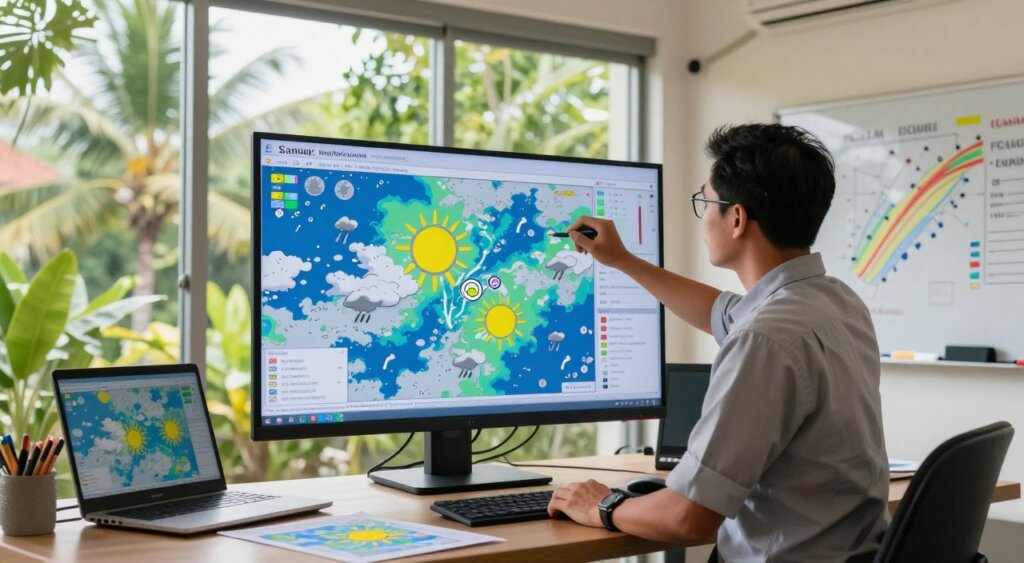
Interpreting local atmospheric predictions requires a different approach than what Australians might be accustomed to back home. Tropical conditions often behave differently from temperate climate patterns.
Recent visitor experiences highlight this discrepancy. A ten-day forecast might show rain predictions for most days, yet actual conditions often feature just one rainy morning with occasional overnight showers.
How to Read Real-Time Weather Reports
Understanding percentage probabilities is crucial. A 70% rain chance doesn’t mean 70% of your day will be wet. It represents the probability of precipitation occurring somewhere in the area.
Focus on timing information within reports. When forecasts mention “afternoon thunderstorms,” mornings typically remain clear and perfect for outdoor activities.
Using Technology for Accurate Predictions
Modern apps provide radar imagery and satellite views showing actual storm movements. This technology helps you see approaching systems rather than relying solely on predictive models.
Compare multiple weather sources for balanced insights. Different services use varying forecasting models that can show different predictions for the same location.
Local knowledge often proves more reliable than technological forecasts. Pay attention to patterns you observe and consult accommodation staff about typical conditions.
Comparing Sanur’s Weather to Other Balinese Regions
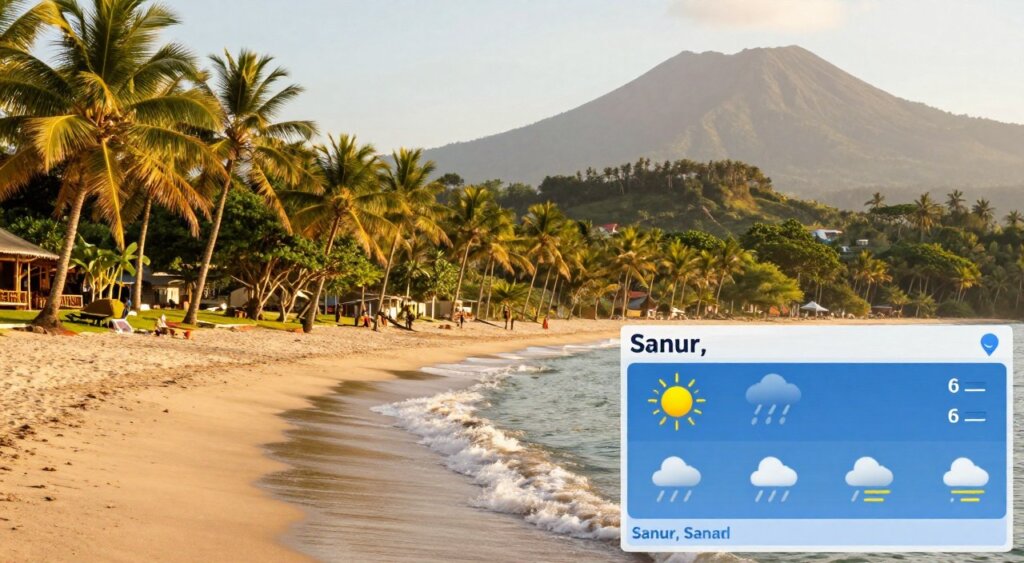
The atmospheric experience in coastal Sanur presents a stark contrast to what visitors encounter in Bali’s mountainous interior. Understanding these regional differences helps Australian travellers choose the right locations for their holiday preferences.
Coastal vs Inland Climate Differences
Coastal locations benefit significantly from maritime influences. The ocean acts as a natural temperature regulator throughout the day.
Sea breezes provide constant ventilation that inland areas lack. This creates a more comfortable environment despite similar thermometer readings.
Inland regions like Ubud experience more dramatic daily swings. Elevation changes create cooler nights and more intense daytime heat.
Rainfall patterns also differ substantially between coastal and mountainous areas. Showers tend to be shorter and more predictable near the ocean.
Unique Features of Sanur’s Weather
The eastern position creates distinct advantages for this coastal town. Mountain ranges influence precipitation patterns across the island.
Afternoon storms typically move through quickly rather than settling in. This reliability makes outdoor planning more straightforward for visitors.
Temperature variations remain modest compared to other regions. The consistent sea breeze enhances comfort levels significantly.
| Location | Average Temp Range | Rainfall Pattern | Comfort Factor |
|---|---|---|---|
| Sanur (Coastal) | 26-31°C | Short, predictable showers | High (sea breeze) |
| Ubud (Inland) | 22-32°C | Longer, settled rain | Moderate (variable) |
| Western Bali | 25-33°C | Heavy monsoon periods | Lower (humidity) |
These regional comparisons highlight why the local conditions suit beach-focused holidays so well.
Impact of Local Geography on Weather Patterns
The physical landscape surrounding this coastal village creates fascinating atmospheric dynamics that influence every visitor’s experience. Understanding these geographical factors helps explain why conditions remain so consistently pleasant throughout the year.
Coastal Influences on Temperature and Humidity
The Indian Ocean acts as a massive natural thermostat. It absorbs heat during daylight hours and releases warmth overnight, preventing extreme fluctuations.
This maritime influence maintains stable readings that rarely venture outside comfortable ranges. The constant evaporation from ocean surfaces contributes to the characteristic tropical humidity levels.
Sea breezes develop through differential heating between land and water. Cooler air flows inland during daytime, providing natural ventilation along the coastline.
Urban Versus Natural Surroundings
Compared to more developed areas, this village maintains significant green spaces. Coconut groves and gardens help moderate local temperature through natural cooling.
The preserved beachfront and controlled urban development prevent excessive heat absorption. This careful balance creates microclimates more comfortable than heavily built-up regions.
The reef-protected coastline also influences atmospheric conditions differently than exposed surf beaches. Calmer waters mean less sea spray and distinct humidity characteristics.
Seasonal Highlights: Best Times for Beach Visits
The rhythm of the seasons creates distinct advantages for beach lovers throughout the year. Each period offers unique benefits that cater to different travel preferences and priorities.
Advantages of the Dry Season for Beach Days
From May to October, conditions become ideal for coastal activities. This period delivers consecutive sunny days with minimal interruption.
Lower humidity makes tropical warmth more comfortable. Crystal-clear waters provide excellent visibility for snorkelling and diving adventures.
Peak months from June to August offer near-perfect circumstances. Gentle breezes and calm morning waters create optimal conditions for water sports.
Monsoon Season and Lush Scenery
The November to March period shouldn’t be overlooked for beach visits. While afternoon rain is common, mornings typically remain clear and sunny.
This time of year brings spectacular landscape transformations. Lush green scenery creates breathtaking backdrops for coastal walks and photography.
Fewer crowds and lower accommodation prices present significant advantages. The reef-protected coastline maintains calm conditions suitable for families.
Shoulder seasons in April-May and October-November offer excellent compromises. They blend dry season reliability with wet season value pricing.
Ultimately, the best period depends on your personal priorities. Whether you seek guaranteed sunshine or vibrant landscapes, there’s never a bad time to enjoy this beautiful coastline.
How Weather Affects Outdoor Activities in Sanur
Arriving to find a sudden downpour can be surprising, but it’s often just a brief interlude before ideal conditions return. The tropical climate here influences daily plans, yet its predictability allows for smart scheduling.
Visitors quickly learn to work with the environment rather than against it. This approach maximises enjoyment and minimises disappointment.
Planning Around Sudden Showers
The chance of a quick rain shower is highest in the late afternoon. This pattern creates a natural rhythm for planning your day.
Water-based adventures are best scheduled for morning hours. The sea is typically calmer, and the probability of interruption is lowest.
When a shower arrives, it’s a perfect opportunity to duck into a beachfront cafe. You can enjoy a refreshment while waiting for the skies to clear.
| Activity Type | Ideal Time Window | Rain Chance Impact |
|---|---|---|
| Snorkelling & Diving | 6:00 AM – 12:00 PM | Low |
| Cycling & Cultural Tours | Early Morning / Late Afternoon | Moderate |
| Spa & Indoor Shopping | 2:00 PM – 5:00 PM | High (Ideal) |
Tips for Enjoying Local Events
Local ceremonies and festivals proceed regardless of the forecast. Balinese culture embraces natural elements as part of life.
Don’t let a high chance of rain deter you from attending these vibrant events. The brief nature of most showers means disruptions are minimal.
Keeping a flexible mindset is the ultimate key to a successful visit. Having backup indoor plans ensures your day remains enjoyable, no matter what the sky brings.
Practical Advice for Planning Your Visit
Planning your accommodation and activities around local conditions ensures a more enjoyable holiday experience. Smart preparation helps you make the most of every moment.
What to Pack Based on Weather Forecasts
Lightweight, breathable fabrics work best for the tropical climate. Include quick-drying clothing and a compact umbrella for afternoon showers.
Sun protection is essential with the high UV index. Pack strong sunscreen, wide-brimmed hats, and UV-blocking sunglasses.
The consistent winds mean beach items can blow away easily. Secure your belongings when setting up for the day.
Local Travel Tips and Accommodation Insights
Choose beachfront properties for better natural cooling. Air-conditioned rooms provide comfort during high humidity periods.
Monitor the daily chance of rain for activity planning. Schedule outdoor adventures on days with lower precipitation probabilities.
Local staff offer valuable insights about typical patterns. Their experience often provides more accurate guidance than forecasts.
Quick-drying footwear handles both beach conditions and sudden showers. This practical choice enhances comfort throughout your stay.
Conclusion
When planning your tropical getaway, understanding local climate patterns transforms uncertainty into confident preparation. The key lies in embracing the natural rhythm rather than searching for perfection.
High humidity levels are simply part of the tropical experience, creating the lush environment that makes this destination special. Rather than postponing travel based on seasonal concerns, the best approach involves booking your holiday for whatever time suits your schedule.
Experienced travellers know that forecasts serve as guides, not guarantees. The consistent warmth and reliable morning sunshine mean visitors typically enjoy far more favourable conditions than predictions suggest.
Ultimately, the weather enhances rather than hinders your experience. Book your trip and adapt daily plans to work with whatever conditions materialise during your stay.