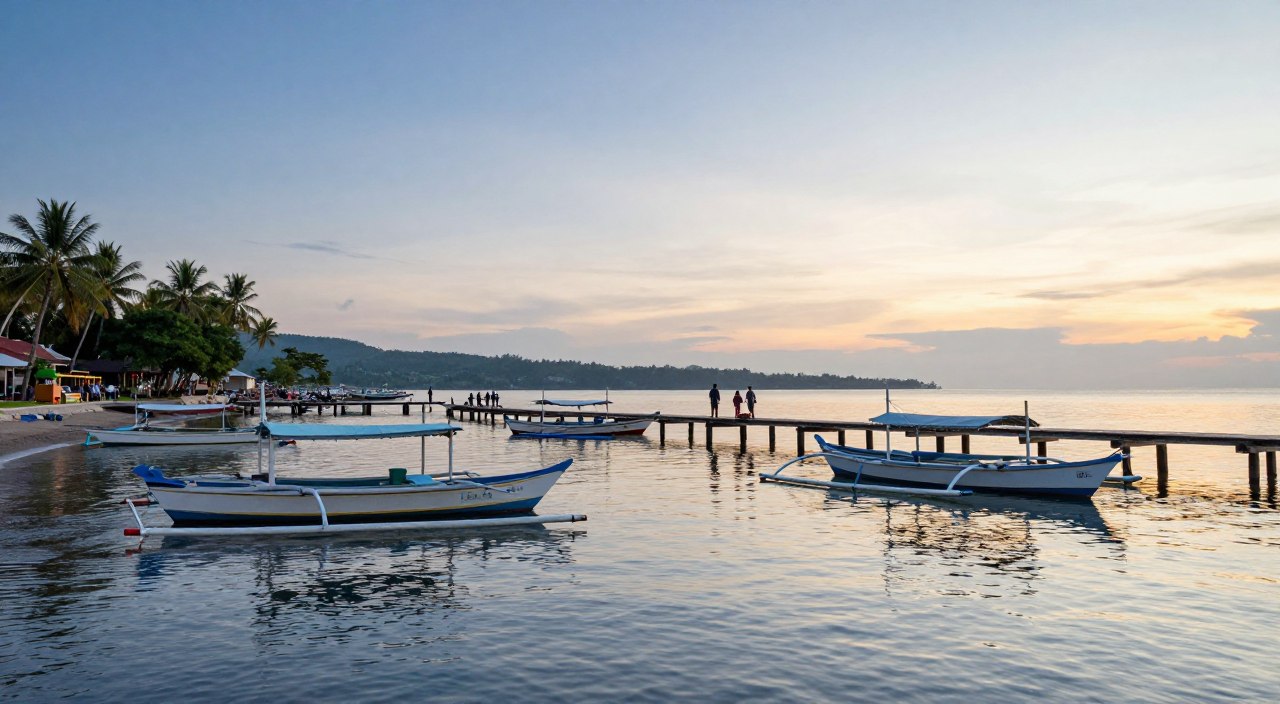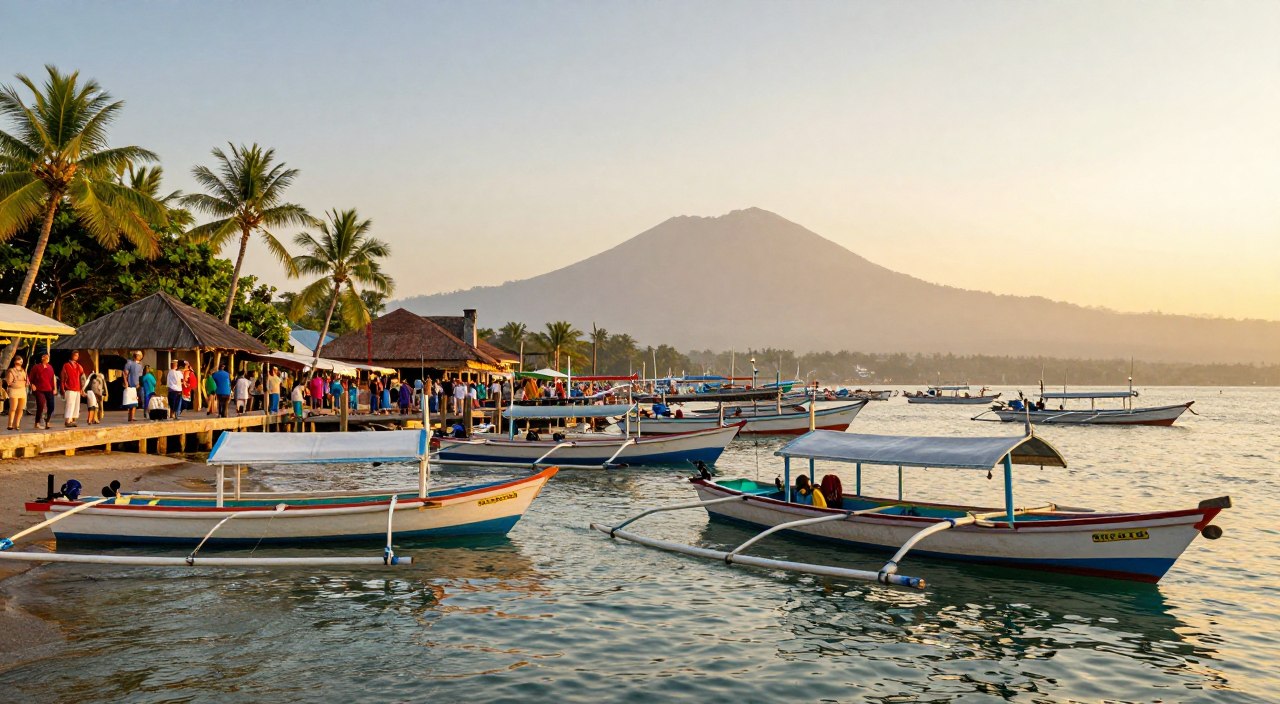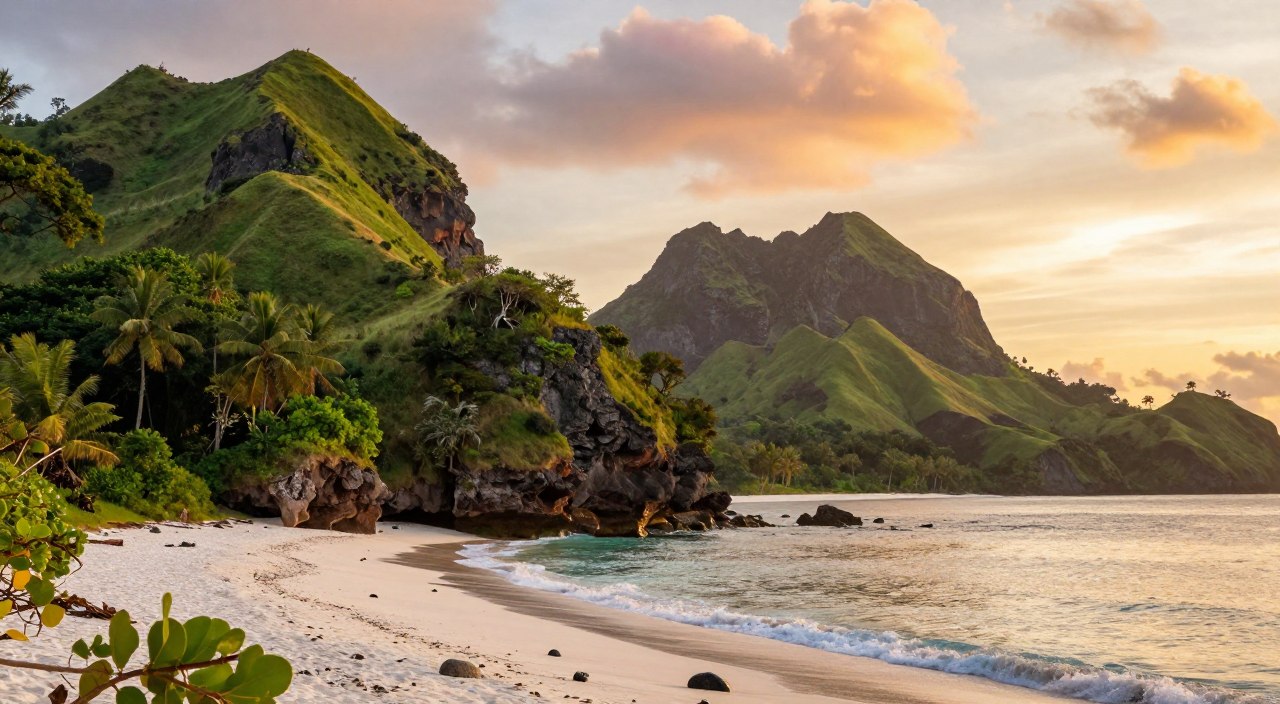
Do you remember that feeling of finding a place that feels truly yours? A place that’s untouched and wildly beautiful? For many Aussie travellers, this search takes them beyond Bali’s well-known paths.
This guide invites you to two of Indonesia’s most captivating island destinations: Lombok and Komodo. Each offers a unique adventure, promising memories that will last long after you return home.
Lombok, to the east of Bali, greets you with its pristine, white-sand beaches and the majestic Mount Rinjani. The nearby Gili Islands offer a perfect laid-back escape. On the other hand, the Komodo archipelago is a world of prehistoric wonder. Here, you’ll see the famous Komodo dragons and some of the planet’s most spectacular diving spots amidst rugged national park landscapes.
Whether you dream of a challenging trek or floating above a vibrant coral reef, this guide will help you plan an unforgettable journey.
Key Takeaways
- Lombok and Komodo offer distinctly different experiences, from serene beaches to prehistoric encounters.
- Lombok is famous for Mount Rinjani and the relaxed Gili Islands.
- Komodo National Park is the only place on Earth to see Komodo dragons in the wild.
- The region offers world-class diving and snorkelling opportunities.
- It’s an ideal adventure for travellers looking to explore beyond Bali.
- Both destinations require some planning to reach, but the effort is well worth it.
- You can experience both culture and raw, natural beauty in one trip.
Overview of Lombok and Komodo
Lombok and Komodo are two Indonesian gems, each with its own charm. Knowing what they offer is key to planning a memorable trip from Australia.
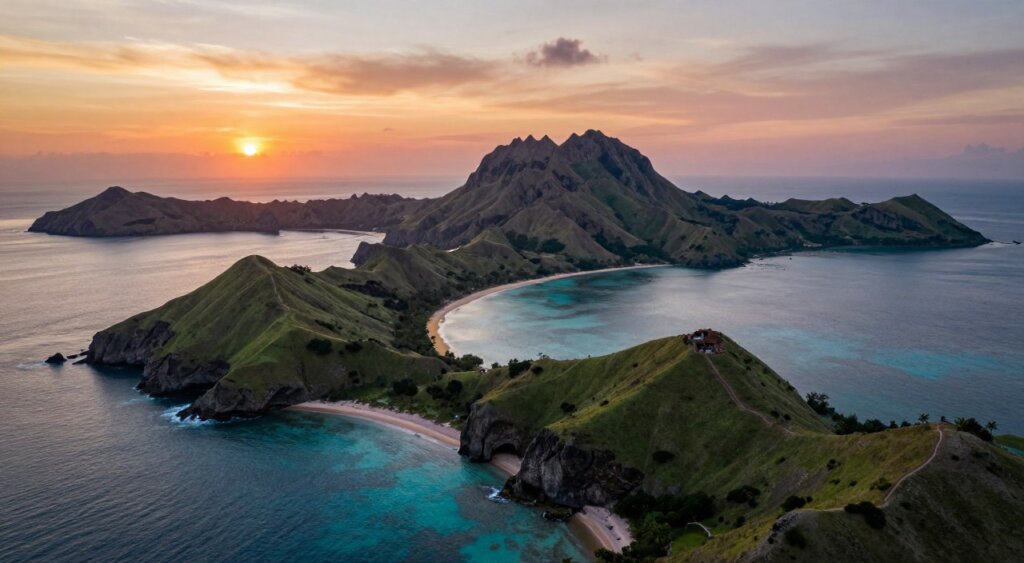
Introduction to Lombok and Komodo
Lombok and Komodo are part of the Nusa Tenggara island chain. Lombok is in West Nusa Tenggara, near Bali. It’s known as Bali’s quieter, more rugged cousin.
Komodo Island is in East Nusa Tenggara. It’s the heart of the Komodo National Park. This park is a protected home for its famous Komodo dragons.
Together, they highlight Indonesia’s incredible variety. Lombok offers lush landscapes and rich culture. Komodo presents a raw, prehistoric world.
Historical Significance
Lombok’s history is deeply rooted in the Sasak people. They have their own kingdom, language, and traditions. You can see this in the island’s ancient villages and temples.
Komodo’s story is all about the Komodo dragon. This ancient reptile has ruled for millions of years. In 1991, Komodo National Park was named a UNESCO World Heritage Site.
Geographical Features
Lombok is home to Mount Rinjani, an active volcano. Its slopes are covered in green rice terraces and waterfalls. These are hidden in lush jungles.
Komodo has a dry, dramatic landscape. Its terrain is like a savannah, with sparse trees. The real wonder is under the sea.
The waters around Komodo are part of the Coral Triangle. This area is known for its rich marine life. The coral reefs are vibrant, making it a paradise for divers.
The contrast between Lombok and Komodo shapes your adventure. Lombok invites you to explore lush highlands. Komodo calls you to dive into a wild underwater world.
Getting to Lombok and Komodo
Getting to Lombok and Komodo from Australia is easy with good flights. Plan ahead to make your lombok komodo travel trip smooth. Here’s what you need to know.
Flights and Transportation Options
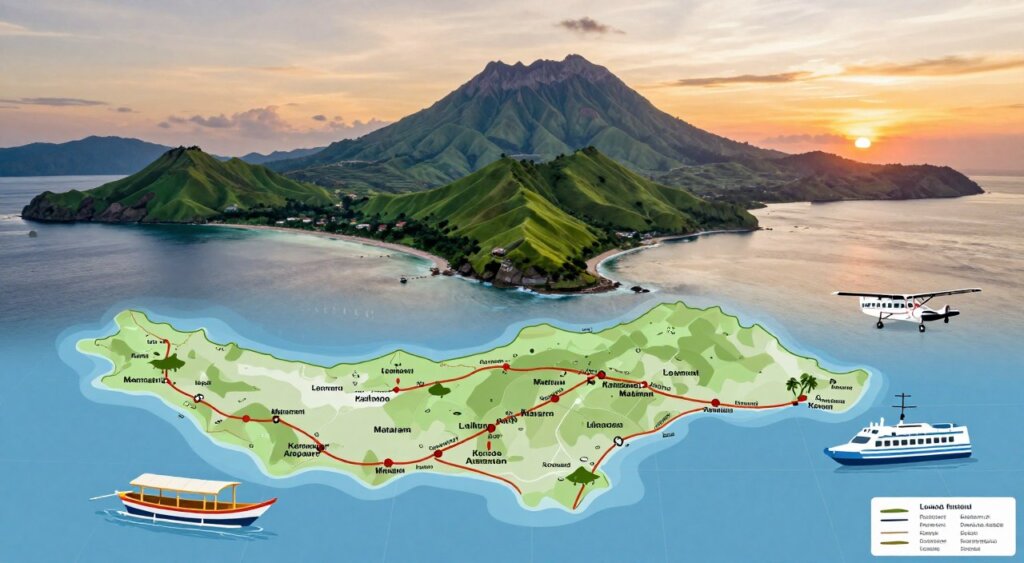
Your trip starts with a flight from cities like Sydney, Melbourne, or Perth to Indonesia. Most flights go through Bali’s Denpasar Airport (DPS) or Jakarta (CGK). Then, you take a domestic flight to your final destination.
To get to Lombok, fly into Lombok International Airport (LOP). For Komodo, aim for Komodo Airport in Labuan Bajo (LBJ). Direct flights to these islands are rare, so Bali is the usual stop.
Getting from lombok to komodo involves another step. You have two main options:
- Domestic Flight: The fastest way, taking about 1.5 hours from Lombok to Labuan Bajo.
- Ferry & Sea Travel: A scenic but longer journey, often involving a return to Bali or a multi-leg boat trip.
Here’s a comparison of transport methods in Indonesia:
| Mode of Transport | Primary Route | Approx. Travel Time | Best For |
|---|---|---|---|
| International Flight | Australia to Bali/Jakarta | 4-7 hours | Starting your trip |
| Domestic Flight | Bali to Lombok (LOP) or Labuan Bajo (LBJ) | 1-1.5 hours | Speed and convenience |
| Fast Ferry | Bali to Lombok (Gili Islands) | 2-3 hours | Island hopping on a budget |
| Local Boat | Lombok to Komodo (via Sumbawa) | Multi-day | Adventure seekers |
The key to seamless island travel in Indonesia is to embrace the journey as part of the experience. Allow extra time for connections and enjoy the views.
Best Time to Visit
The best time for lombok komodo travel is the dry season, from April to October. This period offers sunny skies, calm seas, and perfect conditions for activities.
July and August are the peak tourist months. Visiting in April-May or September-October gives you good weather and fewer crowds.
The wet season (November to March) has heavy rainfall and unpredictable seas. Some activities may be affected. But, it’s less crowded and offers lush landscapes.
Visa Requirements for Australian Tourists
Australian passport holders get a visa-free entry for tourism. This allows a stay of up to 30 days.
Your passport must be valid for at least six months from your entry date. Immigration may ask for proof of onward travel. For longer stays, apply for a visa extension or a different visa before you travel.
This easy entry process makes a last-minute trip from Australia to Lombok and Komodo possible. Always check the latest travel advice before booking.
Attractions in Lombok
Your Lombok komodo tour isn’t complete without exploring Lombok’s top attractions. Each offers a distinct flavour of Indonesian beauty. You will find towering volcanoes, idyllic islands, and living cultural traditions.
This island provides a perfect balance for travellers. You can challenge yourself with a tough hike one day. Then, unwind on a quiet beach the next.
Mount Rinjani: A Trekker’s Paradise
Mount Rinjani is Indonesia’s second-highest volcano. It dominates Lombok’s landscape and calls to adventure seekers. The multi-day trek to the summit is a physical challenge.
You will pass through lush rainforests and barren volcanic craters. The reward is absolutely worth the effort. From the top, you see the stunning Segara Anak crater lake.
Watching the sunrise from Rinjani’s peak is a life-changing moment. The colours paint the sky and the lake below. It is an experience you will never forget.
Always go with a licensed guide for safety. They know the best routes and camping spots. The trekking season usually runs from April to November.
Gili Islands: Snorkeling and Relaxation
Most people know the famous Gili Trawangan. Yet, the archipelago holds quieter gems perfect for a Lombok komodo tour side trip. Gili Kondo is one such hidden treasure.
You can organise a private boat trip from Labuhan Pandan port. The journey itself is part of the fun. You cruise across clear blue waters towards a tiny, pristine island.
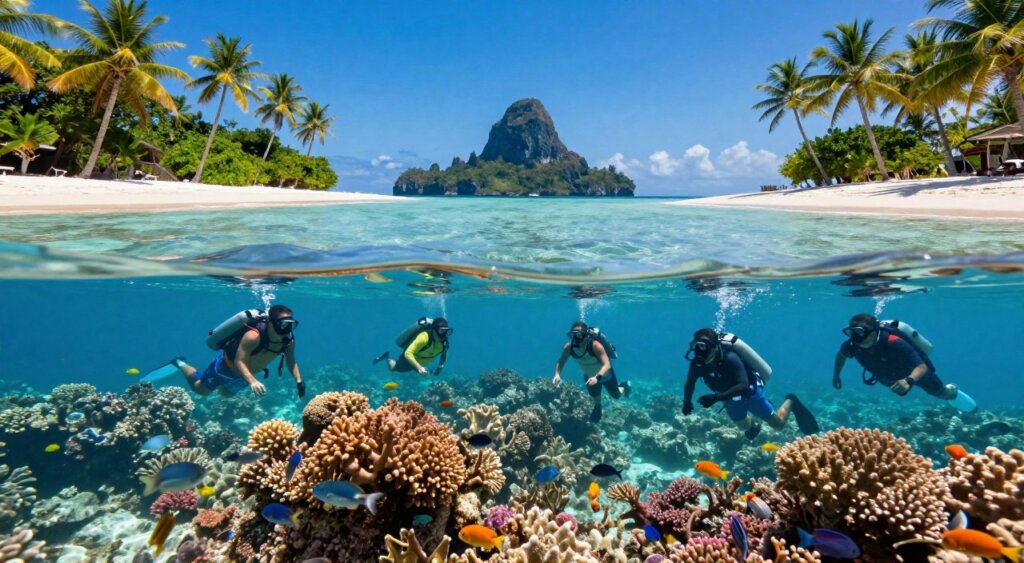
Once there, the world slows down. The main activities are snorkeling and fishing. The coral reefs are healthy and teeming with colourful fish.
You might even spot a turtle gliding by. The beach is pure white sand with few other visitors. It is the definition of a secluded paradise.
| Island | Vibe | Top Activity | Best For |
|---|---|---|---|
| Gili Trawangan | Lively, social | Beach bars & nightlife | Groups & young travellers |
| Gili Air | Chilled, balanced | Cycling & cafes | Couples & relaxation |
| Gili Kondo | Secluded, untouched | Private snorkeling | Escape & nature lovers |
This table helps you pick the right island for your mood. A day trip to Kondo fits perfectly into a broader Lombok komodo tour itinerary.
Traditional Sasak Culture
Lombok’s heart beats in its traditional Sasak villages. Places like Sade and Ende offer a window into a timeless way of life. The villages are known for their unique architecture.
Homes are made from bamboo, wood, and thatched roofs. The floors are often paved with a mixture of clay and cow dung. This keeps them cool and hard-wearing.
The Sasak people are master weavers. You can watch them create beautiful tenun textiles on traditional looms. The patterns and colours tell stories and signify status.
Visiting is a respectful cultural exchange. It supports local artisans directly. You gain a deeper understanding of the island beyond its beaches.
Remember to dress modestly when entering these villages. It is a sign of respect for the local customs and traditions.
Natural Wonders of Komodo
Komodo Island is home to more than just dragons. It’s a place where ancient landscapes meet vibrant marine life. This part of the lombok komodo journey is unique, showing off nature’s beauty on land and in the sea. The island’s isolation has created a special ecosystem, protected for future explorers.
Komodo National Park: UNESCO World Heritage Site
Komodo National Park was named a UNESCO World Heritage Site in 1991. This honour recognises its global importance. The park covers several islands, including Komodo, Rinca, and Padar. Its main goal is to protect the Komodo dragon and its home.
The park is huge, covering 1,733 square kilometres. It includes land and vast oceans. UNESCO status helps manage tourism and supports conservation. Visitors help by paying park entry fees.
Visitors must have a licensed guide. This rule keeps everyone safe and protects the environment. Rangers share interesting facts about the park’s geology and history. The park’s landscapes are dramatic, from dry savannahs to lush mangrove forests.
The Unique Flora and Fauna
The Komodo dragon is the main attraction. These giant lizards can grow over three metres long. Seeing them in the wild is an exciting experience. They are skilled ambush predators with a powerful bite.
Their main food is the Timor deer. These deer are common in the island’s grasslands. The park is also great for birdwatching. Look out for species like the yellow-crested cockatoo and the friarbird.
The plants have adapted to the dry climate. You’ll see lontar palms, cactus-like trees, and grassy plains. This mix of Asian and Australian species is fascinating. It creates a stark, beautiful terrain perfect for photography.
Diving and Snorkeling Opportunities
The underwater world of Komodo is as amazing as the land. Strong currents bring nutrients, supporting incredible marine life. This makes Komodo Island one of the world’s top diving spots.
Batu Bolong is a legendary dive site. Its pinnacle is covered in corals. Schools of fish, including trevally and snapper, swim around divers. Sharks and turtles are also common here.
Manta Point is famous for its manta rays. These gentle giants glide through the water with impressive wingspans. Snorkelers can often see them from the surface.
Other famous sites include Crystal Rock and Castle Rock. These are known for thrilling drift dives and big fish action. There’s something for every skill level, from beginners to experts.
| Dive Site | Depth Range | Key Marine Life | Best For |
|---|---|---|---|
| Batu Bolong | 5 – 40 metres | Sharks, Turtles, Schooling Fish | Advanced divers, coral lovers |
| Manta Point | 5 – 20 metres | Manta Rays, Reef Fish | Snorkelers, all diver levels |
| Crystal Rock | 10 – 30 metres | Eagle Rays, White Tip Reef Sharks | Drift diving, photography |
| Castle Rock | 15 – 35 metres | Dogtooth Tuna, Barracuda | Thrilling currents, pelagic action |
Always dive with a reputable local operator. They know the currents and conditions well. The best time for diving is during the dry season, from April to November. Visibility can exceed 30 metres on good days.
Komodo’s natural wonders offer an unforgettable experience. From ancient reptiles to colourful coral gardens, the island is a true gem. It perfectly complements the cultural and scenic delights found in Lombok.
Adventure Activities in Lombok and Komodo
An adventure-focused Lombok Komodo trip is all about world-class surf, rugged hikes, and amazing underwater adventures. These places are perfect for those who love excitement over relaxation. You’ll find activities for all skill levels, making your holiday unforgettable.
Surfing Lombok’s World-Class Waves
Lombok is a hidden gem for surfers, with consistent swells and fewer crowds. The southern coast is famous for its surf spots. Here, pros from around the world come to ride the waves.
Desert Point is the top spot, with long, barreling waves for experts only. Intermediate riders will love Gerupuk Bay, with its forgiving conditions and several breaks. The best time to surf is May to September, matching the dry season for your trip.
Hiking Trails in Komodo
Komodo National Park is known for its dragons, but it also offers amazing land adventures. Hiking here gives you views you can’t find anywhere else. Trails vary from short climbs to long treks.
The hike to Padar Island’s summit is a must. It takes 30-45 minutes up a stone path. The view of three bays with different coloured beaches is breathtaking. Rinca Island offers a short trek where you can see Komodo dragons safely with a guide.
Marine Life Encounters
The sea adventures in Lombok Komodo are a highlight. Komodo’s waters are full of life, thanks to the Coral Triangle. Diving here is top-notch, with sites like Batu Bolong and Castle Rock.
For a day trip, visit Gili Kondo. It’s great for snorkeling, fishing, and beach activities. You’ll see vibrant coral gardens and colourful fish.
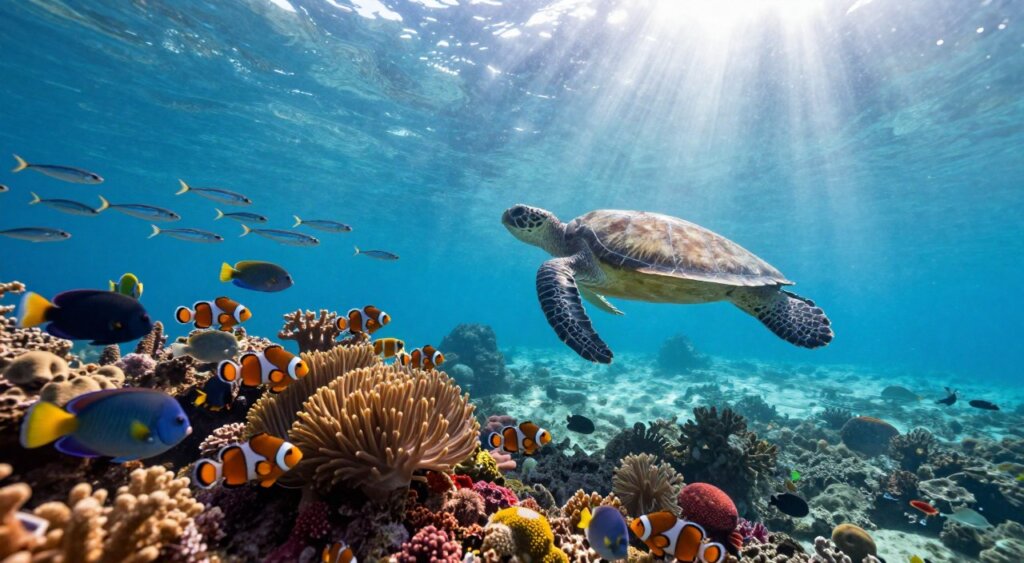
Try traditional line fishing at Gili Kondo, then relax on the beach. This makes for a fantastic day on the water. Whether you dive or snorkel, the marine life will amaze you.
These activities make an unforgettable Lombok Komodo trip, filled with adventure.
Culinary Experiences in Lombok and Komodo
The true soul of Lombok and Komodo is found in their food. A culinary journey here is exciting. It connects you with the islands’ culture and people.
Each meal is an adventure. From smoky street food to elegant seaside dining, there’s something for everyone.
Traditional Indonesian Cuisine
Your taste buds will love the local fare. Lombok is known for its Ayam Taliwang. This spicy grilled chicken is a must-try for those who enjoy bold flavours.
In Komodo, the focus is on the ocean. Fresh fish, squid, and prawns are grilled with simple spices. The result is incredibly fresh Komodo seafood. It’s often served with steamed rice and spicy sambal sauce.
These dishes show the simple, honest cooking of the islands. They use fresh, local ingredients and recipes passed down through generations.
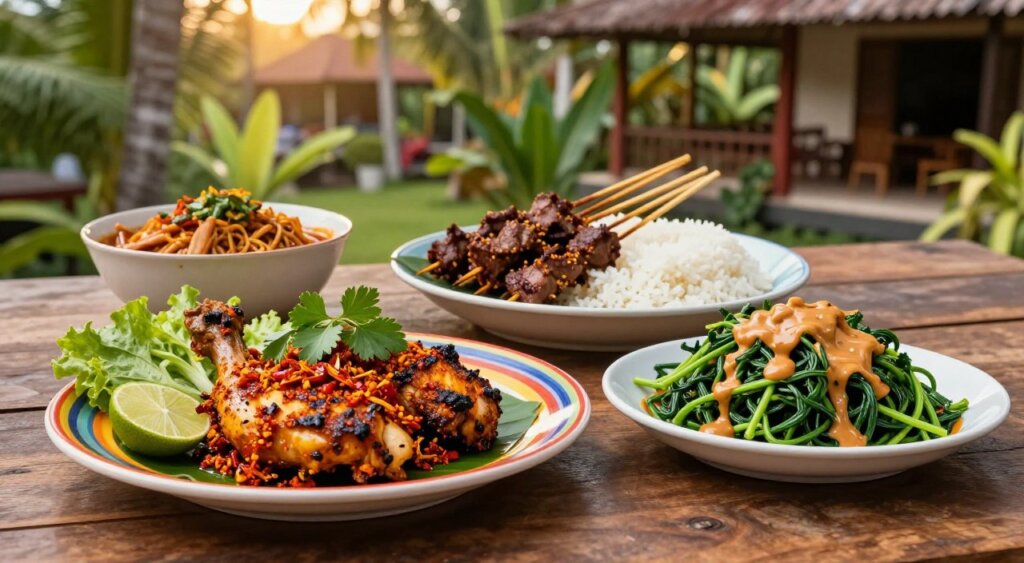
Local Markets and Food Tours
For an authentic experience, explore the bustling local markets. In Lombok, visit the markets in Mataram. You’ll find fresh produce, fragrant spices, and tasty snacks.
In Komodo, the early morning fish market in Labuan Bajo is a sight to see. It’s a great place to witness the day’s catch. The energy and colours are unforgettable.
Joining guided food tours is a great idea. Local guides can introduce you to hidden gems. They help you navigate the stalls and explain the dishes. You’ll taste things you might never have tried on your own.
Dining with a View
The islands offer stunning settings for meals. In the Gili Islands, simple beachfront warungs let you dine with your toes in the sand. You can watch a stunning sunset while enjoying your grilled fish.
Komodo takes dining with a view to new heights. Several restaurants are perched on cliffs overlooking the famous Komodo sea. The panorama of islands and blue water is breathtaking.
Whether it’s a casual lunch or a romantic dinner, the scenery adds magic to every bite. It turns a simple meal into a lasting memory of your Indonesian adventure.
Accommodations: Where to Stay
Your choice of accommodation can make or break your Indonesian adventure. Lombok and Komodo offer a wide range of places to stay. Each place adds its own special touch to your journey.
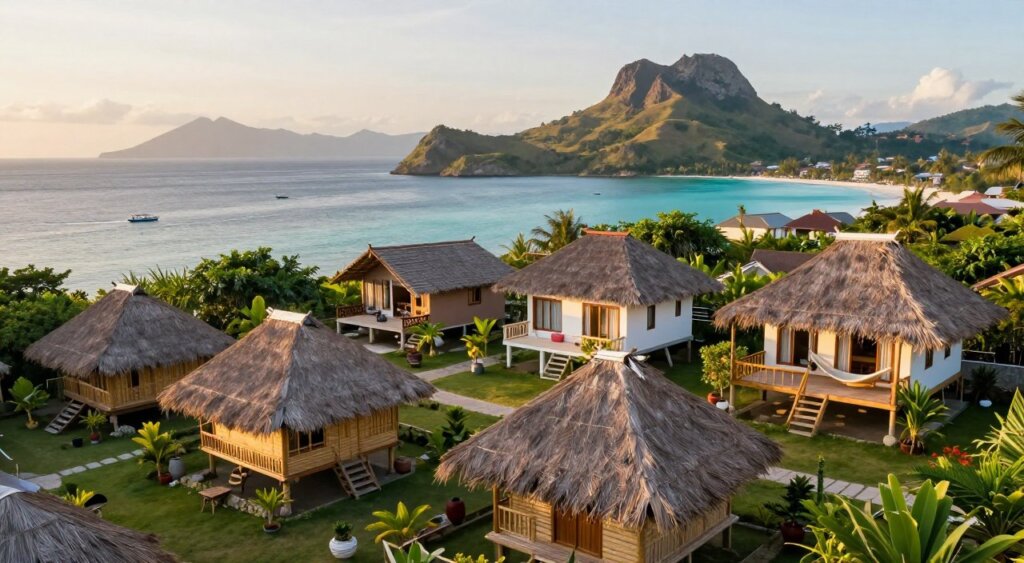
Whether you’re planning your trip or booking a lombok komodo package, picking the right place is key. It ensures comfort and convenience.
Luxury Resorts in Lombok
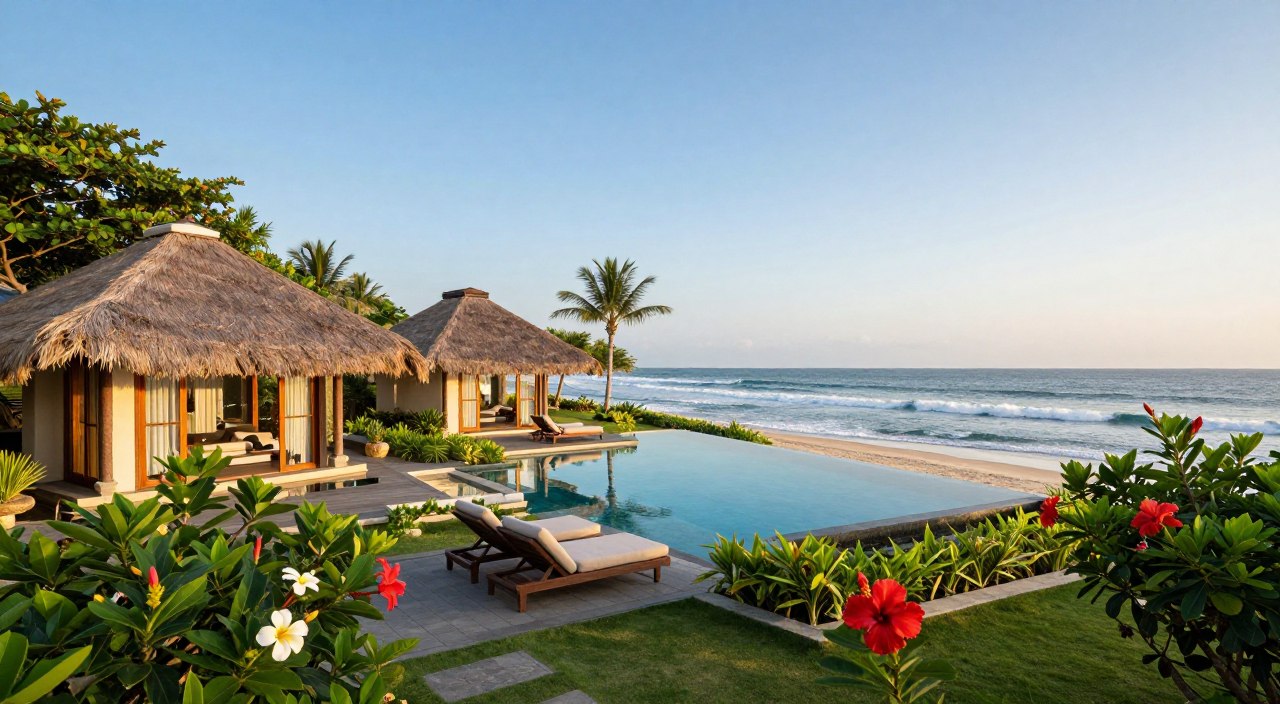
Lombok’s luxury resorts offer unparalleled opulence and peace. They sit on cliffs overlooking the Lombok Strait or in private coves. These resorts have infinity pools, spas, and gourmet dining.
Staying here turns relaxation into an art. It’s perfect for honeymoons or a special lombok komodo vacation. You can enjoy private boat charters and guided tours, all arranged by the resort.
Budget-Friendly Hostels and Guesthouses
Backpackers and those on a budget will love Lombok’s hostels and guesthouses. Kuta Lombok and Senggigi are great for affordable stays. These places offer clean rooms and a lively atmosphere.
Choosing a guesthouse is a smart way to save money. Owners can help with local transport and suggest hidden spots. It’s ideal for a DIY lombok komodo package focused on experiences.
You’ll share travel tips with others in common areas. Simple local eateries are nearby, letting you experience daily life.
Unique Stays in Komodo
Komodo National Park offers unique stays, like liveaboard boats. These boats are floating hotels for divers. They let you dive at dawn and sleep under the stars.
On land, eco-lodges and rustic bungalows near Labuan Bajo offer a nature connection. They use solar power and support local conservation. These stays are often part of lombok komodo package deals.
Choosing a unique stay in Komodo makes your trip unforgettable. It lets you experience the region’s raw beauty up close.
Cultural Insights
The Indonesian islands of Lombok and Komodo are more than just beautiful views. They are filled with traditions and community life. Exploring these cultural layers makes your journey more meaningful.
Festivals and Events in Lombok
Lombok’s calendar is full of vibrant celebrations. These events show off Sasak culture in a colourful and lively way.
The Perang Topat, or rice cake war, is a unique ritual. It happens at the Pura Lingsar temple. Two groups throw rice cakes at each other, praying for harmony and a good harvest.
The Bau Nyale festival is another highlight. It’s about the annual sea worm spawning. Locals and visitors gather to catch them. The festival includes poetry and cultural performances.
Don’t miss the Islamic holiday of Eid al-Fitr. The island comes alive with prayers and feasts. Traditional Sasak weddings are also worth seeing.
| Festival Name | Time of Year | Location | Key Activities |
|---|---|---|---|
| Perang Topat | November – December | Pura Lingsar Temple, West Lombok | Rice cake throwing, prayers, traditional music |
| Bau Nyale | February – March (full moon) | Mainly Seger Beach, South Lombok | Sea worm catching, poetry, night markets |
| Eid al-Fitr Celebrations | Date varies (Islamic calendar) | Across all villages and towns | Communal prayers, festive meals, family gatherings |
| Sasak Traditional Weddings | Throughout the year | Villages across Lombok | Elaborate ceremonies, processions, music |
The Arts and Handicrafts of Komodo
Komodo is known for its dragons, but its people create beautiful art. The focus is on traditional craftsmanship. Komodo handicrafts are unique souvenirs with a story.
The standout is woven ikat textiles. Local women use a special dyeing and weaving method. The patterns tell stories or represent the islands’ natural elements. Each piece takes weeks to make.
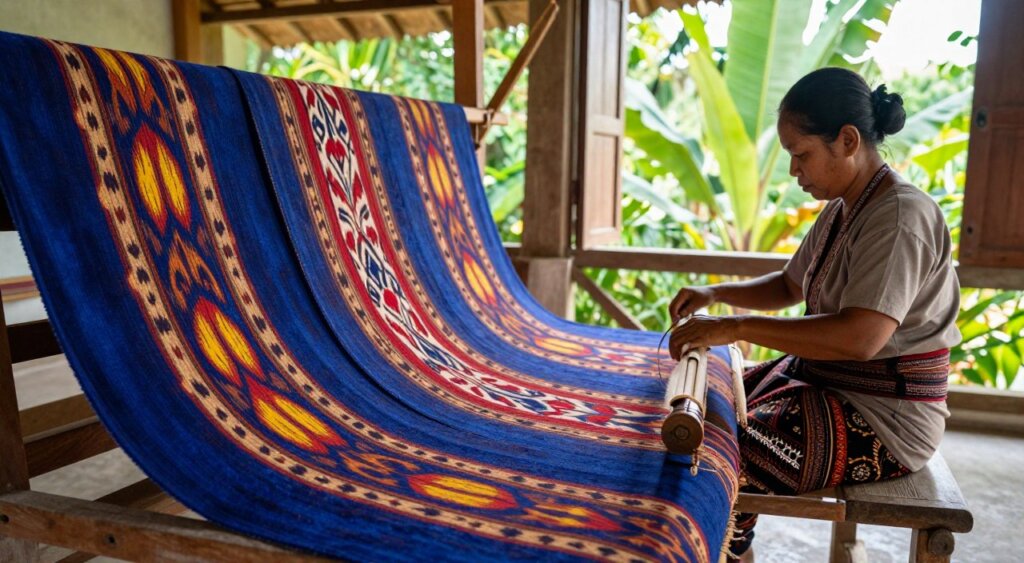
You can also find detailed wood carvings and pottery. Visiting a local village lets you see artisans at work. It’s a chance to appreciate the craft and support a living tradition.
Engaging with Local Communities
Traveling with respect is key. Interacting with local communities in Lombok and Komodo enriches your trip. It ensures your tourism benefits the islanders.
Try a homestay instead of a hotel. It immerses you in family life. You might help with meals or learn about customs. It’s a real cultural experience.
Workshops are another great option. You could try weaving or join a cooking class. These activities foster a connection between you and the locals.
Always be respectful. Ask before taking photos of people. Learn basic Indonesian phrases like “terima kasih” (thank you). Buying from local markets supports the community. Your mindful engagement helps preserve Lombok and Komodo’s unique cultures.
Responsible Tourism Practices
Responsible tourism is key to keeping Indonesia’s islands beautiful. Your actions as a visitor affect the environment and local communities in Lombok and Komodo. By travelling wisely, you help these places stay alive for others to enjoy.
Sustainable Travel Tips
Simple habits can greatly reduce your impact. Aim to leave places as you found them, or even better.
Refuse single-use plastics. Carry a reusable water bottle and shopping bag. Many shops offer refills to reduce waste.
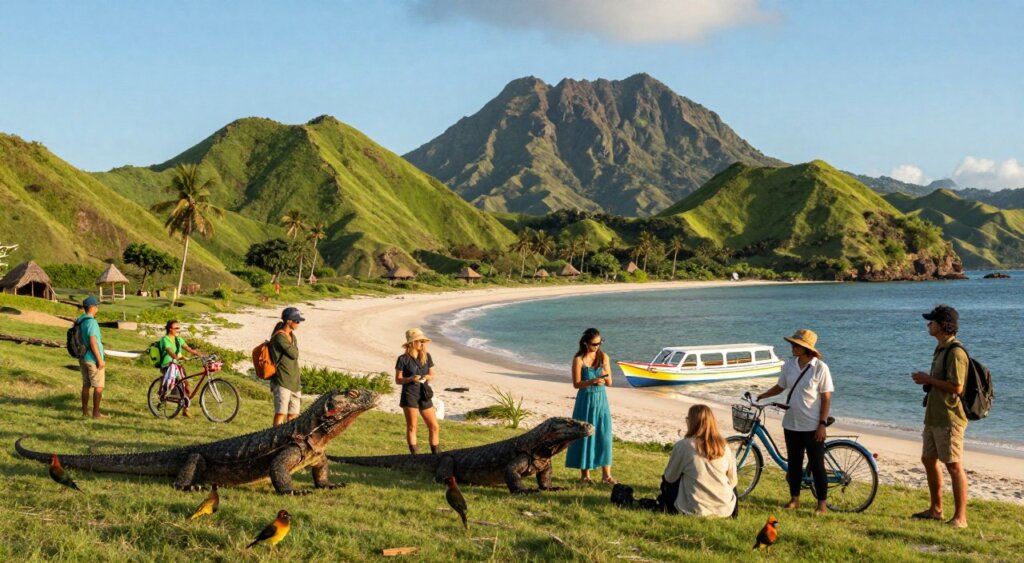
Respect wildlife distances, like in Komodo National Park. Never feed or touch a Komodo dragon. Keep a safe distance as your guide advises.
Choose your transport carefully. Walk, cycle, or use group transfers instead of private cars. Pick boat operators who protect coral reefs.
- Stay on marked paths to prevent soil erosion and protect plant life.
- Use reef-safe sunscreen to avoid harming the marine ecosystem.
- Conserve water and energy, even at your accommodation. Every small action counts.
Supporting Local Economies
Spending money locally helps communities thrive. This creates a positive cycle where tourism benefits residents.
Hire local guides for tours and adventures. Their knowledge of the land and culture will enrich your experience. They share stories you won’t find in any guidebook.
Eat at locally-owned warungs and markets. You’ll find authentic flavours and support a family’s livelihood.
Purchase handicrafts and souvenirs from artisan cooperatives or village markets. Look for items made by Sasak weavers on Lombok or traditional woodcarvings. Avoid mass-produced imports.
Choose community-based homestays or small guesthouses over large chains. This keeps more revenue local and offers a personal connection to your hosts.
Conservation Efforts in Komodo National Park
Protecting Komodo National Park is a global priority. Your visit helps its survival.
The park fee you pay supports conservation. Funds go to ranger patrols, scientific research, and habitat restoration. Rangers monitor dragon populations and prevent illegal fishing.
Following park rules is essential. Rules like not feeding dragons or littering protect your safety and the ecosystem. Feeding dragons can make them aggressive.
Local community programs train former fishermen as park rangers or eco-guides. This provides alternative livelihoods that support preservation goals.
As a traveller, you can contribute by following guidelines, spreading awareness, and donating to conservation NGOs. Your responsible behaviour sets a powerful example for others.
Travel Safety and Health Tips
Before you go, it’s key to know about safety and health tips. Being prepared lets you enjoy Lombok and Komodo without worry. This advice is for Australians to have a safe and fun trip.
Common Health Precautions
Start by visiting your doctor or a travel clinic. Make sure your vaccinations are up-to-date. They might suggest shots for hepatitis A and typhoid for Indonesia.
Malaria is rare in tourist spots like the Gili Islands and Komodo National Park. But, talk to your doctor about it. Always carry a good insect repellent.
The sun and heat are very strong. Use sunscreen with high SPF, wear a hat, and drink lots of bottled water. To avoid getting sick, drink only bottled or filtered water and eat at places where food is cooked fresh.
Staying Safe While Exploring
For big adventures like Mount Rinjani, always hire a certified local guide. They know the area and can handle emergencies. Never go on big hikes by yourself.
Be careful in the water. Currents in the Gili Islands and Komodo can be strong. Only swim and snorkel in safe areas and listen to local warnings. A life jacket is a good idea for weak swimmers.
Keep your things safe. Use your hotel safe for important items. When out, be careful in crowded places or on public transport. A cross-body bag can help prevent theft.
Emergency Contacts and Services
Knowing who to call can help quickly. Save these numbers in your phone as soon as you arrive. Getting a local SIM card with data is also a good idea for easy communication.
The table below lists important contacts for travellers in Indonesia:
| Service | Contact Number | Notes |
|---|---|---|
| General Emergency (Police) | 110 | For reporting crimes or serious incidents. |
| Tourist Police | +62 361 224 111 | Specifically trained to assist foreign tourists; based in Bali but can provide guidance. |
| Medical Emergency (Ambulance) | 118 or 119 | For urgent medical assistance. |
| Australian Embassy in Jakarta | +62 21 2550 5555 | For consular assistance, including lost passports or serious legal issues. |
| Australian Consulate in Bali | +62 361 2000 100 | Can provide more immediate help for travellers in the region. |
Travel insurance is a must. Make sure it covers medical evacuation, adventure activities, and theft. Keep a digital copy of your policy and important documents safely online.
Environmental Conservation Efforts
A dedicated team works hard to protect Indonesia’s natural beauty. The health of Lombok’s forests and Komodo’s seas depends on environmental stewardship. This section talks about the threats, local actions, and rules for visitors.
Importance of Protecting Marine Life
The Gili Islands and Komodo’s waters are home to vibrant coral reef ecosystems. These reefs are very delicate. A small touch can harm them for years, and human actions stress fish and other sea creatures.
One big threat is sunscreen. Chemicals like oxybenzone and octinoxate are toxic to coral. They cause bleaching and disrupt marine life’s reproduction.
Choosing reef-safe sunscreen is a simple way to protect marine life.
| Ingredient Type | Effect on Coral Reefs | Recommendation |
|---|---|---|
| Oxybenzone, Octinoxate | Causes coral bleaching, disrupts larval development. | Avoid completely. Check labels before buying. |
| Zinc Oxide, Titanium Dioxide (non-nano) | Mineral-based, sits on skin surface, non-toxic to marine life. | Highly recommended. Look for “reef-safe” certification. |
| Various Parabens | Can act as endocrine disruptors in aquatic organisms. | Choose paraben-free formulas for added safety. |
“The coral doesn’t know if damage comes from a cruise ship or a tourist’s finger. Every responsible choice counts in building resilience for these ecosystems.”
Community Initiatives
Across the islands, community initiatives are leading conservation efforts. These efforts often rely on visitor awareness and support.
On the Gili Islands, weekly beach clean-ups fight plastic pollution. Many places welcome tourist volunteers. In Komodo, NGOs run coral reef conservation programs, growing coral in nurseries for reef restoration.
Supporting these projects is easy. You can join a clean-up, donate to a local organisation, or choose tour operators that give to conservation.
Visitor Guidelines for National Parks
Following park rules is essential for protecting these areas. Komodo National Park has strict rules to protect its unique wildlife and plants.
- Stay on Marked Paths: Straying from trails erodes soil, damages plant life, and can disturb animal habitats.
- Carry Out All Rubbish: Leave no trace. Take all wrappers, bottles, and waste back with you for proper disposal.
- Maintain a Safe Distance: Never feed, touch, or attempt to interact with wildlife, including the famous Komodo dragons.
- Follow Ranger Instructions: Park rangers are experts for your safety and the environment’s protection. Their directions are final.
- Use Designated Mooring Buoys: When diving or snorkelling, ensure your boat uses established buoys to prevent anchor damage to coral.
These visitor guidelines are key to sustainable tourism in these areas. By following them, you help ensure these places stay beautiful for future explorers.
Sample Itinerary for Lombok and Komodo
A well-planned trip to Lombok and Komodo lets you see amazing volcanoes, clear reefs, and legendary dragons in a few days. This sample plan shows how to link these incredible islands efficiently. You can follow it on your own or book it as a Lombok Komodo package through a local tour operator.
Suggested 5-Day Itinerary
This five-day schedule is designed for maximum impact. It mixes iconic sights with hidden gems. A flight between Lombok and Labuan Bajo (the gateway to Komodo) saves time.
| Day | Focus | Key Activity | Adventure Level | Relaxation Tip |
|---|---|---|---|---|
| 1: Arrival in Lombok | Settle in & Culture | Explore Senggigi Beach or a local Sasak village. | Low | Enjoy a sunset dinner overlooking the ocean. |
| 2: Gili Kondo Day Trip | Marine & Island Escape | Full-day snorkelling trip to Gili Kondo’s brilliant coral gardens. | Moderate | Lunch on the white-sand beach and lazy swimming. |
| 3: Flight to Komodo & Dragons | Wildlife & Sunset | Morning flight to Labuan Bajo. Afternoon boat trip to Komodo Island for dragon spotting. | High | Unwind on the boat deck during a spectacular sunset cruise. |
| 4: Komodo Diving Day | Underwater Adventure | Dive or snorkel at sites like Batu Bolong or Manta Point. | High | Post-dive massage at your hotel or a quiet beachfront drink. |
| 5: Padar Island & Departure | Landscape & Travel | Early hike up Padar Island for iconic three-bay views. | Moderate | Leisurely final lunch in Labuan Bajo before your flight out. |
The Gili Kondo day is a perfect model for a well-structured island trip. A typical tour departs early, includes multiple snorkel stops with vibrant marine life, provides lunch, and returns by late afternoon. This template of transport, activity, and sustenance can be applied to other day trips within your Lombok Komodo itinerary.
Must-See Highlights
Even on a shorter trip, some experiences are non-negotiable. In Lombok, the Gili Islands for snorkelling and the cultural insights of Sasak villages are essential. For Komodo, seeing the Komodo dragons in their natural habitat is the main event.
The underwater world is a major highlight. The coral reefs around both island groups are stunning. Pink Beach in Komodo National Park offers a unique swim beside colourful sand.
Don’t miss the panoramic view from the peak of Padar Island. The short but steep hike rewards you with one of Indonesia’s most photographed landscapes.
Balancing Relaxation and Adventure
The key to enjoying this Lombok Komodo trip is pacing. Pairing a high-energy day with a more leisurely one prevents burnout. For example, follow a day of trekking or intense diving with a sunset cruise or a lazy beach afternoon.
Listen to your body. The tropical heat and active schedule demand hydration and rest. Build in free time; maybe swap a planned tour for a pool day if you need it.
Accommodation choice supports balance. After adventurous days, a comfortable hotel with a good bed and air conditioning is worth the splurge. This thoughtful mix ensures you return home exhilarated, not exhausted.
Whether you piece it together yourself or opt for a guided Lombok Komodo package, this itinerary proves you can have a complete and balanced Indonesian adventure in just five days.
Conclusion: Why Visit Lombok and Komodo?
Choosing Lombok and Komodo for your next holiday is a smart move. It’s a chance to experience something truly unique. You’ll create memories that stand out from the usual.
Unique Experiences Await
Imagine seeing the ancient Komodo dragon up close. Or watching the sunrise from Mount Rinjani’s crater. These moments are unforgettable.
The underwater world of Komodo National Park is breathtaking. With its vibrant coral and manta rays, it’s a paradise for divers and snorkelers.
A Blend of Nature and Culture
Your trip is more than just beautiful views. It’s about connecting with rich culture. Explore Sasak village traditions in Lombok and learn about Komodo’s conservation efforts.
This mix of nature and culture makes your journey truly enriching.
Final Thoughts for Travellers
Australian travellers, get ready for an adventure. Check the weather before you go for the best time to visit. Book tours with licensed guides to ensure a safe experience.
Embrace the local way of life and customs. A trip to Lombok and Komodo is your ticket to Indonesia’s hidden treasures. Start planning your journey now.