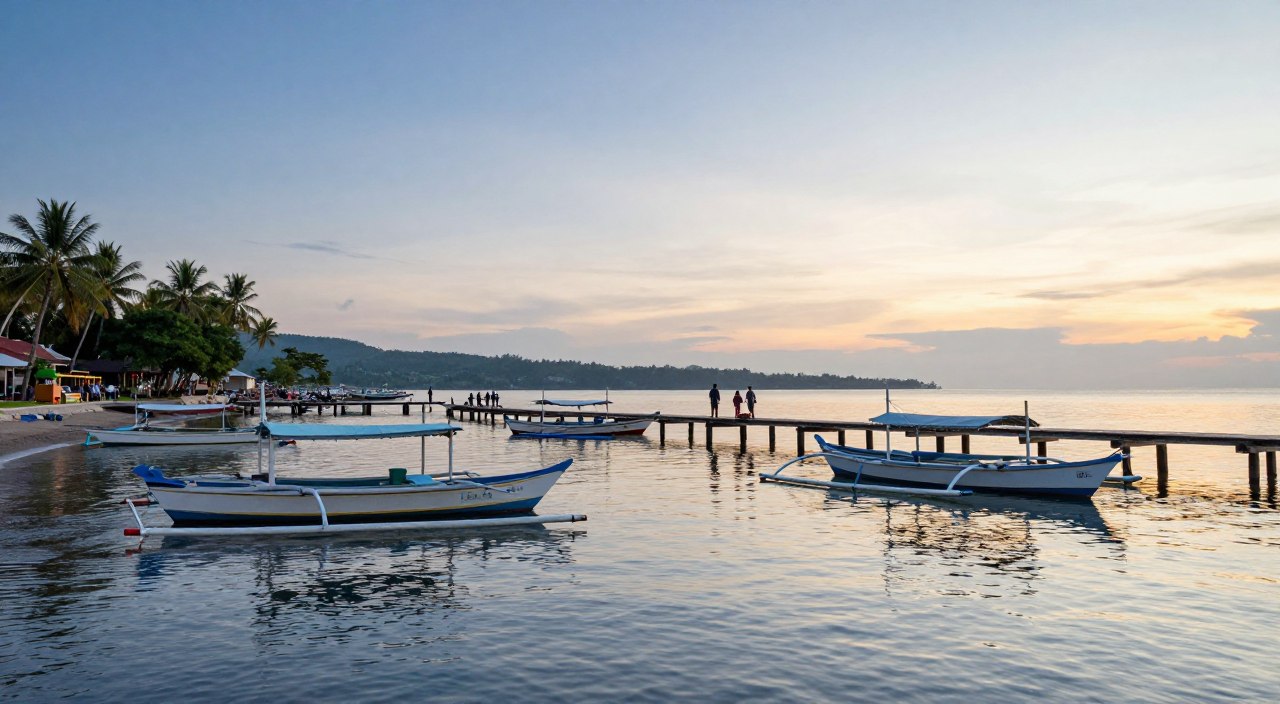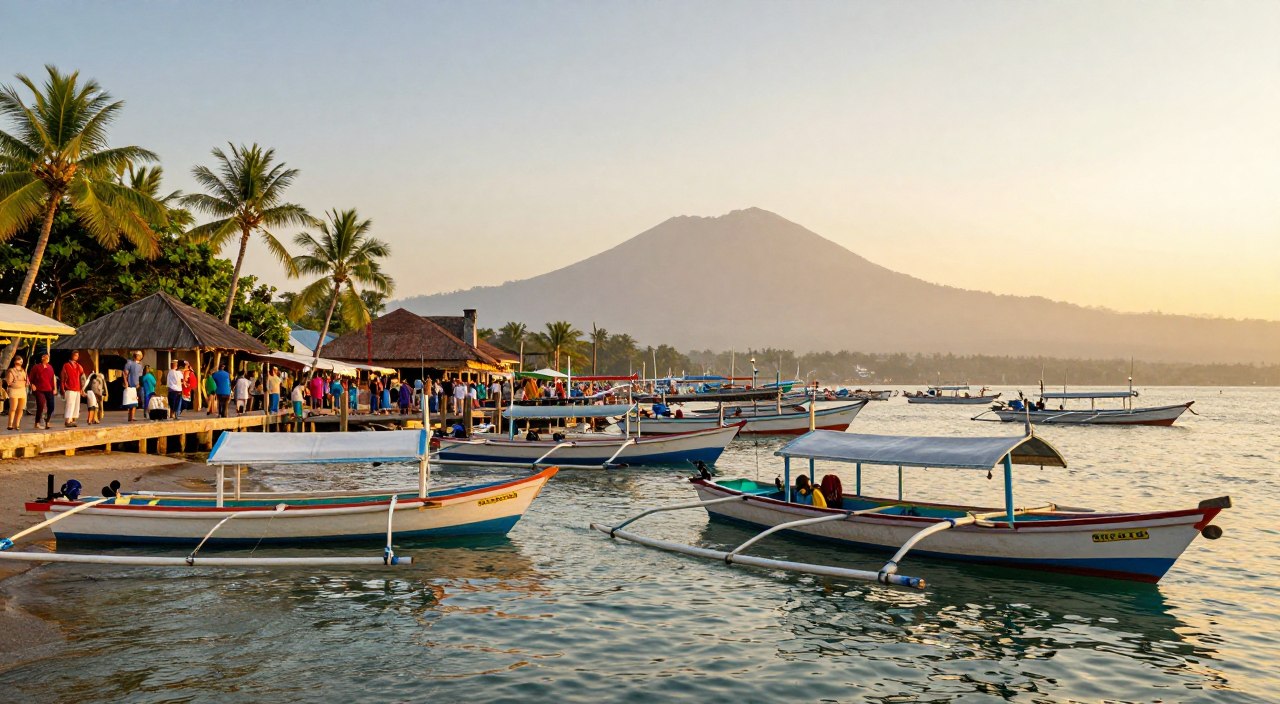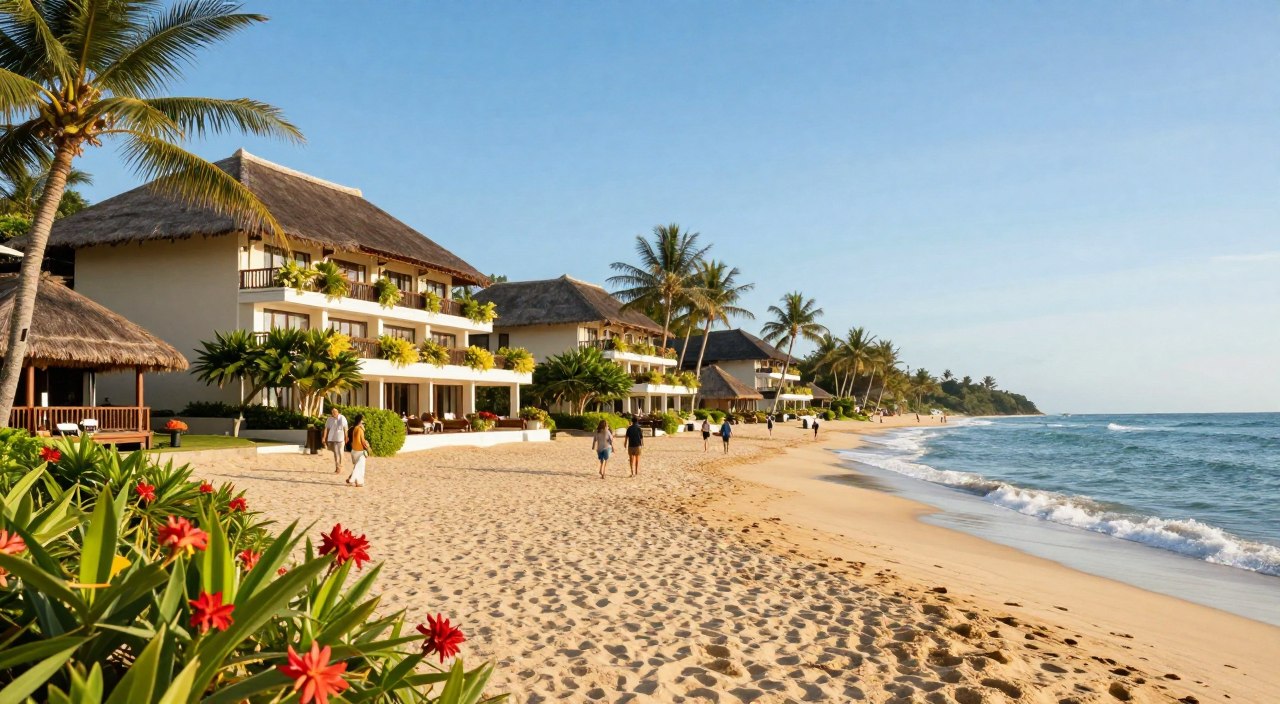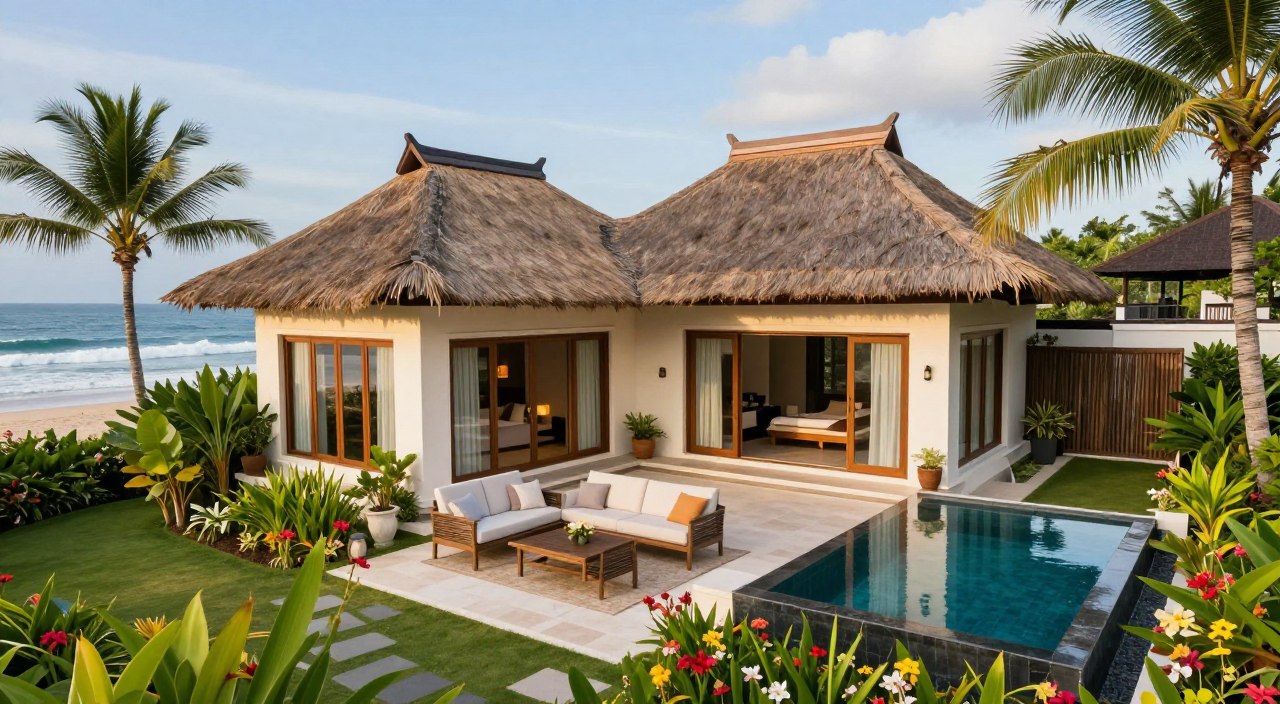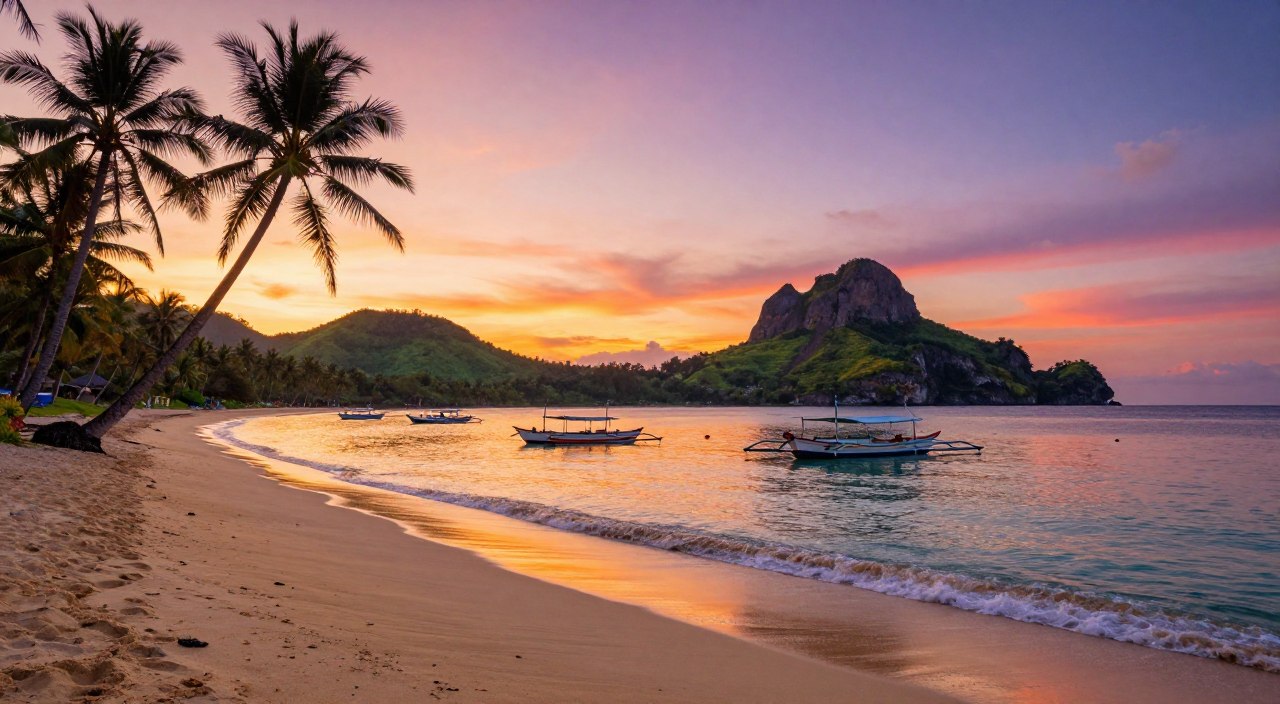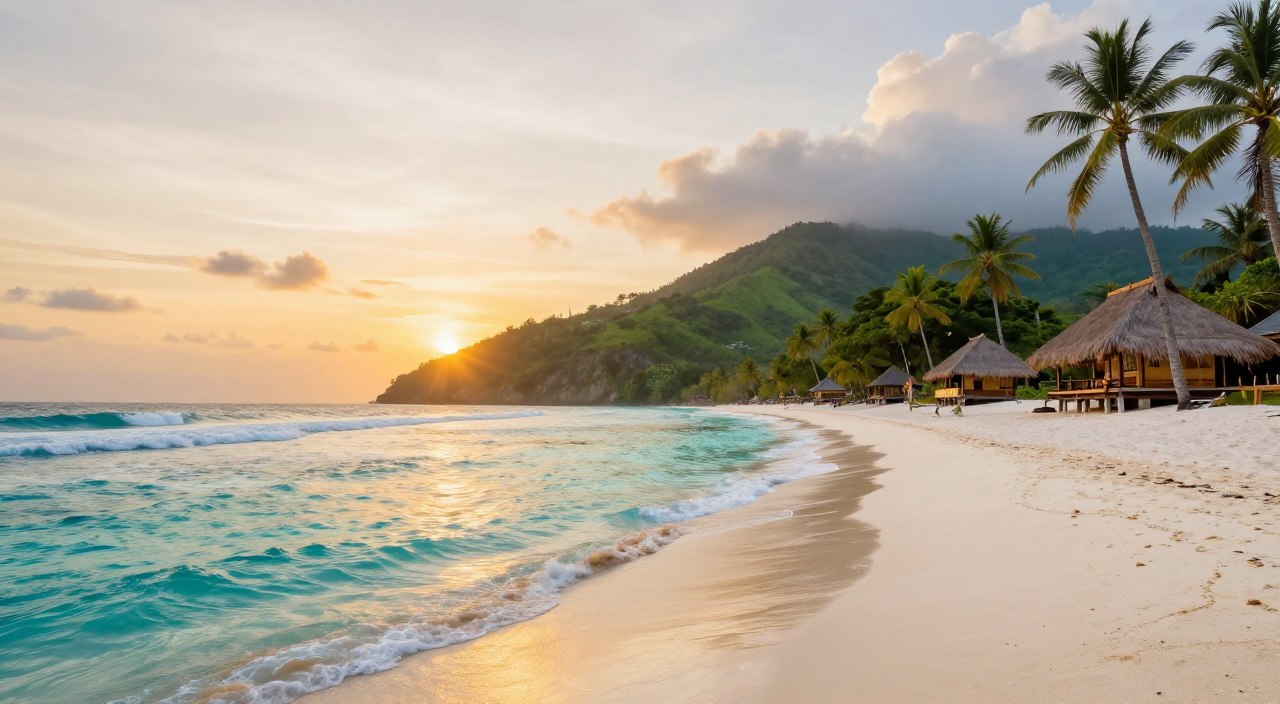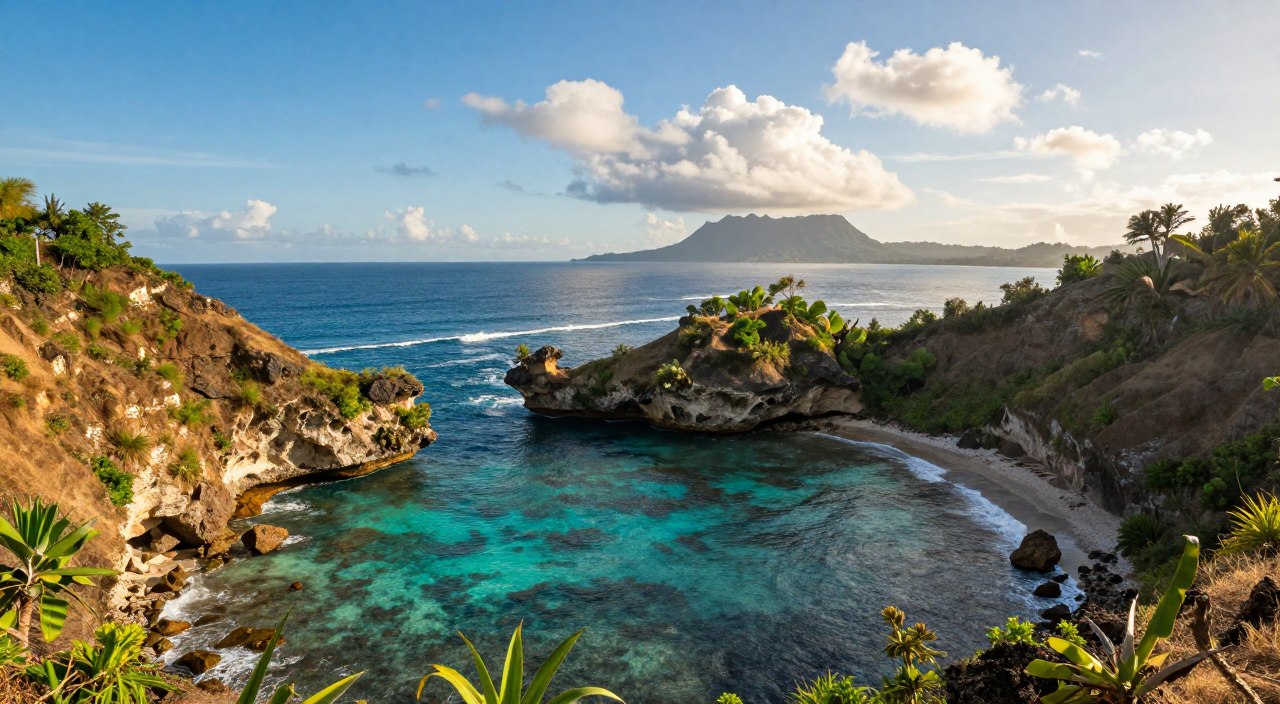
Imagine standing before a raw, powerful coastline. The Indian Ocean crashes against a rugged reef here. This is Lombok Desert Point. It’s a spot that speaks to the soul of any Aussie traveller looking for adventure and beauty.
The landscape is breathtakingly stark. Golden, windswept cliffs frame a turquoise sea. This creates a dramatic contrast. It’s a place that feels both remote and alive, with the roar of waves as the only soundtrack.
Lombok Desert Point is known as one of Indonesia’s top surfing spots. It offers more than just epic waves. Our guide will show you how to score the perfect barrel and connect with the local Sasak culture. Get ready to plan your ultimate escape.
Key Takeaways
- Lombok Desert Point is a world-class reef break famous for its long, powerful left-hand waves.
- The setting offers a unique, stark coastal beauty distinct from other Indonesian islands.
- It’s a destination that caters to experienced surfers seeking a challenging and rewarding ride.
- The local area provides authentic cultural experiences with the indigenous Sasak people.
- Planning your visit involves understanding the seasonal swell patterns for the best conditions.
- Accommodation and amenities are available nearby, ranging from simple losmen to more comfortable stays.
- This spot represents the perfect blend of intense surf adventure and deep cultural immersion.
Introduction to Lombok Desert Point
Lombok Desert Point is on Lombok’s southwestern tip. It has arid hills that drop into the Indian Ocean. This place is not your usual tropical paradise. It’s a raw, mystical spot.
Surfers call it Bangko-Bangko. This name shows its legendary status.
Overview of Desert Point
Desert Point is a natural wonder. It has dry hills like a desert and a vibrant coral reef. This reef creates a perfect left-hand wave.
The contrast is amazing. You see dry earth and the deep blue ocean.
This setup makes the famous wave. Swells from the Indian Ocean hit the reef and create thick, hollow barrels. For surfers, it’s a dream. For others, it’s a powerful display of nature.
Historical Significance
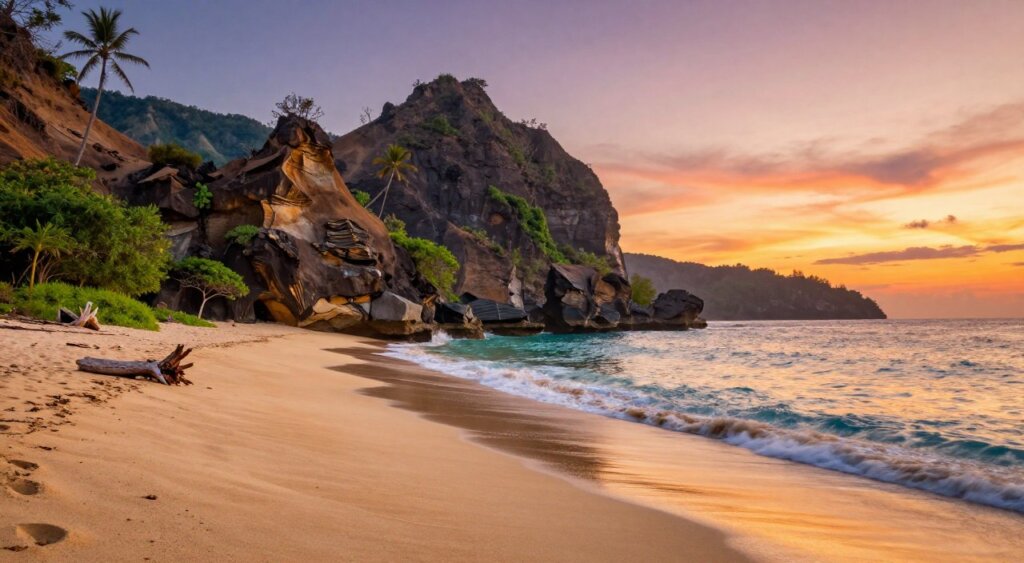
The history of Lombok Desert Point is tied to surf exploration. International surfers, including Australians, found this wave in the late 1970s and early 1980s. The news of the incredible left-hand barrel spread fast.
It became a legendary spot. Surf magazines and films helped make it famous. Today, it’s a sacred place in surf lore.
Why Visit Desert Point?
So, why visit this isolated spot? The answer is simple: for an unforgettable experience. It has some of the best waves in Lombok, maybe the whole Indonesian archipelago. When conditions are right, the wave offers long, powerful rides.
Its rugged isolation is also a big draw. You won’t find crowded resorts or noisy beach clubs here. The vibe is peaceful, focused on the ocean. It’s a place to disconnect and enjoy nature’s beauty.
Lastly, Lombok Desert Point attracts more than surfers. Photographers, hikers, and those who love dramatic scenery will find it captivating. The sunsets are stunning, and the sound of waves is soothing.
Visiting is about seeing a natural wonder. It’s about feeling the energy of a place that has drawn adventurers for generations. Whether you’re a seasoned surfer or a curious traveller, Desert Point leaves a lasting impression.
Location and Accessibility
Aussie surfers dreaming of Desert Point’s perfect barrels start with a flight to Lombok’s regional airports. This world-class wave is on Lombok’s remote southwestern coast, in Indonesia’s West Nusa Tenggara province. It’s isolated but accessible with planning.
Knowing your travel options is key to a smooth trip. This guide helps you understand routes from Australia, ground travel, and key landmarks. It makes arriving easier.
How to Reach Lombok Desert Point
Australian travellers usually fly to Bali’s Ngurah Rai International Airport (DPS) first. Then, a short connecting flight takes you to Lombok.
Lombok has two main airports for the southern region near Desert Point. Pongtiku Airport (TTR) is in Taliwang, about 16 miles (26 km) west of the surf break. Andi Jemma Airport (MXB) in Mataram is roughly 41 miles (66 km) to the north-northeast.
Flights from Bali to these airports are frequent. Local carriers operate them. After landing, you’ll need to travel by road. The drive from Pongtiku Airport is shorter but adventurous. The route from Andi Jemma is longer but on better highways.
Transportation Options
After landing in Lombok, you have several ways to reach Desert Point. The road network in South Lombok is getting better. But the last section to the point is often an unsealed track, best for robust vehicles.
Hiring a private driver with a 4WD vehicle is the most popular choice. Drivers know the route and can handle the rough track. You can book this service online or at the airport.
For independence, renting a car or motorbike is possible. A high-clearance vehicle is recommended. Be ready for basic navigation, as signposting is minimal. Local bemos (minivans) are a budget-friendly option, but they don’t go directly to the point. You’ll likely need to get off at the nearest main road and walk or find an ojek (motorcycle taxi) for the last few kilometres.
| Option | Best For | Approx. Travel Time (from TTR) | Approx. Cost (AUD) |
|---|---|---|---|
| Private 4WD Driver | Convenience, groups, first-timers | 45 – 60 minutes | $50 – $80 |
| Hire Car (4WD) | Independence, flexibility | 45 – 60 minutes | $40 – $60 per day |
| Motorbike Hire | Solo travellers, budget, easy parking | 60 – 75 minutes | $10 – $15 per day |
| Local Bemo + Ojek | Ultra-budget, local experience | 90+ minutes | $5 – $10 |
Nearby Landmarks
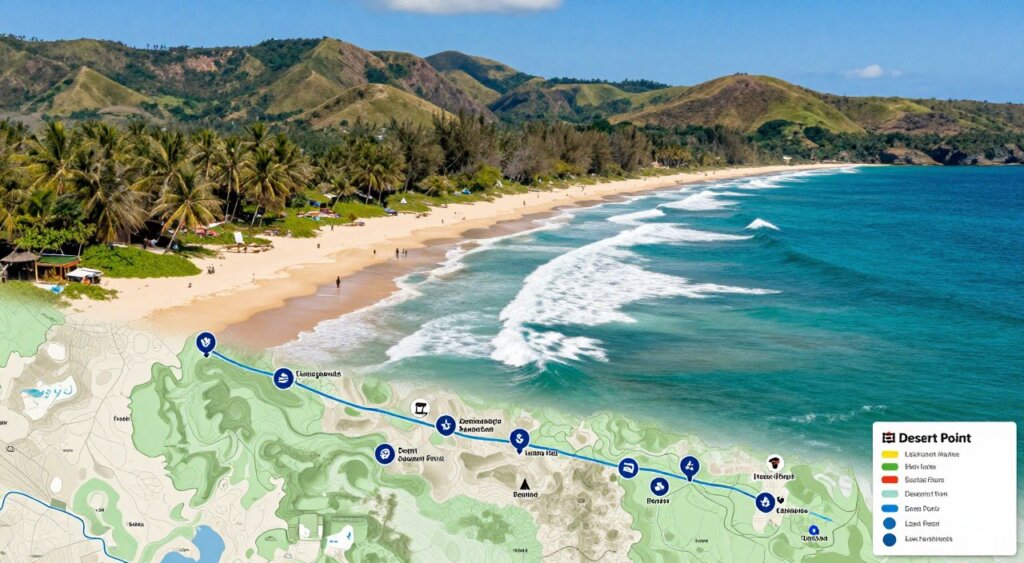
Knowing key landmarks helps with orientation. The area is part of South Lombok’s stunning coastline. The bustling tourist hub of Kuta Lombok (not to be confused with Kuta in Bali) is to the east. It’s great for supplies, accommodation, or a meal before or after surfing.
Other notable spots include Mawun Beach and Selong Belanak Beach. They’re popular for swimming and relaxation along the southern coast. When looking at a map of Lombok surf breaks, Desert Point stands out on the far southwestern tip. Its isolation is its charm, but knowing nearby areas helps.
Always check your route with your driver or a local. A reliable map or offline digital map is essential for exploring this stunning region.
Geographical Features
Lombok Desert Point is where earth, wind, and sea meet. It’s not a desert like you might think. Instead, it’s a place where dry land meets a stunning coastline. This mix creates amazing surf and exploration opportunities.
The Landscapes of Desert Point
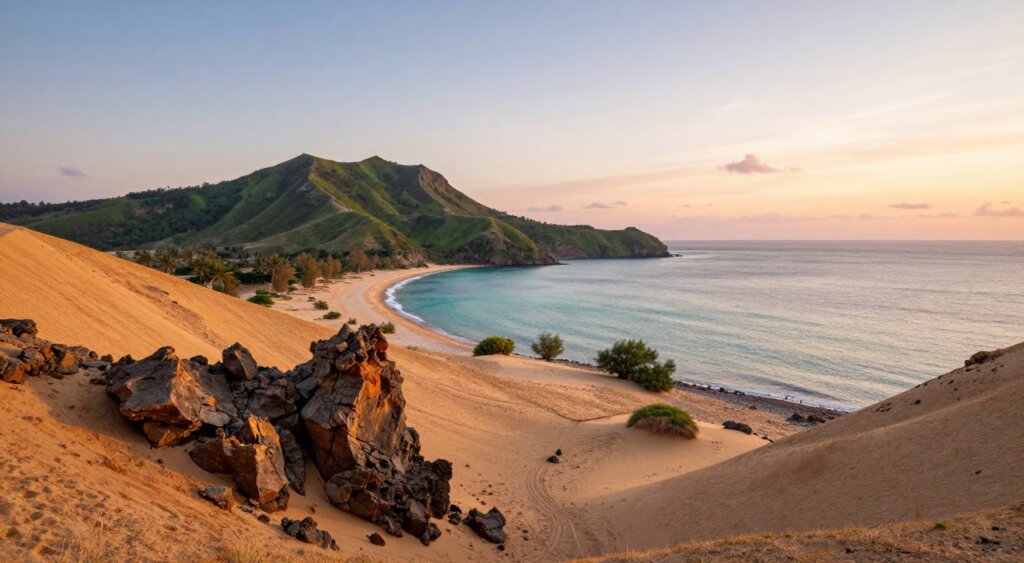
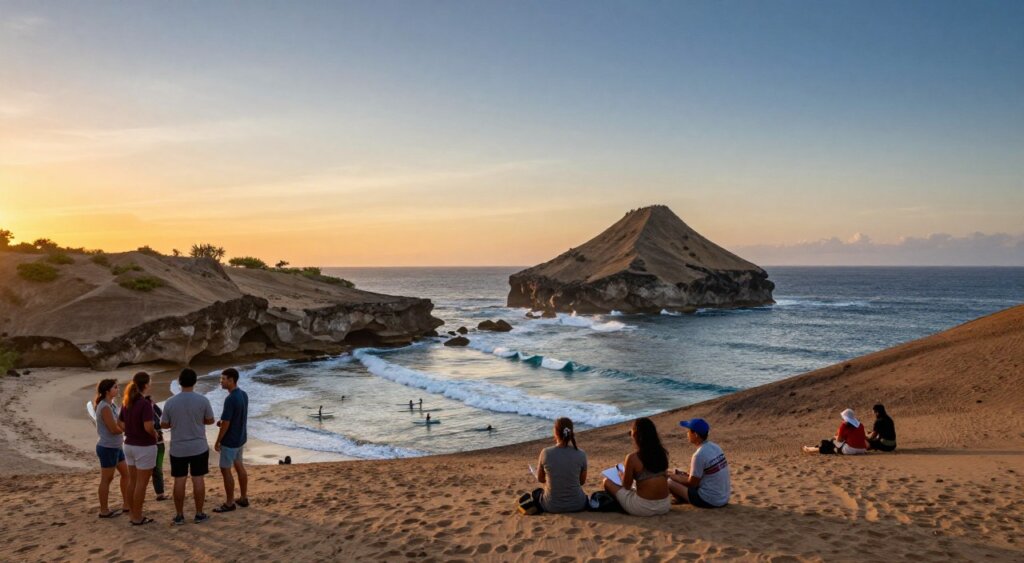
The landscape here is striking. Behind you, arid hills stretch, covered in scrub and grass. These hills shine golden in the sun. In front, the Indian Ocean stretches to the horizon, its blue waters crashing over a coral reef.
This reef is key. It shapes the famous waves at Lombok Desert Point. The reef creates a long, barreling left-hander wave. Between the hills and reef lies a pristine coastline with sand and rock.
Climate and Weather Patterns
The climate is tropical, warm and humid all year. Temperatures stay high, with little change between seasons. The dry season, from April to September, is the best time to visit.
In April, days are hot, around 32°C (89°F), and nights cool to 23°C (74°F). Humidity is high, with sunshine and clouds. Brief rain showers can happen, but they’re short.
This weather is great for beach activities and hiking. Stay hydrated and protect yourself from the sun. The ocean breeze cools you down, mainly in the afternoons.
Hiking Trails and Outdoor Activities
While surfing is the main attraction, there’s more to do. Several hiking trails offer stunning views. These walks are not too hard but give you amazing views of the coastline and reef.
Popular activities include:
- Coastal Walks: Explore the rugged shoreline at low tide to discover tidal pools and hidden coves.
- Hilltop Viewpoints: Short hikes up the nearest ridges for sunrise or sunset photography.
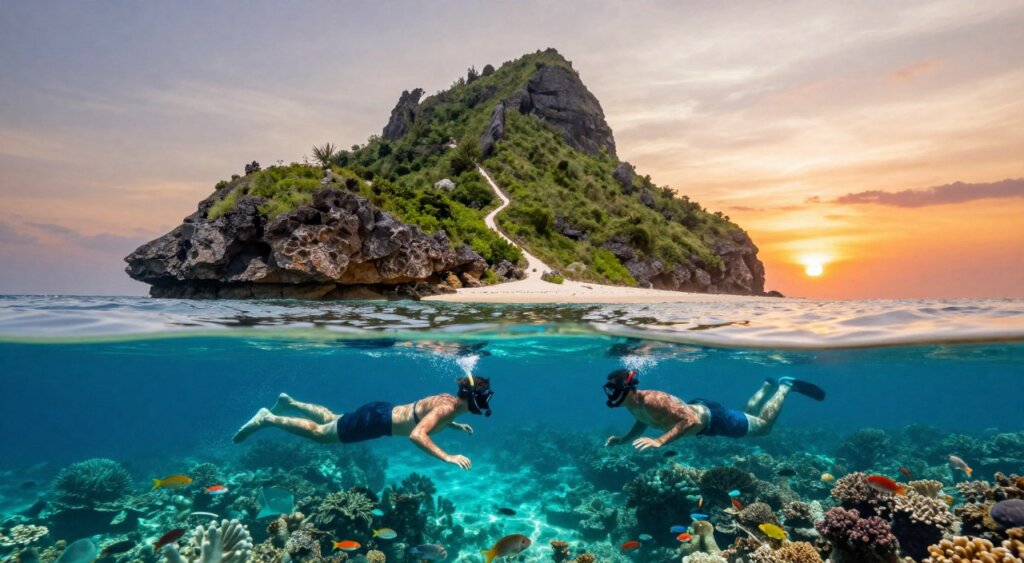
- Snorkelling: The coral reef, away from the main break, is teeming with marine life in calmer areas.
- Bird Watching: The scrubland hills are home to various native bird species.
These activities let you see the area’s beauty from different angles. You can enjoy the hills’ quiet beauty and the ocean’s power. Wear sturdy shoes for hiking and always tell someone your plans.
Surfing at Lombok Desert Point
For surfers, Lombok’s Desert Point is more than a spot; it’s a journey. This famous reef break has one of the most iconic waves in the archipelago. It’s a top Indonesia surfing destination for those with serious skills.
Surfing Conditions and Best Times to Visit
The wave at Desert Point is a long, tubing left-hander. It can run for hundreds of metres. Breaking over a sharp coral reef, it creates hollow, fast sections that are legendary.
The best time to surf lombok here is from April to September. This period has consistent southwest swells and offshore easterly winds. The water is warm all year, around 29-30°C.
Checking a detailed desert point surf forecast is essential. Use Windy.app to see forecasts. For example, a good day might have wave heights of 1.2 to 2 metres and gusts of 8.2 m/s. These conditions mean powerful waves for experienced surfers.
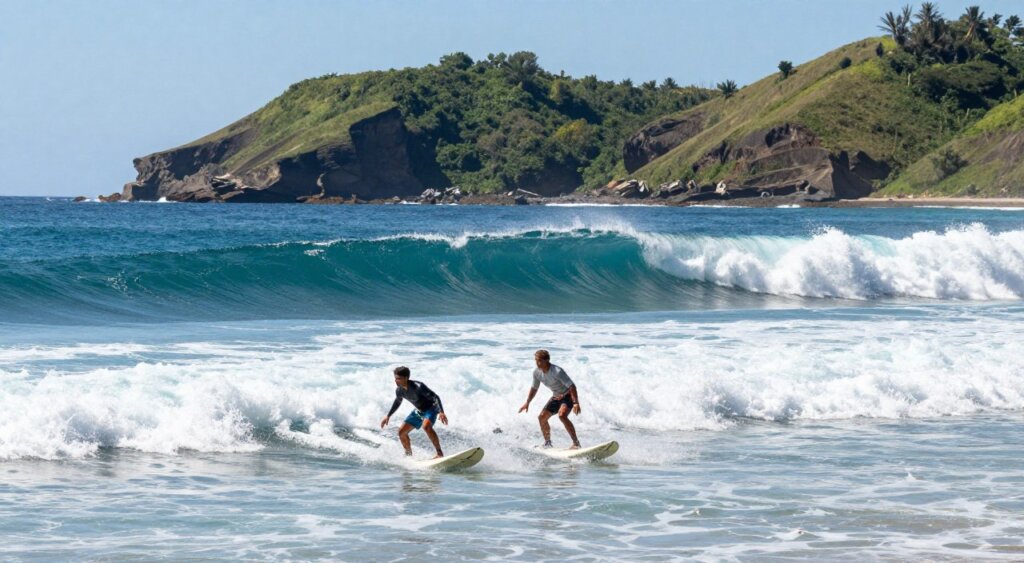
Remember, forecasts say “experience required” for a reason. This wave is not for beginners or even intermediate surfers.
Popular Surf Spots Within Desert Point
While the main point is famous, there are other sections. Each offers a unique experience on the same swell. Knowing these surf breaks in lombok helps you find the best spot in the lineup.
| Spot Name | Wave Type | Skill Level | Best Tide |
|---|---|---|---|
| The Point | The legendary long, tubing left. Very fast and hollow. | Expert only | Mid to high tide |
| Inside Sections | Shorter, more manageable lefts. Can be slightly less intense. | Advanced | All tides |
| The Bowl | A heavier section that pitches sharply. Offers a thick, powerful barrel. | Expert only | Low to mid tide |
| The Channel | Not a riding spot. This is the deep-water channel used for paddling out. | N/A | N/A |
Most surfers aim for The Point. The Inside Sections offer a less daunting option when the swell is huge.
Tips for Surfers
Respecting the wave and locals is key for a great experience. Here are important tips for surfing here.
- Skill Level: This is experts only territory. You need strong paddling, expert wave reading, and comfort in heavy waves.
- Local Etiquette: The lineup can be competitive. Wait your turn, don’t drop in, and respect the locals.
- Reef Safety: You’re surfing over sharp coral. Wear reef booties and have a first aid kit for cuts.
- Essential Gear: Bring a good surfboard for bigger waves. A strong leash is key. Don’t forget suncream, water, and a hat.
- Forecast & Patience: Swells can be unpredictable. Be ready to wait for the right conditions. Use reliable forecast apps and talk to locals.
If you have the skill and respect, surfing Desert Point is a highlight. It showcases Indonesia’s world-class waves.
Accommodation Options
Desert Point is remote, but there’s a wide range of places to stay nearby. Your choice of accommodation greatly affects your experience at these famous Lombok surf spots. You can pick from luxury retreats to simple surf camps, all embracing the area’s relaxed vibe.
Hotels and Resorts Near Desert Point
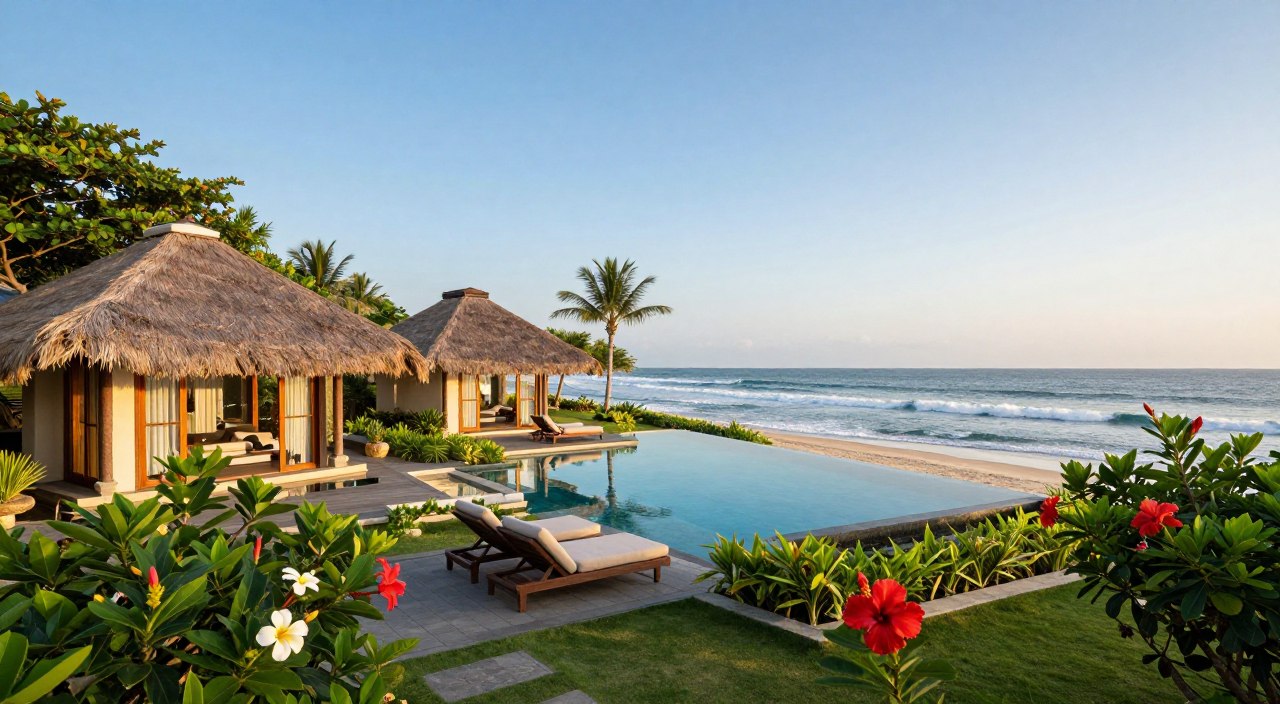
Luxury near Desert Point means being close to nature, not big hotels. A few boutique resorts are close by, with stunning views. They offer private villas, infinity pools, and great food.
Choosing this option means comfort after a day surfing. You get easy transport to the point. It’s perfect for those who want adventure and relaxation together.
Budget-Friendly Stays
For those on a budget, coastal towns like Sekotong are the best. Here, you’ll find losmen and surf camps. They’re great for meeting other surfers and planning trips.
Stays are simple but clean, with fan-cooled rooms and shared bathrooms. They’re very affordable. Many offer deals that include board rental, meals, and transport to Lombok surf spots.
Unique Accommodations
For a real Desert Point experience, try the beachfront bungalows. They’re as close as you can get to the point. Built from local materials, they offer a true nature experience.
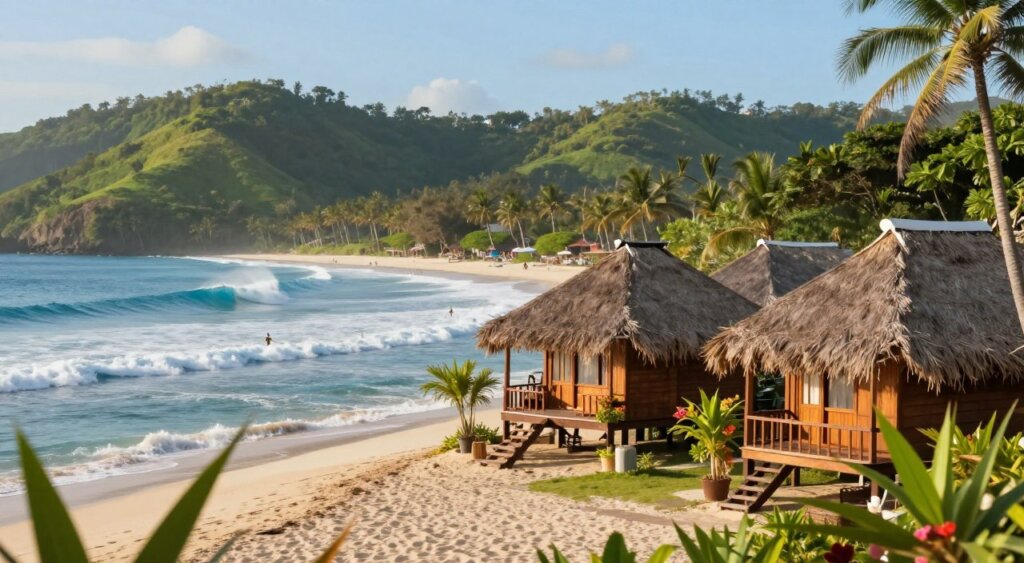
Waking up to the sound of waves is amazing. You have direct beach access. Facilities are basic, but it’s the best way to experience the area.
Whether you pick a resort, surf camp, or bungalow, the waves will shape your stay. Each option offers a unique way to see the magic of Desert Point and Lombok surf spots.
Culinary Delights
Lombok’s food scene is a taste of Sasak culture, with bold flavours like the Desert Point landscapes. After surfing or hiking, trying local dishes is an adventure. The food here uses fresh ingredients, spices, and old cooking methods.
Local Cuisine to Try
Sasak food, named after Lombok’s people, uses chilli, lime, and herbs. It’s great for Lombok Desert Point activities. Here are must-try dishes:
- Ayam Taliwang: A fiery chicken dish, marinated in chillies, garlic, and shrimp paste, then grilled. It’s served with plecing kangkung and rice.
- Plecing Kangkung: A spicy water spinach salad with a sambal made from tomatoes, chillies, and shrimp paste. It’s a side dish that’s refreshing and spicy.
- Sate Rembiga: Unlike regular satay, these are beef chunks marinated in a sweet and spicy sauce, then grilled. The flavour is deep and complex.
- Beberuk Terong: A smoky eggplant salad, with grilled eggplant mixed with a spicy tomato and chilli sambal. It’s a tasty vegetarian option.
Don’t be shy about the heat. Sambal, a chilli-based condiment, is served with almost every meal. You can ask for it on the side if you prefer.
Recommended Restaurants
Dining options around Lombok Desert Point range from simple warungs to more comfortable restaurants. For a real local taste, visit the small warungs along the coast. These family-run spots offer hearty, home-style cooking at low prices.
In the nearby town of Kuta Lombok, you’ll find a variety of restaurants. There are Ayam Taliwang houses and international cafes. You can find fresh grilled fish and open-air seating for a post-surf feast.
Food Markets and Street Eats
Visit a traditional market to see where locals shop and eat. Mandalika has morning markets with fresh fruit, vegetables, and homemade snacks. It’s a lively, sensory experience.
Street food is everywhere and delicious. Look for vendors selling Pelecing, Bakso, or sweet treats like Kue Putu. Fresh coconut water is perfect for hot days.
Exploring markets and street stalls fills your belly and gives a real taste of life around Desert Point. Carry some cash, as many vendors don’t accept cards.
Cultural Experience
Lombok Desert Point is more than just waves and sand. It’s a deep dive into the island’s rich Sasak heritage. This journey turns a simple beach trip into a meaningful adventure.
The area around Desert Point is full of tradition. Visitors get a rare chance to see customs that have lasted for generations. It’s important to respect these traditions for a truly memorable visit.
Local Traditions and Customs
The Sasak people, mostly Muslim, shape life in Lombok. Their beliefs influence daily life, social interactions, and what to wear. Showing respect for these customs is greatly valued by locals.
Modesty in dress is key, even in villages near Desert Point. Wearing clothes that cover shoulders and knees is a thoughtful gesture. It shows respect for local values.
Other customs to keep in mind include:
- Using your right hand for giving, receiving, and eating.
- Offering a gentle smile and a slight nod as a common greeting.
- Removing your shoes before entering someone’s home or a local shop.
- Being discreet when taking photographs of people; always ask for permission first.
These practices are not strict rules but are considered polite. Embracing them can lead to warmer interactions.
Festivals and Events at Desert Point
Desert Point itself is a natural area, but Lombok’s cultural calendar shapes your visit. Major Indonesian holidays can impact services, transport, and business hours.
For example, during big holidays like Easter Sunday (such as April 5, 2026), some services might be reduced or closed. It’s smart to plan your trip around these dates.
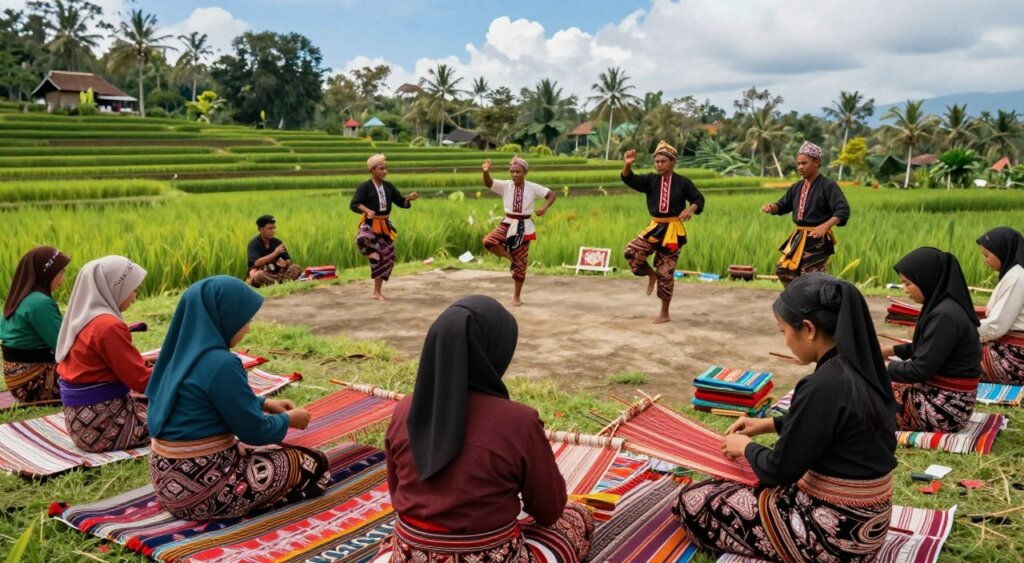
Local Sasak festivals offer a unique glimpse into the culture. These events feature traditional music, weaving, and ceremonial offerings.
Here’s a look at key dates to keep in mind:
| Event | Typical Time | What to Expect |
|---|---|---|
| Ramadan & Eid al-Fitr | Dates vary (Islamic calendar) | Days of fasting followed by huge celebrations. Some daytime eateries close; evenings are vibrant. |
| Bau Nyale Festival | February/March | A unique festival celebrating the sea worms’ spawning. Involves poetry, music, and night beach gatherings. |
| Indonesian Independence Day | 17 August | National celebrations with community games and decorations. A festive atmosphere everywhere. |
Checking the local calendar before your trip helps avoid inconvenience. It also lets you plan to see a beautiful cultural event.
Interactions with Local Communities
The journey to Desert Point often goes through small, traditional villages. These encounters are a highlight for many. Approach them with an open mind and respect.
You might see locals weaving ikat textiles or crafting pottery. Showing genuine interest can lead to interesting conversations. Many artisans are happy to share their craft.
The greatest souvenir is the memory of a shared smile and a moment of understanding.
Consider supporting the community directly. Buying snacks from a warung (small family shop) or hiring a local guide for a village walk are great ways. This ensures your tourism dollars help the people who call this place home.
Remember, you are a guest. Simple gestures of respect foster positive cultural exchange. This mutual appreciation makes the cultural experience at Lombok Desert Point unforgettable.
Health and Safety Tips
Knowing about health and safety is key for a great surfing in south lombok trip. Desert Point’s beauty comes with a need for extra care. Getting ready well helps make your trip unforgettable.
Travel Insurance Information
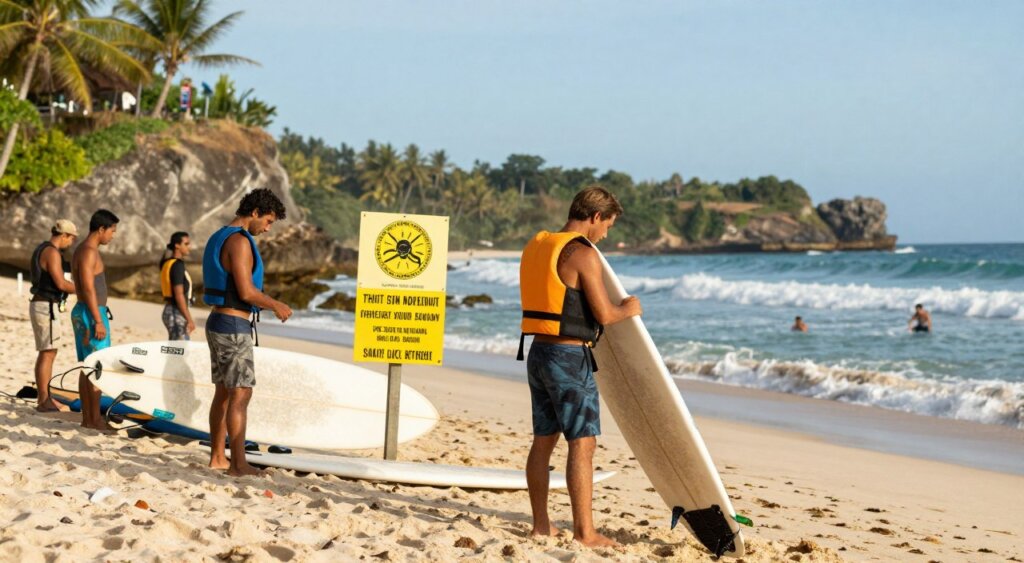
Travel insurance is a must. Regular policies might not cover surfing and water sports. You need a policy that includes these activities. Check if it covers medical costs and medical evacuation.
Getting help from a remote spot like Desert Point can be pricey. A good policy should help with transport to a hospital. Always have your insurance details and emergency contact number ready.
Safety Precautions for Tourists
The sun here is strong, and dehydration can sneak up on you. Drink lots of bottled water and use sunscreen. Wear a rash vest or long-sleeved top for extra protection.
Reef cuts are common. Carry a first-aid kit with antiseptic and bandages. Treat cuts right away to avoid infection. The area is far, with limited phone signal and basic medical help. Bring:
- A good first-aid kit.
- Enough prescription meds.
- A prepaid Indonesian SIM card for better signal.
- Cash, as ATMs are scarce.
Always tell someone where you’re going, even if alone.
Emergency Services in the Area
Knowing what’s available is important. Help at Desert Point is very basic. For minor issues, local shops or your place might help. For serious problems, you’ll need to travel.
The nearest clinic is in Sekotong. For serious care, go to Mataram. In emergencies, call your travel insurance’s 24/7 line. They can arrange help, like a private ambulance.
For police help, the nearest station is in Sekotong. Save these numbers in your phone:
- General Emergency: 112
- Police: 110
- Ambulance/Fire: 118
Being ready and self-reliant is the best safety plan. It lets you enjoy surfing in south lombok fully, worry-free.
Eco-Tourism and Conservation
Eco-tourism at Lombok Desert Point is more than a trend; it’s a must to protect its ecosystems. This famous surf spot is in a delicate coastal area where land meets sea. The health of its coral reefs, beaches, and wildlife depends on how visitors behave.
By choosing sustainable travel, we help keep this place pristine for future surfers and nature lovers.
Environmental Initiatives at Desert Point
Local communities and surfers are leading the fight to protect Lombok Desert Point. They run grassroots projects to keep the area natural. Beach clean-ups are often organised by surf clubs and village councils.
These clean-ups remove plastic and fishing debris to protect marine life.
Another project is monitoring and restoring coral reefs. Volunteers check reef health and sometimes replant coral. This helps keep the underwater gardens healthy, which supports the coast and fisheries.
Water conservation is also key. Some places use rainwater harvesting systems.
| Initiative Name | Lead Organisation | Primary Impact Area |
|---|---|---|
| Desert Point Beach Clean | Local Surf Association | Shoreline & Marine Debris Removal |
| Coral Watch Program | Community Marine Group | Reef Health Monitoring & Restoration |
| Water Wise Lombok | Eco-Lodge Network | Freshwater Conservation & Education |
| Plastic-Free Coastline Pledge | Village Tourism Board | Waste Reduction & Visitor Awareness |
Responsible Travel Practices
Every visitor can help by making simple, mindful choices. These actions reduce your impact and support local conservation.
- Pack It In, Pack It Out: Always take your rubbish with you. There are no formal waste services, so carry out what you bring in.
- Choose Reef-Safe Sunscreen: Regular sunscreen can harm coral. Use mineral-based, non-nano zinc oxide formulas instead.
- Minimise Water Usage: Freshwater is precious. Take shorter showers and reuse towels when you can.
- Respect All Wildlife: Keep a safe distance from animals. Don’t feed fish or disturb nesting sites on the beach.
- Stay on Designated Paths: This prevents erosion and protects the dune vegetation.
Wildlife and Nature Conservation Efforts
The area around Lombok Desert Point is home to many species. Sea turtles sometimes nest on remote beaches. Local groups protect these nests from predators and disturbance.
If you see a turtle, keep your distance and avoid bright lights at night.
Coral reefs are vital to the marine environment. Conservation efforts teach divers and snorkellers to avoid touching coral. Fishing rules are in place to prevent overfishing. Choose tour operators with eco-certifications to support these efforts.
On land, the coastal scrub is home to birds and reptiles. Remember, look but don’t touch. By being careful, you help preserve the natural beauty of Lombok Desert Point.
Activities for Adventure Seekers
South Lombok is more than just surfing. It’s a place of underwater wonders and untamed trails. Surfers love the best waves in lombok, but there’s more for those who prefer land or sea.
Snorkelling and Diving Opportunities
The coral reefs along the coast are amazing. Just a short swim from beaches, you’ll see tropical fish. Diving trips take you deeper to see turtles, reef sharks, and manta rays.
Local guides offer tours and gear for beginners. The water is clear, making every dive a visual treat. It’s a great way to see the marine life that makes surfing here so good.
Hiking and Exploring Hidden Beaches
Get ready for coastal trekking. The hills around Desert Point have trails with stunning views. These paths lead to secret coves and beaches.
Discovering these beaches is like finding a hidden paradise. You might find a quiet spot for the day, with interesting rocks and pools. Always tell someone where you’re going, carry water, and wear good shoes.
Other Outdoor Adventures
There’s more to do than just surf. Kayaking or paddleboarding lets you explore the coast at your own pace. You can also go on a guided trek through villages and farmland.
South Lombok has something for everyone, not just surfers. Whether you’re waiting for waves or prefer other activities, there’s always something to do.
| Activity | Best Location | Ideal Time | Skill Level | Key Highlight |
|---|---|---|---|---|
| Snorkelling | Protected Reefs near the Point | Dry Season (Apr-Oct) | Beginner | Vibrant coral & fish life close to shore |
| Coastal Hiking | Cliff-top trails south of the bay | Early Morning or Late Afternoon | Intermediate | Panoramic views & access to secret beaches |
| Ocean Kayaking | Calm bays along the coast | When winds are light | Beginner to Intermediate | Explore sea caves and coastline |
| Village & Farm Trek | Inland paths from Sekotong | Cooler morning hours | Easy | Cultural immersion and scenic landscapes |
| Surfing | Desert Point reef break | Swell season | Advanced | Riding the best waves in lombok |
The table shows there’s something for everyone. From easy paddles to tough hikes, each activity offers a unique view of Indonesia. Bring your sense of adventure and your surf gear—you’ll need it.
Family-Friendly Activities
Planning a family holiday to Lombok’s west coast is exciting. You’ll find sheltered bays, interactive villages, and scenic picnic spots for all ages. While Desert Point is great for surfers, the area is perfect for families too. You can enjoy watching the waves and then explore fun activities for kids.
Kid-Friendly Attractions
For kids, finding calm waters is key. Several beautiful beaches near Desert Point offer just that. Are Guling Beach has a long sandy shore with gentle waves, perfect for paddling and building sandcastles.
Selong Belanak is another favourite for families. Its wide bay has shallow, calm water. It’s great for beginners or just for fun. Local surf schools offer lessons on soft-top boards.
Visiting a turtle hatchery is also a great idea. Conservation projects along the coast let kids learn about turtles and sometimes even release hatchlings. It’s a memorable experience.
Educational Experiences
Lombok’s Sasak culture offers hands-on learning. Visiting a village like Sade or Ende is more than a tour. Kids can see how traditional textiles are made.
Many villages also show pottery making with ancient techniques. Kids love trying to shape clay. These visits support local artisans and connect kids to the island’s heritage.
The Rinjani National Park information centres offer natural history lessons. While the summit trek is for adults, the centres have displays for kids.
Best Spots for Family Picnics
Enjoy a meal with a view at one of Lombok’s scenic spots. Tanjung Aan beach has grassy knolls for a perfect shaded area for picnics.
Mawun Beach is another great choice. It’s a secluded cove with hills and calm, clear water. It’s perfect for a swim after lunch.
Some warungs at Selong Belanak rent out loungers and umbrellas. You can order fresh grilled fish and coconut drinks. It’s a relaxed picnic experience.
Remember to bring water, sunscreen, and take all your rubbish. This keeps these beautiful spots clean for others to enjoy.
Photography Opportunities
Photography at Lombok Desert Point is all about capturing the raw beauty of nature. It’s about the ocean, rock, and light talking to each other. It’s a place where photographers of all levels can find something special to shoot.
Best Time for Photos
The golden hours at Lombok Desert Point are truly magical. Shoot during sunrise, around 6:00 am, and sunset, at 6:04 pm. This time offers soft, warm light and long shadows that make the scene come alive.
The sun’s low angle during these hours adds depth to your photos. Midday light can be too harsh, so use that time to find the perfect spot.
Notable Photography Spots
There are many great spots around the point. The hilltop offers a panoramic view of the ocean and surfers. It’s perfect for showing the scale of the scene.
The rugged rocks and sparse vegetation of the point itself are great for minimalist shots. Don’t miss the drama of an approaching storm. The moody skies and storm light can create unforgettable images.
Tips for Capturing the Perfect Shot
To get the perfect shot, you need the right technique and gear. Your lens choice is key.
- Lens Choice: Use a telephoto lens (70-200mm or longer) to zoom in on surfers. A wide-angle lens (16-35mm) is best for landscapes.
- Use a Filter: A circular polarising filter reduces glare, deepens blues, and boosts colours.
- Protect Your Gear: Sand and salt spray can damage your camera. Use a rain cover or plastic bag near the shore. Clean your gear gently at the end of the day.
Lastly, be patient. Watch the waves and wait for the perfect moment. This is when everything comes together.
The Local Arts Scene
Looking for more than just waves? The local arts scene around Desert Point offers a peek into Sasak culture. Lombok’s creativity isn’t just in galleries. It’s in village workshops, market stalls, and community performances under the stars.
This cultural layer enriches any surf trip. It connects you with the island’s true heart.
Exploring Art Galleries and Museums
Begin your artistic journey in Mataram, Lombok’s capital, near Desert Point. The West Nusa Tenggara State Museum showcases the island’s history and traditional arts. You’ll see ancient textiles, ceremonial objects, and learn about Sasak heritage.
For modern art, look for smaller private galleries. These spaces feature paintings and sculptures by local artists. Their work often reflects Lombok’s landscapes and cultural motifs.
Upscale resorts near Desert Point also have local art collections. They display pieces in their lobbies and sometimes host exhibitions. It’s a great way to enjoy art without leaving your accommodation.
Traditional Crafts and Artisans
The heart of Lombok’s arts scene is in its artisan villages. Travel inland to see masters at work and buy unique handicrafts. Pottery is a key craft, with Banyumulek village famous for its techniques.
Artisans here make everything from cookware to decorative pieces. You can try pottery in a workshop. Lombok’s woven textiles, like those from Sukarara village, are also renowned.
Sasak women weave stunning songket fabrics on backstrap looms. These fabrics have gold and silver thread patterns. Each piece takes weeks to make. Buying directly from the weaver means your souvenir has a real story.
| Craft Type | Primary Village/Location | Key Characteristics | Best Time to Visit |
|---|---|---|---|
| Pottery | Banyumulek (near Mataram) | Hand-thrown, unique black & terracotta finishes, smoke-fired | Weekday mornings for active workshops |
| Sasak Weaving (Songket) | Sukarara (Central Lombok) | Intricate metallic thread patterns, symbolic motifs, hand-loomed | Dry season (April-October) for optimal lighting |
| Wood Carving | Masbagik (East Lombok) | Detailed relief carvings, often depicting wildlife & mythology | Any time; workshops operate year-round |
| Basket Weaving | Various coastal villages | Made from pandan & lontar leaves, functional & decorative | Early morning at local markets |
Remember to bring cash to artisan villages. Bargaining is expected but should be done respectfully. A fair price supports these precious skills.
Performance Arts and Music Festivals
Lombok’s culture comes alive through sound and movement. Traditional performances are mesmerising. The Gendang Beleq, or “big drum”, performance is a highlight. Dozens of musicians play large drums and flutes in a dynamic display.
You might also see Tari Cepung, a graceful dance with rhythmic singing. These performances are often at village ceremonies or cultural centres. Some resorts host nightly cultural shows for guests.
For a modern twist, look for local music festivals. Lombok’s festivals blend Sasak sounds with reggae, acoustic, and indie genres. These events take place in stunning outdoor settings, from beaches to rice fields.
Check local event listings or ask your accommodation about upcoming events. Attending a festival is a great way to meet locals. It adds a unique rhythm to your Desert Point adventure.
Shopping in Lombok
Looking to take home a piece of Lombok? The island’s shopping scene is full of authentic finds. It’s more than just duty-free shopping. Here, you can connect with local artisans and traditions. You might even find a Lombok surf spots map for your next adventure.
Where to Buy Souvenirs
Look for souvenirs in the island’s main shopping areas. These spots offer quality, variety, and a real local vibe.
Senggigi is a favourite for many. Its main street has boutiques and galleries with beachwear to fine art. The atmosphere is laid-back, and many speak English.
For a local feel, visit Cakranegara (Cakra) in Mataram. Mandalika Market is a maze of stalls with almost anything. It’s less touristy, so prices are better.
Don’t miss Kuta Lombok’s smaller markets. Surf shops sell maps and local accessories, great for planning your trip.
Local Handicrafts and Marketplaces
Lombok is famous for its crafts that show its culture. Knowing what to look for makes shopping more fun.
| Craft Type | Key Features | Best Places to Find |
|---|---|---|
| Handwoven Textiles (Tenun) | Intricate patterns, natural dyes, used for sarongs and scarves. | Sukarara Village, Senggigi boutiques, Cakranegara markets. |
| Pearl Jewellery | South Sea pearls farmed locally, set in silver or gold. | Specialist jewellers in Senggigi, Mataram malls. |
| Woodcarvings & Pottery | Traditional motifs, functional and decorative items. | Banyumulek Village (pottery), Penujak Village (wood). |
Visiting artisan villages is unforgettable. You can see craftspeople at work and buy directly. This ensures authenticity and a fair price for the maker.
Tips for Bargaining
Bargaining is common in Lombok’s markets and shops. It’s a way to get a fair deal and have a good interaction.
- Start with a smile and be polite. A friendly approach sets a good tone. It’s a negotiation, not a confrontation.
- Do some research first. Know an item’s value by checking a few stalls. This helps you set a realistic price.
- Begin your offer at about 50-60% of the asking price. This leaves room for the seller to counter, and for you to meet somewhere in the middle.
- Be prepared to walk away. If you can’t agree on a price, thank the seller and leave politely. Sometimes they will call you back with a better offer.
- Cash is king. Sellers are often more flexible on price if you are paying with cash, in Indonesian Rupiah.
- Know when not to haggle. Fixed-price shops, supermarkets, and restaurants generally do not entertain bargaining. It’s also considered poor form to bargain over very small amounts or for essential goods like food from a street vendor.
The goal is for both you and the seller to be happy with the deal. A successful bargain ends with a handshake and a smile, leaving you with a unique souvenir and a good story.
Conclusion: Why Lombok Desert Point is a Must-Visit Destination
Lombok Desert Point is more than a holiday spot. It’s a place where you can make lasting memories of nature and adventure.
This guide has shown you the powerful surf, untouched landscapes, and deep cultural connections here.
Recap of Main Attractions
The legendary wave at Lombok Desert Point is its main attraction. It’s a top spot for experienced surfers in Indonesia. The area’s dramatic cliffs and secluded beaches offer a stunning view. Plus, connecting with the local Sasak communities adds a unique touch to your visit.
Final Thoughts and Travel Tips
Getting ready for Lombok Desert Point is important. Bring the right gear for a remote trip. Always respect the ocean and the local environment. The dry season is the best time for surfing and exploring.
Call to Action for Travelers
Your adventure at this iconic spot is waiting. Start planning your trip to Lombok Desert Point now. Look up flights from major Australian cities. Find the right place to stay, from simple to luxury resorts. Get ready for an unforgettable journey.