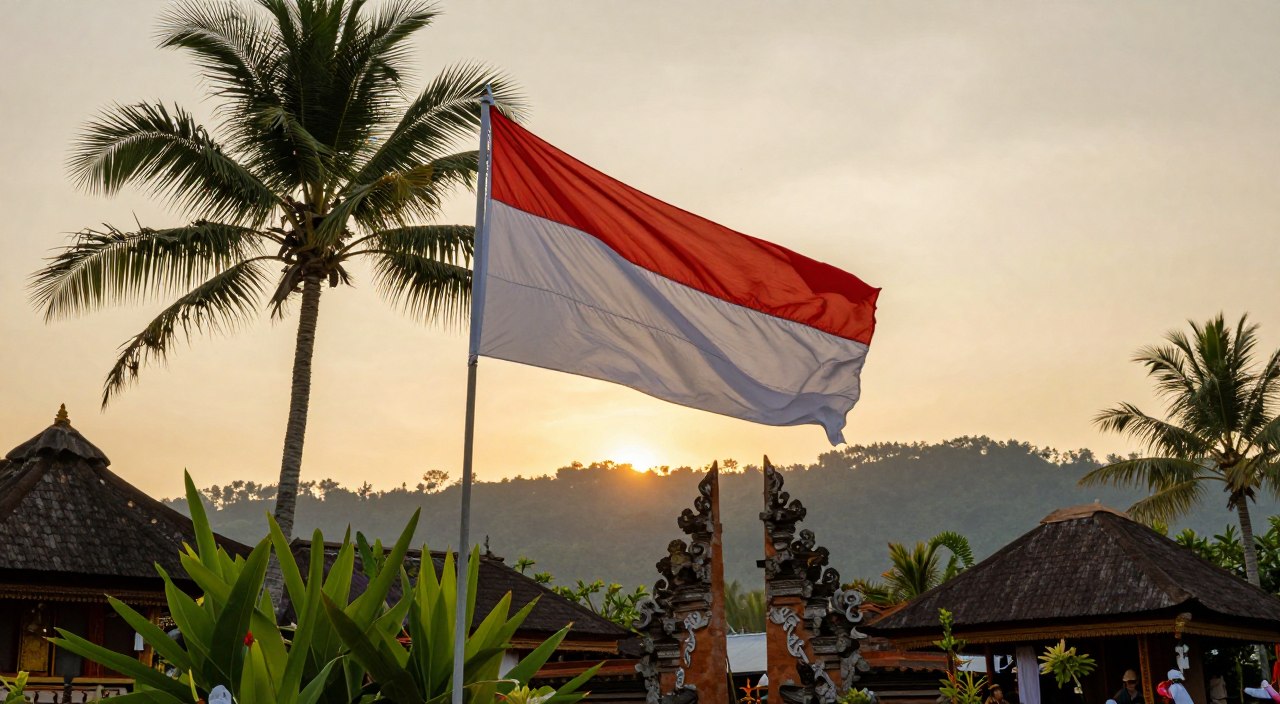
When you think of that famous Indonesian island, what comes to mind first? Is it the stunning shores or the vibrant cultural symbols? The Bali flag is one emblem many visitors might miss. Yet, it holds deep significance for the local people.
This unique banner is not the national flag of Indonesia. It is a specific symbol for the province. It is deeply woven into Balinese Hindu traditions and daily life.
Its design is visually striking. You often see it during ceremonies and public events. For Australian travellers familiar with the island as a holiday spot, understanding this standard offers a richer connection to its heritage.
Key Takeaways
- The Bali flag is a separate cultural emblem from Indonesia’s national flag.
- It represents the unique identity and Balinese Hindu heritage of the island.
- The banner’s colours and design carry specific local and spiritual meanings.
- It is prominently displayed during traditional ceremonies and festivals.
- Recognising this symbol adds a layer of cultural insight for visitors.
- It serves as a point of pride and local identity for Balinese communities.
- Understanding it helps appreciate Bali beyond its well-known tourist attractions.
The History and Significance of the Bali Flag
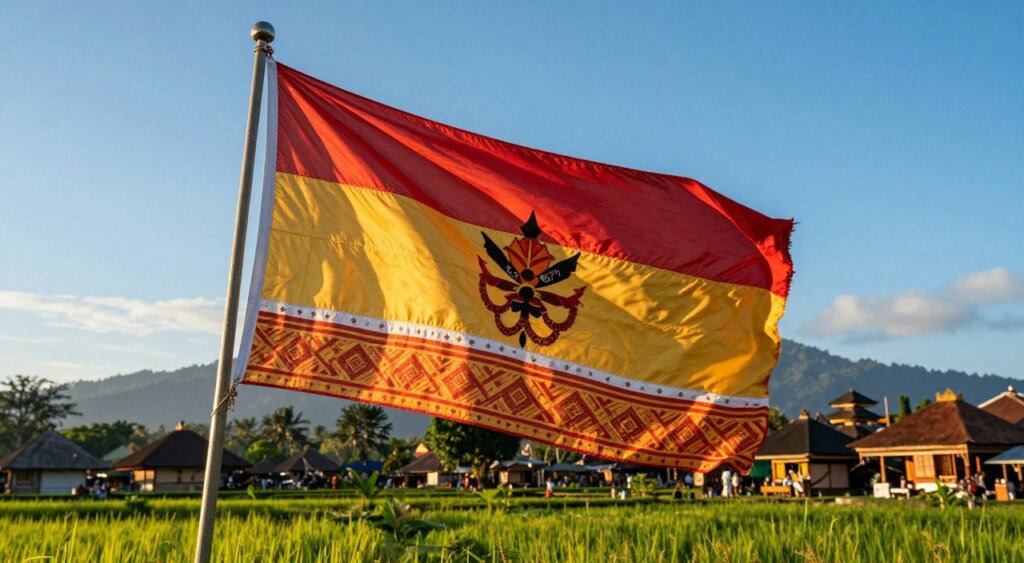
The Bali flag, known as an umbul-umbul, is more than just a piece of cloth. It holds deep historical and spiritual meaning. Its story is tied to the island’s identity, from ancient royal courts to today’s vibrant ceremonies. Understanding its significance reveals a key part of Balinese heritage.
Origins of the Bali Flag
The Bali flag history is linked to the island’s powerful Hindu kingdoms. Scholars believe it started with the Majapahit Empire’s influence. Early flags were royal standards or pataka, showing a ruler’s authority and protection.
Over time, the design and use changed. The iconic umbul-umbul—a long, vertical pennant—became common. It was used by villages and temples to mark territory and celebrate events. This shows the flag’s historical roots in governance and community spirit.
The materials and motifs of the flags tell a story. Traditional flags were made from specific textiles and featured symbols tied to Hindu-Balinese philosophy. These elements represented cosmic balance and divine blessings.
Cultural Importance in Balinese Traditions
In daily life and rituals, the Bali flag is very important. It is seen as a sacred object, or sarana bhakti, used to sanctify a space. During ceremonies, raising an umbul-umbul invites positive energies and keeps away negative ones.
Its main role is in religious and communal celebrations. You’ll see these flags during:
- Temple anniversaries (Odalan): Dozens of colourful umbul-umbul line the streets to honour the temple’s deity.
- Galungan and Kuningan: Flags are erected in front of homes and along roads to celebrate the victory of good over evil.
- Traditional ceremonies: From tooth filings to weddings, flags mark the location as blessed and protected.
This practice turns the landscape into a vibrant tapestry of faith during festivals. The flag acts as a beacon, signalling a sacred, celebratory space to both the community and the divine. For Balinese people, it is an active participant in maintaining harmony between the physical and spiritual worlds.
Understanding this cultural importance changes how visitors see these fluttering banners. They are not just decorations but essential threads in the living fabric of Balinese traditions.
The Design Elements of the Bali Flag
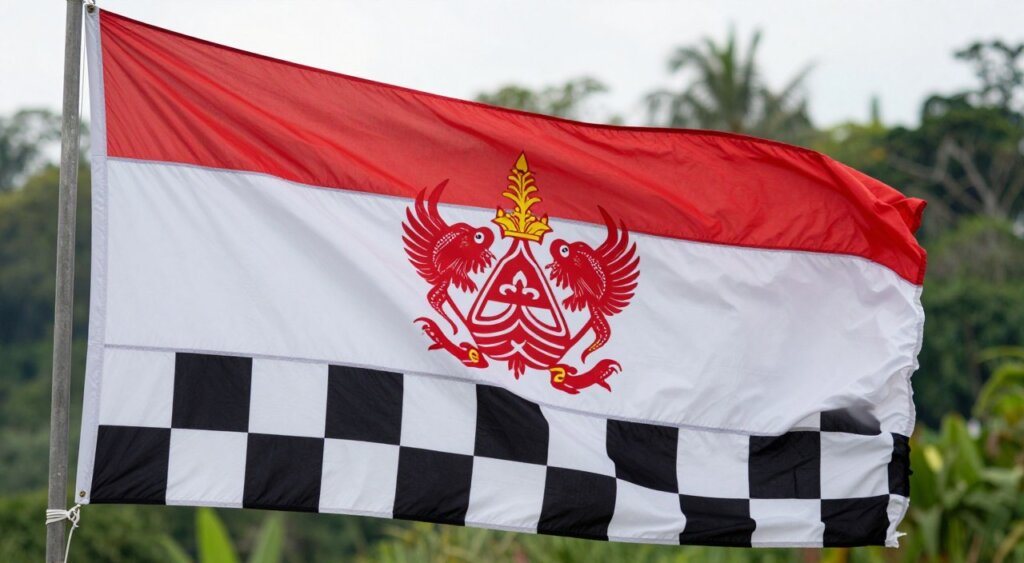
The Bali flag’s look shows the island’s unique view. It uses a special palette and sacred shapes. Unlike other flags, these ceremonial flags are spiritual guides. Every part of their bali flag design carries deep Hindu-Balinese teachings.
Colours and Their Meanings
The Bali flag’s colours have deep meanings. It often uses a mix of white, red, and black. These colours link to cosmic forces and human traits in Balinese Hinduism.
- White (Putih): It stands for purity, divinity, and the sacred. It’s about the gods (dewa) and the spiritual realm.
- Red (Barak): It means bravery, passion, and life force. It’s about humanity (manusia) and the world we live in.
- Black (Ceming): It’s about the mysterious, unknown, and protection. It’s linked to the underworld and forces of nature (bhuta kala).
This bali flag colours mix teaches Tri Hita Karana. It’s about harmony between the spiritual, human, and natural worlds. The colours show a balanced universe.
Symbolism of the Patterns
Geometric patterns are also key. The poleng pattern is iconic. It’s a black-and-white checkered design found everywhere in Bali.
The poleng pattern shows the idea of rwa bhineda. It’s about the balance of opposites. Light and dark, good and evil, are in constant balance.
Other designs include stripes and figurative patterns. These might show scenes from Hindu stories or symbols like the naga (serpent). The naga symbolises protection and fertility.
Knowing the bali flag symbolism makes the flag more than just a design. It’s a lesson in Balinese values. The flag is a powerful tool for learning and spiritual reflection.
The Bali Flag in Ceremonial Contexts
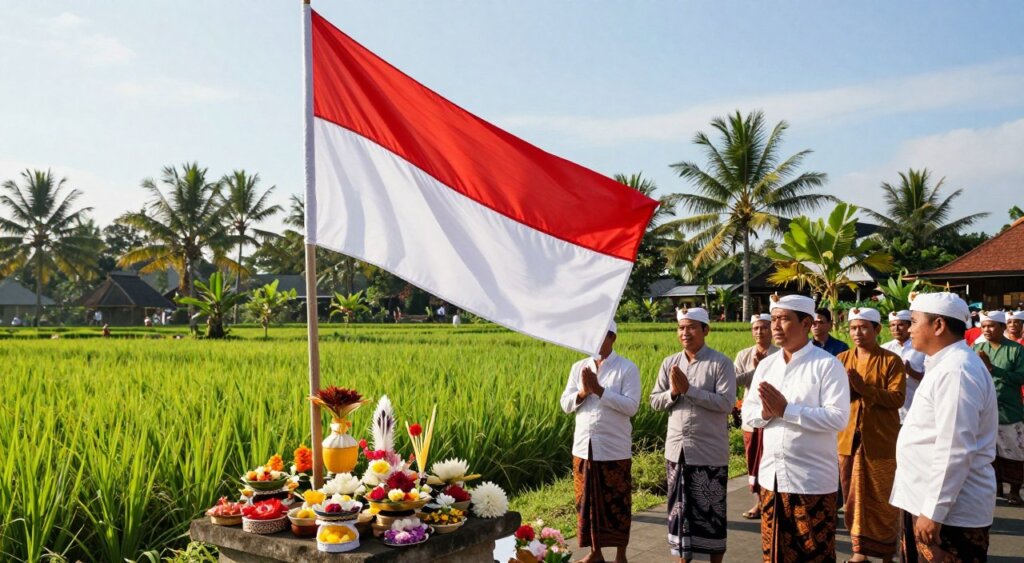
In Bali, the flag is more than just a symbol. It’s a key part of the island’s vibrant rituals and celebrations. To understand the bali flag meaning, you must see it in action. This is during sacred prayers and lively parades.
It changes from a spiritual guide to a festive decoration. This shows its deep role in daily life.
Usage in Religious Ceremonies
The flag is sacred in Balinese Hinduism. It marks the start of important temple anniversaries, called odalan. Rows of flags line the paths, creating a purified area.
In life-cycle rituals, the flag is very personal. For a tooth-filing ceremony, a special flag is used. It marks the person’s spiritual growth.
During cremation rites (ngaben), flags guide the soul. They help it find its way to the afterlife.
The colours and patterns are chosen carefully. Priests pick them based on the ceremony’s purpose. A white flag is used for purification, while a red one is for protection.
Role in Festivals and Celebrations
During community celebrations, the flag symbolises joy and identity. Galungan and Kuningan holidays are perfect examples. They celebrate good over evil and the visit of ancestral spirits.
Every household puts up a penjor with colourful flags. This turns streets into rivers of colour. It’s a beautiful sight, full of prayer and faith.
Even secular festivals use the flag’s beauty. The Bali Arts Festival in Denpasar is a great example. Troupes carry their flags, showing local pride and art.
| Context Type | Primary Function | Common Flag Colours | Typical Placement |
|---|---|---|---|
| Religious Ceremonies (e.g., Odalan, Ngaben) | Sacred boundary, spiritual guide, ritual focus | White, Yellow, Black (based on ritual purpose) | Temple courtyards, ritual pavilions, procession routes |
| Cultural Festivals (e.g., Galungan, Arts Festival) | Decorative celebration, community identity, festive atmosphere | All colours, often bright and mixed | Bamboo poles (Penjor), parade floats, street decorations |
| Life-Cycle Rituals (e.g., Tooth Filing, Wedding) | Symbolic marker of transition, personal blessing | Often white for purity, or specific colours for the individual | Family shrine, ceremony site, near the participant |
The flag’s role is amazing. In temples, it’s revered. On festival streets, it brings joy. This shows the Balinese bali flag meaning. It connects people and the divine.
Where to See the Bali Flag in Bali
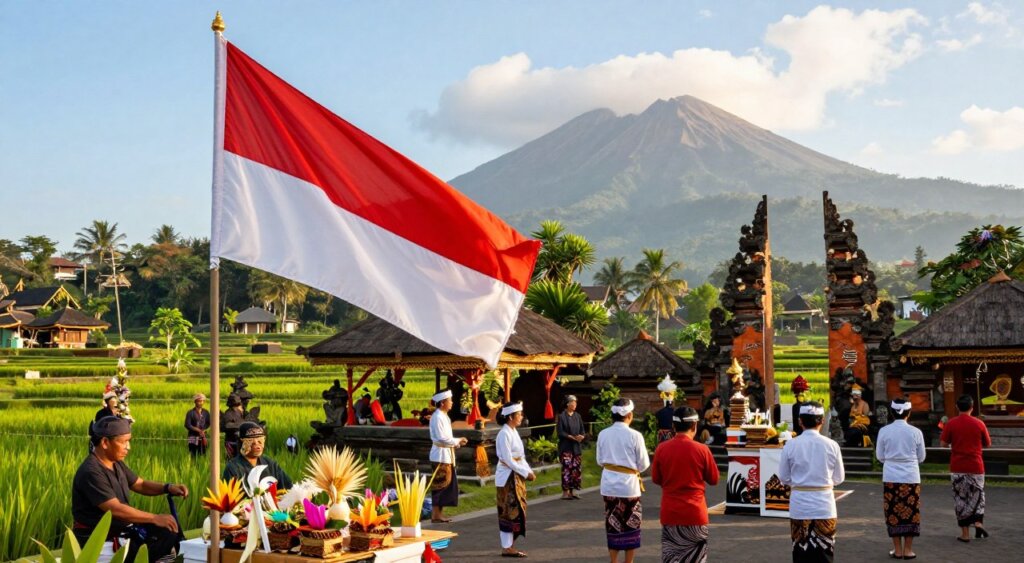
Australian visitors will find the Bali flag is more than a symbol. It’s a part of the island’s daily life. Knowing where to find these flags and how to act around them is important. This guide will show you the best spots and share essential etiquette.
Popular Locations to Experience the Flag
The Bali flag is seen in many places across the island. It’s most common at spiritual and communal sites. Keep your eyes open as you explore.
Major Temple Entrances: Grand temples like Pura Besakih (the Mother Temple) and Pura Uluwatu often display flags at their gates. These flags mark the sacred space and welcome deities during ceremonies.
Ceremonial Routes in Ubud: Walk the streets of Ubud, specially during odalan (temple anniversaries). You will see flags lining the paths of processions. They create a colourful guide for both participants and spirits.
Processions in Denpasar: The capital city hosts large-scale festivals. During events like Galungan, entire streets are adorned with flags. They wave above the crowds in a stunning display.
Traditional Compounds: Even family homes and community halls (banjar) may fly a flag during important family rituals. It shows the event’s significance to the local area.
Local Customs Surrounding the Flag
Understanding local customs is key. The Bali flag is a ritual object, not just a decoration. Respectful behaviour ensures you honour Balinese traditions.
Do Not Touch Without Permission: Avoid handling or touching the flags. They are considered charged with spiritual energy. If you need to move one, ask a local for guidance first.
Keep Flags Off the Ground: Letting a flag touch the earth is seen as deeply disrespectful. It symbolises a fall from sacred status. Always observe how locals carefully handle them.
They Are Not Mere Souvenirs: While you can buy similar flags, those used in ceremonies are not for sale. Taking a photo is usually fine, but always ask if people are in the frame.
Observe Quietly: During a ceremony, watch from a respectful distance. Do not walk between people and a flag being used in a ritual. Your quiet observation is appreciated.
| Location Type | Example Places | Best Time to Visit | Key Custom to Remember |
|---|---|---|---|
| Major Temples | Pura Besakih, Pura Uluwatu | Early morning or during temple festivals | Do not enter restricted areas marked by flags |
| Cultural Towns | Ubud streets, Denpasar city centre | During Galungan or Kuningan holidays | Observe processions from the sidewalk |
| Local Communities | Family compounds, Banjar halls | When ceremonies are announced (look for penjor) | Ask before taking close-up photographs |
| General Rule | All locations | Any time | The flag is a ritual object; treat it with reverence |
Following these tips will help you see the Bali flag in its true context. You will gain a deeper appreciation for Balinese culture. Your respectful curiosity will make the experience meaningful for everyone.
Bali Flag vs. Indonesian Flag: Key Differences
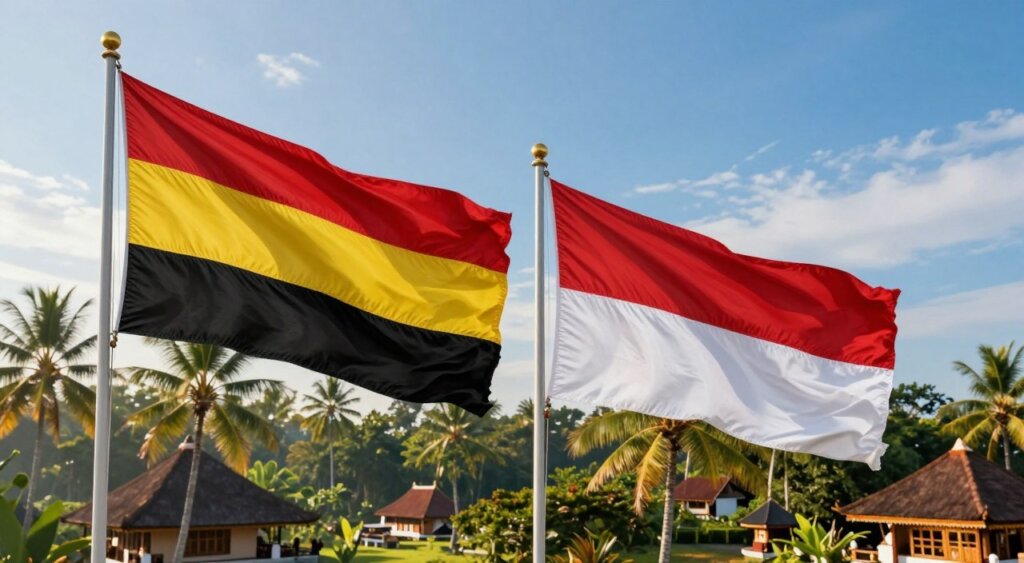
Many people confuse the Bali flags with the national flag. But these symbols have different meanings. Knowing their roles is key for anyone visiting Bali.
Design Comparisons
The Indonesian national flag, called the Sang Saka Merah-Putih, is simple. It has two horizontal bands: red on top and white below. This design is easy to spot and make.
Bali’s flags are the opposite. They are vibrant, detailed, and full of patterns. There’s no one “Bali flag,” but the ones you see are rich with colours and symbols. These flags are personal, tied to deities, families, or events.
| Feature | Indonesian Flag | Bali Flag (Typical Examples) |
|---|---|---|
| Colours | Red and White only | Multi-coloured (golds, blacks, whites, reds) |
| Pattern | Solid horizontal bands | Intricate patterns, checks, or sacred symbols |
| Design Philosophy | National unity and simplicity | Religious devotion and artistic expression |
| Common Use | Government buildings, national events | Temples, ceremonies, family compounds |
The visual difference is clear. One is a national symbol, the other a sign of faith and local identity.
Cultural Contexts
The Indonesian flag is a national and political symbol. It’s seen at government offices and during national holidays. It represents the unity of Indonesia.
Bali’s flags are different. They are primarily religious and cultural symbols. These flags are used in Hindu rituals to honour gods and mark important events. Their meaning is spiritual, not political.
This shows Bali’s unique identity within Indonesia. The red-and-white flag unites Bali with Indonesia. Bali’s flags express its Hindu culture and traditions.
Understanding this difference shows respect. It helps us see beyond decoration to a deep statement of belief and belonging.
How to Purchase a Bali Flag
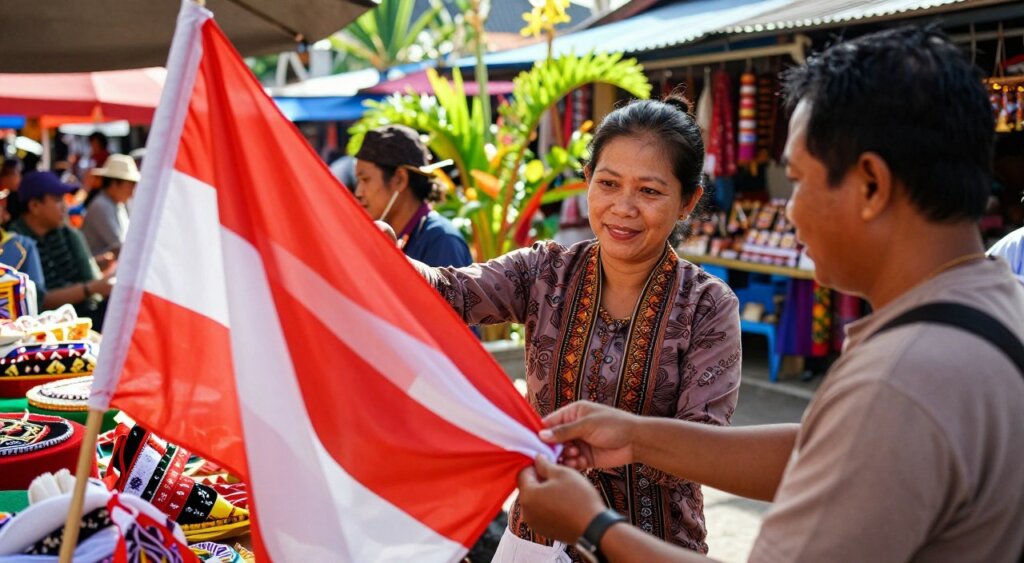
Travelers wanting a piece of Balinese heritage can buy a genuine ceremonial flag. You can find a hand-woven heirloom or a beautiful souvenir. You have two options: local markets in Bali or online retailers.
Recommended Shops in Bali
Buying a Bali flag in Bali is the best way to get one. The island’s art markets and stores offer authentic experiences.
The Sukawati Art Market is a great place to start. You’ll find many stalls with colourful textiles and flags. Remember to bargain and compare prices and quality.
In Ubud, check out the art shops along Jalan Raya Ubud or near the palace. These places sell high-quality items made by local artisans. They focus on craftsmanship, not mass production.
For specialized options, go to the textile stores in Gianyar regency. This area is famous for traditional weaving. Here, you’ll find truly authentic, hand-woven flags used in ceremonies.
When checking quality, look at the fabric weight, weave tightness, and pattern clarity. A good flag should feel substantial and have detailed patterns.
Online Options for Bali Flag Shopping
If you can’t visit Bali, you can buy a Bali flag online. Look for sellers who offer authentic items.
Global marketplaces like Etsy are great. Many Balinese artisans and small businesses sell there. Read product descriptions for terms like “handmade,” “traditional weaving,” or “ceremonial.”
Indonesian e-commerce sites like Tokopedia and Shopee also sell Bali flags. Use the term “bendera Bali” to find more. Always check seller ratings and customer reviews.
It’s important to know the difference between decorative flags and authentic ones. Authentic flags are made from natural materials and have traditional colours. Ask the seller about the item’s origin and use if unsure.
For Australian buyers, remember to include international shipping costs and delivery times when ordering online.
DIY Bali Flag: Creating Your Own
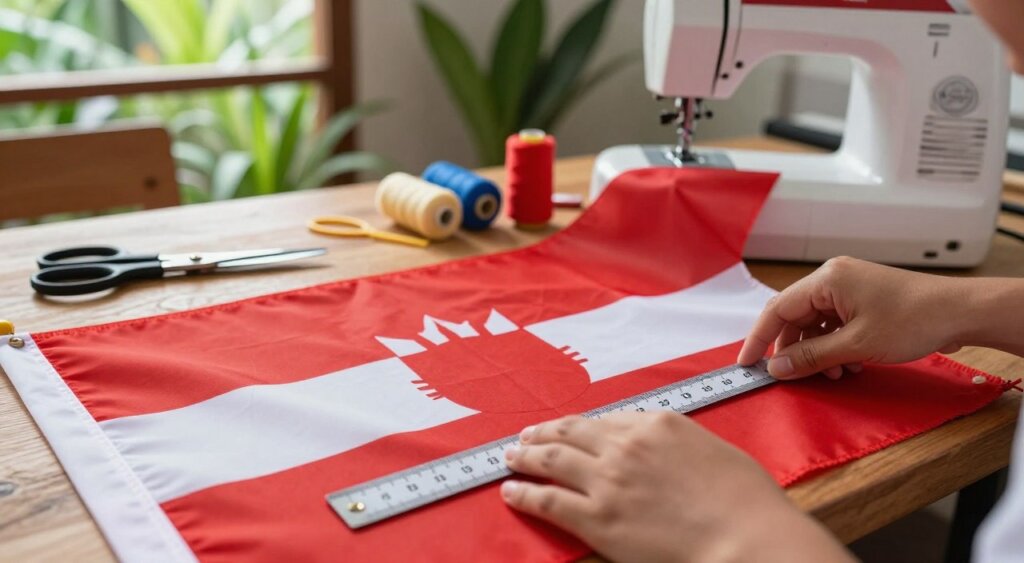
Creating a decorative Bali flag is a fun way to connect with Balinese culture. It’s about showing appreciation and creativity, not for sacred rituals. Making your own flag lets you explore traditional patterns and meanings respectfully.
Materials Needed
To make your flag feel truly Balinese, use authentic materials. You’ll need:
- Kain poleng: This traditional cloth has black and white checks, symbolising balance.
- Natural fabric dyes or non-toxic paints in black, white, and sometimes red.
- A straight, smooth wooden pole for the flagstaff.
- Fabric scissors and a reliable measuring tape.
- Several paintbrushes in different sizes for detailing.
- Strong thread or cord for attaching the fabric to the pole.
Step-by-Step Instructions
Follow these steps to make your decorative flag. Take your time to do each step carefully.
- Research Meaningful Patterns: Look at images of traditional flags. Find symbols like the kala or geometric patterns that mean something to you.
- Measure and Cut the Fabric: Measure and cut the kain poleng to your size. Use common ceremonial Bali flag dimensions, like 200cm by 80cm, for a classic look.
- Prepare Your Dyes: Mix your natural dyes or get your fabric paints ready. Have a test cloth to check the colour.
- Apply the Design: Sketch your pattern on the fabric with a pencil. Use your brushes and dyes to fill it in. Let each colour dry before adding the next to avoid smudging.
- Assemble the Flag: Once dry, attach the top edge to the wooden pole with thread or cord. Make sure it’s even so the flag hangs straight.
- Let it Set and Display: Let the flag air for a day. Now, it’s ready to be displayed in your home as cultural art.
Remember, this flag is for personal enjoyment, not for sacred rituals. It’s a great way to honour and learn about Balinese heritage through creativity.
The Bali Flag and Tourism
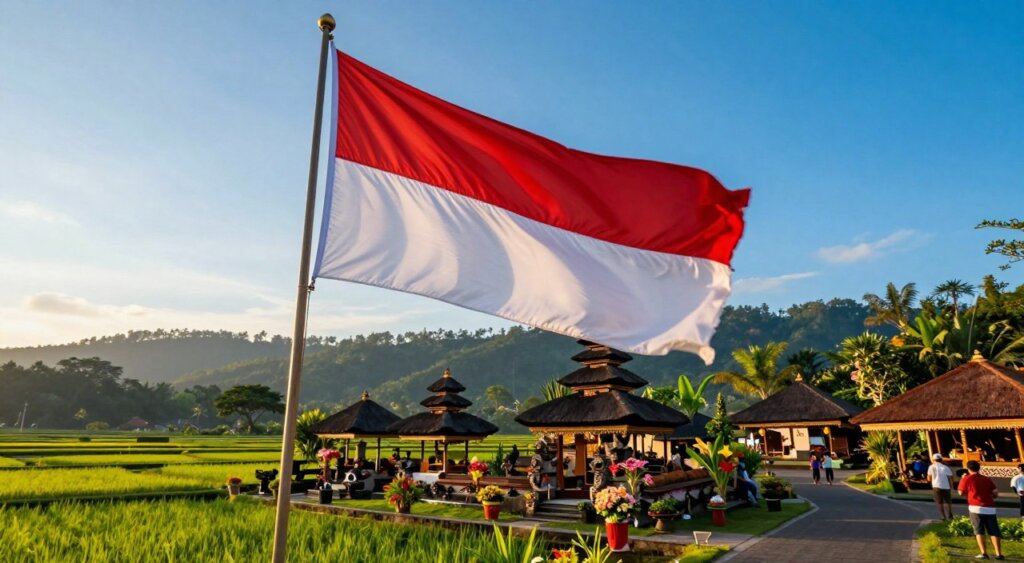
Bali’s tourism thrives on its cultural authenticity. The Bali flag is a colourful gateway for visitors. It shapes the tourist experience, from the first promotional image to the memento taken home.
Attracting Visitors to Bali
The sight of Bali flags in the tropical breeze is a powerful marketing tool. Travel brochures, websites, and social media are filled with these images. They show a destination rich in tradition and vibrant life.
This branding makes Bali stand out in a crowded market. The flags create an atmosphere of exotic celebration. They appeal to travellers seeking an authentic cultural experience.
Major tourism campaigns highlight ceremonies with flags. This shows Bali as more than a beach holiday. The flag is a visual shorthand for the island’s unique identity.
When visitors arrive, the flags enhance their experience. They guide tourists to cultural sites and events. Seeing the flags in context makes the culture feel accessible and engaging.
| Souvenir Type | Common Materials | Typical Price Range (AUD) | Best Found At |
|---|---|---|---|
| Small Printed Flag | Polyester, Nylon | $5 – $15 | Street Markets, Airport Shops |
| Embroidered Textile | Cotton, Silk | $20 – $80 | Artisan Villages (e.g., Ubud) |
| Ceremonial-Style Banner | High-quality Cotton, Gold Thread | $50 – $150+ | Specialist Craft Shops, Gallery Stores |
| Flag Motif Apparel | Cotton, Rayon | $15 – $40 | Boutiques, Tourist Hubs (Kuta, Seminyak) |
Souvenir Popularity Among Tourists
Many tourists buy a Bali flag or an item with its design. This is a way to take a piece of the island’s spirit home. The demand is strong, from cheap versions to handcrafted textiles.
This popularity raises important ethical questions. A flag is a culturally significant symbol, not just a trinket. Travellers are encouraged to think about the origin and impact of their purchase.
“Choosing a souvenir should be an act of cultural respect, not just consumption. When you buy a locally made flag from a Balinese artisan, you are supporting a tradition and a family. When you buy a cheap import, you are often undermining it.”
Supporting local artisans ensures the craft’s survival and puts money directly into the community. Look for stalls or shops where you can see the items being made. Ask questions about the materials and the maker.
Here are some tips for making an ethical purchase:
- Seek out artisan cooperatives or village-based workshops, like those in Gianyar.
- Prioritise quality over quantity. One beautiful, well-made flag is better than several poorly made ones.
- Be wary of prices that seem too low. They often indicate mass production, possibly outside Bali, with lower wages for workers.
- Understand the symbolism. Knowing what the flag represents adds deeper value to your souvenir.
The Bali flag as a souvenir bridges the gap between a holiday memory and lasting cultural appreciation. Making a conscious choice enriches your experience and contributes positively to the preservation of the traditions you admire.
Other Flags of Bali: A Broader Perspective
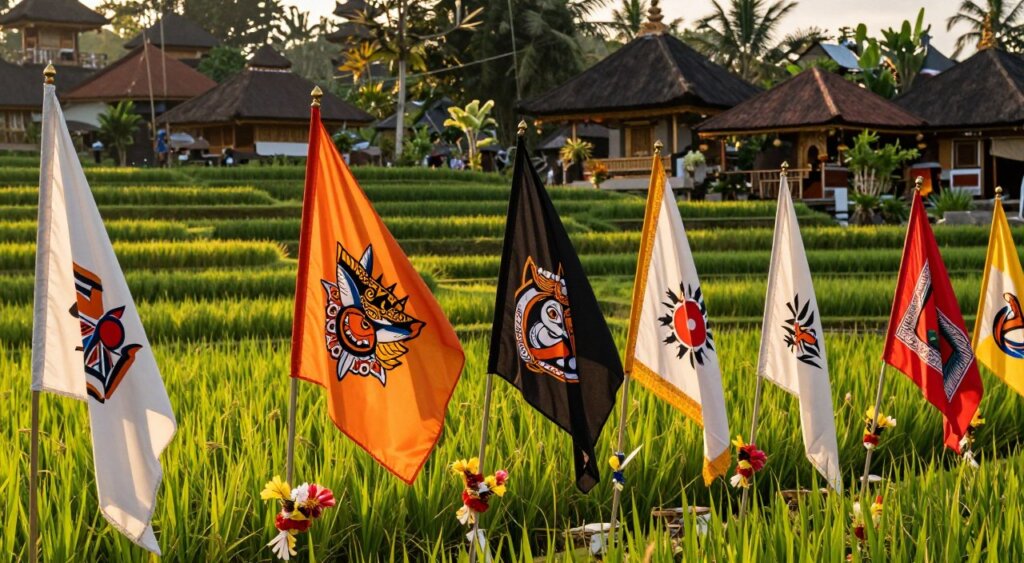
Bali’s identity is rich and varied, shown by the many flags in its kabupaten (regencies). The island is united by national and cultural symbols. Yet, a closer look reveals a variety of local emblems. These flags show the pride and unique character of each community.
Regional Flags of Different Balinese Areas
Each major area in Bali has its own flag. You might see these regional flags at local ceremonies, parades, or on official buildings.
In places like Badung (where Kuta and Seminyak are), Tabanan, and Karangasem, you’ll find unique flags. They reflect the area’s history, geography, or royal background. These flags are for local celebrations and to show administrative identity.
They highlight Bali’s diversity. Each district adds its own special thread to the Balinese fabric.
The Importance of Local Identity
The use of local symbols is based on the Balinese idea of desa, kala, patra. This means actions and expressions should fit their context.
A flag from Gianyar is for Gianyar. It boosts local pride and sense of belonging. This strong local identity doesn’t clash with being Balinese or Indonesian. It actually makes the whole stronger.
The strength of the village is the strength of the island.
These symbols help people understand their place in society. They celebrate the unique aspects of their surroundings while being part of the national story. For visitors, noticing these differences offers a deeper understanding of Bali beyond the usual views.
The Future of the Bali Flag
The Bali flag’s story is far from over. It’s evolving as it meets today’s world. Its future depends on blending old traditions with new life.
Preservation of Cultural Heritage
Efforts are underway to keep the Bali flag’s legacy alive. Groups like the Bali Cultural Agency (Dinas Kebudayaan) highlight its importance. Schools and village councils, or banjar, teach about its symbols in community activities.
Teaching the next generation about traditional crafts is vital. Workshops on dyeing and weaving textiles help preserve this knowledge. This ensures the flag’s significance is passed down through generations.
The Bali Flag in Global Contexts
The Bali flag also represents Bali globally. It’s seen in international cultural events and Hindu gatherings, like the World Hindu Congress. For those away from home, it’s a powerful symbol of their roots.
In today’s world, the flag showcases Bali’s distinct culture. It stands out on a global stage, highlighting Bali’s traditions. This helps people around the world appreciate and understand Balinese culture.
The Bali flag is a symbol of cultural strength. It’s seen in temples and at global events, showing a bright future. It connects the past to the present, guiding us forward.