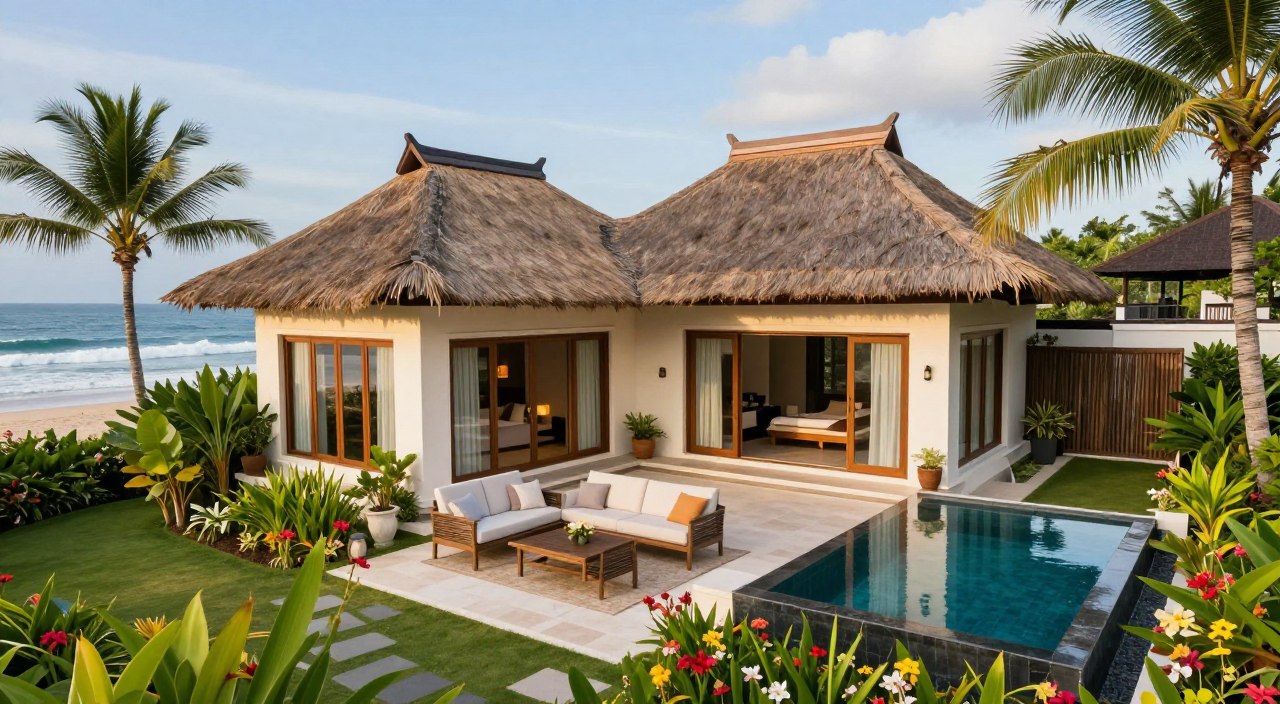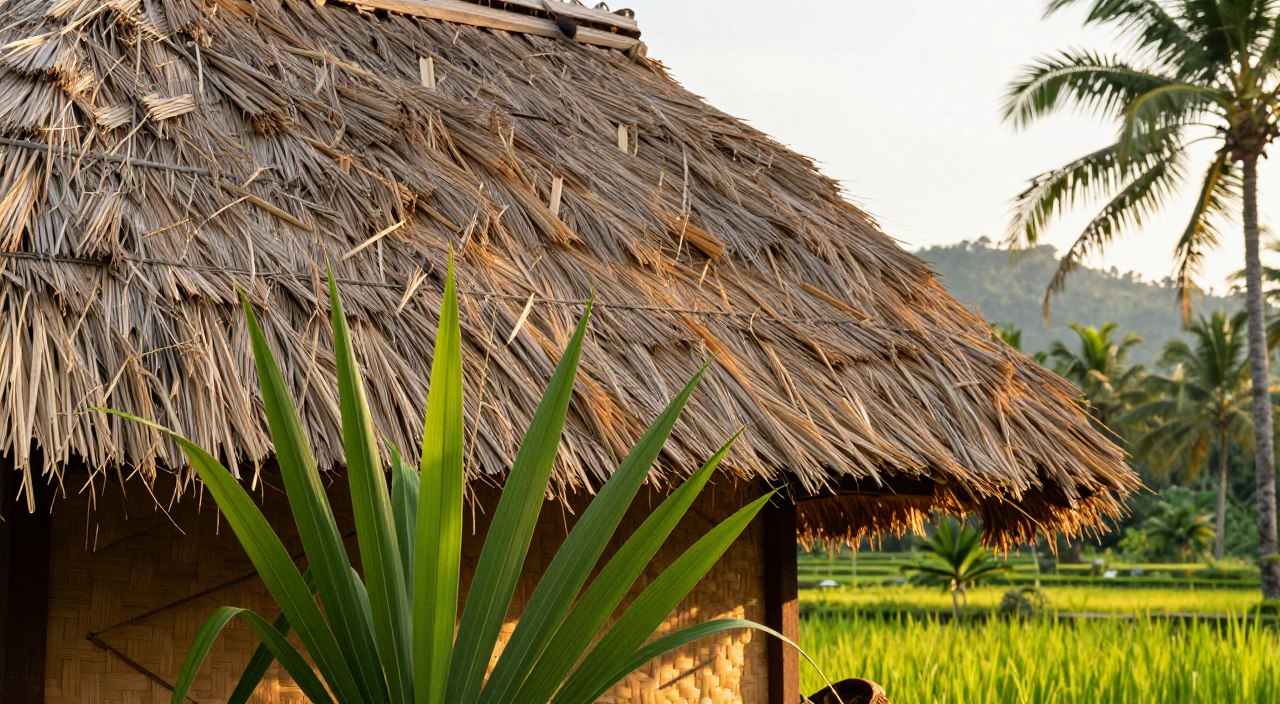
Imagine your backyard feeling like a tropical resort. Bali thatching makes this dream a reality for Australian homes. It brings the charm of an island paradise right to your doorstep.
This craft uses real, natural materials for a roof that’s both beautiful and unique. It’s changing outdoor spaces all over the country.
Balinese thatch is more than just good-looking. It also keeps your home cool and comfortable. Its textured finish adds a special touch to any space.
Whether it’s for a backyard pergola or a luxury resort pavilion, this style is in high demand. It turns any outdoor area into a stylish retreat with its organic and timeless charm.
Key Takeaways
- Bali thatching is a unique and elegant roofing method gaining popularity in Australia.
- It uses authentic, natural materials for a distinctive aesthetic and organic charm.
- The design is highly suitable for the Australian climate, providing good sun protection and insulation.
- It’s a great choice for improving pergolas, outdoor living spaces, and poolside areas.
- This style adds significant value and a resort-like feel to any property.
- It combines traditional craftsmanship with modern landscape design.
What is Bali Thatching?
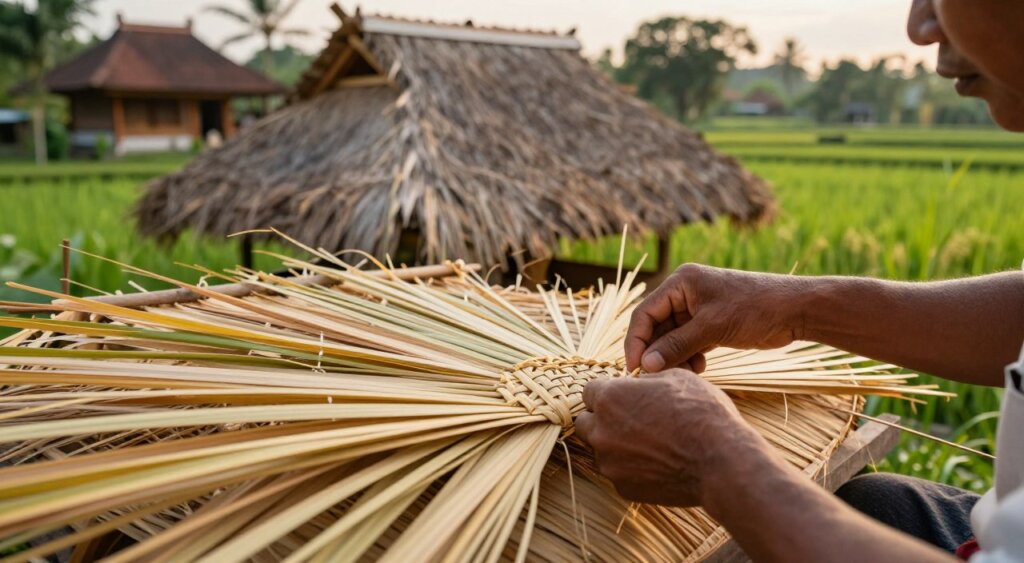
The roofs in Bali are not just pretty; they’re made with special techniques passed down for ages. Bali thatching uses dry plants like grass and palm fronds to make roofs, walls, and shelters. It makes a roof that works well and connects with nature.
In Australia, this old skill is gaining fans. People love its natural look and green benefits. Knowing its history and what it is helps us see why Bali thatching techniques are loved today.
Definition and Overview
Bali thatching is simple: it’s using dried plants to make a waterproof roof. The main stuff used is alang-alang grass, coconut palm fronds, and sugar palm fibre. Skilled workers use special ways to tie these to a wooden frame.
The roof looks thick and textured, with a steep slope. This slope helps rain run off fast. The roof is made to be dense and breathable, keeping water out and air in.
These Bali thatching techniques make roofs strong and weather-proof. They keep places cool in the heat and warm when it’s cold.
History and Cultural Significance
Thatching in Bali is more than building; it’s a big part of their culture. It’s been around for ages, used in temples and homes. It shows a deep connection to nature.
Thatching uses local materials, showing respect for the land. It brings people together, as it’s often done as a group effort. The skill is passed down, keeping the tradition alive.
In Bali, a thatched roof means safety and connection to the earth. It’s key in ceremonies and big life events. This makes Bali thatching techniques very special.
Now, these old ways inspire green building in Australia. The ideas are adapted for our climate and materials. It brings Balinese wisdom and beauty to our homes and landscapes. Understanding its history makes using Bali thatching techniques in new projects even more meaningful.
Types of Thatching Materials Used in Bali
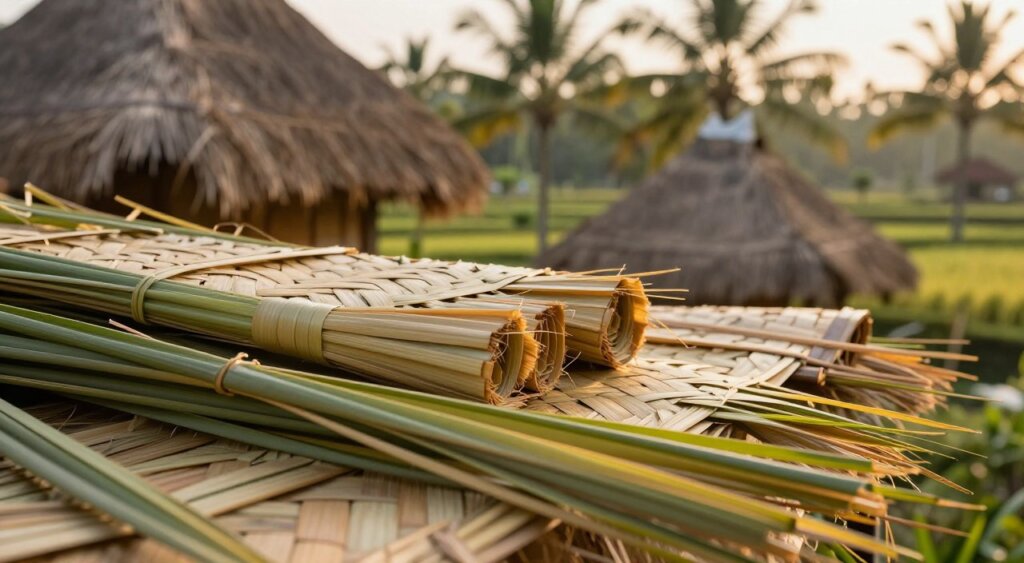
In Bali, you’ll find roofs made from alang-alang grass and sugar palm fibre. These materials are not just for looks. They also affect how long the roof lasts and how well it fits in with its surroundings. For those in Australia, knowing about these options is key to a successful project.
Traditional vs. Modern Materials
Traditionally, Balinese roofs are made from plants found locally. These Bali thatching materials are loved for their natural beauty and cultural significance. But, modern needs for longer-lasting roofs and strict building codes have led to new materials.
Today, you can find treated natural fibres or synthetic materials that look like the real thing. The main difference is in fire safety and how long they last. Traditional roofs need more care but have a unique charm. Modern ones might last longer but need less upkeep.
“The material is the soul of the thatch. Choosing between pure tradition and modern adaptation is a balance between art and practicality.”
The table below helps you compare your options.
| Material Type | Primary Examples | Key Properties | Typical Lifespan | Fire Resistance |
|---|---|---|---|---|
| Traditional Organic | Alang-alang Grass, Coconut Leaves, Sugar Palm Fibre | Fully biodegradable, excellent natural insulation, authentic texture and colour | 8-15 years (with maintenance) | Low (requires treatment) |
| Treated Natural | Fire-retardant coated grasses, Stabilised palm fibres | Improved durability and pest resistance, retains natural appearance | 12-20 years | Moderate to High |
| Modern Synthetic | Polymer-based thatch panels, Composite fibres | Very high durability, weather-resistant, consistent colour and texture | 20+ years | High (often Class 1 rated) |
Common Plants Used for Thatching
Three plants are key in Balinese thatching. Each adds something special to the roof.
Alang-Alang Grass (Imperata cylindrica) is well-known. Its blades turn golden-brown when dry. It’s great for keeping water off and looks lush. It’s a top pick for homes and berugas (gazebos).
Coconut Palm Leaves (Janur) are woven for roofs. They’re strong and flexible, perfect for tight layers. They’re great for small buildings and add a unique look.
Sugar Palm Fibre (Ijuk) comes from the sugar palm tree. It’s strong and doesn’t rot easily. Ijuk is used for the roof’s edges or where extra strength is needed. It contrasts well with lighter materials.
Other plants like bamboo or reeds might also be used. When getting Bali thatching materials for Australian projects, make sure they’re sustainably sourced and ready for export.
The Thatching Process
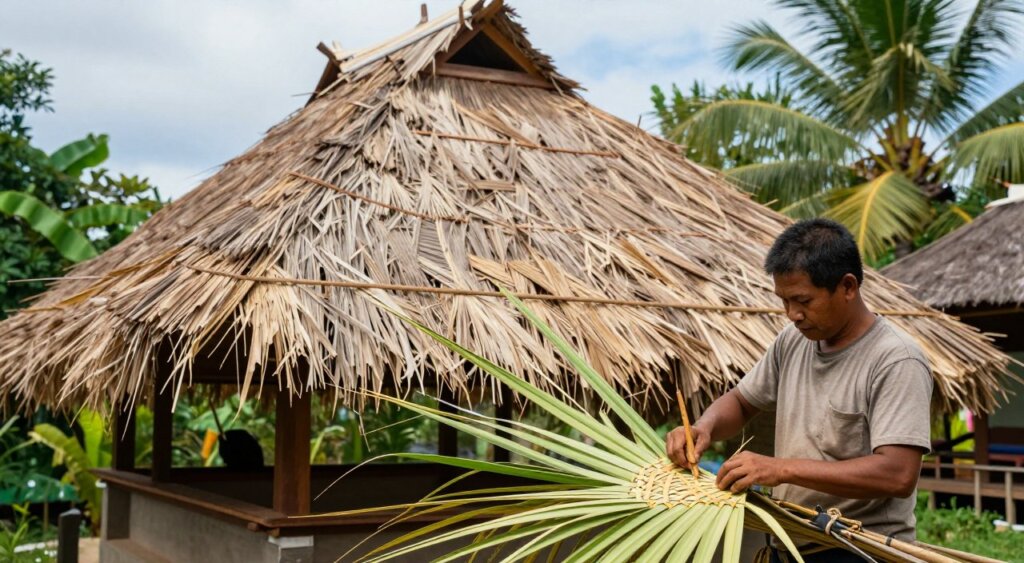
The Bali thatching process turns natural materials into beautiful roofs. It combines old techniques with modern Australian standards. This makes the roof strong and long-lasting.
Each step needs careful attention. The right materials and methods protect the roof from weather. Proper bali thatching installation creates a waterproof barrier that lasts for decades.
Let’s look at the key steps and tools needed for this craft.
Steps Involved in Thatching
The creation of a Bali thatch roof follows a logical sequence. Master thatchers follow these steps for quality and longevity.
- Frame Preparation: The roof starts with a sturdy frame. In Australia, this is built from local hardwoods or treated pine. The frame must support the thatch’s weight and have the right pitch for water runoff.
- Material Preparation: The thatch material, often alang-alang grass, is sorted and cleaned. It’s then bundled into manageable sheaves. Soaking these bundles makes the material pliable and less prone to cracking.
- Initial Layer Fixing: Work starts at the eaves. The soaked bundles are laid out in an overlapping pattern. They are secured to the battens on the roof frame using galvanized wire or synthetic cord. This first layer sets the course for the entire roof.
- Building Up Layers: More layers are added, each overlapping the one below. This creates a shingle-like effect that directs water away from the interior. The thatcher works upwards towards the ridge. Consistency in thickness is vital for both appearance and performance.
- Ridge Capping: The ridge, or peak, of the roof requires special attention. A different, often denser, weaving technique is used here. This area receives the most weather exposure, so it must be exceptionally secure and waterproof.
- Trimming and Shaping: Once all material is fixed, the thatch is trimmed to a uniform thickness. The surface is beaten and brushed to align all stems. This final shaping gives the roof its neat, finished appearance and optimises water shedding.
Tools Required for Thatching
Specialised tools are the extension of the thatcher’s skill. While some standard carpentry tools are used, several implements are unique to the trade. Having the right tool for each task ensures precision and efficiency in bali thatching construction.
“A thatcher’s toolkit is a collection of simple but purpose-built instruments. Their design hasn’t changed much in centuries because they simply work best for the job.”
The table below outlines the essential tools for a successful bali thatching installation.
| Tool Type | Tool Name | Primary Purpose |
|---|---|---|
| Specialist Thatching | Thatching Needle (Large) | To push fixing wires or cords through dense thatch layers without damaging the material. |
| Specialist Thatching | Leggatt | A wooden batten used to beat and compact the thatch during installation, creating a tight, even surface. |
| Specialist Thatching | Thatcher’s Mallet | Used with a froe or knife to split wooden spars or pegs used in traditional fixing methods. |
| Cutting & Trimming | Thatcher’s Knife / Shears | For cutting and trimming the thatch material to the required length and shape during installation. |
| General Carpentry | Claw Hammer, Saw, Measuring Tape | For constructing and adjusting the roof frame, battens, and other structural elements. |
Alongside these, safety equipment like harnesses, gloves, and sturdy boots are non-negotiable. The process is hands-on and physical. A well-organised toolkit allows the thatcher to focus on craftsmanship. This attention to detail is what defines a superior roof.
Mastering both the steps and the tools is key to authentic bali thatching installation. It’s this combination of method and implement that turns grass and timber into a lasting shelter.
Benefits of Bali Thatching
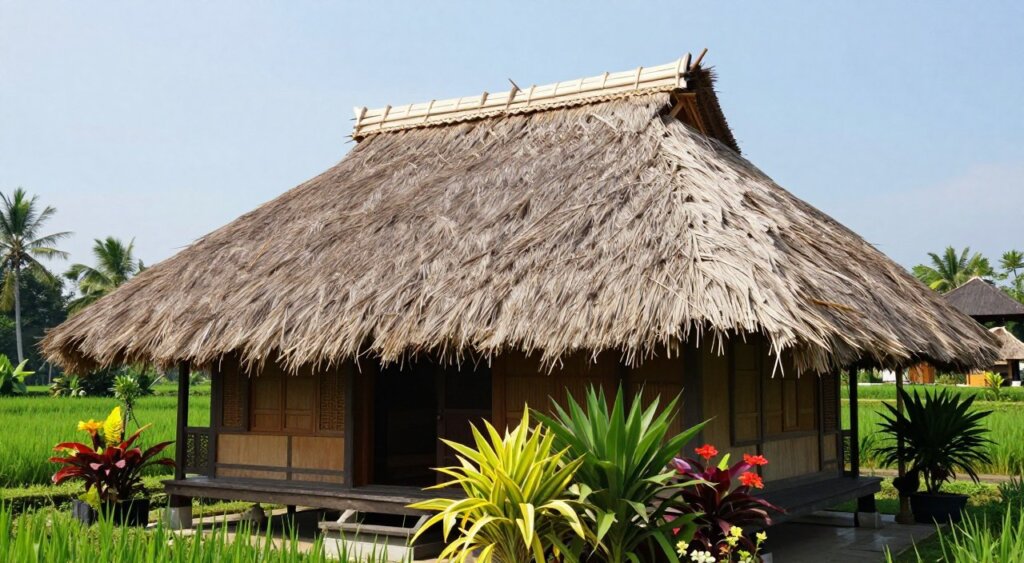
In Australia, Bali thatching is popular for eco-friendly and unique homes. It offers beauty, care for the environment, and saves money. These reasons make it a top choice for homes of all styles.
Aesthetic Appeal
A Bali thatch roof makes any building special. It adds a warm, organic feel and a tropical look. The natural colours and curves make the roof seem alive.
This unique look increases a property’s appeal and value. A well-made thatch roof shows off quality and natural design. It turns a simple building into a beautiful feature, bringing holiday vibes and elegance every day.
Environmental Advantages
Bali thatching is a sustainable building practice. It uses fast-growing alang-alang grass, which is good for the environment. Harvesting it is kinder to the planet than making tiles or metal roofs.
The benefits for Australia are big:
- Biodegradability: The thatch breaks down naturally, leaving no harmful waste.
- Renewable Sourcing: The materials are replanted, making it a sustainable cycle.
- Superior Natural Insulation: The thatch keeps buildings cool in summer and warm in winter.
This insulation is key. It helps keep buildings cool in summer and warm in winter. This can lead to lower energy costs for heating and cooling.
Cost-Effectiveness
Looking at Bali thatching, the whole cost picture is important. The initial cost might be similar to or a bit more than some roofs. But the long-term value is strong.
The roof’s lifespan is impressive, and maintenance costs are low. There’s no need for expensive tile replacements, and repairs are easy and cheap. This makes it a cost-effective choice over time.
Compared to roofs that wear out fast or need extra insulation, a thatch roof is a complete solution. The savings on energy bills add to its economic benefits. You’re not just buying a roof; you’re investing in a durable, energy-saving system that pays off for years.
Popular Applications of Bali Thatching
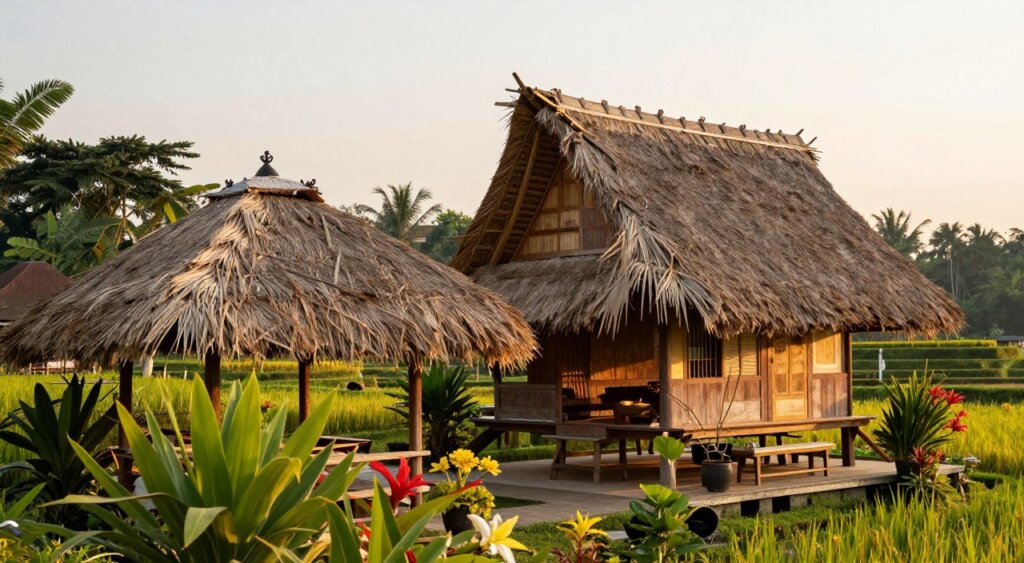
In Australia, Bali thatching is used in many ways. It’s not just for roofs anymore. It makes spaces look and feel like luxury island retreats. A Bali thatching roof is more than a roof; it shapes the look of a place.
Residential Structures
People in Australia love using Bali thatching for their homes. It makes homes feel like resorts, blending inside and outside living.
Here are some ways it’s used:
- Garden Pavilions: They create quiet spots for reading or thinking.
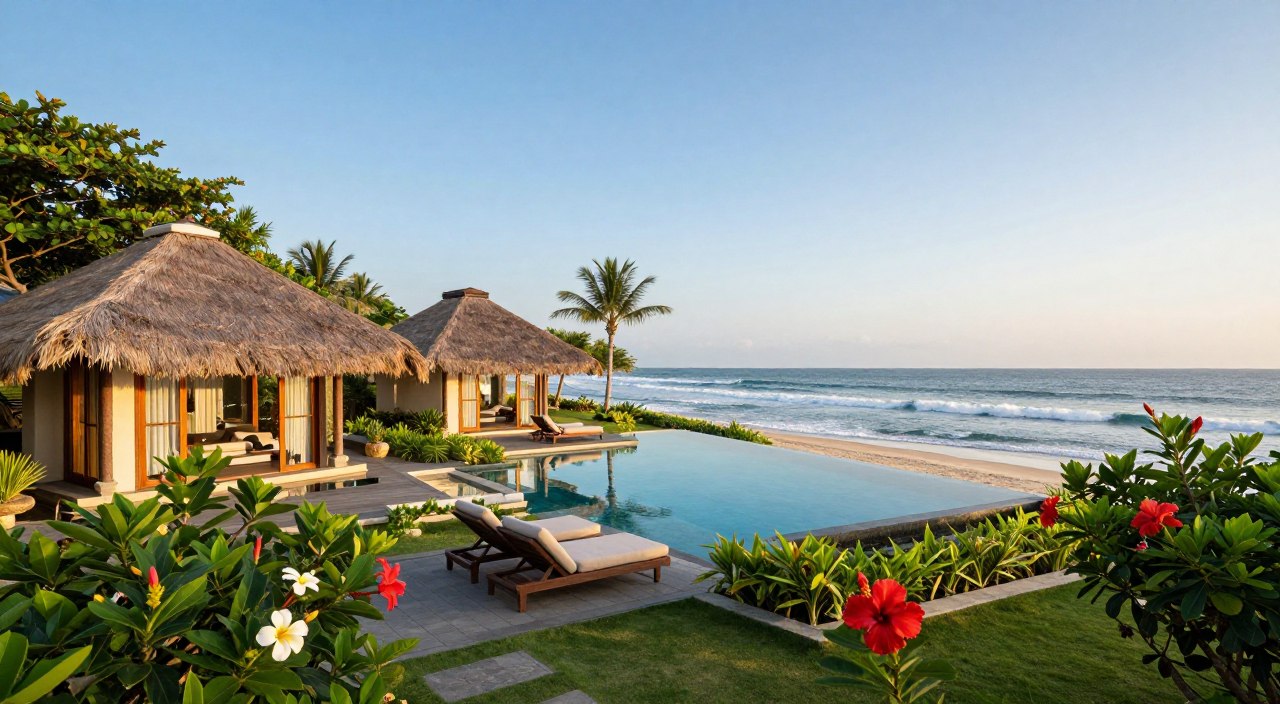
- Pool Cabanas: They offer shade and style near the pool.
- Entire Holiday Homes: A thatched roof can make a home feel like a tropical paradise.
The natural materials keep these areas cool in summer.
Commercial Properties
Businesses in the hospitality and leisure sectors use Bali thatching roofs. They create a tropical vibe that guests love.
It’s often seen in:
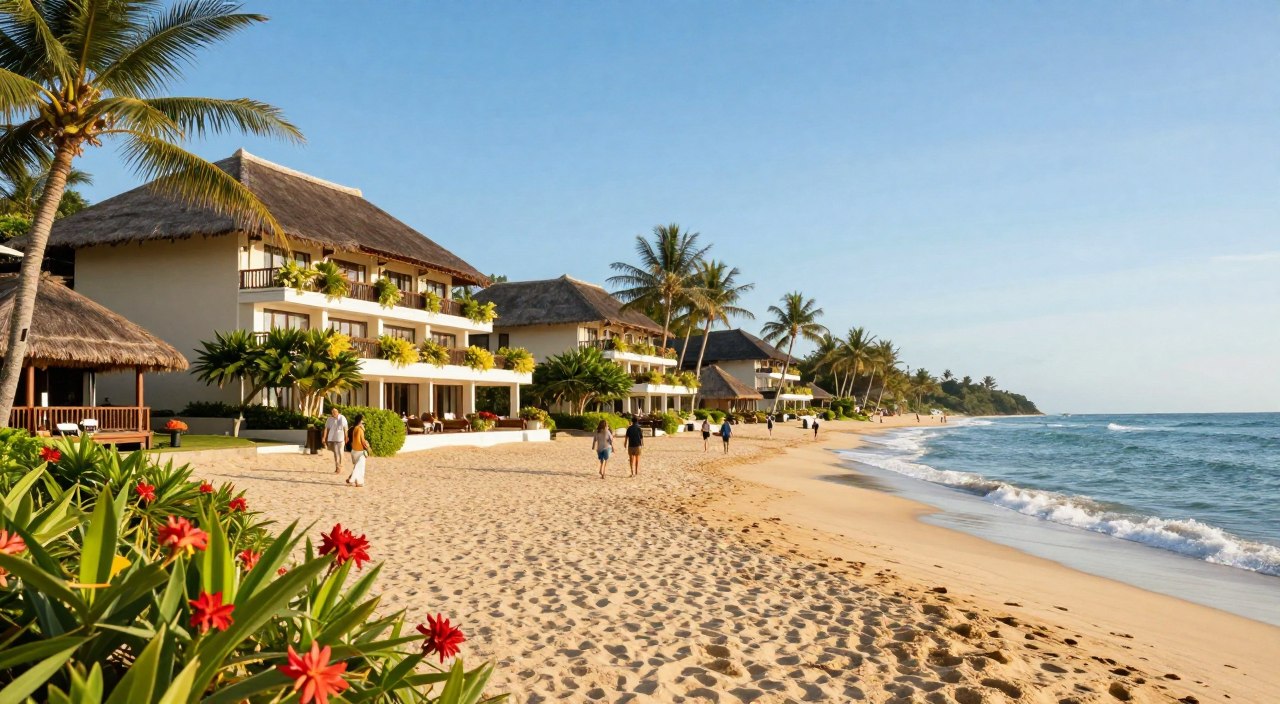
- Resort Bures and Villas: It adds a South Pacific charm to premium stays.
- Restaurant Dining Areas: It makes alfresco dining feel romantic and intimate.
- Spa Retreats and Wellness Centres: The organic feel promotes relaxation.
This roofing style makes businesses stand out. It gives them a unique edge in a competitive market.
Outdoor Spaces
Bali thatching is great for outdoor areas. It turns simple backyards into special entertainment spots.
It’s perfect for:
- Pergolas and Gazebos: It offers shade for dining or lounging.
- Shaded Entertainment Areas: It creates a sun-protected space for gatherings.
- Playhouse or Studio Roofs: It adds charm and weather protection to backyard structures.
The roof becomes the highlight of the space. It encourages spending time outdoors in comfort.
From a private cabana to a busy restaurant, the adaptability of a Bali thatching roof is unmatched. It’s a timeless choice for adding natural beauty and shelter to any space.
Maintenance of Thatch Roofs
Keeping a thatched roof in top shape requires special care in Australia’s climate. A well-maintained Bali thatch roof can last for decades. But, it needs a consistent maintenance routine to withstand the sun, salty air, and rain.
Cleaning and Care Tips
Regular cleaning is key in bali thatching maintenance. An annual check can stop small problems before they get big.
- Remove Debris: Clear leaves, twigs, and other organic matter from the roof surface and valleys. This prevents moisture retention and discourages pests.
- Manage Moss and Lichen: In humid Australian coastal areas, moss can be a concern. Gently brush it off when dry. For persistent growth, a specialist-approved biocidal treatment may be needed.
- Apply Protective Treatments: Modern fire-retardant and water-repellent sprays can be applied by professionals. These treatments enhance safety and durability without compromising the thatch’s natural look.
After severe storms, it’s smart to check your roof. Look for displaced bundles or signs of unusual wear. As one experienced thatcher noted,
“A thatch roof tells a story. Regular care is how you ensure it’s a good one.”
Repairing Damaged Thatch
Even with great care, thatch will show wear over time. Knowing how to fix damage is key.
Identifying wear means looking for thinning, soft spots, or uneven areas. The ridge, where weather hits hardest, needs extra attention.
For small issues, spot-replacing sections is common. A skilled thatcher can add new material to match the old. This keeps costs down and the roof strong.
Big jobs, like re-ridging—replacing the waterproof cap along the roof’s peak—are specialized. They’re needed every 10-15 years. This is not a DIY task.
Always get a qualified tradesperson for big repairs. They know the right materials and techniques to use. This protects your roof’s structure and warranty.
Sticking to a bali thatching maintenance plan saves money and keeps your roof looking great for years.
Comparing Bali Thatching to Other Roofing Methods
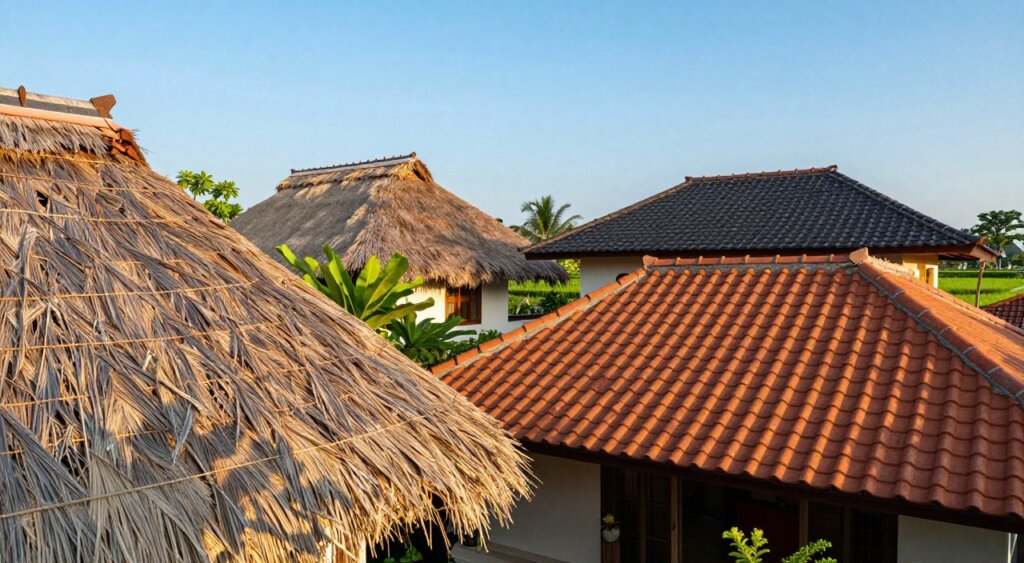
Choosing between a thatched roof and a tiled roof is more than just looks. It affects your home’s comfort, upkeep, and the environment. For Australian homeowners, knowing how Bali thatching compares to local materials is key.
This comparison looks at the organic charm of thatch versus the practicality of concrete tiles, Colorbond metal, and asphalt shingles. We’ll explore the key factors you need to consider.
Thatched Roofs vs. Tiled Roofs
A direct comparison shows the big differences between thatched roofs and tiled roofs. Tiles are mass-produced and rigid. Thatch is handmade and flexible.
Thermal performance is a big difference. A well-made thatch roof insulates better naturally. It keeps homes cooler in summer and warmer in winter, cutting down on air conditioning use. Tiled roofs, without good insulation, can let heat in more easily.
Sound is another difference. Rain on a tiled roof is loud and sharp. Rain on a thatched roof is soft and calming.
Weight is important for structure. A Bali thatching roof is much lighter than a concrete tile roof. This makes it easier to support and suits certain designs better.
Fire rating is critical in Australia. Modern thatch uses fire treatments and barriers to meet Australian Standards. Concrete tiles are non-combustible, making them fire-resistant.
When it comes to lifespan, high-quality concrete tiles can last 50 years or more with little upkeep. A thatch roof needs more care but can last 15-25 years before needing a big fix.
Initial cost for a thatch roof is higher than for standard tiling. But, it offers energy savings and a unique look that can boost your property’s appeal.
Pros and Cons of Different Roofing Styles
To make a good choice, it’s helpful to see the main roofing methods compared. The table below shows key attributes.
| Roofing Style | Key Advantage | Primary Consideration | Typical Lifespan |
|---|---|---|---|
| Bali Thatching | Superior insulation & unique aesthetics | Higher maintenance & upfront cost | 15-25 years |
| Concrete Tiles | Durability & fire resistance | Heavy weight & can be brittle | 50+ years |
| Colorbond Metal | Lightweight & modern look | Can be noisy in rain & prone to dents | 30-50 years |
| Asphalt Shingles | Lower initial cost & easy installation | Shorter lifespan & less common in AU | 15-30 years |
Here’s a closer look at the pros and cons for each style:
Bali Thatching:
- Pros: Excellent natural insulation, beautiful and natural appearance, sustainable and biodegradable material, lighter weight than tiles, superior acoustic dampening.
- Cons: Requires specialised installers and maintenance, higher initial investment, needs fire-retardant treatment, not suitable for very low-pitch roofs.
Concrete Tiles:
- Pros: Extremely long lifespan, non-combustible, wide variety of colours and profiles, low maintenance, good resale value familiarity.
- Cons: Very heavy, requiring strong roof framing. Can be fragile to walk on. Poor insulator without additional ceiling insulation.
Colorbond Metal Roofing:
- Pros: Lightweight, strong, and ideal for modern architectural designs. Excellent for rainwater harvesting. Long warranties from manufacturers.
- Cons: Can amplify the sound of rain and hail. Prone to condensation if not installed with proper sarking. Colour finish can fade over decades.
Asphalt Shingles:
- Pros: Cost-effective initial outlay, relatively quick to install, suitable for complex roof shapes, reasonable wind resistance.
- Cons: Shorter lifespan than metal or tile. Can be damaged by severe hail. Less common in Australia, so repair expertise may be limited.
Your final decision should consider your budget, design vision, and upkeep willingness. Bali thatching offers a timeless, eco-friendly choice where character and performance are key.
The Role of Thatching in Eco-Friendly Design
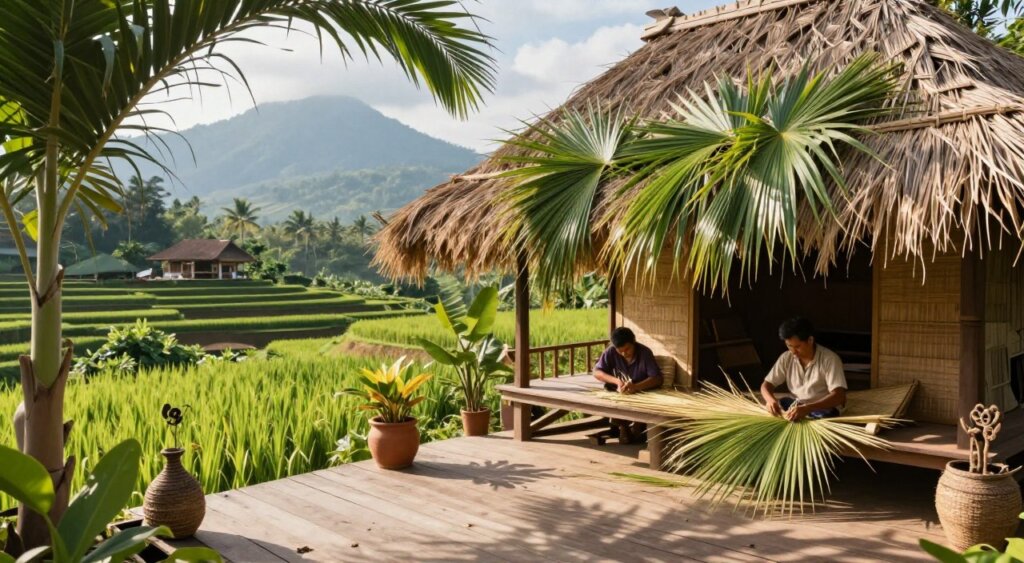
Eco-friendly design goes beyond new tech. It often looks back at old, natural ways. Bali thatching is a key part of Australia’s green building trend. It’s a beautiful, eco-friendly choice for roofs.
This ancient craft has big environmental pluses. It’s good from start to finish, from material choice to disposal.
Sustainability Aspects
Bali thatch starts with its materials. Alang-alang grass grows fast and is renewable. It doesn’t need harmful fertilisers or pesticides.
This makes it very low in embodied energy. Embodied energy is the energy needed to make and move a material. Thatch is a top performer here.
- Minimal Processing: The grass is dried and bundled with little industrial machinery.
- Carbon Sequestration: The plants absorb carbon dioxide as they grow, locking it away.
- Full Biodegradability: At the end of its long life, the thatch decomposes naturally, leaving no toxic waste.
This creates a complete, clean cycle. The material goes from field to roof and back to earth. It’s a big contrast to synthetic roofs that end up in landfill.
Energy Efficiency
The energy efficiency of a thatched roof comes from simple physics. The dense, layered thatch has great thermal mass and breathability.
Thermal mass means the roof absorbs heat during the day. It then slowly releases it as temperatures drop at night. This natural lag smooths out indoor temperature swings.
More importantly, the thatch is highly breathable. It lets warm, moist air escape from the structure. This passive ventilation prevents heat from building up in the roof cavity.
For Australian homes, this is a big win in summer. Interiors stay remarkably cooler. This means less need for air conditioning.
Less energy for cooling means a smaller carbon footprint. A Bali thatch roof isn’t just a covering. It’s an active part of a home’s climate control system.
Economic Impact of Bali Thatching in Australia
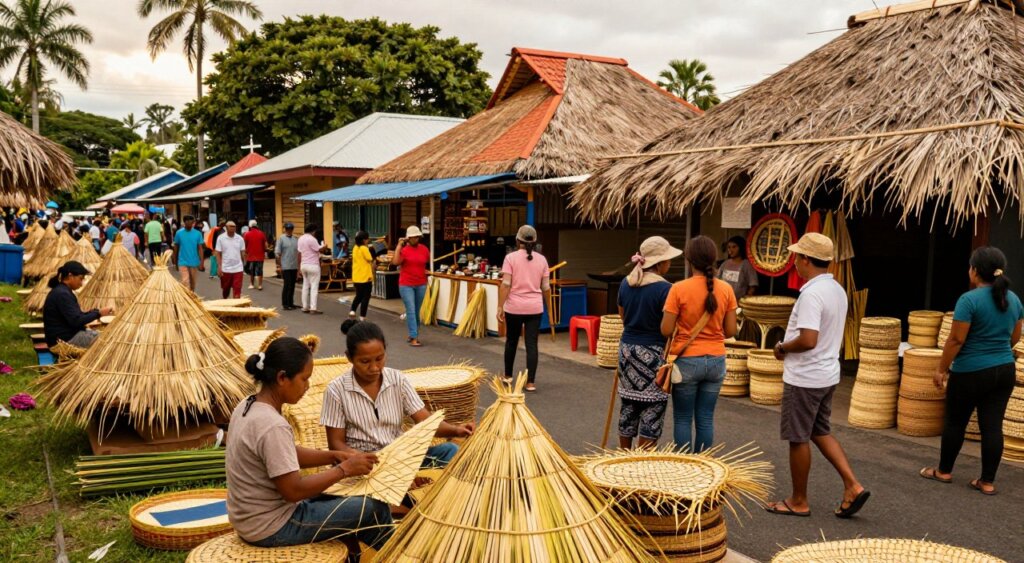
Bali thatching adds beauty and economic value to Australian communities. It supports local businesses and creates jobs. From import docks to finished homes, its impact is seen everywhere.
Local Businesses Involved
A network of businesses has formed to meet Bali thatching demand. Importers work with Indonesian suppliers to bring quality thatch grass to Australia. They ensure it meets biosecurity and quality standards.
Thatching contractors and artisans have honed their skills. They blend traditional methods with modern building codes. Landscaping and design firms also play a key role.
Many now offer Bali thatching as a main service. They create resort-style outdoor spaces. This includes:
- Material suppliers and importers managing logistics.
- Specialist thatching contractors for installation.
- Landscape architects integrating thatch into designs.
- Maintenance companies providing ongoing care.
Job Creation in the Thatching Industry
The demand for these structures creates jobs across various trades. Skilled labour is essential in the thatching industry in Australia. Specialist thatchers, with years of training, are in high demand.
These roles offer career paths in construction and landscaping. They support not just thatchers but also carpenters, roof plumbers, and labourers. Maintenance contracts provide steady work for small businesses.
“The specialised nature of this work means it supports skilled tradespeople who can command good wages, contributing directly to the local economy,” notes a industry report on niche construction trades.
This activity helps small to medium enterprises, boosting local economies. The economic impact of Bali thatching Australia shows how a special material can support local businesses and jobs.
Cultural Associations of Thatch in Bali
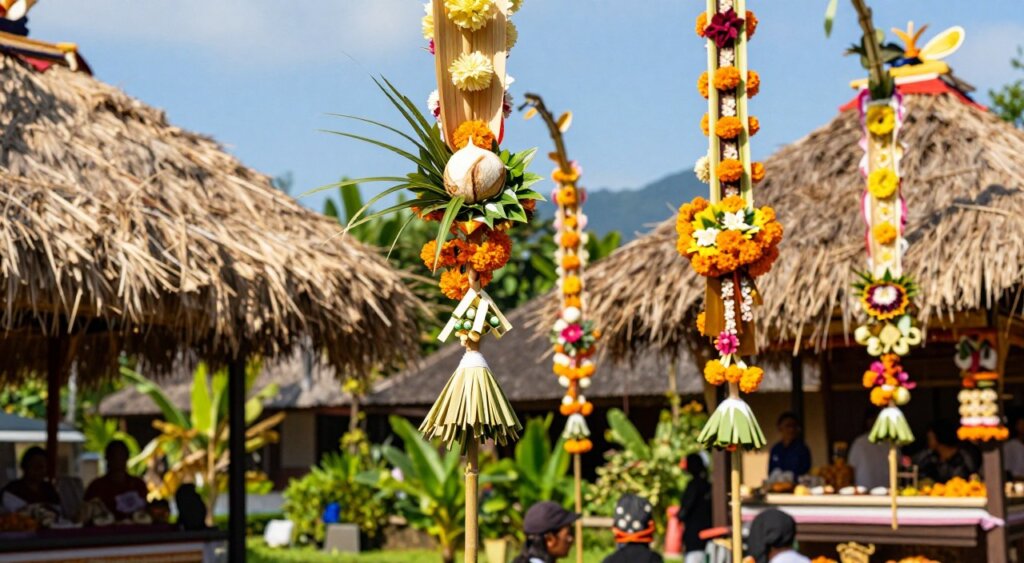
Beyond its practical uses, thatching in Bali holds deep cultural meanings. It is tied to the island’s architecture and rituals. The material is more than just a roofing choice; it’s a woven symbol of spiritual belief, social hierarchy, and communal harmony. To truly appreciate a thatched roof in Bali, one must look beyond the surface and into the rich tapestry of tradition it represents.
Thatching in Traditional Balinese Architecture
In traditional Balinese design, the type of structure dictates the style and significance of its thatch. Each building serves a distinct purpose within the community’s spiritual and social framework.
The family temple, or sanggah, is a sacred domestic space. Its thatched roof, often made from specific grasses like alang-alang, signifies a humble connection to the earth and the ancestors. It creates a serene, natural environment for daily offerings and prayer.
For public life, the bale banjar, or village meeting hall, stands as the heart of community decision-making. A large, sturdy thatched roof shelters discussions, ceremonies, and social gatherings. Its open sides and organic roof foster a sense of inclusive unity among villagers.
Royal pavilions and palaces historically used the finest thatching materials to denote status. The complexity and craftsmanship of the roof reflected the power and refinement of the inhabitants. This hierarchy in roofing subtly communicated social order.
“The roof is the crown of a building; in Bali, a thatched crown speaks of humility before nature or honour to the gods, depending on whose head it rests upon.”
The knowledge of selecting, preparing, and laying thatch is a cherished skill passed down through generations. Master thatchers, or undagi, teach apprentices not just techniques but the cultural respect and ritual care embedded in the craft. This ensures the symbolism endures alongside the physical structures.
| Traditional Structure | Primary Function | Symbolic Meaning of Thatch | Common Material |
|---|---|---|---|
| Sanggah (Family Temple) | Private worship & offerings | Humility, connection to ancestors & nature | Alang-alang grass |
| Bale Banjar (Village Hall) | Community meetings & events | Unity, openness, communal identity | Durable palm thatch |
| Royal Pavilion (Wantilan) | Ceremonies & hosting nobility | Status, refinement, spiritual authority | Finely woven ijuk or sugar palm |
Festivals and Events Featuring Thatching
Thatch plays a dynamic role in Balinese ceremonial life, moving beyond permanent structures to temporary expressions of devotion and renewal. Its use in festivals physically connects the community to cycles of celebration and spiritual upkeep.
During Galungan, the important holiday celebrating the victory of good over evil, households erect penjor—tall, decorated bamboo poles. These are often adorned with sheaves of thatching grass and woven coconut leaf ornaments at the base. The thatch symbolises prosperity and a bountiful harvest, linking the family’s well-being to the natural world.
The ceremony of Nganten involves the renewal of a village temple. A key ritual is the replacement of the temple’s thatched roof. This is a communal effort, where villagers gather to strip the old, weathered thatch and carefully install new layers. The act is deeply symbolic, representing purification, renewal of vows to the deities, and the strengthening of communal bonds through shared labour.
Other events, like tooth-filing ceremonies or weddings, may utilise temporary thatched pavilions (bale) to sanctify the space. The consistent theme is thatch’s role in marking a space as sacred, protected, and connected to tradition. It transforms ordinary locations into arenas of cultural significance, proving that in Bali, culture is not just observed but lived under a roof of woven grass.
Choosing the Right Thatching Company
Finding the right professional for your Bali thatch roof is important. It affects the look, durability, safety, and value of your structure. A good Bali thatching company helps turn your vision into a real, lasting space.
Key Factors to Consider
Before you sign, check these key points. They help you choose the right thatching specialist.
- Valid Licences and Insurance: Make sure the contractor has current trade licences and full public liability insurance. This protects you from accidents during the project.
- Proven Experience with Genuine Bali Thatch: Not all thatchers use real Balinese materials. Ask about their experience with authentic Bali thatch, not local substitutes.
- Portfolio of Australian Projects: Look at their past work, focusing on projects in Australian climates. This shows they know how to handle local weather conditions.
- Transparent Material Sourcing: A good contractor will explain where they get their thatch. They should use sustainable, ethically harvested materials.
Questions to Ask Potencial Contractors
Go to your meetings with a list of questions. A skilled Bali thatch contractor will answer confidently.
- “Can you provide documentation for fire treatment certifications?” This is essential for safety and council approval. The thatch must meet Australian standards.
- “What exactly does your warranty cover and for how long?” Know the warranty details. A good one covers materials and workmanship for a set time.
- “What maintenance schedule do you recommend for my specific location?” Maintenance needs differ. Their answer shows they care about the roof’s long-term health.
- “What is your process for ensuring compliance with local council regulations?” They should handle permits and know your area’s development controls. This saves you time and trouble.
By following these steps, you’ll find a thatching professional who values quality and openness. A reliable thatching company will be happy to answer your questions. They see them as a sign of a client who cares about the outcome.
Cost Considerations for Bali Thatching
A thatch roof adds a unique charm but comes with a specific cost. This cost is influenced by materials, labour, and design. It’s important to understand the financial aspects before starting your project. This section will explain the main cost factors and the balance between price and quality.
Budgeting for a Thatch Roof
Creating a thatch roof budget involves several components. A single quote doesn’t cover everything. You need to consider both visible and hidden costs to avoid surprises.
The main factors affecting Bali thatching cost are:
- Materials: The cost of the grass or reed, its quality, and source. Authentic alang-alang from Bali is more expensive but lasts longer and looks better.
- Labour: Skilled work is needed. Complex designs require more time and expertise, increasing the cost.
- Structural Framework: The roof needs strong support. The quality of the timber and engineering for Australian conditions add to the cost.
- Treatments & Council Fees: Fire-retardant treatments are a good investment. Local council approval and engineering reports also add to the cost.
Always ask for a detailed, itemised quote. This way, you can see where your money is going and compare different contractors.
Understanding Quality vs. Price
A lower Bali thatching cost upfront can lead to higher costs later. It’s a case of getting what you pay for. Cheap quotes often cut corners in important areas.
Here’s how a low price can compromise your project:
- Inferior Materials: Using non-authentic or poorly harvested grass that degrades quickly, leading to premature replacement.
- Less Dense Thatching: Skimping on material density reduces weatherproofing, insulation, and the roof’s lifespan.
- Inexperienced Labour: Improper installation techniques cause leaks, poor ventilation, and structural issues much sooner.
Investing in quality craftsmanship and premium materials from the start pays off. A well-built thatch roof can last 15-25 years with proper care. This makes the initial investment worthwhile, as it spreads the cost over decades.
When evaluating quotes, look beyond the price. Ask about material origins, thatch density specifications, and the team’s experience. The true value is in a beautiful, durable roof that enhances your property for years.
Future Trends in Bali Thatching
Innovation is changing Bali thatching, making roofs smarter, safer, and greener. The industry is embracing new tech and changing tastes. This keeps Bali thatching a top choice for modern homes in Australia.
Innovations in Thatching Materials
Materials are getting a big update. Natural fibres like alang-alang grass are being improved. They aim to keep the classic look while solving practical issues.
Fire-retardant treatments are a big focus. New, green coatings are being made. They make roofs safer from bushfires without losing the thatch’s natural look or breathability.
Synthetic thatch blends are also advancing. These polymers look and feel like real grass. They last longer and need less care, fighting off mould, insects, and UV damage better than real grass.
For those who prefer natural materials, there’s a growing push for sustainability certifications. This means using grass from verified, eco-friendly plantations. It helps the thatching industry support healthy ecosystems and meet eco-conscious clients’ needs.
| Future Material Trend | Key Description | Potential Impact |
|---|---|---|
| Advanced Fire Treatments | Eco-friendly coatings applied to natural thatch to greatly improve fire resistance. | Enables safer use in bushfire zones and helps meet Australian regulations. |
| High-Fidelity Synthetic Thatch | Polymer blends that perfectly replicate the look and feel of natural grass. | Offers ultra-low maintenance and extreme longevity for commercial projects. |
| Certified Sustainable Harvesting | Traceable supply chains for natural grasses from managed plantations. | Appeals to the green building market and ensures environmental responsibility. |
| Hybrid Material Systems | Combining natural thatch with synthetic underlays for improved insulation and durability. | Creates a performance-enhanced roof that maintains an authentic exterior appearance. |
Evolving Design Preferences
The use of Bali thatching in design is changing. It’s no longer just for tropical villas. Now, it’s valued for its texture and warmth in many styles.
A big trend is mixing traditional thatch with modern architecture. Imagine a sleek, modern home with a dramatic thatch roof. The contrast is stunning, bringing nature into the city.
In the hospitality world, eco-resorts are leading the way. They use Bali thatching for roofs, walls, and shade pavilions. It connects guests with nature and cuts down on air conditioning needs.
Australian homeowners are also embracing thatch. It’s not just for coastal homes anymore. You can find thatched pergolas in Melbourne backyards or cafes. It adds character and uniqueness to any place.
Resources for Further Exploration
There’s more to learn about Bali thatching after this article. You can dive into books and online forums for more insight.
Recommended Reading
“The Traditional Architecture of Indonesia” by Barry Dawson is a great start. It gives you the cultural background of Balinese thatching. Klaus Zwerger’s “Sustainable Building with Thatched Roofs” looks into the materials and eco-advantages.
Rio Helmi’s “Bali: Style” shows how thatch fits into modern design. These books offer a deeper look into the world of thatching.
Online Communities and Forums
Australian homeowners share their experiences on Homeone.com.au in the landscaping sections. The Facebook group “Bali Architecture & Design” is also a good place to connect with others. For technical tips, check out the International Thatching Association website.
It lists certified professionals. These platforms are great for seeing projects and asking questions about your thatch roof.