In 2025, Spain was rated the world’s number one destination for location-independent professionals. If you dream of trading your home office for a sunny plaza, the digital nomad visa Spain offers is your official gateway.
The country’s appeal is no secret. Imagine reliable, high-speed internet paired with an enviable Mediterranean climate. Add in a famously affordable cost of living compared to many U.S. cities, and the picture becomes clear.
Formally launched in 2023, this visa program (often called the DNV) is a game-changer. It allows non-EU remote workers and freelancers to live and work legally for up to one year, renewable. You’re not just visiting; you’re building a life.
This guide will walk you through everything you need to know to make that dream a reality.
Key Takeaways
- Spain is consistently ranked as a top global hub for remote professionals due to its lifestyle and infrastructure.
- The Digital Nomad Visa (DNV) provides a legal pathway for non-EU citizens to live and work in Spain.
- Applicants must prove stable remote work or freelance income from outside Spain.
- Successful applicants can benefit from a favorable tax regime for their first years.
- The visa allows for family reunification, so your spouse and children can join you.
- It is a renewable permit and can be a step towards longer-term residency.
- Starting the application process from your home country is highly recommended.
What is the Digital Nomad Visa for Spain?

Imagine working from a café in Barcelona or a co-working space in Madrid. Spain’s Digital Nomad Visa (DNV) makes this dream legal. It lets you live and work in Spain under the sun.
This visa is for remote workers, freelancers, and digital entrepreneurs from outside the European Union. It’s officially called the “International Telework Visa.”
Overview and Purpose
Spain introduced its Digital Nomad Visa in early 2023. It aims to attract global talent and boost the local economy. The government saw the rise of remote work.
This visa is not for tourists. It’s a residency permit for remote workers. You can live in Spain and work for clients or companies elsewhere.
“The rise of remote work has dismantled traditional office boundaries. Spain’s visa program is a forward-thinking response to this new global workforce.”
The program is part of Spain’s “Startup Law” to encourage innovation. It offers stability for up to three years, with renewal options. This makes Spain a great place for digital professionals in Europe.
Who is Eligible?
Non-EU and non-EEA nationals are the main focus. Citizens of the United States, the United Kingdom, Canada, Australia, or New Zealand are top candidates. EU citizens don’t need this visa because they have freedom of movement.
To qualify, you must be a remote worker or freelancer. You need a contract or clients outside Spain. You also need to show financial stability.
You can get this remote work visa Spain in two ways:
- Apply from Abroad: Apply for a one-year visa at your local Spanish consulate or embassy.
- Apply from Within Spain: Enter as a tourist and apply to convert to a three-year residency permit before your 90-day Schengen stay ends.
Knowing the differences between these paths is key for planning. The table below shows the main details.
| Feature | One-Year Visa (Consulate Route) | Three-Year Residency Permit (Conversion in Spain) |
|---|---|---|
| Where to Apply | Spanish consulate in your home country | Immigration office (Extranjería) within Spain |
| Initial Validity | 12 months | Up to 3 years |
| Best For | Those who want everything sorted before departure | Those who want to test living in Spain first |
| Key Timing | Apply weeks/months before travel | Must apply within the first 90 days of tourist stay |
| Renewal Process | Can be renewed for two additional years from within Spain | Can be renewed for subsequent two-year periods |
Choosing the right path depends on your situation. The consulate route offers certainty from the start. The in-country conversion offers flexibility if you’re finalizing plans.
This remote work visa Spain is for those already working remotely. It lets you enjoy a new, inspiring environment.
Benefits of the Digital Nomad Visa in Spain

The visa requirements for digital nomads in Spain open up a world of benefits. This visa lets you live a balanced life, where work and personal dreams can flourish. You also get the chance to apply for a Spanish residency card. This card lets you live in Spain and travel freely in the European Union.
The visa is valid for 12 months initially. You can renew it for up to five years. This gives you long-term stability and freedom.
Work Flexibility and Freedom
This visa legally recognizes your remote work. You can work for clients or companies outside Spain. You can also work for Spanish companies, but only a certain percentage of your income.
You don’t have to work for just one Spanish employer. Your work can take you anywhere in Spain. This makes Spain your personal base for work.
| Benefit | Key Feature | Direct Impact on You |
|---|---|---|
| Work Flexibility | Legal right to work remotely for non-Spanish entities. | Freedom to choose clients and projects globally without changing your legal status. |
| EU Market Access | Residency card enabling Schengen Area travel. | Easier business meetings, networking, and leisure travel across 26 European countries. |
| Long-Term Stability | Visa renewable for up to five years. | Ability to plan your life and career in Spain with confidence, avoiding frequent renewals. |
| Simplified Compliance | Clear visa requirements for digital nomads in Spain. | Streamlined application process knowing exactly what is needed for approval. |
Access to European Markets
The biggest advantage is your access to the European Union. The Spanish residency card you get is your key. It lets you travel visa-free in the Schengen Area for up to 90 days in 180 days.
Imagine taking a train to Paris for a conference or flying to Berlin for a workshop. This makes traveling for business or leisure easy. It turns Spain into your hub for exploring and engaging with a market of over 400 million people.
The five-year renewal option makes this advantage even stronger. It lets you build lasting professional relationships across the continent. You can have a home base in Spain while your business reaches across Europe. This mix of location and legal status is very powerful.
Application Process for the Visa

Getting a digital nomad visa for Spain involves two main steps: gathering the right documents and understanding the timeline. It’s important to be organized and patient. The process checks if you’re eligible to work remotely and if you can support yourself financially in Spain.
Required Documents
Your application’s success depends on submitting all the correct documents. You can apply through the Spanish consulate or embassy in your home country, or online. Here’s what you need:
- Completed Application Form: The official form for the visa.
- Valid Passport: Must be valid for the intended stay.
- Proof of Professional Status: This includes your CV, a cover letter, and evidence you are a qualified professional or have at least three years of experience in your field.
- Proof of Stable Remote Work & Income: You must demonstrate a stable remote work arrangement with a client or company outside of Spain. The income threshold is critical; you need to prove an annual income of at least 200% of Spain’s monthly minimum wage, which translates to roughly €31,000 to €33,000 per year.
- Health Insurance: Coverage valid in Spain for the duration of your stay.
- Clean Criminal Record Certificate: Issued by your country of residence for the past five years.
Missing or incorrect documents are the most common reason for delays or rejections. Double-check every item against the consulate’s latest requirements before submission.
Application Timeline
Processing times can vary significantly depending on the specific consulate and time of year. Generally, you can expect a decision within 15 to 45 days from when your application is accepted as complete.
There are two main pathways for your application. The standard route is applying from your country of legal residence before you travel to Spain. The alternative is converting another type of Spanish residence permit from within the country, though this has its own specific rules.
Due to the complexity of the procedure and possible language barriers, applicants are strongly advised to seek legal assistance. An immigration lawyer or specialized consultant can help you navigate the bureaucracy, ensure your documents are perfectly in order, and potentially expedite the process. This professional guidance is often a worthwhile investment for a smooth transition to your new life in Spain.
Planning your move around this timeline is essential. Do not make irreversible travel plans until you have the visa physically in your passport.
Ideal Locations in Spain for Digital Nomads
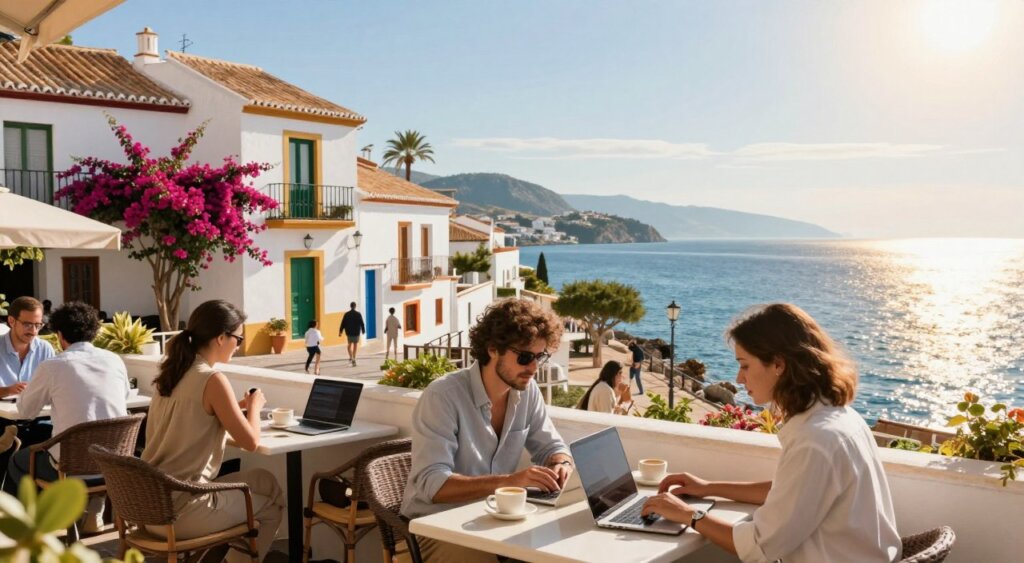
Spain has many cities, each with its own charm. Your choice of city will shape your daily life, from work to play. For non-EU professionals, picking a city is the first step to a fulfilling life in Spain.
Spain offers a mix of old culture and new tech. Let’s look at four cities that make starting your digital nomad life exciting.
Barcelona
Barcelona is a hotspot for digital nomads. It has a cosmopolitan energy and a thriving tech scene. You’ll find many remote workers in places like El Born and Gràcia.
Life in Barcelona is about enjoying tapas and beaches. The city’s mix of Gaudí’s architecture and innovation makes it inspiring. Barcelona is a dynamic place to start your digital nomad journey.
Madrid
Madrid is Spain’s business and cultural center. It’s fast-paced, with a network in finance, media, and tech. You can work in sleek offices or trendy cafes in Salamanca or Malasaña.
Evenings in Madrid are filled with museums, flamenco, and plazas. It offers a deep dive into Spanish life. Madrid is the heart of urban energy.
Valencia
Valencia is a great mix of beach life and affordability. It has modern arts and a long coastline. Your money goes further here than in Barcelona or Madrid.
The city has a relaxed yet lively vibe. You can cycle in Turia Gardens or enjoy paella by the port. Valencia is a sustainable and enjoyable choice for digital nomads.
Malaga
Malaga is the sunny capital of the Costa del Sol. It’s warm, with beaches close to the city. A growing digital community supports new co-working spaces and events.
Nearby, Marbella and Puerto Banús offer luxury. Malaga has history and a modern spirit. It makes your digital nomad life feel like a vacation.
Cost of Living in Spain for Digital Nomads

Living as a digital nomad in Spain is surprisingly affordable compared to many Western European places. It offers reliable internet, a great climate, and lower costs. But, prices vary a lot depending on where you are. The Balearic Islands are pricier, while mainland cities and smaller towns are more budget-friendly.
Average Monthly Expenses
Your monthly budget in Spain changes based on where you choose to live. Big cities like Barcelona and Madrid are more expensive but offer more chances to meet people. On the other hand, smaller towns and coastal areas are cheaper and have a slower pace of life.
Here’s a breakdown of estimated monthly expenses for a single digital nomad:
| Expense Category | Barcelona/Madrid | Valencia/Malaga | Smaller Towns |
|---|---|---|---|
| Housing (1-bed apt) | €900-€1,300 | €700-€1,000 | €500-€800 |
| Food & Groceries | €300-€400 | €250-€350 | €200-€300 |
| Transportation | €40-€60 | €30-€50 | €20-€40 |
| Co-working Space | €150-€250 | €100-€200 | €50-€150 |
| Leisure & Dining | €200-€350 | €150-€250 | €100-€200 |
| Total Monthly Range | €1,590-€2,360 | €1,230-€1,850 | €870-€1,490 |
These figures show you can live comfortably in Spain. To save money, consider sharing housing, cooking at home, or working from public libraries. Many digital nomads prefer smaller towns for their lower costs and authentic Spanish culture.
Comparison with Other Countries
Spain is a great choice for digital nomads compared to other popular spots. It offers a good balance of affordability and quality of life. Western European countries often charge more for similar things.
Here’s an international comparison:
| Country | Avg Monthly Cost | Visa Accessibility | Quality of Life Score | Internet Speed (Avg) |
|---|---|---|---|---|
| Spain | €1,200-€2,000 | High (Digital Nomad Visa) | 8.5/10 | 150 Mbps |
| Portugal | €1,400-€2,200 | High | 8.2/10 | 120 Mbps |
| Germany | €2,000-€3,000 | Medium | 8.7/10 | 170 Mbps |
| United Kingdom | €2,500-€3,500 | Low | 8.3/10 | 140 Mbps |
| United States | $3,000-$4,500 | Low | 8.4/10 | 180 Mbps |
Spain is the best choice for most remote workers. It offers European standards at prices closer to Southeast Asia. The Digital Nomad Visa makes it easy to live and work there legally, unlike in the UK or US.
Living in Spain as a digital nomad is even more affordable outside tourist areas. Your budget can adjust to local prices while keeping a good standard of living. This flexibility makes Spain a great long-term base for location-independent professionals.
Language Requirements
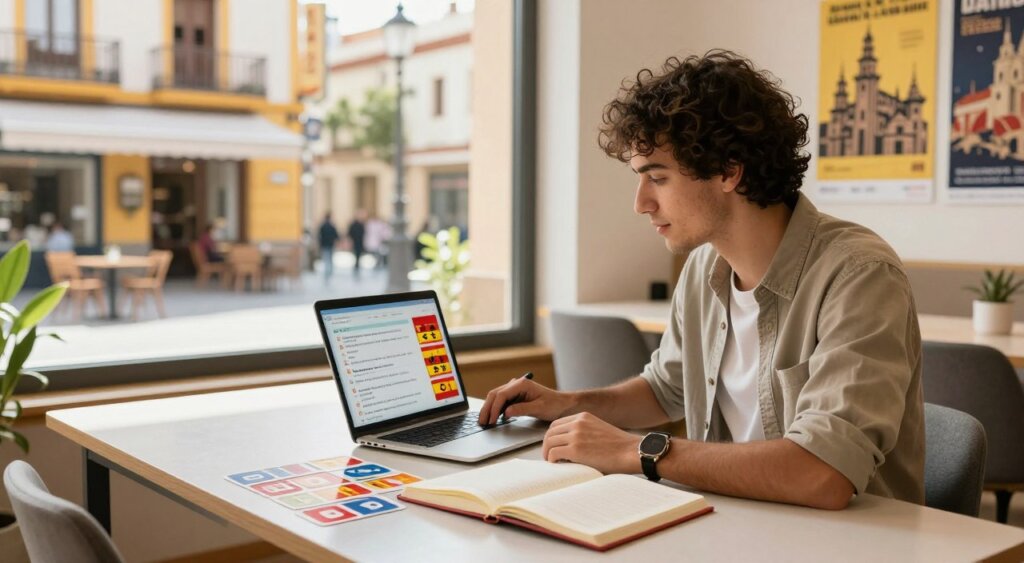
Knowing the local language is key when applying for a digital nomad visa in Spain. You don’t need to pass a language test, but speaking the language makes life easier. It helps with everyday tasks like opening a bank account or making friends at a tapas bar.
Even simple Spanish phrases show respect for the culture. They also help you feel more confident and independent when dealing with official tasks.
Popular Languages Spoken
In major cities like Barcelona, Madrid, and Valencia, English is common. You can easily find English speakers in co-working spaces, cafes, and shops.
But, outside these areas, Spanish is a must. Tasks like getting your NIE or signing a rental contract are done in Spanish.
Learning Spanish opens up the real Spain. It lets you connect with locals, understand cultural details, and explore beyond tourist spots. It makes your stay more than just a transaction.
Resources for Learning Spanish
Start learning Spanish before you arrive. A combination of online tools and face-to-face practice works best. Here are some good resources:
- Language Learning Apps: Duolingo and Babbel are great for learning vocabulary and grammar with daily lessons.
- Online Tutoring: iTalki or Preply offer affordable, personalized lessons with native speakers via video call.
- Local Language Schools: In Spain, take an intensive course at a school like Instituto Cervantes in Madrid or Barcelona.
- Language Exchange Meetups: Attend “intercambio” events to practice Spanish with locals who want to practice English.
- Immersion through Media: Watch Spanish movies and TV with subtitles, listen to podcasts or music during your commute.
Focus on making progress, not being perfect. Start with basic phrases for your digital nomad visa application and daily tasks. Then, build your skills.
Because of the visa’s complexity and language barriers, getting legal help is wise. Immigration firms can guide you through the process, ensuring your application is correct.
Community and Networking Opportunities

Spain is more than just a great climate and affordable living. It has a growing community of professionals who share your lifestyle. Building your network is key to feeling at home. It turns your temporary work into a connected lifestyle.
Co-Working Spaces
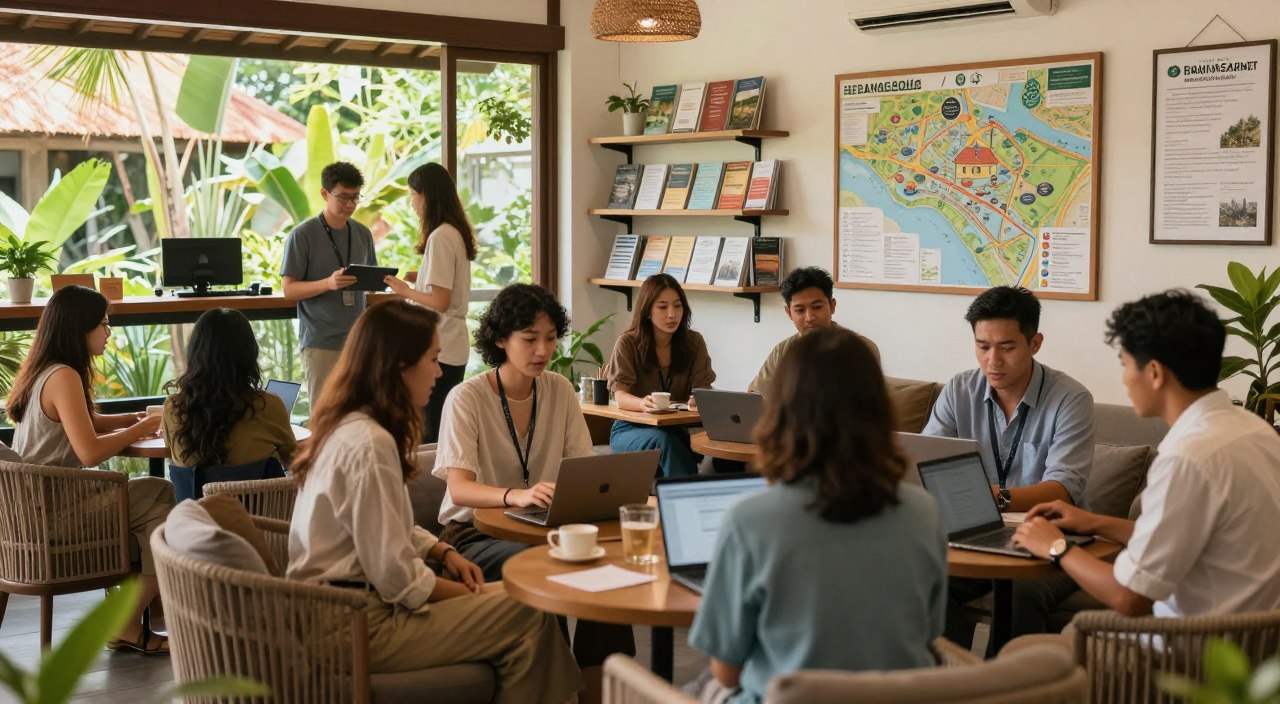
Co-working spaces are the heart of the digital nomad scene. They offer more than just internet. They provide a professional setting and a chance to meet others.
In places like Ibiza, theHUB Ibiza stands out. It mixes work with a creative community vibe. You can join workshops, networking lunches, and social events.
Coworking Santa Eulalia offers a more structured setting. It has quiet zones, meeting rooms, and fast internet. It’s all about productivity while connecting through common areas.
Meeting others in these spaces can open doors. Casual chats can lead to new projects, referrals, or local tips. Seeing your coworking space as your community center is smart.
Meetups and Events
Looking for meetups and events helps you connect. Spain’s cities and towns have events for all interests. From tech talks to hiking, there’s something for everyone.
Meetup.com is great for finding these events. Look for groups like “Digital Nomads Barcelona” or “Remote Workers Madrid.” These events are a safe way to meet others who share your lifestyle.
Facebook Groups are also key for local connections. Search for “Digital Nomads Spain” or “Expats in Valencia.” These groups are perfect for finding last-minute meetups and getting tips.
Platforms like Internations host events in big cities. They’re great for expanding your network beyond remote work.
Here’s a comparison of popular platforms for digital nomads in Spain:
| Platform | Primary Focus | Typical Event Format | Best For |
|---|---|---|---|
| Meetup.com | Interest-based & professional groups | Scheduled workshops, talks, social drinks | Finding structured events around a specific hobby or skill |
| Facebook Groups | Local community & quick info | Informal coffee meetups, Q&A, resource sharing | Getting real-time advice and joining casual, last-minute gatherings |
| Internations | Expat & professional networking | Official cocktail parties, city tours, business seminars | Building a broad international network in a formalized setting |
| Eventbrite | Ticketed events & conferences | Paid conferences, niche masterclasses, cultural festivals | Attending high-value professional development or major local events |
By using both physical and digital spaces, you can find your community in Spain. Being proactive in building your network will make your work and personal life abroad better.
Navigating the Spanish Bureaucracy

Spain’s lifestyle is known for being relaxed, but its official procedures need your full attention. Dealing with Spanish bureaucracy is a big step for digital nomads. With a clear plan, what seems hard becomes easy.
Necessary Registrations
First, get your NIE, or Número de Identificación de Extranjero. This is your key to life in Spain. You’ll need it for almost everything official.
Your NIE is like your ID for taxes and official stuff. It helps you open a bank account, sign a lease, or pay taxes. Apply for it at a Spanish police station or through a consulate before you move.
Then, do your empadronamiento. This is your registration at the local town hall. It shows your official address in Spain.
You’ll need a rental contract and your passport for this. This certificate is key for local services. It’s often needed for healthcare and other official tasks.
Local Laws to Understand
Knowing a few key local laws helps avoid surprises. Spain has rules for residents, even if you’re just there for a bit.
Your tax obligations change based on how long you stay. If you’re in Spain for over 183 days a year, you’re a tax resident. You must report your worldwide income to the Spanish tax authorities.
As a digital nomad with a visa, you might get a special tax deal. It could lower your income tax for a while. It’s smart to talk to a local gestor (administrative manager).
For healthcare registration, start with your empadronamiento certificate. This lets you sign up for public healthcare at your local health center. Many digital nomads also get private health insurance for quicker service.
Know the norms for rental contracts. Spanish leases often last at least five years for main homes. But, many landlords offer shorter contracts to foreigners. Make sure everything is written down to protect your rights.
By handling these registrations and learning these laws early, you lay a strong foundation. Then, you can enjoy your new Spanish life without worrying about the law.
Tips for a Successful Stay in Spain
Your Digital Nomad Visa Spain lets you live and work here. To succeed, you need to understand daily life. Preparing for cultural differences and building routines is key.
Cultural Adaptation
Adjusting to Spain means getting into its pace. Meals are later, and siestas break the day. See it as a way to live better, not a problem.
Learning some Spanish shows respect. It helps you connect with locals, beyond just expats.
Living in places like Ibiza has its own challenges. Summers are busy, winters calm. Think about this when choosing where to live for a good work-life balance.
Balancing Work and Leisure
Spain’s environment fights burnout. Work during regular hours. Then, enjoy your evenings.
Be flexible. A midday walk in Valencia or a swim in Malaga can refresh you. Weekend trips to explore are easy.
Make time for social activities. Join co-working spaces in Barcelona or local meetups. This balance is the Digital Nomad Visa’s best part.
Your time with the Spain Digital Nomad Visa is an adventure. Embracing work and local life makes it rewarding.