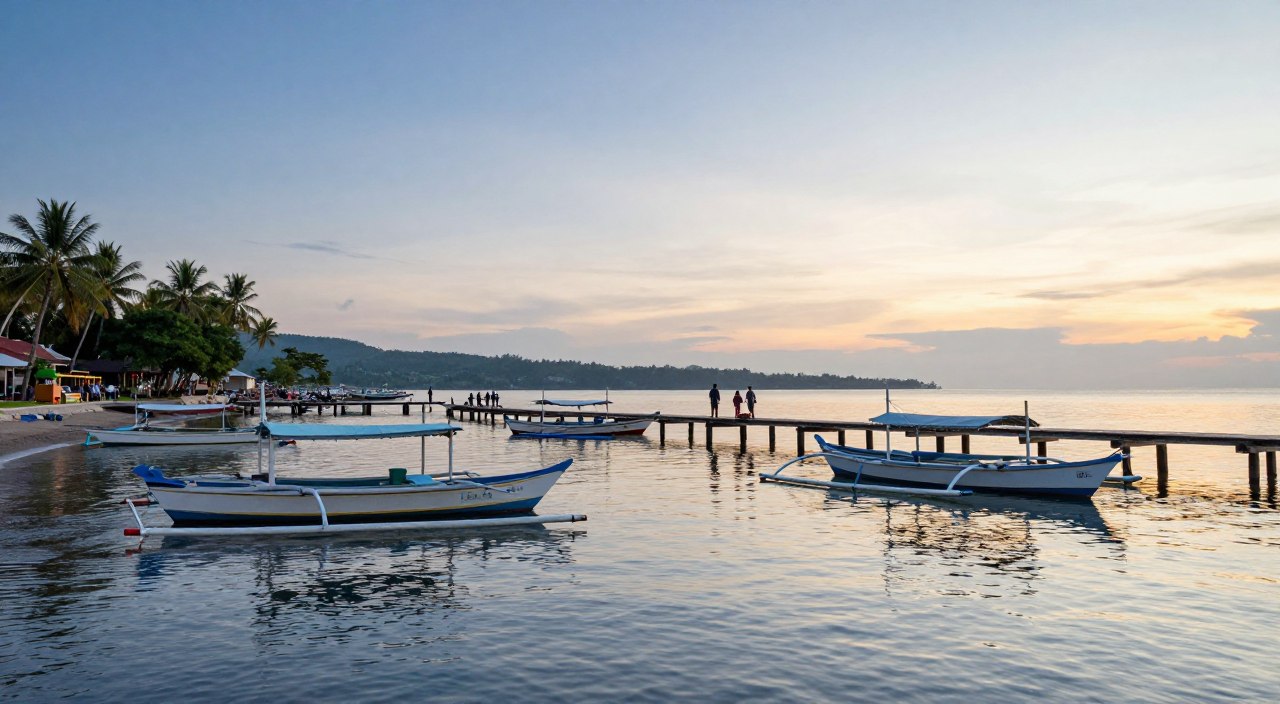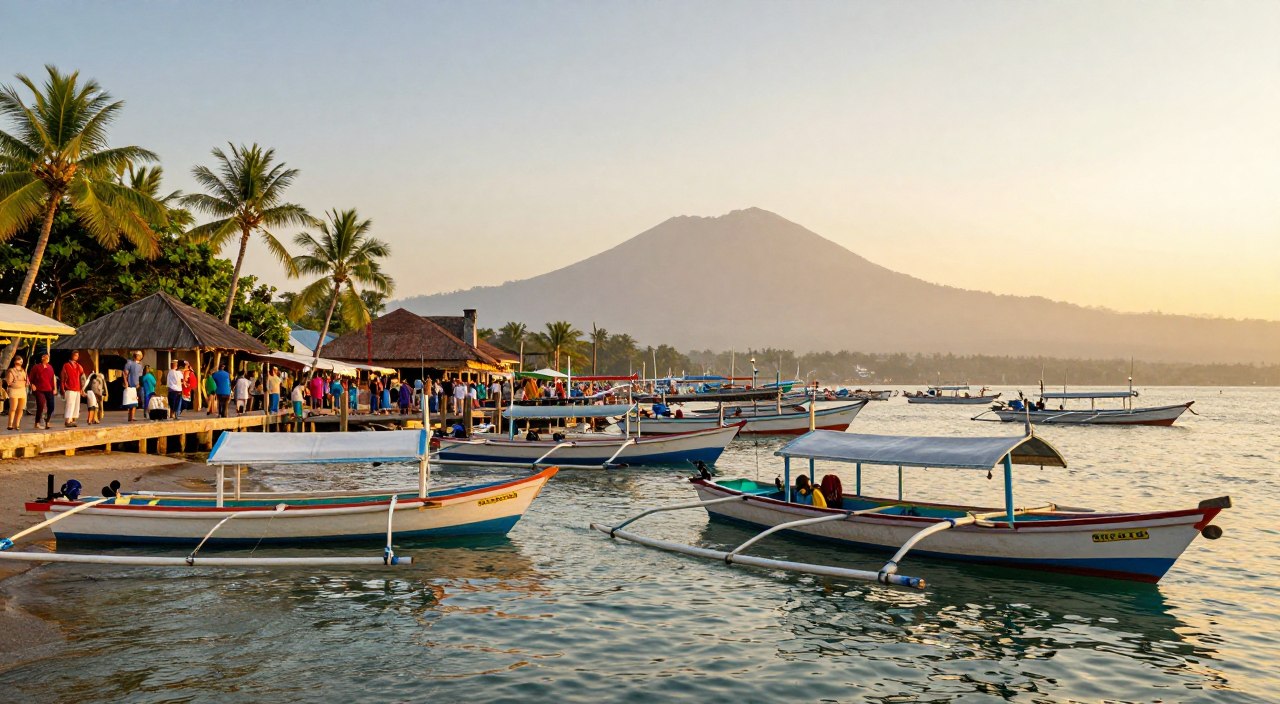
By 2025, over 35 million Americans are expected to work remotely. Many are picking the digital nomad visa Croatia for a new adventure.
Croatia is a beautiful EU country by the Adriatic Sea. It has a stunning coastline, over a thousand islands, and historic cities like Dubrovnik.
After joining the Schengen Area in 2023, traveling across most of Europe is easy. Using the euro, daily life in the Eurozone is smooth.
Remote work in 2026 is all about location strategy. You pick a base based on tax rules, visa flexibility, healthcare, and fast internet.
Political stability, cost of living, and being in the same time zone as clients matter too. Long-term residency options are also important.
Croatia’s program is a great mix. It offers a Mediterranean lifestyle with the freedom you need for work.
Key Takeaways
- Croatia’s Digital Nomad Visa is a smart choice for remote workers looking for a European base.
- EU and Schengen membership means visa-free travel across most of Europe.
- The euro makes all financial dealings and daily payments easy.
- Modern remote work focuses on location strategy, not just working from home.
- Choosing a destination involves tax efficiency, healthcare, and internet quality.
- The program offers a legal way to stay long-term in a beautiful, stable country.
- Croatia’s natural beauty and rich history make your life better.
What is the Digital Nomad Visa?

Imagine working legally from Croatia’s beautiful Adriatic coast. The country has a special visa for remote workers. It’s not a tourist visa or a regular work permit.
This visa is for location-independent professionals. It lets you live and work in Croatia for up to a year or more. It’s designed for the modern reality of remote work.
Overview of the Program
This program is a temporary stay permit. It’s for remote workers, freelancers, and entrepreneurs. You must be employed by or have clients outside of Croatia.
To qualify, you need to show a monthly income of at least €3,295. Or, you can prove you have enough savings for your stay. You also need international health insurance and a clean criminal record.
The visa allows an initial stay of up to one year. Sometimes, it can be extended to 18 months. But, it’s usually not renewable right after.
After your permit ends, you must leave Croatia for six months. Then, you can apply for a new visa. A big plus is not paying Croatian income tax on foreign earnings.
Purpose and Benefits
Croatia launched this program to attract global talent. It wants to diversify its economy and encourage long stays. The benefits for you are huge.
It gives you the legal right to live and work in Croatia. You’re no longer in a gray area. Plus, as a resident, you can travel in the Schengen Zone for short trips.
The tax exemption on foreign income is a big financial plus. You also get to enjoy a high quality of life. Croatia has beautiful coastlines, historic cities, and a lower cost of living than many Western European capitals.
Here are the main benefits of the remote work visa Croatia offers:
- Legal Clarity: A dedicated permit for remote work, removing legal uncertainty.
- Tax Advantage: No Croatian income tax on money earned from abroad.
- Schengen Access: Easy travel across 26 European countries.
- Longer Stay: Up to 18 months in a single permit cycle.
- Focused Community: Join a growing network of international digital nomads.
In essence, the Croatia digital nomad program is more than just a visa. It’s a chance to live in a new culture while keeping your career. It offers stability and peace of mind for your remote work journey in Europe.
Eligibility Criteria for Applicants
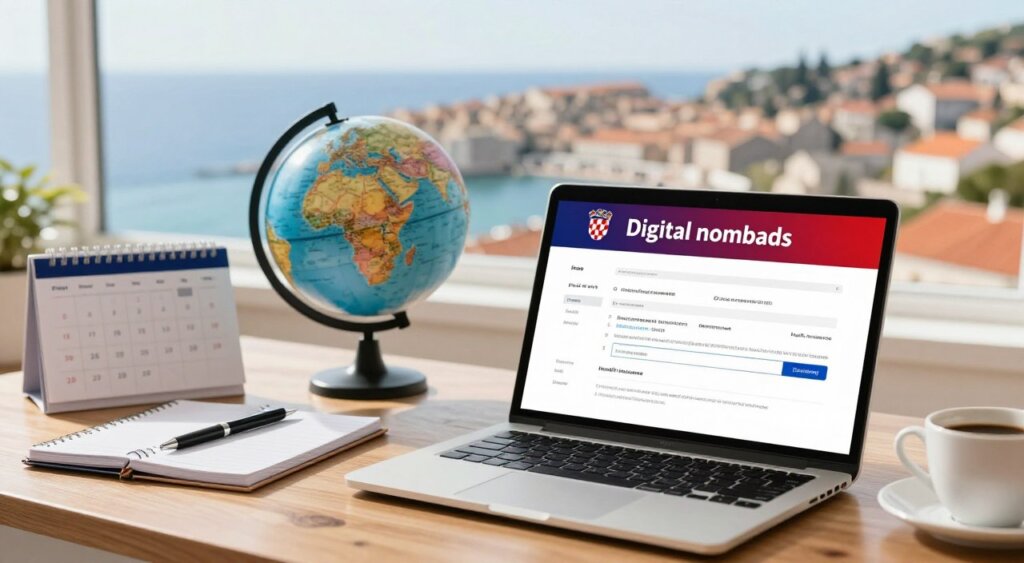
To live in Croatia for a year, you need to meet three main criteria. You must have enough money, a clean record, and proof of remote work. Knowing these visa rules for digital nomads in Croatia is key.
Required Qualifications
You must show you can support yourself without a local job. The minimum monthly income is about €3,295. Or, you can show you have enough savings for your stay.
Having a clean criminal record is essential. You need a certificate from your home country with no serious crimes. This ensures Croatia’s safety.
Lastly, your work must be remote. Your employer should be outside Croatia, or your clients must be foreign. You can’t work for a Croatian company on this visa.
Necessary Documentation
Getting the right documents is important. You need to submit a complete set to the authorities. Missing a document can delay your application for months.
Here’s what you need:
- Valid Passport: It must be valid for at least three months after your stay.
- Proof of Income or Savings: Bank statements, employment contracts, or client agreements.
- Health Insurance Proof: Coverage for your entire stay in Croatia.
- Criminal Background Check: An official certificate, apostilled or legalized.
- Completed Application Form: The official form, filled out correctly and signed.
When showing proof of income, be clear. The table below shows common and accepted evidence.
| Document Type | What It Shows | Key Consideration |
|---|---|---|
| Bank Statements | Consistent monthly deposits meeting or exceeding €3,295. | Usually required for the last 6-12 months. |
| Employment Contract | Formal agreement with a foreign company stating your remote role and salary. | Must be in English or Croatian, or include a certified translation. |
| Freelancer Client Contracts | Agreements with multiple clients demonstrating stable income. | Combined value should meet the monthly threshold. |
| Savings Account Statement | A lump sum sufficient to cover your stay (e.g., €39,540 for 12 months). | Funds must be readily available, not tied up in investments. |
Organizing your documents might seem hard, but it’s doable. As one immigration consultant said:
The most successful applicants treat document gathering like a project plan. They start early, verify each requirement directly with official sources, and ensure every paper tells a clear, consistent story about their eligibility.
Check every detail before you submit. A small mistake or an outdated document can block your path to the Adriatic coast.
Application Process Explained

To get your Croatian digital nomad visa, you first need to understand the application process. It’s straightforward but requires careful attention to all the details. For U.S. citizens and others not needing a visa, applying from within Croatia is a big plus.
You can start by entering Croatia as a tourist. Then, apply for your work and stay permit at a local police office. This office is part of the Ministry of the Interior, or MUP. Make sure your passport is stamped when you arrive and note your allowed stay period.
Steps to Apply
Following a clear sequence is key to avoid delays. Here’s your step-by-step guide to getting your Croatia visa for remote workers:
- Enter Croatia Legally: Start by using the tourist visa waiver. This lets you stay up to 90 days in any 180-day period under Schengen Area rules. Get your passport stamped upon entry.
- Prepare Your Documents: Collect all needed paperwork. This includes your application form, valid passport, proof of remote work and income, health insurance, and a clean criminal record certificate. Translate any documents not in Croatian by a court-sworn translator.
- Submit In Person: Find your nearest MUP office. You must apply in person. You can’t apply from abroad or by mail. You might need to schedule an appointment.
- Pay the Fees: Be ready to pay the fee for processing your temporary stay permit. You usually pay this when you submit your application.
- Await Approval: The authorities will review your application. Processing times vary. You’ll get a decision, and if approved, your biometric residence permit will be issued.
Remember, your 90-day tourist stay starts from your entry date. Start this application process well before it ends.
Common Pitfalls to Avoid
Even a small mistake can ruin your plans. Knowing these common errors can save you time, money, and stress.
- Overstaying Your Initial 90 Days: This is a serious offense. If you stay longer than allowed before applying for or getting your digital nomad permit, you face fines, deportation, or a ban from entering Croatia and the Schengen Area.
- Incomplete or Incorrect Documents: Applying with forms missing info or untranslated documents is a common reason for rejection. Check every item against the official checklist.
- Misunderstanding Income Requirements: The visa needs proof of enough remote income. Make sure your bank statements and contracts clearly show you meet the monthly income requirement and that it’s from outside Croatia.
- Attempting Local Employment: The digital nomad visa is for remote work for foreign employers or clients. You are not allowed to work for a Croatian company or for local clients on this permit.
- Assuming Automatic Approval: Applying does not mean you’ll get a permit. Allow enough time for processing and don’t make travel or housing plans until you have the official permit.
Preparation is key to a smooth application. Treat the document checklist as your bible, and never cut the timeline too close.
By following the steps carefully and avoiding these common mistakes, you’re on the path to a successful application. Focus on detailed preparation and sticking to the legal timelines.
Cost of Obtaining the Visa

Getting a Croatian digital nomad visa comes with more than just application fees. You need a clear financial plan for a smooth transition. This guide covers all costs, from government fees to your daily coffee.
Application Fees and Expenses
The Croatian government has set fees for your permit. You’ll pay for the Stay and Work Permit and the Biometric Residence Card.
Here’s what you’ll need to pay:
- Stay and Work Permit Application: €74.32 (permit grant) + €9.29 (biometric administration).
- Biometric Residence Card (Regular Procedure): €31.85.
But there are more costs to consider. You’ll need to legalize your documents and get them translated. This adds to your expenses.
Also, you must buy private health insurance. This is a big cost at the start.
Don’t forget about travel costs. You’ll need to go to the consulate and a police station. Courier services and immigration consultants can also add up.
Cost of Living in Croatia
Working remotely in Croatia is affordable, except in tourist areas. Your budget will change a lot depending on where you live.
Zagreb offers a city life, but it’s pricier than smaller towns. Yet, groceries and transport are affordable. Coastal cities like Split or Dubrovnik have higher prices, mainly in summer.
Here’s what you might spend each month:
| Expense Category | Zagreb (Moderate) | Coastal City (Split) |
|---|---|---|
| Accommodation (1-bed apt, city center) | €500 – €700 | €600 – €900 (seasonal) |
| Utilities (Electricity, Heating, Cooling, Water) | €120 – €180 | €100 – €160 |
| Groceries & Dining Out | €250 – €400 | €300 – €500 |
| Coworking Space Membership | €80 – €150 | €100 – €200 |
| Leisure & Entertainment | €100 – €200 | €150 – €300 |
Coworking spaces and internet are common in Croatia. Don’t forget to budget for fun activities. Enjoying the local culture and festivals is part of the experience.
A digital nomad can spend between €1,200 and €2,000 monthly. Smart planning helps you enjoy Croatia without financial stress.
Duration of the Visa
The Croatian digital nomad visa lets you live and work in the Adriatic nation for a set time. Knowing how long you can stay is key for planning your finances and work. It’s perfect for remote workers who want to enjoy Croatia without tourist visa issues.
Your visa’s length depends on your remote work status. It lets you legally live in Croatia while working for clients abroad. Here’s what you need to know about the initial period and what happens after.
Initial Validity Period
When approved, your visa is usually valid for up to a year. This is the standard for most applicants. The clock starts when you enter Croatia and register your temporary residence.
In some cases, you might get approval for up to 18 months. This longer period is not guaranteed but is possible. Your permit stays valid as long as you keep working remotely for foreign employers.
Remember, this is a temporary residence permit. It’s not a path to permanent residency or citizenship. The visa lets you legally live and work in Croatia as a digital nomad for its set timeframe.
Renewal Options
A key thing about the Croatian digital nomad visa is that it’s not directly renewable. You can’t just extend it while in the country. This is a common misunderstanding for newcomers.
What happens when your visa expires? You must leave Croatia and the Schengen Area for six months before reapplying. This is the standard rule.
This means you’ll have a gap in your Croatian residency. Many nomads travel or return home during this time. After six months outside, you can apply again, starting fresh.
If you’re looking for a longer stay, there might be other options. For example, getting a job with a Croatian company could lead to a standard work permit. Other long-term permits might be available for family ties or investment.
Planning for the visa’s end date is wise. It helps avoid last-minute stress about your legal status. Knowing these rules is key to successfully living and working in Croatia as a digital nomad.
Health Insurance Requirements

Your dream of relocating to Croatia as a digital nomad depends on health insurance. You must show a minimum income, a clean record, and valid insurance. Without it, the Croatian government won’t process your visa.
This rule is to protect you and the local healthcare. You need a policy that covers you fully during your stay.
Minimum Coverage Standards
Your insurance policy must meet strict criteria. Just any travel medical plan won’t do. It must be valid for your entire stay in Croatia.
The common requirements include:
- International Validity: Your insurance must be an international health or travel medical insurance policy.
- Minimum Coverage Amount: A minimum coverage of €30,000 (or equivalent) for medical expenses is typically required.
- Repatriation Coverage: The policy must include coverage for medical repatriation or evacuation.
- Full Duration: It must be valid for the entire period you request on your visa application.
Authorities often state that the insurance must provide “health insurance covering the full period of stay in the Republic of Croatia.”
Always check the latest official guidelines, as amounts and specifics can be updated. Treat this as a baseline for your search.
Recommended Providers
Choosing the right insurer is key for a smooth application. Croatian immigration officials are familiar with policies from reputable international companies.
Many digital nomads successfully use providers like:
- Cigna Global and Allianz Care: Well-established insurers known for their international plans.
- SafetyWing: A popular choice for its flexibility and focus on nomads.
When picking a provider, make sure they can issue a formal certificate of insurance in English or Croatian. This document is what you’ll submit with your application. It should clearly state your name, policy number, coverage amounts, and validity period.
Before buying, contact the insurer to confirm their policy meets Croatia’s digital nomad visa requirements. This simple step can prevent costly mistakes and delays.
Taxation for Digital Nomads

Understanding taxes is key when you get a Croatian freelance visa. This visa has a big plus: you don’t pay Croatian income tax on money from outside clients. This is great for remote workers.
But, knowing the tax rules is very important. Making mistakes with taxes is a big risk for those working abroad.
Tax Residency Rules
Your tax situation depends on where you’re considered a tax resident. The 183-day rule is often used. If you spend more than 183 days in Croatia, you might be seen as a tax resident.
Even with the visa’s tax break for foreign income, becoming a tax resident can mean you have to report taxes. It’s important to keep track of your days in Croatia. Your home country, like the U.S., also has rules for taxing citizens abroad.
Key points to remember:
- The Croatian digital nomad visa doesn’t tax your foreign-sourced income.
- The visa doesn’t let you work for Croatian companies.
- You might be considered a tax resident, even with the visa.
- Your home country might tax your worldwide income, no matter where you live.
Agreements with the U.S.
For Americans, the U.S.-Croatia tax treaty is very helpful. It prevents double taxation by deciding who gets to tax certain income.
This treaty is important for business profits and income from personal services. It’s good to know what it says about these areas.
It’s wise to talk to a tax expert who knows international tax. They can help you manage your income and residency. This way, you follow U.S. and Croatian tax laws and get the most from your visa.
Good planning makes the tax benefits of the Croatian freelance visa work well for your lifestyle.
Cities to Live in Croatia
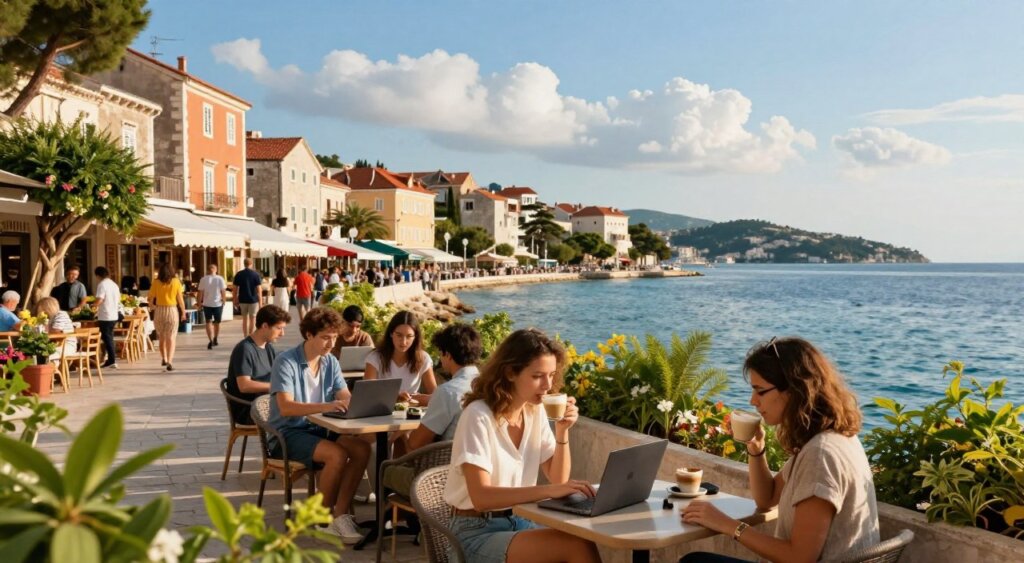
Your Croatian adventure starts with picking a city that fits your work style and interests. Croatia is known for its stunning Adriatic Sea, over a thousand islands, and historic cities. For those with a digital nomad visa Croatia, choosing a city shapes your daily life. The growing IT and software sectors offer exciting opportunities.
Popular Destinations for Nomads
Every Croatian city has its own vibe for remote workers. Your choice affects your social life, work environment, and overall experience.
Zagreb is the lively capital. It has a growing tech scene and a European feel. You’ll find modern coworking spaces, a café culture, and cultural events all year. It’s perfect for focused work and networking.
Split is a vibrant coastal city with ancient history. It’s a major ferry hub, making it easy to explore islands. The city mixes history with a youthful vibe. The seafront promenade is great for evening walks and socializing.
Dubrovnik is a historic gem known as the “Pearl of the Adriatic.” Its walled old city is a UNESCO site. It can be busy in summer, but it’s very international.
Rijeka and Zadar offer affordable, authentic coastal living. Rijeka has a gritty, artistic charm. Zadar is famous for its Roman ruins and sea organ. Both cities have a slower pace and beautiful nature without the crowds.
Lifestyle Comparisons
Choosing between an inland city and a coastal town is key. Your lifestyle preferences are as important as your work needs.
Zagreb offers a consistent urban vibe. It has the best coworking and digital infrastructure. Winters are cold, but you get a true city experience with diverse dining and nightlife. It’s great for those who value a strong professional community.
Coastal cities like Split, Dubrovnik, and Zadar have a relaxed Mediterranean pace. Your workday might include swimming or hiking. Life is seasonal, with busy summers and quiet winters. It’s perfect for outdoor lovers.
Here’s a simple comparison to help you decide:
| City Type | Work Environment | Pace of Life | Primary Appeal |
|---|---|---|---|
| Urban Capital (Zagreb) | High concentration of coworking spaces, strong tech network | Consistently energetic, year-round activity | Career networking & cultural events |
| Major Coastal (Split, Dubrovnik) | Mix of coworking and café work, inspiring views | Relaxed but seasonal; bustling summers | History, sea access, outdoor lifestyle |
| Authentic Coastal (Rijeka, Zadar) | Emerging coworking spots, quieter settings | Slow and authentic, less tourist-focused | Affordability, local culture, natural beauty |
Your choice depends on what you need to thrive. Do you prefer the buzz of a capital or the calm of the sea? Picking the right location is key to a successful remote work visa Croatia experience.
Tips for Settling in Croatia

Starting a new life as a digital nomad in Croatia is more than just finding a place to live. It’s about diving into a new way of life. With your Croatia digital nomad program approval, you’re ready to enjoy the Mediterranean lifestyle. You’ll love the fresh seafood, stunning sunsets, and relaxed vibes.
This section offers tips to help you settle in. You’ll learn how to make the most of your stay and enjoy the freedom of traveling in the Schengen area.
Adapting to the Culture
Getting to know local customs is key to feeling at home. Croatians love a balanced life, embracing the concept of fjaka. It’s about enjoying life at a leisurely pace. Make sure to take long coffee breaks to soak in the culture.
Learning basic Croatian phrases is a big help. Saying “Dobar dan” (Good day) and “Hvala” (Thank you) shows respect. In business and social settings, being on time is important, but meetings might start a bit late. Dressing smart-casual is usually the way to go.
“Living here taught me that productivity isn’t about being busy every second. It’s about working smart and then fully enjoying the life around you—the wine, the sea, the conversation.”
Here’s a quick guide to key cultural nuances:
| Aspect | Local Norm | Tip for Nomads |
|---|---|---|
| Pace of Life | Relaxed, emphasis on fjaka | Build flexible hours; don’t rush interactions. |
| Socializing | Coffee & meal-centric, often lengthy | Accept invitations; it’s where connections are made. |
| Business Etiquette | Formal initial contact, then warm | Use titles (Mr./Ms.) until invited to use first names. |
| Language | Croatian is official, English widely spoken in cities | Learn 5-10 basic phrases to show effort. |
Finding Community and Support
Building a strong social and professional network is essential. Start by checking out the coworking spaces in major cities. These places are great for meeting other remote workers and locals. They often have events and workshops.
Online forums are also very helpful. Join groups like “Digital Nomads Croatia” or “Expats in Zagreb” on Facebook. These groups are full of advice on housing, legal issues, and making friends. They also post about local meetups and language exchange events.
| Resource Type | Platform/Example | Best For |
|---|---|---|
| Coworking Spaces | Saltwater in Split, Hub385 in Zagreb | Professional networking & focused work. |
| Online Communities | Facebook Groups, Internations.org | Getting quick answers & finding events. |
| Local Meetups | Meetup.com, Nomad List events | Socializing & hobby-based connections. |
| Language Exchanges | Tandem apps, local university boards | Improving Croatian & meeting locals. |
Don’t be shy to reach out. Many have gone through the visa requirements for digital nomads in Croatia and are eager to help. Attend events, be open, and you’ll find your community. They will be your biggest support for any challenges, inspiration, and enjoying your new home.
Success Stories of Digital Nomads
Stories from those who’ve made the move to work remotely in Croatia are inspiring. They show it’s not just a dream but a real possibility. These tales offer a blueprint for your own life.
They reveal how the Croatia visa for remote workers works in everyday life, not just in theory.
Interviews with Expats
Meet Alex, a freelance web developer from California. He now lives in Split. He chose Croatia for its beautiful coastlines and reliable infrastructure.
His day starts with coffee by the Riva promenade. Then, he works on client calls. Afternoons, he codes from a seaside cafe or coworking space.
“The visa process was easy. The best part is the work-life balance. I can finish projects and be at the beach or hiking in minutes.”
Maya, a Canadian content creator, lives in Zagreb. She loves the city’s arts scene and location. “The visa let me work remotely in Croatia for a year without worry,” she says.
Her day includes filming in parks, editing from her apartment, and meeting other nomads. “Zagreb has an amazing energy. It’s affordable, walkable, and full of creatives. The visa was my ticket to fully experience it.”
“Zagreb has this incredible energy. It’s affordable, walkable, and full of creative people. The visa was my ticket to immersing myself in it properly.”
Lessons Learned
Many valuable lessons come from these experiences. Paying attention to them can help your transition.
- Internet is Non-Negotiable: Test the internet speed before renting long-term. A stable, high-speed connection is key. Many suggest having a local mobile data plan as a backup.
- Arrive in the Shoulder Season: Move in late spring (May) or early fall (September). You’ll avoid crowds and high prices. It’s easier to find places and settle before the tourists arrive.
- Learn a Little Croatian: Basic phrases like “hvala” (thank you) and “dobar dan” (good day) are helpful. They show respect and make daily interactions easier.
- Navigate Bureaucracy with Patience and Prep: Organize your documents well and have them translated. For official matters, patience and politeness are more effective than frustration. Many suggest hiring a local visa consultant for the initial application to avoid delays.
These insights, from real experiences, are invaluable. They show success with the Croatia visa for remote workers is about preparation and adaptability. Your story of working remotely in Croatia could be next.
Resources for Further Information
Your research into the Croatian freelance visa is almost done. Good sources make your move easier. This guide points you to the best places for current info and support.
Official Government Websites
Always check official sites for the latest rules. The Croatian Ministry of the Interior (MUP) handles visa and permit applications. The Ministry of Foreign and European Affairs lists entry requirements by nationality.
The Croatian Employment Service (HZZ) may have relevant updates. Rules can vary, so verify your specific situation here before applying for your Croatian freelance visa.
Expat Community Groups
Online forums offer real-world advice. Facebook groups like “Digital Nomads Croatia” are active. Platforms like InterNations connect expats in Croatian cities.
These groups help with living and working in Croatia as a digital nomad. You can ask questions and learn from recent applicants.
Use these resources as you plan relocating to Croatia as a digital nomad. Official websites provide the law. Community groups share the lived experience. Cross-reference both for a confident start to your new chapter.