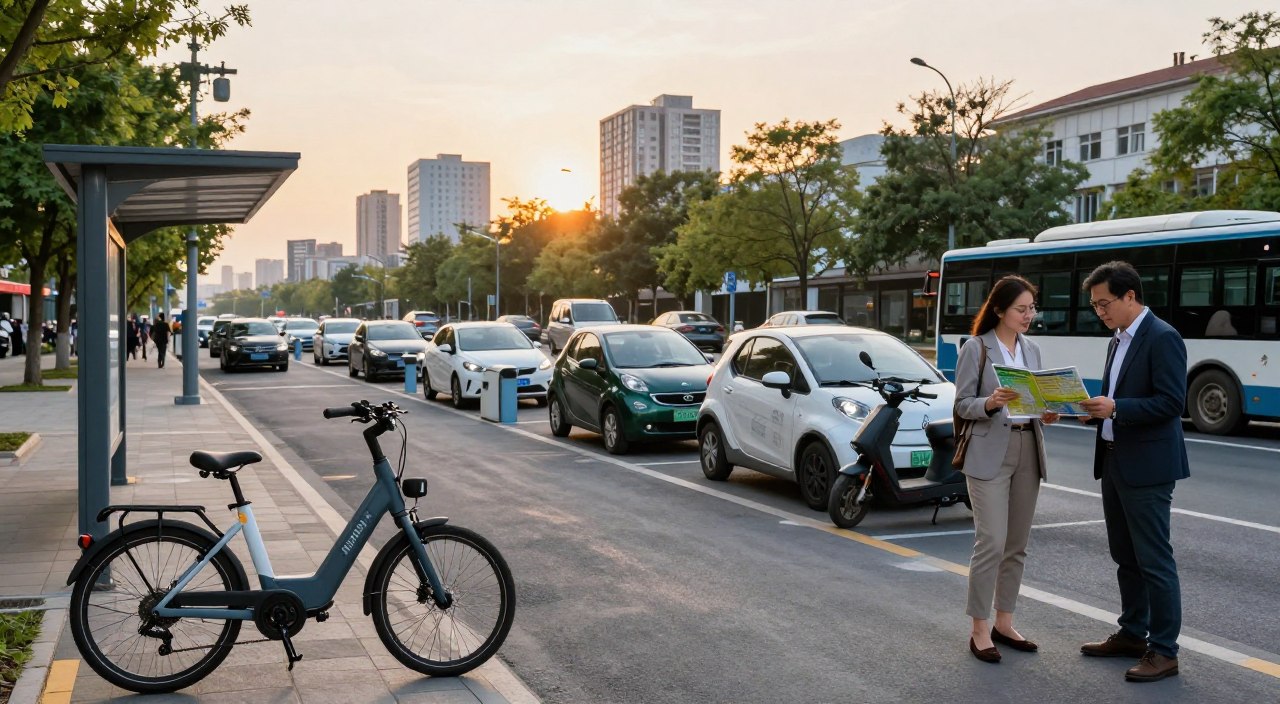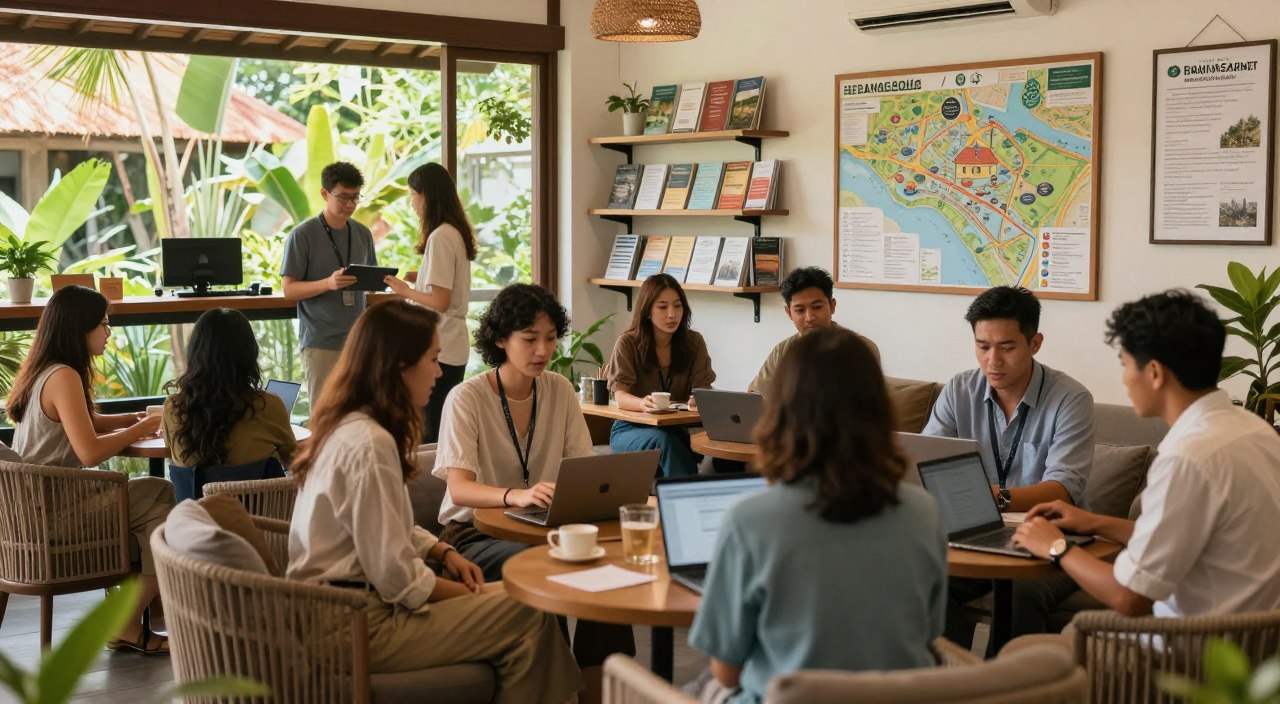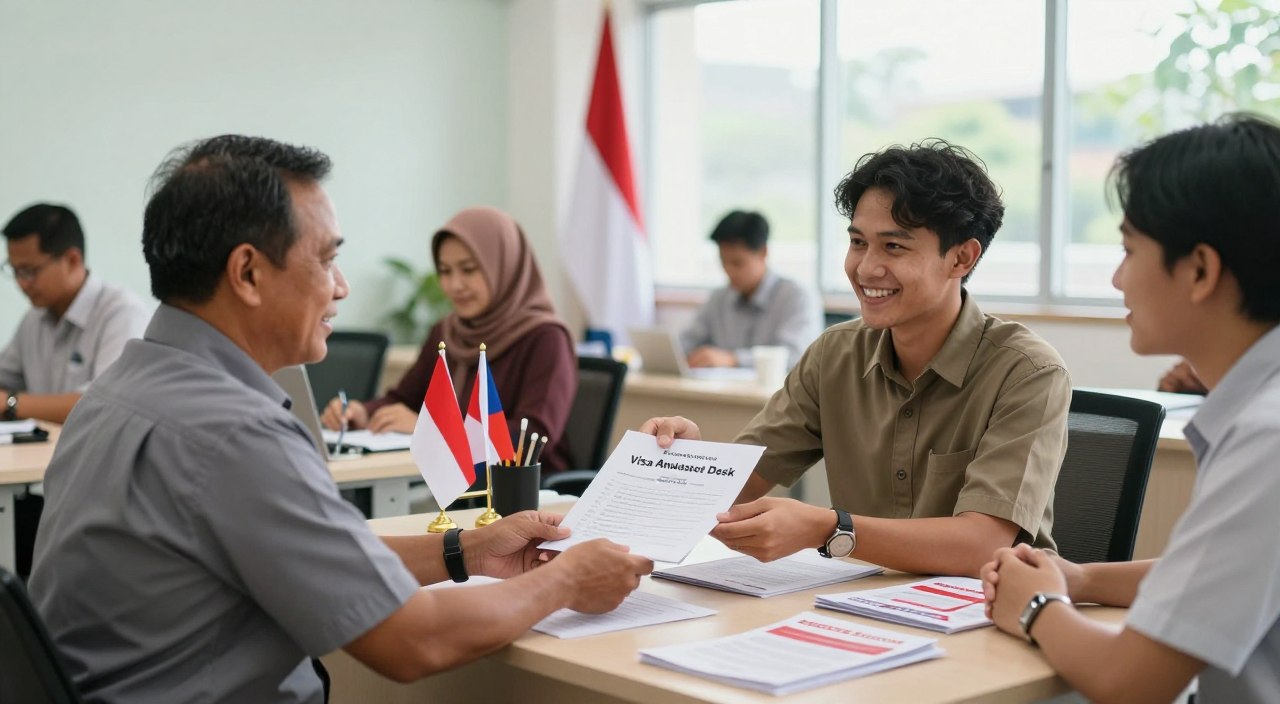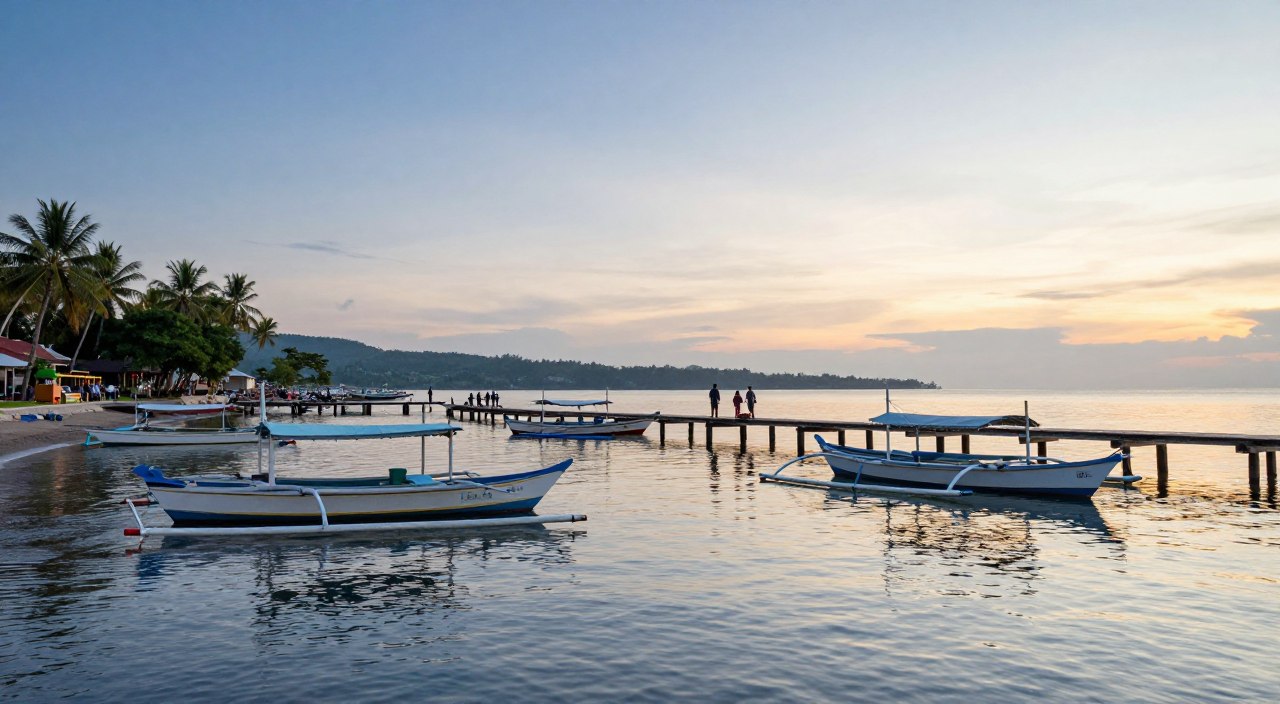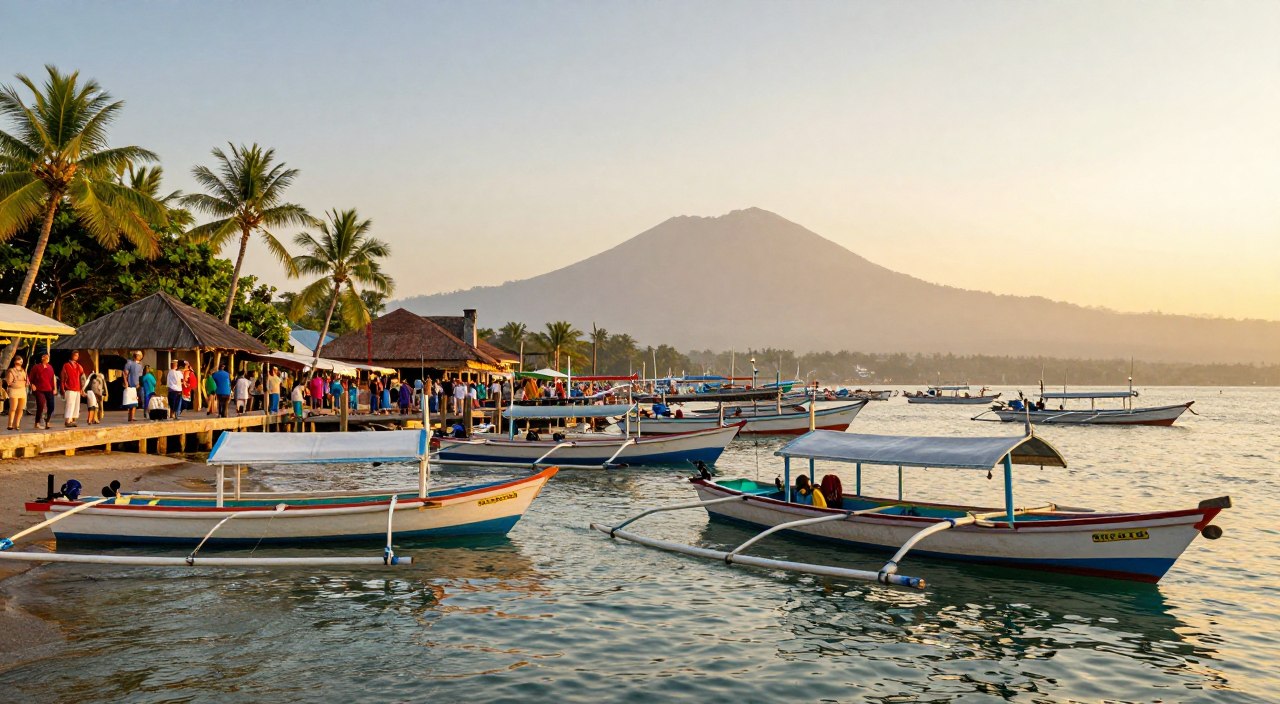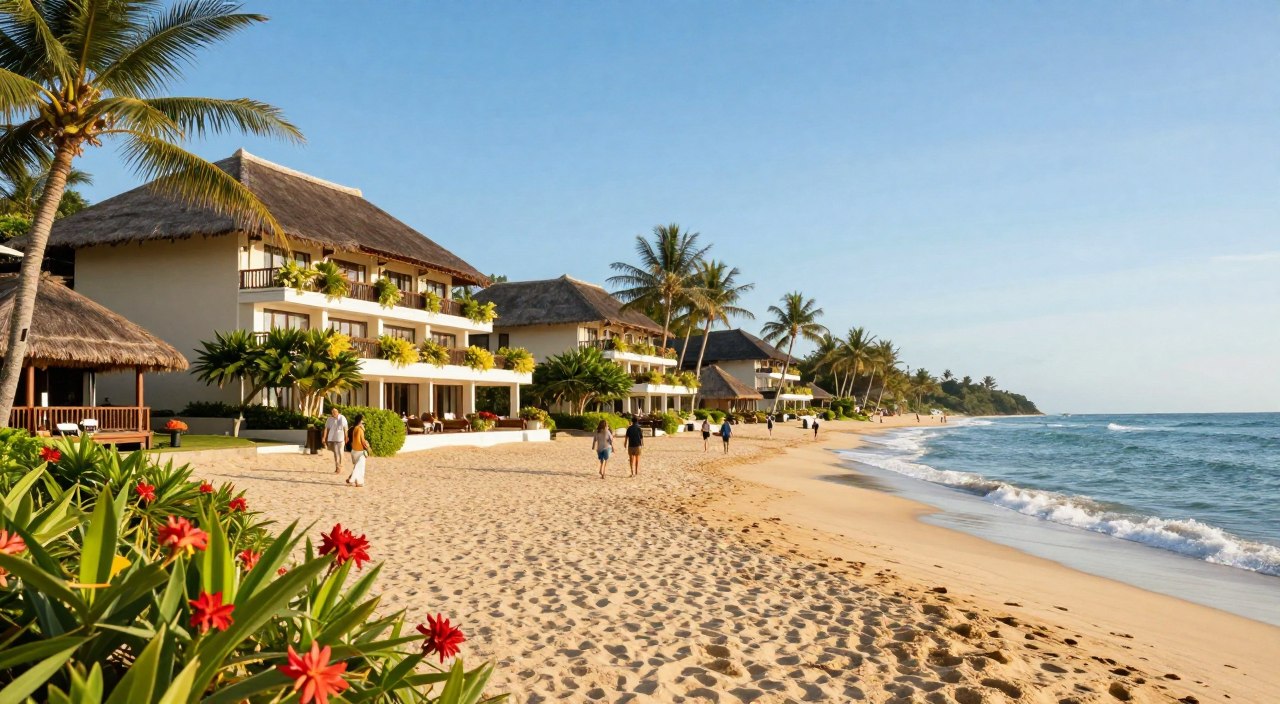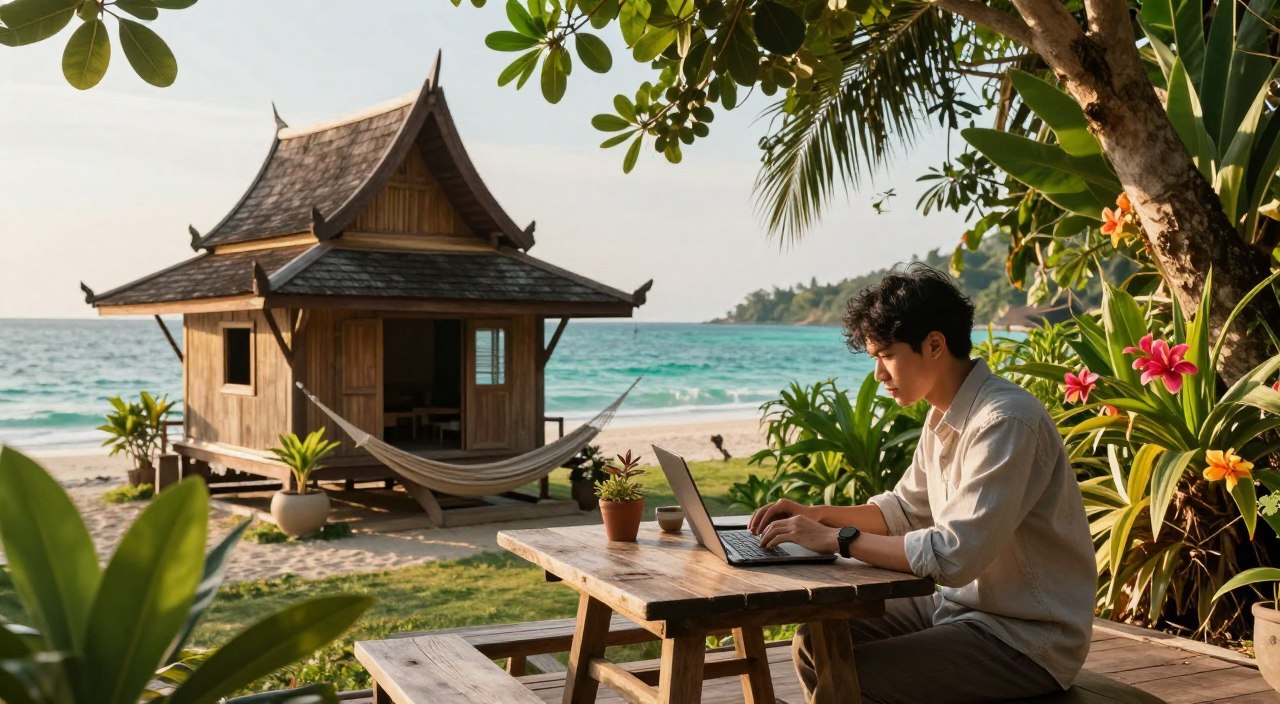
Imagine a country where over one in four new long-term residents are remote workers. Thailand is quickly becoming this hub, thanks to the new digital nomad visa Thailand program.
Working from paradise is now a legal reality. For American remote workers, this means a secure, long-term plan instead of uncertainty.
Thailand has made this dream a reality with the Destination Thailand Visa (DTV). Embassy guidance says it’s a multiple-entry visa good for five years. You can stay for 180 days at a time and extend for another 180 days.
This visa is more than just a stamp. It’s a gateway to a vibrant culture, affordable living, and a growing community for your success.
Key Takeaways
- Thailand has established a formal, legal pathway for remote professionals through the Destination Thailand Visa (DTV).
- The DTV is a multiple-entry visa with a five-year validity period.
- You are permitted an initial 180-day stay per entry, with the possibility to extend for an additional 180 days.
- This visa provides long-term stability, removing the uncertainty of border runs or short-term tourist visas.
- Thailand offers a powerful combination of low living costs, rich culture, and reliable infrastructure for digital nomads.
- The program signals Thailand’s official welcome to the global remote work community.
- Having this visa simplifies focus on your work and exploration of the country.
What is the Digital Nomad Visa in Thailand?

If you work remotely and want to live in Thailand, there’s a visa for you. It’s called the Destination Thailand Visa (DTV). This visa is made for people who work for companies or clients outside Thailand.
It’s different from tourist visas. The DTV gives you a clear, long-term legal status. This means you can work without worry.
Overview of the Visa
The Destination Thailand Visa is a special visa. It’s valid for five years. This is longer than most tourist visas.
Here are the key details:
- Entry and Stay: You can stay in Thailand for up to 180 days at a time.
- Extension Option: You can extend your stay by another 180 days. This lets you stay long-term.
- Formal Requirements: You need to show you have enough money and meet certain workcation requirements.
This visa is a formal and structured process. It’s not like a tourist visa or a Business Visa. It lets you work for a foreign employer without needing a Thai work permit.
Purpose of the Visa
Thailand created this thailand digital nomad visa for a reason. It wants to attract skilled remote workers to live and work here for a while.
By spending money in Thailand, you help local businesses and people. The government wants to turn visitors into valuable contributors.
For you, it’s a great deal. It lets you live and work in a beautiful place without visa worries.
The DTV is good for both Thailand and you. Thailand gets more digital workers, and you get a stable place to work from.
Eligibility Criteria for the Visa
To get the Digital Nomad Visa Thailand, you need more than a dream of working on a beach. You must meet strict rules set by Thai immigration. You should show you’re a real remote worker with enough money to live without a job in Thailand.
Knowing these rules early can save you time and avoid rejection. Let’s look at what you need to do.
Required Qualifications
Your main requirement is your job status. You must prove you’re a remote worker, freelancer, or digital nomad. Your income must come entirely from outside Thailand.
This means you work for a company abroad, have a business there, or clients in other countries. You’ll need to show documents like contracts or business registrations.
The key is that you’re not taking a job from Thai workers. Your job should be done digitally and not tied to a specific location.
Income Requirements
Having enough money is a must for the visa. You need to show you make a certain amount regularly.
The minimum income is often said to be at least $70,000 USD a year. Some say it’s more, around $80,000 USD. Always check the latest figure with Thai immigration before applying.
You’ll need to show this income with documents. Bank statements, client contracts, or tax returns from your home country are common. The authorities want to see you have a steady income.
Application Age
You must be an adult to apply. There’s no maximum age, but 20 to 50 is preferred.
The focus is on those who are working age and actively in their remote job. If you’re older, your application might be checked more for financial and health insurance reasons.
Your passport will be checked to confirm your age during the application.
To succeed, you need to prove your job, income, and age. Make sure your documents are up to date and clear before applying.
Application Process for the Visa

Starting your journey to get a Thailand Digital Nomad Visa means getting the right papers ready. You need to submit them through the right channels. The process is simple, but you must prepare carefully. Authorities check your documents to make sure you’re a real remote worker.
It’s common for delays or denials because of missing or wrong documents. Knowing each step helps you apply for your thailand visa application smoothly.
Step-by-Step Guide
Here’s how to apply correctly. Start early, before you plan to travel.
- Gather Your Documentation: Collect all needed papers. Make sure they’re up-to-date, translated if needed, and in the right size.
- Complete the Application Form: Fill out the official visa form from the Thai embassy or consulate website. Answer all questions honestly and fully.
- Submit Your Application: Apply in person or through a courier at a Thai diplomatic mission. Some places let you book online.
- Pay the Application Fee: Fees differ by location and are not refundable. The embassy will tell you how to pay.
- Attend an Interview (If Required): Not everyone needs an interview. If you do, be ready to talk about your job, money, and plans in Thailand.
- Receive Your Visa: Approval times vary from days to weeks. Once approved, your passport will have the visa.
Important Documentation Needed
Having the right documents is key to a successful application. The DTV checklist shows what authorities want. Each document proves you work remotely and have enough money.
Be careful with these items:
- Valid Passport: It must be valid for at least six months after your entry date and have blank pages.
- Proof of Remote Work or Business: This is vital for “workcation” status. Show an employment letter, client contracts, or business registration.
- Financial Evidence: You need to show you have a steady income or savings. Bank statements, tax returns, or letters from your bank are common. The amount needed matches the program’s rules.
- Health Insurance Certificate: You need a policy that covers you in Thailand. The certificate must show inpatient and outpatient care coverage.
- Criminal Background Check: A police clearance from your home country, issued in the last six months, showing no serious crimes.
- Passport-Sized Photographs: You’ll need two to four recent color photos with a white background, 2×2 inches.
- Completed Visa Application Form: The form must be fully signed and dated, with no blank sections.
Applications missing information won’t be processed. Check the Thai embassy or consulate website for specific needs, as details can change.
Benefits of the Digital Nomad Visa in Thailand
Imagine working from a beach instead of your home office. Thailand’s remote worker visa offers this dream. It’s more than just a visa; it’s a key to a better work-life balance.
Work Flexibility
The Thailand visa for remote workers gives you unmatched freedom. You can work from anywhere, anytime. Your office could be a cafe in Bangkok one day and a beachside bungalow the next.
This visa lets you work when you’re most productive. You can focus on tough tasks during your best hours. It also helps if you work with teams in Europe or North America.
It’s easy to mix work with travel. A weekend can turn into a trip to the mountains or islands. The whole country becomes your coworking space.
Cultural Experiences
Living in Thailand as a remote worker is a deep dive into culture. You can go beyond tourist spots and really connect with local traditions. Daily life, from street food to temples, inspires you.
You can learn to cook Thai dishes, join festivals like Songkran, and travel at your own pace. Exploring different parts of Thailand enriches your life. It broadens your view and boosts creativity.
Understanding Southeast Asia grows when you live in Thailand. It’s easy to visit nearby countries. This visa offers a life full of experiences that nourish your soul and mind.
Networking Opportunities
Thailand is a hub for digital nomads. Cities like Chiang Mai and Bangkok are full of remote workers. This creates great networking opportunities online and in person.
Coworking spaces are hubs for collaboration. They’re not just places to work but also social centers. Regular events make it easy to meet new people.
Meeting other nomads can lead to new friendships and business partnerships. The community is a treasure trove of advice and support. This is a big plus of having a remote worker visa for Thailand.
Duration and Renewal of the Visa
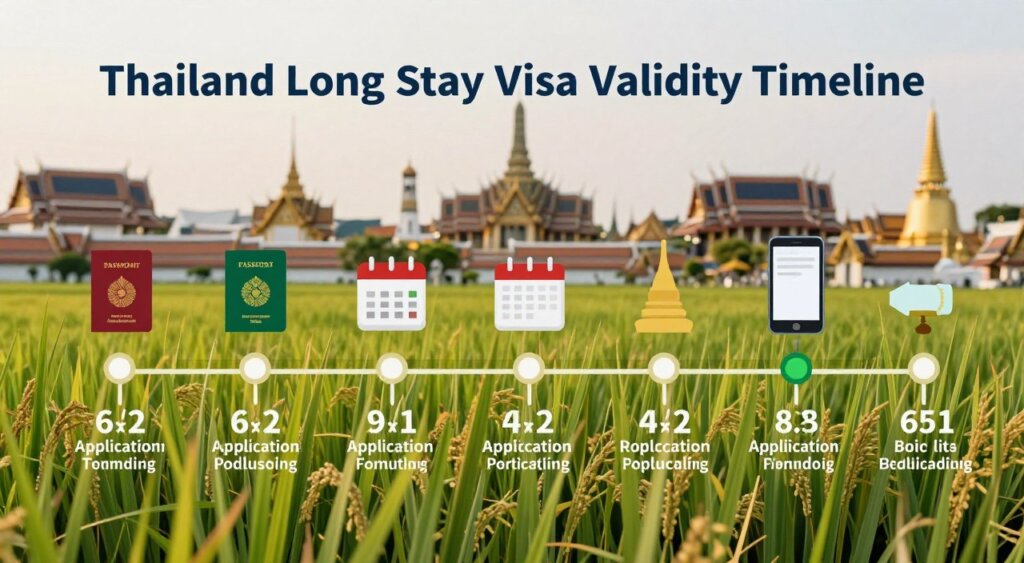
The Digital Nomad Visa for Thailand offers a flexible timeline. It balances long-term stability with travel freedom. Knowing how long you can stay and how to renew is key for smooth long-term planning.
This visa is for professionals who value both roots and mobility. You get a substantial initial validity period. There are clear options to extend your stay.
Initial Validity Period
The Thailand long stay visa, also known as the Destination Thailand Visa (DTV), is valid for five years. It’s a multiple-entry visa. This means you can leave and re-enter the country as needed during those five years.
Each time you enter Thailand, you get permission to stay for up to 180 days. This six-month window per entry gives you plenty of time. You can settle into a location, complete projects, and explore the region without immediate pressure to leave.
This visa structure is ideal. It allows for deep cultural immersion. At the same time, it keeps the flexibility to travel internationally for work or pleasure.
Renewal Process
There are two main renewal scenarios to understand. You can extend your current 180-day stay or renew the visa itself after five years.
If you want to stay longer than the initial 180 days after an entry, you can apply for an extension. This can add another 180 days to your stay. This effectively allows for a continuous 12-month period within the country from a single entry.
You must apply for this extension at a local immigration office in Thailand before your current permission to stay expires. You’ll need your passport, visa, and proof of ongoing eligibility.
When the visa’s five-year validity expires, you’ll need to apply for a new one. The renewal process is similar to the initial application.
- You must submit a fresh application with all required documentation.
- You must meet all income and qualification criteria.
- You should apply from outside Thailand, as with the first visa.
Maintaining your eligibility throughout your stay is key. Immigration authorities will expect you to continue meeting the financial and professional requirements when you seek to renew your Thailand long stay visa.
Lifestyle as a Digital Nomad in Thailand

Thailand is more than just a visa for remote workers. It’s a chance to live a fulfilling life abroad. Getting your professional visa Thailand opens up a world where work, adventure, and culture mix perfectly. You’ll find a place that boosts your productivity and offers great value for money.
Cost of Living Overview
Thailand’s affordability is a big draw for digital nomads. Numbeo shows Bangkok’s living costs are much lower than in major U.S. cities. This means your money goes further, allowing for a comfortable life without the financial worries of Western cities.
Here’s a comparison of monthly expenses for a single person in Bangkok and New York City.
| Expense Category | Bangkok, Thailand (USD) | New York City, USA (USD) |
|---|---|---|
| Apartment (1 bedroom in City Center) | $600 – $900 | $3,500 – $4,500 |
| Basic Utilities (Electricity, Heating, Cooling, Water, Garbage) | $70 – $100 | $150 – $250 |
| Monthly Public Transport Pass | $30 – $40 | $127 |
| Meal at an Inexpensive Restaurant | $2 – $4 | $20 – $25 |
| Fitness Club Membership (Monthly) | $40 – $60 | $100 – $150 |
Your budget for food, transport, and fun goes a long way. Street food is tasty and cheap, and modern condos are much cheaper than in the U.S. This financial freedom is a big part of Thailand’s appeal to digital nomads.
Popular Destinations for Nomads
Thailand has many bases to suit everyone. Your choice of city can shape your experience with a professional visa Thailand.
Bangkok is the country’s vibrant heart. It has endless energy, great connectivity, and all the modern conveniences. Areas like Sukhumvit and Silom are full of coworking spaces, cafes, and expats.
Chiang Mai is the historic hub for digital nomads. It’s in the north mountains, with a strong remote work community, a slower pace, and lower costs than Bangkok. The city is known for its cafes and annual nomad gatherings.
For beach views, Phuket and Koh Samui offer a tropical lifestyle. These islands have more coworking spaces and nomad-friendly spots, perfect for a beachside office.
Workspaces and Cafes
Staying productive is easy in Thailand. There’s a wide range of workspaces for remote workers.
Coworking spaces offer reliable internet, networking, and a community. Major chains and local favorites include:
- Hubba (Bangkok): Known for its vibrant community and multiple locations.
- The Hive (Bangkok & Chiang Mai): Offers flexible memberships, meeting rooms, and community events.
- Punspace (Chiang Mai): A favorite among nomads with two central locations for focused work.
For casual days, many cafes cater to remote workers. Chains like Starbucks are reliable, but local spots like True Coffee often have faster, free WiFi. Look for cafes with lots of power outlets and laptop users.
This mix of affordable living, inspiring locations, and strong work infrastructure makes Thailand perfect for building a remote career.
Health Insurance Requirements
Starting your digital nomad journey in Thailand means more than just packing your laptop. You need valid health insurance. This is not just a good idea—it’s a must for your visa. The Thai government wants to make sure you’re covered and won’t strain their healthcare system.
You must prove you can cover any medical costs without using local resources. This is a key part of your visa application.
Mandatory Health Coverage
To apply for a digital nomad visa in Thailand, you need health insurance that covers you fully. This policy must last as long as you plan to stay. Immigration officials will check this carefully.
The insurance should have a minimum of $100,000 USD for medical costs. This amount might change, but this is a common standard.
Your policy should include:
- Inpatient and outpatient hospital treatment.
- Emergency medical evacuation.
- Repatriation of remains.
Policies that only cover accidents or emergencies are not enough. You need full medical insurance. Without it, your visa application will fail.
Always confirm with your insurer that your policy is valid in Thailand. Keep both digital and physical copies of your insurance certificate during your stay.
Recommended Insurance Providers
Many international companies offer plans for digital nomads. These plans cover multiple countries and offer flexible terms.
It’s smart to compare a few top providers. Look at coverage, customer service, and claim process. The table below shows some recommended options.
| Provider | Plan Type | Key Features for Nomads | Estimated Monthly Premium* |
|---|---|---|---|
| SafetyWing | Nomad Health Insurance | Global coverage, can be purchased month-to-month, includes limited travel benefits. | $40 – $80 |
| World Nomads | Travel & Medical Insurance | Strong adventure sports coverage, flexible trip lengths, good for shorter stints. | $50 – $100 |
| Cigna Global | International Health Plan | Comprehensive in-patient care, direct billing with many Thai hospitals, customizable. | $150 – $300+ |
| Bangkok Insurance | Expatriate Health Insurance | Local provider, understands Thai hospital networks, often offers competitive local rates. | $80 – $150 |
*Premiums vary widely based on age, coverage level, and deductible.
Before picking a plan, read the details carefully. Make sure it meets the mandatory health coverage for a Thai long-stay visa. If you’re unsure, contact the provider directly.
Choosing the right policy gives you peace of mind. You can focus on your work and enjoy Thailand, knowing you’re protected.
Tax Implications for Digital Nomads
Before diving into Thailand’s culture, understand the tax side of remote work. Managing your money right is key to a smooth nomadic life. This part explains what you need to know.
Tax Responsibilities
First, figure out if you’re a Thai tax resident. You’re considered one if you spend 180 days or more in Thailand in a year. This could mean you have to pay taxes on your income.
Thailand only taxes income from abroad if you bring it back in the same year. This is called the remittance basis. If your money stays outside Thailand, it might not be taxed here, but the rules can be tricky.
Your situation, like where you’re from and what you earn, affects your taxes. Getting advice from a tax expert who knows Thai and international laws is a good idea. They can give you advice tailored to your situation, not just general tips.
Avoiding Double Taxation
No one wants to pay taxes twice on the same money. Luckily, Thailand has Double Taxation Agreements (DTAs) with over 60 countries. These deals help avoid double taxation.
For instance, the U.S.-Thailand tax treaty says you might only pay taxes in your home country if you don’t have a permanent base in Thailand. These agreements often offer tax credits or exemptions, making sure you’re taxed fairly in one place.
To use these treaties, you need to keep accurate financial records. Keep track of all your income, tax payments in your home country, and when you send money to Thailand. Good records help protect you if there are any issues and are key for filing taxes correctly.
Planning ahead for these tax issues can avoid surprises and legal problems. This way, you can enjoy your life and work in Thailand without worry.
Local Laws and Regulations
Your Thai digital nomad visa comes with rules you must follow. Thailand welcomes you, but its laws are strict. This guide helps you understand the rules so you can enjoy your work and travels.
Staying informed is key. The rules for remote workers are different from those for tourists or locals. You need to know your limits and responsibilities.
Understanding Thai Work Regulations
Your visa is the foundation of your legal status. The Digital Nomad Visa (DTV) lets you live in Thailand while working remotely. But, it has limits on who you can work for.
You can work for companies, clients, or employers outside of Thailand. Your income must come from abroad. This is the main purpose of the visa.
The DTV does not allow you to work for a Thai company. You also can’t serve local Thai clients or customers without a Thai work permit. This is a key rule in Thai visa requirements.
Thai law defines “work” widely. It includes activities like consulting, teaching, or managing a social media account for a local business. If your work makes money in Thailand, you might need more permission.
Compliance Tips for Nomads
Following the rules is important. Here are some tips to keep your record clean.
- Avoid Visa Overstay at All Costs: Overstaying your visa, even by one day, costs a daily fine. Severe overstays can lead to detention, deportation, and a ban from re-entering Thailand.
- Respect Local Customs and Laws: Thai society values respect and politeness. Be careful of laws about the monarchy, defamation, and public behavior. What might seem minor elsewhere can be serious here.
- File Your TM.30 Form: If you rent, your landlord must report your address to immigration. You must also ensure this is done. Always keep a copy of the TM.30 receipt as proof of address registration.
- Keep Your Documents Organized: Always have copies of your passport, visa stamp, entry card, and TM.30 receipt. Immigration officers can ask for these during checks.
- Report Your 90-Day Address: If you stay longer than 90 consecutive days, report your address to immigration. This is different from the TM.30.
- Use Official Channels: For visa extensions or services, use only official immigration offices or accredited agents. Avoid shortcuts that could risk your legal status.
Being proactive is the best approach. Set reminders for reporting dates. Build a good relationship with your landlord for timely TM.30 filing. Knowing these visa requirements in Thailand makes following the rules easy.
If you’re unsure, talk to a reputable Thai immigration lawyer. They can give you advice tailored to your situation. This can save you from costly mistakes and stress.
Community Support for Digital Nomads
You don’t have to face your new remote work journey in Thailand alone. A strong support system is waiting for you. The digital nomad community Thailand is welcoming and active. It offers instant connections, practical advice, and a social lifeline that can make your experience better.
Online Platforms and Groups
Start with social media and forums for virtual support. Facebook has several large groups that are very helpful. Digital Nomads Thailand is a big hub for questions, tips, and visa talks. For specific advice on Chiang Mai, check out Chiang Mai Digital Nomads.
Other platforms are also key. The subreddit r/Thailand offers insights from long-term residents and nomads. For detailed info on costs, internet, and community ratings, use Nomad List.
The table below compares online platforms to help you find your niche quickly.
| Platform Name | Primary Focus | Best For |
|---|---|---|
| Facebook Groups (e.g., Digital Nomads Thailand) | Real-time Q&A, housing leads, local recommendations | Getting immediate, practical help and making casual connections |
| Reddit (r/Thailand, r/digitalnomad) | In-depth discussions, news, and long-form advice | Researching nuanced topics and reading diverse perspectives |
| Nomad List | City data, cost of living, and verified community reviews | Comparing destinations and connecting with nomads before you arrive |
| Meetup.com | Organizing and discovering local events and activities | Finding structured local meetups and interest-based groups |
Local Meetups and Events
The magic of the digital nomad community Thailand is in person. Finding local meetups is easy. Coworking spaces in Bangkok, Chiang Mai, and Phuket host weekly events for networking.
There are workshops, coffee meet-ups, and evening socials. These are listed on online platforms and group calendars. Going to one or two can greatly expand your network and fight loneliness.
Being open is the best way to build a new home away from home. The connections you make can lead to projects, friendships, and a deeper local culture understanding.
Challenges of Living in Thailand as a Nomad
Living and working remotely in Thailand is mostly great. But, you might face some challenges like language and internet issues. Being ready for these can make your move smoother and your days more productive.
Language Barriers
Dealing with Thailand’s language can be tough. English is common in tourist spots and among service staff. But, in local markets, government offices, or small towns, it can be frustrating without basic Thai skills.
At places like immigration offices, everything is in Thai. This can cause delays if you don’t understand. Not speaking Thai can also make you feel like an outsider, making it hard to connect with locals.
But, overcoming this is doable. Here are some tips:
- Leverage Technology: Apps like Google Translate are key for menus, signs, and simple talks.
- Learn Key Phrases: Knowing basic Thai greetings and words like “khop khun” for thank you is incredibly appreciated by locals.
- Use Local Services: For important tasks, hiring a local agent or translator can be worth the cost.
Seeing the language barrier as a chance to learn and connect with the culture can be rewarding.
Internet Connectivity Issues
As a digital nomad, you need reliable internet. In cities like Bangkok, Chiang Mai, and Phuket, you’ll find good internet. But, outside these areas, it’s different.
Researching internet in secluded spots or quiet villages is key. Speeds can drop, and outages are common.
Even in cities, internet can be hit-or-miss. This is a big problem for remote workers needing stable connections for video calls or big uploads.
Having a backup plan is essential. Always get a local mobile data SIM card when you arrive. AIS, TrueMove, and dtac offer good packages for rural areas or as a backup.
Before you book a place, ask about the internet. Many co-working spaces also offer day passes for when you need a reliable spot.
Final Considerations Before Applying
Your journey starts with solid preparation. Taking these final steps ensures a smoother transition to your new lifestyle.
Preparing for Life in Thailand
Consider visiting Thailand on a tourist visa first. This scouting trip lets you explore cities like Chiang Mai or Bangkok before a long-term commitment. Set up your finances with international services like Wise or Revolut for easy fund transfers. Pack light, breathable clothing suited for the tropical climate.
Cultural Sensitivity Tips
Understanding local customs is key. Always show deep respect for the Thai monarchy. Learn the traditional “wai” greeting with a slight bow. Dress modestly when visiting temples by covering shoulders and knees. Remember the concept of “saving face”—maintaining a calm and respectful demeanor in public avoids conflict.
Before you submit your digital nomad visa thailand application, verify every detail. Immigration rules for entry approval and renewals can change. Always check the official Thai Immigration Bureau website for the latest requirements. This final check is the most reliable part of your thailand visa application process.