Did you know over 30% of newcomers in Australia feel isolated in their first year? This is often because they miss subtle social cues, not because there’s no chance to connect. Learning cultural integration tips for expats is more than just finding a place to live and a job.
It’s about really getting to know the local culture. It’s a journey of connection, not just a list of things to do.
This journey includes understanding Aussie social customs, getting the local language and humour, and building your community. It also means changing your daily routines. While it can be tough, like figuring out Aussie irony, it’s doable with the right attitude.
Mastering these aspects can make your life in your new home much better.
Key Takeaways
- Successful assimilation is a continuous journey, not a one-time task you can tick off.
- Picking up on subtle social cues and humour is key to forming genuine connections.
- Actively building local community networks will significantly speed up your adaptation.
- Getting familiar with Australian slang and the laid-back communication style helps bridge gaps.
- Small changes to your daily routines can make a huge difference in feeling at home.
- A positive, open, and curious mindset is your greatest asset for this process.
- This guide offers practical, actionable strategies for each step of your journey.
Understanding Local Customs and Traditions

To feel at home in Australia, you need to learn the social codes. This is more than just reading guidebooks. It’s about noticing how people interact and the rules they follow.
Australians are informal and direct. But there’s a fine line to follow. Knowing these rules helps you avoid mistakes and make real friends.
Researching Cultural Norms
Start by doing your homework. Australians are straightforward. They might say “G’day” and plan things for “this arvo” (afternoon). This directness is usually friendly, not rude.
Workplaces are often flat hierarchies. Using first names is common, and managers want open talks. This is because of ‘Tall Poppy Syndrome’, where humility and teamwork are valued.
“Culture is the widening of the mind and of the spirit. It is never a mere intellectual achievement, but a blend of understanding, respect, and participation.”
The table below shows important social norms for daily life.
| Social Context | Common Norm | Why It Matters | Tip for Expats |
|---|---|---|---|
| Conversation | Directness with humour; use of slang. | Builds rapport and shows you’re engaging authentically. | Don’t be afraid to ask the meaning of slang; it’s a great conversation starter. |
| Workplace | Informal tone, first-name basis, collaborative meetings. | Reflects the valued egalitarian culture; fosters innovation. | Participate in discussions but avoid overtly boasting about personal achievements. |
| Social Invitations | Often casual and last-minute; ‘bring a plate’ means bring a dish to share. | Shows the relaxed and communal nature of socialising. | Always confirm if it’s a BBQ (usually casual) or a dinner party (maybe smarter). |
| Public Behaviour | Queuing patiently, saying “please” and “thank you” often. | Demonstrates respect for shared space and social order. | Observe how locals queue for buses or coffee—it’s taken seriously. |
Respecting Holidays and Celebrations
Australian holidays show the national spirit. Joining in shows you care about the community’s values. Australia Day on January 26 is a celebration but also a day for reflection.
ANZAC Day on April 25 is very solemn. Attending a dawn service or watching the march is a deep way to understand Australian and New Zealand heritage. Local events, like agricultural shows or surf life-saving carnivals, are also key. Joining in these celebrations is a great way to integrate into a new culture at a grassroots level.
Observing Dress Codes
What you wear shows respect for the setting. In Australia, dress codes vary. At the beach or a barbecue, ‘thongs’ (flip-flops), board shorts, and sundresses are fine.
For a café lunch or casual office, neat casual wear is common. In corporate settings, business attire is expected but not too strict—a neat suit or smart dress is fine. Following these codes shows you’re making an effort. It helps you fit in by matching your appearance with local norms.
Learning the Language

For expats in Australia, learning ‘Strine’—Australian English—can make daily chats easier. It’s a key part of your expat cultural immersion guidance. It’s more than just asking for directions. It helps you connect and show respect for your new home.
Many new arrivals find talking in a second language is hard for locals too. Even simple phrases help a lot. It shows you’re interested and willing to meet them halfway.
Try to go beyond just textbook English. Learn the colourful slang, abbreviations like ‘arvo’ for afternoon, and the unique accent. This will help you feel part of the community.
Taking Language Classes
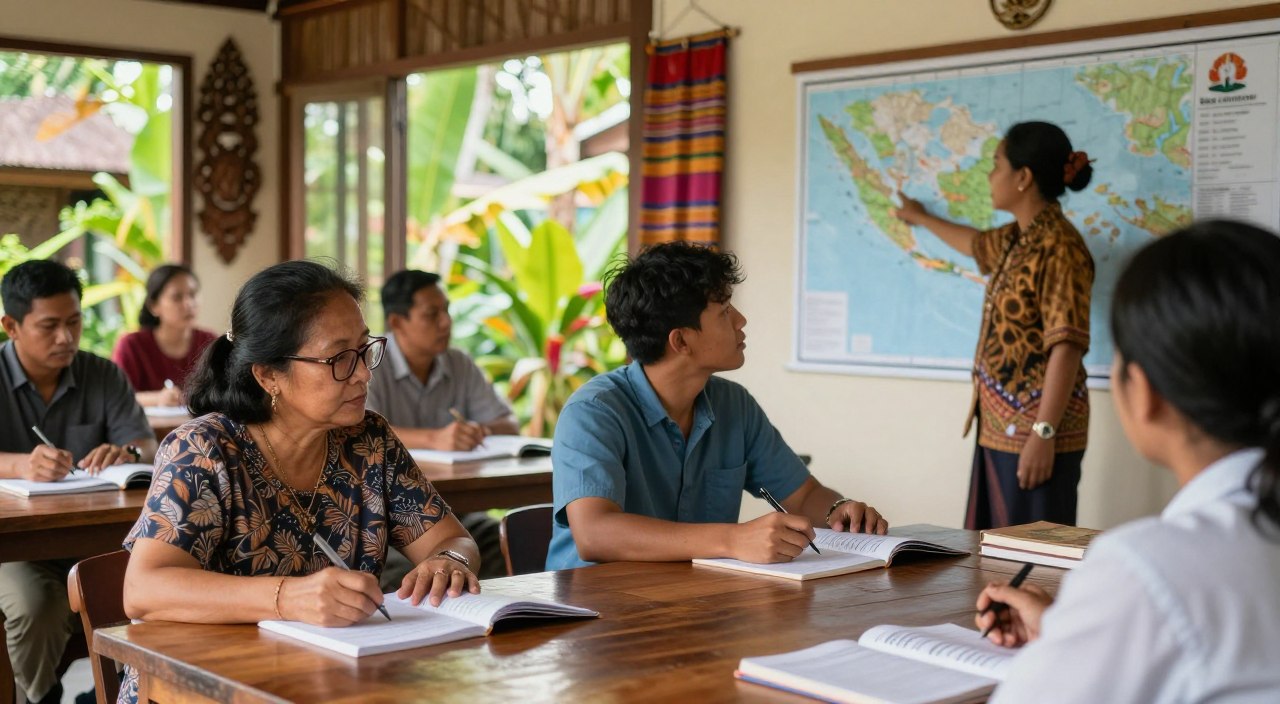
Signing up for a class is a great start. Places like TAFE and community centres offer English classes for migrants. These classes help with grammar, pronunciation, and key words.
A good class will also teach you Aussie idioms and cultural references. This expat cultural immersion guidance boosts your confidence. You can learn with others who are also new.
Practicing with Locals
Real conversations are the best way to learn. Look for chances to talk with Australians in relaxed settings. Try joining a sports club, going to a barbecue, or finding a language exchange.
Remember, trying to communicate is what matters most. As one local said,
“Aussies will forgive a hundred grammatical mistakes if they see you’re having a go.”
Practicing with locals helps you get the hang of casual speech and slang. It makes learning a fun, social activity that boosts your cultural immersion.
Using Language Apps
Technology is a great help. Use apps that focus on Australian English. They’re perfect for learning on the go, whether on your way to work or during lunch.
Choose apps with lessons on Aussie slang and guides for the accent. They help you learn new words every day. This method works well with classes and talking to locals.
Using apps with real-life practice makes a strong learning plan. It gives you all the expat cultural immersion guidance you need to master the local language.
Building a Social Network

Creating a real social circle in Australia means understanding a key shift. It’s moving from being a ‘guest’ to a ‘neighbour’. Aussies are friendly, but building deep friendships takes time. It happens through shared interests and regular, casual meetings.
Think of it as being present often in the same places. Showing up regularly helps build familiarity better than trying to be too intimate too soon. Don’t confuse initial warmth with an invitation into private circles. Patience and shared experiences are your best tools.
Joining Local Clubs
Joining a club is a great way to meet people regularly. It provides a structured setting with a shared goal. This makes it easier to start conversations because you’re all there for the same reason.
Look for clubs that match your interests. Here are some classic Australian options:
- Surf Lifesaving Clubs: These are iconic community hubs. You can learn vital skills, get fit, and meet people who love the beach.
- Local Footy Clubs (AFL or NRL): Whether you play, coach, or just help out on game day, these clubs are the heart of many suburbs.
- Men’s Shed or Community Workshops: These spaces are for practical projects, crafting, and yarns. They are fantastic for building mateship through doing.
The regular training sessions or weekly meetings create the perfect rhythm for friendships to grow naturally.
Attending Community Events
Community events are a great way to observe local life and start conversations. They are often family-friendly and celebrate what makes an area unique. Your goal is not to leave with a best friend, but to become a familiar face.
Keep an eye on notices from your local council. Great events to start with include:
- Council-run Festivals: Summer music festivals, food fairs, or cultural celebrations.
- School Fetes and Fairs: These are community goldmines. Volunteering to run a stall or just attending shows you are part of the local fabric.
- Neighbourhood Garage Sales: A perfect excuse to chat with neighbours and learn about the area.
Volunteering Opportunities
Volunteering connects you to people who share your values. It creates a powerful sense of purpose and belonging. Working side-by-side with locals breaks down barriers quickly. You are contributing to your new community, which is deeply respected.
Consider organisations that have a strong local presence:
- Country Fire Authority (CFA) or State Emergency Service (SES): These volunteer brigades are pillars of regional and suburban communities.
- RSPCA or local animal shelters: If you love animals, this is a wonderful way to meet like-minded people.
- Environmental clean-up groups or community gardens: These groups work on local projects and often have a very social atmosphere.
This shared commitment fosters trust and fast-tracks your journey from outsider to insider.
| Strategy | Time Commitment | Social Depth | Ease of Entry |
|---|---|---|---|
| Joining Local Clubs | Medium to High (Regular sessions) | High (Shared passion, regular contact) | Medium (May require membership fee or try-out) |
| Attending Community Events | Low (One-off attendance) | Low to Medium (Casual, good for initial contacts) | Very High (Usually open to all) |
| Volunteering Opportunities | Medium (Scheduled shifts) | Very High (Shared mission, teamwork) | Medium (May require an application or training) |
Choosing the right mix of these activities is a practical step in how expats can adapt to a new culture. Start with one that matches your interests. Be consistent. Over time, the familiar face at the footy club or the regular volunteer at the op shop becomes a valued part of the community. This is the authentic path to building your Australian social network.
Exploring Local Cuisine

Trying local food is more than just eating. It’s a way to really get involved in the culture. For expats in Australia, food is a tasty way to connect with local life. It’s a key part of tips for expat cultural assimilation.
Australian food is all about diversity and tradition. It mixes Indigenous ingredients, British roots, and multicultural flair. Exploring this food scene shows you care about your new home.
Trying Traditional Dishes
Begin by trying famous Australian dishes. Enjoy a hot meat pie at a football game. It’s a must-do experience. Also, try a classic Aussie barbecue, where the fun is as big as the food.
Don’t forget the sweet treats like lamingtons. These chocolate-coated sponge cakes are a hit. For something fresh, try the amazing seafood, like Sydney rock oysters. Each dish tells a story of local history and daily life.
Cooking Classes
Learning to cook local dishes is a great way to understand the cuisine. Join a local cooking class to learn how to make a pavlova, a beloved dessert. It’s a meringue-based treat that’s a national favourite.
Maybe you’ll learn to make damper, a traditional bush bread. These classes teach you about ingredients, techniques, and the stories behind the food. It’s a practical way to dive into the culture.
Food Festivals and Markets
Dive into Australia’s food scene by visiting farmers’ markets and festivals. Weekly markets offer fresh produce, artisan cheeses, and homemade goods. It’s a chance to meet the people who grow and make your food.
Make sure to check out major food and wine festivals. These events highlight the best of local talent and seasonal produce. Walking through stalls, tasting samples, and joining in the fun is a great tip for expat cultural assimilation. It puts you right in the heart of Australian food culture.
Embracing Diversity

Embracing diversity in Australia is more than just a nice idea. It’s a practical and enriching expat cultural adjustment strategy. The country’s identity is built on the histories of its First Peoples and migrants from all over the world. For new arrivals, true integration means more than just tolerating differences. It’s about actively appreciating and engaging with them.
Appreciating Different Perspectives
Life in Australia offers a chance to learn from many viewpoints. Start by learning about the world’s oldest living cultures through the eyes of Indigenous Australians. Many cities have cultural centres, guided tours, and art galleries that share deep insights into connection to Country.
Engaging with migrant communities from Europe, Asia, the Middle East, Africa, and the Americas also opens your mind. Listen to their stories. This deep listening is key to effective cultural integration, enriching your own experience beyond guidebooks.
Engaging with Various Cultures
Active engagement turns observation into meaningful connection. Don’t just read about a culture—participate in it. This could be as simple as shopping at a local market specialising in ingredients from a specific region, attending a community theatre production, or joining a social sports team with diverse members.
Look for cultural associations or community hubs in your area. These are often welcoming spaces where you can attend a language exchange, a traditional craft workshop, or a simple morning tea. The goal is to build genuine relationships, which is the most powerful way to understand and appreciate another way of life.
Celebrating Multicultural Events
Australia’s calendar is dotted with vibrant public celebrations that showcase its diversity. Attending these events is a fun and immersive way to learn. Mark dates like Lunar New Year in Sydney or Melbourne, where dragon dances and festival fairs transform entire precincts.
Experience the Festival of Lights at a Diwali celebration, or share in the reflective traditions during Ramadan Iftar dinners hosted by many communities. Importantly, make time for NAIDOC Week in July. This national celebration of Aboriginal and Torres Strait Islander history, culture, and achievements features marches, awards, and cultural performances.
By participating in these shared moments of joy and reflection, you do more than just attend a festival. You signal your respect and become part of the broader Australian story. This active celebration is a key part of a successful long-term expat cultural adjustment strategy, helping you feel truly at home in a wonderfully diverse society.
Adjusting to Workplace Culture

Workplace culture in Australia is a mix of being relaxed yet serious about work. For expats, this work environment is different from the social scene outside. Getting used to it is key to your expat cultural immersion guidance. Australian workplaces value both doing well and taking care of yourself.
Understanding Professional Etiquette
Australian work etiquette is informal but respectful. You’ll be called by your first name right away, no matter your role. This is part of the local mate-ship culture.
Teamwork and working together are very important. Being a good team player is more valued than strict hierarchies. Communication should be direct but polite. Try not to be too formal or distant in your speech.
Navigating Office Dynamics
Notice the small rituals that shape the office day. The morning ‘smoko’ (tea or coffee break) is a time for casual talk. Joining in can help you connect with your colleagues.
Friday afternoon drinks are also important. It’s not just a social event; it’s a way for teams to relax together. Showing up, even for a drink, shows you’re part of the team. Understanding these customs helps you fit in at your new workplace.
Balancing Work-Life
Australians value a good work-life balance. Leaving on time to enjoy personal or family life is respected. This is important for your adjustment and well-being as an expat.
Managers expect you to manage your work within regular hours. There’s no pressure to stay late all the time. Setting clear boundaries between work and personal life is encouraged. Embracing this balance is key to your happiness in your new home.
Utilizing Local Resources
To thrive in Australia, expats must learn to use local resources. Knowing where to find help makes challenges easier. This knowledge boosts confidence and helps you navigate daily life.
Finding Community Centers
Your local council community centre is a key part of neighbourhood life. These centres offer more than just a place to post notices. You can join fitness classes, parent groups, or cultural workshops.
Many centres also host free sessions on topics like renting laws or starting a business. Visiting one is a great way to connect with your area and find integration support.
Accessing Libraries and Information
Australian libraries are more than just bookstores. They offer free internet access, which is essential for setting up your new life. You can attend workshops on resume writing or digital skills.
Libraries also have local history collections, helping you understand the community’s background. Staff are usually very helpful and can guide you to other services. This makes libraries a key part of cultural integration support.
Knowing Local Services
Familiarising yourself with essential services reduces stress and promotes independence. Understanding the Medicare system is vital for your health and wellbeing. Learn how to use local public transport networks like buses, trains, and trams.
Always know the national emergency number, which is 000. Being able to handle these basics yourself is empowering. It is the foundation of lasting support for expats building a life in Australia.
Maintaining Connections Back Home

Keeping in touch with your old friends is key to a smooth expat transition. Starting a new life in Australia is exciting, but your old friends are a big support. It’s about finding a balance between your old and new life.
Keeping up with loved ones far away needs some planning. It also helps to make friends who get what you’re going through. Mixing old and new friends is good for your mental health.
Scheduling Regular Calls
It’s hard to chat spontaneously with big time differences. Make talking a priority by setting regular video calls. This way, everyone knows when to expect a call.
Remember the time difference between Australia and home. Use tools like World Time Buddy to keep track. Talking weekly or fortnightly is easier than daily chats.
These calls are more than just updates. They keep you connected to who you are. Share the little things and big adventures. This makes your loved ones feel part of your new life.
Joining Expat Groups Online
Other expats truly understand what you’re going through. Online groups offer advice and support. You can find groups for expats in Australia, your city, or even your home country.
These forums are great for getting help. You can ask about doctors, rental agreements, or finding ingredients from home. The shared experience creates instant friendship.
But, be careful not to get stuck in the “expat bubble.” While these groups are helpful, aim to integrate more widely. Use them as a starting point, not your whole social life.
| Community Type | Platform Examples | Primary Focus | Best For |
|---|---|---|---|
| General Australia Expat Forums | Facebook Groups, Expat.com | Broad advice on relocation, visas, and culture | New arrivals needing wide-ranging information |
| City-Specific Social Groups | Meetup.com, Facebook | Local events, making friends, area tips | Expats looking to build a local social circle |
| Home Country Associations | Dedicated forums, WhatsApp groups | Cultural familiarity, language, food | Maintaining a strong link to specific traditions |
| Professional Expat Networks | LinkedIn Groups, InterNations | Career networking, business etiquette | Expats focused on career development in Australia |
Sharing Cultural Experiences
Sharing your Australian life with loved ones back home is enriching. It turns your move into a shared adventure. This brings both your lives closer together.
Don’t just tell them about your life. Show them. Send photos of unique wildlife or a bustling market. Cook an Australian dish for them and explain the traditions.
Sharing your new culture doesn’t distance you from home; it invites home into your adventure.
Sharing your culture helps you understand it better. It also shows your loved ones you’re thriving. This two-way sharing is perhaps the most rewarding way to keep connections strong.
Staying Informed

Getting to know your new culture is empowering. By following local news and joining in on community talks, you can feel like you belong. This makes your time in Australia more than just living there—it becomes part of the story.
Following Local News
Start by reading trusted Australian news. Sites like ABC News and The Guardian Australia cover important topics. They talk about politics, the economy, and social issues that affect daily life.
Reading or watching local news helps you understand what’s going on. It’s not just about staying updated. It also helps you grasp community concerns and public debates. This knowledge is key to making sense of your new environment and can improve your English skills.
Engaging with Social Media Groups
For local insights, check out social media. Facebook groups for your area share news and tips. People post about lost pets, roadworks, and reliable tradespeople.
When you join these groups, be respectful and active. This way, you’ll quickly feel connected. You’ll learn about local events, business promotions, and neighbourhood gossip.
Attending Talks and Lectures
Universities, libraries, and community centres host free talks. They cover topics like Indigenous affairs, environmental policy, and Australia’s history.
Going to these events shows you’re interested in the country’s complexities. It’s a great way to meet locals and other expats. You’ll move from just listening to engaging in meaningful discussions, a big step in cultural integration.
By staying informed through news, social media, and community forums, you decode your new surroundings. This effort is key to successfully navigating a new culture as an expat and feeling part of your Australian community.
Adapting to Daily Life
Getting used to your new place can really help you relax. It lets you focus more on exploring the culture. Learning the basics of daily life makes a foreign place feel like home. This means knowing where to shop, how to travel, and the local rules.
Grocery Shopping Tips
First, learn how to shop at Australian supermarkets. Big names like Coles, Woolworths, and Aldi offer great deals. For fresh food, try the local farmers’ markets for the best seasonal produce.
Here are some quick grocery shopping tips to get you started:
- Look for “Specials” tags, which indicate weekly discounts.
- Download the supermarket apps for digital catalogues and loyalty points.
- Familiarise yourself with local staples like Vegemite, Tim Tams, and native meats.
- Remember to bring your own shopping bags or be prepared to purchase them at the checkout.
Public Transport Navigation
Using public transport makes exploring cities easy. Australia’s big cities have their own smart card systems. Melbourne uses Myki, Sydney has Opal, and Brisbane goes with Go Card.
Just tap on when you get on and off when you leave. You can top up online or at kiosks. Traveling off-peak saves money. And remember, always give way to the right at roundabouts and slow down in school zones.
Understanding Local Regulations
Knowing the local regulations shows respect for your community. Recycling is strict and depends on your council. A yellow-lid bin is for recyclables, but contamination can stop collection.
During hot summers, water restrictions are common. Check your council’s rules for watering. Always swim between the red and yellow flags at the beach for safety.
Mastering these daily details boosts your confidence. You’ll feel more like a local than a visitor.
Emphasizing Emotional Well-Being
Feeling overwhelmed or homesick is normal when you’re an expat. It’s important to address these feelings to thrive. The journey of cultural integration is emotional as well as practical.
You might feel rejected after misreading a social signal or drained from adapting all the time. Recognising these feelings is the first step to nurturing your emotional well-being.
It’s okay to have good and bad days. Your emotional health needs attention, just like finding a home or navigating transport. This section will help you manage tough times, find support, and build self-care that fits life in Australia.
Managing Culture Shock
Culture shock is a natural reaction to a new environment. It goes through stages, from excitement to frustration, then adjustment. During frustration, small differences can feel huge and exhausting.
Keeping a journal helps you process daily experiences and track your progress. Sticking to routines, like a morning coffee or weekly video calls, creates stability. Connecting with other expats who get the challenges can offer relief and perspective.
“Culture shock is the price we pay for the richness of a new experience. It’s not permanent, but a transition that, with kindness, leads to growth.”
This phase is temporary. Be patient as you learn new rules and find your new normal.
Seeking Counseling Services
Recognising when you need extra support is a sign of strength. Seeking counseling services is a common step for expats. In Australia, you have many good options.
- Beyond Blue: Offers free 24/7 support, online forums, and resources for anxiety and depression.
- Employee Assistance Programs (EAP): Many employers provide confidential, short-term counselling services for employees and their families at no cost.
- Local Psychologists: For ongoing support, see a registered psychologist. A visit to a General Practitioner (GP) can get you a Mental Health Care Plan, which provides Medicare subsidies for several sessions.
Online therapy platforms are also widely used and can be a flexible solution. Reaching out is a sign of self-awareness, not weakness.
Practicing Self-Care
In Australia, self-care often means enjoying the outdoors and connecting with the community. Adding these to your life can boost your mood and resilience.
Make time for nature. A beach walk, a hike, or sitting in a botanical garden can be grounding. The Australian lifestyle encourages this connection.
Join a local club that matches your interests—a surf lifesaving club, a bushwalking group, or a community garden. This combines activity with social connection, helping you build a supportive circle. Don’t underestimate the power of simple pleasures: enjoying a coffee, having a barbecue with friends, or taking a moment for mindfulness.
| Self-Care Activity | Australian Example | Emotional Benefit |
|---|---|---|
| Nature Immersion | Weekend bushwalk in the Blue Mountains | Reduces stress, promotes mindfulness |
| Social Connection | Joining a local sports club or book group | Combats loneliness, builds support network |
| Professional Support | Accessing a session via an EAP | Provides coping strategies, validates experience |
| Mindful Routine | Morning swim at the beach | Creates stability, boosts daily mood |
Your emotional well-being is the foundation of a successful and joyful life as an expat in Australia. By managing culture shock, knowing where to seek help, and embracing local self-care, you’re set to thrive.
Celebrating Milestones and Achievements
Your journey to becoming part of Australian culture is filled with personal wins. Celebrating these moments makes the journey fulfilling. It helps you feel more at home.
Acknowledging Personal Progress
Take time to celebrate your own achievements. Maybe it’s mastering Aussie slang or using public transport like a pro. Every success is a step towards feeling at home as an expat.
Sharing Stories with Others
Connect with other expats by sharing your experiences. Join Facebook groups for expats in Sydney or Melbourne. Your story of overcoming culture shock can inspire others.
Participating in Local Celebrations
Get involved in Australian celebrations. Attend the ANZAC Day Dawn Service or Australia Day festivities. Cheer for local teams like the Sydney Swans or Brisbane Broncos. These actions show you’re part of the community.
Integrating into a new culture is a journey of building connections. Celebrating your achievements makes the journey worthwhile. You become more than just an observer; you’re an active part of Australian life.