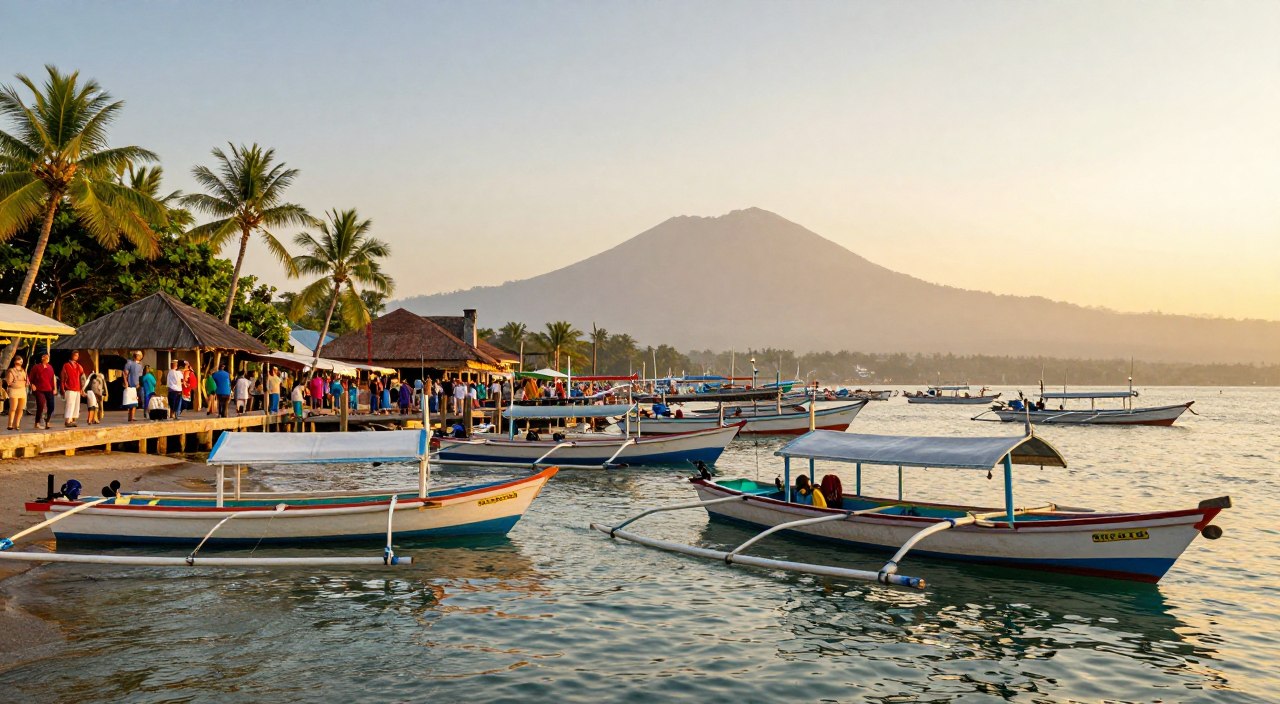
Over 30,000 expatriates now live in Bali, but many are not ready for a medical emergency. Getting the right healthcare insurance for long-term Bali residents is key to making your dream a reality.
Life in Bali is a paradise lifestyle. But, the local healthcare system is different. After six months, foreigners can join BPJS Health. Yet, many find it doesn’t meet their needs.
Finding your way around hospitals and clinics abroad can be tough. Your medical cover is more than just paperwork. It’s the critical foundation for your safety and enjoyment. Choosing the right policy gives you peace of mind to fully enjoy island life.
Key Takeaways
- A significant expatriate community lives in Bali long-term, making proper health cover essential.
- Indonesia’s public health insurance (BPJS) is available after six months but may not meet all expatriate needs.
- Having robust medical coverage is highly recommended for true peace of mind while living abroad.
- Understanding and navigating a foreign healthcare system is a key challenge for residents.
- Choosing the right policy is a foundational step for a safe and enjoyable life in Bali.
- Specialised expat insurance Bali options exist to bridge gaps in local schemes.
Understanding Healthcare Needs in Bali

Expats moving to Bali need to understand the healthcare system. It combines local and international clinics. Knowing what to expect helps manage your health in the long run.
Importance of Healthcare Insurance
Health insurance is essential in Bali. Medical costs, even at international clinics, can be high. Without insurance, a serious illness could be financially devastating.
Indonesia has BPJS Kesehatan for public health. But foreigners face specific rules. You can join after six months, but the coverage might not meet your needs.
That’s why international health insurance Bali is vital. It offers direct billing and medical evacuation if needed.
Types of Healthcare Services Available
Bali’s healthcare varies from basic to world-class. Knowing where to go for different needs is important.
Community health centres, or puskesmas, offer basic care at low cost. But they may have limited resources and English speakers.
For more serious issues, local hospitals in Denpasar offer better care. International-standard hospitals in tourist areas like Kuta and Ubud are the best. They have English-speaking doctors and modern facilities.
These top-tier hospitals are the preferred choice for expats. But, they come at a higher cost.
Common Health Risks for Expats
Living in the tropics has its health challenges. Knowing these risks helps prevent them.
“Bali Belly” is common, caused by new bacteria in food and water. Being cautious with street food and drinking bottled water helps prevent it.
Dengue fever is a seasonal risk. There’s no cure, so prevention is key. Use repellent and mosquito nets to avoid it.
Accidents from Bali’s traffic are a big risk. Even minor crashes can lead to serious injuries. A good health insurance policy provides financial security in such cases.
Why Long-term Residents Need Specialized Insurance
Specialized health coverage is essential for long-term Bali residents. It’s not just a luxury but a must-have for a secure life abroad. If you’re on a visa like the B211A or E33G, you’ve shown you can support yourself financially. Yet, these visas don’t offer any healthcare safety net.
Relying on basic travel insurance or hoping for the best is risky. Your health coverage needs to be as dedicated to Bali as you are.
Differences Between Local and International Plans
First, understand the difference between local and international insurance. Local plans, like Indonesia’s BPJS Health, are for citizens and legal workers. They provide basic care within the country. International health insurance is for people who move around, like expats and digital nomads.
The table below shows the main differences:
| Feature | Local Insurance (e.g., BPJS) | International Health Insurance |
|---|---|---|
| Coverage Area | Primarily within Indonesia | Worldwide or regional coverage |
| Hospital Network | Public and some partner private hospitals | Extensive global network, including premium international hospitals |
| Cost Structure | Very affordable; premiums based on chosen hospital room class | Higher premiums reflecting more services |
| Billing | Often requires upfront payment and reimbursement | Direct billing with network providers is standard |
| Primary Customer | Indonesian residents and formal workers | Expatriates, long-term travellers, and international professionals |
Coverage Gaps in Local Insurance
Local schemes are affordable but have big limitations for foreigners. These gaps can cause stress when you need care most.
Pre-existing conditions are often not covered or have very limited coverage. If you have a chronic condition, a local plan might not cover its ongoing management.
High-cost treatments, like medical evacuation to another country, are usually not covered. You’d have to pay the huge bill if you needed special care in Singapore or Australia.
Language barriers can make claims administration hard. Dealing with paperwork in Bahasa Indonesia adds extra stress during a health crisis.
The standard of care depends on your contribution level. With BPJS, for example, you choose from three hospital room classes. This might mean being in a shared ward with limited privacy, which may not meet your comfort and recovery expectations.
Benefits of International Health Insurance
An international policy fills these gaps. It offers a seamless safety net that moves with you.
Access to a premium network is a big plus. You can get top-notch care in Bali, Singapore, or elsewhere without worrying about the cost.
Most plans offer direct billing. The insurer pays the hospital directly, so you don’t need to pay large amounts upfront during an emergency.
Comprehensive emergency medical evacuation and repatriation cover is standard. If you have a serious accident or illness, you can be flown to the nearest appropriate facility without a huge cost.
Perhaps most importantly for a long-term resident, it provides continuity of care. If you travel outside Indonesia or eventually return home, your coverage remains valid. You won’t have to start with a new policy.
Key Features to Look for in a Policy
When you’re looking at healthcare plans, it’s important to check a few key areas. These are the core parts of your policy. Getting them right means you’re not just paying a premium, you’re buying peace of mind.
Inpatient vs. Outpatient Coverage
A good policy clearly explains and covers both inpatient and outpatient care. Knowing the difference is your first step.
Inpatient coverage is for when you’re admitted to a hospital. It covers room costs, surgery, nursing, and medicines during your stay. It’s key for long-term stays.
Outpatient coverage is for treatments without a hospital bed. It includes GP visits, specialist consultations, tests, and minor procedures. It’s used more often for everyday health needs.
Many local plans have weak outpatient limits. A good Bali medical insurance policy should cover both well. Relying only on inpatient cover can leave you with big out-of-pocket costs for common needs.
Emergency Medical Assistance
This feature is essential. A good international health plan includes 24/7 emergency medical assistance. It’s not just about paying bills; it’s about providing a lifeline.
The service helps arrange and pay for critical care you can’t get locally. This includes emergency medical evacuation or repatriation to your home country if needed. The costs without insurance are huge.
Here are some examples from global assistance providers:
- Emergency surgical procedure: USD $3,000
- Hospitalisation in a country like Japan: USD $14,000
- Medical repatriation from Bali: USD $17,000
- Intensive care in Switzerland: USD $50,000
These figures are in tens of thousands of Australian dollars. A medical flight from Bali alone could be very expensive. Make sure your policy has high limits for evacuation and repatriation.
Prescription Medications and Services
Don’t forget to check how a policy handles prescriptions. In Bali, many medicines are affordable at local pharmacies (apotek). But, some brands or treatments for chronic conditions might not be available.
Your policy should cover the cost of prescribed medicines. It’s important to check if it includes an allowance for imported medications or a mail-order pharmacy service. If you need regular medication for a condition like hypertension or diabetes, a plan that only covers drugs in Indonesia might not be enough.
Also, look for coverage of related services. This can include pharmacy consultations, vaccinations, and sometimes even medical appliances. A good Bali medical insurance plan understands that managing health often involves ongoing pharmaceutical support.
When looking at any Bali medical insurance option, use this checklist. Make sure the policy balances inpatient and outpatient benefits, has good emergency assistance, and covers pharmaceuticals. These features are the foundation of a policy that will protect you.
Leading Insurance Providers for Bali Residents

Finding the right healthcare cover in Bali is a task. You’ll come across both big global insurers and local plans. Knowing what each offers is key to creating a safety net that fits your lifestyle and budget.
Popular International Insurance Companies
Expats often choose big global insurers for expatriate healthcare plans Bali offers. Names like Cigna, Allianz, and Bupa Global are well-known for their service to mobile workers and retirees.
These insurers are known for their wide network of hospitals worldwide. This includes top-notch facilities in Southeast Asia. They offer high coverage limits and services like direct billing and 24/7 customer support in many languages. These plans are great for those who need flexibility and extensive coverage, both in Bali and when traveling.
Local Insurance Alternatives
In Indonesia, the national health insurance, BPJS Kesehatan (BPJS Health), is a local option. It’s mandatory for long-term foreign residents with certain permits.
BPJS is known for being affordable. It covers a wide range of basic medical services at public clinics and hospitals. For a small monthly fee, it includes consultations, hospital stays, and some medications.
Yet, for most expats, BPJS is seen as a supplement, not a main plan. It has long wait times, limited treatments, and varying care quality. It’s a basic layer of protection but often leaves gaps that international expat insurance aims to fill.
Comparison of Coverage Options
When choosing, a detailed comparison is vital. The cheapest option might not cover what you need.
“The devil is in the detail with health insurance. A plan that looks perfect on paper might exclude a specialist clinic you’d prefer to use or have a cumbersome claims process that adds stress when you’re unwell.”
Here’s a checklist to compare expatriate healthcare plans Bali providers:
- Premium vs. Coverage: Look at the cost against what’s covered, deductibles, and co-payments.
- Network Hospitals: Check which hospitals and clinics in Bali (and Southeast Asia) are included for direct billing.
- Claim Procedure: Is it a cashless system, or do you pay first and claim later? How long does reimbursement take?
- Customer Service: Is support in English available during your local hours? What are the contact options (phone, email, app)?
- Policy Exclusions: Check for exclusions on pre-existing conditions, adventure sports, or routine dental and optical care.
Comparing these elements will help you find a policy that truly offers peace of mind, tailored to your life in Bali.
Cost Considerations for Healthcare Insurance

The cost of comprehensive health insurance Bali residents need can vary a lot. Your annual premium is not random. It’s based on your personal details and the cover you choose. Knowing what affects the cost helps you budget better and find a good plan.
Factors Influencing Insurance Premiums
Insurers look at several key things to set your premium. Knowing these can help you guess the costs.
- Age: This is a big factor. Premiums usually go up as you get older.
- Health History: If you have pre-existing conditions, your premiums might be higher or you might be excluded.
- Coverage Level: Plans covering high-cost areas like the USA cost more than those for Asia-Pacific or Indonesia only.
- Deductible Amount: The amount you pay before insurance kicks in. A higher deductible means a lower premium.
- Policy Add-ons: Extras like dental, optical, maternity, or wellness checks add to the cost.
Typical Costs for Long-term Coverage
For a healthy adult in Bali, an international plan might cost between AUD $1,500 and $4,000 a year. This depends on the factors mentioned above.
This is different from local Indonesian schemes. The national BPJS health program is more affordable. Your cost depends on the hospital room class you choose when you register.
The table below shows a clear cost comparison to help you decide.
| Plan Type | Coverage Scope | Typical Annual Cost (AUD) |
|---|---|---|
| International Comprehensiv | Worldwide (incl. USA), Inpatient & Outpatient | $3,000 – $4,000+ |
| International Regional | Asia-Pacific, Inpatient & Outpatient | $1,500 – $2,500 |
| Local Insurance (BPJS) | Indonesia, Basic Public Hospital Care | $100 – $300 |
While local plans are cheaper, they might not cover everything for expats. They can have limited English-speaking staff and longer waits for specialists.
Tips for Reducing Insurance Expenses
Managing your healthcare insurance costs is possible without giving up essential cover. Here are some tips.
- Choose a Higher Deductible: If you’re generally healthy, this is an easy way to lower your premium.
- Opt for a Regional Plan: Unless you travel a lot to Australia or the US, a plan for Asia-Pacific can save you money.
- Exclude Unnecessary Cover: If you don’t need maternity benefits or specific extras, remove them from your policy.
- Review Annually: Your needs change. Do a yearly review to make sure you’re not paying for things you don’t need.
- Pay Annually: Some providers give a discount if you pay the full premium upfront instead of monthly.
Understanding these cost elements ensures you get good protection. It also keeps your finances stable while you enjoy life in Bali.
Navigating the Indonesian Healthcare System

Finding the right hospitalization coverage for Bali residents is just the start. Knowing how to use the system when you need it is key. Indonesia has both public and private hospitals, each with its own standards and rules. For expats, understanding this system and its challenges is vital to get the care you need.
Understanding Local Hospitals and Clinics
In Bali, there are three main types of medical facilities. At the bottom are Puskesmas (public health centres). These are for simple treatments and are rarely used by foreigners.
The next level is public hospitals (Rumah Sakit Umum). They are affordable but often crowded. Staff may not speak much English. They are good for minor issues if you can speak Bahasa Indonesia.
For serious or ongoing health needs, most people use private hospitals. These range from small clinics to big, internationally recognized hospitals in Denpasar, Sanur, and Kuta. These hospitals have English-speaking staff, modern equipment, and often deal directly with international insurers.
| Facility Type | Typical Services | Language Support | Best For |
|---|---|---|---|
| Public Puskesmas | Basic primary care, immunisations | Bahasa Indonesia only | Local community care |
| Public Hospital (RSU) | General inpatient & outpatient care | Limited English | Non-urgent, low-cost treatments |
| Local Private Clinic/Hospital | General practice, specialist consultations | Variable English | Routine check-ups, known doctors |
| International Private Hospital | Advanced surgery, emergency care, international patient departments | Fluent English common | Serious illness, emergencies, complex hospitalization coverage claims |
How to Access Quality Medical Care
To get the best care, plan ahead. Find hospitals with an International Patient Department (IPD). These departments help foreigners with paperwork, translation, and insurance claims.
It’s smart to have a local GP or clinic for non-urgent needs. They can refer you and manage ongoing conditions. But, in an emergency, call your insurer’s 24/7 help line first.
A key factor is physical access. Bali’s traffic can be very bad, and ambulances are not as quick as in Australia. In an emergency, the fastest way to the hospital might be by private car. Always think about travel time in your emergency plans.
“Knowing the quickest route to a reputable hospital, and having your insurer’s emergency number saved in your phone, is as important as the policy itself. The system works well if you know how to work it.”
Differences in Patient Care Experience
The care experience in Indonesia can be different from what you’re used to. Communication is often more indirect. Doctors might not share all details unless you ask. So, be ready to ask questions and advocate for yourself.
Family is very involved in care. Doctors often talk to family members about diagnoses and plans. Family members also help with basic care in hospitals.
Hospital standards can vary, even in good private hospitals. You might see modern operating rooms next to older ward furniture. Good hospitalization coverage for Bali residents lets you choose better facilities without worrying about cost.
Understanding these differences is part of living in Bali. With research, local contacts, and a strong insurance partner, you can confidently get the healthcare you need.
Preparing for Emergencies
For long-term residents in Bali, being ready for emergencies is key. Having a good expat insurance Bali policy is a start. But knowing what to do in a crisis is what really keeps you safe. This section will guide you through practical steps to handle medical emergencies calmly and effectively.
Creating a Health Emergency Plan
Your health emergency plan is your guide in a crisis. It should be easy to follow and have all important info. Start by gathering your key documents. Keep digital copies in a safe cloud folder and physical copies in a waterproof place.
Your plan should include your medical history, current meds, and allergies. This info is critical for paramedics or new doctors. Also, list your emergency contacts, both locally and back home.
A good plan also prepares for the worst. Make sure your comprehensive health insurance Bali covers travel assistance. This service helps with complex tasks like arranging surgeries or medical flights if needed.
Essential Health Contacts in Bali
In an emergency, time is everything. Save these numbers in your phone and by your landline:
- General Emergency Services: Dial 112. This is Indonesia’s universal emergency number for police, fire, and medical aid.
- Trusted Hospitals & Clinics: Save the direct lines to emergency departments of hospitals your insurer and expats recommend. BIMC, Siloam, and Kasih Ibu are good choices.
- Your Insurance Provider’s 24/7 Assistance Line: This is your most important contact. Call them first in any medical situation. They can guide you to the best facility, ensure payments, and manage your case.
- Local GP or Specialist: Have your regular doctor’s contact details ready.
Having this list ready means you won’t waste time searching for help.
Importance of Language Support in Medical Settings
In a medical emergency, clear communication is essential. Misunderstandings about symptoms, allergies, or treatment can be dangerous. Professional language support is a lifesaver.
Many top comprehensive health insurance Bali plans offer translation services. This means an interpreter can help over the phone or in person.
This service does more than translate words. It reduces stress, ensures you understand diagnoses and procedures, and helps you make informed decisions about your care. When choosing expat insurance Bali, look for providers that offer guaranteed Bahasa Indonesia/English medical translation.
Being prepared isn’t about living in fear. It’s about having peace of mind, knowing you have a clear plan and the right support for any health emergency in Bali.
Frequently Asked Questions

This FAQ answers common questions about health insurance for Australians in Bali. It helps you pick the right cover and use it well.
What Should I Know Before Choosing a Plan?
Choosing the right policy involves a few important steps. First, make sure your plan meets Indonesian visa rules. For long stays on visas like B211A or E33G, you need international health insurance Bali with certain coverage.
Next, check if the insurer has a direct billing network in Bali. This means hospitals can bill your insurer directly, so you don’t have to pay a lot upfront.
Lastly, read the policy details carefully. Know what’s not covered, like pre-existing conditions or certain activities. Here’s a quick checklist:
- Visa Compliance: Does the policy certificate satisfy immigration rules?
- Local Network: Which Bali hospitals and clinics offer direct billing?
- Coverage Scope: Are inpatient, outpatient, and evacuation included?
- Exclusions: What specific treatments or conditions are not covered?
How Do I File a Claim?
Filing a claim is easy if you’re organised. Always tell your insurer right away after treatment, even for emergencies.
Collect all needed documents. This includes original receipts, a doctor’s report, and a claim form. Keep digital copies for your records.
Send your claim online or through a mobile app. This is usually the quickest way. After sending, remember your claim reference number for later.
Prompt notification and complete documentation are key for a smooth claims process.
Claims are usually processed in a few weeks. If you need help, the customer service team can assist. This system is designed for your long-term resident health coverage to work well when you need it.
What Happens If I Return to Australia?
This is a common question. Your options depend on your future plans. Some international health insurance policies let you keep coverage in Australia, often at a different premium.
If you plan to stay in Australia permanently, you might need to switch to a local health fund. Be aware of any waiting periods for new policies.
If you might move abroad again, keeping your global policy could be easier. It avoids starting over and can be more complete than a local policy.
Always talk to your insurer about your plans to move. They can explain your options for keeping coverage, ensuring no gap in your long-term resident health coverage.
Conclusion: Securing Peace of Mind with Insurance
Choosing the right healthcare coverage is key for those living in Bali long-term. It turns uncertainty into security. This lets you enjoy the island’s lifestyle without worry.
Final Thoughts on Healthcare Insurance
See your Bali medical insurance as a vital investment. The right plan acts as a safety net. It makes Bali feel like home, without the fear of unexpected medical costs.
Encouragement to Research and Compare Options
Take time to look into and compare expatriate healthcare plans in Bali. Get quotes from providers like Cigna, Allianz Partners, or AIA. Also, talk to a broker who knows international cover well. They can give you advice tailored to your needs.
Importance of Investing in Your Health
Your health is your most precious asset. A good Bali medical insurance plan protects it. This investment helps your overall wellbeing. It lets you thrive in your new home with true peace of mind.