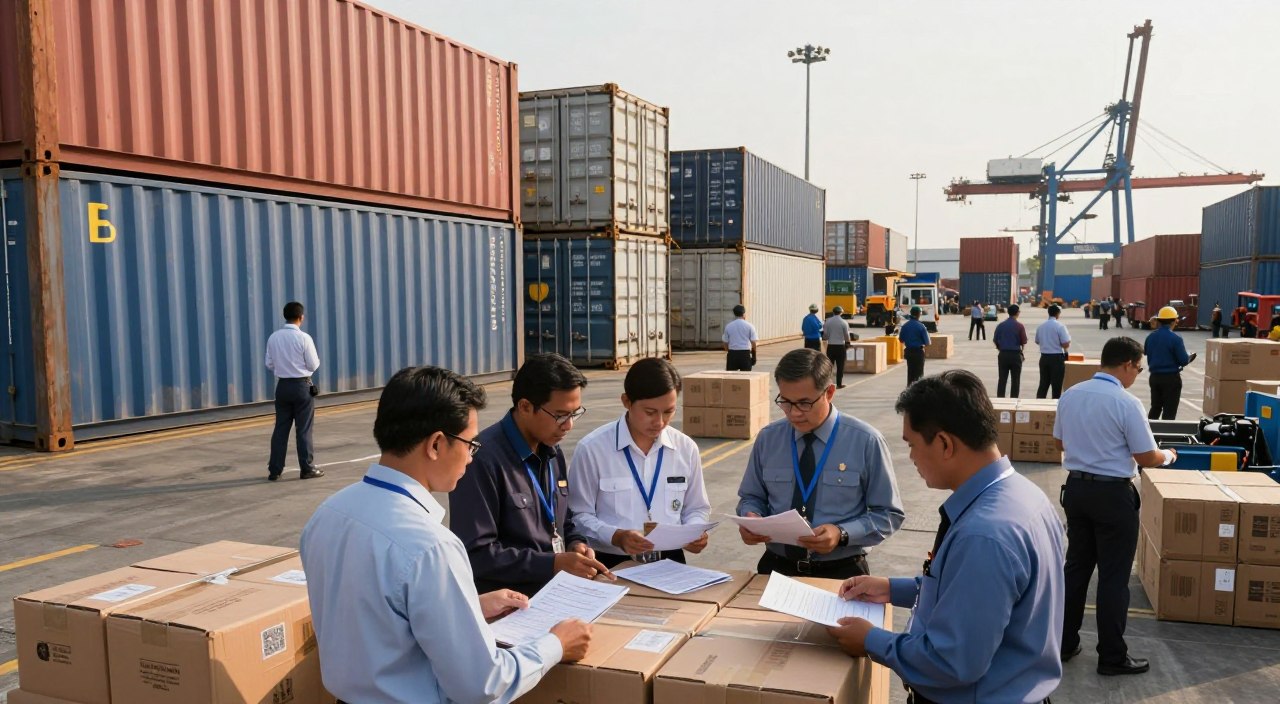
Every year, over 50,000 Australians move their belongings through Indonesian customs. This includes expats starting new jobs, citizens returning home, and those on long-term assignments. Moving your household goods across the border is a big step.
Dealing with import rules and paperwork can be tough. Many are worried about delays, extra fees, or items being held back. Knowing the system before you start packing is key.
With the right info and planning, shipping to Indonesia can go smoothly. This guide will help you through every step. We’ll talk about the rules, preparing your items, choosing a shipping method, and what to do after arrival.
Our aim is to make your move less stressful. Let’s clear up the mystery together.
Key Takeaways
- Moving personal items to Indonesia is common for expats, returning citizens, and those on long-term work assignments.
- The main challenges involve understanding and complying with specific customs regulations and documentation.
- With proper preparation and knowledge, the clearance process can be navigated successfully.
- This guide provides a complete overview, from pre-shipping rules to post-arrival procedures.
- Being proactive with your inventory list and required paperwork is the most critical step.
- Choosing a reputable shipping partner familiar with Indonesian import laws is highly recommended.
- Planning for a realistic timeline from departure to delivery helps manage expectations.
Understanding Indonesia Customs Regulations

Before your boxes head to Indonesia, it’s key to know the rules set by the Directorate General of Customs and Excise, or Bea Cukai. Understanding these customs regulations in Indonesia is vital to ensure your items arrive without trouble. This framework helps manage imports, protect local businesses, and keeps everyone safe.
Overview of Customs Policies
Bea Cukai follows core principles that guide all Indonesian customs requirements. Their main goals are to control imports, protect local industries, and ensure national security. This means certain goods, like textiles or electronics, get extra checks.
The rules can change due to economic, health, or government reasons. For importers, it’s important to always check the latest rules on the Bea Cukai website or through your shipping agent.
Importance of Compliance
Following Bea Cukai’s rules is a must. The authority is strict, and breaking the rules can be costly. Non-compliance can lead to your shipment being held, with expensive fees.
Worse, you might lose items or face big fines. Serious or repeated violations can lead to legal issues. Seeing compliance as a key part of your moving budget is wise. It helps ensure a smooth move.
Common Restrictions on Items
Knowing what you can’t ship is key to understanding customs regulations in Indonesia. Bea Cukai has clear lists of banned and restricted items. Bringing these in can cause delays and penalties.
Restricted or banned items include:
- Medications: Many drugs, like psychotropics and narcotics, are tightly controlled. You need a doctor’s letter and a permit from the Indonesian Ministry of Health.
- Firearms and Weapons: These are almost banned for private import without special permits.
- Pornographic Material: Any material deemed obscene is strictly forbidden.
- Fresh Food and Plants: To protect local agriculture, fresh fruits, vegetables, seeds, and plants need phytosanitary certificates and are often not allowed.
- Communications Equipment: Certain radio transmitters or satellite phones may need approval from the Ministry of Communication.
This list is not complete. Other items like hazardous materials, counterfeit goods, and certain cultural artefacts are also restricted. The most critical piece of advice is to always check the latest official lists from Bea Cukai before you pack. When in doubt, declare it. Full transparency is your best strategy for smooth customs clearance.
Preparing Your Belongings for Shipping

Shipping your household goods to Indonesia requires careful planning. You need to organise and pack your items well. This avoids delays, damage, and extra costs. It makes the move easier and less stressful.
Organising Your Items
Start by sorting your belongings room by room. Make three piles: items to ship, sell or donate, and dispose of. This saves money by only moving what you need.
Then, make a detailed inventory. A simple spreadsheet is perfect. List each item, its condition, and a replacement value. This list is important for customs and insurance.
Think hard about each item. Is it worth the freight cost? Will it fit in your new home in Indonesia? Furniture and electronics may face voltage and climate issues. Be honest—moving unwanted items wastes money and effort.
Packaging Tips for International Shipping
Your items will travel a long way with many handlers. Cheap packaging won’t do. Buy high-quality moving boxes in different sizes. They stack well and handle pressure.
For fragile items, use professional wrapping. Bubble wrap, packing paper, and foam peanuts are essential. This stops items moving inside the box. Mark fragile boxes clearly.
Think about the climate. Shipping can involve humidity and moisture. Wrap textiles, books, and documents in plastic or waterproof bags. Seal boxes well with strong tape.
Professional movers are very helpful. They use world-class packing materials and trained staff. Their experience is key for a big move to Indonesia.
Label each box with its contents and the room it goes in. Number boxes and match them to your inventory. This makes unpacking and customs checks easier.
Good preparation is key for a smooth move. Proper organisation and strong packaging ensure your items arrive safely in Indonesia.
Choosing the Right Shipping Method
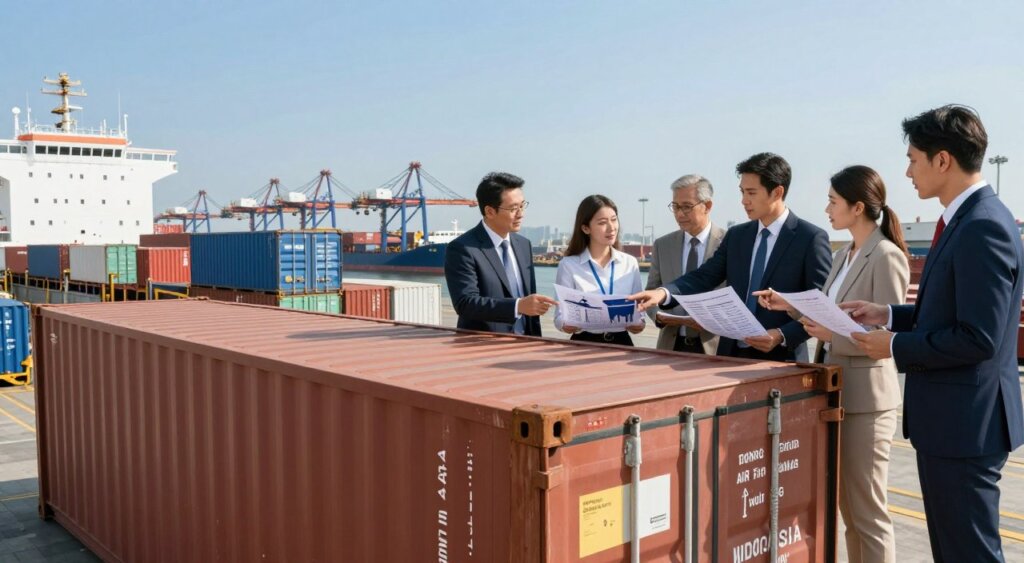
Choosing between air and sea is key when shipping to Indonesia. Your choice affects your budget, how long it takes, and how your items arrive. Many companies use a multi-modal transportation system. They mix sea, land, and air to save time and money.
Air Freight vs. Sea Freight
Air freight is fast, often getting items to you in days. It’s great for urgent items, like important documents or valuable goods. You need these items quickly in Indonesia.
Sea freight is better for moving lots of stuff, like a whole house. It’s cheaper for big shipments. You can choose to share a container (LCL) or have your own (FCL).
| Factor | Air Freight | Sea Freight |
|---|---|---|
| Transit Time | 5-10 days | 4-8 weeks |
| Cost per Volume | High | Low |
| Best For | Urgent, high-value, low-volume items | Non-urgent, large volume, heavy items |
| Limitations | Size/weight restrictions, higher fuel sensitivity | Longer lead times, port congestion possible |
Using a mix of sea and air can be the best choice. It balances cost and convenience for your move.
Cost Considerations
Knowing all costs is important to avoid surprises. The price for shipping to Indonesia from the USA includes several parts:
- Freight Charges: The cost for transport by air or sea.
- Fuel Surcharges: Fees that change with fuel prices.
- Port and Terminal Fees: Charges for handling at ports.
- Insurance: Important for protecting your items.
- Customs Clearance Fees: Part of the cost, handled by your agent.
Combining shipments in one container (LCL) can save money. Always ask for a detailed quote from your provider.
Speed of Delivery
If you need things fast, choose air freight. But remember, ‘door-to-door’ time includes collection, customs, and delivery. These steps can add days.
Sea freight is slower but cheaper for big shipments. The journey includes loading, sailing, and customs. Plan ahead for sea freight.
Sea freight needs a buffer for delays. This ensures you get your items on time. Your choice between speed and savings will decide your shipping method.
Documentation Needed for Customs Clearance
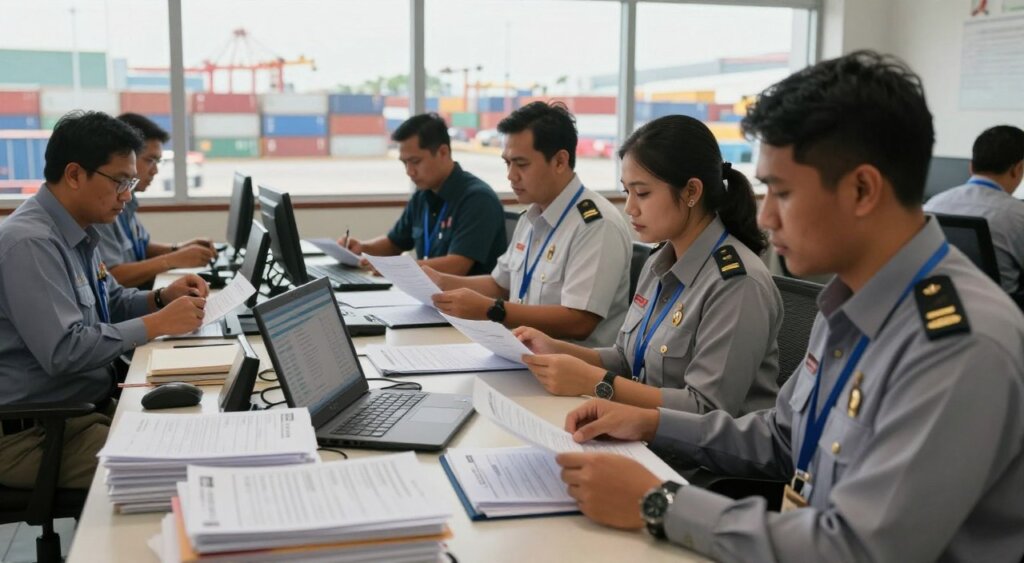
Getting your documents right is key to avoiding customs delays in Indonesia. This step is very important and ensures your goods pass through smoothly. It’s like the last hurdle before you start your new life in Indonesia.
Required Shipping Documents
You’ll need to gather specific papers for customs. Missing one can stop the whole process. Here are the main documents Indonesian customs needs:
- Bill of Lading (Sea Freight) or Air Waybill (Air Freight): This is your contract with the carrier. It’s your receipt and title for your goods.
- Detailed Packing List: You must list every item in your shipment. Be specific, like “12 cotton t-shirts” instead of “clothes”.
- Commercial Invoice or Proforma Invoice: For new items, you need a Commercial Invoice with values. For used goods, a Proforma Invoice is used, stating they’re for personal use.
- Copy of Your Passport: A clear copy of your passport’s photo page is required. It proves your identity and links you to the shipment.
- Copy of Residency Permit (KITAS/KITAP): This shows you can import goods duty-free as a resident. Include it if you have it.
- Detailed Inventory List: This is a detailed list of your belongings. It must be accurate.
Importance of Accurate Declarations
Incorrect or incomplete declarations cause most customs delays. Customs officers are trained to spot these mistakes. If your list says “books” but there are electronics, your shipment will be checked.
This can lead to a physical inspection. Inspections cost time and money. You might face storage fees or fines for misdeclaration. Honesty is always the best policy. Declare everything, even if unsure.
Tips for Filling Out Forms
Be very detailed when filling out forms. Use simple English that everyone can understand. Avoid complicated terms.
Make and keep multiple copies of all documents. Have one set with you, email another to yourself, and give one to your shipping agent. You’ll need these often.
For many, the paperwork is overwhelming. That’s where customs clearance services in Indonesia help. They know what officials expect and can avoid common mistakes. Their help makes the process easier.
Understanding Duties and Taxes in Indonesia
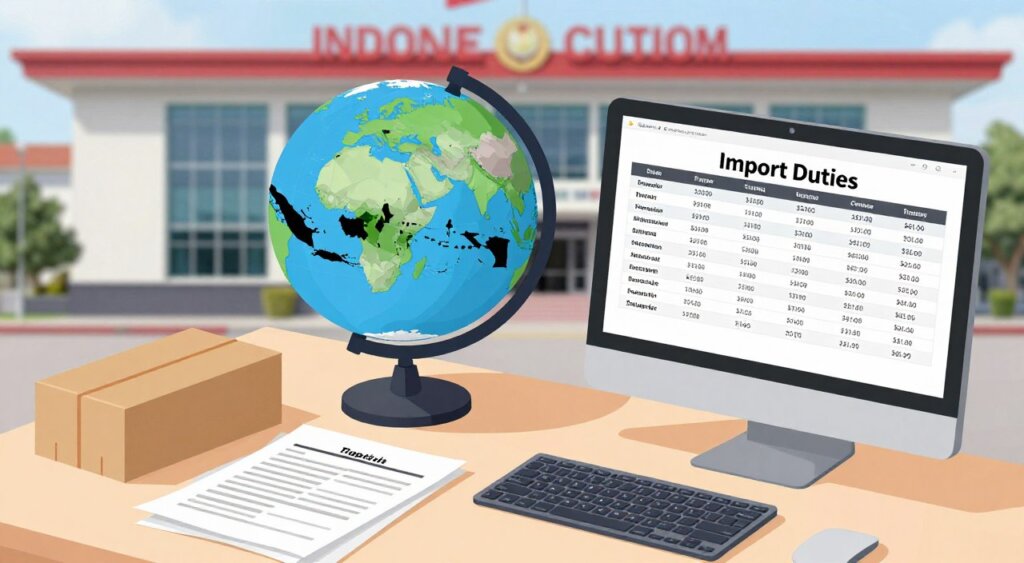
When you move your stuff to Indonesia, you need to know about the money side. This part explains the costs you might face, like Indonesia import duties and taxes. It also talks about the savings you can get from certain exemptions.
What Are Import Duties?
Import duty, or Bea Masuk, is a tax on goods coming into Indonesia. It’s a percentage of the item’s value. Think of it as a fee for bringing your stuff into the country.
For personal items, this duty is just one part of the tax picture. It’s different from Value-Added Tax.
Calculating Taxes on Your Belongings
There are two main taxes on your shipment. The first is Value-Added Tax (PPN), which is 11% of the goods’ value. The second is Income Tax (PPh 22), at 2.5% for imported goods.
Customs use the Cost, Insurance, and Freight (CIF) value to figure out the taxes. This includes the purchase price, insurance, and shipping costs. If you don’t have receipts, customs might use a market value.
| Tax Type | Local Name | Typical Rate | Applied To |
|---|---|---|---|
| Import Duty | Bea Masuk | Varies by item | CIF Value |
| Value-Added Tax | PPN | 11% | CIF Value + Import Duty |
| Income Tax | PPh 22 | 2.5% | CIF Value |
Let’s say your shipment is worth AUD $5,000 (CIF):
- Import Duty (assume 10%): $500
- PPN (11% of $5,500): $605
- PPh 22 (2.5% of $5,000): $125
- Estimated Total Taxes: $1,230
Exemptions and Allowances
There’s good news. Indonesia has a big exemption for used personal and household goods. If you qualify, you won’t have to pay import duties and taxes.
Who can get this exemption? Generally, it’s for:
- Expatriates moving to Indonesia on a specific work visa (like KITAS).
- Returning Indonesian citizens who have lived abroad.
To qualify, you must have owned and used the items for over a year before moving. You’ll need to show this to customs.
For the exemption, you’ll need:
- A detailed packing list, notarised if possible.
- Copies of your passport and valid visa.
- A statement of ownership saying the items are for personal use, not for sale.
- Evidence of previous residence (like a utility bill or rental agreement).
Getting this exemption right can save you a lot of money. Make sure you have all the documents ready early. Also, tell your shipping company you’re claiming the exemption.
Partnering with a Shipping Company

Choosing the right shipping company is key to a smooth move to Indonesia. A good partner handles the complex rules, risks, and keeps you calm. This guide helps you pick a reliable carrier, ask the right questions, and keep in touch.
Finding a Reliable Carrier
Not all shipping companies in Indonesia are the same. You need to find a trusted partner. Look for companies with lots of experience moving goods to Indonesia.
Make sure they have the right licenses and insurance. A good mover will have full coverage, including when your goods are in transit. Always check recent reviews and ask for references. A mover with a strong track record is very important.
Top movers offer more than just transport. They can handle vehicle shipping, packing, and even temporary storage. This makes your move easier.
| Selection Criteria | What to Look For | Why It Matters |
|---|---|---|
| Experience with Indonesia | Years operating specific Indonesia routes, knowledge of local ports and regulations. | Prevents customs holdups and ensures correct paperwork. |
| Service Range | Door-to-door service, packing, storage, vehicle shipping options. | Saves you time and hassle by managing the entire chain. |
| Insurance & Risk Coverage | Transit insurance details, liability limits, claims process clarity. | Protects your belongings’ value against damage or loss. |
| Client Feedback | Recent testimonials, online review ratings, willingness to provide references. | Offers real-world insight into reliability and service quality. |
Questions to Ask Your Shipper
Before you sign, have a list of questions ready. The answers will show if they’re the right shipping partner for you.
- “What is your specific experience with Indonesian customs clearance?” Ask for specific details, not just general promises.
- “Can you provide a detailed breakdown of your door-to-door service?” Know what’s included from start to finish.
- “What insurance coverage is included, and what are the exclusions?” Understand the limits and how to claim if needed.
- “What is your communication protocol if there’s a delay or issue?” A clear plan for updates is key.
- “Do you offer temporary storage solutions if my new home isn’t ready?” Flexibility is important.
Always ask for everything in writing. A clear shipping firm will happily provide detailed answers.
Importance of Communication
Good communication is essential for a smooth move. From the first quote to the last delivery, stay informed. Your carrier should have a dedicated contact person.
This person will coordinate with you, the shipping team, and customs brokers. They’ll keep you updated and answer your questions quickly. Good communication helps solve problems before they get big.
For example, if customs needs more documents, your reliable shipper should tell you right away. This way, you avoid long delays. Choose a partner who values keeping you informed as much as they value handling your goods safely.
Preparing for Customs Inspection
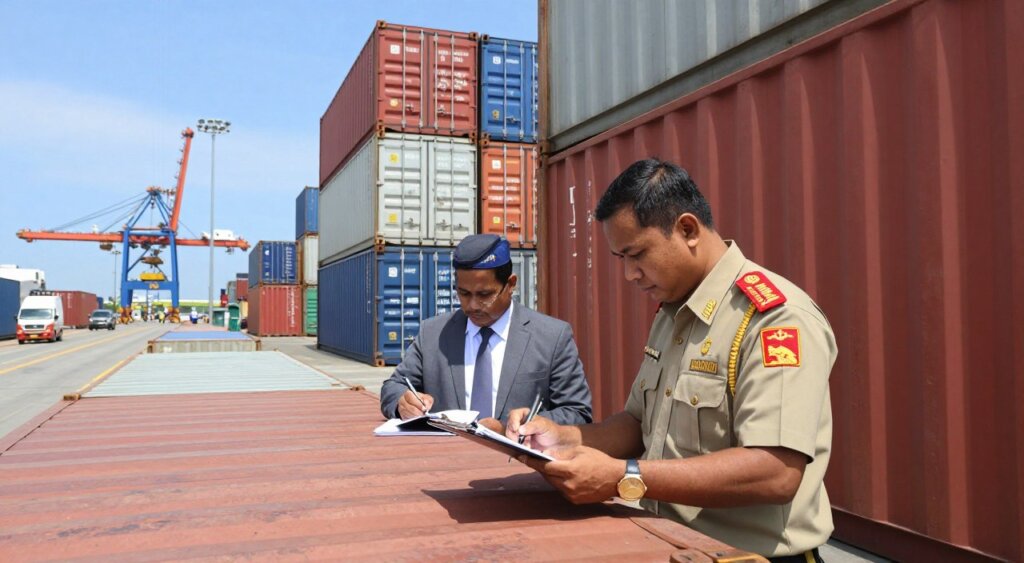
When your shipment reaches an Indonesian port or airport, it’s time for the final check: customs inspection. This step is key to making sure your items meet local laws and duties are paid correctly. Being ready for this stage can avoid delays in your shipping to Indonesia.
What to Expect During Inspection
Inspections can happen randomly or because of certain reasons. If your documents don’t match, your shipment’s value seems too high, or it has restricted items, you might face an inspection. You might not get a warning beforehand.
During the inspection, customs officers might open your container or packages. They’ll check your packing list and commercial invoice. They look at quantity, description, and condition to see if the value is right. They aim to find any wrong items or banned goods.
Officials can inspect every item, but they often do a spot-check. They might open a few boxes to represent the whole shipment. The time it takes can vary, depending on the shipment’s size and complexity.
Common Reasons for Delays
Most delays at customs can be avoided. They usually come from mistakes or not being prepared. Knowing these common issues can help you avoid them.
The table below shows the main causes of delays, their effects, and how to prevent them.
| Reason for Delay | Description | Preventive Action |
|---|---|---|
| Incorrect or Incomplete Paperwork | Mismatched names, wrong item codes, missing signatures, or inaccurate values on invoices and declarations. | Double-check all forms against passports and packing lists. Use a checklist. |
| Undeclared Items | Discovering goods in the shipment that are not listed on any official document. | Declare every single item, even if you think it’s insignificant. When in doubt, list it. |
| Missing Permits or Licences | Certain items (e.g., electronics, medicines, plants) require special import permits from Indonesian ministries. | Research restrictions for all your goods well before shipping. Apply for permits early. |
| Prohibited or Restricted Items | Attempting to import goods that are banned entirely or exceed personal allowance limits. | Familiarise yourself with Indonesia’s latest prohibited items list. Leave banned goods behind. |
Tips for Smooth Processing
Being proactive can make a big difference. Follow these tips to ensure a smooth customs inspection.
- Organise Documents Perfectly: Have all required papers—passport copies, invoices, packing lists, permits—in a single, clearly labelled folder. Provide both physical and digital copies to your shipping agent.
- Use Easy-to-Open Packaging: While items must be secure for transit, avoid excessive sealing or complex crating that officers must destroy to inspect. Use packaging that can be opened and resealed easily.
- Be Available for Queries: Ensure your contact details are correct and that you or your appointed agent can be reached promptly. A quick response to a customs officer’s question can resolve an issue in minutes.
- Ensure Clear Labelling: Mark each box with a number that corresponds exactly to your packing list. This allows for efficient spot-checking and reduces the chance of a full unpack.
- Consider a Customs Broker: For complex shipments, a local broker understands the nuances of Indonesia customs. They can liaise directly with officials and navigate the process on your behalf.
By preparing well for the inspection, you can turn a possible delay into a simple step. This careful preparation is key to a successful international shipping to Indonesia.
Tracking Your Shipment
Keeping an eye on your shipment is key for peace of mind. Once it’s on its way, you become the tracker. Today’s logistics offer great tools to track your items every step.
Knowing what’s happening helps you plan better and spot problems early. This is vital for a smooth shipping belongings to Indonesia customs journey.
Using Tracking Tools
Your shipping company will give you a unique tracking number. This lets you get real-time updates. Most big carriers have online sites and apps where you can enter this number.
These tools show where your shipment is and its journey. You might see updates like “Picked Up,” “In Transit,” and “Customs Clearance in Progress.”
It’s good to know what these statuses mean. For example, a “Hold” status might need you to take action. Setting up alerts by email or SMS keeps you informed without constant checks.
The table below explains common tracking statuses and what to do when you see them.
| Tracking Status | What It Means | Recommended Action |
|---|---|---|
| Departed Origin Port | Your goods have left the Australian port and are on the vessel or aircraft. | Note the estimated transit time. No immediate action needed. |
| Arrived at Destination Port | The shipment has reached Indonesia (e.g., Tanjung Priok, Surabaya). | Prepare for the next phase. Your agent will start customs clearance. |
| Under Customs Inspection | Indonesian customs officials are reviewing the shipment’s documents or contents. | Ensure your agent has all required paperwork. Be patient, as this can take time. |
| Cleared Customs | Your belongings have been approved for entry and can be released. | Coordinate final delivery with your local shipping contact in Indonesia. |
| Out for Delivery | The items are on a local truck for final delivery to your address. | Ensure someone is available to receive and inspect the delivery. |
What to Do if Your Shipment is Delayed
Delays are common in international shipping. Stay calm. A clear plan can help fix the issue quickly. First, check the tracking details for any specific notes, like “Awaiting Documentation.”
If the delivery date has passed and there’s no update, follow these steps:
- Contact Your Shipping Agent: Your first call should be to the Australian company you booked with. They can trace your shipment.
- Escalate to the Destination Port Agent: If your local agent is slow, ask for the contact of their Indonesia counterpart. They handle the cargo and customs.
- Understand Common Holdups: Ask why it’s delayed. Common reasons include:
- Extra customs checks.
- Missing or wrong paperwork.
- Port congestion.
- Payment issues.
- Maintain Clear Communication: Keep a record of all talks, including who and when. Being polite but firm is key.
Most delays are short-term and fixable. Your patience and clear communication are essential. A good shipping partner will keep you updated through any issues.
Final Steps After Arrival in Indonesia
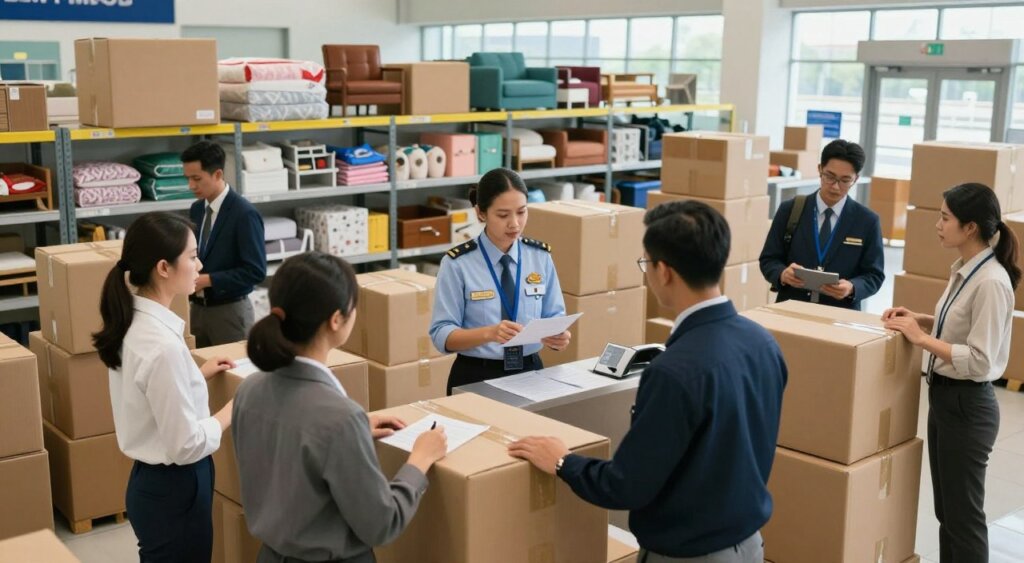
Clearing customs is a big win, but your work doesn’t stop there. You need to make sure your stuff gets to your new place safely. You also want to be covered if something goes wrong. Paying close attention to the details now is key to a smooth end to shipping household goods to Indonesia.
Receiving Your Belongings
The shipping company will call you to arrange the final delivery. It’s important to be there yourself or have someone you trust. The team will unload your stuff into the rooms you picked.
Keep your inventory list handy. It helps you check everything as it’s unloaded. The team will ask you to sign a Proof of Delivery (POD) when they’re done. Don’t sign until you’ve checked everything thoroughly.
Importance of Inspecting Items
Checking your stuff with the delivery team is the most important step. Any damage or missing items should be noted on the POD before you sign. If you sign without checking, you accept the goods as delivered, making claims hard.
Do a careful check. Look for damage on boxes and furniture first. Open boxes with fragile or valuable items. If you can’t check everything right away, write “subject to further inspection” on the POD and set a time frame (like 48 hours).
| Inspection Step | Correct Action | Common Mistake to Avoid |
|---|---|---|
| Checking for Damage | Look for dents, tears, and water damage on packaging. Open key boxes on the spot. | Only glancing at items and assuming internal damage isn’t possible. |
| Verifying Inventory | Tick off items against your packing list as they are unloaded. | Trusting memory alone, leading to missed missing items. |
| Documenting Issues | Write a precise description of any damage (e.g., “20cm scratch on left side of wooden desk”). | Using vague terms like “broken” or “damaged” without details. |
| Signing the POD | Only sign after adding all discrepancies. Have the crew representative counter-sign your notes. | Signing a blank or clean POD for convenience, forfeiting your right to claim. |
Filing Damage Claims
If you find damage or loss, act fast. Call your shipping company’s claims department right away. Most have a short time limit, often 24 to 48 hours after delivery.
You’ll need good evidence. This includes photos of the damage, the packaging, and a copy of the POD with your notes. You also need a written description of the item and the damage.
Most international removalists need you to notify them of a claim within a few days of delivery. If you don’t, they might not accept your claim.
Follow up your claim with an email for a clear record. Be firm but polite. A good shipping company will help you through their claims process.
By carefully managing these last steps, you finish moving to Indonesia. Proper receipt and inspection mean you can settle into your new home without worry.
Avoiding Common Shipping Mistakes
Even the most well-planned moves can go wrong because of simple mistakes. This section talks about the common errors that can catch you off guard. Knowing these can save you a lot of time, money, and stress.
Mislabeling Packages
Incorrect or incomplete labels can cause a lot of trouble. A wrong postcode or missing phone number can send your box on a long journey.
Labels like “household goods” can lead to extra checks. Customs need clear details to process items fast. Always double-check labels before your items leave.
Overlooking Customs Regulations
Not knowing Indonesian customs requirements can be very costly. Rules on items like certain medications, plants, or electronics are strict.
Missing or wrong paperwork is a big problem. It can stop your shipment until it’s fixed. Professional customs clearance services in Indonesia can help keep up with rules.
Incorrectly Assessing Costs
Many people only budget for the basic freight cost. But, there are extra fees like import duties, taxes, and delivery costs.
Not accounting for these can lead to unexpected costs. Always ask for a detailed quote that includes all possible costs.
| Common Mistake | Likely Consequence | Financial Impact | Prevention Tip |
|---|---|---|---|
| Mislabeling Packages | Misrouting, loss, or mandatory inspection. | Extra freight fees, storage charges, delays. | Use durable, clear labels with full recipient and sender details. Itemise contents specific. |
| Overlooking Indonesian customs requirements | Seizure of prohibited items, shipment held at port. | Fines, loss of goods, costly demurrage fees. | Research restrictions thoroughly. Consider using customs clearance services in Indonesia for expert guidance. |
| Incorrectly Assessing Costs | Unexpected charges upon delivery, unable to claim goods. | Budget blowout, possible abandonment of goods. | Get a written quote detailing all duties, taxes, and fees. Plan a 10-15% buffer. |
Knowing what to avoid can protect you from these common mistakes. Proper labeling, understanding rules, and accurate budgeting make moving easier. If unsure, getting professional help is a wise choice for peace of mind.
Seeking Professional Help
Managing international shipping and customs in Indonesia can be tough. Many find it wise to get professional help for a smooth move.
When to Hire a Customs Broker
Think about hiring a customs broker for valuable or complex items. This includes electronics or antiques. If paperwork and procedures seem daunting, professional help is a good choice. Customs clearance services in Indonesia can avoid delays and fines.
Benefits of Expert Guidance
A skilled broker or mover handles complex rules for you. They make sure all paperwork is correct. They also talk to Indonesian customs on your behalf.
This saves a lot of time and reduces stress. Reputable firms manage every part of international moving. This lowers the chance of mistakes that could delay your items.
Working with shipping companies in Indonesia that offer customs clearance services in Indonesia is a complete solution. Think about your needs and the value of expert help for a successful move.