Did you know that for every ten people dreaming of moving to Bali, nearly half face big challenges after they arrive? This island attracts thousands from Australia and worldwide each year. They seek a life filled with sun, culture, and adventure. Finding the right Bali expat community resources from the start is key for a smooth transition.
Life overseas is more than just beautiful views. Real stories from forums and guides, like “Moving to Bali: A Guide for Expats to Live Here”, show common challenges. Many newcomers feel lonely or face hidden costs. These stories highlight the need for local knowledge and a strong support network for a successful move.
This guide is your essential toolkit. It offers practical insights and connections you need. We’ll help you connect with the vibrant expat community in Bali and access resources that make integration easier.
Key Takeaways
- Bali offers a unique lifestyle, but a successful move requires more than just scenic beauty.
- Practical knowledge about visas, costs, and local customs is absolutely essential from day one.
- Building a strong support network is the best way to combat feelings of isolation or loneliness.
- This guide provides essential resources and community insights based on real expat experiences.
- Accessing proven tools and information will help you navigate your new life smoothly and confidently.
Introduction to Bali’s Expat Community
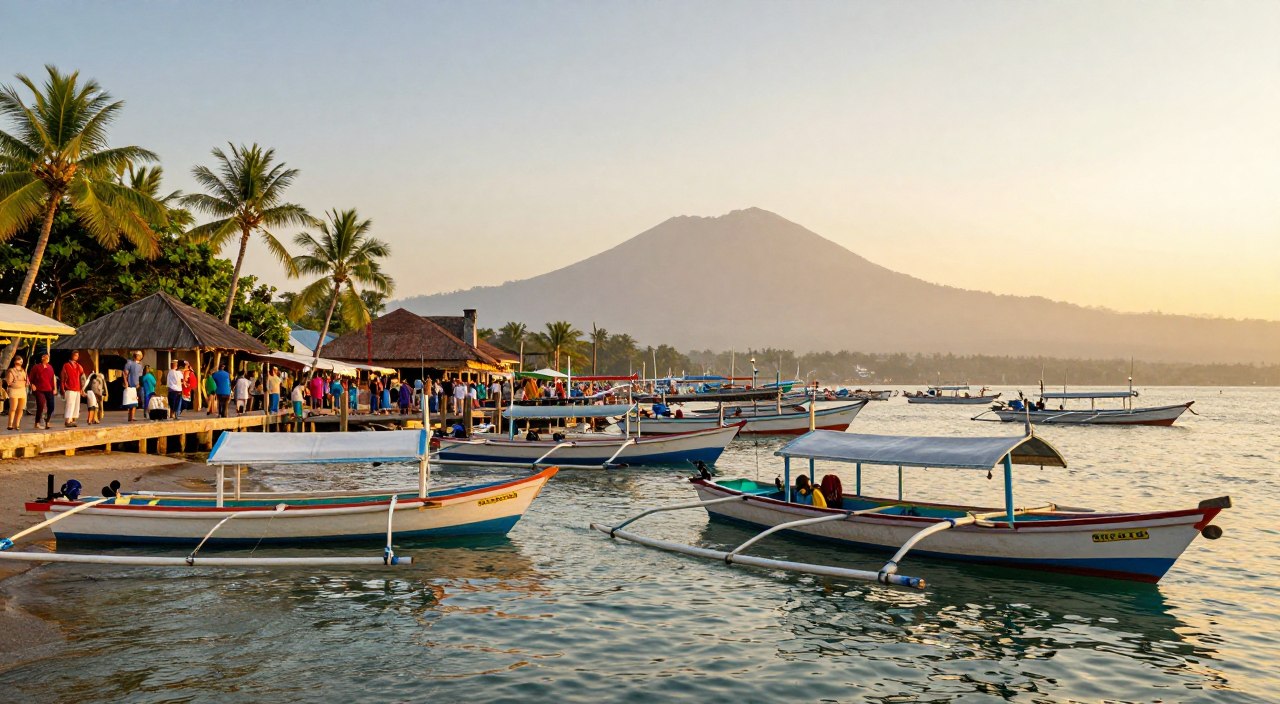
Bali is more than just its beaches. It attracts digital nomads, retirees, and families. These groups make up Bali’s lively expat community. You’ll find them in places like Canggu, Ubud, and Sanur.
If you’re thinking about living in Bali as an expat, getting to know this community is a great start. It’s your first step to feeling at home.
Overview of Expats in Bali
The community is diverse, with different lifestyles and goals. Knowing who you’ll meet helps you find your place.
There are remote workers, retirees, entrepreneurs, and families. Each group adds to Bali’s unique social scene.
The table below shows the common expat profiles you’ll meet:
| Expat Profile | Primary Focus | Common Locations | Key Community Needs |
|---|---|---|---|
| Digital Nomads & Remote Workers | Reliable internet, co-working spaces, networking. | Canggu, Pererenan, Ubud. | Professional connections, visa tips, short-term housing. |
| Retirees & Semi-Retirees | Affordable, relaxed lifestyle, healthcare access. | Sanur, Ubud, Sidemen. | Social clubs, reliable services, health insurance advice. |
| Entrepreneurial Expats | Business setup, local partnerships, market access. | Across Bali, often in commercial hubs. | Legal advice, networking events, industry-specific groups. |
| Expat Families | Quality schooling, safe neighbourhoods, family activities. | Sanur, Canggu, South Kuta. | School recommendations, playgroups, family-friendly info. |
Importance of Community Support
Moving to a new country is exciting but challenging. A strong Bali expat support network is invaluable. It turns isolation into belonging.
New arrivals face many challenges. Finding local services or dealing with loneliness can be tough. The community helps a lot.
“Asked the local expat Facebook group for a plumber at 9 PM after a pipe burst. Got three reliable contacts in 10 minutes. That kind of help is priceless when you’re new.”
This network offers practical advice and emotional support. Sharing experiences with others who understand expat life is key for wellbeing.
Also, a good community helps with cultural navigation. Long-term residents can share insights on local customs. Building these connections early makes Bali feel like home.
Finding Housing in Bali

Bali has many homes, from beachside to jungle. Your home in Bali will change your daily life. It’s important to know the market well.
Understanding Bali’s areas, renting, and laws is key. This knowledge helps expats settle smoothly.
Popular Areas for Expats
Bali’s regions vary in character and cost. Your choice depends on your lifestyle and budget.
- Seminyak: Upscale dining, shopping, and nightlife. High prices for a cosmopolitan beach life.
- Canggu: Digital nomads and young expats love it. Cool vibe, cafes, and surf spots. Prices are rising.
- Ubud: Cultural heart with rice paddies and rainforest. Tranquil, yoga, and spiritual. Various housing options.
- Sanur: Family-friendly with a long beach. Established expat community. Better value than the west coast.
Tips for Renting and Buying
Buying or renting in Bali needs care and local advice. Always check things carefully.
Rentals are usually one year. You’ll pay a two-month security deposit and a month’s rent upfront. Make sure the contract is clear about repairs and bills.
Buying? Leasehold is common for foreigners. It’s for 25-30 years. Freehold is rare. Use a good solicitor.
When renting or buying, deal with owners or agents. Prices can be negotiated.
Local Real Estate Agencies
Using a known agency saves time and protects you. Choose firms that help foreigners well.
These agencies know what expats need. They help with visas and local rules. They also know about neighbourhoods and prices.
Ask expats or online forums for agent tips. A good agent is open, quick to respond, and gives references. They’re key for finding a good home in Bali.
Networking Opportunities for Expats

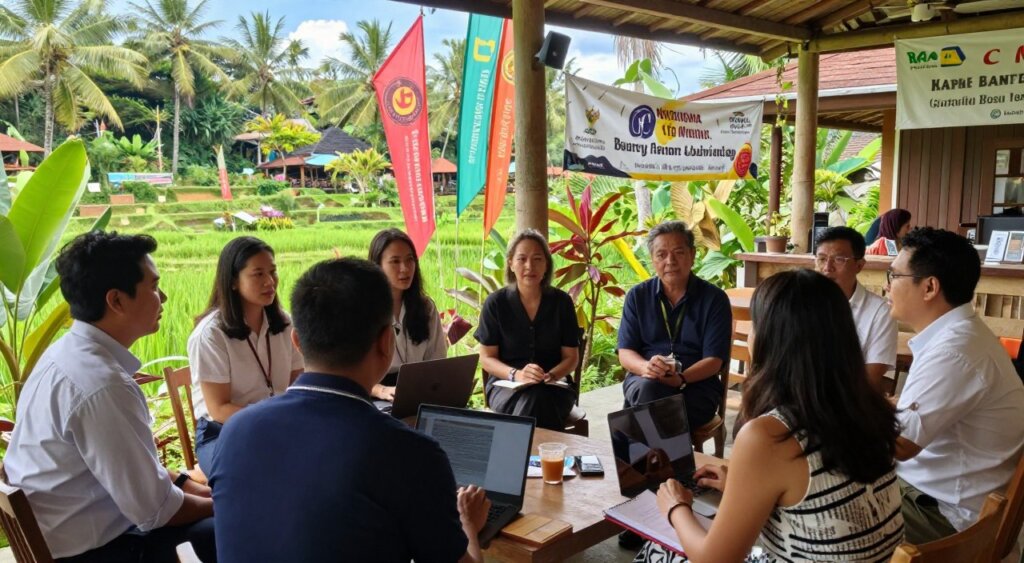
Feeling at home in Bali is easier with the island’s vibrant expat network. Making friends and professional contacts gives you local insights and support. This guide shows you how to start connecting with the Bali expat community online and in person.
Expat Meetups and Events
Bali’s social scene is buzzing with events for everyone. Casual meetups are great for a relaxed start. Look for weekly coffee mornings, beach clean-ups, yoga, and sports groups online.
For bigger networking and fun, check out Bali’s major festivals. These events bring locals and expats together. Key festivals include:
- LaLaLa Festival 2026: A music and art celebration that draws creatives.
- Indonesia Women Fest: Empowers and connects, perfect for networking.
- DRT Show 2026: A global tattoo and art convention.
- ARKIPELA FEST Music Festival: A major event for music lovers.
Going to these festivals is more than fun. It’s a way to become part of island life and meet like-minded people.
Online Forums and Social Media Groups
Your digital tools are key for connecting with the Bali expat community before you arrive. Online forums and groups offer advice, rentals, and event info.
Facebook is the main hub. Join ‘Bali Expats’, ‘Canggu Community’, and ‘Ubud Community & Expats’ groups. They’re for asking for advice, selling items, and planning meetups.
For structured networking, try Internations with its expat events and forums. Also, check the Bali subreddit and forums for business owners or digital nomads. Be active, introduce yourself, ask questions, and help others. This can lead to real friendships and a smoother transition to Bali.
By mixing in-person events with online groups, you can build a strong network. This approach keeps you connected for advice, company, or new adventures in Bali.
Health Care Resources

Getting good healthcare is key for a happy expat life in Bali. Knowing the local health scene and having the right insurance is important. This section covers the main healthcare resources you need, from top hospitals to insurance tips.
Local Hospitals and Clinics
Bali has many medical places for expats. These clinics and hospitals speak English and meet Western standards.
In tourist areas, you’ll find great hospitals. BIMC Hospital has spots in Kuta and Sanur for 24/7 emergencies and specialist visits. SOS Medika in Kuta and Kerobokan is known for its wide range of medical and dental services.
For everyday care, places like Kasih Ibu in Denpasar and Ubud are good. But, getting used to a new healthcare system can be tough. Many expats say it’s smart to find a trusted place before you move.
Health Insurance Options for Expats
Good health insurance is a must for expats in Bali. Indonesian health plans aren’t made for foreigners. You need a solid international health plan.
The guide Health Insurance in Indonesia: What You Need to Know as an Expat in 2025 explains what your policy should cover. This includes:
- Inpatient and outpatient care at top international hospitals.
- Medical evacuation (medevac) to Singapore or Australia for serious cases. This is key because not all treatments are available here.
- Repatriation of remains, which most plans include.
There are many plans to choose from, from full coverage to just inpatient care. Your choice depends on your budget and health needs. It’s best to get your insurance before you arrive in Bali. This way, you’re covered from the start and is a key part of setting up your expat services in Bali.
Spending time learning about these healthcare resources is worth it for your health in Bali. With the right clinic and insurance, you can enjoy your new life.
Education for Expat Families

Finding the right school in a new country can be tough. Bali has many international schools for kids. Choosing the right school is a big decision for families.
International Schools in Bali
Bali has many good international schools. They offer different curricula and learning styles. These schools are key for expat families in Bali.
When picking a school, think about the curriculum, location, fees, and the school’s atmosphere. Schools offer the International Baccalaureate (IB), Cambridge, and national systems like Australian or British.
| School Name | Primary Curriculum | Notable Features |
|---|---|---|
| Bali Island School | International Baccalaureate (IB) | Oldest international school, strong academic focus, diverse student body. |
| Australian International School Bali | Australian Curriculum | Links to Australian universities, modern facilities, emphasis on holistic education. |
| Green School Bali | Green Studies & IB | Unique bamboo campus, focus on sustainability and environmental stewardship. |
| Dyatmika School | Cambridge & Indonesian National | Bilingual program, strong integration of Balinese culture, from early years to senior. |
Visiting schools in person is a good idea. Talking to other expat parents can also help a lot.
Extracurricular Activities Available
Bali offers more than just school. The island’s environment is perfect for kids to learn and grow. Local activities help kids make friends and understand Bali.
These activities are important for expats. They help kids learn about culture and grow as individuals.
- Surfing and Water Sports: Bali’s waves are great for surfing. It teaches kids about the ocean and resilience.
- Balinese Dance and Music: Classes in traditional dance or gamelan music are available. They help appreciate local art.
- Yoga and Mindfulness: Yoga classes for kids promote flexibility and calmness. It reflects Bali’s spiritual vibe.
- Environmental and Animal Clubs: Kids can help with beach clean-ups or visit turtle projects. They learn about Bali’s ecology.
Combining school with these activities makes for a well-rounded childhood. It helps kids connect with both their peers and the Balinese community. Exploring these options is key to a fulfilling family life in Bali.
Legal and Visa Assistance

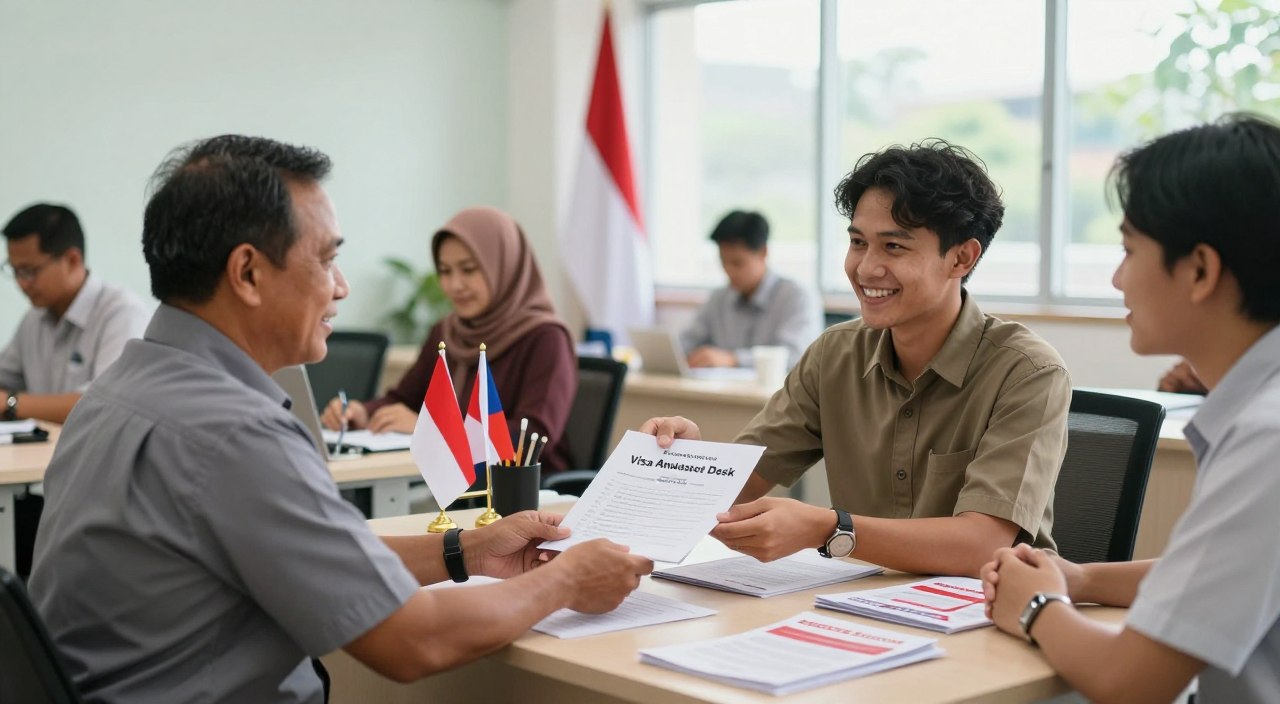
Understanding visa rules and finding reliable legal help is key for a smooth expat life in Bali. Getting your legal affairs in order from the start is essential for a stress-free life. Indonesian immigration law is complex and often changes, making expert advice a must.
Understanding Visa Requirements
Bali has different visa options, each with its own purpose and rules. The most common ones for expats are tourist visas, social-cultural visas, and various stay permits. Knowing which one suits your plans is the first step in navigating Bali as an expat.
Here’s a quick look at the main visa types you’ll find:
| Visa Type | Primary Purpose | Standard Duration | Key Notes |
|---|---|---|---|
| Tourist Visa | Leisure travel | 30 or 60 days | Can often be extended once. Not for work or long-term stay. |
| Social-Cultural Visa | Visiting family, social activities, short courses | 6 months (with extensions) | Requires a local sponsor. A common pathway for those planning a longer stay. |
| KITAS (Temporary Stay Permit) | Long-term residence for work, retirement, or investment | 6 months to 2 years | The core permit for serious expats. Requires sponsorship from an employer, spouse, or investor. Essential for legally navigating Bali as an expat long-term. |
| Investor Visa | Establishing or investing in a local business | Linked to investment level | Involves significant capital and a complex application process through the BKPM (Investment Board). |
Rules and fees can change quickly. Don’t rely on old online advice.
Local Lawyers and Legal Services
Getting a reputable local immigration agent or law firm is a smart move. They deal with the complex paperwork and bureaucratic hurdles for you.
Stories from retirees who faced unexpected legal fees and bureaucratic mazes abroad show the value of professional help. A good agent will:
- Give current, accurate advice on the best visa for you.
- Manage all documentation and submissions with the local immigration office (imigrasi).
- Help with necessary translations and notarisations.
- Offer support if any legal issues come up during your stay.
When picking a service, look for firms with strong, verifiable testimonials from other expats. It’s important to have clear communication about all costs upfront to avoid surprises.
Don’t see this as an optional extra. It’s essential to secure your legal right to live in Bali. It makes the process straightforward and stress-free.
Local Markets and Shopping
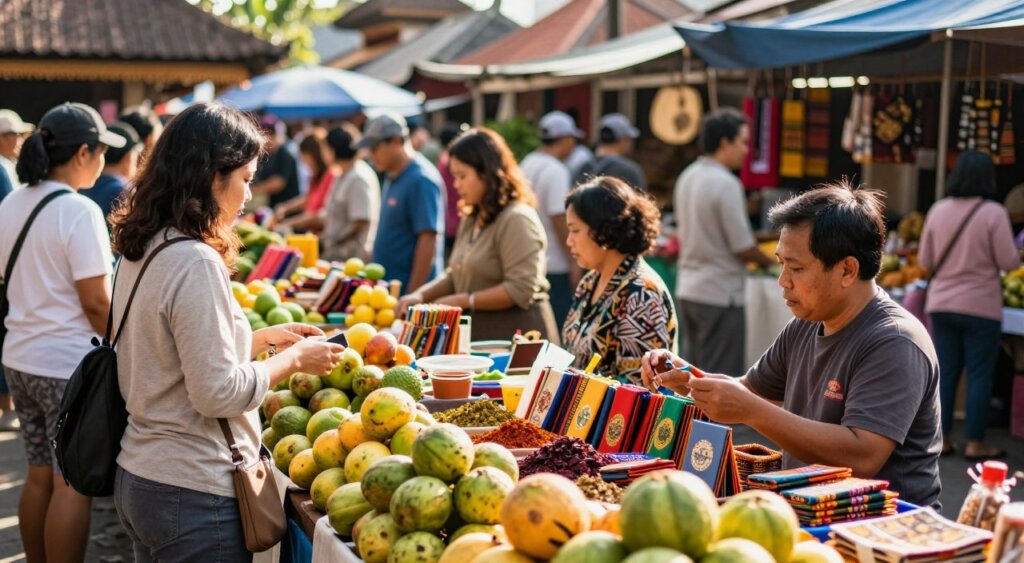
Shopping in Bali is an adventure that connects you to the island’s culture. For expats, finding everything from groceries to home decor is key. The island offers a mix of modern convenience and traditional charm.
You can stock your pantry with familiar brands or explore local markets and artisan workshops. This guide helps you navigate both, ensuring you get what you need while discovering Balinese craftsmanship.
Best Expat-Friendly Supermarkets
Bali’s expat-friendly supermarkets are a lifesaver when you crave home or need household items. Chains like Bintang, Pepito, and Delta Dewata are popular for a reason. They stock a wide range of imported products from Australia, Europe, and beyond.
You’ll find everything from cheese and wine to cereal and cleaning supplies. These stores often have butchers, bakeries, and deli sections, making one-stop shopping easy. Prices for imported goods are higher than local items, but the convenience and familiarity are worth it for many.
Here’s a quick look at what to expect:
- Bintang Supermarket: A favourite for its extensive selection of Western foods, wines, and cheeses. Several locations across Bali.
- Pepito Market: Known for fresh produce, a good bakery, and a well-stocked international aisle.
- Delta Dewata: Often has competitive prices and a broad range of both local and imported goods.
Shopping at these supermarkets helps ease the transition, but don’t forget to explore local options for fresh fruit, vegetables, and spices.
Unique Local Crafts and Products
To truly experience Bali, step outside the supermarket and into its bustling traditional markets, known as pasar. These are the heart of local commerce and your best source for incredibly fresh, affordable produce. Early mornings are the best time to visit for the liveliest atmosphere and freshest picks.
Beyond daily groceries, Bali is renowned for its local crafts. The island’s artisan villages each specialise in a particular craft, passed down through generations. Visiting these villages is a rewarding experience. You can watch artisans at work and purchase authentic souvenirs directly from the makers.
Two famous villages are must-visits:
- Celuk: This village is the epicentre of Balinese silverwork. You’ll find stunning jewellery, intricately carved bowls, and decorative items in numerous workshops and showrooms.
- Mas: Renowned for its exquisite woodcarving. Artisans here create everything from detailed masks and statues to beautiful furniture.
Purchasing from these local markets and artisan villages does more than just get you a unique item. It directly supports local families and helps preserve traditional skills. Blending your supermarket shop with visits to the pasar and workshops offers the perfect balance for your Bali shopping experience.
Transportation and Getting Around
Learning to use Bali’s transport network is key to feeling at home. Your choice of transport affects your daily life, budget, and social circle. Bali offers many transport options to fit different needs and preferences.
Navigating Bali’s Transportation Options
Ride-hailing apps like Gojek and Grab are popular for fast trips. They cover most tourist and expat areas. You can book a motorbike or car, with prices shown upfront on your phone.
Metered taxis, like Blue Bird, are reliable. Always use the meter. For longer trips or custom plans, hiring a private driver is affordable and flexible.
This gives you freedom and local insight. Many expats prefer renting their own vehicle for ultimate freedom.
Renting Scooters vs. Cars
Before renting, know the legal rules. You must have a valid International Driving Permit (IDP) matching your home licence. Without it, you risk fines and invalid insurance.
Deciding between a scooter and a car depends on practical factors.
| Consideration | Scooter / Motorbike | Car |
|---|---|---|
| Cost | Very low daily rental and fuel costs. | Higher rental, fuel, and parking fees. |
| Traffic & Parking | Easier to navigate congestion and find parking in tight spaces. | More protected from weather and road conditions, but parking can be a challenge. |
| Suitability | Ideal for solo travellers or couples for short trips. | Better for families, long distances, or carrying lots of shopping. |
| Safety & Insurance | Higher physical risk. Always wear a helmet. Verify rental insurance covers damage and theft. | More protective in an accident. Scrutinise insurance excess and coverage details before signing. |
Safety is critical, more so on a scooter. Bali’s traffic is intense, with varied road conditions. If new to riding, try ride-hail bike services first. For car hire, check the vehicle well and document any damage.
Your choice depends on your comfort, lifestyle, and travel companions. Many expats mix transport options to get around efficiently.
Cultural Integration Resources
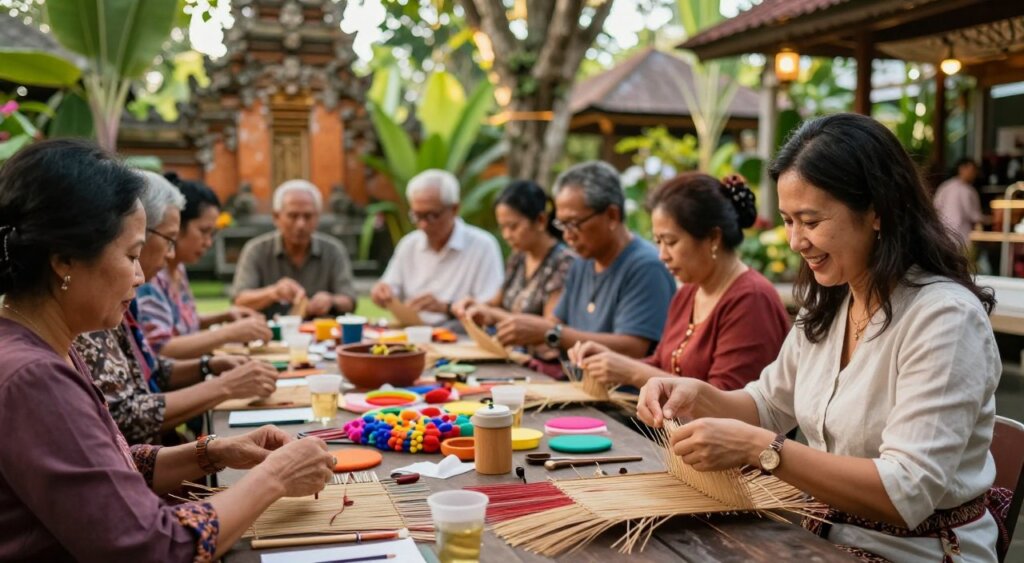
Going beyond the tourist scene, diving into the local culture is key for expats wanting a real life in Bali. True belonging comes from getting into the island’s traditions and daily life. This makes you more than just a visitor; you become a valued part of the community.
Local Cultural Workshops
Getting involved in hands-on workshops is a great way to connect with Bali’s heritage. These sessions give you a close look at the island’s artistic heart. Plus, they’re a great way to meet others with similar interests.
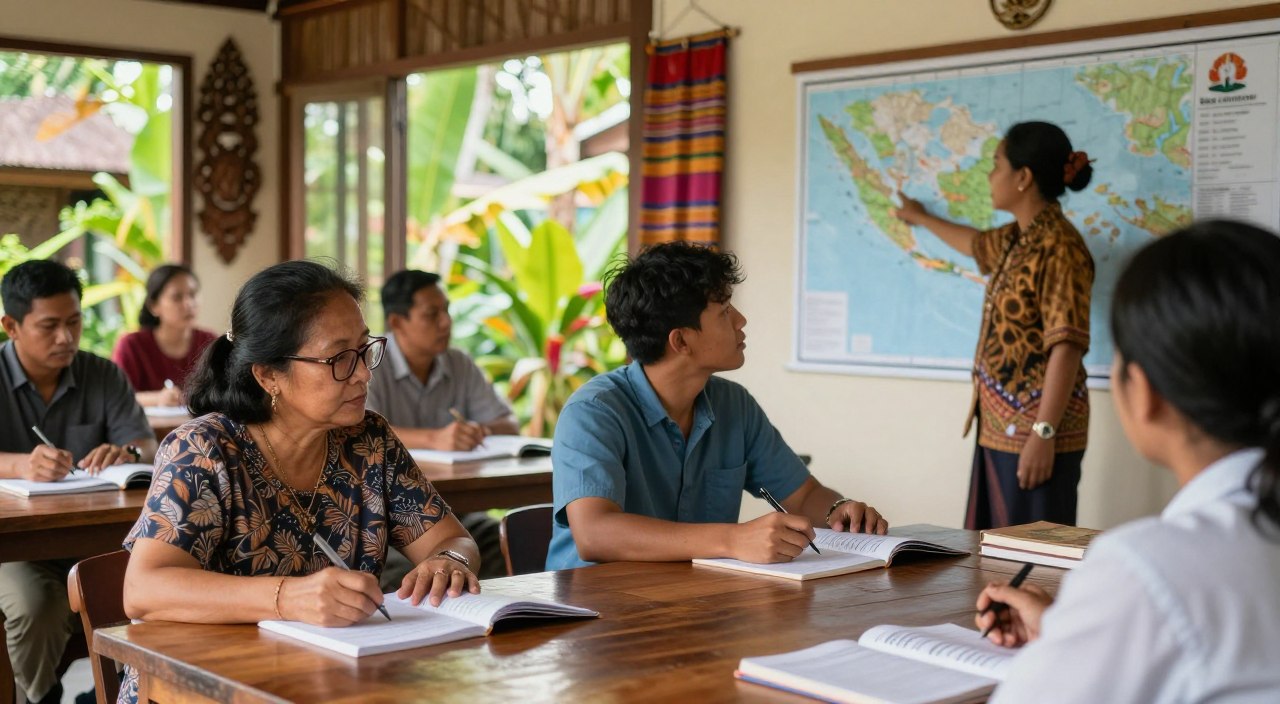
Look for workshops on Batik textile painting, Balinese cooking, or making canang sari (daily offerings). Courses in traditional Gamelan music or wood carving are also available. Major events like the Pesta Kesenian Bali (Bali Arts Festival) are perfect for diving into the culture.
Places like Kancil Bali offer popular “Hanging Art Classes” and other creative sessions. Taking part in these activities helps you appreciate local customs more. It’s a key part of living in Bali as an expat.
Learning the Bahasa Indonesia Language
Even a basic understanding of Bahasa Indonesia can change your life in Bali. It shows respect and a real commitment to your new home.
Start with basic phrases for markets, transport, and greetings. Locals will appreciate your effort, and it opens doors to more real experiences. For a structured start, check out the “Learning Bahasa Indonesia: A Guide for Beginners”.
Learning the language has many benefits:
- Smoother daily transactions at shops, warungs, and with service providers.
- Deeper social connections with neighbours and local friends.
- Greater independence and confidence navigating life across the island.
- Enhanced cultural understanding that goes beyond what’s possible in English.
Making language study a priority is a game-changer for anyone living in Bali as an expat. It turns simple chats into meaningful connections.
Activities and Entertainment for Expats
Joining Bali’s expat community means finding the fun spots locals love. It’s a great way to connect with Bali expat community and enjoy the island’s beauty. Your social calendar will fill up with fun, cultural events, and food adventures.
Popular Expat Leisure Activities
Bali is a playground for expats, thanks to its stunning nature and vibrant culture. There’s something for everyone, no matter your interest or energy level.
Outdoor lovers have it made. Surfing spots in Canggu, Uluwatu, and Sanur are world-class. Many start their day with a surf. For those who prefer the sea, diving and snorkelling around Nusa Penida reveal amazing marine life. Hiking up volcanoes like Mount Batur for sunrise is a rewarding challenge.
Wellness is big in Bali. Yoga studios and meditation retreats are everywhere, from Ubud to the beaches. These places are social hubs as much as wellness centres. Co-working cafes have become a staple of expat life. They offer great coffee, reliable Wi-Fi, and networking opportunities.
Family-focused expats find lots of fun activities. Places like the AeroXSpace Indoor adventure park offer exciting activities for all ages. Regular events, similar to “Little Discoveries” sessions in big cities, are also starting in Bali. These offer educational play for young children.
To help you navigate the options, here is a comparison of popular pursuits:
| Activity | Description | Ideal For |
|---|---|---|
| Surfing | Catching waves at renowned beach breaks. Lessons and board hire are readily available. | Adventure seekers, social butterflies at beach cafes. |
| Co-Working Cafes | Spaces designed for remote work with high-speed internet, coffee, and networking. | Digital nomads, freelancers, and those wanting to meet like-minded professionals. |
| Yoga & Wellness Retreats | Daily classes, workshops, and multi-day retreats focusing on physical and mental health. | Anyone seeking relaxation, fitness, or a spiritual connection. |
| Volcano Hiking | Guided early morning treks up Mount Batur or Agung for breathtaking sunrise views. | Nature lovers, hiking enthusiasts, and photographers. |
| Family Adventure Parks | Indoor and outdoor facilities like AeroXSpace with climbing, jumping, and play areas. | Expat families with children looking for safe, fun outings. |
Cafes and Restaurants to Explore
Bali’s food scene is a big draw. It has everything from cheap, tasty local food to top-notch fine dining. Exploring this scene is a tasty way to connect with the Bali expat community.
Trendy, health-focused cafes are everywhere in Canggu, Seminyak, and Ubud. They serve avocado toast, smoothie bowls, and specialty coffee. These spots are where expats meet for brunch or a working lunch. For real local flavour, try a warung. These family-run eateries serve classic Indonesian dishes like nasi goreng and mie goreng at low prices.
Bali also has many high-end restaurants. Chefs from around the world create innovative dishes with local ingredients. Many restaurants have stunning views of the ocean or rice fields. The island’s entertainment calendar adds to the fun. International concerts, like those by K-pop groups, sometimes come to Indonesia. Major festivals covering music, food, and wellness happen all year.
From casual coffee meet-ups to special dinners before shows, Bali’s venues are perfect for building your social circle.
Supporting Local Communities
Living in Bali is more than just finding a place to stay. It’s about becoming part of the community and giving back. A strong Bali expat support network helps you do this. It lets you make a positive impact on the island.
Volunteering Opportunities
Volunteering is a great way to connect with locals. Many groups need help from expats. It’s important to choose activities that help the community, not just what you like.
Helping the environment is a big focus. You can join beach clean-ups or help with planting trees. There are many eco-groups to choose from.
Animal lovers can volunteer at shelters or sanctuaries. Tasks include caring for dogs and helping sea turtles. It’s a rewarding way to help.
Supporting education is also rewarding. You can teach English, share your skills, or help with after-school programs. It’s a great way to give back.
Contributing to Local Initiatives
Not everyone can volunteer regularly. But there are other ways to help. Your support can make a big difference.
Donating money to local charities is very effective. Look for groups that are transparent and have a good track record. Your money can help with education, healthcare, or the environment.
Shopping at social enterprises is another way to help. These businesses use their profits to help the community. You can find unique products and support local artisans and farmers.
Going to community events is fun and helps too. Attend fundraisers, festivals, or markets. It’s a great way to meet people and show your support.
Programs like “Kancil Bali Hanging Art Classes,” are great examples. They provide art education to kids, funded by donations. It shows how targeted support can make a difference.
Getting involved in Bali’s community strengthens your bond with the island. It turns a Bali expat support network into a two-way street of mutual benefit and respect.
| Initiative Type | Example Activities | Key Benefit to Community | Expat Involvement Level |
|---|---|---|---|
| Environmental | Beach clean-ups, mangrove planting, coral reef monitoring | Preserves natural resources and tourism assets | One-off events or regular commitments |
| Educational | English tutoring, computer skills workshops, library support | Enhances future opportunities for local youth | Weekly sessions or project-based |
| Social Enterprise | Buying from local co-ops, dining at charity cafes, purchasing fair-trade goods | Creates sustainable local income and jobs | Daily consumer choices |
| Cultural Preservation | Sponsoring art classes, attending traditional craft workshops, funding music programs | Keeps local traditions and arts alive | Financial sponsorship or participatory learning |
Conclusion: Embracing Life in Bali
Moving to Bali is more than just a change of address. It marks the beginning of a new chapter in your life. Many people find that building strong social ties is key. It’s important to plan well and get involved in your community.
Building Lasting Connections
Your happiness in Bali will depend on the people you meet. The networks you build, both local and expat, will support you. Attend meetups, join cultural workshops, and use online forums. These friendships are the foundation for a fulfilling life on the island.
Resources for Ongoing Support
Settling in Bali is an ongoing journey. It’s not just about finding a house or getting a visa. Keep using the resources for Bali expats mentioned in this guide. These include information on healthcare, legal services, schools, and local markets. They help ensure your stability and peace of mind.
Life in Bali comes with its challenges, but also with incredible beauty. With the right mindset and these resources, you’re ready to build a fulfilling life. Start your adventure in Bali with confidence, ready to embrace all it has to offer.