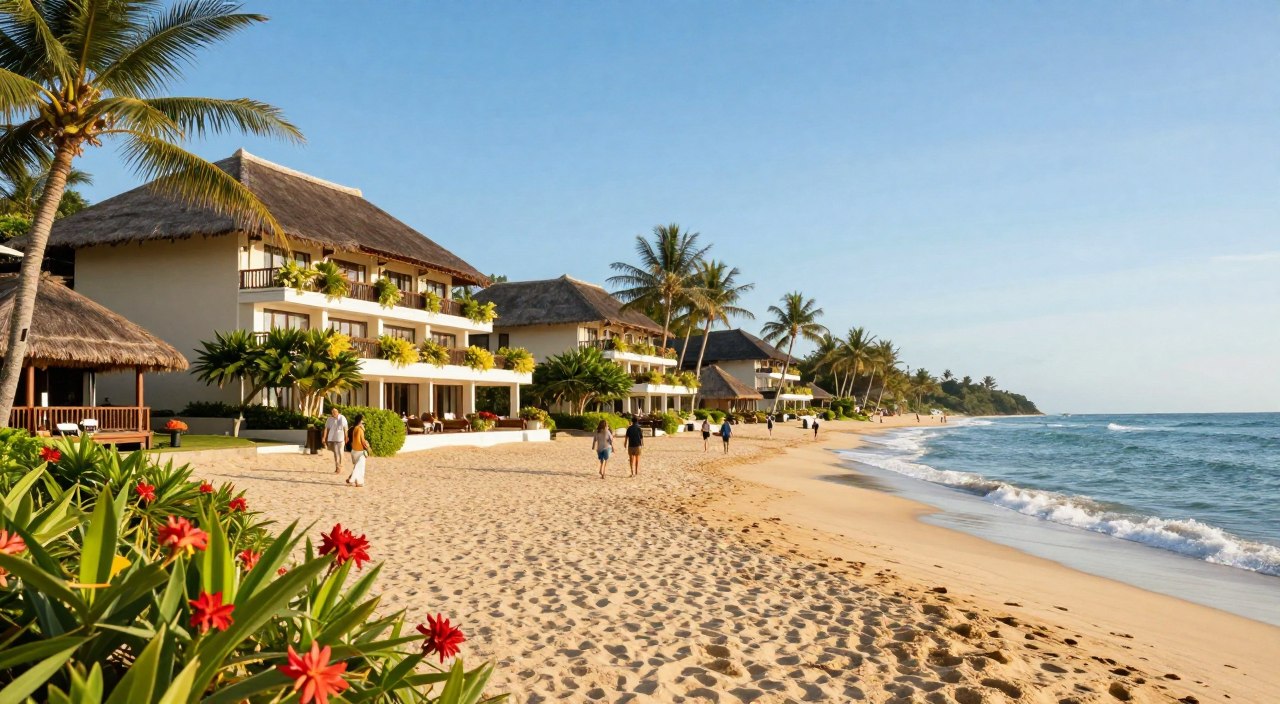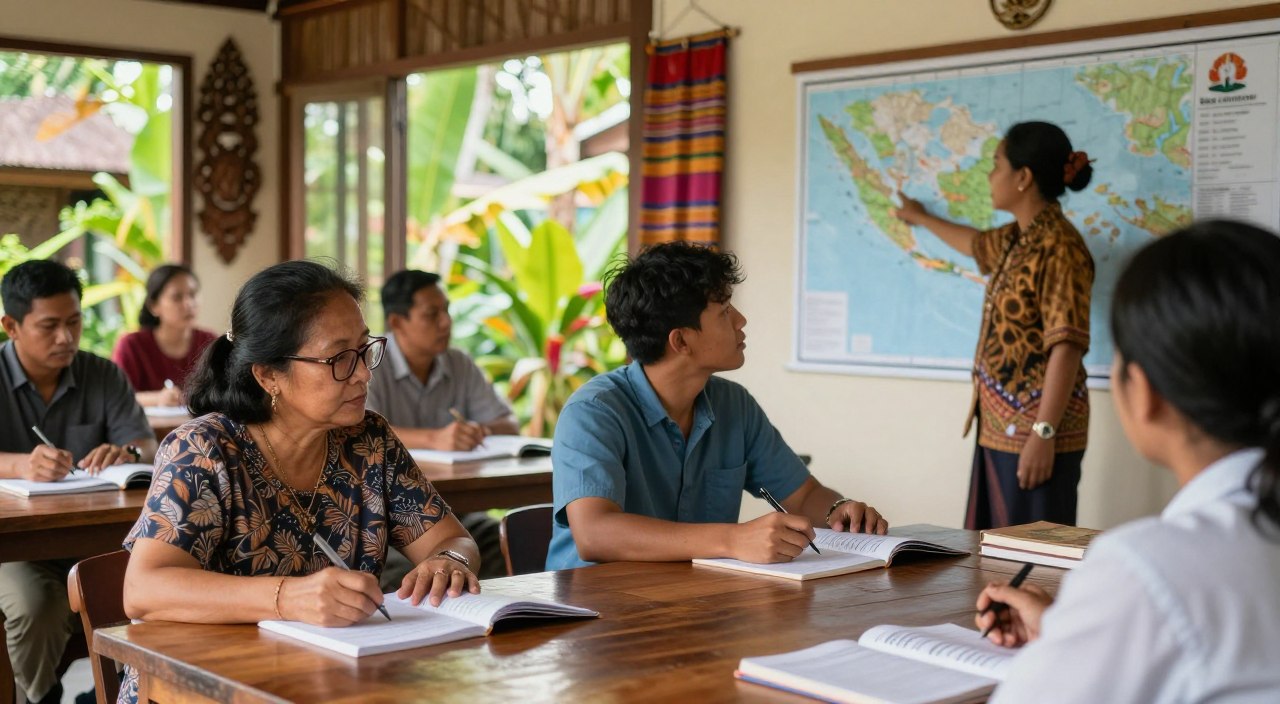
Every year, over 1.2 million Australians visit Bali. Yet, only about 5% try to learn some Bahasa Indonesia before they go. Learning Indonesian language programs Bali can change this and make your trip much more meaningful.
Learning the local language is more than just ordering food or asking for directions. It lets you connect deeply with the Balinese people. You’ll understand their traditions and ceremonies better.
The Island of the Gods is the perfect place to learn. Every time you visit a market, go to a temple, or have a casual chat, you’re learning. This real-world practice makes learning faster than back home.
This guide is for Aussies looking for a real adventure. We’ll look at different courses, from intensive to casual workshops. You’ll learn about the benefits of learning a new language, find top schools, and get tips for a successful journey.
Key Takeaways
- Learning Bahasa Indonesia turns a Bali holiday into a meaningful cultural immersion.
- Basic language skills foster genuine, respectful connections with local communities.
- Understanding the language provides deeper insight into Balinese rituals and daily life.
- Bali acts as a perfect “living classroom” where you practice daily.
- This guide covers course types, benefits, top schools, and tips for Australian learners.
- Language ability grants greater independence and confidence when exploring the island.
- Combining education with travel creates a uniquely rewarding and memorable adventure.
Why Learn Indonesian in Bali?
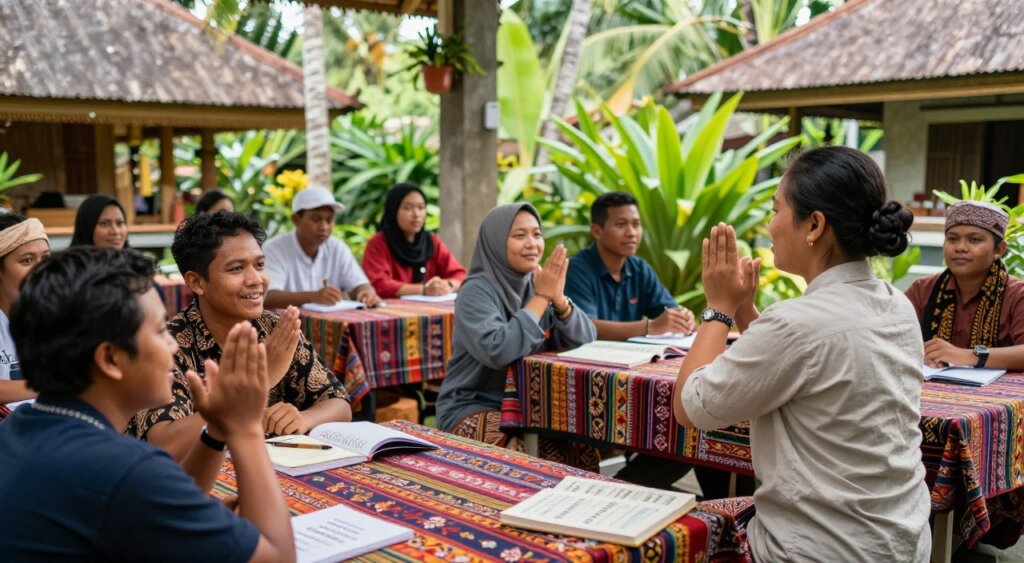
Bali is more than just beautiful beaches. It’s a place where you can learn Indonesian in a real-life setting. For Australians, learning Indonesian in Bali offers unique benefits. The mix of cultural immersion and a tropical setting makes learning fun and effective.
Unique Cultural Immersion
Learning a language is more than just reading books. In Bali, you can practice Indonesian everywhere you go. From buying food to asking for directions, you get to use the language in real situations.
Practicing every day boosts your confidence and respect for the culture. Saying “Om Swastiastu” when you enter a shop can lead to warmer interactions. It shows you care about the culture.
As a travel writer once said, learning the language and culture of Bali deepens your connection with the island. This immersion makes learning the language a part of your daily life.
Tropical Learning Environment
The place where you learn affects how well you do. Bali’s natural beauty is a far cry from a stuffy classroom. The island’s beauty helps you stay relaxed and focused.
Learning in such a setting is less stressful and more enjoyable. You can practice vocabulary by the pool or have a class in a garden café. This makes studying a pleasure.
The following table shows how Bali compares to a traditional classroom:
| Aspect | Learning in Bali | Traditional Classroom Setting |
|---|---|---|
| Atmosphere | Relaxed, inspiring, connected to nature | Often formal and institutional |
| Practice Opportunities | Immediate, real-world application all around you | Mostly confined to role-play during class time |
| Cultural Context | Live culture provides constant context and meaning | Relies on videos, books, and teacher anecdotes |
| Mindset | Combines holiday enjoyment with educational growth | Primarily viewed as an academic task |
This special learning environment helps you learn Indonesian faster and more enjoyably. It’s why many Australians find Indonesian language classes in Bali so effective and rewarding.
Types of Language Programs Available
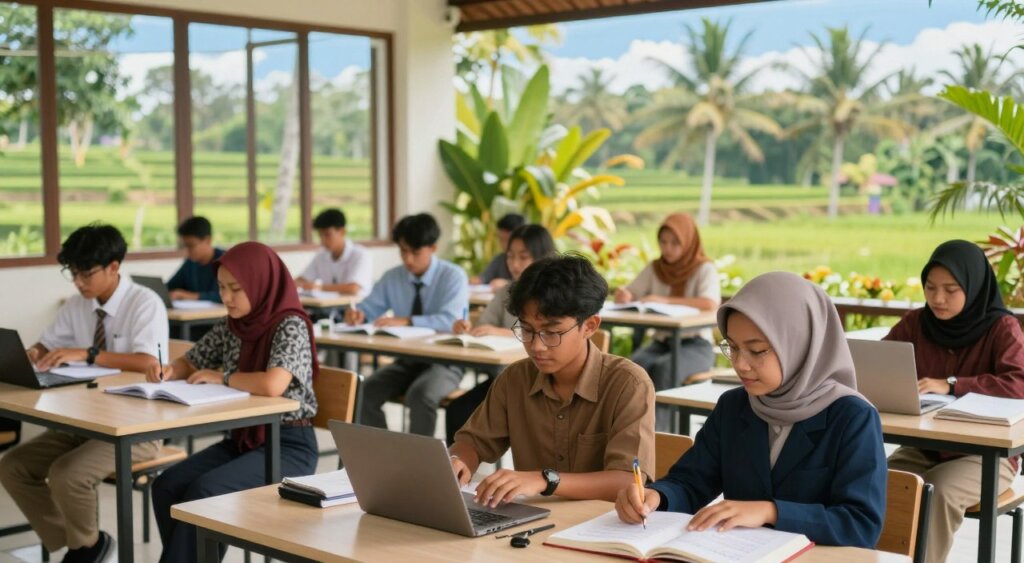
Bali offers a wide range of Indonesian language programs. You can choose from full-time immersion to flexible digital lessons. The type of program you pick depends on how much time you have and how deep you want to dive into learning.
Most courses focus on formal Bahasa Indonesia, the national language. This is different from the local Balinese dialect. Knowing this helps you communicate better across the archipelago.
The right program makes learning an exciting part of your Bali adventure.
Intensive Courses
Intensive courses are for those who want to learn fast. They are full-time programs for students or professionals with tight schedules. You’ll have daily classes, usually four to six hours, focusing on grammar, vocabulary, and writing.
These programs are offered by the best Indonesian language schools Bali has. They’re perfect if you need to learn quickly for university, work, or a long-term move. The immersive environment helps you learn quickly.
You’ll study in small groups, getting lots of teacher interaction. Homework and regular assessments help you build a strong foundation. Many courses also include cultural modules to help you understand the language better.
Casual Conversational Classes
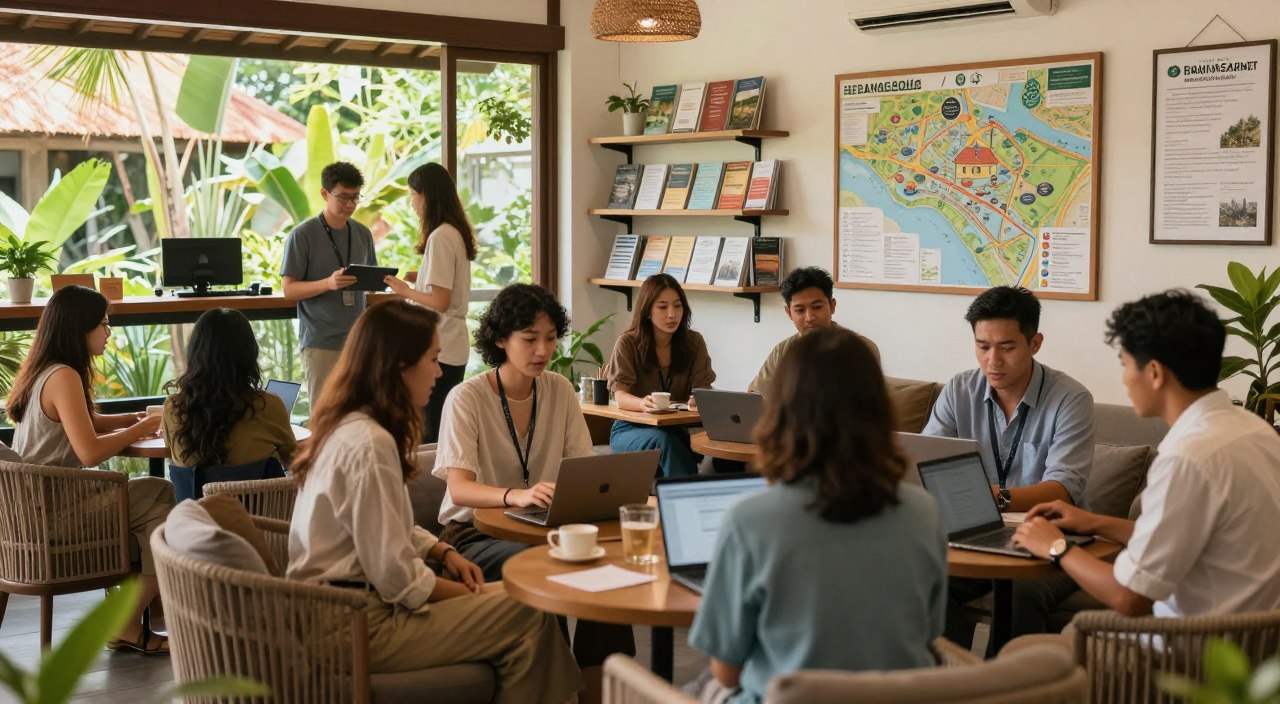
For chatting with locals and navigating daily life, casual conversational classes are ideal. These sessions focus on practical speaking and listening skills. The atmosphere is relaxed and social, often involving real-world practice.
Classes might be in a café, during a market visit, or as part of a cultural activity like cooking. This format is popular with travellers and expats who want to learn without pressure. Schedules are flexible, with options for weekly or even drop-in sessions.
You’ll learn useful phrases for everyday situations. The focus is on building confidence to use the language right away. It’s a low-stress way to connect with Balinese culture.
Online Learning Options
Digital courses and language apps offer ultimate flexibility. You can start learning before you arrive in Bali or continue after you return home. This option is great for fitting lessons into a busy schedule.
Many online programs are self-paced, using interactive exercises, videos, and live tutoring sessions. They let you learn at your own speed. This can make your in-person learning in Bali even more effective when you start.
Some of the best Indonesian language schools Bali offers also provide hybrid models. These combine online modules with occasional in-person workshops. It’s a modern approach that blends convenience with the benefits of face-to-face instruction.
To help you compare these main pathways at a glance, here is a breakdown of their key features:
| Program Type | Format & Schedule | Intensity Level | Ideal For | Key Feature |
|---|---|---|---|---|
| Intensive Courses | Structured, daily classes (4-6 hrs/day), fixed duration (e.g., 4-12 weeks) | High | Students, professionals, anyone seeking rapid, complete fluency | Fast-paced, academic focus with formal assessments |
| Casual Conversational Classes | Flexible, often weekly or drop-in; sessions in casual or outdoor settings | Low to Moderate | Travellers, expats, those wanting practical speaking skills for daily life | Practical, social learning integrated with cultural activities |
| Online Learning Options | Self-paced digital modules; live virtual sessions available | Customisable | Busy individuals, pre-trip preparation, post-trip continuation | Maximum flexibility and accessibility from anywhere |
Choosing between these formats is the first step in finding a program that fits your life. Each path offers a unique way to engage with one of the best Indonesian language schools Bali provides. Your decision will shape not just how you learn, but how you experience the island itself.
Key Benefits of Learning Indonesian

Learning Indonesian in Bali is more than just learning words and rules. It’s about gaining practical benefits, deep cultural insights, and making meaningful connections. These advantages turn a simple holiday into a memorable and enriching experience.
Enhanced Travel Experiences
Knowing Indonesian makes everyday interactions more meaningful. It shifts your travel style from tourist to authentic and empowered.
At local markets, your Indonesian skills help you bargain better. Sellers may offer you a good deal because they respect your effort. Asking for directions or haggling with a taxi or ojek driver becomes easier, saving you from overpaying.
Most importantly, speaking Indonesian lets you discover hidden spots. You can ask for local favourite dishes or find secluded waterfalls. This freedom to explore is a big advantage for any traveller.
Understanding Local Culture
Language is the key to understanding a culture. In Bali, where life is deeply rooted in Hindu Dharma and complex customs, Indonesian helps you see the subtleties.
You start to understand the daily canang sari offerings and temple ceremony announcements. You learn to speak formally and informally, showing respect to elders and leaders. This builds genuine respect.
Learning these phrases enriches your experience, allowing you to connect with people on a deeper level. It changes you from a passive observer to someone who values Balinese society.
Networking Opportunities
Speaking Indonesian breaks down social barriers and opens new doors. This is a significant long-term benefit of your studies.
Friendships with locals become possible. You can make lasting connections in coffee shops, yoga classes, or with your homestay family. These relationships offer support and insider knowledge of the island.
For professionals and entrepreneurs, Indonesian language skills lead to valuable business connections. They show commitment and respect, building trust faster than translators.
Lastly, speaking Indonesian lets you integrate into community events. You might be invited to weddings, festivals, or community work days (gotong royong). This level of inclusion makes Bali feel like a second home.
Choosing the Right Program for You

Choosing the right Indonesian course in Bali depends on your needs and lifestyle. Bali has many Indonesian language learning courses to choose from. Think about what you want to achieve to find the best fit.
Factors to Consider
Before you sign up, consider these practical points. They will help you choose quickly.
- Budget: Prices vary. Daily intensive courses cost more than weekly classes. Don’t forget to include costs for books or online fees.
- Time Commitment: Be honest about how much time you can give. If you work or travel, a full-time course might be too much. Part-time or casual might be better.
- Location in Bali: Do you prefer Seminyak’s buzz, Ubud’s culture, or Canggu’s chill? Choose a school near where you’ll stay to save time.
- Class Size: Smaller groups or one-on-one offer more attention. Larger classes are social and cheaper. Think about what helps you learn best.
Personal Learning Goals
What do you want to achieve? Knowing your goal is key to picking the right program.
If you want to learn basic phrases for travel, a casual class or short course is great. You’ll learn practical words and listening skills.
For business or professional needs, look for courses with formal vocabulary and writing. Some schools offer special modules for this.
For full proficiency or cultural immersion, choose a long-term intensive program or a homestay course. This allows deep grammar study and daily practice.
Types of Instruction
Different schools teach in different ways. Knowing these methods helps you choose a style that suits you.
The table below compares common teaching methods in Indonesian language learning courses in Bali:
| Teaching Method | Primary Focus | Best For Learners Who… | Common in These Programs |
|---|---|---|---|
| Communicative Language Teaching (CLT) | Interaction and real-life communication. Grammar is taught in context. | Want to start speaking quickly, enjoy group work, and learn by doing. | Casual conversational classes and many intensive courses. |
| Grammar-Focused Approach | Understanding language rules and structure. Often involves more writing and drills. | Prefer a systematic, rule-based way of learning and want a strong formal foundation. | Academic-focused programs or courses preparing for official tests. |
| Immersion-Based Learning | Surrounding the student with the language through activities, trips, and constant practice. | Thrive in dynamic environments and learn best by experiencing the culture directly. | Cultural immersion programs and some intensive courses with field trips. |
Many schools mix these methods. Ask about their teaching philosophy to see if it matches your personal learning goals. The right program will make learning Indonesian in Bali rewarding.
Top Language Schools in Bali
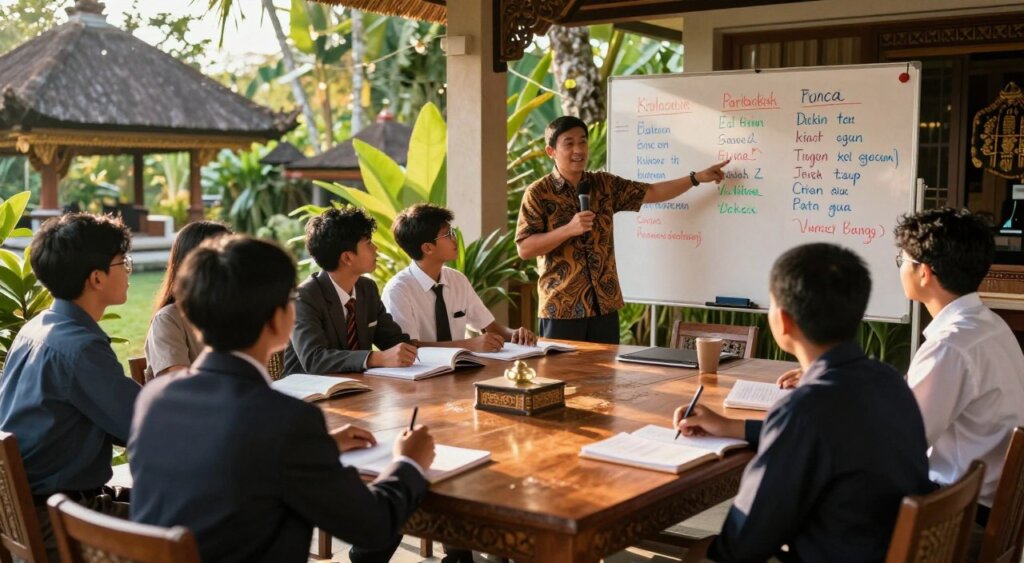
To really get into Bahasa Indonesia, joining a local language school is key. Bali has many top schools, each with its own teaching style. These schools are at the heart of Bali’s Indonesian language immersion programs.
Choosing the right school shapes your learning and cultural journey. Here’s a quick look at three well-known schools to get you started.
Language Studies Bali
Language Studies Bali is in Ubud’s cultural heart. They focus on using language in real-life situations. They believe learning happens best when you’re surrounded by culture.
They have many programs for full immersion. You can choose from group courses with lots of hours or private lessons. Plus, they organize cultural activities like temple visits and cooking classes.
For a more immersive experience, they help find homestays. This lets you practice with local families every day.
Indoclub Language School
Indoclub Language School is in lively Seminyak and Canggu. They make learning fun and practical. Their goal is to make language learning easy and useful for everyday life in Bali.
They’re known for their relaxed group classes and chats. The atmosphere is friendly, helping you feel confident in speaking. They also have lots of language exchange events and community gatherings.
“Learning here feels less like a class and more like joining a club. You’re immediately part of a community,” notes a regular participant.
This approach is perfect for those who want to learn while making friends and networking.
BIPA Language School
BIPA Language School is in Sanur. It offers a structured, academic path. BIPA stands for ‘Bahasa Indonesia bagi Penutur Asing’ (Indonesian for Foreign Speakers), a recognized framework.
Their courses follow this official curriculum. This is great for students needing a certificate for university or work. They offer programs for all levels, focusing on grammar and understanding.
They also include cultural education in their program. This covers Indonesian history, arts, and social manners.
| School | Primary Locations | Teaching Focus | Typical Program Offerings | Immersive Feature |
|---|---|---|---|---|
| Language Studies Bali | Ubud | Communicative & Cultural Immersion | Intensive courses, Private tuition | Organised cultural excursions & homestay links |
| Indoclub Language School | Seminyak, Canggu | Practical Conversation & Social Integration | Group classes, Conversation workshops | Regular language exchange and community events |
| BIPA Language School | Sanur | Academic Structure & Certification | BIPA-aligned courses, Level-based programs | Formal cultural education modules |
Each school offers a unique way to learn Indonesian in Bali. Your choice depends on whether you want a cultural dive, a social circle, or a formal education. Start by researching these options to find your perfect immersion program.
Expert Instructors and Their Qualifications
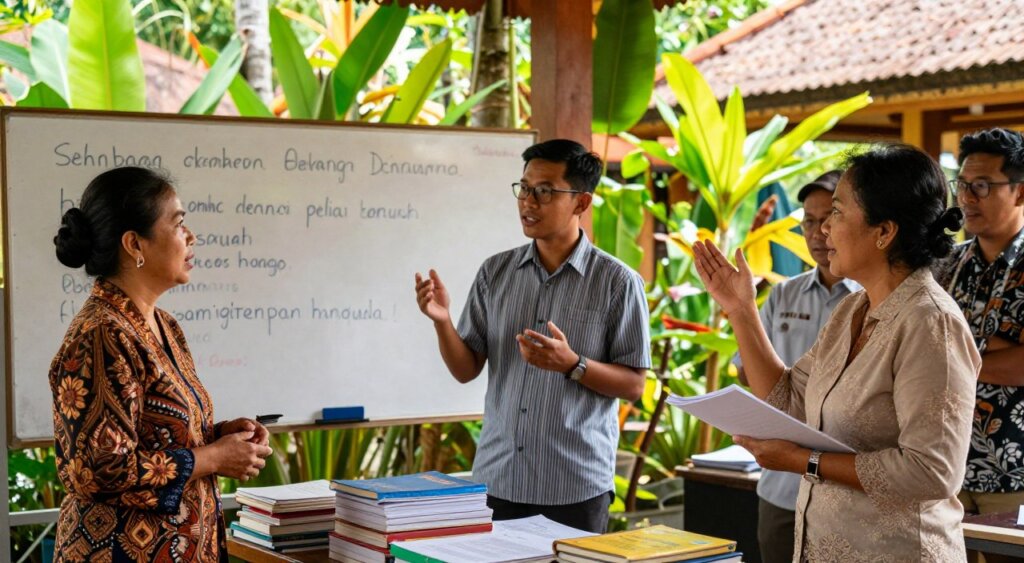
Expert instructors are at the heart of Bali’s top Top Indonesian language programs Bali. They make the language come alive. Their mix of personal experience and professional skills turns a lesson into a cultural exchange.
Learning from a qualified local expert gives you more than words. You get the language’s true spirit. This connection is something apps or books can’t offer.
Native Speakers
Learning from a native Indonesian speaker is unmatched. These teachers speak Indonesian as their first language. They teach the right accent and rhythm from the start.
Native speakers are key for mastering conversational Indonesian. They teach the difference between formal and casual speech. You’ll learn local slang, jokes, and expressions used daily in Bali.
These lessons are filled with cultural details. You learn not just what to say, but how and when. This prepares you for real-life conversations in Bali.
Experienced Educators
Being a native speaker is important, but being a skilled teacher matters too. The best programs have instructors with teaching qualifications. These teachers know how people learn.
Experienced teachers explain complex grammar simply. They tailor their teaching to your learning style. Their lessons are structured but flexible, keeping up with the class’s pace.
These teachers have several key skills:
- Clear grammar instruction that makes sentence structure easy to understand.
- Patience and methods to correct pronunciation without making you feel awkward.
- Ability to manage a diverse classroom and keep everyone engaged.
- Use of interactive tools and activities that make learning fun and effective.
This training makes your learning time efficient. You build a strong foundation step-by-step, avoiding common mistakes.
The top language schools in Bali combine native-speaking teachers with teaching qualifications. This gives you authentic language immersion and professional teaching.
Cost of Learning Indonesian in Bali

For Aussie travellers and expats, learning Indonesian is a dream come true. Knowing the costs makes it a real plan. A clear budget lets you focus on learning, not unexpected costs. Here’s a realistic look at what it costs to learn Bahasa Indonesia in Bali.
Tuition Fees for Various Programs
Course fees are your main cost and change based on the program. Schools usually charge in Indonesian Rupiah (IDR). But, converting to Australian Dollars makes it easier to understand.
Intensive month-long courses are great for quick learning. They include 3-4 hours of lessons, five days a week. Expect to pay between AUD $400 and $800 for a month.
Weekly group classes offer more flexibility. A package of 10-20 hours might cost AUD $150 to $300. Private lessons give you personal attention. They cost per hour, from AUD $15 to $30.
Additional Costs to Consider
Remember, your total budget should include more than just tuition. Planning for these extras helps avoid surprises.
- Registration & Materials: Schools usually charge a one-time fee (AUD $20-$50). Textbooks and resources add another AUD $30-$80.
- Accommodation: If not included, expect to pay around AUD $300 monthly for a private room. Shared places or homestays are cheaper.
- Local Transport: Plan for scooter rentals (AUD $4-$6 daily) or ride-share apps to class.
- Cultural Activities: Optional trips, like temple visits or cooking classes, cost extra. They’re usually AUD $20-$50 each.
Adding it all up, a month in Bali to learn Bahasa Indonesia is a great deal. You get quality education and a beautiful place to learn in.
Learning Resources: Books and Apps
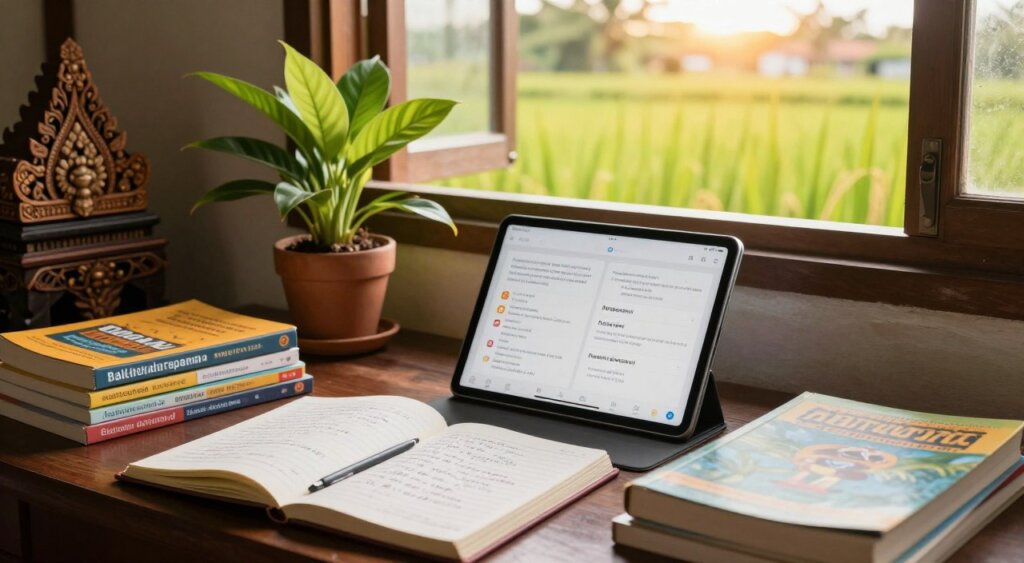
Adding quality resources to your language lessons can really speed up your progress. The right books and apps turn spare moments into study sessions. They help you practice what you learn and build confidence in speaking.
Many language schools in Bali suggest specific materials for learning Indonesian. Having your own resources lets you learn at your own pace.
Recommended Textbooks
A good textbook gives structure, something apps might lack. It’s your go-to for grammar, sentence patterns, and cultural notes.
Bahasa Indonesia: A Guide is a top pick for many teachers. It simplifies complex topics into easy lessons. It’s great for systematic study.
Other top books include Colloquial Indonesian and Indonesian for Beginners. They often have audio exercises. These help you connect written words with correct pronunciation.
Using a textbook from a recommended list helps guide your study. It adds to the immersive experience you get from language schools in Bali.
Language Learning Apps
Digital apps make learning fun and easy. They’re perfect for building vocabulary and reviewing grammar on the go.
Duolingo uses games to teach Indonesian. Its short lessons are great for daily practice. You can even compete with friends to stay motivated.
Memrise uses video clips of native speakers. This helps you learn phrases as they’re used in Bali. It’s great for picking up casual expressions.
For mastering vocabulary, Anki is a powerful flashcard app. You can make custom decks based on class words. Its spaced repetition system helps you remember long-term.
Don’t forget about online tools like dictionaries and YouTube channels. They offer free video lessons.
Apps and tools are great allies. They prepare you for a course and help you retain knowledge. When choosing a program, ask if the school uses these resources.
Combining textbooks with apps creates a strong self-study routine. This approach makes your journey to fluency more engaging and effective.
Community Events and Language Exchange
Getting involved in the community is key to mastering a new language. Learning Indonesian language programs Bali give you a solid start. But, it’s the real-world practice that makes you fluent.
Join Local Conversation Clubs
In Bali, you can find language exchange clubs in places like Ubud, Canggu, and Denpasar. They meet up in cafes or co-working spaces every week.
These clubs are all about chatting in a relaxed setting. You’ll find someone to practice with, whether you’re learning Indonesian or English. It’s a win-win situation with no stress.
At these clubs, you get to try out new words and sounds. You’ll learn how locals talk, including slang and everyday phrases. It makes your lessons come alive.
Participate in Cultural Festivals
Bali is full of cultural and religious festivals. Going to these events is a great way to learn Indonesian. You’ll hear the language in its most natural form.
Some festivals to check out include:
- Galungan and Kuningan: This festival celebrates good over evil. You’ll hear special religious terms and see how families use language during prayers.
- Nyepi (Day of Silence): Before Nyepi, there are parades with community announcements. It’s a chance to learn ceremonial words.
- Temple Ceremonies (Odalan): Temple anniversaries are common. These events are filled with prayers, music, and casual chats.
Being there lets you soak up the language tied to emotions and traditions. You can ask questions and learn new words from locals.
Combining classes with community activities speeds up your learning. You’ll go from knowing grammar to really connecting with people. This is why learning Indonesian in Bali is so effective and fulfilling.
Tips for Practicing Indonesian Daily
Fluency comes when you use Indonesian every day in Bali. Regular practice turns book knowledge into real skills. Even 15-20 minutes a day can boost your skills a lot.
This section gives you tips to make Indonesian a part of your daily life. It’s all about making the most of your learning Indonesian language programs Bali time.
Creating a daily habit is key to getting better fast. Find moments in your day to use Indonesian. Whether it’s during the sunrise or after classes, these tips will keep you going.
Use Language Apps
Digital tools make learning Indonesian easy and flexible. The trick is to be consistent, not to study for hours. Spend short, focused times each day on app-based learning.
Here are some effective ways to use apps:
- Morning warm-up: Start with 10 minutes on Duolingo or Memrise over your morning coffee
- Commute practice: Listen to IndonesianPod101 during your commute
- Evening review: Do quick vocabulary drills on Anki before bed
Many apps now have Bali-specific content. This teaches local dialects and cultural references. Set daily reminders to keep up with this habit.
Engage with Local Residents
Talking to locals is the best way to practice during your learning Indonesian language programs Bali time. People usually appreciate your effort to speak their language.
Start with simple daily chats:
- Use “Selamat pagi” (Good morning) or “Selamat siang” (Good afternoon) to greet
- At warungs, ask “Berapa harganya?” (How much is this?) when ordering
- In markets, ask “Di mana saya bisa menemukan…?” (Where can I find…?) for directions
- With tukang, ask about their work: “Bagaimana cara membuat ini?” (How do you make this?)
These small talks help you feel more confident. Remember, locals value your effort more than perfect grammar. Each chat is a practical lesson that sticks better than book examples.
This method is similar to how many Australians learn practical skills through real-world application. The friendly Balinese culture makes it easy to practice every day.
Use both apps and real conversations for daily practice. This mix speeds up your progress in learning Indonesian language programs Bali more than just classroom hours.
Success Stories from Language Learners
Let’s dive into real-life stories of people who changed their lives in Bali through learning a new language. These tales show how committing to a language program in Bali can open new doors in your life.
Personal Testimonials
Listening to past students gives us the real deal. Many say even basic Indonesian skills make a big difference.
Sarah, a graphic designer from Melbourne, took a casual conversational class. Soon, she was chatting with her warung owner. This led to an invite to a family ceremony, a rare honor for tourists. “Learning just a few phrases changed everything,” she says. “I went from being a customer to feeling like a welcomed guest.”
Mark, another learner, used his skills to rent a villa long-term. Speaking Indonesian with the owner built trust.
“We understood each other better. I got a fairer price, and he knew I was serious about respecting his property. That conversation alone made the course fee worth it.”
These stories show that language is key to real connections. It turns simple chats into chances for friendship and deeper cultural understanding.
Transformational Experiences
For some, a short course sparks a new passion. The Learning Indonesian language programs Bali can be a game-changer.
James came for a one-month course, planning to travel after. But language opened doors to local projects. He now volunteers with a reef conservation group, using Indonesian daily. His journey found him a new purpose.
Chloe wanted to understand Balinese Hinduism for yoga. Teachers sparked her curiosity, leading to a master’s degree in Southeast Asian cultures. Her language journey changed her path.
These stories show that learning a language is more than a skill. It can change your career, passions, and how you see the world. Bali’s supportive learning environment is the perfect place to start this journey.
Whether you want simple conversation or a life-changing adventure, starting is key. Your Indonesian journey could begin with your first lesson.
Conclusion: Start Your Language Journey in Bali
Exploring Learning Indonesian language programs Bali opens a door to a richer experience on the island. This unique approach combines formal study with real-world practice in a stunning setting.
Embrace the Challenge
Learning a new language is a journey. View each stumble as a necessary part of your progress. Making mistakes is how you learn and improve your skills over time.
Connect with Bali’s Culture and Community
Speaking Indonesian lets you connect with Bali’s heart. You can understand local customs and traditions on a deeper level. This leads to more meaningful interactions and friendships.
Consider your goals and find a program that fits. Start your search for Learning Indonesian language programs Bali. Your adventure in language and cultural discovery begins with a single decision.