What if your dream of working from a Bali villa could be shattered by not understanding the local remote work insurance Indonesia requirements?
This isn’t about holiday travel coverage. It’s a critical legal and financial shield for your professional life abroad.
Navigating these rules is essential for anyone employed by a foreign company while living in the archipelago. Your visa status, length of stay, and the nature of your job all dictate the specific coverage you must have.
As an Australian digital nomad or remote employee, you can’t rely on your domestic health policy. Indonesian regulations for foreign workers are distinct and mandatory.
Overlooking this step risks your legal residency and creates huge liability for you and your employer. Getting it right from the start ensures peace of mind and a secure professional setup.
Key Takeaways
- Indonesian law often mandates specific insurance for foreigners working remotely from within the country.
- Standard travel policies typically exclude coverage for work-related activities and long-term stays.
- Your type of visa directly determines the compulsory coverage you need to obtain.
- Longer assignments usually require more local health and liability protection.
- Non-compliance can jeopardize your legal status and your employment contract.
- Adequate coverage safeguards you from unexpected medical and legal costs.
- Research and secure the correct policy well before you relocate.
Understanding Remote Work Insurance

Remote work insurance is a special safety net for those working outside a traditional office in Indonesia. It’s not just one policy. It’s a mix of covers that protect you, your work, and your assets while you live and earn in this vibrant country.
For Australian professionals and digital nomads, this concept is key. Your standard travel insurance from back home often doesn’t cover business activities or long-term stays. Knowing what remote work insurance is all about is your first step to secure and compliant work abroad.
Definition of Remote Work Insurance
In Indonesia, remote work insurance is a broad term. It refers to a set of policies that tackle the unique risks of location-independent work. Think of it as your professional safety toolkit while based in Bali, Jakarta, or anywhere else in the archipelago.
The core parts usually include:
- Health Insurance: Covers medical treatment for illness or injury in Indonesian hospitals and clinics.
- Liability Insurance: Protects you if a client sues you for professional errors, negligence, or data breaches.
- Property Insurance: Safeguards your essential work equipment, like laptops and cameras, against theft, damage, or loss.
This package is fundamentally different from standard tourist cover. Tourist policies are for holidays. Remote work insurance is for conducting business, often with international clients, while residing in Indonesia for extended periods.
Importance for Remote Workers
Treating this insurance as optional is a significant risk. For many, it’s a non-negotiable pillar of a responsible remote work setup. Its importance comes from three critical areas: legal compliance, financial security, and professional credibility.
First, consider visa compliance. Indonesia offers specific visas for remote workers and digital nomads, like the planned E33G visa. A core requirement for such visas is often proof of health and liability insurance. Securing mandatory insurance for remote workers in Indonesia is your ticket to legal residency.
Second, it’s about financial risk mitigation. An unexpected medical emergency or a stolen laptop can derail your finances. Without proper coverage, you pay out-of-pocket in a foreign currency. Insurance acts as a financial buffer, letting you focus on recovery, not costs.
Lastly, professional liability protection is key. When you serve international clients from your Indonesian base, you expose yourself to legal claims. Professional indemnity insurance, part of a good remote work policy, covers legal fees and damages. This protection is essential for freelancers, consultants, and online business owners.
The table below summarizes key risks and how remote work insurance addresses them:
| Risk Category | Potential Scenario in Indonesia | Insurance Solution |
|---|---|---|
| Health & Medical | Contracting dengue fever or needing emergency surgery. | Comprehensive international health insurance with local hospital cashless networks. |
| Professional Liability | A client claims financial loss due to a missed project deadline or error in your delivered work. | Professional Indemnity / Liability Insurance to cover legal defense and settlements. |
| Property & Equipment | Your primary laptop is stolen from a co-working space or damaged in a flood. | Equipment or electronic equipment insurance for repair or replacement costs. |
| Personal Accident | Injuring yourself in a scooter accident, a common mode of transport. | Personal accident cover providing a lump-sum benefit for temporary or permanent disability. |
In short, the right remote work insurance does more than just check a box for visa applications. It provides peace of mind. It allows you to build your career in Indonesia with confidence, knowing you’re protected against the unpredictable. Viewing it as an investment in your sustainable remote lifestyle is the smartest approach.
Legal Framework for Remote Work in Indonesia
Indonesia’s rules for remote work mainly come from its immigration laws, not traditional employment laws. Your legal status and insurance needs depend a lot on the visa you have. This visa lets you enter and stay in the country.
You can’t just come as a tourist and start working online. The government has set up specific ways for you to work remotely. These define your rights and duties.
Overview of Indonesian Labor Laws
Indonesia has a law called Undang-Undang Ketenagakerjaan for local workers. It also has a social security program, BPJS Kesehatan and BPJS Ketenagakerjaan. These cover things like minimum wage, working hours, and severance pay.
As a foreign remote worker, you’re not a local employee. So, you don’t get these protections or have to pay into social security. Your job is with your employer or clients overseas.
This is key. It changes the focus from labor laws to immigration rules.
Remote Work Regulations
Indonesia’s remote work rules are mainly through visa policies. There are two main visas for digital nomads and remote workers: the E33G Remote Worker Visa and the B211A Visit Visa.
The E33G visa is for remote workers. It requires valid health insurance for your stay in Indonesia. The B211A is for business meetings but is also used by remote workers. You must follow its rules carefully.
A main rule for both visas is that you must not work for Indonesian companies or earn income from Indonesia. Your income must come from outside the country.
“The visa lets you work remotely. Without following its rules, like insurance, you could face penalties or be asked to leave. Always check the latest immigration rules.”
Here’s a comparison of the main visa options and their insurance needs:
| Visa Type | Primary Purpose | Key Requirement for Remote Work | Insurance Stipulation |
|---|---|---|---|
| E33G (Remote Worker Visa) | Working remotely for a foreign company | Proof of employment or business outside Indonesia | Health insurance coverage is mandatory for the duration of stay |
| B211A (Visit Visa) | Business meetings, consultations | Must not engage in local employment or receive local payment | Travel/health insurance is strongly recommended and often required by immigration officials |
| Tourist Visa (Visa Exemption / Visa on Arrival) | Tourism, leisure | Remote work is technically not permitted | Only travel insurance is advised, but it does not satisfy remote work visa requirements |
Your right to work remotely is tied to these visa rules. Picking the wrong visa or breaking its rules can make your insurance and legal status invalid. So, knowing these remote work insurance regulations in Indonesia is key to feeling secure.
Always talk to an immigration expert or your insurance provider. Make sure your policy fits the visa you have.
Requirements for Remote Employees

Starting your remote work journey in Indonesia requires understanding two main areas: eligibility and documentation. This process turns the country’s laws into a checklist you must follow. For Australian remote workers, getting this right is essential.
Eligibility Criteria
Not everyone can just start working in Indonesia. The country has specific visa paths, like the E33G visa, for foreigners working abroad. To qualify, you must meet several key conditions.
You need proof of ongoing foreign employment. This means a contract or letter from your employer outside Indonesia. You also must show sufficient financial funds to support yourself without a local job.
Lastly, you need proof of valid health insurance. Authorities require evidence of a policy that covers you in Indonesia. This is a must for the visa that allows your remote work.
Necessary Documentation
After confirming your eligibility, you must gather the right paperwork. Organizing these documents can speed up your application.
Your packet should include:
- A passport with at least 12 to 18 months of remaining validity.
- Your employment contract or a formal letter from your overseas employer.
- Bank statements proving you have enough money for your stay.
- Proof of health insurance that meets Indonesian standards.
Let’s look at the health insurance part, as it’s key for remote work insurance. The insurance card you submit must show it covers you in Indonesia. It also needs to meet the minimum level of benefits set by Indonesian immigration.
Without the right insurance proof, your visa application could be delayed or denied. This document is what assures the government you won’t be a public health risk during your stay.
Types of Remote Work Insurance Available
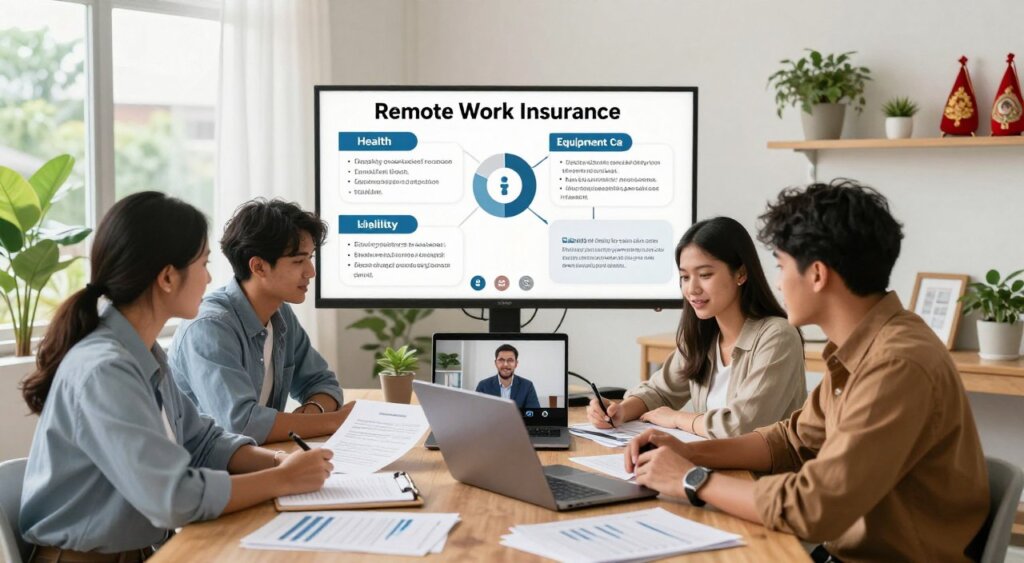
To work safely from Indonesia, you need three types of insurance. They protect your health, reputation, and equipment. A good mix of these insurances is key to a digital nomad’s success.
Choosing the right policies is important. Each one covers different things and is vital for your situation. Here’s a guide to the main categories.
Health Insurance
Remote work health insurance Indonesia is a must. It’s often needed for visas in Indonesia.
A good plan should cover three main areas:
- Inpatient care: Hospital stays, surgeries, and costs.
- Outpatient treatment: Doctor visits, prescriptions, and tests.
- Medical evacuation: Emergency transport to better facilities.
This insurance is a financial safety net. Without it, medical emergencies can be very costly. Make sure your policy covers you in Indonesia, as travel insurance often doesn’t last long enough.
Liability Insurance
If you give advice, consult, design, or offer services, remote work liability insurance Indonesia is essential. It’s also known as professional indemnity or E&O insurance. It protects you if a client claims your work caused them financial loss.
Imagine a software bug or a failed marketing strategy. Without coverage, you could face big financial losses. This policy helps with legal costs and any settlements or judgments.
It’s very important when working with clients from other countries. Legal standards can vary. Don’t rely on your client’s contracts or general liability policies for professional services.
Property Insurance
Your laptop, monitors, software, and other gear are vital. Standard insurance often doesn’t cover business equipment well.
Remote work property insurance fills this gap. It protects your work equipment against:
- Theft, whether from your place or while traveling.
- Accidental damage from spills, drops, or power surges.
- Loss during transit.
This coverage is a smart choice for your productivity. Losing a high-end laptop can hurt your income and workflow. Some policies also include remote work accident insurance Indonesia elements, like data recovery or temporary equipment rental.
| Insurance Type | Key Coverage | Why It’s Essential |
|---|---|---|
| Health Insurance | Inpatient, outpatient, medical evacuation | Visa requirement; protects against high medical costs |
| Liability Insurance | Professional indemnity, legal defense costs | Shields from client lawsuits over professional work |
| Property Insurance | Theft, damage, or loss of work equipment | Safeguards your essential business tools and assets |
Having these three insurances creates a strong safety net. It lets you work confidently, knowing you’re ready for common risks.
Local vs. International Insurance Policies
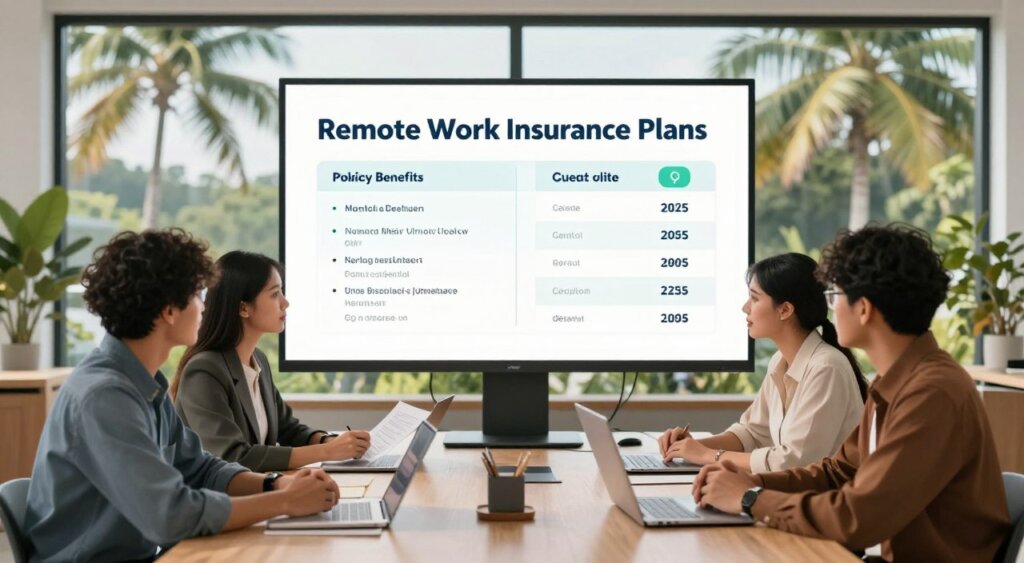
Choosing the right insurance for remote work in Indonesia is a big decision. You need to think about local versus international providers. This choice impacts your coverage, customer service, and financial safety. Knowing the differences helps you pick the best option for your lifestyle and work habits.
Comparing Local Insurance Providers
Local insurance in Indonesia includes domestic companies and global insurers with local branches. They have a strong network of hospitals and clinics in the country. This makes it easier to process claims for medical care in Indonesia.
One big plus is the cost. Local insurers often charge less for their premiums. Their policies are made for the local market and its costs. You might also find policies that meet Indonesian regulations.
But, there are downsides. Coverage is usually only for Indonesia or has limited benefits abroad. This is a big issue if you travel for work or fun. Also, while some big local providers offer English support, it might not be as good as international firms.
Benefits of International Options
International insurance policies are made for people who live and work globally. They are perfect for expats or digital nomads. These plans work well in many countries.
The main advantage is that you can use your coverage anywhere. Your health, liability, or property coverage goes with you. Many international plans also have direct billing with a huge network of healthcare providers. This means you don’t have to pay for covered medical expenses yourself.
These policies often have multilingual customer support available 24/7. This helps with language barriers. They also have special features for remote workers, like cybersecurity coverage or equipment replacement worldwide.
While they might cost more, the wide coverage and convenience are worth it for mobile workers. When you compare remote work insurance plans in Indonesia, think about an international policy if you’re always on the move or value global flexibility.
Insurance Coverage Considerations
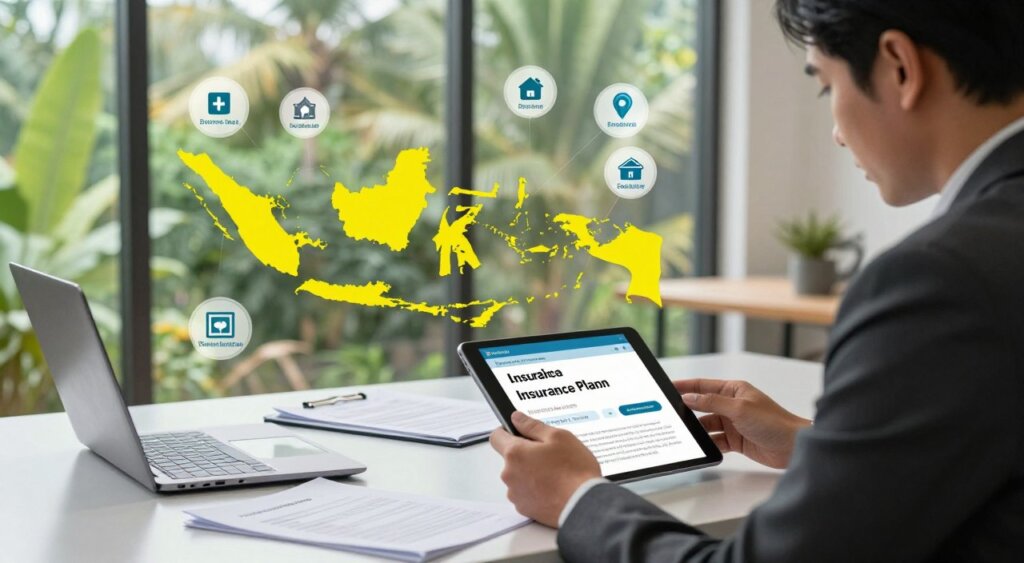
To get the best insurance coverage for remote employees in Indonesia, you need to look closely at the policy details. This guide will help you understand what to look for and what to avoid.
What Should Be Covered
Your coverage checklist is your safety net. A good policy for remote work in Indonesia should cover several key areas. Make sure these are included in writing.
Use the table below as a guide when comparing policies. It shows the important coverage areas to focus on.
| Coverage Area | Why It’s Important | Key Details to Check |
|---|---|---|
| Emergency Medical & Hospitalization | Covers sudden illness or injury, including hospital room, surgery, and doctor fees. | Look for high coverage limits and a direct billing network in Indonesian cities. |
| Medical Repatriation | Arranges and pays for transport back to your home country for critical treatment. | Ensure it’s not just an “assistance” service but a fully covered benefit. |
| Mental Health Support | Provides access to counseling or therapy, essential for managing remote work stress. | Check the number of sessions covered per year and if teletherapy is included. |
| Dental Emergencies | Addresses sudden, severe dental pain or accidents. | Often limited to pain relief and temporary fixes, not routine care. |
| Adventure Sports | If you surf, hike volcanoes, or scuba dive, you need this specific rider. | Must be explicitly added; standard policies exclude these activities. |
| Gadget & Equipment Cover | Protects your laptop, phone, and other work tools from theft, loss, or damage. | Verify the single-item limit and whether it covers accidents outside your home. |
Exclusions to Watch For
Policy exclusions tell you where your coverage ends. Ignoring them is risky. Here are common and costly exclusions for remote workers.
Pre-existing Conditions: Most international health policies won’t cover conditions you had before starting. You must disclose this fully.
High-Risk Activities: Standard policies exclude injuries from activities like motorcycling, rock climbing, or water sports. You need an add-on for these.
Illegal Work Status: If you’re working in Indonesia without proper permits, claims related to your work might be denied. Your legal status is key.
Territorial Limits: Some policies only cover you in Indonesia. If you travel to Singapore or Bali, you might not be protected. Make sure your policy is valid everywhere you go.
Lengthy Waiting Periods: Benefits like dental or maternity care often have waiting periods. Know these timelines before you start.
Premium Costs and Affordability

When you work remotely from Indonesia, budgeting for insurance is key. It’s not just a monthly bill. It’s your financial safety net. Understanding what affects these costs helps you find a plan that protects you without breaking the bank.
Factors Affecting Premium Rates
Your remote work insurance premium changes based on several factors. Knowing these helps you make smart choices when comparing quotes.
Key factors include:
- Your Age: Younger workers often pay less, while older workers pay more.
- Coverage Level: A higher deductible means lower premiums.
- Geographical Coverage Area: Coverage across Southeast Asia costs more than Indonesia.
- Included Professional Activities: Specialized tools or client meetings can raise your risk.
- Health Declaration: Your health status and history affect health insurance costs.
The table below shows how these factors impact your premium:
| Factor | Low Impact on Premium | Medium Impact on Premium | High Impact on Premium |
|---|---|---|---|
| Age | Under 30 | 30 – 50 | Over 50 |
| Deductible Choice | High Deductible (e.g., $1,000+) | Medium Deductible ($500) | Low Deductible ($100) |
| Geographical Coverage | Indonesia Only | ASEAN Region | Worldwide |
| Health Status | No Pre-existing Conditions | Managed Conditions | Declared Chronic Conditions |
Budgeting for Remote Work Insurance
Think of your remote work insurance premium as a necessary business expense. It protects your income and assets. To put this into perspective, consider other setup costs. For example, an E33G work visa for Indonesia can cost between IDR 15 to 21 million.
Your annual insurance premium is a small fraction of that visa cost. This shows its value as a key investment in your legal and secure remote work setup.
It’s possible to find affordable coverage. Here are some tips:
- Choose a higher deductible if you have a good emergency fund.
- Go for annual payment plans to save money.
- Make sure you only pay for what you need.
- Compare quotes from local and international providers.
Finding the right policy is about smart financial planning. Don’t just pick the cheapest option. Weigh the cost against the protection it offers. A slightly higher premium for better coverage is often worth it for long-term peace of mind.
Claims Process for Remote Work Insurance

Filing an insurance claim can seem daunting. But, knowing the steps can make it easier for remote workers in Indonesia. Being ready can turn a stressful event into a simple task. This section will guide you through the process and the paperwork needed.
Steps to File a Claim
Acting quickly and methodically is key for a smooth claims process. While each insurer has its own rules, here are the basic steps to follow.
- Notify Your Insurer Immediately. Contact your insurance provider as soon as an incident happens. Many policies have strict deadlines. Use their hotline, email, or online portal.
- Seek Treatment or Mitigate Damage. For health claims, visit a network hospital or clinic if your policy requires it. For property damage or theft, take steps to prevent further loss, like securing your premises.
- Meticulously Keep All Records. This is non-negotiable. From the start, collect every related paper and digital communication. Store them in a dedicated folder.
- Complete the Official Claim Form. Get the correct form from your insurer’s website or agent. Fill it out completely and accurately. Inaccurate information can cause delays.
- Submit Your Formal Claim Package. Send the completed form and all your required documentation through the insurer’s preferred channel. Always request and keep a submission confirmation.
Required Documentation for Claims
The success of your claim depends on the strength of your supporting documents. Insurers need clear evidence to process your request. Always submit legible copies and keep the originals safe unless requested.
Generally, you will need to gather the following:
- The fully completed and signed claim form from your insurer.
- Original itemized bills, receipts, and invoices for all expenses.
- For health claims: a detailed medical report from the attending doctor and official diagnosis.
- For theft or damage: a police report (FIR) is almost always mandatory.
- Proof of ownership and value for lost or damaged items (purchase receipts, serial numbers, photos).
To make it clearer, here is a breakdown of typical documentation needed for different types of remote work insurance claims:
| Type of Claim | Essential Documents | Additional Notes |
|---|---|---|
| Health Insurance Claim | Doctor’s final report, original pharmacy receipts, hospital discharge summary, claim form. | Pre-authorization may be required for planned hospitalization. Keep all referral notes. |
| Liability Insurance Claim | Third-party demand letter, incident report, any legal correspondence, claim form. | Do not admit fault. Report the incident to your insurer before responding to the third party. |
| Property Insurance Claim | Police report (for theft), repair estimates, photos/video of damage, proof of purchase, claim form. | Take photos immediately after the incident occurs. Get multiple repair quotes if possible. |
Organizing these documents as you collect them will save you time and frustration when you submit a claim. A well-documented case is the fastest route to reimbursement.
Impact of COVID-19 on Remote Work Insurance
COVID-19 changed where we work and what insurance remote workers need. It forced a big change in how we think about risk and security. This was a big moment for remote work insurance in Indonesia and worldwide.
Changes in Policy Offerings
Insurance companies quickly updated their products. They added telehealth services to health plans. Now, virtual doctor visits are a main part of health insurance, not just extra.
They also made sure policies cover COVID-19 tests and treatments. This gave workers peace of mind about medical costs during the pandemic. The details in many policies were updated to include this.
Insurers also made it easier to change policies mid-term. They knew work situations could change fast. This flexibility was important for workers with changing needs.
Increased Demand for Coverage
Remote work grew fast, and so did the need for good insurance. What was once a nice-to-have became a must-have. Employers and freelancers saw it as a non-negotiable.
People wanted insurance that covered them worldwide. They needed plans that worked no matter where they were. This was true for health insurance and liability coverage.
The pandemic changed how we see remote work insurance. It’s now seen as key to a safe and successful remote career. This change will likely last for many years.
Choosing an Insurance Provider
When figuring out how to get remote work insurance in Indonesia, picking the right provider is key. A good partner gives you more than just a policy. They offer security, support, and quick service when you need it.
Don’t rush this decision. Take your time to research and compare your options carefully. This careful approach will help you find the right coverage for your remote work needs.
Key Questions to Ask
Have a clear list of questions ready when you contact insurers. Asking the right questions helps you see the real value of a policy.
First, check if Indonesia is covered in the policy. Ask, “Is Indonesia explicitly listed as a covered country in the policy wording?” Many plans exclude certain regions.
Next, learn about the claims process. You should know: “What is the step-by-step procedure for filing a claim, and what is the average payout time for common claims like medical bills or equipment damage?” Quick and clear claims are important.
For health coverage, ask about direct billing. Ask, “Do you have a direct billing network with hospitals in major Indonesian cities like Jakarta or Bali?” Direct billing saves you from big upfront payments.
Lastly, ask about your tools. Ask, “Does this policy cover my specific work equipment, including laptops, monitors, and specialised software, if they are damaged or stolen from my home office?” Make sure this is written down.
| Evaluation Criteria | What to Look For | Why It Matters for Remote Work |
|---|---|---|
| Claims Efficiency | Clear online process, 24/7 claims reporting, average payout under 30 days | Minimises financial disruption if an incident occurs while you’re working. |
| Local Presence & Network | Direct billing with Indonesian hospitals, local assistance hotline | Ensures practical access to healthcare and support without currency or language barriers. |
| Coverage Specificity | Explicit mention of ‘remote work’, ‘home office equipment’, and ‘cyber liability’ | Prevents claim denials due to vague policy language about your work setup. |
| Digital Service Quality | User-friendly app for documents, real-time chat support, easy policy updates | Essential for managing your policy efficiently from anywhere, aligning with a remote lifestyle. |
Evaluating Service and Support
The policy document is just the beginning. The quality of service you get from the provider is what really matters. Start by checking their reputation.
Look for reviews on Trustpilot or expat forums. Notice any common themes in feedback about claims and customer service.
Check if they offer 24/7 global support. Make sure they have English-speaking staff. Test their response time with a pre-sales question.
Also, look at their digital tools. Can you manage your policy and make claims through a mobile app? Strong digital infrastructure is a must for modern remote work insurance. It shows they understand and support your needs.
By asking the right questions and doing thorough research, you make a smart choice. This leads you to a provider that truly supports your remote work in Indonesia.
The Role of Technology in Remote Work Insurance
For remote workers in Indonesia, technology is essential. It turns complex paperwork into easy, online processes. You can manage everything from your laptop or phone.
This change is huge for those working from different places. You can control your insurance anytime, anywhere.
Digital Tools for Managing Insurance
Today, top insurance companies have mobile apps. These apps are key for remote workers.
Your policy is on your device, not in a folder. You get features like:
- Digital Policy Cards: Quick proof of coverage you can show anywhere.
- Hospital and Clinic Locators: Find approved medical facilities nearby, important when you’re in a new place.
- Direct Claims Initiation: Start a claim by uploading photos and documents through the app, making it faster.
- Telehealth Doctor Access: Talk to a doctor online, great when you’re far from your usual healthcare.
With these digital tools, you’re always ready. Medical issues or damaged equipment can be handled quickly, reducing stress and downtime.
Online Platforms for Policy Management
There are also online platforms for managing policies. These websites are like digital marketplaces and service centers.
They’re made for remote workers. You can research, buy, and manage your remote work insurance online. They offer:
- Comparison Engines: Compare coverage options and prices from different providers.
- Online Quote Systems: Get personalized estimates quickly, without phone calls.
- Digital Purchase and Renewal: Buy a new policy or renew one with a few clicks.
- Coverage Adjustment Portals: Update your policy details easily as your work situation changes.
The big plus is 24/7 access. You can compare plans from Australian or Indonesian insurers anytime. This is great for managing your insurance across different time zones.
These platforms remove barriers, making it easy to get and keep good coverage while working remotely in Indonesia.
Future Trends in Remote Work Insurance
Remote workers in Indonesia will see big changes in their insurance needs. The growth of remote teams and digital nomads is pushing for updates. It’s important to stay informed to get the right protection for your career.
Expected Changes in Coverage Needs
Your insurance needs will grow beyond just health and liability. Digital work brings new risks that need special insurance.
Cybersecurity insurance is becoming more important. If you handle sensitive data, a breach could be costly. This insurance helps with recovery and legal fees.
Freelancers and contract workers will see more income protection options. These plans help replace lost income due to illness or injury. They’re made for irregular income.
Wellness and mental health benefits are becoming common. Insurers know remote work can mix personal and work life. Future policies might include meditation apps and virtual therapy.
Key emerging coverage types to watch include:
- Cyber liability and data breach response
- Gig economy income stabilization
- Global telemedicine and wellness support
- Equipment insurance for personal devices used for work
Evolving Regulations
Indonesia’s remote work laws are evolving. The E33G visa is a start, but more is coming.
Talks about a digital nomad visa are underway. Such a visa might require specific insurance. You might need to show you have health and liability coverage.
As Indonesia’s remote work policies get clearer, insurance rules will too. There might be minimum coverage levels for health, accident, and repatriation. This aims to protect workers and the economy.
These changes will affect all remote workers, including international ones. It’s smart to pick insurance providers that keep up with local laws. Your policy should be flexible for future legal needs.
Staying organized and informed about local trends is key. The future looks secure, but it also means more responsibility for choosing the right insurance.
Tips for Ensuring Adequate Coverage
Getting remote work insurance is just the start. The real safety comes from making sure your coverage fits your life. A policy that worked last year might not now. Your work and life change, and so should your insurance.
Your insurance should match your work setup. Just like you update your laptop and software, update your protection. These tips will help you build a safety net that works as hard as you do.
Assessing Personal Needs
Your insurance should be as unique as your job. A one-size-fits-all plan often leaves gaps. Start by asking yourself some key questions about your risks.
What is the nature of your work? A freelance writer faces different risks than an IT consultant handling client data. Do you travel for work within the Asia-Pacific region? Even short trips can change your coverage needs.
Look at your health history and the value of your work equipment. A high-end laptop and specialized software need protection. The table below helps you connect your personal situation to the right coverage.
| Risk Factor | Questions to Ask | Insurance Implication |
|---|---|---|
| Health Profile | Do you have pre-existing conditions? Do you need dental or specialist cover? | Dictates the level of health insurance and any necessary riders. |
| Work Nature | Do you handle sensitive data? Do you give professional advice? | May require professional liability or cyber insurance. |
| Equipment Value | What is the total replacement cost of your laptop, monitors, and other gear? | Determines the amount needed for property or equipment insurance. |
| Travel Habits | How often do you travel for work or leisure within the region? | Affects the need for international health cover or travel insurance add-ons. |
Write down your answers. This list becomes your personal coverage checklist. Use it when you shop for a new policy or review an existing one. It ensures you don’t pay for what you don’t need. More importantly, it ensures you are covered for what you do need.
Regularly Reviewing Policies
Insurance is not a “set and forget” task. An annual review is essential. The best time for this is a month before your policy renews. This gives you time to make changes or shop around.
Life events directly impact your coverage. Have you moved to a new city in Indonesia? Did you get married or have a child? Has your visa status changed? Each of these can alter your risk profile.
Your work evolves, too. Maybe you started a new client project with higher liability. Perhaps you bought expensive new camera equipment for your work. Your old policy limits might now be too low.
Follow this simple annual check-up routine:
- Gather Documents: Have your current policy document and your personal needs assessment handy.
- Compare and Contrast: Line up your current coverage against your updated needs checklist. Look for gaps or overages.
- Contact Your Provider: Ask about updating your policy. Inquire about new endorsements or riders that fit your changed situation.
- Re-evaluate Affordability: If your needs have grown, budget for a possible premium increase. If they’ve decreased, you may save money.
This proactive habit turns your remote work insurance from a static document into a dynamic tool. It grows and changes with your career. Regular reviews give you peace of mind. You know you are protected, no matter what your next remote work chapter brings.
Resources for Remote Workers in Indonesia
Finding remote work insurance in Indonesia is easier with the right resources. They help you understand the rules and find the best coverage for you.
Government Websites and Support
Begin with official websites. The Indonesian Directorate General of Immigration has the latest visa and legal info. For more help, a licensed visa agent can assist with residency or work permits.
Insurance Company Contacts and Support Groups
Talking directly to insurers can clear up your options. Look into international companies like Cigna or Allianz, and local ones like Sinarmas or Prudential. Their customer service can explain policies made for remote workers.
Join online forums like Nomad List or Facebook groups for remote workers in Indonesia. These places share real experiences with insurance.