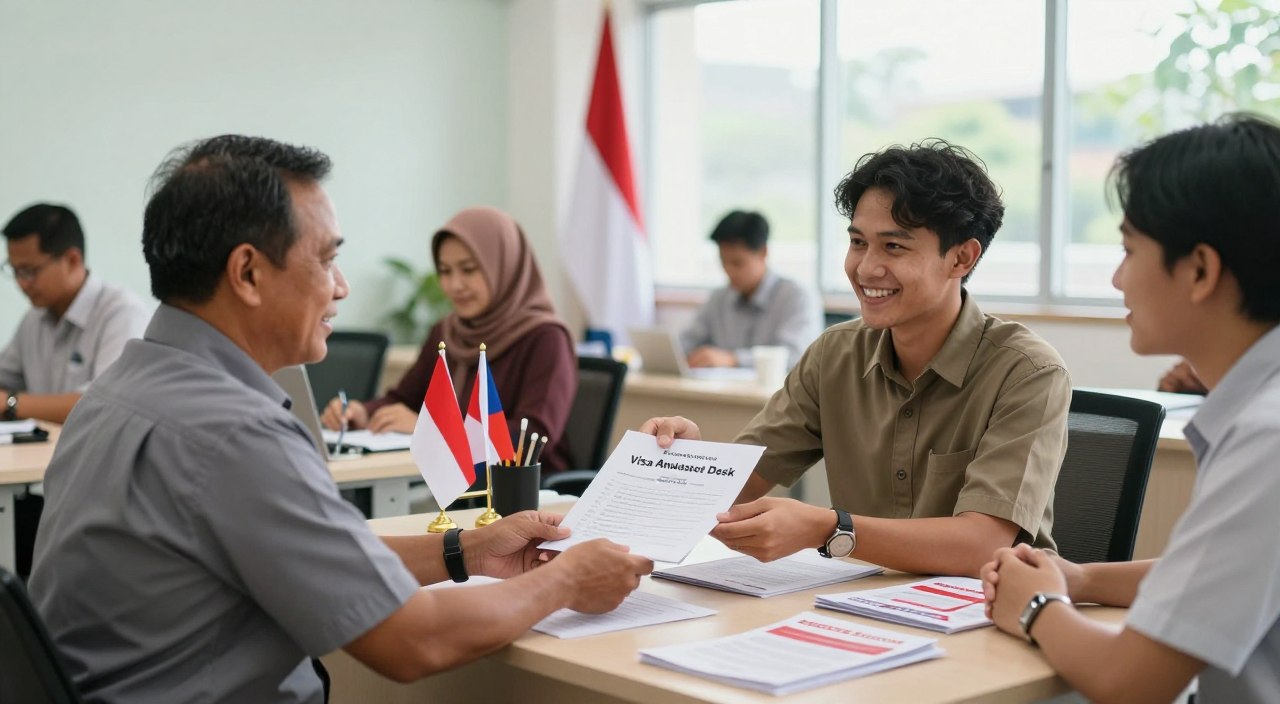
Are you ready to start your business in Bali but don’t know where to begin with money? Opening a business bank account in Bali is your first step to establishing a real business on the island.
For Australian entrepreneurs, it’s more than just a place to keep rupiah. It’s the start of legal compliance, keeping your business and personal money separate. This makes things like taxes and dealing with investors much easier.
This guide will help you understand why you need a local bank. We’ll also show you how to apply with popular Indonesian banks.
Key Takeaways
- Establishes a clear legal separation between your personal and company finances.
- Ensures compliance with Indonesian regulations for foreign-owned businesses.
- Projects a professional image to local clients, suppliers, and partners.
- Simplifies daily operations, from paying local vendors to managing payroll.
- Provides access to essential financial services and possible credit facilities.
- Is often a mandatory requirement for securing certain business licenses and permits.
Why Open a Business Bank Account in Bali?

Opening a business bank account in Bali helps solve big problems for foreign companies. It makes your business real and efficient in Indonesia. This step is key for a lasting business on the island.
Your local business account is the heart of your business. It keeps your money in order and shows you’re serious about the local market.
Benefits of Having a Local Account
Having an IDR account makes daily tasks easier. You can pay suppliers fast, get money from clients without delays, and manage your cash better. This saves you from expensive currency changes for everyday costs.
A local account also builds trust and credibility. Indonesian partners, vendors, and employees see you as stable and committed. It makes doing business with you easier for them.
It also makes your business more efficient. You can set up automatic payments, use local payment systems, and easily check your transactions. This saves you a lot of time compared to using a foreign account.
Legal Requirements for Businesses
For many businesses, like a PT PMA, a business bank account is required. Indonesian law needs a clear split between personal and business money. This is key for following financial rules and good management.
This rule is linked to your right to operate. For example, getting some visas needs an Indonesian company to sponsor you. A local bank account makes your company the sponsor.
So, setting up a business bank account in Bali is essential. It’s a basic business bank account requirement in Bali for legal and official reasons.
Enhanced Financial Management
A business account gives you clear financial views. All your money and expenses go through one place, making accounting easier. This is great for financial reports or audits.
Taxes are easier too. With all transactions in IDR, your accountant can figure out taxes accurately. This lowers the chance of tax problems.
It also looks professional. Using a business account for checks or transfers shows you’re serious. It helps build a good financial history with the bank, which is useful for loans or credit later.
Types of Business Bank Accounts in Bali

Before you apply, it’s key to understand the differences between checking, savings, and foreign currency accounts. Picking the right one affects your daily work, costs, and handling of international funds. Bali’s banks offer various account types, each with its own purpose for your business.
Checking Accounts
A business checking account is like your company’s financial hub. It’s your main account for daily dealings. You’ll use it for getting payments from customers, paying suppliers and staff, and covering daily costs.
These accounts come with a debit card and full online and mobile banking access. In Indonesia, writing checks is rare. Instead, digital transfers and electronic payments are the norm.
The main advantage of a checking account is quick access to your money. Your funds are always ready for your business needs. Most checking accounts don’t earn much interest, as they’re meant for moving money, not keeping it.
Savings Accounts
A business savings account is for keeping extra money safe. It’s meant for funds you don’t need right away. The big plus is earning interest on your balance, though rates are usually small.
These accounts often have limits on transactions. You might face limits on withdrawals or transfers each month. This encourages keeping the account as a reserve.
Savings accounts are great for setting aside money for quarterly taxes, building an emergency fund, or keeping profits. They help keep your working capital separate from your saved funds.
Foreign Currency Accounts
If your business works with clients or suppliers abroad, a foreign currency account (FCA) is very useful. You can hold money in currencies like US Dollars (USD), Australian Dollars (AUD), or Euros (EUR).
The big plus is reducing exchange rate risks. You can get foreign currency payments and keep them without converting to Indonesian Rupiah (IDR) right away. This lets you choose the best time to exchange, protecting your profits.
These accounts are key for import/export businesses, freelancers with overseas clients, or any company with regular international cash flows. Remember, fees for these accounts, including maintenance and conversion, can be different from local currency accounts.
| Account Type | Primary Use | Key Features | Best For Businesses That… |
|---|---|---|---|
| Checking Account | Daily operations & transactions | Debit card, unlimited transfers, online banking, low/no interest | Have frequent local payments and need constant liquidity. |
| Savings Account | Storing surplus capital | Interest-earning, possible transaction limits, fund separation | Need to reserve funds for taxes, emergencies, or future investments. |
| Foreign Currency Account | International transactions | Hold multiple currencies (USD, AUD, EUR), hedge against exchange rate fluctuations | Make or receive payments overseas, want to manage currency risk. |
Many successful businesses in Bali use a mix of these accounts. A checking account handles local bills, a savings account keeps reserves, and a foreign currency account manages international trade. Knowing your cash flow helps choose the best business bank account options in Bali for your needs.
Eligibility Requirements for Opening an Account

Getting to know the eligibility requirements is your first step to open a business bank account in Bali. Banks check if your business is real and if you can operate in Indonesia. This includes your legal status, paperwork, and how much money you have.
Residency Requirements
Your legal status in Indonesia matters a lot. The easiest way is with a KITAS (Kartu Izin Tinggal Terbatas), or temporary stay permit. It shows you’re legally here for work or business.
But, some banks might accept certain business visas too. For example, a Single-Entry Business Visa can be arranged by an Indonesian sponsor. Even though it’s not as common as a KITAS, it’s worth talking about with your bank.
Necessary Documentation
You need to gather all the necessary documents. Having them ready makes the application process faster. Here’s what you usually need:
- Company Deed (Akta Pendirian): The official document that sets up your business.
- Business License: You’ll need either a SIUP (Surat Izin Usaha Perdagangan) or a NIB (Nomor Induk Berusaha).
- Tax Registration Number (NPWP): Your company’s tax ID from the Indonesian tax office.
- Director Identification: Passport copies and proof of address for all directors.
- Company Seal (if applicable): Some banks ask for an official company stamp.
Minimum Deposit Requirements
The amount you need to deposit varies by bank and account type. Basic accounts might ask for less, while premium or foreign currency accounts need more.
It’s important to ask about this before applying to make sure it fits your budget. Below is a rough idea of what you might expect.
| Bank Type | Account Tier | Typical Minimum Deposit (IDR) |
|---|---|---|
| Local Commercial Banks | Basic Business Checking | 1,000,000 – 5,000,000 |
| Major National Banks (e.g., BCA, Mandiri) | Standard Corporate Account | 5,000,000 – 25,000,000 |
| International or Private Banking Divisions | Premium/FCY Account | 100,000,000+ |
Meeting these requirements is essential. By checking your residency, getting your documents ready, and knowing the deposit amount, you’re ready to apply for a business bank account in Bali.
The Application Process for Business Bank Accounts

Getting a business bank account in Bali involves several steps. Knowing the local banking rules can save you time and stress. This guide will show you how to go from research to account activation.
Every bank has its own rules, but the main steps are the same. Being organized and proactive is key. Here are the main steps to open a business bank account Bali entrepreneurs need to follow.
Step-by-Step Guide
Follow this guide to apply smoothly. Skipping a step can cause big delays.
- Choose Your Bank: Look into banks like BCA, Mandiri, or CIMB Niaga. Compare their services, fees, and branch locations. Think if you need a foreign currency account.
- Schedule an Appointment: Contact your chosen bank to book a meeting. Walk-ins are often not accepted for corporate accounts. Tell them you need to open a business account.
- Prepare Your Documentation: Collect all needed papers. This includes your company’s deed, tax ID (NPWP), director IDs, and proof of address. Make sure they are translated into Bahasa Indonesia and legalized by a notary.
- Attend the In-Person Meeting: All directors and sometimes commissioners must be there. Dress professionally and be ready to explain your business in detail. This meeting is required.
- Submit the Application and Fund the Account: Give them your complete application package. You’ll need to make an initial deposit to activate the account. The amount depends on the bank and account type.
- Await Approval and Receive Your Kit: Processing can take from a few days to several weeks. Once approved, you’ll get your account number, checkbook, and debit cards.
Tips for a Successful Application
Some strategic preparations can make your application stand out. These tips are based on common successful practices.
- Have all documents professionally translated and notarized before your appointment.
- Bring a local Indonesian contact person or representative to the meeting if possible.
- Clearly explain your business model, target market, and projected transactions.
- Ask specific questions about online banking features and international transfer limits.
- Consider using professional business account opening services Bali offers. These experts can help navigate bureaucracy and speed up the process.
The table below shows the difference between a well-prepared application and a disorganized one:
| Preparation Aspect | Successful Application Approach | Unsuccessful Application Approach |
|---|---|---|
| Documentation | All papers are translated, legalized, and organized in a folder. | Documents are in their original language only or are incomplete. |
| Business Knowledge | Director can explain revenue streams and business plans clearly. | Vague or inconsistent answers about company activities. |
| Professional Support | Uses a local liaison or professional service for guidance. | Attempts to navigate the entire process alone without local insight. |
| Financial Readiness | Has the minimum deposit ready and understands fee structures. | Unaware of initial deposit requirements or monthly charges. |
Common Pitfalls to Avoid
Knowing these common mistakes can help you avoid them. Avoiding these pitfalls is as important as following the steps.
Incomplete or Incorrect Paperwork: This is the main reason for rejection. Double-check that every stamp, signature, and translation is correct. Do not assume copies are acceptable without originals.
Underestimating Processing Times: Do not plan critical transactions for immediately after your application. Banking approval can be slower than in Western countries. Plan for at least two to three weeks.
Not Clarifying All Fees Upfront: Ask for a complete schedule of charges. Hidden fees for maintenance, transactions, and currency conversion can cut into your profits. Get this information in writing.
Poor Communication During the Interview: Bank officers assess the legitimacy and stability of your business. Being unprepared or dismissive during the meeting raises red flags. Show respect and professionalism.
By following the guide, heeding the tips, and avoiding these pitfalls, you position your business for a smooth financial start in Bali.
Popular Banks for Business Accounts in Bali

Bali’s banking sector offers many good options for business owners. Each bank has its own strengths for business clients. Your choice will depend on what you need, like digital banking, international transactions, and branch locations.
BCA (Bank Central Asia)
BCA is often seen as the best bank for business account Bali offers. It has the biggest private network of ATMs and branches in Indonesia. Bali’s tourist and commercial areas have lots of BCA branches.
BCA gives businesses strong digital tools. They have mobile and internet banking with access for many users. Their KlikBCA and m-BCA apps are reliable. You can manage payroll, supplier payments, and taxes easily.
Mandiri Bank
Bank Mandiri is a big state-owned bank in Indonesia. It has a big presence in Bali and is popular with big companies and those with government contracts.
Mandiri’s business banking suite is full-featured. It offers advanced cash management and good loan terms. Their international banking helps with trade finance and foreign exchange, important for imports and exports.
CIMB Niaga
CIMB Niaga is known for its digital innovation and wide reach. Being part of a major ASEAN banking group, it’s great for businesses in Southeast Asia.
They have online banking for easy cross-border transfers. CIMB also has competitive fees. They offer many transactional and savings products for small and medium-sized businesses.
Other big banks include Bank Rakyat Indonesia (BRI). For international wires, you’ll need its full name, PT. Bank Rakyat Indonesia (Persero) Tbk, and SWIFT code BRINIDJAXXX.
| Bank | Key Business Strength | Digital Banking Rating | Branch Density in Bali |
|---|---|---|---|
| BCA | Largest ATM network, reliable daily transactions | Excellent | Very High |
| Mandiri Bank | Corporate services, government project support | Very Good | High |
| CIMB Niaga | ASEAN regional network, competitive fees | Excellent | Moderate to High |
To find the best bank for your business account in Bali, think about what matters most to you. BCA is great for daily cash needs and local reach. Mandiri is good for big corporate needs. CIMB Niaga is best for digitally-focused or regionally-connected businesses. Always visit a branch for a detailed talk.
Understanding Fees and Charges

Banking fees can really affect your money, so knowing what they are is key. A business bank account Bali comes with various fees and charges. Understanding these helps you budget better and avoid surprises that can hurt your profits. Here, we’ll look at the common costs you’ll face.
Monthly Maintenance Fees
Banks in Bali charge a fee each month to keep your account open. These monthly maintenance fees cover the basic costs of having an account. The amount can vary a lot between banks.
Some banks might not charge this fee if you keep a certain amount in your account. Others charge a flat rate, no matter your balance. It’s a cost you need to plan for.
Before opening an account, ask for a detailed fee list. Comparing these monthly maintenance fees can help you save money by choosing the right bank.
Transaction Fees
Every time you move money, you’ll likely face a fee. Transaction fees apply to many actions you’ll do often. This includes electronic transfers, cash withdrawals, and bill payments.
Transfers within Indonesia usually cost less. But, processing cheques or making deposits at a branch can also have fees. These fees can add up fast if your business does a lot of transactions.
Check your bank’s tariff guide to understand the transaction fees. Choosing a package with free transactions can save you a lot of money.
Currency Conversion Fees
For Australian businesses, this is a big deal. When you convert AUD to IDR, or IDR to AUD, banks charge a currency conversion fee. This fee is a percentage of the exchange rate.
This fee is how banks make money from foreign exchange. For the IDR/AUD pair, the fee can be high. Using traditional banks for international transfer fees can be “slow and expensive.”
To save money, think about using specialized foreign exchange services for big transfers. Some business accounts let you hold AUD, avoiding frequent conversions. Always check the total cost, including the exchange rate margin, before making any cross-border payments.
Currency and Exchange Rate Considerations
The Indonesian Rupiah (IDR) is key for business in Bali. Its value affects your money. For Australian business owners, managing this is more than just converting money. It’s about keeping your business healthy.
Fluctuations in the exchange rate can impact your costs and profits. A smart approach to currency can protect your business. This section will explain the benefits of using IDR, how to watch exchange rates, and tools to secure good rates.
Advantages of Local Currency Transactions
Using IDR for your business has many benefits. It saves you money by avoiding extra fees. Paying local suppliers and staff in IDR means no double conversion costs.
This also simplifies your accounting and tax reporting. All your local expenses and income are in one currency. This makes your financial records clearer and easier to manage.
Using IDR also builds trust with your Balinese partners. It shows you’re committed to the local economy, not just imposing foreign currency rules.
Exchange Rate Trends
The AUD to IDR exchange rate can be unpredictable. Economic news, commodity prices, and global market feelings can cause big changes. This means the cost of imports from Australia or the value of your profits can change every month.
It’s important to stay updated for accurate budgeting and pricing. You can check live rates on financial websites, banking apps, or set up rate alerts. Watching long-term trends helps you find the best times for big transfers.
“Treat the exchange rate as a key business input, not a mystery. Proactive monitoring is the first and most cost-effective form of currency risk management for any SME operating internationally.”
For Australian businesses, timing your transfers can save a lot. Planning big investments or sending profits when the AUD is strong can stretch your budget.
Currency Hedging Options
If exchange rate uncertainty worries you, currency hedging can help. Hedging is a strategy to lock in an exchange rate for future transactions. It gives you predictability for your cash flow.
The most common tool is the forward contract. This agreement sets a specific rate for a future transaction, usually from one month to a year ahead. It protects you from rate changes, but you might miss out on gains if the rate improves.
Other options include limit orders and multi-currency accounts. Limit orders let your bank convert at a target rate, and multi-currency accounts hold funds in both AUD and IDR.
| Hedging Tool | How It Works | Best For | Key Advantage | Consideration |
|---|---|---|---|---|
| Forward Contract | Locks in a fixed exchange rate for a future date. | Known future payments (e.g., quarterly rent, supplier invoices). | Complete cost certainty and budget stability. | Contractual obligation; cannot benefit from favorable rate moves. |
| Currency Option | Gives the right, but not obligation, to exchange at a set rate by a future date. | Planning for uncertain future cash flows (e.g., possible project wins). | Flexibility; you only exercise the option if it’s beneficial. | Involves paying an upfront premium for the right. |
| Natural Hedging | Matching income and expenses in the same currency to offset exposure. | Businesses earning revenue in IDR to cover local IDR costs. | No direct financial cost or bank product needed. | Requires a balanced currency flow, which isn’t always possible. |
Talking to your bank’s foreign exchange desk or a financial advisor about currency hedging is a good idea. They can help create a plan that fits your business’s needs and risk level.
Online Banking Features
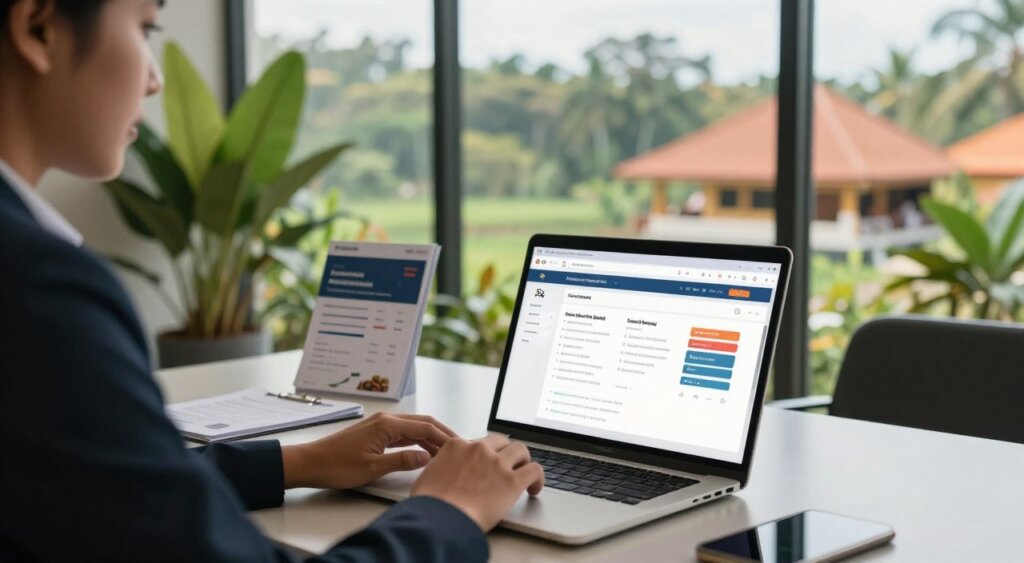
Setting up your business account is just the start. Online banking can make your work easier. Indonesian banks offer tools to manage money online, saving you time.
Mobile Banking Capabilities
Your phone becomes a key to your finances with a bank’s app. You can see your balance anytime, helping with daily money decisions. Moving money between accounts or to others is fast and easy.
Managing payments and bills is also a breeze. Many apps let you set up regular payments for bills or invoices. This saves you a lot of time each month. You can also save statements on your phone for keeping records.
The best apps are easy to use. They work well for both locals and foreigners in Bali. You’ll get alerts for important account changes right away.
International Transfers
For businesses with global partners, sending money abroad is common. You need specific codes to send funds correctly. Always have the recipient’s SWIFT or BIC code ready.
To send money through Bank Rakyat Indonesia (BRI), use the SWIFT code BRINIDJAXXX. Double-check this code with the recipient. International wire transfers usually take 2-5 business days.
Transfer costs vary by bank. They often charge a flat fee plus a percentage of the amount. Some banks offer better rates than others. It’s smart to compare before making big transfers.
- Bank Transfer: Secure but can have higher fees and slower speed.
- Digital Platforms: Services like Wise often provide faster service and more competitive rates.
Plan your international payments ahead to avoid urgent, expensive transfers.
Security Measures for Online Banking
Indonesian banks take strong steps to protect your online money. They use a multi-layered approach. Two-factor authentication (2FA) is a key part, requiring a password and a one-time code.
Many banks also use a transaction password or PIN for payments. Some offer physical tokens that generate unique codes. Never share these with anyone. Your bank will never ask for them via email or phone.
Using strong passwords and avoiding public Wi-Fi for banking is also important. Regularly check your account statements for any suspicious activity.
Stay alert to fraud. Set up account alerts for any big transactions.
These steps create a strong defense. They let you use online banking safely for your daily work in Bali.
Banking Regulations in Indonesia
Knowing Indonesia’s financial rules is key for your business’s health. Not following these can lead to big problems. The system aims to keep things stable and protect the economy.
For foreign entrepreneurs in Bali, these rules are serious. They are not just formalities. They are essential from the start. Ignoring them can lead to legal issues.
Overview of Financial Regulations
The Financial Services Authority (Otoritas Jasa Keuangan or OJK) is at the heart of Indonesia’s banking rules. It oversees all financial services. Think of the OJK as the main rule-maker for your business bank account.
The OJK focuses a lot on Anti-Money Laundering (AML) and Counter-Financing of Terrorism (CFT). Indonesia has strict laws to prevent money laundering and terrorism funding. Your account activity will be checked for any odd patterns.
| Regulatory Body | Primary Role | Relevance to Business Banking |
|---|---|---|
| OJK (Financial Services Authority) | Licensing, regulation, and supervision of all financial institutions. | Sets the rules your bank must follow, directly affecting your account terms and operational limits. |
| Bank Indonesia (Central Bank) | Monetary policy, payment systems, and currency stability. | Governs interest rates, oversees electronic banking systems, and manages the Rupiah. |
| PPATK (Financial Transaction Reports & Analysis Center) | Receives and analyzes reports of suspicious financial transactions. | Your bank must report your large or suspicious transactions to this agency. |
Compliance and Reporting Obligations
Your bank will ask you to follow several ongoing rules. These are not optional and are key to a legitimate banking relationship.
- Large Transaction Reporting: Banks must report cash transactions over IDR 500 million (about AUD 50,000) to the PPATK. Transactions just below this limit may also be checked.
- Accurate Record-Keeping: You must keep clear, auditable financial records that match your account activity. Any discrepancies between your business books and bank statements are a red flag.
- Tax Authority Coordination: Your financial data is shared with Indonesia’s Directorate General of Taxes. Your local bank account is important for showing tax compliance.
The rules are connected. Just like ignoring your visa can lead to immigration and compliance issues, ignoring banking laws can lead to legal problems. A breach in financial reporting can quickly turn into tax violations and corporate licensing issues.
“Proactive compliance is far less costly than reactive damage control. Foreign business owners must integrate regulatory adherence into their core operational workflow from the start.”
Impact on Foreign Businesses
For foreign-owned companies, the margin for error is often smaller. Regulators may check international operations more closely. The consequences of non-compliance are severe and can include:
Big financial penalties for your business. Your bank might restrict or close your account. Legal actions can harm your reputation and business viability. It can also make it hard to get financial services in Indonesia in the future.
The key to success is strict adherence. Find a bank that understands foreign business needs. Consider hiring a local legal or financial consultant to help you. See regulatory compliance as a fundamental part of your business in Bali.
By following these rules, you protect your investment and ensure smooth financial operations. You also build a credible, sustainable business presence in Indonesia.
Tax Considerations for Businesses in Bali
Your business bank account in Bali is more than a tool for transactions. It’s key for tax compliance. Managing your taxes right helps you avoid penalties and builds a solid financial base. This section links your banking to Indonesia’s tax system.
Knowing these rules helps you plan better and use your local bank account well. Let’s look at the key tax topics you need to know.
Understanding Corporate Tax Rates
Indonesia’s corporate income tax rate is 22%. This rate is for your company’s taxable profit. It’s important to calculate this accurately using your business account records.
Small and medium-sized enterprises (SMEs) might get a lower rate. If your business meets certain annual turnover criteria, you could pay 12% instead. Check with a local tax advisor to see if you qualify.
These rates show why keeping accurate financial records is important. Your bank statements are key for your tax calculations.
Tax Registration Process
To pay taxes, you must first register your business with the tax office. The first step is getting a Nomor Pokok Wajib Pajak (NPWP). This is your company’s tax ID number.
You’ll need this NPWP to open your business bank account. Banks use it for know-your-customer (KYC) checks. You’ll need to submit several documents.
Here’s what you’ll need for NPWP registration:
- Your company’s deed of establishment and articles of association.
- Director and commissioner identification documents.
- Proof of your business address in Bali.
- A completed application form from the local tax office.
Once you get your NPWP, keep it safe. You’ll use it on all tax filings and official documents.
Use of Local Bank Accounts for Tax Purposes
Your local business account is central for tax transactions. You use it to pay taxes and show proof of payment. This creates a clear audit trail that’s helpful during inspections.
Key tax payments include monthly Value Added Tax (VAT), corporate income tax installments, and employee income tax withholdings. Setting up automatic transfers can help you avoid late payments.
The Indonesian tax office, or Direktorat Jenderal Pajak, might ask for your bank statements. These documents prove your reported income and expenses. Keeping your banking organized makes this process easier.
The table below shows common tax payments you’ll manage through your account:
| Payment Type | Frequency | Typical Due Date | Bank Account Use |
|---|---|---|---|
| Monthly VAT (PPN) | Monthly | End of the following month | Electronic transfer via bank’s online platform |
| Corporate Income Tax Installments (Angsuran PPh 25) | Monthly | 15th of the following month | Direct debit or scheduled payment |
| Employee Income Tax (PPh 21) | Monthly | 10th of the following month | Batch payroll payment |
| Annual Corporate Tax Return (SPT Tahunan) | Annually | 4 months after fiscal year-end | Settlement of any final tax liability |
Linking your tax strategy with banking is wise. It makes compliance easier and gives you financial clarity. Always check your accounts regularly to ensure all transactions are correctly categorized for tax purposes.
By understanding these tax considerations, you can help your business thrive in Bali’s market.
Support Services Offered by Banks
Indonesian banks offer more than just a place to store money. They provide support services to help your business grow in Bali. Opening a business bank account means gaining access to a partner that can help with local commerce, risk management, and funding. These services can make a big difference in your company’s success.
Financial Advisory Services
Banks in Bali offer financial advisory services for corporate clients. This goes beyond just managing your account. A good advisor can help with cash flow forecasting and structuring your finances for seasonal demands. This is key in Bali’s tourism-driven economy.
For businesses involved in import or export, advisors can explain trade finance solutions like letters of credit or bank guarantees. These tools help manage payment risks with international suppliers or buyers. Some banks also offer insights on local investment opportunities or currency strategies.
“A proactive financial advisor doesn’t just react to your statements; they help you build a resilient financial structure for the unique challenges of the Indonesian market.”
Getting advice early can help avoid common pitfalls. It’s smart to ask about these services when opening your account.
Business Loans and Credit Options
Access to capital is key for expansion, inventory purchase, or cash flow gaps. Indonesian banks offer business loans and credit lines, but securing them as a foreign-owned entity requires preparation.
Lenders look closely at your business plan, financial projections, and the loan’s purpose. They often require collateral, which can be hard if your business assets are new. Building a strong banking relationship and keeping your account in good standing can help a lot.
Common credit options include:
- Working Capital Loans: Short-term financing for daily operations.
- Investment Loans: For purchasing equipment or property.
- Overdraft Facilities: Linked to your business account for flexibility.
The table below outlines typical features of business loan products available to SMEs in Bali:
| Loan Type | Typical Purpose | Common Term | Key Requirement |
|---|---|---|---|
| Working Capital Loan | Finance daily operations, payroll, inventory | 1-3 years | Strong cash flow history |
| Equipment Financing | Purchase of machinery, vehicles, tech | 3-5 years | The equipment itself as collateral |
| Commercial Property Loan | Buy or construct business premises | 10-15 years | Property title as security |
| Revolving Credit Line | Flexible access for unexpected needs | Ongoing | Excellent credit relationship with bank |
Be ready for a detailed process. Having your documents in order is essential. This includes your company’s legal deeds, tax records, and solid financial statements.
Customer Support and Consultation
For expat entrepreneurs, the quality of customer support and consultation is critical. Having English-speaking relationship managers is important. They become your main contact for resolving issues, understanding local procedures, and accessing services.
Dedicated relationship managers offer personalized advice. They can help with online banking, transaction reports, and more. This support saves time and reduces stress.
When choosing banks, test their support channels. Ask about their response times for corporate clients and if they offer dedicated phone lines or meeting appointments. A bank that provides responsive, knowledgeable, and accessible consultation shows it values your business.
These support services turn your bank into a strategic partner. They provide the tools and guidance needed to manage finances confidently and pursue growth opportunities in Bali’s dynamic market.
Closing or Switching Accounts
Your business banking needs in Bali can change. You might need to switch banks for better services or lower costs. Knowing how to manage this change is key for your company’s financial health.
Reasons to Change Banks
Knowing when to switch is the first step. You might need a change for better efficiency or to save money.
Common reasons to consider switching banks include:
- Consistently High Fees: Fees like monthly maintenance and international transfer fees can cut into your profits. A different bank might have better fees.
- Poor Customer Service: Slow or unhelpful service can slow down your business. You might also face language barriers.
- Evolving Business Needs: Your current account might not have the features you need now. This could include better online banking or support for different currencies.
- Limited Growth Support: As your business grows, you might need more financial services. Your current bank might not offer these.
Steps to Close an Account
If you decide to close your account, follow a clear process. This helps avoid future problems or unexpected charges.
First, make sure all account balances are settled. You can withdraw funds or transfer them to your new account. Clear all pending transactions and pay off any linked credit facilities or fees.
Next, submit a formal closure request. You’ll need to visit your branch with authorized signatories. Bring your business identification documents and a signed letter of instruction. Remember to destroy any debit cards, checkbooks, or tokens once the process starts.
Lastly, get written confirmation from the bank that your account is closed. Keep this document for your records.
Important Considerations During Transition
A smooth bank transition needs careful planning. You want to switch without affecting your cash flow or business relationships.
Choose the right time for the switch. Do it during a quiet period for your business. You’ll need to redirect all automatic payments and direct deposits. This includes bills, software subscriptions, and client payments.
Good communication is key. Tell your clients, suppliers, and partners about your new bank details early. Give them enough time to update their information.
Plan for an overlap period. Keep your old account open for a few weeks after opening your new one. This ensures all payments are transferred smoothly.
Final Thoughts on Opening a Business Bank Account in Bali
Starting a business bank account in Bali is a key step. It brings your plans to life. This account helps you manage money and build a strong future in Indonesia.
Long-term Financial Planning
A local business bank account is key for planning ahead. It helps you grow by managing money well. You can handle payroll, payments, and costs easily.
It’s also important for getting loans or investments. Banks like BCA, Mandiri Bank, and CIMB Niaga can help with this.
Key Takeaways for Entrepreneurs
Success comes from being ready. Make sure you have your business license and ID. Know the fees for keeping and using your account.
Choose a bank that fits your business needs. Always keep up with banking rules and taxes to avoid trouble.
Moving Forward with Confidence
Opening a business bank account in Bali is a big step. It sets you up for managing money and growing your business. With your account ready, you can focus on making your business thrive in Indonesia.