On the island of Bali, over 80% of traditional ceremonies align with the lunar calendar. This profound celestial connection finds its peak in sacred rituals like Full Moon Tilem spiritual cleansing, a practice dedicated to renewal and purification.
Here, time does not just pass—it breathes in rhythm with the night sky. The local culture maintains a deep bond with these natural cycles.
The Balinese follow a sacred lunar system known as the Saka calendar. It guides prayers, offerings, and the rhythm of daily life.
Two key phases, the bright Purnama and the dark Tilem, create a complete spiritual cycle. During these times, many seek alignment through water ceremonies called melukat.
This is far more than a wellness trend. It is an authentic practice rooted in generations of devotion.
The celestial alignment is believed to amplify energy. It creates optimal conditions for releasing negativity and inviting blessings.
This practice serves as a doorway into a unique cosmology. It helps recalibrate one’s relationship with the environment and the divine.
Key Takeaways
- Balinese culture is deeply connected to lunar cycles, which govern ceremonies and daily life.
- The Full Moon (Purnama) and New Moon (Tilem) are two pivotal phases in Balinese spiritual practice.
- Cleansing rituals during these times are considered especially powerful for purification and renewal.
- The central practice often involves melukat, a traditional water purification ceremony.
- These rituals are rooted in genuine spiritual belief and tradition, not superficial wellness experiences.
- Respectful participation requires cultural sensitivity and an understanding of their significance.
- The practices offer insight into Balinese cosmology, connecting individuals to nature and the divine.
The Spiritual Significance of Lunar Phases in Bali
Balinese culture operates on a celestial timetable. Lunar phases set the schedule for spiritual and communal events. This deep connection shapes the island’s unique rhythm.
Every phase holds specific meaning and purpose. It guides both personal practice and large temple ceremonies.
Understanding Purnama and Tilem
The two main phases are Purnama and Tilem. They represent a complete cycle of light and dark.
Purnama is seen as a time of peak energy. It is believed divine beings are closer to earth. This makes it ideal for prayers and seeking blessings.
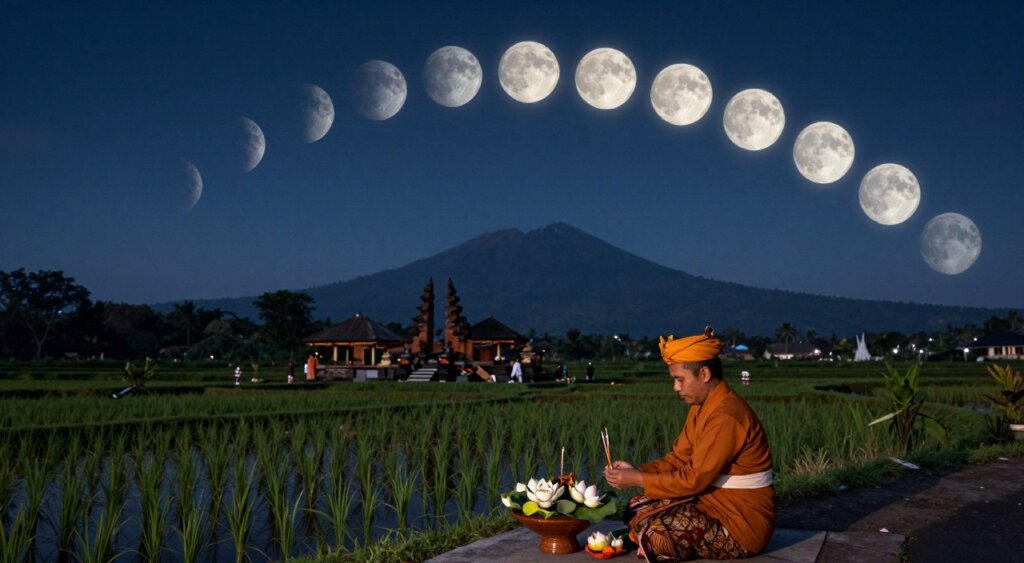
Tilem is a period for looking inward. It is a moment to let go of old burdens. Many use this time for personal purification and protection.
The waxing and waning moon also guide activities. Growth is encouraged as light increases. Release is favored as the light fades.
| Lunar Phase | Symbolism | Key Belief | Common Activities |
|---|---|---|---|
| Purnama (Full) | Fullness, Enlightenment | Divine beings descend to bless | Prayers, temple ceremonies, celebrations |
| Tilem (New) | Darkness, Introspection | Time to release negative energy | Purification rituals, personal reflection |
| Waxing Moon | Growth, Prosperity | Energy builds toward fullness | Starting new projects, planting crops |
| Waning Moon | Release, Purification | Energy recedes for cleansing | Letting go, finishing tasks |
The Role of the Lunar Calendar in Balinese Culture
The Saka calendar is the lunar system used. It was inherited from ancient Hindu-Javanese tradition.
Each month starts the day after Tilem. It builds for fifteen days to Purnama. This creates a predictable rhythm for all of life.
Farmers plant and harvest by these phases. Temple festivals are scheduled around them. Even personal rituals are timed for optimal effect.
This calendar is a living tradition. It connects modern Balinese life with ancestral wisdom. Understanding this cycle is key to respectful participation.
Preparing for Your Full Moon Tilem Spiritual Cleansing Ritual
Before attending a lunar purification ceremony, understanding the practical steps ensures respect and depth. This preparation is a vital part of the experience.
Gathering the Necessary Offerings and Attire
Proper attire shows respect for local customs. Visitors should wear a sarong and sash. Many temples provide these items.
Dress modestly and avoid bright colors. Remove your shoes before entering sacred spaces. This honors the traditions of the locals.
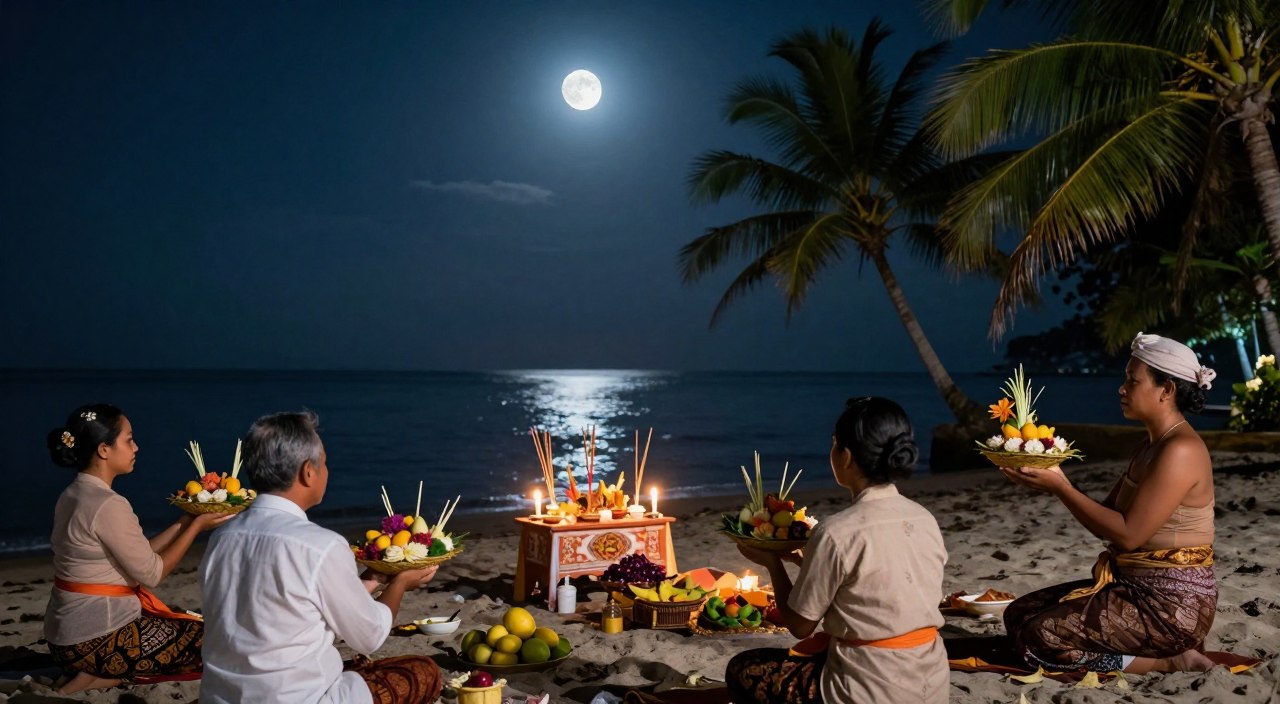
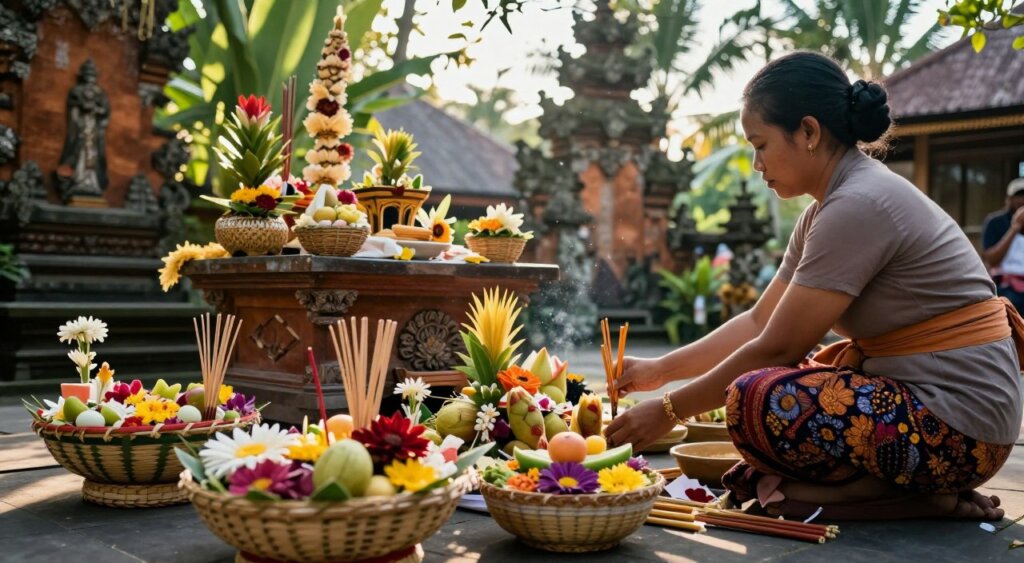
Offerings are central to the ritual. Small baskets called canang sari contain flowers, incense, and symbolic items.
These are prepared in advance and blessed. They express gratitude to divine forces and nature.
| Item | Purpose | Notes |
|---|---|---|
| Sarong & Sash | Traditional temple attire | Shows respect; often available for visitors |
| Canang Sari (Offerings) | Express gratitude and respect | Include flowers, incense, rice; blessed by priest |
| Incense | Purifies the space and signals prayer | Lit during the ceremony |
| Flowers | Symbolize beauty and impermanence | Fresh and colorful; placed in offerings |
Setting Intentions and Pre-Ritual Mindfulness
Mental preparation is as important as physical items. Arrive with clear intentions for release and renewal.
Spend quiet time in reflection before the ceremony. Identify what you wish to let go. This mindfulness deepens the ritual.
True preparation is not just about what you bring, but the respect you carry in your heart.
Observe silence and keep phones away. This fosters reverence. Follow the priest’s guidance without interruption.
Arrive early as a sign of respect. It allows time for introductions. Approach with humility and openness.
Step-by-Step Guide to the Cleansing Ceremony
The melukat ceremony follows a structured sequence. It guides participants through physical and spiritual renewal. Understanding each stage deepens your engagement.
Stage One: Preparation and Arrival at the Sacred Site
Arrival at the temple or spring begins the process. Remove your shoes and cleanse your hands. Observing silence fosters the necessary reverence.
Offerings are arranged and blessed beforehand. This mental state of receptivity is crucial. It prepares you to receive the purification fully.
Stage Two: Purification, Offerings, and Prayers
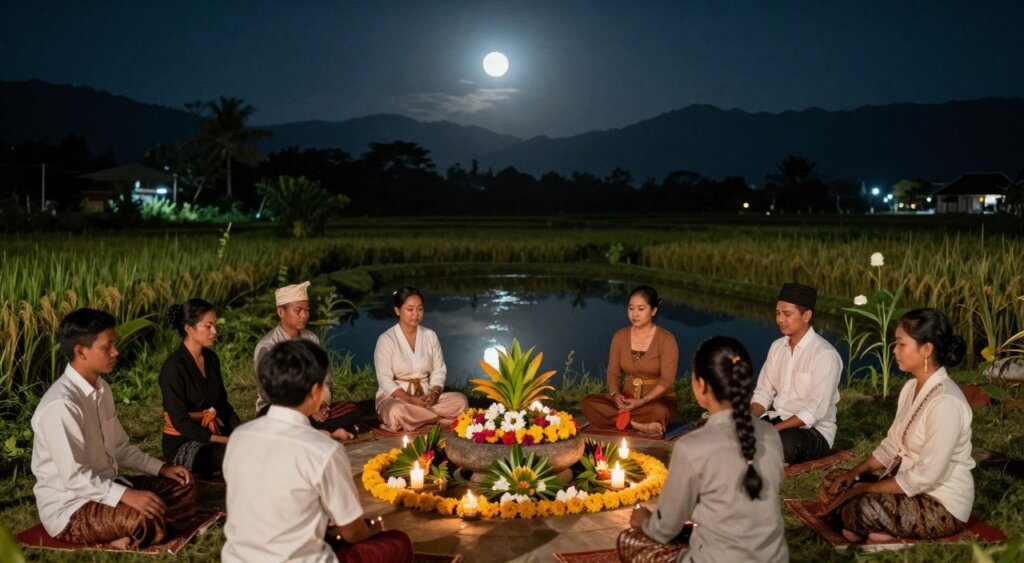
The core action is to perform melukat with holy water. A priest recites mantras while sprinkling or pouring. You may rinse your face, hands, and torso.
Prayers and symbolic offerings accompany the water. They honor ancestors and elemental deities. This addresses both the body and soul simultaneously.
A final blessing closes the ceremony. Participants then reflect on any internal shifts. Sites like Tirta Empul are renowned for this complete cleansing arc.
Embracing Balinese Traditions and Cultural Etiquette
Visitors are welcomed into sacred spaces, but this privilege comes with the responsibility to honor established traditions. Engaging authentically means observing local customs with care.
This respect transforms a simple visit into a meaningful cultural exchange. It shows appreciation for the living heritage of the island.
Respectful Participation in Temple Ceremonies
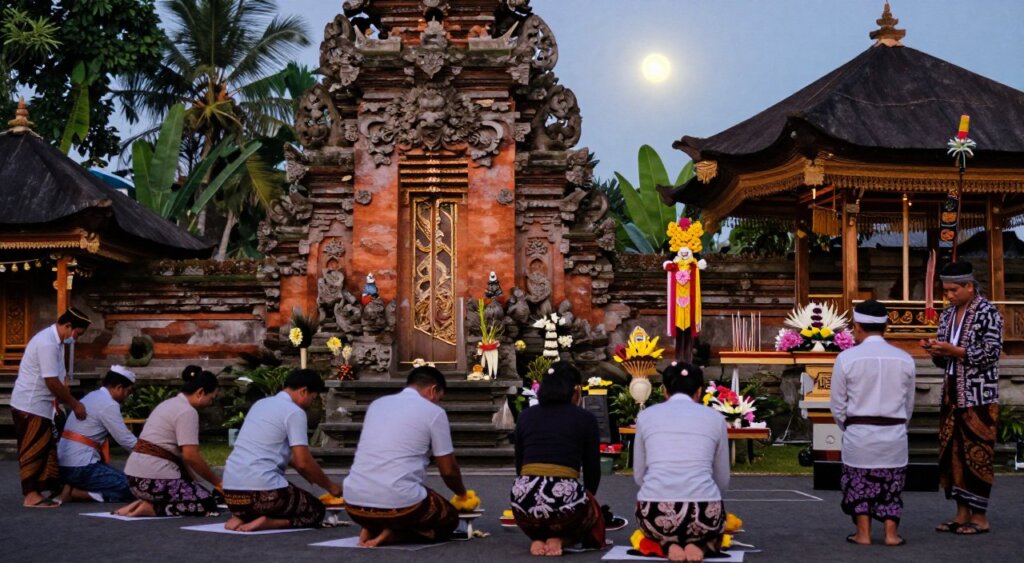
Proper conduct in a temple is non-negotiable. Always dress in a sarong and sash, removing shoes before entering any sacred area.
During prayers and rituals, maintain a respectful silence. Avoid using your phone or camera unless you have explicit permission.
- Never step on the small offering baskets (canang sari) placed on the ground.
- Follow the priest’s guidance exactly; do not improvise your actions.
- Arrive early to ceremonies as a sign of respect and to allow time for preparation.
Understanding Local Customs and Ritual Practices
These ceremonies are a core part of daily life for locals, not performances. Your mindful participation honors that reality.
Ask questions before the event begins to clarify your role. Protect sacred water sources and items by not touching them unless instructed.
Being fully present, without distractions, is the greatest sign of respect. It allows you to genuinely connect with the culture and the moment.
This approach ensures your experience supports the continuation of these ancient traditions for future generations.
Enhancing Your Experience with Complementary Wellness Practices
The journey of purification extends beyond the sacred site. It invites ongoing practices that deepen personal renewal. Many find that pairing the ceremony with mindful activities amplifies its benefits.
This holistic approach honors the ritual’s foundation while supporting lasting transformation. It turns a single event into a sustained connection to your inner self.
Integrating Mindfulness and Post-Ritual Reflection
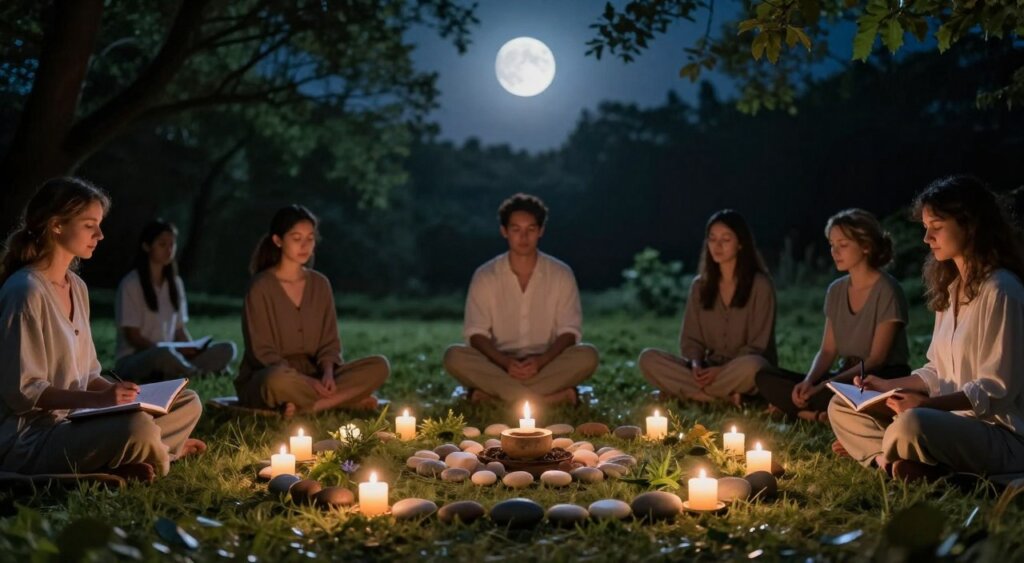
Quiet introspection is a natural next step. Journaling helps capture insights and sensations from the experience. It allows you to process shifts in your soul.
Meditative walks in nature maintain the deeper connection you felt. Gentle yoga or breathwork can support your body after the water ceremony. These practices help integrate the clarity you gained.
| Integration Practice | Primary Benefit | Recommended Setting |
|---|---|---|
| Guided Journaling | Captures insights & promotes introspection | Quiet villa or garden |
| Meditative Nature Walk | Strengthens connection to environment | Temple grounds or beach at dawn |
| Spa Treatment with Local Elements | Supports physical renewal & relaxation | In-villa or resort spa |
| Lunar Phase Journal | Aligns personal life with natural cycles | Personal space each evening |
Creating a personal debrief time is key. A quiet beach moment or a discussion with a guide can help. This ensures the experiences inform your ongoing living.
True integration means living the insights. Develop simple habits that reflect themes of gratitude. This sustains the deeper connection long after you leave.
Conclusion
Engaging with Bali’s sacred ceremonies invites a profound alignment with the island’s timeless rhythms. This practice represents a living tradition, far beyond a simple wellness activity. It connects personal renewal with centuries of cultural heritage.
The complementary phases of the full moon and new moon create a complete cycle. One celebrates light and gratitude, while the other facilitates release and inner reflection. Participating in these ceremonies offers a unique lens into Balinese life.
Many report feelings of clarity and a strengthened connection to place. The ritual honors both body and soul through sacred waters and temple offerings. This alignment with nature’s rhythm shapes daily life on the island.
To fully embrace this experience, consider timing your visit with these powerful lunar events. Seek guidance from knowledgeable locals for an authentic and respectful journey. This approach ensures a meaningful exchange that benefits all.