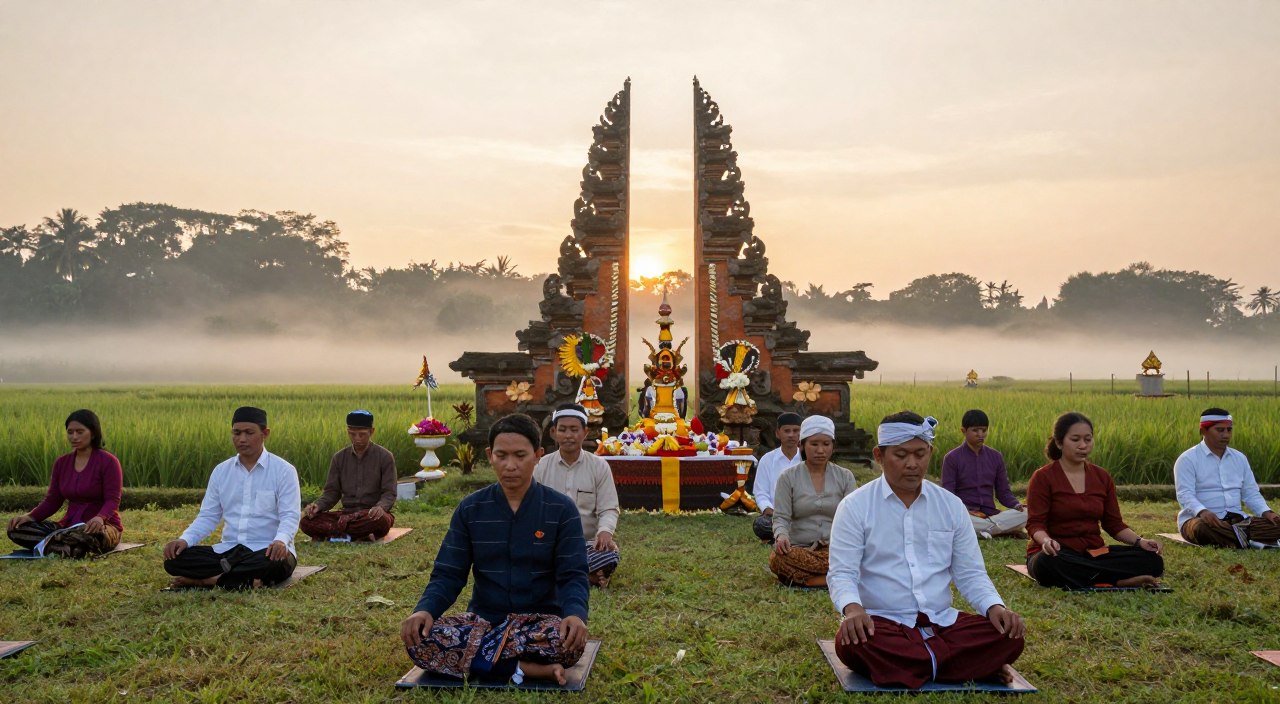
Imagine a night so long and profound that an entire island turns inward in silent contemplation. This is the reality during Siwaratri day meditation Bali, one of the most sacred observances in the Balinese Hindu calendar.
Dedicated to Lord Siwa (Shiva), this holy day focuses on reflection, awareness, and self-control. The name itself means “the night of Shiva,” marking the longest night of the year for spiritual work.
Unlike festive celebrations, this time is marked by deep silence and disciplined practice. Devotees stay awake through the darkness, engaging in prayer and introspection.
This sacred observance offers a powerful chance to cleanse impurities and reset one’s spiritual balance. It is a personal journey of renewal.
The teachings center on self-awareness and personal responsibility. These are seen as direct paths to growth and enlightenment.
Once a practice for priests and royalty, it is now widely embraced across communities. Its popularity shows the enduring depth of local tradition.
For visitors, it reveals an authentic cultural layer beyond the island’s famous beauty. It is a transformative experience for those who approach it with respect.
Key Takeaways
- Siwaratri is a major Balinese Hindu holy night dedicated to Lord Shiva, focused on introspection and self-control.
- The observance involves silent meditation, prayer, and staying awake throughout the longest night of the year.
- It provides a unique opportunity for spiritual cleansing, reflection, and personal renewal.
- Core teachings emphasize self-awareness and personal responsibility as foundations for enlightenment.
- The practice has evolved from an elite ritual to a widely celebrated community event.
- It offers visitors a deep, authentic insight into Balinese spiritual culture beyond typical tourism.
- Participating respectfully requires understanding its solemn and disciplined nature.
Overview of Siwaratri Day Meditation Bali
In the heart of the Balinese Saka calendar lies a profound night dedicated to inner purification. This observance, known as Siwa Ratri, occurs on the new moon of the seventh lunar month.
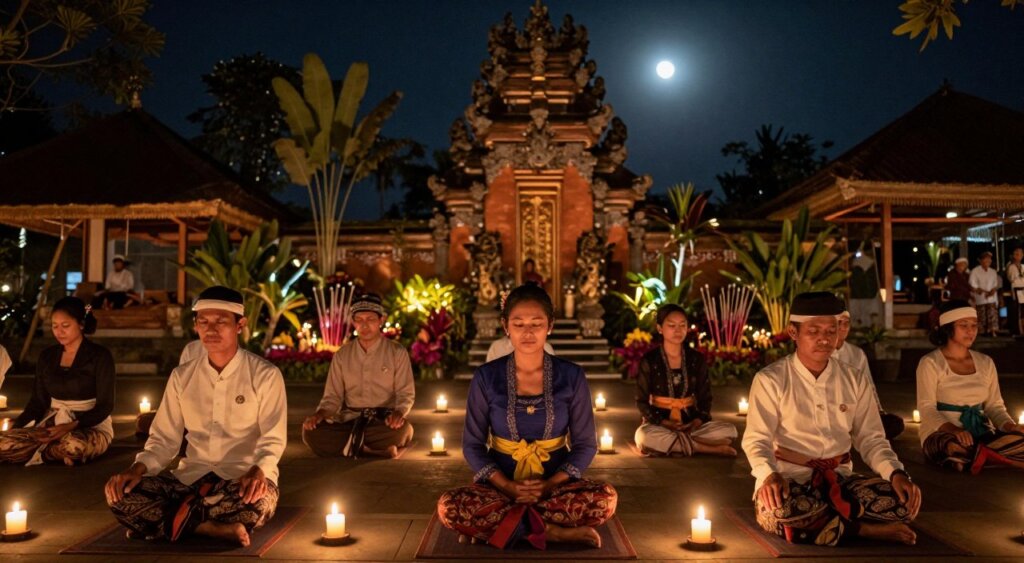
The exact date shifts annually against the international calendar. It centers on honoring Lord Siwa, a deity associated with spiritual transformation.
His symbolism involves the destruction of negativity and the promise of personal renewal. This focus makes the event deeply introspective.
The atmosphere across the island becomes noticeably calm and contemplative. Unlike vibrant festivals, this time emphasizes discipline and inner control.
Worldly activities are reduced to concentrate on spiritual development. Many individuals spend the hours in prayer, quiet thought, and reading sacred texts.
Gatherings happen at local temples or within family home shrines. The collective practice fosters a unique peace.
This holy period offers a special chance to experience the culture’s deeper dimensions. It reveals a layer of tradition beyond ceremonial spectacle.
For locals and visitors alike, it is an opportunity for genuine reflection. The night provides a structured path for resetting one’s spiritual compass.
Historical Origins and Cultural Legacy
The roots of this solemn night stretch back over six centuries, preserved in ancient poetic verse.
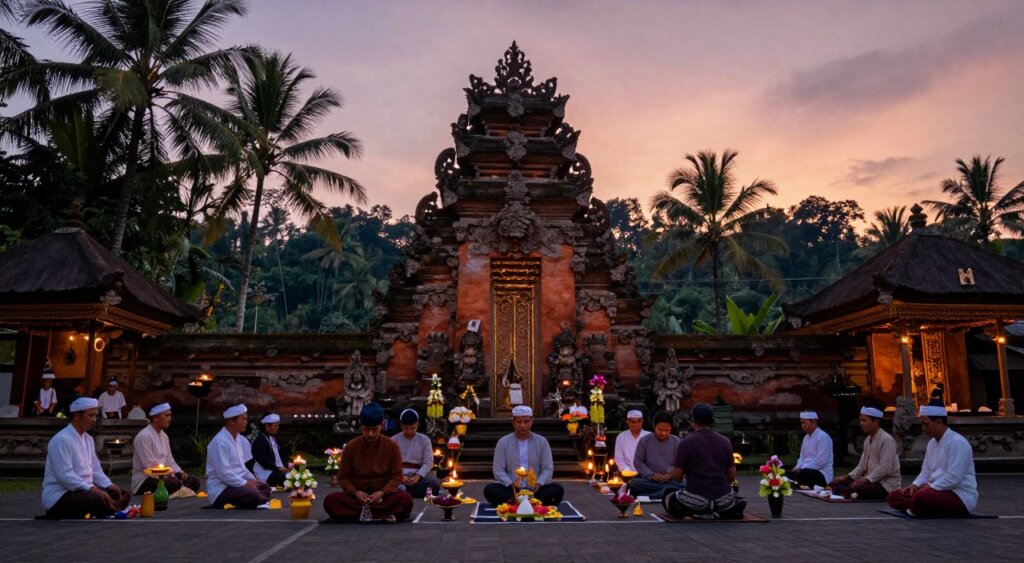
The oldest record of Siwa Ratri is the Siwaratrikalpa, a Kakawin poem from the late 1300s. It was composed during the final years of the Majapahit Empire.
The Legend of Lubdaka and Its Impact
This poem narrates the legend of Lubdaka, a hunter. His accidental observance of the ritual brought him divine grace.
The story offered a relatable example for devotees. It highlighted the power of sincere devotion.
Evolution of the Ritual in Balinese Society
For many years, the practice was hidden. It was reserved for kings and priests, unknown to ordinary people.
By the early 1900s, it was nearly forgotten. Foreign scholars documented its elite nature.
A dramatic change came in the 1970s. Activists translated ancient manuals, making them accessible.
The modern bakti movement emphasized prayer and understanding. This shift helped popularize the observance.
Today’s widespread practice represents a Pan-Hindu revival. It reestablished spiritual bonds across the Indian Ocean.
Understanding the Spiritual Significance
The spiritual core of this night revolves around a simple yet challenging principle: true change begins with honest self-assessment. Siwa Ratri is fundamentally a dedication to self-awareness and personal responsibility.
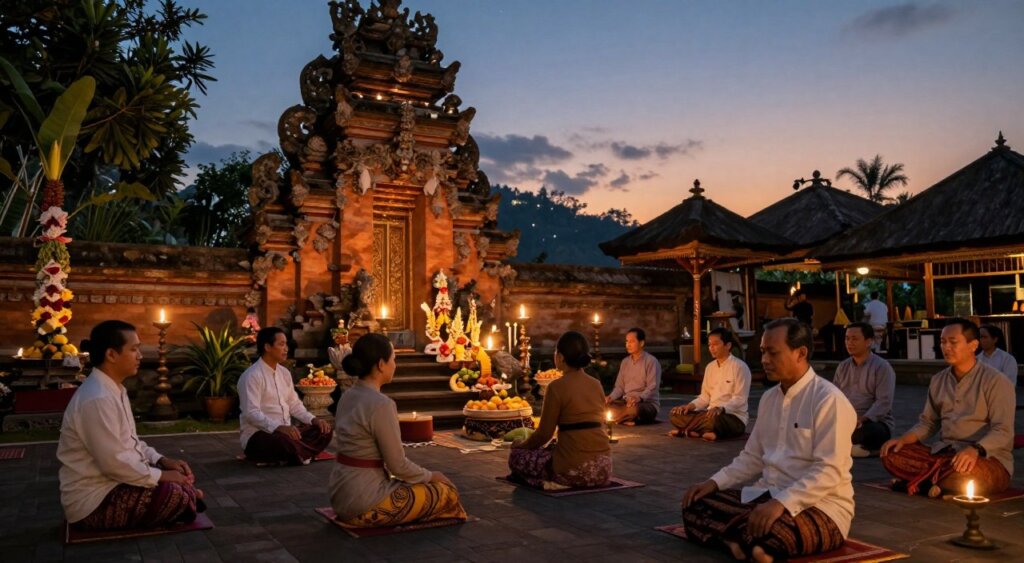
It teaches individuals to recognize their own mistakes and shortcomings. The focus is on controlling negative behavior while actively strengthening positive values in daily life.
This process is an internal cleansing. Through sincere reflection and discipline, one washes away past spiritual impurities.
The goal is to create harmony between thought, speech, and action. This alignment connects personal consciousness to a higher purpose.
Unlike festive gatherings, Siwa Ratri turns attention inward. It is a personal retreat where silence becomes a powerful form of prayer.
The observance reminds us that spiritual growth starts from within. Lasting transformation requires confronting one’s own character with courage.
Inner peace and balance are its ultimate aims. External rituals support this profound internal journey.
Key Elements of the Night Ritual
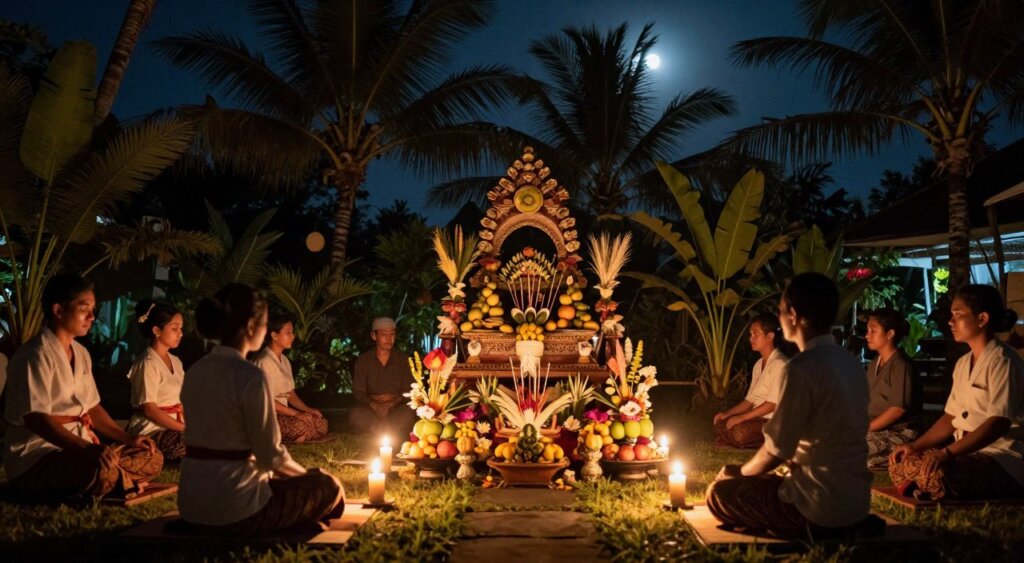
Central to the observance are three foundational pillars that shape the entire experience. These disciplines—fasting, prayer, and sustained silence—work together to create a container for profound inner work.
Fasting, Prayer, and Meditation Practices
Abstaining from food calms the body, while prayer and mantra recitation focus the mind. This combination prepares one for deeper states of awareness and receptivity.
Meditation during these hours is not passive. It is an active engagement with one’s own consciousness.
The Role of Silence and Self-Reflection
The practice of silence, known as mauna, is more than just the absence of sound. It is an active spiritual tool that turns attention inward.
This creates space for genuine self-examination and connection. Devotees engage in honest reflection, reviewing their actions and thoughts from the past year.
The goal is to assess where one has fallen short without self-criticism. This builds a foundation for positive change.
The intentional stillness contrasts with everyday distractions. It allows people to reconnect with their deeper purpose.
Many report that this sustained practice leads to personal insights and renewed commitment. It is a transformative process of clarity and release.
The Story Behind the Ritual
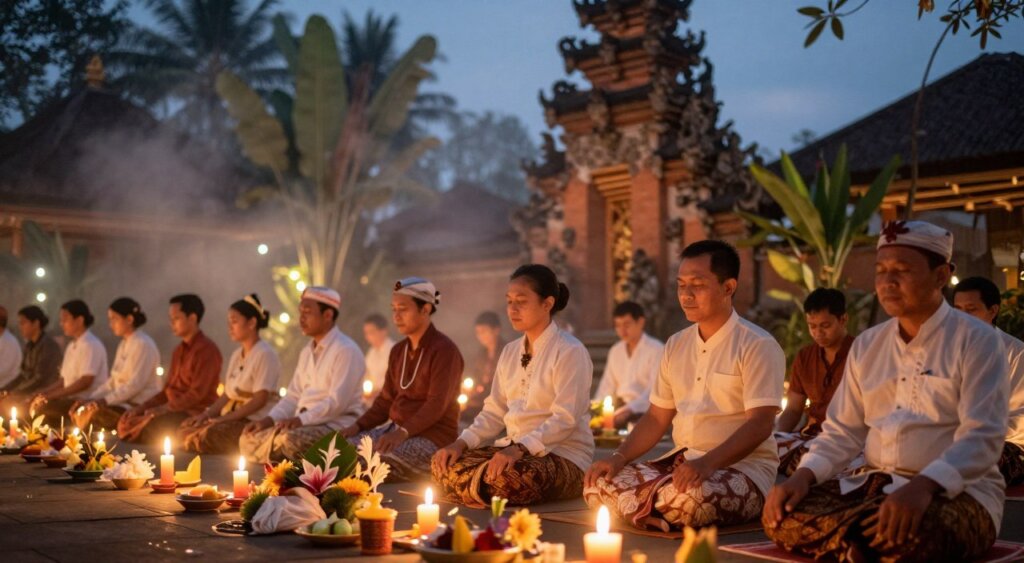
Ancient texts reveal a foundational story about a hunter whose fate was changed by a single act of devotion. This tale originates in the Indian Padmapurana, showing deep cultural links.
The narrative follows Lubdaka, a man lost in the forest. He climbs a tree to escape wild animals and stays awake through the night Siwa.
Insights from Ancient Texts and Mythology
The Javanese poet Mpu Tanakung adapted this myth into the Siwaratrikalpa in the 14th century. This was a time of great religious change in the archipelago.
Choosing a low-caste hunter as the hero carried a powerful message. It suggested spiritual liberation was accessible to all, regardless of social standing.
Detailed instructions for the night Siwa are found in old Balinese texts like the Brata Siwaratri. For generations, this knowledge was held by priests and scholars.
Modern translations have made these guides available to everyone. This helped spread the practice of Siwa Ratri widely.
The story is more than a myth. It is a complete teaching on awareness, grace, and the power of sincere practice.
How to Prepare for Siwaratri Day Meditation Bali
The depth of your experience during the sacred night is often determined by the groundwork laid beforehand. Intentional preparation helps you move beyond ritual into genuine transformation.
This process is a key part of the journey. It aligns your mind and spirit with the event’s profound purpose.
Practical Pre-Event Meditation Tips
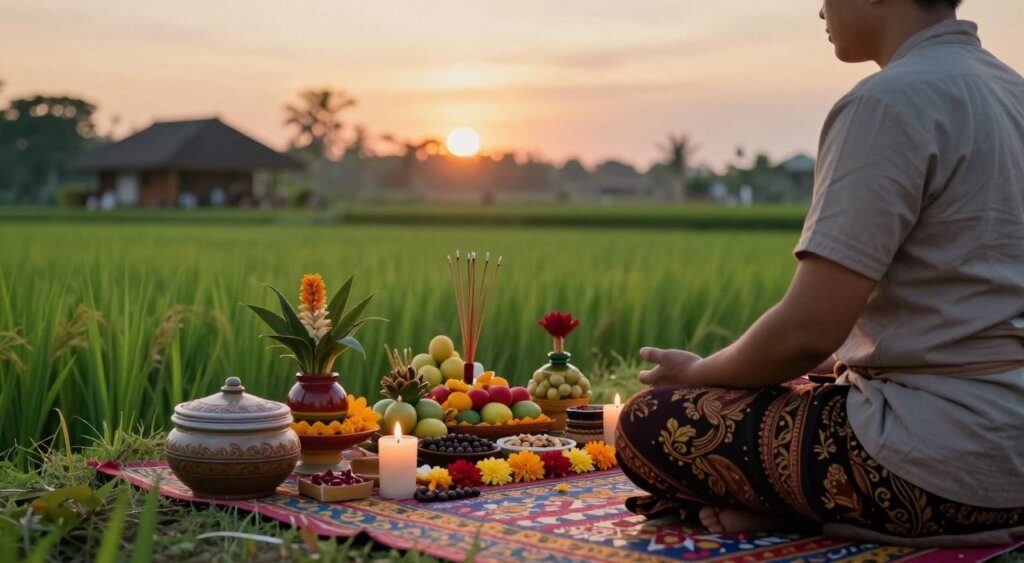
Begin by clearing your schedule in the days leading up to the observance. Reduce social plans and digital noise to create mental quiet.
This freed-up time allows for gradual inward focus. Consider short, daily sessions of quiet sitting or mindful breathing.
These practices gently train your attention for the long night ahead. They build the mental stamina needed for sustained meditation.
Guidelines for Personal Spiritual Preparation
Engage in honest self-reflection. Review your actions and relationships from the past year.
Identify patterns you wish to change. Writing these down makes your focus concrete.
Seek and offer forgiveness to clear your conscience. This opens the heart for deeper work.
Study sacred stories or texts to understand the spiritual principles. Discuss your intentions with a trusted guide for support.
Enter the day with humility, ready for both personal effort and grace.
Traditional Practices and Cultural Etiquette
Respectful participation in sacred observances requires understanding specific cultural protocols. These guidelines honor the sanctity of the space and the rituals performed there.
Proper Temple Attire and Behavior
Correct dress is a fundamental sign of respect. Both men and women must wear a sarong (kain) and a sash (selendang) tied at the waist within any temple compound.
Shoulders and knees should be fully covered. Modest, subdued clothing helps maintain the solemn atmosphere for all.
Physical purity is also essential. Always bathe and wear clean clothes before entering to participate in ceremonies.
| Aspect | Recommended Practice | To Avoid |
|---|---|---|
| Attire | Wear a sarong & sash; cover shoulders/knees. | Bright, revealing, or flashy clothing. |
| Cleanliness | Arrive bathed, in clean clothes. | Entering in a state of physical impurity. |
| Behavior | Observe quietly; follow locals’ lead. | Walking in front of praying people. |
| Photography | Use extreme discretion; no flash. | Intrusive positioning during prayers. |
Be mindful of your movements. Never step over offerings or point your feet toward shrines. Observe quietly from a designated area, following the lead of local people.
While temples often rent sarongs, bringing your own shows deeper consideration. This reverence helps preserve the sacred atmosphere, whether at a public temple or a family home shrine.
Experiencing Meditation at Bali Temples
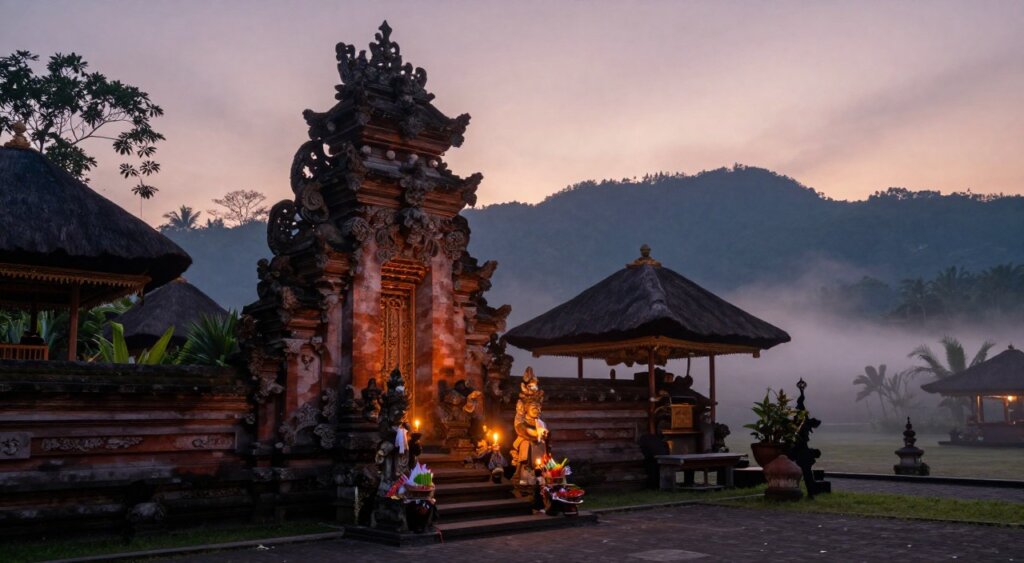
Across the island, sacred spaces transform into hubs of quiet devotion during this special night. Communities gather at these sites for evening prayers and overnight vigils.
Each location offers a distinct experience based on its history and natural setting. The atmosphere is one of deep collective focus.
Recommended Temples for Reflection
Pura Besakih, the Mother Temple, sits on Mount Agung’s slopes. It is the spiritual heart of the island. Thousands join the vigil here, filling the air with chanting.
Pura Lempuyang Luhur in East Bali is called the “Gateway to Heaven.” This ancient site is part of a network maintaining cosmic balance. Its serene setting supports profound inner work.
Tirta Empul Temple is famous for its holy spring water. The focus on purification aligns perfectly with the night’s themes of cleansing.
For a more intimate encounter, consider village temples (Pura Desa). Local observances here provide an authentic glimpse into community tradition.
Arriving before dusk allows time to settle in. Find a respectful spot to observe as the siwa ratri vigil begins. Each temple reveals a unique facet of this sacred siwa ratri practice.
Balancing Modern Life with Ancient Rituals
Contemporary Balinese Hinduism reflects a dynamic tension between centuries-old rituals and modern intellectual frameworks. This balance shapes how people engage with their spiritual heritage today.
The Influence of Modern Education on Tradition
Over recent years, formal schooling has transformed religious understanding. Educated people often seek a more rational approach to faith.
This shift sparked the bakti reform movement. It emphasizes personal prayer over elaborate communal offerings.
| Aspect | Traditional Approach | Modern Approach |
|---|---|---|
| Focus | Community rituals & village deities | Personal devotion & universal principles |
| Practice | Complex ceremonies with offerings | Meditation, prayer, text study |
| Community Role | Collective coordination required | Individual practice encouraged |
The Siwa Ratri observance is a key part of this evolution. Its focus on self-reflection appeals to modern life.
Younger generations appreciate its flexibility with time. The ritual adapts while preserving core values across the years.
Visitor Safety and Comfort Tips
A successful and respectful visit hinges on understanding the event’s quiet nature and planning your logistics in advance. This observance is a solemn vigil, not a festive celebration.
The atmosphere is one of deep reflection. Expect calm and subdued gatherings at sacred locations.
Arrive well before dusk. This gives you time to find a spot and settle in before the main ceremonies begin.
Being prepared physically helps you engage mentally. The following table outlines key considerations for your comfort and respect.
| Category | What to Bring/Know | What to Avoid |
|---|---|---|
| Attire & Respect | Wear modest temple attire (sarong, sash). | Revealing clothing; walking in front of altars. |
| Comfort Items | Light jacket, sitting cushion, water. | Large bags or noisy items. |
| Planning | Book nearby lodging for the long night. | Assuming full facilities at small village sites. |
| Mindset | Focus on quiet observation and inner reflection. | Treating the event as a tourist spectacle. |
Consider engaging a knowledgeable local guide. They can explain protocols and ensure you observe respectfully.
Listen to your body. It’s acceptable to step away quietly if you need rest.
Ultimately, approach this experience with humility. Join in the spirit of reflection alongside the local people.
Additional Balinese Ceremonial Celebrations
Beyond the introspective night of silence, the island’s ceremonial year bursts with colorful and communal festivals. The spiritual calendar is packed with events that mark every aspect of life.
Overview of Tumpek Kandang and Galungan
Tumpek Kandang is a sacred day for honoring animals. Families prepare special offerings for livestock and pets, thanking them for their service.
Galungan is a major celebration occurring every 210 days. It commemorates the victory of good over evil. Elaborate bamboo poles called penjor line the streets.
The timing of all major rituals is set by a complex calendar system. This system blends lunar and 210-day cycles.
| Ceremony Type | Primary Focus | Atmosphere | Key Element |
|---|---|---|---|
| Tumpek Kandang | Honoring Animals | Family-focused, grateful | Blessings for livestock & pets |
| Galungan | Dharma’s Victory | Joyous, communal, festive | Penjor poles & family feasts |
| Other Annual Ceremonies | Ancestors, Harvest, Purification | Varies by purpose | Specific offerings & prayers |
Each event serves a unique spiritual purpose. Together, they maintain harmony between human, natural, and divine realms. Exploring different ceremonies throughout the year offers deep insight into this living tradition.
Siwaratri day meditation Bali: How to Participate
Visitors have several meaningful ways to join the sacred vigil, from full commitment to respectful partial engagement. Your sincere intention matters most, not perfect ritual execution.
The complete observance means staying awake the entire night. Devotees pray, reflect, and discuss holy texts from sunset to sunrise.
To join at a temple, arrive before dusk. Find a quiet spot where you won’t disturb others. You can then follow the community’s prayers and chanting.
Families often observe at home shrines, creating a more intimate setting. Reading sacred stories, like the tale of Lubdaka, is a central part of the night siwa.
| Participation Level | Key Commitment | Typical Location | Primary Focus | Ideal For |
|---|---|---|---|---|
| Full Observance | Awake all night, sunrise purification | Pura Dalem, Pura Puseh, home shrine | Continuous prayer, meditation, text study | Committed devotees, experienced practitioners |
| Partial Participation | Attend evening prayers for several hours | Local temple, respectful observation area | Learning, initial reflection, respectful presence | New visitors, those building understanding |
The following morning, many complete siwa ratri by bathing in sacred springs. This act symbolizes the cleansing of body and soul. Whether you stay for hours or the whole night siwa, approach with humility for a transformative experience.
Reflecting on the Transformative Experience
Many who complete the overnight observance speak of a profound inner shift that reshapes their daily perspective. Like the hunter Lubdaka, participants often feel spiritually renewed through a process of deep cleansing.
Personal Stories and Devotee Insights
Devotees describe this experience as transformative. They report gaining clarity about their life path and a renewed commitment to growth.
The initial struggle to stay awake gives way to mental sharpness around midnight. A profound peace often arrives before dawn.
This journey mirrors the ancient story. Reading sacred texts during the vigil makes their lessons feel immediate and personal.
| Phase of Night | Common Experience | Reported Outcome |
|---|---|---|
| Initial Hours | Mental struggle, physical fatigue | Building discipline and focus |
| Midnight | Deepening clarity, inner stillness | Insights into life direction |
| Pre-Dawn | Profound peace, emotional release | Sense of spiritual renewal |
While the body may feel tired, the mind becomes remarkably alert. This heightened sensitivity makes the effort worthwhile.
Greeting the sunrise symbolizes rebirth. Returning home after ritual bathing helps integrate insights into daily routines.
Lessons in self-control and awareness continue to influence choices long after. The body and soul feel lighter, carrying the peace forward.
Conclusion
Ultimately, the sacred observance known as Siwa Ratri stands as a testament to the power of inner silence. It is one of the most spiritually significant events in the local calendar. This ritual is defined by disciplined focus, not festive celebration.
The central teaching is clear. Genuine transformation requires sincere awareness and personal honesty. These lessons in self-control hold universal value. They resonate with seekers from any background.
For visitors, witnessing this night offers a rare glimpse. You see the profound spiritual dimensions that underpin the island’s culture. It shows how ancient traditions continue to shape modern community life.
Approach with respect and preparation. This allows you to appreciate its transformative potential fully. Consider experiencing this sacred day firsthand. It can deepen your own understanding and inner life.